Showing posts with label fatal fury. Show all posts

Wednesday, April 1, 2026

Bookmark This Page; How fight culture became fighting game history

One of the first series I created for this blog was a look at the martial arts legends that inspired many of our favorite characters, and games. If you want to learn the ancient history of modern games then Bookmark This Page.

How fight culture became fighting game history, part 1…

How fight culture became fighting game history, part 2…

How fight culture became fighting game history, part 3…

How fight culture became fighting game history, part 4…

How fight culture became fighting game history, part 5…

How fight culture became fighting game history, part 6…

How fight culture became fighting game history, part 7…

How fight culture became fighting game history, part 8…

How fight culture became fighting game history, part 9…

How fight culture became fighting game history, part 10…

How fight culture became fighting game history, part 11…

How fight culture became fighting game history, part 12…

How fight culture became fighting game history, part 13…

How fight culture became fighting game history, part 14…

How fight culture became fighting game history, part 15…

How fight culture became fighting game history, part 16…

How fight culture became fighting game history, part 17…

How fight culture became fighting game history, part 18…

How fight culture became fighting game history, part 19…

How fight culture became fighting game history, part 20…

How fight culture became fighting game history, part 21…

How fight culture became fighting game history, part 22…

How fight culture became fighting game history, part 23…

How fight culture became fighting game history, part 24…

How fight culture became fighting game history, part 25…

How fight culture became fighting game history, part 26…

How fight culture became fighting game history, part 27…

How fight culture became fighting game history, part 28…

How fight culture became fighting game history, part 29…

How fight culture became fighting game history, part 30…

How fight culture became fighting game history, part 31…

How fight culture became fighting game history, part 32…

How fight culture became fighting game history, part 33…

How fight culture became fighting game history, part 34…

How fight culture became fighting game history, part 35…

How fight culture became fighting game history, part 36…

How fight culture became fighting game history, part 37…

How fight culture became fighting game history, part 38…

How fight culture became fighting game history, part 39…

How fight culture became fighting game history, part 40…

How fight culture became fighting game history, part 41…

How fight culture became fighting game history, part 42…

How fight culture became fighting game history, part 43…

How fight culture became fighting game history, part 44…

How fight culture became fighting game history, part 45…

How fight culture became fighting game history, part 46…

How fight culture became fighting game history, part 47…

How fight culture became fighting game history, final part…

Did you have a favorite legend, or real world fighter that you were inspired by? Let me know about it in the comments section. As always if you enjoyed this blog, and would like to sponsor me please visit my Patreon page and consider donating each month, even as little as $1 would help make better blogs and even podcasts!

follow the Street Writer on Patreon!

Friday, May 9, 2025

Why I'm not talking about Fatal Fury: City of the Wolves

Hello friends. Thank you for dropping by. You probably know that I’m a huge fan of fighting games. I’ve been playing them for 45 years. The first fighter I remember playing was Warrior by Vectorbeam. I wrote about this when I was doing a look at the Virtua Fighter relaunch. With that said I’ve avoided posting on the Fatal Fury: City of the Wolves for some time now. People may think that I’m biased against SNK, or only write about Street Fighter, but that is far from the truth. In fact the very first blog that I posted here in 2014 was dedicated to Mr. Karate from the SNK universe. I’ve written a lot about the history of Fatal Fury, the creators, and the characters on this blog. I was such a fan of the Garou series specifically that I tracked down the manhua (Chinese comics) based on Garou: Mark of the Wolves. I loved all fighting games, it’s just I loved some titles more than others.

I was very passionate about the Garou / Fatal Fury: City of the Wolves project for some time. I started talking about the development of the game in 2022. It had been ages since I was excited for a classic game to return. By March of 2024 I shared everything that I could pull from the character reveal, and gameplay trailers. I did a look at how the characters featured in the game evolved from concept art. With the guest character reveals of Mai, and Terry in Street Fighter 6 I had to mention why Mai Shiranui was important in fighting game history. Yet once the final details of the game were announced this year, and released on April 25, 2025 I had yet to say anything.

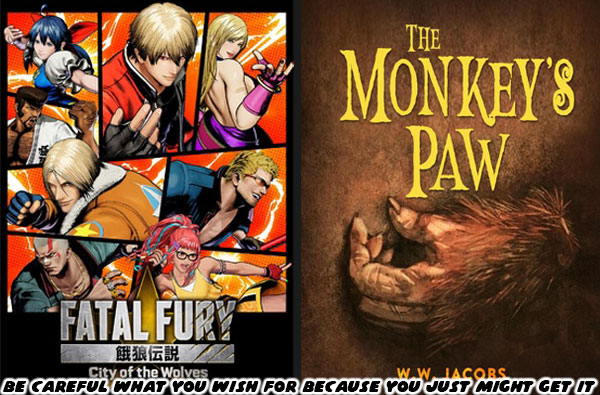
Why would I walk away from a sequel that I had been waiting on since November 26, 1999? That was when the original Garou: Mark of the Wolves came out. After a quarter-century wasn’t it going to be worth the wait? Sadly the answer would be no. The game was the embodiment of The Monkey's Paw. The short story taught us to be careful of what you wish for. Sometimes it’s better for things to stay dead, and buried. Even though SNK said that their new Saudi owners would not influence the direction of the games it was obvious that wasn’t entirely true. The game would be pandering to pop culture, rather than celebrating the fighting game legacy that built an industry. Will Borger with Digital Trends summed up everything that needed to be said about Fatal Fury: City of the Wolves. Mr. Borger's review touches all the basis for the game itself, but does us all a favor and explains why it doesn't reflect the fighting game community at all.

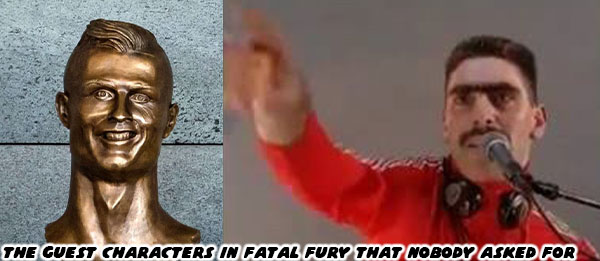
There was a quick answer as to why I walked away from the game after a release date was announced. The two guest characters revealed were shockingly disappointing. Rather than include a classic character from the SNK universe, or any crossover characters from Capcom, Sega, ARIKA, or Namco. The developers decided that a professional futbol / soccer player, and a DJ would be the welcome additions. These two people were so outside of the fighting game orbit that they would have never been voted on by the actual players. The athlete himself had been in the news for sex crimes. As for the Swedish-Bosnian DJ... he might be a global superstar but I had never even heard of him. Apologies to Super Greg for being overlooked as a better Hip Hop representative. It was obvious that the Saudis were directly influencing the development of the game. SNK would not bother to do as much of a cultural deep dive as Capcom did with Street Fighter 6.

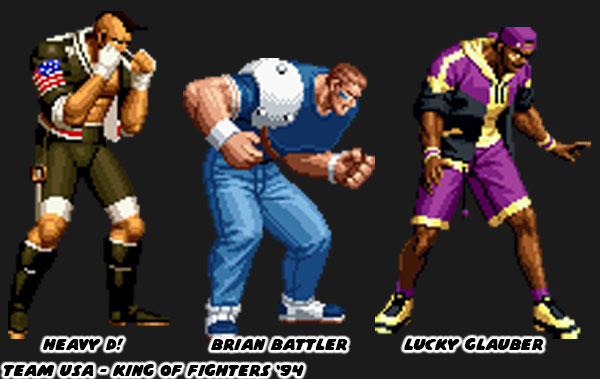
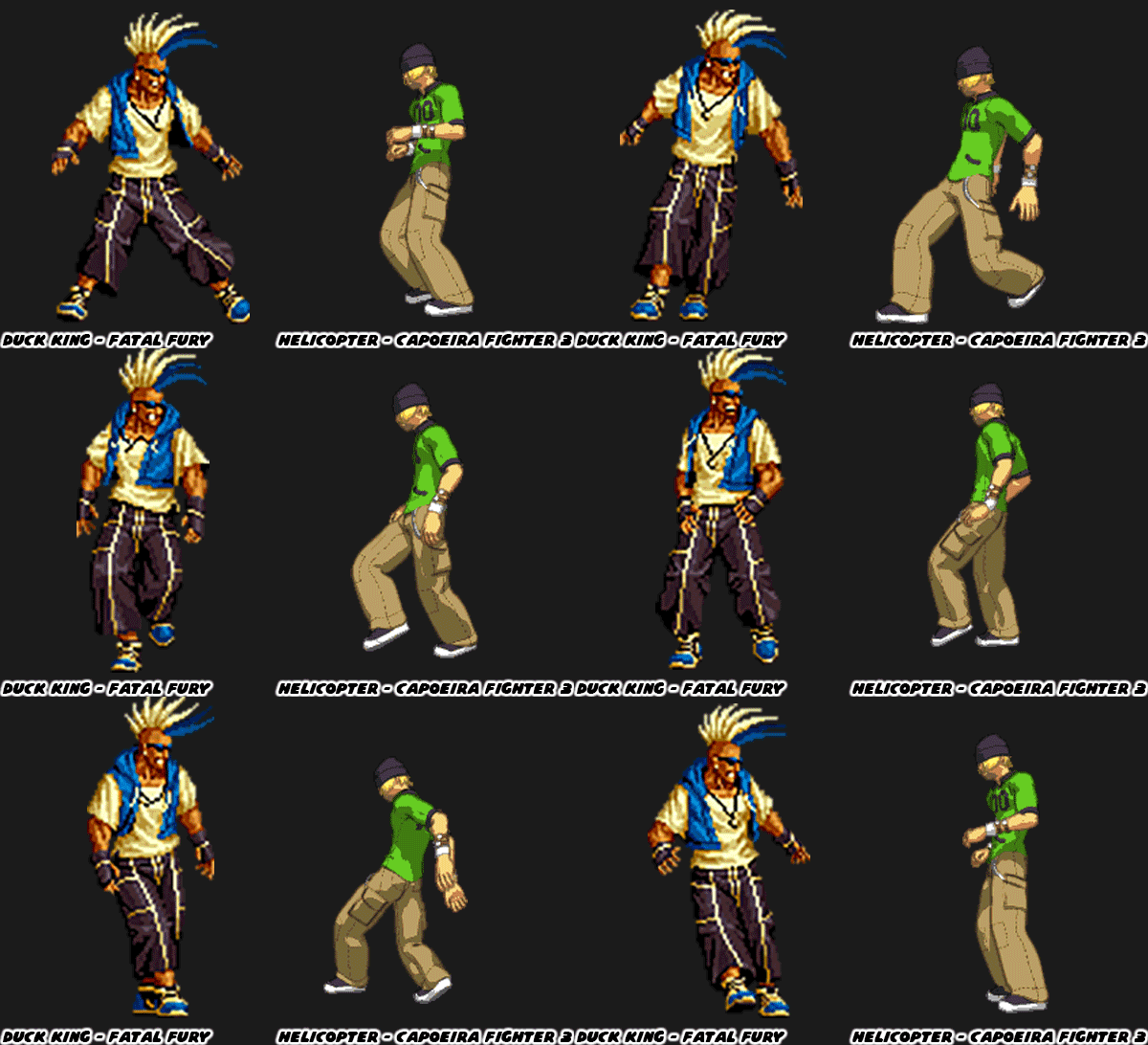
That is not to say that a soccer character couldn’t be used in a fighting game. Roberto Miura from the Capcom game Rival Schools: United by Fate showed us that it was possible way back in 1997. Not only that but athletes had already been used in an SNK fighting game. Team USA aka Team American Sports appeared in King of Fighters ’94. These was a professional boxer named Heavy D! A pro football player / race car driver named Brian Battler. Lastly there was the basketball pro named Lucky Glauber. So yes the game could have used pro sports athletes, as long as they were made somewhat fantastic, and not just a copy / paste of an existing athlete. As for the DJ… fighting breakdancers could be done well. See Helicopter in Capoeria Fighter 3.

In many ways the bigger insult to the Fatal Fury series was in adding a real DJ to the game (whom I would also not name). Hip Hop already had a representative in the series called Duck King. This character debuted in the original Fatal Fury on November 25, 1991 then appeared another 11 times over the decades. The mohawked star was a literal street fighter. He was a battling b-boy (breakdancer) using tumbles, and sweeps to great effect. He was followed by a crew of baby ducks, wore street clothes, had a flamboyant personality, and was beloved in the fighting game community. Even if it was revealed that mentored the DJ in the new game it would have been better to stay with the original South Town legend. It was clear that the people working on SNK today didn’t understand the tone, and feel of the original series.

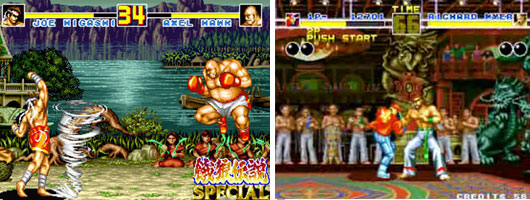
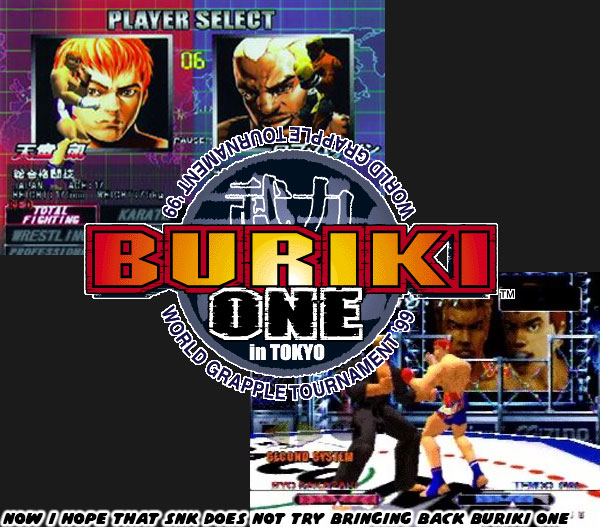
The early days of the arcade era were very experimental for most studios. In the ‘80s SNK was known for its bold game designs. They did combat game exceptionally well because SNK founder Eikichi Kawasaki was a boxer in his younger days. He wanted the fights in his games to be more visceral. This meant that masters of various forms were welcome to be represented in their releases. That was why SNK introduced Capoeira to arcade goers way back to 1989. The developers had a great appreciation for fighting in all styles. When MMA started to surpass all combat sports in the late ‘90s they developed a rare 3D title called Buriki One in 1999. It was the same year that they released Garou: Mark of the Wolves. Many of those team members had since retired, or moved to other studios. The current team at SNK was good at recreating themes, and elements of classic games with modern art, aesthetics, controls, and game play. The thing they seemed to lack was the imagination, and appreciation of the influences that created the iconic series. 

The new developers didn’t seem to know how to add a new character into the franchise that wasn’t pulled from old design notes. Worse yet they were listening to the whims of their Saudi owners, and just throwing in real people for no reason. This made me afraid that they would try to reboot Buriki One next. Or they might reconsider bringing back other games based on the cold reception of Fatal Fury: City of the Wolves. At least I hoped they would do better if they were thinking about it. What about you? Did you pick up the game? Was it your first time playing an SNK game, or were you a veteran player like me? I’d like to hear about it. Tell me about it in the comments section. As always if you enjoyed this blog, and would like to sponsor me please visit my Patreon page and consider donating each month, even as little as $1 would help make better blogs and even podcasts!
follow the Street Writer on Patreon!

Saturday, August 24, 2024

Mai Shiranui returns in Fatal Fury the City of the Wolves...

I don’t know why but I had a massive spike in views the other day. I’m betting it had something to do with the character reveal trailer for Mai Shiranui in Fatal Fury / Garou City of the Wolves. This was a long running series and I had blogged a much earlier this year I even did some character breakdowns for the game for both new, and returning faces. Takashi Nishiyama was the Godfather of the fighting game genre, while he may not have designed Mai Shiranui, he certainly deserved respect from the entire community for the direction of the SNK titles.

I’ve never talked at length about Mai, or most of the characters in the Fatal Fury / King of Fighters franchise by SNK. I played through most of the games, but enjoyed the titles by Capcom just a little bit more. I still loved the characters, and canon they created for audiences. Mai was unique among all the early fighting game girls. The Capcom titles tended to make caricatures of the fighting arts with their cast. The difference for the SNK universe was in their costuming. Very often the Fatal Fury characters were also masters of the fighting arts, but they didn’t always dress the part. That was the genius of the SNK school of art. They hid the masters in plain sight. A world champion level boxer for example could show up in a dress suit, an assassin might sport a fur coat.

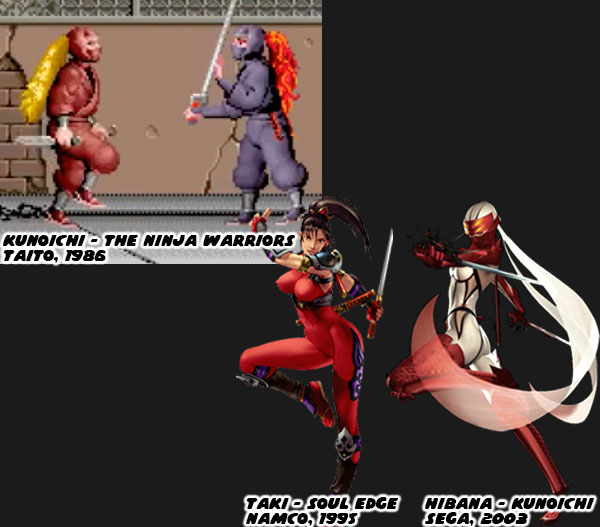
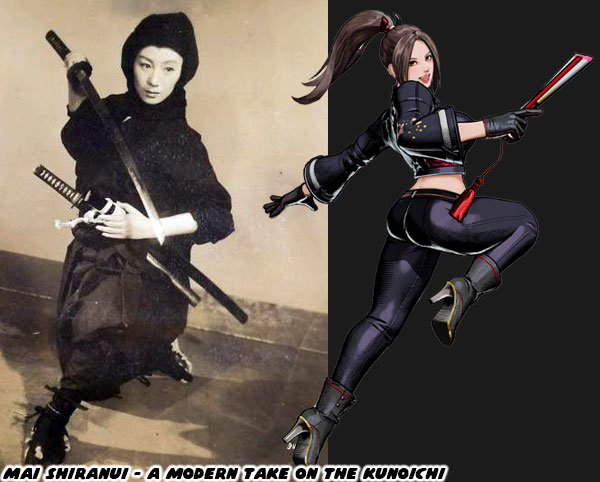
Female ninjas were referred to as kunoichi. They were normally presented with a dark outfit, and a mask. The very first kunoichi in gaming that I remember was in the game The Ninja Warriors. The Taito game used multiple screens, and featured rotoscoped animation. It was an important contribution to the genre with a shocking ending. From there on kunoichi weren’t featured very often in fighting games. I could remember Taki from the Soul Edge series by Namco. To be fair Kunimitsu was a hidden character in Tekken from 1994, she was a boss for Michelle Chang. The last new lady ninja that I could remember was Hibana from the action game Kunoichi (Nightshade) by Sega. She was the successor to the Shinobi franchise. In essence it seemed that a new lead female ninja character would appear once a decade in gaming. 

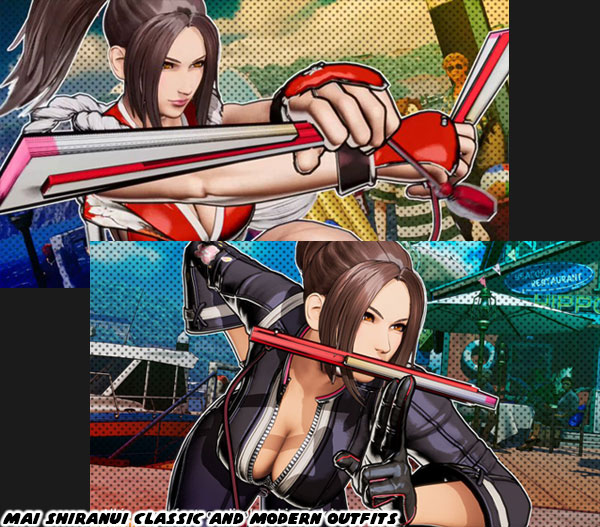
Mai looked nothing like any of the classic lady ninja characters in pop culture. She wore a bright red outfit, that revealed her bosom, and backside. Mai was anything but shy or demure. She was the heiress of the Shiranui clan. Her form of ninjitsu went back centuries, and was closely guarded. Despite protecting her form of fighting the team at SNK made sure she stood out from her contemporaries. This tradition continued into 2024 with an updated form-fitting leather outfit.

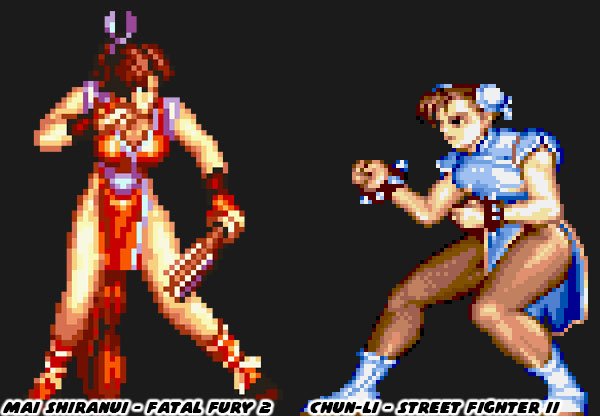
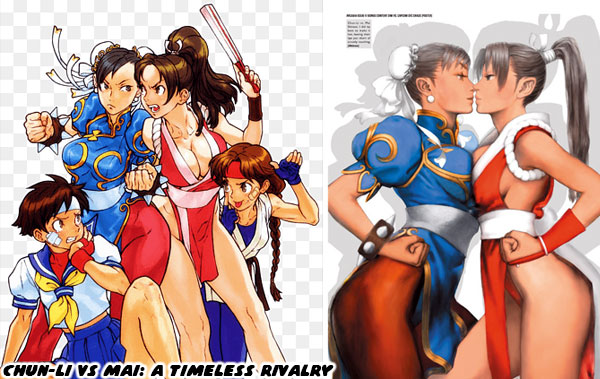
Mai was meant to be a response to Chun-Li. Street Fighter II was more than a fighting game. When it came out in 1991 it became a global phenomenon. A few months after it came out SNK released Fatal Fury, which helped keep the momentum going. Fatal Fury was more than a lucky break, it was more than a studio trying to capitalize on the moment. The game was designed by Mr. Nishiyama. He had created the original Street Fighter back in 1986. He was planning new ideas for a Street Fighter sequel, some of which would inspire Street Fighter ’89, which would later become the arcade hit Final Fight. Mr. Nishiyama changed companies and wanted to try out entirely new play mechanics through Fatal Fury.

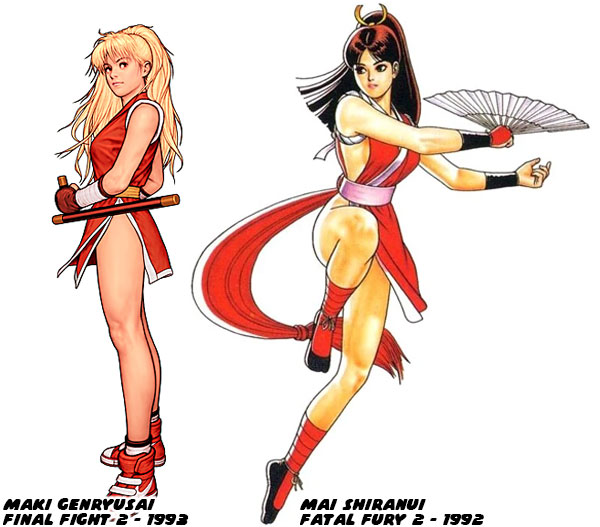
Mai was not in the original Fatal Fury, she debuted in 1992 with the release of Fatal Fury 2. During this time Capcom was developing a Super Famicom / Super Nintendo follow up to Final Fight. The game from 1993 would introduce some new faces, among them a female ninja wearing red, and white. The blonde Maki Genryusai debuted in Final Fight 2. Despite outward appearances she was not a clone of Shiranui. Maki had a completely different move set, her costume, and sneakers were designed to parallel Guy. It was simply coincidence that Mai, and Maki had similar looks. Not only that but Mai was meant with a fighting game in mind, rather than a brawler.

Terry Bogard, and Ryo Sakazaki (Art of Fighting) were a sort of male equivalent to Ken, and Ryu, but the studio needed a strong female lead as well. From the very first day audiences knew that Shiranui was a scene stealer. There was no doubt in our minds that she was going to be the face for the franchise, similar to how Chun-Li was embraced by the global community. When it came to fan art the two female leads were in a category all their own. Capcom and SNK would play up the friendly rivalry in official art, and often present Chun-Li and Mai Shiranui as opponents. Sakura was considered a little sister clone, a jab at Yuri Sakazaki from the Art of Fighting 2. In fact Dan Hibiki was also a parody of Ryo, and Robert Garcia from the Art of Fighting. This is why they sometimes turned up in the Mai vs Chun-Li art as well.With her leather outfit the most recent version of Mai was one of the better contemporary remakes for the character. It was not the first time she was presented with a mostly black costume.

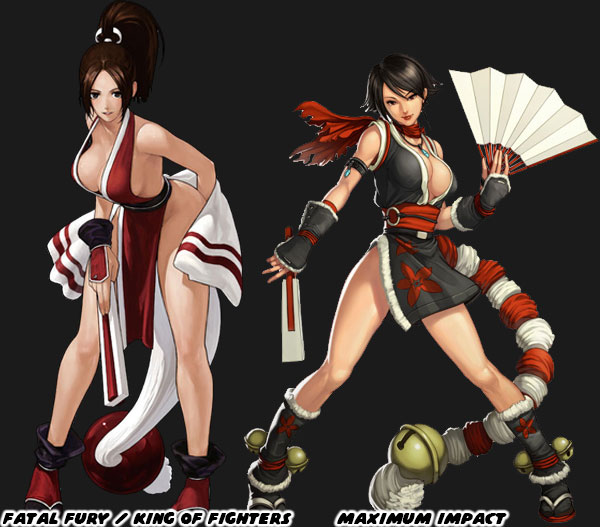
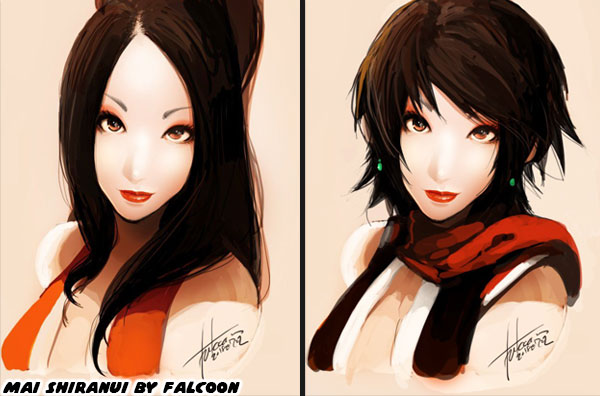
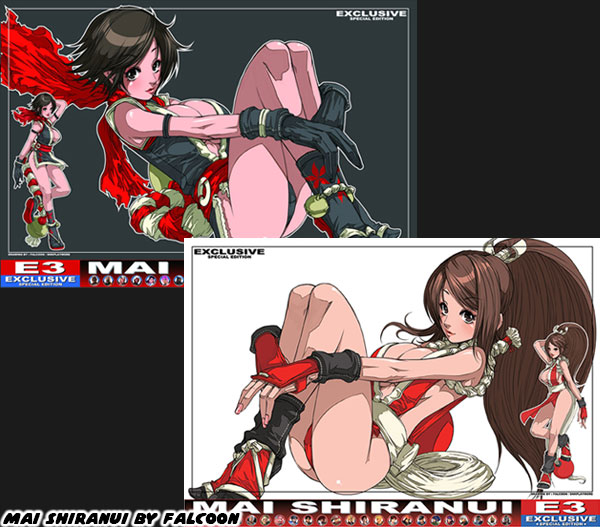
When the Fatal Fury games went to 3D many of the main characters got makeovers in the form of alternate costumes. Noise Factory developed the King of Fighters Maximum Impact in 2004. The updated looks of all the returning characters were well done, and Mai specifically had a bold new design. Her long hair had been cropped short. Her trademark red outfit was swapped to black. The occasional redraws by Tatsuhiko Kanaoka aka Falcoon were memorable.

I am a big fan of Falcoon’s art. I consider his bold style to be the BENGUS equivalent of the SNK art team. Back in 2005 the studio released two limited edition posters at the E3 in Los Angeles. I was able to get the black version of Mai for my little brother. I wish I had known about the signings both days so I could have scored the two prints.

It was great to see the Fatal Fury series continue into the 2020’s. I was glad that there were teams still passionate about the classic fighters. They were keeping the genre alive, and sharing them to an entirely new generation of fans. I’m certain that Mai would reclaim her spot on the fighting ladies Mount Rushmore. What did you think of Mai, and her new look? Were you a fan of any of her redesigns, or did you prefer her classic look? Tell me about it in the comments section. As always if you would like to sponsor me please visit my Patreon page and consider donating each month, even as little as $1 would help make better blogs and even podcasts!
follow the Street Writer on Patreon!

Sunday, August 6, 2023

Fatal Fury City of the Wolves, what we know about the Garou sequel...

The EVO fighting game tournament in Las Vegas happened these part few days. As always some game studios made announcements. Namco showed off a little bit more on Tekken 8, and word was that Killer Instinct would be getting some updates as well. Last year in 2022 SNK teased Garou Mark of the Wolves 2. Which was the last sprite-based game in the Fatal Fury series, and a beloved title to the fighting game community. This year the studio released another teaser along with an official title Fatal Fury City of the Wolves. Despite its brevity it was filled with a lot of information.

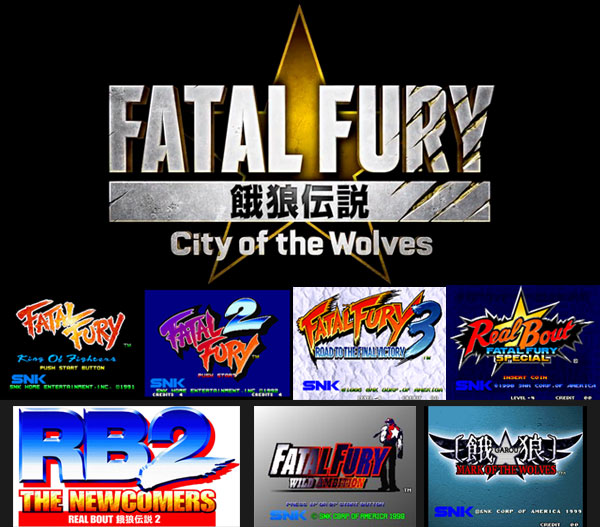
One of the things that a lot of people might have overlooked was the new game logo. I believe it was ShotoGamer that noticed there were seven claw marks on the new Fatal Fury logo. The claw marks might represent seven of the previous games in the series. These were events that were canon in the history of South Town. Specifically the games dealt with the power struggle between Geese Howard, and the city he was trying to control. There were actually more sequels than the ones listed in the image. However they were often special editions of the previous titles.

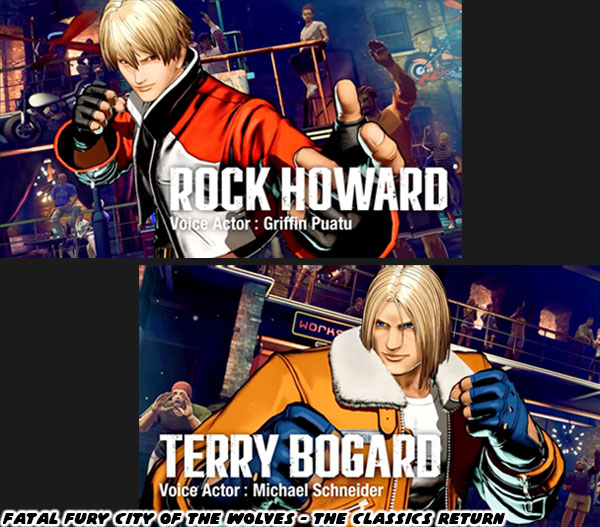
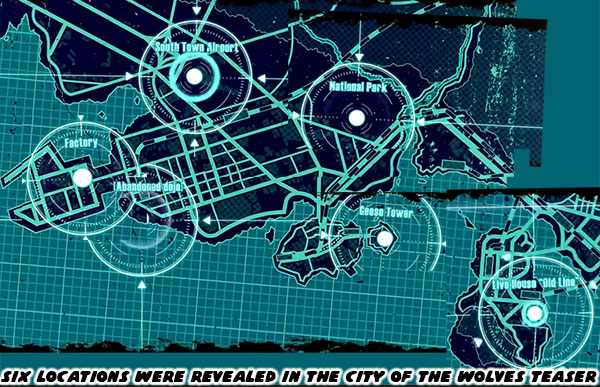
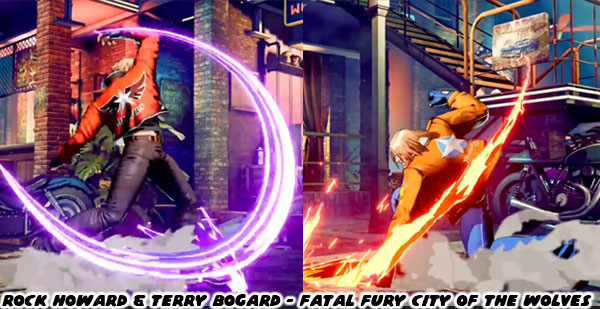
The other thing the teaser did was give fans sound bites of the returning cast, and new competitors. These included Rock Howard, Andy Bogard, Mai Shiranui, B. Jenet, Joe Higashi, Billy Kane, Marco Rodrigues, Alice Nakata, Gato, Tizoc, Kain R. Heinlein, and Terry Bogard. Plus we were getting landmarks in the city where their stages would take place. I’m certain there would be a secret or two yet to be revealed. Visually SNK was trying to make their character models have a distinct, almost anime stylization. They were not going for the hyper-realistic Mortal Kombat graphics, nor were they trying to capture the softer Street Fighter 6 aesthetic. The teaser gave us a glimpse of Rock, and Terry to get a sense of how the game would look. I was certainly impressed with the visuals, and callback to the legacy that would be the foundation of the King of Fighters franchise.

I would be eager to see how the game developed, how the mechanics would be improved over the original Garou. Of course I would also like to get an update on the mystery surrounding Rock’s mother. In case you missed it, I got my hands on the licensed Garou Mark of the Wolves manhua from China. It summed up the events leading up to the game, including the presumed death of Rock’s mom, and Terry becoming his adopted father. Here were Garou Mark of the Wolves manhua, part 1, and Garou Mark of the Wolves manhua, part 2 to get you caught up. Were you eager to return to South Town after 20+ years? Let me know in the comments section please. As always if you would like to sponsor me please visit my Patreon page and consider donating each month, even as little as $1 would help make better blogs and even podcasts!
follow the Street Writer on Patreon!

Monday, August 15, 2022

Garou Mark of the Wolves, the manhua part 2

The first half of the Garou Mark of the Wolves manhua from 1999 was a retelling of the events of Fatal Fury. They gave audiences the history of stars Andy, and Terry Bogard. The villain Geese Howard, his relationship with half-brother Wolfgang Krauser, and estranged son Rock Howard. We also get to see several other major players from FF canon including Joe Higashi, Raiden, Mai Shiranui, Tung Fu Rue, Billy Kane, and Yamazaki.

The first few issues had Rock as a kid, and the later issues had him as a young adult. With the rise of new villains like Grant, and his uncle Kain R. Heinlein founding a new KOF tournament Rock is drawn into battle. He has grown as a fighter, and no longer wants to run from his legacy. He feels that he is ready to confront his past, and question his uncle.

Since a decade has passed since we last saw Rock, and Terry it stands to reason that the rest of the cast has also grown, and matured. In the first few issues Ryo Sakazaki was chasing down Geese Howard, and an actively fighting in Southtown. However his father Takuma had retired from teaching his patented Kyokugen “extreme limit style empty hand” form of karate. Ryo was the new master of the dojo, and helping keep the family business alive. He didn’t really venture out of the school.

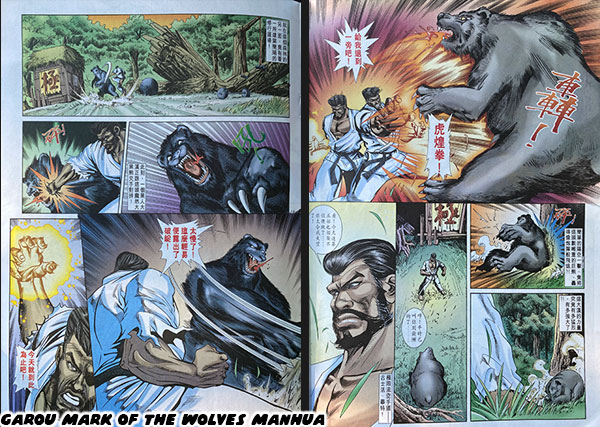
Marco Rodriguez aka Kushnood Butt raids the Sakazaki dojo with some thugs, trying to prove they were the best fighters. Ryo annihilates them, and Marco becomes a convert to the school. He spends the next decade studying under both Takuma, and Ryo. We see him now as a black belt. He’s practicing in the woods, and fighting a bear, a nod to the legendary exploits of Mas Oyama, and Willie Williams.

He crosses paths with an older Terry Bogard, and gets into a fight with him. The issues do not spend too much time with the rest of the cast, but at the very least they do get an introduction. This includes Kevin Rian, Hokutomaru, and B. Janet. Their purpose for entering the Maximum Mayhem tournament is explained. Grant is introduced as the big baddie of the tournament, and Terry gets into a fight with him.

The series ends after the introduction of the major players, and how they changed over the years. It doesn’t actually cover the events of the tournament. Which I think is actually the best way to tell the story of a fighting game. When you spell out each, and every battle you end up forcing the canon into a very specific direction, which may, or may not be the intent of the developers. Instead the writers of the manhua let the audience meet the cast. Show some of their backstory. Let a few non-tournament battles take place, and allow the game players to explore all the possibilities, and outcomes in the game.

With the announcement of Garou 2 I can only hope that there is a manga series, and possibly manhua series in the works as well. Either way I am eager to see how the game turns out. It will be about 24 years after the original came out in arcade. The generation that remembers it now has children, and even grandchildren that want to experience the game.

What about you? Are you eager to find out what happened with Terry, and Rock? Do you hope the game is sprite-based, or will you be happy if its 3D? Is there a character you look forward to playing as? Please let me know in the comments section. As always if you would like to sponsor me please visit my Patreon page and consider donating each month, even as little as $1 would help make better blogs and even podcasts!
follow the Street Writer on Patreon!

Friday, August 12, 2022

Garou Mark of the Wolves, the manhua part 1

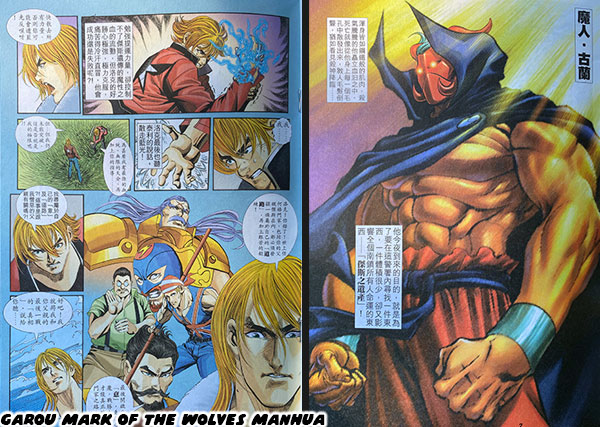
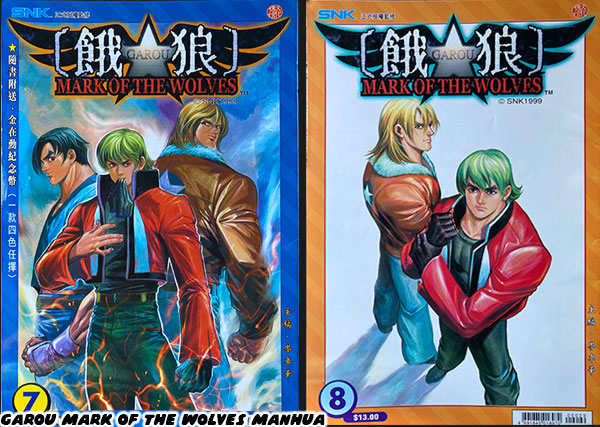
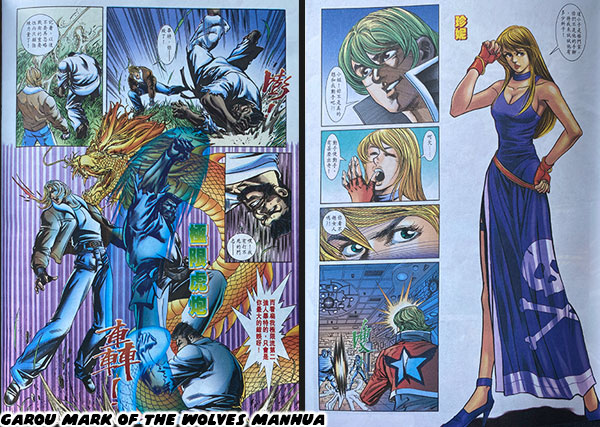
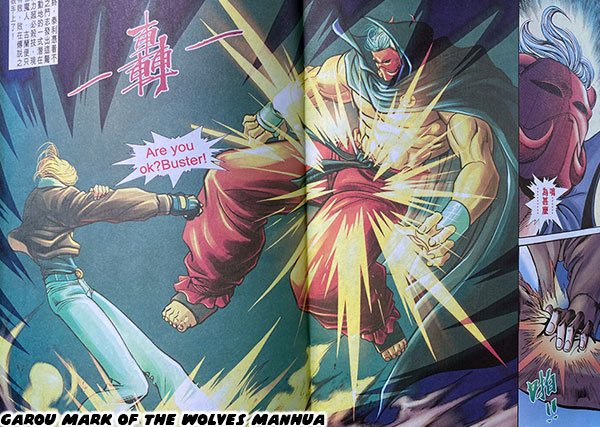
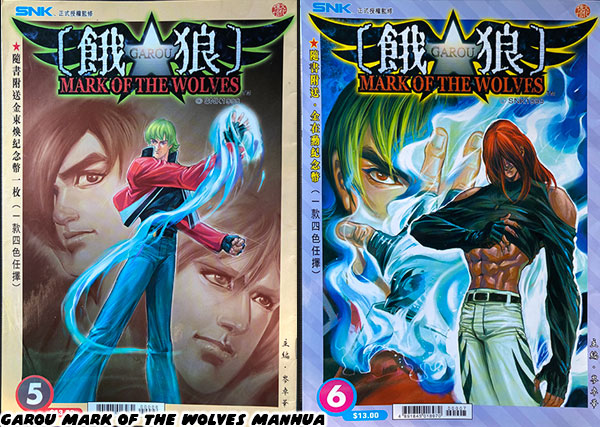
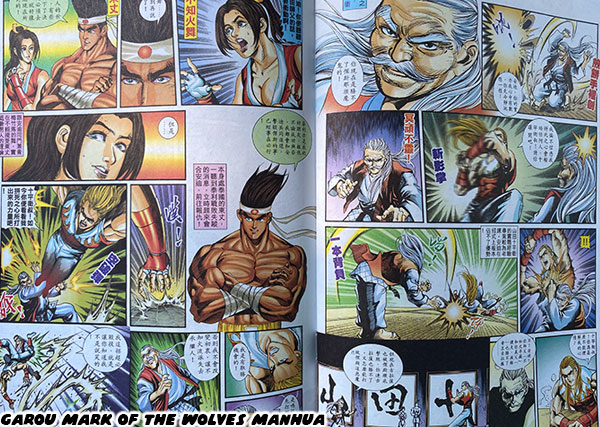
Recently I discovered that there was a manhua, a Chinese comic series based on Garou Mark of the Wolves (MOTW). There were 10 issues in total. The books came out in 1999, the same year that the game debuted. I got them from a collector in California, and thankfully didn’t have to pay a lot. The first thing that I noticed when they arrived were that they were much larger than standard comic books, or manhua. The standard comic book size was 6-5/8 inches wide by 10-1/4” tall, the Garou MOTW books were 7 1/2” wide by 10 1/2”. These issues were almost as big as magazines.
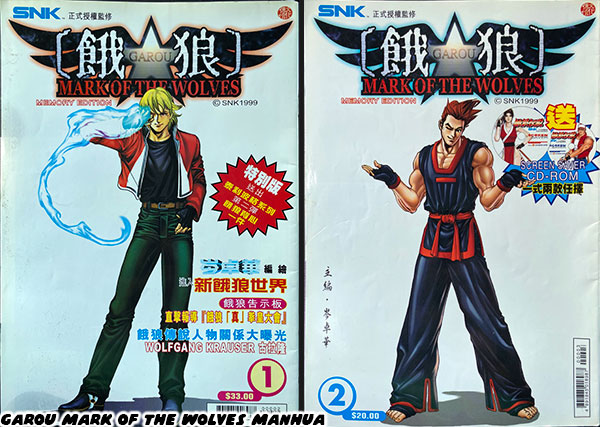
The issues were a great primer on the main players in the Fatal Fury (FF), and Art of Fighting (AoF) series. Specifically focusing on the villains Geese Howard, and the protagonist Terry Bogard. The first several issues actually got us caught up on the events that happened across the first few Fatal Fury games. I’m not certain if there ever were licensed AoF, or FF comics in China in the early ‘90s. There may have been, and like Street Fighter there may have been several unlicensed comics as well. In all my years doing research, surfing bidding sites, I’ve never seen a collection of classic SNK comics from China prior to 1997. I know there were many from the King of Fighters series, and the various games, including KOF 98, 2000, SNK vs Capcom, and KoF Maximum Impact. The fact that the Garou MOTW manhua retold the plot of the first few FF games, including the creation of the KOF tournament helped get audiences up to speed. The events of Garou MOTW are set a decade after what happened in the first FF game.
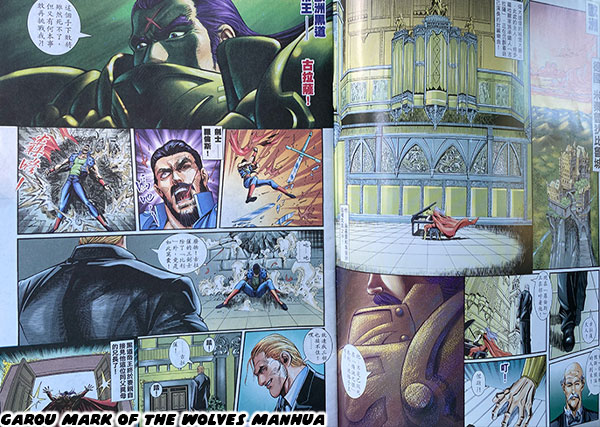
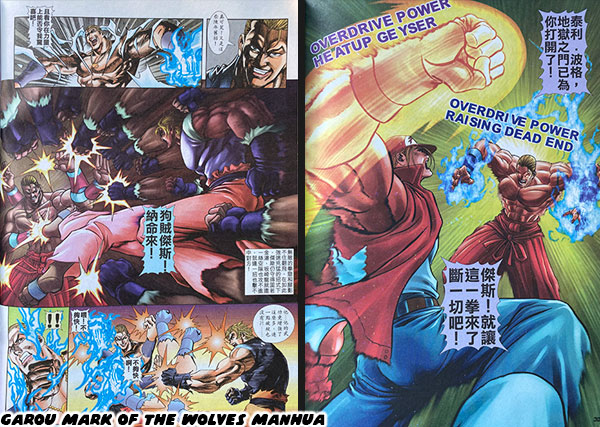
The series actually begins with a look at the battle between Geese, and his half-brother Wolfgang Krauser, head of the Stronheim family. Geese had long sought revenge on Wolfgang, and his father Rudolph, because they abandoned his mother Maria, and left her to die penniless in America. As a long-time fan of fighting games this was the type of action, and storytelling that I looked for. The panels were filled with lots of action, and we got a chance to see each character use their trademark special attacks.
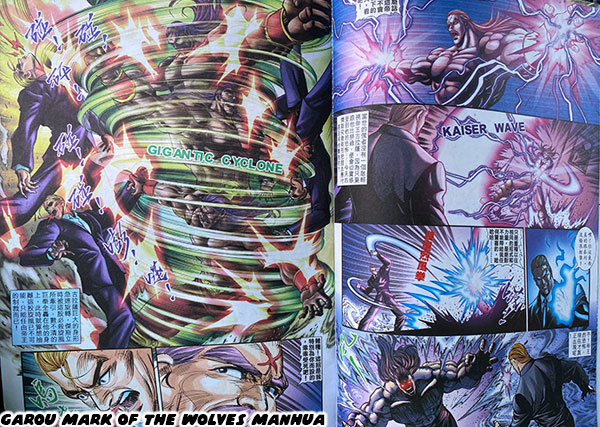
Seeing the fights in print was a way to determine which parts of the game were canon, and which were pure speculation. Not every fighting game gave us concrete answers, or tied up the plot points. More often than not they read as a sort of “what if?” series of events, that were loosely connected. For the longest time I fancied Wolfgang as being the stronger brother. He was older, and much stronger, but Geese had greater fighting experience. After a fierce battle Geese took out Wolfgang to take control of the family assets. With that taken care of he returned to Southtown to run it from the shadows, and sponsor the King of Fighters tournament.
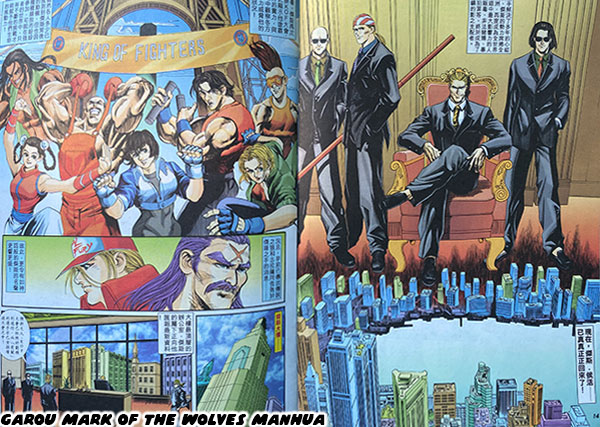
It actually takes a few issues of the Garou MOTW manhua before we even get past the original FF timeline. We actually get a chance to inhabit the complex web of characters, and their relationships. We get to see Toni Sakata from FF Wild Ambition making a cameo when he meets with Geese. We get to see Andy Bogard training with Mai Shiranui, and Jubei Yamada. We also get to see the fallout from the first time an adult Terry Bogard, and Geese Howard do battle. Geese shows him no mercy, and defeats him with relative ease. Terry is bruised, and beaten. Marie, Geese’s estranged wife nurses Terry back to health, and introduces him to a young Rock Howard. The two live in a modest home away from Southtown.
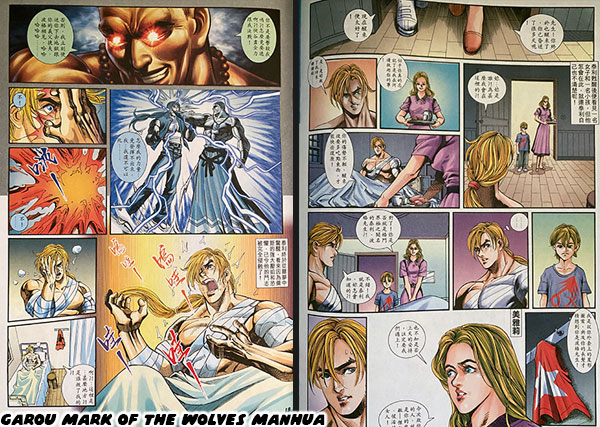
Terry worries about Rock, the legacy he hails from, and what his future might hold. Marie has a rare medical condition that she keeps from Rock. She asks Terry to watch over the young Howard, especially in the event that anything happens to her. Terry promises to take care of him while he continues training, with the hopes of getting a rematch with Geese.
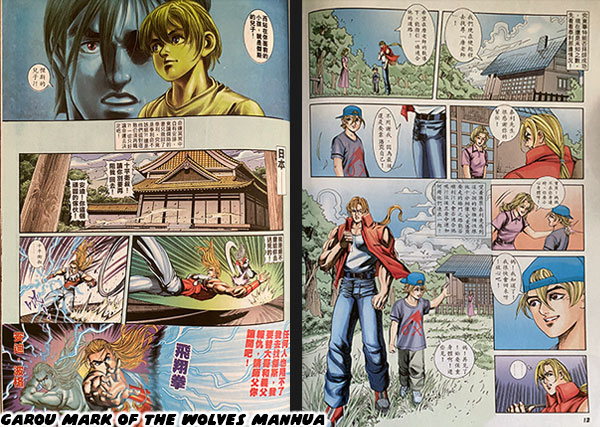
We get to see Terry pick up training with Tung Fu Rue, arguably the most powerful elderly kung-fu master in the entire KOF universe. Tung is attacked by an upstart master named Gato.
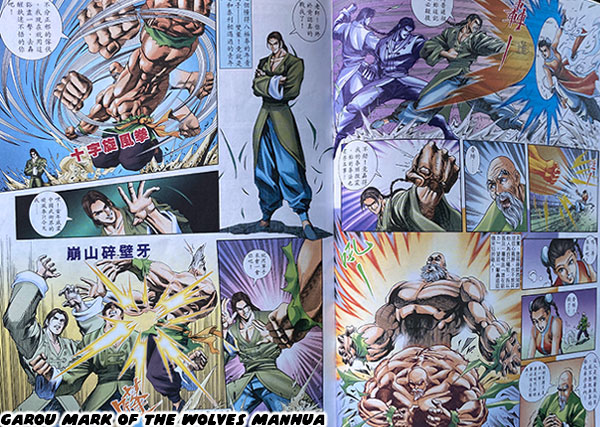
Terry tries to intervene, but he is still not at 100%. Both he, and Rue take some punishment from Gato. Rock steps in, and tries to get Gato to leave them alone. Gato retaliates by strangling the boy.
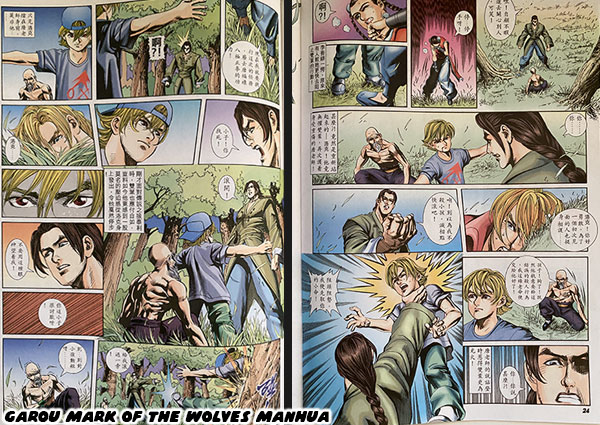
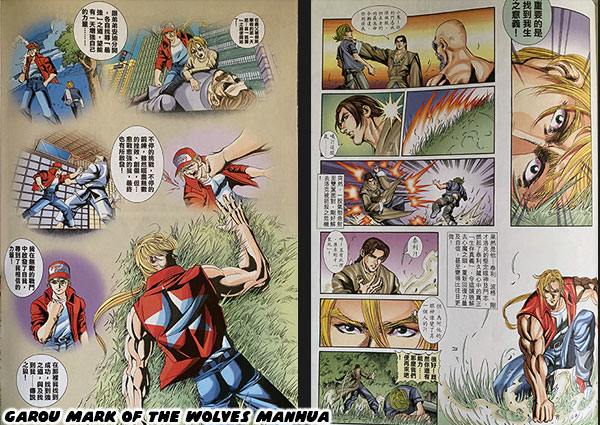
Terry is out of commission for several pages. The story uses that time to look at the history of Terry, and his younger brother Andy. It shows the reader the origins of their vendetta against Geese. We get to see the orphan brothers trying to protect their adopted father Jeff Bogard as he gets pummeled by Geese. We get to see them being trained how to fight in different schools, both before, and after the murder of their father.
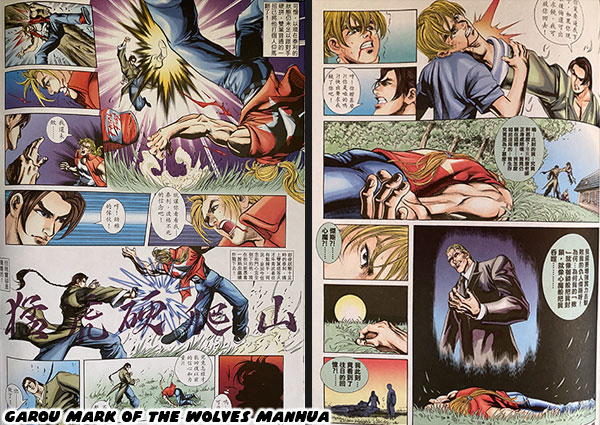
We see that Terry blames himself for not being stronger, for not being able to protect his brother. Eventually the two part ways in search of a master. Their relationship strained. Andy decides to study under the same masters that their father studied with, in the hopes that he could defeat Geese.
Terry on the other hand learns to fight in the street. Living up to his lone wolf reputation.
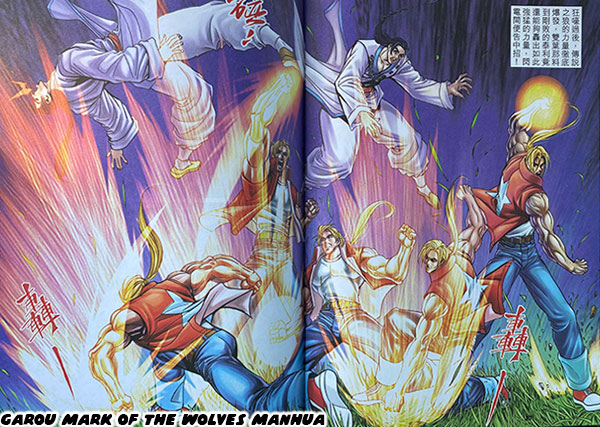
Terry eventually snaps out of it when he realizes that Rock is about to experience the same trauma that he, and his brother endured. He digs in deep, and turns the tables on Gato.
As all this happens Rock discovers that his mother is dying from her condition. He knows that his father is rich, and powerful, and he goes to him to beg for help. Geese wants nothing to do with him or his wife. Rock calls him a cold blooded devil, when he realizes that Geese probably could get Marie the medical attention she needs, but doesn’t care enough to do so. Rock vows never to beg him for anything again.
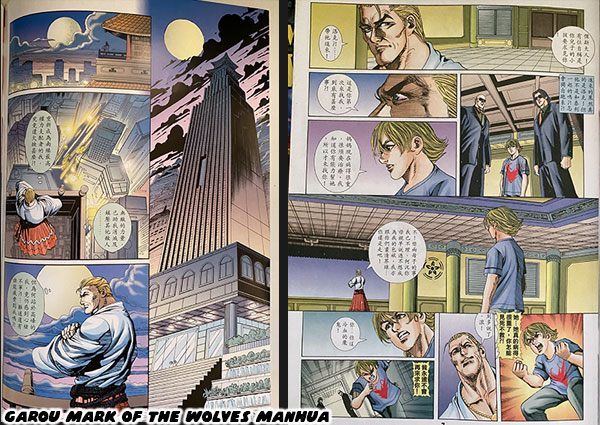
Andy, Terry, and their good friend Joe Higashi are now older, and more experienced. They decide to challenge Geese in the same high rise building that Rock had visited. They are ambushed by Geese’s hired goons, including the wrestler Raiden, yakuza hitman Ryuji Yamasaki, and stick master Billy Kane.
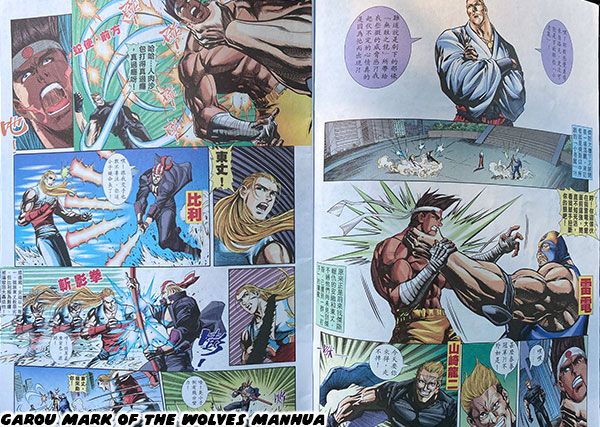
The next part of the story was new to me. The version of the events in the Garou manhua had Ryo Sakazaki as the first to reach, and do battle with Geese. Ryo was from the Art of Fighting game series. In the original game he was hunting down the man that kidnapped his sister Yuri. It turned out that the kidnapper was a masked man known as Mr. Karate. The end of the original AoF reveals that Mr. Karate was actually their father, Takuma Sakazaki. Takuma was forced to work for Geese as an enforcer under the threat that his children would be killed. This leads us to AoF 2, and the chance for Ryo to take out the kingpin.
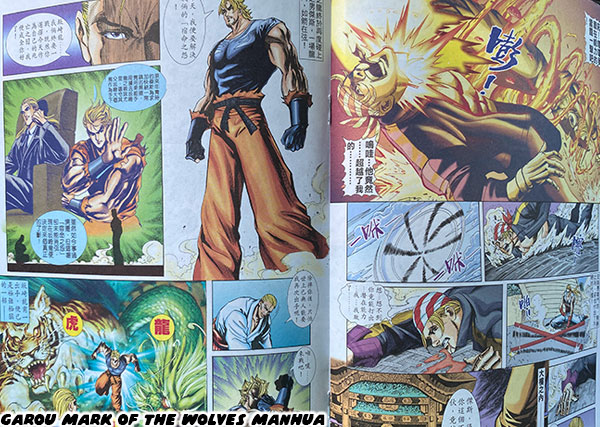
Ryo follows the clues right up to Geese, and gives him a decent fight. Unfortunately it isn’t enough, and the young Sakazaki is defeated. The battle rages on outside with Andy, and Joe barely holding their own against Geese’s best men.
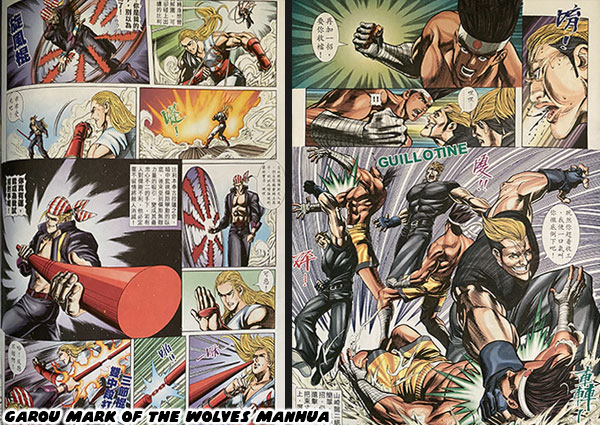
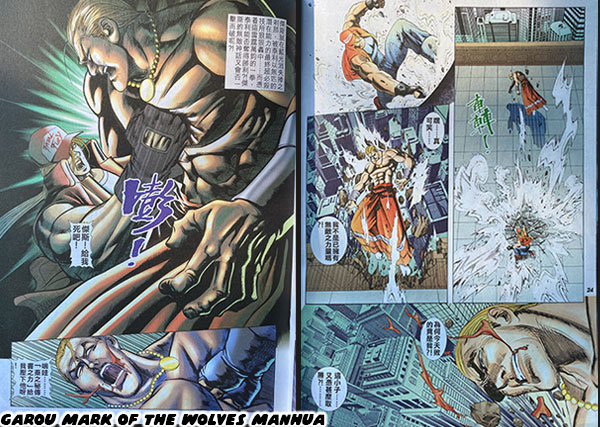
Terry eventually makes it to Geese as well, and they have the battle made famous in the first Fatal Fury. Terry knocks Geese off the roof of his building, seemingly to his death. Of course it turns out that it’s not that easy to kill him.
On the other side of town Marie was in the final stages of her disease. We see Rock, and Terry with her when she passes away. Terry promises to take care of Rock. Marie dies peacefully on her bed, and is buried not far from her house. However according to Kain R. Heinlein Rock's mother is still alive. So if the events of the manhua are canon, that means the lady that was buried may not have been Rock's actual biological mother. It would explain why Geese was so indifferent to her, especially since he had also been abandoned as a boy, and knew Rock's pain. At least that's my theory.
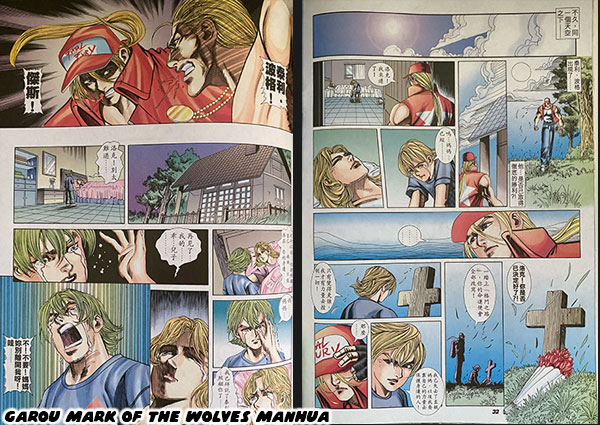
All of this carries us through most of the Garou manhua. However as you may know there are new faces, and changes to existing characters when the King of Fighters Maximum Mayhem tournament is created. The tournament organizer Kain R. Heinlein, the brother of Marie, and uncle of Rock is trying to recruit Terry, and Rock into his organization. He wants to rule Second Southtown following the power vacuum when Geese is defeated.
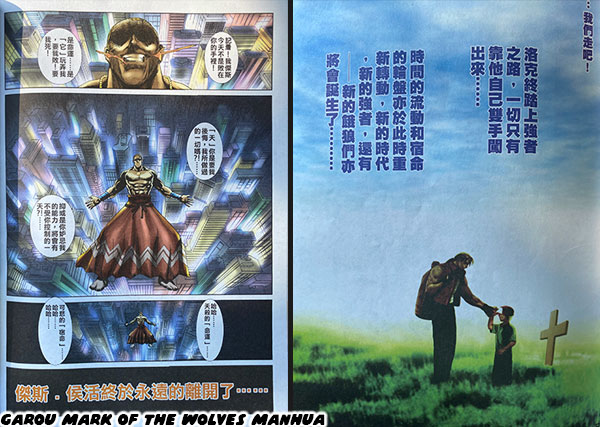
Those that have played Garou know that there were many new characters introduced in the game, and most get at least a panel or two of an introduction. We’ll look at the events in the remaining issues on the next blog. I hope to see you back for that. As always if you would like to sponsor me please visit my Patreon page and consider donating each month, even as little as $1 would help make better blogs and even podcasts!
follow the Street Writer on Patreon!