Showing posts with label taki. Show all posts

Saturday, August 24, 2024

Mai Shiranui returns in Fatal Fury the City of the Wolves...

I don’t know why but I had a massive spike in views the other day. I’m betting it had something to do with the character reveal trailer for Mai Shiranui in Fatal Fury / Garou City of the Wolves. This was a long running series and I had blogged a much earlier this year I even did some character breakdowns for the game for both new, and returning faces. Takashi Nishiyama was the Godfather of the fighting game genre, while he may not have designed Mai Shiranui, he certainly deserved respect from the entire community for the direction of the SNK titles.
I’ve never talked at length about Mai, or most of the characters in the Fatal Fury / King of Fighters franchise by SNK. I played through most of the games, but enjoyed the titles by Capcom just a little bit more. I still loved the characters, and canon they created for audiences. Mai was unique among all the early fighting game girls. The Capcom titles tended to make caricatures of the fighting arts with their cast. The difference for the SNK universe was in their costuming. Very often the Fatal Fury characters were also masters of the fighting arts, but they didn’t always dress the part. That was the genius of the SNK school of art. They hid the masters in plain sight. A world champion level boxer for example could show up in a dress suit, an assassin might sport a fur coat.
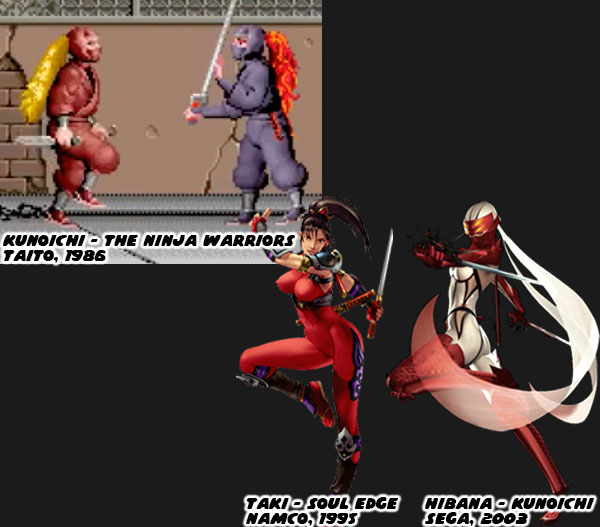
Female ninjas were referred to as kunoichi. They were normally presented with a dark outfit, and a mask. The very first kunoichi in gaming that I remember was in the game The Ninja Warriors. The Taito game used multiple screens, and featured rotoscoped animation. It was an important contribution to the genre with a shocking ending. From there on kunoichi weren’t featured very often in fighting games. I could remember Taki from the Soul Edge series by Namco. To be fair Kunimitsu was a hidden character in Tekken from 1994, she was a boss for Michelle Chang. The last new lady ninja that I could remember was Hibana from the action game Kunoichi (Nightshade) by Sega. She was the successor to the Shinobi franchise. In essence it seemed that a new lead female ninja character would appear once a decade in gaming. 
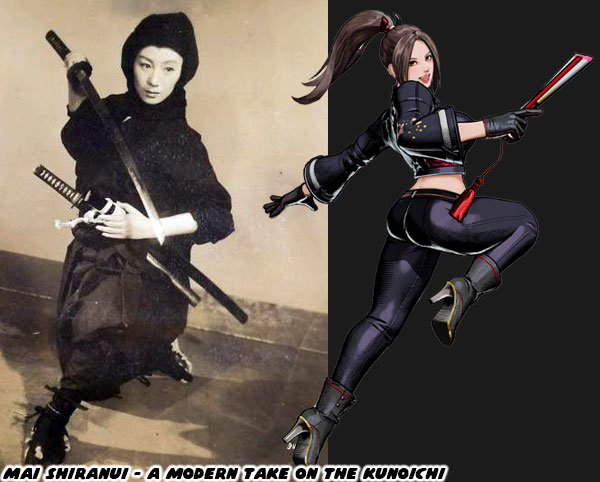
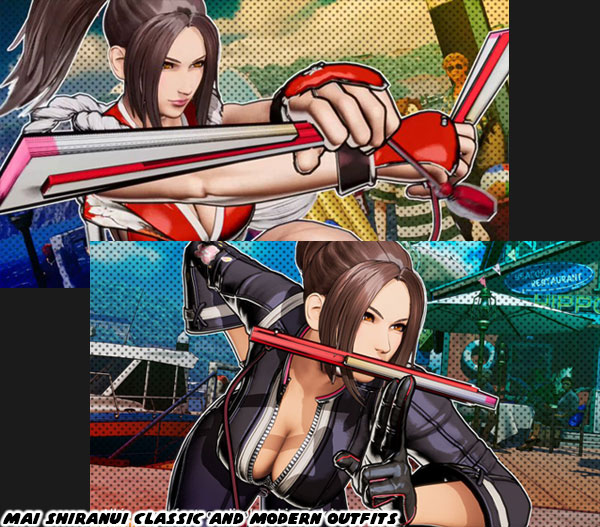
Mai looked nothing like any of the classic lady ninja characters in pop culture. She wore a bright red outfit, that revealed her bosom, and backside. Mai was anything but shy or demure. She was the heiress of the Shiranui clan. Her form of ninjitsu went back centuries, and was closely guarded. Despite protecting her form of fighting the team at SNK made sure she stood out from her contemporaries. This tradition continued into 2024 with an updated form-fitting leather outfit.
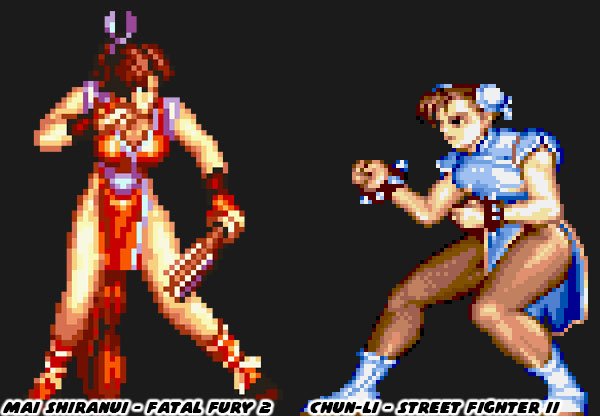
Mai was meant to be a response to Chun-Li. Street Fighter II was more than a fighting game. When it came out in 1991 it became a global phenomenon. A few months after it came out SNK released Fatal Fury, which helped keep the momentum going. Fatal Fury was more than a lucky break, it was more than a studio trying to capitalize on the moment. The game was designed by Mr. Nishiyama. He had created the original Street Fighter back in 1986. He was planning new ideas for a Street Fighter sequel, some of which would inspire Street Fighter ’89, which would later become the arcade hit Final Fight. Mr. Nishiyama changed companies and wanted to try out entirely new play mechanics through Fatal Fury.
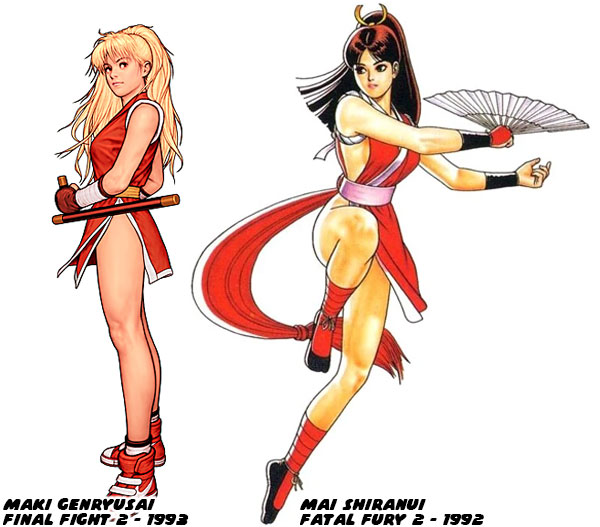
Mai was not in the original Fatal Fury, she debuted in 1992 with the release of Fatal Fury 2. During this time Capcom was developing a Super Famicom / Super Nintendo follow up to Final Fight. The game from 1993 would introduce some new faces, among them a female ninja wearing red, and white. The blonde Maki Genryusai debuted in Final Fight 2. Despite outward appearances she was not a clone of Shiranui. Maki had a completely different move set, her costume, and sneakers were designed to parallel Guy. It was simply coincidence that Mai, and Maki had similar looks. Not only that but Mai was meant with a fighting game in mind, rather than a brawler.
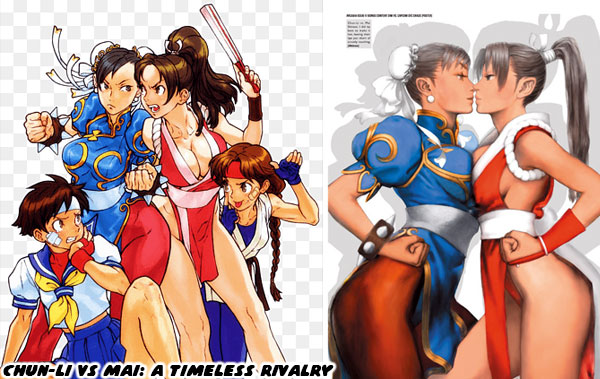
Terry Bogard, and Ryo Sakazaki (Art of Fighting) were a sort of male equivalent to Ken, and Ryu, but the studio needed a strong female lead as well. From the very first day audiences knew that Shiranui was a scene stealer. There was no doubt in our minds that she was going to be the face for the franchise, similar to how Chun-Li was embraced by the global community. When it came to fan art the two female leads were in a category all their own. Capcom and SNK would play up the friendly rivalry in official art, and often present Chun-Li and Mai Shiranui as opponents. Sakura was considered a little sister clone, a jab at Yuri Sakazaki from the Art of Fighting 2. In fact Dan Hibiki was also a parody of Ryo, and Robert Garcia from the Art of Fighting. This is why they sometimes turned up in the Mai vs Chun-Li art as well.With her leather outfit the most recent version of Mai was one of the better contemporary remakes for the character. It was not the first time she was presented with a mostly black costume.
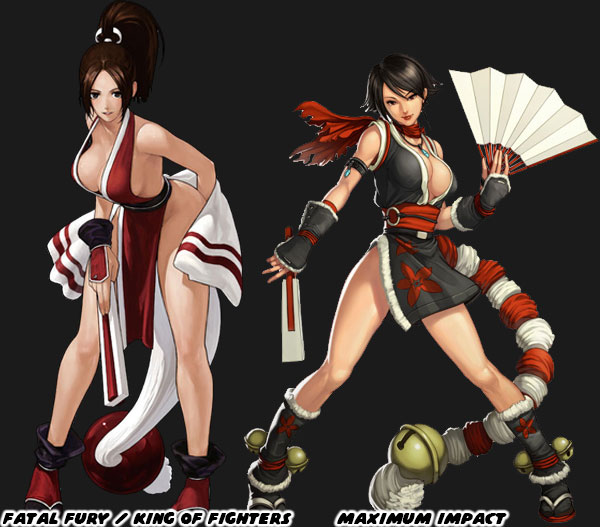
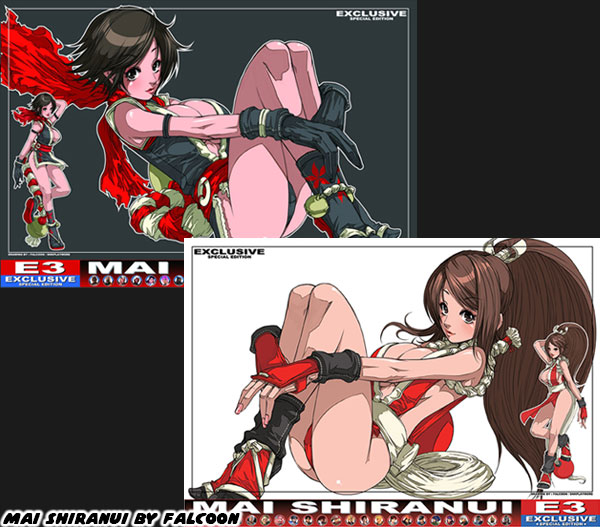
When the Fatal Fury games went to 3D many of the main characters got makeovers in the form of alternate costumes. Noise Factory developed the King of Fighters Maximum Impact in 2004. The updated looks of all the returning characters were well done, and Mai specifically had a bold new design. Her long hair had been cropped short. Her trademark red outfit was swapped to black. The occasional redraws by Tatsuhiko Kanaoka aka Falcoon were memorable.
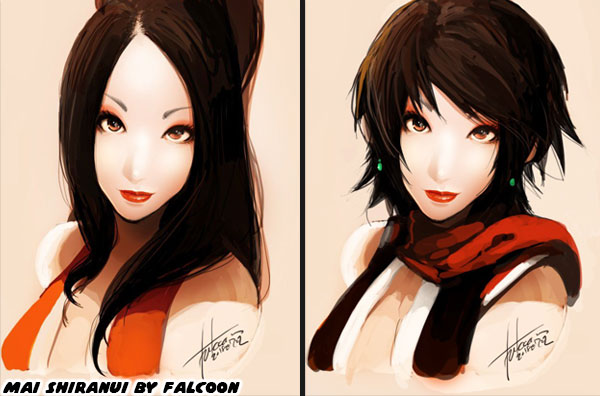
I am a big fan of Falcoon’s art. I consider his bold style to be the BENGUS equivalent of the SNK art team. Back in 2005 the studio released two limited edition posters at the E3 in Los Angeles. I was able to get the black version of Mai for my little brother. I wish I had known about the signings both days so I could have scored the two prints.
It was great to see the Fatal Fury series continue into the 2020’s. I was glad that there were teams still passionate about the classic fighters. They were keeping the genre alive, and sharing them to an entirely new generation of fans. I’m certain that Mai would reclaim her spot on the fighting ladies Mount Rushmore. What did you think of Mai, and her new look? Were you a fan of any of her redesigns, or did you prefer her classic look? Tell me about it in the comments section. As always if you would like to sponsor me please visit my Patreon page and consider donating each month, even as little as $1 would help make better blogs and even podcasts!
follow the Street Writer on Patreon!

Monday, July 21, 2014

The Ridge Racer Legacy, part 14...

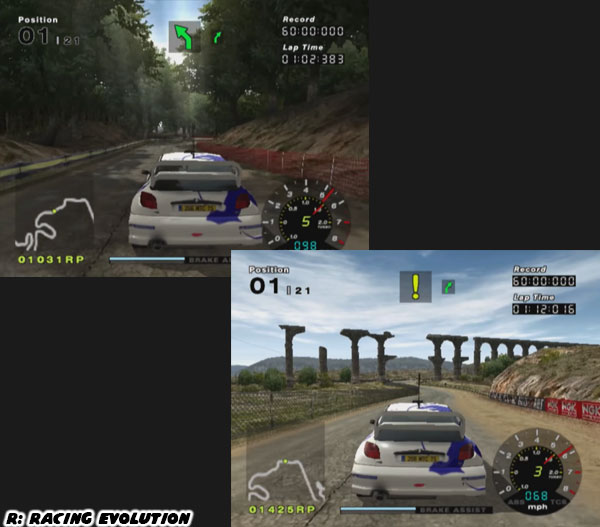
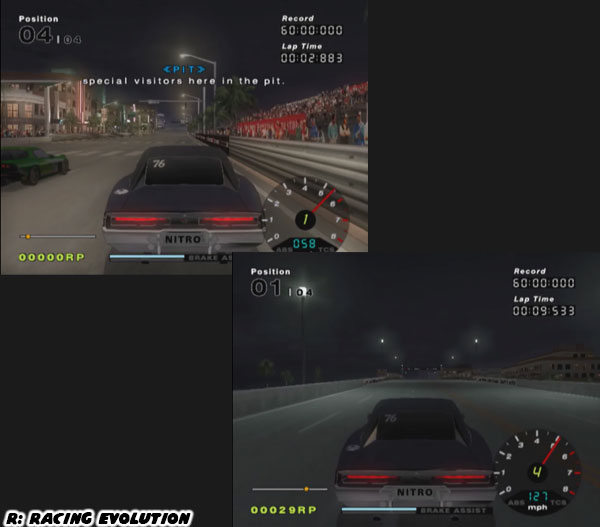
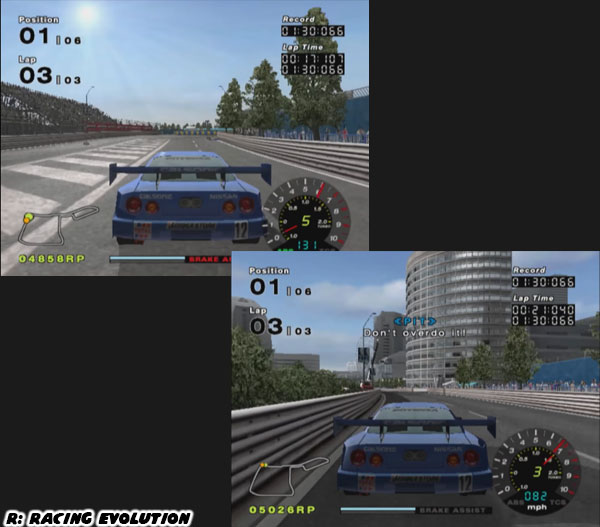
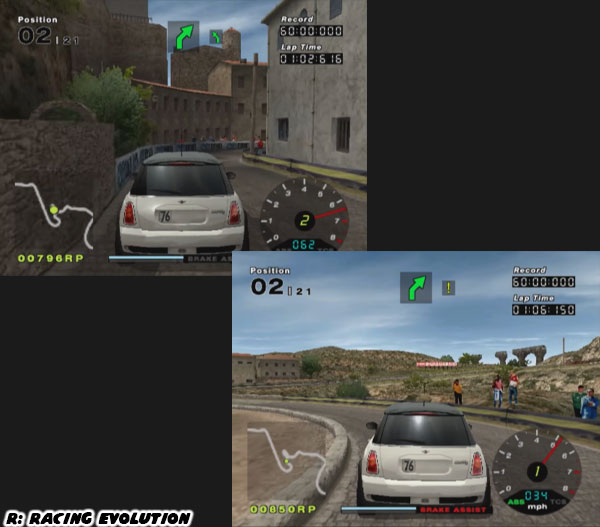
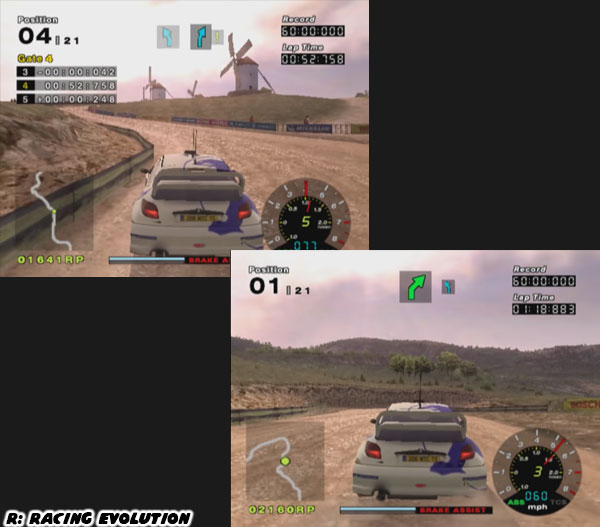
The first issue that long-time Ridge Racer fans had with R: Racing Evolution (RRE) was how Namco had tried to distance themselves from their arcade legacy. The studio went for a sim experience regarding the physics and control of the cars. They also licensed actual cars instead of using the timeless racers that they had spent a decade refining. Namco had done a great job capturing the handling of different classes of cars and creating virtual tracks to race them on. Yet they were going after the market that Gran Turismo had cultivated.

Sony's Polyphony Studio had spent years making each generation of the game superior to the previous in every aspect. The obsession to detail was well known to fans of Polyphony. The producers were known for fitting microphones inside and outside of cars as they raced them over different terrain just to they could capture authentic sounds. They would travel the world and meet with car designers and even the people that sewed the upholstery for the seats just to gain an ounce of knowledge that they could reflect in the game. Gran Turismo 3 A-Spec had been released in 2001, a few years before R: Racing Evolution had come out, yet it had more than four times the number of race cars. Polyphony had set the bar and the best Namco could do was try to meet it because they would never be able to exceed it.

The title of the game also did not sit favorably with audiences. It featured Rena Hayami, an EMT driver for Ridge City. She represented the hometown of Ridge Racer but Namco could not bring themselves to call the game Ridge Racer 6. It was as if they lacked faith in their concept. Where the game really began to fall apart was in the treatment of the main characters in Racing Life mode. In the previous blogs I applauded Namco for having the courage to make a female the main character and the insight for the villain to be a corporation. Yet I should have known better. As the game progressed it became more and more obvious why the designers at Namco had selected a female lead and female rival for the game.

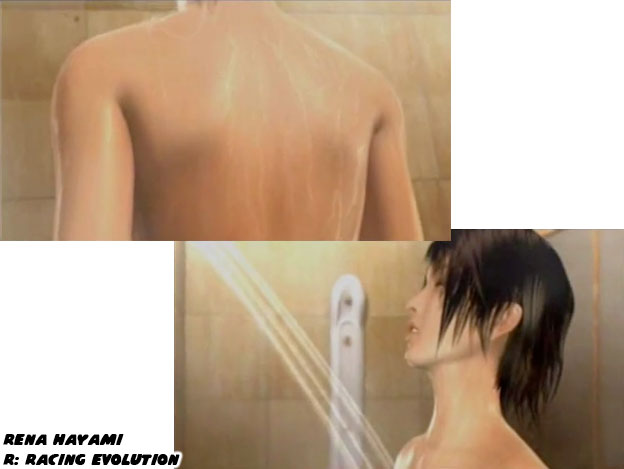
It would be hard to defend some of the cinemas featured in the game. I mean what purpose would it serve to have a (non-nude) shot of Rena taking a shower after a race? If the star of the game were a male chances are this scene wouldn't have made the cut. I understand that sex sells and if this were a movie about a female race car driver then the director would have done the same thing. But this was a game after all and scenes like this did nothing to advance the plot. When I was younger these scenes didn't mean as much. As I got older and wiser (and got married) I suddenly had a daughter that I had to be accountable for. It was then that I began taking another look at the way women had been presented in the game. I could show my daughter how cool it was that Rena went from driving an ambulance and getting a job offer as a professional race car driver. She was a role-model at that point. Yet a few races into the game the next time we see her she is naked. How am I supposed to justify the decision to do that in a racing game?

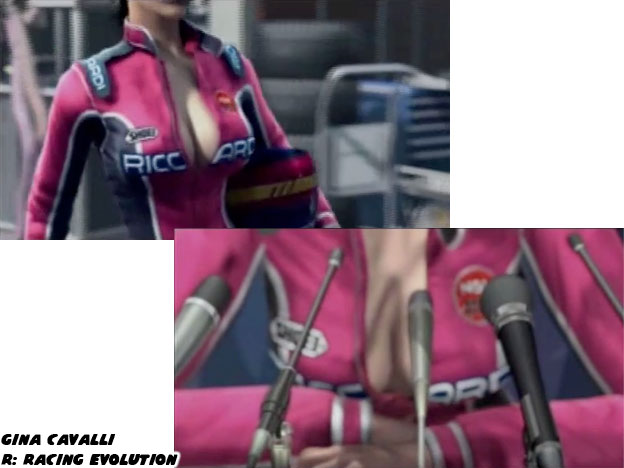
Things were bad before the shower scene actually. The very first time players were introduced to rival Gina Cavalli the camera was fixated on her cleavage. Every scene featuring the character was framed to make sure that her boobs were in the shot. Both Gina and Rena actually wore their racing suit zipped down to reveal their bust line. Every other driver and mechanic was zipped up of course. Rena had a modest black bra for everyone to see while I think Gina was pretty much nude under her suit. I should have been celebrating the decision by Namco to introduce a Spanish female main character into canon. Different ethnic groups and nationalities were and continued to be sorely underrepresented in games after all. While I could tell my daughter that Namco once made a racing game where the two main characters were females I would be ashamed to show her how they were represented.

There were other great games that were hampered by what audiences perceived. For example Marc Ecko's Getting Up was a great narrative on graffiti culture as well as corporate and political corruption. Yet before I could show people the actual graffiti portions of the game I had to spend the majority of the time sneaking up on cops and smashing paint cans on the back of their heads. A blow like that would more likely kill a person than knock them out. How was I supposed to convince viewers of the merits of the game if all they saw was violence instead of art? A similar dilemma had happened with RRE. The racing portions were well done but the only thing that would stick out to viewers (no pun intended) would be the boobs.

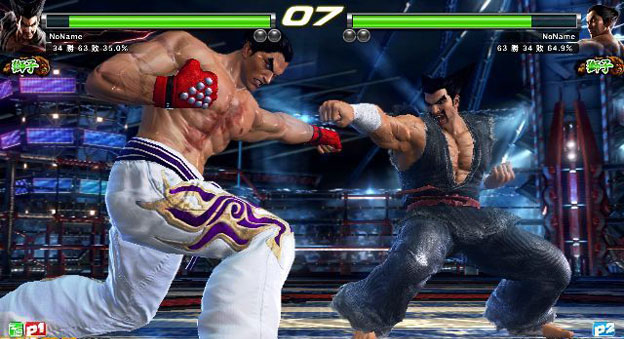
It wasn't the first time that Namco, or other Japanese studios for that matter, had been fixated on breasts. For example the Dead or Alive fighting game series by Tecmo was notorious for its "jiggling" breast physics and the original Killer Instinct by Rare featured the character Orchid that would flash her breasts at opponents and give them a heart attack. Pandering to the masses had become the rule rather than the exception in other Namco titles. In the Tekken Tag Tournament 2 they featured rapper Snoop Dog and his own level, The scantily clad women dancing at his side would have been typical in one of his music videos, where Namco really went for exploitation was in offering 150 different bikinis that players could earn for their fighters.

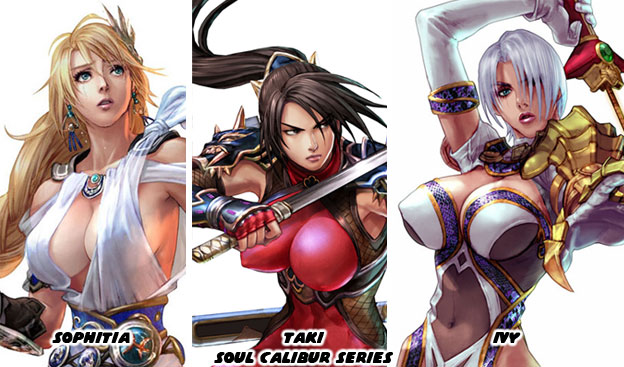
The shorts and loin cloths they put on the male character were tame compared to the strings that made up some of the female costumes. Sex sold in the short run but only substance could sustain a franchise. Many of the female sword fighters in Namco's Soul Calibur series had become more and more busty as the games progressed. The outfits of many of the characters became tighter and more revealing, making Gina seem modest by comparison. The outrageous bust sizes gave the mostly male fan base a reason to overlook the lack of gameplay innovation through the series. Namco was guilty of following the trends of their contemporaries rather than relying on the strength of their developers.

The studio could not manage to win over audiences with RRE despite the number of innovative ideas they had brought console racers. It was a combination of things that cost the publisher from having a hit on their hands. Competing against Gran Turismo was a major problem, but not capitalizing on the Ridge Racer name and trying to inject sex into an otherwise well laid-out plot had doomed the game from the onset. Namco had actually planned to feature Rena and Gina in several other titles if RRE had become a hit. They would continue to use the characters to sell future versions of Ridge Racer, with Gina being the cover star in the Nintendo DS release of the game. Yet any further developments with the characters and teams would be highly unlikely.

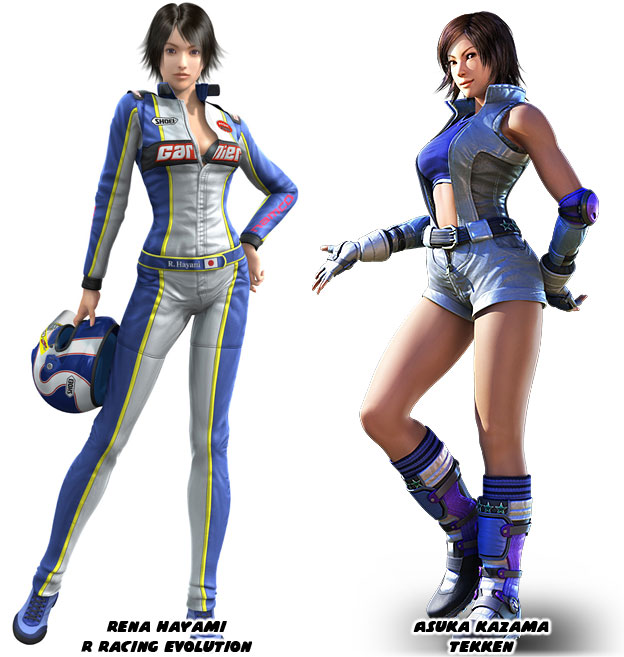
The studio did at least develop a new character inspired by Rena a year after RRE was released. Fans of Tekken 5 noticed that Asuka Kazama had a lot of similarities to Rena. The physical and costume traits were obvious but personality wise they were complete opposites. Asuka was presented as a very immature and ditzy schoolgirl. She ended up playing the fool for the rich schoolgirl Emilie "Lili" De Rochefort. It was a shame that Namco could not find a similar use for Asuka. Her brother Jin was a main character in the series and ran the Mishima Zaibatsu whereas she had been relegated to sidekick status. In fact the objectification was a little more insulting to female fans because Asuka's breasts were the punchline in two different Tekken endings. By comparison Rena was presented with much more confidence and maturity whether she was behind the wheel of an ambulance or race car.

Women had actually been an important part of the Ridge Racer legacy yet Namco did not really know how to present them within the context of the races themselves. The next blog will look at the muses behind the Ridge Racer series. As always if you would like to sponsor me please visit my Patreon page and consider donating each month, even as little as $1 would help make better blogs and even podcasts!
follow the Street Writer on Patreon!