Showing posts with label guy. Show all posts

Saturday, August 24, 2024

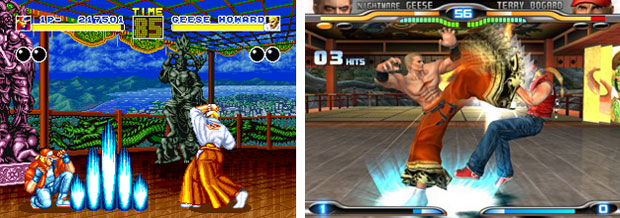
Mai Shiranui returns in Fatal Fury the City of the Wolves...

I don’t know why but I had a massive spike in views the other day. I’m betting it had something to do with the character reveal trailer for Mai Shiranui in Fatal Fury / Garou City of the Wolves. This was a long running series and I had blogged a much earlier this year I even did some character breakdowns for the game for both new, and returning faces. Takashi Nishiyama was the Godfather of the fighting game genre, while he may not have designed Mai Shiranui, he certainly deserved respect from the entire community for the direction of the SNK titles.

I’ve never talked at length about Mai, or most of the characters in the Fatal Fury / King of Fighters franchise by SNK. I played through most of the games, but enjoyed the titles by Capcom just a little bit more. I still loved the characters, and canon they created for audiences. Mai was unique among all the early fighting game girls. The Capcom titles tended to make caricatures of the fighting arts with their cast. The difference for the SNK universe was in their costuming. Very often the Fatal Fury characters were also masters of the fighting arts, but they didn’t always dress the part. That was the genius of the SNK school of art. They hid the masters in plain sight. A world champion level boxer for example could show up in a dress suit, an assassin might sport a fur coat.

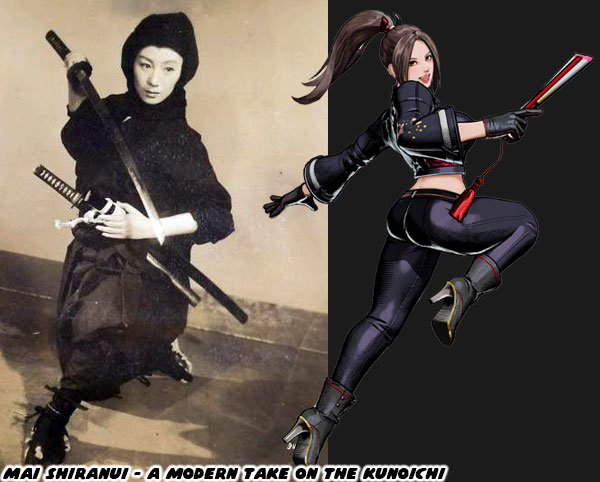
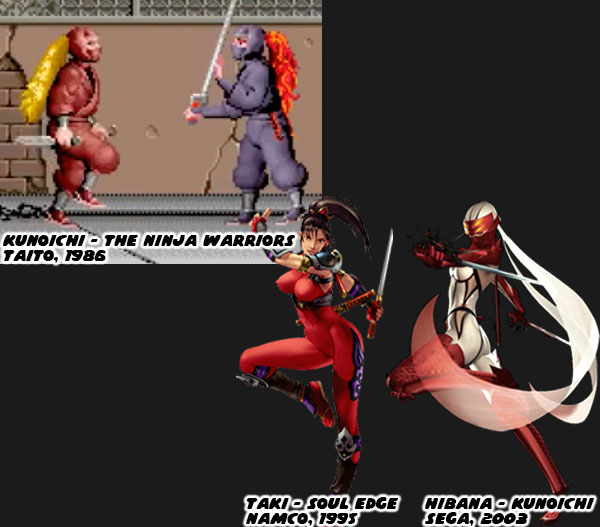
Female ninjas were referred to as kunoichi. They were normally presented with a dark outfit, and a mask. The very first kunoichi in gaming that I remember was in the game The Ninja Warriors. The Taito game used multiple screens, and featured rotoscoped animation. It was an important contribution to the genre with a shocking ending. From there on kunoichi weren’t featured very often in fighting games. I could remember Taki from the Soul Edge series by Namco. To be fair Kunimitsu was a hidden character in Tekken from 1994, she was a boss for Michelle Chang. The last new lady ninja that I could remember was Hibana from the action game Kunoichi (Nightshade) by Sega. She was the successor to the Shinobi franchise. In essence it seemed that a new lead female ninja character would appear once a decade in gaming. 

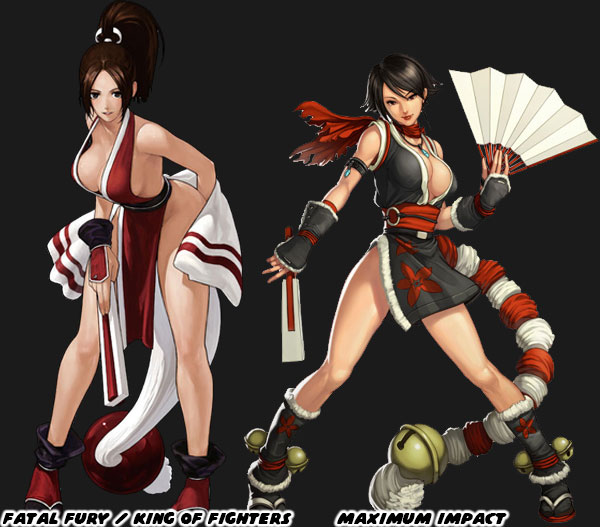
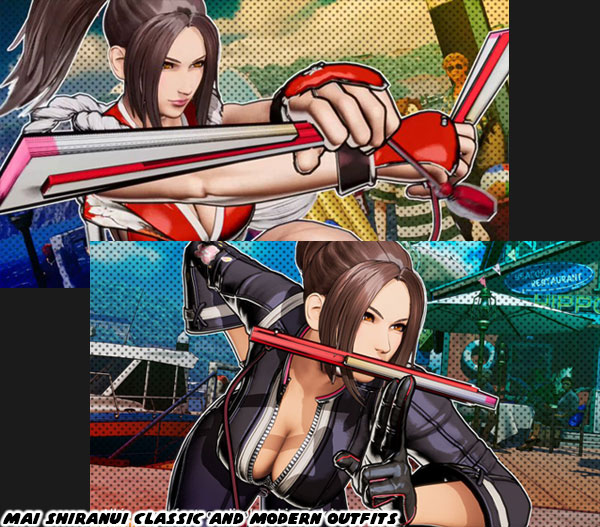
Mai looked nothing like any of the classic lady ninja characters in pop culture. She wore a bright red outfit, that revealed her bosom, and backside. Mai was anything but shy or demure. She was the heiress of the Shiranui clan. Her form of ninjitsu went back centuries, and was closely guarded. Despite protecting her form of fighting the team at SNK made sure she stood out from her contemporaries. This tradition continued into 2024 with an updated form-fitting leather outfit.

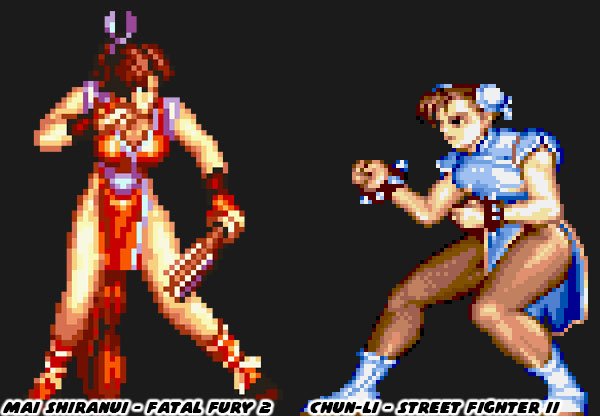
Mai was meant to be a response to Chun-Li. Street Fighter II was more than a fighting game. When it came out in 1991 it became a global phenomenon. A few months after it came out SNK released Fatal Fury, which helped keep the momentum going. Fatal Fury was more than a lucky break, it was more than a studio trying to capitalize on the moment. The game was designed by Mr. Nishiyama. He had created the original Street Fighter back in 1986. He was planning new ideas for a Street Fighter sequel, some of which would inspire Street Fighter ’89, which would later become the arcade hit Final Fight. Mr. Nishiyama changed companies and wanted to try out entirely new play mechanics through Fatal Fury.

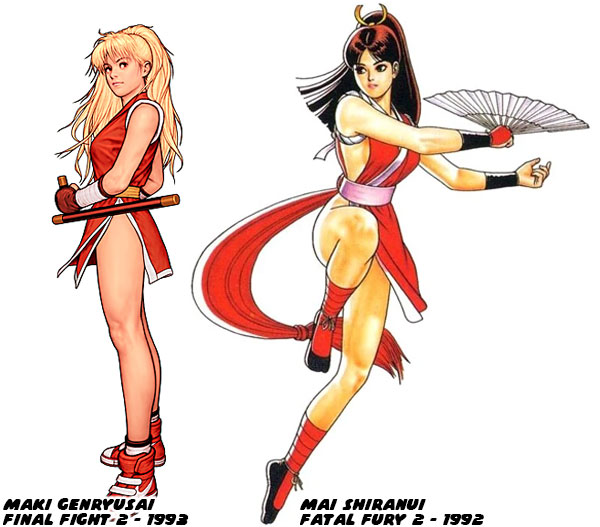
Mai was not in the original Fatal Fury, she debuted in 1992 with the release of Fatal Fury 2. During this time Capcom was developing a Super Famicom / Super Nintendo follow up to Final Fight. The game from 1993 would introduce some new faces, among them a female ninja wearing red, and white. The blonde Maki Genryusai debuted in Final Fight 2. Despite outward appearances she was not a clone of Shiranui. Maki had a completely different move set, her costume, and sneakers were designed to parallel Guy. It was simply coincidence that Mai, and Maki had similar looks. Not only that but Mai was meant with a fighting game in mind, rather than a brawler.

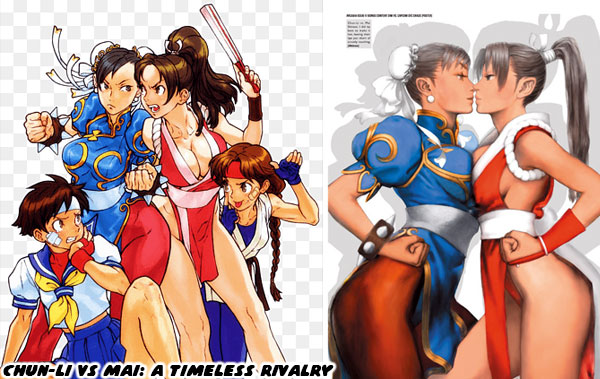
Terry Bogard, and Ryo Sakazaki (Art of Fighting) were a sort of male equivalent to Ken, and Ryu, but the studio needed a strong female lead as well. From the very first day audiences knew that Shiranui was a scene stealer. There was no doubt in our minds that she was going to be the face for the franchise, similar to how Chun-Li was embraced by the global community. When it came to fan art the two female leads were in a category all their own. Capcom and SNK would play up the friendly rivalry in official art, and often present Chun-Li and Mai Shiranui as opponents. Sakura was considered a little sister clone, a jab at Yuri Sakazaki from the Art of Fighting 2. In fact Dan Hibiki was also a parody of Ryo, and Robert Garcia from the Art of Fighting. This is why they sometimes turned up in the Mai vs Chun-Li art as well.With her leather outfit the most recent version of Mai was one of the better contemporary remakes for the character. It was not the first time she was presented with a mostly black costume.

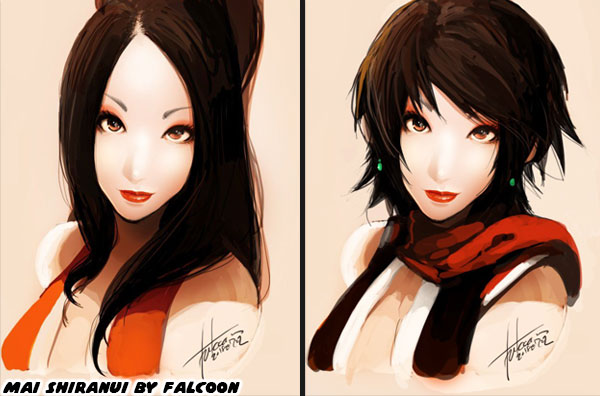
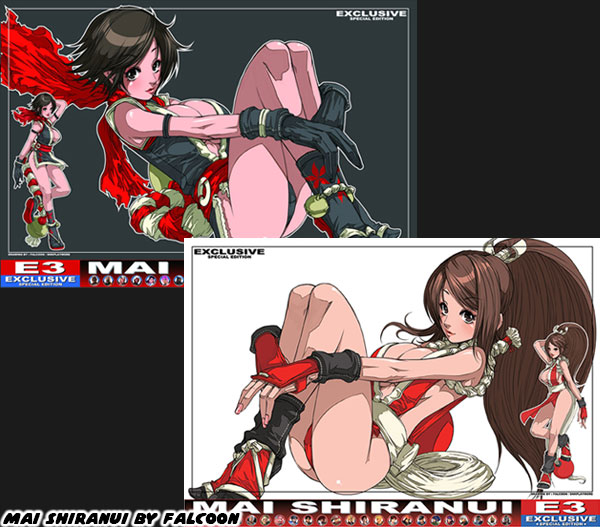
When the Fatal Fury games went to 3D many of the main characters got makeovers in the form of alternate costumes. Noise Factory developed the King of Fighters Maximum Impact in 2004. The updated looks of all the returning characters were well done, and Mai specifically had a bold new design. Her long hair had been cropped short. Her trademark red outfit was swapped to black. The occasional redraws by Tatsuhiko Kanaoka aka Falcoon were memorable.

I am a big fan of Falcoon’s art. I consider his bold style to be the BENGUS equivalent of the SNK art team. Back in 2005 the studio released two limited edition posters at the E3 in Los Angeles. I was able to get the black version of Mai for my little brother. I wish I had known about the signings both days so I could have scored the two prints.

It was great to see the Fatal Fury series continue into the 2020’s. I was glad that there were teams still passionate about the classic fighters. They were keeping the genre alive, and sharing them to an entirely new generation of fans. I’m certain that Mai would reclaim her spot on the fighting ladies Mount Rushmore. What did you think of Mai, and her new look? Were you a fan of any of her redesigns, or did you prefer her classic look? Tell me about it in the comments section. As always if you would like to sponsor me please visit my Patreon page and consider donating each month, even as little as $1 would help make better blogs and even podcasts!
follow the Street Writer on Patreon!

Monday, December 12, 2022

The Street Fighter 6 pre-order trailer, a love letter to the series, and a look at JP

Thank you for dropping by the blog. We have a lot to talk about with the release of the Street Fighter 6 - Pre-Order Trailer. Make sure to watch it if you haven’t already.
   
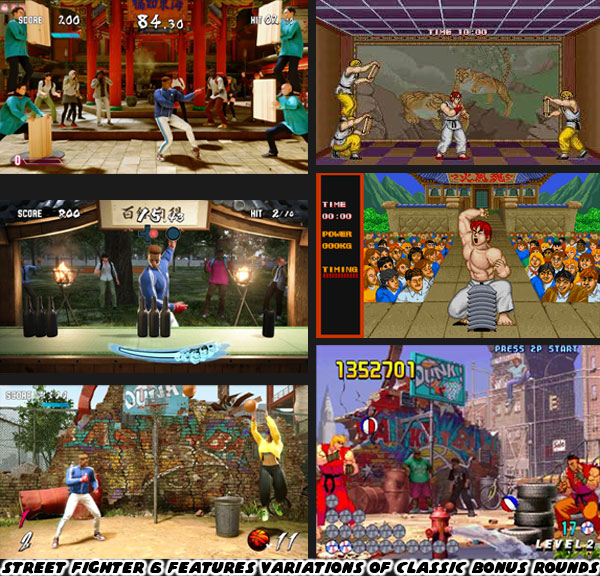
There is a tremendous amount of new information revealed about SF6, including official reveals of some new faces. One of the things that surprised me was the re-introduction of bonus stages. Ways to earn extra points, learn skills, and practice special attacks have been a part of the SF franchise since the very first game in 1986. In fact one of the earliest bonus stages involved board breaking. After 35 years this returns in the game. Long-time players would spot nods to other classic bonus stages, and even new challenges.

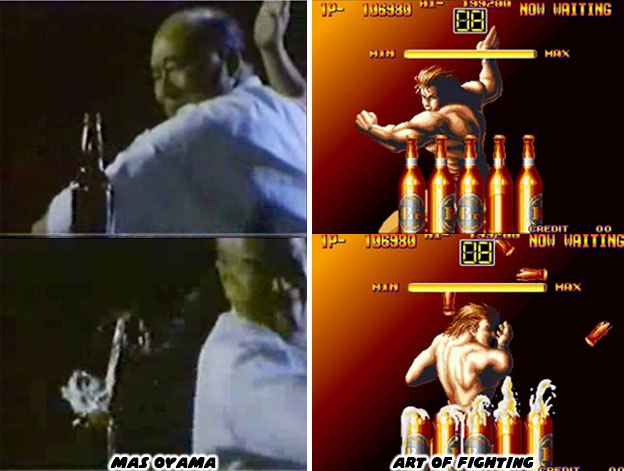
There was a shot of the player character chopping the tops off of glass bottles in one bonus challenge. Those of us old enough to remember would know this bonus was first used in the Art of Fighting in 1992. The SNK game directed by Hiroshi Matsumoto, and Akashi Nishiyama was a sort of updated take on the Street Fighter formula. The duo had developed the original SF before leaving Capcom to join SNK. They took with them a number of their martial arts influences, and translated them into game form. I have written a lot about Mas Oyama, and his influence in the creation of fighting games. The “God Hand” of karate could legit kill bulls with his bare hands. He was the basis for Mr. Karate / Takuma Sakazaki, arguably the most power karateka, and one of the top bosses in the SNK universe. Oyama would put on demos where he would cut the tops off of bottle with a knife hand chop. SNK used the bottle chop as a bonus stage in the original Art of Fighting. This skill now gets a nod in the SF franchise as well.

I have said it before, and it bears repeating. Street Fighter 6 Director Takayuki Nakayama, Producers Kazuhiro Tsuchiya, and Shuhei Matsumoto, and Designer Yusuke Hashimoto have all demonstrated a better understanding, and love of the culture than the previous director Yoshinori Ono with every SF6 update released. The game is not only pushing the genre forward, it is also a love letter to the games that came before. These influences are from Capcom, and from other studios as well. I am not going to focus on Dee Jay this time because he is a returning character. Instead I want to talk about the new faces revealed. Let’s start off with the sharply dressed older gentleman. According to the official bio “JP is the head of an international NGO (nonprofit organization, designed to address social or political issues) responsible for many successful investment projects, and the man behind Nayshall's present prosperity. Has a beloved cat named Cybele.” I did a quick look at JP earlier on the blog. As far as his look, and use of weapons is concerned there is a lot of precedence in the series.

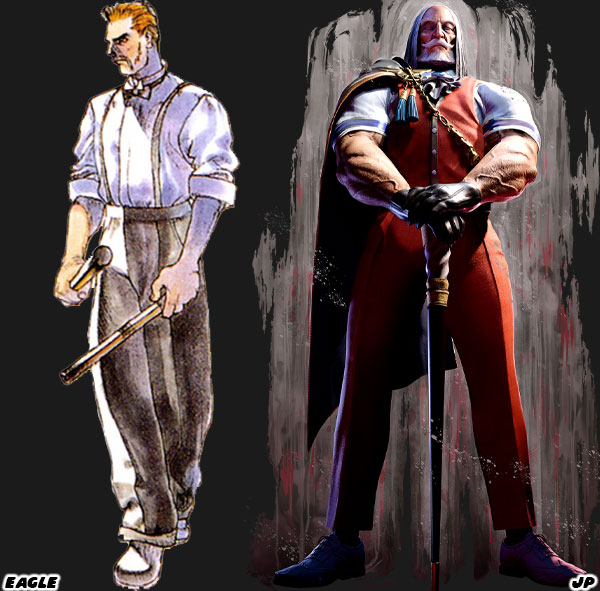
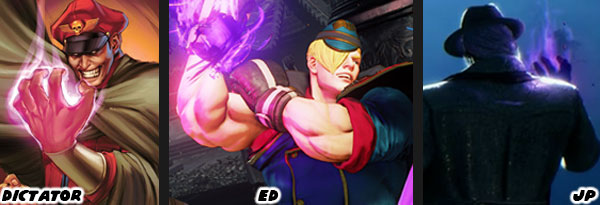
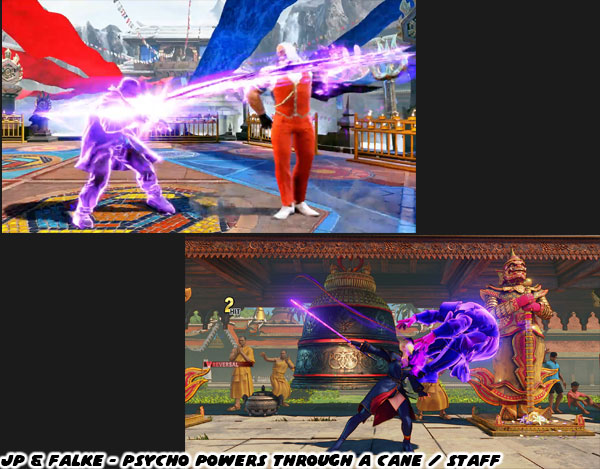
The gentlemanly fighter Eagle was the top British striker in the original Street Fighter. He dressed sharply, and fought with the use of two sticks. JP is a continuation of other well dressed fighters who use a weapon in combat. The closest one that I compared him to would be White from the Fatal Fury sequel Real Bout Garou Densetsu Special: Dominated Mind. It could be considered fair for him to use a cane because JP was an older gentleman competing against fighters half his age, and twice his size. Of course as with any fighter in the franchise looks were often deceptive. JP was more than just skilled with a cane, in the trailer we can see he harasses some sort of psychic ability. The purple glow of “psycho power” had been featured as early as 1991 through Vega / Dictator, as well as in later games with Rose, Menat, Ed, and Falke.

It was established in previous SF games that psychic powers could be funneled, or rather focused through objects. Menat used a crystal ball for example. Falke used a military staff. The vast majority of characters in the SF universe fought with their bare hands, but a select few fought with weapons. These characters helped add balance to roster. From a storytelling perspective it made sense that a Mad Gear boss like Sodom would fight with a weapon. But it also worked when smaller fighters, or older fighters, were allowed to use weapons in combat. To learn more please read the blog on Falke, and how military design works in fighting games.

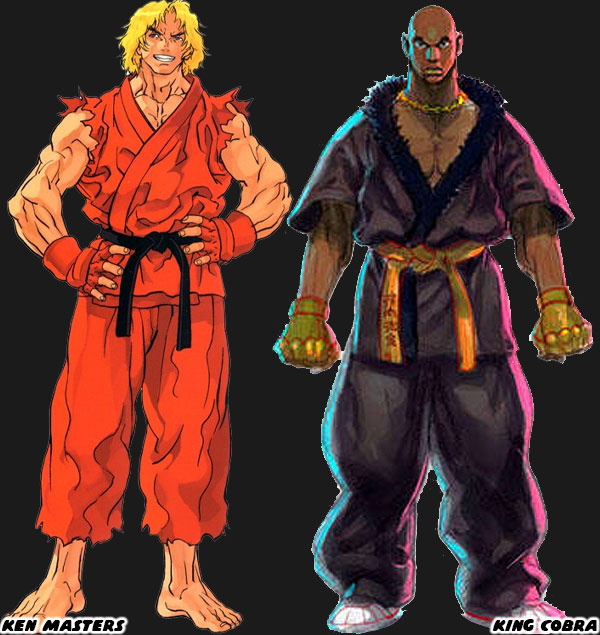
The other two fighters revealed in the Pre-Order Trailer were more interesting to me. They seem to cement the idea that a lot in the online community had. Namely that the SF6 team was trying to redo the characters introduced in SFIV, to redo not only their looks, but also their over-the-top, cartoonish special attacks. Let’s do a recap of what we know, and then what we can infer. Many SF fans learned that the rival to Ken was not originally planned to be the obese, and stupid Rufus. A young Black, “breakdance kung-fu” fighter named King Cobra was going to be his arch-rival. Audiences felt this was a very strong design, one with tremendous potential. Producer Yoshinori Ono insisted on adding a “fatty” for comedic effect instead. The world was robbed of a potentially fantastic design.

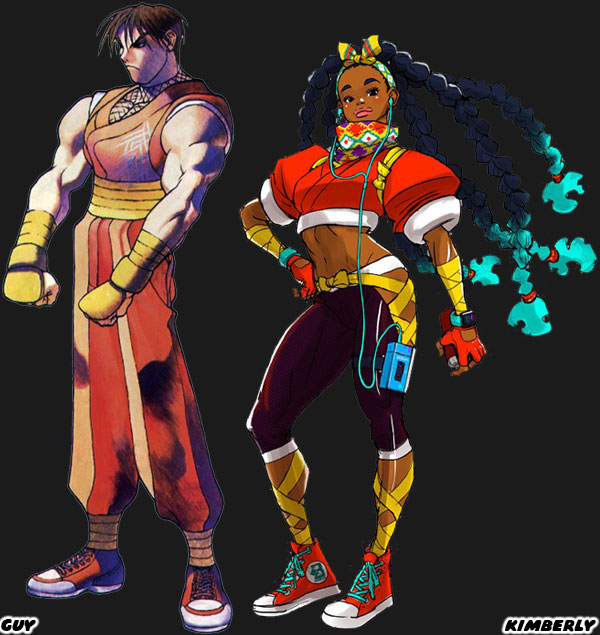
Of course no great idea really dies. At least not at a major studio. I believe that the fighting style originally planned for King Cobra was instead assigned to Jamie, the rival to Luke in SF6. The idea of giving a strong balance, or younger upstart to compliment to a franchise character was expanded on with others in the cast. Chun-Li as you may know finally had a worthy rival with the villainous Juri in SFIV. Juri’s design I believe had finally been perfected in SF6. Although we have not been introduced to A.K.I. officially as of this writing, many online also believe her to be a redesigned version of F.A.N.G. from SFV. One who loses the silly personality, to become a much more sinister archetype. Not every new face in the series is designed to be a rival to an established character. For example, Kimberly is the young ninja that is designed to be the understudy to Guy.

Guy was a featured character in the 1989 hit Final Fight. He was originally designed to be the replacement for Ryu in the Street Fighter series. As Cody was designed to replace Ken as well. The wrestler-turned-mayor Mike Haggar was the prototype for Zangief. But I digress… The sneaker-wearing ninja was certainly cooler than Ryu in design. Bringing just a hint of urban fashion into a traditional martial arts world. Kimberly carries a lot more of that same forward thinking. Mr. Nakayama, Mr. Tsuchiya, Mr. Matsumoto, and Mr. Hashimoto have gone all-in on incorporating the western influences that helped create the SF series. In doing so they expanded the diversity, and more important, created much better representation than in either SFIV, or SFV. They understand, perhaps better than the majority of Japanese designers, that Black culture is pop culture in the west. Not only that Black culture is the backbone of pop culture the world over. Using the fashion, the music, and art of Hip-Hop without including Black characters would have been a disservice to the community. The two other women introduced are other great examples of representation. I will dig into those on the next blog. What are your thoughts on everything revealed with SF6 so far? What are you looking forward to? Let me know in the comments section please! As always if you would like to sponsor me please visit my Patreon page and consider donating each month, even as little as $1 would help make better blogs and even podcasts!
follow the Street Writer on Patreon!

Wednesday, June 29, 2022

Meet Kimberly, is she the Urban ninja of Street Fighter 6?

Hello friends, today we are going to look at another new character in Street Fighter 6. Kimberly may be the most anticipated of the new members in the lineup. She was first teased at the end of the Street Fighter 6 announce trailer. Her picture came up in the background of the Battle Arena. Leading many to believe she would be the next character to get a full reveal. Her look is actually layered with tons of elements. Let’s dig in to the colors, costume, and origins of Kimberly. First off the team working on SF6 is going full Hip Hop in the music, art, and aesthetic of the game. We saw that with the graffiti version of the Capcom logo in the first trailer, but it went much deeper. SF6 Producer Shuhei Matsumoto explained the Hip Hop connection to the series to Rolling Stone magazine. I had also called out the multiple Hip Hop elements applied to Jamie. Kimberly is no exception to the rule.

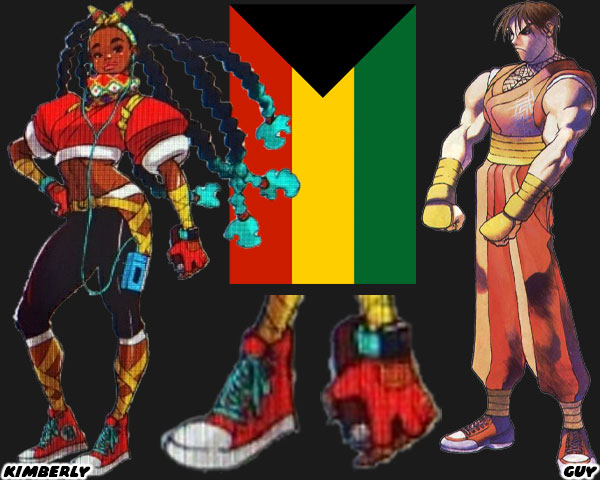
As a Black character Kimberly had a number of “urban” elements put on her. It wasn't the first time. In 1989 Guy broke the mold by being a modern ninja, with just the use of Nike Air Force 1's on his costume. With Kimberly there were a lot more modern details. She was sporting long braids with turquoise colored tips. She was wearing sneakers, a smart watch, listening to her Walkman, and holding a spray can. She had ribbon on her forearms, leggings, and wrapped around her ankles. I believe it is inferred that she is also a trained dancer. Capcom seemed to go all-in on her Black roots. Her color scheme seemed busy, but was very pro-Black, especially if she had been planned in the ‘90s. The colors of her outfit were very intentional. The Pan-African movement started over a century ago as a way to create a brotherhood among Black peoples in every nation. The colors of their flag were black, red, yellow, and green. Black represents the peoples of Africa, Red represents African bloodshed during the years of European occupation, Yellow represents the African riches plundered under occupation, and Green represents the fertility of the land. We get these details all over Kimberly’s costume. If I didn’t know better I’d say the studio was intentionally creating a femme version of Miles Morales.

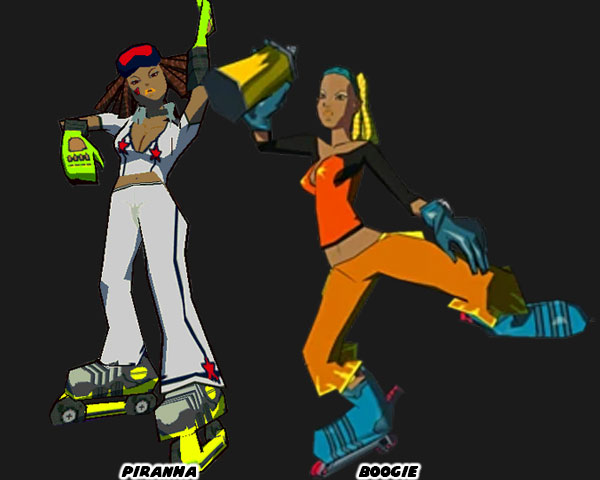
Prior to Kimberly there were two characters created in Japan that were Black, and very Hip Hop in gaming. Piranha from Jet Set Radio (2000), and Boogie from Jet Set Radio Future (2002). Technically I think both were meant to be the same character, but I digress. Smilebit was a Sega developer that created what I would argue to be the greatest Hip Hop games ever published. Both Jet Set games featured all four elements of Hip Hop. The characters could breakdance, and spray painting graffiti was part of the game play. Lastly the music, and plot was pushed forward by the emcee, and DJ Professor K. The kids of Tokyo-To were fighting for freedom of expression under an oppressive police state, and their corporate overlords. Every group of inline skating “Rudies” reflected different gangs in the series. The heroic GG’s were made up of positive figures of all colors, and Nationalities. The Jet Set series had a profound influence on art, gaming, music, and design for several generations. I wouldn’t put it above the Capcom developers to have grown up on this game. I’m not the only one that had this opinion. Kotaku said Ryu’s new theme belonged in Jet Set Radio.

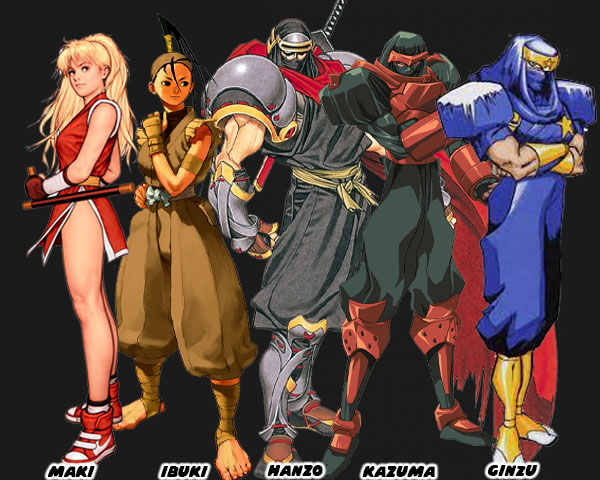
The color, and cut of Kimberly’s top was a familiar red, and white. We had seen the sneakers, and martial arts outfit combination originally placed on Guy from 1989’s Final Fight. I had Guy as #11 on my 30 most important Street Fighter characters. As you may know Guy was a Bushinryu Ninja, that was originally created to replace Ryu as the star of the franchise. With Cody replacing Ken. Street Fighter 6 was set to take place mostly in Metro City, where Final Fight took place. Anyhow the early take was that Kimberly was the first Black female ninja in the series. There were many ninjas in the Street Fighter universe. Geki was a NPC from the original SF. Then there was Maki, another sneaker-wearing member of Guy’s ninja clan in Final Fight 2. Final Fight 2 was a Super Nintendo exclusive. The first playable ninja in a numbered SF game was Ibuki, she debuted in SFIII. If Kimberly is a ninja as well then Capcom has done a good job of masking her costume in what appears to be plain clothing. The oversized shoulder pads was a classic ninja costume choice that had appeared in manga, anime, and other games. For example I talked about Kazuma, and Ginzu on my Galaxy Fight blog. Ninjas in pop culture also often wore face coverings, or sashes. Kimberly had a headwrap, and scarf with the Pan-African colors. I’m curious to see what moves, attacks, and specials she will be given. There is still a long way to go until the game was released, but I was eagerly watching each development. What about you? What do you think of Kimberly, or are you waiting to see how the other characters turn out? Please let me know in the comments section. As always if you would like to sponsor me please visit my Patreon page and consider donating each month, even as little as $1 would help make better blogs and even podcasts!
follow the Street Writer on Patreon!

Monday, February 17, 2020

Wednesday, June 20, 2018

30 years of Street Fighter: 30 years of Characters #11


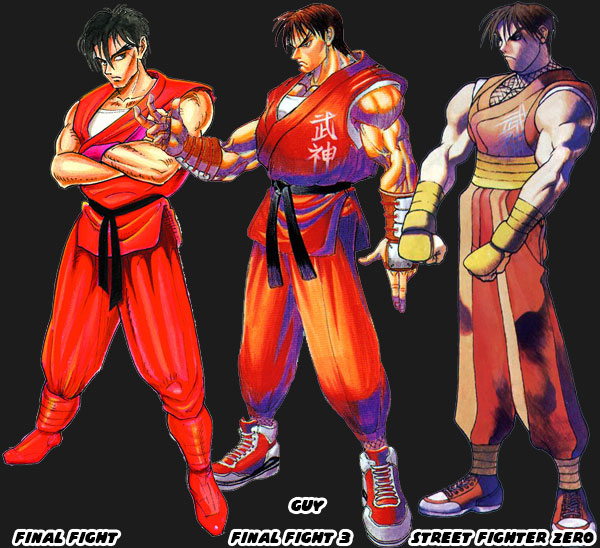
In the 30 years since Street Fighter was created there have been many characters that have come and gone. One of those that remains timeless is Guy. The origin of Guy and his friends was the stuff of legend. The short version goes like this; Street Fighter wasn't a smash hit when it debuted in 1987. Technos on the other hand had ruled arcades with their game Double Dragon. When Capcom decided to create a sequel for Street Fighter they went in the direction of making a better version of Double Dragon. With three playable characters named Guy, Cody and Haggar, who were supposed to replace Ryu and Ken as the stars of the game. This new brawler would be called Street Fighter '89. Arcade owners didn't like the shift from one-vs-one fighting game so Capcom relabeled it Final Fight and started working on Street Fighter II instead. Guy was supposed to replace Ryu, as Cody was supposed to replace Ken in the series. This time around the Japanese and US fighters would look and play completely different.


The DNA of Final Fight could be seen in SNK's Fatal Fury. Takashi Nishiyama and Hiroshi Matsumoto helped create the original Street Fighter and had a lot of notes about a radical new sequel. One which featured three main characters instead of two. They never got to start work on this new fighting game at Capcom. The duo left the studio and went to SNK where they developed the King of Fighters universe. The trio of characters they created turned out to be Terry Bogard, Andy Bogard and Joe Higashi. The reason why Guy worked in the lineup was the same as why Terry worked. These were the new fighting archetypes. Instead of looking like a character from an old martial arts movie they had cues from modern heroes. Guy looked like some sort of classical ninja until you noticed that he was wearing sneakers. It was a subtle but stylish upgrade to the classical look. It was Bruce Lee that we had to thank for this shift in thinking. Lee pulled the action movie genre into the future. He didn't have to play a master in ancient China when he could be a present-day hero. He could wear sneakers, sunglasses and ride a motorcycle while still being a realistic fighter.


Guy's red solid-color uniform and sneakers had the same level of coolness as Bruce Lee's yellow outfit in the movie Game of Death. It wasn't hard to imagine that he could easily dethrone Ryu as the main character in the Street Fighter universe. The fact that his lightning quick speed, leaping kicks and backhand punches easily made the transition from Final Fight in 1989 to Street Fighter Zero in 1995 showed that he was always ready for the spotlight. Throw in a mysterious master named Zeku that only recently became a playable character and you had all the makings of a Street Fighter Legend. Guy was just one of the many reasons why the series has lasted for 30 years. The game had now multiple generations following it and it showed no signs of slowing down. As always if you enjoyed this blog and would like to sponsor me please visit my Patreon page and consider donating each month, even as little as $1 would help make better blogs and even podcasts!
 follow the Street Writer on Patreon!

Sunday, October 15, 2017

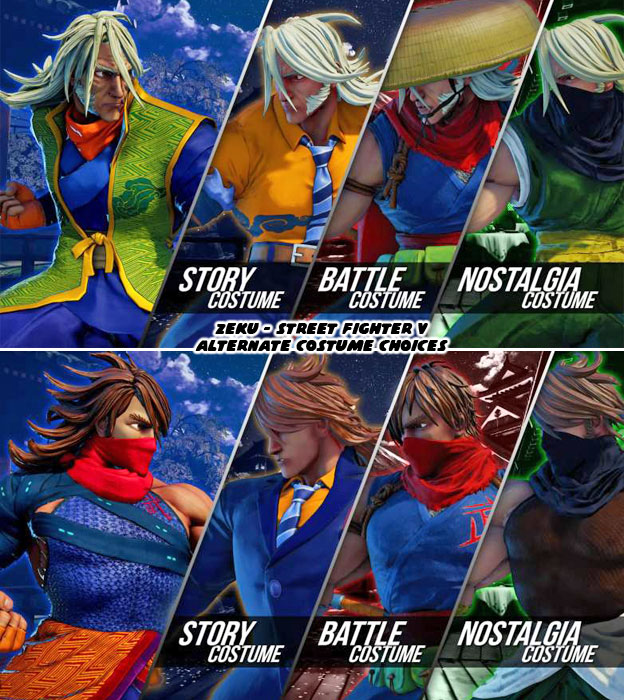
Zeku, the ninja spirit from the '70s finally returns!

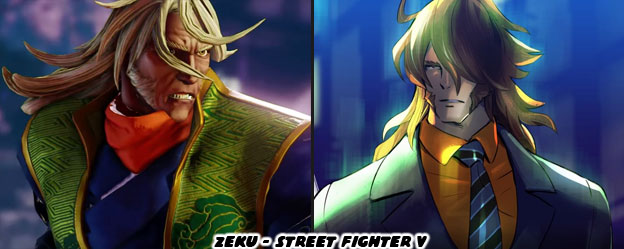
Hello friends, welcome back to another quick character design breakdown. The latest Street Fighter V character has just been revealed. Many people had predicted this character based on the silhouette that was unveiled by Capcom many months ago. The unique hair really was what gave this character away. In case you didn’t know who I was talking about it was the ninja Zeku.


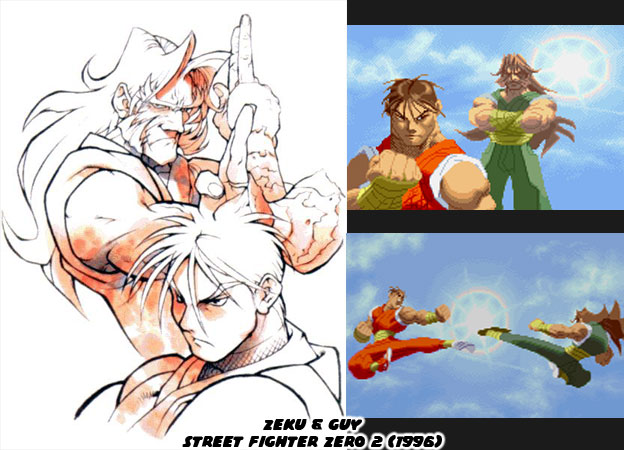
In canon Zeku was the master of Guy, one of the star characters in Final Fight. What made Zeku unique was that he was never a playable character in any previous game. In fact his appearance was very rare. Final Fight was an arcade hit and was ported to several different consoles. In 1993 it spawned a sequel for the Super Nintendo. At that point the only returning character was Haggar. Maki, another fighter from the same clan as Guy had joined his battle against the Mad Gear Gang. Then in 1996 a third Final Fight was released, including the return of Guy to the lineup. At about that time Capcom was also working on a follow up to Street Fighter Zero / Alpha. They had Final Fight on the mind and were going to retcon the events of Street Fighter, Street Fighter II and Final Fight in this new game. Street Fighter Zero 2 included Guy and Rolento from the Final Fight series as well as some Metro City-themes stages. It was at this point that Capcom introduced the world to Zeku.


Zeku appeared very briefly in Guy’s ending. A sort of final showdown between the master and the student. This in addition to the official character art led a lot of Street Fighter fans to speculate that Zeku would soon be joining the lineup. Nobody thought that it would take Capcom 21 years to actually do this. Senior artist Bengus was responsible for his look. It was appropriate that Bengus would update the character for Street Fighter V. It’s funny that I should use the word update when what he did was actually keep the look decidedly “old-school.” Zeku was actually a nod to the characters and artists that influenced the Capcom designers from a young age.


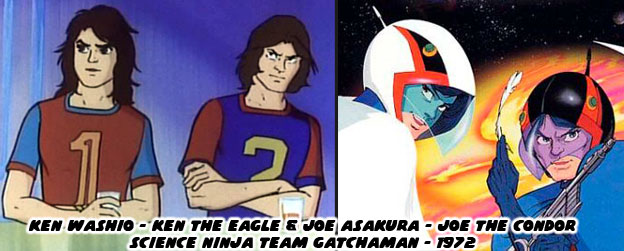
The long, wild, hair of Zeku had its origins in the “70s, when it was trendy for men to sport this look. One of the biggest hits of the time was Science Ninja team Gatchaman, a show from 1972 that was adapted for the USA as Battle of the Planets. The series worked for a number of reasons, not the least of which was that it was a unique blend of different elements. The stars looked like everyday people. They wore shirts and (bellbottom) jeans. They had long hair and sunglasses, making them easily the coolest animé characters of the era. Also the henshin, or transforming hero shows, were just starting to take off in Japan. This was one of the first animated shows to use that concept. It took a group of ordinary teens and turned them into costumed superheroes. What kid growing up didn’t want to be just like them? The Capcom designers were kids and young men during this era. Although Street Fighter is not filed with characters like Viewtiful Joe, the ‘70s aesthetic did leave an impression with many of the artists.


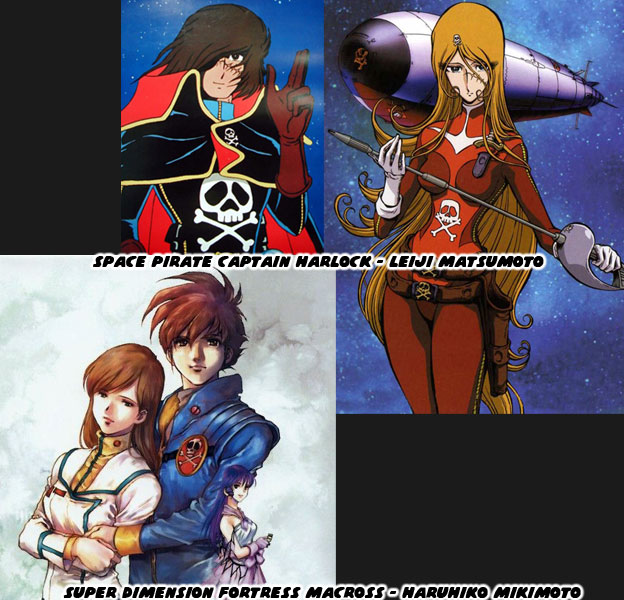
Animé was evolving by leaps and bounds during this era. When manga and animé first took off many designers were copying the style of Osamu Tezuka, considered The Godfather of animé. Gatchaman was pulling away from the Tezuka style, creator Tatsuo Yoshida wanted a more rebellious look for his heroes. This was a stark difference from his previous work on the clean-cut Speed Racer. This rebellious attitude and freeform character designs were combined with the popularity in science fiction. Leiji Matsumoto created the iconic Space Captain Harlock in 1977. His style was very different than his contemporaries, nobody created figures with the same super-exaggerated proportions. His men were almost as slender as his female characters, yet they all oozed personality. He introduced an entirely new aesthetic into animation. Figures had to push the envelope of body types. There could be squat fat men and lanky femmes on frame and somehow it worked. His anti-hero designs were the envy of all. His iconic skull and crossbones would somehow find their way into other manga and animé (and Mad Gear) as well. The next evolutionary step in character design was from an artist known as Haruhiko Mikimoto. The animé Super Dimension Fortress Macross was another sci-fi smash hit. The series began in 1982, and was among the great space operas. Mikimoto further distanced his work from his predecessors, but there were still connective tissue on the heroes and villains. The long hair, sideburns were trimmed but the rebellious spirit was still there.


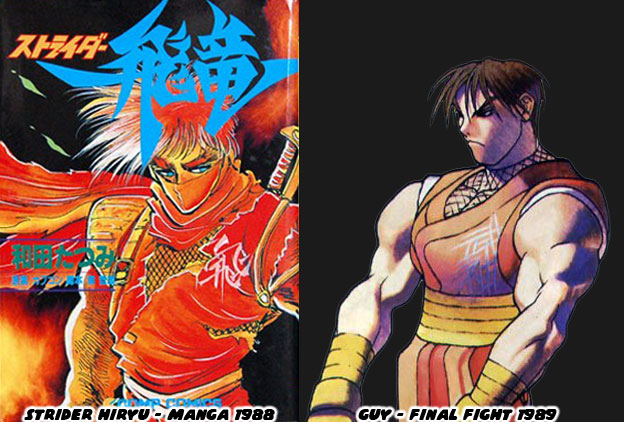
Zeku was a call-back to the hyper-cool heroes like Ken “the Eagle” Washio and Joe “the Condor” Asakura. It wasn’t enough that he carried over the hair, but his actual facial features, the angles on his jaw and eyes were very much spot-on with the Matsumoto aesthetic. Go back to the illustration at the top of the blog and take a closer look at the “young” version of Zeku. As it appears Zeku had two different sets of costumes. They look like his current older version and a set based on how he looked as a young man. It would make sense that 40 years ago Zeku was in his prime, he would have worn clothing and had hair that looked like he was right out of the ‘70s. Long time Capcom fans would be the first to spot the blue and red uniform that he sported was similar to that of Strider Hiryu as well. Here’s where things get very interesting for the ninja master.


Strider was a character designed by Tatsumi Wada and published by the artist collective Moto Kikaku in 1988. The manga was in collaboration with Capcom who wanted to have their own henshin superstar. The manga set the groundwork and the arcade release came out a year later. During the same development cycle Capcom was also working on Street Fighter ’89 / Final Fight. I believe that Guy was pulled from the same design notes that went into Strider. The comparisons between the two were more than skin deep. Strider was of course presented with a blue uniform but audiences didn’t know that with the original red-toned cover. The genius design element that grounded Guy in the present were his high-top sneakers. The genius design element that grounded Zeku in the past were his ‘70s haircut and fashion choices. If Capcom were to lay the foundation for a Strider reboot then this would be their chance. According to canon Strider Hiryu was born in 2030. At that time Guy would be as old as Zeku was now. And if Zeku were still alive he could have launched the organization fighting against global terrorism. That was of course if Capcom were looking at their long-term game strategy. Even if not Zeku was a welcome addition to the lineup. He certainly had more care given to his re-introduction than either Birdie or Abigail. As always if you enjoyed this blog and would like to sponsor me please visit my Patreon page and consider donating each month, even as little as $1 would help make better blogs and even podcasts!

 follow the Street Writer on Patreon!

Tuesday, September 26, 2017

Hiding the master in plain sight, the genius of SNK's character design...part 1

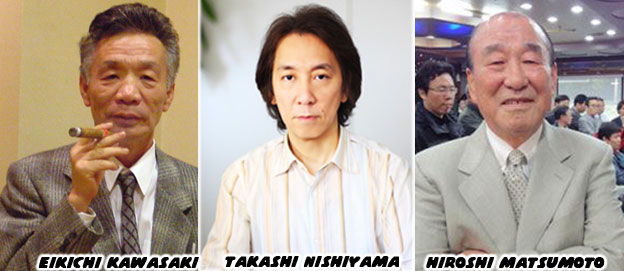
For this series I will be looking at the design elements behind the SNK fighters. I won't be talking about every fighting game that appeared on the Neo Geo console, that would take years to put together. Instead I will focus on a few titles and some of the most influential characters, and designers. This blog has been a long time coming. The little bit that I talk about SNK will not be enough for most fans. It will hopefully get a discussion going with the design community. If I could boil down the SNK school of design, the reason why their characters were so long-lived, it would be because they hid the fighting masters in plain site. That's it. That's the secret to their success. Okay so maybe it is a little bit more complicated. Let's go back in time and see how the people that made Street Fighter changed the course of SNK as well. The late ‘70s and most of the ‘80s were considered a boom time for the arcade industry. Hundreds of studios popped up in the hopes of striking it rich. They wanted to create the next Space Invaders, the next Pac Man or Donkey Kong. Everything was an experiment and when one idea worked you could expect other studios to copy the formula. If one company had a racing game then everyone else had to have a racing game. If one company had a successful space shooter then other studios needed their own. This type of thinking sunk many developers. If they were only copying and not innovating then audiences would often pass over their games. SNK was a company that took many chances, in doing so they were often financially drained. The games they produced in the early days were the results of a small team of very dedicated employees. One of the biggest changes for the company happened when Takashi Nishiyama and Hiroshi Matsumoto left Capcom to join SNK. The pair had designed many of Capcom’s early arcade hits, including the original Street Fighter.


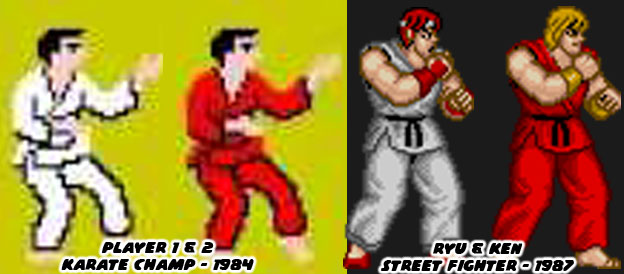
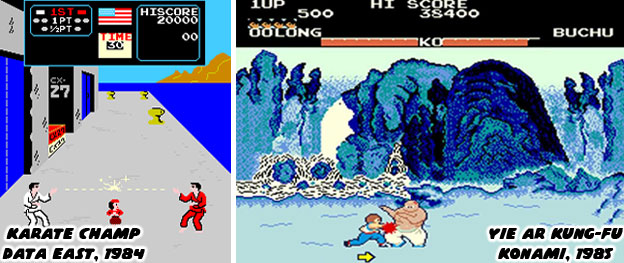
SNK founder and boss Eikichi Kawasaki had a keen insight to what gamers wanted. Unlike other company presidents who sat back and let his team develop hits he was actively involved producing many of their early titles. Mr. Nishiyama and Mr. Matsumoto had plans for a Street Fighter successor but the industry was evolving so rapidly that what it meant to have a fighting game was literally changing from month to month. Many arcade veterans would consider Technos’ game Karate Champ as the forefather of the modern fighting game. In 1984 it introduced audiences to the idea of traveling from place to place to fight other karate masters. There were even bonus stages in the game where players broke bricks and punched bulls. Some of these things found their way into the original Street Fighter. The colors for player 1 and player 2 could even be considered the inspiration for Ryu and Ken respectively.


To say that Street Fighter was solely based on one game, or even one myth was wrong. There were a few other games that shaped the industry as well. In 1984 Irem released Kung-Fu Master, that Mr. Nishiyama had also developed when he was with Irem. This game had a hero fighting wave after wave of different types of opponents in a nonstop showdown. It was essentially the foundation of the brawler as well as a key piece in the development of the fighting game genre. 1984 was also important because of Punch-Out!! The Nintendo hit introduced stylized opponents from different countries and different weight classes as well. The first-person perspective in a fighter was rarely used but Nintendo demonstrated that it could be done. Then there was Yie-ar Kung Fu by Konami. In 1985 the company added the concept of life bars to the genre. Also it introduced different schools of martial arts, some with weapons, and it featured the first Chinese female martial arts opponent as well.


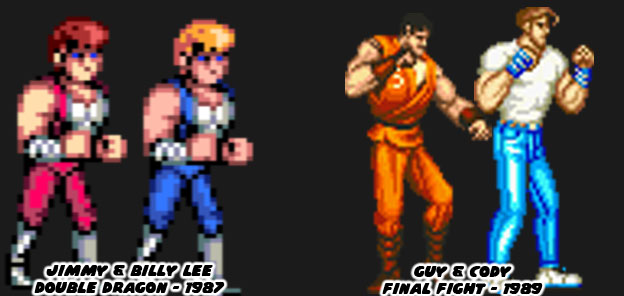
The action titles from ’84 and ’85 things colored the development of the fighting genre. When Street Fighter was released in 1987 Capcom made sure that it was bigger and better than anything that preceded it. Karate Champ may have been the roots but this game was so much more. The new stars, Ken and Ryu, would travel the globe and take on challengers of every background. Mr. Nishiyama and Mr. Matsumoto didn’t create a generic martial arts tournament, they instead pulled in influences from pop culture. The movies, the comics and cartoons they enjoyed inspired the setting and opponents of Street Fighter. More than that they helped inspire the development of special attacks like the hadouken or fireball. Street Fighter wasn’t the breakout hit that the company expected it to be. Instead there was a game by Technos that ruled arcades that year. Double Dragon was a new type of fighting game. Audiences all over the world were instantly hooked on this brawler. It was essentially a pseudo-3D version of the Kung-Fu Master story. An evil gang kidnaped a girl but instead of one person fighting to get her back it was two. These two could punch, kick, grab and throw opponents. No other game had that many attacks or “combination” moves. Billy and Jimmy Lee were stars for a new generation. There was nothing traditional about these heroes. They were tough guys from the street, vigilantes that took justice into their own hands. Audiences could identify with them easier than they could a martial artist in ancient China.


Double Dragon would have a profound influence on the industry. Studios were forced to change with the times or audiences might skip their next release. Any plans for a Street Fighter sequel were scrubbed as Mr. Nishiyama and Mr. Matsumoto left to join SNK. The designers taking over at Capcom, Yoshiki Okamoto, Akira Nishitani and Akira Yasuda wanted to make the next Street Fighter a superior version of Double Dragon. You know the story by now of how Final Fight was originally called Street Fighter ’89. It was no accident that the stars of this game were not Ken and Ryu but instead a more contemporary Cody and Guy. Their sprites were bigger and more detailed than Billy and Jimmy Lee. They fought through a bigger city and had more moves and more opponents to deal with as well. Final Fight was one of dozens of Double Dragon clones that came out over the next few years. Many for the arcade but some for the consoles as well. Of these developers Konami put out some of the best brawlers and I dare say that Vendetta (1991) might be peak Double Dragon clone.


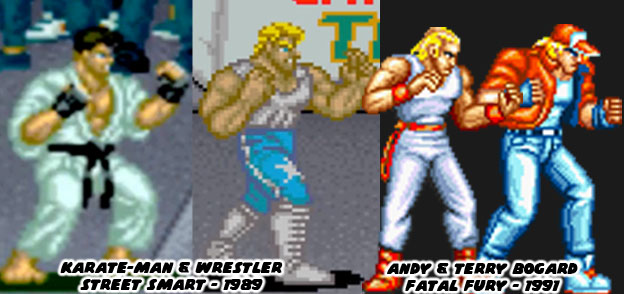
SNK had not yet released the Neo Geo console but the company saw where the arcade industry was headed. Specifically the President and Founder Eikichi Kawasaki saw that fighting games was the next big trend. He had his team begin working on new experiences. One of the most important and often overlooked titles that Mr. Kawasaki produced was called Street Smart. It was a sort of “missing link” between the brawler and the modern fighting game. It had a sense of depth like Double Dragon and even had a broad stage that allowed players to move far left and right. There were a number of different opponents each with techniques and abilities. It was the first fighting game to feature the Brazilian art of Capoeira, the Stage 2 boss “Slippery” Sam Santana could flip, tumble and strike. This game also featured an unlicensed version of I can’t turn you loose, an old Otis Redding tune made popular by the Blues Brothers. Poached music aside this game was important because it allowed for two players to team up against two opponents at the same time. It had a frenetic energy about it and being able to double-team an opponent felt very rewarding.


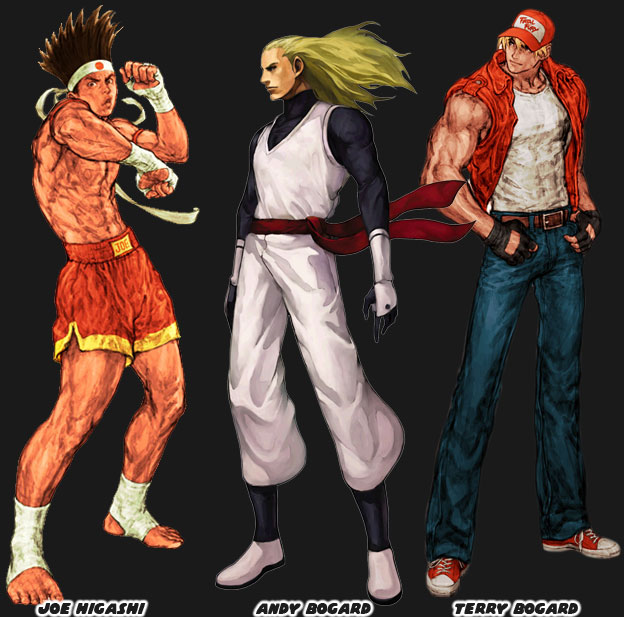
Mr. Kawasaki was a fan of the fighting arts and was even an amateur boxer in his youth. He knew a thing or two about real fighting. The idea of mixing up the forms intrigued him and he made sure that he had both a karate or wrestler be playable in Street Smart. It was SNK’s next game that helped put them on the map. Mr. Nishiyama and Mr. Matsumoto had their hands full trying to stay one step ahead of the competition. Street Fighter II exploded on the scene in February 1991. Somewhere in between Street Fighter and the original Fatal Fury the duo considered making a fighting game like Double Dragon with at least three playable characters. They had to act fast as Street Fighter II was gaining momentum. They narrowed their idea to a traditional fighting game but kept three main characters and even the ability to jump between the foreground and background. Fatal Fury was released at the end of 1991 and was an answer to both Final Fight and Street Fighter II. Audiences gravitated to the unique library of characters. Traditional fighting arts masters were balanced out by modern brawlers in street clothing. In fact you could see the spectrum in the main characters. Joe Higashi looked like a traditional May Thai specialist. His shorts, his taped hands and feet, dark tan and bold colors were classic. Andy Bogard was a sort of ninja-hybrid, his costume wasn’t quite classic nor was it quite modern, his design was literally a bridge between the old world and the new. If Joe was a nod to the past then Terry Bogard represented the future.


Terry Bogard was a new type of hero, the modern action film star. The days of Japanese karate masters being the heroes of the game were coming to an end. Some companies didn’t get the memo and kept rehashing old ideas, that’s why not many of those copycat fighting games were around today. Terry was a literal street fighter. He wore street clothing; a trucker cap, leather jacket, jeans and sneakers. He learned how to fight growing up on the rough streets of South Town. Of all the SNK heroes he was the one that went the furthest despite having a formal martial arts instructor. When SNK put him up against Geese Howard, the man who murdered his father, they created one of the great rivalries in fighting game history. Mr. Kawasaki and his star developers had a hit on their hands. It was the mix of traditional and modern character designs that helped put SNK on the map. When SNK’s next major fighting game was released it cemented their school of design. We will look at this in the next blog. As always if you enjoyed this blog and would like to sponsor me please visit my Patreon page and consider donating each month, even as little as $1 would help make better blogs and even podcasts!

 follow the Street Writer on Patreon!

Friday, October 28, 2016

The best championships in fighting games, part 2

In the previous blog I had pointed out the unique belts and champions featured in fighting games. From the small symbolic belt of Russian boxer Andrei in the King of Combat to the gaudy bull horn belt of Antonov from King of Fighters. There was a championship for every form of fighting. The wrestlers in these games seemed to have the best titles. While Darun Mister of Street Fighter EX fame had a total of 3 championship belts he was nowhere near the most decorated champion. Hugo Andore, the German giant from Street Fighter III also had three championship belts and at least 5 other trophies and awards from different promotions. These were all visible in his stage from Street Fighter III 3rd Strike.
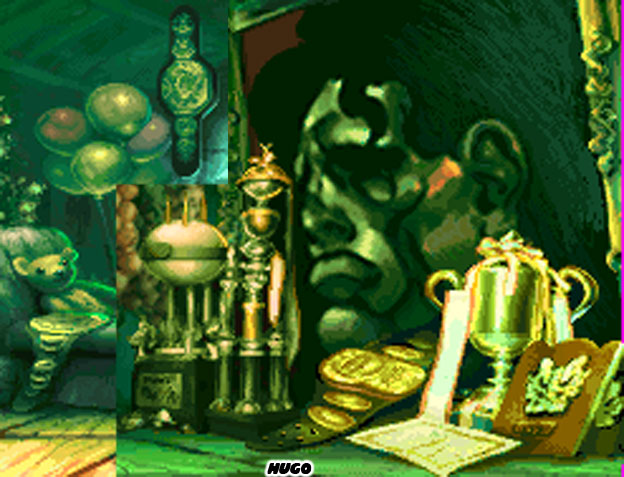
 

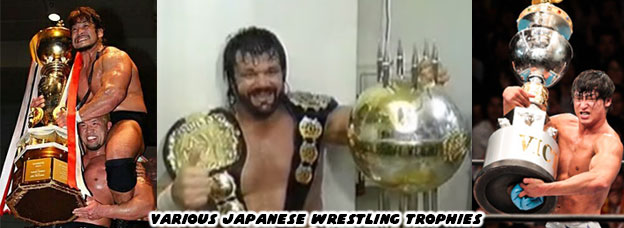
The accolades given to Hugo were based on real-world championships. Take a look below at some of the Japanese promotions that inspired the gold. In some promotions the best wrestlers are given statues, plaques or towering cups wrapped in streamers. They are the result of winning a tournament or even beating multiple opponents in a "battle royal." In the multiple endings in Street Fighter III: Giant Attack Hugo was written as having different tag team partners, there was a chance that one of his belts or trophies was won with the help of a partner. It was never established who the actual person was but many assumed it was Alex, the American MMA star.
 

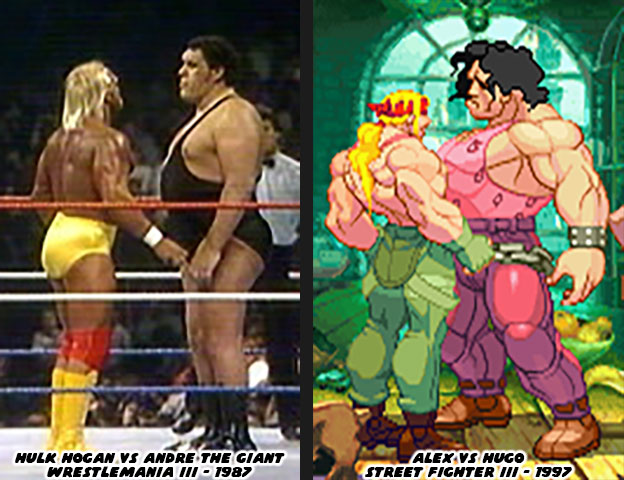
Hugo was a Mad Gear Gang-member-turned wrestler. He along with the Andore family from the Final Fight series was inspired by Andre the Giant. The French wrestling star was huge (pardon the pun) in the '70s and '80s. He traveled the world and made a following wherever he landed. In his younger days he was quite athletic and could actually perform some high risk 1st and 2nd rope leaping moves. He had a large head of hair, almost like an afro which gave him a wild appearance when he debuted. As he got older he gained some weight, slowed down and cut his hair a little bit shorter. Age did nothing to curb his awesome strength and legendary drinking ability. The character of Hugo is a sort of amalgamation of the young and old Andre. He has some of the speed, moves and hair of the younger version with the raw power of the older self. One of Andre's great rivalries, and even tag team friendships was with Hulk Hogan. This insight from the developers was celebrated as a special animation whenever he fought Alex. The two would have a stare down before the round, similar to the Wrestlemania III match.
   

Andre had beaten many of the best wrestlers around the world. Yet he was not necessarily the person who would be considered the heavyweight champion for a particular company or promotion. He never held the title for any length of time because he was constantly travelling. Andre was a sort of sideshow attraction. He would only appear from time-to-time so that his marketability and thus legend would remain intact. Promoters knew that audiences would eventually tire of seeing him squash all of his opponents, so he was considered a gimmick fighter and only hired him for a few weeks at a time. Any belt he won was usually won back by the hometown champ before he left the country. Hugo on the other hand was a runaway terror. He took the belts and steamrolled every promotion he went to. There was no one in the Street Fighter universe that seemed capable of stopping the giant. But did that make him the best wrestler in the SF universe? I would argue no, he was not the best wrestler and certainly not the best fighter. Guy, Cody and Mike Haggar from Final Fight have all shown that they could take him, and his extended family of giants in a stand up brawl. Despite Hugo's collection of belts and trophies he is missing a very important one. He does not have the Capcom Wrestling Association or CWA belt. This would be THE title held by Victor Ortega in Muscle Bomber / Saturday Night Slam Masters. Hugo also does not possess the rival promotion Blood Wrestling Association or BWA belt.
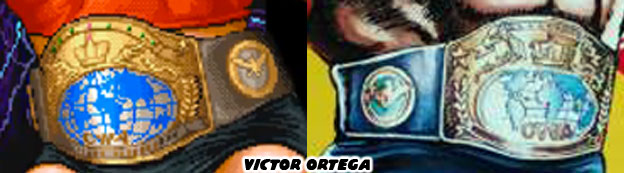
 

I have talked previously about the middle-aged phenom known as Victor Ortega on previous blogs. This character and his title was created by Tetsuo Hara. The co-creator and artist behind Hokuto No Ken / Fist of the North Star. is a huge wrestling fan. Many of the big wrestling names from the '70s inspired several of the characters in his comic book series through the '80s. These in turn inspired the artists working at Capcom through the '80s and '90s. When they began designing the villains in Street Fighter and Final Fight series a few were based on the work of Mr. Hara. When the company wanted to create a wrestling-inspired brawling and later fighting game they went directly to Tetsuo Hara. He created a cast of characters and set the pro wrestling canon of the Street Fighter universe. At the top of the chain was Victor Ortega, based on the flamboyant and photogenic Superstar Billy Graham. Billy had a bodybuilder physique and looked incredible in televised matches. It didn't matter if other wrestlers were technically more sound, because they didn't look and act like a champion they often had to "work" (lose a match) to Graham.
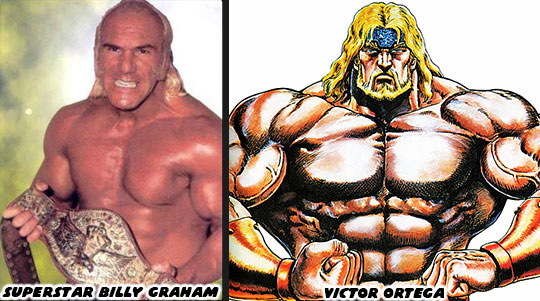
   

The version of a champion that Mr. Hara created may have been visually inspired by wrestlers like Graham, however his in-ring skills were the real deal. Ortega had legitimate punching, kicking and grappling skills. Despite his size he was also very fast and very flexible. He needed to be a great all-around champion considering the different styles of wrestlers that filled both the CWA and BWA rosters. Some were technicians, some brawlers, some were high flyers and some were shooters (submission fighters). Victor Ortega was easily the most muscular character set in the Street Fighter universe. This undoubtedly made him intimidating, even to a giant like Hugo. I would like to think that not only did Hugo fail to capture the CWA title, but that he was afraid of Ortega.

In the real world Andre the Giant faced all sorts of opponents, including some almost as tall and as strong as he was. Outside of the ring he sometimes had to fight off hecklers, drunks and angry wrestlers. He beat just about all of them, most with ease. After all of his travels and all of his victories there were only two men that Andre was afraid of. According to former wrestler and manager Bobby "the Brain" Heenan the two men were Harley Race and Tonga Uli'uli Fifita. Both men had reputations for being tough as nails. They were strong, intimidating and did not appreciate being messed with. Both were also fiercely loyal, good to their friends and stand-up men whose word was their bond. The two men were also a foot shorter than Andre.
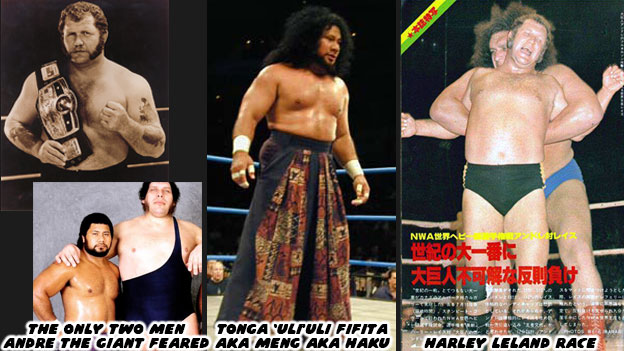
 

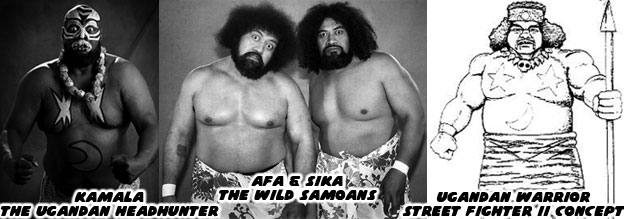
Tonga was the younger of the two hard legends. He was a trained martial artist and had actually been picked up as a teen to learn the art of Sumo by a Japanese stable. While in Japan he was able to adapt to life in the squared circle. He was gifted with great strength and stamina. These things came in handy as he fought many Japanese legends. They were trained in the "hard style" of wrestling where people barely pulled their kicks and punches. Karl Gotch was a pioneering grappler that took his classic techniques with him to Japan. Pro wrestling in Gotch's day was much more about grappling and submission holds than the "sports entertainment" it tries to be on television. He wanted his students and opponents to come at him with the same ferocity of the turn-of-the-century wrestlers. He wanted them to know how to legitimately catch holds and counter attack. Tonga was already a tough person but his time in Japan tempered him into a dangerous weapon. It was not hard for him to find work in any promotion acting as a heel or bad guy. In the '70s and '80s the large Pacific Islanders were often marketed as savages or wild men by the various promotions. This worked to their advantage as they intimidated opponents and audiences alike. The gimmick had gone over so well that one of the concept fighters for Street Fighter II was a Ugandan warrior. This character had elements of the Wild Samoans, the body paint of Kimala (the original Ugandan warrior) and the frame of Tonga.

The bar fights that Tonga participated in were the stuff of legend. The majority of the time all he wanted was a drink and to be left alone but trouble would find him. Many of his friends were astonished by how often people would pick fights with him. There are stories of how he took on groups of people and even the police in the melees. The scariest were stories of how he bit the nose off of an attacker, or how he reached into a man's mouth and pulled out his teeth. The stories were gruesome and certified by witnesses. He worked with Andre a few times and they got along great, possibly because Andre avoided him outside of the ring and never tested him. It would be interesting to see a redesign of this character by the people at Capcom, one that captured more of the presence of Tonga without pandering to the wild man mystique. The other person that Andre feared had an equally interesting history.
 

Harley Race was similar to Karl Gotch in that he came from a different era. Harley was a tough guy, even at a young age. As a teen he was thrown out of school for beating up his teacher. He decided that he wanted to be a wrestler and actually joined up with a carnival where he learned the ropes from actual carney catch-as-catch can fighters and strongmen. This was a direct link to another time, literally a connection to the 19th Century, when wrestling was real. Before promotions divided the talent and before television turned it into a soap opera. Harley had no amateur wrestling experience, unlike his opponents which often came from college backgrounds. As he went from town to town he had to take on any and all challengers. Some were men, some were teens but most had experience on the mat. Harley learned that he had to adapt quickly to these people and try to get a pin or submission right away. If he lost then he didn't get paid. Not only that but his handlers would beat him up as well. Harley survived a car accident as a young man and was told he'd never walk, let alone wrestle again. Harley recovered and became one of the hardest men in the business. He was a legit shooter and knew a countless number of ways to hurt someone. He picked up many things along the way from pro wrestlers which complimented his street experience. Harley was soft spoken but intense, his promos became legendary. It was his mastery of the ring and respect for the business that earned him followers the world over.
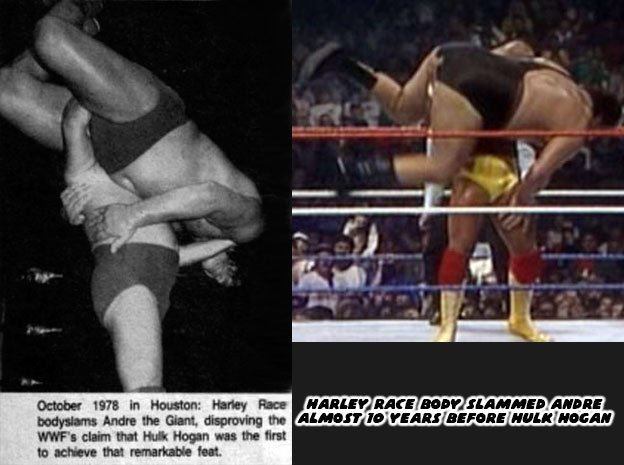
   

Harley, like Tonga, did not get into wrestling the easy way. He knew many different ways to seriously hurt people but instead worked to make his opponents look great and have long careers. He was just over 6 feet tall but had worked with many bigger men including Andre. Audiences soon forgot about the size difference in their matches because his presence was so commanding. It was Harley and not Hulk Hogan that had first slammed Andre the giant. Harley would often chaperone the big wrestlers when they traveled abroad. It was said that just a look from Race was enough to make the biggest wrestler back down when they crossed the line. Harley's old-school origin and NWA championship, which represented some 30+ or 40+ independent promotions / territories was the ultimate prize for a pro wrestler. There were other "world's" titles, including those from WCW, ECW, WWF and NJPW but among the purists you could not really consider yourself the heavyweight champ unless you held the same belt that Harley did. Andre the giant did not hold that belt. He once wrestled Harley to a 60-minute draw but that's as close as he ever got. When Harley joined the WWF he won the first Royal Rumble and became the King. When he felt ready to leave the business there was only one person he felt appropriate to lose the crown to and his name was Tonga.

Hugo may have been a beast but he was not the best. Mike Haggar had the chops to be the true CWA champion. Zangief and Darun probably have the chops too. As for Hugo, well, if he doesn't have the belt then he has not beaten the best. Or more likely he is scared to fight Ortega. Do you have a favorite video game champion? Or a favorite title? Who do you think is the best game wrestler? I'd like to read about it in the comments. As always if you enjoyed this blog and would like to sponsor me please visit my Patreon page and consider donating each month, even as little as $1 would help make better blogs and even podcasts!
 follow the Street Writer on Patreon!