Showing posts with label joe. Show all posts

Monday, October 2, 2017

Hiding the master in plain sight, the genius of SNK's character design... part 3

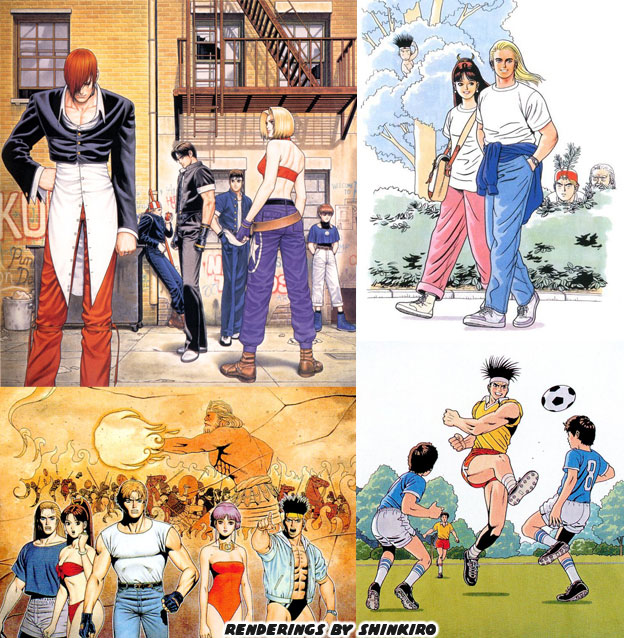
In previous blogs I established that Shinkiro had become one of the most influential fighting game artists of all time. The reason for this was obvious when comparing his work to other artists in the studio and abroad. He would render many of his subjects in realistic settings, with realistic clothing choices. They were often presented in casual settings, perhaps enjoying a cocktail, playing in the park or hanging out at the pool. Prior to that most character illustrations had the figures in fighting scenes and only in fighting scenes. Audiences were used to characters looking highly stylized, with exaggerated physiques. Guys were overly muscular and females were slim with large bouncy breasts. After all these were the types of physiques that manga and comic books expected the archetypes to have. Shinkiro changed all of that. You could look at his art and see people that very well could have existed. By looking at these figures you would necessarily be able to tell what martial arts form they represented. Again, he his that martial arts master in plain site.


Eventually all of the artists at SNK started to become attuned to what Shinkiro had brought to the genre. They understood that if they wanted to put a character into the Fatal Fury, Art of Fighting or King of Fighters, they they had to meet the elements that Shinkiro had established for the series. There would be no green-skinned Brazilian wild man or stretchy-limbed Indian for example. Those figures were not necessarily grounded in any sort of realism. The fighters did not have to be realistic, but they did have to have a sense of realism. The artist Hiroaki Hashimoto aka Hiroaki was an exceptional painter and considered an understudy of Shinkiro. He worked on a number of excellent pieces for the KOF series. In 1999 he was a lead on a new title called Buriki One. This game was set in the KOF universe but a bit in the future. There was a new tournament in town, inspired by the real world K-1 and Pride fighting championships in Japan. There was a call for representatives of the various martial arts. It was the closest that the team at SNK came to creating martial arts archetypes in the vein of the Street Fighter series. The final opponent was a new villain. Silber was very much an SNK answer to Gouki, he had traveled the globe defeating the masters of various arts and even a few wild animals.
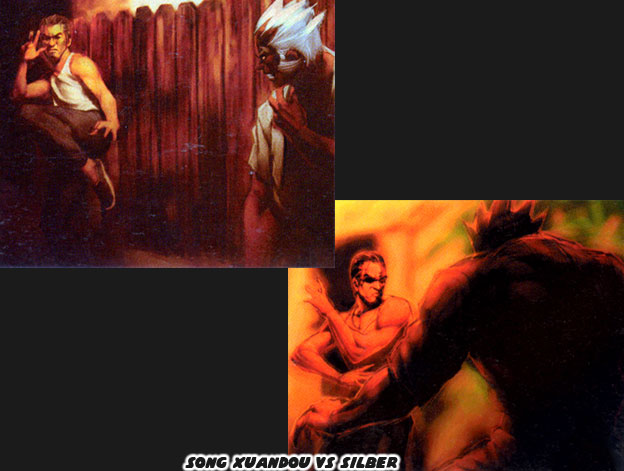
 

One of the competitors in the Buriki One tournament was an elderly Tai Chi master named Song Xuandou. It turned out that this was the only character that had a previous run in with Silber. Decades earlier, before MMA tournaments were being televised the only way for these fighters to find out who was the best was by actually visiting various dojos and exotic locations. There were no newspapers, no radio or film crews following these people. The fights that went down were the stuff of legend and only a handful of people actually saw them. This was how people like Mas Oyama earned a reputation. When Song was a young man he was lightning quick and very confident in his abilities. He took on Silber and lost. Although he was defeated it was a close battle. It could have been likened to the fight between Bruce Lee and Wong Jack Man. Song was one of the few people that could have claimed to have survived a fight with the powerful German. Silber was and remained a secretive figure in the world of SNK. It was entirely possible that he killed some of the people that he battled. Official character art for example featured him smashing in the face of a polar bear. When the designers of Buriki One called for a Chinese fighter to be put into the game Hiroaki gave audiences an elderly archetype. Nothing about the character seemed to stand out. But again, he was hiding the master in plain sight.
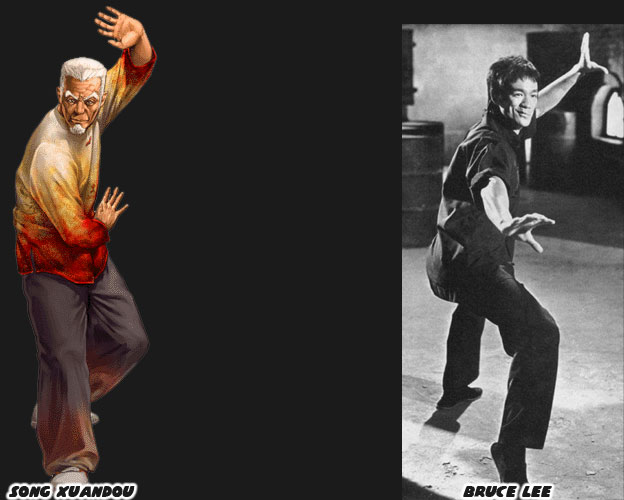
 

While Song no longer held the speed or flashy kicks of his youth, he retained most of his power. Song was modeled partly on Bruce Lee. This was a version from another timeline, say if he had remained in China and had stayed closer to the kung-fu traditions. This was why he didn’t move or fight like Marshall Law from the Tekken games. He was not just a carbon copy of the actor. Song had the vigor and even look of a youthful Lee in the ’60s. This was back when both he and Silber were getting started in their careers. Song had now distilled his techniques to a few deceptive moves. He could strike, trip and kick his opponents with ease. It was graceful watching him work in the tournament. You could have mistaken him for the old guy practicing Tai Chi in the park rather than a former martial arts superstar. Again this was the SNK school of design at their best, they hid the master in plain sight. It should be noted that not every SNK fighting game required this type of design. For example Shinkiro did a tremendous amount of promotional art for the Samurai Spirits / Shodown series. But he was not the only artist that influenced the fighters.
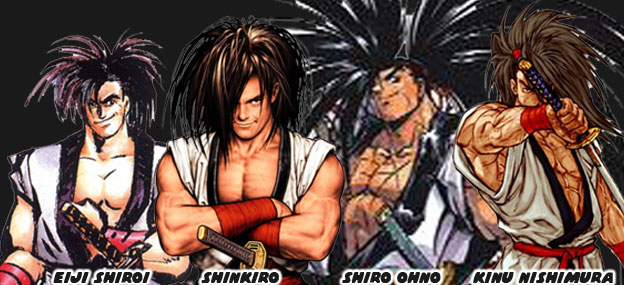
 

The game was set centuries ago, in feudal Japan. Gunpowder and steam were barely shaping the world, changing the course of the industrialized nations. Japan was insular during this period and held onto tradition longer than most other countries. SNK wanted to capture that era but not romanticize it. They wanted it to pop, to be vibrant, like an animé show. In order to do that the game had to be highly stylized. One of the artists that got picked up for the sequels was manga artist Shiro Ono. He had a very sharp style, with hard lines and exaggerated poses. At the same time the studio did not want the designs to be too outlandish. Shinkiro’s realistic style would have been in contrast with their goal. The artist that the company settled with was Jin Mera aka Eiji Shiroi. Her style was deceptively clean. No extra brush strokes in his renderings. The character designs were easy to read, her choice of color and style really stood out from her peers. In fact the thing that helped cement the look of the series were some paintings that she created using charcoal ink. The sumi-e style was traditional and went back centuries, if not thousands of years. Calligraphers and portrait artists used minimalism to create forms and figures.
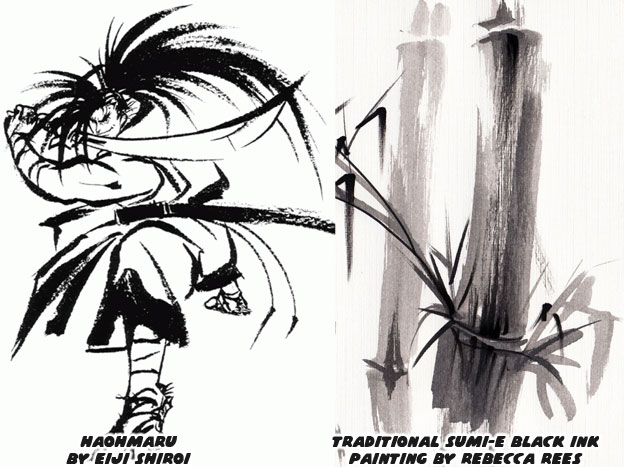


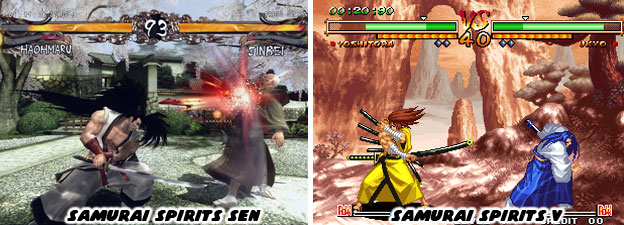
The solid black and white paintings that Ms. Shiroi created perfectly reflected the era that SNK was trying to capture. Eiji was a drawing teacher, her training and insight were perfect for this project. In the case of Samurai Spirits the masters of the various sword arts did not have to be hiding. They wore classic-looking costumes, some wore armor, and they all fought with traditional melee weapons. There were swords, daggers, cleavers, hammers and axes used by the various fighters. As the series grew these things began to include the occasional explosive and even a rifle. For the most part however combat was based on bladed weapons. The designs had to be clear and easy to read. A Chinese warlord for example had a different costume than a Japanese ronin. Even among the various Japanese sword masters there was a lot of diversity. Ms. Shiroi helped plan their look and assigned each person bright primary colors so that they all stood out. As the series aged SNK experimented with 3D and they discovered that the muted colors that were en vogue didn’t really work for Samurai Spirits. This was most apparent in Samurai Spirits Sen. Realism didn’t work very well for the fantastic swordsmen and women. So they returned to 2D shortly after with Samurai Spirits V.
 

Not every design that SNK created went over well. The studio had a lot of growing pains and made a lot of mistakes when they were trying to capture the fighting game crown. We’ll explore one of the most diverse lineups the company ever gave us in the next blog. As always if you enjoyed this blog and would like to sponsor me please visit my Patreon page and consider donating each month, even as little as $1 would help make better blogs and even podcasts!
 follow the Street Writer on Patreon!

Tuesday, September 26, 2017

Hiding the master in plain sight, the genius of SNK's character design...part 1

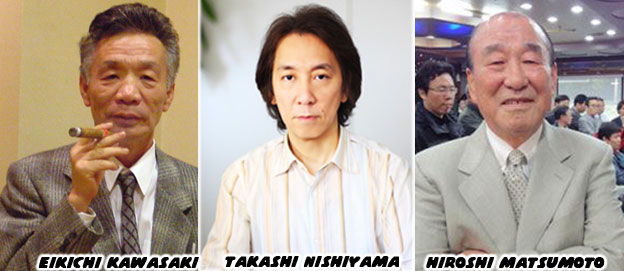
For this series I will be looking at the design elements behind the SNK fighters. I won't be talking about every fighting game that appeared on the Neo Geo console, that would take years to put together. Instead I will focus on a few titles and some of the most influential characters, and designers. This blog has been a long time coming. The little bit that I talk about SNK will not be enough for most fans. It will hopefully get a discussion going with the design community. If I could boil down the SNK school of design, the reason why their characters were so long-lived, it would be because they hid the fighting masters in plain site. That's it. That's the secret to their success. Okay so maybe it is a little bit more complicated. Let's go back in time and see how the people that made Street Fighter changed the course of SNK as well. The late ‘70s and most of the ‘80s were considered a boom time for the arcade industry. Hundreds of studios popped up in the hopes of striking it rich. They wanted to create the next Space Invaders, the next Pac Man or Donkey Kong. Everything was an experiment and when one idea worked you could expect other studios to copy the formula. If one company had a racing game then everyone else had to have a racing game. If one company had a successful space shooter then other studios needed their own. This type of thinking sunk many developers. If they were only copying and not innovating then audiences would often pass over their games. SNK was a company that took many chances, in doing so they were often financially drained. The games they produced in the early days were the results of a small team of very dedicated employees. One of the biggest changes for the company happened when Takashi Nishiyama and Hiroshi Matsumoto left Capcom to join SNK. The pair had designed many of Capcom’s early arcade hits, including the original Street Fighter.


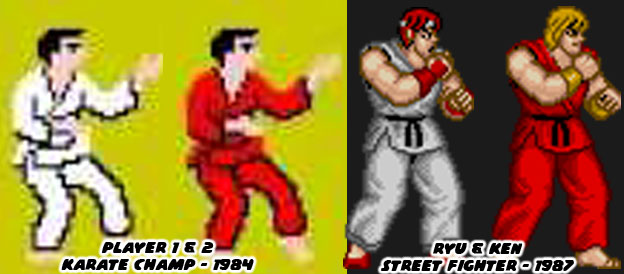
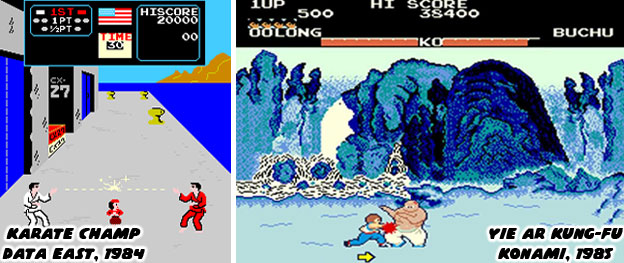
SNK founder and boss Eikichi Kawasaki had a keen insight to what gamers wanted. Unlike other company presidents who sat back and let his team develop hits he was actively involved producing many of their early titles. Mr. Nishiyama and Mr. Matsumoto had plans for a Street Fighter successor but the industry was evolving so rapidly that what it meant to have a fighting game was literally changing from month to month. Many arcade veterans would consider Technos’ game Karate Champ as the forefather of the modern fighting game. In 1984 it introduced audiences to the idea of traveling from place to place to fight other karate masters. There were even bonus stages in the game where players broke bricks and punched bulls. Some of these things found their way into the original Street Fighter. The colors for player 1 and player 2 could even be considered the inspiration for Ryu and Ken respectively.


To say that Street Fighter was solely based on one game, or even one myth was wrong. There were a few other games that shaped the industry as well. In 1984 Irem released Kung-Fu Master, that Mr. Nishiyama had also developed when he was with Irem. This game had a hero fighting wave after wave of different types of opponents in a nonstop showdown. It was essentially the foundation of the brawler as well as a key piece in the development of the fighting game genre. 1984 was also important because of Punch-Out!! The Nintendo hit introduced stylized opponents from different countries and different weight classes as well. The first-person perspective in a fighter was rarely used but Nintendo demonstrated that it could be done. Then there was Yie-ar Kung Fu by Konami. In 1985 the company added the concept of life bars to the genre. Also it introduced different schools of martial arts, some with weapons, and it featured the first Chinese female martial arts opponent as well.


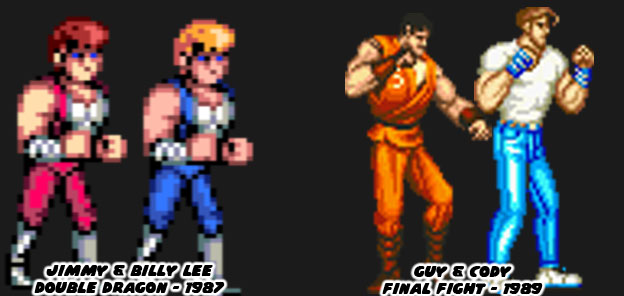
The action titles from ’84 and ’85 things colored the development of the fighting genre. When Street Fighter was released in 1987 Capcom made sure that it was bigger and better than anything that preceded it. Karate Champ may have been the roots but this game was so much more. The new stars, Ken and Ryu, would travel the globe and take on challengers of every background. Mr. Nishiyama and Mr. Matsumoto didn’t create a generic martial arts tournament, they instead pulled in influences from pop culture. The movies, the comics and cartoons they enjoyed inspired the setting and opponents of Street Fighter. More than that they helped inspire the development of special attacks like the hadouken or fireball. Street Fighter wasn’t the breakout hit that the company expected it to be. Instead there was a game by Technos that ruled arcades that year. Double Dragon was a new type of fighting game. Audiences all over the world were instantly hooked on this brawler. It was essentially a pseudo-3D version of the Kung-Fu Master story. An evil gang kidnaped a girl but instead of one person fighting to get her back it was two. These two could punch, kick, grab and throw opponents. No other game had that many attacks or “combination” moves. Billy and Jimmy Lee were stars for a new generation. There was nothing traditional about these heroes. They were tough guys from the street, vigilantes that took justice into their own hands. Audiences could identify with them easier than they could a martial artist in ancient China.


Double Dragon would have a profound influence on the industry. Studios were forced to change with the times or audiences might skip their next release. Any plans for a Street Fighter sequel were scrubbed as Mr. Nishiyama and Mr. Matsumoto left to join SNK. The designers taking over at Capcom, Yoshiki Okamoto, Akira Nishitani and Akira Yasuda wanted to make the next Street Fighter a superior version of Double Dragon. You know the story by now of how Final Fight was originally called Street Fighter ’89. It was no accident that the stars of this game were not Ken and Ryu but instead a more contemporary Cody and Guy. Their sprites were bigger and more detailed than Billy and Jimmy Lee. They fought through a bigger city and had more moves and more opponents to deal with as well. Final Fight was one of dozens of Double Dragon clones that came out over the next few years. Many for the arcade but some for the consoles as well. Of these developers Konami put out some of the best brawlers and I dare say that Vendetta (1991) might be peak Double Dragon clone.


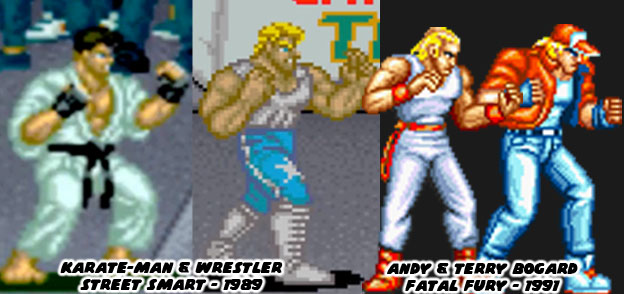
SNK had not yet released the Neo Geo console but the company saw where the arcade industry was headed. Specifically the President and Founder Eikichi Kawasaki saw that fighting games was the next big trend. He had his team begin working on new experiences. One of the most important and often overlooked titles that Mr. Kawasaki produced was called Street Smart. It was a sort of “missing link” between the brawler and the modern fighting game. It had a sense of depth like Double Dragon and even had a broad stage that allowed players to move far left and right. There were a number of different opponents each with techniques and abilities. It was the first fighting game to feature the Brazilian art of Capoeira, the Stage 2 boss “Slippery” Sam Santana could flip, tumble and strike. This game also featured an unlicensed version of I can’t turn you loose, an old Otis Redding tune made popular by the Blues Brothers. Poached music aside this game was important because it allowed for two players to team up against two opponents at the same time. It had a frenetic energy about it and being able to double-team an opponent felt very rewarding.


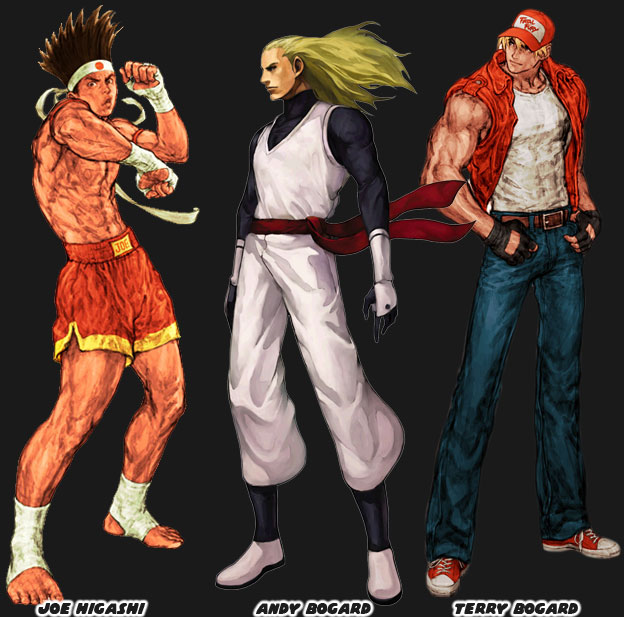
Mr. Kawasaki was a fan of the fighting arts and was even an amateur boxer in his youth. He knew a thing or two about real fighting. The idea of mixing up the forms intrigued him and he made sure that he had both a karate or wrestler be playable in Street Smart. It was SNK’s next game that helped put them on the map. Mr. Nishiyama and Mr. Matsumoto had their hands full trying to stay one step ahead of the competition. Street Fighter II exploded on the scene in February 1991. Somewhere in between Street Fighter and the original Fatal Fury the duo considered making a fighting game like Double Dragon with at least three playable characters. They had to act fast as Street Fighter II was gaining momentum. They narrowed their idea to a traditional fighting game but kept three main characters and even the ability to jump between the foreground and background. Fatal Fury was released at the end of 1991 and was an answer to both Final Fight and Street Fighter II. Audiences gravitated to the unique library of characters. Traditional fighting arts masters were balanced out by modern brawlers in street clothing. In fact you could see the spectrum in the main characters. Joe Higashi looked like a traditional May Thai specialist. His shorts, his taped hands and feet, dark tan and bold colors were classic. Andy Bogard was a sort of ninja-hybrid, his costume wasn’t quite classic nor was it quite modern, his design was literally a bridge between the old world and the new. If Joe was a nod to the past then Terry Bogard represented the future.


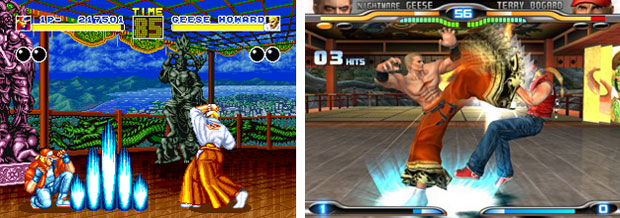
Terry Bogard was a new type of hero, the modern action film star. The days of Japanese karate masters being the heroes of the game were coming to an end. Some companies didn’t get the memo and kept rehashing old ideas, that’s why not many of those copycat fighting games were around today. Terry was a literal street fighter. He wore street clothing; a trucker cap, leather jacket, jeans and sneakers. He learned how to fight growing up on the rough streets of South Town. Of all the SNK heroes he was the one that went the furthest despite having a formal martial arts instructor. When SNK put him up against Geese Howard, the man who murdered his father, they created one of the great rivalries in fighting game history. Mr. Kawasaki and his star developers had a hit on their hands. It was the mix of traditional and modern character designs that helped put SNK on the map. When SNK’s next major fighting game was released it cemented their school of design. We will look at this in the next blog. As always if you enjoyed this blog and would like to sponsor me please visit my Patreon page and consider donating each month, even as little as $1 would help make better blogs and even podcasts!
 follow the Street Writer on Patreon!