Showing posts with label yie ar kung fu. Show all posts

Tuesday, September 26, 2017

Hiding the master in plain sight, the genius of SNK's character design...part 1

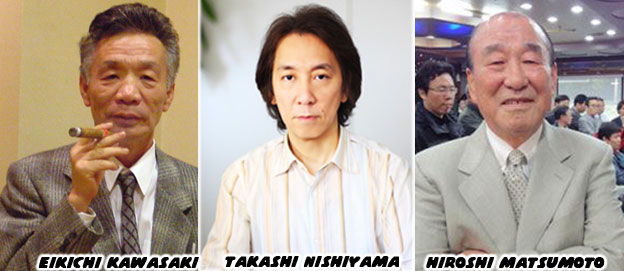
For this series I will be looking at the design elements behind the SNK fighters. I won't be talking about every fighting game that appeared on the Neo Geo console, that would take years to put together. Instead I will focus on a few titles and some of the most influential characters, and designers. This blog has been a long time coming. The little bit that I talk about SNK will not be enough for most fans. It will hopefully get a discussion going with the design community. If I could boil down the SNK school of design, the reason why their characters were so long-lived, it would be because they hid the fighting masters in plain site. That's it. That's the secret to their success. Okay so maybe it is a little bit more complicated. Let's go back in time and see how the people that made Street Fighter changed the course of SNK as well. The late ‘70s and most of the ‘80s were considered a boom time for the arcade industry. Hundreds of studios popped up in the hopes of striking it rich. They wanted to create the next Space Invaders, the next Pac Man or Donkey Kong. Everything was an experiment and when one idea worked you could expect other studios to copy the formula. If one company had a racing game then everyone else had to have a racing game. If one company had a successful space shooter then other studios needed their own. This type of thinking sunk many developers. If they were only copying and not innovating then audiences would often pass over their games. SNK was a company that took many chances, in doing so they were often financially drained. The games they produced in the early days were the results of a small team of very dedicated employees. One of the biggest changes for the company happened when Takashi Nishiyama and Hiroshi Matsumoto left Capcom to join SNK. The pair had designed many of Capcom’s early arcade hits, including the original Street Fighter.


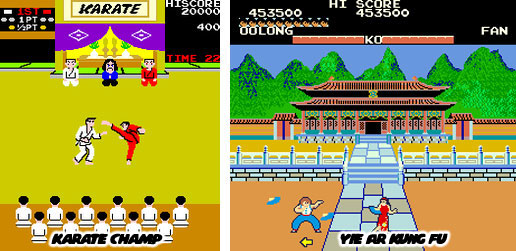
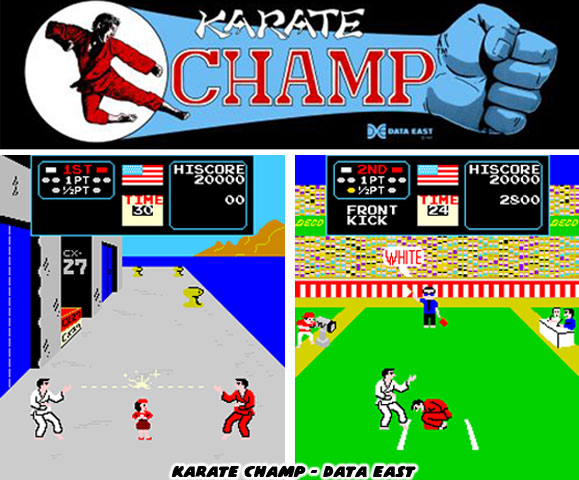
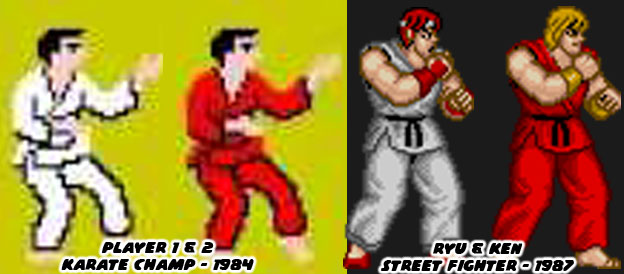
SNK founder and boss Eikichi Kawasaki had a keen insight to what gamers wanted. Unlike other company presidents who sat back and let his team develop hits he was actively involved producing many of their early titles. Mr. Nishiyama and Mr. Matsumoto had plans for a Street Fighter successor but the industry was evolving so rapidly that what it meant to have a fighting game was literally changing from month to month. Many arcade veterans would consider Technos’ game Karate Champ as the forefather of the modern fighting game. In 1984 it introduced audiences to the idea of traveling from place to place to fight other karate masters. There were even bonus stages in the game where players broke bricks and punched bulls. Some of these things found their way into the original Street Fighter. The colors for player 1 and player 2 could even be considered the inspiration for Ryu and Ken respectively.
 

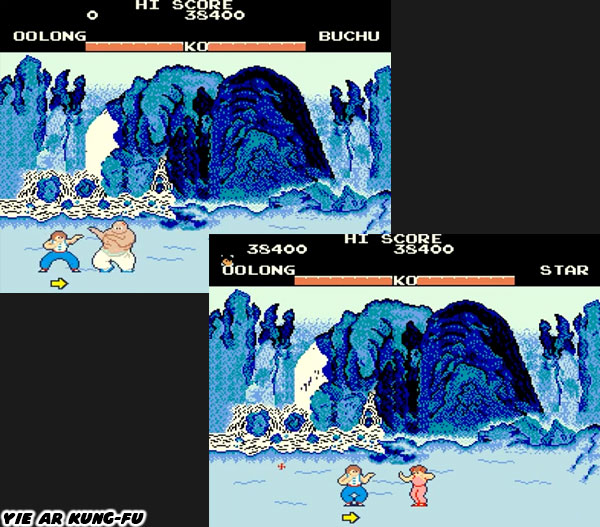
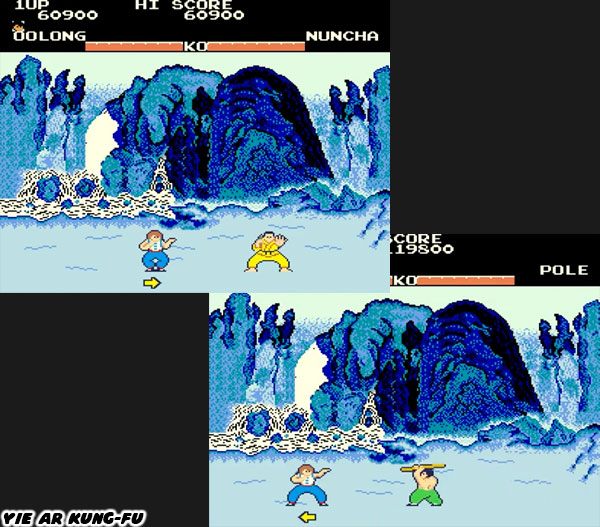
To say that Street Fighter was solely based on one game, or even one myth was wrong. There were a few other games that shaped the industry as well. In 1984 Irem released Kung-Fu Master, that Mr. Nishiyama had also developed when he was with Irem. This game had a hero fighting wave after wave of different types of opponents in a nonstop showdown. It was essentially the foundation of the brawler as well as a key piece in the development of the fighting game genre. 1984 was also important because of Punch-Out!! The Nintendo hit introduced stylized opponents from different countries and different weight classes as well. The first-person perspective in a fighter was rarely used but Nintendo demonstrated that it could be done. Then there was Yie-ar Kung Fu by Konami. In 1985 the company added the concept of life bars to the genre. Also it introduced different schools of martial arts, some with weapons, and it featured the first Chinese female martial arts opponent as well.
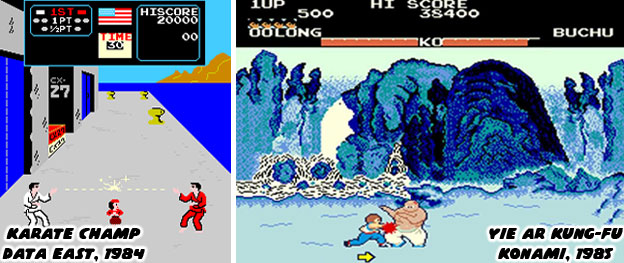
 

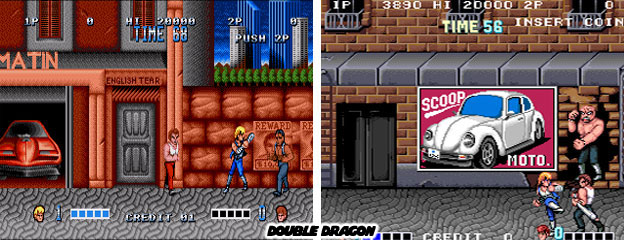
The action titles from ’84 and ’85 things colored the development of the fighting genre. When Street Fighter was released in 1987 Capcom made sure that it was bigger and better than anything that preceded it. Karate Champ may have been the roots but this game was so much more. The new stars, Ken and Ryu, would travel the globe and take on challengers of every background. Mr. Nishiyama and Mr. Matsumoto didn’t create a generic martial arts tournament, they instead pulled in influences from pop culture. The movies, the comics and cartoons they enjoyed inspired the setting and opponents of Street Fighter. More than that they helped inspire the development of special attacks like the hadouken or fireball. Street Fighter wasn’t the breakout hit that the company expected it to be. Instead there was a game by Technos that ruled arcades that year. Double Dragon was a new type of fighting game. Audiences all over the world were instantly hooked on this brawler. It was essentially a pseudo-3D version of the Kung-Fu Master story. An evil gang kidnaped a girl but instead of one person fighting to get her back it was two. These two could punch, kick, grab and throw opponents. No other game had that many attacks or “combination” moves. Billy and Jimmy Lee were stars for a new generation. There was nothing traditional about these heroes. They were tough guys from the street, vigilantes that took justice into their own hands. Audiences could identify with them easier than they could a martial artist in ancient China.
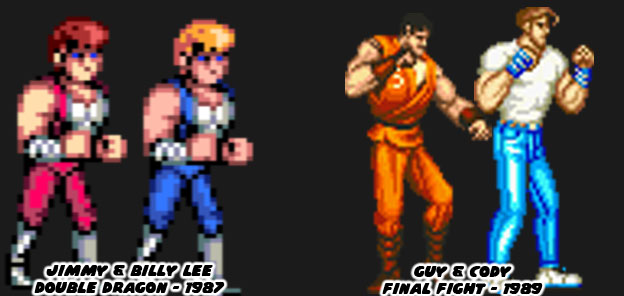
 

Double Dragon would have a profound influence on the industry. Studios were forced to change with the times or audiences might skip their next release. Any plans for a Street Fighter sequel were scrubbed as Mr. Nishiyama and Mr. Matsumoto left to join SNK. The designers taking over at Capcom, Yoshiki Okamoto, Akira Nishitani and Akira Yasuda wanted to make the next Street Fighter a superior version of Double Dragon. You know the story by now of how Final Fight was originally called Street Fighter ’89. It was no accident that the stars of this game were not Ken and Ryu but instead a more contemporary Cody and Guy. Their sprites were bigger and more detailed than Billy and Jimmy Lee. They fought through a bigger city and had more moves and more opponents to deal with as well. Final Fight was one of dozens of Double Dragon clones that came out over the next few years. Many for the arcade but some for the consoles as well. Of these developers Konami put out some of the best brawlers and I dare say that Vendetta (1991) might be peak Double Dragon clone.
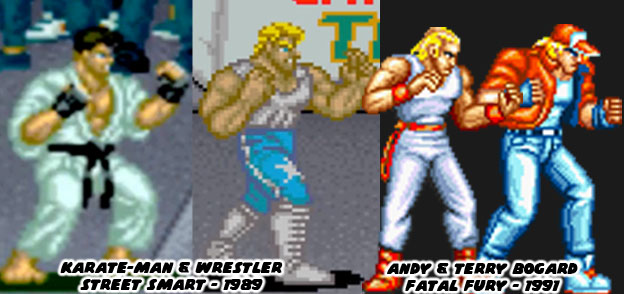
 

SNK had not yet released the Neo Geo console but the company saw where the arcade industry was headed. Specifically the President and Founder Eikichi Kawasaki saw that fighting games was the next big trend. He had his team begin working on new experiences. One of the most important and often overlooked titles that Mr. Kawasaki produced was called Street Smart. It was a sort of “missing link” between the brawler and the modern fighting game. It had a sense of depth like Double Dragon and even had a broad stage that allowed players to move far left and right. There were a number of different opponents each with techniques and abilities. It was the first fighting game to feature the Brazilian art of Capoeira, the Stage 2 boss “Slippery” Sam Santana could flip, tumble and strike. This game also featured an unlicensed version of I can’t turn you loose, an old Otis Redding tune made popular by the Blues Brothers. Poached music aside this game was important because it allowed for two players to team up against two opponents at the same time. It had a frenetic energy about it and being able to double-team an opponent felt very rewarding.
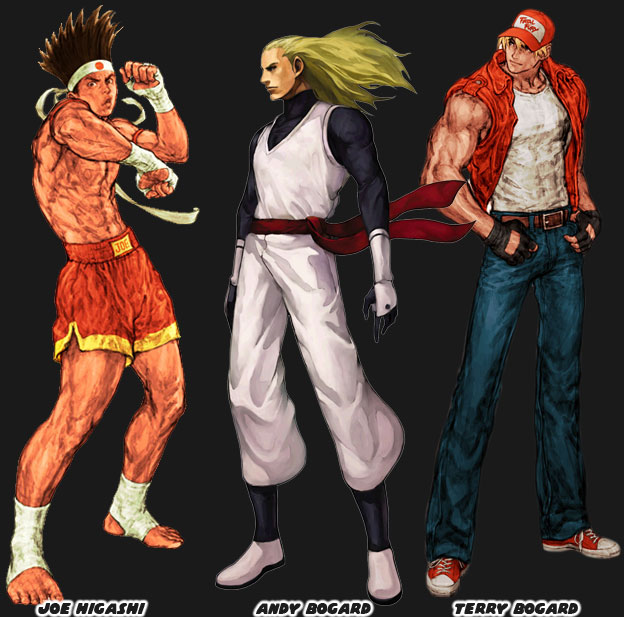
 

Mr. Kawasaki was a fan of the fighting arts and was even an amateur boxer in his youth. He knew a thing or two about real fighting. The idea of mixing up the forms intrigued him and he made sure that he had both a karate or wrestler be playable in Street Smart. It was SNK’s next game that helped put them on the map. Mr. Nishiyama and Mr. Matsumoto had their hands full trying to stay one step ahead of the competition. Street Fighter II exploded on the scene in February 1991. Somewhere in between Street Fighter and the original Fatal Fury the duo considered making a fighting game like Double Dragon with at least three playable characters. They had to act fast as Street Fighter II was gaining momentum. They narrowed their idea to a traditional fighting game but kept three main characters and even the ability to jump between the foreground and background. Fatal Fury was released at the end of 1991 and was an answer to both Final Fight and Street Fighter II. Audiences gravitated to the unique library of characters. Traditional fighting arts masters were balanced out by modern brawlers in street clothing. In fact you could see the spectrum in the main characters. Joe Higashi looked like a traditional May Thai specialist. His shorts, his taped hands and feet, dark tan and bold colors were classic. Andy Bogard was a sort of ninja-hybrid, his costume wasn’t quite classic nor was it quite modern, his design was literally a bridge between the old world and the new. If Joe was a nod to the past then Terry Bogard represented the future.
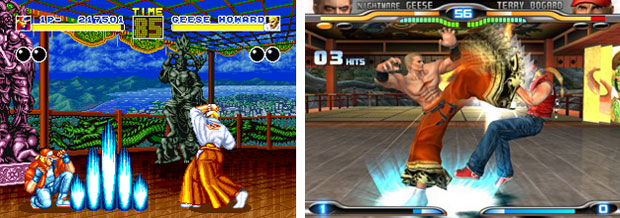
 

Terry Bogard was a new type of hero, the modern action film star. The days of Japanese karate masters being the heroes of the game were coming to an end. Some companies didn’t get the memo and kept rehashing old ideas, that’s why not many of those copycat fighting games were around today. Terry was a literal street fighter. He wore street clothing; a trucker cap, leather jacket, jeans and sneakers. He learned how to fight growing up on the rough streets of South Town. Of all the SNK heroes he was the one that went the furthest despite having a formal martial arts instructor. When SNK put him up against Geese Howard, the man who murdered his father, they created one of the great rivalries in fighting game history. Mr. Kawasaki and his star developers had a hit on their hands. It was the mix of traditional and modern character designs that helped put SNK on the map. When SNK’s next major fighting game was released it cemented their school of design. We will look at this in the next blog. As always if you enjoyed this blog and would like to sponsor me please visit my Patreon page and consider donating each month, even as little as $1 would help make better blogs and even podcasts!
 follow the Street Writer on Patreon!

Friday, April 1, 2016

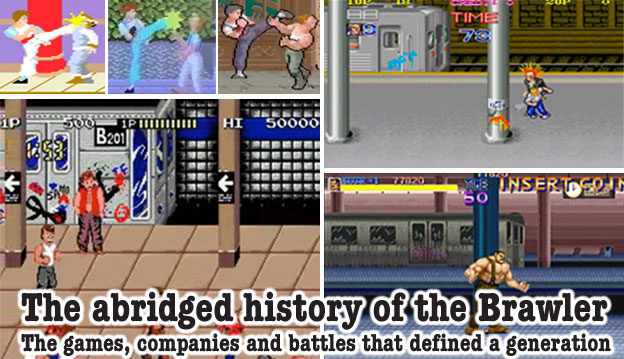
The Abridged History of the Brawler, Part 1


The Brawling genre, also known as the Beat-Em-Up among arcade aficionados, has been a part of gaming history for over 30 years. Players can identify the genre thanks to some trademark elements. The games traditionally consist of one or more players taking on waves of opponents using mostly punches and kicks. Players can usually pick up health and weapons along the way. At some point a boss or sub boss appears to fight the players. The game basically repeats this formula until the end, or until the player runs out of continues.

Some of the most enjoyable gaming experiences are connected to long-running titles, many of which are saturated with murder, violence, tragedy and revenge. The genre remains popular despite the (sometimes) graphic content because the titles are among the easiest to get into, play and enjoy. The mechanics of a great brawling experience are rooted in very simple gameplay elements. A joystick and two buttons are usually all that is required to begin playing, navigating and interacting with any number of virtual worlds. A player that has mastered one good brawler has probably experienced the best elements of all of them. The key to the success for most in the genre has been accessibility. The fantastic premises, over-the-top characters and simple control schemes could make players feel like they were literally taking on the world. The repetitive nature of the combat system and sheer number of opponents made gamers believe that they were advancing through a rich narrative even though the gameplay remained the same from beginning to end. These lessons would be applied to other genres and helped shape the gaming industry. However before we talk about what became of the brawler we have to go back to the beginning. Where did the brawler come from?

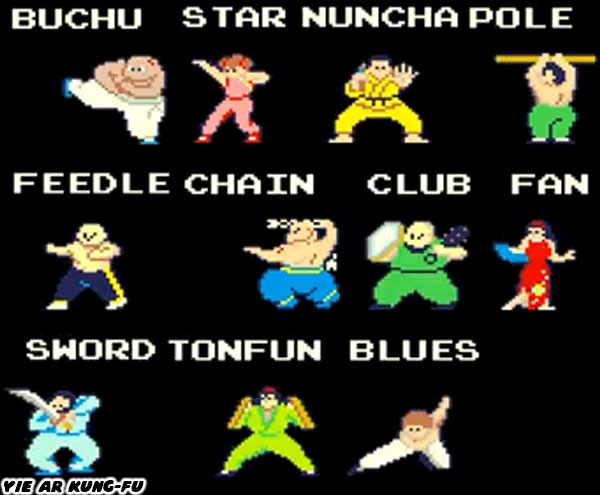
The brawler as you can imagine is closely related to the fighting game. Traditional one-on-one combat was made popular in Karate Champ, released by Data East in 1984. This game established the concepts of traveling to challenge other masters, two-player vs combat and even mini games to break up the monotony. In 1985 the concepts behind Karate Champ were expanded. New narratives, fighting mechanics and character designs were explored in Yie Ar Kung Fu. Released by Konami this new game had more in tune with modern fighting games. It featured a colorful cast of masters in different styles of kung fu, instead of the singular karate style from Data East. Most of the rivals had fantastic abilities such as being able to fly through the air.

These characters were inspired by archetypes featured in kung-fu cinema and based on legendary heroes from past dynasties. Some of the masters in Yie Ar used weapons against the players, adding a bit of a challenge and forcing the player to adapt to those styles of combat. The addition of digitized voices, spouting one-word statements, helped add dimension to the game. Both Karate Champ and Yie Ar Kung-Fu predated the original Street Fighter by years. They made player vs computer combat possible and more important, entertaining. They helped lay the foundation for brawling games however they were not the biggest influence on the creation of the genre.

If you were to poll a gamer old enough to remember the golden age of the arcade what the first brawler was there would be an almost unanimous title. Double Dragon, developed by Technos and under license from Taito, was released in 1987. This game heralded the introduction of a genre that would explode in popularity and then fade quickly as the arcade and home console markets transitioned through the late 80's and early 90's.

The game was unlike anything that arcade visitors had ever seen before. It began with a scene of a girl getting punched in the gut and kidnapped by a gang of pseudo-futuristic thugs. This intro was shocking to most gamers. It gave young gamers a dose of sex on top of violence as the pixelated panties of the damsel were clearly visible as she was thrown over the shoulders of a gang member. Right after the kidnapping the main characters Billy and Jimmy Lee appeared from a garage to chase down the attackers.

The rest of the game was a textbook example of brawling design. Rival characters fought with certain techniques, the larger characters had greater range and could often do more damage to players so they had to be kept at bay. Smaller characters could be rushed by players. Players could even battle female gang members. It was the first equal opportunity brawler! The control was simple, there were only three buttons; jump, punch and kick. Players could move in any direction on the screen but their character would always face either right or left. The same thing applied for opponents. This allowed the player to focus on attacks on a 2D plane and not worry about directional attacks from below or above the character. The fighting system was quite robust for only using a few buttons. A player could switch between punches and kicks and find which combination of attacks worked best to drop different sized opponents. Players could stun rivals with a punch and then throw an elbow at an opponent sneaking up behind them, then return to the original attacker with a kick. Players could even perform grapple attacks by pressing toward opponents and pressing the right action button. The player could grab the opponent by the hair and smash a knee into their face or perform a judo throw and toss the opponents over their shoulder. Players could also interact with the environment, such as throwing objects at opponents and even take weapons from rivals to use against them.


Visually the game was vey stylized. Characters didn't quite have Eastern animé or Western comic book proportions but instead something in the middle. The muscles were exaggerated on most of the characters and especially on the rival characters to make them appear more imposing. Each character was given a solid color choice to make them easy to identify on screen especially when a half dozen or more characters were engaged in battle. The world of Double Dragon was urban and just a hint futuristic with the choice of gang outfits and vehicles on the stages. The stages and environments shifted from the streets to the countryside and even the underground of the dystopian world. Players could take advantage of the level designs and throw opponents into rivers or down spike pits. The changing scenery and interactive environments would become a staple of all brawling games. Players felt as if they were on the ultimate quest for revenge as they battled nonstop through a city. For young gamers, especially boys, the experience could be exhilarating.

Gamers assumed the role of the ultimate tough guys. They fought off wave after wave of gang members coming at them from every direction. Using everything they could to fend off attackers and fighting just as dirty as their opponents. Double Dragon allowed players to turn into digital representations of martial arts movie stars and live out the fantasy in one extended battle sequence.


Unlike the legendary non-stop 4 minute fight sequence featuring Tony Jaa in the film Tom Young Goong aka the Protector, many brawling games were anywhere from a half hour to an hour of nonstop fighting. This level of intense engagement (and monetary investment) gave players that beat the game a strong emotional attachment to the characters and title itself. Yet most of the seasoned arcade players would be surprised to learn that Double Dragon was not the original brawling game, at least not by the definition we’ve explored here.

This series will go over some of the most important, some of the worst and some of the most unique brawling games released over the past three decades. The series is in no way meant to be comprehensive or even cover all the sub-genres associated with the brawler. Additionally this series deals mostly with the original titles and will rarely bring up sequels. The blogs will go chronologically through the years, so if I fail to bring up a title please be patient. Chances are I'll mention a few fan-favorite games through the course of the series. Next time I shall talk about the brawling game that predated Double Dragon and got a generation started on beat-em-ups. I hope to see you back for that. As always if you enjoyed this blog and would like to sponsor me please visit my Patreon page and consider donating each month, even as little as $1 would help make better blogs and even podcasts!


Friday, July 31, 2015

How fight culture became fighting game history, part 14

In fighting games (and in popular culture) karate would be considered a top-tier technique. The actual versions of karate featured in games were not necessarily rooted in one school. The looser the connection with an established style the better it was for developers to adapt into a game. In this way they could invent special attacks for the cast without fear from purists calling out the technique. Before characters could shoot fireballs from their hands karate was shown in a much more realistic light. In 1984 Technos released Karate Champ. It was one of the forefathers of the fighting game genre. The "plot" of the game was simple. The main character would travel from town to town and fight the best karate practitioners there. Players earned a full point or a half a point depending on the severity of their attack. The strikes in the game were based on actual karate moves, the points based on organized tournament rules. Players could punch, kick, jump and even block by entering commands on two joysticks. It was a clumsy control setup that would not be revisited by any other company. There was a "sub-plot" in the game as well. At each location there was a woman that was torn over which fighter she preferred. The winner of the tournament would get the girl. The girl-as-a-prize would be a trope that Anita Sarkeesian of Feminist Frequency would point out in many other genres.


Karate Champ was notable for using different backgrounds and locations to help tell a story. The main character went from dojo to dojo and even traveled around the world challenging opponents. While the main characters wore red or white it was due to limitations in the hardware. They were supposed to represent different fighters and even nationalities. This globe-trotting fighter was a Mas Oyama-type, a karate as the superior fighting form stand-in. Even the bonus stages were reflective of the demonstrations that Oyama would put on. He would break boards and even stones with his bare hands and his fights against bulls were legendary. But I'll go into greater detail on that in a future blog. In Karate Champ players could also break boards or even ceramic pots and bottles thrown at them. It was a little silly but made the fighter look like a badass. Karate Champ was mildly popular but the runaway hit from 1984 was a different type of fighting game. Irem released Kung-Fu Master, a game based loosely on Bruce Lee's final film "Game of Death." Kung-Fu Master predated Renegade (Technos, 1986) and Double Dragon (Technos, 1987) and could actually be considered the forefather of the brawler.


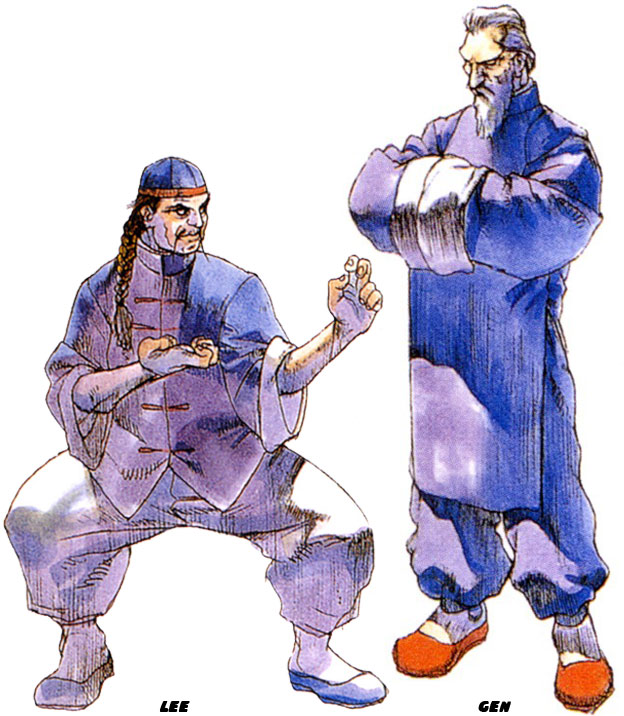
The first few kung-fu games created a framework that would be followed by the rest of the industry. Konami released Yie Ar Kung-Fu in 1985. It featured masters of different forms of kung-fu against a hero named Oolong. Some of the fighters used weapons while others user their hands and feet. It was notable for the traditional locations players visited as well as being the first fighting game that featured female opponents. Yie-Ar Kung was a fast-paced, very frenetic fighting game. There were no pauses in action, no chance for the player to breathe. The focus was less on realism and more on capturing the energy and slick choreography of kung-fu action films. The slow, calculated scoring system of Karate Champ was thrown out the window. Nonstop action would become the style of gameplay that Capcom and the other studios would try to build upon. Because of this the kung-fu master would become a trope in fighting games, especially Japanese fighting games. Lee and Gen appeared just two years after Yie Ar Kung-Fu. They kept the classical costumes with them. Capcom had unveiled a game engine capable of putting larger sprites with greater fidelity and more colors on the screen than Konami had done. This engine was used as the backbone for the original Street Fighter.


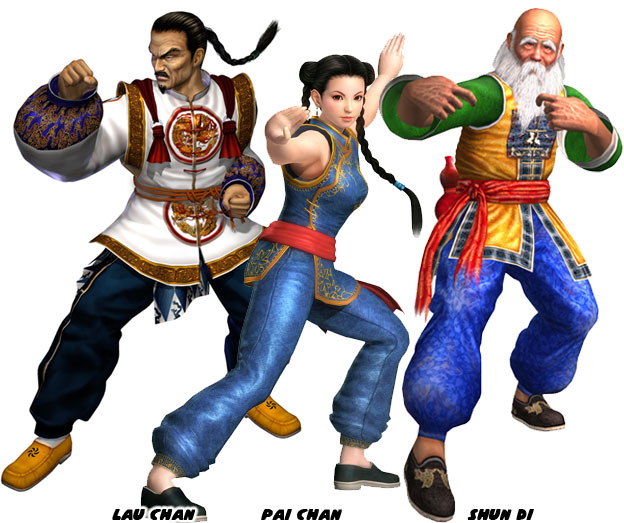
Kung-Fu masters were so well known globally that almost every fighting game had to make use of them. Three of the greatest fighters in Virtua Fighter tournament play and also in canon were Pai Chan, her father Lau Chan and family friend and "Drunken Master" Shun Di. Sega was one of the pioneers of 3D technology in arcade games and created what is generally regarded as the first 3D fighting game. Virtua Fighter was a hit from 1993. It had realistic graphics, lighting and quasi-realistic physics as well. These were things that audiences hadn't really seen before. The game was set in the modern world but many of the fighters were presented with classic uniforms, especially the Chinese ones. Pai and Lau were in the original game and Shun Di appeared in the sequel a year later.


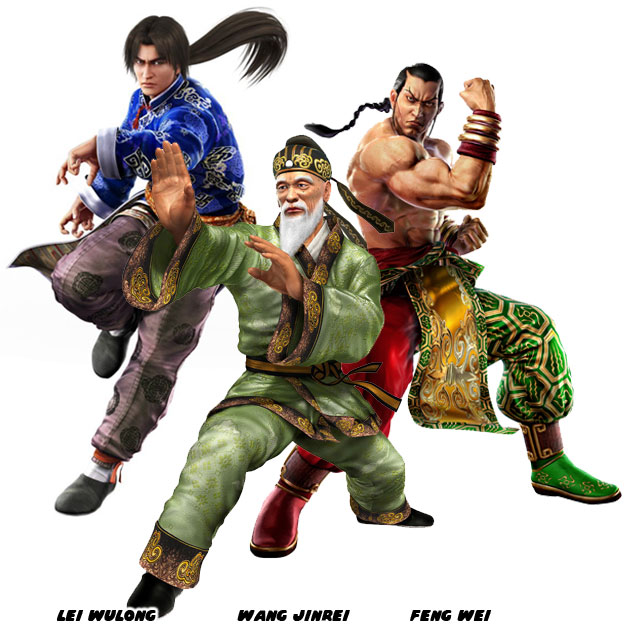
Not to be outdone Namco released their first 3D fighting game in 1994. The studio had a long standing rivalry with Sega. Anything one studio did the other studio tried to do better. It was seen in racing games, space shooters and especially fighting games. Tekken was the result of their work and audiences were split as to which 3D fighting game was better. The elderly kung-fu master Wang Jinrei appeared in the first Tekken. His understudy Lei Wulong, a "Super Cop" based on a Jackie Chan character, appeared in Tekken 2. A more classic villain Feng Wei debuted in Tekken 5. Again, despite being set in the modern world the characters were mostly stereotypes pulled from Hong Kong cinema.


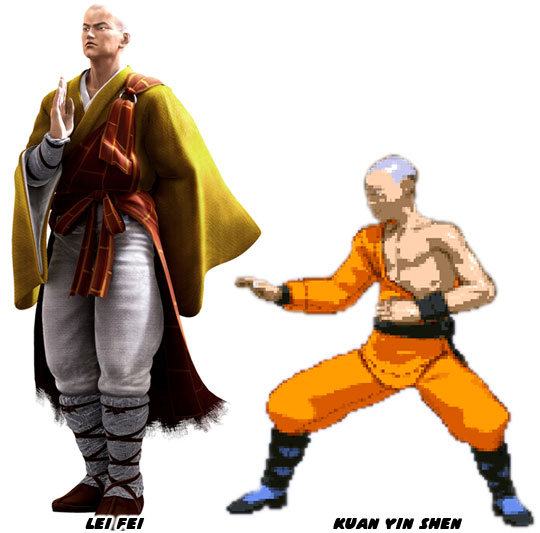
While Buddhist monks were credited for introducing kung-fu to China they have actually been grossly underrepresented in fighting games. Fans of the Mortal Kombat series might mention that Liu Kang and Kung Lao from the Mortal Kombat series were monks although they did not look or dress traditionally. The series was about as inaccurate as a fighting game could be when it came to representing actual fighting arts. The purpose of Mortal Kombat was to shock players with its ultra violent moves and fatalities. It was well done but it was fairly insensitive to Asian culture and traditions. In the history of fighting games were have been only two fighters based on actual Shaolin Monks. Lei Fei, appeared in Virtua Fighter 5 in 2001. There wouldn't be another monk worth mentioning until 2008. Kuan Yin Shen was the younger of the two and he appeared in Capoeira Fighter 3 by Spiritonin. The character was actually named on a Buddhist deity. Sega was a Japanese developer and Spiritonin was a US developer. The representation of traditional Shaolin kung-fu was indeed extremely rare around the world. But why was this? Perhaps religious undertones made the monks appear less intimidating in the games. It didn't matter if they studied the iron body techniques, could run on water or knew the death touch. In western circles a person in a robe just didn't seem as formidable as say a seven-foot cyclops that practiced Muay Thai. In Hong Kong cinema this was not the case, monks of different schools could be the subjects of action films. The classic Shaolin vs Lama highlights the fighting capacity of religious followers.


Popular culture dictated which styles appeared in a fighting game and even how the fighters themselves would be presented. Hong Kong cinema was the root of many kung-fu tropes. Some of which were based on historical figures but the vast majority were made up. The next blog will highlight how cinema influenced the evolution of the fighting game genre. I hope to see you back for that. As always if you enjoyed this blog and would like to sponsor me please visit my Patreon page and consider donating each month, even as little as $1 would help make better blogs and even podcasts!