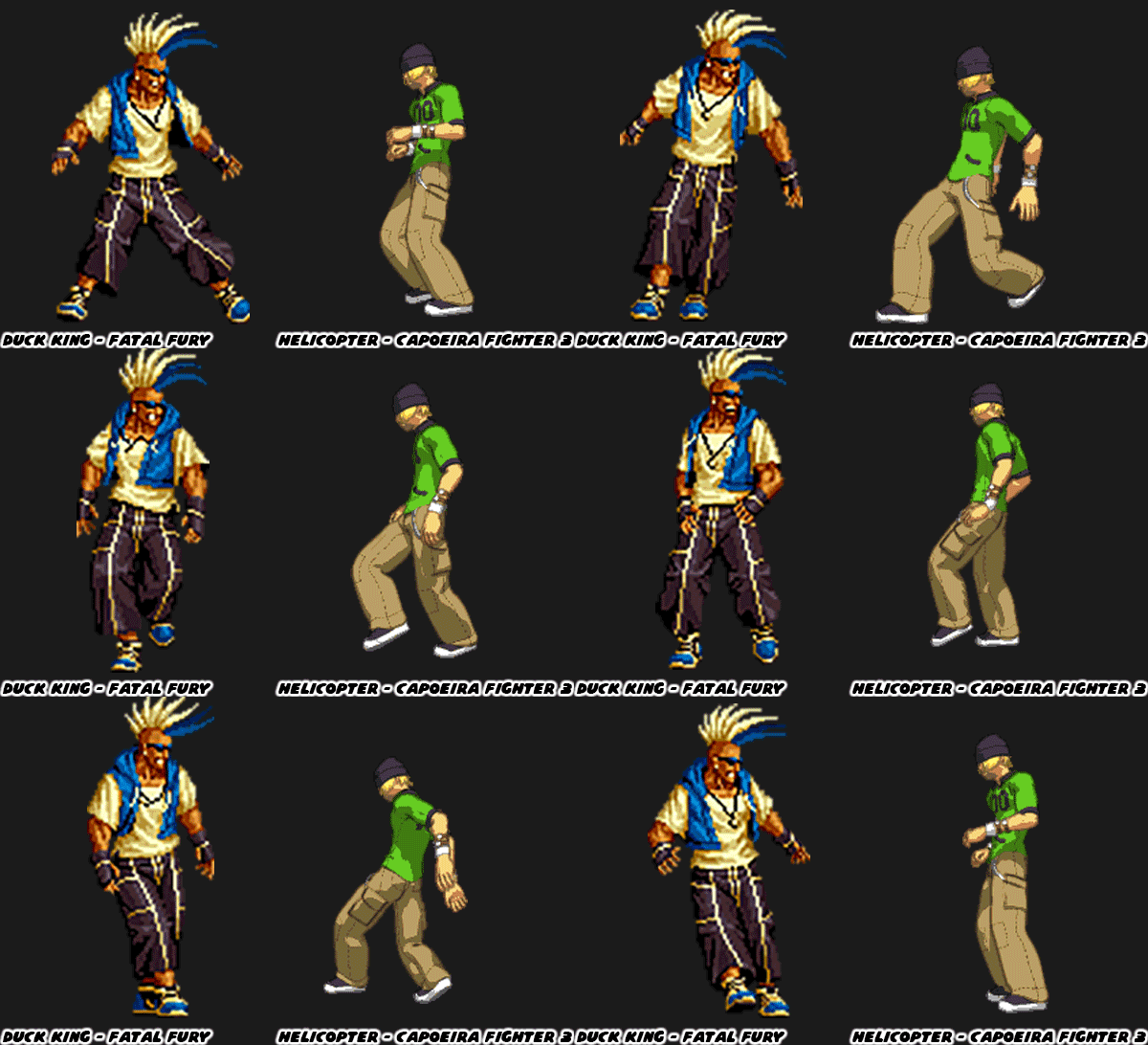
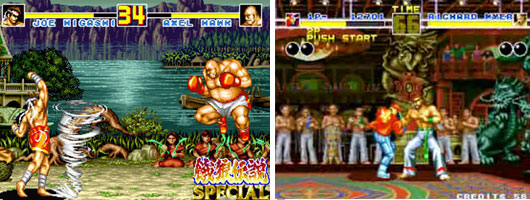
A blog about my interests, mainly the history of fighting games. I also talk about animation, comic books, car culture, and art. Co-host of the Pink Monorail Podcast. Contributor to MiceChat, and Jim Hill Media. Former blogger on the old 1UP community site, and Capcom-Unity as well.
Showing posts with label buriki one. Show all posts
Monday, May 18, 2026
Bookmark This Page; Discovering SNK character design
I may be known for my Street Fighter deep dives, but did you know that some of my first blogs were about Fatal Fury, and the Art of Fighting? If you want to learn the differences between Capcom and SNK's approach to design then Bookmark This Page.
Friday, May 9, 2025
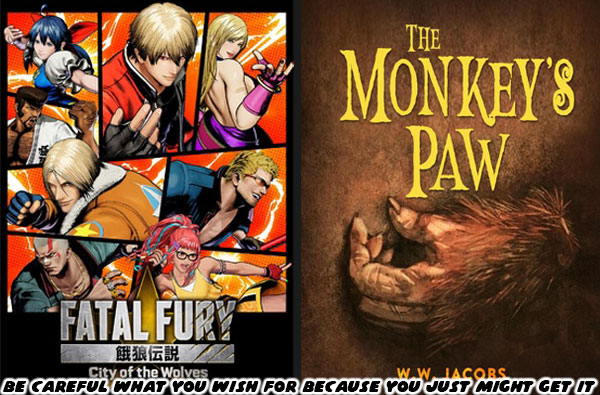
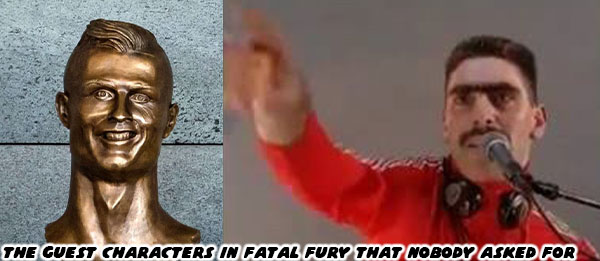
Why I'm not talking about Fatal Fury: City of the Wolves
Hello friends. Thank you for dropping by. You probably know that I’m a huge fan of fighting games. I’ve been playing them for 45 years. The first fighter I remember playing was Warrior by Vectorbeam. I wrote about this when I was doing a look at the Virtua Fighter relaunch. With that said I’ve avoided posting on the Fatal Fury: City of the Wolves for some time now. People may think that I’m biased against SNK, or only write about Street Fighter, but that is far from the truth. In fact the very first blog that I posted here in 2014 was dedicated to Mr. Karate from the SNK universe. I’ve written a lot about the history of Fatal Fury, the creators, and the characters on this blog. I was such a fan of the Garou series specifically that I tracked down the manhua (Chinese comics) based on Garou: Mark of the Wolves. I loved all fighting games, it’s just I loved some titles more than others.


Labels:
arcade,
brian battler,
buriki one,
capoeira fighter 3,
city of the wolves,
developers,
duck king,
fatal fury,
garou,
heavy d,
helicopter,
king of fighter,
lucky glauber,
neo geo,
saudi,
snk,
team usa
Tuesday, October 10, 2017
Hiding the master in plain sight, the genius of SNK's character design... part 5
SNK had exploded on the scene in the early ‘90s. The success of the Neo Geo console in the arcade, and the steady stream of fighting games made sure they would be around for the long haul. I had mentioned previously that the success to their school of design was based in hiding the masters of the martial arts in plain sight. A karate master didn’t have to be Japanese or wear a gi. This was demonstrated in the Art of Fighting (AoF); Robert Garcia was an Italian playboy that drove exotic cars, wore thousand-dollar shoes, tailored suits, and could go toe-to-toe with the ambassador of Kyokugenryu karate, his friend Ryo Sakazaki. King was a Muay Thai goddess but you would never have suspected it as she dressed like a high-class bartender. Shinkiro and the art team didn’t have a chance to create these plain-clothes masters for every new release but that didn’t stop them from experimenting. Before they found their groove they were as guilty as the other developers of following the trends. Boxers Michael Max, Axel Hawk and Micky Rogers were very generic designs. Pulled in part from real-world fighters Mike Tyson and George Foreman. All of that changed in 1994 when the studio released King of Fighters ’94 (KOF). From this point on it was almost mandated that the figures looked like cool manga characters instead of martial artists.
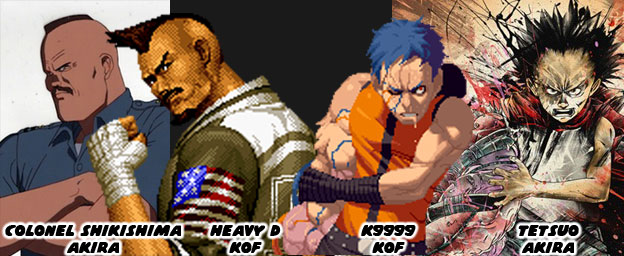
Manga and animé were very influential to the design of early fighting games. The team at Capcom were influenced by Buronson and Tetsuo Hara’s work on Hokuto No Ken / Fist of the North Star. The people at SNK were influenced by Katsuhiro Otomo’s science fiction masterpiece AKIRA. The people at SNK were so influenced by the book that it shaped the story of later KOF games. The entire plot revolving around clones and the paramilitary government organization N.E.S.T.S. was roughly pulled from the plot of AKIRA. Even the character K9999 from King of Fighters 2001 was eerily similar to Tetsuo, the antagonist in AKIRA. The likeness was so much so that publisher Kodansha took SNK to court and got them to remove any likeness of the character from future releases and official publications. I would argue that the imposing Heavy D, mohawk, square jaw and all was based on Colonel Shikishima from AKIRA as well. Thankfully SNK made him a dark-skinned character so the comparisons wouldn’t be as obvious. From that point forward the artists at SNK were taking very bold creative chances.
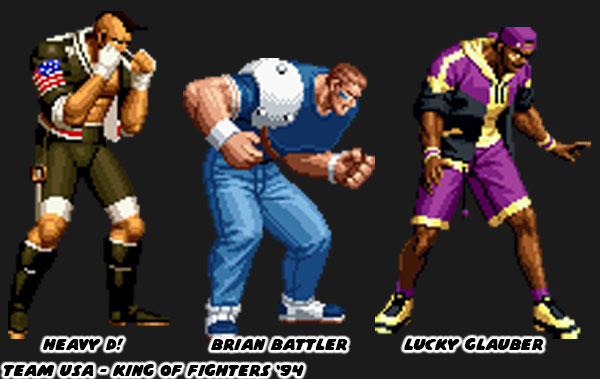
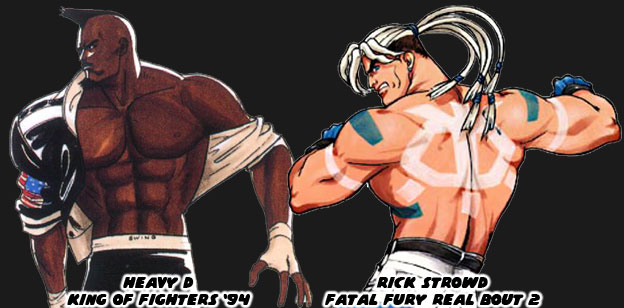
Heavy D started the trend of non-traditional boxers in the KOF universe. His street fashion, paired with his leather jacket and wild haircut made him look like an intimidating opponent. His was the type of look that audiences expected from SNK. It was their follow-up that was even more unique. One of the most unusual boxers in the SNK universe was Rick Strowd. He first appeared in Fatal Fury Real Bout 2 in 1998. I say he was unusual because of his appearance. He was as physically strong as any other character but that wasn’t unusual. He was actually a Native American character although he didn’t look like a typical one that we might have expected. Rick had pale skin, long white hair and bright paintings covering his body. His white pants and blue gloves were solid color choices, they matched the markings painted on his chest and back. He was not rooted in any actual native group, nor were his markings reflective of any tradition. The inverted skull painted on his back looked a bit too cartoonish for example. SNK was experimenting with different influences, different stylistic choices and different ways of presenting a traditional fighting art. They figured that they could shake things up by presenting a unique looking character and call him a Native. Their decision worked for the most part. From that point on the studio realized that boxing was not the only thing that American characters could represent.
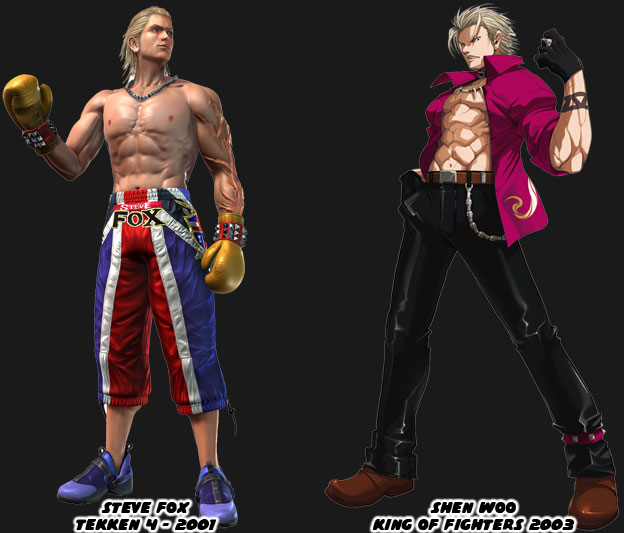
The other thing that the artists at SNK, and a few other Japanese studios, realized post Rick Strowd was that boxers did not all have to be big black guys. Two leaner blonde boxers made their marks after 2000. Namco introduced the fighting community to Steve Fox in Tekken 4. The British boxer had an athletic build and not too bulky. Most Tekken characters were nowhere near as swollen as the Capcom or SNK fighters. Fox had long slick blonde hair and most of his costumes in the series were street outfits. Even his “traditional” costume broke the mold. His boxing trunks were actually long training pants. His most unique element were the enormous scars covering his arm. He wasn’t sure how he got them or what their purpose was, making it an interesting side story for the character. Not to be outdone SNK dropped Shen Woo into KOF continuity in 2003. This blonde boxer was cut from the save cloth as Fox but his look and style were even more street. The Shanghai native was mostly a self-taught fighter, similar to Terry Bogard, and had gained a reputation as one of the most dangerous men in South China. Many of the tournament stars in the KOF series were young cool guys with street clothing so Woo fight right in. If the design had any failings it was that SNK had started relying on the street look too much. Prior to Woo the company had introduced a boxer that I would consider one of the best designs in the past 20 years. This character was named Rob Python from Buriki One.
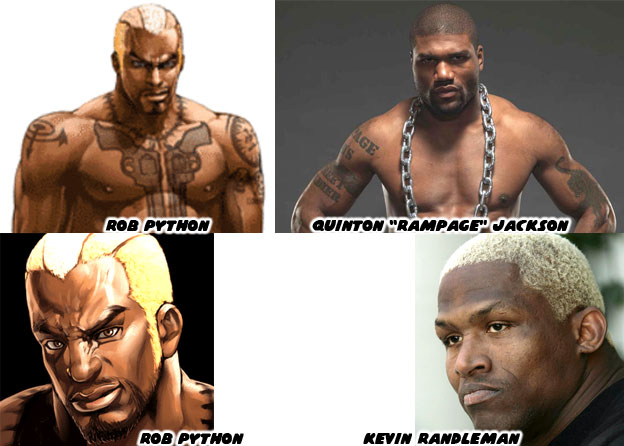
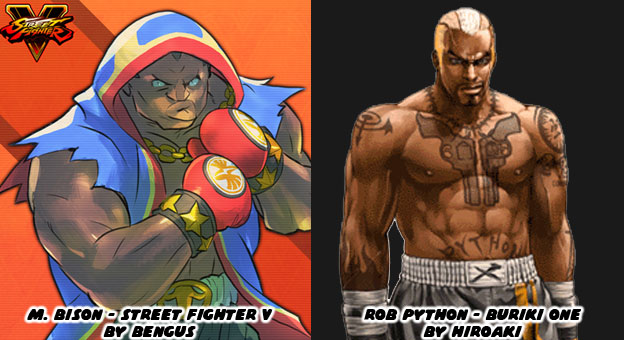
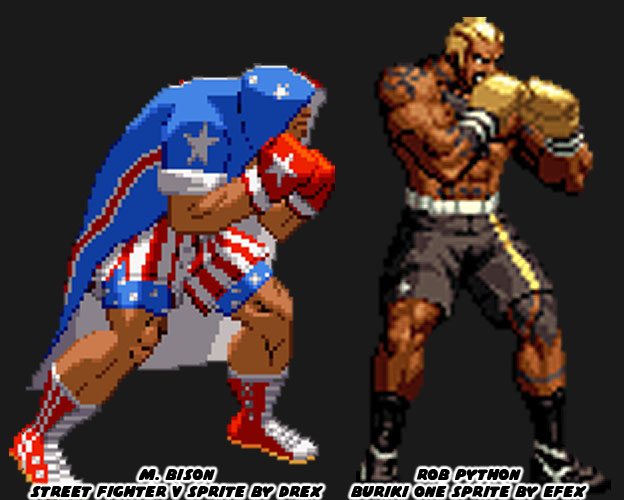
Python represented a break from tradition, he was reflective of the next-generation fighting black superstar. His look was inspired in part by actual MMA fighters Quinton “Rampage” Jackson and Kevin Randleman. They were wildly popular in Japanese tournaments. SNK knew that audiences had outgrown the clean-cut look of a young Tyson and the aging Foreman. They had been playing Neo Geo fighters for almost a decade and wanted new blood. The next boxer had to ooze personality and in the case of Python, he also had to ooze a sense of danger. He was among one of the most dangerous fighters in the Buriki One tournament and also the rival to Gai Tendo, the star of the game. Python was an understudy of Silber, whom I had mentioned previously on this series. Python’s tattoos were as much a part of his costume as his gloves or shorts were. No character before or after had ever looked as imposing. The enormous pair of Colt revolvers tattooed on his chest were meant to intimidate his opponents. It was assumed that he spent time in prison where he had learned of Silber. SNK, and in particular the talented artist Hiroaki, had changed the formula yet again. Python was not a fighting master hidden in plain sight, instead he was a killer masked as a boxer. It would take Capcom almost 17 years to reinvent the boxer by going full circle as well.
In 1991 M. Bison had pretty much set the standard that other boxers were compared against. There wasn’t a fighting game in the ‘90s that wasn’t compared to Street Fighter II. Every boxer was compared to Bison. His look had stagnated in the late ‘90s while SNK was committed to experimenting. Capcom finally conceded and created their own hidden master with Dudley in Street Fighter III (1997). The aristocratic boxer had a unique library of moves but long-time fans of Bison had a soft spot for tradition. Senior Capcom artist (and personal hero) Bengus was called in to work on the Street Fighter V (2016) designs. While he did not develop the original M. Bison, that was more likely AKIMAN and Shoei, Bengus was responsible for the new look. He wanted Bison to have the same big, brash personality but with an updated costume. The Capcom style of design was rooted in making traditional fighting archetypes. Their karate masters had to look like karate masters, their kung-fu masters had to look like kung-fu masters, and their boxers had to be boxers. Bengus went full-bore Americana with red white and blue trunks but then wrapped everything in a red, white and blue robe, with torn sleeves and gold jewelry to boot. The “Crazy Buffalo” now sported elements of the street, elements of real pro boxers and even cartoonish archetypes. He was still classic layered underneath modern accents.
This was not to take anything away from Rob Python and all of the work that SNK had done with boxers over the past 25+ years. Their fighters had been among the most unique, most colorful and most diverse ever assembled. I honestly wish that they would revisit their Buriki One cast for the future installments of the KOF series. With that said they still managed to break new ground. One of their most stylish boxers debuted in 2000, right on the heels of Python. The new fighter was a mysterious special agent named Vanessa. She had taken up boxing when her lover was killed. Like King she was a master hidden in plain site. Her pants and suspenders were a nice touch under her sleeveless shirt and tie. The look was very chic. It wasn’t the first time than SNK had explored the dangerous femme. Vice and Mature, the valets for early KOF sponsor Rugal Bernstein were assassins in disguise. Vanessa was a hero using a similar fashion aesthetic. The trio predated and were more than likely the inspiration behind Crimson Viper in Street Fighter IV.
The most recent boxer in KOF canon was a mix of traditional and modern. Nelson debuted in the King of Fighters XIV, also released in 2016. He was a dark-skinned Brazilian and up-and-coming phenom. The young fighter was involved in a hit and run leaving the gym one night. He lost an arm and his girlfriend was put into a coma. A secretive sponsor paid for his cybernetic replacement arm and saw him enter the KOF tournament. SNK embraced his back story and and incorporated the tire tread motif on his boxing gloves and workout gear. His scars were very bright and spread across his face and torso, giving him the look of someone with the skin disease vitiligo. While I think there may have been too many color choices and design elements placed on the character he worked within the series. Like Vanessa he was a progressive character. His appearance might have appealed to people with disabilities or those recovering from amputations. I would like to see how SNK builds on their library moving forward. Speaking of which, some of the more recent entries in the KOF universe were also a mixed bag of design choices. We’ll look at these in the next blog. As always if you enjoyed this blog and would like to sponsor me please visit my Patreon page and consider donating each month, even as little as $1 would help make better blogs and even podcasts!
Manga and animé were very influential to the design of early fighting games. The team at Capcom were influenced by Buronson and Tetsuo Hara’s work on Hokuto No Ken / Fist of the North Star. The people at SNK were influenced by Katsuhiro Otomo’s science fiction masterpiece AKIRA. The people at SNK were so influenced by the book that it shaped the story of later KOF games. The entire plot revolving around clones and the paramilitary government organization N.E.S.T.S. was roughly pulled from the plot of AKIRA. Even the character K9999 from King of Fighters 2001 was eerily similar to Tetsuo, the antagonist in AKIRA. The likeness was so much so that publisher Kodansha took SNK to court and got them to remove any likeness of the character from future releases and official publications. I would argue that the imposing Heavy D, mohawk, square jaw and all was based on Colonel Shikishima from AKIRA as well. Thankfully SNK made him a dark-skinned character so the comparisons wouldn’t be as obvious. From that point forward the artists at SNK were taking very bold creative chances.
Heavy D started the trend of non-traditional boxers in the KOF universe. His street fashion, paired with his leather jacket and wild haircut made him look like an intimidating opponent. His was the type of look that audiences expected from SNK. It was their follow-up that was even more unique. One of the most unusual boxers in the SNK universe was Rick Strowd. He first appeared in Fatal Fury Real Bout 2 in 1998. I say he was unusual because of his appearance. He was as physically strong as any other character but that wasn’t unusual. He was actually a Native American character although he didn’t look like a typical one that we might have expected. Rick had pale skin, long white hair and bright paintings covering his body. His white pants and blue gloves were solid color choices, they matched the markings painted on his chest and back. He was not rooted in any actual native group, nor were his markings reflective of any tradition. The inverted skull painted on his back looked a bit too cartoonish for example. SNK was experimenting with different influences, different stylistic choices and different ways of presenting a traditional fighting art. They figured that they could shake things up by presenting a unique looking character and call him a Native. Their decision worked for the most part. From that point on the studio realized that boxing was not the only thing that American characters could represent.
The other thing that the artists at SNK, and a few other Japanese studios, realized post Rick Strowd was that boxers did not all have to be big black guys. Two leaner blonde boxers made their marks after 2000. Namco introduced the fighting community to Steve Fox in Tekken 4. The British boxer had an athletic build and not too bulky. Most Tekken characters were nowhere near as swollen as the Capcom or SNK fighters. Fox had long slick blonde hair and most of his costumes in the series were street outfits. Even his “traditional” costume broke the mold. His boxing trunks were actually long training pants. His most unique element were the enormous scars covering his arm. He wasn’t sure how he got them or what their purpose was, making it an interesting side story for the character. Not to be outdone SNK dropped Shen Woo into KOF continuity in 2003. This blonde boxer was cut from the save cloth as Fox but his look and style were even more street. The Shanghai native was mostly a self-taught fighter, similar to Terry Bogard, and had gained a reputation as one of the most dangerous men in South China. Many of the tournament stars in the KOF series were young cool guys with street clothing so Woo fight right in. If the design had any failings it was that SNK had started relying on the street look too much. Prior to Woo the company had introduced a boxer that I would consider one of the best designs in the past 20 years. This character was named Rob Python from Buriki One.

Python represented a break from tradition, he was reflective of the next-generation fighting black superstar. His look was inspired in part by actual MMA fighters Quinton “Rampage” Jackson and Kevin Randleman. They were wildly popular in Japanese tournaments. SNK knew that audiences had outgrown the clean-cut look of a young Tyson and the aging Foreman. They had been playing Neo Geo fighters for almost a decade and wanted new blood. The next boxer had to ooze personality and in the case of Python, he also had to ooze a sense of danger. He was among one of the most dangerous fighters in the Buriki One tournament and also the rival to Gai Tendo, the star of the game. Python was an understudy of Silber, whom I had mentioned previously on this series. Python’s tattoos were as much a part of his costume as his gloves or shorts were. No character before or after had ever looked as imposing. The enormous pair of Colt revolvers tattooed on his chest were meant to intimidate his opponents. It was assumed that he spent time in prison where he had learned of Silber. SNK, and in particular the talented artist Hiroaki, had changed the formula yet again. Python was not a fighting master hidden in plain sight, instead he was a killer masked as a boxer. It would take Capcom almost 17 years to reinvent the boxer by going full circle as well.
In 1991 M. Bison had pretty much set the standard that other boxers were compared against. There wasn’t a fighting game in the ‘90s that wasn’t compared to Street Fighter II. Every boxer was compared to Bison. His look had stagnated in the late ‘90s while SNK was committed to experimenting. Capcom finally conceded and created their own hidden master with Dudley in Street Fighter III (1997). The aristocratic boxer had a unique library of moves but long-time fans of Bison had a soft spot for tradition. Senior Capcom artist (and personal hero) Bengus was called in to work on the Street Fighter V (2016) designs. While he did not develop the original M. Bison, that was more likely AKIMAN and Shoei, Bengus was responsible for the new look. He wanted Bison to have the same big, brash personality but with an updated costume. The Capcom style of design was rooted in making traditional fighting archetypes. Their karate masters had to look like karate masters, their kung-fu masters had to look like kung-fu masters, and their boxers had to be boxers. Bengus went full-bore Americana with red white and blue trunks but then wrapped everything in a red, white and blue robe, with torn sleeves and gold jewelry to boot. The “Crazy Buffalo” now sported elements of the street, elements of real pro boxers and even cartoonish archetypes. He was still classic layered underneath modern accents.
This was not to take anything away from Rob Python and all of the work that SNK had done with boxers over the past 25+ years. Their fighters had been among the most unique, most colorful and most diverse ever assembled. I honestly wish that they would revisit their Buriki One cast for the future installments of the KOF series. With that said they still managed to break new ground. One of their most stylish boxers debuted in 2000, right on the heels of Python. The new fighter was a mysterious special agent named Vanessa. She had taken up boxing when her lover was killed. Like King she was a master hidden in plain site. Her pants and suspenders were a nice touch under her sleeveless shirt and tie. The look was very chic. It wasn’t the first time than SNK had explored the dangerous femme. Vice and Mature, the valets for early KOF sponsor Rugal Bernstein were assassins in disguise. Vanessa was a hero using a similar fashion aesthetic. The trio predated and were more than likely the inspiration behind Crimson Viper in Street Fighter IV.
The most recent boxer in KOF canon was a mix of traditional and modern. Nelson debuted in the King of Fighters XIV, also released in 2016. He was a dark-skinned Brazilian and up-and-coming phenom. The young fighter was involved in a hit and run leaving the gym one night. He lost an arm and his girlfriend was put into a coma. A secretive sponsor paid for his cybernetic replacement arm and saw him enter the KOF tournament. SNK embraced his back story and and incorporated the tire tread motif on his boxing gloves and workout gear. His scars were very bright and spread across his face and torso, giving him the look of someone with the skin disease vitiligo. While I think there may have been too many color choices and design elements placed on the character he worked within the series. Like Vanessa he was a progressive character. His appearance might have appealed to people with disabilities or those recovering from amputations. I would like to see how SNK builds on their library moving forward. Speaking of which, some of the more recent entries in the KOF universe were also a mixed bag of design choices. We’ll look at these in the next blog. As always if you enjoyed this blog and would like to sponsor me please visit my Patreon page and consider donating each month, even as little as $1 would help make better blogs and even podcasts!
Labels:
akira,
bengus,
buriki one,
colonel shikishima,
heavy d,
k9999,
king of fighters,
m bison,
mature,
nelson,
neo geo,
rampage,
rick strowd,
rob python,
shen woo,
shinkiro,
steve fox,
tetsuo,
vanessa,
vice
Monday, October 2, 2017
Hiding the master in plain sight, the genius of SNK's character design... part 3
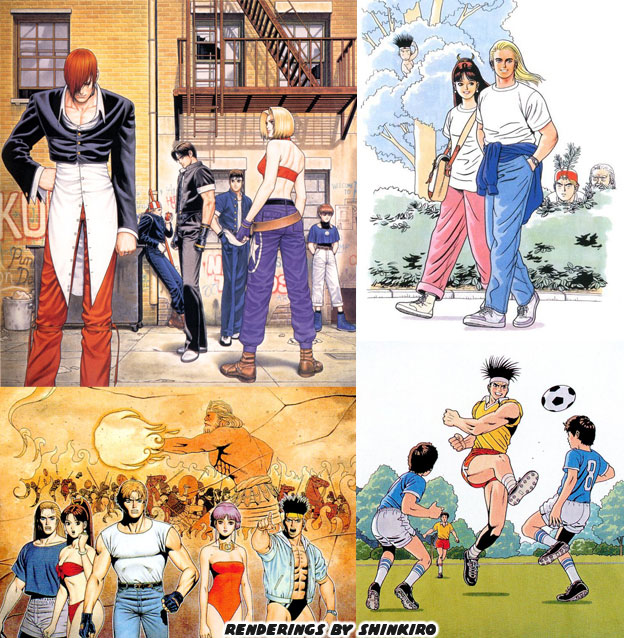
In previous blogs I established that Shinkiro had become one of the most influential fighting game artists of all time. The reason for this was obvious when comparing his work to other artists in the studio and abroad. He would render many of his subjects in realistic settings, with realistic clothing choices. They were often presented in casual settings, perhaps enjoying a cocktail, playing in the park or hanging out at the pool. Prior to that most character illustrations had the figures in fighting scenes and only in fighting scenes. Audiences were used to characters looking highly stylized, with exaggerated physiques. Guys were overly muscular and females were slim with large bouncy breasts. After all these were the types of physiques that manga and comic books expected the archetypes to have. Shinkiro changed all of that. You could look at his art and see people that very well could have existed. By looking at these figures you would necessarily be able to tell what martial arts form they represented. Again, he his that martial arts master in plain site.
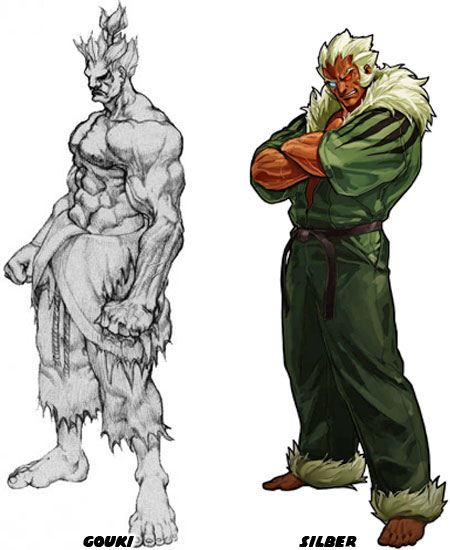
Eventually all of the artists at SNK started to become attuned to what Shinkiro had brought to the genre. They understood that if they wanted to put a character into the Fatal Fury, Art of Fighting or King of Fighters, they they had to meet the elements that Shinkiro had established for the series. There would be no green-skinned Brazilian wild man or stretchy-limbed Indian for example. Those figures were not necessarily grounded in any sort of realism. The fighters did not have to be realistic, but they did have to have a sense of realism. The artist Hiroaki Hashimoto aka Hiroaki was an exceptional painter and considered an understudy of Shinkiro. He worked on a number of excellent pieces for the KOF series. In 1999 he was a lead on a new title called Buriki One. This game was set in the KOF universe but a bit in the future. There was a new tournament in town, inspired by the real world K-1 and Pride fighting championships in Japan. There was a call for representatives of the various martial arts. It was the closest that the team at SNK came to creating martial arts archetypes in the vein of the Street Fighter series. The final opponent was a new villain. Silber was very much an SNK answer to Gouki, he had traveled the globe defeating the masters of various arts and even a few wild animals.
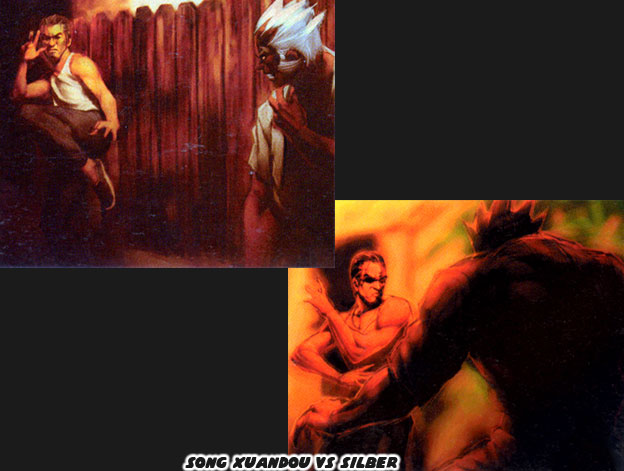
One of the competitors in the Buriki One tournament was an elderly Tai Chi master named Song Xuandou. It turned out that this was the only character that had a previous run in with Silber. Decades earlier, before MMA tournaments were being televised the only way for these fighters to find out who was the best was by actually visiting various dojos and exotic locations. There were no newspapers, no radio or film crews following these people. The fights that went down were the stuff of legend and only a handful of people actually saw them. This was how people like Mas Oyama earned a reputation. When Song was a young man he was lightning quick and very confident in his abilities. He took on Silber and lost. Although he was defeated it was a close battle. It could have been likened to the fight between Bruce Lee and Wong Jack Man. Song was one of the few people that could have claimed to have survived a fight with the powerful German. Silber was and remained a secretive figure in the world of SNK. It was entirely possible that he killed some of the people that he battled. Official character art for example featured him smashing in the face of a polar bear. When the designers of Buriki One called for a Chinese fighter to be put into the game Hiroaki gave audiences an elderly archetype. Nothing about the character seemed to stand out. But again, he was hiding the master in plain sight.
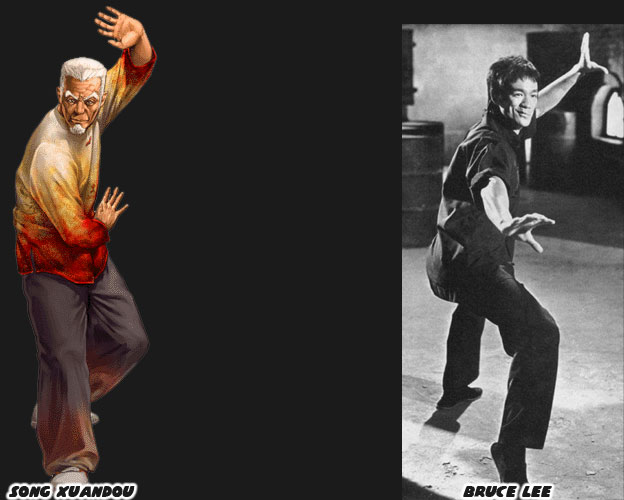
While Song no longer held the speed or flashy kicks of his youth, he retained most of his power. Song was modeled partly on Bruce Lee. This was a version from another timeline, say if he had remained in China and had stayed closer to the kung-fu traditions. This was why he didn’t move or fight like Marshall Law from the Tekken games. He was not just a carbon copy of the actor. Song had the vigor and even look of a youthful Lee in the ’60s. This was back when both he and Silber were getting started in their careers. Song had now distilled his techniques to a few deceptive moves. He could strike, trip and kick his opponents with ease. It was graceful watching him work in the tournament. You could have mistaken him for the old guy practicing Tai Chi in the park rather than a former martial arts superstar. Again this was the SNK school of design at their best, they hid the master in plain sight. It should be noted that not every SNK fighting game required this type of design. For example Shinkiro did a tremendous amount of promotional art for the Samurai Spirits / Shodown series. But he was not the only artist that influenced the fighters.
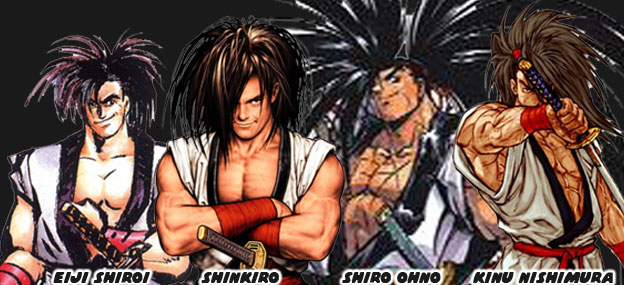
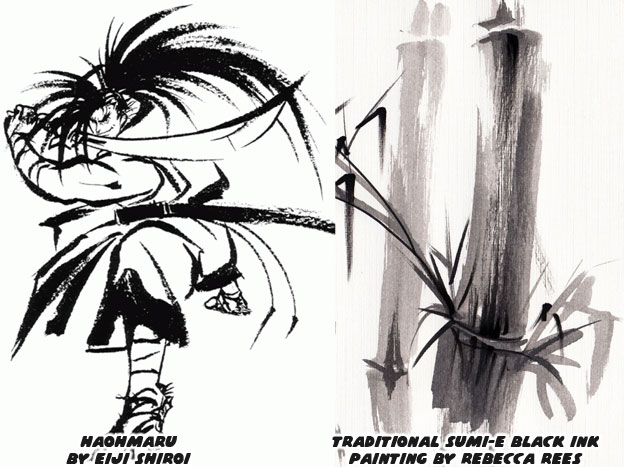
The game was set centuries ago, in feudal Japan. Gunpowder and steam were barely shaping the world, changing the course of the industrialized nations. Japan was insular during this period and held onto tradition longer than most other countries. SNK wanted to capture that era but not romanticize it. They wanted it to pop, to be vibrant, like an animé show. In order to do that the game had to be highly stylized. One of the artists that got picked up for the sequels was manga artist Shiro Ono. He had a very sharp style, with hard lines and exaggerated poses. At the same time the studio did not want the designs to be too outlandish. Shinkiro’s realistic style would have been in contrast with their goal. The artist that the company settled with was Jin Mera aka Eiji Shiroi. Her style was deceptively clean. No extra brush strokes in his renderings. The character designs were easy to read, her choice of color and style really stood out from her peers. In fact the thing that helped cement the look of the series were some paintings that she created using charcoal ink. The sumi-e style was traditional and went back centuries, if not thousands of years. Calligraphers and portrait artists used minimalism to create forms and figures.
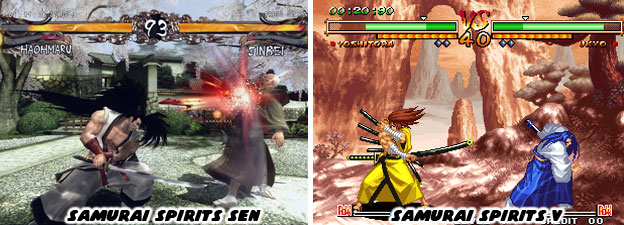
The solid black and white paintings that Ms. Shiroi created perfectly reflected the era that SNK was trying to capture. Eiji was a drawing teacher, her training and insight were perfect for this project. In the case of Samurai Spirits the masters of the various sword arts did not have to be hiding. They wore classic-looking costumes, some wore armor, and they all fought with traditional melee weapons. There were swords, daggers, cleavers, hammers and axes used by the various fighters. As the series grew these things began to include the occasional explosive and even a rifle. For the most part however combat was based on bladed weapons. The designs had to be clear and easy to read. A Chinese warlord for example had a different costume than a Japanese ronin. Even among the various Japanese sword masters there was a lot of diversity. Ms. Shiroi helped plan their look and assigned each person bright primary colors so that they all stood out. As the series aged SNK experimented with 3D and they discovered that the muted colors that were en vogue didn’t really work for Samurai Spirits. This was most apparent in Samurai Spirits Sen. Realism didn’t work very well for the fantastic swordsmen and women. So they returned to 2D shortly after with Samurai Spirits V.
Not every design that SNK created went over well. The studio had a lot of growing pains and made a lot of mistakes when they were trying to capture the fighting game crown. We’ll explore one of the most diverse lineups the company ever gave us in the next blog. As always if you enjoyed this blog and would like to sponsor me please visit my Patreon page and consider donating each month, even as little as $1 would help make better blogs and even podcasts!
Eventually all of the artists at SNK started to become attuned to what Shinkiro had brought to the genre. They understood that if they wanted to put a character into the Fatal Fury, Art of Fighting or King of Fighters, they they had to meet the elements that Shinkiro had established for the series. There would be no green-skinned Brazilian wild man or stretchy-limbed Indian for example. Those figures were not necessarily grounded in any sort of realism. The fighters did not have to be realistic, but they did have to have a sense of realism. The artist Hiroaki Hashimoto aka Hiroaki was an exceptional painter and considered an understudy of Shinkiro. He worked on a number of excellent pieces for the KOF series. In 1999 he was a lead on a new title called Buriki One. This game was set in the KOF universe but a bit in the future. There was a new tournament in town, inspired by the real world K-1 and Pride fighting championships in Japan. There was a call for representatives of the various martial arts. It was the closest that the team at SNK came to creating martial arts archetypes in the vein of the Street Fighter series. The final opponent was a new villain. Silber was very much an SNK answer to Gouki, he had traveled the globe defeating the masters of various arts and even a few wild animals.
One of the competitors in the Buriki One tournament was an elderly Tai Chi master named Song Xuandou. It turned out that this was the only character that had a previous run in with Silber. Decades earlier, before MMA tournaments were being televised the only way for these fighters to find out who was the best was by actually visiting various dojos and exotic locations. There were no newspapers, no radio or film crews following these people. The fights that went down were the stuff of legend and only a handful of people actually saw them. This was how people like Mas Oyama earned a reputation. When Song was a young man he was lightning quick and very confident in his abilities. He took on Silber and lost. Although he was defeated it was a close battle. It could have been likened to the fight between Bruce Lee and Wong Jack Man. Song was one of the few people that could have claimed to have survived a fight with the powerful German. Silber was and remained a secretive figure in the world of SNK. It was entirely possible that he killed some of the people that he battled. Official character art for example featured him smashing in the face of a polar bear. When the designers of Buriki One called for a Chinese fighter to be put into the game Hiroaki gave audiences an elderly archetype. Nothing about the character seemed to stand out. But again, he was hiding the master in plain sight.
While Song no longer held the speed or flashy kicks of his youth, he retained most of his power. Song was modeled partly on Bruce Lee. This was a version from another timeline, say if he had remained in China and had stayed closer to the kung-fu traditions. This was why he didn’t move or fight like Marshall Law from the Tekken games. He was not just a carbon copy of the actor. Song had the vigor and even look of a youthful Lee in the ’60s. This was back when both he and Silber were getting started in their careers. Song had now distilled his techniques to a few deceptive moves. He could strike, trip and kick his opponents with ease. It was graceful watching him work in the tournament. You could have mistaken him for the old guy practicing Tai Chi in the park rather than a former martial arts superstar. Again this was the SNK school of design at their best, they hid the master in plain sight. It should be noted that not every SNK fighting game required this type of design. For example Shinkiro did a tremendous amount of promotional art for the Samurai Spirits / Shodown series. But he was not the only artist that influenced the fighters.
The game was set centuries ago, in feudal Japan. Gunpowder and steam were barely shaping the world, changing the course of the industrialized nations. Japan was insular during this period and held onto tradition longer than most other countries. SNK wanted to capture that era but not romanticize it. They wanted it to pop, to be vibrant, like an animé show. In order to do that the game had to be highly stylized. One of the artists that got picked up for the sequels was manga artist Shiro Ono. He had a very sharp style, with hard lines and exaggerated poses. At the same time the studio did not want the designs to be too outlandish. Shinkiro’s realistic style would have been in contrast with their goal. The artist that the company settled with was Jin Mera aka Eiji Shiroi. Her style was deceptively clean. No extra brush strokes in his renderings. The character designs were easy to read, her choice of color and style really stood out from her peers. In fact the thing that helped cement the look of the series were some paintings that she created using charcoal ink. The sumi-e style was traditional and went back centuries, if not thousands of years. Calligraphers and portrait artists used minimalism to create forms and figures.
The solid black and white paintings that Ms. Shiroi created perfectly reflected the era that SNK was trying to capture. Eiji was a drawing teacher, her training and insight were perfect for this project. In the case of Samurai Spirits the masters of the various sword arts did not have to be hiding. They wore classic-looking costumes, some wore armor, and they all fought with traditional melee weapons. There were swords, daggers, cleavers, hammers and axes used by the various fighters. As the series grew these things began to include the occasional explosive and even a rifle. For the most part however combat was based on bladed weapons. The designs had to be clear and easy to read. A Chinese warlord for example had a different costume than a Japanese ronin. Even among the various Japanese sword masters there was a lot of diversity. Ms. Shiroi helped plan their look and assigned each person bright primary colors so that they all stood out. As the series aged SNK experimented with 3D and they discovered that the muted colors that were en vogue didn’t really work for Samurai Spirits. This was most apparent in Samurai Spirits Sen. Realism didn’t work very well for the fantastic swordsmen and women. So they returned to 2D shortly after with Samurai Spirits V.
Not every design that SNK created went over well. The studio had a lot of growing pains and made a lot of mistakes when they were trying to capture the fighting game crown. We’ll explore one of the most diverse lineups the company ever gave us in the next blog. As always if you enjoyed this blog and would like to sponsor me please visit my Patreon page and consider donating each month, even as little as $1 would help make better blogs and even podcasts!
Monday, July 4, 2016
The legend of Blue Mary, or girls in fighting games, part 3
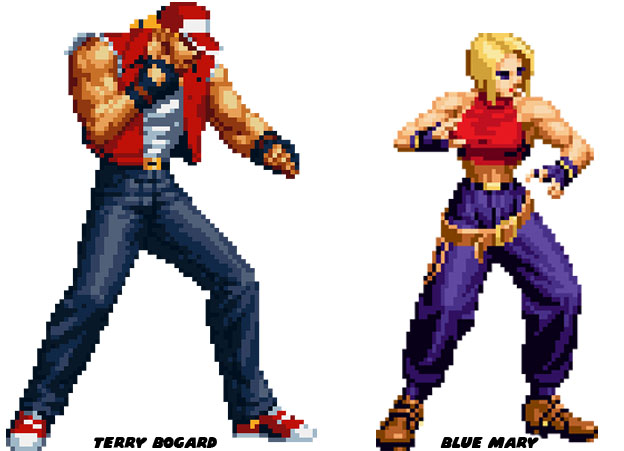
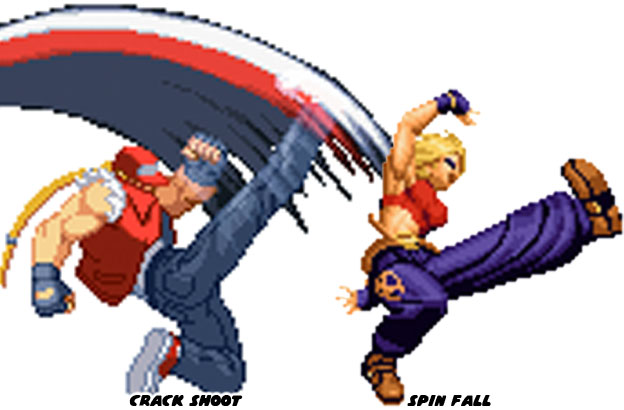
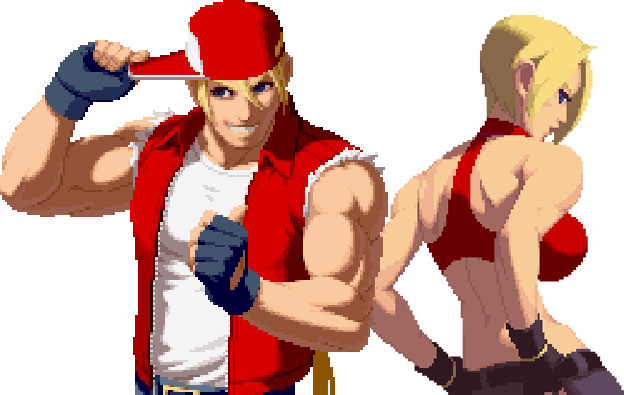
Fatal Fury had built a tremendous fan following in the '90s. The story, characters and fighting styles represented were very unique. SNK had done a great job of introducing characters from around the world and connected many of them to real martial arts. Even the characters that did not represent a particular style, like Terry Bogard, still fit into the universe. SNK was showing audiences that the modern masters of fighting did not have to dress up in robes or gi's in order to be legitimate threats. When the studio wanted to introduce a new female lead in the series they had a perfect template to pull from. Blue Mary had many design cues that were based on Terry. Put the two side-by-side and it's easy to see what I'm referring to. The red top, blue pants and gloves was only the beginning.
Notice how well defined Blue Mary's muscles were. Usually female characters in fighting games were slim. Some were voluptuous but none were presented muscular. Many of the early female characters in fighting games were Asian. Many Asian cultures (and many Western nations) did not consider women with big muscles to be attractive. The male stars in fighting games were always expected to have huge muscles. It made them look more believable as serious brawlers. The same rules applied to comic book heroes of course. Blue Mary changed all of that. As a female balance to Terry she maintained a certain level of athleticism and raw power. Her abs, shoulders and biceps were all well defined and much larger than the muscles on her female co-stars. This seemed acceptable on an "American" character. Her femininity remained, as did her large breasts, and to many players she remained attractive.
On a surface level Blue Mary had the same design cues as Terry. None of her moves, except for Spin Fall even remotely resembled the power moves of Terry. Blue Mary had far many different techniques going for her, not the least of which were having some of the first grapples, submission takedowns and strikes into grapples of any fighting game character. I consider Blair Dame from Street Fighter EX to be the first mixed martial arts character in a fighting game. She debuted in 1996, yet Blue Mary appeared one year earlier and had many similar techniques. So what gives? Blue Mary had moves that were more in line with combat Sambo, a Soviet-era form of fighting that gained exposure in freestyle and vale-tudo tournaments. These were the sorts of no-holds-barred contests that predated modern mixed martial arts tournaments. Sambo would be used by Russian soldiers to help subdue enemies in close quarters combat. There were many lightning quick strikes mixed with takedowns and painful joint lock techniques. The 3D fighting games would features these techniques on characters like Sergei Dragunov and Bayman from the respective Tekken and Dead or Alive series. It made sense that cops and soldiers would be masters of these techniques.
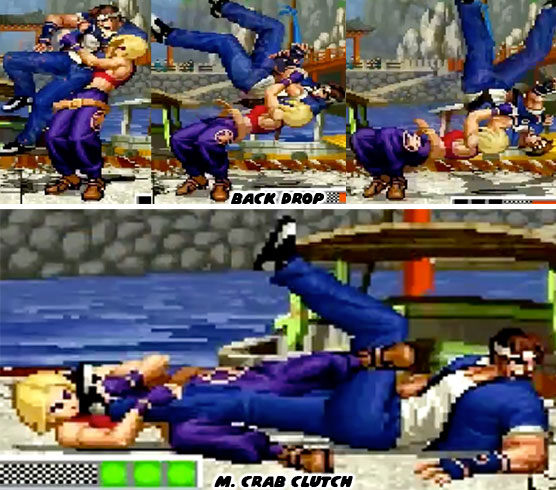
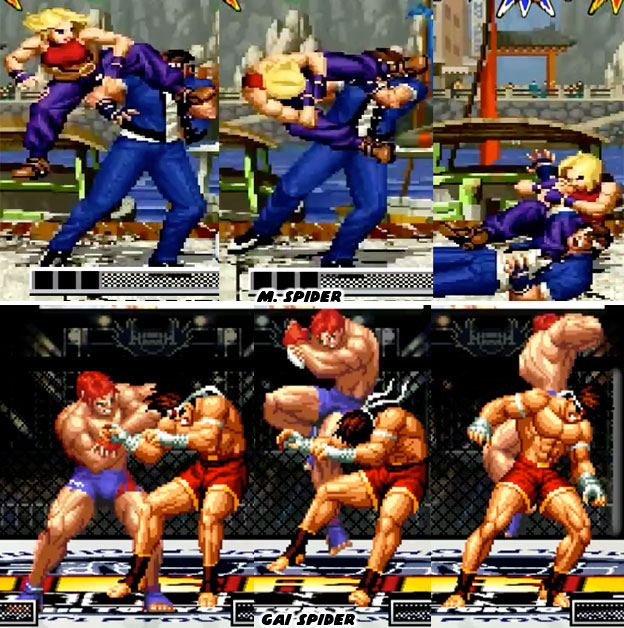
Blue Mary was a vicious grappler with amazing strength. She could hoist her opponents overhead and perform a Back Drop. It was an incredibly dangerous move made popular by the late . The move was banned in the WWE for being too risky. I could easily imagine Mary doing this to unsuspecting criminals. When she didn't go high with her attacks she knew how to shoot low for a takedown. The ankle lock called the M. Crab Clutch could snap a leg as easily as a chicken bone. These were only a few of her awesome moves. It made sense that Butch and her father had shared some of their Secret Service training with her. For opponents that were stand up fighters Mary had a way of breaking them down as well. She was equally fast and strong. She was able to cut into any defense and perform a rolling arm bar. This move would be known as the M. Spider. A variation of the leaping arm bar was given to Gai Tendo, the star of the Buriki One Tournament. His version was known as the Gai Spider. As great a character as Gai was just remember that Mary was doing some MMA moves many years earlier!
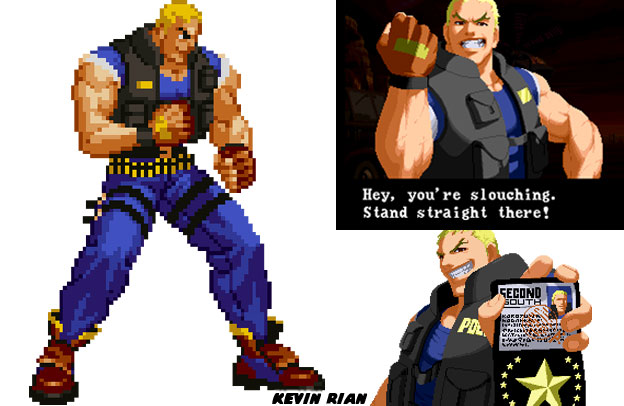
Blue Mary would grow in popularity over the years. Like some of her Fatal Fury co-stars she would eventually turn up in the King of Fighters series as well. Her moves and purpose filled a void that had been missing in the series. To be specific law enforcement officers weren't usually represented in fighting games, especially not in Japanese ones. There were heroes of all sorts but they were usually traditional martial arts masters. There were even military characters from time to time because audiences could accept them as dangerous fighters. Cops on the other hand didn't always have the reputation for being great martial artists. Chun-Li and Blue Mary certainly changed that perception while also serving as powerful female role-models. Blue Mary's distant relative appeared in Garou: Mark of the Wolves, a game from 1999. The game was set about a decade after the events of Fatal Fury 3. The new brawler was known as Kevin Rian, he was a cop, a representative of the Second South Town police force. His last name was mistranslated by the localization team as it was supposed to be Kevin Ryan. He was big with a few grappling moves and heavy hands. His design fit somewhere in between Ralf and Clark, the Ikari Warriors from the King of Fighters tournament crossed with Blue Mary. Kevin, like the other characters in Mark of the Wolves, reflected almost a decade of fantastic character designs. The studio had experimented with graphics, controls and aesthetics and was really hitting its peak by 2000.
From a physical standpoint Blue Mary had all of the same design elements that were originally applied to Terry Bogard. Many of these things were due to the Japanese trying to introduce a "cool" Western fighter into their franchise. It was mostly relying on stereotype, that white Americans had blonde hair, blue eyes, wore jeans and sneakers. The Japanese animé aesthetic paid off when combined with the trope. Mary was young, athletic, and confident. The same characteristics that made Terry appealing to the first generation of fans worked years later and would continue to work in future titles. Mary had staying power as did the better fighters from the Fatal Fury and Art of Fighting franchises. When variations of those characters turned up in Garou: Mark of the Wolves it worked extremely well.
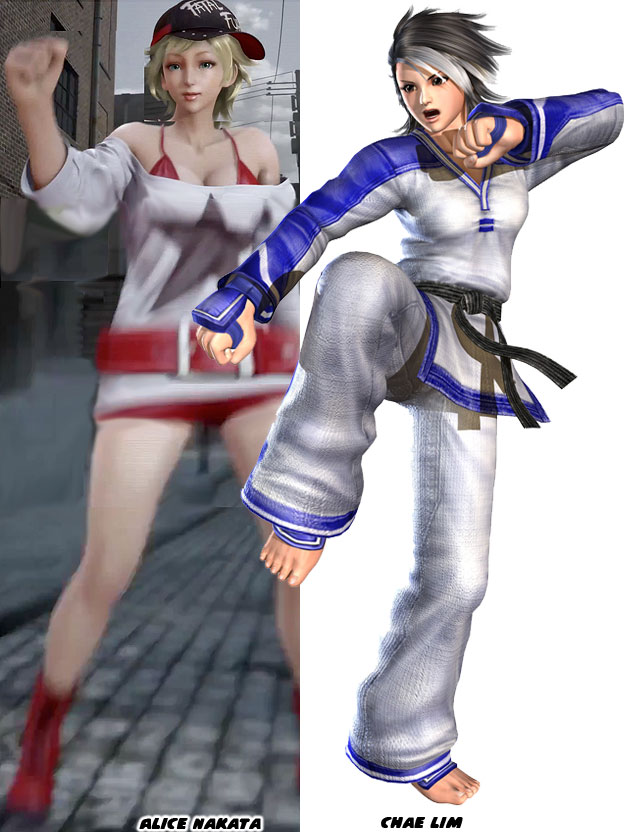
When variations of the look turned up in pachislot machines (a combination pachinko and slot machine popular in Japanese arcades) it still worked. Take a look at Alice Garnet Nakata, the idol character featured in the game. She was a sort of crude talking cheerleader that followed Terry around. Her look was planted in between the style of Terry and Mary. The familiar red, white and blue motif, the cap, the red heels instead of sneakers. Of course you can't miss the extra-wide belt. It's almost as if somebody at SNK had wondered out loud what would have happened if Terry and Mary had a daughter. What would she look like? Well the truth is a little bit backwards. In the planning stages of Fatal Fury 3 there was a new female character in the works called Alice Chrysler (the Japanese aren't the best at making up Western-sounding names). Alice was an understudy of TaeKwon-Do master Kim Kaphwan. She had an affinity for Terry Bogard and was designed to replace Mai Shiranui as the female lead. From a design standpoint she would have beaten Sakura as the younger girl version of the star by one whole year. SNK decided against the original Alice and went back to the drawing board. She got a little older, stronger and was working with different fighting forms and a new name, Mary Ryan. All great ideas however never really die. The studio revisited the understudy of Kim and a new character came out called Chae Lim. The scrappy "secret weapon" with short feathered hair would debut in the KOF Maximum Impact Tournament in 2004. Almost a decade later the studio revisited Alice for the pachislot machine. Her long ponytail gave way to short feathered hair in her makeover. In 2016 SNK would make her a formal character in the King of Fighters XIV.
Competition between SNK and Capcom meant that both studios were taking chances with character designs. In the early days the studios were influenced by action cinema and manga. The heroes of those first games were based on real martial artists and mythical fighters. In time the studios learned that fighting games did not have to be solely about burly men trading punches. They could be about cops, soldiers, gifted orphans, girls and women. If these people had a talent, a solid design and a reason to fight then audiences were willing to come along for the ride. Through the '90s SNK had made some of the biggest advances in diversity for the genre. When the studio decided that the King of Fighters should be about team play then it meant that the roster would have to be filled in with dozens of new faces. There was no way that they could all be men. The women they started with were already well known and all the new ones introduced, both good and evil, found a following. Blue Mary was near the top of the list. She was well regarded and many fans wanted to see if SNK planned any sort of resolution between her and Terry Bogard. It was the unspoken thing that fans had wondered about all fighting games. What sort of relationship did the main characters have and would the male and female stars of the games ever get together. Capcom fans from both sides of the Pacific wondered out loud if Ryu and Chun-Li were a couple. That was the case in the licensed Hong Kong comics and of course many fan pieces.

For SNK fans many wondered if Terry and Mary ever "hooked up." SNK and Capcom avoided the question for most of their characters. This was because when they designed them they didn't have romance in mind. Each and every fighter, male and female, was a stand-alone design. They did not need to have a relationship with any other character in order to be accepted. Kevin Rian and Mary Ryan may have been related but both looked and fought very differently from each other. Even if one character were introduced because of the success of a previous icon it didn't matter. Sakura and Sean for example were not Xerox copies of Ken and Ryu despite being labeled "Shotoclones." Each subsequent fighter from the biggest studios had to hold up to the designs in other titles. When Blue Mary and Sakura debuted they were a sort of balance to the male stars of the games. They had just enough design cues so that audiences knew where they came from, and also enough originality to them as to make them unique fighters. Yet that didn't stop fans from asking the question, especially between Terry and Mary. Terry after all was a lone wolf. His brother Andy had a relationship with the busty ninja Mai Shiranui but poor Terry was all alone. Then there was Mary, she lost her boyfriend and father and was living with a dog. If there was someone in South Town that needed a new relationship it would have been her. Only it didn't come to pass. At least not in the first decade of the Fatal Fury timeline. Terry was busy raising a surrogate son and Mary was busy with her career of keeping South Town from imploding. What SNK did do however was give fans a hint of closure.

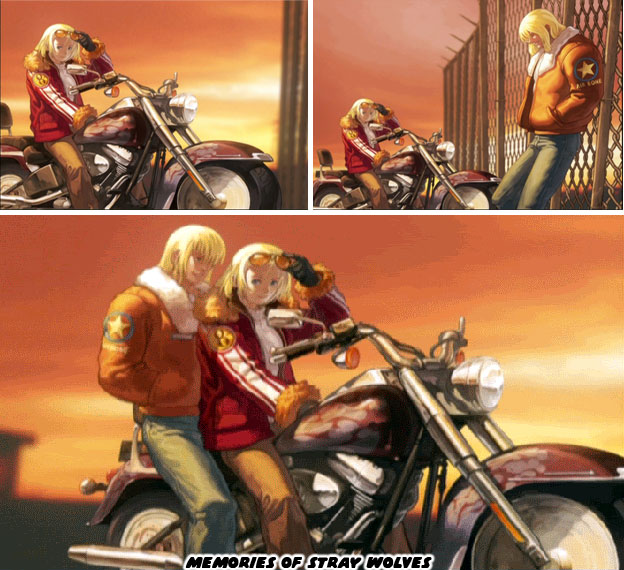
In the drama CD Memories of Stray Wolves Terry and Rock Howard were putting together a narrative. Where did it all begin for the main characters, why were they fighting, where did the time go? Rock was on the eve of his first King of Fighters tournament, he was a little nervous but he also wanted some answers. This story was set during the timeline of Mark of the Wolves, a decade after the demise of Geese Howard. Fatal Fury alumni Duck King, Richard Meyer and Blue Mary all made appearances. Mary was dealing with a few difficult cases and hadn't had a chance to visit with them as often as she'd like. Rock left to find his way and Terry seemed a little blue. Mary showed up on her motorcycle at the end of the story. The years had been kind to both as they still made an attractive couple. While it was never implied in the games there was a relationship between the two. Terry jumped on the back of her motorcycle to look for some fun. It was a creative risk that worked well for the canon and character development at SNK. It was something that was not introduced for the characters until years later and it made sense. It was an evolutionary shift for character designs which gave them more dimension and made the more personable. While I don't think that Ryu or Chun-Li should ever be seen the same way it would be nice to see Capcom age and mature the characters more in the Street Fighter series. There has been too much rehashing of the same characters year after year. We will see how else things have changed post King of Fighters XIV and Street Fighter V. I am looking forward to that. How about you? As always if you enjoyed this blog and would like to sponsor me please visit my Patreon page and consider donating each month, even as little as $1 would help make better blogs and even podcasts!

Notice how well defined Blue Mary's muscles were. Usually female characters in fighting games were slim. Some were voluptuous but none were presented muscular. Many of the early female characters in fighting games were Asian. Many Asian cultures (and many Western nations) did not consider women with big muscles to be attractive. The male stars in fighting games were always expected to have huge muscles. It made them look more believable as serious brawlers. The same rules applied to comic book heroes of course. Blue Mary changed all of that. As a female balance to Terry she maintained a certain level of athleticism and raw power. Her abs, shoulders and biceps were all well defined and much larger than the muscles on her female co-stars. This seemed acceptable on an "American" character. Her femininity remained, as did her large breasts, and to many players she remained attractive.

On a surface level Blue Mary had the same design cues as Terry. None of her moves, except for Spin Fall even remotely resembled the power moves of Terry. Blue Mary had far many different techniques going for her, not the least of which were having some of the first grapples, submission takedowns and strikes into grapples of any fighting game character. I consider Blair Dame from Street Fighter EX to be the first mixed martial arts character in a fighting game. She debuted in 1996, yet Blue Mary appeared one year earlier and had many similar techniques. So what gives? Blue Mary had moves that were more in line with combat Sambo, a Soviet-era form of fighting that gained exposure in freestyle and vale-tudo tournaments. These were the sorts of no-holds-barred contests that predated modern mixed martial arts tournaments. Sambo would be used by Russian soldiers to help subdue enemies in close quarters combat. There were many lightning quick strikes mixed with takedowns and painful joint lock techniques. The 3D fighting games would features these techniques on characters like Sergei Dragunov and Bayman from the respective Tekken and Dead or Alive series. It made sense that cops and soldiers would be masters of these techniques.

Blue Mary was a vicious grappler with amazing strength. She could hoist her opponents overhead and perform a Back Drop. It was an incredibly dangerous move made popular by the late . The move was banned in the WWE for being too risky. I could easily imagine Mary doing this to unsuspecting criminals. When she didn't go high with her attacks she knew how to shoot low for a takedown. The ankle lock called the M. Crab Clutch could snap a leg as easily as a chicken bone. These were only a few of her awesome moves. It made sense that Butch and her father had shared some of their Secret Service training with her. For opponents that were stand up fighters Mary had a way of breaking them down as well. She was equally fast and strong. She was able to cut into any defense and perform a rolling arm bar. This move would be known as the M. Spider. A variation of the leaping arm bar was given to Gai Tendo, the star of the Buriki One Tournament. His version was known as the Gai Spider. As great a character as Gai was just remember that Mary was doing some MMA moves many years earlier!

Blue Mary would grow in popularity over the years. Like some of her Fatal Fury co-stars she would eventually turn up in the King of Fighters series as well. Her moves and purpose filled a void that had been missing in the series. To be specific law enforcement officers weren't usually represented in fighting games, especially not in Japanese ones. There were heroes of all sorts but they were usually traditional martial arts masters. There were even military characters from time to time because audiences could accept them as dangerous fighters. Cops on the other hand didn't always have the reputation for being great martial artists. Chun-Li and Blue Mary certainly changed that perception while also serving as powerful female role-models. Blue Mary's distant relative appeared in Garou: Mark of the Wolves, a game from 1999. The game was set about a decade after the events of Fatal Fury 3. The new brawler was known as Kevin Rian, he was a cop, a representative of the Second South Town police force. His last name was mistranslated by the localization team as it was supposed to be Kevin Ryan. He was big with a few grappling moves and heavy hands. His design fit somewhere in between Ralf and Clark, the Ikari Warriors from the King of Fighters tournament crossed with Blue Mary. Kevin, like the other characters in Mark of the Wolves, reflected almost a decade of fantastic character designs. The studio had experimented with graphics, controls and aesthetics and was really hitting its peak by 2000.

From a physical standpoint Blue Mary had all of the same design elements that were originally applied to Terry Bogard. Many of these things were due to the Japanese trying to introduce a "cool" Western fighter into their franchise. It was mostly relying on stereotype, that white Americans had blonde hair, blue eyes, wore jeans and sneakers. The Japanese animé aesthetic paid off when combined with the trope. Mary was young, athletic, and confident. The same characteristics that made Terry appealing to the first generation of fans worked years later and would continue to work in future titles. Mary had staying power as did the better fighters from the Fatal Fury and Art of Fighting franchises. When variations of those characters turned up in Garou: Mark of the Wolves it worked extremely well.
When variations of the look turned up in pachislot machines (a combination pachinko and slot machine popular in Japanese arcades) it still worked. Take a look at Alice Garnet Nakata, the idol character featured in the game. She was a sort of crude talking cheerleader that followed Terry around. Her look was planted in between the style of Terry and Mary. The familiar red, white and blue motif, the cap, the red heels instead of sneakers. Of course you can't miss the extra-wide belt. It's almost as if somebody at SNK had wondered out loud what would have happened if Terry and Mary had a daughter. What would she look like? Well the truth is a little bit backwards. In the planning stages of Fatal Fury 3 there was a new female character in the works called Alice Chrysler (the Japanese aren't the best at making up Western-sounding names). Alice was an understudy of TaeKwon-Do master Kim Kaphwan. She had an affinity for Terry Bogard and was designed to replace Mai Shiranui as the female lead. From a design standpoint she would have beaten Sakura as the younger girl version of the star by one whole year. SNK decided against the original Alice and went back to the drawing board. She got a little older, stronger and was working with different fighting forms and a new name, Mary Ryan. All great ideas however never really die. The studio revisited the understudy of Kim and a new character came out called Chae Lim. The scrappy "secret weapon" with short feathered hair would debut in the KOF Maximum Impact Tournament in 2004. Almost a decade later the studio revisited Alice for the pachislot machine. Her long ponytail gave way to short feathered hair in her makeover. In 2016 SNK would make her a formal character in the King of Fighters XIV.

Competition between SNK and Capcom meant that both studios were taking chances with character designs. In the early days the studios were influenced by action cinema and manga. The heroes of those first games were based on real martial artists and mythical fighters. In time the studios learned that fighting games did not have to be solely about burly men trading punches. They could be about cops, soldiers, gifted orphans, girls and women. If these people had a talent, a solid design and a reason to fight then audiences were willing to come along for the ride. Through the '90s SNK had made some of the biggest advances in diversity for the genre. When the studio decided that the King of Fighters should be about team play then it meant that the roster would have to be filled in with dozens of new faces. There was no way that they could all be men. The women they started with were already well known and all the new ones introduced, both good and evil, found a following. Blue Mary was near the top of the list. She was well regarded and many fans wanted to see if SNK planned any sort of resolution between her and Terry Bogard. It was the unspoken thing that fans had wondered about all fighting games. What sort of relationship did the main characters have and would the male and female stars of the games ever get together. Capcom fans from both sides of the Pacific wondered out loud if Ryu and Chun-Li were a couple. That was the case in the licensed Hong Kong comics and of course many fan pieces.

For SNK fans many wondered if Terry and Mary ever "hooked up." SNK and Capcom avoided the question for most of their characters. This was because when they designed them they didn't have romance in mind. Each and every fighter, male and female, was a stand-alone design. They did not need to have a relationship with any other character in order to be accepted. Kevin Rian and Mary Ryan may have been related but both looked and fought very differently from each other. Even if one character were introduced because of the success of a previous icon it didn't matter. Sakura and Sean for example were not Xerox copies of Ken and Ryu despite being labeled "Shotoclones." Each subsequent fighter from the biggest studios had to hold up to the designs in other titles. When Blue Mary and Sakura debuted they were a sort of balance to the male stars of the games. They had just enough design cues so that audiences knew where they came from, and also enough originality to them as to make them unique fighters. Yet that didn't stop fans from asking the question, especially between Terry and Mary. Terry after all was a lone wolf. His brother Andy had a relationship with the busty ninja Mai Shiranui but poor Terry was all alone. Then there was Mary, she lost her boyfriend and father and was living with a dog. If there was someone in South Town that needed a new relationship it would have been her. Only it didn't come to pass. At least not in the first decade of the Fatal Fury timeline. Terry was busy raising a surrogate son and Mary was busy with her career of keeping South Town from imploding. What SNK did do however was give fans a hint of closure.

In the drama CD Memories of Stray Wolves Terry and Rock Howard were putting together a narrative. Where did it all begin for the main characters, why were they fighting, where did the time go? Rock was on the eve of his first King of Fighters tournament, he was a little nervous but he also wanted some answers. This story was set during the timeline of Mark of the Wolves, a decade after the demise of Geese Howard. Fatal Fury alumni Duck King, Richard Meyer and Blue Mary all made appearances. Mary was dealing with a few difficult cases and hadn't had a chance to visit with them as often as she'd like. Rock left to find his way and Terry seemed a little blue. Mary showed up on her motorcycle at the end of the story. The years had been kind to both as they still made an attractive couple. While it was never implied in the games there was a relationship between the two. Terry jumped on the back of her motorcycle to look for some fun. It was a creative risk that worked well for the canon and character development at SNK. It was something that was not introduced for the characters until years later and it made sense. It was an evolutionary shift for character designs which gave them more dimension and made the more personable. While I don't think that Ryu or Chun-Li should ever be seen the same way it would be nice to see Capcom age and mature the characters more in the Street Fighter series. There has been too much rehashing of the same characters year after year. We will see how else things have changed post King of Fighters XIV and Street Fighter V. I am looking forward to that. How about you? As always if you enjoyed this blog and would like to sponsor me please visit my Patreon page and consider donating each month, even as little as $1 would help make better blogs and even podcasts!
Monday, October 5, 2015
How fight culture became fighting game history, part 42
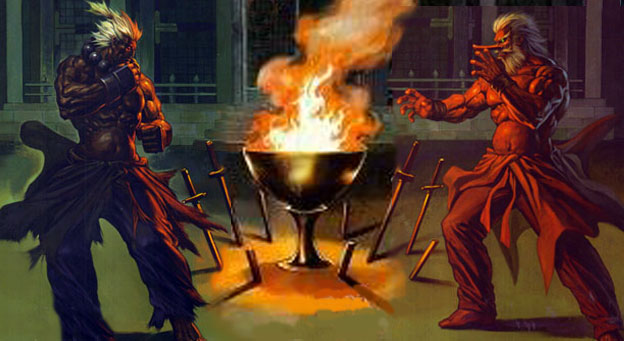
Gouki and Silber demonstrated the price that had to be paid to be two of the best fighting game bosses ever. They were willing to fight to the death at each and every encounter. Very few fighting game characters were ever written with that level of intensity. The pair were willing to kill in order to achieve their goals. The Dictator and the other bosses were willing to do the same but Gouki and Silber did not have a different agenda. They did not want to rule the world or even a small nation. They simply wanted to be the greatest fighters that had ever lived. By their definition the most lethal art proved who had true power. This took them out of the realm of bosses and made them symbols of evil.
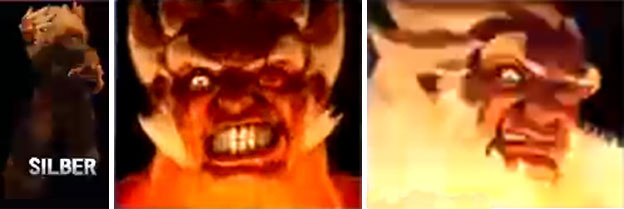
The lack of respect that the two villains had for human life extended to themselves. These boss characters were willing to enter a fight even if the numbers were against them. They were willing to punish their own bodies, cripple their own bones and deform themselves for the sake of mastering killing strikes. Gouki and Silber had powerful bodies but gruesome expressions. Their faces were a mockery of the humanity they left behind. In the official character are they almost looked like they were wearing masks. Their features carved by a life of constant battle. The scars that Silber wore were clearly visible but Gouki's were hidden, they were scars on his soul. When Gouki killed his own master and brother he had done damage to himself that he would never be able to undo.
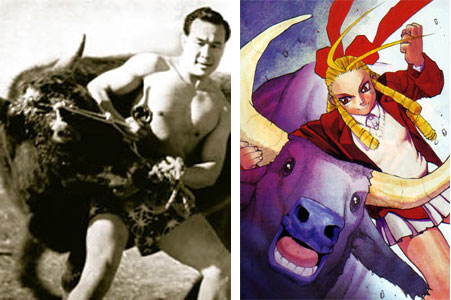
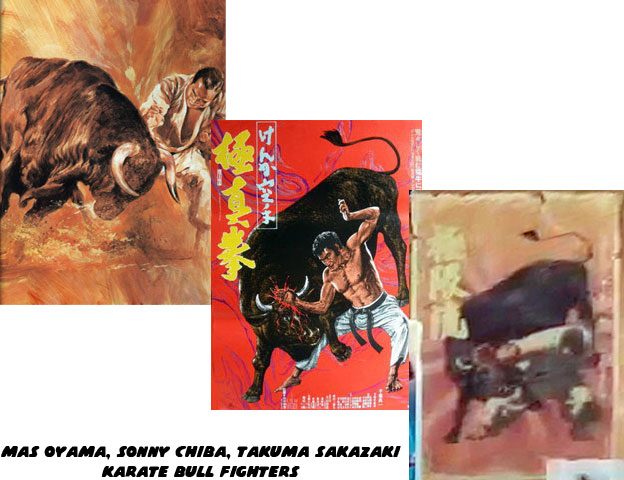
You can imagine that a tall black man in Japan studying karate, dressing in traditional garb, training in the traditional format was a strange sight for conservatives and traditionalists. Surely no gaijin could grasp the nuances of Kyokushin, the fighting spirit. Williams, and most Americans are want to believe that anything is possible and a form can be learned and understood by the people, not solely the Japanese. To prove the authenticity of the karate format and dispel the legends from the truth Williams and his trainers staged some fights. One pitted the man against a bear. News reporters were invited to capture contest on film.When news of this encounter reached the states a few die-hards like Willie Williams began training in the Kyokushin style to become fighting machines as well. Williams even staged a match against a bear for the documentary "The Strongest Karate."
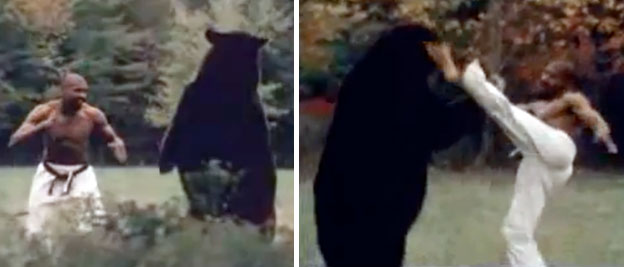
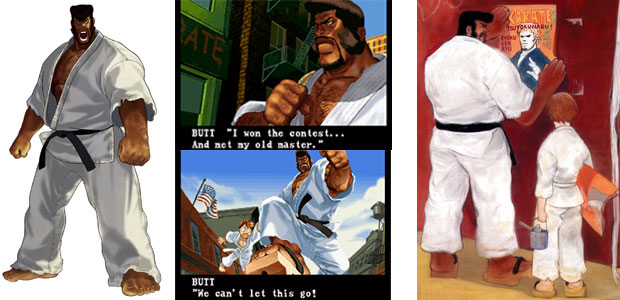
Marco Rodrguez (translated to Khushnood Butt for the US) for the game Garou, Mark of the Wolves was very closely modeled after Williams. To be fair he was inspired by William Oliver, Willie Williams and Charles Martin, the three black Americans better known as the Fighting Black Kings, from the 1976 documentary on the first world Kyokushin fighting tournament. Marco had immersed himself in the study of the fictional Kyokugen (extreme) form of Karate. This is the form invented by Takuma Sakazaki and passed onto his son Ryo and his friend Robert Garcia. Marco believed in the form as the absolute best and touted its superiority with a fanatical zeal in the game, his eyes welling with pride every time he thought about the art and his master. This level of passion, combined with his moves actually being solid, enamored him to gamers. The character worked abroad despite the double stigma of race and karate fool. Gamers were able to see past those conventions because he was a reliable karate-style fighter who played like the traditional Art of Fighting heroes even within a Fatal Fury title. Marco worked very well within the game as well as canon and wasn't simply a joke character for the sake of being a joke character.
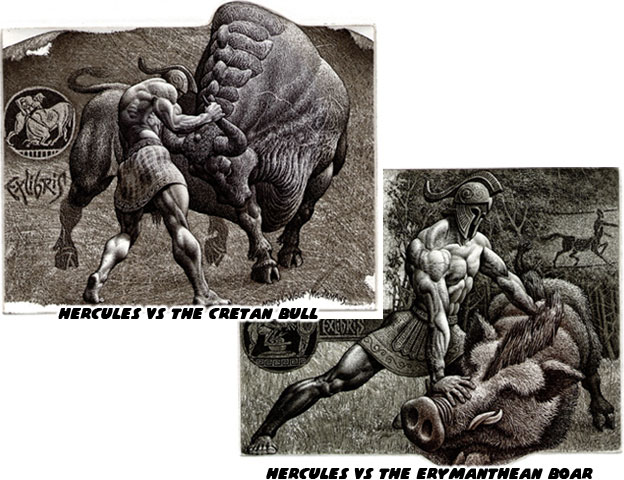
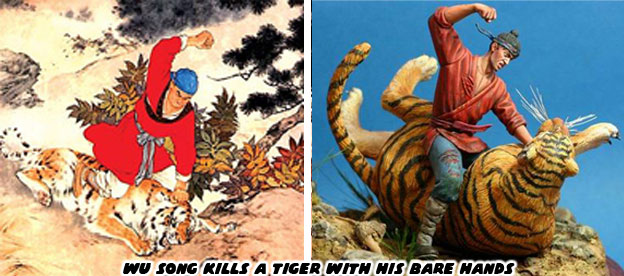
It turned out that a thousand years ago there was an encounter that could go down as something too amazing to be true. The pilgrim Wu Song was traveling through a village in China. He had stopped by an in for some rest. The villagers warned Wu that there was a man-eating tiger nearby and that it was dangerous to take a certain bridge out of town, especially once it started to get dark. After a few drinks Wu thought that it would be a good idea to take the bridge and see what happened. Sure enough the tiger was there and being courageous (or crazed with booze) Song attacked the tiger. He had a stick with him but the tiger broke that quickly. Song in a fit of rage managed to get close to the tiger and kill it with repeated blows to the head. Wu Song was a character in The Water Margin. The character was fictional but many of the men and women in the novel were inspired by actual events. It was possible that a kung-fu practitioner with more ability than sense actually did kill a tiger with his bare hands. When the writer of the Water Margin heard of the legend he figured out a way to incorporate it into the series.
Domesticated bears had actually been used in some circus sideshows for over a century. The bears would usually only "wrestle" their trainers, because they were comfortable with them. Bears felt like they were playing and not actually fighting. In some rare cases a circus might let an audience member try to wrestler a muzzled bear. The bear would usually knock the person over and sit on them easily to end the match. But every now and then a story would come out where a person got the upper hand. This was the inspiration behind the Australian folk song about William Sinclair who defeated a bear in a match in Queensland.
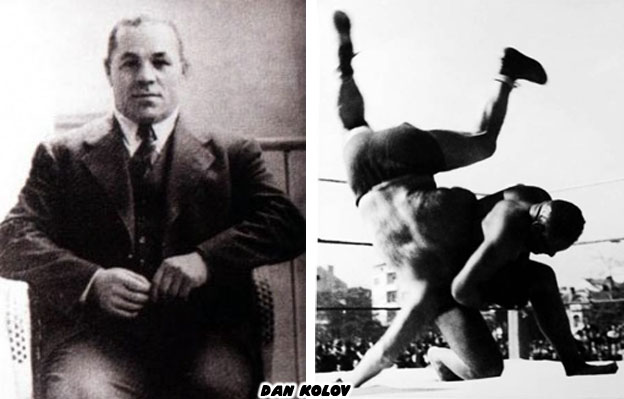
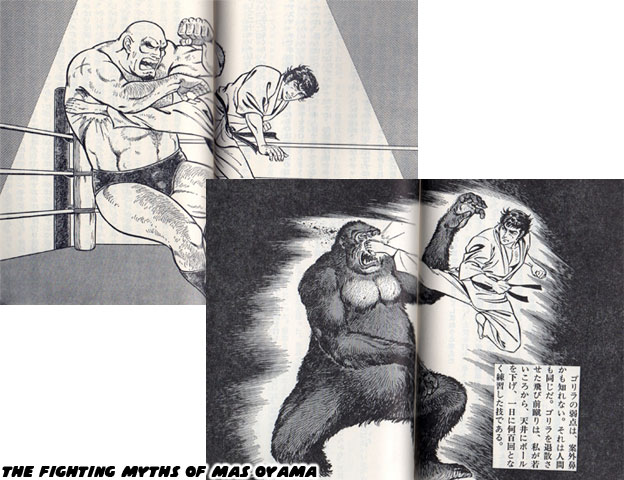
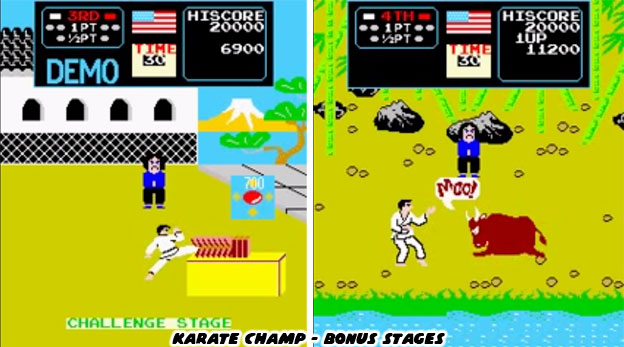
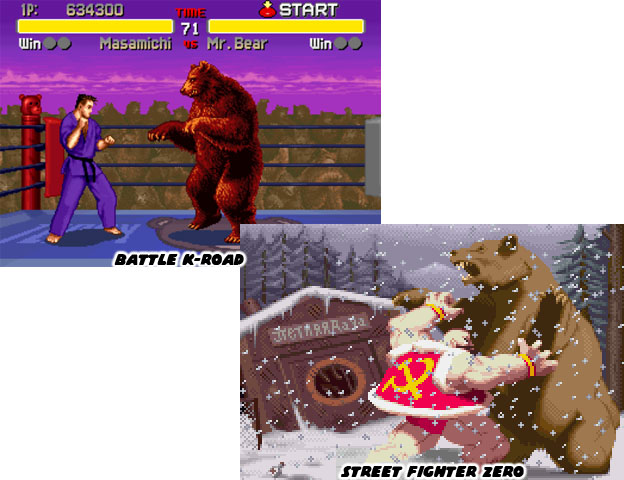
In Battle K-Road the secret boss was named Mr. Bear. It turned out to be an actual grizzly bear and was among one of the most difficult opponents in any game. The game was over-the-top as one could imagine but it retained some charm. These types of encounters would not have been acceptable in the genre if not for people like Oyama and Kolov who actually fought the beasts and lived to tell the story.
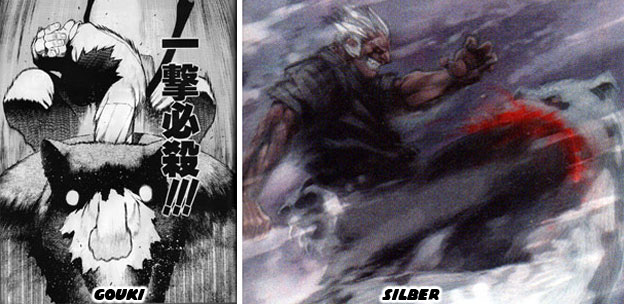
In a similar fashion Silber traveled the globe putting down the animals he tested himself against. He showed little mercy for the other fighters he faced and was willing to put them out of their misery as well. Silber seemed to relish in his power and technique. It had been speculated that the fur on his uniform was taken from a polar bear he had killed and not from a wolf. Few aside from Silber himself knew what points around the world he had visited. Gamers were left to believe that he had wandered into the frozen arctic looking for a new challenge and had returned with the pelt after finding no suitable opponent.
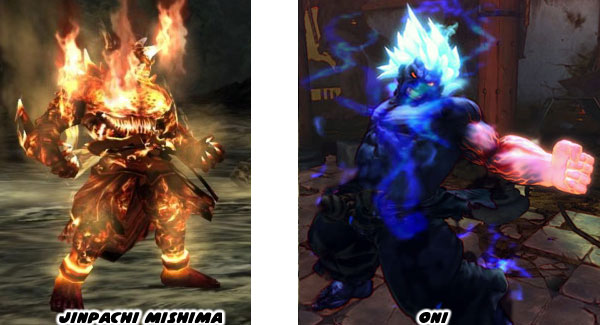
The physical appearance and attacks of the two bosses made them stand apart from the cast and even other villains. Yet there was a point where villains were too powerful and too evil for the genre. When pushed to the extreme ends the evil characters could break the suspension of disbelief from the gamer. Gouki had one such makeover in Street Fighter IV. It turned out that Gouki or even Shin Gouki (the white-haired variation) were not the most powerful incarnation of the character. A third form known only as Oni or Demon in Japanese was introduced by the SF IV designers. Oni was the manifestation of the Dark Hadou, or evil power which Gouki possessed, or rather which had possessed Gouki. The character grew long, spiky white hair, and a large underbite like an ogre with small tusks protruding. His skin even went from clay-colored to blue. Gouki no longer had the elements of a humanized lion but instead the wholesale appearance of a Nio, or protector of the underworld.
The lack of respect that the two villains had for human life extended to themselves. These boss characters were willing to enter a fight even if the numbers were against them. They were willing to punish their own bodies, cripple their own bones and deform themselves for the sake of mastering killing strikes. Gouki and Silber had powerful bodies but gruesome expressions. Their faces were a mockery of the humanity they left behind. In the official character are they almost looked like they were wearing masks. Their features carved by a life of constant battle. The scars that Silber wore were clearly visible but Gouki's were hidden, they were scars on his soul. When Gouki killed his own master and brother he had done damage to himself that he would never be able to undo.


You can imagine that a tall black man in Japan studying karate, dressing in traditional garb, training in the traditional format was a strange sight for conservatives and traditionalists. Surely no gaijin could grasp the nuances of Kyokushin, the fighting spirit. Williams, and most Americans are want to believe that anything is possible and a form can be learned and understood by the people, not solely the Japanese. To prove the authenticity of the karate format and dispel the legends from the truth Williams and his trainers staged some fights. One pitted the man against a bear. News reporters were invited to capture contest on film.When news of this encounter reached the states a few die-hards like Willie Williams began training in the Kyokushin style to become fighting machines as well. Williams even staged a match against a bear for the documentary "The Strongest Karate."

Marco Rodrguez (translated to Khushnood Butt for the US) for the game Garou, Mark of the Wolves was very closely modeled after Williams. To be fair he was inspired by William Oliver, Willie Williams and Charles Martin, the three black Americans better known as the Fighting Black Kings, from the 1976 documentary on the first world Kyokushin fighting tournament. Marco had immersed himself in the study of the fictional Kyokugen (extreme) form of Karate. This is the form invented by Takuma Sakazaki and passed onto his son Ryo and his friend Robert Garcia. Marco believed in the form as the absolute best and touted its superiority with a fanatical zeal in the game, his eyes welling with pride every time he thought about the art and his master. This level of passion, combined with his moves actually being solid, enamored him to gamers. The character worked abroad despite the double stigma of race and karate fool. Gamers were able to see past those conventions because he was a reliable karate-style fighter who played like the traditional Art of Fighting heroes even within a Fatal Fury title. Marco worked very well within the game as well as canon and wasn't simply a joke character for the sake of being a joke character.


It turned out that a thousand years ago there was an encounter that could go down as something too amazing to be true. The pilgrim Wu Song was traveling through a village in China. He had stopped by an in for some rest. The villagers warned Wu that there was a man-eating tiger nearby and that it was dangerous to take a certain bridge out of town, especially once it started to get dark. After a few drinks Wu thought that it would be a good idea to take the bridge and see what happened. Sure enough the tiger was there and being courageous (or crazed with booze) Song attacked the tiger. He had a stick with him but the tiger broke that quickly. Song in a fit of rage managed to get close to the tiger and kill it with repeated blows to the head. Wu Song was a character in The Water Margin. The character was fictional but many of the men and women in the novel were inspired by actual events. It was possible that a kung-fu practitioner with more ability than sense actually did kill a tiger with his bare hands. When the writer of the Water Margin heard of the legend he figured out a way to incorporate it into the series.

Domesticated bears had actually been used in some circus sideshows for over a century. The bears would usually only "wrestle" their trainers, because they were comfortable with them. Bears felt like they were playing and not actually fighting. In some rare cases a circus might let an audience member try to wrestler a muzzled bear. The bear would usually knock the person over and sit on them easily to end the match. But every now and then a story would come out where a person got the upper hand. This was the inspiration behind the Australian folk song about William Sinclair who defeated a bear in a match in Queensland.


In Battle K-Road the secret boss was named Mr. Bear. It turned out to be an actual grizzly bear and was among one of the most difficult opponents in any game. The game was over-the-top as one could imagine but it retained some charm. These types of encounters would not have been acceptable in the genre if not for people like Oyama and Kolov who actually fought the beasts and lived to tell the story.

In a similar fashion Silber traveled the globe putting down the animals he tested himself against. He showed little mercy for the other fighters he faced and was willing to put them out of their misery as well. Silber seemed to relish in his power and technique. It had been speculated that the fur on his uniform was taken from a polar bear he had killed and not from a wolf. Few aside from Silber himself knew what points around the world he had visited. Gamers were left to believe that he had wandered into the frozen arctic looking for a new challenge and had returned with the pelt after finding no suitable opponent.

The physical appearance and attacks of the two bosses made them stand apart from the cast and even other villains. Yet there was a point where villains were too powerful and too evil for the genre. When pushed to the extreme ends the evil characters could break the suspension of disbelief from the gamer. Gouki had one such makeover in Street Fighter IV. It turned out that Gouki or even Shin Gouki (the white-haired variation) were not the most powerful incarnation of the character. A third form known only as Oni or Demon in Japanese was introduced by the SF IV designers. Oni was the manifestation of the Dark Hadou, or evil power which Gouki possessed, or rather which had possessed Gouki. The character grew long, spiky white hair, and a large underbite like an ogre with small tusks protruding. His skin even went from clay-colored to blue. Gouki no longer had the elements of a humanized lion but instead the wholesale appearance of a Nio, or protector of the underworld.

Labels:
akuma,
battle k road,
bear fighter,
bull fighter,
buriki one,
capcom,
dan kolov,
data east,
gouki,
jinpachi mishima,
karate champ,
marco rodriguez,
oni,
shun gou satsu,
silber,
snk,
willie williams,
wu song
Friday, October 2, 2015
How fight culture became fighting game history, part 41
When Gouki debuted in 1994's Super Street Fighter II Turbo he set the standard for boss characters and villains in fighting games. The other studios took notice and tried to create legends of their own. SNK was a long time rival to Capcom. They had a masked fighter named "Mr. Karate" that predated Gouki by a few years. Takuma Sakazaki was the masked villain and final boss in the Art of Fighting. He was also the father of the heroes of the game Ryo and Yuri Sakazaki. The 1992 title did not originally feature the character as a pseudo demon but instead had him wearing a Tengu or devil mask. As the series went on the character of Mr. Karate grew more and more powerful until he took on a number of the same traits that Gouki had. His attacks became more powerful and he seemed to be a completely different person behind the mask. Most fans would consider the characters to be evenly-matched villains.
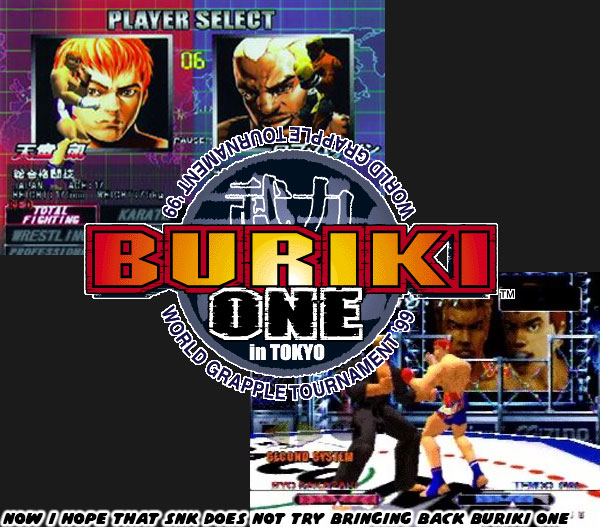
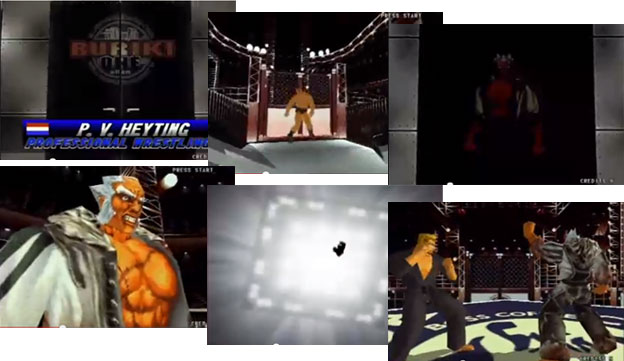
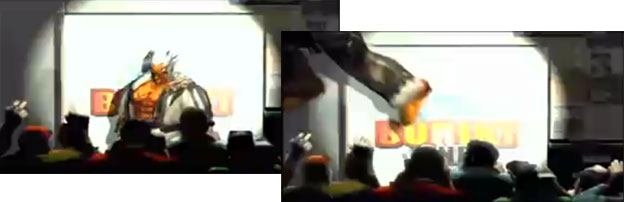
Not many fighting game aficionados however would remember that SNK had introduced a character that was eerily closer to Gouki in form and presentation than Mr. Karate. The 1999 arcade release Buriki One was one of SNK's first attempts at moving their IP into three-dimensions. The game had a cast of mostly new faces with the exception of Ryo Sakazaki, who had entered the tournament under the name of Mr. Karate II. Players fought masters of various styles and could beat the game by winning the tournament. The secret character in the game had an entrance that was reminiscent of the first appearance of Gouki. Players would go through their usual opening animation; where the selected character walked from backstage to the tournament platform. When the rival was announced the screen switched to the locker room. The opponent would be thrown through the double doors and crash into the caged-off platform. The true boss character would then appear. He was a muscular German named Silber. The character had a terrible gash over one eye and was covered in grizzly scars. The white-haired fighter looked nightmarish. He would rush the stage and take a superhuman leap over the barrier.
Silber had a very unorthodox stance and fighting style. The story behind the character was very interesting. The German had spend the last 30 years traveling the globe, fighting the best masters of other fighting arts and leaving few witnesses in his wake. He had developed his own form of karate which was unlike the traditional Japanese schools but just as lethal if not more so. When he learned there was a tournament to find out which was the best fighting style he decided to enter without an invitation. Silber was the first non-Japanese karate villain in a fighting game. The fact that SNK made him the boss character was even more impressive. It was as if the Japanese developers had suddenly come to realize that people from other nations could not only master foreign fighting arts, but they could also create their own contributions to the form. To help Silber stand out from Mr. Karate or the other bosses from SNK history the studio took a page from Capcom's school of design. They made the German look like a supernatural character. The patchwork of scars that covered his body made him appear like Frankenstein's monster. It was more than coincidence that his look was pulled from classic literary traditions.
Gouki had elements from Eastern mythology and Silber's design observed many Western ones. Centuries ago the Black Forest in Germany had been romanticized in fairy tales. The Brothers Grimm brought imps, dwarfs, witches and shapeshifters from classic folklore into popular culture. Snow White, Little Red Riding Hood and Sleeping Beauty were just some of the old stories that the brothers had adapted not only to entertain but to also put the fear of the unknown into children. In fact, some of the stories were not called fairy tales but instead "warning tales." The Black Forest, like many other forests in Germany, was once very dangerous. It hosted wild boars, bears and wolves that killed many a settler. Many of those creatures were hunted to extinction but the legends of dangerous predators remained in the stories. The designers at SNK thought to develop a new fable out of a creature that came out of the woods to hunt down man as well. Silber would take on the appearance of the animal-turned-human in the Buriki One tournament. The artists did not look at a lion for inspiration this time. The bright white hair and sideburns stuck out like the mane of a timber wolf. The look was enhanced by the fur-lined gi that he wore in competition. The character was certainly an alpha-predator. It was assumed that he had killed an animal and skinned it to line his uniform. The cold German winters would have made outdoor training unbearable without some protection. His clothing had dark black stripes that looked like claw marks to perpetuate the myth of the animal-like survivalist. The character art and profile featured in the game was unmistakable. This was a major villain, a nightmare from classic storytelling traditions.
SNK wanted to make the character very mysterious. They gave him no dialogue or lines in the game. If a player managed to defeat Silber an ending animation would play before the credits. He survived the fight, stood up and took another superhuman leap to escape from the ring. If gamers managed to beat Silber with all of the regular characters then he too would become a playable character. This meant that Silber had his own stats, alternate costume and even ending cinema. Each character held a press conference at the end of the game where they talked about the fighting style that took them to the top. The credits would roll during the press conference and players could get filled into the plot.
Players that wanted to learn a bit more about Silber were disappointed with his ending. Nothing was revealed during his interview. He looked at the room full of reporters with disdain in his eyes. Instead of answering their questions he simply jumped off the screen. This bit of mystery would follow the character in all his future appearances. He was the boss character that would never stay down for long no matter how badly the player had beaten him. He would leap out of each game just as quickly as he arrived. It helped add an air of mystery to him and kept fans of the SNK universe guessing when he would turn up again. For older fans of animé the spectacular leaps that Silber made were a nod to the classic series Karate Baka Ichidai. The show was a serialized retelling of the life of Mas Oyama featuring his encounters against various fighting styles. This hinted that Silber was like a modern Oyama, only without scruples or compassion for other fighters.
There was something outside of the gruesome appearances that made Gouki and Silber similar. The two were not solely boss characters but also villains. They were not villains in the traditional sense of the word. They did not kidnap princesses or take Gotham City hostage. They were villains in the sense that they were both very evil men. They were both obsessed with power and were willing to achieve that power at any price. For professional and underground fighters this meant that they had to be the best that ever lived. In order to achieve that the duo had focused on nothing else except for training and fighting. They had no friends, no family and no sense of loyalty. Silber was rumored to have mentored the pro boxer and criminal Rob Python, also from the Buriki One universe. Gouki had a run in with his brother Gouken at several points during the training of Ken and Ryu. The wisdom and warnings from Gouki did not fall on deaf ears then. Despite these limited interactions with younger fighters the two had almost no contact with anyone else in canon or the games. There was something that made the characters truly evil though. The next blog will talk about the elements of evil design and how it inspired minority villains. As always if you enjoyed this blog and would like to sponsor me please visit my Patreon page and consider donating each month, even as little as $1 would help make better blogs and even podcasts!

Not many fighting game aficionados however would remember that SNK had introduced a character that was eerily closer to Gouki in form and presentation than Mr. Karate. The 1999 arcade release Buriki One was one of SNK's first attempts at moving their IP into three-dimensions. The game had a cast of mostly new faces with the exception of Ryo Sakazaki, who had entered the tournament under the name of Mr. Karate II. Players fought masters of various styles and could beat the game by winning the tournament. The secret character in the game had an entrance that was reminiscent of the first appearance of Gouki. Players would go through their usual opening animation; where the selected character walked from backstage to the tournament platform. When the rival was announced the screen switched to the locker room. The opponent would be thrown through the double doors and crash into the caged-off platform. The true boss character would then appear. He was a muscular German named Silber. The character had a terrible gash over one eye and was covered in grizzly scars. The white-haired fighter looked nightmarish. He would rush the stage and take a superhuman leap over the barrier.

Silber had a very unorthodox stance and fighting style. The story behind the character was very interesting. The German had spend the last 30 years traveling the globe, fighting the best masters of other fighting arts and leaving few witnesses in his wake. He had developed his own form of karate which was unlike the traditional Japanese schools but just as lethal if not more so. When he learned there was a tournament to find out which was the best fighting style he decided to enter without an invitation. Silber was the first non-Japanese karate villain in a fighting game. The fact that SNK made him the boss character was even more impressive. It was as if the Japanese developers had suddenly come to realize that people from other nations could not only master foreign fighting arts, but they could also create their own contributions to the form. To help Silber stand out from Mr. Karate or the other bosses from SNK history the studio took a page from Capcom's school of design. They made the German look like a supernatural character. The patchwork of scars that covered his body made him appear like Frankenstein's monster. It was more than coincidence that his look was pulled from classic literary traditions.

Gouki had elements from Eastern mythology and Silber's design observed many Western ones. Centuries ago the Black Forest in Germany had been romanticized in fairy tales. The Brothers Grimm brought imps, dwarfs, witches and shapeshifters from classic folklore into popular culture. Snow White, Little Red Riding Hood and Sleeping Beauty were just some of the old stories that the brothers had adapted not only to entertain but to also put the fear of the unknown into children. In fact, some of the stories were not called fairy tales but instead "warning tales." The Black Forest, like many other forests in Germany, was once very dangerous. It hosted wild boars, bears and wolves that killed many a settler. Many of those creatures were hunted to extinction but the legends of dangerous predators remained in the stories. The designers at SNK thought to develop a new fable out of a creature that came out of the woods to hunt down man as well. Silber would take on the appearance of the animal-turned-human in the Buriki One tournament. The artists did not look at a lion for inspiration this time. The bright white hair and sideburns stuck out like the mane of a timber wolf. The look was enhanced by the fur-lined gi that he wore in competition. The character was certainly an alpha-predator. It was assumed that he had killed an animal and skinned it to line his uniform. The cold German winters would have made outdoor training unbearable without some protection. His clothing had dark black stripes that looked like claw marks to perpetuate the myth of the animal-like survivalist. The character art and profile featured in the game was unmistakable. This was a major villain, a nightmare from classic storytelling traditions.

SNK wanted to make the character very mysterious. They gave him no dialogue or lines in the game. If a player managed to defeat Silber an ending animation would play before the credits. He survived the fight, stood up and took another superhuman leap to escape from the ring. If gamers managed to beat Silber with all of the regular characters then he too would become a playable character. This meant that Silber had his own stats, alternate costume and even ending cinema. Each character held a press conference at the end of the game where they talked about the fighting style that took them to the top. The credits would roll during the press conference and players could get filled into the plot.
Players that wanted to learn a bit more about Silber were disappointed with his ending. Nothing was revealed during his interview. He looked at the room full of reporters with disdain in his eyes. Instead of answering their questions he simply jumped off the screen. This bit of mystery would follow the character in all his future appearances. He was the boss character that would never stay down for long no matter how badly the player had beaten him. He would leap out of each game just as quickly as he arrived. It helped add an air of mystery to him and kept fans of the SNK universe guessing when he would turn up again. For older fans of animé the spectacular leaps that Silber made were a nod to the classic series Karate Baka Ichidai. The show was a serialized retelling of the life of Mas Oyama featuring his encounters against various fighting styles. This hinted that Silber was like a modern Oyama, only without scruples or compassion for other fighters.

There was something outside of the gruesome appearances that made Gouki and Silber similar. The two were not solely boss characters but also villains. They were not villains in the traditional sense of the word. They did not kidnap princesses or take Gotham City hostage. They were villains in the sense that they were both very evil men. They were both obsessed with power and were willing to achieve that power at any price. For professional and underground fighters this meant that they had to be the best that ever lived. In order to achieve that the duo had focused on nothing else except for training and fighting. They had no friends, no family and no sense of loyalty. Silber was rumored to have mentored the pro boxer and criminal Rob Python, also from the Buriki One universe. Gouki had a run in with his brother Gouken at several points during the training of Ken and Ryu. The wisdom and warnings from Gouki did not fall on deaf ears then. Despite these limited interactions with younger fighters the two had almost no contact with anyone else in canon or the games. There was something that made the characters truly evil though. The next blog will talk about the elements of evil design and how it inspired minority villains. As always if you enjoyed this blog and would like to sponsor me please visit my Patreon page and consider donating each month, even as little as $1 would help make better blogs and even podcasts!
Labels:
akuma,
buriki one,
capcom,
gouki,
mr. karate,
nio,
silber,
snk,
takuma sakazaki
Subscribe to:
Posts (Atom)