Showing posts with label street fighter v. Show all posts

Friday, December 27, 2024

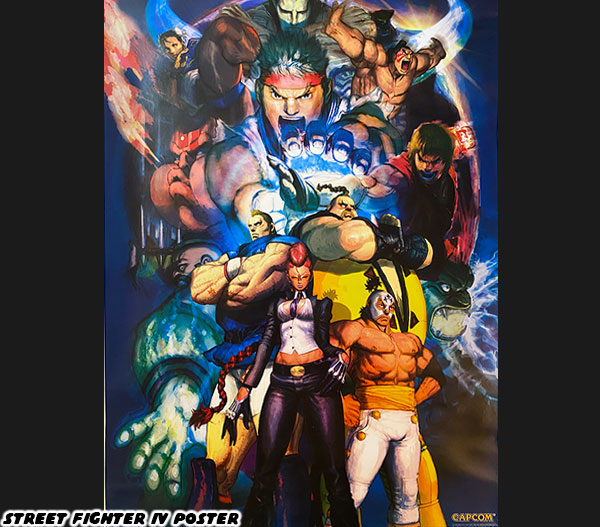
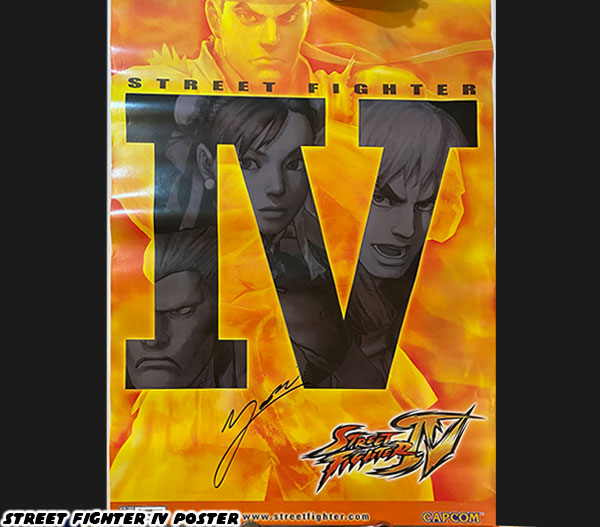
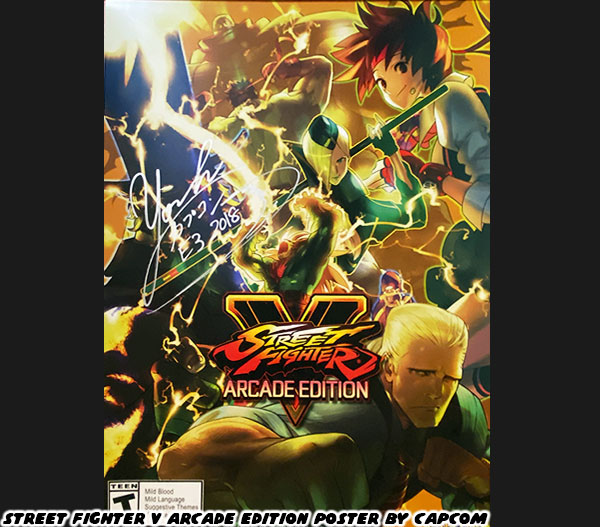
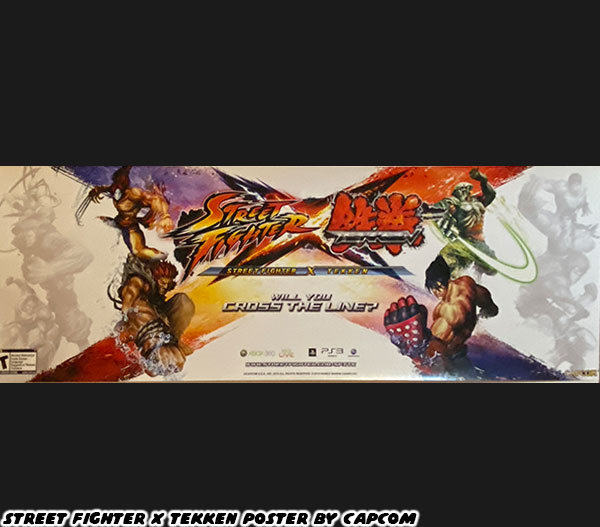
Freeze frame, my poster collection, final part...

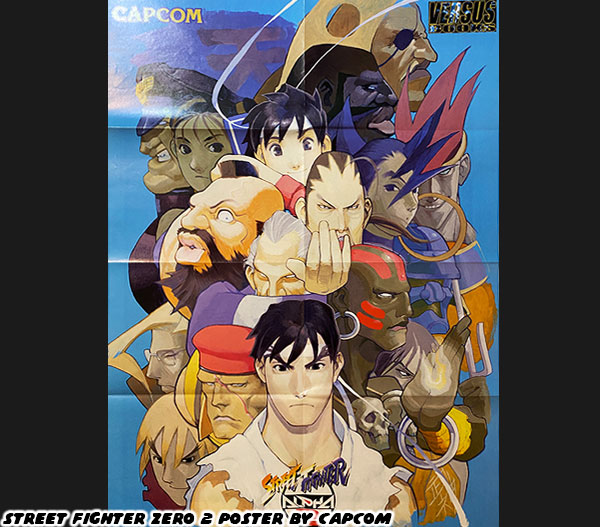
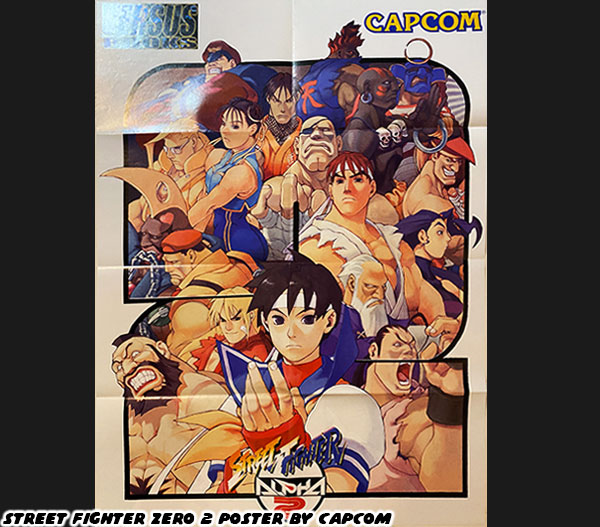
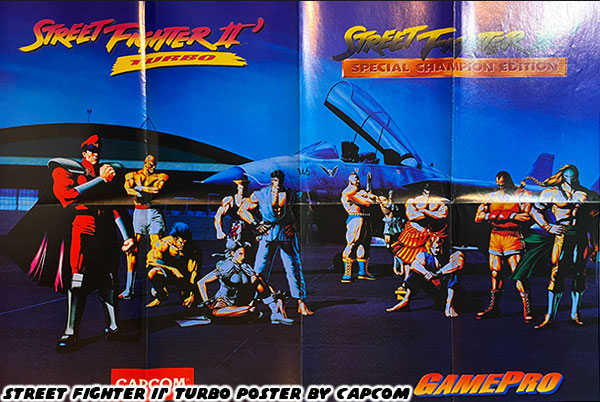
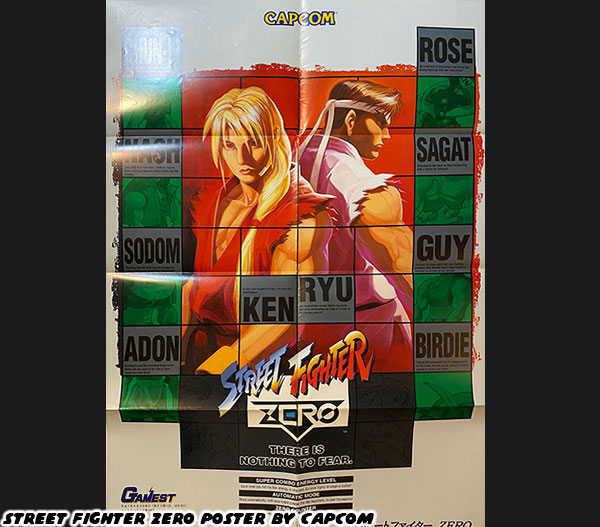
I had so many posters in my Capcom collection that I had to break them over several separate blogs. Here's a reminder for any Street Fighter, or fighting game fans in general. If you want to get into collecting the posters then try to track down the game guides from Japan. The gems in my collection came from Gamest. It was the premier arcade magazine through the '90s. When they published guides, which they called MOOKS after Magazine-Book they often included a poster. 

There would even be posters included in US game guides. The one for Street Fighter Zero / Alpha 2 by Versus Books for example was amazing. They printed a fantastic image on both sides, making it impossible to frame unless you had a second copy. 

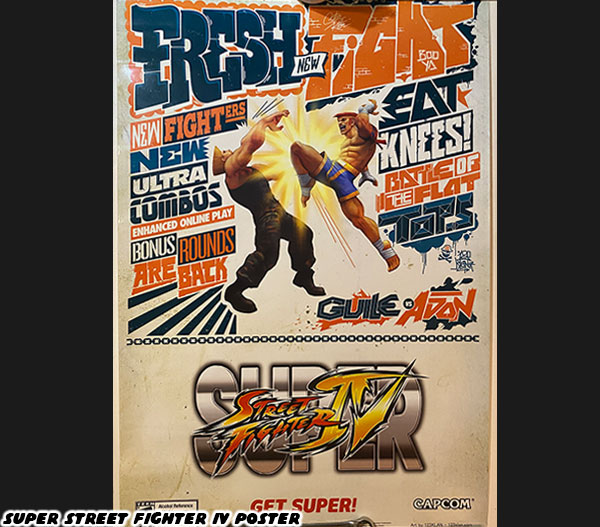
Some of the posters in my collection I got from events like the E3, the San Diego Comic Con, the Wondercon, and even live events. I cannot remember where I got the massive Super Street Fighter IV poster.

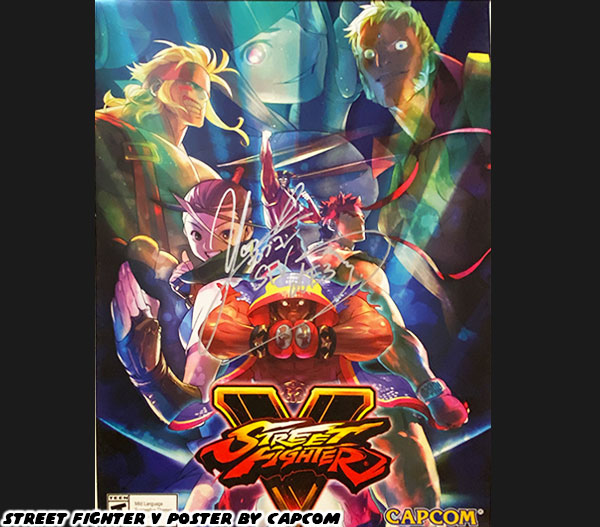
Bengus is, and will always be the GOAT. I was so hyped that he was doing the designs, and poster work for Street Fighter V. My goal before I die is to have an original sketch from the man.

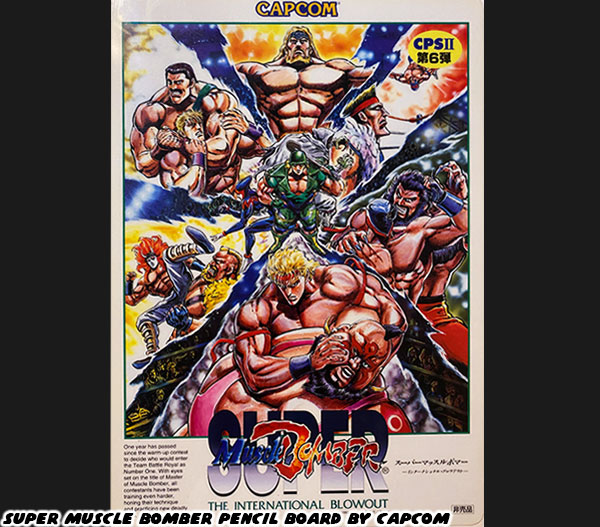
Not all of the rare items in my collection are posters. I am still on the hunt for a Super Muscle Bomber poster by Tetsuo Hara, the man that illustrated Hokuto No Ken / Fist of the North Star. He designed the wrestlers for Capcom, and did the advertising art as well.

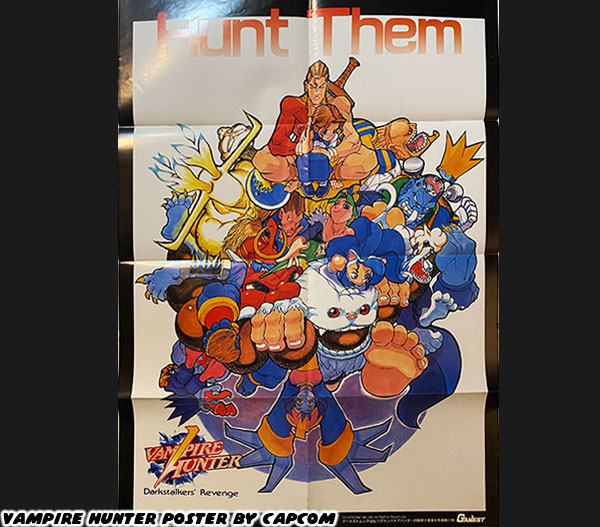
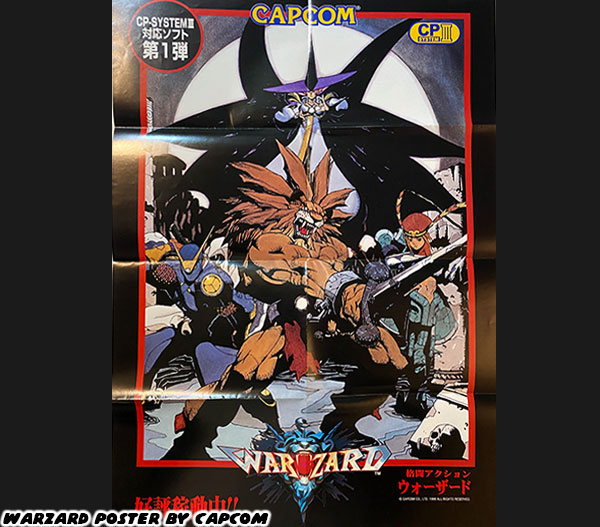
Fighting games of every kind mean the world to me. I needed to make sure that I had a Vampire / Darkstalkers poster in my collection. I had no idea that I would get my hands on one for Warzard / Red Earth. This is easily one of the rarest fighting games ever made.

Thank you for joining me on this journey through my poster collection. Many of which I forgot I had. One day I’d like to get most of them framed, and put them on display, even if I have to cycle through them. Were there any you enjoyed? I’d like to read about them in the comments section. As always if you would like to sponsor me please visit my Patreon page and consider donating each month, even as little as $1 would help make better blogs and even podcasts!
follow the Street Writer on Patreon!

Wednesday, December 25, 2024

Freeze frame, my poster collection, part 25...

Merry Christmas to all my friends, and family. I didn't get too many goodies this year. I'm saving my money for taxes. Thankfully everyone over here had a good holiday season. I had so many posters in my Capcom collection that I had to break them over several separate blogs. Here's a reminder for any Street Fighter, or fighting game fans in general. If you want to get into collecting the posters then try to track down the game guides from Japan. The gems in my collection came from Gamest. It was the premier arcade magazine through the '90s. When they published guides, which they called MOOKS after Magazine-Book they often included a poster.

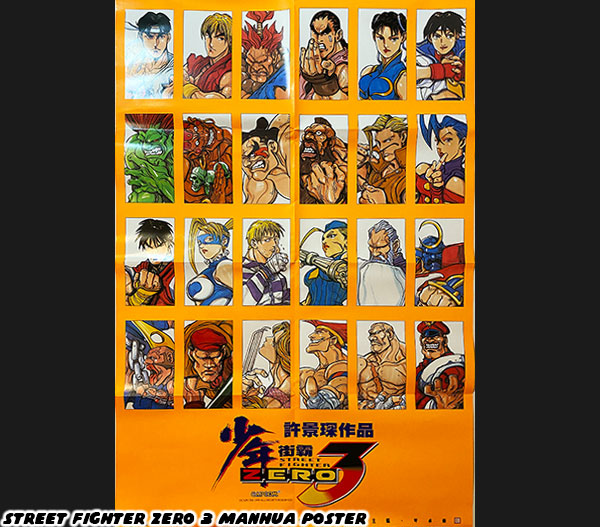
I have a lot of manhua or comics from Hong Kong. Some of them had gimmick covers, and even came with prizes like Charlie Nash's dog tags, and Chun-Li's spiked bracelet. This was the only poster that I was able to get when buying collections. 

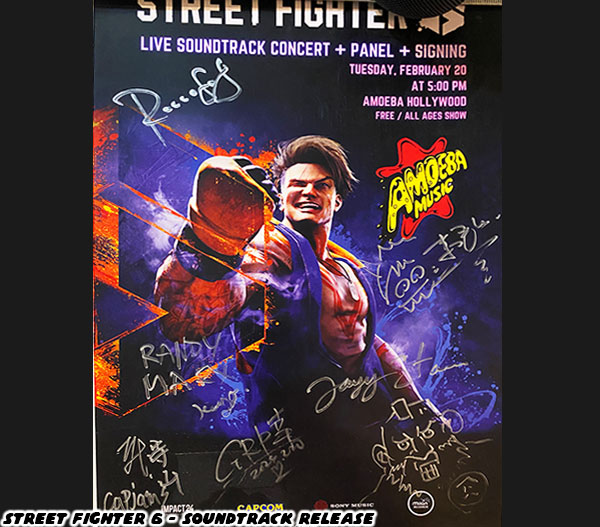
The story behind this autographed poster was so much fun. Read all about it here

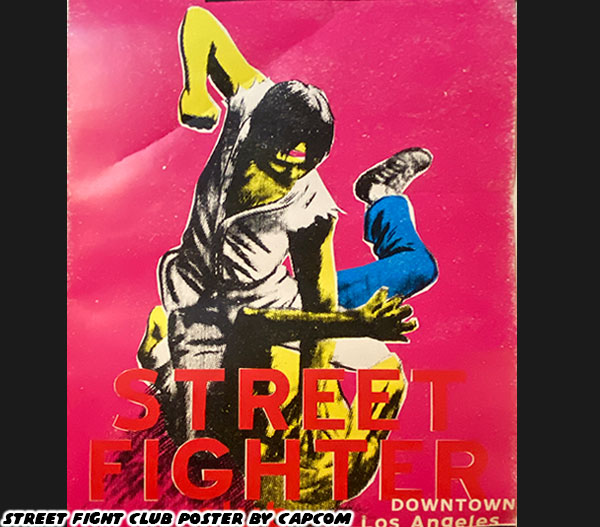
I can't believe this poster is 16 years old as of 2024. I had no idea if Capcom would ever do another Street Fight Club event. So I swiped two of the posters they had lining the walls on my way out of the event. I was grateful for the community then, and glad I still talk to a few members of the FGC on occasion. 

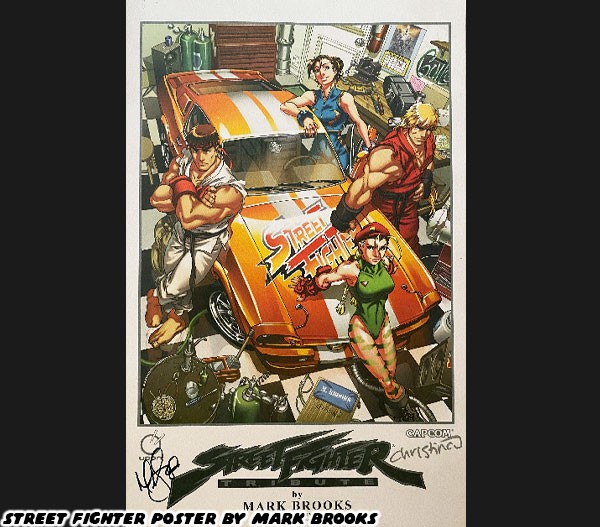
One of the first Street Fighter prints I ever got was at the San Fiego Comic Con. This illustration by Mark Brooks reminded us why the UDON books were succeeding when other game comics books were failing in the USA.

Thank you for joining me on this journey through my poster collection. Many of which I forgot I had. One day I’d like to get most of them framed, and put them on display, even if I have to cycle through them. Were there any you enjoyed? I’d like to read about them in the comments section. As always if you would like to sponsor me please visit my Patreon page and consider donating each month, even as little as $1 would help make better blogs and even podcasts!

follow the Street Writer on Patreon!

Monday, December 23, 2024

Freeze frame, my poster collection part 24...

Going back through my poster collection has been a present for my mental health. I had so many posters in my Capcom collection that I had to break them over several separate blogs. 

Here's a reminder for any Street Fighter, or fighting game fans in general. If you want to get into collecting the posters then try to track down the game guides from Japan. The gems in my collection came from Gamest. It was the premier arcade magazine through the '90s. When they published guides, which they called MOOKS after Magazine-Book they often included a poster. 

If I remember correctly many of the posters featured today I was able to get at the E3. You can see the autograph of Yoshinori Ono on several of them. Lord how I miss that convention.

BENGUS IS GOD.

The Street Fighter X Tekken event was another amazing show put together by Capcom. Lord I wish there were more of these. 

Thank you for joining me so far, I still have a few more posters to feature. Many of which I forgot I had. One day I’d like to get most of them framed, and put them on display, even if I have to cycle through them. Were there any you enjoyed? I’d like to read about them in the comments section. As always if you would like to sponsor me please visit my Patreon page and consider donating each month, even as little as $1 would help make better blogs and even podcasts!
follow the Street Writer on Patreon!

Tuesday, August 14, 2018

G, or the evolution of power-hungry characters in fighting games

Another year, another EVO and another few character reveals for some popular fighting games. I’m going to talk a little bit about G, the new character unveiled for Street Fighter V. We’re going to talk about the design roots of the character. If you want the punchline here it is: G is the self proclaimed “President of the World.” His design is rooted in American Imperialism. It’s as simple and as complex as that. Think about it for a moment. The absurd stovepipe hat and filigreed coat and tails hasn’t been en vogue in more than 150 years. G is a juiced up Abraham Lincoln and demanding of more patriotism than Uncle Sam.


G’s motives may be noble but there is a dark undercurrent carrying his inclusion in the series. Any man that forces himself as a leader on the global stage is a narcissist, a despot or a tyrant. G has delusions of grandeur and sadly, the physical properties to make him appear superior to normal people. G is a reflection of several world leaders that we are dealing with right now, especially in the USA. I’ll get to this comparison in a bit. Did you notice that G is covered in golden marks? They look like golden tattoos. In the original design notes these golden patches were shaped after the continents. Without his jacket you would be able to see that each golden patch outlines the nations of the world. The cover his arms, torso and neck. Visually it is an interesting look. There is a lot of contrast with gold, especially over bare skin. Gold has actually been used in cosmetics going back thousands of years. Some makeup artists actually apply gold leaf to to the skin for aesthetic reasons. I don't know if these markings on G are makeup, tattoos or even a skin condition.


Before G was introduced there was a lot of speculation to his design. He has a very unique look, however it is not completely original. Above I mentioned that he already takes cues from Lincoln and Sam, but in the fighting game world there have been others like him. Steven Chavez posted a theory that Du Nguyen and Xavier had circulated on Twitter. Namely that G was actually Greg, a character from Bloody Roar, a game by Hudson Soft released in 1997. Bloody Roar was a unique fighting game. There were masters of various arts in it, this was nothing new to the genre, however these characters also had the ability to transform into animal-like avatars. Audiences have seen werewolves and even werebears in popular culture but Bloody Roar also gave us weretigers, wererabbits and even weregorillas. Plus this game was another title built on 3D technology. Hudson Soft was not know for their fighting game library but they proved that the shift in fighting games from 2D to 3D was more than a fad. The similarities between G and Greg were eerie. Top hat, bodybuilder physique, large beard were all spot on. Plus there was an ape teased in Ed's ending in Street Fighter V. It stood to reason why some in the fighting game community saw this as the alternate form of G.


I've said it before and I'll continue saying it. No character design exists in a vacuum. Influences from pop culture help color each design. It doesn't matter if you're an artist in Japan, the US or anywhere else in the world. Whether consciously or subconsciously the artists creating these new fighters are all putting in their own insight and tastes. This can sometimes include elements seen in other fighting games, action movies, comics or cartoons. Changes in music, movies and even politics helped shift the public perception of fighting game characters. In the earliest days of the genre fighting games featured martial artists. They were easy to create and were universally recognized as being fighters. As the genre took off so too did the types of characters that could be considered fighters. The industry tried different things out and audiences responded accordingly. Robots, aliens, dinosaurs, demons and superheroes were all used to replace the tried and true kung-fu archetypes. G is the latest version of a more contemporary design. His look is rooted in ultra wealthy and ultra powerful villains.


Fatal Fury (1991) introduced the world to Geese Howard, a martial arts master that was also a crime lord that ran the fictional South Town. He was a break in tradition from the boss characters that were simply martial artists. Geese could have been a bad guy in a modern action movie. One which featured drugs, cops and murder instead of fantasy swordplay. Howard wasn't the first villain in a fighting game to be the kingpin type. Belger, from Capcom's Final Fight in 1989 and Mr. X from Sega's Streets of Rage were also mobster-type villains. Geese was unique in that he was in a fighting game and a powerful opponent. SNK pushed the concept of powerful leader even further in Fatal Fury 2 (1992). Wolfgang Krauser von Stronheim, the half-brother of Geese Howard, was the new sponsor of the King of Fighters tournament. SNK wanted Krauser to have the look of a European aristocrat. He was wearing a cape and sporting golden armor in his character intro. He did not have the same moves or techniques of Howard but he was still a powerful opponent. It was not the first or last time the aristocratic design would be featured in their extended universe.


King Leo, the main villain in SNK's Savage Reign (1995), also sported royal colors and golden armor. With his ornate mask and elaborate headdress he pushed the idea of eccentric villain even further. A somewhat subdued doppleganger named King Lion also appeared in the same game. Within two years SNK had established that rich, powerful, and corrupt men were the new boss templates. Sagat from the original Street Fighter (1987) was still an icon but he represented the first generation of villain. Someone with a limited role outside of fighting. Vega / the Dictator from Street Fighter II (1991) would become more influential to the story and boss designs for the universe. Vega, like Geese Howard, was not a traditional martial artist. Because of that he could be placed in much more interesting locations and force the playable characters to appear out of their element.


Without a doubt the biggest shift in villain designs happened in 1994 with the introduction of Rugal Bernstein. The newest benefactor of the King of Fighter's tournament was a groundbreaking opponent. SNK learned from all the design notes that went into Geese and Wolfgang and created a hybrid of the two. He had the size and power of Krauser, with the balanced techniques of Howard. Plus he was a very sharp dressed man. He didn't wear armor or any other martial arts costume but instead wore black and red tailored suits. Nobody looked half as fresh as Rugal when he debuted. SNK wanted him to stand out and they succeeded. Despite being a new to the universe audiences instantly gravitated towards his design. Nobody else in the genre looked or fought like him. His wide arcing kicks and powerful punches could take down the strongest opponents. SNK demonstrated in the game that Rugal could easily take on a team of three fighters, even if that group included Terry and Andy Bogard and Joe Higashi, the stars of the original Fatal Fury. To help frame how much influence this new boss had had the studio created one of the most memorable stages ever.


Rugal flew the best team in his tournament to his personal aircraft carrier, named the Black Noah. As a background detail this is important. An aircraft carrier of its size costs around $6 billion, when fully loaded with aircraft, supplies and a private soldiers that number rises to almost $30 billion. Now consider that we don't even see the extent of Rugal's personal wealth. We have no idea how big his private army is or what he actually controls. We do know that he has enough money and influence to buy a navy and even decorate the bridge with paintings, lavish rugs, a grand piano and keep a pet panther there. This level of opulence makes for fantastic storytelling. It helps frame Rugal's impact on the world. He is much more important to the SNK universe than just about any other villain. The King of Fighters '94 was a major milestone for the genre. It connected the timelines and characters from the Fatal Fury and Art of Fighting series. Also it connected the characters from arcade gems Athena (1986), and Ikari Warriors (1986). Other fighting games would be influenced by the direction of these new fighting games and especially from the new villain archetype. The introduction of Heihachi Mishima in Tekken (1994), and Gill in Street Fighter III (1997) solidified the shift in this design. Karate fighters and kung-fu masters were no longer doing battle against other martial artists, they were now literally saving the world from tyrants.


Capcom was actually close to creating their own version of Rugal. An ultra powerful, aristocratic, multinational, authoritarian villain. They were not the only studio that was on the same path. Dream Factory (developers behind Tobal No. 1) also happened to be headed in the direction of a blonde-haired, red suit wearing villain. Whether coincidence, zeitgeist or something else entirely the Antonov made his debut as the "first champion" of King of Fighter's tournament. He appeared as a cigar chomping mogul in the King of Fighters XIV (2016). His design is nothing new. Years ago I mentioned that he was pretty much based on a comic book character called Asimov.
   

Antonov is a master of the Siberian Gold Fist. An almost unparalleled form of boxing. He is the most recent retelling of the power hungry despot but his roots are a bit on the nose in this current political climate. It is well known that Russia has been dealing with oligarchs for some time. A few very wealthy and very influential people are consolidating power, killing their political enemies, dissenters, members of the press, and destabilizing rival nations. I wouldn't go so far as to say that Antonov is the Putin of fighting games, any more than G is the Trump of villain designs. Both however are instead a reflection of the changing global perceptions. Antonov and G are examples of how power corrupts. A decade ago the world still saw the USA, specifically the US leadership favorably. An example of this in fighting games was with the character Andrew.


Andrew debuted in Samurai Shodown 6 (2005). The series by SNK was based around the time where firearms were changing the world. Guns were replacing swords, the era of the samurai was coming to an end and cowboys and indians ran the wild west. Andrew was a new American character, he was actually a young president that enjoyed fighting. His design was a mix of fantasy and aristocracy. The Japanese artists took tremendous liberties with his look. Soldiers in the early 19th century didn't look anything like this anime character. Had SNK done a little homework they would have realized that the continental army didn't have long red coats. Those were the colors of the British uniforms during the American Revolution. Blue however was already assigned to the other American character, the blonde ninja Galford. SNK went heavy with the pandering. The inclusion of the White House as a stage and an epic electric rock guitar version of the Star Spangled Banner-meets-Stars and Stripes Forever for his stage music were as gung-ho USA as you could possibly get. Despite being presented in a patriotic light there was something authoritarian about the character.


Andrew confessed to Galford in the story mode that he didn't fight for freedom as much as he fought for domination. He was trying to create a literal "New World Order" a sort of United Nations where unfortunately votes were not exactly equal. It would be Andrew that ultimately called the shots. This character was inspired in part by Andrew Jackson, soldier and seventh president of the USA. He stood up to a British officer as a young man and carried the scar from his fight. Plus he participated in many duels. As inspiring as this sounded he was also responsible for one of the worst atrocities of any administration on US soil. Jackson pushed for the Indian Removal Act of 1830 which lead to the forced relocation and murder of thousands of Native Americans. This became known as the Trail of Tears. A version of that was retold in Samurai Shodown 6 with Andrew conquering South America and making sure that Europe and Asia all followed his lead. The developers at SNK knew that the US could be as imperialistic as the British and made sure to push the character in that direction. It was a light jab that predated the design of characters like G.


As for the gold over skin. Maybe it's a jab by Capcom at a certain president spending too much time with spray tans. Or maybe it's just a way to show off the neat effects that the Unreal engine can pull off. Sort of like the glowing tattoos of Necalli. I don't think it really makes or breaks the character. The solid black costume is a bit boring, despite the filigree and cut of the jacket. His top hat is painfully absurd, but no more than a red-skinned Turk or green-skinned Brazilian beast man. So is G a good design or a bad one? Me, I don't care much for his look. I do expect to see more villains with this shade of political coloring in fighting games as well as in other genres. Politics have always been a part of the genre. Whether it was saving President Ronnie in Bad Dudes vs. Dragon Ninja (Data East - 1988) or having Zangief dance with Mikhail Gorbachev at the end of Street Fighter II. The next generation will end up putting orange-skinned politicians in their stories. Mark my words. What do you think of this character? Does he work for you? Why or why not? If you would like to sponsor me please visit my Patreon page and consider donating each month, even as little as $1 would help make better blogs and even podcasts!
follow the Street Writer on Patreon!

Wednesday, January 10, 2018

From Strider to Zeku, where did the lighting-quick ninja come from?

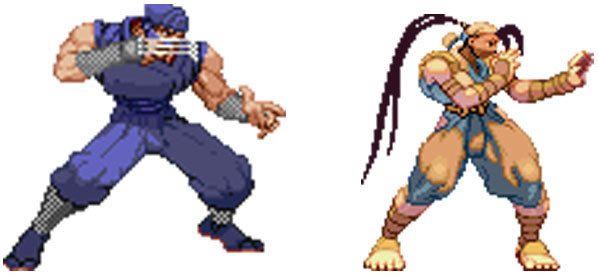
Think of this as a follow-up to Zeku, the new (old?) face in Street Fighter V. By all accounts Zeku is a ninja, a master spy, martial artist and assassin. Yet Zeku doesn't look like what the west considers a "traditional" ninja. He doesn't wear a black costume or throw ninja stars. He doesn't carry around a straight sword or cover his head. There have been other ninja characters in Street Fighter, going back to the original game from 1987. Geki (a non-playable character) was what we think of when we hear the word ninja. He wore a blue costume, fought with a claw hand weapon, threw shiruken or ninja stars at the opponent and could even disappear in a puff of smoke. Ten years later Capcom released Street Fighter III: New Generation and it introduced the world to Ibuki, a fledgling but insanely talented kunoichi or female ninja. Again, she more or less wore something that could pass as traditional garb.


Zeku on the other hand was visually very unique, he had one foot in classical ninjitsu and one foot in the modern world. He wore designer suits yet could change into his fighting uniform in a flash. Zeku was created as the mentor to Guy, the ninja featured in Final Fight, a 1989 arcade hit. I had mentioned previously on this blog how the design of Zeku, credited to senior Capcom artist Bengus, was a nod to the anime heroes from the 1970's. His appearance, his style and even his aesthetic were rooted in the heroes that the Capcom creators had grown up with. But there was another layer of design and meaning with Zeku and with Guy. These were the templates that created the character Strider, a hero from a 1989 arcade hit of the same name. Strider was a revolutionary title. I can say with fair certainty that there was no game that looked even remotely close to it. Part of the reason for its unique look was because people outside of Capcom, a manga collective known as Moto Kikau established the world of Strider Hiryu. They set him and his organization up against a terrorist organization made up of martial artists, robots and cyborgs, lead by a shadowy villain known only as the Grandmaster.
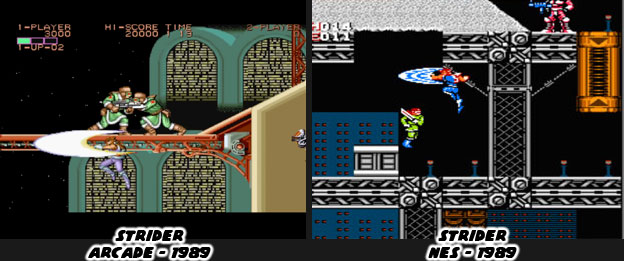


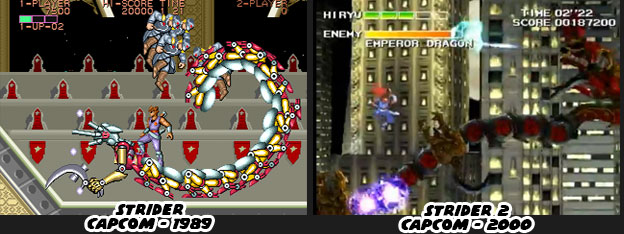
Strider was a cult-hit in the arcade and a smash on the consoles. It was one of the first arcade-perfect games to appear on the 16-bit Sega Genesis in 1990. The 8-bit Nintendo Entertainment System (NES) also had its own version of Strider. It came out a few months after the arcade game but was graphically inferior. The main character was the same, he still used a sword called the Cypher, fought bosses and traveled the globe. But because of the limited resources on the NES they had to focus less on graphics and expand on the game play. The stages were laid out more like you would expect on an 8-bit platform game, something like Contra or Rygar. Despite the small sprites and limited animations it was still a fun game to play. A big plus was that the story was expanded. It was much closer in details to the manga. Capcom had a lot of buzz from the community but didn't really capitalize on the game right away. A third-party developer, Tiertex Design Studios, made a sequel called Strider II aka Journey from Darkness: Strider Returns. The game was released on the PC and a few console systems but was lackluster in every regard. It rehashed the sprites from the Genesis game and did little to expand on the game play. An actual Strider 2 by Capcom would not debut until 2000. The new game was designed for the Sony Playstation. It was a mix of sprite and 3D backgrounds, making it one of the earliest 2.5D games ever created.
 

Strider had an iconic design. His costume was a blend of cyber-futuristic with classic touches. His costume down to his split-toe boots were something that you might have seen in a traditional manga or anime. Inspired by actual fighting uniforms it was blue rather than black. It turns out that for an assassin a dark color was easier to camouflage at night than absolute black. The costume was also functional, in that it allowed him a full range of motion. His character was about speed and stealth, these are things that would have been sacrificed with heavy armor, like that of a samurai. The biggest update to his design was the sword. It was replaced with a Cypher, a stealthy weapon he could strap to his back that functioned somewhere in between a lightsaber and a tonfa. Strider Hiryu was dangerous because of his fighting ability and his blinding speed. The high tech gadgets at his disposal were the frosting on the cake.
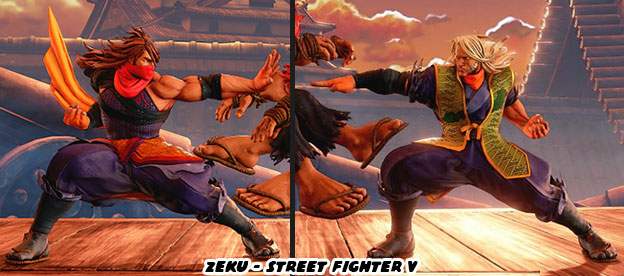
 

When we look at Zeku we are meant to think about Strider Hiryu. Obviously because his alternate costume is in-line with the other Strider uniforms. But we are also supposed to think of Strider because of the array of quick strikes and amazing acrobatics. Lightning speed is something that works extremely well for Ibuki in Street Fighter III (SF III) and Guy in Street Fighter Zero / Alpha (SFZ). The diversity of physical attributes and fighting styles is something that Street Fighter became known for. No matter how broad the size differences were the studio made an effort to keep the game balanced. The massive Hugo and tiny Ibuki were evenly matched in SF III because it was a contest of power versus speed. If a player had great technique then they could use either character well in the game. Yet where did this style of character come from? How did the Strider-like fighter evolve?
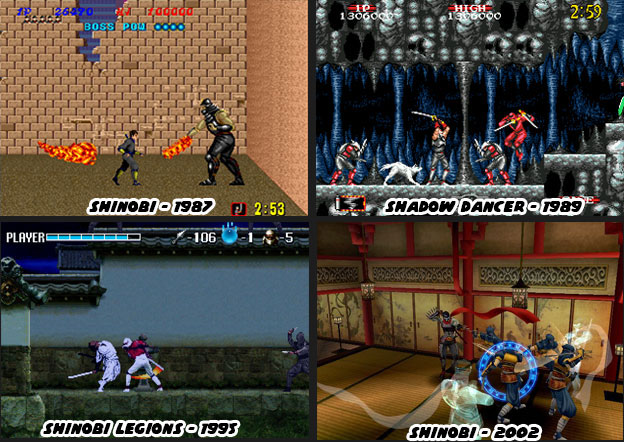


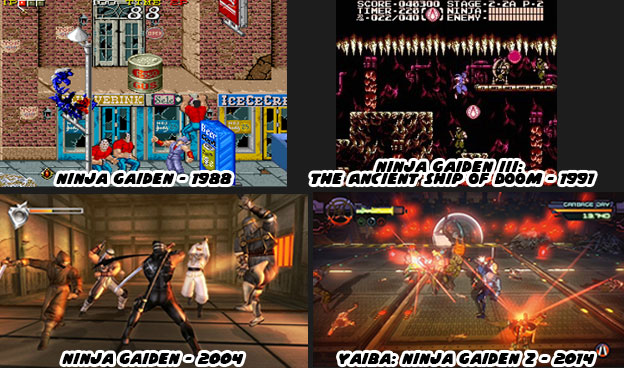
One of the early and popular ninja series in the arcade and consoles came from Sega. The Sega arcade game Shinobi from 1987 placed the ninja Joe Musashi in a modern setting, fighting a present-day cartel with his traditional weapons, the shiruken and a kodachi or short sword. However he could also use a handgun if he picked up a power-up. It was an interesting play mechanic, and influential to the development of the action platformer. Musashi was made all the more interesting with his ability to use ninja "magic." These were special attacks that allowed him to clear all of the enemies off of the screen or do tremendous damage to boss characters. Shinobi predated the other arcade hit Ninja Gaiden by a year. The aptly named Team Ninja, a group of developers from Techmo, introduced the world to a new hero. Ryu Hayabusa was their ninja-versus-modern crime lord archetype, the game was closer in game play to Double Dragon than Shinobi. Musashi and Hayabusa were names pulled from Japanese history but their video game personas became the new types of action stars. Each character appeared in a series of games for the consoles and handhelds over the next 20+ years, further expanding on the role of the ninja in pop culture. Shinobi and Ninja Gaiden predated Strider but I would argue that neither really were that influential to Capcom.
 

In 1985 (1986 in the US) Taito released Kage no densetsu, better known as the Legend of Kage. It was an action platformer the likes of which had never been seen before. The premise was straightforward, bad guys kidnap a princess and it's up to Kage (Shadow) to kill the bad guys and rescue the girl. The entire game was set centuries ago in Feudal Japan and it featured Kage, a young apprentice from the Iga school. He didn't resemble what we would consider to be a ninja but his clothing was accurate for the era. He fought costumed ninjas as well as other assassins and magic users on his quest. The game was notable because players would fight waves of opponents on a background that allowed players to scroll left, right up and down. Most games back then only advanced in one direction. Moreover the way the player moved and how he fought had never really been done before. Kage was insanely fast and when he jumped he leaped three or more times his height. This allowed him to jump onto tree branches and jump even higher into the canopy until he could fight his opponents above the treeline. These were the types of fights that had been romanticized in manga and cinema.
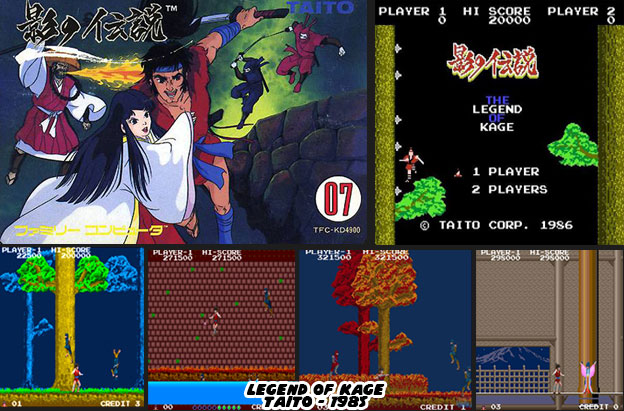
 

The game was also very violent for the time. Although there was no blood players could kill opponents with either a shiryuken or with a quick slash from the kodachi. There was none of this knocked out nonsense. Players would leap into the air, throw his stars in any direction while slashing in the opposite direction and any ninja that was in the line of fire would come crashing down head-first. This nonstop killing barrage was the core of every Strider encounter. Players would also block other shiryuken by spinning their blade around. An action video game with both offensive and defensive controls was very rare. The game also changed locations. Players tracked down the clan of the bad guys, through the forest, up a retaining wall and inside a labyrinthine castle where they would find the princess and make a harrowing rooftop getaway. When the intuitive fight and defensive controls were combined with the evolving stage design and non-stop fights it made for a cult hit.
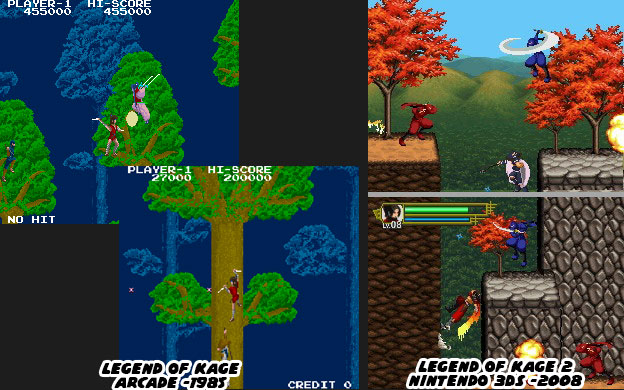


The Legend of Kage was arguably the most influential of the early ninja titles and colored the work of other game and animation studios. Yet even Kage came from somewhere. Ninjas had been a part of Japanese cinema for more than a century. Motion pictures started filming in Japan at the end of the 19th century and started playing at the start of the 20th. The early films were recordings of kabuki theater. Films with a plot came right after, bringing folklore heroes to life. One of the oldest ninja heroes in cinema was Jiraiya (Young Thunder) Gōketsu Monogatari. He appeared as he would have in story traditions, that was he didn't have the typical ninja mask or costume but something closer to everyday wear. He was a master of disguise, wily and charming, with the ability to shape-shift and cast all sorts of magic. He was like WuKong the Monkey King meets Robin Hood with the same amount of cultural significance in each nation. Films on Jiraiya went back to 1914 and turned up again and again over the next century. The way the character moved, his spell casting, his fighting became the standard for over-the-top ninja characters in film, anime and games including Strider and Naruto. In fact Capcom actually tried to make a game on the character post 2000.
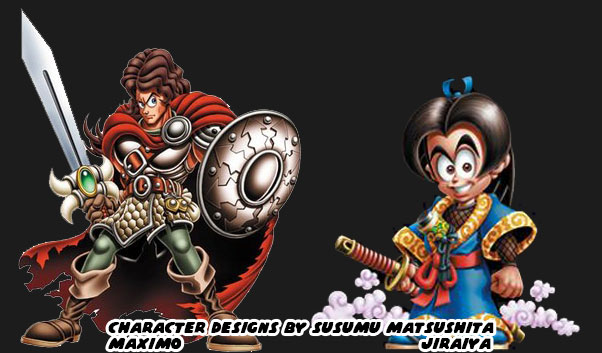
 

Capcom had just released Maximo: Ghosts to Glory, a sort of 3D successor to the classic Ghosts 'n Goblins arcade game. In the original 1985 game a knight in shining armor named Arthur had to save princess Prin-Prin aka Guinevere from a horde of demons. In the updated 2001 game the story was reset to feature Maximo who wore a costume that was more Roman or barbarian in origins. The game was developed by a Western team led by David Siller (Crash Bandicoot / Aero the Acrobat). It was a hit and Capcom wanted to do something similar from a Japanese point of view. Jiraiya Kenzan was an unreleased PS2 game that would have been released in 2002/2003. It featured the art and design of Susumu Matsushita, a Japanese artist who had created thousands of covers for Famitsu magazine and was known for his western-cartoon-style designs. It didn't hurt that he also happened to be the lead artist on Maximo. Sadly there was no Jiraiya game and no telling how it would have compared to Maximo. Would it have been a 3D version of Legend of Kage? Or would it have been more like Ninja Gaiden, Shinobi or Strider in 3D? We'll never know.
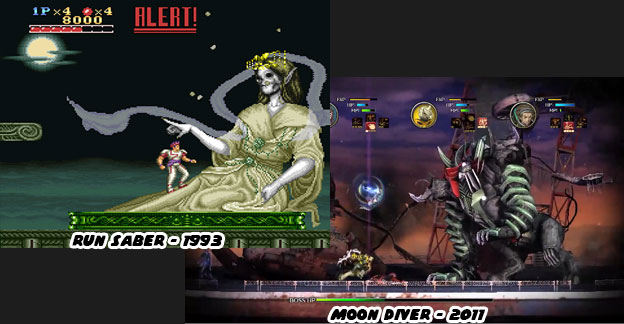


There was one person that I felt was overlooked for the evolution of the high-speed ninja gaming archetype. Kouichi Yotsui was the director on Capcom's Strider. He had difficulties working with the company, whether it was management or another senior person was unknown. He was one of the first directors to leave Capcom while it was in its prime. Mr. Yotsui had nothing to do with Strider 2 (2000) or Strider by Double Helix Games in 2014 but you don't appreciate how much his fingerprints were on the original game until you look at the other titles he released. He directed Run Saber for the Super Nintendo. It was developed by Horisoft and published by Atlus in 1993. That game looked and played very much like Strider for the SNES. This was important because Sega had the exclusive rights to a 16-bit console version of Strider. Run Saber expanded on the list of game play mechanics set up by Strider Hiryu. The new characters Allen or Sheena could perform all of the same basic attacks of Hiryu, they could also climb and run just the same. The duo now had a diving kick which allowed them to smash through opponents as they descended. Run Saber was also a multiplayer game, whereas Strider was a single player experience. Years later Mr. Yotsui directed Moon Diver. Developed by freeplus, and published by Square Enix in 2011, the game was another return to the classic Strider feel. It made me realize how little credit the man got when it came to the genre and the type of cinematic action he helped create.
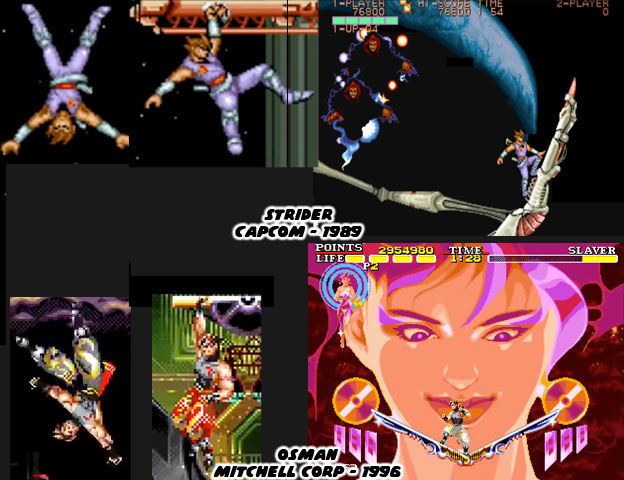


Mr. Yotsui's spiritual successor to Strider was another arcade game named Osman (Cannon-Dancer in Japan), published my Mitchell Corp in 1996. The game was beat-for-beat just like Strider. It was so similar in fact that the stage progression was almost identical. In Strider the setting was a futuristic Soviet Union, in Osman it was a futuristic Persian Gulf. The moves of the main character, Kirin, were identical to Strider Hiryu. He could fight, flip in the air, and climb. The lone assassin was a master of the "Secret Style" which allowed his punches and kicks to be as deadly as Strider's trademark Cypher sword. Kirin also had a new special "Fatal Attack" which was his screen-clearing move. He was on the hunt for Abdulla the Slaver, a female goddess-type character. She was the surrogate to the Grandmaster, the shadowy figure from Strider.
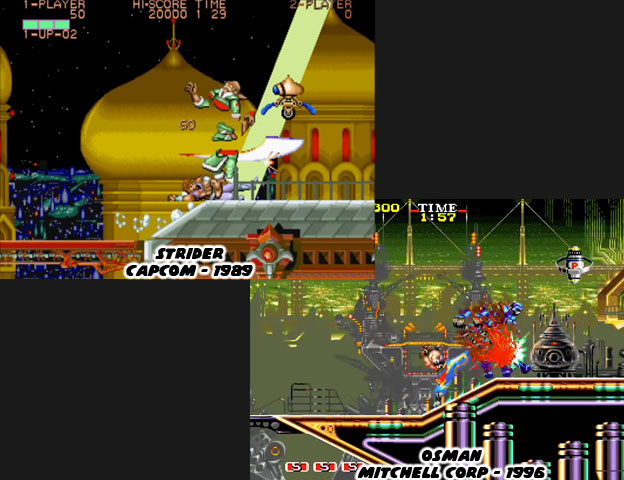
 

You begin to appreciate Mr. Yotsui's contribution to the genre and specifically the game play from Strider to Zeku when you look at the details in every game he's directed. In both Strider and Osman there was an emphasis on violence. Yes, graphic violence was in the manga, and had been a popular thing to do in post Hokuto No Ken / Fist of the North Star titles. But this was one of the first times graphic violence had been depicted in an arcade game. Strider killed opponents faster than any arcade hero previously. Bodies were getting sliced to pieces, or exploding in grotesque detail, but the sprites flickered so quickly that you couldn't really tell what was happening. Only when you go back and take a close look at the sprites and animations do you appreciate the frenetic deaths that Mr. Yotsui put into the game. In Osman the villains disintegrate in a flash of color and guts as Kirin strikes them down. If Zeku were based closer on the work of Mr. Yotsui then he would have had more lethal strikes. That or he would have been perfect for Mortal Kombat.
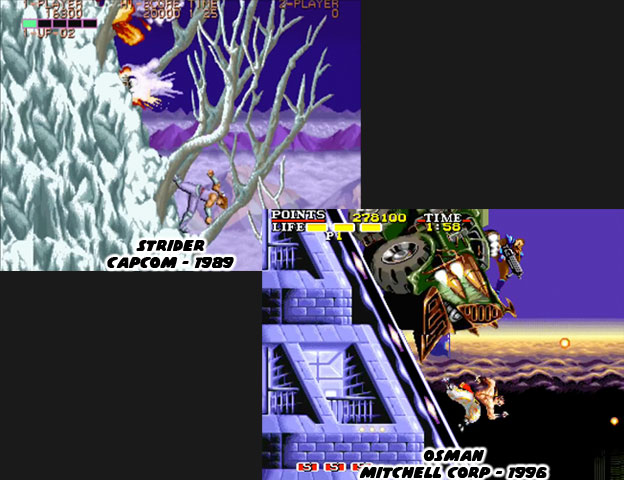


Kouchi Yotsui was a pioneer of cinematic action sequences in his games. I don't mean that he wanted to show the action in a CGI cut scene, or with a quick time sequence. Mr. Yotsui wanted players to experience what it would be like to do something incredible in game that would have been a highlight in an action movie. For example Strider ran down the side of a mountain while landmines exploded behind him. He ran faster and faster, gaining momentum then players made a blind leap before the cliff collapsed under them. This would have been an amazing shot in a Jackie Chan or Mission Impossible movie. In Osman a truck was chasing after Kirin down the side of a building. Again the character was running faster and faster until he could leap out of the way and let the truck smash into the roof of another building. These and many more amazing sequences (the gravity room, the airship, the satellite base) were what made the games unique. Nobody before or after Mr. Yotsui had produced games with the same over-the-top feel. He took the movie-style action of Legend of Kage and put it in a science fiction setting. If you play Zeku or are a big fan of the lighting-quick ninja fighters like Strider I want you to remember the work of Mr. Yotsui. He isn't credited as much as he should be and we should change that. As always if you enjoyed this blog and would like to sponsor me please visit my Patreon page and consider donating each month, even as little as $1 would help make better blogs and even podcasts!

 follow the Street Writer on Patreon!

Sunday, October 15, 2017

Zeku, the ninja spirit from the '70s finally returns!

Hello friends, welcome back to another quick character design breakdown. The latest Street Fighter V character has just been revealed. Many people had predicted this character based on the silhouette that was unveiled by Capcom many months ago. The unique hair really was what gave this character away. In case you didn’t know who I was talking about it was the ninja Zeku.


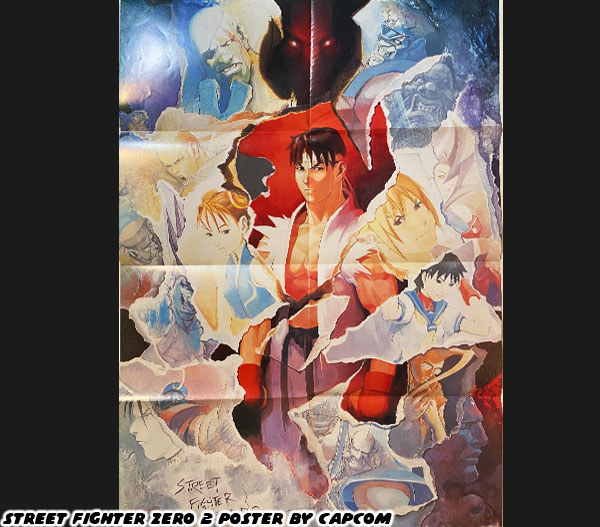
In canon Zeku was the master of Guy, one of the star characters in Final Fight. What made Zeku unique was that he was never a playable character in any previous game. In fact his appearance was very rare. Final Fight was an arcade hit and was ported to several different consoles. In 1993 it spawned a sequel for the Super Nintendo. At that point the only returning character was Haggar. Maki, another fighter from the same clan as Guy had joined his battle against the Mad Gear Gang. Then in 1996 a third Final Fight was released, including the return of Guy to the lineup. At about that time Capcom was also working on a follow up to Street Fighter Zero / Alpha. They had Final Fight on the mind and were going to retcon the events of Street Fighter, Street Fighter II and Final Fight in this new game. Street Fighter Zero 2 included Guy and Rolento from the Final Fight series as well as some Metro City-themes stages. It was at this point that Capcom introduced the world to Zeku.


Zeku appeared very briefly in Guy’s ending. A sort of final showdown between the master and the student. This in addition to the official character art led a lot of Street Fighter fans to speculate that Zeku would soon be joining the lineup. Nobody thought that it would take Capcom 21 years to actually do this. Senior artist Bengus was responsible for his look. It was appropriate that Bengus would update the character for Street Fighter V. It’s funny that I should use the word update when what he did was actually keep the look decidedly “old-school.” Zeku was actually a nod to the characters and artists that influenced the Capcom designers from a young age.


The long, wild, hair of Zeku had its origins in the “70s, when it was trendy for men to sport this look. One of the biggest hits of the time was Science Ninja team Gatchaman, a show from 1972 that was adapted for the USA as Battle of the Planets. The series worked for a number of reasons, not the least of which was that it was a unique blend of different elements. The stars looked like everyday people. They wore shirts and (bellbottom) jeans. They had long hair and sunglasses, making them easily the coolest animé characters of the era. Also the henshin, or transforming hero shows, were just starting to take off in Japan. This was one of the first animated shows to use that concept. It took a group of ordinary teens and turned them into costumed superheroes. What kid growing up didn’t want to be just like them? The Capcom designers were kids and young men during this era. Although Street Fighter is not filed with characters like Viewtiful Joe, the ‘70s aesthetic did leave an impression with many of the artists.


Animé was evolving by leaps and bounds during this era. When manga and animé first took off many designers were copying the style of Osamu Tezuka, considered The Godfather of animé. Gatchaman was pulling away from the Tezuka style, creator Tatsuo Yoshida wanted a more rebellious look for his heroes. This was a stark difference from his previous work on the clean-cut Speed Racer. This rebellious attitude and freeform character designs were combined with the popularity in science fiction. Leiji Matsumoto created the iconic Space Captain Harlock in 1977. His style was very different than his contemporaries, nobody created figures with the same super-exaggerated proportions. His men were almost as slender as his female characters, yet they all oozed personality. He introduced an entirely new aesthetic into animation. Figures had to push the envelope of body types. There could be squat fat men and lanky femmes on frame and somehow it worked. His anti-hero designs were the envy of all. His iconic skull and crossbones would somehow find their way into other manga and animé (and Mad Gear) as well. The next evolutionary step in character design was from an artist known as Haruhiko Mikimoto. The animé Super Dimension Fortress Macross was another sci-fi smash hit. The series began in 1982, and was among the great space operas. Mikimoto further distanced his work from his predecessors, but there were still connective tissue on the heroes and villains. The long hair, sideburns were trimmed but the rebellious spirit was still there.


Zeku was a call-back to the hyper-cool heroes like Ken “the Eagle” Washio and Joe “the Condor” Asakura. It wasn’t enough that he carried over the hair, but his actual facial features, the angles on his jaw and eyes were very much spot-on with the Matsumoto aesthetic. Go back to the illustration at the top of the blog and take a closer look at the “young” version of Zeku. As it appears Zeku had two different sets of costumes. They look like his current older version and a set based on how he looked as a young man. It would make sense that 40 years ago Zeku was in his prime, he would have worn clothing and had hair that looked like he was right out of the ‘70s. Long time Capcom fans would be the first to spot the blue and red uniform that he sported was similar to that of Strider Hiryu as well. Here’s where things get very interesting for the ninja master.


Strider was a character designed by Tatsumi Wada and published by the artist collective Moto Kikaku in 1988. The manga was in collaboration with Capcom who wanted to have their own henshin superstar. The manga set the groundwork and the arcade release came out a year later. During the same development cycle Capcom was also working on Street Fighter ’89 / Final Fight. I believe that Guy was pulled from the same design notes that went into Strider. The comparisons between the two were more than skin deep. Strider was of course presented with a blue uniform but audiences didn’t know that with the original red-toned cover. The genius design element that grounded Guy in the present were his high-top sneakers. The genius design element that grounded Zeku in the past were his ‘70s haircut and fashion choices. If Capcom were to lay the foundation for a Strider reboot then this would be their chance. According to canon Strider Hiryu was born in 2030. At that time Guy would be as old as Zeku was now. And if Zeku were still alive he could have launched the organization fighting against global terrorism. That was of course if Capcom were looking at their long-term game strategy. Even if not Zeku was a welcome addition to the lineup. He certainly had more care given to his re-introduction than either Birdie or Abigail. As always if you enjoyed this blog and would like to sponsor me please visit my Patreon page and consider donating each month, even as little as $1 would help make better blogs and even podcasts!
 follow the Street Writer on Patreon!