Showing posts with label remake. Show all posts

Wednesday, October 22, 2025

When was the blue Oswald the Lucky Rabbit created?

Hello friends, I hope that you are doing well. Today I want to talk about a question I didn’t have an answer for. As you may know I’m a huge fan of Oswald the Lucky Rabbit. I’ve done plenty of blogs about the character. No doubt I will write about him more in the future. What I didn’t know was when the character officially turned blue. I know that he was presented in an old rubber hose design, with blue fur, and yellow shorts when Universal Studios Osaka had his merchandise in their park. That was from around 2001-2004, just before the Disney company reacquired the rights. But was that really the first time the character was reimagined for audiences? I’ve been wondering if this new look was spearheaded by Japan, or the US.

I’ve also wondered how exactly this redesign came to be. After all, in the mid ‘90s Oswald was still brown in color, and looked like a traditional cartoon rabbit character. He had more or less stayed the same since his old comic book run from around 1937 until the mid 1990’s. There was a time stamp that showed one of his last media appearances from that era. In Brazil Woody Woodpecker was known as Pika Pau. “Coehlo Osvaldo” was brown in the game Férias Frustradas do Pica-Pau aka Woody Woodpeckers Frustrating Vacation. The title came out in October 1995 by Tectoy for the Sega Master System, and Sega Mega Drive. In it Oswald gave Woody a magic paintbrush. Mind you this was 15 years before the magic brush in Epic Mickey!

The next time Oswald appeared in an officially licensed game was in Woody Woodpecker Escape from Buzz Buzzard Park for the GameBoy Color. It was developed by Planet Interactive Development, and published by DreamCatcher Interactive (North America) on August 14, 2001. Oswald appears in Level 2 in his blue form. This time he wasn’t friendly with Woody, and would actually attack you with a drop kick.

A few years later Oswald got a cameo in a Japanese pachinko machine called CR Woody Woodpecker. Developed by Maruhon, and released in December 2004. In the game the blue Oswald made a short cameo on the game screen. In 2006 the sequel CR Woody Woodpecker 2 was released. Again the blue Oswald got a cameo on the video screen. What was interesting about this appearance was that it was the same year that Disney had gotten the rights back from Walter Lantz / Universal. This could possibly be the last piece of media featuring that version making it a rare collectors item. The blue Oswald was indeed in circulation between 2001-2004 just as I thought. The pieces were falling into place, however the pachinko machine made me realize the updated look lasted longer than I first suspected. 

It turns out that the blue version had actually been proposed much earlier. Universal was looking at relaunching the Walter Lantz IP with a new Woody Woodpecker show in the mid 1990’s. This meant that the characters would be receiving a minor stylistic update, to make their look a little bit more contemporary. You can read the details on the New Woody Woodpecker show on the Walter Lantz Fandom page. Not only were Lantz’ biggest stars like Woody Woodpecker, and Chilly WIlly getting a refresh, but rare characters like Space Mouse, and Oswald the Lucky Rabbit were also getting a makeover. The show started development around 1997, with a few revisions made before production began. The new designs were posted by Daily Woody Woodpecker on Twitter. As these new versions were being finalized the comics, and games featuring the updated begun licensing. 

Sadly we wouldn’t actually see Oswald, or a few other rare characters make it into the new cartoons. They would appear in Latin American comics, and the aforementioned games, and pachinko cabinets. As for Oswald’s earliest blue design, the oldest officially licensed item that I could find with him was a rectangular dish / tray from 1998. He was very loosely drawn, and didn’t have the standardized look used in the Universal Osaka merchandise. Altogether the blue Oswald lasted for about eight years. I began wondering if I could track down any US merchandise from this era, but I’ll probably stick to the Japanese items. Were there any rare cartoon characters that you want to see return? Perhaps in game form? Tell me in the comments section. As always if you enjoyed this blog, and would like to sponsor me please visit my Patreon page and consider donating each month, even as little as $1 would help make better blogs and even podcasts!
follow the Street Writer on Patreon!

Saturday, May 18, 2024

The story of Burnov. Or how to make a fat character work in a fighting game.

Last week I talked about Rage of the Dragons by Evoga, Steel Hearts, and BreezaSoft from 2002 as a sequel to the Double Dragon fighting game by Technōs from 1995. Technōs had created the original Double Dragon as a brawler way back in 1987. It put the genre on the map, and had every major studio making their own clone. Each Double Dragon sequel in the arcade lacked the innovative game play that appeared in rival titles. It seemed that when it came to development they were playing it safe, cheap, and simply going through the motions. A few years later when fighting games were more popular they released their own fighter as well. The game suffered when they tied their SNK fighter to the horrid live action movie. The company did not seem to know how to evolve their own franchise regardless of what format they used. Despite the failings of their fighting game I would argue that one of the best character designs, and certainly one of my favorite redesigns came out of it.

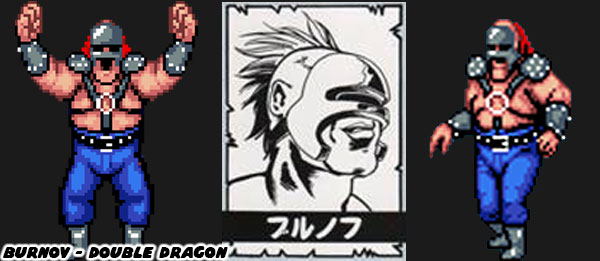
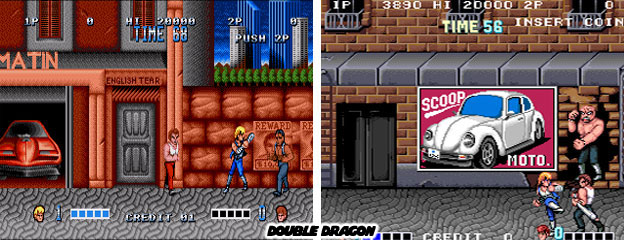
The original Double Dragon brawling game was set in a post apocalyptic future. Although there were still big cities, cars, and modern amenities there were also roving gangs, mutants, and bad guys that terrorized even the police. It was up to people to take the law into their own hands. This was the context that stars of the game Billy, and Jimmy Lee fought in. Abobo was one of the giant characters in the first game. Those massive bruisers changed a little in the sequel. One of the larger bad guys was a masked former wrestler-turned-villain. Burnov made his debut in Double Dragon II: The Revenge. His look in the game pulled elements from pro wrestlers, but more specific the gangs featured in the Mad Max movie series. The films by director George Miller started in 1979. The wild characters, armor, and vehicle designs by Miller influenced the mangas Hokuto No Ken / Fist of the North Star, Trigun, Battle Angel Alita, and the game franchises Twisted Metal, Carmageddon, and even Street Fighter II.

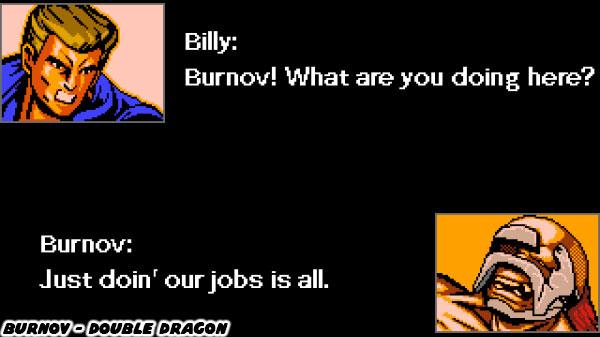
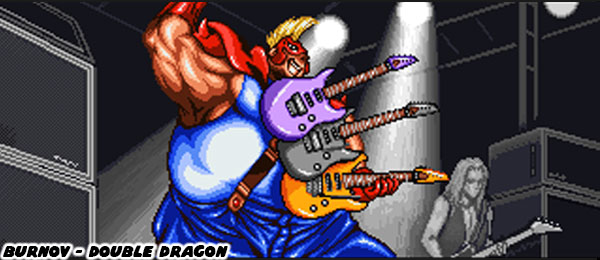
Burnov had a metal mask in his original form, and long stringy hair. He was most likely inspired by the Lord Humungus from the Road Warrior sequel to Mad Max. He appeared as a level 1 boss in Double Dragon II. He was much taller than the Lee brothers, and even came with his own stage music. If you got too close to this boss, or tried to grapple with him then he would pick you up by the head, and punch you in the face. It was a brutal but equally cool attack. This character would turn up again in the various sequels, and reboots to the franchise. Shortly after his debut the character was made a considerably fatter. Contrary to popular belief I didn’t have a problem with fat fighting game characters. I had an issue with fat being used as a punchline. Bob in Tekken, and Rufus in Street Fighter being introduced as joke characters. They diluted otherwise great ensembles.

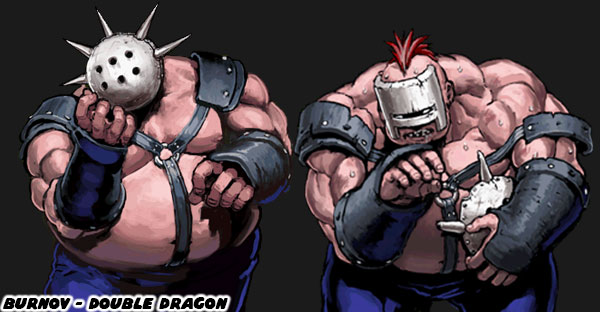
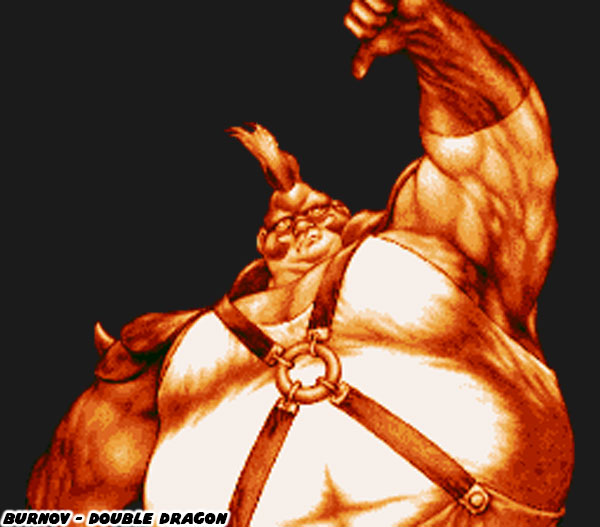
Some of the best designs for brawlers, and fighters were obese wrestlers. Almost a decade ago I talked about how Burnov, and Kimala the Bouncer were two of the best characters ever featured in a game. They happened to be massively fat, but underneath that fat was a large amount of muscle as well. They had power in spades, as some famous fat strongmen had all throughout history. I had a low opinion of the Double Dragon fighting game, and especially the movie, but thought that Burnov’s new look was brilliant.

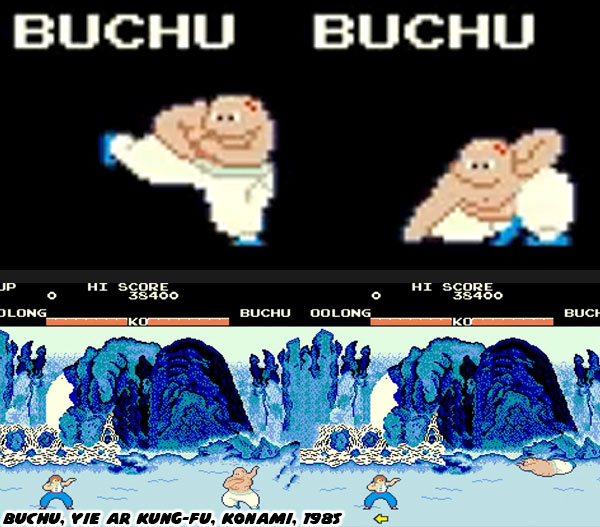
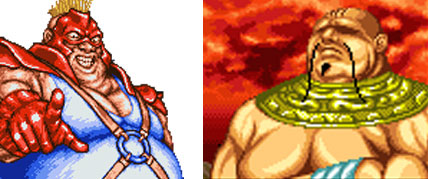
I was surprised at how fat he had become, especially when compared to his original look. He was proportionally much fatter than any other character used in a fighting game. This list would go beyond sumo wrestlers, and into the realm of fantasy characters like Avu, Sheik Maherl, and Karnov. With the exception of Buchu from Konami's Yie Ar Kung-Fu (1984) it was Karnov (1987) that became first breakout game star that was also fat. I had mentioned his status in the blog about representation a decade ago. 

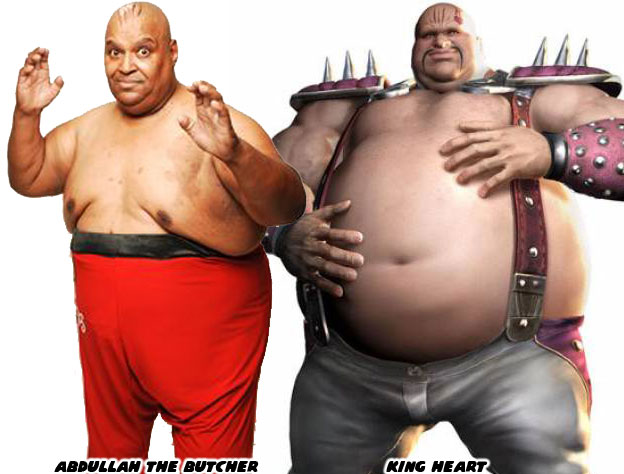
Aside from Kimala the Bouncer, the closest design that you compare him to would be King Heart from Hokuto No Ken. Both were obese boss characters from a post apocalyptic world. Yet like Heart this character was also absurdly muscular as well. It turned out that it was more than coincidence that their designs were so similar. Kimala, Burnov, and Heart (and especially Karnov) were all inspired by the pro wrestler Abdullah the Butcher. The “Madman from Sudan” traveled the globe brutalizing his opponents. He wore a keffiyeh, curled toe boots, and Arabian pants as part of his outfit.

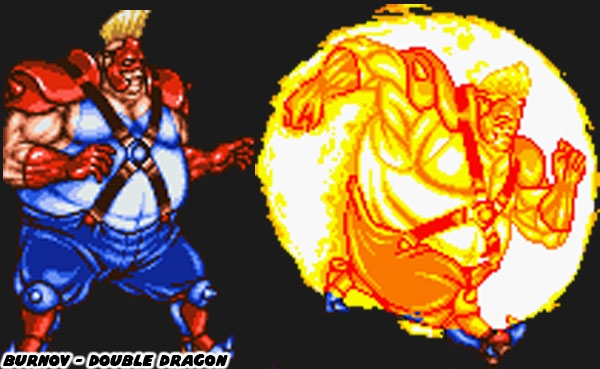
Technōs had the WWF (WWE) license for arcade games in the late '80s, and had created the wrestling games WWF Superstars in 1989, and WWF Wrestlefest in 1991. Abdullah was supposed to be in the game. He was in the design stages, but his sprite, and animations were never finished. So the developers instead changed his skin color, added some armor, and a mohawk. Thus the sprite that would become  Burnov was born. His strikes were still based on wrestling moves, chops, tackles, and leg drops. His special attacks were fire-based, like the Arabian characters mentioned above. Everything about this character worked surprisingly well, especially in the context of the Double Dragon universe.

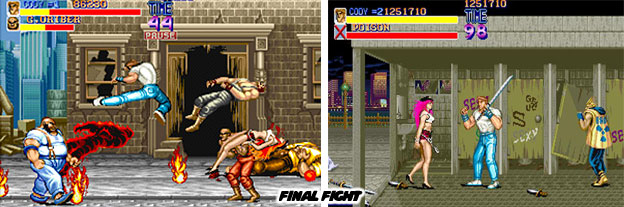
Burnov was created as the second bruiser in the game, a sort of rival to Abobo. His girth, strikes, and special attacks were a perfect counter to Abobo’s height, and power moves. Remember that Abobo was a literal giant. He was over seven feet tall, and 336 lbs. In order to hold his own the shorter Burnov had to be massive, weighing in at 495 lbs. The game referred to him as the Muscle Bomber Man. I'm not sure if they were calling out the Capcom wrestling series Muscle Bomber intentionally. In any instance it was completely believable that he could bulldoze through all of his opponents. In fact I thought his Dynamite Tackle was one of the most awesome moves in all of fighting game history. 

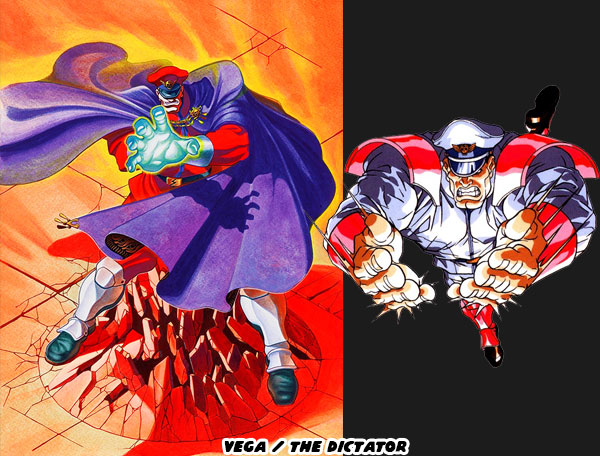
His super attack saw the man nicknamed “The Human Bomb” become engulfed in flame, and just plow through his enemies. It wasn't a fireball, sonic boom, knife, or other kind of projectile attack. Instead it was a man that weighed a quarter-ton simply running full speed at his opponent. I ranked this attack above Vega’s Psycho Crusher from Street Fighter II, especially when it came to believability. Why would I think so? When I was younger I studied karate with my big brother, and our friends. It was hard for me to find an equal sparring partner given my height, and weight. I was 6’ 7”, and around 330 lbs. at the time. Our sensei appreciated how hard I was working to learn the proper forms, and strikes. He revealed that in an actual fight these moves were impractical for me.

My teacher knew that I was a passive person, and not the type to look for trouble. Anyone foolish enough to pick a fight with me was probably carrying a weapon. They were looking for a reason to shoot, or stab somebody. This was especially true if they could claim self defense, or hide behind stand-your-ground laws. He advised that if I could not avoid a fight then I should literally run through that person. "In a life or death situation don’t try to punch, kick, or grapple." He said "just bowl them over, and get out of there." They wouldn't be able to stop me from doing so. Even the best martial arts practitioners could get trampled. Burnov was really good at doing exactly what I was taught. The fact that he could run down the Double Dragon sub-boss Duke, and boss Shuko was proof of this.

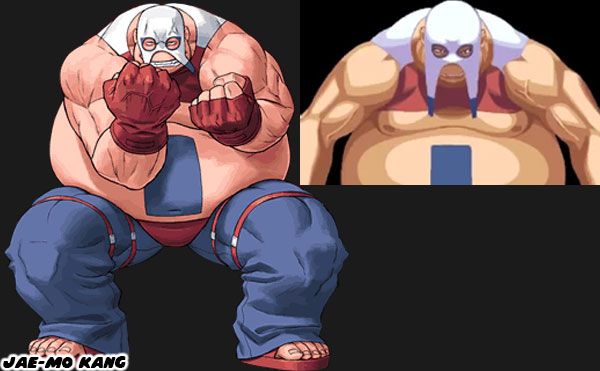
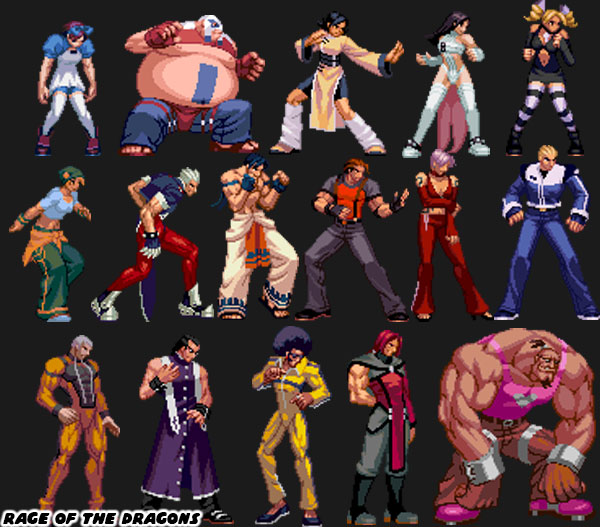
The next version of this character in a Double Dragon title wouldn't have the same impact. Jae-Mo Kang was a fat South Korean wrestler that appeared in the Rage of Dragons. He was a silly homage to Burnov. According to the designers at Evoga "Kang was one of the last characters to join, since we decided to include Mr. Jones I thought on a "Laurel & Hardy" team, so at first his name was McGuire, a Pro Wrestler and Businessman, later on during development we were told that we needed to change his nationality ot Korean for marketing reasons, so I asked for advice about a good Korean name..." Sadly Evoga missed the point of Burnov's redesign. This was evident when they insisted on making Kang, and his partner Mr. Jones into stereotypical caricatures. 

Burnov was the type of over-the-top character that added color, and personality to fighting games. He had a shocking appearance in the vein of Blanka, and Dhalsim, mixed with the entertainment factor of Skullomania. Like those characters he was also effective against the various martial arts styles. He was fun, and energetic, but not a joke. He was the fat fighter done right. He was a template that should be learned from for all the budding game designers out there. Were there any fighting game characters that you thought were well done in otherwise forgettable games? I’d like to read about them in the comments section. As always if you would like to sponsor me please visit my Patreon page and consider donating each month, even as little as $1 would help make better blogs and even podcasts!
follow the Street Writer on Patreon!

Sunday, May 12, 2024

A good Double Dragon fighting game? The story of Rage of the Dragons.

In the previous blog I talked about how EXA-Arcadia was rereleasing / remastering Daraku Tenchi: The Fallen Angels, and Rage of the Dragons W for the arcade. I mentioned “the godfather” of brawling games was Double Dragon in 1987. It had inspired the creation of Rage of the Dragons, a fighting game from 2002. A little more on that in just a moment. Technōs essentially launched the brawling game genre, and influenced the fighting game genre as well. Despite being important to game history they were incapable of creating a sequel that was as influential as the first game. Not long after Capcom released Final Fight, Konami released Vendetta, and Sega released Streets of Rage. Each was essentially a better version of Double Dragon. In fact post 1989 there were dozens of great titles which were superior to Double Dragon in every regard.

The sequels to Double Dragon failed because in my book they did not innovate the format. The studio played it safe, and made only marginal changes to the game. Worse yet they looked for ways to make arcade players pay more money through micro transactions. In the early ‘90s the arcade market had shifted. Fighting games were the hottest titles, and brawlers had taken a back seat. The biggest hits of the entire decade all came out within three years; Street Fighter II (1991), Fatal Fury (1991), Art of Fighting (1992), Mortal Kombat (1992), Virtua Fighter (1993), Tekken (1994), Primal Rage (1994), Vampire / Darkstalkers (1994), and Killer Instinct (1994). By the middle of the decade it was hard to break in with a new fighter. That was exactly when Technōs decided to throw their hat into the ring. Had Technōs released a Double Dragon fighting game four years earlier then it would be more relevant today.

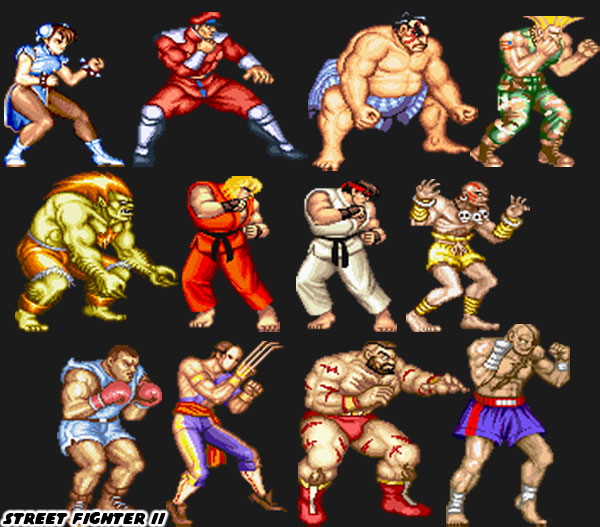
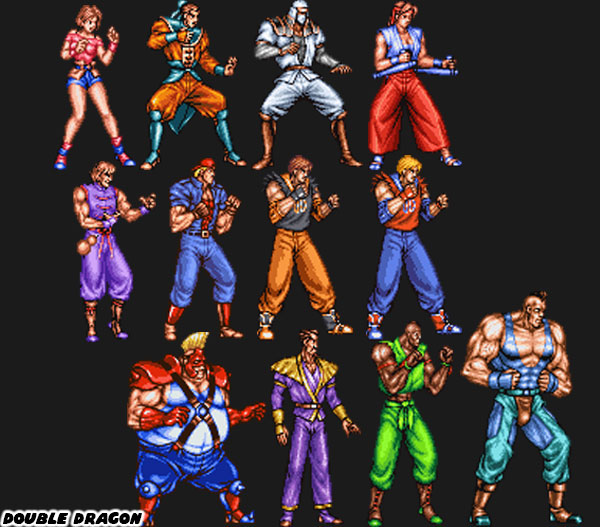
The mistakes of Technōs could be understood through their fighting game. Being slow to market was one of the biggest issues. Double Dragon (the fighting game) was similar to the hundreds of other titles out in 1995. There were two main characters Jimmy, and Billy Lee. They studied the fictional Sousetsuken “Twin Sever Fist” style of fighting. The Japanese, and western lead characters with their own trademark fighting style had also been seen with Ken / Ryu (Street Fighter), Kazuya / Paul (Tekken), Akira / Jacky (Virtua Fighter), Ryo / Robert (Art of Fighting). Granted Billy, and Jimmy were the ones that started the trend. Double Dragon also had the token big guy, girl, strange character, etc which had been pulled from the franchise. The sprites were large, and colorful. They were not unlike the sprites, and cast of Street Fighter II which was something that other studios had also poached.

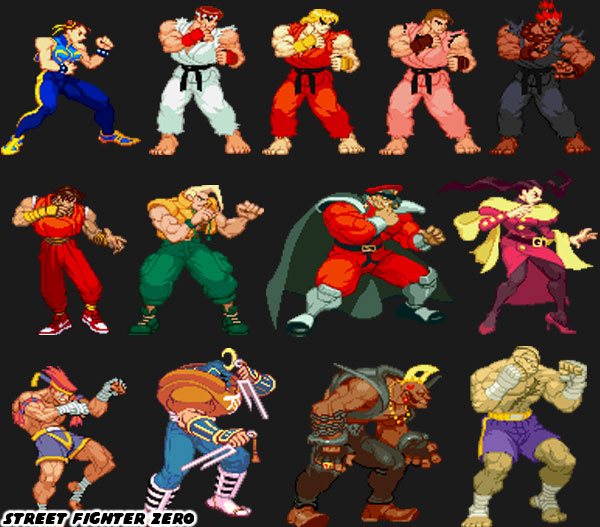
Technōs didn’t realize their visual presentation was becoming dated. It took them too long to bring a game to market. Having a recognizable brand, and going through the motions was not enough. Other studios were trying out bold new ideas in the early ‘90s. In order to stand out from the crowd it wasn’t enough to have bigger, or slightly more colorful sprites. Sega had polygon models, Namco had textured polygons. Rare had SGI workstations creating sprites that looked like computer graphics. Midway used live action footage, and Atari used stop motion figures. On top of everything the popular aesthetic, the art style was shifting. There was a blending of western comic book formats, and Japanese anime in a new sprite art form. Capcom designer BENGUS broke the mold in 1995 with Street Fighter Zero / Alpha.

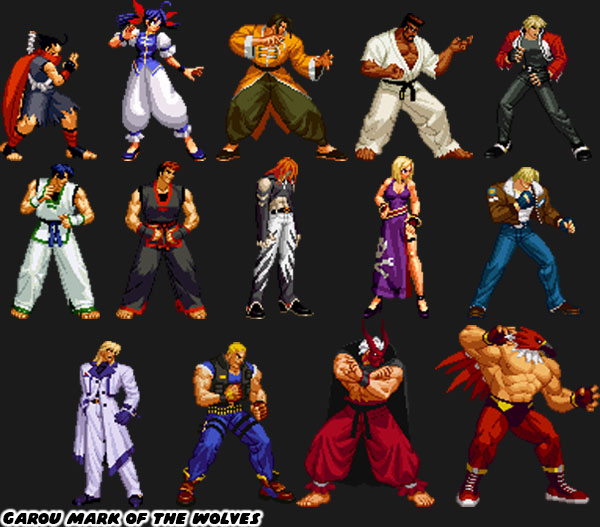
The game was amazing given that a number of the staff that worked on Street Fighter II left Capcom to join SNK,a nd ARIKA. Noritaka Funamizu, and the remaining team at Capcom was able to create something amazing with a bare bones staff in a relatively short amount of time. The large cartoonish sprites designed by BENGUS were revolutionary. The entire industry had to respond. I would argue that SNK’s first counter were the sprites featured in Real Bout: Fatal Fury Special from 1997. The game featured sprites which were touched up, and made more colorful from those featured in the previous Real Bout game from 1995. That was a small step for their art department. The actual response to Street Fighter Zero was seen in Garou Mark of the Wolves. The fan favorite game from 1999 had a style, and presentation that was close to BENGUS, but still had the classic SNK fingerprints all over it. The sprites, and character designs that Technōs featured in Double Dragon in 1995 simply didn’t capture audiences in the ways that the Capcom sprites did. A few years later there would be another chance to get it right.

The developers at Noise Factory was not happy with the version of Daraku Tenchi: The Fallen Angels that was published by Psikyo in 1998. They did not have the time, or money to develop an upgrade kit either. Arcade business was slowing down globally at the end of the ‘90s. Any arcade title that was published had to be more polished right out the gate, rarely did any studio have a chance to release upgrades for arcade operators. While they couldn’t go back, and add more content to the Fallen Angels, they did think there was a chance to make a sequel to the 1995 fighting game inspired by the ill-fated live action movie. The history of Rage of the Dragons was unique. It was created by Noise Factory, and BrezzaSoft for the NEO GEO. BreezaSoft was founded by Eikichi Kawasaki, who also founded SNK. What made it truly unique was that it was designed by the Mexican studio Evoga.

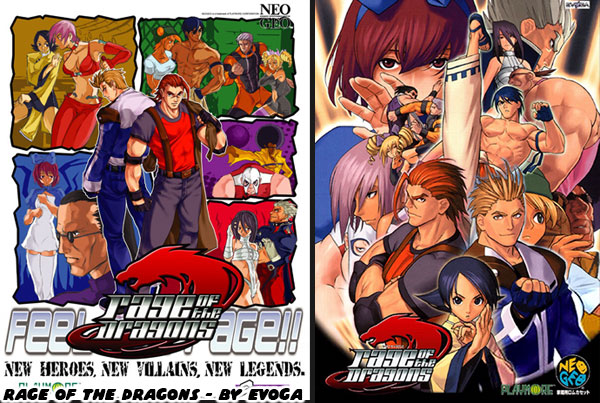
Unfortunately they couldn’t get the rights to the Double Dragon characters or name. Million was made up of former Technōs employees, they were sitting on the rights, and didn’t seem eager to strike a deal. To make negotiations more difficult SNK was going through a bankruptcy at around the same time. South Korean developers Eolith were hired to help finish a few projects. Steel Hearts team members helped SNK as well. They figured out that they could move forward with their own game if they slightly changed the names. Billy, and Jimmy’s last name went from Lee to Lewis. The girlfriend Marion became Mariah, Abobo became Abubo, etc. This didn’t stop Million from filing a legal challenge. Fans of the franchise could tell what this new fighting game was actually based on. To set it apart from the earlier game it was made a tag-team fighter. Visually the team at Evoga was able to find a perfect blend of the style of Street Fighter Zero, and Garou Mark of the Wolves. In just about every regard it was superior to the fighter from ’95. Sadly Rage of the Dragons just didn’t have the balance, and game play of the more popular titles. It was rarely seen in arcades, and didn’t build too much of a following.

I was happy that EXA-Arcadia was going to give the titles by Steel Hearts another go. I hoped that the developers would reunite to add some polish, and perhaps add a few more features to the games. Rollback anyone? Maybe, just maybe this would help them get to modern consoles sooner, rather than later. Of course I want to know if you played any of the Steel Hearts games. Or did you play any of the classic Double Dragon games? Did you have a favorite? I’d like to read about it in the comments section. As always if you would like to sponsor me please visit my Patreon page and consider donating each month, even as little as $1 would help make better blogs and even podcasts!
follow the Street Writer on Patreon!

Saturday, May 11, 2024

The Fallen Angels, and Rage of the Dragons. Two rare fighting games get a second chance in arcades!

The EVO tournament in Japan at the end of April 2024 had a few gems announced. I talked a little bit about Fatal Fury City of the Wolves not too long ago. There were a couple of other announcements by EXA-Arcadia that surprised me. In case you weren’t familiar with the company, they created arcade boards mostly on fighting games. They handled mostly small indy studio releases, and not big titles like those from Capcom, or SNK. Even though arcades weren’t as big as they were in the ‘80s, and ’90s there was still a market for them, and EXA-Arcadia was filling it. They said that they were working on getting The Fallen Angels Revenge (Directors Cut) exclusively for the arcades.

Daraku Tenchi: The Fallen Angels (1998) was one of the most important fighting games of all-time, not for what was delivered, but for how ambitious it was. Developers Steel Hearts spent three years, and untold amounts of money trying to make the highest quality sprite based game ever made. It was going to be even visually more impressive than Street Fighter III, and superior to the work that went into SNK’s Dot graphics for KOF XII. I wrote a two-part blog detailing the game. The Fallen Angels, part 1 and The Fallen Angels, part 2. Sadly the game published by Psikyo lacked polish, and balance. It was embraced not too long ago by the fighting game community when ROMS turned up for emulators. The idea that the directors wanted to finish their masterpiece after a 26 year pause was nothing short of inspiring. That wasn’t the only bomb dropped at EVO.

Rage of the Dragons W was slated to be a rerelease of a rare arcade fighter. I had never done a deep dive on the game for this blog, but I did point out several characters in various posts. I wrote a little bit about Pepe, and Pupa as part of the history of Capoeira in fighting games. I talked about Jae-Mo Kang when looking at fat fighting game characters. I talked about Abubo Rao when talking about the origins of giants in fighting games. Lastly Mr. Jones was mentioned as being a caricature of Back martial arts movie stars like Jim Kelly, and Ron Van Clief. In order to understand the importance of Rage of the Dragons in the history of fighting games then we have to put it in context. Rage of the Dragons was a fighting game homage to Double Dragon, the foundation of the brawling genre.

I cannot understate how important Double Dragon was to the history of brawlers, as well as fighting games. The template for Double Dragon was Nekketsu Kouha Kuniou-Kun aka Renegade by Technōs of Japan. That and Takashi Nishiyama of Irem / Capcom / SNK / DIMPS deserved all of the flowers. They put brawlers, and fighting games on the map. There would be no Final Fight, or Street Fighter II if Double Dragon had not been a massive hit. A fighting game with a storytelling narrative was revolutionary at the time. We wouldn’t have the modern gems like Tekken 8, Street Fighter 6, or Mortal Kombat 1 if not for the seeds that Technōs planted in 1986. Unfortunately for them they didn’t understand how game sequels needed to evolve. They retreaded the same ground with Double Dragon II, and III, which were stale when compared to Final Fight. When fighting games were taking off in the early ‘90s Technōs decided to stage a comeback.

Technōs created a fighting game for SNK’s popular NEO GEO arcade platform. Visually the game was impressive. The sprites were absolutely massive. The game engine was capable of scaling in, and out of the action similar to the Art of Fighting. This made the experience feel bigger, and better than the various Street Fighter II upgrades. Unfortunately for Technōs, it turned out that game play, balance, and control meant much more to audiences than graphics alone. People might be attracted to the game if it looked nicer than the other titles, but if it played like trash then people would never return to it. The release of this game coincided with the development of an animated series for the US, as well as a comic book, and even live action movie. This multi-pronged marketing strategy was great in theory.

By hitting every form of entertainment the company would remind the US that Double Dragon was the original arcade fighting hit. It predated Street Fighter, Fatal Fury, Mortal Kombat, Killer Instinct, and every other title out there. Except for Karate Champ, and Kung-Fu Master of course. Double Dragon should be at the top of the mountain of fighting entertainment. We should have Billy, and Jimmy Lee in our vocabulary as much as we have Ryu, Kazuya, Terry, Kyo, or Scorpion as popular characters whenever we discussed fighting games. The thing about the saturation of Double Dragon in the early ‘90s was that there was no consistency. The cartoon was decent, but it seemed to have nothing to do with the comics, which also didn’t really follow the story of the arcade games. It was as if there was no bible, no consensus that any of the studios had when creating their projects.

The absolute worst of the lot was the Double Dragon movie. It wasn’t the worst video game movie ever made, it was among one of the worst movies ever made period. It had a decent-sized budget for a small studio film. It had lots of money for sets, makeup, practical, and special effects. It was directed by James Yukich. Mr. Yukich made his mark directing music videos for some of the biggest acts in the ‘80s, including Michael Jackson, Cheap Trick, Gloria Estefan, and Phil Collins. It had a strong visual language, but that all fell apart when it came to the writing, and acting. It was written by Michael Davis, and Peter Gould. Mr. Gould would work on Breaking Bad many years later, showing that he had some actual chops. Mr. Davis on the other hand I would argue was the person that really stunk up the project.

Indy films, cartoons, and new comics would often get screened at the monthly Los Angeles comic book convention at the Shrine Auditorium, next to the USC campus. My brothers, friends, and I made the trip circa 1994 when we found out they would be previewing the Double Dragon movie. They would also have a Q&A with the director, writers, and some actors. We were unimpressed with the nonsensical, and silly film set in the post apocalyptic future of 2007. Many people questioned the crew, and we gathered that none of them were really that familiar with the game, or games in general. They thought that they should go off on their own ideas. They were fairly rude, and condescending to many of the questions they received. My big brother asked why the roving gangs didn’t have firearms, even if guns were banned they would still be able to make a a zip gun, or improvised firearm. Mr. Davis told my brother “I doubt that you’re smart enough to make a gun.” Just about everyone in attendance groaned. Needless to say few people stuck around to get a signed poster.

The film was a critical, and commercial flop. As for the Double Dragon franchise, it would be lost just outside the zeitgeist of gaming, and pop culture. It would get remakes from various studios over the years. In different platforms, in different styles, and aesthetics, they would try to recreate the magic of the original arcade hit. These games while well intentioned didn’t really work with audiences. Perhaps because the transition from 2D sprite-based game play to 3D mechanics were difficult to pull off. Or because sprite based brawlers were very niche. Brawling games were popular in the fighting game community, but nowhere near as big as dedicated fighting games were to all audiences. That plus the lack of an arcade scene, the ability to easily have multiplayer on the same screen made it a hard sell.

The 1995 fighting game by Technōs was the perfect example of being too little, too late to the market. I want to talk about this in the next blog. Until then I’d like to hear your thoughts on the Double Dragon series, cartoons, comics, or various sequels. Were you a fan? Have you played any of the games? Tell me about it in the comments section please. As always if you would like to sponsor me please visit my Patreon page and consider donating each month, even as little as $1 would help make better blogs and even podcasts!
follow the Street Writer on Patreon!

Wednesday, March 1, 2023

God of War Ascension, the multiplayer experience

God of War Ascension offers a grand adventure, comparable to the early GoW titles. However it has another major selling point, it is also the first time that Sony Santa Monica created a multiplayer combat title using the GoW engine. The studio wanted to see if it was possible to assign Kratos-like combat to an online game. Would it still be engaging to audiences? Would the type of combat work well when scaled up from 2 vs 2, 3 vs 3, or 4 vs 4? How large, and interactive would the maps have to be so the stages wouldn’t feel limited? The only way to find out was to build the game, and see. Not many people know that for GoW III the studio was starting to build an entirely new combat engine from scratch. One that would control, animate, and feel like the previous GoW titles. Except that the new engine would actually work in 3D environments when fighting opponents with similar powers, and abilities. The transition to the new fighting engine was so seamless that most people didn’t even notice.
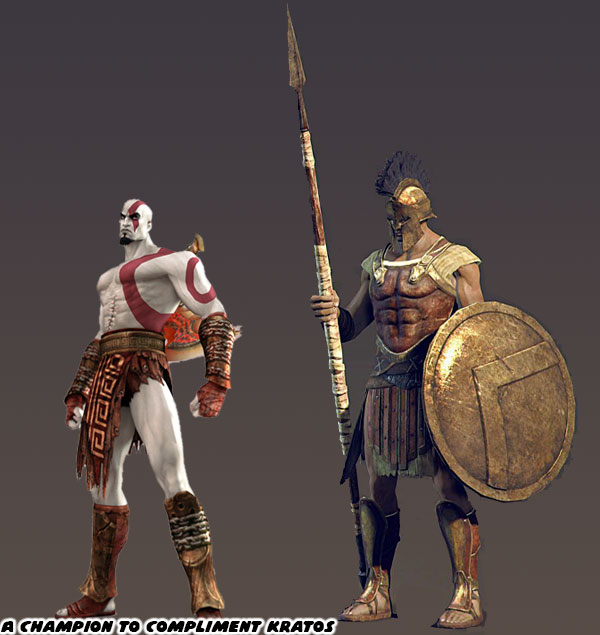
One of the first steps in designing a multiplayer game would be coming up with a leading character, somebody that worked in the GoW universe. This person had to have roughly the same size, and build as Kratos. By doing this the developers could work with roughly the same camera angles, and stage layouts that they had been used to. They wouldn’t have to completely change the assets used in the game for Kratos. The other advantage was for audiences. They would already be familiar with the attack range, and defense of the character if he was the same size as the ghost of Sparta. There were a few Kratos-sized figures in Ascension that could have fit the bill. In one cut scene we visited the streets of Sparta, and saw his soldiers becoming him to return. One of those faceless Spartans could have been a good fighter to start with. Instead Sony Santa Monica wanted a blank slate for players to identify with, and play through. It was decided to create a bald (or shaved head) muscular figure, almost exactly the same build, if not slightly more muscular than Kratos.
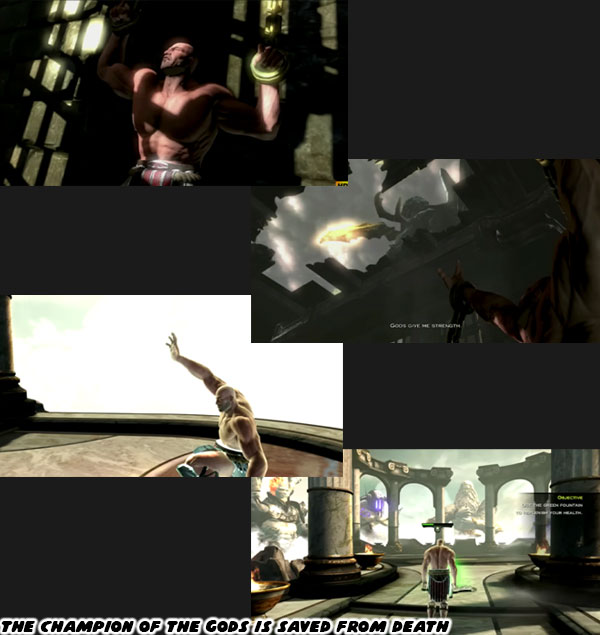
The studio referred to this nameless person as the Redeemed Warrior, he would eventually earn the title as Champion of the Gods. We first saw him in the early stages of Ascension. Kratos is chasing after Megaera while in the prison of the Hecatonchires. The warrior praises the gods because he thinks Kratos is there to liberate him. Instead an infected arm of the Hecatonchires breaks the roof of the cell, and it appears that the monster kills the warrior, but instead he actually disappears in a flash of light. When the multiplayer game begins we are returned to that cut scene, but see the warrior reappear in the Rotunda of Olympus. It is a circular arena surrounded by the statues of several gods. Here we are prompted to represent one of the patrons; Zeus, Ares, Hades, or Poseidon in their tournaments. Each god has specific blessings that they grant the warrior. These are advantages in attacks, or defense with magic, and physical strikes. The diversity of different strengths, and weaknesses helps make each selection unique.
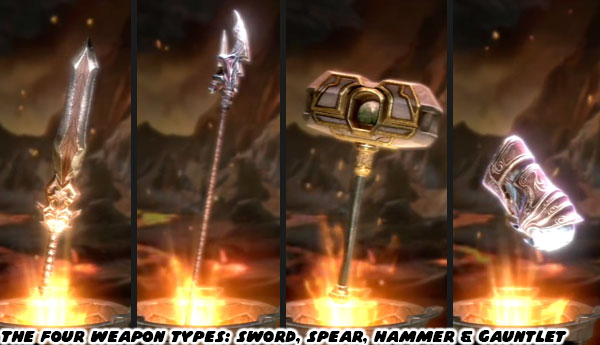
The Redeemed Warrior may have been as big as Kratos, but he wasn’t his equal in combat. He was just a hair slower, he moved, dodged, climbed, and recovered just a fraction slower than the god of war. The idea for the champion was that he was superior to a regular warrior, but not the equal to the ghost of Sparta. WIth that said he was someone that could have served as a Lieutenant in the Spartan army under Kratos. Sony Santa Monica did not want to create the Blades of Chaos for the champions to use, but they did introduce different armaments that were just as memorable. Once a player had selected which god to represent then they were prompted to use one of four main types of weapons. These were sword, spear, hammer, and gauntlet. Those that were familiar with the previous three numbered GoW titles had experience with each weapon. They would remember that some had greater range than the Blades of Chaos, or did more damage in close combat. Not only that, some of the named weapons such as the Blade of Artemis (GoW), the Barbarian Hammer (GoW II), the Nemean Cestus (GoW III), and the Spear of Destiny (GoW II) could be earned by winning multiple tournaments.
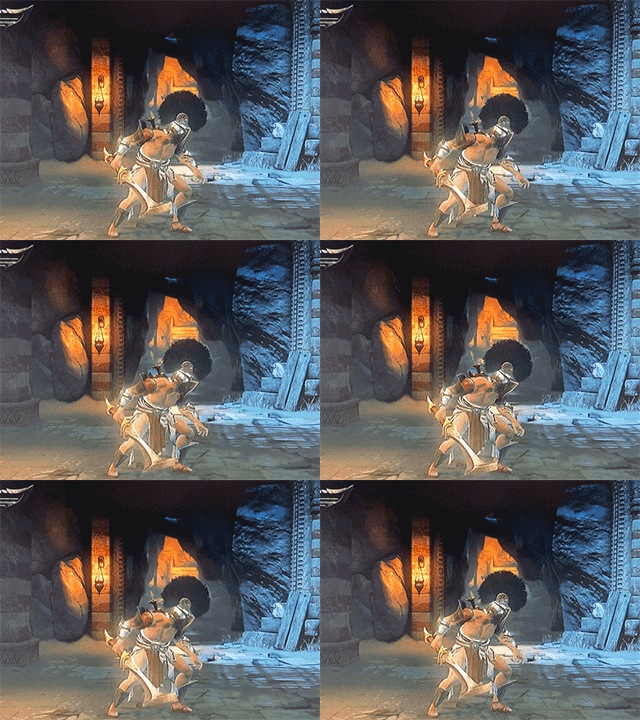
Not only could audiences fight with a main weapon type, they would also be able to pick up secondary weapons that spawned around the various stages. These second weapons were not as powerful as the main ones, not only that, but they would eventually break if overused.
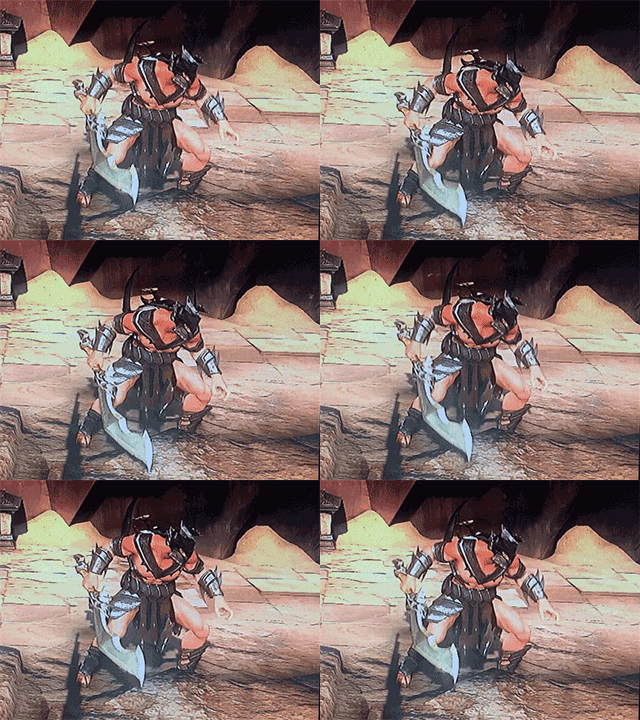
The nice thing was that they were still useful to set up combos, and even be thrown at opponents to break their defenses. The five secondary weapons were actually featured during the Kratos story in Ascension. The first of these was the Sword. The developers at Sony Santa Monica created more than just one look for the secondary weapons. We could pick up alternate versions of the sword.
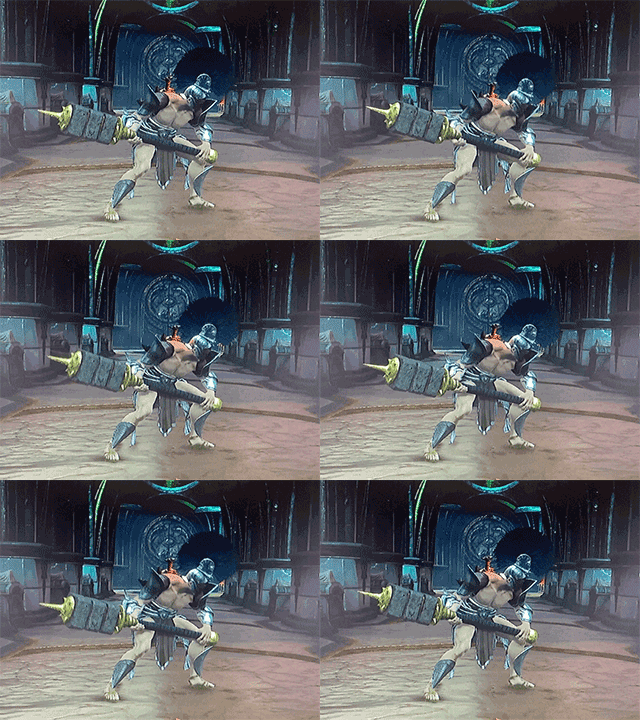
There was also a Shield, but that wasn’t half as interesting as the Club.
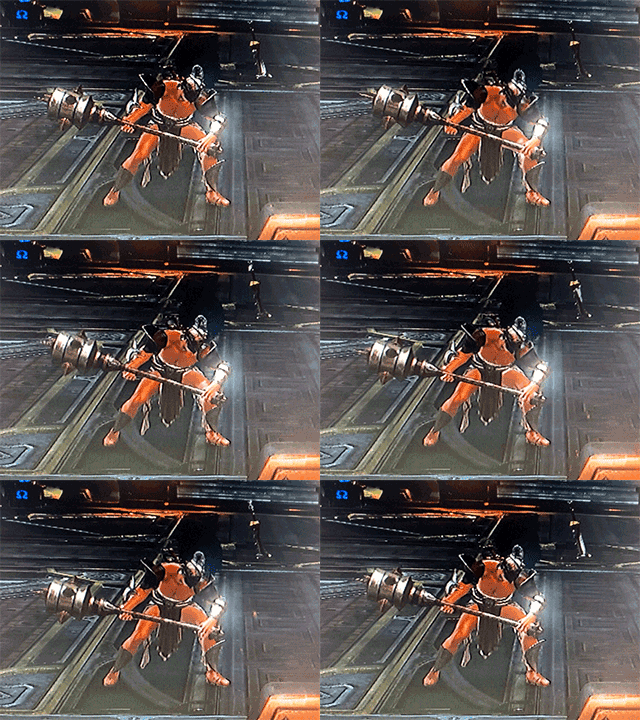
You might find a club had a stone build. Or the club was forged of iron. Or the club was polished metal with spikes.
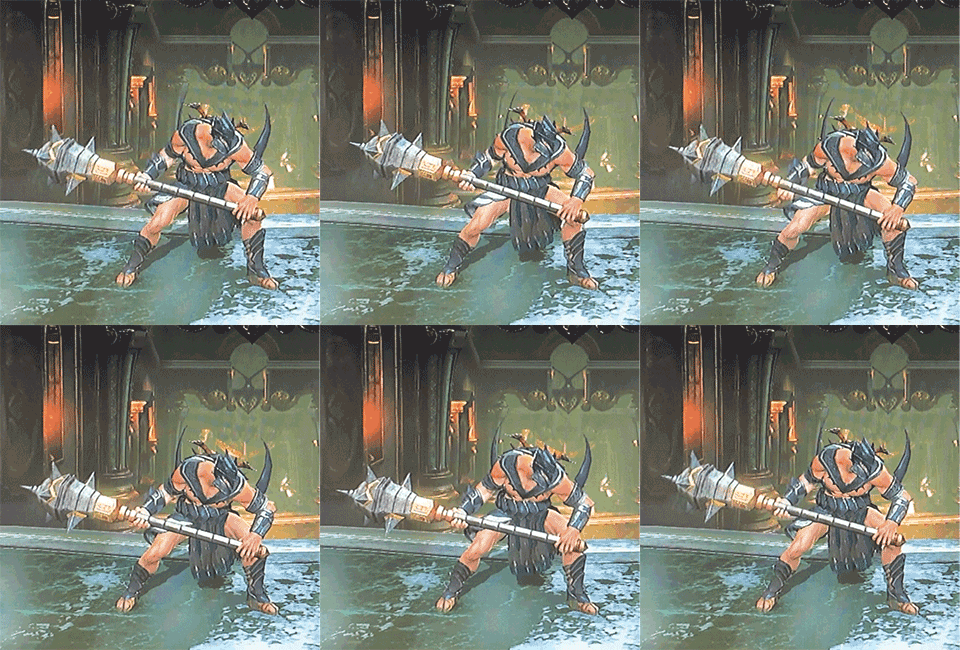
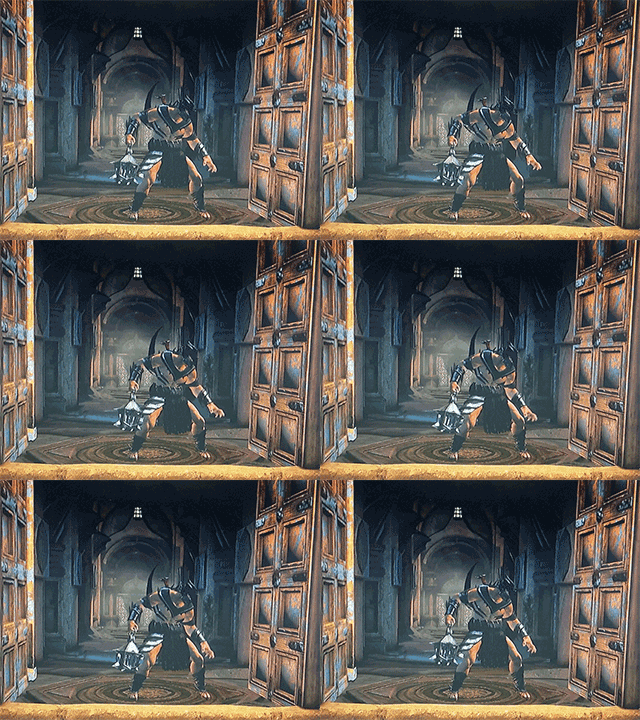
There was also a ranged weapon known as the Sling.
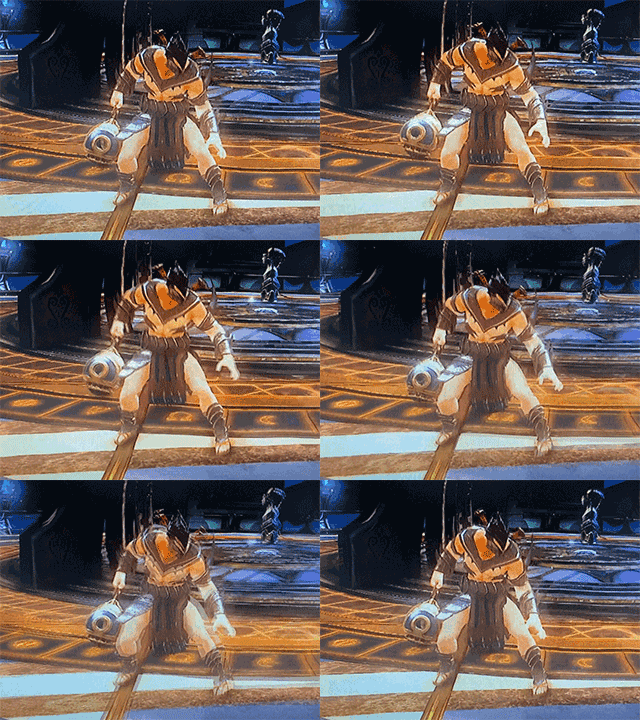
You could hurtle fireballs at opponents, but also swing it up close like a mace.
The other ranged weapon was the Javelin.
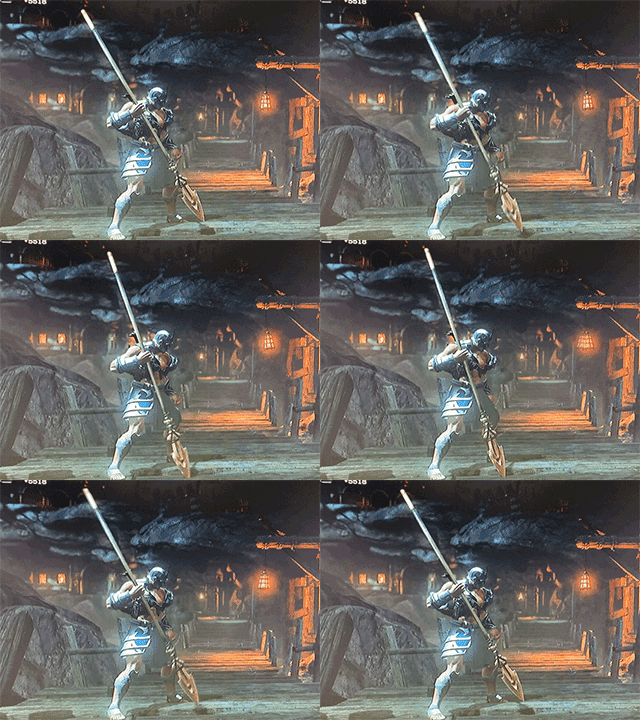
The secondary weapons actually played differently than the main ones. The majority of secondary weapons were one-handed. This meant that they were mostly smaller, and lighter than the main weapons. Even the two-handed ones like the Club, did not play at all like the Hammer. They were faster to use than main weapons, so a combo could be started with a secondary weapon, but the majority of the damage would come from primary weapons. Sony was aware that some players didn’t want to grind to earn main weapons. They could purchase DLC as well. Some of these weapons I think gave us a hint as to where the franchise would be headed next.
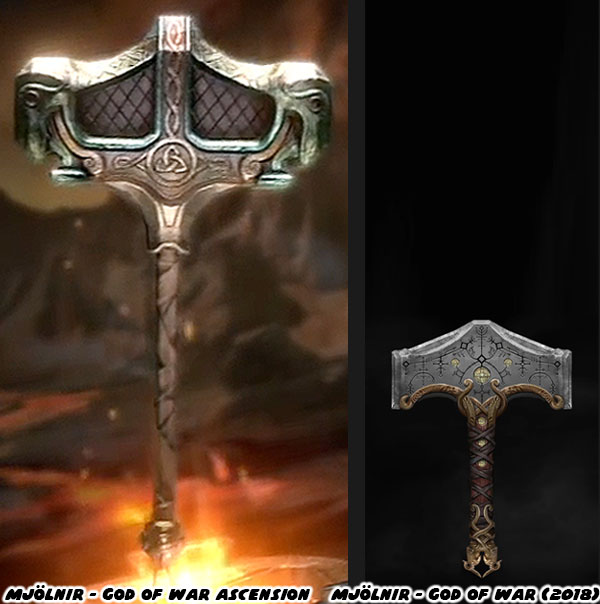
Previously in the blog I talked about how the series had introduced multiple weapons for Kratos to earn, and upgrade. Unfortunately I thought that they were too similar to the Blade of Chaos, or didn’t change the game play enough to warrant wasting experience points on them. Sony Santa Monica found the best way to expand the game play was by adding these disposable secondary weapons. They were fun to use, and could be traded out when a different one was found.
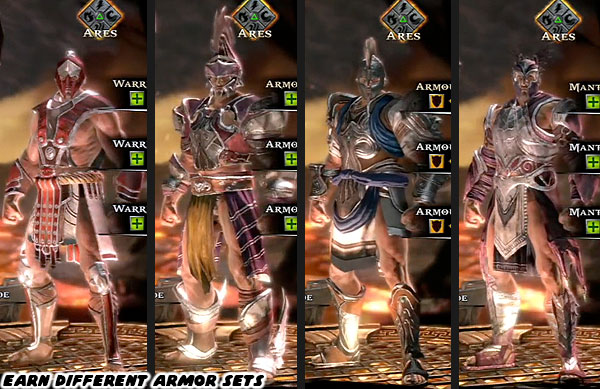
The multiplayer experience not only allowed gamers to collect different weapons, but also entirely different armor sets as well. They weren’t just aesthetic differences between the armors, but gave buffs to defense, attacks, and even resistance to magic as well. Some of these outfits were limited DLC, and some were rewards by being in a test group. Several alternate costumes were even available to replace Kratos during the story mode in Ascension. Of course having a unique library of weapons, and armor wouldn’t mean anything if the combat, and the environments were fun to play.
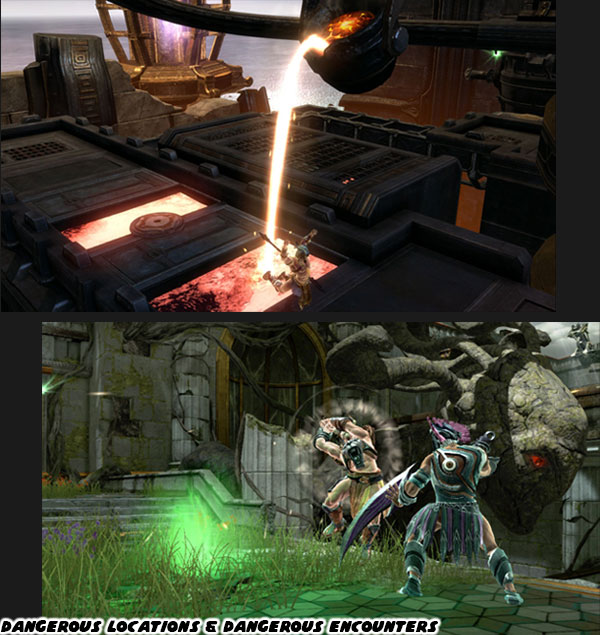
There were several different types of multiplayer games. Team Favor of the Gods, Capture the Flag, Match of Champions, and Trial of the Gods. They didn’t all necessarily have to be 4 vs 4 battles. They could be enjoyed with smaller groups, against a boss, such as Hercules, or with a one-person wins all challenge. Those that had a score to settle with an online opponent could even call them out in a 1V1 Bout of Honor.
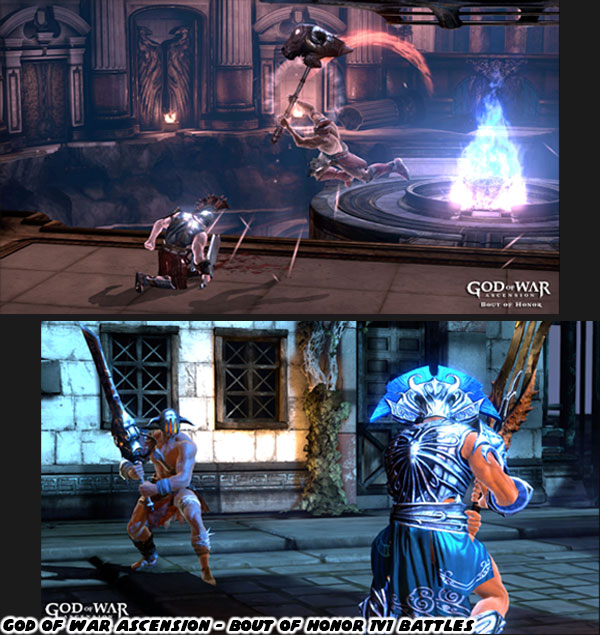
The four main weapons, and five secondary weapons helped make the multiplayer game unique. It allowed audiences to discover what sort of armament, and play style suited them best. Some players were defensive, some preferred magic, and others just threw themselves headfirst into battle. There were certain combinations of armors, and weapons that worked best for them. Players could even switch patronage to a different god if they wanted to explore what special features they offered.
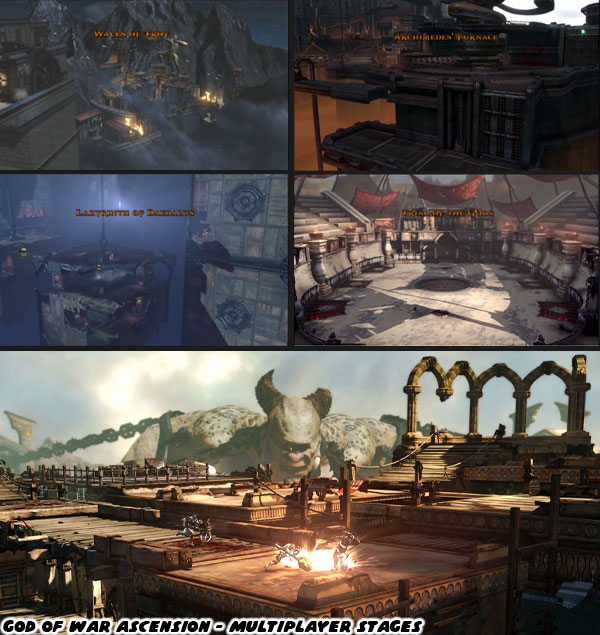
The stages were by far the most impressive thing that Sony Santa Monica delivered for the experience. They contained multiple objectives, traps to spring onto opponents, goals that evolved as the stage progressed, and were layered so that the action was distributed evenly on every corner of the map. Almost every location was a call back to a place that Kratos had visited during his journey. These included several sites from Ascension, such as Archimedes Furnace within the Statue of Apollo, the Streets of Sparta, the Oracle’s Chamber, the Tower at Delphi, the Landing at Delos, the Whirlpool of Alecto, and the Canyons of Kirra.
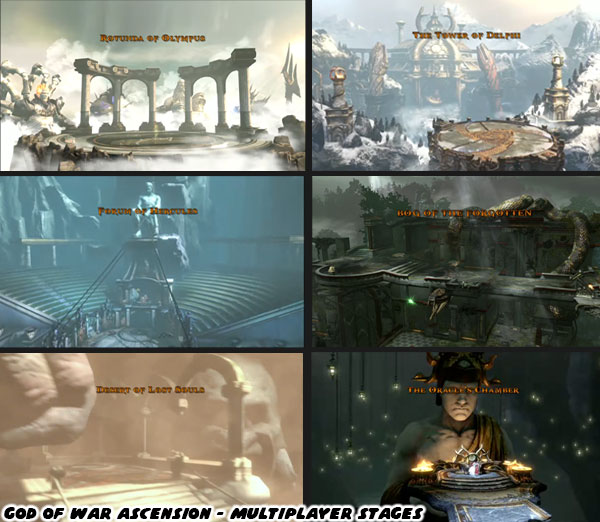
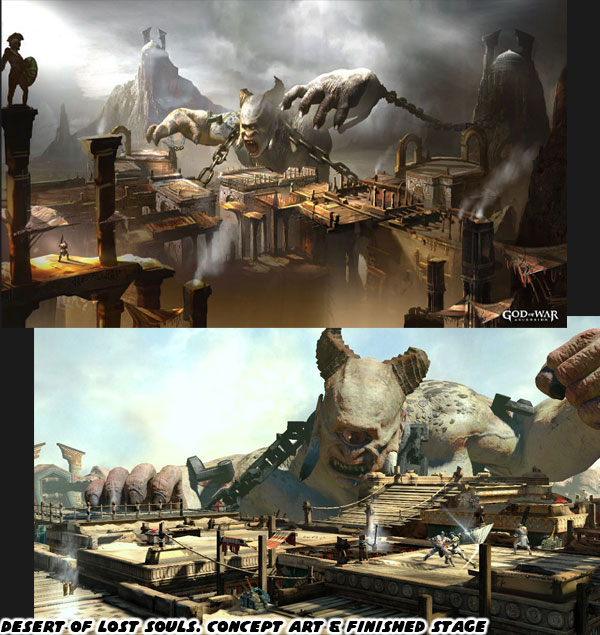
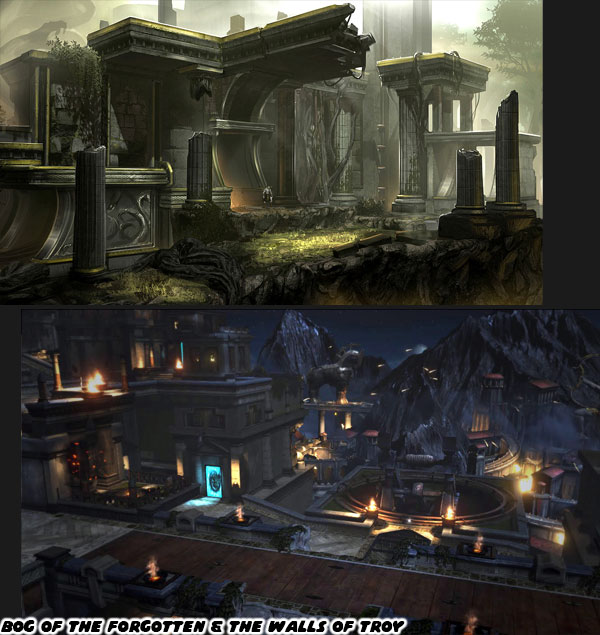
The other stages were essentially a love letter to the franchise. From GoW III there was the Chamber of the Flame, The Labyrinth of Daedalus, and the Forum of Hercules. We had fought Zeus, Skorpius, and Hercules at each spot respectively. We visited the Desert of Lost Souls, which was featured in the original GoW. It was the place that Cronos had wandered with the Temple of Pandora chained to his back. This time there was an enormous cyclops named Polyphemus (the cyclops from the Odyssey) menacing players from center. There was the Bog of the Forgotten. It was near the Ruins of the Forgotten, and the Temple of Euryale from GoW II. This temple featured the captured body of the giant gorgon Stheno. She was the sister of Medusa, and Euryale. The original stages created for multiplayer were brilliant as well. The Rotunda of Olympus, the Coliseum of Persia, and especially the Walls of Troy. The mythology geek in me absolutely loved the details that were packed in these stages. The Trojan horse, and Statue of Apollo were in the background of Troy, but teams could launch fireballs at both from a catapult in the foreground, and destroy them. The fact that I could revisit these locations again, and again made it feel like the classic GoW experience was infinite. The world of Ancient Greece lived on through these places. The fact that the stages were dynamic, and the teams were unpredictable meant that no tournament was going to be even remotely similar. 
Sony hoped that the multiplayer games, and DLC would continue to generate profit for the franchise. The company had plans to roll out new armor sets, weapons, and stages had Ascension, and the online matches continued to sell. Unfortunately the response from fans, and reviewers was tepid at best. Ascension didn’t sell the units that Sony wanted. Many felt as if the GoW series had just burned out. No matter how well this game was made audiences just didn’t show up in the numbers that Sony required. Which was a shame. In recent years many gamers that stream or have YouTube channels are coming around, and admitting that the multiplayer in Ascension was quite good. Not only that, there is nothing even remotely close to it today. It gave the series life well beyond its release date. 
I can only hope that in the future Sony considers creating a separate GoW adventure, and GoW multiplayer game so that the developers can focus on one thing at a time. That’s me wishing out loud. As amazing as Ascension turned out there was actually much more in the planning stages that was cut. In the next blog we're going to look at the ideas that the studio had developed for a co-op mode. For now I’d like to hear your thoughts on God of War Ascension. Did you play the multiplayer game? Do you think that the GoW series could work as an online multiplayer experience? Let me know in the comments section please. As always if you would like to sponsor me please visit my Patreon page and consider donating each month, even as little as $1 would help make better blogs and even podcasts!
follow the Street Writer on Patreon!