Showing posts with label comic books. Show all posts

Monday, April 28, 2025

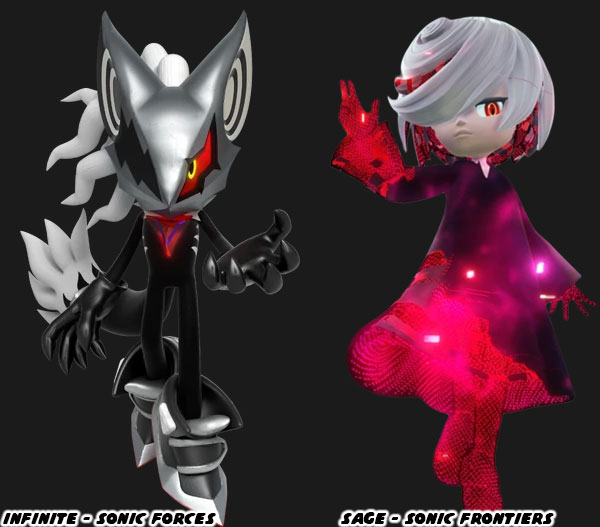
Sonic Superstars and beyond. Sega makes up for lost time, part 5...

In the previous blogs I looked at Sonic Superstars, and the things that the developers at Sonic Team, and Arzest did great. I also talked about the technical and design choices that I think really hurt the game. While I played through it I was reminded of all the wonderful things that I enjoyed in the franchise. It very much felt like a continuation of the elements that made Sonic Mania work so well. The art direction, level, and enemy design fit in the classic 2D style, even though the models were in 3D. The introduction of a new character named Trip, plus using individual Chaos Emeralds to change the game play was inspired. When I struggled with some boss encounters it showed that there were cracks on the facade. Trying some encounters over and over lent me to discover what type of gamer I was. In the end I had a favorable opinion of the game that gave me a lot of insight into myself. It allowed me to realize that the Sonic series was one of the rare titles that was globally appealing for a number of reasons. The first thing that drew me to the franchise was the character himself.

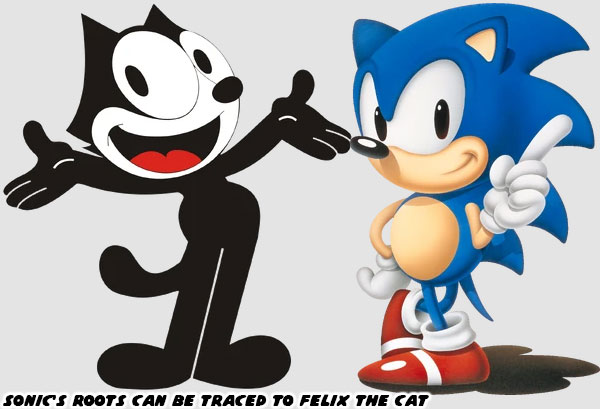
I stated previously that I loved the art, and design behind the hero, and his friends. I never cared much for Knuckles though, but that was besides the point. I was a huge fan of the mascot style of character art. The cartoon star that created the movement was Pat Sullivan, and Otto Mesmer’s Felix the Cat. He debuted in 1919, almost a decade before Oswald the Lucky Rabbit, and Mickey Mouse. The large head, big expressive eyes, and animal features set a template that would be copied for the next century. The early US cartoon stars like Donald Duck, Bugs Bunny, or Flip the Frog wouldn’t have made it big without Felix. Sonic the Hedgehog, Tails the Fox, Knuckles the Echidna, Mighty the Armadillo, and Ray the Flying Squirrel all followed in the footsteps of Felix the Cat. They were descended from one of the greatest cartoon traditions the world had ever seen.

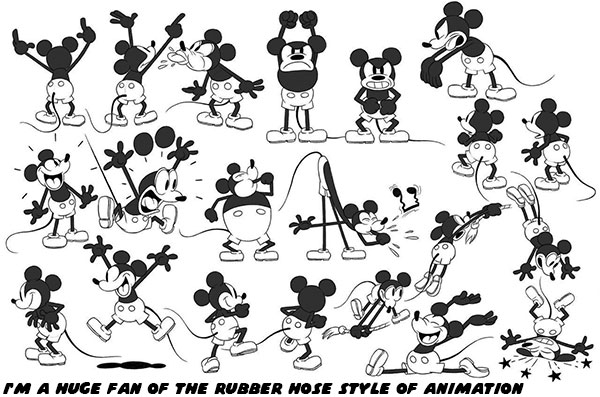
Although they were created by a Japanese team the Sonic art reflected my favorite form of American cartooning. The “rubber hose style of animation was the oldest form used in the US. The name was because the arms, and legs of these characters weren’t hinged as if they had bones. Instead they flexed like rubber hoses. Additionally the bodies on these characters were fluid. They could be pulled, stretched, and twisted like a rubber balloon. There was a sense of freedom in these cartoons that was liberating for artists. Although to be fair I was never good at drawing in a rubber hose format because my style was very rigid. It didn’t matter because I thought those early cartoon stars were so amazing. They could do the impossible, while still making their actions plausible. That tradition was rarely seen in modern cartoons, rare in video games, but not as rare in comic books.

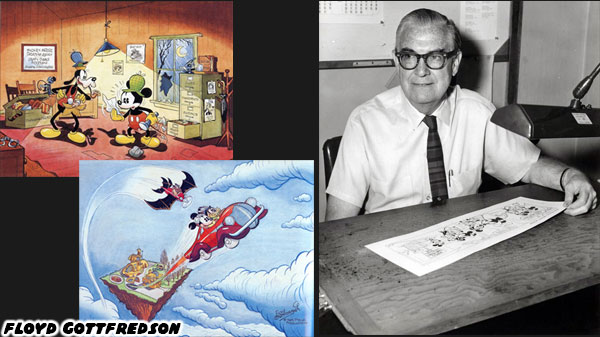
The Mickey Mouse comics illustrated by Floyd Gottfredson in the 1930’s set a standard for adventure storytelling featuring cartoon mascots. His comics kept the animated icon alive outside of the movie theater. Mickey would hang out with his friends in some stories, having fun with the other Disney stars. Then he travel the globe on an international mystery for longer arcs. A decade later Carl Barks raised the bar in the Donald Duck, and more important, the Scrooge McDuck comics. Comic books were the perfect format for expanding on the animated shorts. We could get to see the characters develop a personality. The writers, and artists presented a universe that was much deeper than could ever be shown in a cartoon. For the longest time I assumed that these stories were for children until I actually sat down and started reading the collected volumes. I was not only amazed by the art, but by the storytelling. It worked on multiple levels There was action for the kids, great character development for teens, and mystery for the adults. They truly were books for all-ages.

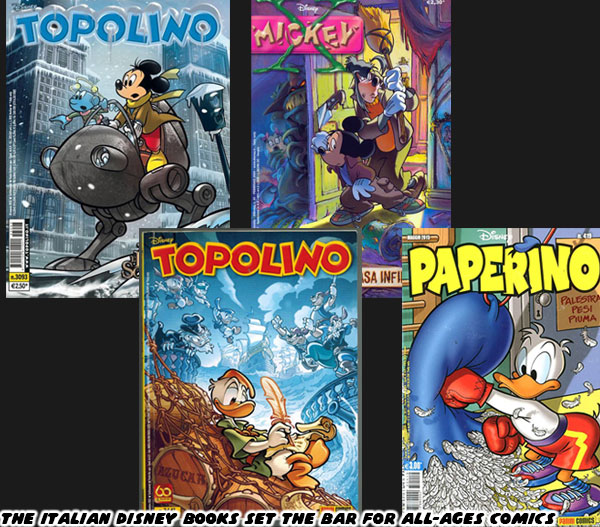
Comic books in the USA were mainly superhero titles. Often mature in tone, and not really created for all-ages. However overseas the Disney comics were still popular with families, and even adults. They were an institution in Italy, where the Mickey comics (Topolino) had been in publication for over 90 years. I believe that they were the greatest run of all-ages comics ever published. Multiple generations were raised on stories that were every bit as good as those created in the USA. I would argue that the elite Disney cartoonists cut their teeth drawing on the pages of Topolino. The best of these stories were serialized and translated to multiple languages. I did a deep-dive on the Italian comics many years ago. The reason that I brought them up was because they were critical to keeping the characters popular. More than that they were important to spread the cartooning art form. You could only do so much in an animated short but the comics allowed the characters to live, and grow. They did more for audiences than the parent company did in the parks, television, or movie screens.

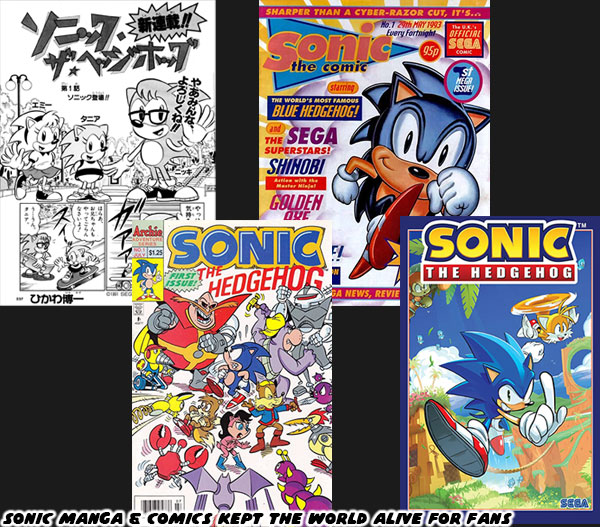
A similar thing could be argued for comics based on video games. Comic books could take a relatively short game, and give readers a cinematic experience. Udon was known for the Capcom books they published. Street Fighter, Mega Man, and Vampire / Darkstalkers were just some of the titles they released. Audiences got to follow the main, and side characters across a variety of story arcs. They allowed audiences to learn the dynamics between the stars, and any new faces introduced. As a fan of the mascot titles I was happy to see Sonic in publication. Granted not every editor, writer, or artist understood the games. This was especially true for many of the oldest issues. It seemed that the creators liked to make up stuff as they went along. The quality of the first comics didn’t matter to fans because they made the blue blur relevant. Whether in manga from Japan, or comics from the UK, and USA, Sonic had developed an international following. The most recent US comics from IDW were by far the best Sonic had ever appeared in print. The writing was amazing, and the stories stayed true to the games. Best of all the various artists captured the spirit of cartooning. They made young fans understand why the character appealed to older audiences, just as much as the Topolino comics helped kids understand why Mickey Mouse was beloved by their parents.

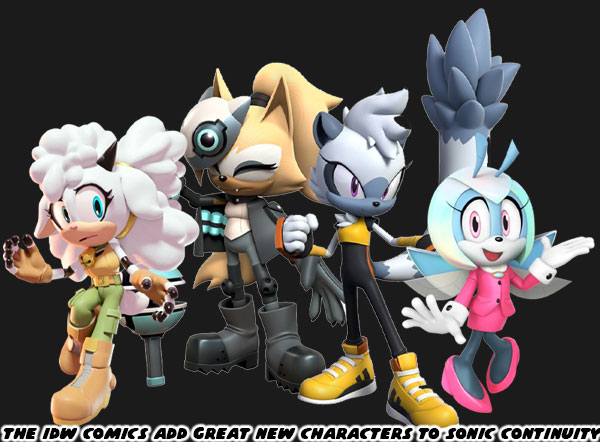
The creators at IDW were also able to expand the Sonic comic books to include new faces that were interesting in their own right. For example Lanolin the Sheep, Whisper the Wolf, Tangle the Lemur, and Jewel the Beetle were citizens-turned-freedom fighters. Their story arcs, and contributions in the comics made them very memorable. They were adventurers, sometimes with a tragic past, all rising to meet the challenge. They complimented all of the established heroes, and added their own unique dynamic to the stories. For long-time fans like myself I thought that these were characters that would be amazing to follow in a game. More than anything the Sonic comic books managed to remind audiences that the universe covered in the game series was far more expansive, and serious than we sometimes thought. Sonic Team managed to create a world that seemed straightforward, and easy to digest. Sonic was the good guy, and Eggman was the bad guy. He kidnapped animals to power his robots. It was up to Sonic to set them free. The formula hadn’t changed much in over 30 years, yet the stakes had always been incredibly high. Without Sonic, and his friends, then there was nothing preventing Eggman from conquering the world.

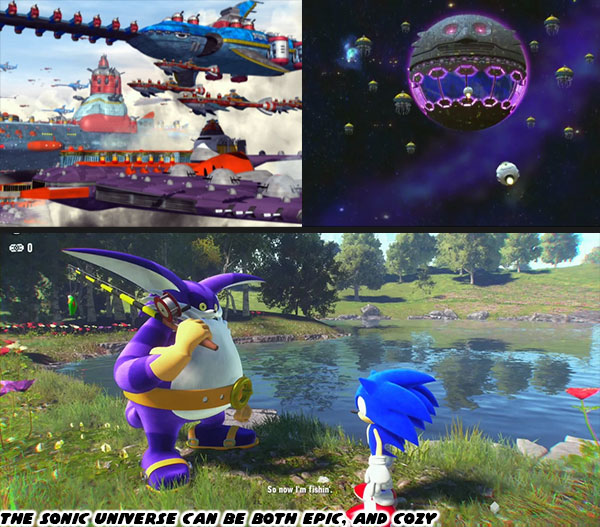
The threat that Dr. Eggman presented was epic in scope. He didn’t just raise an army of minions, he created an entire armada of war machines. He had a fleet of flying warships, giant robots, autonomous factories, laser satellites, and space stations with enough power to take over a planet. The fight had to be taken to Eggman to prevent him from ruling the world. There was nothing easy about the threats that Sonic, and his friends faced in every encounter. At the same time the designers at Sonic Team didn’t want to make the game feel heavy-handed. Yes the characters were fighting against impossible odds, but at this world was also a cozy place to live. The studio made sure to show audiences what Sonic was trying to protect. Sega wanted to remind us that this world was a beautiful place filled with loving characters. There were friends that wanted to enjoy a picnic with our hero, or perhaps do some fishing with him. These gentle characters were set against a backdrop that was quite serious. Being the protector of the innocent was the heart of several IDW story arcs.

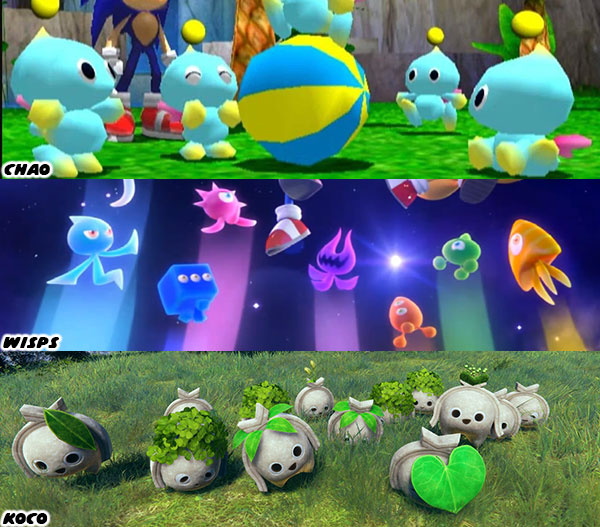
Sonic Team created different types of innocent creatures that Sonic, and his allies had to protect. In most games the animals trapped within the robots were the obvious ones. As the games evolved we were introduced to the Chao in Sonic Adventure, then the Wisps in Sonic Colors, and most recently the Koco in Sonic Frontiers. Those minor characters were adorable beyond description. However when you placed them within the context of the stories they were also tragic figures. Each of the characters had survived catastrophic trauma. An entire planet of Wisps were enslaved by Dr. Eggman for his cruel experiments. The Koco were the memories of the ancient aliens that brought the Chaos Emeralds to the planet. Sonic had to complete their memories, and reunite their ghosts so that they could have some closure. The Chao were the de-evolved descendants of those alien refugees. They were also nearly wiped out in a raid by the Echidnas a millennia ago. Even the cutest characters in the franchise were important to the story.

Felix the Cat started the tradition of cartoon mascots more than 100 years ago. Sonic the Hedgehog helped bring the art form to a new generation through video games. The creators at Sega, Sonic Team, and at IDW helped it evolve across multiple formats. Whether it was an animated short for social media, a live-action movie, or an award-winning comic book run. There was no doubt that cartoons were alive and well. The lore of the game series was already robust, and the comic books went much deeper than casual fans could have ever known. The characters they introduced in the past decade could still look cute, and universally appealing, but they had now grown to include shapeshifting assassins, psychic madmen, and even sentient AI. Heroes, and villains in the Sonic canon were colorful, memorable, and awe-inspiring. The games they were featured in evolved in unique ways. I’ll trace it out in the next blog. Until then I’d like to know if you have a favorite mascot character. Or if you even like cartoons at all. Tell me about it in the comments section. As always if you enjoyed this blog, and would like to sponsor me please visit my Patreon page and consider donating each month, even as little as $1 would help make better blogs and even podcasts!
follow the Street Writer on Patreon!

Monday, October 28, 2024

Generations of Hulk creators, final part...

I hope my rambling series on the Hulk has kept you entertained these past couple of weeks. I had fun researching, putting it together, and sharing my thoughts on the best way to present the character. I hope it helps budding writers, and artists think about the approach they take when working on their own stories. I also wished it helped non-Hulk fans understand the appeal of the Jade Giant. He was certainly much more complex than has been presented in the recent Marvel live action films, and television shows. Today I’d like to talk about my favorite artists to work with the character. Let’s pretend that only one living artist allowed to draw the character until they retired. Who would I choose, and in what order?

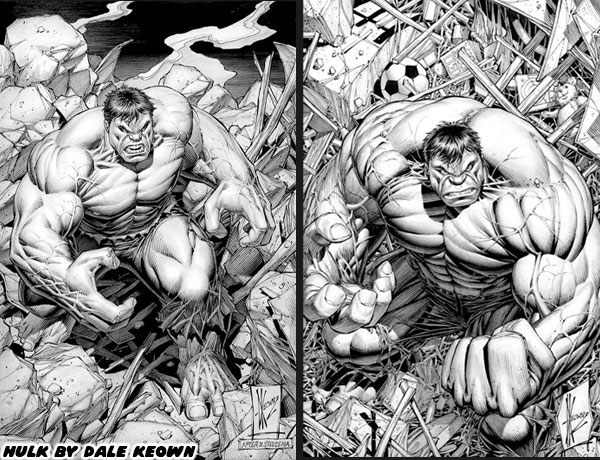
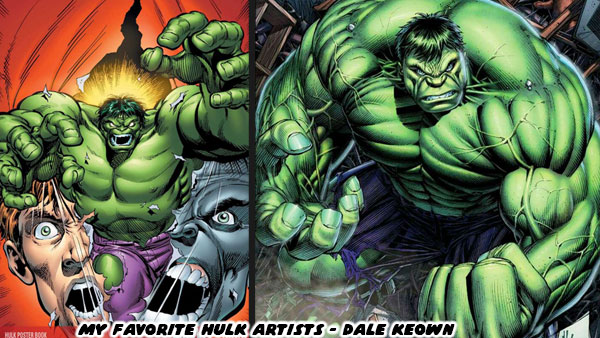
In the number one spot is Dale Keown. In my opinion he is, and remains the best Hulk artist ever. He’s illustrated countless iconic moments thanks to the writing of Peter David. His sense of scale, proportion, and strength is so great it should be studied by all comic artists. Especially those trying to make memorable strong characters. His style simply works whether the story involves the classic “Savage” Hulk, the street savvy Joe Fixit, the genius Professor Hulk, or the tyrannical Maestro. He is adept at drawing epic battles, horror stories, alien monsters, heroic team-ups, and dramatic arcs equally well. He is additionally good at drawing normal-sized heroes, and villains. This allows him to frame them alongside the Hulk so we get a sense of scale. To me Dale Keown is the standard that every modern Hulk artist is measured against. It is a well deserved honor.

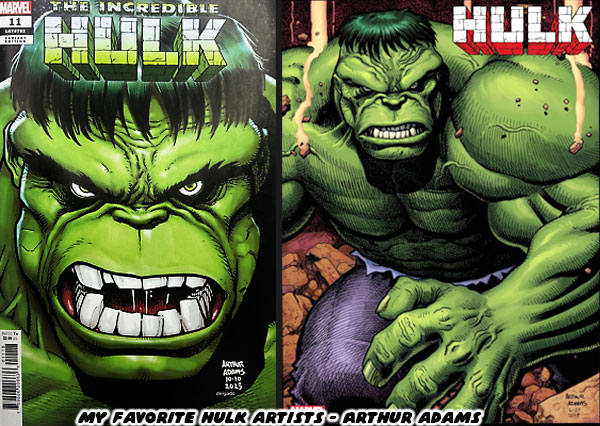
My second choice to draw the Hulk forever, and ever is Arthur Adams. Just about all the same praise I heap on Dale Keown applies to Mr. Adams as well. The major difference between the two is that Art knows monsters better than any other living artist. From the largest kaiju to the smallest imp, from pulp monsters that appeared only once in an obscure book, to the world famous Universal Horror monsters. Mr. Adams has drawn all of them at least once in his career. Drawing monsters is absolutely in his DNA. He has been rendering highly detailed pieces for 40 years, and shows no sign of slowing. The Hulk is one of the greatest monsters he’s ever brought to life, but to say that his greatness is limited to the Hulk would be a disservice to his talents. He is a fantastic pin-up artist, and can arguably be called the best X-Men artist, the best Fantastic Four artist, and the best Avengers artist to ever live. Saying he should only draw the Hulk from this point on would rob the world of a true genius.

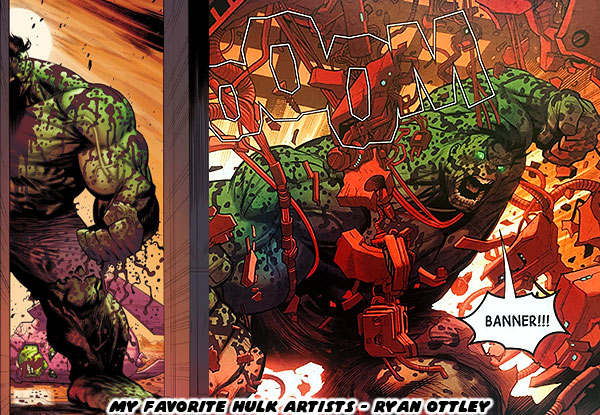
My third choice for who should draw the Hulk in perpetuity is relatively new. In fact he did not exist in my rankings until a few weeks ago. The same thing applies to my number five choice. Ryan Ottley is one of those people that was born to draw powerful characters. If the Hulk is the strongest there is, then he deserves an illustrator that knows how to present it. Mr. Ottley’s work on the Starship Hulk arc written by Donny Cates was absolute madness, but in a good way. He is known for drawing gratuitous violence in the Invincible series, and was able to bring that gore into the Hulk but did so sparingly. He has a surprisingly unique take on creature, and monster designs that is unlike his peers. These twisted creations work in the context of the series, especially when the Hulk has to tear through swaths of powerful opponents. Mr. Ottley also knows his supporting characters, and does a great job illustrating the Hulk’s allies, and rivals. I just wish he had gotten more than 14 issues to show off his talent. I would kill to see his take on the Leader, the Abomination, or the Maestro.

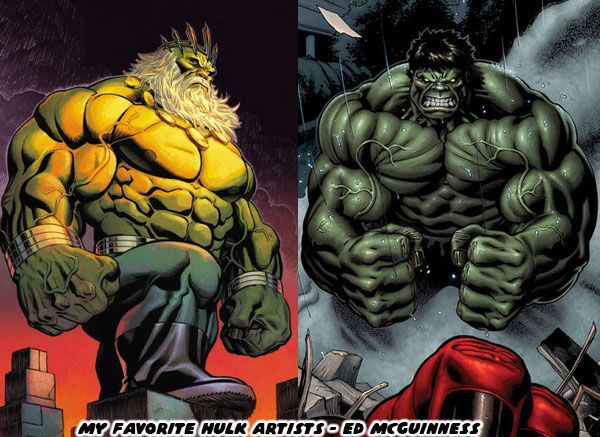
The fourth person on my list was previously my number three. I have already sung the praises of Ed McGuinness, and will continue doing so until my dying day. He is one of those people that you want to create a second Hulk book, just so he can have more to draw. I mean if there can be a Spectacular Spider-Man, Amazing Spider-Man, Web of Spider-Man, and Ultimate Spider-Man comics all out at the same time then why can’t we have two or more Hulk books going? McGuinness draws the Hulk so well that it hurts thinking I will never be half as good as he is at drawing the character. His rendering of the Hulk uses every synonym of power that you can think of. He has force, might, energy, and intensity. The only limitation for McGuinness is that he is too good at drawing muscular characters. Even the “normal” heroes are swollen. It makes the Hulk have a diminished impact when he shares a panel with characters that have the same physique but are a few feet shorter. But that’s a minor issue for someone that I’ve said was born to draw the character.

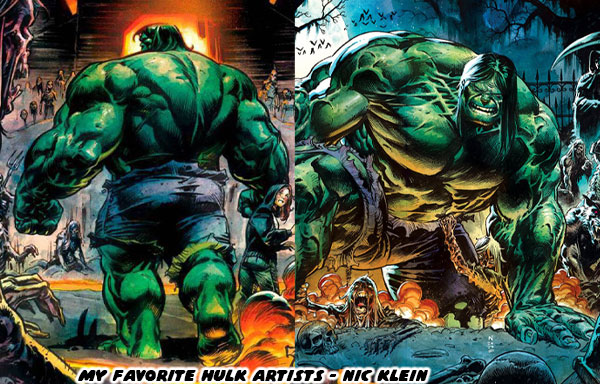
The fifth person that I think could carry the Hulk for all time would be Nic Klein. I said previously his style was equal parts Bernie Wrightson, and Mike Deodato Jr. His take on the Hulk oozed strength. The monsters, and demons he draws tap into some primordial fears of humanity. He presents the stuff of nightmares in vivid detail. It’s scary how good he is at bringing the ugly to life. If the Hulk book is only about horror then there is no one else on the list better qualified to draw it. I wanted to see how he would draw other Marvel characters working with, or against the Hulk. I wanted to see if he could render technology, weapons, or battle sequences with the Hulk. But based solely on the few issues he’s released in 2024 I can tell that he is up to the task. The sky is the limit for Mr. Klein, and I look forward to following it.

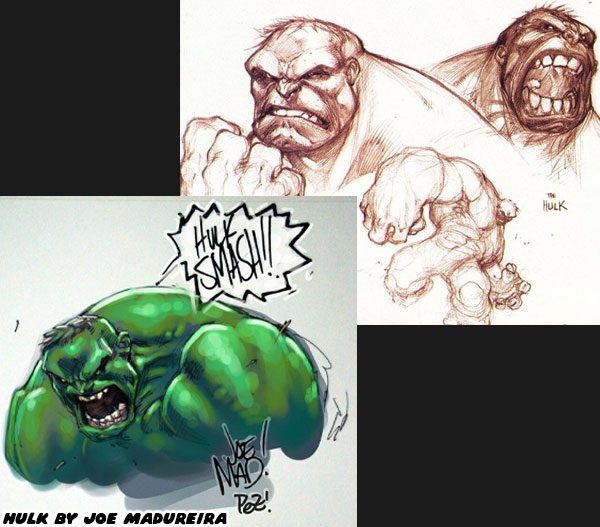
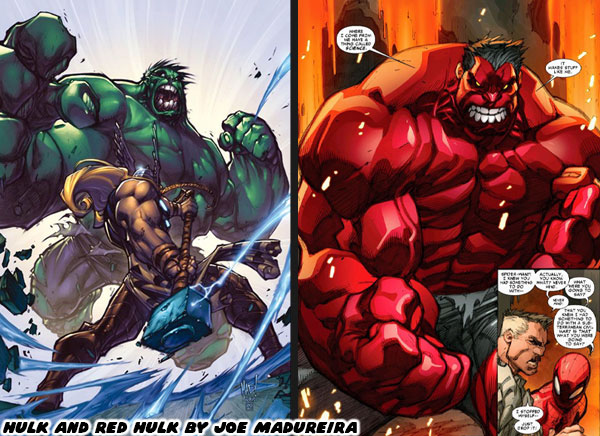
I want you to think of Joe Madureira as my honorable mention. He is an artist that would have been a top-five in my book, possibly a top-three to carry the Hulk forever. That is of course if only he got a chance. The Hulk is an absolute unit when he draws him. Proportionally landing somewhere in between McGuinness, Ottley, and Klein. The thing is with the exception of some concept sketches, and the occasional cover, he hasn’t really had a chance to show fans what he could do with the character.

Joe Mad’s style of art oozes personality. He comes from a generation of artists that’s much more animated than any other illustrator that made their mark in the ‘90s. Similar to Humberto Ramos, artists in that era were pulling influences from manga, and video games into their comic work. That is to say it looked vastly different than anything else on the shelves. The fact that he drew massive bruisers so well that I was furious that he never seemed to land a run on the Hulk. Worse yet, when he finally got a chance to draw a power character for Marvel it ended up being the Red Hulk.

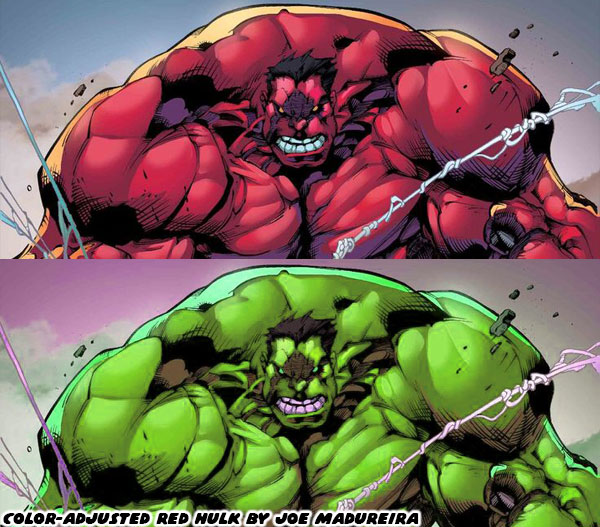
As a comics fan it felt like I was living in the worst possible timeline. The best artists to never draw the Hulk were finally given a chance by the powers that be. Only to find out that they would be drawing the red clone character instead. If I was upset that Ed McGuinness’ talents were wasted on a 10+ issue run featuring mainly the Red Hulk, I was twice as angry when Joe drew the Red Hulk for a Spider-Man team up. Just to see what it would have looked like I changed the hue on the Red Hulk in Photoshop. It helped me imagine that I was in a better timeline. The constant disappointments with Marvel writers, and editors was one of the reasons why I walked away from comic books for more than a decade.

I pray that someone at Marvel might let Joe Mad, or Ryan Ottley get a chance to draw a proper Hulk arc in the future. It would certainly give me a reason to start collecting again. There were many other artists that could draw a fantastic Hulk. I might talk about them someday. For now I’d like to hear your thoughts. Did you have a favorite artist that drew your favorite characters? Was there an artist that you could imagine would be a great fit for a book if they ever got a chance? I’d like to read about it in the comments section. As always if you would like to sponsor me please visit my Patreon page and consider donating each month, even as little as $1 would help make better blogs and even podcasts!
follow the Street Writer on Patreon!

Wednesday, October 2, 2024

A symmetry of villainy, part 1...

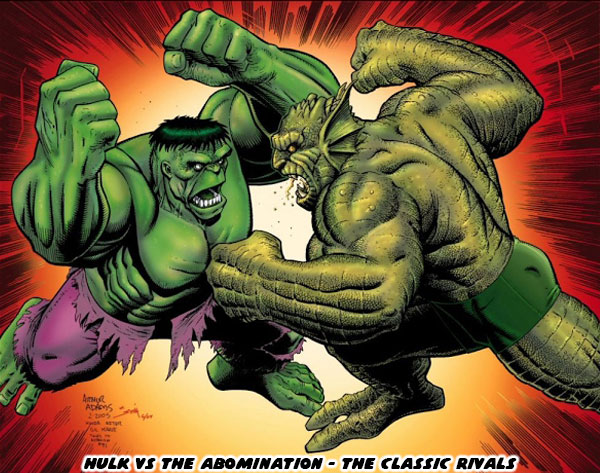
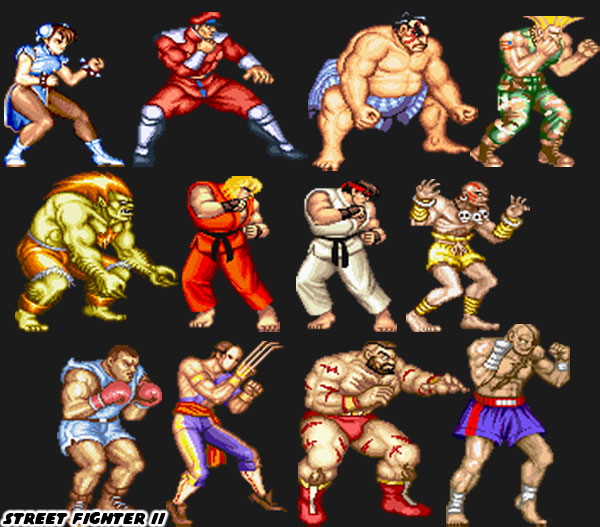
Hello friends, I hope you are doing well. Today I want to talk about great comic book rivalries. How they are put together, and what I think makes the best ones work. This topic was actually inspired by the return of one of my favorite Incredible Hulk villains. I’ll talk about who that is in a moment. Right now I want to focus on my theory of great rival design. It is a sort of follow-up to a blog I wrote ages ago regarding The Frightful Symmetry of Street Fighter. I argued that all great fighting game designs worked because there was a lot of symmetry in the development of their cast. In the early days of fighting games the main characters had a rival or balance. They were often presented as the Asian versus Western master of the fighting arts. Think of Ken, and Ryu from Street Fighter, or Paul, and Kazuya from Tekken. Then later on the library was expanded to make female counterparts to lead characters. I talked about this on The Legend of Blue Mary. If you were a budding comic book, video game, or storyteller then you might find it hard to come up with a great recurring villain. The easiest way to approach this was by creating an opponent that was a mirror rival to the hero. For example long-time comic book fans might argue that The Abomination was the greatest enemy of the Incredible Hulk. They might be right.

The Abomination was a gamma-irradiated villain that was bigger, and stronger than the Hulk. He was also intelligent, sadistic, and cruel. Whereas the Hulk was filled with a blinding rage, he was still a moral character that just wanted to be left alone. When they battled the Earth literally trembled. There were few forces in the Marvel Universe that could come between them, let alone try to stop them. Unless you had read a lot of comic books then you might not realize how the power scale worked between different comic books. The villains on a street level hero / anti-hero like the Daredevil, or the Punisher, were nowhere near as dangerous as the villains the Hulk comics. The Hulk had single-handedly taken on characters that the entire X-Men, or Avengers rosters were unable to stop. When the Hulk, and Abomination fought it was the western equivalent of a daikaiju battle, like Godzilla vs King Ghidorah. The best course of action was to evacuate the nearest city, and let them fight. Good or evil would triumph, and the survivors would have to deal with the fallout. The Hulk, and Abomination were an example of symmetrical design. Think about your favorite comic book rivalries, and try to recall how many were symmetrical in nature.

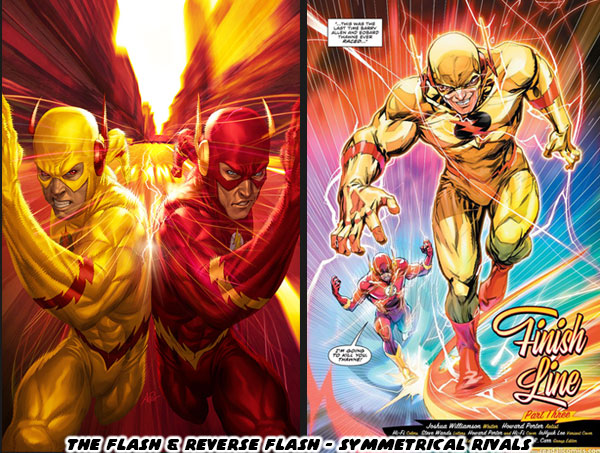
My favorite DC hero was the Flash, it was debatable if I liked Barry Allen, or Wally West as the Flash more. Their greatest rival was also symmetrical in nature. The Reverse Flash was among the most dangerous opponents in all of DC canon. Eobard Thawne hailed from the far future. He had made it his mission to travel through time, and destroy the life, and legacy of the Flash. In several continuities he had succeeded in this, wiping out the Flash, and all of his allies. Having a compulsion to destroy entire generations of characters was a scary thought. Knowing that few in the DC universe could stop the Reverse Flash including Batman or Superman, made having the Flash there to protect the universe essential. For comic books, and most pop culture storytelling making a rival be a perfect balance just made sense. However I would argue that the most interesting rivalries were when the opponents were not perfectly balanced. Let’s talk about asymmetrical rivals.

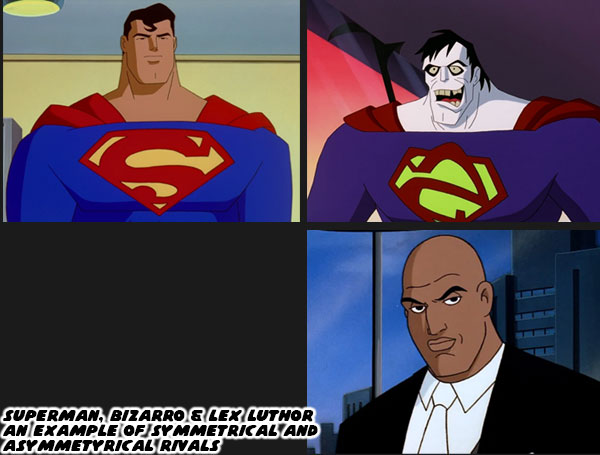
Superman was arguably the most popular hero in DC, if not all of comics history. When he debuted in 1938 he fought mostly low level villains. The gangsters, and petty criminals that most people saw in media. Through the years different creators starting making villains more unique, and powered as well. Once the atomic bomb had been used in WWII the power scaling in comic books jumped exponentially. This was especially true for Superman, and lead to the creation of the Incredible Hulk. One of Superman’s greatest opponents was a freakish mirror version with all the same powers known as Bizarro. While Bizarro had many memorable encounters with the Man of Steel there was one villain who was a perpetual thorn in his side. Lex Luthor was seen by most as his greatest rival. He was intelligent, rich, and calculating. Using his money, and influence to gain as much power as possible he was aware that Superman was the only person that could stop his ambitions. Despite not having any super powers he had brought Superman to brink of death time, and time again. Although Bizarro was a great opponent, it turned out that Luthor was the one that gave Superman the most trouble.

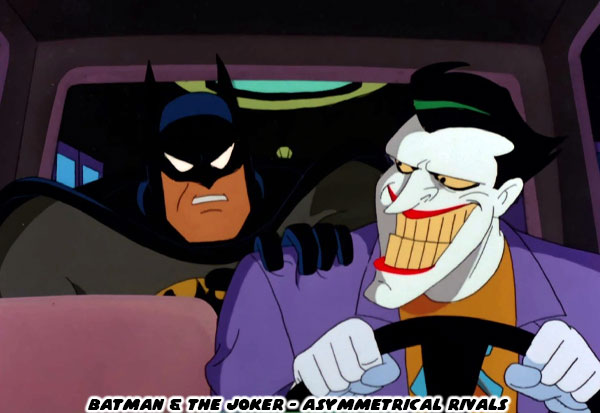
Batman was similar to Superman in that they fought opponents with comparable abilities. Whether it was strength, and martial prowess (like Bane), intelligence (like the Riddler), or fear (the Scarecrow) then Batman had an opponent that could challenge his individual abilities. It was a literal wild card that gave Batman the most trouble. The Joker was pure chaos. He was unpredictable, and nothing the Batman did could prepare him for the next encounter. The Joker did not have the fighting ability of the Batman, nor the ability to calculate his next move. He would often surprise himself with his random schemes, and thus ensure that Batman would be caught off guard as well. This type of character design, the ability to fill a world with both symmetrical, and asymmetrical opponents was critical to pop culture. It made the best comic book, tv, movie, and video game battles work. I would argue that with a few exceptions it was the asymmetrical foes that were the most important for the hero to overcome. This lesson was especially true in team settings. 

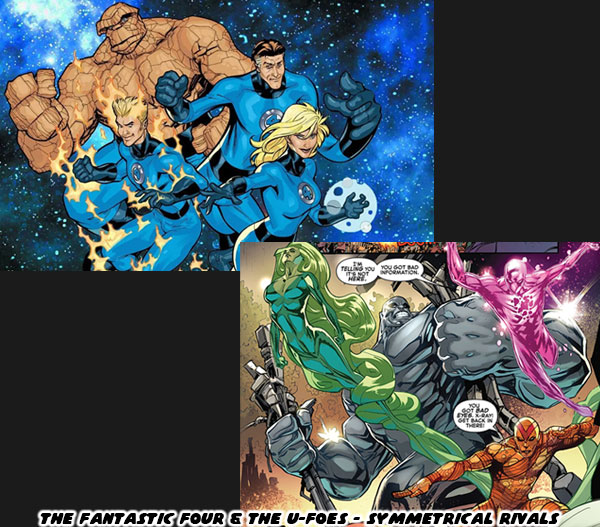
Think about the greatest evil organizations in comic book history. DC had the Legion of Doom which was created to battle the Justice League. The evil organizations were made up of rivals with symmetrical powers to the heroes. This type of design was also featured in a number of Marvel books. The X-Men fought the Brotherhood of Evil Mutants, the Morlocks, and the Reavers to name just a few. They were often composed of opponents that had asymmetrical designs as the heroes, but similar powers. This sort of balance went for a few other teams in the Marvel Universe as well. Most people were familiar with the Fantastic Four, but unless you were familiar with the comics you might have never heard of the U-Foes. This team recreated the same space flight that gave the Fantastic Four their powers through cosmic radiation. They even had brother and sister; Jimmy, and Ann Darnell. The duo of X-Ray, and Vapor mirrored Sue, and Johnny Storm. The respective Invisible Girl, and Human Torch. Yet again, unless you were a long time comic book fan then you might have never heard of these villains. By the same token if you were to poll casual fans, and comic book fans as to who was the greatest enemy of the Fantastic Four were they would often point to Doctor Doom.

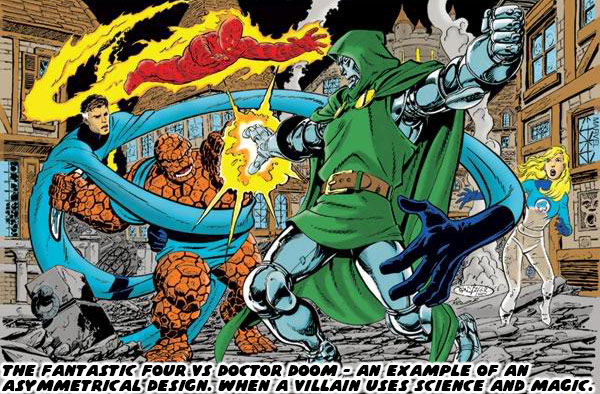
Victor Von Doom was an individual gifted with absurd levels intelligence, a creative mind, and an affinity for the magical arts. He combined the sciences, with the dark magics, and made for one of the most powerful villains in all of Marvel history. It was his unique blend of magic, and technology that allowed him to counter anything the Richards family could throw at him. It was this sort of asymmetrical design that made him a standout character, and able to be placed in a story that would work across the spectrum of Marvel heroes, and villains. He could one day be fighting against Dr. Strange, and the next be teaming up with him in order to save the Earth from a demonic invasion. The complexity of his design, and absolute resolve in his purpose allowed writers to put him in stories that were as fascinating for the villain, as they were for the hero. The creators at Marvel understood that the most memorable villains had nothing in common with the heroes.

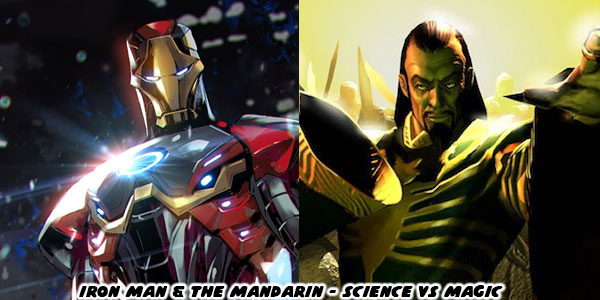
I was lucky enough to have brothers that also read comic books, and we collected titles across the spectrum. We were well versed in the happenings all over the Marvel universe, and the DC universe to a lesser extent. One of the most fascinating rivalries was that of Iron Man. He was possibly my little brother’s favorite Marvel hero, next to Dr. Strange. While Iron Man did fight other armored warriors like Titanium Man, the Iron Monger, and the Crimson Dynamo none were as big a nemesis as the Mandarin. The magic rings that the Mandarin wore allowed him to fight Iron Man on a physical level, but also Tony Stark on a psychological level. People that were only familiar with the characters thanks to the Marvel live action films had no idea how many amazing battles the duo had. As the years went on I realized that being able to create asymmetrical rivals meant a lot to the longevity of a title. It also made me realize that when new creators were placed on a book they did not always understand the characters that they were writing for. I will talk about this more on the next blog. For now I would like to know if there were any great rivalries that you enjoyed. Whether in a movie, game, or comic book. I’d like to hear about it on the comments section. As always if you would like to sponsor me please visit my Patreon page and consider donating each month, even as little as $1 would help make better blogs and even podcasts!
follow the Street Writer on Patreon!

Friday, May 31, 2024

Remix Culture, how Asian designers changed the game, part 6

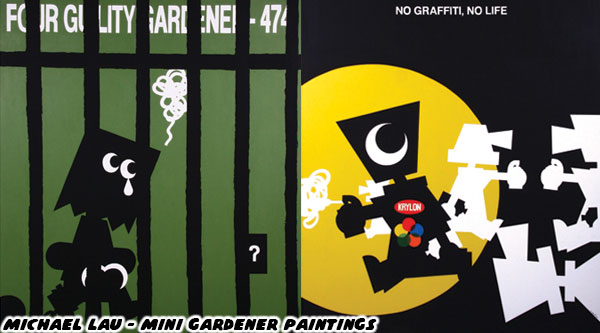
In the previous entry of this series I talked about how context changed the way I thought about the artists following on the heels of Michael Lau, and his figure art. I argued that some creators were helping spread the art form. They understood the elements that made Lau’s work unique. They were creating highly-detailed 12” figures inspired by a certain subculture. Lau had street culture covered, Brothersfree highlighted industrial workers, Eric So, and CoolRain were working on high profile NBA licenses. Then there were creators that I thought were exploiting the trend. People like Jason Siu, and Pal Wong seemed to be poaching the style that Lau had established, and retreading street culture as well. So what was it that made Michael’s work stand out from his contemporaries? How was he able to put so much context in his work that it could be understood by people around the world? It actually had a lot to do with the insight he had across a number of genres.
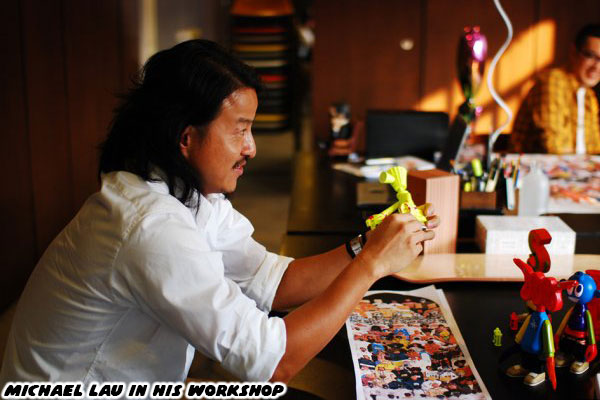
When I started this series I mentioned that Lau had grown up in a culture that celebrated the East, and the West. He read comics, and manhua, watched cartoons, films, and TV from all over the world. As a kid he played with handmade toys, bootleg kanji, action figures both the 12” and 3.75” sizes, and also Playmobil. These things stayed on the shelves of his work studio, continuing to inspire him as he cranked out figures, and comics for East Touch magazine. He also played sports; futbol / soccer specifically, and was good friends with a number of musicians. All of these things influenced his tastes, and by extension his style of art. 
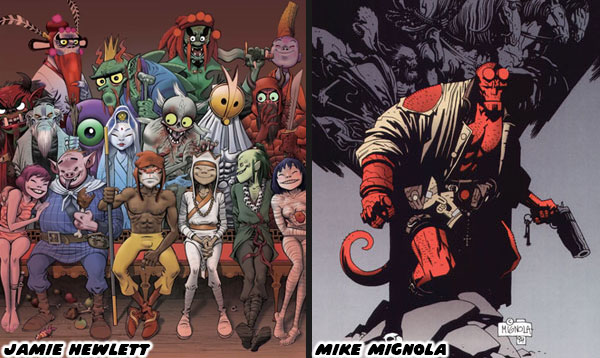
The creators that rubbed off on Lau, and his contemporaries were people like Matt Groening (the Simpsons), Jamie Hewlett (Tank Girl, Gorillaz), Simon Bisley (Lobo, Judge Dredd), and Mike Mignola (Hellboy). You could see their influence on Lau, his contemporaries, and even the modern crop of toy, and game designers. I would argue that Lau was a member of an entirely new wave of creators that came into their own in the 1990’s. Lau was a little kid when comic books started becoming stale. Publishers tried a lot of things in the late ‘70s / early ‘80s to grow their base. Including focusing on comics inspired by toy lines, such as G.I. Joe, Transformers, and even lesser know lines like US-1, and Team America. 
These changes happened when Generation-X was learning to appreciate the art form. The Gen-Xers going to grade school were told that in order to work at Marvel, or DC they had to follow the house style of the artists that came before. These included luminaries like George Perez, John Byrne, and John Romita Sr. The thing was that the style guides hadn’t evolved much since the ‘60s. According to the publishers it was hard to break into the market if your style didn’t conform. By the end of the ‘80s it was apparent that the opposite was true. The most popular books were drawn by artists who drew vastly different from the old guard. Even the leading characters were radically different than what came before. For example the anti-heros, like Deadpool rose to prominence.
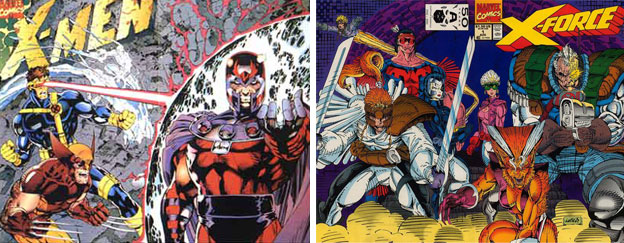
People like Jim Lee (X-Men), Rob Liefeld (X-Force / Deadpool), Whilce Portacio (X-Factor), Todd McFarlane (Spider-Man), and Dale Keown (the Incredible Hulk) not only threw the style guides out of the window, they also rewrote the rules of the industry. They broke away from Marvel, and founded Image comics. Along with Dark Horse comics there was a place to turn to if your style was not a fit at Marvel or DC. The big publishers had to push the envelope in order to keep up with the new school. Although their young stars had jumped ship, the publishers they left behind had to update their IP in order to remain relevant with readers. The artists that they picked up to replace McFarlane, Lee, or Keown had to mirror their style at the very least. The big publishers also added new artists that brought that same outsider spirit with them. Simon Bisley’s run on Lobo for DC, and Mark Texeira’s run on the Ghost Rider for Marvel were every bit as mature as what audiences wanted from the Image books. Their contributions to the industry were just as important as the best indy creators from the ‘90s.
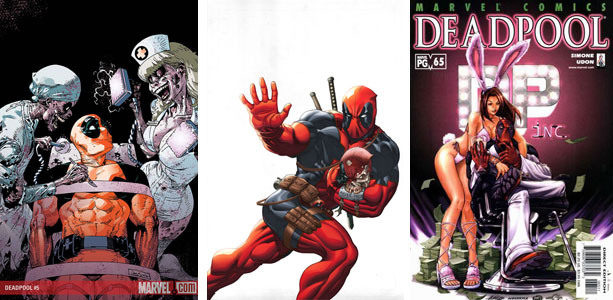
The Gen-X comics themselves were new takes on various genres. Violence, drugs, and sex had never been front, and center in the classic hero books. The new titles like Youngblood, Wild Cats, the Pitt, Spawn, Savage Dragon, and Wetworks could be adult, silly, serious, satirical, and everything in between. The books also evolved as the Gen-Xers got older. That wasn’t the most important thing this new batch of creators put forward. Minority characters finally got the spotlight in the ‘90s. People tend to forget that Spawn who was arguably the most popular of the new characters, was a Black mercenary before he died, and got his powers. Urban heroes, and villains, Asians, Latinos, Blacks, and Natives were more than token characters in the team comics. Every ethnic group started having more dimension, and gravity than in the previous decades. One of my favorite creators was Jason Pearson (Rest In Peace). His art was refreshing. He took aesthetic cues from manga, cartoonists, and most important video game artists. Contemporaries in a similar vein included Francisco Herrera, Joe Madureira, and Humbero Ramos.
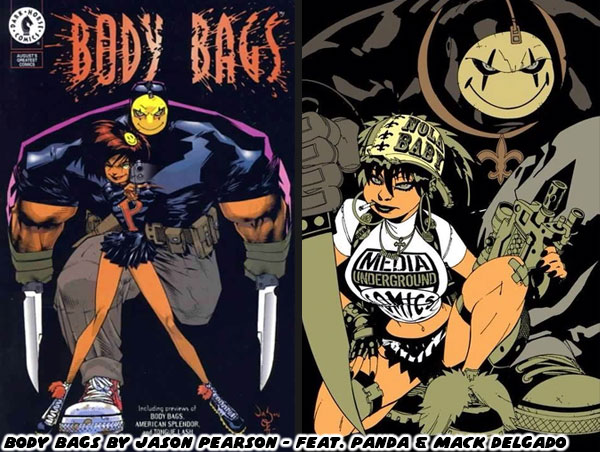
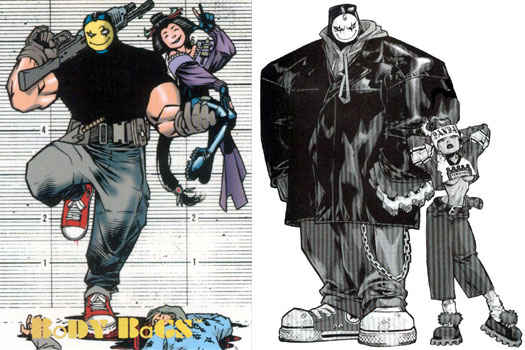
Many of the aforementioned artists demonstrated that pulling cues from overseas anime, and manga could be appealing to western audiences. Pearson’s breakthrough series was Body Bags. The series was first published by Gaijin Comics in 1996. It was arguably the most controversial title of the decade. It featured Latino anti-heroes Mac “Clownface” Delgado, and his daughter Panda. The style, fashion, and cultures that he featured in his dystopian world were a mashup of all things that Pearson enjoyed. His books were equal parts Punisher, Quentin Tarantino, and Cholo gang culture. This mentality of going “all-in” on your art was embraced by a lot of creatives in the ‘90s. They were remixing, and sharing the cultures that they loved to an entirely new fan base.
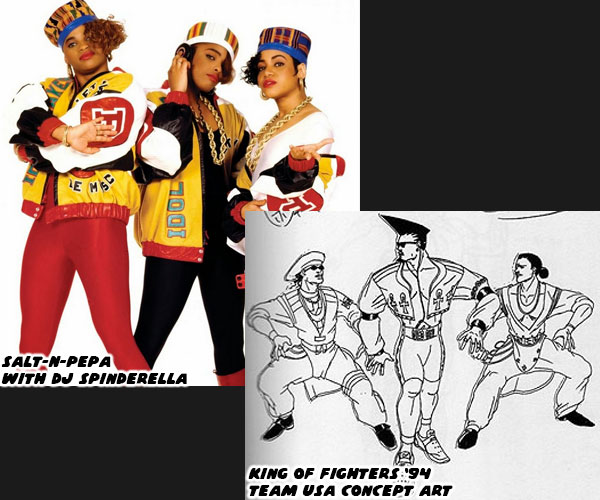
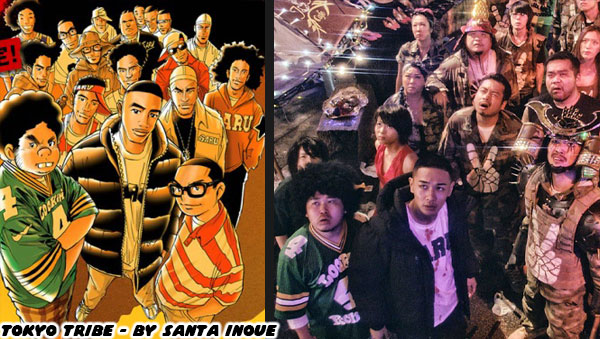
In Japan there were also phenomenal creators like Santa Inoue. His Tokyo Tribe manga series debuted in Boon magazine before it was serialized. Tokyo Tribe would eventually become animated, and even get a live action feature. Inoue used Hip Hop culture as the backdrop of the story revolving around Kai, his Saru gang, and their battles against rival gangs; Waru, Hands, and Wu-Ronz. He kept his stories grounded to the streets, and his heroes fought with their fists (and baseball bats) where other titles featured heroes that relied on magic, super powers, or psychic abilities. The heavy, and violent tone of his books captured the angst of a new generation of Japanese kids. They identified more with western Hip Hop, than with traditional Japanese culture. This poured into every element of pop culture in Japan, including fighting game character designs. 
As entertaining as the Tokyo Tribe comics were, they also served as a primer to introduce adults into this world that was shaping street culture before their very eyes. Mr. Inoue had grown up listening to rap, and watching music videos from the west. He was well versed in the four pillars of Hip Hop, and his attention to detail, and remixing of cultural brands was extremely well done. Michael Lau ended up doing a crossover with Tokyo Tribe, and releasing some figures as well. Lau, and Inoue were prominent creators putting their passion for street culture front, and center. The Hong Kong toy community in the late ‘90s, and early 2000’s were as revolutionary as the Image crew was to the US in the early ‘90s.
In the US it wasn’t a straight line to get urban art turned into collectable figures, but there was a change happening. Spawn creator Todd McFarlane would go on to build an epic toy empire. He could tell that the quality of action figures had been lacking in the US for some time. Fans of his comics were growing older, and they wanted to collect more than just books. So he formed his own company, and had steadily raised the bar by releasing highly detailed, quality figures over the decades. He also licensed movie, game, and pro sports franchises for his catalog to great success.
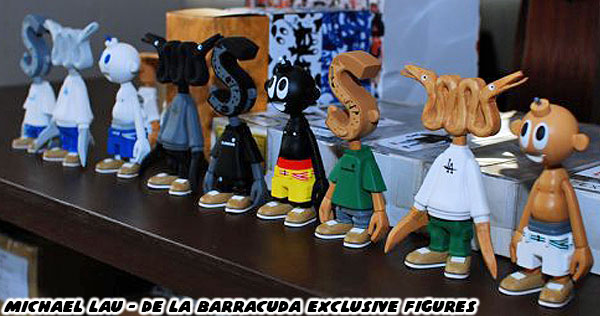
It was apparent that as they got older Gen-Xers were really into collecting toys, and figures more than any previous generation. This understanding was embraced by Lau, and his contemporaries. By turning the figures from his comic book run into art gallery presentations Mr. Lau was able to elevate the form in the eyes of the international community. This was not a fad, and this was not a hobby. Urban vinyl could be as legitimate as any print, painting, or sculpture from established artists.
Of all of the figures that Lau created, and released, it was the athletes that got the strongest reaction from me. I’ll talk about it more in the next entry. For now I’d like to know if you were a fan of the comics, or toys from the ‘90s. Was there a particular culture that you identified with? I’d like to hear about it in the comments section. As always if you would like to sponsor me please visit my Patreon page and consider donating each month, even as little as $1 would help make better blogs and even podcasts!
follow the Street Writer on Patreon!

Sunday, May 12, 2024

A good Double Dragon fighting game? The story of Rage of the Dragons.

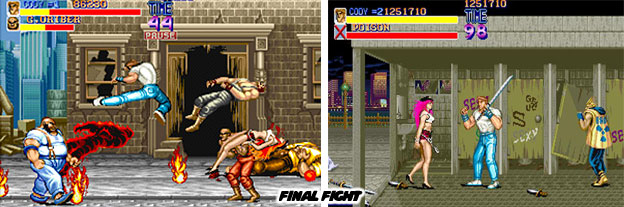
In the previous blog I talked about how EXA-Arcadia was rereleasing / remastering Daraku Tenchi: The Fallen Angels, and Rage of the Dragons W for the arcade. I mentioned “the godfather” of brawling games was Double Dragon in 1987. It had inspired the creation of Rage of the Dragons, a fighting game from 2002. A little more on that in just a moment. Technōs essentially launched the brawling game genre, and influenced the fighting game genre as well. Despite being important to game history they were incapable of creating a sequel that was as influential as the first game. Not long after Capcom released Final Fight, Konami released Vendetta, and Sega released Streets of Rage. Each was essentially a better version of Double Dragon. In fact post 1989 there were dozens of great titles which were superior to Double Dragon in every regard.

The sequels to Double Dragon failed because in my book they did not innovate the format. The studio played it safe, and made only marginal changes to the game. Worse yet they looked for ways to make arcade players pay more money through micro transactions. In the early ‘90s the arcade market had shifted. Fighting games were the hottest titles, and brawlers had taken a back seat. The biggest hits of the entire decade all came out within three years; Street Fighter II (1991), Fatal Fury (1991), Art of Fighting (1992), Mortal Kombat (1992), Virtua Fighter (1993), Tekken (1994), Primal Rage (1994), Vampire / Darkstalkers (1994), and Killer Instinct (1994). By the middle of the decade it was hard to break in with a new fighter. That was exactly when Technōs decided to throw their hat into the ring. Had Technōs released a Double Dragon fighting game four years earlier then it would be more relevant today.

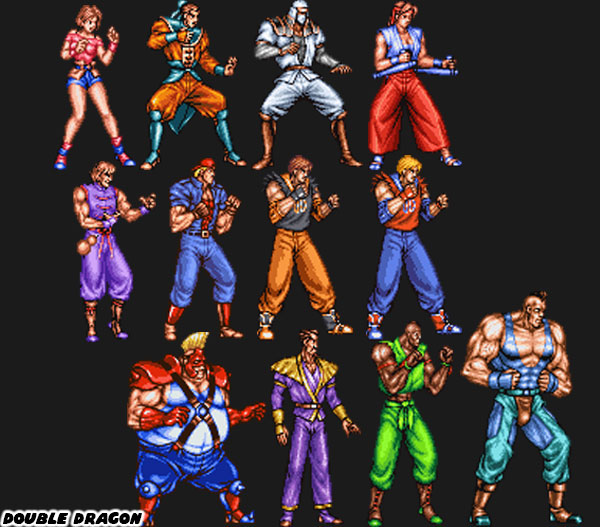
The mistakes of Technōs could be understood through their fighting game. Being slow to market was one of the biggest issues. Double Dragon (the fighting game) was similar to the hundreds of other titles out in 1995. There were two main characters Jimmy, and Billy Lee. They studied the fictional Sousetsuken “Twin Sever Fist” style of fighting. The Japanese, and western lead characters with their own trademark fighting style had also been seen with Ken / Ryu (Street Fighter), Kazuya / Paul (Tekken), Akira / Jacky (Virtua Fighter), Ryo / Robert (Art of Fighting). Granted Billy, and Jimmy were the ones that started the trend. Double Dragon also had the token big guy, girl, strange character, etc which had been pulled from the franchise. The sprites were large, and colorful. They were not unlike the sprites, and cast of Street Fighter II which was something that other studios had also poached.

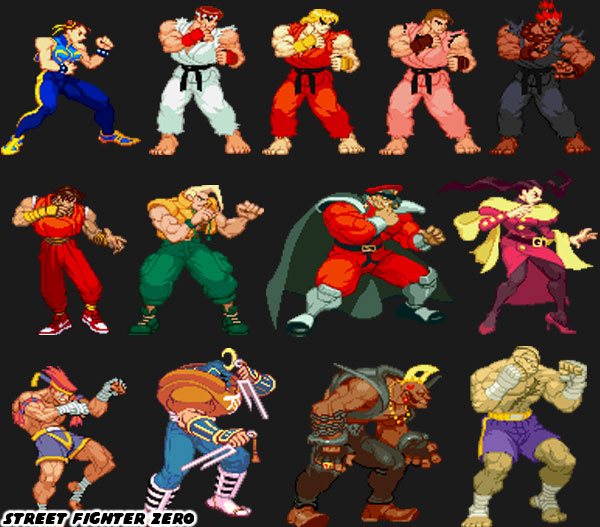
Technōs didn’t realize their visual presentation was becoming dated. It took them too long to bring a game to market. Having a recognizable brand, and going through the motions was not enough. Other studios were trying out bold new ideas in the early ‘90s. In order to stand out from the crowd it wasn’t enough to have bigger, or slightly more colorful sprites. Sega had polygon models, Namco had textured polygons. Rare had SGI workstations creating sprites that looked like computer graphics. Midway used live action footage, and Atari used stop motion figures. On top of everything the popular aesthetic, the art style was shifting. There was a blending of western comic book formats, and Japanese anime in a new sprite art form. Capcom designer BENGUS broke the mold in 1995 with Street Fighter Zero / Alpha.

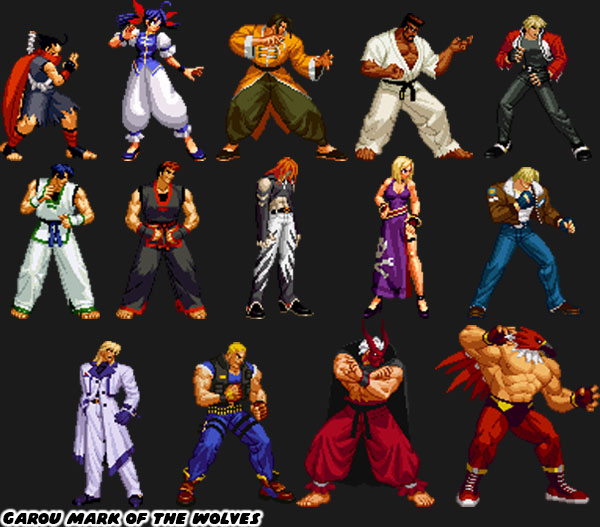
The game was amazing given that a number of the staff that worked on Street Fighter II left Capcom to join SNK,a nd ARIKA. Noritaka Funamizu, and the remaining team at Capcom was able to create something amazing with a bare bones staff in a relatively short amount of time. The large cartoonish sprites designed by BENGUS were revolutionary. The entire industry had to respond. I would argue that SNK’s first counter were the sprites featured in Real Bout: Fatal Fury Special from 1997. The game featured sprites which were touched up, and made more colorful from those featured in the previous Real Bout game from 1995. That was a small step for their art department. The actual response to Street Fighter Zero was seen in Garou Mark of the Wolves. The fan favorite game from 1999 had a style, and presentation that was close to BENGUS, but still had the classic SNK fingerprints all over it. The sprites, and character designs that Technōs featured in Double Dragon in 1995 simply didn’t capture audiences in the ways that the Capcom sprites did. A few years later there would be another chance to get it right.

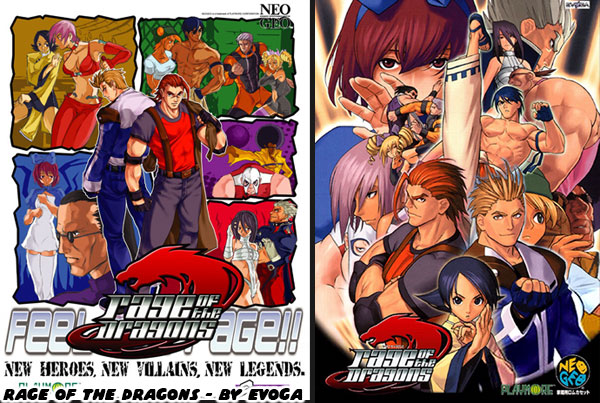
The developers at Noise Factory was not happy with the version of Daraku Tenchi: The Fallen Angels that was published by Psikyo in 1998. They did not have the time, or money to develop an upgrade kit either. Arcade business was slowing down globally at the end of the ‘90s. Any arcade title that was published had to be more polished right out the gate, rarely did any studio have a chance to release upgrades for arcade operators. While they couldn’t go back, and add more content to the Fallen Angels, they did think there was a chance to make a sequel to the 1995 fighting game inspired by the ill-fated live action movie. The history of Rage of the Dragons was unique. It was created by Noise Factory, and BrezzaSoft for the NEO GEO. BreezaSoft was founded by Eikichi Kawasaki, who also founded SNK. What made it truly unique was that it was designed by the Mexican studio Evoga.

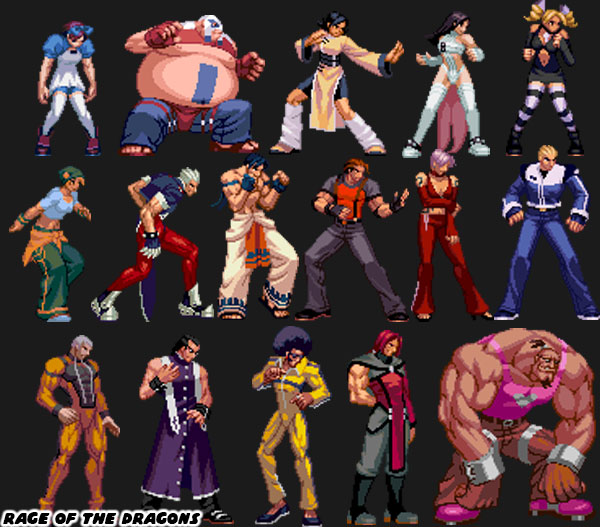
Unfortunately they couldn’t get the rights to the Double Dragon characters or name. Million was made up of former Technōs employees, they were sitting on the rights, and didn’t seem eager to strike a deal. To make negotiations more difficult SNK was going through a bankruptcy at around the same time. South Korean developers Eolith were hired to help finish a few projects. Steel Hearts team members helped SNK as well. They figured out that they could move forward with their own game if they slightly changed the names. Billy, and Jimmy’s last name went from Lee to Lewis. The girlfriend Marion became Mariah, Abobo became Abubo, etc. This didn’t stop Million from filing a legal challenge. Fans of the franchise could tell what this new fighting game was actually based on. To set it apart from the earlier game it was made a tag-team fighter. Visually the team at Evoga was able to find a perfect blend of the style of Street Fighter Zero, and Garou Mark of the Wolves. In just about every regard it was superior to the fighter from ’95. Sadly Rage of the Dragons just didn’t have the balance, and game play of the more popular titles. It was rarely seen in arcades, and didn’t build too much of a following.

I was happy that EXA-Arcadia was going to give the titles by Steel Hearts another go. I hoped that the developers would reunite to add some polish, and perhaps add a few more features to the games. Rollback anyone? Maybe, just maybe this would help them get to modern consoles sooner, rather than later. Of course I want to know if you played any of the Steel Hearts games. Or did you play any of the classic Double Dragon games? Did you have a favorite? I’d like to read about it in the comments section. As always if you would like to sponsor me please visit my Patreon page and consider donating each month, even as little as $1 would help make better blogs and even podcasts!

follow the Street Writer on Patreon!