Showing posts with label wisps. Show all posts

Monday, April 28, 2025

Sonic Superstars and beyond. Sega makes up for lost time, part 5...

In the previous blogs I looked at Sonic Superstars, and the things that the developers at Sonic Team, and Arzest did great. I also talked about the technical and design choices that I think really hurt the game. While I played through it I was reminded of all the wonderful things that I enjoyed in the franchise. It very much felt like a continuation of the elements that made Sonic Mania work so well. The art direction, level, and enemy design fit in the classic 2D style, even though the models were in 3D. The introduction of a new character named Trip, plus using individual Chaos Emeralds to change the game play was inspired. When I struggled with some boss encounters it showed that there were cracks on the facade. Trying some encounters over and over lent me to discover what type of gamer I was. In the end I had a favorable opinion of the game that gave me a lot of insight into myself. It allowed me to realize that the Sonic series was one of the rare titles that was globally appealing for a number of reasons. The first thing that drew me to the franchise was the character himself.
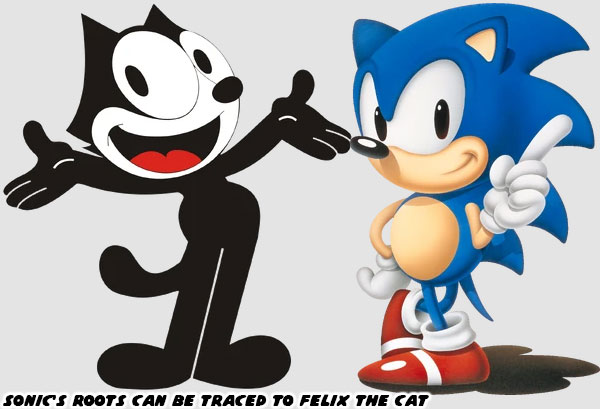
I stated previously that I loved the art, and design behind the hero, and his friends. I never cared much for Knuckles though, but that was besides the point. I was a huge fan of the mascot style of character art. The cartoon star that created the movement was Pat Sullivan, and Otto Mesmer’s Felix the Cat. He debuted in 1919, almost a decade before Oswald the Lucky Rabbit, and Mickey Mouse. The large head, big expressive eyes, and animal features set a template that would be copied for the next century. The early US cartoon stars like Donald Duck, Bugs Bunny, or Flip the Frog wouldn’t have made it big without Felix. Sonic the Hedgehog, Tails the Fox, Knuckles the Echidna, Mighty the Armadillo, and Ray the Flying Squirrel all followed in the footsteps of Felix the Cat. They were descended from one of the greatest cartoon traditions the world had ever seen.
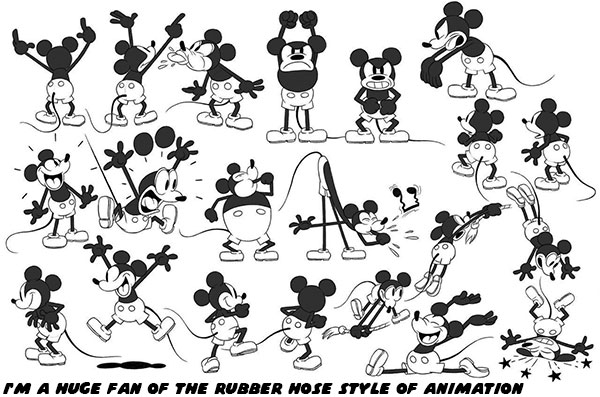
Although they were created by a Japanese team the Sonic art reflected my favorite form of American cartooning. The “rubber hose style of animation was the oldest form used in the US. The name was because the arms, and legs of these characters weren’t hinged as if they had bones. Instead they flexed like rubber hoses. Additionally the bodies on these characters were fluid. They could be pulled, stretched, and twisted like a rubber balloon. There was a sense of freedom in these cartoons that was liberating for artists. Although to be fair I was never good at drawing in a rubber hose format because my style was very rigid. It didn’t matter because I thought those early cartoon stars were so amazing. They could do the impossible, while still making their actions plausible. That tradition was rarely seen in modern cartoons, rare in video games, but not as rare in comic books.
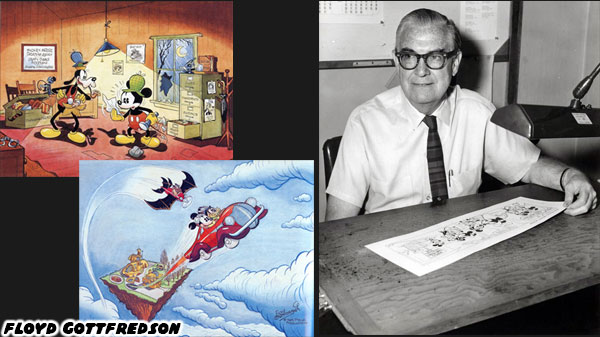
The Mickey Mouse comics illustrated by Floyd Gottfredson in the 1930’s set a standard for adventure storytelling featuring cartoon mascots. His comics kept the animated icon alive outside of the movie theater. Mickey would hang out with his friends in some stories, having fun with the other Disney stars. Then he travel the globe on an international mystery for longer arcs. A decade later Carl Barks raised the bar in the Donald Duck, and more important, the Scrooge McDuck comics. Comic books were the perfect format for expanding on the animated shorts. We could get to see the characters develop a personality. The writers, and artists presented a universe that was much deeper than could ever be shown in a cartoon. For the longest time I assumed that these stories were for children until I actually sat down and started reading the collected volumes. I was not only amazed by the art, but by the storytelling. It worked on multiple levels There was action for the kids, great character development for teens, and mystery for the adults. They truly were books for all-ages.
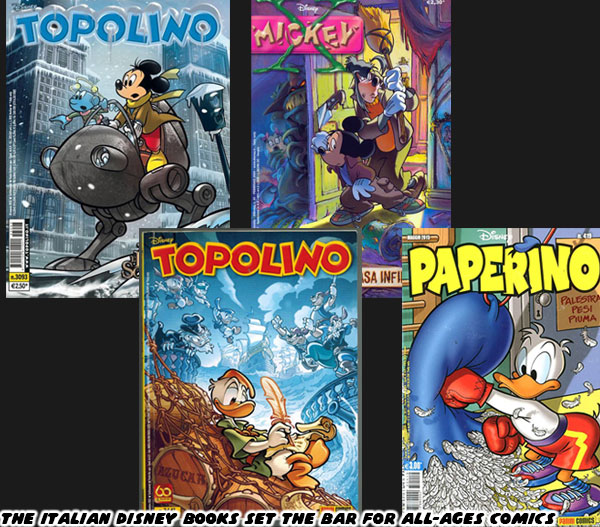
Comic books in the USA were mainly superhero titles. Often mature in tone, and not really created for all-ages. However overseas the Disney comics were still popular with families, and even adults. They were an institution in Italy, where the Mickey comics (Topolino) had been in publication for over 90 years. I believe that they were the greatest run of all-ages comics ever published. Multiple generations were raised on stories that were every bit as good as those created in the USA. I would argue that the elite Disney cartoonists cut their teeth drawing on the pages of Topolino. The best of these stories were serialized and translated to multiple languages. I did a deep-dive on the Italian comics many years ago. The reason that I brought them up was because they were critical to keeping the characters popular. More than that they were important to spread the cartooning art form. You could only do so much in an animated short but the comics allowed the characters to live, and grow. They did more for audiences than the parent company did in the parks, television, or movie screens.
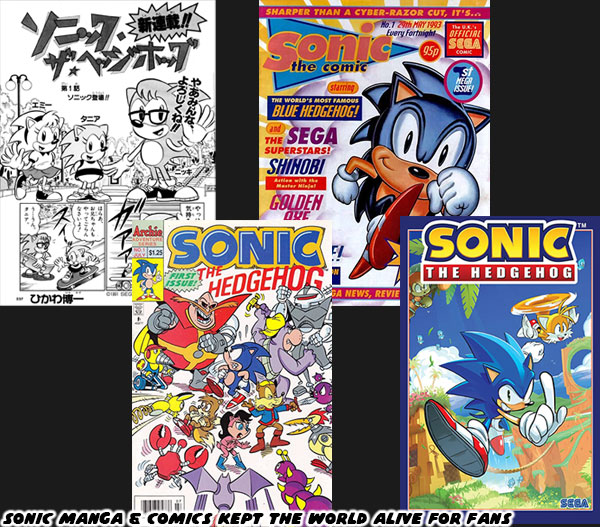
A similar thing could be argued for comics based on video games. Comic books could take a relatively short game, and give readers a cinematic experience. Udon was known for the Capcom books they published. Street Fighter, Mega Man, and Vampire / Darkstalkers were just some of the titles they released. Audiences got to follow the main, and side characters across a variety of story arcs. They allowed audiences to learn the dynamics between the stars, and any new faces introduced. As a fan of the mascot titles I was happy to see Sonic in publication. Granted not every editor, writer, or artist understood the games. This was especially true for many of the oldest issues. It seemed that the creators liked to make up stuff as they went along. The quality of the first comics didn’t matter to fans because they made the blue blur relevant. Whether in manga from Japan, or comics from the UK, and USA, Sonic had developed an international following. The most recent US comics from IDW were by far the best Sonic had ever appeared in print. The writing was amazing, and the stories stayed true to the games. Best of all the various artists captured the spirit of cartooning. They made young fans understand why the character appealed to older audiences, just as much as the Topolino comics helped kids understand why Mickey Mouse was beloved by their parents.
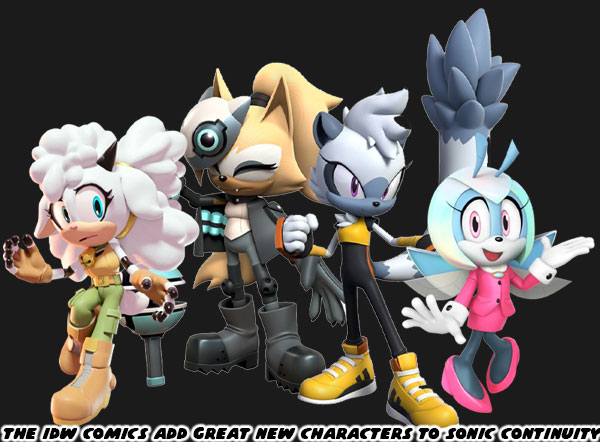
The creators at IDW were also able to expand the Sonic comic books to include new faces that were interesting in their own right. For example Lanolin the Sheep, Whisper the Wolf, Tangle the Lemur, and Jewel the Beetle were citizens-turned-freedom fighters. Their story arcs, and contributions in the comics made them very memorable. They were adventurers, sometimes with a tragic past, all rising to meet the challenge. They complimented all of the established heroes, and added their own unique dynamic to the stories. For long-time fans like myself I thought that these were characters that would be amazing to follow in a game. More than anything the Sonic comic books managed to remind audiences that the universe covered in the game series was far more expansive, and serious than we sometimes thought. Sonic Team managed to create a world that seemed straightforward, and easy to digest. Sonic was the good guy, and Eggman was the bad guy. He kidnapped animals to power his robots. It was up to Sonic to set them free. The formula hadn’t changed much in over 30 years, yet the stakes had always been incredibly high. Without Sonic, and his friends, then there was nothing preventing Eggman from conquering the world.
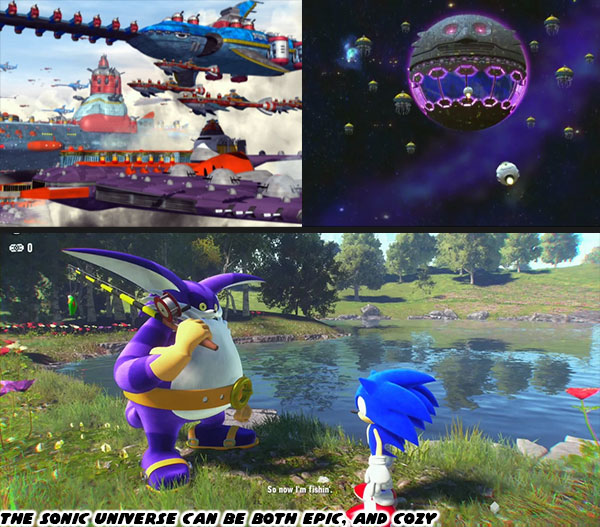
The threat that Dr. Eggman presented was epic in scope. He didn’t just raise an army of minions, he created an entire armada of war machines. He had a fleet of flying warships, giant robots, autonomous factories, laser satellites, and space stations with enough power to take over a planet. The fight had to be taken to Eggman to prevent him from ruling the world. There was nothing easy about the threats that Sonic, and his friends faced in every encounter. At the same time the designers at Sonic Team didn’t want to make the game feel heavy-handed. Yes the characters were fighting against impossible odds, but at this world was also a cozy place to live. The studio made sure to show audiences what Sonic was trying to protect. Sega wanted to remind us that this world was a beautiful place filled with loving characters. There were friends that wanted to enjoy a picnic with our hero, or perhaps do some fishing with him. These gentle characters were set against a backdrop that was quite serious. Being the protector of the innocent was the heart of several IDW story arcs.
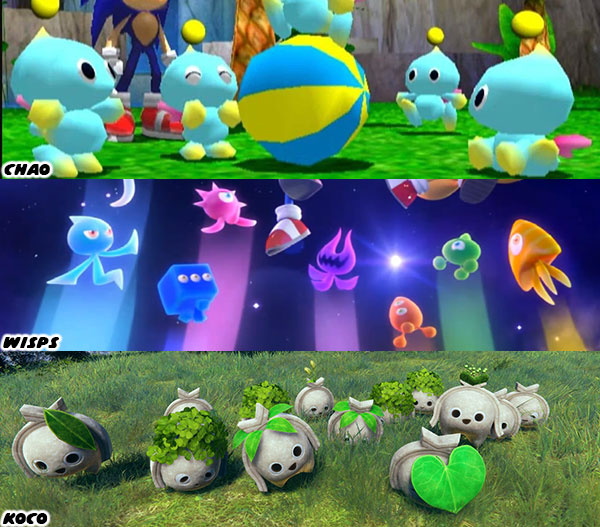
Sonic Team created different types of innocent creatures that Sonic, and his allies had to protect. In most games the animals trapped within the robots were the obvious ones. As the games evolved we were introduced to the Chao in Sonic Adventure, then the Wisps in Sonic Colors, and most recently the Koco in Sonic Frontiers. Those minor characters were adorable beyond description. However when you placed them within the context of the stories they were also tragic figures. Each of the characters had survived catastrophic trauma. An entire planet of Wisps were enslaved by Dr. Eggman for his cruel experiments. The Koco were the memories of the ancient aliens that brought the Chaos Emeralds to the planet. Sonic had to complete their memories, and reunite their ghosts so that they could have some closure. The Chao were the de-evolved descendants of those alien refugees. They were also nearly wiped out in a raid by the Echidnas a millennia ago. Even the cutest characters in the franchise were important to the story.
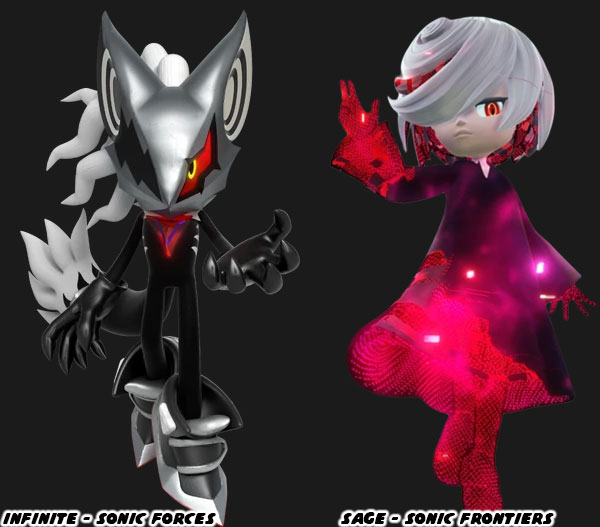
Felix the Cat started the tradition of cartoon mascots more than 100 years ago. Sonic the Hedgehog helped bring the art form to a new generation through video games. The creators at Sega, Sonic Team, and at IDW helped it evolve across multiple formats. Whether it was an animated short for social media, a live-action movie, or an award-winning comic book run. There was no doubt that cartoons were alive and well. The lore of the game series was already robust, and the comic books went much deeper than casual fans could have ever known. The characters they introduced in the past decade could still look cute, and universally appealing, but they had now grown to include shapeshifting assassins, psychic madmen, and even sentient AI. Heroes, and villains in the Sonic canon were colorful, memorable, and awe-inspiring. The games they were featured in evolved in unique ways. I’ll trace it out in the next blog. Until then I’d like to know if you have a favorite mascot character. Or if you even like cartoons at all. Tell me about it in the comments section. As always if you enjoyed this blog, and would like to sponsor me please visit my Patreon page and consider donating each month, even as little as $1 would help make better blogs and even podcasts!
follow the Street Writer on Patreon!

Wednesday, April 23, 2025

Sonic Superstars and beyond. Sega makes up for lost time, part 3...

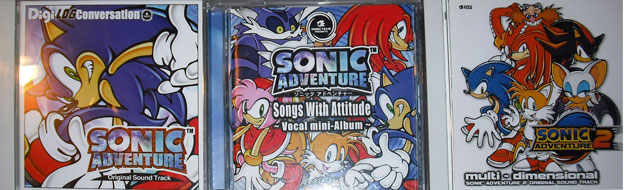
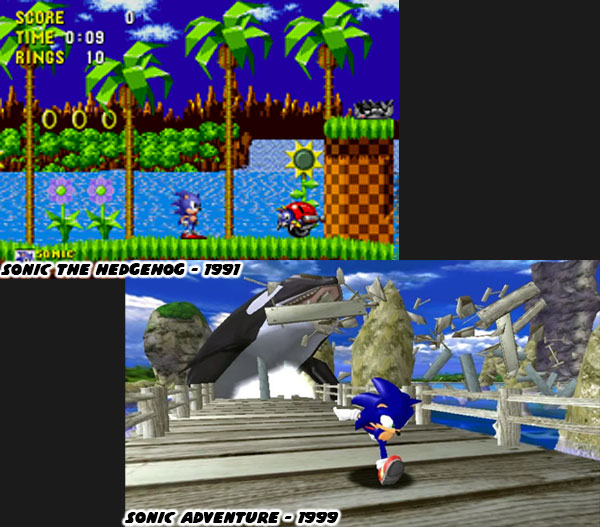
In the previous blog I talked about the new game mechanic added to Sonic Superstars. Sonic, and his friends could harness the power of the individual Chaos Emeralds. Each one provided a temporary power-up for the heroes. I said that the reason why Sonic Superstars used the Chaos Emeralds instead of the Wisps from Sonic Colors was because there were two different Sonics. To be more specific there were two Sonics from two different universe / timelines. The version featured in Superstars was based on the original game from 1991. That was to say the animation, direction, and game play were based on the original Sonic Team designs. This version of the blue blur was young, and idealistic. The challenges, and threats he faced were scary, but also family friendly. In the original trilogy none of the characters spoke, not even Dr. Eggman. The entire game was told through pantomime. The version of Sonic that spoke, the one that people knew from the movies, or games like Sonic Frontiers was based on the “modern” version. This version debuted with Sonic Adventure in 1999. It was something that I do not think most casual fans understood.

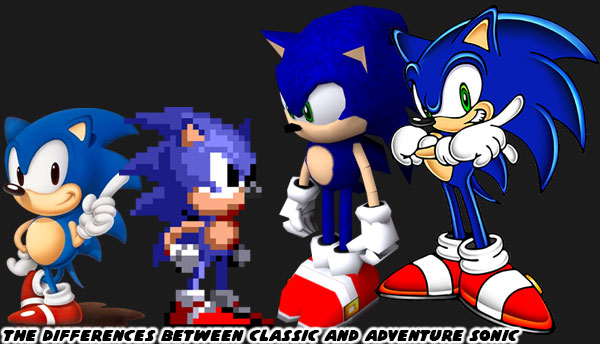
For the longest time I don’t think that Sega themselves understood that there were two distinct versions of the character. Two distinct versions of the supporting cast, timeline, enemies, and especially the game play. The cosmetic changes made to Sonic, Tails, Amy, and Knuckles in Sonic Adventure were done to make the characters easier to animate in three-dimensions. The modelers extended the length of the arms, and legs. They changed the proportions of the head, and body. The needed to do this because the old proportions were difficult to track with a three-dimensional camera. To audiences it looked like Sonic had grown up, matured in his new titles. As the series went on it started to become more, and more obvious that the look, and feel of Sonic in three-dimensions was a different thing entirely to the 2D Sonic that launched a franchise.

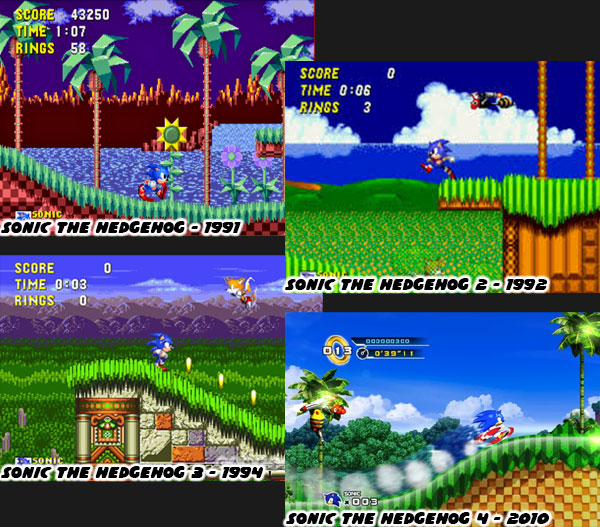
The distinction between the original, and post Adventure Sonic came to a head in 2010. The 20th anniversary of Sonic was coming up, and a new game was expected. The original game came out in 1991, Sonic 2 in 1992, and Sonic 3 in 1994. Sega teased something called “Project Needlemouse” with a promise to go back to the classics. Sure enough they went back to the 2D game play with 2.5D graphics. Yet they used the proportions, and game play of the modern character. Sonic, Tails, and the rest of the cast were not classic at all. Sonic 4: Episode I debuted in 2010. It was met with harsh criticism because it vaguely captured the look of the classic game, but completely missed the feel of the title. It felt like it had one foot in two different universes, and didn’t fully commit to being a worthy sequel. A number of the control, and design issues were ironed out for Sonic 4: Episode 2 in 2012.

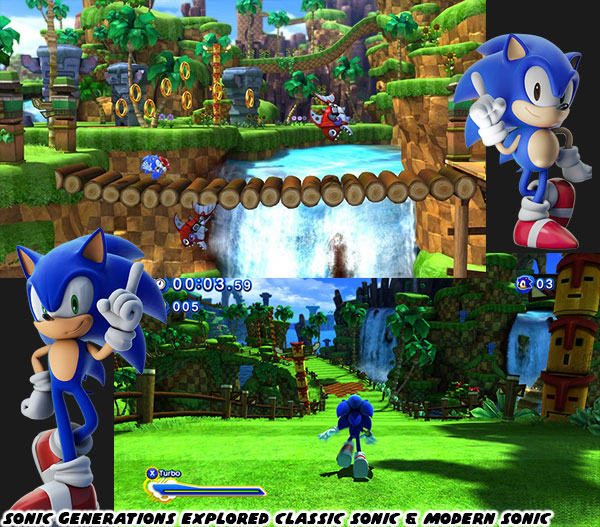
Thankfully Sega didn’t put all their chips on one title at the start of the 2010’s. The studio released Sonic Generations in 2011. The game established the canon of two timelines, and two distinct versions of Sonic. The classic version that I grew up with, and the modern version that my kid knew. Playing through the game was literally a way for us to bond as a family. It played like a highlight reel for the mascot. We got a chance to revisit tons of familiar locations in updated 3D graphics. This was done much better than what we saw in Sonic 4. They set a standard that would only be topped by Colors, and later on by Superstars. The best part was the game play perfect for each version of Sonic. Although they both visited locations used in Sonic’s 1-3, Sonic Heroes, Sonic Unleashed, etc. the ones played by classic Sonic were all set in a 2D perspective, and the modern Sonic raced on open 3D tracks. The developers clearly understood the assignment, and made certain that fans of each type of game play were rewarded.

Reactions to Sonic games post Sonic Adventure 2 (those released through the 2000’s) were a mixed bag. Some of the console, and handheld titles were beloved. Some took a while to warm up to, and a few were despited by long-time fans. The one thing that was consistent good were the soundtracks. The music featured in the games had always been well done. In the ‘90s I made sure to run down to the Japanese bookstore, and put in an order for the CDs whenever a game had come out. From Dreams Come True to Crush 40, wether the scores were pop, hard rock, or even Hip Hop the composers delivered in each title. Sonic Generations redid the scores from the various sequels to great effect. It featured a classic, and modern variation of the songs that complimented the originals. Generations helped introduce new players to the fun game play, and memorable songs better than just about any anniversary title in the past 20 years.

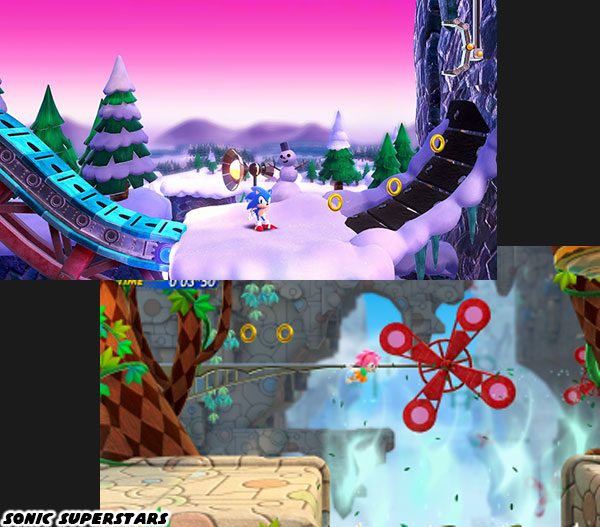
Despite all the praise I heaped on Sonic Superstars it was not without its failings. The game suffered from a number of technical issues that ranged from minor inconveniences, to game play breaking problems. The biggest technical issue that I had with the title was constant frame rate drops. This was especially upsetting because Sonic is all about hight speed action, but certain parts of the game felt unplayable when you couldn’t see the character. Timing jumps, spotting enemies, and making it through critical sections were almost impossible. I was on the Playstation 4 version, but the fact that it wasn’t an issue during play testing, or patched after release disappointed me. Watching videos on YouTube I could see that my version was possibly the one that suffered the most.

Normally I couldn’t wait to play through a Sonic game again after completion. The performance issues made me rethink how eager I was for a replay. It betrayed all of the love that went into the game itself. Despite the greatest intentions Sonic Superstars couldn’t surpass Sonic Mania Plus. This had much more to do than just a difference between using 3D models over 2D sprites. So where did it go wrong for Sega? I’ll explore that in the next entry to this series. Did you get a chance to play this game? If so what were your thoughts. I’d like to hear about it in the comments section. As always if you would like to sponsor me please visit my Patreon page and consider donating each month, even as little as $1 would help make better blogs and even podcasts!
follow the Street Writer on Patreon!

Monday, April 21, 2025

Sonic Superstars and beyond. Sega makes up for lost time, part 2...

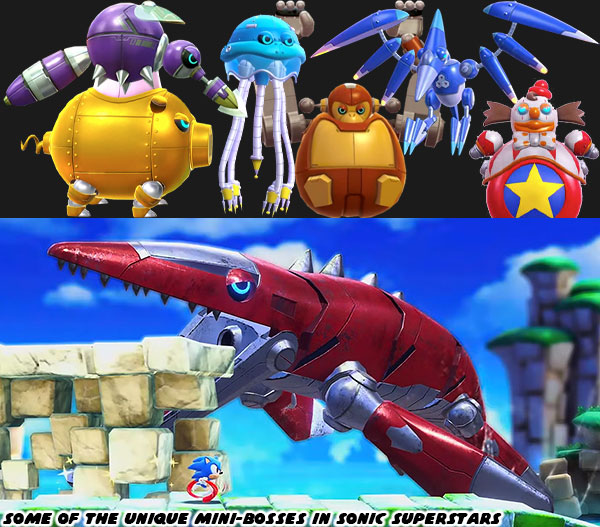
In the previous blog I mentioned a few of the things that Sonic Superstars did exceptionally well. The call-out to the classic art style, and aesthetics. The level designs, animations, storytelling and presentation were every bit as good as those featured in the original Sonic games. The only difference was that everything was now wrapped in stylish 3D graphics. There were many things that Sonic Team and the developers at Arzest did to honor the legacy of the decades old franchise while still giving us something new. For example Superstars made use of many unique sub-bosses, or mini bosses. The original titles never had sub-boss battles before the main fight with Dr. Eggman. These were more of a modern concept, yet they managed to work quite well in the classic format.

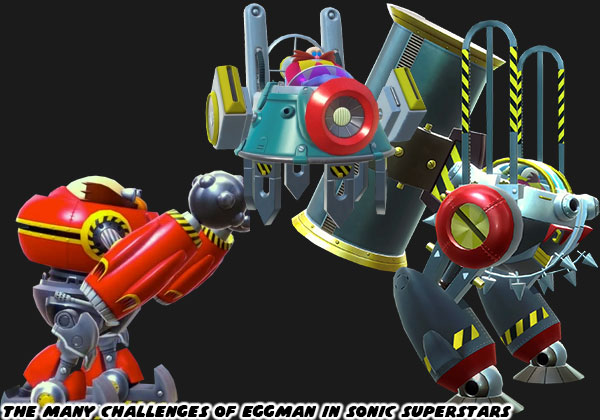
Eggman was known for creating robot minions that mirrored real animals. Robotic beetles, rabbits, sharks, and eagles that Sonic could defeat with a single strike. The mini-bosses in Superstars were much larger variations on the theme. They required several hits to take down. For example Instead of a robotic chimp throwing coconuts at you from a tree you had to battle a robotic gorilla that could flatten you in a press. Instead of a robot vulture there was now a robot pterodactyl that had more firepower than a fighter jet. Hidden inside of these constructs were massive versions of the critters that were trapped in the “Badniks” like Ricky the squirrel, Pocky the rabbit, and Flicky the bird. The designs of these robots, and the chubby animals trapped inside were brilliant. The cartoonish proportions, and exaggerated personalities fit perfectly in with the other constructs from the mad doctor. Speaking of which. Sonic Superstars might have featured some of the best variations of the classic Egg Mobile battles in the franchise history. As was tradition Eggman would show up in his flying vehicle, and then equip in with more armor, and weapons for the fight. To raise the stakes both the mini-bosses, and Eggman fights would evolve into more complex challenges. They required pattern recognition, and creative thinking in order to advance through.

The real challenge for the developers were not only in creating memorable battles, but in designing them for all the different playable characters; Sonic, Amy Rose, Tails, Knuckles, and Trip. Playing as each character meant that the levels had to be accessible for all of them, and their particular style of play. All of the characters could run quickly, and roll into a ball to squeeze through tight passages. Tails could also fly, Amy Rose fought with a hammer, and Knuckles could climb on vertical surfaces, and glide as well. The new character Trip was an anthropomorphic bearded dragon. She could roll into a spiked ball, and she too could climb surfaces. The stages had to allow room for exploitation, without being too easy or hard depending on your choice of hero. Making sure that the zones, or boss characters could not be exploited easily by a single character must have been a challenge for the designers. At the same time the game actually had a dedicated level for each of the stars. This allowed them to shine, and push the plot forward. Remember that the entire story of the game was told without words. Characters pantomimed their feelings, and it came through quite well. At various points through the game the cast could actually be seen in the background sabotaging Eggman’s plans. This made players feel like it really was a collaborative adventure.

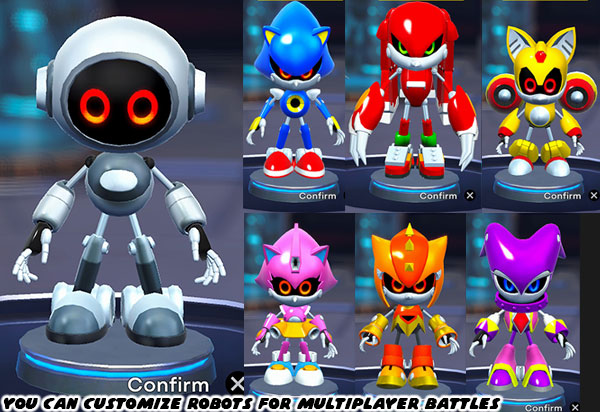
Sega really had their work cut out for them. Not only did they have the ambitious goal of making a 2.5D successor to Sonic Mania Plus. They also wanted to give fans a multiplayer experience. Sonic, and most of the classic mascot titles weren’t really known for being team games. I mean aside from cameos in Olympic, or kart racers. There were various mini-games in Superstars that supported local, and online play. Not only that but you could unlock, and customize a robot to use in the battles instead of the main characters. You could purchase accessories, paint, and patterns for your robot. This allowed you to recreate the classics like Metal Sonic, but also the rarer Metal Knuckles, and all-new Metal Amy, Metal Tails, Metal Trip, and even a Metal NiGHTS. Of course the robot version of my favorite game character absolutely blew my mind. I had all sorts of fun with the robots, making red, yellow, and black versions of Metal Sonic just to see what they would look like. Needless to say they were pretty cool.

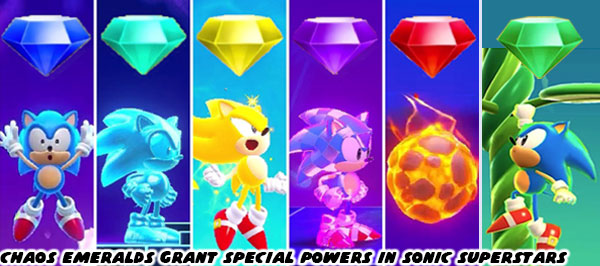
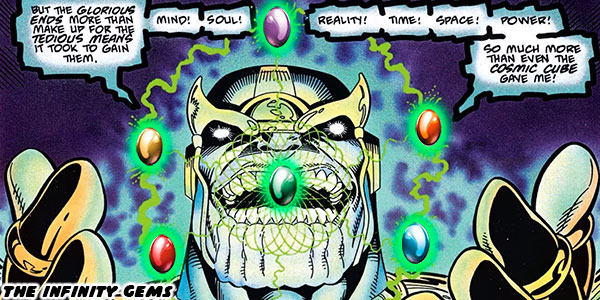
The most overlooked thing that Sonic Team, and Arzest did in Superstars was turn each of the Chaos Emeralds into a playable feature. As the levels progressed you could unlock a new emerald, and each one granted you some temporary powers. One emerald allowed you to turn into water, and swim upstream through the background. One allowed you to blast through the air like a fireball, one allowed you to slow down time, one of them allowed you to create multiple versions of yourself to run interference. Then there were the emeralds that allowed you to grow a massive plant from the ground, see invisible rings, and platforms, as well as a gem that allowed you to throw small tornadoes at enemies. If you unlocked all of the emeralds then you could become a “Super” version of your character. It occurred to me how similar the Chaos Emeralds were to the Infinity Gems from the Marvel Comics. You might be familiar with the gems thanks to the Marvel cinematic universe, but their use in comics had gone back over 50 years.

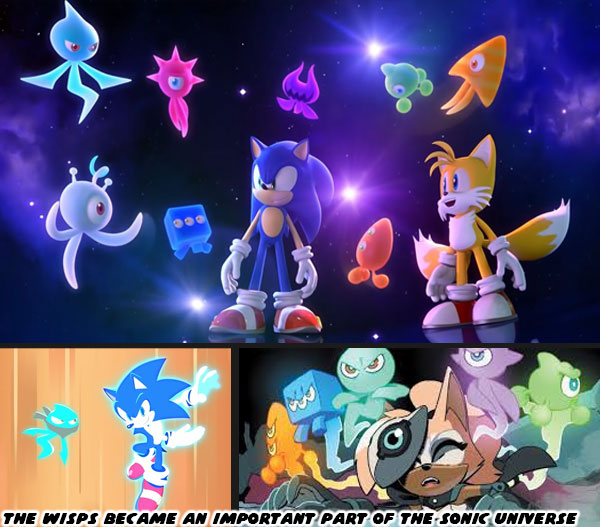
The Infinity Stone first appeared as a “Soul Gem” in the 1972 issue of Marvel Premier #1. As the cosmic adventures of Adam Warlock, and the Silver Surfer continued through the ‘70s, and ‘80s more gems, and their unique powers were revealed. The six Elders of the Universe were their custodians. You might know some of the elders such as the Grandmaster, the Collector, and the Champion from the game Marvel Contest of Champions. In 1990 the Thanos Quest was the comic arc where the villain tracked them all down to create the Infinity Gauntlet. It was interesting that this story took place a year before the release of the original Sonic the Hedgehog. It made me wonder if Sonic Team was aware of this development, or if having multi-colored gems with awesome powers was just a coincidence. Either way having the ability to freely switch between the different gems, and use their powers was a way to elevate the classic Sonic experience. I believe that Sonic Team had a secondary reason to add this new element to the game. The studio used a similar mechanic in the game Sonic Colors. In it Sonic could temporarily use the powers of alien creatures known as Wisps.

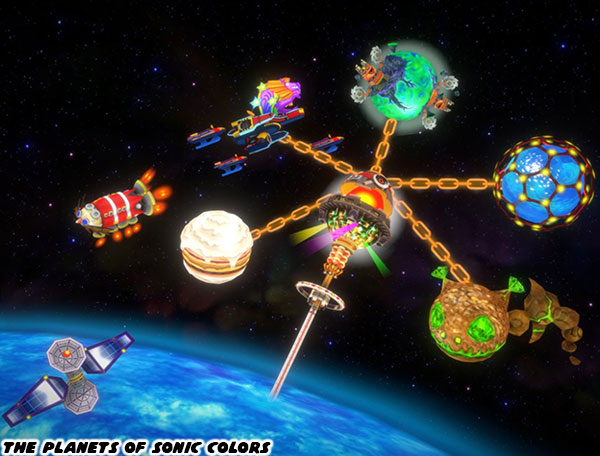
The ability to have Sonic use new abilities helped mix up the familiar game play. You could revisit stages and discover all sorts of secrets once you had unlocked new Wisp powers. In a similar way you could replay levels in Sonic Superstars using the different Chaos Emeralds as well. For those unfamiliar with Sonic Colors; it was developed by Sonic Team, and released November 11, 2010. I would argue that it was possibly the best post Sonic Adventure 3D game from Sega. It certainly had one of the most memorable soundtracks. It featured music from just about every veteran Sonic composer with the exception of Dreams Come True. Instead of battling across different zones the game actually took place across several themed planets. Sonic had to save the Wisp alien species from enslavement by Dr. Eggman. The animated short Rise of the Wisps helped explain the plot of the game.

The power ups from the Wisps were temporary. They allowed Sonic to rocket through the air, drill through the ground, climb vertical surfaces, or even shoot across a stage like a laser beam. The new powers didn’t break the game, nor did they feel like a forced add-on. The designs of the creatures perfectly complemented the character art from the modern Sonic universe. They were quickly adopted into the pages of the IDW comics. The Wisp powers, and use as weapons, or “Wispons” turned up in later games. Looking back it seemed obvious that Sonic Team had always meant for the Chaos Emeralds to be used individually. Each emerald helped open up the experience, and especially made the boss battles a little bit easier. If the template was already proven to work why didn’t Sonic Superstars use Wisps? Would you believe that it was because there were two different versions of Sonic? The one from Superstars hadn’t met the aliens yet. We’ll explore the duality of Sega’s franchise mascot in the next blog. Did you play Sonic Superstars? Did you have a favorite game in the series? I’d like to hear about it in the comments section. As always if you would like to sponsor me please visit my Patreon page and consider donating each month, even as little as $1 would help make better blogs and even podcasts!
follow the Street Writer on Patreon!