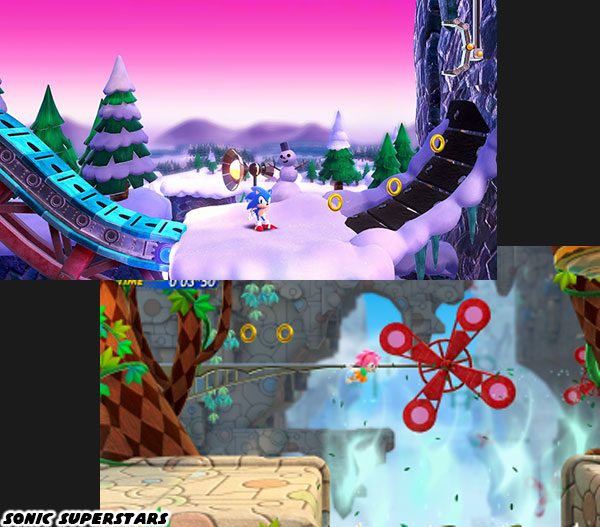
In the previous blog I mentioned a few of the things that Sonic Superstars did exceptionally well. The call-out to the classic art style, and aesthetics. The level designs, animations, storytelling and presentation were every bit as good as those featured in the original Sonic games. The only difference was that everything was now wrapped in stylish 3D graphics. There were many things that Sonic Team and the developers at Arzest did to honor the legacy of the decades old franchise while still giving us something new. For example Superstars made use of many unique sub-bosses, or mini bosses. The original titles never had sub-boss battles before the main fight with Dr. Eggman. These were more of a modern concept, yet they managed to work quite well in the classic format.
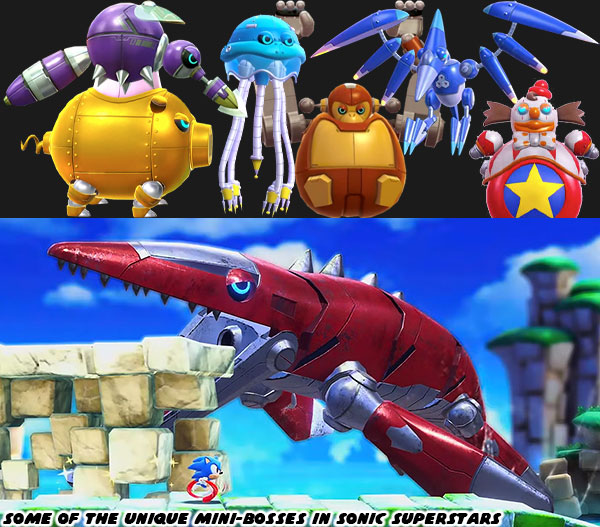
Eggman was known for creating robot minions that mirrored real animals. Robotic beetles, rabbits, sharks, and eagles that Sonic could defeat with a single strike. The mini-bosses in Superstars were much larger variations on the theme. They required several hits to take down. For example Instead of a robotic chimp throwing coconuts at you from a tree you had to battle a robotic gorilla that could flatten you in a press. Instead of a robot vulture there was now a robot pterodactyl that had more firepower than a fighter jet. Hidden inside of these constructs were massive versions of the critters that were trapped in the “Badniks” like Ricky the squirrel, Pocky the rabbit, and Flicky the bird. The designs of these robots, and the chubby animals trapped inside were brilliant. The cartoonish proportions, and exaggerated personalities fit perfectly in with the other constructs from the mad doctor. Speaking of which. Sonic Superstars might have featured some of the best variations of the classic Egg Mobile battles in the franchise history. As was tradition Eggman would show up in his flying vehicle, and then equip in with more armor, and weapons for the fight. To raise the stakes both the mini-bosses, and Eggman fights would evolve into more complex challenges. They required pattern recognition, and creative thinking in order to advance through.
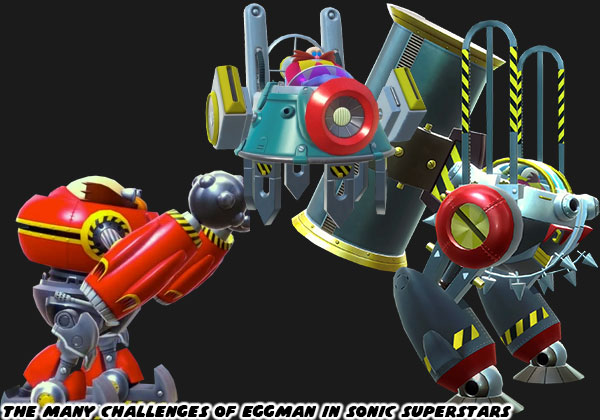
The real challenge for the developers were not only in creating memorable battles, but in designing them for all the different playable characters; Sonic, Amy Rose, Tails, Knuckles, and Trip. Playing as each character meant that the levels had to be accessible for all of them, and their particular style of play. All of the characters could run quickly, and roll into a ball to squeeze through tight passages. Tails could also fly, Amy Rose fought with a hammer, and Knuckles could climb on vertical surfaces, and glide as well. The new character Trip was an anthropomorphic bearded dragon. She could roll into a spiked ball, and she too could climb surfaces. The stages had to allow room for exploitation, without being too easy or hard depending on your choice of hero. Making sure that the zones, or boss characters could not be exploited easily by a single character must have been a challenge for the designers. At the same time the game actually had a dedicated level for each of the stars. This allowed them to shine, and push the plot forward. Remember that the entire story of the game was told without words. Characters pantomimed their feelings, and it came through quite well. At various points through the game the cast could actually be seen in the background sabotaging Eggman’s plans. This made players feel like it really was a collaborative adventure.
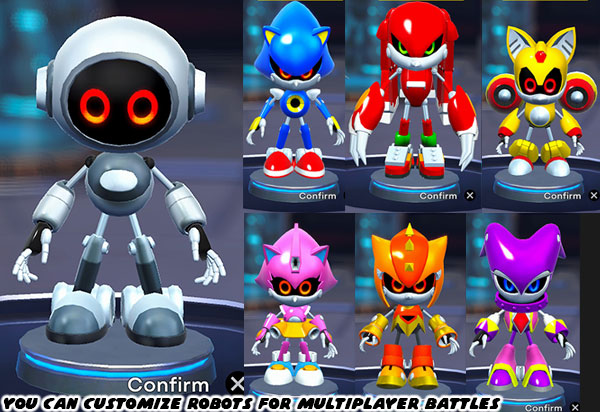
Sega really had their work cut out for them. Not only did they have the ambitious goal of making a 2.5D successor to Sonic Mania Plus. They also wanted to give fans a multiplayer experience. Sonic, and most of the classic mascot titles weren’t really known for being team games. I mean aside from cameos in Olympic, or kart racers. There were various mini-games in Superstars that supported local, and online play. Not only that but you could unlock, and customize a robot to use in the battles instead of the main characters. You could purchase accessories, paint, and patterns for your robot. This allowed you to recreate the classics like Metal Sonic, but also the rarer Metal Knuckles, and all-new Metal Amy, Metal Tails, Metal Trip, and even a Metal NiGHTS. Of course the robot version of my favorite game character absolutely blew my mind. I had all sorts of fun with the robots, making red, yellow, and black versions of Metal Sonic just to see what they would look like. Needless to say they were pretty cool.
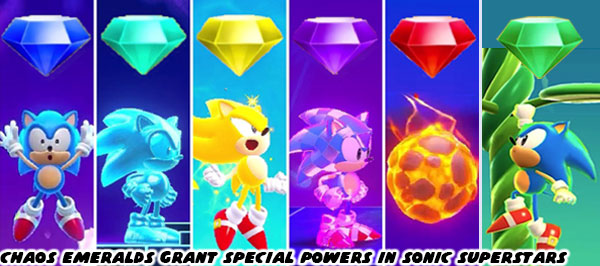
The most overlooked thing that Sonic Team, and Arzest did in Superstars was turn each of the Chaos Emeralds into a playable feature. As the levels progressed you could unlock a new emerald, and each one granted you some temporary powers. One emerald allowed you to turn into water, and swim upstream through the background. One allowed you to blast through the air like a fireball, one allowed you to slow down time, one of them allowed you to create multiple versions of yourself to run interference. Then there were the emeralds that allowed you to grow a massive plant from the ground, see invisible rings, and platforms, as well as a gem that allowed you to throw small tornadoes at enemies. If you unlocked all of the emeralds then you could become a “Super” version of your character. It occurred to me how similar the Chaos Emeralds were to the Infinity Gems from the Marvel Comics. You might be familiar with the gems thanks to the Marvel cinematic universe, but their use in comics had gone back over 50 years.
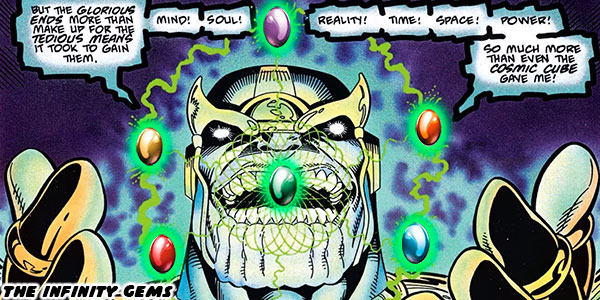
The Infinity Stone first appeared as a “Soul Gem” in the 1972 issue of Marvel Premier #1. As the cosmic adventures of Adam Warlock, and the Silver Surfer continued through the ‘70s, and ‘80s more gems, and their unique powers were revealed. The six Elders of the Universe were their custodians. You might know some of the elders such as the Grandmaster, the Collector, and the Champion from the game
Marvel Contest of Champions. In 1990 the Thanos Quest was the comic arc where the villain tracked them all down to create the Infinity Gauntlet. It was interesting that this story took place a year before the release of the original Sonic the Hedgehog. It made me wonder if Sonic Team was aware of this development, or if having multi-colored gems with awesome powers was just a coincidence. Either way having the ability to freely switch between the different gems, and use their powers was a way to elevate the classic Sonic experience. I believe that Sonic Team had a secondary reason to add this new element to the game. The studio used a similar mechanic in the game Sonic Colors. In it Sonic could temporarily use the powers of alien creatures known as Wisps.
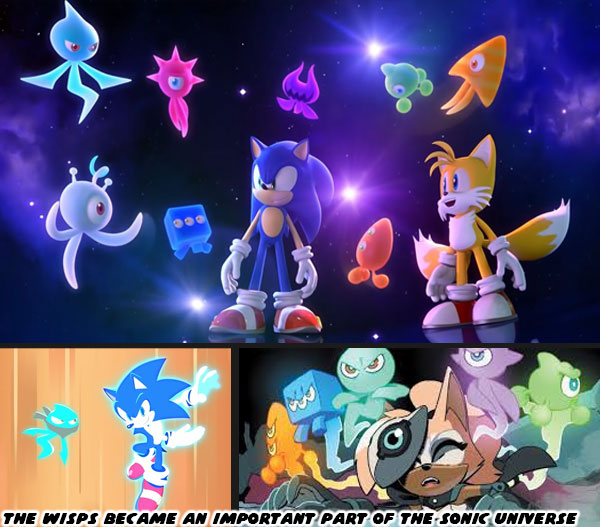
The ability to have Sonic use new abilities helped mix up the familiar game play. You could revisit stages and discover all sorts of secrets once you had unlocked new Wisp powers. In a similar way you could replay levels in Sonic Superstars using the different Chaos Emeralds as well. For those unfamiliar with Sonic Colors; it was developed by Sonic Team, and released November 11, 2010. I would argue that it was possibly the best post Sonic Adventure 3D game from Sega. It certainly had one of the most memorable soundtracks. It featured music from just about every veteran Sonic composer with the exception of Dreams Come True. Instead of battling across different zones the game actually took place across several themed planets. Sonic had to save the Wisp alien species from enslavement by Dr. Eggman.
The animated short Rise of the Wisps helped explain the plot of the game.
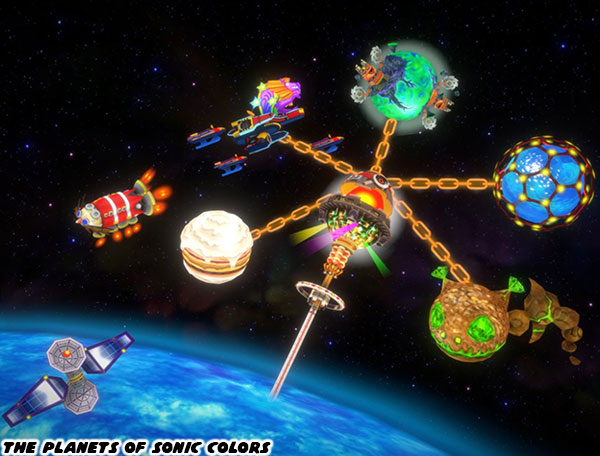
The power ups from the Wisps were temporary. They allowed Sonic to rocket through the air, drill through the ground, climb vertical surfaces, or even shoot across a stage like a laser beam. The new powers didn’t break the game, nor did they feel like a forced add-on. The designs of the creatures perfectly complemented the character art from the modern Sonic universe. They were quickly adopted into the pages of the IDW comics. The Wisp powers, and use as weapons, or “Wispons” turned up in later games. Looking back it seemed obvious that Sonic Team had always meant for the Chaos Emeralds to be used individually. Each emerald helped open up the experience, and especially made the boss battles a little bit easier. If the template was already proven to work why didn’t Sonic Superstars use Wisps? Would you believe that it was because there were two different versions of Sonic? The one from Superstars hadn’t met the aliens yet. We’ll explore the duality of Sega’s franchise mascot in the next blog. Did you play Sonic Superstars? Did you have a favorite game in the series? I’d like to hear about it in the comments section. As always if you would like to sponsor me
please visit my Patreon page and consider donating each month, even as little as $1 would help make better blogs and even podcasts!