Showing posts with label asymmetry. Show all posts

Friday, October 11, 2024

A symmetry of villainy, final part

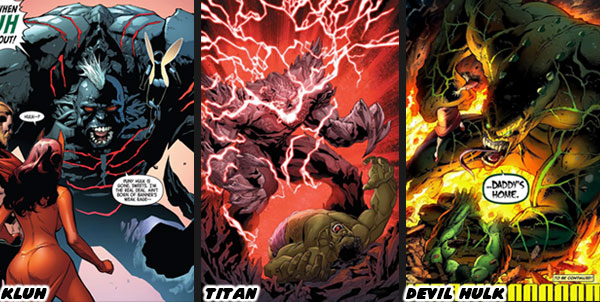
Over the past week I gave examples of building symmetric, and asymmetric villains in comics. I used the strongest characters in DC, and Marvel as an example. Superman, and the Incredible Hulk had faced a number of powerful beings over the decades. The ones that gave them the greatest challenge were sometimes absurdly powerful physical beings. In the previous blog I talked about Doomsday, and Onslaught. In other cases the heroes fought evil versions of themselves from another timeline, or another dimension. Superman faced off against Ultraman in several stories. This was essentially a Superman who lacked the morals instilled to him from Martha and Jonathan Kent. The Hulk battled the Maestro, an evil version of himself from the far future. Bruce Banner suffered from multiple personality disorder. Each one of the figures trapped in his mind could manifest as a version of the Hulk. He fought to keep his identity as the dominant one. The traditional "Savage" Hulk was the best known of his alternate personalities. There was also the street savvy Gray Hulk aka Joe Fixit. There were demons that Banner kept locked away in the furthest recesses of his fragile psyche. These included Kluh, Titan, and the Devil Hulk. Believe it or not they were each potentially more dangerous than the Maestro.
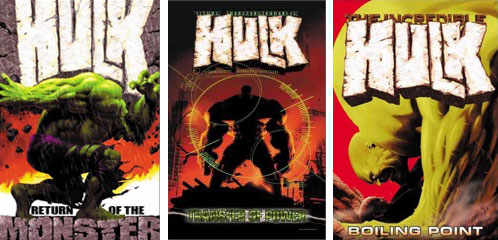
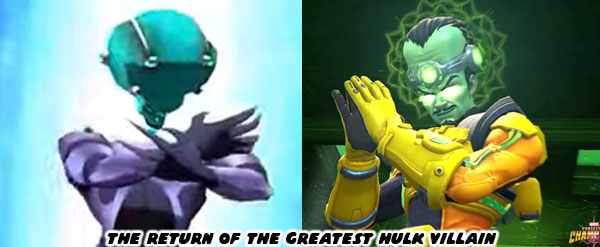
These types of villains were fantastic for a short arc, however their impact would be diminished if writers kept trying to revisit them again, and again. The best rivalries for both Superman, and the Hulk happened with foes much weaker than either of them. It took a lot of effort to create a memorable villain, let alone a recurring threat in the Marvel stories. A bad guy that could challenge the universe, somebody like Onslaught had to have the powers of multiple characters like Professor X, and Magneto combined in order to bring the Hulk to the edge of defeat. This was the kind of impact that the Leader held in Hulk continuity. He didn't challenge the Hulk with one ability, but with a barrage instead. How Marvel created this character, and what made him tick was an important lesson in rival design. When it came to which version of the Leader I thought worked best, which one explained his abilities, and threat level then I would actually point to video games. 
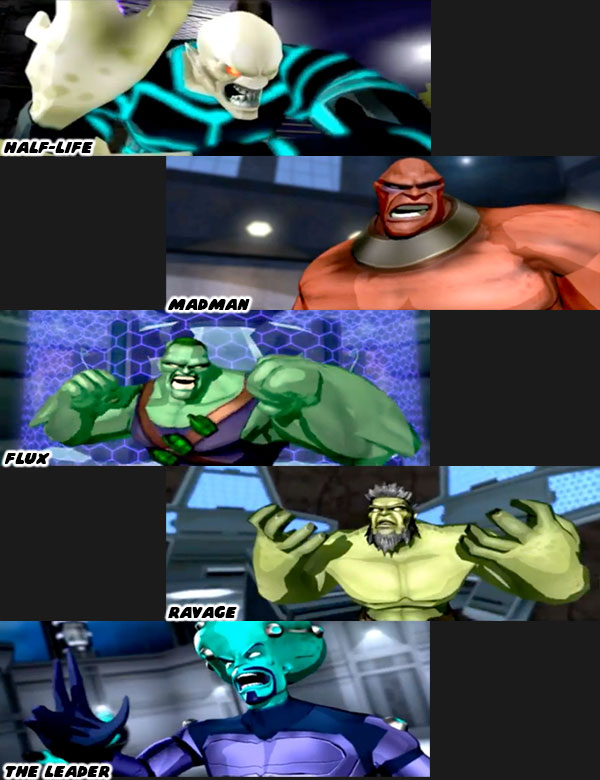
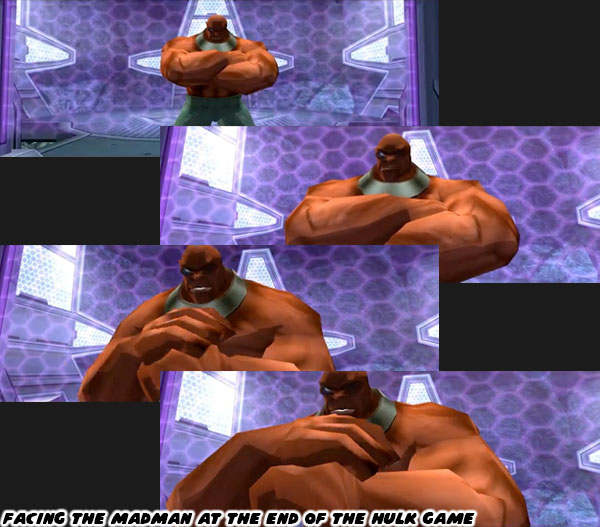
From a visual standpoint I believe the Leader looked best in video games rather than in comics. The designers at Radical Entertainment created a decent Hulk game in 2003. It was a follow-up to the Ang Lee live action film featuring Eric Bana in the role of Bruce Banner. Eric even voiced the character in the game. Despite amazing visual effects the movie was a flop. It probably explained the lukewarm reception the game received. Thankfully it took place after the film, and was set in a more comic book environment. It featured a collection of some of the Hulk’s greatest comic opponents. They were pulled from a number of different writers, stories, and arcs. The gamma-powered lineup included Half-Life (Anthony Masterson), Madman (Philip Sterns), Flux (Private Benjamin Tibbits), Ravage (Professor Geoffrey Crawford), and the Leader (Samuel Sterns). The story was an amalgamation of different plots, and locations from the movie, and comics that worked well together. The use of cel-shading, and even dramatic angles helped make it look like a graphic novel brought to life.
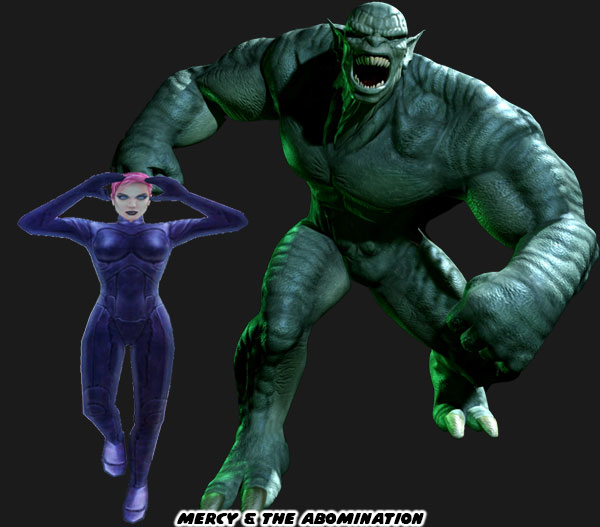
The Hulk game was good, but their follow up title The Incredible Hulk Ultimate Destruction was absolutely amazing. Released in 2005 it didn’t only raise the bar for Hulk games, but forever raised the standard by which all comic book games would be measured. The story, design, animation, control, and combat were unparalleled for years to follow. Its influence would be felt across the industry. In fact the locomotion of the Hulk had a direct influence on how Spider-Man would move in the award-winning games by Insomniac some 12 years later. I considered it one of my favorite games of all time, and even mentioned that on the blog. The game didn’t feature as many rivals as the previous Hulk title by Radical, but the handful they had were memorable. These included the powerful psychic Abigail “Mercy” Wright, the Hulk’s latent rage persona known as the Devil Hulk, General Ross, and The Abomination.
The earlier game was notable because it featured not only the Leader, but his brother Philip as well. Peter David, and artist Jeff Purves created an opponent that brought the Hulk to the brink of death in the Incredible Hulk issue #363. The Madman did this through subterfuge, and gamma poisoning. Philip Sterns followed in the footsteps of Banner, and became obsessed with him to the point of developing a toxic love. Once his brother mutated into the Leader he blamed Banner, and the Hulk for taking him away. Philip became a nuclear scientist. He wanted to gain powers as well so he experimented on himself repeatedly with gamma radiation. He effectively scrambled his own brain in the process. He developed multiple personalities, which determined how his powers manifested. For the Madman it resulted in having abilities different than his brother. The Madman could actually make himself appear like any other person. His ability was on par with Mystique, an X-Men villain that could shapeshift into other people. That was only part of what made him dangerous. He was still an accomplished scientist, perhaps not on par with his brother, but still smart enough to figure out a way to destroy gamma mutations. At will he could also “Hulk-out” as well. When he changed he had red clay-colored skin rather than green. He was also taller, denser, and stronger than the Hulk, but he could only maintain this form for short bursts of time.
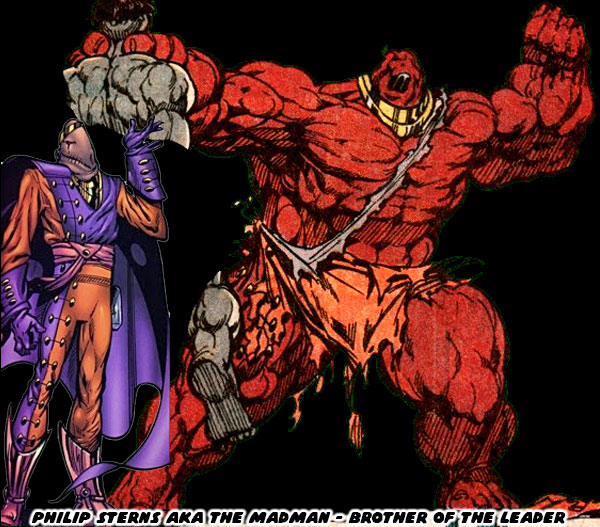
The Madman debuted in the four-part “Countdown” arc in 1989.  If I were to describe his mental state he melded the personalities of an agent of chaos, with a raging beast. To put it in context I would compare him to two iconic DC villains; as if the Joker, and Bizarro had an offspring that was obsessed with Banner. The Madman had created a virus that was destroying the Hulk's gamma mutation. The gray "Joe Fixit" version of the Hulk was wasting away in each panel of the series. If he transformed back into Banner he would deteriorate even faster. It broke my heart seeing the most powerful mortal on Earth reduced to skin, and bones. I saw the race to cure Mr. Fixit as an allegory for the AIDS crisis. The epidemic was on our collective minds through the late '80s, and early '90s. In fact it wouldn't be the first time that Peter David faced the issue of HIV in the series. I thought the Countdown arc did much more to establish a legitimate threat the Hulk more than Doomsday did for Superman. The Madman was regarded as being too dangerous for his own good. He was so dangerous that the Leader even teamed up with the Hulk to track him down. He asked the Hulk to stop him because he couldn’t bring himself to hurt his own brother. The Leader was afraid that Philip’s mind had completely lost to the Madman persona. If any part of him remained it would better for the Hulk to put him out of his misery. It was brilliant storytelling, and fantastic reveal. It was pulled off much better than the introduction of the Red Hulk, that's for certain! 
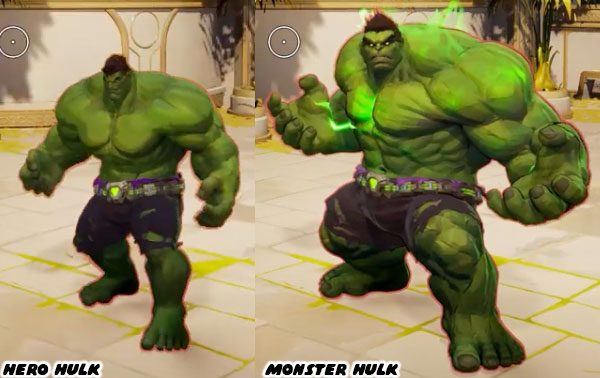
The closest that a game had come at recreating the power burst that the Madman exploited in the comics could be seen in the multiplayer game Marvel Rivals. Banner was a playable character, and when he transformed he became the "Hero Hulk." If the player managed to raise his energy levels in the middle of a skirmish then he could power up even further, and turn into the "Monster Hulk." This gave him different attacks, and a higher amount of health points. This version of the Hulk was much stronger, denser, and bigger than the regular Hulk. It was exactly how I imagined the Madman would jump from human scale to monster scale, bypassing the traditional Hulk, but again only in short bursts. By comparison the size of the Hulk, Ravage, Flux, and the Madman were more or less the same in the older Radical Ent. game. In the comics there were notable differences in their frames. They were all hyper-muscular, but some were leaner, shredded, distorted or bulky compared to the Hulk in the comics. Given his powers, and unpredictable nature I think it proved difficult to write scenarios featuring the Madman. Hence he was used very sparingly by Mr. David, and future writers. I was grateful at least that he appeared in several encounters in the Hulk game, under the orders of the Leader.
The Leader would show up in animated form, and various comic arcs over the years. He would not appear again in a prominent gaming role for more than two decades. The Marvel Contest of Champions (MCOC) was a mobile game with a massive following, and deep library of characters. It debuted in December 2014, and had generated millions in revenue for the developers at Kabam, and of course Marvel. It gave global audiences the ability to fight as, or against 275 popular, and rare characters. It was a fantastic introduction to the universe for Generation Alpha. It was also an accessible, and balanced fighting game for all audiences. I wrote about the title, and its comic book origins in a blog series. It was linked below if you haven’t read it. I enjoyed having multiple versions of the Hulk as playable characters, and even featuring the Maestro as one of the major villains. Even with the Rhino, Abomination, Juggernaut, and Onslaught to battle against it still felt like someone was missing. The Leader was finally announced for 2024, and I could barely contain my enthusiasm.
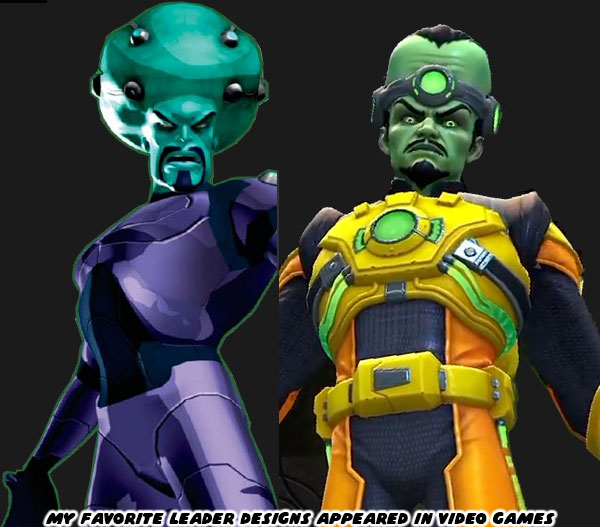
I was a huge fan of the aesthetic Kabam used with the character art. This was fortunate side effect of optimizing the game. The graphics capabilities of mobile devices determined how far the studio could push the visuals. Not every device was the latest iPhone or Android, so the studio had to make it playable on older devices as well. Many had limited memory, limited processing power, and limited 3D rendering capabilities. In order to keep the game running smoothly across multiple platforms the studio had to optimize their engine in every possible way. For example the fighters featured simpler shapes, fewer frames of animation, and limited polygon counts when compared to console, or PC characters from the same era. These figures nonetheless worked from a style standpoint. The art team at Kabam did their homework. Each champion was pulled right from the comics, films, and television shows. From largest to smallest, the library of fighters were all easy to read, and looked brilliant. I wished that there was a MCOC toy line for how great a job the studio did. Kabam gave the Leader a somewhat classic look in his reveal. The shape of his head was vertical rather than Jiffy-pop. He even sported his familiar mustache, and Van Dyke beard. The orange, and yellow colors of his uniform went back to his earliest appearance. Despite the retro touches he still worked within the Contest of Champions.
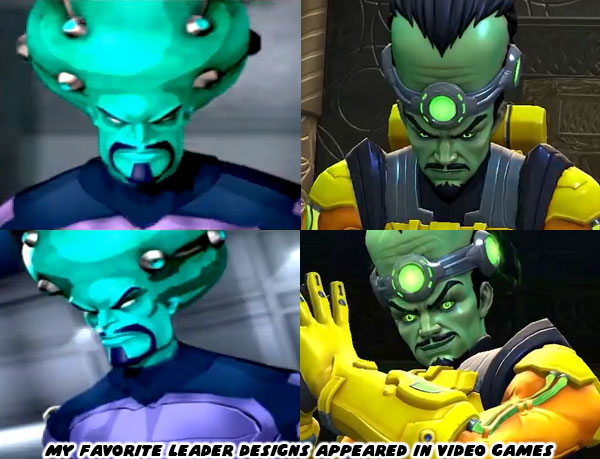
The team at Kabam updated his look by adding a psychic band on his forehead, and a number of gadgets to his costume. These touches explained his ability to float, generate a shield, deflect attacks, and project beams of energy. They were exactly the sorts of things he might use in a comic book battle. By comparison the designers at Radical Entertainment had a completely different take on the Leader much earlier. They gave him an armored metallic purple uniform, and a round head shape. He had electrical nodes on his skull, and shoulders, these allowed him to project beams of psychic energy directly from his forehead, or channel them through his hands. He was able to float, create barriers, project multiple versions of himself, and throw the Hulk with his mental powers. There had never been a version quite like this in the comics, but in game form it made absolute sense.
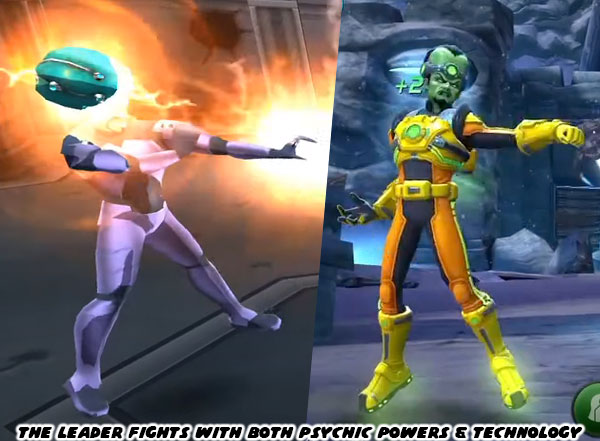
Despite these awesome psychic attacks the game was still filled with clues to his inventing prowess. The Leader had created a Gamma Orb which was a compact tool that he used to syphon Banner’s power. It was a fraction of the size of the Gamma Sphere that caused his mutation in the film. The Leader built an entire underground base called Freehold. It was populated with his mutations, and weapons. He had teleports, and even a transport system running underground. The majority of the game was essentially fighting through his defenses in an attempt to reach the mastermind. I was glad to see that the villain was getting a new chance to show off his powers in the Marvel Contest of Champions. I hoped that someone working at one of the AAA publishers was working on a pitch for a new Hulk game. Something that could build on the work of Radical Entertainment, Insomniac, and the other great comic game developers. It would hopefully make Incredible Hulk, and especially the Leader relevant again. If you want to find out more about the Contest of Champions please check the links below. 


Did you have a favorite Hulk villain that I did not mention? Or another rare character you want to talk about? What were the elements that you thought made for a great villain design, or a great villain reveal? Tell me about it on the comments section. As always if you would like to sponsor me please visit my Patreon page and consider donating each month, even as little as $1 would help make better blogs and even podcasts!
follow the Street Writer on Patreon!

Wednesday, October 9, 2024

A symmetry of villainy, part 4...

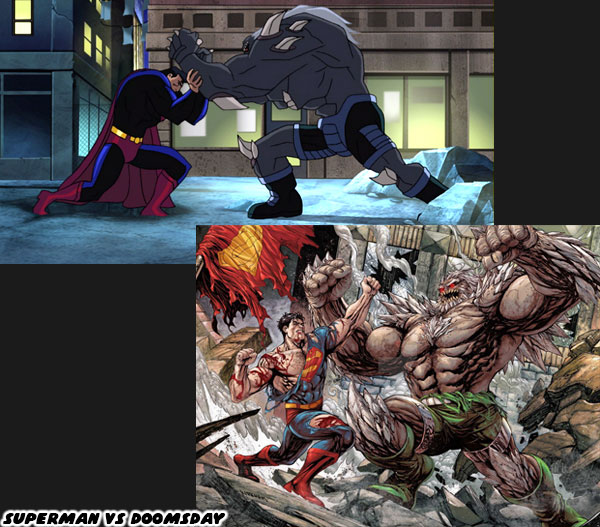
Over the past few entries of this series I talked about building rivals by using symmetry, and asymmetry. I wrote this series because Kabam had announced that the Leader would be introduced in their mobile game Marvel Contest of Champions. It got me thinking about all of the Hulk's rivals, and what made the Leader unique among them. I wanted to highlight these things in order to help new creators figure out how to build a great opponent. Yet with a character as overpowered as Superman from DC Comics, or the Hulk from Marvel comics how would one build a worthy rival? You could introduce a character so physically impossible to beat that they could kill the hero. It was a sometimes cheap trick that writers would use to make the threat seem unstoppable. See the genetically-altered Kryptonian weapon Doomsday for example.

This type of character might generate a lot of interest, sell a ton of comics, but in the long run they would feel one-dimensional. Their gimmick would get boring. They would become relegated to secondary foes in later stories while a human like Lex Luthor offered a greater ongoing threat. Many people thought of the Hulk in a similar regard to Doomsday. He was absurdly powerful, adapted in battle, and could solve all his problems with his fists. Yet those people missed the nuance that the character provided. The Hulk was an allegory for war, nothing good came from fighting him. The green monster just wanted to be left alone. Doomsday was a weapon of mass destruction, by comparison the Hulk was a force of nature. Their appearance could wipe entire cities off the map, and nothing could stop them. The difference between the two was that Doomsday made the choice to destroy. Whereas the Hulk was pushed into it. Doomsday could adapt, his bones would become denser, his teeth sharper, he would secrete poison, but nowhere in his canon did he ever become exponentially stronger. He did have a limit, and Superman could find it. The Hulk could not be beaten if the opponent used only force. That's not to say he had never been beaten in physical combat.

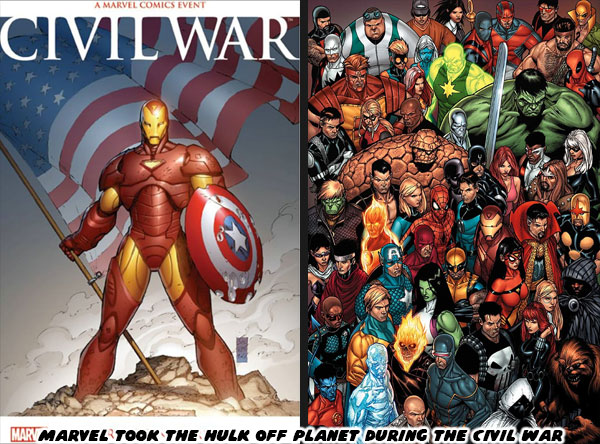
In fact a calm Hulk was weaker than the Juggernaut, and Abomination by a wide margin. To make up for this the Hulk had a healing factor much greater than Wolverine. Not only that but he never tired, he grew stronger with every passing second, he could eventually superpass the Juggernaut, and Abomination in a battle. If he continued fighting he would eventually rival cosmic-level threats. The best way to stop the Hulk was by never starting a fight. The Marvel editors considered him the "Nuclear Option." When they built a story that involved the entire universe they needed to figure out how to get Banner, and the Hulk out of the picture. For example during the events of the Civil War arc they literally sent the Hulk into space to have his own adventure. The editors knew that would have sided with Captain America, as he didn't get along with Iron Man. Also because the Hulk was against the type of authoritarian pushes that Tony Stark was supporting. The Marvel Universe would eventually have to deal with an angry Hulk upon his return home. But that would be saved for future arcs. 

Marvel realized the Hulk could serve as both a villain, or a hero depending on the situation. So how was it possible to create a worthy rival for someone as absurdly powerful during normal character arcs? That's where asymmetric design would come in handy. The plans of the Leader, and his many inventions were not the only things that made him a menace. His level of psychic ability put him on a level that was rare, even in the Marvel U. As I stated earlier in this series, the Hulk was able to single-handedly defeat opponents that gave entire teams like the X-Men, and the Avengers trouble. That meant that the opponents he faced would have to be leagues above most super powered characters. Charles Xavier “Professor X,” the leader of the X-Men was considered the most powerful psychic in the Marvel U, yet he had been bested many times while trying to invade the mind of Banner. Erik Lehnsherr "Magneto" was also one of the most powerful mutants on Earth. During the House of M storyline mutants controlled most of the world, and oppressed humans. The Hulk took over the Australia, and made it a safe haven for humanity. Magneto wanted dominion over the continent, but the Hulk threatened him to stay out. Magneto realized he could not stop the Hulk if they went to war. 

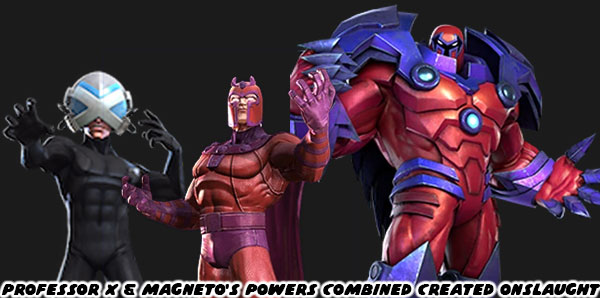
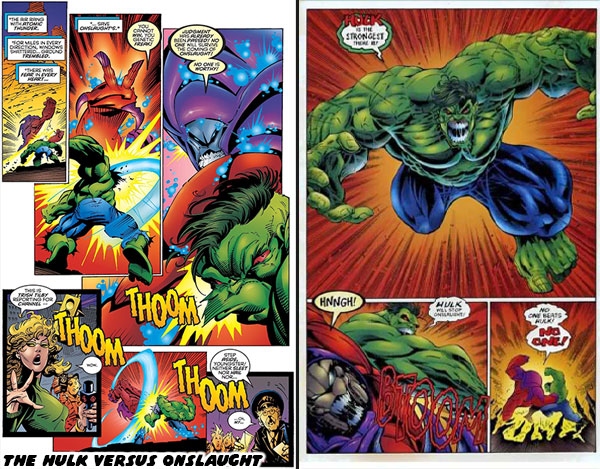
The closest the duo ever came to crushing the Marvel Universe was when their powers were combined, and a new villain named Onslaught was born. This character was so overpowered that the X-Men, and the Avengers couldn't stop him. They realized that the Hulk was their best chance. Yet during this time Bruce Banner, and the Hulk had found a sort of balance. They were at peace with each other, and in sharing a body, and soul. In order for the Hulk to become strong enough to face Onslaught they came to the realization that the personalities of Banner, and the Hulk had to become separated once more. If they did this then he might never be whole again. With the help of Jean Grey aka Marvel Girl the Hulk once again was reverted to a ball of rage. He was unleashed, and was quickly overpowered by the new villain. As anyone with a passing knowledge of the Hulk knows that the angrier he gets the stronger he gets. Onslaught made him absolutely furious. The Hulk eventually cracked Onslaught's armor, giving a chance for the teams to defeat him. Something that was glossed over in many retellings of the saga was that Banner had also defeated Onslaught when he invaded his subconscious. Essentially he beat him twice when no one else could. 

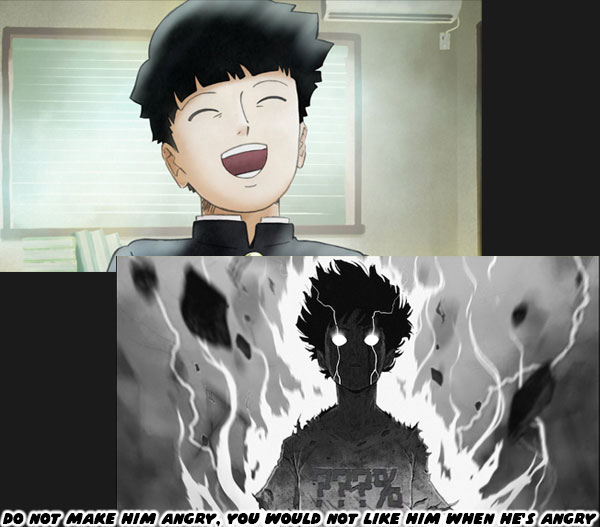
The victory against the monster was bittersweet. All the progress the Hulk had made, the goodwill he earned, and all the alliances he had built would be reset. It was the tragedy of Bruce Banner. For a moment he would be considered a hero. He stopped an enemy that the combined forces of the Marvel U could not. Once the dust settled both the X-Men, and the Avengers would eventually turn against him. Every other Marvel hero was rewarded for their powers. Bruce Banner was punished for his. This type of storytelling made for a very complex, and sympathetic character. That was why I would compare the Hulk comics to Mob Psycho 100, rather than One Punch-Man. Yes it was awesome when the Hulk could punch his way out of a problem, but the heart of the story was in literally warning the bad guy that they did not want to make Banner angry. Seeing the villains suffer the consequences was a reward, but the fallout would also set Banner back. Shigeo Kageyama aka Mob had a comparable dynamic. He wanted to get through school, and catch the eye of Emi, a girl he had a crush on. At the same time he knew his psychic abilities were powerful, and tried to keep his emotions in check so his powers would not explode. Unfortunately the pressures of growing up, and having rivals seek him out always ended with him losing control. These events would take a toll on his physical, and mental health. 

Mob Psycho 100 was essentially a retelling of the Bruce Banner mythos, but in Middle School instead of an Army Base. A cavalcade of villains with all sorts of different psychic abilities assumed that they could defeat the child. Each were humbled when Mob revealed the monster he had been suppressing. Even the final villain Toichiro Suzuki aka the Demon would find out that he shouldn't have bullied the kid. Mr. Suzuki believed that his power meant that he should rule the world. He was what Mob would have become if he didn't have a loving family, and mentors to help guide him. ONE managed to write a story that had Mob essentially doing battle with an older, and much more evil version of himself. It was similar to how Peter David managed to have the Hulk, and Maestro fight in the Future Imperfect arc. ONE wrapped up his series very well, so that he did not end up retreading the same ground like Marvel comics. If the Leader was not an evil version of the Hulk, then why was he such a great villain? How could a skinny guy with a big head be a problem for the Green Goliath? We will look at that in the next, and final entry of this series. Were you a fan of any of the aforementioned rivalries? Tell me about it on the comments section. As always if you would like to sponsor me please visit my Patreon page and consider donating each month, even as little as $1 would help make better blogs and even podcasts!
follow the Street Writer on Patreon!

Wednesday, October 2, 2024

A symmetry of villainy, part 1...

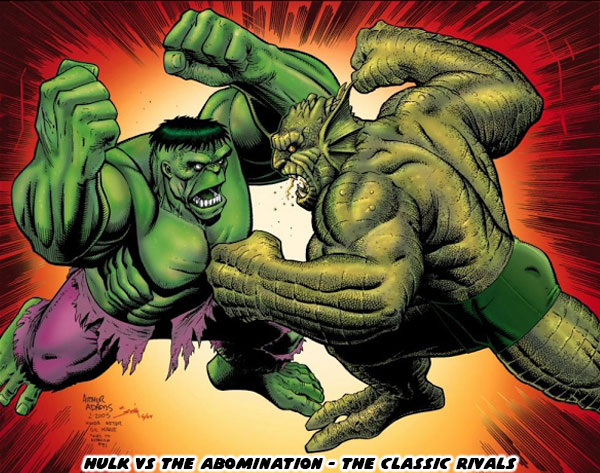
Hello friends, I hope you are doing well. Today I want to talk about great comic book rivalries. How they are put together, and what I think makes the best ones work. This topic was actually inspired by the return of one of my favorite Incredible Hulk villains. I’ll talk about who that is in a moment. Right now I want to focus on my theory of great rival design. It is a sort of follow-up to a blog I wrote ages ago regarding The Frightful Symmetry of Street Fighter. I argued that all great fighting game designs worked because there was a lot of symmetry in the development of their cast. In the early days of fighting games the main characters had a rival or balance. They were often presented as the Asian versus Western master of the fighting arts. Think of Ken, and Ryu from Street Fighter, or Paul, and Kazuya from Tekken. Then later on the library was expanded to make female counterparts to lead characters. I talked about this on The Legend of Blue Mary. If you were a budding comic book, video game, or storyteller then you might find it hard to come up with a great recurring villain. The easiest way to approach this was by creating an opponent that was a mirror rival to the hero. For example long-time comic book fans might argue that The Abomination was the greatest enemy of the Incredible Hulk. They might be right.

The Abomination was a gamma-irradiated villain that was bigger, and stronger than the Hulk. He was also intelligent, sadistic, and cruel. Whereas the Hulk was filled with a blinding rage, he was still a moral character that just wanted to be left alone. When they battled the Earth literally trembled. There were few forces in the Marvel Universe that could come between them, let alone try to stop them. Unless you had read a lot of comic books then you might not realize how the power scale worked between different comic books. The villains on a street level hero / anti-hero like the Daredevil, or the Punisher, were nowhere near as dangerous as the villains the Hulk comics. The Hulk had single-handedly taken on characters that the entire X-Men, or Avengers rosters were unable to stop. When the Hulk, and Abomination fought it was the western equivalent of a daikaiju battle, like Godzilla vs King Ghidorah. The best course of action was to evacuate the nearest city, and let them fight. Good or evil would triumph, and the survivors would have to deal with the fallout. The Hulk, and Abomination were an example of symmetrical design. Think about your favorite comic book rivalries, and try to recall how many were symmetrical in nature.

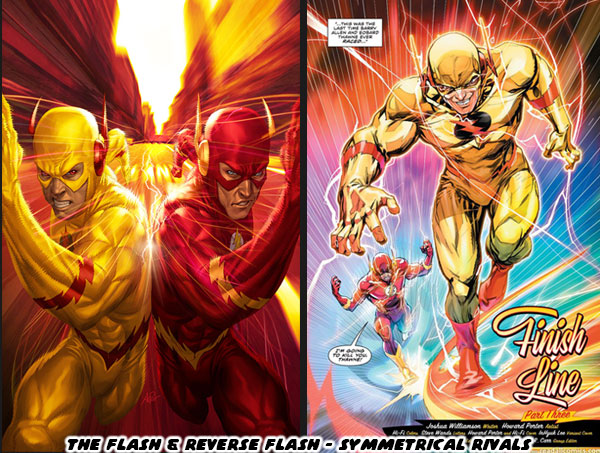
My favorite DC hero was the Flash, it was debatable if I liked Barry Allen, or Wally West as the Flash more. Their greatest rival was also symmetrical in nature. The Reverse Flash was among the most dangerous opponents in all of DC canon. Eobard Thawne hailed from the far future. He had made it his mission to travel through time, and destroy the life, and legacy of the Flash. In several continuities he had succeeded in this, wiping out the Flash, and all of his allies. Having a compulsion to destroy entire generations of characters was a scary thought. Knowing that few in the DC universe could stop the Reverse Flash including Batman or Superman, made having the Flash there to protect the universe essential. For comic books, and most pop culture storytelling making a rival be a perfect balance just made sense. However I would argue that the most interesting rivalries were when the opponents were not perfectly balanced. Let’s talk about asymmetrical rivals.

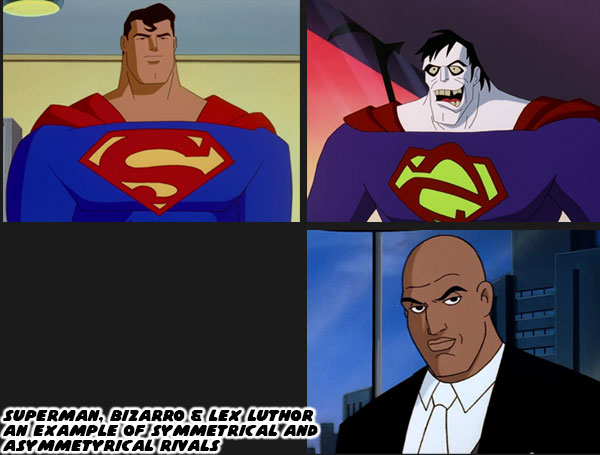
Superman was arguably the most popular hero in DC, if not all of comics history. When he debuted in 1938 he fought mostly low level villains. The gangsters, and petty criminals that most people saw in media. Through the years different creators starting making villains more unique, and powered as well. Once the atomic bomb had been used in WWII the power scaling in comic books jumped exponentially. This was especially true for Superman, and lead to the creation of the Incredible Hulk. One of Superman’s greatest opponents was a freakish mirror version with all the same powers known as Bizarro. While Bizarro had many memorable encounters with the Man of Steel there was one villain who was a perpetual thorn in his side. Lex Luthor was seen by most as his greatest rival. He was intelligent, rich, and calculating. Using his money, and influence to gain as much power as possible he was aware that Superman was the only person that could stop his ambitions. Despite not having any super powers he had brought Superman to brink of death time, and time again. Although Bizarro was a great opponent, it turned out that Luthor was the one that gave Superman the most trouble.

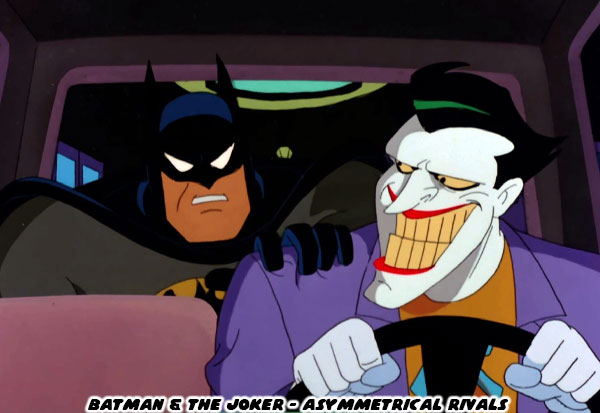
Batman was similar to Superman in that they fought opponents with comparable abilities. Whether it was strength, and martial prowess (like Bane), intelligence (like the Riddler), or fear (the Scarecrow) then Batman had an opponent that could challenge his individual abilities. It was a literal wild card that gave Batman the most trouble. The Joker was pure chaos. He was unpredictable, and nothing the Batman did could prepare him for the next encounter. The Joker did not have the fighting ability of the Batman, nor the ability to calculate his next move. He would often surprise himself with his random schemes, and thus ensure that Batman would be caught off guard as well. This type of character design, the ability to fill a world with both symmetrical, and asymmetrical opponents was critical to pop culture. It made the best comic book, tv, movie, and video game battles work. I would argue that with a few exceptions it was the asymmetrical foes that were the most important for the hero to overcome. This lesson was especially true in team settings. 

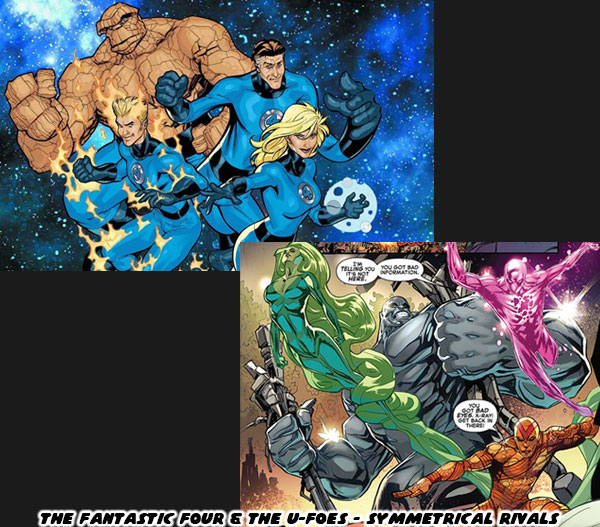
Think about the greatest evil organizations in comic book history. DC had the Legion of Doom which was created to battle the Justice League. The evil organizations were made up of rivals with symmetrical powers to the heroes. This type of design was also featured in a number of Marvel books. The X-Men fought the Brotherhood of Evil Mutants, the Morlocks, and the Reavers to name just a few. They were often composed of opponents that had asymmetrical designs as the heroes, but similar powers. This sort of balance went for a few other teams in the Marvel Universe as well. Most people were familiar with the Fantastic Four, but unless you were familiar with the comics you might have never heard of the U-Foes. This team recreated the same space flight that gave the Fantastic Four their powers through cosmic radiation. They even had brother and sister; Jimmy, and Ann Darnell. The duo of X-Ray, and Vapor mirrored Sue, and Johnny Storm. The respective Invisible Girl, and Human Torch. Yet again, unless you were a long time comic book fan then you might have never heard of these villains. By the same token if you were to poll casual fans, and comic book fans as to who was the greatest enemy of the Fantastic Four were they would often point to Doctor Doom.

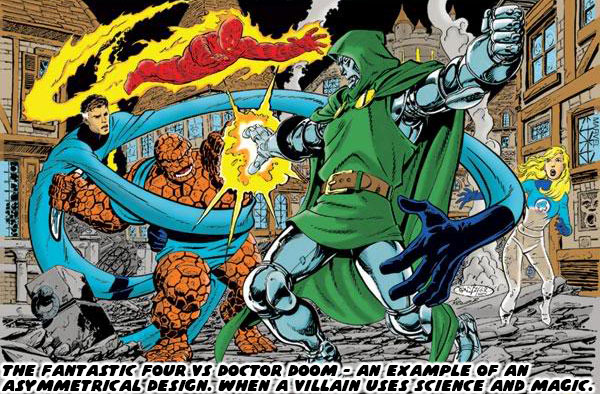
Victor Von Doom was an individual gifted with absurd levels intelligence, a creative mind, and an affinity for the magical arts. He combined the sciences, with the dark magics, and made for one of the most powerful villains in all of Marvel history. It was his unique blend of magic, and technology that allowed him to counter anything the Richards family could throw at him. It was this sort of asymmetrical design that made him a standout character, and able to be placed in a story that would work across the spectrum of Marvel heroes, and villains. He could one day be fighting against Dr. Strange, and the next be teaming up with him in order to save the Earth from a demonic invasion. The complexity of his design, and absolute resolve in his purpose allowed writers to put him in stories that were as fascinating for the villain, as they were for the hero. The creators at Marvel understood that the most memorable villains had nothing in common with the heroes.

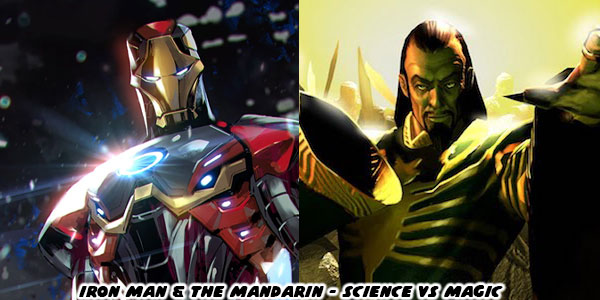
I was lucky enough to have brothers that also read comic books, and we collected titles across the spectrum. We were well versed in the happenings all over the Marvel universe, and the DC universe to a lesser extent. One of the most fascinating rivalries was that of Iron Man. He was possibly my little brother’s favorite Marvel hero, next to Dr. Strange. While Iron Man did fight other armored warriors like Titanium Man, the Iron Monger, and the Crimson Dynamo none were as big a nemesis as the Mandarin. The magic rings that the Mandarin wore allowed him to fight Iron Man on a physical level, but also Tony Stark on a psychological level. People that were only familiar with the characters thanks to the Marvel live action films had no idea how many amazing battles the duo had. As the years went on I realized that being able to create asymmetrical rivals meant a lot to the longevity of a title. It also made me realize that when new creators were placed on a book they did not always understand the characters that they were writing for. I will talk about this more on the next blog. For now I would like to know if there were any great rivalries that you enjoyed. Whether in a movie, game, or comic book. I’d like to hear about it on the comments section. As always if you would like to sponsor me please visit my Patreon page and consider donating each month, even as little as $1 would help make better blogs and even podcasts!
follow the Street Writer on Patreon!