Showing posts with label hulk. Show all posts

Monday, October 28, 2024

Generations of Hulk creators, final part...

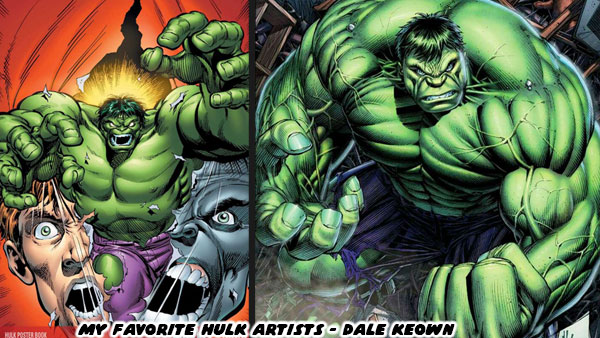
I hope my rambling series on the Hulk has kept you entertained these past couple of weeks. I had fun researching, putting it together, and sharing my thoughts on the best way to present the character. I hope it helps budding writers, and artists think about the approach they take when working on their own stories. I also wished it helped non-Hulk fans understand the appeal of the Jade Giant. He was certainly much more complex than has been presented in the recent Marvel live action films, and television shows. Today I’d like to talk about my favorite artists to work with the character. Let’s pretend that only one living artist allowed to draw the character until they retired. Who would I choose, and in what order?

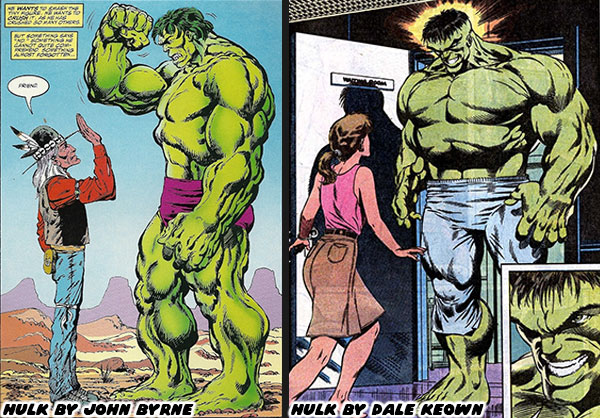
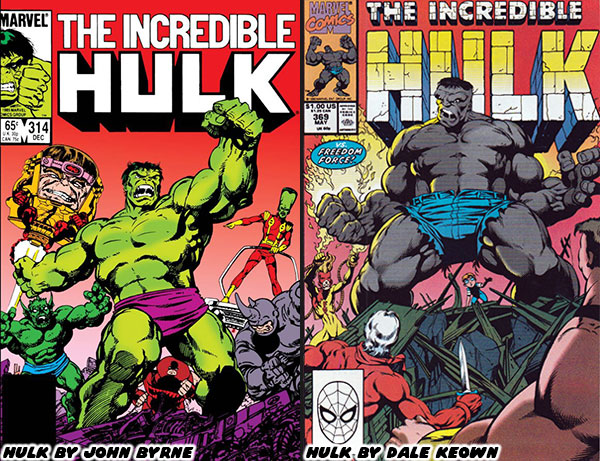
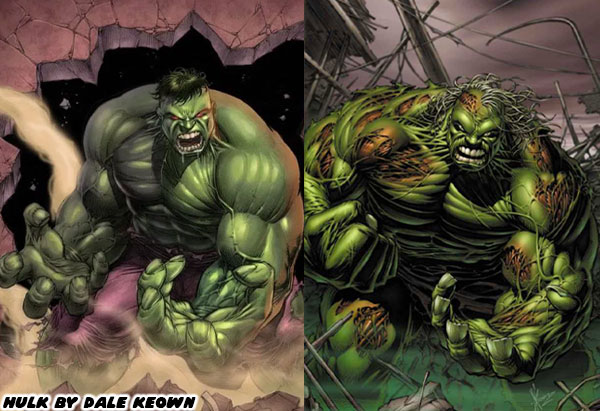
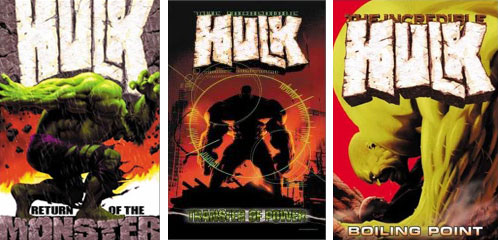
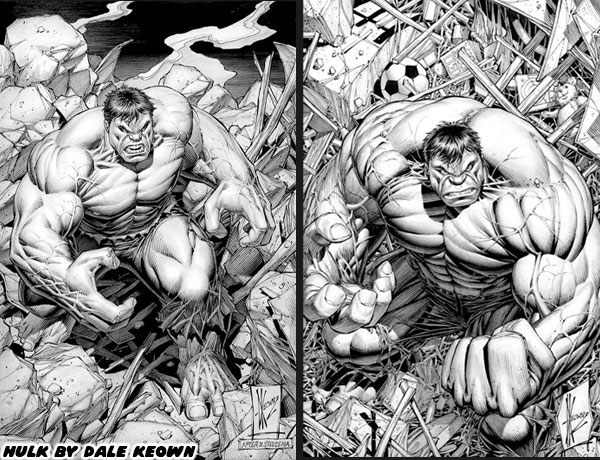
In the number one spot is Dale Keown. In my opinion he is, and remains the best Hulk artist ever. He’s illustrated countless iconic moments thanks to the writing of Peter David. His sense of scale, proportion, and strength is so great it should be studied by all comic artists. Especially those trying to make memorable strong characters. His style simply works whether the story involves the classic “Savage” Hulk, the street savvy Joe Fixit, the genius Professor Hulk, or the tyrannical Maestro. He is adept at drawing epic battles, horror stories, alien monsters, heroic team-ups, and dramatic arcs equally well. He is additionally good at drawing normal-sized heroes, and villains. This allows him to frame them alongside the Hulk so we get a sense of scale. To me Dale Keown is the standard that every modern Hulk artist is measured against. It is a well deserved honor.

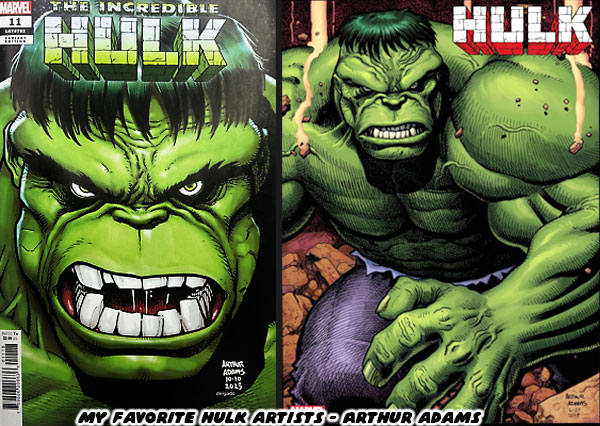
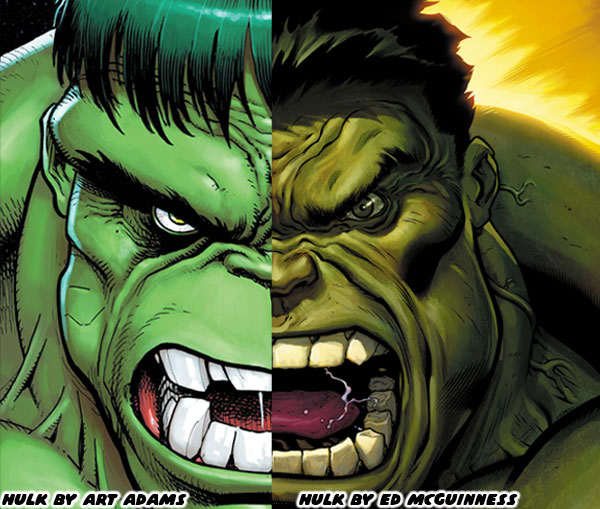
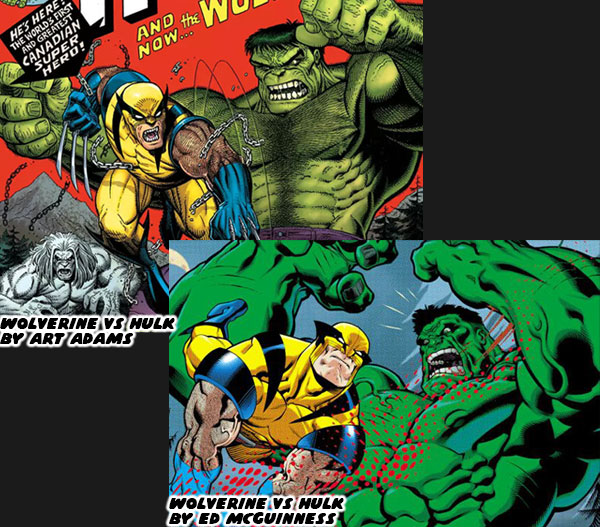
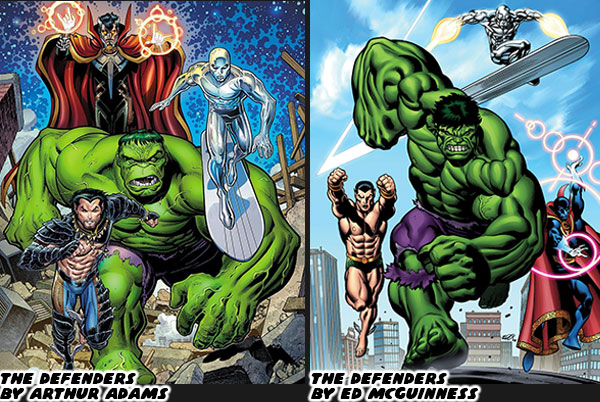
My second choice to draw the Hulk forever, and ever is Arthur Adams. Just about all the same praise I heap on Dale Keown applies to Mr. Adams as well. The major difference between the two is that Art knows monsters better than any other living artist. From the largest kaiju to the smallest imp, from pulp monsters that appeared only once in an obscure book, to the world famous Universal Horror monsters. Mr. Adams has drawn all of them at least once in his career. Drawing monsters is absolutely in his DNA. He has been rendering highly detailed pieces for 40 years, and shows no sign of slowing. The Hulk is one of the greatest monsters he’s ever brought to life, but to say that his greatness is limited to the Hulk would be a disservice to his talents. He is a fantastic pin-up artist, and can arguably be called the best X-Men artist, the best Fantastic Four artist, and the best Avengers artist to ever live. Saying he should only draw the Hulk from this point on would rob the world of a true genius.

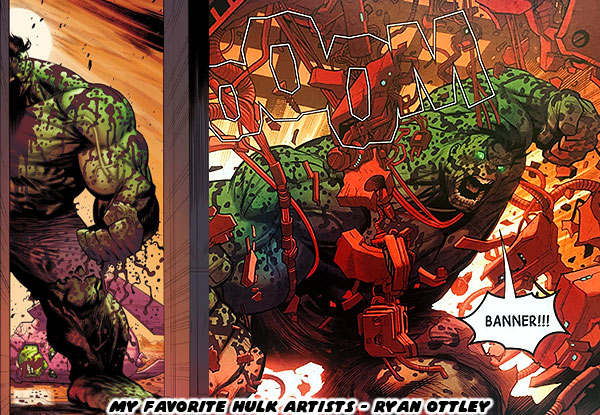
My third choice for who should draw the Hulk in perpetuity is relatively new. In fact he did not exist in my rankings until a few weeks ago. The same thing applies to my number five choice. Ryan Ottley is one of those people that was born to draw powerful characters. If the Hulk is the strongest there is, then he deserves an illustrator that knows how to present it. Mr. Ottley’s work on the Starship Hulk arc written by Donny Cates was absolute madness, but in a good way. He is known for drawing gratuitous violence in the Invincible series, and was able to bring that gore into the Hulk but did so sparingly. He has a surprisingly unique take on creature, and monster designs that is unlike his peers. These twisted creations work in the context of the series, especially when the Hulk has to tear through swaths of powerful opponents. Mr. Ottley also knows his supporting characters, and does a great job illustrating the Hulk’s allies, and rivals. I just wish he had gotten more than 14 issues to show off his talent. I would kill to see his take on the Leader, the Abomination, or the Maestro.

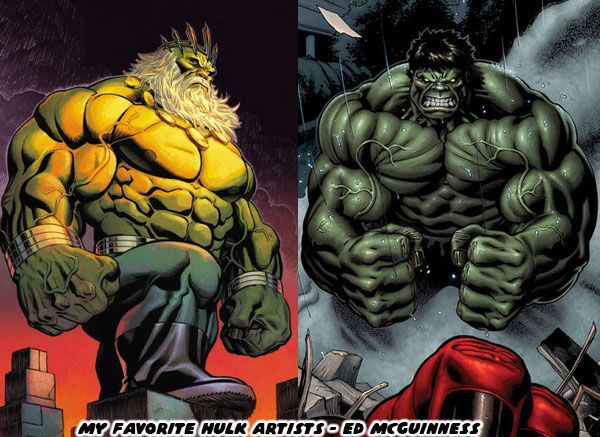
The fourth person on my list was previously my number three. I have already sung the praises of Ed McGuinness, and will continue doing so until my dying day. He is one of those people that you want to create a second Hulk book, just so he can have more to draw. I mean if there can be a Spectacular Spider-Man, Amazing Spider-Man, Web of Spider-Man, and Ultimate Spider-Man comics all out at the same time then why can’t we have two or more Hulk books going? McGuinness draws the Hulk so well that it hurts thinking I will never be half as good as he is at drawing the character. His rendering of the Hulk uses every synonym of power that you can think of. He has force, might, energy, and intensity. The only limitation for McGuinness is that he is too good at drawing muscular characters. Even the “normal” heroes are swollen. It makes the Hulk have a diminished impact when he shares a panel with characters that have the same physique but are a few feet shorter. But that’s a minor issue for someone that I’ve said was born to draw the character.

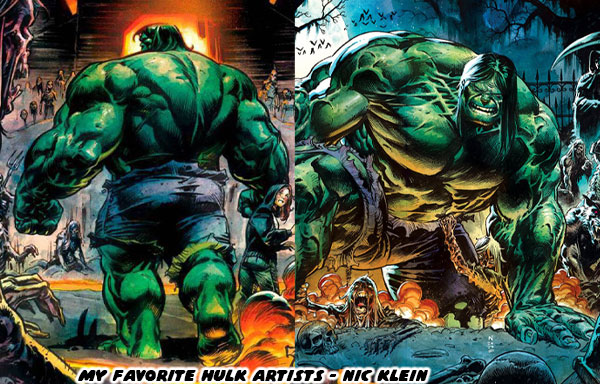
The fifth person that I think could carry the Hulk for all time would be Nic Klein. I said previously his style was equal parts Bernie Wrightson, and Mike Deodato Jr. His take on the Hulk oozed strength. The monsters, and demons he draws tap into some primordial fears of humanity. He presents the stuff of nightmares in vivid detail. It’s scary how good he is at bringing the ugly to life. If the Hulk book is only about horror then there is no one else on the list better qualified to draw it. I wanted to see how he would draw other Marvel characters working with, or against the Hulk. I wanted to see if he could render technology, weapons, or battle sequences with the Hulk. But based solely on the few issues he’s released in 2024 I can tell that he is up to the task. The sky is the limit for Mr. Klein, and I look forward to following it.

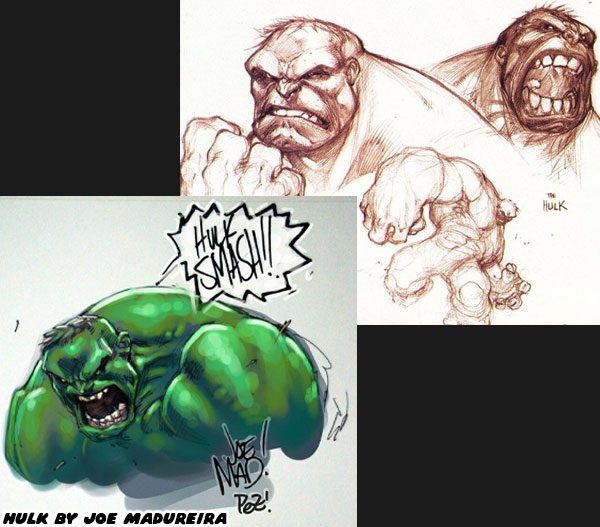
I want you to think of Joe Madureira as my honorable mention. He is an artist that would have been a top-five in my book, possibly a top-three to carry the Hulk forever. That is of course if only he got a chance. The Hulk is an absolute unit when he draws him. Proportionally landing somewhere in between McGuinness, Ottley, and Klein. The thing is with the exception of some concept sketches, and the occasional cover, he hasn’t really had a chance to show fans what he could do with the character.

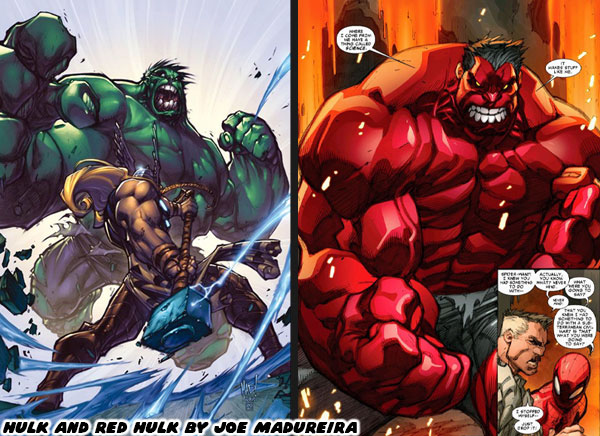
Joe Mad’s style of art oozes personality. He comes from a generation of artists that’s much more animated than any other illustrator that made their mark in the ‘90s. Similar to Humberto Ramos, artists in that era were pulling influences from manga, and video games into their comic work. That is to say it looked vastly different than anything else on the shelves. The fact that he drew massive bruisers so well that I was furious that he never seemed to land a run on the Hulk. Worse yet, when he finally got a chance to draw a power character for Marvel it ended up being the Red Hulk.

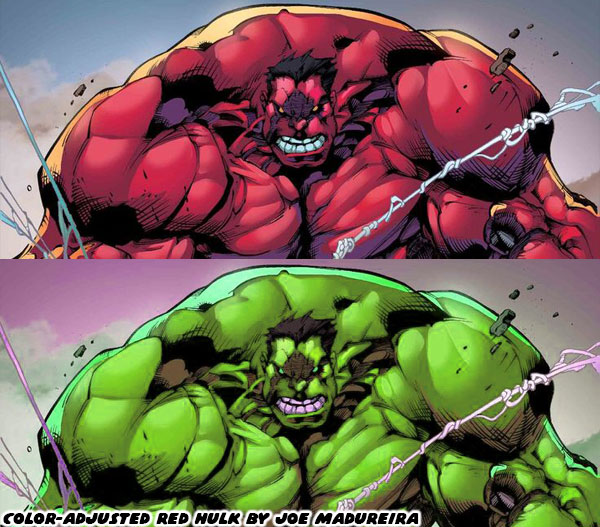
As a comics fan it felt like I was living in the worst possible timeline. The best artists to never draw the Hulk were finally given a chance by the powers that be. Only to find out that they would be drawing the red clone character instead. If I was upset that Ed McGuinness’ talents were wasted on a 10+ issue run featuring mainly the Red Hulk, I was twice as angry when Joe drew the Red Hulk for a Spider-Man team up. Just to see what it would have looked like I changed the hue on the Red Hulk in Photoshop. It helped me imagine that I was in a better timeline. The constant disappointments with Marvel writers, and editors was one of the reasons why I walked away from comic books for more than a decade.

I pray that someone at Marvel might let Joe Mad, or Ryan Ottley get a chance to draw a proper Hulk arc in the future. It would certainly give me a reason to start collecting again. There were many other artists that could draw a fantastic Hulk. I might talk about them someday. For now I’d like to hear your thoughts. Did you have a favorite artist that drew your favorite characters? Was there an artist that you could imagine would be a great fit for a book if they ever got a chance? I’d like to read about it in the comments section. As always if you would like to sponsor me please visit my Patreon page and consider donating each month, even as little as $1 would help make better blogs and even podcasts!
follow the Street Writer on Patreon!

Monday, October 21, 2024

Generations of Hulk creators, part 4...

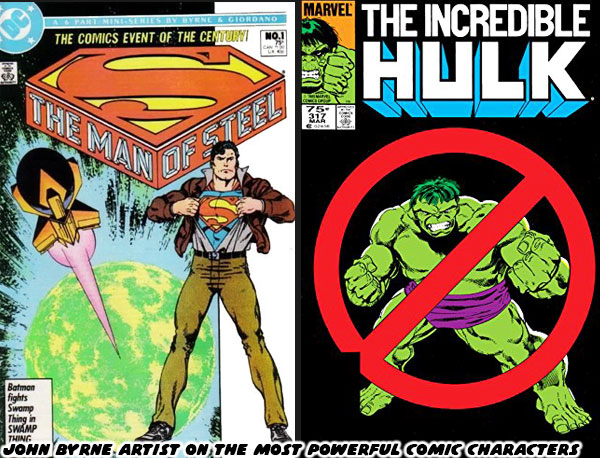
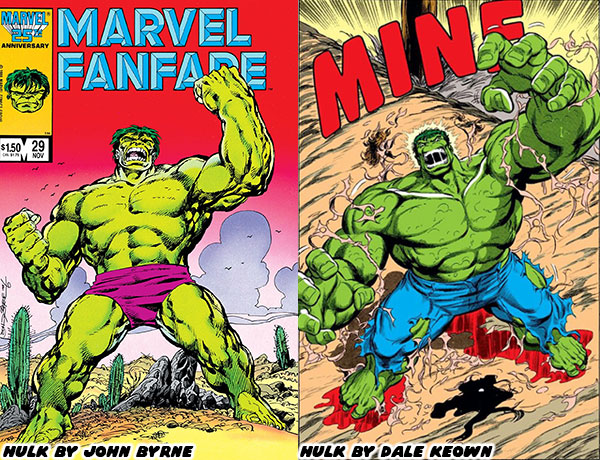
In the previous blog I talked about how John Byrne taught a generation of young artists how to draw powerful characters in comic books. Mr. Byrne drew both the Hulk for Marvel, and Superman for DC. Arguably the two strongest characters in comics history. He presented a version of the Hulk that wasn’t vascular, or swollen like a bodybuilder. Instead he was built like a monster. Proportionally larger, wider, and heavier than any typical human physique. It worked for the character, and was the style adopted by the heir apparent, a young Australian artist named Dale Keown. Dale would slowly add his own details to the character, making his muscles better defined, changing the shape of his head, and various proportions. In the end he created a template that would be copied by further generations of Hulk artists. Yet if I were to be fair he wasn’t necessarily the most influential of all the Hulk artists. That distinction more than likely belonged to Arthur “Art” Adams. He was highly regarded as the peak monster designer across all modern comic books. He had few peers capable of rendering unique, highly-detailed monsters. But that wasn’t the only thing he was known for.

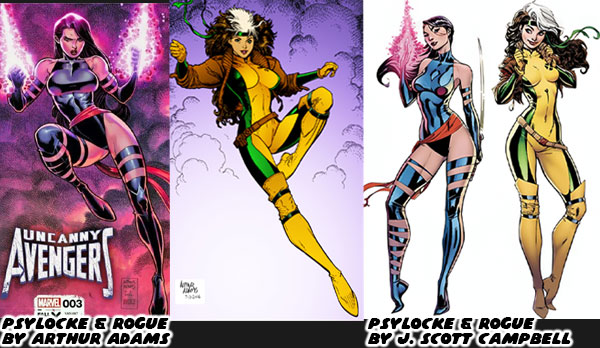
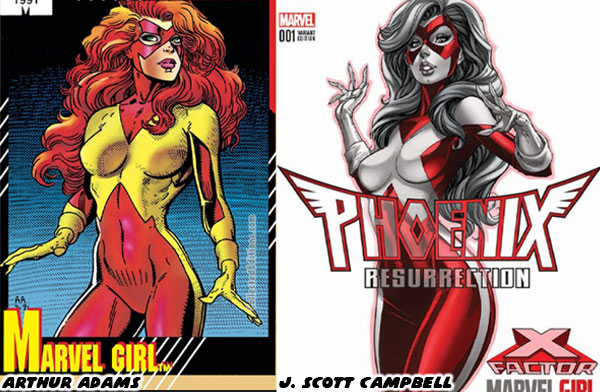
The comparison between John Byrne, and Dale Keown was not an original observation. I believe it was Wizard magazine in the early ‘90s that was doing an interview with someone in the industry. Their name sadly escaped me. The interviewer was talking about how the new crop of comic book artists were changing the industry. That idea was countered with the idea that the new generation were more refined version of the previous illustrators. The person said that John Byrne was a great Hulk artist, but if you look at Dale Keown you could tell that he was following directly in his footsteps. The difference was that Keown’s monster was more refined, and powerful. Keown was improving on the work of the master. He mentioned that wasn’t the only example he could give. He said that J. Scott Campbell, the person that created the highly popular Gen13, and Danger Girls was known for his sexy female leads. He mentioned that the shape of his women was a refined version of the girls that Art Adams drew.

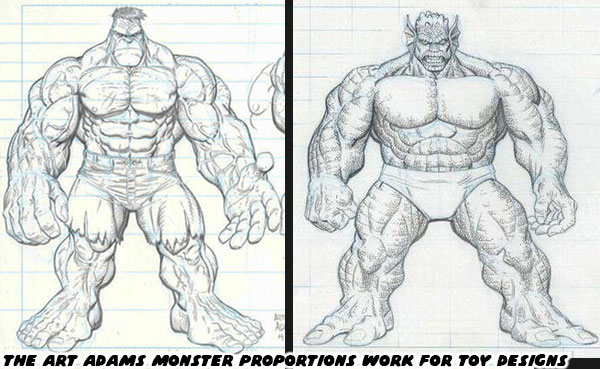
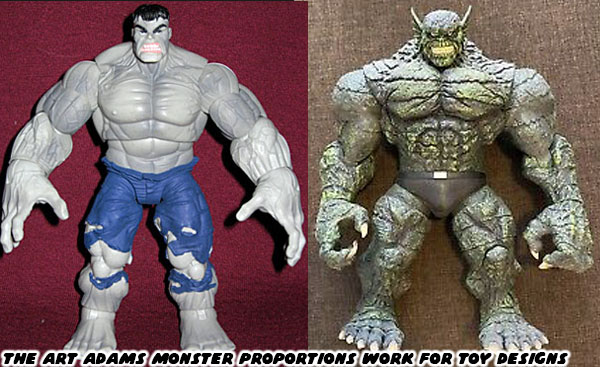
When I read the interview it blew my mind. The observations were spot on. As an artist I could tell that Keown, and Campbell were clearly influenced by the creators that came before them. The were not copying or poaching individual panels or illustrations of Byrne or Adams. They instead had their own distinct pencils, rendering techniques, proportion, and anatomy. Keown, and Campbell’s own unique style came through as if they were understudies to the greats. Campbell for example used less lines to define his figures, he gave his female characters thinner lips, and smaller feet, but the shape of the women he drew, their hips, and long legs were clearly influenced by Adams. The thing was that Adams was a great designer across the board. Not just with traditional men, and women, but also with monsters. This was something that Campbell was not known for. When Keown ended his run on the Pitt, and went into semi-retirement Adams continued to illustrate the occasional Hulk story. I was so happy whenever he did that. My brothers knew that I considered Keown the best Hulk artist ever, but Adams was a close second. Their two styles perfectly complimented the character in every way. Adams was such an accomplished draftsman that his designs were eventually used to create several action figures. This included the Hulk, and his equally massive rivals like the Abomination.

The comic book action figures that I grew up with in the ‘80s were very simplistic, and cartoonish. When Todd McFarlane started releasing his own comic book accurate Spawn action figures in the ‘90s he forced the industry to catch up. This meant that ToyBiz, Hasbro, and the other companies reached out to comic book artists to design entire toy lines. Adams worked within the scale of the particular series he was tasked to create. Whether he was designing monsters for 6-inch figures, or larger scales he made sure that they looked accurate when standing alongside the traditional figures. He would draw renders on comic book art boards, and submit them for review. He would do complete turn arounds of the characters. This was so that a sculptor working with a toy studio could recreate the design. He would include suggestions for different heads, and facial expressions as well. Depending on the project he would even create a costume, and accessories for the figures. Sometimes the sculptors would follow the designs to the letter, and other times they would change some elements, either to make sure the character could balance on its own, or to shave off some weight to make it less expensive to produce.

There was no doubt that Adams influenced countless generations of comic book artists with his work in comics, and now even toys. If Keown could be considered an evolved version of the Byrne style, then who could be considered an evolved version of the Adams style? Mr. Campbell already took up the mantle with his female designs, but what about the monsters? I would argue that at least two Hulk artists were heavily influenced by the icon. One of which was Ed McGuinness. Ed was so good at rendering the Hulk that I thought it was absurd he wasn’t given the keys to the Incredible Hulk in the late ‘90s after Keown had fallen into seclusion. McGuinness was anything but a copycat artist. He was evolving the format as all the greats had before him. He started by melding the classic proportions of Adams, with the unique physiology of game designers like BENGUS, and heavy inks which were distinctly his own.

Many comic book fans, myself included would testify that McGuinness was born to draw the Incredible Hulk. He did a couple of issues in 1998 featuring the Hulk being captured by the Circus of Crime. Right away his exaggerated cartoonish style really stood out. Then different artists took over the book. McGuinness never seemed to land on the radar of the editors at Marvel when the Hulk was concerned. He gained notoriety working on the Superman/Batman Public Enemies run for DC in 2003-2004. This was turned into an animated movie in 2009. His chiseled physiques instantly stood out among all the superhero books. They even ended up being recreated in toy form. Fans that saw his hyper-muscular figures knew that would be a perfect fit for the Hulk. When he found work at Marvel he drew on Deadpool, Spider-Man, Wolverine, the X-Men, and the Avengers. It seemed that the studio was willing to use him on every comic, except the one he was destined for. The fact that he couldn’t seem to land on a Hulk book was driving me crazy. Whether intentional, or accidental he kept being overlooked as Marvel cycled through different Hulk artists over the early 2000’s.

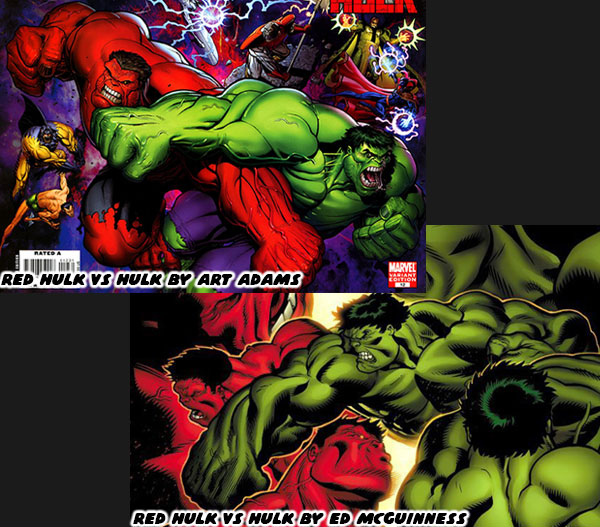
Eventually he got the call from the men at the top. It was announced that in 2008 he would finally be put on the Incredible Hulk. The comic book boards lit up online. I was overjoyed with the news. My brothers were happy for me because they knew I was a huge fan. I believed that McGuinness was the only person that could take the books to a new level. Unfortunately I lost all hope when I read where the first arc was going. Jeph Loeb was writing an entire storyline specifically for McGuinness. His plan was to create a murder mystery that would forever change the Marvel U. The “Hulk” was going to kill off the Abomination with a big gun, and turn Rick Jones in to the new Abomination with the nickname of A-Bomb. The actual murderer would be revealed as the Red Hulk. He was going to cut loose on the Hulk, and She-Hulk wipe the floor with Thor, and other cosmic level heroes. Betty Ross Banner would turn up later, and become the Red She-Hulk for… reasons. It made little sense then, and less sense on rereading the series. It was like a terrible practical joke being pulled on the artist, and fans of the series. It pained me to see the fantastic art of McGuinness get wasted on a clone character. His secret identity would later be revealed to be General Thaddeus “Thunderbolt” Ross.

The acts that the Red Hulk performed in the books seemed completely out of place. They were on the edge of being a satire of the books. The first issues where he debuted seemed like a self insert fanfic. None of the events seemed organic. None of the events were plausible for the established heroes, and villains. Even more alarming to me was that Arthur Adams had been called in to draw some of the covers, and illustrate some Red Hulk stories as well. It was a major push by Marvel to make the character relevant. It pained me that two of the best Hulk artists of the past 30+ years drawing an imitation character instead. The Red Hulk was eventually beaten by the classic Hulk, and later on by smaller teams of characters. The Red Hulk never matched the amazing feats that he debuted with. He never again held the same sense of awe, or prominence that Loeb had intended. After a while he was no longer considered a major villain, in fact he was turned into a hero, and lead a small strike force. This sort of villain turn had never been done with any of the Hulk’s other powerful opponents. Certainly not the Abomination, Leader, Juggernaut, Ravage, or the Madman.

In my opinion Jeph Loeb completely misunderstood the mythos of the Hulk. He did not use any of the formats that worked best for the character. He did not use the template of misunderstood monster, reluctant hero, wandering adventurer, or even psychological horror. Instead the post World War Hulk story was a reboot of the character. It felt like Mr. Loeb had the opportunity to flex his authority, and insert a “Mary Sue” that he would feature more than the title monster. Worse yet, he would be wasting the talents of Ed McGuinness. It was the main reason why I just stopped collecting the books. I sadly ended up missing some fantastic arcs written by other authors, and illustrated by new artists. Only recently would I start to catch up. I’ll talk more about it in the next blog. For now I’d like to know if you were a fan of the Red Hulk, or if you thought the series was handled well. Or were there any other comic arcs that left you cold. I’d like to read about it in the comments section. As always if you would like to sponsor me please visit my Patreon page and consider donating each month, even as little as $1 would help make better blogs and even podcasts!
follow the Street Writer on Patreon!

Friday, October 18, 2024

Generations of Hulk creators, part 3...

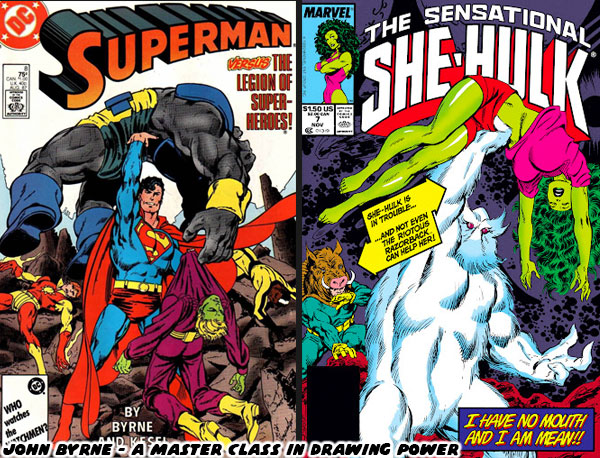
In the previous blog I mentioned that the Hulk was a monster, very much similar to Frankenstein’s creation. He was large, twisted, and grotesque in proportions. The character worked exceptionally well in horror stories as both the monster, and hero. An artist like Bernie Wrightson was a perfect choice to draw some of the Incredible Hulk issues, and stand-alone stories. I also mentioned that some comic book artists made the mistake of presenting the Hulk with a large bodybuilder physique. Where he had well defined muscles, and low body fat. I argued that these types of builds worked on a surface level to represent strength, but that wasn’t necessarily the best way to do it. There was an artist that had worked for DC, and Marvel that demonstrated that it was possible to render power, without making the characters swollen bodybuilders.

John Byrne was a titan in the industry. He developed countless issues, and helped shape the most important stories of several comic book publishers. He was one of the rare artists that actually had a hand in drawing what were considered the most powerful characters in their respective universes. He drew both Superman (starting in 1986), and the Incredible Hulk (starting in 1985). He did this without making either character overly muscular. Yes, both had good physiques, but they didn’t look like steroid abusers. Byrne’s understanding of anatomy, and physiology helped him render realistic frames that maintained a sense of power. For Superman he accomplished this by making Clark appear athletic, and fitting him in clothing that highlighted his body type. Readers could tell that he was in great shape, but not overtly muscular. When he changed into Superman he maintained a realistic athletic physique. Byrne was able to convey power not through muscles, but rather through the use of dynamic poses, and framing him doing the impossible with ease. He used similar techniques when drawing for the Hulk. The Hulk was not human by comparison. He was broad, with a wide head, large mouth, heavy brow, massive hands, and feet. He was supposed to be monstrous in proportions, rather than monstrous in muscle definition.

Byrne was able to present the Hulk as insanely powerful not by making the Hulk do the impossible with ease. That was a trick that he reserved for Superman. The Hulk on the other hand appeared powerful because he was able to shrug off perpetually escalating military attacks. When guns didn’t work they sent tanks after him. When that didn’t work they sent fighter jets, and missile. When that didn’t work they began unleashing monsters, giant robots, and biological attacks. When that didn’t work the biggest villains, and heroes in the Marvel Universe would be called in to stop him. The results were always the same. The Hulk took his hits, but often walked away with the win. The Hulk was powerful because no amount of escalation could break the character. The cautionary tale was that he simply wanted to be left alone, but his rivals were too arrogant to do so. Byrne set a standard for both Superman, and the Incredible Hulk that was hard to follow.

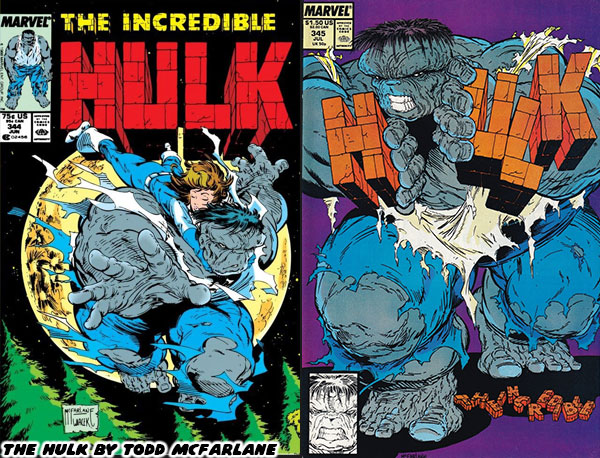
Many other artists would work on the Hulk books through the late 1980’s, but they would always be compared to Byrne. That was except for the artists whose style was so unique that they had few peers. Todd McFarlane was one such person. His style completely broke the classic mold. His version of the Hulk was as broad as he was tall. He was shaped like a cinder block, truly monstrous in proportions. This was around the time that Peter David started writing on the series. The duo used the horror element to great effect when crafting the “Ground Zero” arc. Not everyone was a fan of the bold art style, and longed for a return of something more traditional. McFarlane was moved over to the Amazing Spider-Man where he would absolutely flourish. A young Australian named Dale Keown had submitted some test pages to the studio, and they saw a similarity between his style, and Byrne’s. The new Hulk artist was called up.

Byrne’s heir apparent took over, and the fans were clamoring for more on day one. The way Dale rendered his physique, his use of crosshatching, rendering details, shapes, and proportions was spot on with the classic Byrne style. The Hulk was muscular, but not shredded like a bodybuilder. The shape of his body, his massive hands, and heavy brow were reminiscent of Byrne, however Keown had his own style too. Over the years he would tweak the proportions of the character, exaggerate it a bit more, use different poses, different panel breakdowns, and framing techniques which were distinctly his own. He would update the wardrobe, and move to jeans rather than purple pants for the Hulk, and snazzy suits for the gray Joe Fixit. Keown would also refine, and update the classic villains. The thing was that he did these things subtly over the late ‘80s, and early ‘90s so as not to shock to long-time fans. By the time he finished his run he was considered by many to be the best Hulk artist to ever live. In fact over the past 30+ years he would turn up to do a couple of issues written by Peter David, as well as create variant covers for Marvel in his own style.

The new crop of artists working at Marvel in the early ‘90s, including Jim Lee, Joe Quesada, Whilce Portacio, and Rob Liefeld were definitely a changing of the guard. Each had their own unique style that was really hitting with Generation-X. They were creating a fresh aesthetic, that sometimes included manga, and anime influences. They were rewriting the style of the company, and western comic books in general. Keown was definitely part of the equation. His hand was on the scale of the most powerful character in the Marvel U. It was essential to make his work stand apart from his contemporaries. He did this on his debut, issue #367 in March 1990. It was the fourth, and final part of the Countdown saga where the Madman was unmasked. The villain was not only massively strong, but also absolutely insane. I never thought I’d see a monster that could even terrorize even the Hulk, bringing Joe Fixit to the brink of death. From that moment on the fans knew that Keown was going to be carrying the series. Sadly it wasn’t going to be a forever run on the books.

Peter David used Keown’s red-hot pencils to break down, and rebuild both the classic green Hulk, and gray Joe Fixit. They would introduce a merged personality known as Professor Hulk. He would become a leader of a group of immortal beings known as the Pantheon, and travel the globe on all sorts of adventures. Fans were eating it up, and eager to see what else the duo had planned. Sadly that wouldn’t happen. After 31 issues, while on his second year with the series Keown shocked everyone by leaving. He would join fellow artists to leverage their skills, and fanbase to quit Marvel. The group would start up Image Comics. He would develop the alien monster series called the Pitt. The hero was a massive humanoid like the Hulk, but with razor sharp claws similar to Sabertooth, the arch-rival of Wolverine. It was a fun comic, with lots of creature designs in the trademark Keown style. There was some bad blood between the Marvel executives and the young creators, but competition, and business was generally good for the industry. Peter David was even reunited with Keown to write a one-shot book featuring the Hulk versus the Pitt. They would also work together on other short Hulk stories, including “The End” where we saw the end of the Banner many centuries from now.

It turned out that Dale Keown leaving was both a blessing, and a curse for Marvel. It was bad because in the eyes of many he was literally born to draw the character. The artists that followed in his footsteps had a hard time meeting the standard he set. At the same time Marvel was able to give chances to dozens of other artists over the next three decades. Each brought their own unique aesthetic to the character. Some weren’t quite fits for the Hulk, but they managed to be perfect for Iron Man, Spider-Man, Captain America, Thor, or any other franchise. There were a few standout artists that managed to breathe new life into the Green Goliath. I’m going to highlight some of these artists in the next entry. Until then I’d like to know if you followed the Hulk, or had a favorite comic book artist. I’d like to read about it in the comments section. As always if you would like to sponsor me please visit my Patreon page and consider donating each month, even as little as $1 would help make better blogs and even podcasts!
follow the Street Writer on Patreon!

Wednesday, October 16, 2024

Generations of Hulk creators, part 2...

In the previous blog I mentioned that there were several types of stories that worked well for the Incredible Hulk. The first I highlighted was the drama, or to be more specific the psychological horror story. This was important because the plots that worked best for the characters played to their strengths, and exploited a weaknesses for the hero to overcome. The television series was a prime example of this. It was carried by Bill Bixby as Dr. Banner. He was trying to cure himself of the Hulk, but had to cobble together lab equipment from scraps, and while being hunted by the authorities. He often found himself entangled in the affairs of complete strangers. Whether it was helping someone overcome an addiction, chase off a gang, or rescue a kidnapping victim. He had to use his intelligence to find an answer. The Hulk would only show up in maybe two or three minutes out of each episode when life, and death was at stake. It highlighted to audiences that Banner was a sympathetic figure, and the Hulk was a terrifying creature that was part of the same person. There was nothing that could stop him if he was unleashed, and Banner did everything he could to keep that from happening. The Hulk as a character could also be considered a contemporary retelling of Dr. Frankenstein, with the Hulk being the monster that he unleashed to the world. Banner was also thought of as the modern Prometheus, the Ancient Greek character that stole fire from the gods, and gave it to man. He was eternally punished for his arrogance. 

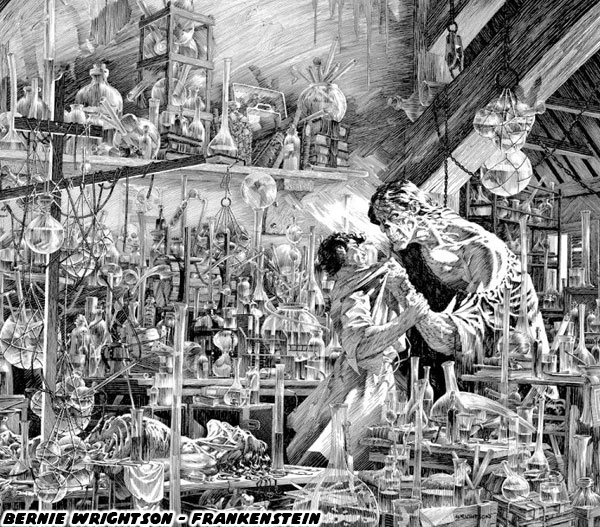
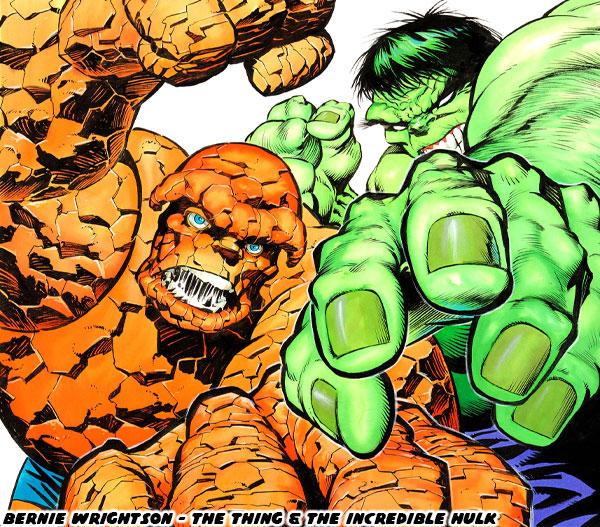
Banner unleashed the power of gamma radiation, and would also be cursed for his actions. The Hulk could be presented as a misunderstood monster, reluctant hero, or even wandering adventurer. This is where I would like to start talking about my favorite Hulk artists. Because in order to tell the story of the man, and the monster then you need to be able to visually make the distinction. In superhero comics it’s very easy to see when hero is present, and when the secret identity shows up. Superman could put on glasses, and a business suit to become Clark Kent. Bruce Wayne could put on a mask, and cowl to become Batman. Bruce Banner turned into a half ton, nearly eight-foot-tall green man. Each artist brought their own visual style, their own aesthetic to the character. In my opinion the type of artist featured on the Hulk books could make, or break the story. Horror was one of the best formats for a Hulk story. Whether it was the Hulk fighting monsters, demons, or aliens. An artist that was great at rendering body, or biological horror could help ground readers into the world that the Hulk was entering. The artist that I think laid the foundation for this type of Hulk story was Bernie Wrightson.

Mr. Wrightson (RIP) was an exceptional draftsman. His lines, and detail were unrivaled. He was known for visceral renderings in his character art. We could see veins, muscles, scars, and various features on the people he drew. His black, and white art featured in the Frankenstein book released by Marvel in 1983 set a bar impossible to top. His style was perfectly suited for horror illustration, rather than mainstream comic book heroes. Unfortunately for Bernie the Comics Code Authority passed a sweeping set of laws in 1954 meant to self-regulate gratuitous horror, and violence from the comics industry. Bernie was able to skirt the code by never rending anything too graphic, but rather just hint at it. He was perfect for the horror characters like Swamp Thing (which he co-created), and the Marvel equivalent known as Man Thing. Bernie was one of the rare artists that could do it all. Many people do not know that the lead artist on a comic often only did the initial pencil work. The inking, and coloring of individual pages were often assigned to someone else. Bernie found work inking for other artists, as well as coloring for them at both Marvel, and DC. It only made sense that someone adept at drawing horror comics would be a good fit rendering the Hulk.

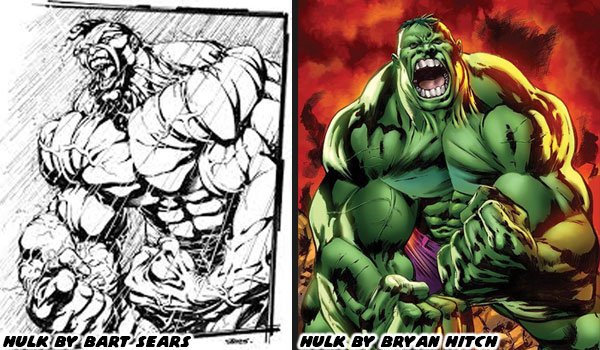
At the core the Hulk was a monster. The artists that did the character justice had to know how to draw creatures, rather than traditional superheroes. This was something that not every comic book artist was capable of doing. The mistake they made was in trying to draw the Hulk like a gigantic bodybuilder. The television series may have presented the idea to the mainstream, however the Hulk in the comics was anything but human. First off the Hulk on television was vastly underpowered compared to his comic counterpart. On TV he could get injured by bullets, and a fall from a great height could kill him. Whereas in the comics he could survive atomic blasts, and didn’t burn up on reentry from his leaps into space. Still there were artists that gave the Hulk a distinct bodybuilder physique. Bart Sears was one of my favorite comic book artists of all time. His understanding of anatomy was unmatched among his contemporaries. He often took proportions from professional male, and female bodybuilders when creating the physiques of his characters. They looked stunning when he penciled, and inked them. Something similar could be argued for Bryan Hitch. The lead artist on the “Ultimates” run which was designed to make the Marvel characters look, and feel real. These artists were great at the traditional hero books, however their version of the Hulk was far from my favorite.

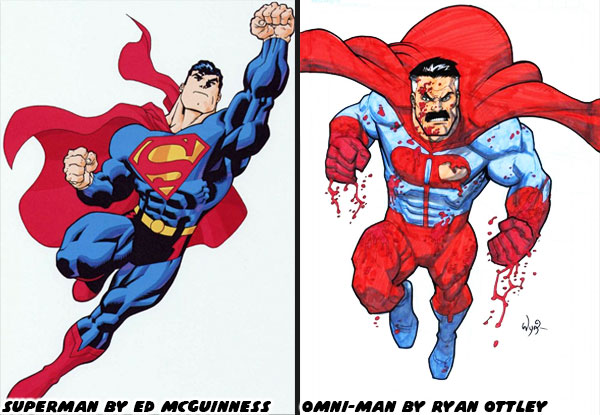
The idea that in order to convey strength, and power in a comic book then a character had to be presented as “jacked” or have overdeveloped muscles. This was a trap that a lot of artists fell into when presenting classic characters. Someone like the Flash for example was known for his speed. Therefor it made sense that he was built like an Olympic runner, long, and lean muscles. Someone like Spider-Man had the physique of a gymnast, strong, and flexible. Each character still looked heroic, but had muscles proportional to their abilities. Yet in order to convince audiences that a character like Superman, or Omni-Man was the strongest character in their respective books they had to have bodybuilder physiques. No artists made their caped heroes (or villains) as jacked-up as Ed McGuinness, and Ryan Ottley. It was kind of hard to make people think that Clark Kent was a humble journalist when he had a neck as big as an NFL linebacker. Or that Nolan Grayson had developed his physique from writing books.

It turned out that there was a reason that each artist illustrated their heroes so strong, but I’ll talk about that in a future blog. The greatest, and longest-lasting Hulk artists had a few things in common. Their ability to create a figure that was more than a large green bodybuilder should be studied by all comic artists, and illustrators. There were many subtleties that helped explain the character, and the comic book aesthetic that was unique when compared to manga, animation, or other forms of art. We will look at this in the next blog. Were there any Hulk artists that you enjoyed? Were you familiar with the work of Bernie Wrightson? I’d like to read about it in the comments section. As always if you would like to sponsor me please visit my Patreon page and consider donating each month, even as little as $1 would help make better blogs and even podcasts!
follow the Street Writer on Patreon!

Friday, October 11, 2024

A symmetry of villainy, final part

Over the past week I gave examples of building symmetric, and asymmetric villains in comics. I used the strongest characters in DC, and Marvel as an example. Superman, and the Incredible Hulk had faced a number of powerful beings over the decades. The ones that gave them the greatest challenge were sometimes absurdly powerful physical beings. In the previous blog I talked about Doomsday, and Onslaught. In other cases the heroes fought evil versions of themselves from another timeline, or another dimension. Superman faced off against Ultraman in several stories. This was essentially a Superman who lacked the morals instilled to him from Martha and Jonathan Kent. The Hulk battled the Maestro, an evil version of himself from the far future. Bruce Banner suffered from multiple personality disorder. Each one of the figures trapped in his mind could manifest as a version of the Hulk. He fought to keep his identity as the dominant one. The traditional "Savage" Hulk was the best known of his alternate personalities. There was also the street savvy Gray Hulk aka Joe Fixit. There were demons that Banner kept locked away in the furthest recesses of his fragile psyche. These included Kluh, Titan, and the Devil Hulk. Believe it or not they were each potentially more dangerous than the Maestro.
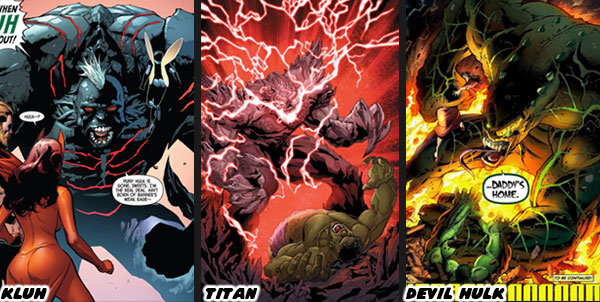
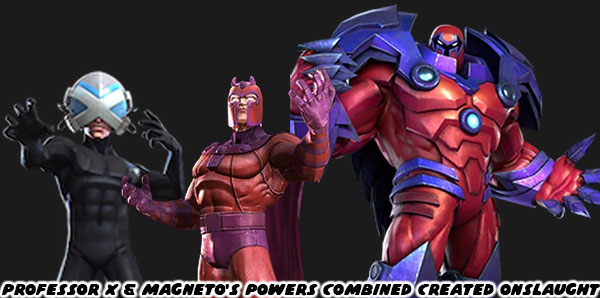
These types of villains were fantastic for a short arc, however their impact would be diminished if writers kept trying to revisit them again, and again. The best rivalries for both Superman, and the Hulk happened with foes much weaker than either of them. It took a lot of effort to create a memorable villain, let alone a recurring threat in the Marvel stories. A bad guy that could challenge the universe, somebody like Onslaught had to have the powers of multiple characters like Professor X, and Magneto combined in order to bring the Hulk to the edge of defeat. This was the kind of impact that the Leader held in Hulk continuity. He didn't challenge the Hulk with one ability, but with a barrage instead. How Marvel created this character, and what made him tick was an important lesson in rival design. When it came to which version of the Leader I thought worked best, which one explained his abilities, and threat level then I would actually point to video games. 
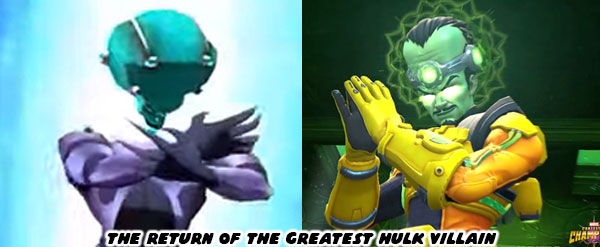
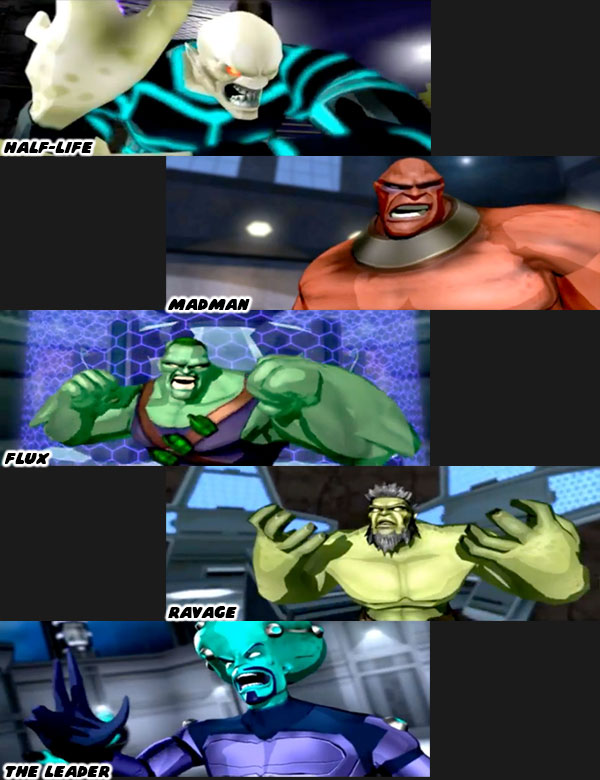
From a visual standpoint I believe the Leader looked best in video games rather than in comics. The designers at Radical Entertainment created a decent Hulk game in 2003. It was a follow-up to the Ang Lee live action film featuring Eric Bana in the role of Bruce Banner. Eric even voiced the character in the game. Despite amazing visual effects the movie was a flop. It probably explained the lukewarm reception the game received. Thankfully it took place after the film, and was set in a more comic book environment. It featured a collection of some of the Hulk’s greatest comic opponents. They were pulled from a number of different writers, stories, and arcs. The gamma-powered lineup included Half-Life (Anthony Masterson), Madman (Philip Sterns), Flux (Private Benjamin Tibbits), Ravage (Professor Geoffrey Crawford), and the Leader (Samuel Sterns). The story was an amalgamation of different plots, and locations from the movie, and comics that worked well together. The use of cel-shading, and even dramatic angles helped make it look like a graphic novel brought to life.
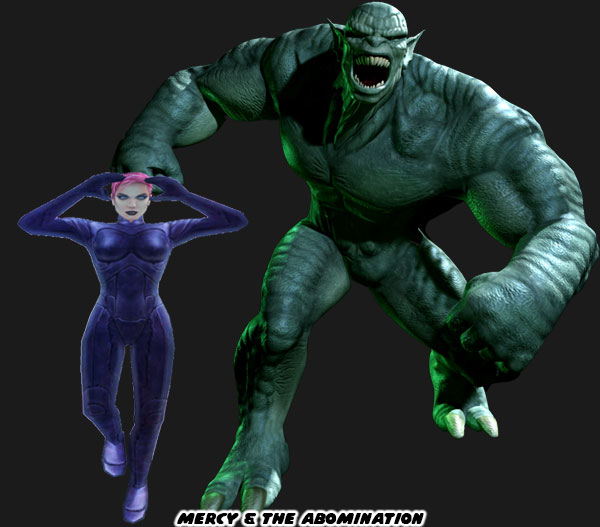
The Hulk game was good, but their follow up title The Incredible Hulk Ultimate Destruction was absolutely amazing. Released in 2005 it didn’t only raise the bar for Hulk games, but forever raised the standard by which all comic book games would be measured. The story, design, animation, control, and combat were unparalleled for years to follow. Its influence would be felt across the industry. In fact the locomotion of the Hulk had a direct influence on how Spider-Man would move in the award-winning games by Insomniac some 12 years later. I considered it one of my favorite games of all time, and even mentioned that on the blog. The game didn’t feature as many rivals as the previous Hulk title by Radical, but the handful they had were memorable. These included the powerful psychic Abigail “Mercy” Wright, the Hulk’s latent rage persona known as the Devil Hulk, General Ross, and The Abomination.
The earlier game was notable because it featured not only the Leader, but his brother Philip as well. Peter David, and artist Jeff Purves created an opponent that brought the Hulk to the brink of death in the Incredible Hulk issue #363. The Madman did this through subterfuge, and gamma poisoning. Philip Sterns followed in the footsteps of Banner, and became obsessed with him to the point of developing a toxic love. Once his brother mutated into the Leader he blamed Banner, and the Hulk for taking him away. Philip became a nuclear scientist. He wanted to gain powers as well so he experimented on himself repeatedly with gamma radiation. He effectively scrambled his own brain in the process. He developed multiple personalities, which determined how his powers manifested. For the Madman it resulted in having abilities different than his brother. The Madman could actually make himself appear like any other person. His ability was on par with Mystique, an X-Men villain that could shapeshift into other people. That was only part of what made him dangerous. He was still an accomplished scientist, perhaps not on par with his brother, but still smart enough to figure out a way to destroy gamma mutations. At will he could also “Hulk-out” as well. When he changed he had red clay-colored skin rather than green. He was also taller, denser, and stronger than the Hulk, but he could only maintain this form for short bursts of time.
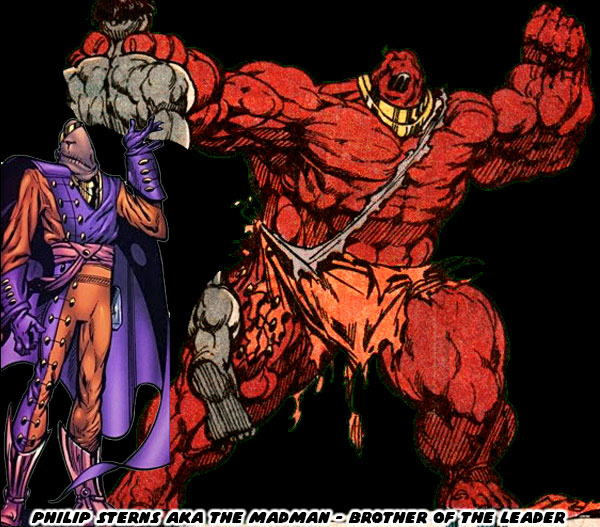
The Madman debuted in the four-part “Countdown” arc in 1989.  If I were to describe his mental state he melded the personalities of an agent of chaos, with a raging beast. To put it in context I would compare him to two iconic DC villains; as if the Joker, and Bizarro had an offspring that was obsessed with Banner. The Madman had created a virus that was destroying the Hulk's gamma mutation. The gray "Joe Fixit" version of the Hulk was wasting away in each panel of the series. If he transformed back into Banner he would deteriorate even faster. It broke my heart seeing the most powerful mortal on Earth reduced to skin, and bones. I saw the race to cure Mr. Fixit as an allegory for the AIDS crisis. The epidemic was on our collective minds through the late '80s, and early '90s. In fact it wouldn't be the first time that Peter David faced the issue of HIV in the series. I thought the Countdown arc did much more to establish a legitimate threat the Hulk more than Doomsday did for Superman. The Madman was regarded as being too dangerous for his own good. He was so dangerous that the Leader even teamed up with the Hulk to track him down. He asked the Hulk to stop him because he couldn’t bring himself to hurt his own brother. The Leader was afraid that Philip’s mind had completely lost to the Madman persona. If any part of him remained it would better for the Hulk to put him out of his misery. It was brilliant storytelling, and fantastic reveal. It was pulled off much better than the introduction of the Red Hulk, that's for certain! 
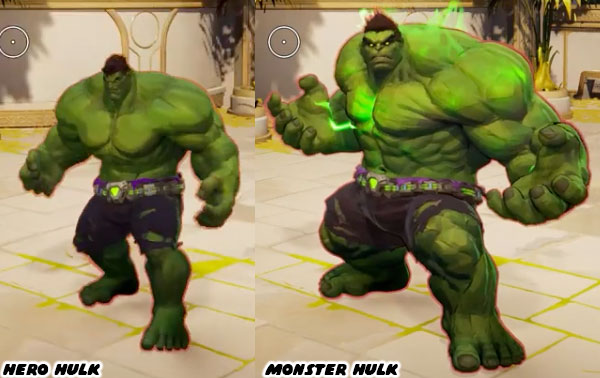
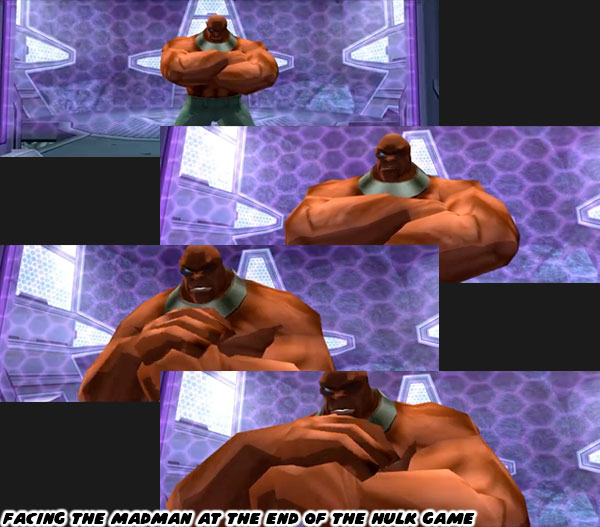
The closest that a game had come at recreating the power burst that the Madman exploited in the comics could be seen in the multiplayer game Marvel Rivals. Banner was a playable character, and when he transformed he became the "Hero Hulk." If the player managed to raise his energy levels in the middle of a skirmish then he could power up even further, and turn into the "Monster Hulk." This gave him different attacks, and a higher amount of health points. This version of the Hulk was much stronger, denser, and bigger than the regular Hulk. It was exactly how I imagined the Madman would jump from human scale to monster scale, bypassing the traditional Hulk, but again only in short bursts. By comparison the size of the Hulk, Ravage, Flux, and the Madman were more or less the same in the older Radical Ent. game. In the comics there were notable differences in their frames. They were all hyper-muscular, but some were leaner, shredded, distorted or bulky compared to the Hulk in the comics. Given his powers, and unpredictable nature I think it proved difficult to write scenarios featuring the Madman. Hence he was used very sparingly by Mr. David, and future writers. I was grateful at least that he appeared in several encounters in the Hulk game, under the orders of the Leader.
The Leader would show up in animated form, and various comic arcs over the years. He would not appear again in a prominent gaming role for more than two decades. The Marvel Contest of Champions (MCOC) was a mobile game with a massive following, and deep library of characters. It debuted in December 2014, and had generated millions in revenue for the developers at Kabam, and of course Marvel. It gave global audiences the ability to fight as, or against 275 popular, and rare characters. It was a fantastic introduction to the universe for Generation Alpha. It was also an accessible, and balanced fighting game for all audiences. I wrote about the title, and its comic book origins in a blog series. It was linked below if you haven’t read it. I enjoyed having multiple versions of the Hulk as playable characters, and even featuring the Maestro as one of the major villains. Even with the Rhino, Abomination, Juggernaut, and Onslaught to battle against it still felt like someone was missing. The Leader was finally announced for 2024, and I could barely contain my enthusiasm.
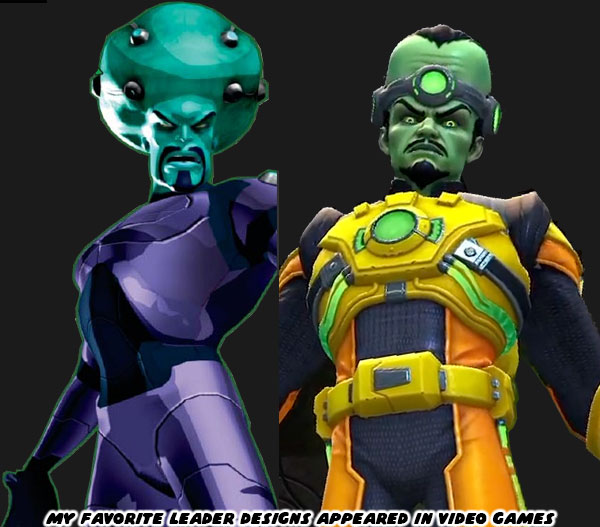
I was a huge fan of the aesthetic Kabam used with the character art. This was fortunate side effect of optimizing the game. The graphics capabilities of mobile devices determined how far the studio could push the visuals. Not every device was the latest iPhone or Android, so the studio had to make it playable on older devices as well. Many had limited memory, limited processing power, and limited 3D rendering capabilities. In order to keep the game running smoothly across multiple platforms the studio had to optimize their engine in every possible way. For example the fighters featured simpler shapes, fewer frames of animation, and limited polygon counts when compared to console, or PC characters from the same era. These figures nonetheless worked from a style standpoint. The art team at Kabam did their homework. Each champion was pulled right from the comics, films, and television shows. From largest to smallest, the library of fighters were all easy to read, and looked brilliant. I wished that there was a MCOC toy line for how great a job the studio did. Kabam gave the Leader a somewhat classic look in his reveal. The shape of his head was vertical rather than Jiffy-pop. He even sported his familiar mustache, and Van Dyke beard. The orange, and yellow colors of his uniform went back to his earliest appearance. Despite the retro touches he still worked within the Contest of Champions.
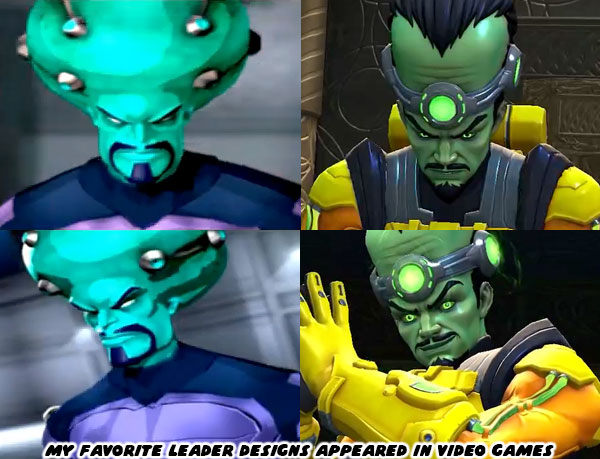
The team at Kabam updated his look by adding a psychic band on his forehead, and a number of gadgets to his costume. These touches explained his ability to float, generate a shield, deflect attacks, and project beams of energy. They were exactly the sorts of things he might use in a comic book battle. By comparison the designers at Radical Entertainment had a completely different take on the Leader much earlier. They gave him an armored metallic purple uniform, and a round head shape. He had electrical nodes on his skull, and shoulders, these allowed him to project beams of psychic energy directly from his forehead, or channel them through his hands. He was able to float, create barriers, project multiple versions of himself, and throw the Hulk with his mental powers. There had never been a version quite like this in the comics, but in game form it made absolute sense.
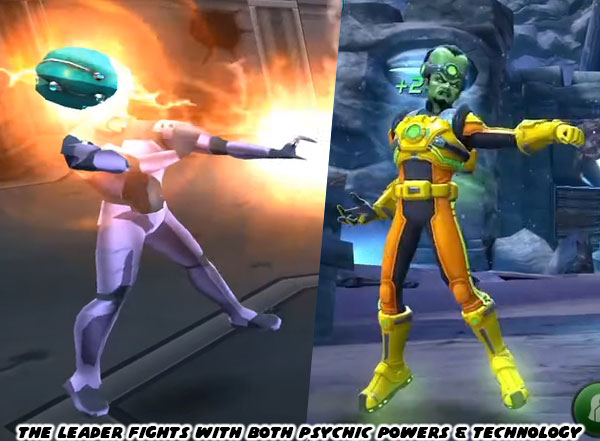
Despite these awesome psychic attacks the game was still filled with clues to his inventing prowess. The Leader had created a Gamma Orb which was a compact tool that he used to syphon Banner’s power. It was a fraction of the size of the Gamma Sphere that caused his mutation in the film. The Leader built an entire underground base called Freehold. It was populated with his mutations, and weapons. He had teleports, and even a transport system running underground. The majority of the game was essentially fighting through his defenses in an attempt to reach the mastermind. I was glad to see that the villain was getting a new chance to show off his powers in the Marvel Contest of Champions. I hoped that someone working at one of the AAA publishers was working on a pitch for a new Hulk game. Something that could build on the work of Radical Entertainment, Insomniac, and the other great comic game developers. It would hopefully make Incredible Hulk, and especially the Leader relevant again. If you want to find out more about the Contest of Champions please check the links below. 


Did you have a favorite Hulk villain that I did not mention? Or another rare character you want to talk about? What were the elements that you thought made for a great villain design, or a great villain reveal? Tell me about it on the comments section. As always if you would like to sponsor me please visit my Patreon page and consider donating each month, even as little as $1 would help make better blogs and even podcasts!
follow the Street Writer on Patreon!

Wednesday, October 9, 2024

A symmetry of villainy, part 4...

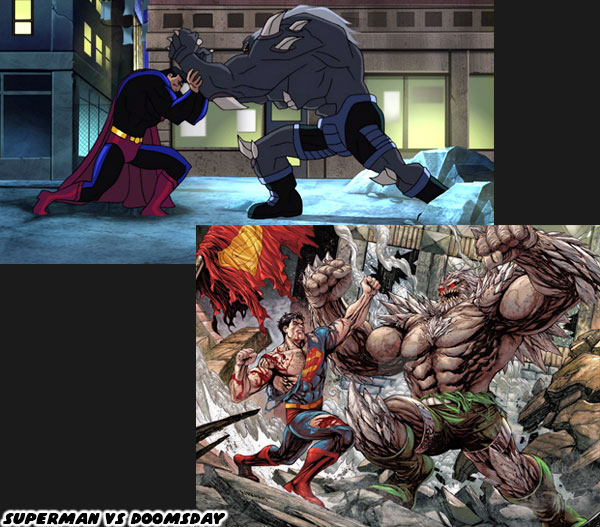
Over the past few entries of this series I talked about building rivals by using symmetry, and asymmetry. I wrote this series because Kabam had announced that the Leader would be introduced in their mobile game Marvel Contest of Champions. It got me thinking about all of the Hulk's rivals, and what made the Leader unique among them. I wanted to highlight these things in order to help new creators figure out how to build a great opponent. Yet with a character as overpowered as Superman from DC Comics, or the Hulk from Marvel comics how would one build a worthy rival? You could introduce a character so physically impossible to beat that they could kill the hero. It was a sometimes cheap trick that writers would use to make the threat seem unstoppable. See the genetically-altered Kryptonian weapon Doomsday for example.

This type of character might generate a lot of interest, sell a ton of comics, but in the long run they would feel one-dimensional. Their gimmick would get boring. They would become relegated to secondary foes in later stories while a human like Lex Luthor offered a greater ongoing threat. Many people thought of the Hulk in a similar regard to Doomsday. He was absurdly powerful, adapted in battle, and could solve all his problems with his fists. Yet those people missed the nuance that the character provided. The Hulk was an allegory for war, nothing good came from fighting him. The green monster just wanted to be left alone. Doomsday was a weapon of mass destruction, by comparison the Hulk was a force of nature. Their appearance could wipe entire cities off the map, and nothing could stop them. The difference between the two was that Doomsday made the choice to destroy. Whereas the Hulk was pushed into it. Doomsday could adapt, his bones would become denser, his teeth sharper, he would secrete poison, but nowhere in his canon did he ever become exponentially stronger. He did have a limit, and Superman could find it. The Hulk could not be beaten if the opponent used only force. That's not to say he had never been beaten in physical combat.

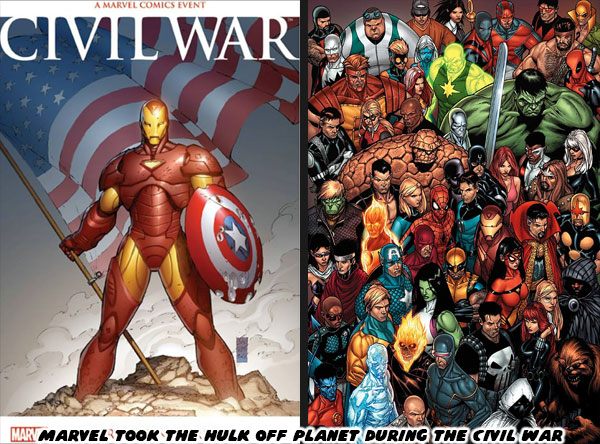
In fact a calm Hulk was weaker than the Juggernaut, and Abomination by a wide margin. To make up for this the Hulk had a healing factor much greater than Wolverine. Not only that but he never tired, he grew stronger with every passing second, he could eventually superpass the Juggernaut, and Abomination in a battle. If he continued fighting he would eventually rival cosmic-level threats. The best way to stop the Hulk was by never starting a fight. The Marvel editors considered him the "Nuclear Option." When they built a story that involved the entire universe they needed to figure out how to get Banner, and the Hulk out of the picture. For example during the events of the Civil War arc they literally sent the Hulk into space to have his own adventure. The editors knew that would have sided with Captain America, as he didn't get along with Iron Man. Also because the Hulk was against the type of authoritarian pushes that Tony Stark was supporting. The Marvel Universe would eventually have to deal with an angry Hulk upon his return home. But that would be saved for future arcs. 

Marvel realized the Hulk could serve as both a villain, or a hero depending on the situation. So how was it possible to create a worthy rival for someone as absurdly powerful during normal character arcs? That's where asymmetric design would come in handy. The plans of the Leader, and his many inventions were not the only things that made him a menace. His level of psychic ability put him on a level that was rare, even in the Marvel U. As I stated earlier in this series, the Hulk was able to single-handedly defeat opponents that gave entire teams like the X-Men, and the Avengers trouble. That meant that the opponents he faced would have to be leagues above most super powered characters. Charles Xavier “Professor X,” the leader of the X-Men was considered the most powerful psychic in the Marvel U, yet he had been bested many times while trying to invade the mind of Banner. Erik Lehnsherr "Magneto" was also one of the most powerful mutants on Earth. During the House of M storyline mutants controlled most of the world, and oppressed humans. The Hulk took over the Australia, and made it a safe haven for humanity. Magneto wanted dominion over the continent, but the Hulk threatened him to stay out. Magneto realized he could not stop the Hulk if they went to war. 

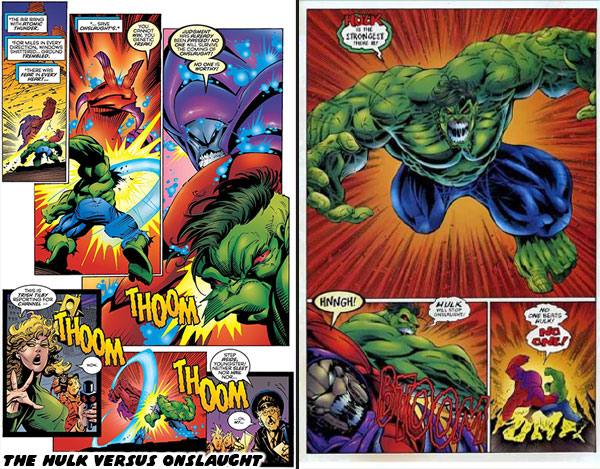
The closest the duo ever came to crushing the Marvel Universe was when their powers were combined, and a new villain named Onslaught was born. This character was so overpowered that the X-Men, and the Avengers couldn't stop him. They realized that the Hulk was their best chance. Yet during this time Bruce Banner, and the Hulk had found a sort of balance. They were at peace with each other, and in sharing a body, and soul. In order for the Hulk to become strong enough to face Onslaught they came to the realization that the personalities of Banner, and the Hulk had to become separated once more. If they did this then he might never be whole again. With the help of Jean Grey aka Marvel Girl the Hulk once again was reverted to a ball of rage. He was unleashed, and was quickly overpowered by the new villain. As anyone with a passing knowledge of the Hulk knows that the angrier he gets the stronger he gets. Onslaught made him absolutely furious. The Hulk eventually cracked Onslaught's armor, giving a chance for the teams to defeat him. Something that was glossed over in many retellings of the saga was that Banner had also defeated Onslaught when he invaded his subconscious. Essentially he beat him twice when no one else could. 

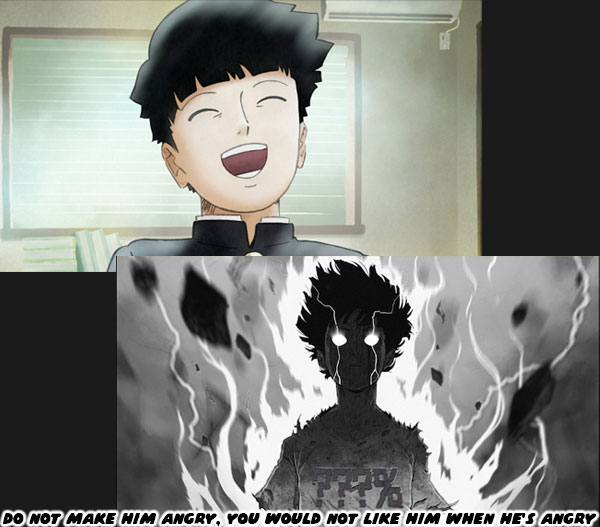
The victory against the monster was bittersweet. All the progress the Hulk had made, the goodwill he earned, and all the alliances he had built would be reset. It was the tragedy of Bruce Banner. For a moment he would be considered a hero. He stopped an enemy that the combined forces of the Marvel U could not. Once the dust settled both the X-Men, and the Avengers would eventually turn against him. Every other Marvel hero was rewarded for their powers. Bruce Banner was punished for his. This type of storytelling made for a very complex, and sympathetic character. That was why I would compare the Hulk comics to Mob Psycho 100, rather than One Punch-Man. Yes it was awesome when the Hulk could punch his way out of a problem, but the heart of the story was in literally warning the bad guy that they did not want to make Banner angry. Seeing the villains suffer the consequences was a reward, but the fallout would also set Banner back. Shigeo Kageyama aka Mob had a comparable dynamic. He wanted to get through school, and catch the eye of Emi, a girl he had a crush on. At the same time he knew his psychic abilities were powerful, and tried to keep his emotions in check so his powers would not explode. Unfortunately the pressures of growing up, and having rivals seek him out always ended with him losing control. These events would take a toll on his physical, and mental health. 

Mob Psycho 100 was essentially a retelling of the Bruce Banner mythos, but in Middle School instead of an Army Base. A cavalcade of villains with all sorts of different psychic abilities assumed that they could defeat the child. Each were humbled when Mob revealed the monster he had been suppressing. Even the final villain Toichiro Suzuki aka the Demon would find out that he shouldn't have bullied the kid. Mr. Suzuki believed that his power meant that he should rule the world. He was what Mob would have become if he didn't have a loving family, and mentors to help guide him. ONE managed to write a story that had Mob essentially doing battle with an older, and much more evil version of himself. It was similar to how Peter David managed to have the Hulk, and Maestro fight in the Future Imperfect arc. ONE wrapped up his series very well, so that he did not end up retreading the same ground like Marvel comics. If the Leader was not an evil version of the Hulk, then why was he such a great villain? How could a skinny guy with a big head be a problem for the Green Goliath? We will look at that in the next, and final entry of this series. Were you a fan of any of the aforementioned rivalries? Tell me about it on the comments section. As always if you would like to sponsor me please visit my Patreon page and consider donating each month, even as little as $1 would help make better blogs and even podcasts!
follow the Street Writer on Patreon!