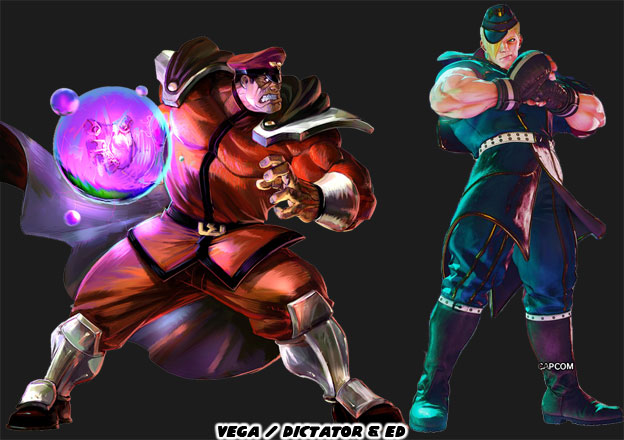
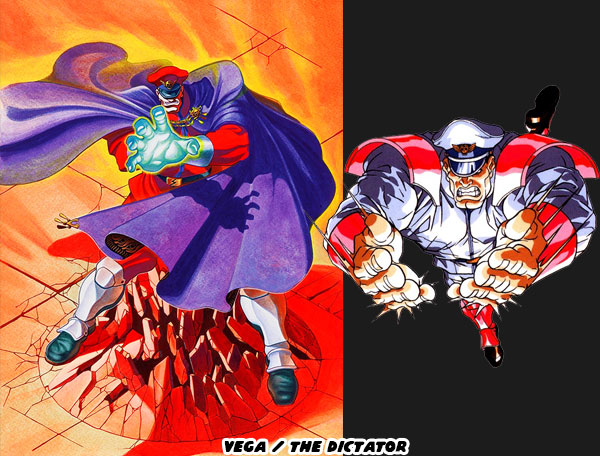
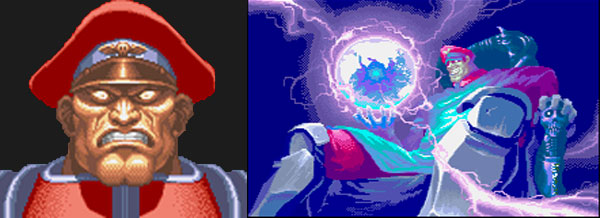
Vega / The Dictator, maniacal tyrant, master of the mysterious Psycho Power and leader of the military nation Shadowlaw might just about be the perfect fighting game villain. Think about it for a moment. When Street Fighter came out in 1987 it made sense that just about every opponent the main characters came across were martial arts masters. This was a straight-forward story of Ken and Ryu trying to prove their worth by traveling the globe and fighting the best of the best. It could have been the plot for a comic book, or a movie. It was just a traditional story. The sequel worked because it was more or less the same exact setup. Only now we could play as a bunch of other fighters with their own unique styles. The constant was different masters. The thing was in canon Ryu had already become the strongest fighter in the world. Who could he possibly fight that was more imposing than Sagat? It turned out that the series had someone very unique in mind.
A blog about my interests, mainly the history of fighting games. I also talk about animation, comic books, car culture, and art. Co-host of the Pink Monorail Podcast. Contributor to MiceChat, and Jim Hill Media. Former blogger on the old 1UP community site, and Capcom-Unity as well.
Showing posts with label vega. Show all posts
Friday, June 22, 2018
30 years of Street Fighter: 30 years of Characters #9
Vega / The Dictator, maniacal tyrant, master of the mysterious Psycho Power and leader of the military nation Shadowlaw might just about be the perfect fighting game villain. Think about it for a moment. When Street Fighter came out in 1987 it made sense that just about every opponent the main characters came across were martial arts masters. This was a straight-forward story of Ken and Ryu trying to prove their worth by traveling the globe and fighting the best of the best. It could have been the plot for a comic book, or a movie. It was just a traditional story. The sequel worked because it was more or less the same exact setup. Only now we could play as a bunch of other fighters with their own unique styles. The constant was different masters. The thing was in canon Ryu had already become the strongest fighter in the world. Who could he possibly fight that was more imposing than Sagat? It turned out that the series had someone very unique in mind.
Wednesday, August 30, 2017
Meet Street Fighter V's Menat, an old soul in a young body?
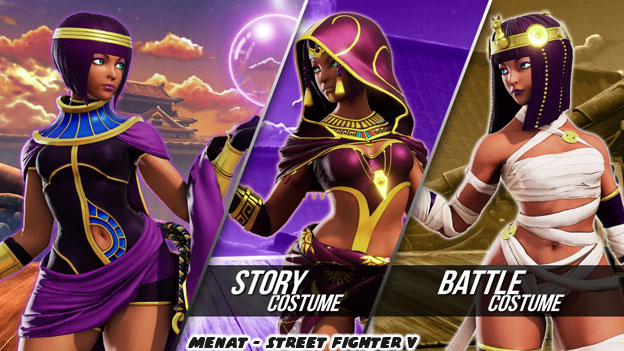
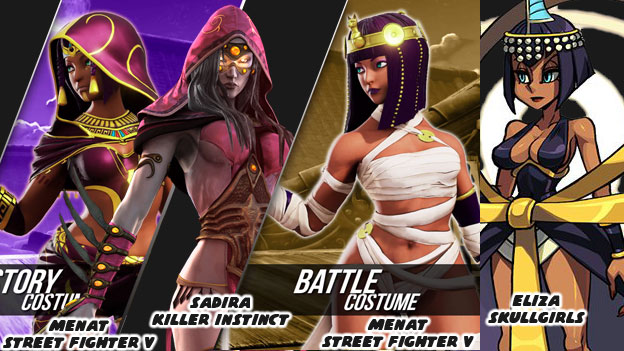
More news from the people at Capcom. The latest fighter for Street Fighter V; Season 2 has been revealed. This time it is a young female by the name of Menat. Harrison at Capcom-Unity gave the fighting game crowd a full preview of the character. In case you haven't seen her here she is along with her alternate costumes.
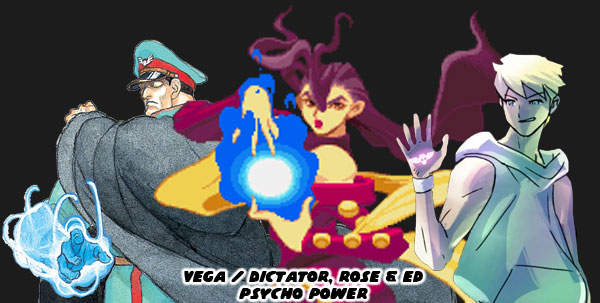
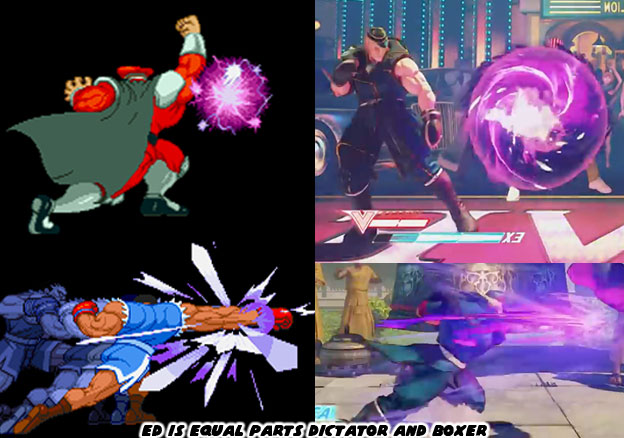
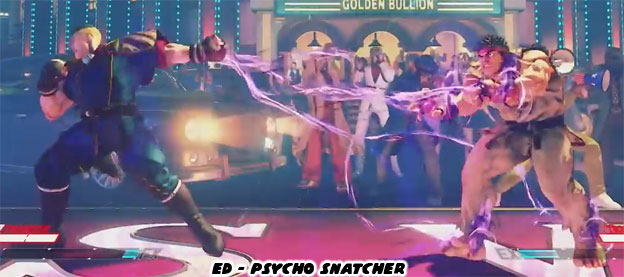
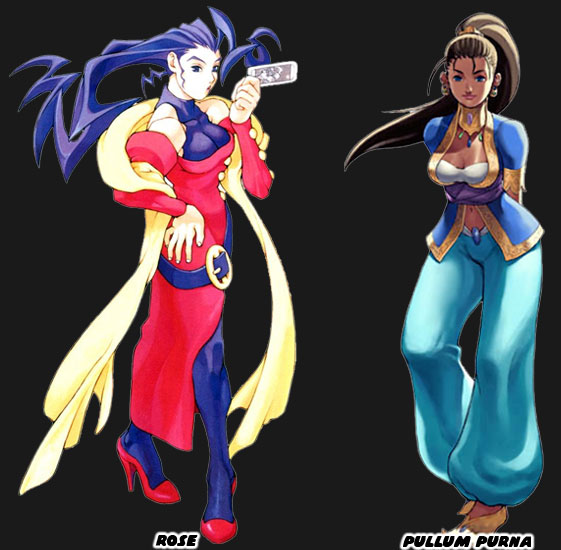
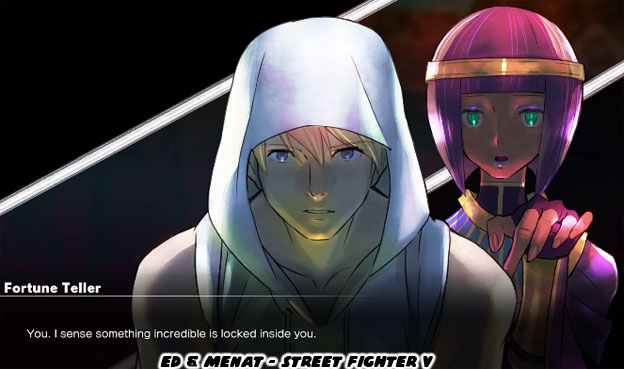
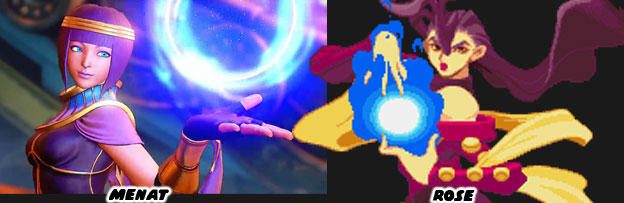
The character was actually teaser earlier, appearing in the visions of Ed. In her earlier debut she was listed only as a Fortune Teller. The connection between her and Ed was instant. I had mentioned previously that Ed was a return to Psycho Power. This was the mysterious psychic energy that powered Vega / the Dictator and allowed him to do things like fly, teleport and glowing orbs of psychic energy. The origins of this power were connected by a mystical person named Rose. She debuted in Street Fighter Zero / Alpha, which tied together the events that happened between Street Fighter, Final Fight and Street Fighter II. It looks like Menat is filling in that same role. Harrison said that Menat was the understudy of Rose. It made sense that Menat and Ed were connected. Rose and Vega also shared a psychic bond. This was explored in the various endings.
The moves and special abilities of Menat had a few things in common with Rose. She could reflect fireball attacks and even add energy to them to make them more powerful. Yet like Ed, she was her own unique character. Menat fought with a crystal ball, which she named Ankh. The Capcom designers called it a soul sphere, the name was based on the ancient Egyptian symbol which symbolized life. I didn't know if the crystal ball actually contained her soul, or was a conduit for her psychic powers. I suppose we'll find out shortly. There had been a few characters from the Middle East in the history of fighting games. Egyptian characters were not unique but they sometimes wore costumes that were more classical than contemporary.
I wouldn't say that Menat's default costume was daily wear for an Egyptian but her alternate costumes did seem eerily familiar. At worst the costumes could be considered culturally insensitive. I mean did Egyptians in the 21st century really wear mummy wraps? But more important than that, a lot of people have noticed that the alternate costumes looked like costumes worn by characters in other fighting games. Sadira for example was an assassin introduced in Killer Instinct. The fighting game from 2013 was a relaunch of a cult-classic Rare franchise. Sadira was inferred to be from the Middle East. The colors of her hood and patterns on her costume looked like traditional dress. Something inspired loosely by the bedleh, the light clothing worn by dancers. Sadira's uniform looked very much like the basis for Menat's costume. Then there was Eliza. This Pharaoh-themed character was introduced in Skullgirls Encore. The indy fighting game from 2014 pulled inspiration from dozens of different sources, including classic American cartoons and Japanese anime. Eliza was actually a design that was voted on by fans. The studio used Kickstarter to raise funds for new characters and Eliza was extremely popular in the voting. She really stood out when she was finally added. It was as if Cleopatra had become a fighter, her dress, Ankh symbol and crown were pulled from ancient history. And then apparently it looked like these things were poached by Capcom to be used for Menat as well. The similarities I think were too close for this to be more than coincidence.
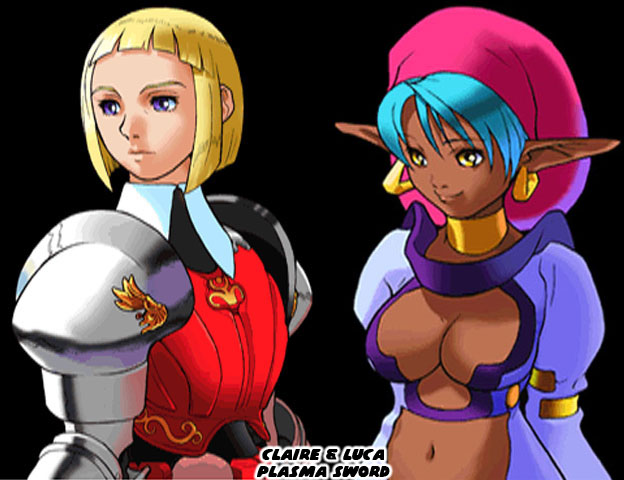
Poaching costumes from a rival studio was pretty low in my book. But then it might all be coincidence. The first time I saw the Fortune Teller / Menat the very first thing that stood out to me was the cut of her hair. Her look, her costume didn't immediately strike me as something that was featured in any contemporary game. Instead the hair, the colors and overall look actually reminded me of a few characters that Capcom had designed previously. The hair specifically reminded me of Claire, an officer in the Fourth Empire. She had a look that was inspired by medieval Spanish knights. She even fought with a plasma rapier. Plasma Sword: Nightmare of Bilstein came out in 1998. It was the sequel to Star Gladiator, a 1996 3D game, that was essentially Capcom's version of Star Wars as a fighting game. The sequel also introduced us to Luca, an alien fighter that was the fiance' of the alien Gore.
When I first saw Menat I thought that she was a sort of combination design of Claire and Luca. As if the designers revisited the notes on other fighters and tried to create something new. Also, seeing her bubbly personality reminded me of ARIKA's Pullum Purna. The youthful and energetic girl from the Arabian peninsula predated Menat by 20 years. It was hard to deny that Sadira and and Eliza also predated if not outright influenced Menat's design. What Capcom did right was in approaching her move set, her special abilities and connection to the past. Menat worked in part because she was reminiscent of Rose. Just as Ed reminded us of M. Bison and Vega, the Boxer and Dictator. But Menat was her own character, with her own special attacks, strategies and techniques. She would bridge the legacy designs and make a unique spot in the lineup.
If you are an artist trying to crack the code of the Street Fighter designs just look at three of the newer characters introduced into the series. Juri, Ed and Menat were all inspired by previous characters, they were in essence mirroring legacy designs. Juri was like an evil version of Chun-Li. Ed was a hybrid of Vega and Bison. Menat was the fresh face. She was to Rose as Cammy was to Chun-Li. It was not a coincidence that audiences gravitated towards these characters. Whether they realized it or not Capcom was using the same design elements that brought people into the fold 30 years ago. You can't really say the same about Rufus, Hakan, F.A.N.G. or Necali could you? I'd like to hear your take on Menat. Do you like the character? Why do you think she does or doesn't work in the series. As always if you enjoyed this blog and would like to sponsor me please visit my Patreon page and consider donating each month, even as little as $1 would help make better blogs and even podcasts!
The character was actually teaser earlier, appearing in the visions of Ed. In her earlier debut she was listed only as a Fortune Teller. The connection between her and Ed was instant. I had mentioned previously that Ed was a return to Psycho Power. This was the mysterious psychic energy that powered Vega / the Dictator and allowed him to do things like fly, teleport and glowing orbs of psychic energy. The origins of this power were connected by a mystical person named Rose. She debuted in Street Fighter Zero / Alpha, which tied together the events that happened between Street Fighter, Final Fight and Street Fighter II. It looks like Menat is filling in that same role. Harrison said that Menat was the understudy of Rose. It made sense that Menat and Ed were connected. Rose and Vega also shared a psychic bond. This was explored in the various endings.
The moves and special abilities of Menat had a few things in common with Rose. She could reflect fireball attacks and even add energy to them to make them more powerful. Yet like Ed, she was her own unique character. Menat fought with a crystal ball, which she named Ankh. The Capcom designers called it a soul sphere, the name was based on the ancient Egyptian symbol which symbolized life. I didn't know if the crystal ball actually contained her soul, or was a conduit for her psychic powers. I suppose we'll find out shortly. There had been a few characters from the Middle East in the history of fighting games. Egyptian characters were not unique but they sometimes wore costumes that were more classical than contemporary.
I wouldn't say that Menat's default costume was daily wear for an Egyptian but her alternate costumes did seem eerily familiar. At worst the costumes could be considered culturally insensitive. I mean did Egyptians in the 21st century really wear mummy wraps? But more important than that, a lot of people have noticed that the alternate costumes looked like costumes worn by characters in other fighting games. Sadira for example was an assassin introduced in Killer Instinct. The fighting game from 2013 was a relaunch of a cult-classic Rare franchise. Sadira was inferred to be from the Middle East. The colors of her hood and patterns on her costume looked like traditional dress. Something inspired loosely by the bedleh, the light clothing worn by dancers. Sadira's uniform looked very much like the basis for Menat's costume. Then there was Eliza. This Pharaoh-themed character was introduced in Skullgirls Encore. The indy fighting game from 2014 pulled inspiration from dozens of different sources, including classic American cartoons and Japanese anime. Eliza was actually a design that was voted on by fans. The studio used Kickstarter to raise funds for new characters and Eliza was extremely popular in the voting. She really stood out when she was finally added. It was as if Cleopatra had become a fighter, her dress, Ankh symbol and crown were pulled from ancient history. And then apparently it looked like these things were poached by Capcom to be used for Menat as well. The similarities I think were too close for this to be more than coincidence.
Poaching costumes from a rival studio was pretty low in my book. But then it might all be coincidence. The first time I saw the Fortune Teller / Menat the very first thing that stood out to me was the cut of her hair. Her look, her costume didn't immediately strike me as something that was featured in any contemporary game. Instead the hair, the colors and overall look actually reminded me of a few characters that Capcom had designed previously. The hair specifically reminded me of Claire, an officer in the Fourth Empire. She had a look that was inspired by medieval Spanish knights. She even fought with a plasma rapier. Plasma Sword: Nightmare of Bilstein came out in 1998. It was the sequel to Star Gladiator, a 1996 3D game, that was essentially Capcom's version of Star Wars as a fighting game. The sequel also introduced us to Luca, an alien fighter that was the fiance' of the alien Gore.
When I first saw Menat I thought that she was a sort of combination design of Claire and Luca. As if the designers revisited the notes on other fighters and tried to create something new. Also, seeing her bubbly personality reminded me of ARIKA's Pullum Purna. The youthful and energetic girl from the Arabian peninsula predated Menat by 20 years. It was hard to deny that Sadira and and Eliza also predated if not outright influenced Menat's design. What Capcom did right was in approaching her move set, her special abilities and connection to the past. Menat worked in part because she was reminiscent of Rose. Just as Ed reminded us of M. Bison and Vega, the Boxer and Dictator. But Menat was her own character, with her own special attacks, strategies and techniques. She would bridge the legacy designs and make a unique spot in the lineup.
If you are an artist trying to crack the code of the Street Fighter designs just look at three of the newer characters introduced into the series. Juri, Ed and Menat were all inspired by previous characters, they were in essence mirroring legacy designs. Juri was like an evil version of Chun-Li. Ed was a hybrid of Vega and Bison. Menat was the fresh face. She was to Rose as Cammy was to Chun-Li. It was not a coincidence that audiences gravitated towards these characters. Whether they realized it or not Capcom was using the same design elements that brought people into the fold 30 years ago. You can't really say the same about Rufus, Hakan, F.A.N.G. or Necali could you? I'd like to hear your take on Menat. Do you like the character? Why do you think she does or doesn't work in the series. As always if you enjoyed this blog and would like to sponsor me please visit my Patreon page and consider donating each month, even as little as $1 would help make better blogs and even podcasts!
Labels:
bengus,
capcom,
chun-li,
designs,
dictator,
ed,
egypt,
egyptian,
eliza,
killer instinct,
legacy,
menat,
middle east,
psychic,
psycho power,
rose,
sadira,
skullgirls,
street fighter v,
vega
Monday, August 21, 2017
A look at Ed from Street Fighter V, design meets legacy...
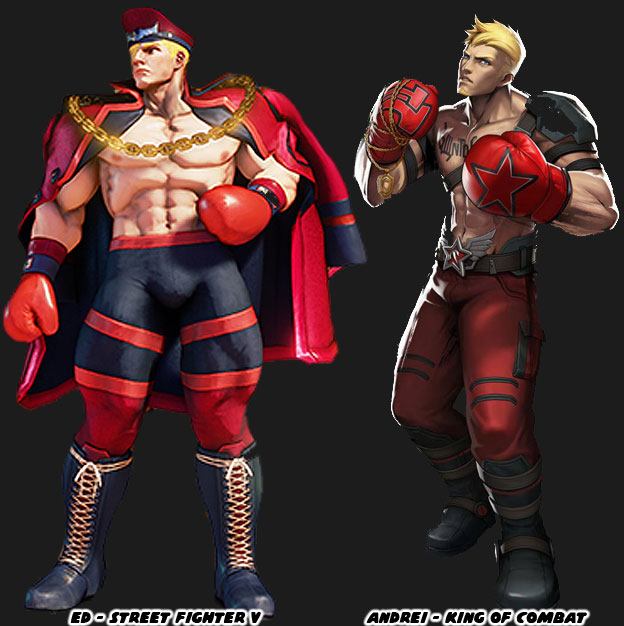
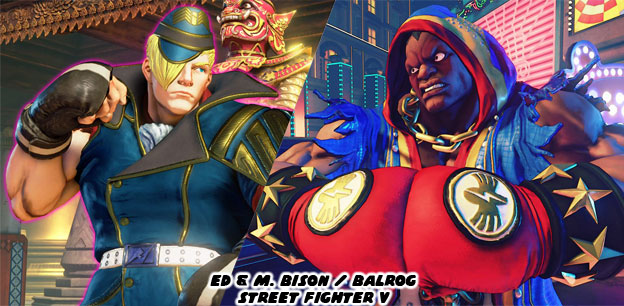
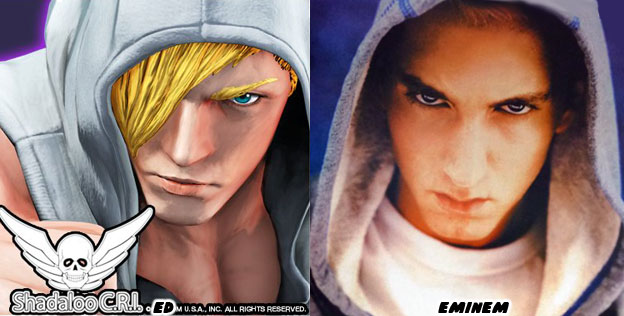
It’s been a while since I’ve talked about a new Street Fighter character, I haven’t been happy with most of them. I’m not going to talk about Kolin, probably ever, sorry about that. Instead I’m going to look at one of the new guys. Ed, revealed at the end of Street Fighter V Season 1 as the understudy of M. Bison / Boxer, was now a playable character. As a whole I think his design and assignment of moves and powers was done very well. There were the things that seemed off, like his animations which seemed to lack polish. Then there was the ability to perform special attacks with simple button combinations instead of traditional joystick+button inputs. Long time fans of Street Fighter thought this was pandering to Nintendo’s Smash Bros. community. But speaking from a visual design standpoint I would say Ed was probably the best new character in the past few years. The reasons for this were subtle but well done.


Labels:
boxer,
chun-li,
dictator,
ed,
gill,
illuminati,
m bison,
psycho energy,
psycho power,
rose,
seth,
shadowlaw,
street fighter v,
tanden engine,
vega
Monday, September 26, 2016
Some of my favorite Street Fighter collectibles, part 2...
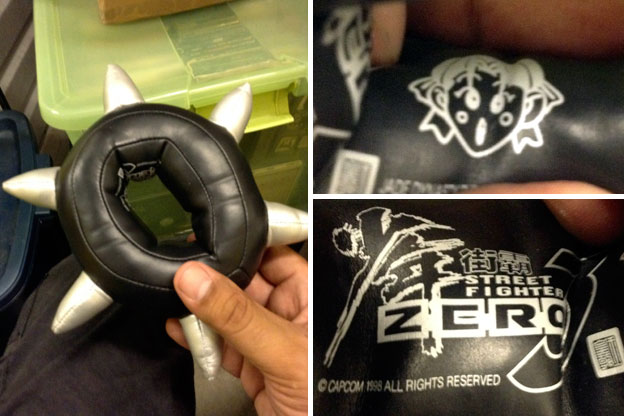
In the previous blog I highlighted some of my favorite collector covers from the Chinese Street Fighter comics. Today we're going to look at some of the other memorable special issues that they printed. Often a special issue not only came with a unique cover, it also came with a collectible. Some of these things were postcards, puzzles or calendars featuring the best covers from the past year. Sometimes these issues came with an embroidered hat or sweatband featuring a character. The best were even more original. Take Chun-Li for example, when the publisher wanted to celebrate the character in Street Fighter Zero they distributed spike bracelets to their fans.
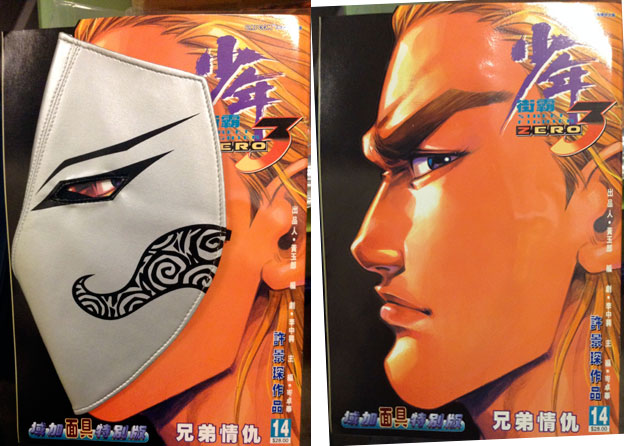
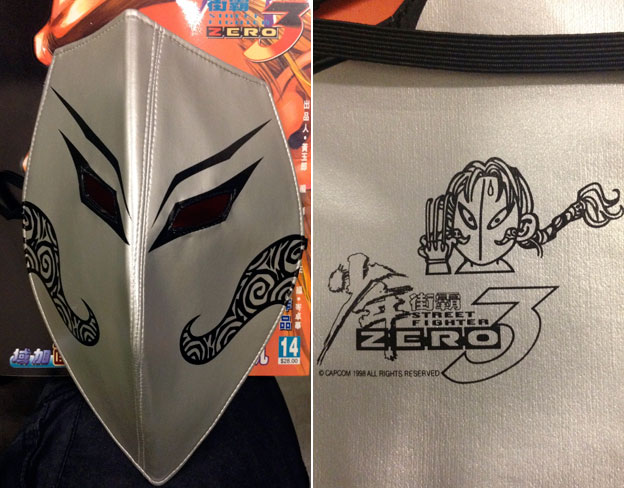
Of course the bracelet was foam wrapped in vinyl, but it was a very clever marketing toy. In what other country did Capcom create anything like that for their fans? Another soft good that they distributed through the comics was actually attached to the cover of a comic. The Spanish assassin Balrog (Claw) wore a trademark mask. The publisher of the Street Fighter Zero comics created a die-cut cover of Balrog wearing the mask. Fans could remove the mask and wear it. Imagine being a kid and being a huge fan of Street Fighter. How awesome would it be if your favorite comic book came with a goody on a regular basis? What if Marvel did the same for Spider-Man, or DC for Batman? People would be all over it.
Granted in the US there have been unique collectibles released with comics as well. The Batman trade paperback A Death in the Family came with a grotesque Joker mask and the Court of Owls came with an owl mask. Fans had to wait until the specific series had ended and was put into a TPB before they could buy it. Yet overseas these giveaways are more common. In Italy for example the Topolino (Mickey Mouse) comics sometimes come with toys, called gadgets. The most popular Chinese comics came with all sorts of soft goods and toys on a more regular basis.
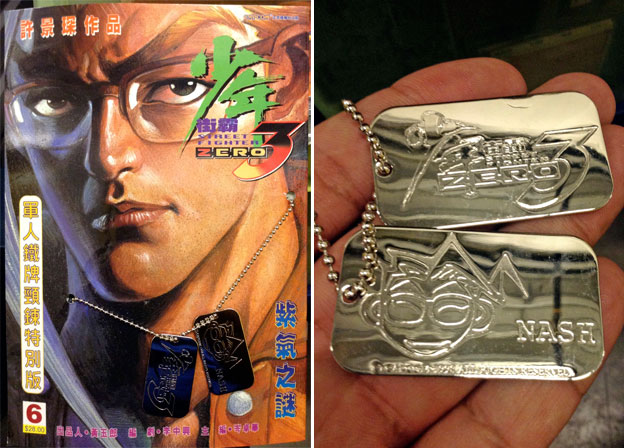
Of all the collectibles I've gotten from the Chinese Street Fighter comics the best one was without a doubt the dog tags worn by Charlie Nash. Like the Balrog issue this comic also had a die-cut cover. There were two holes poked in the sides of the neck were a metal chain and polished metal dog tags were on display. These were full-size dog tags with the name and likeness of Nash. To make sure collectors picked up the issues there was even an embossed Capcom license on them. I wonder how many people that cosplayed as Guile ever tracked down these dog tags.
What about you? Do you have any rare or unique Street Fighter items in you collection? If so I'd like to hear about it! As always if you would like to sponsor me please visit my Patreon page and consider donating each month, even as little as $1 would help make better blogs and even podcasts!
Of course the bracelet was foam wrapped in vinyl, but it was a very clever marketing toy. In what other country did Capcom create anything like that for their fans? Another soft good that they distributed through the comics was actually attached to the cover of a comic. The Spanish assassin Balrog (Claw) wore a trademark mask. The publisher of the Street Fighter Zero comics created a die-cut cover of Balrog wearing the mask. Fans could remove the mask and wear it. Imagine being a kid and being a huge fan of Street Fighter. How awesome would it be if your favorite comic book came with a goody on a regular basis? What if Marvel did the same for Spider-Man, or DC for Batman? People would be all over it.

Granted in the US there have been unique collectibles released with comics as well. The Batman trade paperback A Death in the Family came with a grotesque Joker mask and the Court of Owls came with an owl mask. Fans had to wait until the specific series had ended and was put into a TPB before they could buy it. Yet overseas these giveaways are more common. In Italy for example the Topolino (Mickey Mouse) comics sometimes come with toys, called gadgets. The most popular Chinese comics came with all sorts of soft goods and toys on a more regular basis.

Of all the collectibles I've gotten from the Chinese Street Fighter comics the best one was without a doubt the dog tags worn by Charlie Nash. Like the Balrog issue this comic also had a die-cut cover. There were two holes poked in the sides of the neck were a metal chain and polished metal dog tags were on display. These were full-size dog tags with the name and likeness of Nash. To make sure collectors picked up the issues there was even an embossed Capcom license on them. I wonder how many people that cosplayed as Guile ever tracked down these dog tags.

What about you? Do you have any rare or unique Street Fighter items in you collection? If so I'd like to hear about it! As always if you would like to sponsor me please visit my Patreon page and consider donating each month, even as little as $1 would help make better blogs and even podcasts!
Labels:
balrog,
bracelet,
capcom,
charlie nash,
chun li,
claw,
collectible,
comics,
dogtags,
exclusive,
mask,
street fighter,
vega,
zero
Friday, May 16, 2014
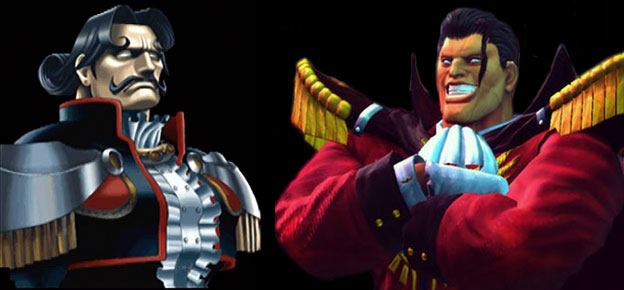
Fighting Layer, return of the dragon, part 6...
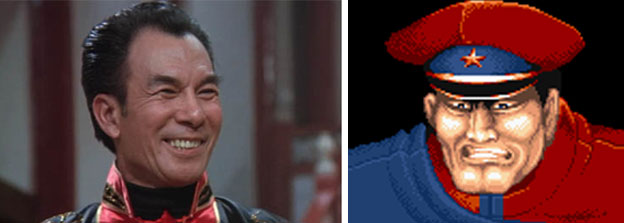
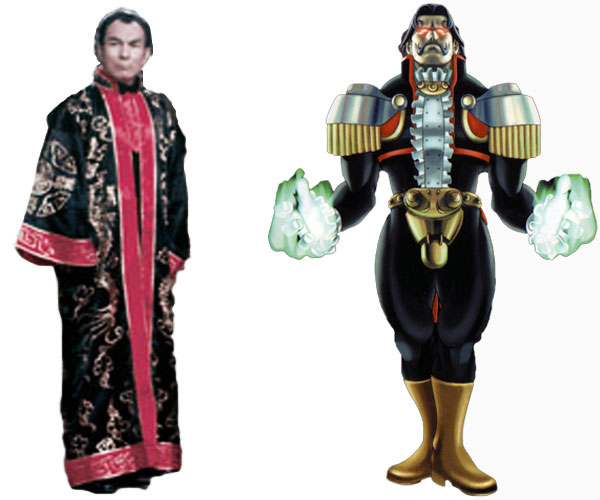
When the series first started I wrote about how influential the characters and plot to Enter the Dragon had on the development of Street Fighter II. The crime lord Han in the Bruce Lee film had a hand in inspiring the military general Vega in Street Fighter II.

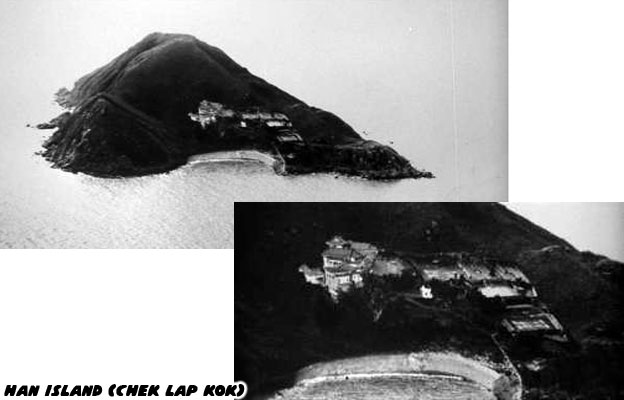
Han's island fortress was even the inspiration for the original design of Shadowlaw. It was where the entire Street Fighter II tournament was supposed to take place.

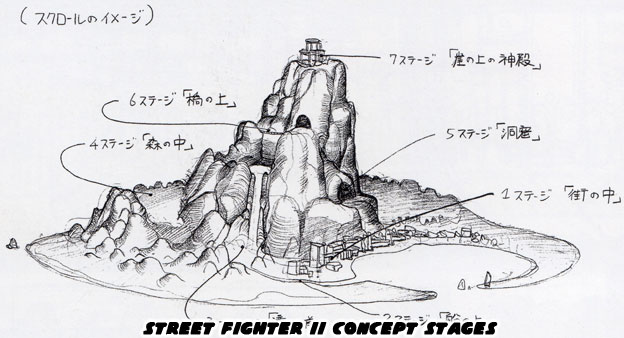
Before they were scattered through every corner of the globe all of the stages in Street Fighter II had been set in a singular location.

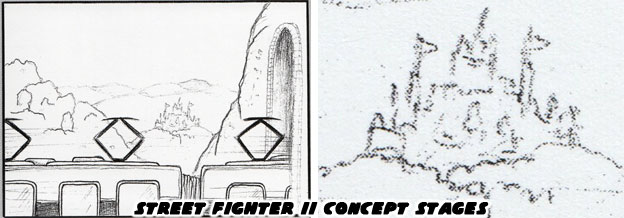
One of the levels proposed for Street Fighter II one was supposed to take place on top of a speeding train. In the distance there was a shot of the castle that the host resided in. The previous blog showed that the original boss characters for SFII looked like medieval knights. It could have been possible that the final battle took place inside of this castle. It wouldn't be the first time that a fighting game stage was inside of a castle, let alone a boss level. It would however be the first time that players could see themselves speeding towards the final destination a few levels prior.

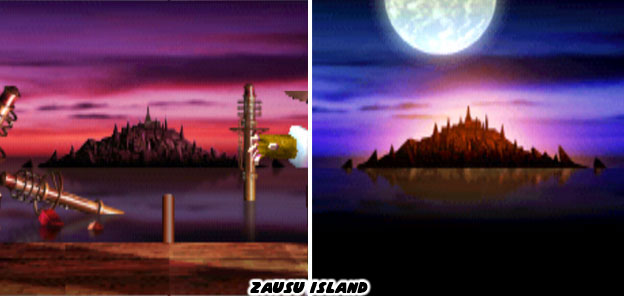
Almost a decade later Akira Nishitani revisited the plans for Street Fighter II and created a new title that made use of ideas that were left behind. The entire Fighting Layer tournament took place on an island, Zausu Island to be precise. The final level was set in the castle at the center of the island. The island looked eerie and uninviting. Sharp jagged rocks framed the island that was trapped in perpetual twilight. From a distance it appeared supernatural, like a location from a horror film.

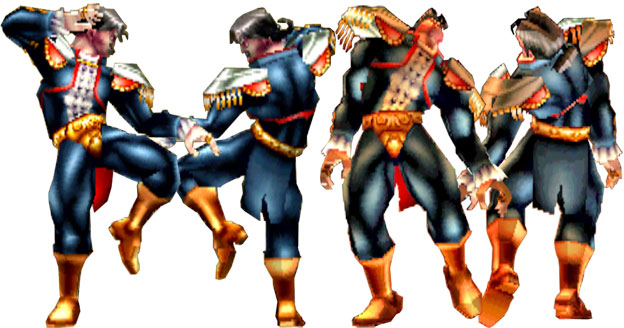
The host of the Fighting Layer tournament owned the island and everything in it. He was as eerie and mysterious as the location itself. Vold Ignitio dressed like an aristocrat although there was something more menacing underneath his costume. Again we would have to return to Han to find the inspiration for this type of character. Han after all made a castle his home and seemed to live an opulent lifestyle. It was all a clever facade to help keep authorities from taking too close of a look at his estate.

Vold was very much a retelling of Vega from SFII. Both characters did not dress like traditional martial arts masters. Vega had a modern militaristic uniform whereas Vold had a costume more like a royal military outfit. They each had an assortment of awe-inspiring moves that could tear through opponents with ease. They could even defy gravity and finish opponents with a few powerful strikes.

Despite his costume Vold acted much more savage than any other character in Street Fighter history, with the exception of Blanka. He would slash at opponents with his long fingernails and even pounce and maul his opponents like the Tiger which he kept under his castle. He was a very arrogant villain, taunting his opponent with his outlandish stances.

The setting of the Fighting Layer tournament was probably the most interesting part of the game itself. Each stage had personality. Each level told a story and the collective could be considered the template for great stage designs. The next blog will look at Zausu Island in more detail.
If you would like to sponsor me please visit my Patreon page and consider donating each month, even as little as $1 would help make better blogs and even podcasts!



Thursday, May 15, 2014
Fighting layer, return of the dragon, part 5...
Many of the early designs for Street Fighter II characters were based on what the Japanese found exotic, which was often Western characters and themes. I don't mean cowboys and indians however, I mean gangs, tattoos and thugs that were different than the Yakuza or Japanese criminals. Some of the other things that the developers found interesting were European culture, architecture, design and mythology. To this day many in Japan have a fondness for Victorian-era England and late 19th century / early 20th century Belle Époque France. Aristocratic characters in manga and animé are dressed right out of the Guilded Age and often lived in opulent mansions. They are waited on by butlers and maids even in high school and at work in many of the titles. The boxer Dudley in Street Fighter III and Lili de Rochefort from Tekken 5: Dark Resurrection are two of the more famous aristocratic fighters. They view themselves as superior to their counterparts in every way, but especially in fighting and etiquette. The original boss designs for Street Fighter II were far more different than the playable characters audiences saw. The majority of the cast had a martial arts style that could easily be identified by players. Karate, kung-fu and boxing masters could easily be made out by gamers after all. The final bosses had to stand out and not necessarily reflect any actual technique. Shadowlaw started off as an island before it became a landlocked country in Southeast Asia. In the planning stages the architecture and infrastructure on the island was Western. It was a blend of modern with the city and port, but also classic with the countryside. As the peak of the island there was a temple where fighters met the final boss. It was not always an Asian temple and the final villain was not always Asian.

Before the assassin became a mask-wearing Spaniard he looked more like a Templar Knight. This character completely broke the visual consistency of the rest of the cast. The armor, sword and tunic were from another era. Capcom might have made the character work but that would have meant revising the locations and themes they were already working on. It would be easier to redesign one character than change an entire game to make that character work. The boss went back to the drawing board and the designers tried to figure out what made him interesting. He needed to have a weapon but a sword would be hard to work around. The claws did increase the reach of the character but were less than half the length of a sword. The helmet was too cumbersome for a fighter so it was switched out for a mask. They mystery element remained but the character became more believable. The costume and tattoo were very reminiscent of the pirate San-Po from the Jackie Chan film Project A.
An alternate to the knight was also in the planning stages. This character was a mix of contrasting elements. He too wore a mask but not a suit of armor. Instead he had an armored vest and shoulder pads. The character appeared more like she sort of European ninja. The early designs for Balrog and Vega, and even the medieval theme for Shadowlaw could have been inspired by the 1979 film the Castle of Cagliostro. The film featured assassins that were dressed like armored ninjas and also sported claws. It was considered one of the best animé films ever produced and one of the most memorable adventure films of all time. There was no doubt that the Capcom designers were familiar with the film and the fantastic world that director Hayao Miyazaki had created. But again, if Street Fighter II were to use villains inspired by the film then the entire game and levels would have to be re-themed in order to make them work with the cast.

Fighting Layer was different however. Akira Nishitani was revisiting the plans for Street Fighter II. This time he took a different path than producer Yoshiki Okamoto did with SF II. Nishitani wanted to have more fantasy in the game and allow his cast of fighters adapt to the weird and supernatural. Great fighting game characters were not far removed from the heroes in manga and comic books. At least not in the mind of Nishitani. Audiences didn't need to have everything explained to them in order to suspend their disbelief. The word "magic" was often more than enough for them to get the idea. In Fighting Layer players were dropped into a pit where an animated suit of armor appeared out of thin air. It was taller than the the other characters and moved very slowly. Punches and kicks did not knock the character down, only special and super attacks could manage that. The Knight swung a heavy lance, much longer than the sword that was originally planned for Balrog. The balance to giving an opponent a long weapon was found by making the character use it very slowly. This gave players time to dodge the strike and work on counter attacks. If players managed to defeat the Knight then he would fall apart in a cloud of smoke and flames. They would then be able to continue through the game. If time ran out then the suit of armor would simply turn and walk away, breaking into tiny pieces and fade into nothing as it took each step. It was an eerie sight for gamers.

There were actually two distinct Knights in the game. The original Knight in the second stage and the "True" Knight at the end of the game, after the host of the tournament was defeated. The True Knight was slightly stronger and could take 80% of an opponents energy before the match even started by throwing his lance at players as they fell into the underground stage. It was obvious that there was much more to this world than had been seen in other Capcom fighting games.
ARIKA had actually infused their fighting games with supernatural elements much earlier. In Street Fighter EX the character of Kairi was under the influence of evil spirits. They were in fact the source of his powers. His sisters were trying to bring Kairi back from the brink of madness in the plot of the game. One of the boss characters created for the series was an animated suit of samurai armor. The villain named Gardua had no true face. He was the first completely supernatural character introduced into the series. Because he could have also been interpreted as a madman in armor and not some sort of ghost then he was entirely plausible within the world of Street Fighter.

There were plenty of clues that the supernatural was a part of the Fighting Layer world and even a part of the competitors. The eerie glow of the eyes on ninja Sessyu Tsukikage mirrored the eerie glow that inhabited the armor of the Knight. Sessyu's ability to disappear and reappear in a puff of smoke seemed even more incredible than the ninja myths. Perhaps he too used some sort of magic to give him an edge in combat.

Every gamer that had read a comic book or watched a cartoon knew that spirits and giant animals would have to be under the control of some powerful villain. Whether the tournament was set in the real world or some sort of Twilight Zone there was still a host pulling the strings. This person may have been a drug lord, dictator or even sorcerer based on previous games. The truth would only be revealed to the fighter that made it through the final battle. The next entry in the series will look at the organizer of the Fighting Layer tournament and try to find his roots.
If you would like to sponsor me please visit my Patreon page and consider donating each month, even as little as $1 would help make better blogs and even podcasts!
An alternate to the knight was also in the planning stages. This character was a mix of contrasting elements. He too wore a mask but not a suit of armor. Instead he had an armored vest and shoulder pads. The character appeared more like she sort of European ninja. The early designs for Balrog and Vega, and even the medieval theme for Shadowlaw could have been inspired by the 1979 film the Castle of Cagliostro. The film featured assassins that were dressed like armored ninjas and also sported claws. It was considered one of the best animé films ever produced and one of the most memorable adventure films of all time. There was no doubt that the Capcom designers were familiar with the film and the fantastic world that director Hayao Miyazaki had created. But again, if Street Fighter II were to use villains inspired by the film then the entire game and levels would have to be re-themed in order to make them work with the cast.
ARIKA had actually infused their fighting games with supernatural elements much earlier. In Street Fighter EX the character of Kairi was under the influence of evil spirits. They were in fact the source of his powers. His sisters were trying to bring Kairi back from the brink of madness in the plot of the game. One of the boss characters created for the series was an animated suit of samurai armor. The villain named Gardua had no true face. He was the first completely supernatural character introduced into the series. Because he could have also been interpreted as a madman in armor and not some sort of ghost then he was entirely plausible within the world of Street Fighter.
Subscribe to:
Posts (Atom)