Showing posts with label enter the dragon. Show all posts

Monday, March 2, 2026

Bookmark This Page; Enter the Dragon, Fighting Layer & the roots of Street Fighter II

For those that are visiting my page for the first time my name is Noe aka BigMex. I love fighting games, as well as racing games, skateboarding, theme parks, and much more. You might know that this blog had been around for a long time. A good portion of what I wrote on the 1UP, and the Capcom-Unity  pages some 20+ years ago were shared here. My best work was hidden at the bottom of this page. To make things easy for new visitors I started collecting similar threads. If you were interested in a certain topic then I was asking you to Bookmark This Page.

The first collection was a deep dive on Fighting Layer, a little known title by ARIKA and Namco. Find out the connection to Street Fighter II in this series.

Enter the Dragon, the legend inspires a game, part 1…

Enter the Dragon, the legend inspires a game, part 2…

Fighting Layer, return of the dragon, part 1...

Fighting Layer, return of the dragon, part 2…

Fighting Layer, return of the dragon, part 3…

Fighting Layer, return of the dragon, part 4…

Fighting Layer, return of the dragon, part 5…

Fighting Layer, return of the dragon, part 6…

Fighting Layer, return of the dragon, part 7…

Fighting Layer, return of the dragon, part 8…

Fighting Layer, return of the dragon, final part… 

Did you ever play Fighting Layer? Even an emulated version? What did you think about it? Let me know about it in the comments section. As always if you enjoyed this blog, and would like to sponsor me please visit my Patreon page and consider donating each month, even as little as $1 would help make better blogs and even podcasts!

follow the Street Writer on Patreon!

Friday, September 18, 2015

How fight culture became fighting game history, part 35

Capcom had the greatest success in casting minority characters as fighters without relying too heavily on stereotype. They presented quasi-realistic fighters from various nations in each incarnation of the series. In order for gamers to pick up nationalistic cues they dressed each character appropriately. The military fighter from the US wore camouflage, the karate fighter from Japan wore a white gi and the Muay Thai fighter from Thailand wore shorts. Three of the black characters in the first three games were boxers but the three were unique. The original, Mike, was a boxer with street roots, he wore sneakers and battled with taped up hands. The second, Balrog / M. Bison, looked like a boxer in training. M. Bison was actually designed to be an evolved version of Mike, one that had achieved his dream and became a boxing champ but threw it away chasing women and money. The third boxer, Dudley, was dressed in a fine suit. He represented the champion boxer that never took his eye off the prize. In all Capcom had managed to respect the genre and their audience in equal measure by avoiding the stereotypes that seemed to keep popping up in the early SNK titles.

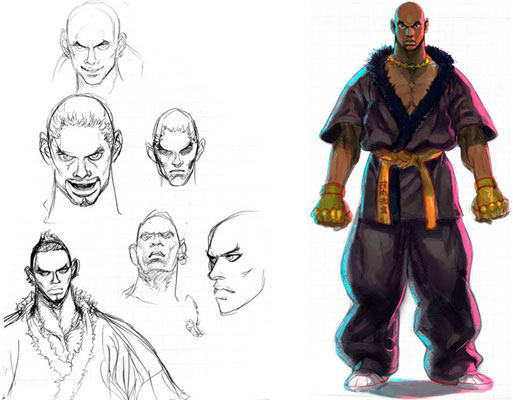
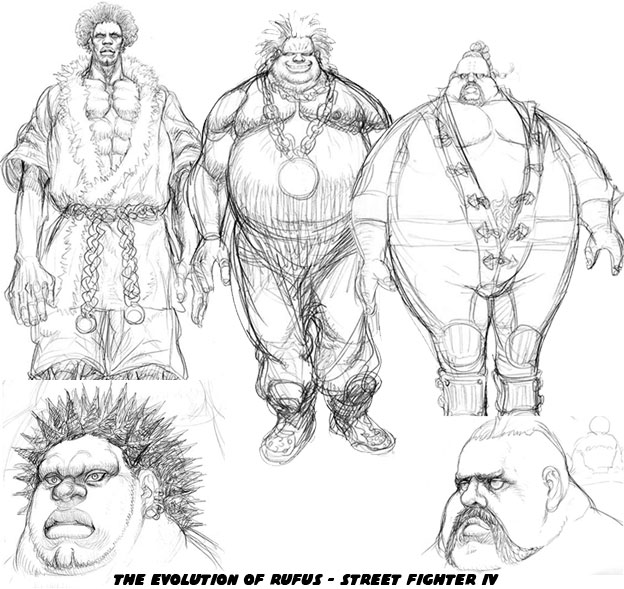
Street Fighter IV was released in 2008, it was 11 years after Street Fighter III had come out and a generation removed from the stereotypical fighters from 1994. A gamer might assume that in that span of time Japan had become more familiar with the various ethnicities that made up the USA. After all the internet had only served to make the world seem smaller by making trends move faster. That seemed to be the case at Capcom. During the early stages of character development a new fighter named King Cobra was created. The character looked interesting as he was a mash up of Hip Hop culture and traditional karate. He had a shaved head and sported and earring, his gi had a fur lined collar. The character looked very similar to Meera, a character from the manga Tokyo Tribe by Santa Inoue, Mr. Inoue had done an exceptional job of bringing Hip Hop culture, the language, music and fashion to his native Japan. He had followed it for as long as he could remember, which was interesting considering that the Japanese had been deemed an insular society by the rest of the world.
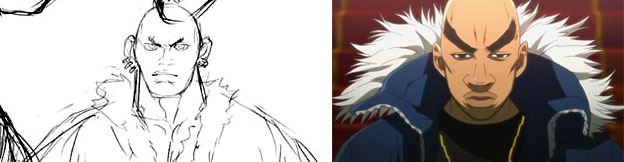

The designers at Capcom did not have to travel far to learn what made a black culture interesting and how to bring that into contemporary character design. Tokyo Tribe had done all the work and acted as a primer for urban trends. Readers could find out about mix tapes, graffiti, criminal organizations and thug life. Plus they could see how strongly it contrasted against the Japanese landscape but was acceptable as a youth movement. Meera was actually a villain in the series which made the points of reference all the more unique. King Cobra wasn't always a young karateka. In his earliest concept art he was actually a giant. He was designed to be a rival of Ken. The studio wanted Ken to have his own Sagat, or impossibly big obstacle.

Before the Meera look King Cobra was tall and lanky with a big afro. The design was taken from Kareem Abdul Jabar, a villain from the Bruce Lee film Game of Death. Street Fighter IV designer Daigo Ikeno thought that the point of reference was a bit dated. Although martial arts film fans considered the piece timeless the character was not. Jabar was barefoot, sported tiny shorts and a long sleeve shirt. He looked a little silly by the standards of today. There didn't seem to be a strong unifying costume for the Jabar as there were for the other fighters that Lee had faced in the picture. Jabar was actually vacationing in Hong Kong when he decided to visit his friend and martial arts teacher. Lee took the opportunity to cast him in a role. The costume shop didn't have anything ready for the 7' 2" NBA center so he just wore whatever he had handy. This would explain the leisurely clothes.
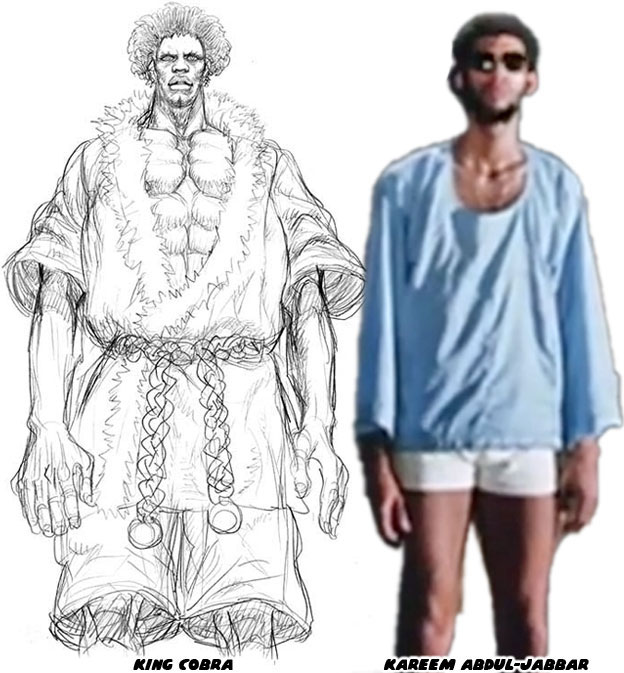


The original design of King Cobra / the Black Cobra gave away that the character was from the '70s, it was a step back to Mr. Jones territory. Ikeno was looking for a younger face and a more contemporary cultural touchstone. The Hip Hop elements seemed obvious. The character would be a young upstart looking to dethrone Ken. He would be equal parts attitude and ability with an homage to the Karate Kid (the original one, not the remake) thrown in for good measure. Ikeno wanted Cobra to be appealing to new players yet also threatening to the older guard. Abdul Jabar needed to be replaced as the template and even Shaquille O'Neal had become dated. Kobe Bryant became the most obvious choice. He was tall but not gigantic. He was slender but still very athletic. The face, the earring, the charisma and confidence of the young Cobra were very reminiscent of the Black Mamba, the nickname that Bryant gave himself.
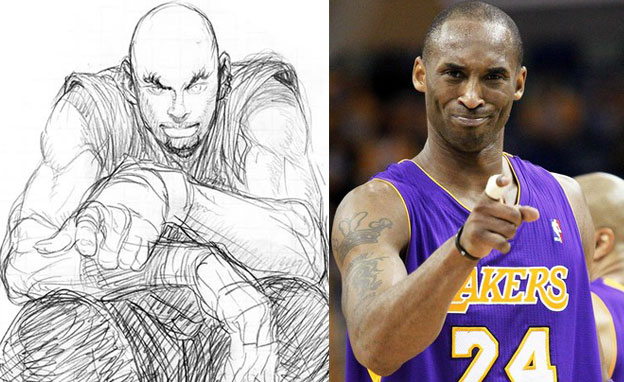


King Cobra was a character with an exceptional design. The color of his uniform was a solid black. It balanced the iconic white gi of Ryu. The color of the gi was contrasted by the gold belt and gold punching gloves of the character. These elements were repeated with the gold necklace. His costume looked classic but actually had a non-traditional cut. He was one of the rare SF characters that had a mid-sleeve gi. Ken, Ryu and the Brazilian Sean all wore sleeveless tops. The Japanese Makoto had a traditional long sleeve gi, but Cobra had a mid sleeve. The sneakers were a perfect modern touch. They were very subtle, and yet, could not be ignored. In the very first Street Fighter Ryu wore red slippers. It was much easier to imagine him traveling from town to town challenging opponents while wearing slippers.

Cobra represented just a hint of Hip Hop culture, truly an artistic global culture and not limited by USA ideals. It was just enough to remind audiences that he was the modern urban youth, not a jet-set playboy like Ken, nor a wandering solemn hermit like Ryu. The gold chain on his neck was not too bold or thick, he could never be confused for the Blacker Baron or Joe Fendi. He did not sport any sort of earrings, medallion or emblem that would have dated his appearance. His jewelry was very clean and simple. The ruffled edge of his gi gave him personality. The sneakers were classic, something that would have worked in any decade of the modern era. They were appropriate for the look that this character represented, a cue from the traditional and modern, not unlike the wrestling boots that contrasted the dress of Chun-Li. The sneakers were something that could be worn while traveling down city blocks walking into dojos and beating people up. The legend of the barefoot master did not make much sense in the modern city. Cobra was young and bold and not scared to bring just a little bit of his world into the Street Fighter universe. His design was not so bold as to try to change the universe and our attitudes towards the established characters. His belt and uniform reminded us that he was mindful and respectful of the martial arts.


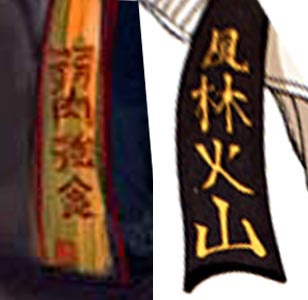
Yellow was usually the first belt awarded to students learning karate. However Cobra's belt had more of a golden hue to it, allowing us to ponder if he was a master and of what form. The characters on his belt spelled out an additional layer of detail from Ikeno. Most SF fans knew that Ryu had writing on his belt. Thanks to my friends Bob, Cesar and Lester for coming through with the translation and meaning. Ryu's black belt reads Fūrinkazan, literally "Wind, Forest, Fire and Mountain" It was paraphrased from Sun Tzu's The Art of War: "Move as swift as a wind, stay as silent as forest, attack as fierce as fire, un-defeatable defense like a mountain." This was an epic sentiment that shaped the character and personality of Ryu.

King Cobra had a different statement on his belt, Jyakuniku kyoushoku wich roughly translated to "survival of the fittest / law of the jungle." These things combined with the gold and black and cobra logo on the back of his gi made him a subtle homage to the Karate Kid villain Johnny Lawrance. It was yet an additional layer of detail that Ikeno laid down that would have gone over well with audiences. Certainly this was a design for a strong black fighter that would have been very appealing to Americans. It was much better presented and respectful of the fighting arts than Dee Jay or the basketball players mentioned in the previous blog. King Cobra followed the traditions of the classic characters yet visually did not have to bring up racial prejudices or gimmicks to make him stand out.

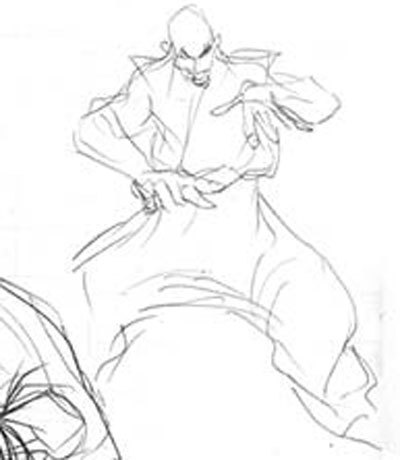
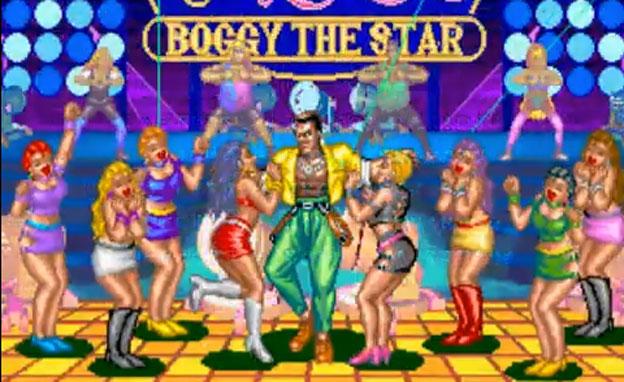
There was one thing that was troubling about the design, this was not something that was seen but rather unseen. Since the character was never finalized there were no models or animations to look at. Players didn't know that the original plan for the character was to give him "Breakdance Kung-Fu" as his fighting style. It was inconceivable that the designers at Capcom had really not caught up with the times. Just about everything worked well for Cobra except for his moves. The black-entertainer-as-fighter had died with Boggy back in 1994. At least players in the West had thought the stereotype had passed. Besides, breakdancing was considered a "fad" in mainstream US culture and only hardcore dancers still supported it in the States.

The connotation of all blacks being good dancers was a stereotype as old as the Sambo himself. One of the oldest ideas about blacks was very dehumanizing. According the slave owners the blacks were born with natural rhythm and an ability to dance. They insisted that the savages had no concept of self and that they "would even dance on the auction block." The decedents of the slaves were some of the early successful entertainers in turn-of-the-century America. Unfortunately many of them were paid to perform as minstrels. They had to act like clowns in black face makeup and be the ugly parodies of themselves that the racially charged audiences expected to see. They sang and danced on stage and in film so they could afford a better life. Unfortunately no matter how rich or famous they got they were still second-class citizens. They could not eat where they wanted, travel where they wanted or even consort with non-blacks without fear of reprisal by racist groups. African-Americans had therefore been very critical about their portrayal as dancers and entertainers rather than people first and foremost for most of the 20th century.

From the early black and white pictures to the first audio and full-color feature there had always been an African-American pioneer working in film. It took a long time for Hollywood and the rest of the world to appreciate the contributions of blacks not only in entertainment but in "American" culture. If someone made the mistake of assuming that they were natural at it they could be corrected. Blacks worked hard for everything they had become famous for, they put up with tremendous amounts of hate and bigotry while claiming a slice of the "American Dream." The lessons from history were obvious. If minorities wanted to be taken seriously in the arts or entertainment then they had to work hard for it. If they wanted to see minority characters in gaming then they had to become programmers, designers and developers as well. A generation would grow old waiting for the publishers to catch up.


Whether King Cobra was the Black Mamba in disguise, a positive role model like Dudely or a throw-away character like Boggy would never be known. The Japanese were merely reflecting US pop culture. They did not have the complete picture of black society in the USA. However not every developer relied on stereotypes while creating a lineup. Not every developer believed in the images that they had been fed by the media. Many travelled the world, did their homework and learned that different ethnic groups were much more interesting than any news clip or music video. When these designers went back to the drawing board they developed characters that were much more universally appealing. They accomplished this by incorporating actual cultural cues and details into their black figures. There were reasons why the genre survived the rise of the home consoles through the '80s and the arcade crash of the late '90s. Truly great fighting games had a diverse fan base made up of every ethnicity and background. When these players saw a diverse cast, one that they could identify with, they were willing to embrace the series. The audience would continue to support the publishers as long as they continued developing great games with a broad well-respected cast.

When the developers in Japan and the US took the time to incorporate real elements from history and society into their titles they accomplished something profound. They managed to expose the world to systems and cultures they might have previously never known about. The fighting genre was indeed very influential to a generation, but not in the ways that the politicians had made it out to be. It did not turn fans of Street fighter and Mortal Kombat into cold-blooded killers. It did however color the perception of young impressionable gamers by making them aware of how amazing the world really was. The next blog will explore the ways that one of the darkest times in modern history also changed a beautiful art form. As always if you enjoyed this blog and would like to sponsor me please visit my Patreon page and consider donating each month, even as little as $1 would help make better blogs and even podcasts!

Monday, May 19, 2014

Fighting Layer, return of the dragon, part 7...

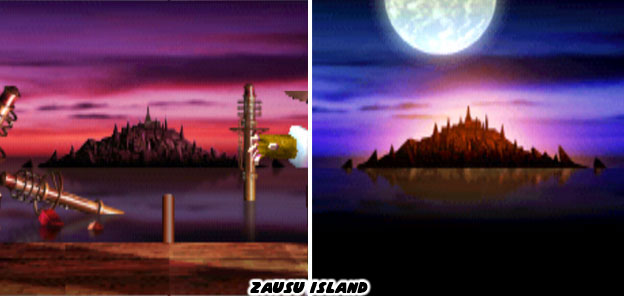
Fighters were drawn from around the world to Zausu Island in the Sea of Japan to participate in the first Fighting Layer tournament. The island was a nation run by a mysterious figure named Vold Ignitio. Only the best of the best were invited to compete and these included two participants from the Street Fighter EX tournament. The team at ARIKA had approached their new fighting game with the same intent that they had in the original Street Fighter II. As the tournament began the first place that players would visit would be the port. As the game progressed the stages would get harder as the players wandered deeper into the island. Ultimately they would reach the literal peak of the island, which was a castle that seemed to go on forever.


Two of the first stages conceived in SFII were those of the port and factory. The two levels would become tied to the characters Ken and Zangief. This time around the stages had random characters appear on them. Only the sub bosses could be expected in the same place near the end of the game.


At the onset Zausu Island appeared like an industrial paradise. The first stage, the Factory, had a ring set out in the port. The walls were made of iron girders. The walls and floors of each arena reflected the stage itself. In the distance were giants pipes from an oil refinery. The refinery stretched off in the distance for a full 360-degrees around the arena. Arika had gotten plenty of practice creating stages in pseudo 3D in Street fighter EX. Prior to that all of the important information or the supporting details in most stages had to be presented straight on in one angle. The camera might pan left or right but not rotate. Audiences had no idea what was around the corner or behind the camera in Street Fighter II, III or Zero. That all changed in Street Fighter EX when the camera rotated a full 360 degrees and the entire stage had the same level of detail as the 2D screens.

When ARIKA began developing stages for 3D fighting games they often lamented the lack of storytelling elements that the 3D arenas in Sega's Virtua Fighter and Namco's Tekken had. Most 3D engines in the mid '90s did not have enough processing powers to render an actual 3D level with much detail. So instead shortcuts were used. Sega limited the draw distance of each stage, used simple textures or created walls to keep the action close to the characters where the rendering engine could animate the complex character models. By comparison Namco and ARIKA used pre-rendered 3D backgrounds that were "stitched" together into a 360-degree panoramic canvas. These backgrounds were highly detailed even if they lacked animated elements. The game engine would only render a small bit of the arena floor underneath the fighters and obscure the rest in shadow. Players could never actually move any closer to the backgrounds no matter how much they ran in a particular direction.


Based on the gigantic pipes and infrastructure it appeared as if Zausu Island had a lot of natural resources. The Factory level was reminiscent of the stages designed for Zangief in the Street Fighter EX series.

As players went further into the island they discovered that the modern factory had been built on the outskirts of an older factory. The architecture and details in Factory 2 looked like they were pulled from 19th century western mining colonies. There were steam engines, ore carts and rusted trains in the distance. Perhaps this was the area that gave birth to Zausu Island's industrial revolution. It now looked like a ghost town, lacking employees. There was an eerie stillness to the level which gave rise to the questions; how old was the island, where were its inhabitants or employees and how long had the sponsor been living there. Surely Vold Ignitio was not the founder of the centuries-old colony, or was he?


Players did not get to stick around at the factories for very long before the true face of the island began to show itself. After two stages the characters were thrown into a pit. The underground arena was a caged off island surrounded by menacing iron fences and the boiling glow of lava. The Underground was more like the Underworld from mythology. In the distance there were eerie carvings on the walls and gigantic chains lining the walls and plunging deep into the bowels of the Earth. This was where the Knight first showed up. Players learned very quickly that the Knight moved slowly and methodically but had the strength of a tank.


If a player managed to defeat the Knight then they were able to climb out of the Underground. The path took them to an enormous Garden. The stage was very reminiscent of the garden that Lady Clarisse d'Cagliostro, from the film the Castle of Cagliostro, used to visit. The ground seemed overgrown and not well tended to. It was overrun with ivy and hanging vines. A statue of two enormous dragons was in the distance. The twin dragons were the symbols of the Fighting Layer tournament but also symbolized the evil that lived within the island. If players had managed to defeat all their rivals up until that point with special attacks and without losing a round then the first surprise boss would show up. Blair Dame would kick out whatever character was waiting to face the player and challenge them instead.


If a player did not manage to defeat the Knight within the time limit then the game was not over. Instead they would be put on the outskirts of the island on a floating stage. The level was dubbed the Airplane and a wreckage of a jet was slowly decomposing in the shallow water. There was even a cargo ship that had run aground near the stage. It appeared as if the area had been a runway at some point. The island must have sank or flooded at some point and this area had become a graveyard for commercial vehicles. The stage was very much like a last chance for competitors. If they wanted to continue in the tournament they had to defeat whatever opponent had also been banished to the outskirts. If they failed then they were at least part of the way back to China or Japan.

Notice that each stage featured so far had a distinct color palette. The colors reinforced the theme for each level. They made a factory look modern or aged depending on the tones and hues selected. Vibrant colors helped add intensity to the levels and muted colors helped create a sense of age and neglect. The colors used on the Airplane stage were ominous. Night was closing in on the player and if they didn't get back to land then they would be stuck on a metal island floating on the pitch black ocean.


If players managed to defeat their opponent at the Airplane level then they made their way back to Zausu Island. However they did not climb right to the top. Instead they took a subterranean passage through the island. The only way to experience this branching path was to actually lose to the Knight in the first Underground encounter.

This approach to level design was unique to Fighting Layer. Street Fighter II was very linear in comparison and offered little diversity for players. In SF II the same opponents were waiting in every stage each play through, unlike the random opponents and even surprise mid bosses that would turn up in Fighting Layer. The next level in Fighting Layer was comparable to the Garden, only underwater. There was plenty of eye candy in the Aquarium. Instead of observing fish inside of a tank the roles were reversed. Contestants fought within a glass arena while the sea life swam all around them. It was one of the more beautiful stages in all fighting game history.


Meanwhile, a few hundred meters above the Aquarium the contestants that managed to get past the Garden finally made their way into the castle where the tournament host lived. The floors and walls of the Entrance Hall was covered in ornate polished marble. Golden statues illuminated the doorways, the portals to the other enormous rooms in the castle. This was the second location where a mid boss might appear if players met the right criteria. This time it was Allen Snider, the other cameo character from Street Fighter EX.


The most memorable challenges would take place if a player defeated his opponent on this stage. Each of the doors in the Entrance Hall offered a choice to players. Beyond would be an opponent unlike any they had ever faced in any other fighting game. The next blog will look at the stages that made up the castle on Zausu Island. If you would like to sponsor me please visit my Patreon page and consider donating each month, even as little as $1 would help make better blogs and even podcasts!
follow the Street Writer on Patreon!

Friday, May 16, 2014

Fighting Layer, return of the dragon, part 6...

When the series first started I wrote about how influential the characters and plot to Enter the Dragon had on the development of Street Fighter II. The crime lord Han in the Bruce Lee film had a hand in inspiring the military general Vega in Street Fighter II.


Han's island fortress was even the inspiration for the original design of Shadowlaw. It was where the entire Street Fighter II tournament was supposed to take place.


Before they were scattered through every corner of the globe all of the stages in Street Fighter II had been set in a singular location.


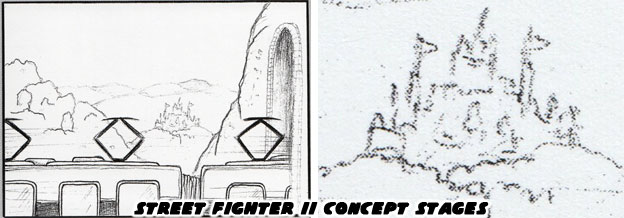
One of the levels proposed for Street Fighter II one was supposed to take place on top of a speeding train. In the distance there was a shot of the castle that the host resided in. The previous blog showed that the original boss characters for SFII looked like medieval knights. It could have been possible that the final battle took place inside of this castle. It wouldn't be the first time that a fighting game stage was inside of a castle, let alone a boss level. It would however be the first time that players could see themselves speeding towards the final destination a few levels prior.


Almost a decade later Akira Nishitani revisited the plans for Street Fighter II and created a new title that made use of ideas that were left behind. The entire Fighting Layer tournament took place on an island, Zausu Island to be precise. The final level was set in the castle at the center of the island. The island looked eerie and uninviting. Sharp jagged rocks framed the island that was trapped in perpetual twilight. From a distance it appeared supernatural, like a location from a horror film.


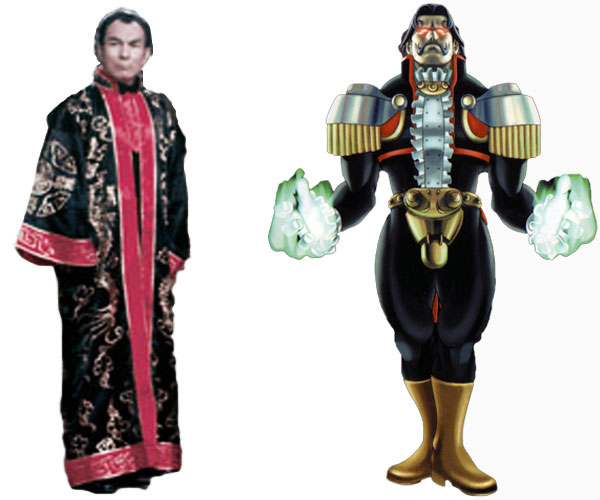
The host of the Fighting Layer tournament owned the island and everything in it. He was as eerie and mysterious as the location itself. Vold Ignitio dressed like an aristocrat although there was something more menacing underneath his costume. Again we would have to return to Han to find the inspiration for this type of character. Han after all made a castle his home and seemed to live an opulent lifestyle. It was all a clever facade to help keep authorities from taking too close of a look at his estate.


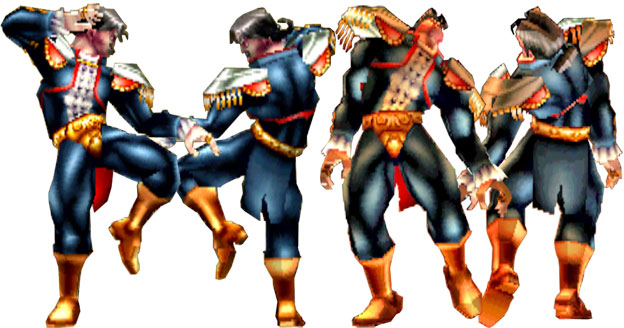
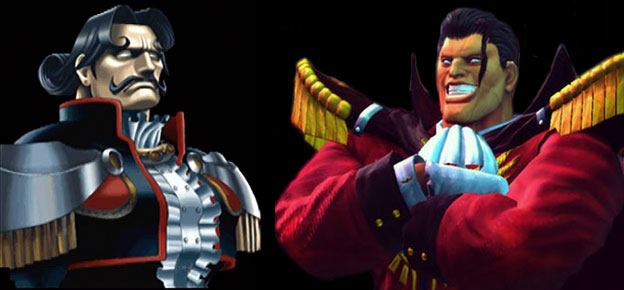
Vold was very much a retelling of Vega from SFII. Both characters did not dress like traditional martial arts masters. Vega had a modern militaristic uniform whereas Vold had a costume more like a royal military outfit. They each had an assortment of awe-inspiring moves that could tear through opponents with ease. They could even defy gravity and finish opponents with a few powerful strikes.


Despite his costume Vold acted much more savage than any other character in Street Fighter history, with the exception of Blanka. He would slash at opponents with his long fingernails and even pounce and maul his opponents like the Tiger which he kept under his castle. He was a very arrogant villain, taunting his opponent with his outlandish stances.


The setting of the Fighting Layer tournament was probably the most interesting part of the game itself. Each stage had personality. Each level told a story and the collective could be considered the template for great stage designs. The next blog will look at Zausu Island in more detail. If you would like to sponsor me please visit my Patreon page and consider donating each month, even as little as $1 would help make better blogs and even podcasts!
follow the Street Writer on Patreon!

Wednesday, May 14, 2014

Fighting layer, return of the dragon, part 4...

Fighting Layer featured quasi-believable good and evil martial arts masters in a tournament setting. This was a tradition that was started in Street Fighter II in 1991. The majority of the developers working at ARIKA had worked on both titles. Through the cast, levels and character designs they wanted to make a distinction between the two games. They had several branching paths in their title that allowed players to explore alternate sub bosses and endings. The previous blog had highlighted the human sub bosses. However before players even got a chance to challenge them they first had to defeat dangerous animals. Each of the animals was a master of their respective element. The first of the creatures was very believable and very difficult to beat.


The Tiger had only a few attacks but each of these attacks did a tremendous amount of damage. He swiped with his massive paws, leaped forward with them out and could even pounce and maul his opponents. The Tiger was the creature players had to face before fighting Preston Ajax. The tiger was one of the predators that karate and kung-fu masters were rumored to have tested themselves against. I only say rumored because an actual case, with actual evidence from history had yet to appear. The closest thing to reality was the character Wu Song, a person that appeared in the Water Margin, better known as one of the 108 Heroes of the Marsh. This Chinese fighter had gotten drunk on his way to a village and crossed paths with a ferocious man-eating tiger. He was either very brave or very drunk (or both) when he took on the tiger with his bare hands. He managed to get behind it and proceeded to bash its head in with his punches. Many of the Heroes of the Marsh were inspired by historical figures and actual events. There was a chance that Wu Song existed in some point in the past and had indeed done the impossible.

What was not rumor however were the creatures that martial arts master Mas Oyama had tested himself against. One of his most legendary encounters was against a wild bear. The bear had been menacing the residents of a rural village. Oyama decided to test his form of karate against the bear in an exhibition match. In the end he had to fight for his life and a hunter put down the bear with his rifle. In the manga and animé retelling of his life the battle was made very dramatic and drawn out but the actual fight probably took less than a minute. Of course even a few seconds in a cage with a bear can seem like an eternity. As Oyama got older he would stage exhibition matches against a bull. He would wrestle it to the ground, chop off its horns and kill the bull with a well placed punch to the head.


He would often wonder aloud with his students and friends, often members of the press, how well his Kyokushin karate would hold up against the strongest predators in nature. He always wanted to try his luck against a tiger but would never get a chance. This did not stop him and his contemporaries for coming up with strategies on how they would have taken on all sorts of creatures. They would publish these articles in martial arts journals and help build the legend of karate. Battles against wolves, tigers, bears and even gorillas were discussed. Some were set against actual historical encounters. Stories of hunters and samurai that were ambushed in the forest centuries earlier and how they used their martial training to defeat the creatures helped support some of the claims. These stories colored the world of the young programmers and designers. It wasn't enough that they had been raised on a diet of martial arts films, pro wrestling, sumo wrestling, pro sports, manga and animé, they also had real world legends to draw from. By the time they got to Capcom they were more than ready to create the first generation of virtual legends.

In many manga and manhua (Chinese comic book) stories wild animals could be tamed or defeated in unarmed combat. These stories were often fantastic in their representation of the martial arts masters. In many cases the youngest fighters could sometimes do the impossible. Such was the case for Karin Kanzuki, the arch-rival of Sakura from Street Fighter Zero fame. As the heiress of the Kanzuki empire she showed up her father by defeating the fearsome creatures that patrolled the Kanzui estate in Japan. She defeated a grizzly bear and giant falcon before taming a lion. At the tender age of 15 she had done more than Mas Oyama had in his real or manga lifetime.


The giant bird of prey returned in Fighting Layer as one of the animal bosses to defeat. Like the Tiger, this creature was incredibly fast and powerful. A few strikes was enough to kill most players. The Falcon had to be defeated before players could challenge the boxer Joe Fendi.


The animals in the game had moves that were appropriate for them. None of them stood on two legs and tried to trade punches and kicks with the players. Instead they lunged and slashed ferociously. The Tiger would pin down opponents and maul their faces. The Falcon could pick up opponents and then drop them from a tremendous height. It was always a challenge playing against them but it was even more enjoyable playing as the animals against human opponents.


The animal bosses were time release characters. After a few weeks in the arcade both the animal and sub boss characters became playable. Allen Snider and Blair Dame were the hidden mid-bosses in the game. They could only be fought if the player met the right criteria, like not losing a round and finishing opponents with a super attack.

There were three sub-bosses however and I have only mentioned two of the creatures so far. Both the air and land were covered already but what about the sea? What creature rules the seas in the minds of most players and would make quick work of even the best fighters ever?


A Shark patrolled the sea floor around the host island of the tournament. This character had to be defeated before players could face Clemence Kleiber. Players actually had to face the creature underwater in a stage called the "Sea Zoo." It, like the Tiger and Falcon, would try to circle around the player and look for an opening before striking. The Shark could fit players in its mouth and cut them to ribbons. A few bites could kill players within seconds. It was possible that the Shark was the toughest of the animal bosses to face, just as one would imagine. When the character was unlocked in the game he would actually float above ground and play with the same physics as he had underwater. Players could even get the Shark to "swim" outside of the barrier for each stage where regular players could not tread. In the eyes of many Fighting Layer literally "jumped the shark" with this character. Those that were willing to suspend their disbelief however learned that the game was supposed to be fantastic and over-the-top. The explanation for the creatures, sub bosses and tournament itself was grounded in the supernatural.

When I began this series I mentioned that the film Enter the Dragon had inspired much of the development for both Street Fighter II and Mortal Kombat. Street Fighter was rooted in science and realism, with a militaristic dictator running the tournament. Mortal Kombat was rooted in the supernatural, with an ancient wizard hosting the tournament. Fighting Layer was actually a blend of both mythologies. Fantasy and animal characters acted as the sub bosses while the actual competitors were rooted in real martial arts. The understanding that the game was not entirely based in reality was presented in the very second level of the game. Players had to take on an animated suit of armor in an underground cage. It was obvious then the game would be mixing fantasy and reality elements. Players that didn't understand this inclusion of fantasy would be lost through the rest of the game.


The seeds for the fantastic elements in Fighting Layer had been planted in Street Fighter EX. However some of those designs had been around since the planning stages for Street Fighter II as well. The next blog will look at these origins. If you would like to sponsor me please visit my Patreon page and consider donating each month, even as little as $1 would help make better blogs and even podcasts!
follow the Street Writer on Patreon!

Thursday, May 8, 2014

Enter the Dragon, the legend inspires a game, part 2...

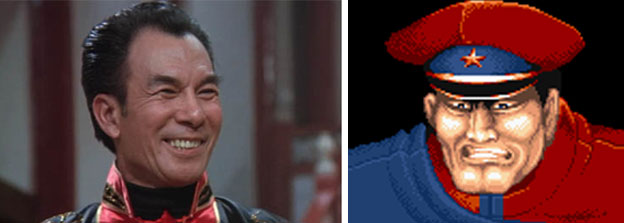
When Street Fighter II debuted the final villain Vega / M. Bison / Dictator (depending on your territory) had overtly Asiatic features. He looked overtly like a communist dictator. So much so in fact that he had to be toned down for the international market. His features were changed to give him a more Eurasian in appearance. The core of the character and his secret organization, Shadowlaw, were influenced very much on Han and the locations featured in Enter the Dragon. It was a little more obvious in Mortal Kombat that the locations and tournament were influenced by the Bruce Lee classic.


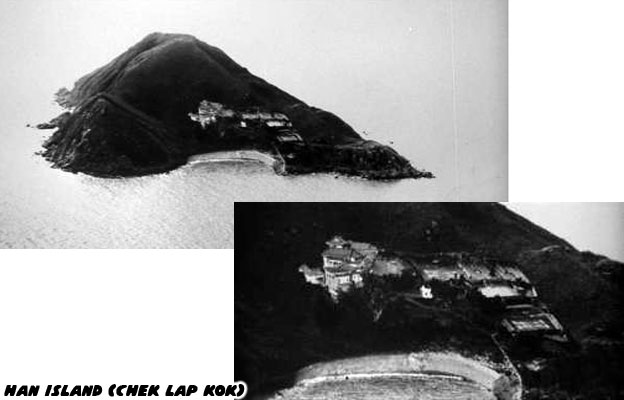
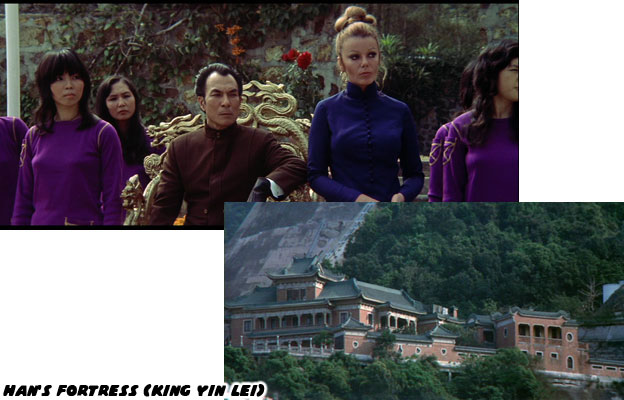
All of the early work surrounding the development of Street Fighter II were eerily similar to the actual locations featured in Enter the Dragon. For example, Street Fighter II ends in Thailand, however the original plan for the game was to have the tournament on an island controlled by a crime lord. The original design for Shadowlaw island was not far removed from Chek Lap Kok, the island used in the aerial photographs shown to Lee at the start of the movie. The fortress where Han was hiding out, King Yn Lei, was actually a different location that was superimposed on the island. Shadowlaw was not supposed to be a landlocked country bordered by Thailand and Cambodia but instead a small island nation. The design of the original Shadowlaw island would follow the developers through to the final stages of production on Street Fighter II and well beyond.


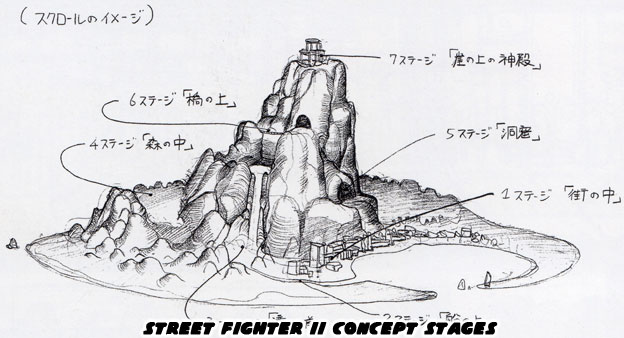
The developers on Street Fighter II (SFII) wanted to create a game that had a loose narrative. In the original Street Fighter Ken and Ryu travelled the globe seeking out the best fighters. Capcom did not originally want to repeat that idea but instead wanted a group of "World Warriors" to visit a single area that hosted the tournament. In this case it was supposed to be Shadowlaw island. The island was supposed to be massive enough to feature unique terrain, weather and locations for players to explore. Each opponent in the series would have their own dedicated stage on the island. The game started at the harbor where the industrial met the city. As players progressed in the game they went around the island and ended at the proverbial top of the mountain. Each stage was supposed to feature unique visuals and battles were supposed to get harder the further along players went.


Factories, cities, jungles, caves and planes were proposed on the island. All the locations were supposed to set the tone for players. It would be a unique learning curve for Capcom designers. Many had worked on other arcade and console hits however the company was banking on Street Fighter II being something special based on the feedback that they had gotten from arcade owners. Many owners wanted a follow-up to Street Fighter and Capcom showed off Street Fighter '89 at trade events. The change in mechanics to brawler, in which one to three people had to fight off waves of opponents, was a stark contrast to a dedicated 1-on-1 fighting game. Capcom listened to the vendors and renamed the game Final Fight. There was pressure to develop a new game and set the bar even higher than Final Fight. The studio put 20-30 designers in charge of character and stage designs alone. This was more than double the size of the teams put together for any other game. The extra eyes, insight and tastes helped shape Street Fighter II tremendously over the next year in development.

It wasn't obvious during the early days that Capcom was working on something historic. They were nonetheless writing the book on stage design. The artists actually went through the same learning curve that animators and filmmakers had during the early days of motion pictures. The designers had to create single screen stages that told a story. The way that each stage was framed was important. The lighting, color pallet, details and atmosphere put into the backgrounds would be almost as important as the fight at the forefront. The Capcom employees had to relearn level design, even after the work on the original Street Fighter and Final Fight. The engine for SFII would be able to put more colors on the screen than ever before. It would be able to support larger sprites, more frames of animation than any other game they had worked on. As a result the designers had to spend a little more time in the planning of each and every stage and character.


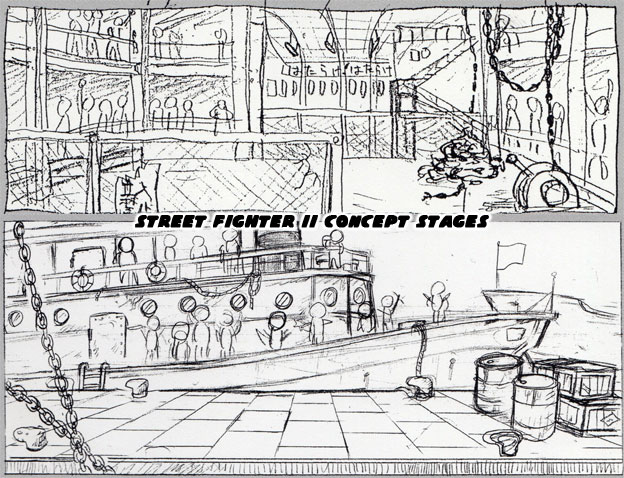
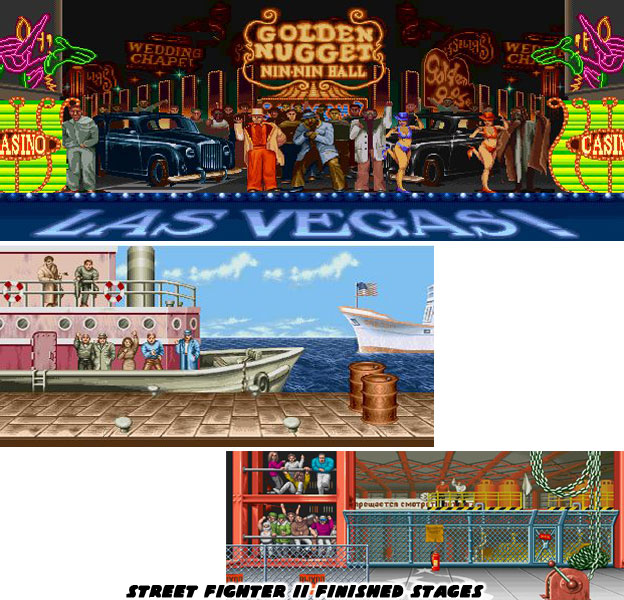
Since the first plans for SFII were to set the entire game on an island the designers wanted to bring each and every fighter through the port first. Bruce Lee had arrived to Han's Island on boat after all. A battle on a pier and a battle in a factory were some of the first stages laid out. The characters selected for the levels had to reflect the location. Zangief the Russian for example was originally a large and burly sailor named Vodka Gobalsky. He could have worked equally well in the port or factory. Instead the designers refined the character until he became the wrestler that most players were familiar with. In the game he was surrounded by steel frames and chain link fences. He was as tough and unyielding as the concrete floor on which he would drop opponents. By comparison the rich playboy Ken Masters would make the pier his home. His luxury yacht was docked off shore. This detail said a lot about the character and both the pier and his yacht would be revisited in sequels. The same happened to Zangief and the factory in which he battled in. The stages were beginning to develop a distinct personality.

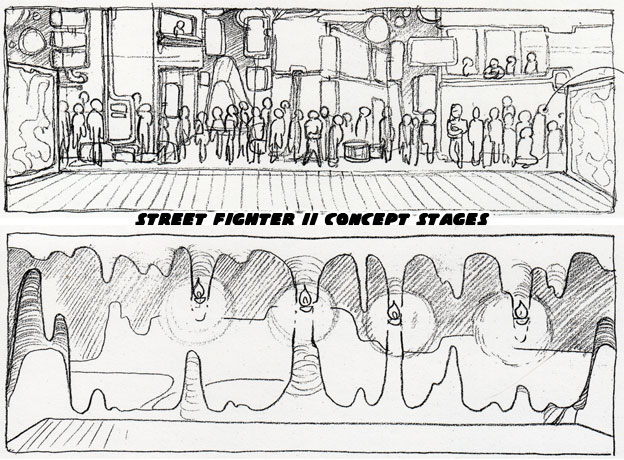
The designers then began mapping out the other areas on Shadowlaw island. The city was next stop for the fighters. There was a busy intersection that the characters would battle on. Residents and visitors to the island would make up an impromptu audience. This stage would give the artists a chance to create multiple layers of animated sprites and show off the processing power for the CPS-II hardware. The electronic billboards and neon signs in the background would be more eye candy than gamers had seen before.


The other location, a secretive cave illuminated by lanterns would not make the cut. The cave was interesting in concept but it was lacking something unique. The designers did not want to spend too much time trying to figure out what was missing. They saw that the modern levels, the dock, city and factory had set precedence for the types of stages that the characters would be fighting in. They wanted to keep the game grounded in the modern world so they cut out the cave early on. It was not to say that the cave would not make for a good stage in a future game (and it would return) but that this game could not find a use for it. The designers at Capcom allowed themselves to make mistakes. They created more art and locations than they would ever need so that it would be easier to edit the levels down. These concept pieces could always be revisited in the future.


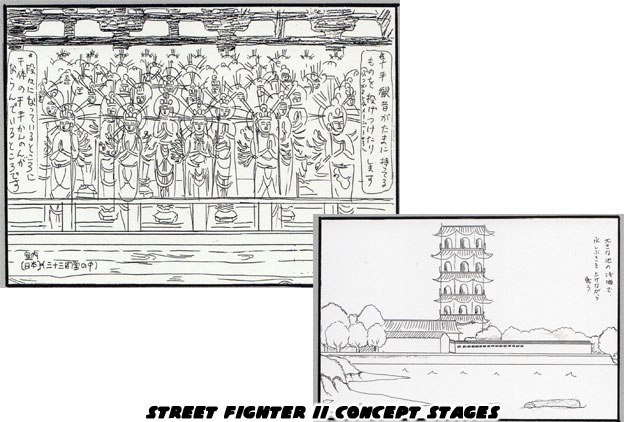
Shadowlaw Island was dropped for the final build. The developers decided to return to the globetrotting adventure from the original Street Fighter. The locations for each encounter were now scattered all around the world. Each of the locations still reflected their respective fighters. The sites also worked within the context of the universe. In particular they were all supposed to have modern cues. Details that might have put the levels out of the era would be refined or cut out until they made sense to the gamer. The levels featured in SFII were memorable and not far removed from the original concept art. The graphics for the levels may be considered quaint today but at one time they were cutting edge. They helped ground players in the world that Capcom had developed.
  

These stages were very much like backdrops in a movie. Even average martial arts fights were more memorable when they were set in a unique location. Street Fighter and most fighting games differed from motion pictures in that any playable character was the star. Bruce Lee may have shared screen time with John Saxon and Jim Kelly but the match-ups were always the same. Audiences would never see a fight between Kelly and Lee for example. Cinema like literature was limited in that regard. Fighting game players got a chance to pit heroes against heroes and villains agains villains. That tradition started very much with Street Fighter II. The best fighting games created a narrative around the cast and allowed players to explore all of the possibilities. The Bruce Lee films always featured unique locations and it was the island fortress featured in Enter the Dragon that set the standard that Capcom and Midway would try to match. It was much more interesting that the main villain had enough wealth and power to draw in fighters from around the world.

Up until that point game bosses were just like other martial artists and the ending could actually be anticlimactic. Additionally having one central opponent that had powers and abilities different than the traditional martial arts masters made fighting games in the East and West more unique. The multiple exotic locations that framed each battle helped gamers suspend their disbelief and get drawn into the world of Street Fighter. The best martial arts features were filmed on-location many decades before Street Fighter was created. Several of the Bruce Lee films were shot in unique areas to help bring viewers into his world. Street Fighter II would not have been as memorable without the extra artists working on level and character designs. The influences that these artists pulled from martial arts cinema as well as comics and animation could never be understated. Enter the Dragon did more than influence the development of Street Fighter II and Mortal Kombat. The themes featured in the movie would be carried over by the Street Fighter creators long after they had left Capcom. In fact several of the team members returned to the original concept of Street Fighter II and fleshed out one of the most thematic fighting games ever produced. The next blog will look at this game more closely. If you would like to sponsor me please visit my Patreon page and consider donating each month, even as little as $1 would help make better blogs and even podcasts!
follow the Street Writer on Patreon!

Wednesday, May 7, 2014

Enter the Dragon, the legend inspires a game, part 1...

All great games, like all great works of fiction, are inspired creations. The lives, memories and lessons of the creators help shape the final product. Whether a story is about a young wizard or a space cowboy there is something that inspired their creation. Fighting games for example are the result of thousands of years of history. Whether the developers made conscious or even subconscious choices in the way their game looked or played the influence from real heroes and mythological monsters, actual fighting arts and even made up martial arts helped root the biggest franchises. In my previous life on 1UP I had mentioned the influence that motion pictures had on fighting game history. The longest-lived titles were heavily influenced by cult films. I often credited the 1976 film, the Master of the Flying Guillotine for inspiring the creation of Street Fighter II and Mortal Kombat. The film introduced a tournament featuring characters of diverse martial arts backgrounds from around Asia. The template would be copied dozens of times in film, television and gaming. It was actually the sequel to the 1971 film The One Armed Boxer. That film also included martial artists of different regions fighting against each other. I even credited the 1972 film Lady Whirlwind for inspiring the creation of Chun-Li. I am here to admit that I have been ignoring a major influence on the world of Street Fighter and other fighting game franchises for a long time. For almost a decade I have failed to mention the precedence that the sensational Enter the Dragon had on the genre. I intend to spend today and the next few blogs correcting that oversight.


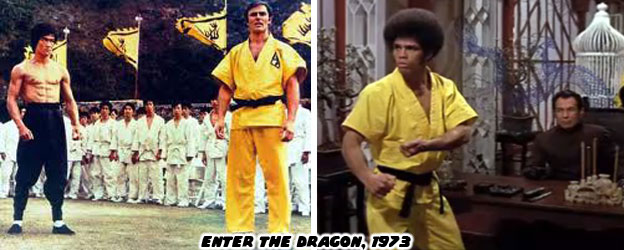
The Bruce Lee film was centered around good and evil fighters in a tournament. It predated The Master of the Flying Guillotine by three years. The characters were very diverse and reflected the international flavor that the martial arts had adopted in the 20th century. Unlike the previous films that I credited, Enter the Dragon like the Street Fighter series was set in modern times. The majority of martial arts pictures up until that point were done in China or Taiwan and were set in a classical period. Few martial arts films before Enter the Dragon featured non-Asians in leading roles. Bruce Lee inspired countless minorities and not solely Asian-Americans to pursue the martial arts. In the same way Jim Kelly became a role model for young black fighters. Lee insisted that his films break from tradition and be set in modern times. Earlier films revolved around mythological fighters and early Chinese heroes. Lee wanted to give the classic fables a contemporary retelling. He wanted to mix the gunplay and espionage from western films with the well choreographed fights from the east. He wanted to take the pictures out of the country and into the city. Lee desired to make them gritty and more realistic. Emperors gave way to drug lords and guns replaced ancient Shaolin weapons. Instead of dangling from wires Lee wanted the fights to be believable. As a result his films were incredibly original and very successful.

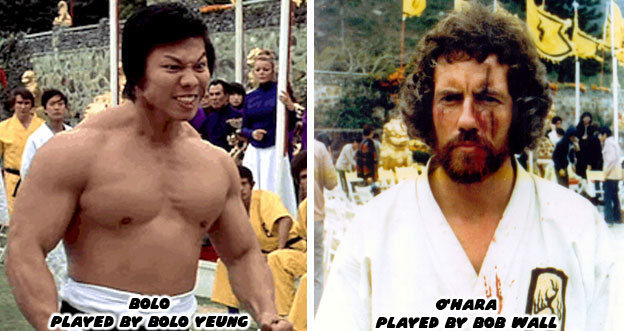
To help bridge the different styles of storytelling Lee had assembled a cast that reflected the west and east. Heroes and villains were equally diverse and played by both Asian and US actors. The main villain was a crime lord named Han, as played by veteran actor Kien Shih. Two of his fighters had very distinct looks to them. The muscular Bolo Yeung played Yang Sze, a bodyguard that enjoyed breaking his opponents. The wild haired Bob Wall played O'Hara. Aside from being a crazed-looking person he had a vendetta against Lee. He was scarred by Lee's sister Su Lin, as played by Angela Mao (a martial artist that helped inspire Chun-Li). Yang Sze and O'Hara were very distinct characters. They had unique features that made them stand out from the crowd. They could be considered the templates for the sub-bosses in fighting games.


Lee had been recruited to spy on Han and try to find evidence of his illegal activities. In order to make the reliance on martial arts more believable Lee was told that guns were not allowed on the island and that was why his expertise was needed. Lee would be able to demonstrate to the world that his eastern philosophies and hybrid fighting style were the real deal. Multiple locations were filmed to create the fictional base of operations for Han. The sets would have to be large enough to accommodate dozens of extras and show off the wealth of Han. Audiences had to be convinced that the villain had enough wealth to support a small island nation. Han was in the lap of luxury and was presented in tailored suits and silk robes. He was protected by a small army of armed guards and surrounded himself with beautiful and dangerous women. His fortress and the backdrop for the tournament was a Chinese castle. He observed the tournament from a throne just above the courtyard. It framed his status and ego in equal measures. Han thought of himself as superior to the fighters he had assembled and would get a chance to show that at the end of the tournament.


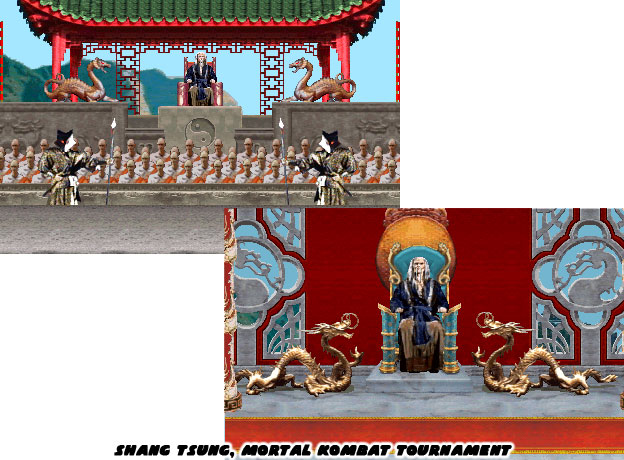
The use of a main villain overseeing a tournament from a throne would become a staple in fighting games. Mortal Kombat took several cues from pop culture including Enter the Dragon. Shang Tsung, the host of the original Mortal Kombat was not far removed from Han. His palace looked very much like King Yin Lei, the actual location used in the movie. The game series was split between the demonic "Outworld" and human world. Locations were not only exotic but also dangerous. Han's island fortress was so massive that the film could have several battles over the course of the film without having to use the same backdrop. The dragon ornaments became synonymous with Mortal Kombat, however the Bruce Lee film made use of the mythical creatures as well. Han's throne, his robes and palace were decorated with dragons. Shang Tsung officiated over his tournament, like Han, on a throne decorated with dragons.


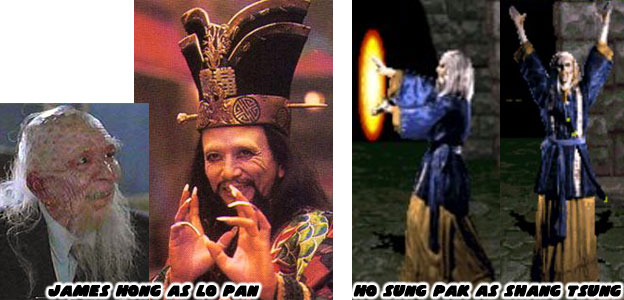
To be fair the characters in Moral Kombat and its universe were also influenced by the 1986 film Big Trouble in Little China. In the John Carpenter film the main villain was an ancient sorcerer named Lo Pan. He made up for his lack of marital prowess with magical power. Many assumed that the centuries-old character, as played by James Hong, would be easy to defeat by the much younger cast. It did not turn out to be the case as Lo Pan easily steamrolled over the heroes and villains. The twist with the villain being a capable fighter was done in both Enter the Dragon and Big Trouble in Little China. Shang Tsung would continue the tradition in the startup game. His speedy moves and powerful attacks caught many a player off guard. The game character was actually played by Ho Sung Pak. Pak. He also played Liu Kang, one of the heroes of the series. Shang Tsung had the ability to teleport and fire screaming skulls from his hands. It was a fearsome sight from a character that was supposed to hail from ancient China.


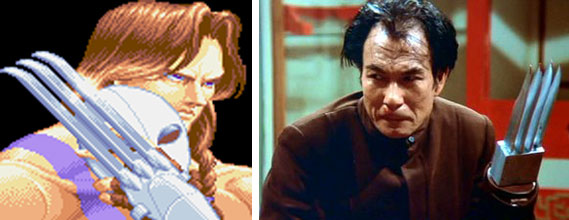
Han was a different type of villain. He did not have supernatural powers but was nonetheless dangerous. He was actually a drug lord that was a master martial artist. He had one prosthetic hand that he swapped with different hands and weapons throughout the movie. He could use the weighted metal hand to block powerful kicks, break bones and deliver lethal strikes to his opponents. When he wanted to maim an opponent he would use a hand that was an iron claw or even a hand made out of blades. The knife hand was something that undoubtedly influenced the creation of Vega / Balrog / Claw from Street Fighter II. The costume and tattoo for the Spanish matador was pulled from San Po, the villain from the classic film Project A featuring Jackie Chan. The combination of influences from two different films with distinct villains made for a tremendous game character.


It was however the final villain of Street Fighter II, Vega / M. Bison / Dictator, and his organization, Shadowlaw, that more closely mirrored Han and the elements featured in Enter the Dragon. The next blog will look at how the film shaped the legacy of memorable stages featured in Street Fighter II. If you would like to sponsor me please visit my Patreon page and consider donating each month, even as little as $1 would help make better blogs and even podcasts!
follow the Street Writer on Patreon!