Showing posts with label archetype. Show all posts

Wednesday, July 6, 2022

Figuring out the changing Street Fighter style, part 1...

Over the last month I had talked a lot about the new, and returning faces in Street Fighter 6. I studied their outfits, the colors assigned to them, their nationality, and physical build. I did my best to try to figure out their roots, and fighting method, and share it with the visitors to my blog. In the end it reminded me that there was a style of character design that could be considered uniquely “Street Fighter.” By that same token there was a style of design that worked for Mortal Kombat, Tekken, King of Fighters, and Killer Instinct. The aesthetic of Capcom was distinct. This was thanks to the legacy of artists that had worked there. Akiman, Shoei, Bengus, Daigo Ikeno, Edayan, Kinu Nishimura were brilliant artists that had a hand in developing the style, and direction of the SF series.
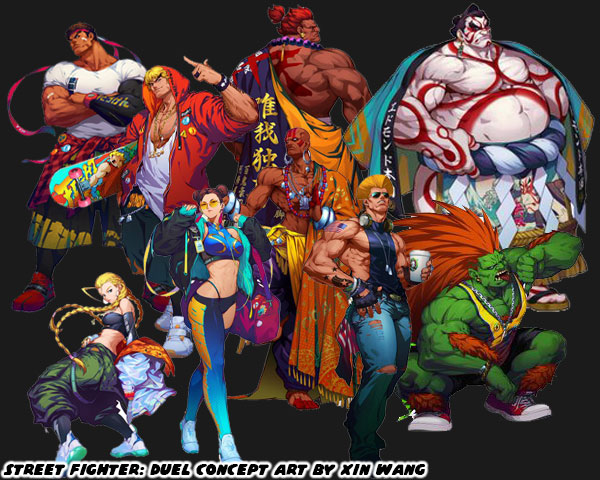
The newest designer Yusuke Hashimoto, was now putting his own unique stamp on the lineup. Yusuke had produced Bayonetta, so he was comfortable designing all manner of characters with different outfits, skin colors, builds, and body types. In short, he was the perfect person to shape the direction of this generation of fighters. With that said let’s try to figure out what made the “SF Style” distinct. The most obvious thing would be the costumes the characters wore. Could you really put a SF character in just any outfit, and would it work within the context of the game? I’m not saying that every character had to be wearing an authentic martial arts costume. That type of visual storytelling did not work great in SF. Instead there was a mix of pseudo-authentic costumes, and casual uniforms to break up the monotony. Consider for a moment what it would look like if everyone in the lineup wore casual clothing. Concept artist Xin Wang came up with fashionable makeovers for the SF cast in the Chinese mobile game Street Fighter: Duel. I would argue that Mr. Hashimoto’s designs were sort of a counter to that. He wanted to bring back the classics, but not go overboard with their costumes.
Long time fans would enjoy seeing their favorite characters in new outfits. However what did this do to new players? How did the game change by shifting just one element? Were new players able to make out the style of fighting that a character represented based on casual wear? Were they able to figure out what they could do based on the color of their skin, or their physical size? Now consider what costumes affected from a game play perspective. Was it easy to read the action on the screen if a character was covered up with long sleeves, or pants? What about vivid patterns, or clashing color choices on an outfit? Did these things make it easier to play the game, or were they distracting? I could argue similar points for excessive splashes of color, lightning, fire, smoke, etc. while the characters performed special attacks. There were many individual elements that made up the main costume choices for the SF cast. In the early days arcade cabinets, and game consoles lacked the memory, and processing power to render anything too detailed. The developers were limited to a simple outfit, and a primary color. This set the standard that was copied the world over. Now that consoles, and even mobile devices were more powerful then it became easier to create characters with highly detailed outfits, and millions of color choices. Was is then critical to take advantage of all this processing power? Or did putting too much into a costume’s detail take away from the overall presentation of the character?
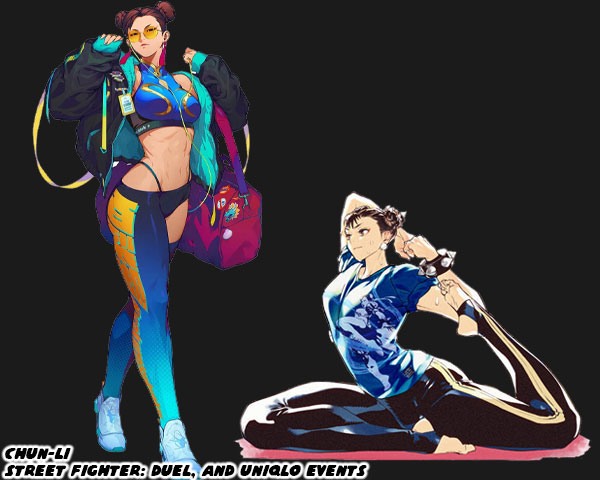
I welcomed the addition of Story, Arcade, and Battle costumes that were put into the library in SFV. I was not against a character getting an updated main costume in the series, as long as it didn’t stray too far from the original design. The importance of a primary costume still remained. This was why I had no objections to the new designs for Dhalsim or Blanka in SF6. There was even a chance for the studio to take a good idea, and make it even better. I thought this was the case for Juri’s update. I saw the studio taking a step backwards when they revealed the new look of Chun-Li. They took away the small details that added up to make her costume truly stand out not only in the lineup, but across the spectrum of fighting games. Chun-Li perfectly encapsulated the Street Fighter school of design. It didn’t matter if you were from the Middle East, South America, or Europe. It didn’t matter if you had played a million fighting games, or if this was your first. When you looked at Chun-Li for the first time you almost instantly thought “Chinese Fighter.” Why was this? 
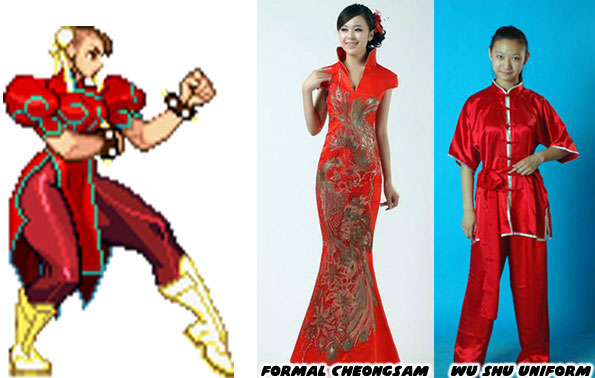
Audiences had seen Chun-Li’s prototype appear in pop culture generations before the game came out. Whether in story, film, photo, television, cartoon, or comics. The artists working at Capcom were pulling from various influences. People saw the repetition of heroic Chinese fighters, especially in Taiwanese, and Hong Kong cinema. They had seen physical Chinese representations in the form of certain hairstyles, makeup, and fashions. The cut of a dress, the use of ribbons, belts, sashes, and how they were assembled could be considered Chinese, or Mexican, or French, or American. Audiences had seen some combination of a wu shu uniform, or a traditional cheongsam at some point in the past. These were actual, traditional outfits from China. The genius of Capcom was how Akira “Akiman” Yasuda arranged certain elements when designing Chun-Li. The puffy shoulders, the pantyhose, wrestling boots, wide belt, and weighted bracelets had never been used in an actual martial arts costume, let alone any traditional Chinese dress. Audiences filled in the blanks with what they knew. They saw elements that they had seen before, and they assumed the rest was traditional Chinese. It was an absolutely brilliant trick, and set a standard that few studios could match. Yusuke Hashimoto showed that he was aware of what Akiman had done. Jaime in Street Fighter 6 followed the exact same design path of Chun-Li.
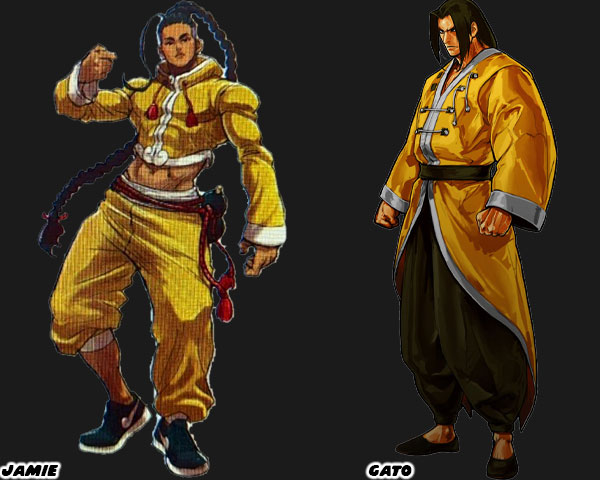
I want you to compare Jamie, and Gato who was a fighter from SNK’s Garou Mark of the Wolves. I had already highlighted Jamie’s various elements on my blog, but let me point them out again. Street Fighter 6 Director Takayuki Nakayama, Producers Kazuhiro Tsuchiya, and Shuhei Matsumoto, along with Yusuke Hashimoto spoke about the influence that Hip Hop had on SF6 in several interviews. Jamie was from Hong Kong, and at first glance it looked like he was wearing a traditional kung-fu outfit, but his costume had a decidedly urban flair to it. Just like Chun-Li it wasn’t apparent until you looked closer. The crop top, long sleeves, and wide collar were tailored to his frame, they were not baggy at all. This fit hadn’t really been worn in any traditional form of Chinese kempo, or kung-fu. The pants with one leg rolled up was a style from USA Hip Hop circles. The color of the fabric looked authentic, until you looked closer, and saw that it had a Louis Vuitton-inspired pattern on it.
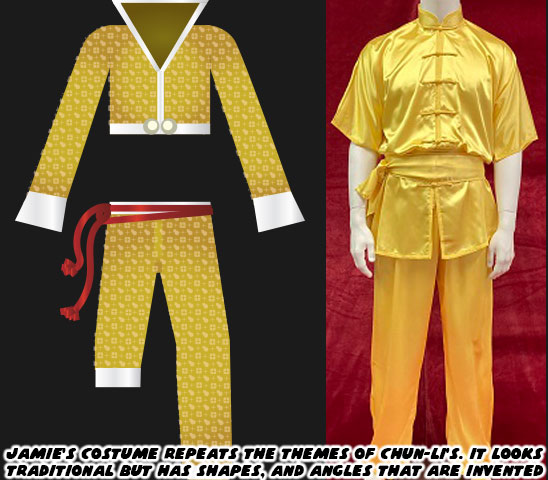
Jamie also wore sneakers with a cloud pattern at the front of what looked like the Nike swoosh design. Even his haircut wasn’t quite traditional. The long braid was supposed to make audiences think of the queue worn by men during the Qing Dynasty. Yet that hair style required the men to shave the front part of their scalp. Jamie instead had a modern fade on the sides, and back of his head. Jamie had a red rope belt with a wine gourd strapped to his hip. Many classical heroes in Chinese mythology such as Lu Zhishen, Ji Gong, and Li Tieguai carried a wine gourd as well. Capcom swore that Jamie was drinking a special juice, and not booze from the gourd. Jamie’s design really captured the SF Style, but it did not reflect the quality of the designs placed on some of the returning characters.
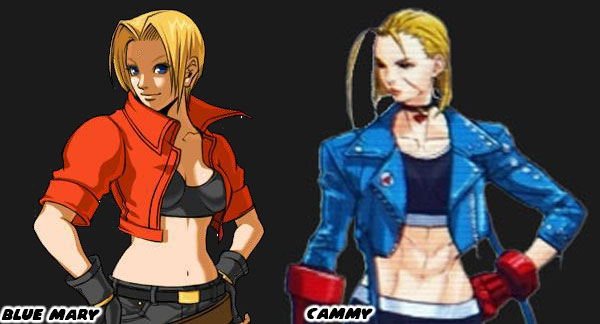
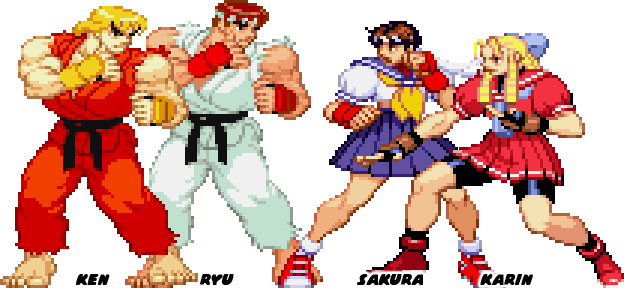
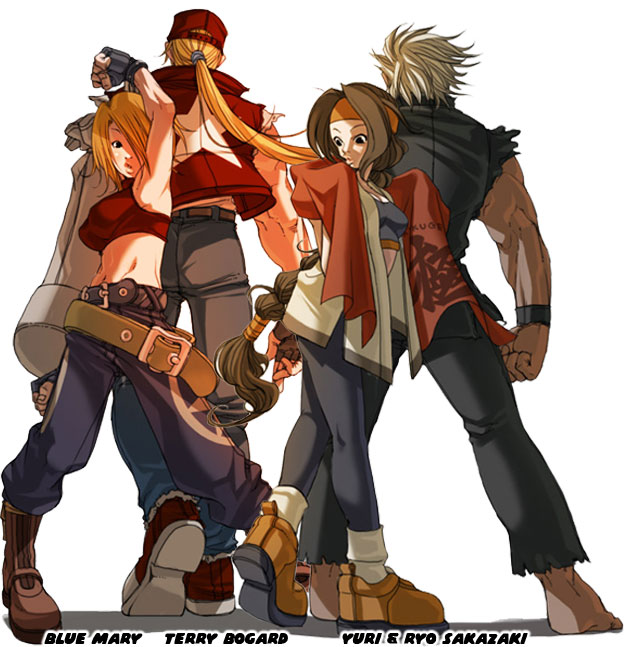
Cammy for example had an entirely new look that was much more casual than earlier looks. I felt that her short jacket, and leggings outfit betrayed the spirit of her original military-inspired uniform. My old friend DarthEnderX mentioned that she looked like a knock-off Blue Mary. That was a valid comparison. I had done a three part series on Blue Mary from the Fatal Fury series by SNK. Mary was essentially a female version of the protagonist Terry Bogard. She wasn’t a Sakura in terms to counterpart either, but more of a super cop like Chun-Li. Her look of jeans, and jacket was warranted as she was supposed to be very Western character. The casual costumes featured on the majority of SNK characters helped distinguish their lineup from Capcom’s. The Street Fighter-Style of character design relied on putting fighters in pseudo-traditional outfits. They had to be instantly recognizable to represent a certain country, school, or style. Like Ken, Ryu, Chun-Li, and Jamie. SNK had an entirely different approach. The genius of SNK’s design was that they hid the martial arts master in plain sight. They might be wearing a three-piece suit, a tuxedo, or a Hawaiian shirt, and flip flops. In every case they were unstoppable brawlers.
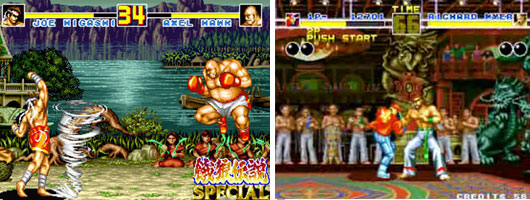
A good chunk of the Fatal Fury, Art of Fighting, and King of Fighters lineup were trained martial artists in street clothes. There were some with classical outfits sprinkled through the series, like Gato, Joe Higashi, and Kim Kaphwan. These traditional designs helped connect the audience to the well-dressed modern archetypes. If you are a budding designer, and are trying to figure out if your style works for SNK, Capcom, or other studios then practice creating fighters of common martial arts. See if you can put a karate fighter in a pseudo traditional gi. Or what that fighter would look like in a suit. How would audiences be able to tell that this person was a fighter? It’s a difficult exercise for sure. Capcom, and SNK had actually been broadcasting who their designs were targeted for in the past decade. We will explore these things in the next blog. I hope to see you back for that. If you have any thoughts on the blog please let me know in the comments section. As always if you would like to sponsor me please visit my Patreon page and consider donating each month, even as little as $1 would help make better blogs and even podcasts!

follow the Street Writer on Patreon!

Tuesday, June 7, 2022

A look at Marisa, the Street Fighter 6 gladiator...

Today we’re going to look at Marisa, the new heavy hitter featured in Street Fighter 6. Marisa was leaked along with the rest of the lineup when only Ryu, Luke, Jaimie, and Chun-Li had been confirmed. So what do we know about her, and her fighting style? Nothing yet. At least nothing officially. But what can we infer from her design? Let’s start with the most obvious thing, her size. Marisa is huge. She’s easily the biggest female in a SF game, and possibly the tallest female character in the SF universe. I have to double-check, but I’m pretty sure of it. The easiest explanation for why a fighter like her appears goes to SF6 Designer: Yusuke Hashimoto. He Produced Bayonetta, and Directed Bayonetta 2. The leggy witch is actually eight feet tall, not as tall as Lady Dimitrescu from Resident Evil, but it is fair to say that Capcom has a thing for tall ladies. Not that I’m complaining, let alone the community.

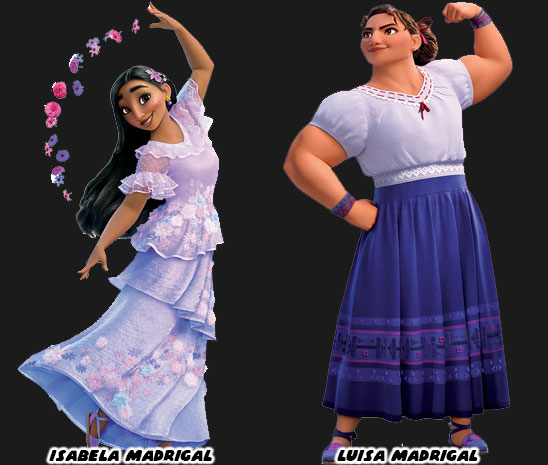
Women of different sizes, and body types had been missing in pop culture. Little by little big women, strong women, and fat women started showing up. More important, they began being accepted. The gigantic Zarya as a tank character in the 2016 game Overwatch was a milestone. More recently Luisa Madrigal in the 2021 film Encanto gave Disney a wake up call. Studio executives were sure that her sister Isabela, who looked like a traditional Disney princess, would be the most popular character in the film. So they made sure there were dolls, and other merchandise of her available when the movie came out. Instead the big, and strong Luisa was the show-stealer. Both girls, and boys clamored for products featuring her. The company scrambled to put together soft goods, and get toys on the shelf due to the demand. Women have typically been presented as very curvy, and feminine in the SF series. Based on just her build Marisa is a welcome addition to the SF6 cast. To weigh all opinions let’s bring up a point. Pro E-sports player Ricki Sophie Ortiz wondered if Marisa was possibly a trans character. It would be cool if she were, but we will find out in time. Whether Marisa is, or isn’t, the question demonstrated how far society had progressed since the series had started over 35 years ago.

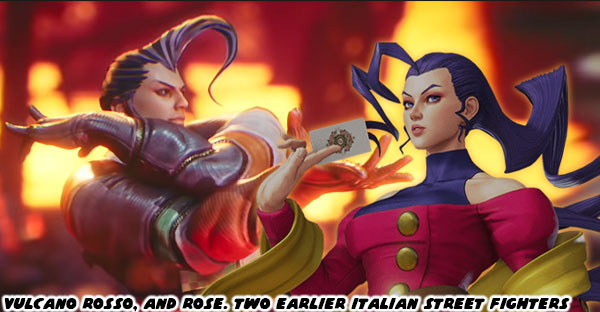
Let’s talk about where Marisa comes from so we can figure out who she is as a character. She represents Italy in the newest tournament. Italy had been represented before in the SF universe in both 2D, and 3D games. Rose debuted in Street Fighter Zero / Alpha in 1995. She did not look anything like a traditional martial arts master. Her appearance mirrored that of Vega / Dictator. She had psychic powers, wore a dress, with heels, and fought with a scarf. It was inferred that she was Romani fortune teller (try not to call her a gypsy because that word is actually a slur). This combination of elements worked in her favor, and she became popular with the fans. Her use of mystical powers brought the supernatural into the canon of SF. Vulcano Rosso was an entirely different type of fighter. His outfit seemed to be zipped together pieces of different colored leathers. Also making him look anything but a traditional martial arts master. He debuted in Street Fighter EX2+ in 1998. The flamboyant secret agent used quick strikes, and fire-based special attacks that he named after Roman landmarks. Marisa broke the trend, and looks like an MMA champion that could destroy someone in the octagon, as well as the street. To figure out her fighting style we should look at the clues that Capcom has given us.

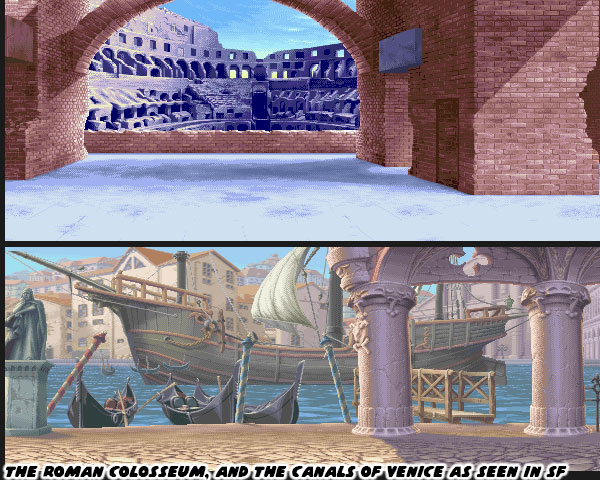
The studio has created some beautiful stages set in Italy. The Roman Colosseum featured in SFZ was based on the location of the legendary fight between Bruce Lee, and Chuck Norris in the film The Way of the Dragon. The canals of Venice, and the ship the Neptune are the backdrop of Rose’s memorable stages. With all of this history, and attention to detail I think that the team at Capcom went deep into the creation of Marisa. When I first saw her I thought of two things; ancient Italian football, and the roots of MMA. Let me explain.

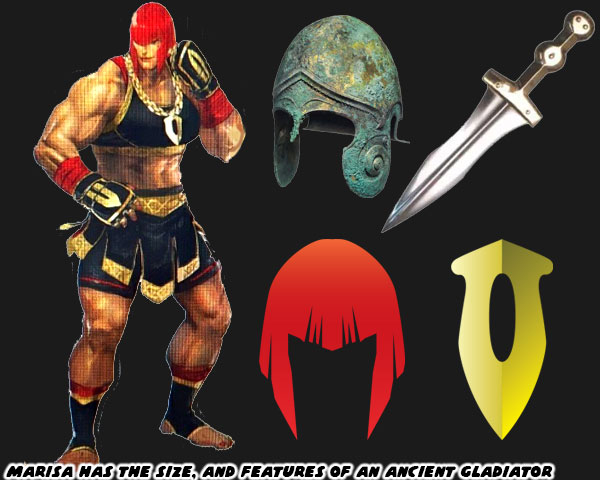
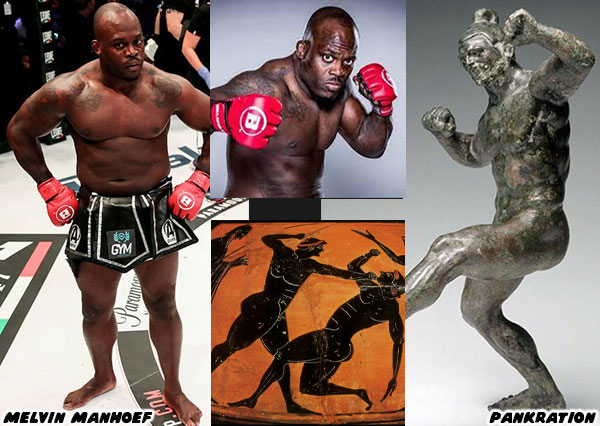
Marisa’s costume, and even her haircut is very distinct. Over her trunks she is wearing a tabara, or armored skirt. This fashion item was worn by soldiers for thousands of years. From ancient Roman times, all the way up to Middle Ages there was a version of the skirt all throughout Europe. You can even see MMA fighters like Melvin Manhoef, and boxers wearing a version of this skirt. The shape of her hair is also distinct. Look at the way it falls flat over her ear, and around her eyes. Most female boxers, and MMA fighters wear thier hair in tight braids. This way it avoids getting in their eyes, or pulled inadvertinly in a grapple. Marisa's hair is shaped more like a Chalcidian Helmet. Then there are the markings on her gloves. They look like a dagger, the same shape that she wears around her neck in a gold chain. This could be seen as a dagger carried by a the Legionary or professional heavy infantryman. Unlike Guile, or Cammy, she doesn't appear to be dressed as a soldier. With the armor, and dagger motifs applied to her I would say she was designed after an ancient Roman gladiator.

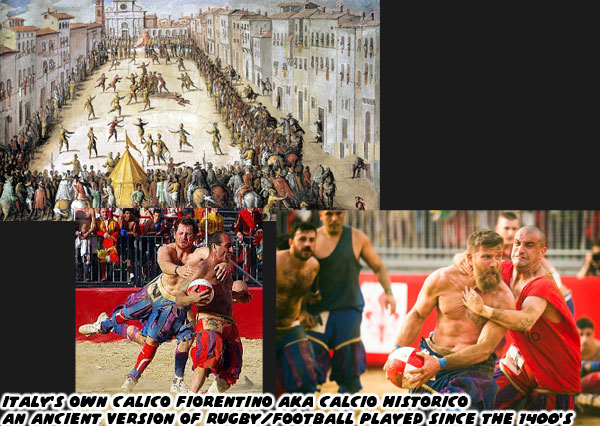
Even though she is wearing gloves, the fact that she is not wearing boots suggests that she is not representing professional boxing. Also based on her other visual clues I'm going to say she is not practicing modern MMA. I am going to say that Marisa studies pankration, an ancient form of boxing, and wrestling that was essentially the mixed martial arts of the first Olympics. According to legend pankration was created by Heracles, and Thesius in ancient times. Marisa may be representing the oldest form of western combat in a series dominated by Eastern traditions. As an aside, given her size, and build Marisa was probably familiar with Calico Fiorentino. This was an ancient version of rugby / football that is still played today. I coud imagine her plowing through guys in her youth, and giving her the confidence that she could take on the strongest fighters regardless of gender. This in turn lead to her identifying as the modern gladiator.

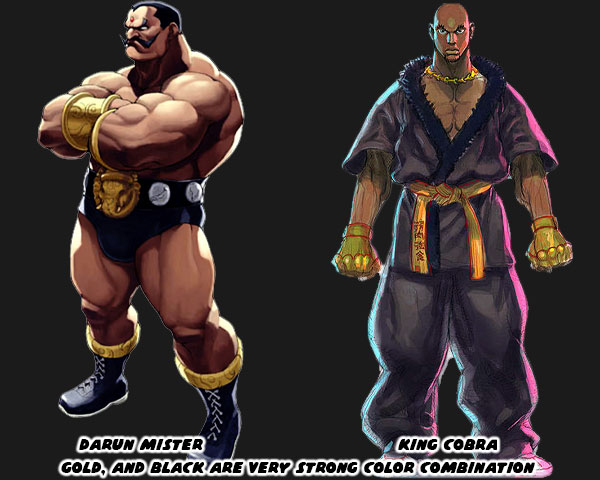
As for the colors assigned to her, I think they may be among the best choices in the new SF lineup. When it comes to color choices for a costume I am firm believer that less is more. Having one main color, and one or two accent colors defined the original World Warriors. Black is her main color, accented in gold. There is also red thrown in for contrast. We have seen examples of black, and gold as solid color choices previously. Darun Mister in the EX series, and King Cobra in the planning stages demonstrated that the combination worked surprisingly well. They also demonstrated that gold, the metal, worked as details on jewelry, and costume without distracting from the overall presentation.

The SF series has always had someone representing pro boxing. Ed may fit the bill in SF6, and we saw Luke throw some powerful punches in the trailer. I think Marisa is also set up to be a great puncher, and moreover be thought of as the heavyweight champ in the game. Ed, and Luke appear more like cruiserweights by comparison. I am eager to see a full trailer, and move breakdown for Marisa. Zangief has always been my go-to character, but it would be fun to have a grappler, and puncher as well like Alex, or not Marisa. What about you? What do you think she brings to the lineup? Is there a detail that stood out to you for this character? I'd like to hear your thoughts in the comments section. If you would like to sponsor me please visit my Patreon page and consider donating each month, even as little as $1 would help make better blogs and even podcasts!
follow the Street Writer on Patreon!

Friday, July 1, 2016

The legend of Blue Mary, or girls in fighting games, part 2...

In the previous blog I talked about how Capcom and SNK were trading jabs at each other through the characters they had introduced in their own respective fighting games. The competition was healthy from a business standpoint and also for fans that were lining up to try each and every new game and update from the two publishers. SNK and Capcom both had established strong female characters early on yet SNK also did something more unique. The designers in-house created female characters that could be interpreted as counterparts to the male stars. It was a sort of symmetry that worked for the most memorable fighting games but not many studios recognized that symmetry and balance were things that helped make the cast unique while filling out a roster. When Sakura debuted in Street Fighter Zero it was obvious that she was filling in a role as a female counterpart to Ryu, as well as taking design cues from Yuri Sakazaki. Dan was a sort of balance to the cast, a way of taking two SNK-ish characters and putting them in Street Fighter continuity. Yet there was something missing. Capcom didn't realize it until comic book artist Masahiko Nakahira introduced Karin Kanzuki in his Sakura Ganbare! comics. Suddenly it was too obvious that Sakura needed her own rich, white, counterpart. Karin was officially added by Capcom to the lineup in Street Fighter Zero / Alpha 3. Audiences in the West did not see the comics that introduced her until more than a decade later when Udon translated them. It didn't matter however, the fair skin, red dress and blonde hair pretty much summed up what Karin was supposed to represent. Her unique trapping strikes made her stand out, she was not another "shotoclone." She was certainly more than a girl version of Ken.


SNK had established one of the most important rules in fighting game character designs before Capcom; the symmetry of female counterparts to be specific. It can be fair to say that I did not credit the studio enough for their contributions to the genre in earlier blogs. SNK was critical in the history of the genre and shaped not only their own legacy but influenced the creative decisions in rival studios. SNK developed many strong female character archetypes in every fighting game they produced. The women in these games varied in age, style and ability. Some were very young but capable, and some were closer in age and strength to the male stars of the game. The other studios developing fighting games for the Neo Geo were sometimes on board with the strong female characters but others had more sexual pandering designs in mind. Yuri was a cute character in the Art of Fighting, she was the kid sister of Ryo Sakazaki and not meant to be the main protagonist. It was a fighter in the Fatal Fury series that proved sex and strength could be found in equal measure. While developing this character the team at SNK looked at the elements that made the star of the series work. They then created a female counterpart with a similar look, down to the color schemes and nationality, but with completely different moves. In essence you could say that the studio was working on Karin Kanzuki years before Capcom or Masahiko Nakahira even thought about it. The name of this revolutionary character was Mary Ryan aka Blue Mary. She would become a counterpoint to Terry Bogard. She demonstrated that a fem fighter could be an important addition to the lineup and not just fan service.


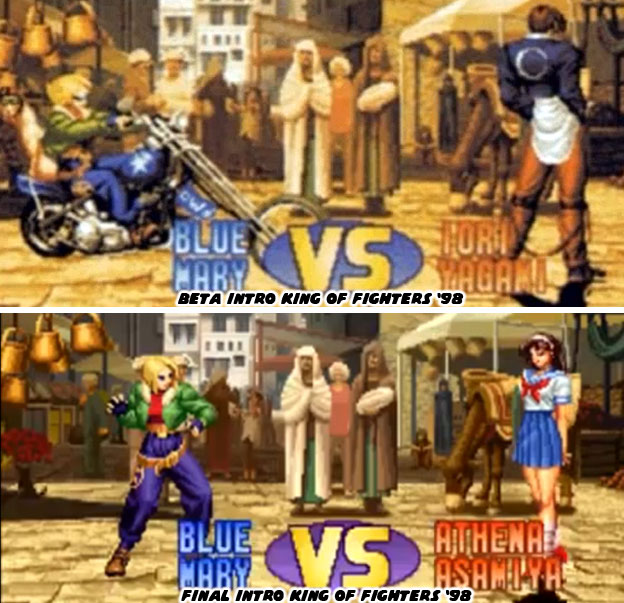
Blue Mary debuted in Fatal Fury 3 - Wild Ambition in 1995. Remember that both she and Yuri were playable characters in a fighting game before years before Sakura or Karin. Mary had a complex back story that would be unveiled over the years. It made her more than just a pretty face. Her origin helped the designers know how to present her in the series, how to include her into the plot and even figure out what techniques she would be using. Mary was always presented as a fearless, completely independent woman. Yet there was a good bit of planning behind this. Her father was a Secret Service Agent as was Butch her boyfriend. Both had taught her some fighting moves as did her own grandfather. Butch and her father were both killed in the line of duty. She believed strongly in justice and became a detective, working on and off for the law. When she debuted in Fatal Fury game there was nothing to lead players into thinking she was in a relationship. The two holdovers from her earlier life were put in plain site and only revealed later on. She was sometimes accompanied by a dog to her matches. This was Antonio or Anton for short, he was a puppy when Mary and Butch adopted him. She also wore a bomber jacket to the the fights, this was a gift from Butch before he passed away. Blue Mary could sometimes be seen riding a motorcycle. It was the obvious choice for a cool American character and a trait that was unique to her. In an early build of the King of Fighters '98 Blue Mary had the trifecta introduction, the motorcycle, her jacket, and Anton riding in the back with goggles on. I'm not sure why the intro was dropped in the final build. Maybe it was too masculine for Japanese tastes?


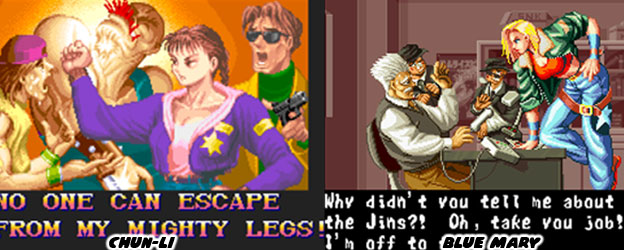
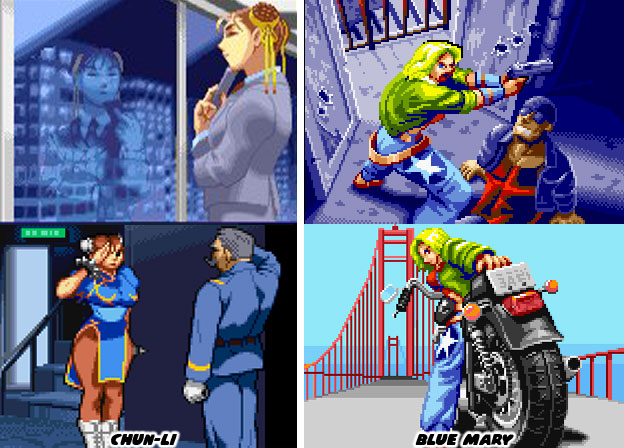
Blue Mary was as far from the dainty-fighter archetype as one could get. She was not the damsel in distress and she was certainly not the prize for any male lead. This character had a lot in common with the first female Street Fighter legend. Chun-Li's father was assassinated by Balrog (Claw), one of the generals of Shadowlaw (Shadaloo). She joined the police academy to obtain justice and eventually worked her way up to ICPO officer. She was a no-nonsense character behind the badge, especially while wearing her plain clothes uniform. What made her unique among the other female icons was that she could then switch her role and appear very feminine in the Street Fighter tournament. She wore nylons and a form-fitting, pseudo traditional dress. Blue Mary did not have this second layer of design. She was more like the female leads in other fighting games. The person that you saw in the pre-round animations and at the end of the game still looked the same.


The design and presentation of Blue Mary was deliberate. She was the cool cop, the rogue that didn't necessarily take orders, a trope created in Western films and shows like Lethal Weapon and Miami Vice. She was a hard drinking, door kicking, motorcycle riding, crime busting bad ass. You could almost imagine the character starring in her own crime action series. Chun-Li was much more reserved. Her time in the academy made her a student of the criminal mind. She began looking at the big picture instead of focusing on stopping individual crimes as she matured through the events of Street Fighter Zero and Street Fighter II. She knew that avenging the death of her father was only one piece of a bigger puzzle. The crimes, drugs, arms flooding the streets in Asia were being controlled by a central kingpin. It was revealed that General Vega had ordered the hit on her father. She would figure out that it was Shadowlaw trying to destabilize several countries in the south. She was instrumental in revealing this conspiracy and helping international forces take down their base of operations. She became a decorated officer in the process. Blue Mary on the other hand wasn't looking for accolades. She wanted to do her job and keep scum off the streets, even if it meant taking down a powerful kingpin in hand-to-hand combat. She was fearless, if slightly foolish, in that regard.


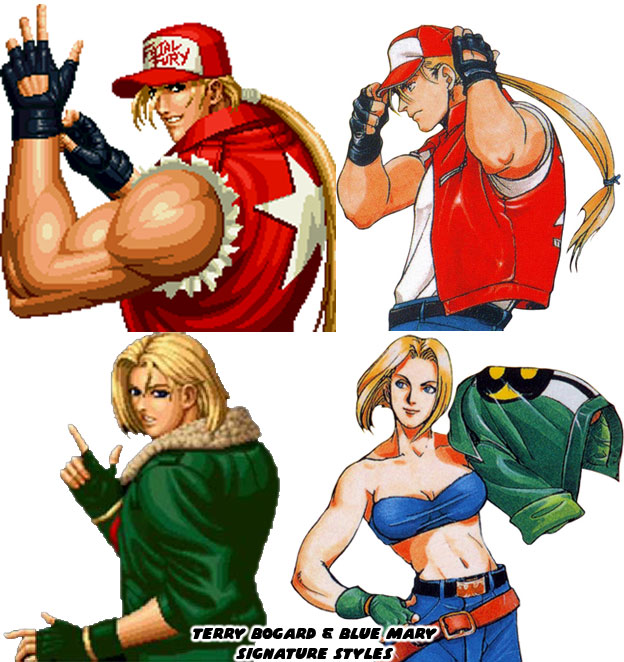
The physical appearance of Blue Mary was molded very closely on Terry Bogard the breakout star of the Fatal Fury series. The Japanese designers didn't really have a point of reference for white American martial arts stars. There were a few notable fighters in the '60s, '70s and '80s that did travel to Japan and abroad. Chuck Norris, Joe Lewis and Bill "Superfoot" Wallace were some of the high-profile white martial artists that made a name for themselves. They appeared on the popular ABC Wide World of Sports broadcasts and on the covers of Black Belt magazine. They were inspiring millions of white Americans to pursue the fighting arts while Bruce Lee and Jim Kelly were opening the eyes of minorities. Yet none of the men were big enough to have their own comic book or cartoon series in Japan, like Mas Oyama and Yoshiji Soeno. To be fair Chuck Norris did have his own cartoon and toy line in the USA in the '80s and Lee had his own comic book series as well. To the mainstream Japanese and many of the artists working at both SNK and Capcom they simply didn't know what made white America unique. They had a few fashion cues from our music videos, television shows and action films. This was what they used when creating Terry Bogard, and for that matter many of the other western characters in Capcom games as well. Stop and think about it for a second, if you were born in the USA and had a reputation for fighting would you wear jeans, a bright red jacket with a star on the back and a trucker cap? Maybe you would wear something more subdued, something that didn't attract too much attention especially from gangs or even the cops. Of course the developers in Japan assumed that their customers needed to see that trope, that stereotype in order to identify the cast. The American needed primary colors that were red, white and blue.


The designers at SNK didn't have to try very hard when creating their new cool female character. They changed some of the colors and dropped the cap but Blue Mary had a signature style that was very much reminiscent of Terry's, The physical similarities didn't end there. Both were blonde, it reinforced the idea that white people were mostly of English descent. Think about how many white characters, especially the early ones in fighting games were blonde. Ken and Joe in the original Street Fighter, Cody in Final Fight, the wrestler in Street Smart, Guile in Street Fighter II, Galford in Samurai Spirits, Ray in Fighter's History, Paul Phoenix in Tekken, Jacky Bryant in Virtua Fighter… the list goes on. It was a bit of racial pandering on the part of the developers. They assumed that most players in the West would want to try a character from their homeland before they tried an Asian character. It was logical thinking. What they often missed were the details that made the characters really "American" or "English" or "French." But I digress. That was only part of the reason why the characters were blonde. The primary colors that were assigned to the costumes needed balance. Most of the Japanese characters practiced karate and their gi was typically white. That costume contrasted well with black hair. They couldn't assign white costumes to the white characters with blonde hair, there wasn't enough contrast. So solid colors like red, green and blue were given to these fighters instead. Blonde hair worked well with those colors and the tradition more or less stuck.


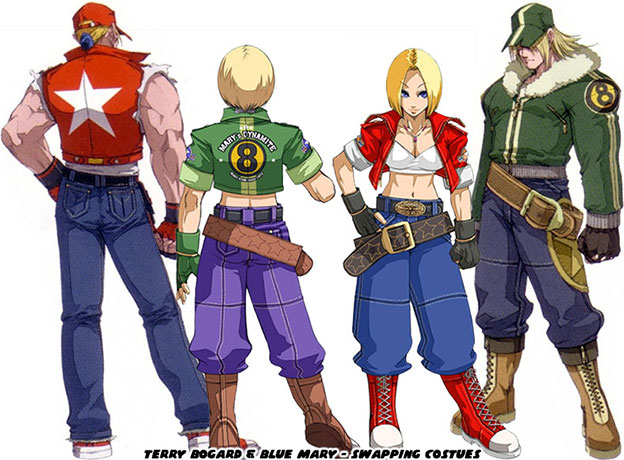
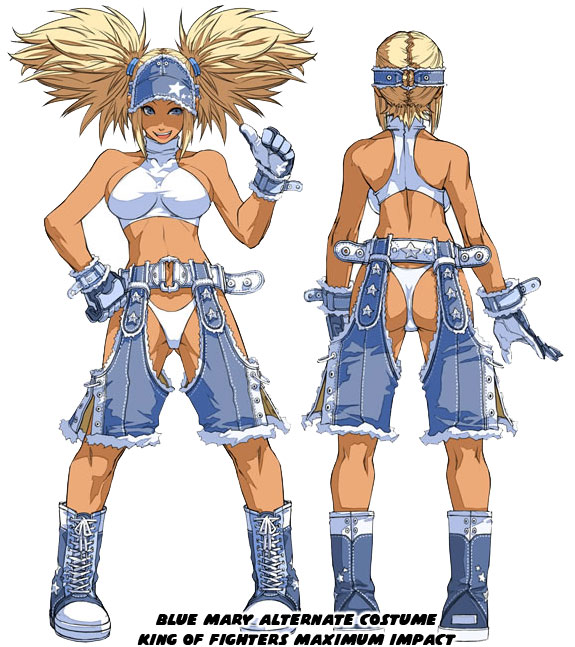
The color choices assigned to Terry and Mary were complimentary. Mary had a few differences in her uniform that made her stand apart. Her pants were not blue jeans but a darker purple with a large sheriff star on the side. She ditched the sneakers for boots and she wore a wide belt on her hips. It was a look that was a little more biker than brawler. It worked so well for her that it was considered as an acceptable alternate costume for Terry in the King of Fighters Maximum Impact game. The opposite was true and Mary could wear Terry's clothing and everything looked great. What was disappointing however was her alternate costume. Terry was given a "B" costume known as the Wild Wolf which was how he appeared in the Garou: Mark of the Wolves game. That version of Fatal Fury was set in the future where Terry was an older and more experienced fighter. He wore a large bomber jacket, boots and let his hair loose. Gone were the sneakers and over-the-top red, white and blue color scheme. Terry was given a look that was more like a biker. Sadly Blue Mary did not get the same Wild Wolf treatment. Instead she was presented in a white bikini with nonsensical jean chaps and a jean visor. Any modicum of respect the original designers meant for her went right out the window. It was unapologetic fan service that didn't fit the character, her origin or any previous appearance.


Blue Mary was a female fighter that defied convention. Her appearance was one thing, the moves she featured in game were something else. In the next blog we will take a closer look at the things that made Blue Mary memorable. As always if you enjoyed this blog and would like to sponsor me please visit my Patreon page and consider donating each month, even as little as $1 would help make better blogs and even podcasts!

 follow the Street Writer on Patreon!