Showing posts with label darun mister. Show all posts

Tuesday, June 7, 2022

A look at Marisa, the Street Fighter 6 gladiator...

Today we’re going to look at Marisa, the new heavy hitter featured in Street Fighter 6. Marisa was leaked along with the rest of the lineup when only Ryu, Luke, Jaimie, and Chun-Li had been confirmed. So what do we know about her, and her fighting style? Nothing yet. At least nothing officially. But what can we infer from her design? Let’s start with the most obvious thing, her size. Marisa is huge. She’s easily the biggest female in a SF game, and possibly the tallest female character in the SF universe. I have to double-check, but I’m pretty sure of it. The easiest explanation for why a fighter like her appears goes to SF6 Designer: Yusuke Hashimoto. He Produced Bayonetta, and Directed Bayonetta 2. The leggy witch is actually eight feet tall, not as tall as Lady Dimitrescu from Resident Evil, but it is fair to say that Capcom has a thing for tall ladies. Not that I’m complaining, let alone the community.

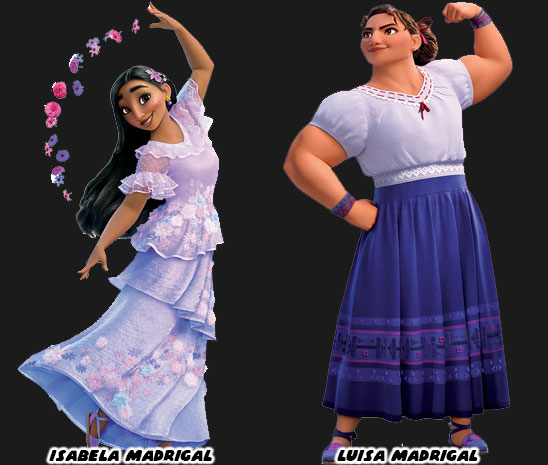
Women of different sizes, and body types had been missing in pop culture. Little by little big women, strong women, and fat women started showing up. More important, they began being accepted. The gigantic Zarya as a tank character in the 2016 game Overwatch was a milestone. More recently Luisa Madrigal in the 2021 film Encanto gave Disney a wake up call. Studio executives were sure that her sister Isabela, who looked like a traditional Disney princess, would be the most popular character in the film. So they made sure there were dolls, and other merchandise of her available when the movie came out. Instead the big, and strong Luisa was the show-stealer. Both girls, and boys clamored for products featuring her. The company scrambled to put together soft goods, and get toys on the shelf due to the demand. Women have typically been presented as very curvy, and feminine in the SF series. Based on just her build Marisa is a welcome addition to the SF6 cast. To weigh all opinions let’s bring up a point. Pro E-sports player Ricki Sophie Ortiz wondered if Marisa was possibly a trans character. It would be cool if she were, but we will find out in time. Whether Marisa is, or isn’t, the question demonstrated how far society had progressed since the series had started over 35 years ago.

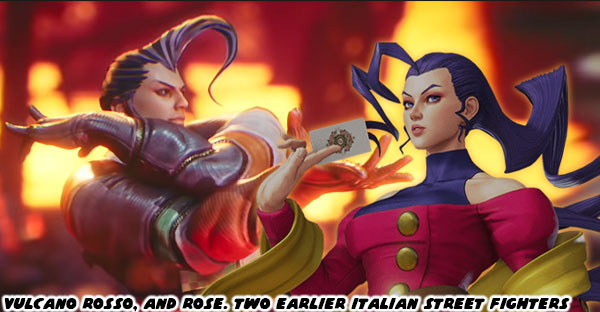
Let’s talk about where Marisa comes from so we can figure out who she is as a character. She represents Italy in the newest tournament. Italy had been represented before in the SF universe in both 2D, and 3D games. Rose debuted in Street Fighter Zero / Alpha in 1995. She did not look anything like a traditional martial arts master. Her appearance mirrored that of Vega / Dictator. She had psychic powers, wore a dress, with heels, and fought with a scarf. It was inferred that she was Romani fortune teller (try not to call her a gypsy because that word is actually a slur). This combination of elements worked in her favor, and she became popular with the fans. Her use of mystical powers brought the supernatural into the canon of SF. Vulcano Rosso was an entirely different type of fighter. His outfit seemed to be zipped together pieces of different colored leathers. Also making him look anything but a traditional martial arts master. He debuted in Street Fighter EX2+ in 1998. The flamboyant secret agent used quick strikes, and fire-based special attacks that he named after Roman landmarks. Marisa broke the trend, and looks like an MMA champion that could destroy someone in the octagon, as well as the street. To figure out her fighting style we should look at the clues that Capcom has given us.

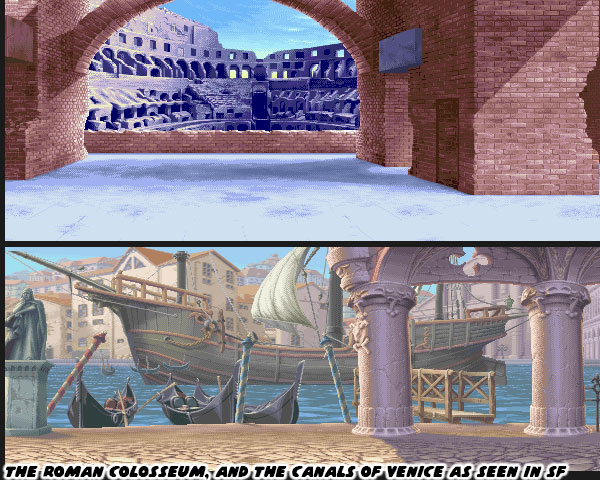
The studio has created some beautiful stages set in Italy. The Roman Colosseum featured in SFZ was based on the location of the legendary fight between Bruce Lee, and Chuck Norris in the film The Way of the Dragon. The canals of Venice, and the ship the Neptune are the backdrop of Rose’s memorable stages. With all of this history, and attention to detail I think that the team at Capcom went deep into the creation of Marisa. When I first saw her I thought of two things; ancient Italian football, and the roots of MMA. Let me explain.

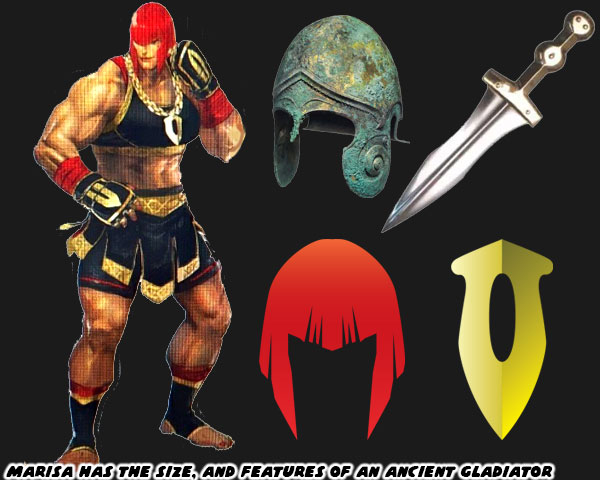
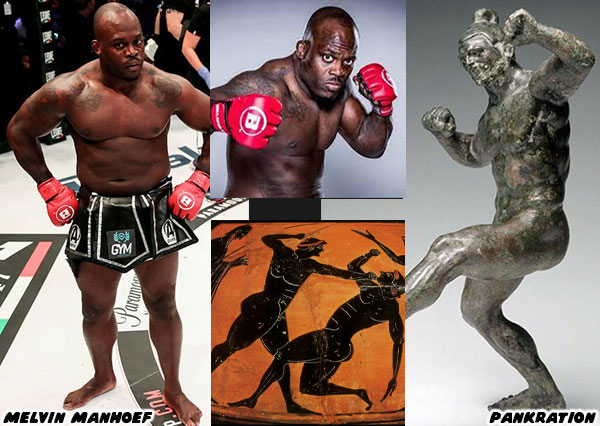
Marisa’s costume, and even her haircut is very distinct. Over her trunks she is wearing a tabara, or armored skirt. This fashion item was worn by soldiers for thousands of years. From ancient Roman times, all the way up to Middle Ages there was a version of the skirt all throughout Europe. You can even see MMA fighters like Melvin Manhoef, and boxers wearing a version of this skirt. The shape of her hair is also distinct. Look at the way it falls flat over her ear, and around her eyes. Most female boxers, and MMA fighters wear thier hair in tight braids. This way it avoids getting in their eyes, or pulled inadvertinly in a grapple. Marisa's hair is shaped more like a Chalcidian Helmet. Then there are the markings on her gloves. They look like a dagger, the same shape that she wears around her neck in a gold chain. This could be seen as a dagger carried by a the Legionary or professional heavy infantryman. Unlike Guile, or Cammy, she doesn't appear to be dressed as a soldier. With the armor, and dagger motifs applied to her I would say she was designed after an ancient Roman gladiator.

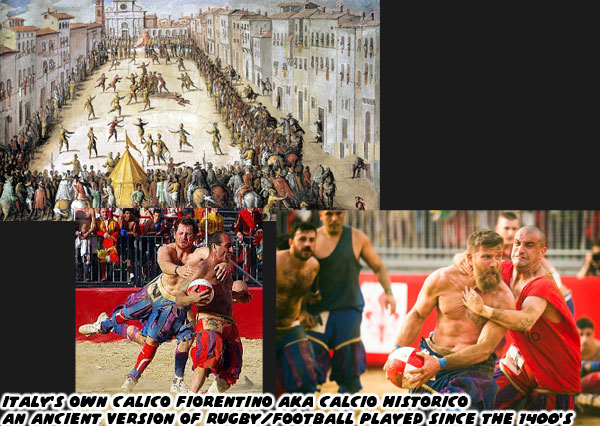
Even though she is wearing gloves, the fact that she is not wearing boots suggests that she is not representing professional boxing. Also based on her other visual clues I'm going to say she is not practicing modern MMA. I am going to say that Marisa studies pankration, an ancient form of boxing, and wrestling that was essentially the mixed martial arts of the first Olympics. According to legend pankration was created by Heracles, and Thesius in ancient times. Marisa may be representing the oldest form of western combat in a series dominated by Eastern traditions. As an aside, given her size, and build Marisa was probably familiar with Calico Fiorentino. This was an ancient version of rugby / football that is still played today. I coud imagine her plowing through guys in her youth, and giving her the confidence that she could take on the strongest fighters regardless of gender. This in turn lead to her identifying as the modern gladiator.

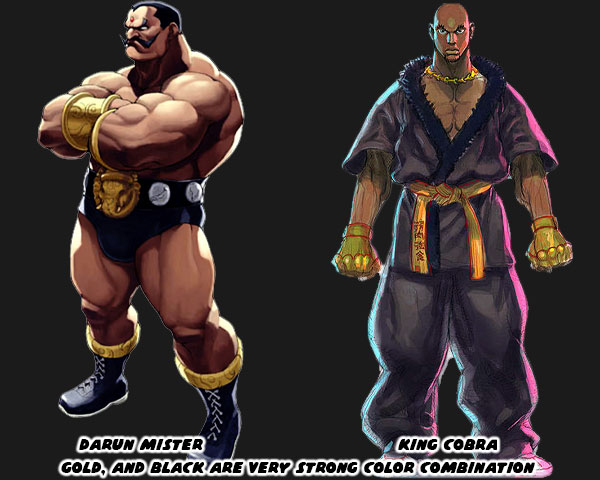
As for the colors assigned to her, I think they may be among the best choices in the new SF lineup. When it comes to color choices for a costume I am firm believer that less is more. Having one main color, and one or two accent colors defined the original World Warriors. Black is her main color, accented in gold. There is also red thrown in for contrast. We have seen examples of black, and gold as solid color choices previously. Darun Mister in the EX series, and King Cobra in the planning stages demonstrated that the combination worked surprisingly well. They also demonstrated that gold, the metal, worked as details on jewelry, and costume without distracting from the overall presentation.

The SF series has always had someone representing pro boxing. Ed may fit the bill in SF6, and we saw Luke throw some powerful punches in the trailer. I think Marisa is also set up to be a great puncher, and moreover be thought of as the heavyweight champ in the game. Ed, and Luke appear more like cruiserweights by comparison. I am eager to see a full trailer, and move breakdown for Marisa. Zangief has always been my go-to character, but it would be fun to have a grappler, and puncher as well like Alex, or not Marisa. What about you? What do you think she brings to the lineup? Is there a detail that stood out to you for this character? I'd like to hear your thoughts in the comments section. If you would like to sponsor me please visit my Patreon page and consider donating each month, even as little as $1 would help make better blogs and even podcasts!
follow the Street Writer on Patreon!

Sunday, June 24, 2018

30 years of Street Fighter: 30 years of Characters #7


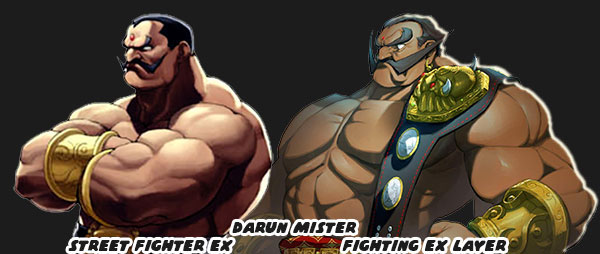
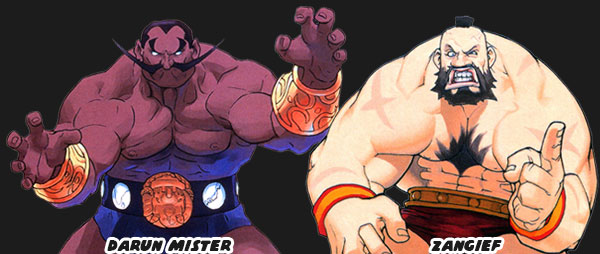
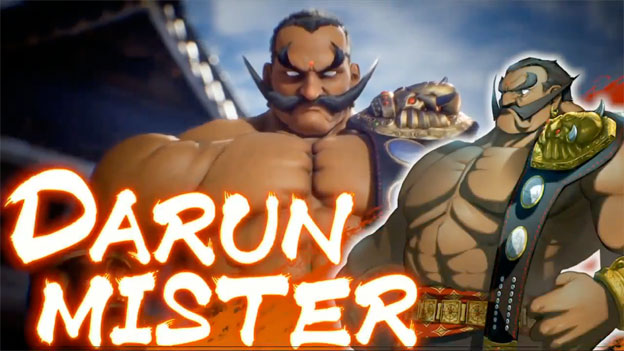
Darun Mister is one of the great all-time grapplers in the Street Fighter universe. He debuted more than 20 years ago in Street Fighter EX. I've already talked about Victor Ortega, the pro wrestling heavyweight champion in the Street Fighter universe. Victor dominated the competition and retired undefeated. He resurfaced years later to test out the next generation of pro wrestlers. I've also talked about the Wraith, one of the more obscure, and macabre pro wrestlers in the Street Fighter universe. Both Ortega and the Wraith were gigantic and fearsome grapplers. But neither, at least not to the best of my knowledge, have ever faced Darun Mister in or out of the ring. Darun is the Indra (Indian) wrestling champion. His championship belt is among the greatest ever designed for a game. I mean just look at the gold, silver and ruby-encrusted elephant on the belt! He dominated the competition in South Asia as much as Ortega had around the world. He also served as the personal bodyguard for Pullum Purna. The duo traveled the globe fighting other champions during the EX tournament. 


Darun was such an exceptional grappler that he actively sought out masters of other disciplines. When he was defeated by the demon Garuda he swore to return stronger for a rematch. Just a reminder that Garuda killed his opponents but Darun was simply too tough to die. If the story of Darun rings a bell it's because he is a second-take on the character Zangief. The Red Cyclone set a standard that was pretty tough to beat in the Street Fighter series. The team at ARIKA had a hand in developing the original Street Fighter II cast, so when they created the EX series they made parallels in their fighting lineup. Darun was beat-for-beat a counter to Zangief and was destined to be his rival in canon. Believe it or don't Zangief was inspired in part by an actual wrestler named Victor Zangief that the Capcom crew saw on TV. I mentioned previously that Victor Ortega was inspired by wrestlers like Superstar Billy Graham and Hulk Hogan. The Wraith was inspired by The Undertaker and even Darun was based in reality. The Great Gama was a turn-of-the-century wrestling legend from India that sought out and beat the European champions. He was celebrated as a hero in his home country and was a perfect template to rival the burly Russian.  


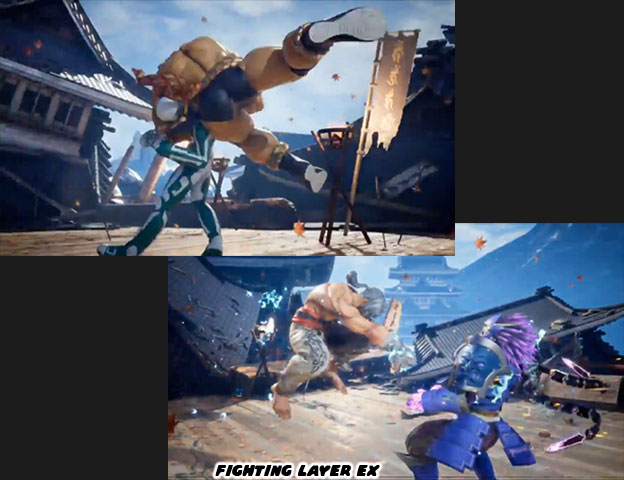
More than a hundred years has passed since the Great Gama was in his prime. The good news is that Darun Mister will always be in peak physical condition and looking for opponents to mangle. I enjoyed playing as the character in Street Fighter EX and look forward to his return in Fighting EX Layer. Today we celebrate this legend. Do you have a favorite Street Fighter wrestler? If so tell me in the comments section. As always if you enjoyed this blog and would like to sponsor me please visit my Patreon page and consider donating each month, even as little as $1 would help make better blogs and even podcasts!
 follow the Street Writer on Patreon!

Thursday, August 10, 2017

Speculation on ARIKA's unnamed Street Fighter EX successor, part 1...

Like I said in the previous series, it's a great time to be a fan of fighting games. There are many good titles out right now and many more scheduled for the future. One of which I have a very close watch on is the Untitled fighting game by ARIKA. I've called it Fighting EX Layer in the past and other people are calling it Fighting Layer EX (FLEX for short). It features the new characters from the Street Fighter EX series, and not the ones created by Capcom. ARIKA had been teasing the next Street Fighter EX game for years. They would do this on April Fool's day almost like clockwork. They would get the hopes up of fighting game fans with a screenshot, trailer or even actual gameplay footage. Then a few days later they would pretend like nothing happened. Offering no release dates or other information on the game. This year was no exception. They released a short trailer on April Fool's day and even did a live demo of the game-in-progress. Previous demos were on Nintendo 3DS hardware, this time the demo was on a development kit for the Playstation 4.


ARIKA's last original arcade fighter was Fighting Layer in 1998 and their last console fighting game was Street Fighter EX 3 in 2000. They did have a hand in developing other fighting games for consoles and handhelds but none featuring their own IP. Something was different about the most recent April Fool's. The demo was so well done that many speculated that the studio was actually working on a new fighting game. This was proven to be true a few months later when they released a longer trailer during the EVO tournament. This trailer included more returning Street Fighter EX characters and even a hint to the story mode. At the end we learned many things.


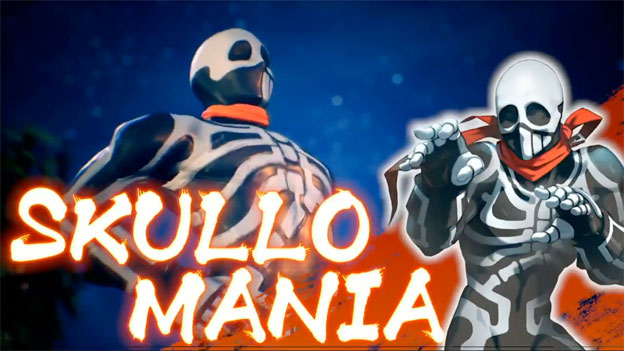
The game was a Playstation 4 exclusive. There will be a beta / online test by the end of 2017. The studio hoped to have a full release by April Fools Day 2018. The game did not have an official title yet but I certainly hope they considered FLEX. The extended trailer gave audiences the first glimpse of a couple of classic characters. The first one revealed was a personal favorite and one that had a cult-like following in the fighting game community. Skullomania was definitely a character out of left field. The salary-man-turned-circus acrobat-turned-superhero had a unique design. He looked and moved unlike any other character before or since. His assortment of diving and tumbling moves was fresh. The character was so far beyond the definition of a martial arts master that he was very much like what Blanka or Dhalsim were to the Street Fighter II lineup.


The other big reveal was Darun Mister. The wrestler in the series was on par with Zangief and I believe he had a better overall design than the Russian. In the EX series Darun was the bodyguard of the globe-trotting Pullum Purna. The Indian Darun and Saudi Pullum were a colorful addition to the lineup. In this latest update Darun had left his job as a bodyguard after the god of Indian wrestling spoke to him in a dream. He flew to Japan to fight the strongest opponent he could. Garuda the demon beat him severely and left him for dead. Darun recovered and now wants revenge. The redesigned Darun, along with the updated designs for the rest of the cast look amazing.


More characters were expected to be revealed throughout the summer. The developments in the story were tremendous. There was much more drama this time around and for a few characters there was a lot more at stake. We'll explore these in the next blog. As always if you enjoyed this blog and would like to sponsor me please visit my Patreon page and consider donating each month, even as little as $1 would help make better blogs and even podcasts!

 follow the Street Writer on Patreon!

Wednesday, October 26, 2016

The best championships in fighting games, part 1

If you are a fan of fighting games then you're probably familiar with the different fighting styles represented. Kung-fu, karate, judo, muay thai and boxing are among some of the more common forms featured in the genre. One of the stand out forms is pro wrestling. In video games the pro wrestlers are often the characters wearing the brightest costumes and using the flashiest, most impractical moves. These days they are thought of less as fighters and more as "sports entertainers" thanks to the WWE. If you have been following this blog then you know that pro wrestling is among the oldest of the fighting arts. There are some legitimately tough fighters that know actual grappling moves. Many consider themselves true professional wrestlers.

In the fighting game genre the most memorable characters often represent the best fighters in a particular form. Ken and Ryu for example are not simply practitioners of karate or ansatsuken, they are the absolute best in the world. Chun-Li is not a very good kung-fu practitioner, she is the best living kung-fu artist. She represents a legacy that includes the earlier Street Fighter masters Gen and Lee. Sagat is not a muay thai expert, he was formerly the greatest fighter in the world. Zangief is not simply a massive wrestler, he is a Russian hero. Fighting games are designed to answer the question of who was the best fighter and what is the best style. What would happen if the best boxer that ever lived squared off against the best karate master?


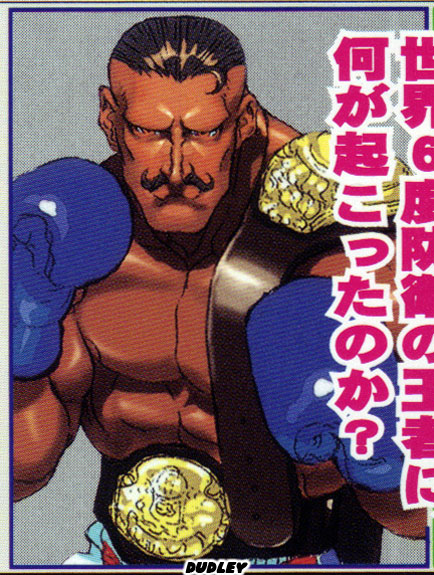
A small detail that you may or may not have noticed is how few characters in fighting games are presented wearing a championship belt. After all, real pro fighters don't wear their titles while fighting. But this is something that makes some game characters visually appealing. Dudley has a great design but he doesn't go around with his belts. The aesthetic choice of having him dressed in civilian clothing worked well in the lineup. Street Fighter III was a chance to introduce a new generation of fighters, one that wasn't as campy as the original cast. Yun and Yang for example had classic Chinese shirts and pants but also paired that with modern sneakers. Alex was an MMA star but wore overalls and heavy combat boots instead of trunks. As long as Dudley wore his boxing gloves it was painfully obvious what type of fighter he was. In canon Dudley had at least two, of what can be assumed, world championship belts. Here's a short list of some memorable champions in the genre, if not their fancy belts.


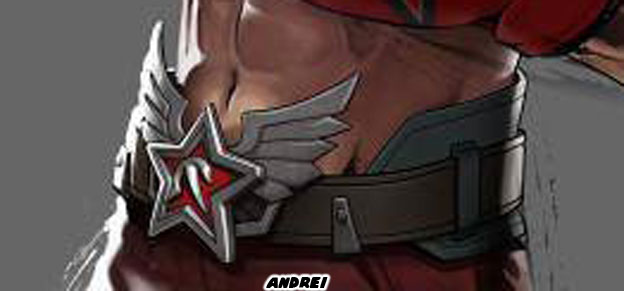
Not many boxers flashed their belts in game, one of those that did was Andrei. The Russian boxer was featured in King of Combat. The young boxer had a great belt design. The star, sickle and hammer were supposed to conjure up images of the old Soviet Union. It was perfect for the upstart. He was proud of his country. It showed in his Cryllic tattoos, amulet he wrapped around his boxing glove and militaristic haircut. In the best designs from the various studios every detail of a costume has to reinforce the personality of the fighter. The details should each tell a story. Whether it's a torn sleeve, a spiked bracelet or even an eye patch. They all have to mean something and not simply be a superfluous detail. There were other fighters in the various games that were as accomplished as Dudley and Andrei.


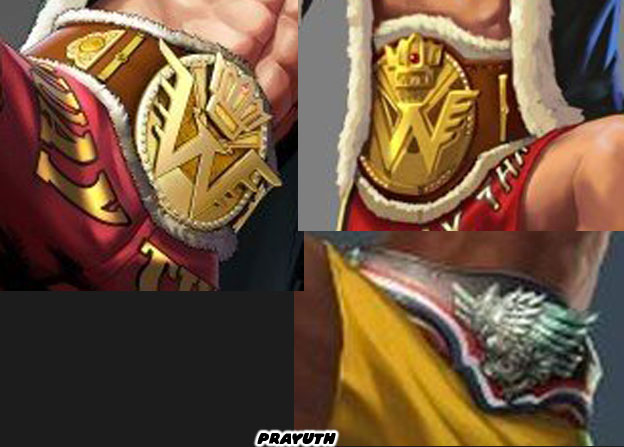
Muay Thai master Prayuth had a hefty belt that he wore in the King of Combat. The large circular fur-lined plate was reminiscent of modern championship belts. Flamboyant champions are nothing new in professional fighting. The best in the world wanted to show off from time to time. Over the past century and a half many different champions would add their own flare to the titles. They would encrust their belts with ribbons, fur and eventually gold plating and jewels. Some belts were even made of leather that had been dyed to a brilliant red or bright green. Prayuth's belt was representative of modern belts but its fur-lining also served a practical purpose. It could be worn while fighting. It wouldn't scrape or irritate his skin even with sweat. The developers on King of Combat even had an alternate color scheme and with it an alternate belt for Prayuth. The alternate title was more in tune with a classic championship belt. Instead of the sponsor logo there was a head of the mythical Garuda. It celebrated the spiritual origins of South Asian, specifically behind Indonesian and Thai culture. If Prayuth was the best Muay Thai fighter in the world then his belt should reflect the culture that created that form of fighting.


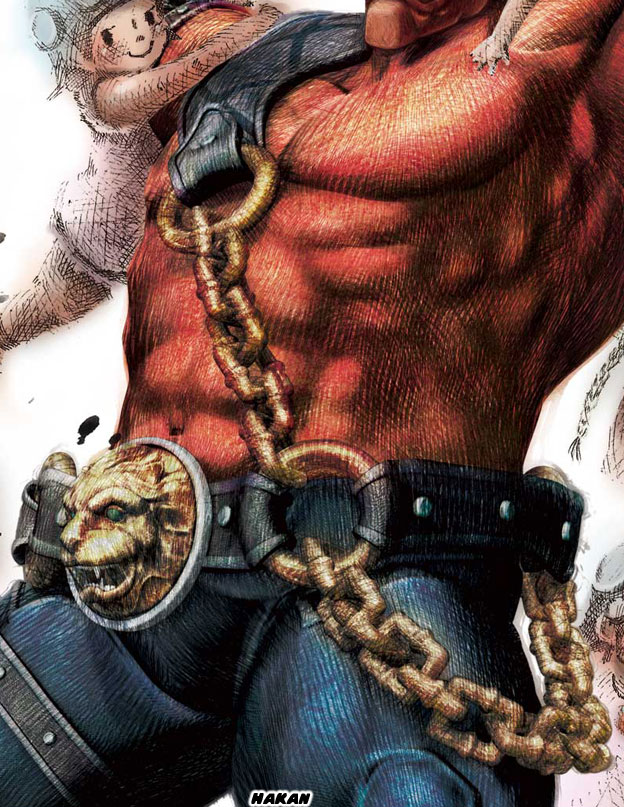
A belt that celebrated a culture and also looked intimidating belonged to Hakan from the Street Fighter IV. I was not a fan of his design, how he misrepresented yağlı güreş or Turkish oil wrestling. I was not a fan of the color of his skin and absurd blue hair. One thing that I cannot deny is the costume he wore. The chain and strap symbolized strength but it was the roaring lion that really caught my eye. I cannot say with any certainty that this was a championship belt. Modern oil wrestling championships are sometimes a trophy and sometimes a belt that looks like a modern wrestling title. Hakan's belt might have simply been a family crest or his business logo. In all regards it was a fine belt, accessorized by large metal chains and rings. Anyone could tell that only the absolute strongest could wear this ensemble.


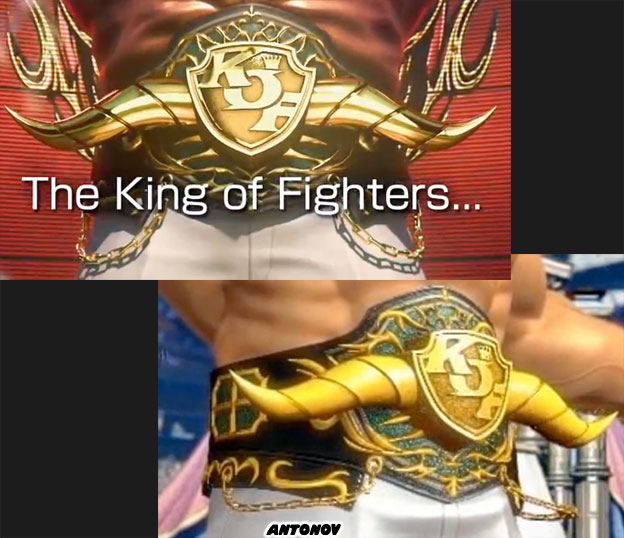
One of the biggest and possibly gaudiest championship belts belongs to Antonov. The self proclaimed original King of Fighters champion wears the belt in KOF XIV. Although I would argue the legitimacy of his claim with the iconic Geese Howard and Terry Bogard who had been there since the first tournament. Anyhow the belt is plated in gold, with thorn tribal patterns, gold chains and enormous bull horns. Aside from being bulky it would not be sensible to wear in a fight. The horns would limit the range of motion for the wearer. I can only imagine the number of times Antonov split his forearms open each time he threw a punch. The reason that Antonov wore it was two-fold. It showed off that he was the champion obviously but less known was that he was hooked on smoking and he kept his trademark cigars hidden in the front plate. If it were reproduced I can only imagine that a combination title and humidor would make it among the most expensive belts ever built. Antonov's belt was meant to be over-the-top, bigger and gaudier than any other title in any fighting game. It was not supposed to look like a traditional belt as with Dudley, nor was it supposed to have elements of a particular culture like Hakan or Prayuth. If I could find an example of a belt that balances culture and gaudiness it would have to be Darun Mister's Indian elephant title.


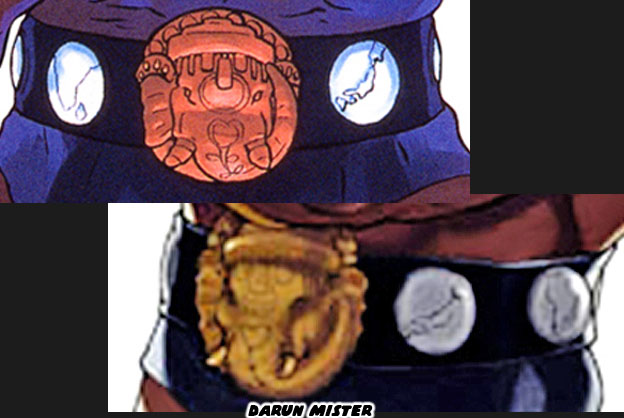
The main plate, in gold or bronze, is a sculpture of an elephant wearing a ceremonial headdress. The side plates are silver and have the outlines of the global continents. It symbolized that this belt had been defended or recognized by promotions around the world. The elephant has a number of details. The flower pattern on the trunk and filigree on the ears mirrors the long standing custom of painting the elephants as a sign of reverence. The elephant has powerful cultural context, especially when considering the relationship that the Hindus have with the god Ganesha. This belt is not representative of Ganesha but it is supposed to make Indians feel proud. There was more forethought to this championship title than say the stages created for Dhalsim in Street Fighter II and Zero / Alpha which pandered heavily the symbol of Ganesha. Unlike Antonov's belt there is nothing that would interfere with the wearer. The elephant trunks are short and stubby, they wouldn't catch a person like bull horns could.


Darun was a unique character, inspired by various legendary Indian wrestlers including the Great Gama. In Street Fighter canon I would argue that he was a greater wrestler and champion than Zangief. I could back up this claim by pointing out that Darun not only held the elephant title, his alternate costumes featured two other belts. The gold and silver titles had a flat cut to them, they seemed to be from other, possibly Western promotions. Darun was a multi-promotion heavyweight champion and possibly the best pure wrestler in Street Fighter canon. Darun however was not the most decorated fighting game champion. In the next blog we will look at the character that had more belts than any other Street Fighter icon combined! As always if you enjoyed this blog and would like to sponsor me please visit my Patreon page and consider donating each month, even as little as $1 would help make better blogs and even podcasts!

 follow the Street Writer on Patreon!

Monday, December 28, 2015

The Middle Eastern fighter, building a legacy, final part.

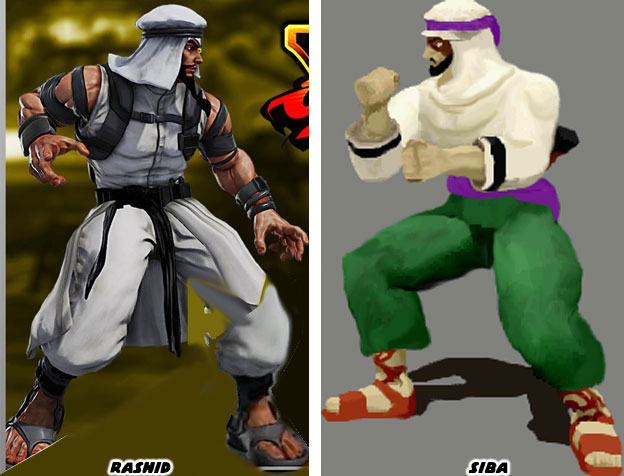
"Rashid of the Turbulent Wind, remember the name well." That was the promise made in the official character reveal. Was Rashid the great savior of Street Fighter V or was he another half-cooked idea rushed into the game? I mean on the surface level was he that far removed from those Arab characters that came before him? Visually he had a few things in common with characters like Siba and Shaeen, respectively from Virtua Fighter and Tekken. He had the same facial hair, sported the same baggy pants, sash belt, sandals and keffiyeh. He was not off to a great start.


Yet at the same time there was something different about the character. He was not fat and bloated like Avu, Maherl or Karnov. He did not have curly-toed boots or shiny pants. He did not fight with a scimitar. His costume was more unique than the earlier 2D Arab characters. To make him more in tune with his Street Fighter co-stars he was assigned a primary color for his costume. All Street Fighter characters could be identified with a few primary colors. Ken wore red, Chun-Li wore blue, Guile wore green, etc. White was the color that had been associated with Ryu, the main character in the series, since it debuted 30 years ago. Was it risky to assign the new guy the same color or was this a practical decision? Traditional clothing in the Middle East was often white because it reflected the sun and kept people cool. Rashid's costume, like that of Ryu's was supposed to look traditional. And just like Ryu's there was something special about the costume that made it non-traditional at the same time. In the case of Ryu his gi had torn sleeves and ragged pants. A traditional karate practitioner would never allow his uniform to become as worn and faded as Ryu's. They would have instead purchased a new uniform. Ryu lived like a hermit and didn't have much in the sense of material possessions, especially not a second gi. Rashid's costume had a traditional cut at first glance but upon further inspection there were some differences. He didn't wear a thawb, the traditional long robe with long sleeves. He wore pants and his shirt had open armholes. Bare arms were not usually seen in Arab fashion, even mid-length sleeves were seen more often than short sleeves, or no sleeves. This was a practical choice, it provided the fighter a range of motion, it also showed off his muscles which just happened to be interlaced with dark rubber straps. The costume as it turned out was wired with all sorts of hidden technology.


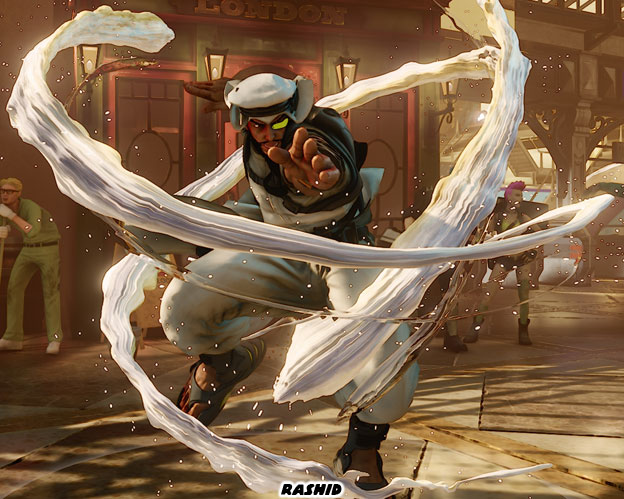
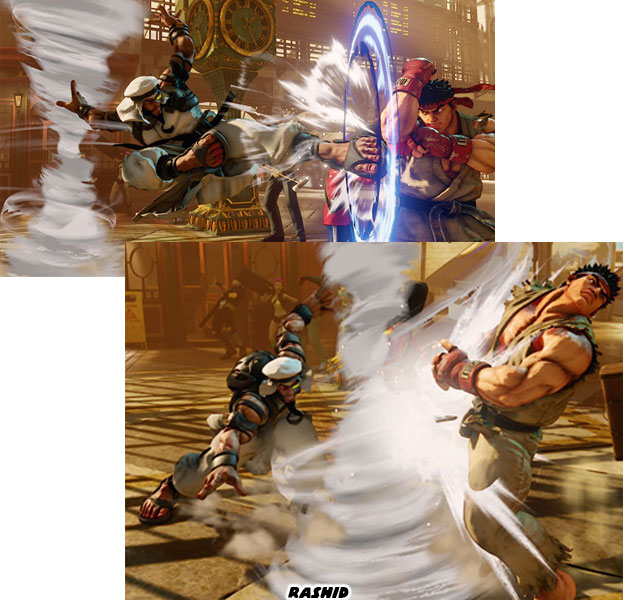
This was one of the unique elements of the character. Rashid was using technology to enhance his fighting skills. Specifically his costume was packed with devices that allowed him to project powerful gusts of wind. He wore a power source or generator for these devices like a backpack. His ranged attacks appeared like small tornadoes that he could direct to throw his opponents off balance and more powerful blasts that could knock them down. The suit even allowed him to use super attacks that created enormous vortexes that would suck an opponent high into the air and send them flying. The costume also allowed him to be blasted across the screen for powerful diving kicks or to slip under an opponents attack. These things worked within the context of Street Fighter. Not every character had the martial arts training that allowed them to tap into their "chi" and summon the fireball-like energy blasts. For example the Dictator relied on steroids and science to give him "Psycho" powers to dominate the greatest martial artists. Magic attacks, psychic attacks and metaphysical attacks were all possible in the Street Fighter universe. Rashid was using technology to balance out his opponents special abilities.


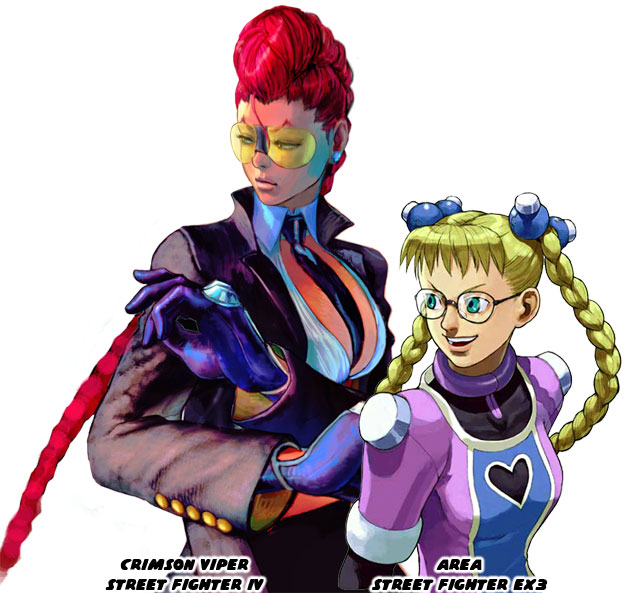
Was this reliance on technology something that made the character less interesting? Not really. His special attacks only counted for a small portion of the moves he could perform. Without the technology Rashid was still a good fighter. His punches, kicks and throws were somewhat acrobatic but looked like they carried some force, they looked believable. But you certainly needed to be more than a good fighter if you wanted to hang with the best. Technology could be seen as a cheap device to level the playing field in canon as well as by audiences. Yet technology had also been a part of Street Fighter continuity for a long time. Two characters actually had special attacks that consisted of the weapons they hid in their uniforms. Audiences may remember Crimson Viper from Street Fighter IV, the hit from 2008. The secret agent hid rockets in her boots and struck with electrified punching gloves. Her design and weapons were based on a character called Beatrice that DIMPS, the developers behind Street Fighter IV, had featured in The Rumble Fish 2, a game from 2005. Yet before Beatrice and C. Viper there was another character that used a high tech uniform. Her name was Area and she appeared in Street Fighter EX 3, a game from 2000. The girl was the daughter of a genius inventor and entered the Street Fighter EX tournament in order to test out his devices. She had rocket powered inline skates so she could run over opponents. Her main weapon was a bionic arm attachment which allowed her to trade blows with even the biggest heavy-hitters like Zangief and Darun Mister.


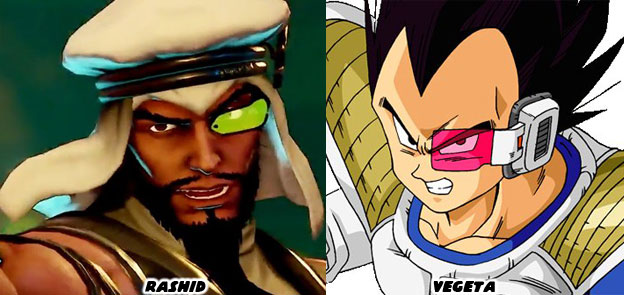
When Rashid debuted the thing that caught the attention of most Street Fighter fans was his eyepiece. Rashid was using a green, sunglasses-like, display over one eye. Perhaps it was used to find weakness in opponents or to control his gadgets. Most fans of anime saw this as a shout-out to the scanners worn by the aliens in Dragon Ball Z. The devices could tell bad guys how powerful their opponents were and even point out their weaknesses. Every character had a battle ranking, a power index, and the most powerful in canon could not even be measured by the device. Similar technology had been featured in the Street Fighter II anime movie and Alpha animated film as well.


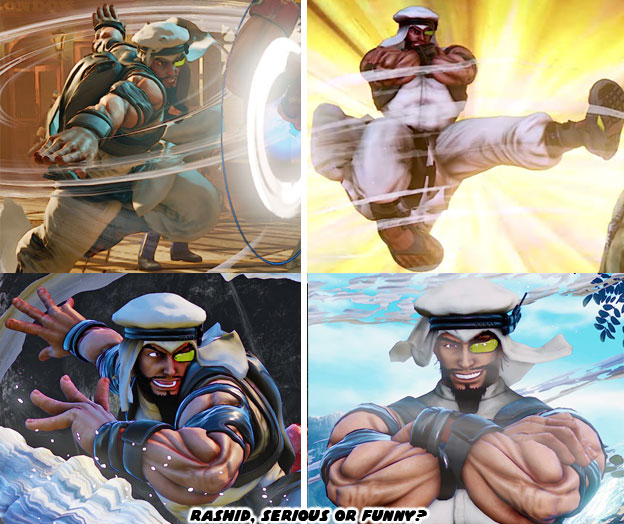
The big question remains, is Rashid a good character design or a bad one? He does break a lot of new ground. He is unlike the 2D or 3D characters that came before him. I would say he was more progressive than even Pullum Purna and Darun Mister from the Street Fighter EX games. Rashid doesn't fight with a scimitar, his costume is not dated to the fantasy stories of Arabia and he doesn't breathe fire, swell into a balloon or summon genies. It's a great start for any Middle Eastern character. He uses technology instead of magic as the source of his special "Turbulent Wind" attacks. While they can sometimes come off as cheesy the moves have to be taken in context. Street Fighter has always featured impossible attacks but the more recent entries have gone out of their way to make these attacks very cartoonish and over-the-top. This is something that the developers of Street Fighter have to be very careful of. Because they are adding a few seconds of intro animations and voices to the moves the audience is now paying even more attention to the intent of the developers. The way in which developers show off the personality of a fighter can be interpreted a number of different ways. What a Japanese developer thinks is funny might be offensive to another culture. Are we supposed to be in awe of a character or are we supposed to think the moves are silly? The way Capcom shows us these things can tell us if the character is supposed to be taken serious or funny.


Even the voice actors that Capcom hires has a lot to say about how they really feel about the different nationalities. Did the studio really think that masked Mexican wrestlers really sounded high-pitched and crazy like El Fuerte? Or in this version, do they really think that Arab characters sound like Rashid? Did they just tell a random voice actor to do their best Middle Eastern impersonation when they recorded him? I believe that Rashid is a very good design, not a great design but certainly one of better ones going all the way back to Street Fighter IV. Rashid seems to have more effort and planning into his look, moves and purpose than many of the other new or returning characters. He is presented in pre-game cinemas as confident rather than arrogant in his abilities. He is a positive reflection of a culture. He could never be mistaken for a joke character like F.A.N.G., Rufus or Hakan. At the same time he was not a parody of a fighting art, like El Fuerte was for lucha libre or R. Mika was to female wrestling. Rashid could have used some more work on his costume, color selection, headdress and overall appearance but what was released was not bad. He may not be what the Arab youth idealize but he came out much better than I could have predicted. What are your thoughts on the character and other Middle Eastern fighters? Is there something the designers at Capcom should work harder on? I'd like to hear all about it. As always if you enjoyed this blog and would like to sponsor me please visit my Patreon page and consider donating each month, even as little as $1 would help make better blogs and even podcasts!

Friday, December 25, 2015

The Middle Eastern Fighter, building a legacy, part 3...

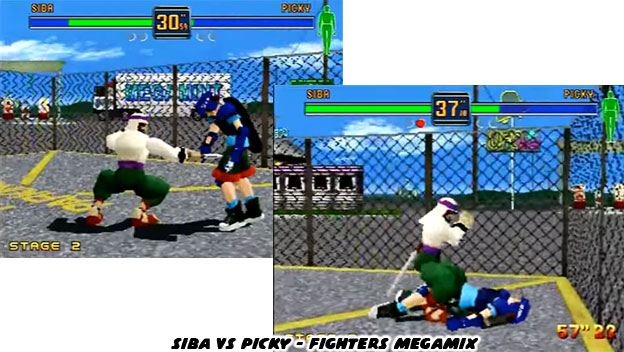
The Middle Eastern fighter had never found his or her groove in the most popular titles. When I heard that there would be one in Street Fighter V I was a bit skeptical. How would this person be presented. Would they also be a fat fire breather with curly-toed shoes? Or would they be something else entirely? I wasn't sure then but I did know that the Arab hadn't really been a major player in the genre. The first 3D fighter from the Middle East that could have been a major star was Siba. The reason I say could-have-been was because he was cut at the last moment from the game Virtua Fighter before it was released in arcades. The character actually appeared in previews for the games circa late 1992 and early 1993, in some test locations and even in early advertising. He was very much a traditional character in that he wore what someone would expect an Arabian fighter to wear from perhaps a century ago. He sported a beard, wore a keffiyeh and brandished a scimitar. The character did not officially debut until Fighter's Megamix in 1996. The Sega Saturn title crossed over characters from Virtua Fighter, Fighting Vipers and even Daytona USA!

It seemed difficult to get accurate Arabian representation in an arcade fighter. At the same time home consoles did not fare any better. Aside from Siba in Fighter’s Megamix there was the character Abdul in Fighter’s Destiny. This was a title exclusive to the Nintendo 64. The console was not really known for their deep 2D or 3D fighting game library. The title from 1998 was developed by Genki, and Opus Corp. In Japan it was known as Fighting Cup. Abdul was a mix of multiple “exotic” elements. Physically he was the chubby, yet muscular character that we had come to expect from Arabian mythology. Turban, vest, genie pants, and curly-toed boots. It was another caricature of Middle Eastern wear. The developers even leaned into his ethnic origins as his full name was Abdul Jabbar. This was a traditional Muslim name which translated to “Servant of the giver / compeller / god.”

The game was not well known outside of the most die-hard console gamers, or fighting game aficionados. It was an average experience at best, with some extremely challenging features. This included a 100 man kumite tournament, and some overpowered hidden bosses. The game did well enough to warrant a sequel in 1999, also for the N64. The game had improved visuals, controls, and animation. Abdul got some adjustments to his outfit. Specifically his feathered turban was replaced with a naqshbandi taj, this was a pointy shaped kufi, or hat worn in many Arab countries. The hats were not only stylish, they were also functional. They could be folded for easy travel. The hats were seen outside of Arab nations, and were often found in Muslim countries such as Turkey. This was where the lack of cultural insight from the developers at Genki, as well as other Japanese studios really stood out. Not all Arabs were Muslim, and vice-versa. Abdul was a Muslim name, however in official canon he was from Mongolia. Around half of the Mongolians identified as Buddhist, while nearly the other half did not consider themselves as religious at all. A very small minority, about 3-4% were Muslim, and those were often people that had Kazakh or Turkish roots.

I was surprised that Abdul did not represent Mongolian Wrestling. The first time that form of fighting appeared in a game was in Fighting Layer. The ARIKA title from 1998 featured a grappler named Jigjid Bartol. He dressed much more like a Mongolian athlete compared to Abdul. His strikes, and grabs were also closer to the actual form of wrestling. Although it could be argued that the developers were trying to give Abdul a stylized version of the wrestling. It was nice to see Genki make the effort to try and connect the Mongolian culture through his stage design. Across the grassy planes we could see many large yurts set up. These tents could be transported for the nomadic people, and were resistant to the elements, and even extreme cold found in the steppes. The little bit of cultural insight to the Mongolians was undone by the official story. Abdul’s occupation was “Mysterious Phantom” which was a fancy way to say street performer. His entire purpose in the Fighting Cup was to buy back a cow which he had sold off for money a long time ago. His attacks were odd, and his victory animation had him gyrating in a sort of dance. It seemed that Japanese developers lacked any sort of cultural awareness. It was as if every attempt to diversify the nationalities of the fighting games always ended up taking shots at some ethnic group.

Sega had created the world's first 3D arcade fighter in 1993 and had beaten Namco to the punch by a year. Both studios learned from Capcom and tried to have a diverse lineup in their games. Virtua Fighter featured characters from around the world, although most systems and characters were Asian. Producer Yu Suzuki was trying to make a game that was more accurate to real fighting than what Street Fighter portrayed. Thus the characters were more or less the same size and build with strikes were based on actual systems. Namco's Tekken on the other hand had a mix of characters and abilities that was a mix of realism and fantasy. As if the studio was looking for a balance between Street Fighter and Virtua Fighter's mechanics. Yet Namco did not feature a Middle Eastern character when Tekken came out in 1994. A fighter from that region would not appear until Tekken 7, in 2015. This figure had very similar design to Siba. Although the characters were separated by 20 years the Japanese designers did not put too much effort into Shaheen.
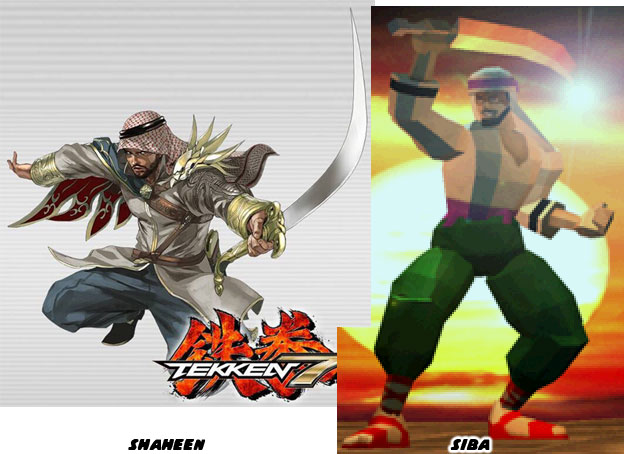

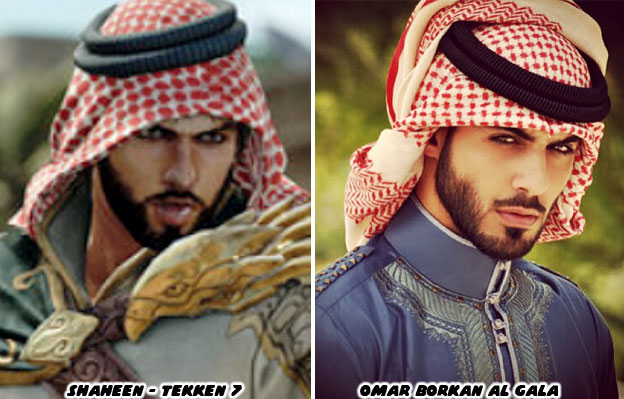
Although to be more accurate, the look of Shaheen was based on a real person. It wasn't a martial arts expert though, not someone like Palestinian Nizar Taleb or Lebanese Walid Kassas. Nor was it a modern MMA fighter like Jordanian Hashem Arkhagha. The person that inspired Shaheen was a model named Omar Borkan Al Gala. This was a man whose good looks were cause for concern. The rumors were that religious clerics in Saudi Arabia were concerned that he was giving women impure thoughts and he had to be deported to Canada. He was a big draw wherever he went and was even a celebrated model in Japan. There was no doubt that some of the team members at Namco remembered this figure.


When it came time to introduce a Middle Eastern fighter into Tekken then they decided he should be based on the popular model. I didn't really have a problem with Shaheen except that he lacked an actual Arab striking art. I was more concerned that in the modern crop of fighting games looks greatly determined how a character would be perceived. If you wanted to state an opinion about a minority you could make them fat and ugly. If you wanted to show favoritism you could make them handsome, or in the case of female character you could sex them up. The concept of beauty was something defined by society. What the west and east saw as attractive differed greatly. I was Mexican and not Middle eastern, not that it mattered because I was brown-skinned and brown-skinned people were always being told what beautiful looked like on TV. Dark skinned people wre rarely seen on TV or in games.

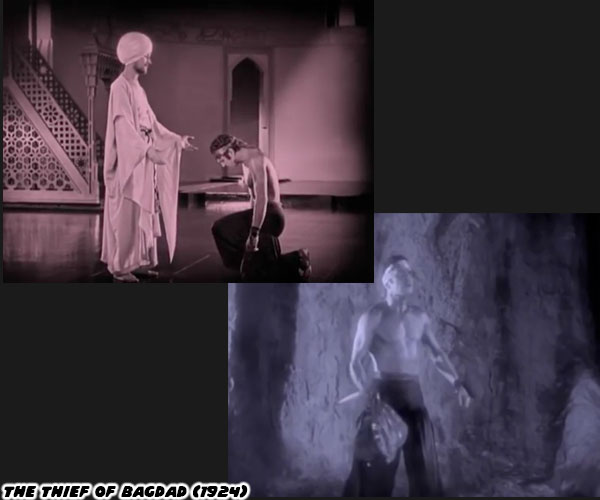
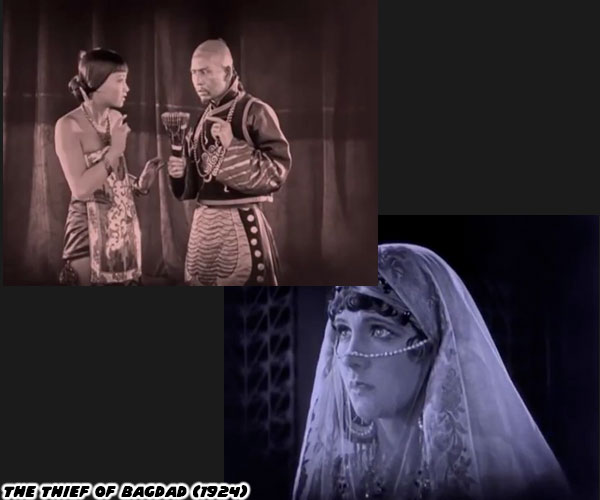
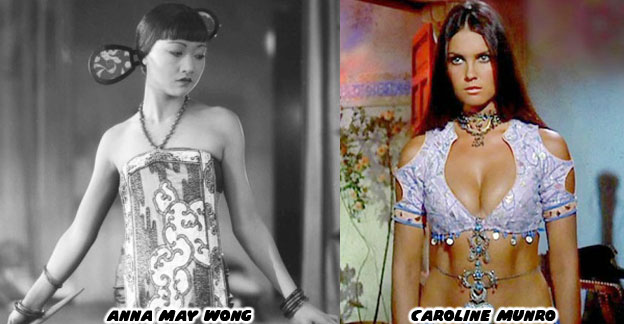
While growing up I was aware how minorities and other cultures were being represented in pop culture. I grew up reading the myths from different nations, watching the films on TV. The Arabian heroes had been presented many times by many different studios. I did pay attention whenever the heroes of a movie had dark skin and dark hair. They were the opposite of the blonde haired, blue-eyed heroes I was told to idolize in comics and cartoons. Mind you I'm a huge fan of Captain America but just a hint of representation went a long way as a kid. The stories from Arabia always seemed to have the largest cast of dark-skinned people. They were always going on the most wonderful adventures. I was always saddened when the minority actors played villains in the films. As I grew older I learned to appreciate their contribution. Anna May Wong was the servant and a spy in the Thief of Bagdad.
 

I was a kid when I saw the silent film on a TV marathon, and couldn't help but notice how beautiful she was. Audiences were supposed to be awe-struck with the Princess that Julanne Johnson played but she had nothing on Anna May. It turned out that Ms. Wong was one of the first major Asian actors in Hollywood. She was someone that never settled for a stereotypical role, never spoke in broken English and instead let Hollywood hang itself with their appropriation films. I was even younger when I saw Caroline Munro in the Golden Voyage of Sinbad. She had the most beautiful bronze skin and dark hair. I'm pretty sure that was the moment when I became a life-long fan of the Sinbad films. I would hear things like blondes Marilyn Monroe, Jennifer Anniston and Calista Flockhart were the most beautiful actresses of their era, yet in my mind they couldn't compare to Caroline or Anna May. Could a non-Western ideal of beauty ever be seen in a game? Could there be a dark-skinned character in a fighting game that transcended sexiness?

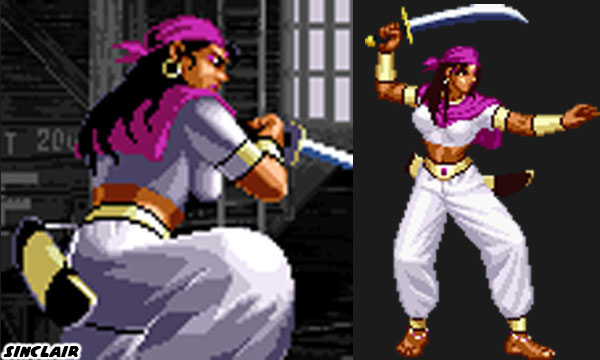
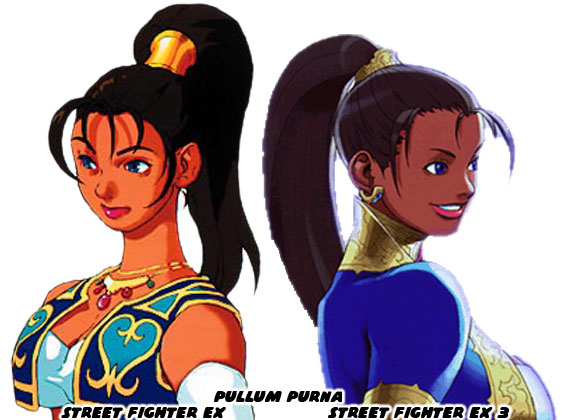
Almost 20 years before Shaheen there was another fighter from the Middle East. The pioneering 3D character was actually a female. It turned out that Street Fighter had the first Arab fighter to be featured in an arcade 3D release. To be specific the game was Street Fighter EX, a title from 1996 that was developed by ARIKA and published by Capcom. This game would be the last title created by the majority of the people that worked on the Street Fighter II. The studio wanted to create a cast of new international stars to compliment the original "World Warriors." Pullum Purna (sometimes written as Puruna) was introduced as a contemporary to Chun-Li. The fighter was actually one half of a compliment to Chun-Li, the other was Pullum's friend and the first MMA fighter in the Street Fighter universe, Blair Dame. I had talked about these designs on an earlier blog. Pullum was a strong character that had many things going for her. Representation was as important to audiences then as it was now. Introducing a character from a different nationality always brought risks with it. What fighting style would they represent? How would they look, how would they move, what was their story? Would audiences accept them? Making a new character female was doubly challenging. We would like to think that gaming was diverse but we know there were far more male leads than females, especially in fighting games. When it came to females they were almost all hyper-sexualized figures.
 

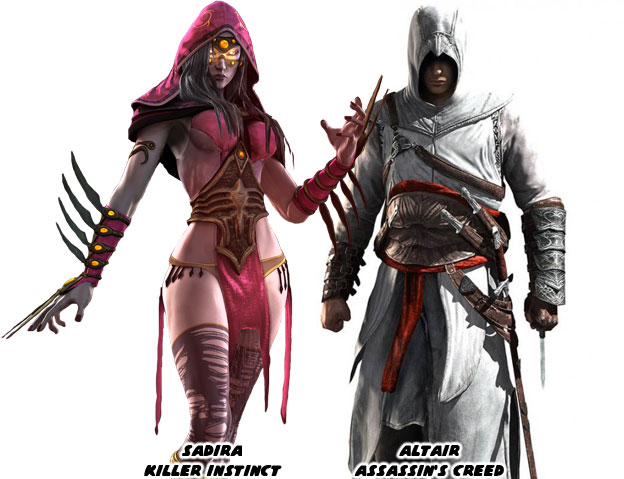
Pullum was absolutely modest when compared to Sadira, the Persian fighter introduced in Killer Instinct. The 2013 game by Microsoft Studios was a remake of an arcade fighting classic by Rare. The original title featured a large number of black, Native American and mixed-ethnicity characters. Sadira was a sexy character and an assassin to boot. Her inclusion in this new game was in part to help diversify the cast but also to perpetuate the types of sexy fighters that the west seemed to favor. Her costume and appearance may have been inspired in part by the uniform worn by Altair in Assassin's Creed. She may also have been a counterpoint to the sexy female ninjas in the Mortal Kombat series as well. Women in the Killer Instinct had always been very curvy, fan-service-type characters. Sadira was no different, except for her country of origin made her a standout for this blog.
 

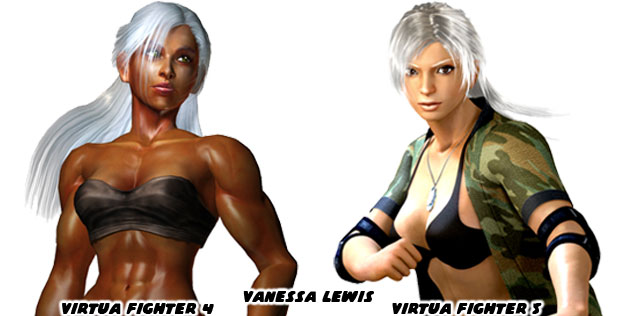
Pullum was a different type of character though. While her costume showed off some skin it was not far removed from the costumes worn by the heroes in legend. It certainly was not more revealing than the costumes of the female leads in Arabian Fight or Arabian Magic. Pullum had a series of unique tumbling kicks and sweeps that hadn't really been used by many characters. She also had a few special takedowns that were a unique mixture of wrestling and MMA. I think the most striking thing of Pullum and her bodyguard Darun Mister was their skin color. They were both presented as dark and proud. In fact the design of Pullum changed slightly as the series progressed. She matured a little and her skin color actually got darker. This was the opposite of what happened to Vanessa Lewis, a black female Vale Tudo striker introduced in Virtua Fighter 4. The 2001 game was met with a lukewarm response from audiences. The graphics got better but the gameplay mechanics lacked the spark of a title like Street Fighter or Tekken, but that's an aside. The next time players saw Vanessa in Virtua Fighter 5 they could see something had definitely changed about her. Many assumed that she was lightened considerably because Japanese audiences did not find dark skin attractive.
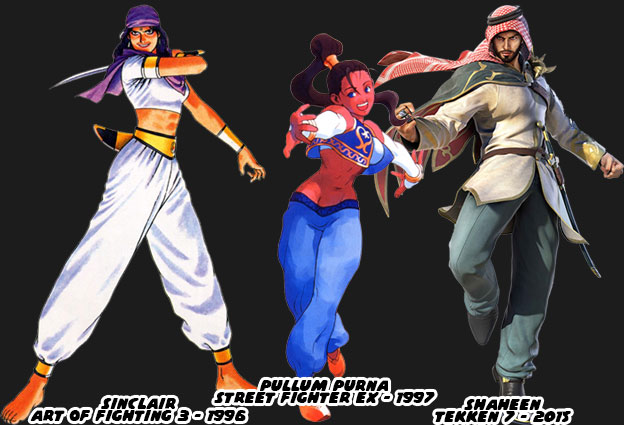

The Middle Eastern fighter had become a part of the genre in the '90s but they were relegated to a classic costume. Characters from other nations, Japanese, American and British for example were allowed to wear more contemporary clothing. A good portion of the King of Fighters cast for example wore street clothing. It was as if designers lacked the confidence to say a character was from Egypt, Iran or Persia, unless they also put them in a storybook costume. Japanese developers were not the only ones that were guilty of this. Despite what could be construed as misrepresentation, it was nice to see dark skinned characters in fighting games.


Here is where I have to stop momentarily and talk about the game players that were offended by Capcom removing the shot of R. Mika's butt slap in Street Fighter V. As of this writing there are almost 8,000 signatures on Change.org claiming that Capcom is performing self censorship and that gamers will not buy a game that is censored in any way. Not too far removed is a petition with almost 7,000 signatures as of this writing, saying that Western gamers are in support of Japanese developers and they shouldn't alter their content for Westerners with delicate tastes. The goal in part is to get Dead or Alive Xtreme 3 (a bikini-centric game featuring the DOA girls) released in the USA and to get Capcom to put the butt slap back into Street Fighter V. Where all that outrage was when minority characters were whitewashed by Sega? I mean if game players do not want the producers to alter their vision because of some delicate tastes then why not make it an international rule? Why not tell the Japanese that dark skin is beautiful and belongs in Virtua Fighter? Do these people realize that the Japanese change course on a game, feature or character without ever taking western opinions into consideration?
 

I mean if the Japanese were concerned about what the USA thought do you really think Rufus would have made it into Street Fighter IV? Do you think they ran Hakan past a group of Turkish kids before he was added to the series as well? If the people in favor of the petitions would stop for a moment and just think about how women are depicted in games they might think twice about signing. These things have less to do with censorship as much as they have to do with control. How women are represented in gaming and to a larger context how minorities are represented is a real problem. This has nothing to do with censorship or altering a creative vision. You have to be included in the discussion before you can be silenced. Right now women and minorities do not have a seat at the table.
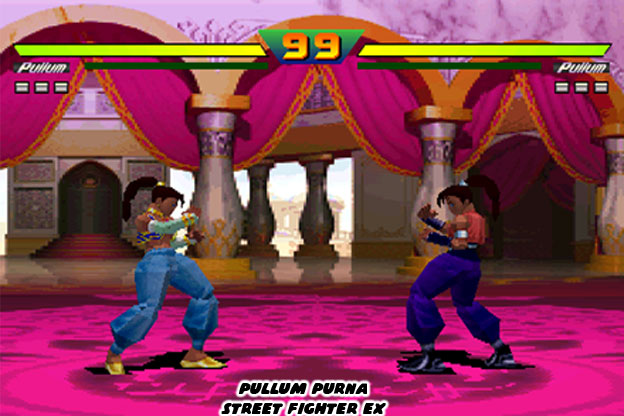
 

But I digress, Pullum Purna and Darun Mister were a refreshing change of pace for the genre. The fact that ARIKA had chosen two dark skinned characters, from South Asia and the Arabian Peninsula to balance out the cast was very progressive. These characters were never whitewashed. These were not fat and ugly caricatures like Karnov, they were not even stretchy-limbed cartoons like Dhalsim. There was a sense of realism to their designs, no fire breathing special attacks here! Sincerity was something that made the Street Fighter EX cast unique. The designers at Capcom and ARIKA were not making fun of a culture as much as they were celebrating it. The Middle East could produce interesting characters that did not necessarily rely on trope to sell. The question was whether the new Middle Eastern character added to Street Fighter V would be based on stereotypes or not. The next blog will look at this figure. As always if you enjoyed this blog and would like to sponsor me please visit my Patreon page and consider donating each month, even as little as $1 would help make better blogs and even podcasts!