I'm not going to backpedal, F.A.N.G. is a character that has no redeeming factors. He is an ugly character, a mockery of Chinese martial arts systems. He doesn't really belong in the Street Fighter series but the powers that be have decided to give him a go anyway. It doesn't really matter what I say or what I think about the character. It doesn't matter how offensive or nonsensical I think his design is. The reality is that Western writers, artists, actors, directors and producers have been doing a greater disservice to Asian characters than any Japanese developer ever could. It is the ugly truth. Audiences from the west fail to acknowledge what we have done culturally to Asians over the past century.
Think about how Asians, especially the Chinese, were parodied, if not outright vilified in Western pop culture. Sometimes it was subtle, the way the Chinese or Japanese pronounced English was often exaggerated in comics and films. Sometimes it was very overt, with characters presented with bright yellow skin and narrow eyes. This trend goes back to 1929 when the British writer Sax Rohmer created a villain named Dr. Fu Manchu. At the end of the 19th century and the start of the 20th the "Orient" was seen as a place of mysticism, where ancient magics were real and closely guarded. The British colonists and Western Culture by contrast were always the shining example of civility and modern science. Minorities were very often subservient if not outright villains in many pulp stories. Dr. Manchu was bent on global domination using a combination of science and magic. The terms used to describe the character were more demonic than human. It was something to consider that Fu Manchu was almost as old as Mickey Mouse, and almost as well recognized in that era. He had been used to perpetuate some ugly stereotypes or decades, not solely in book form but in film as well. This character would become a template for evil Asians that would be used again and again. Although he was an alien Ming the Merciless, ruler of the Planet Mongo (yep they went there!) was very much an Asian stereotype. The character first appeared in the 1934 Flash Gordon comic strips by Alex Raymond. Ming could be considered the tyrant that Fu Manchu would become if he had conquered the Earth.
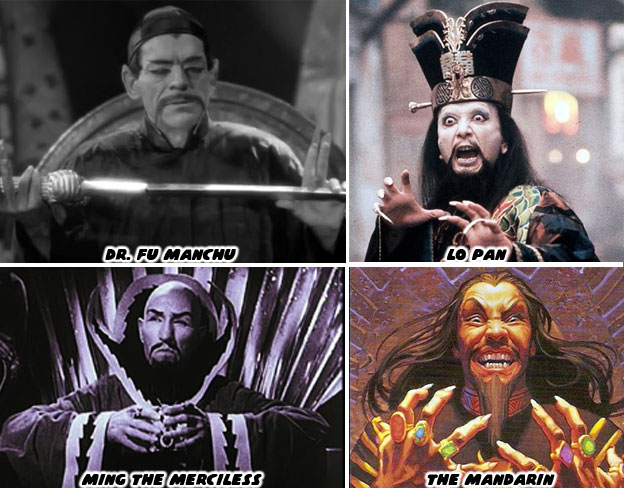
A few decades later, in 1964 to be precise, Marvel comics introduced the world to the Mandarin. The villain featured in Tales of Suspense would become the greatest rival to Iron Man. The Mandarin had acquired magical rings, which were actually alien artifacts. They allowed him to do various things,
from shooting bolts of electricity to controlling minds. His design and purpose was not very far removed from Fu Manchu. This was odd considering that Marvel was a very progressive company, they featured minorities in several comics and presented some main character with different religious beliefs as well. Unfortunately the design of the Mandarin relied on trope, he was so obsessed with domination that it diminished his presence. It was unique however that the hero that used the most advanced robotics would have to do battle with mystical elements. It helped make Iron Man stand out from his contemporaries in the end.
The USA did a lot of changing following the civil rights era. Minorities began turning up as recurring characters in television shows and were presented in a favorable light in film. Eventually writers and comic artists grew tired of the stereotypes that had been placed on Asian characters. Director John Carpenter created an immortal wizard named Lo Pan in his 1986 cult-hit Big Trouble in Little China. The character was every absurd element from Fu Manchu, Ming and the Mandarin all rolled into one. The film placed the classic martial artists in the modern world. It was a send up some kung-fu tropes, the fantastic details remained with evil fighters who could shoot lightning from their fingertips and even fly. Many Asian actors were used as both the heroes and villains in the movie. This film was such a refreshing change of pace that it went on to influence the creation of Mortal Kombat. Yet the progressive view that John Carpenter had was the exception rather than the rule.
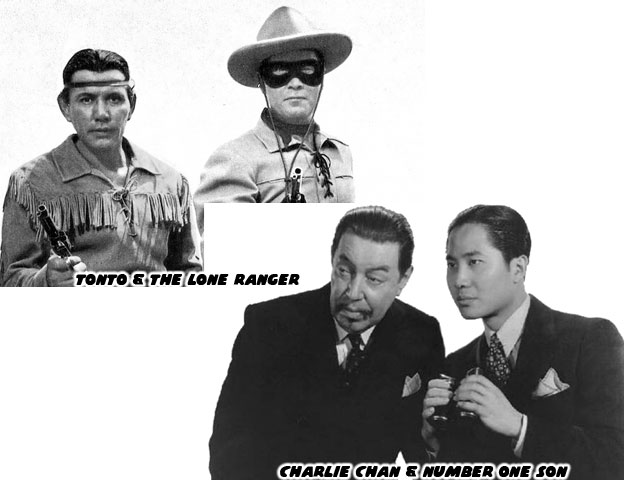
Producers and network executives had little to no faith that a minority actor could carry a role. This went back to the days of black and white film. The producers were afraid that the western audiences would never watch a film or TV show that didn't feature a white actor. Because of this many characters were recast, rewritten or completely ignored. In the ugliest instances a white actor wore blackface, or in the case of Fu Manchu or the detective Charlie Chan they wore "yellow face." Warner Oland was a Swedish actor who played Charlie Chan in several movies. The makeup department would tape down his eyelid to make him look "Asiatic." The features that revolved around the heroic minority would often cast actual Asian actors to play supporting roles. For example Keye Luke, a Chinese born American actor, played "number one son" Henry Oswald Lee Chan in the Charlie Chan films. By casting minorities the producers hoped to lend some sort of credibility to the lead actors as well as the stories they were telling. The downside was that the actual minority was never trusted to carry a leading role. It was a pattern that followed Hispanic and native characters as well. Canadian actor Jay Silverheels played Tonto, opposite Clayton Moore's Lone Ranger. He was a great character, a positive minority and one of the pioneering actors on network television. Yet neither he nor Keye Luke would ever be called to be the star of their own series. I wish I could say that things changed over the years but entering 2016 there was still very little minority representation on television. The shows featuring minority actors were almost all segregated into their own sitcoms. Things had not progressed very far in the century following the invention of film and television.
In fact things have not changed very much on the video game front either. The youngest of the major entertainment mediums has a lot of catching up to do. I could get upset all I want about F.A.N.G., Rufus, Birdie or any of the other Street Fighter characters and it wouldn't make a bit of difference. Why should I take Capcom to task when the western-produced games had very little representation, or diversity? How many games could you name that had a minority lead? How many could you name with a white character? How many franchises have been built around minority characters? How many around white characters? Stop and think about that for a moment. Go back through your mental index of game characters, of franchise characters and see how many you can name. Of those how many are male and how many are female? Of those how many are Asian, Hispanic, Black or Native?
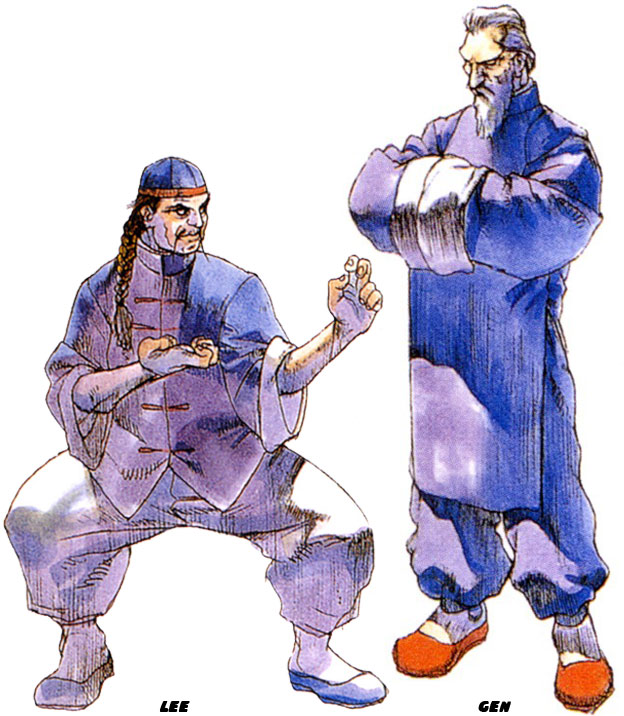
I would argue that the fighting game has the most diversity of all the genres. Minority characters do have a leading role in many fighting games, and are usually presented in classical martial arts uniforms. Granted most leads are Japanese but those games are often produced in Japan. Just as most white leads in games are from western-produced titles. The diversity of characters and fighting styles is one of the things that keeps audiences coming back to the genre. Street Fighter has, or at the very least had, some of the most positive and influential minority casts ever created.
These characters weren't perfect in their first incarnation but they did get better with revisions. If I have one complaint about the most recent additions to the Street Fighter lineup it would be how little they seem to be revised before they are added to the lineup. Many of the new characters in the game are forgettable, I would go so far as to say they are throw away designs. They are added to give the lineup a feeling of diversity but end up being nothing more than a gimmick character from a particular country. F.A.N.G. is no exception, he is just one more character that will have his 15 minutes and then fade away while Ryu, Chun-Li and the rest of the original World Warriors remain. So what is it that F.A.N.G. lacks when compared to the earlier designs?
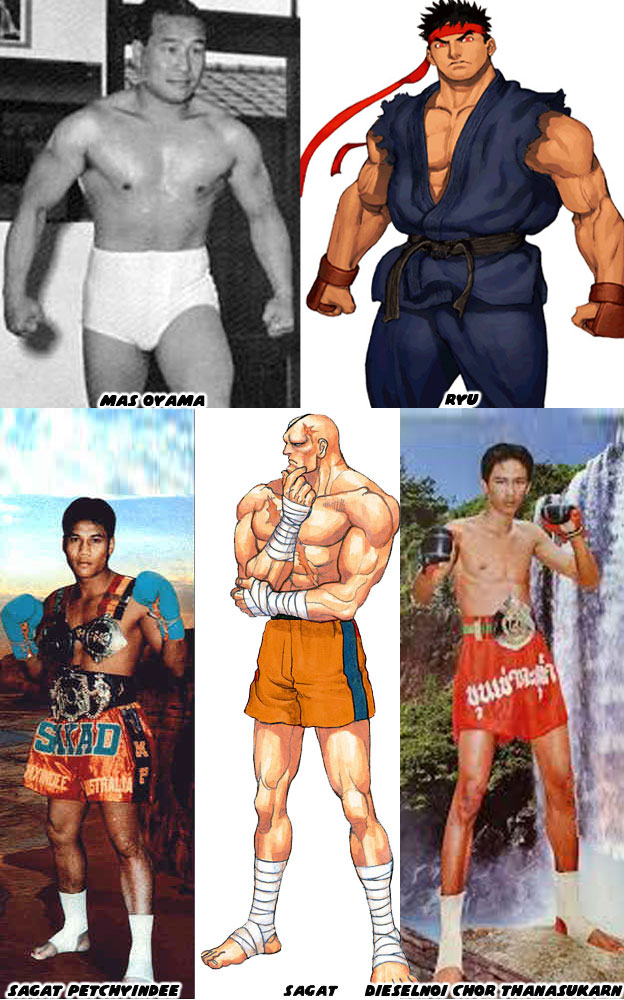
The new characters lack roots. In fact most of the new characters added in SF IV and SF V lack an understanding of the fighting arts that they represent, and in many instances, the actual martial artists that shaped history. The first Street Fighter was based very much on the life and times of Mas Oyama and Yoshiji Soeno. The rivals in the game were inspired in part by actual martial artists and martial arts movie characters. Even the gigantic Sagat was based on actual muay thai fighters, Sagat Petchyindee and Dieselnoi Chor Thanasukarn. The fighting arts Sagat and Ryu used were exaggerated versions of real forms. These amazing abilities looked great in comics and cartoons and turned out to be perfect for a video game. The second generation of Street Fighter characters expanded on the same principal. A burly sailor would become Zangief, his previous name of Vodka Gobalsky was deemed inappropriate.
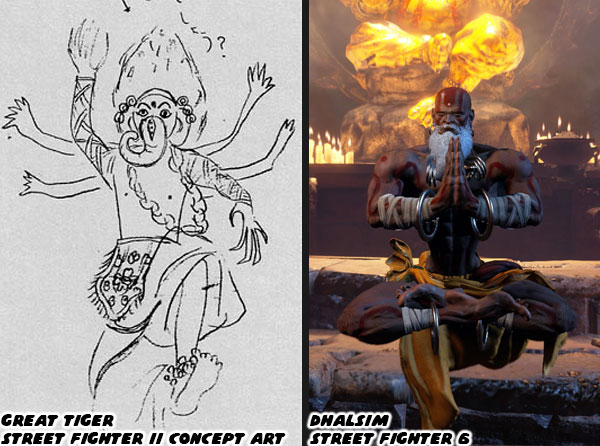
A new name was pulled from an actual wrestler that the Capcom designers would watch on television. The most racially insensitive characters, Dhalsim and Blanka, were greatly toned down and ended up including details from actual history as well as cinema. What F.A.N.G. is missing, and for the most part many of his contemporaries is that connection to the martial arts and actual fighters.
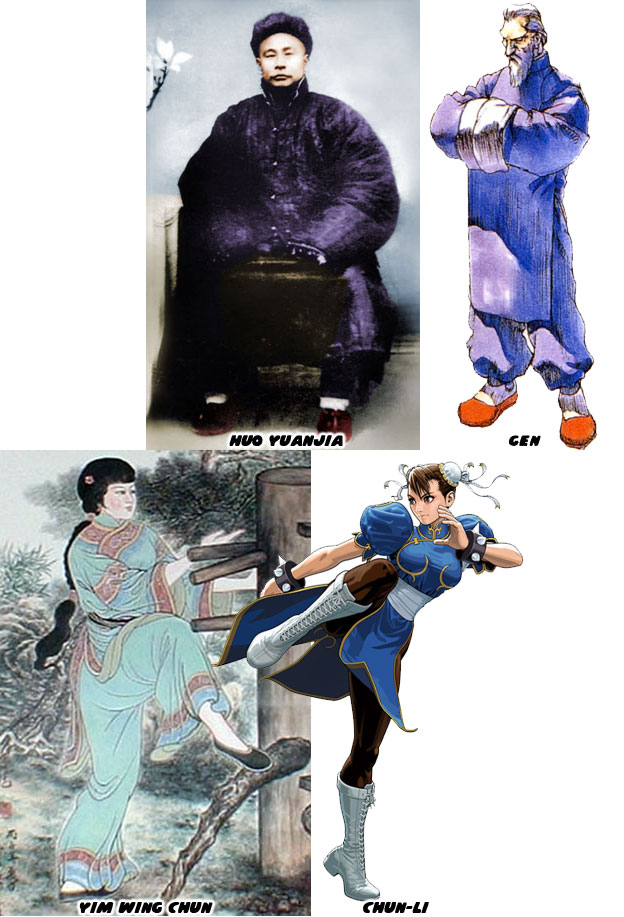
F.A.N.G. is the latest kung-fu master inserted into the canon of Street Fighter. He comes on the heels of some of the greatest Chinese characters in the genre. People like Gen and Chun-Li were pulled form legend. They were given moves and back stories that were worthy of cinema. Yet F.A.N.G. is in a completely different category. He doesn't have a pin that you can attach the design to. Just as you cannot point to the reference used for Rufus or Hakan, two of the saddest character designs ever featured in a Street Fighter game. F.A.N.G. gets to replace Sagat in the story. You would think he would be an intimidating character as one of the new Shadowlaw / Shadaloo Generals. Except that he isn't. You would think that his moves would be based on some ancient brutal Chinese system, but they aren't. F.A.N.G. exists for the same reason that Rufus exists. This is a character that the Producer finds value in. Like George Lucas saying that Jar Jar Binks was his favorite character, I'm sure Yoshinori Ono thinks F.A.N.G. fits right in as well despite what the audience reaction has been. But there is a catch to his design, a different way of looking at him just like any design. Some retouching, some refinement can save any character. Look at the roots of the franchise designs and see what you can learn.
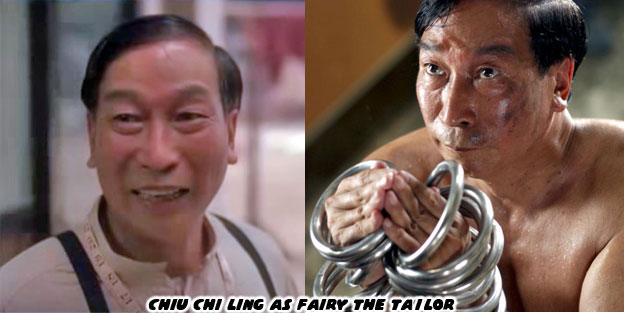
The way F.A.N.G. behaves before or after matches means little, and does not necessarily make or break the character. It is absolutely okay to have a flamboyant, or even effeminate character in a fighting game. While the look of F.A.N.G. may be closer to the harpist assassins from the film Kung-Fu Hustle, the character should have had the presence of Fairy, the tailor. In the film veteran actor Chiu Chi Ling played the character. Mr. Ling was an actual master of Hung Gar, one of the hardest striking forms of kung-fu. Yet Fairy was presented in a very soft and almost dainty manner, which made his role all the more interesting. The character he played was living a normal life in a small town. People did not know that the unassuming tailor was actually a powerful martial artist. This was masterful storytelling. The character was really brought to life in the action scenes. Fairy would become a one-man wrecking crew and any semblance to his effeminate personality disappeared as he destroyed mobsters with his bare hands. Yet Mr. Ling was not the first Chinese martial artist who played a dual role well.
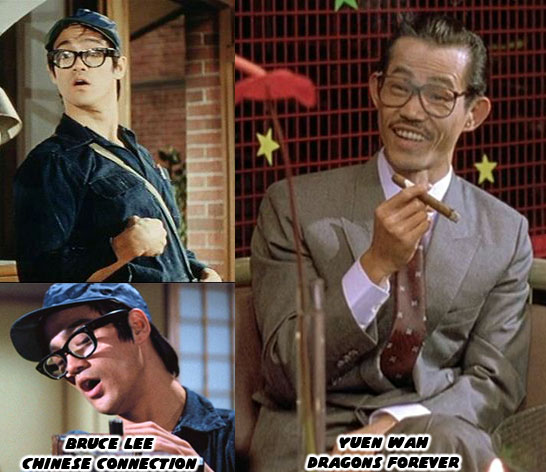
The unassuming Chinese character was portrayed well by Bruce Lee in the Chinese Connection aka Fists of Fury. To infiltrate the bad guy's hideout he played a mousey telephone repairman. It was his fighting ability and not his appearance that did all of the talking. Some of the most unassuming fighters have been villains. The character actors that play them do such a good job that you can't wait for the good guy to beat them up. This could be seen in the character Boss Wah, played by another martial arts veteran Yuen Wah, in the film Dragons Forever. Boss Wah looked and acted like an absolute weasel, choosing to strike Jackie Chan and his friends when their backs were turned. He was a cigar smoking crime lord, skinny and unassuming. He surrounded himself with some dangerous bodyguards, including former kickboxing world champ Benny "the Jet" Urquidez. At first glance you would think the character in the suit was a wimp. However despite his appearance and mannerisms he was an amazing fighter and capable of holding his own against the rest of the cast. Yuen had actually appeared in several Bruce Lee films and even served as Lee's double on some of the stunts. F.A.N.G. by comparison did not quite sell himself as a fighter. Or rather the designers at Capcom did not really sell the character as a fighter. He was lanky and overconfident in himself, saying that he would beat his opponent in two minutes and then striking an absurd victory pose if he did win. The character was flamboyant but not endearing like Fairy, he was a weasel without the vicious attacks of Boss Wah. F.A.N.G. threw poison balls from his sleeves and flew by flapping his arms. These weren't really moves or abilities that could be attached to any real system or any fighter living or dead. Capcom simply did not convince me that this character was right for the game and the series.
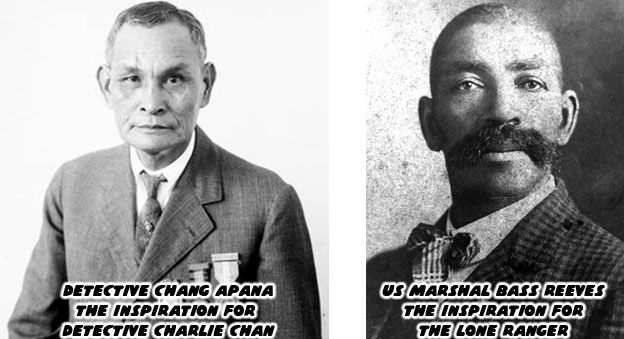
The entertainment industry has been whitewashing history for some time. The real world is much more diverse and interesting than any video game, movie or book could ever be. Think back about the ugly caricature that was Fu. Manchu, or how Charlie Chan stereotyped a population. How was F.A.N.G. any different from these representations? Think back about what a great hero the Lone Ranger was, according to history modeled after Texas Ranger Captain John R. Hughes. What a fantastic role model he turned out to be to several generations of mostly white children. Now imagine that if minority children had been exposed to something different, something that was closer to reality. What if they learned that the author Earl Derr Biggers based Charlie Chan on an Chinese-Hawaiian Detective named Chang Apana. He would have been a great minority and mixed-ethnicity role model. Or consider that the Lone Ranger may have been based on an escaped-slave-turned Deputy US Marshall Bass Reeves. Bass actually wore disguises and had Native American friends that helped him capture criminals in the old west. How amazing the films and television shows would have been to the minorities growing up here as well. They deserved to have heroes and villains modeled on reality rather than fantasy. This is what Capcom sometimes forgets. Mas Oyama may have been the basis for Ryu but let us not forget that he was Korean and not Japanese. He was such an amazing karate fighter that he influenced a nation that was and continues to be very biased against Koreans.
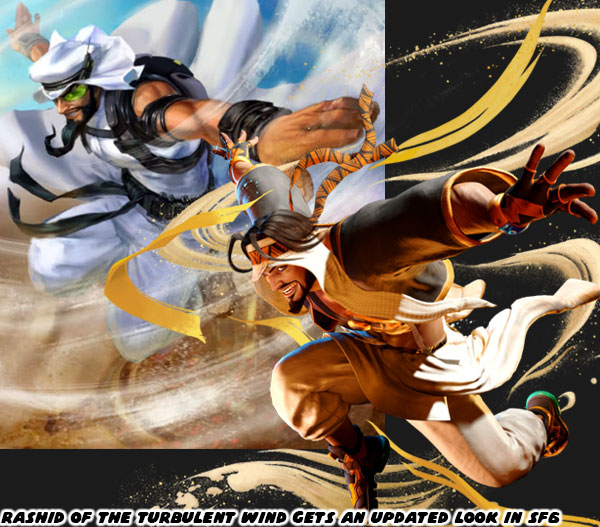
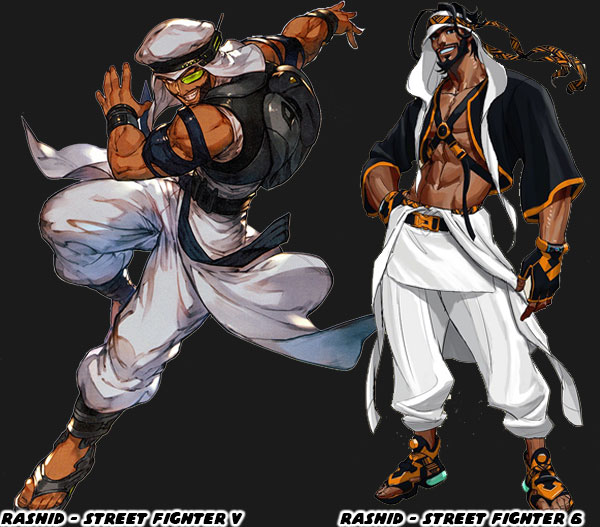
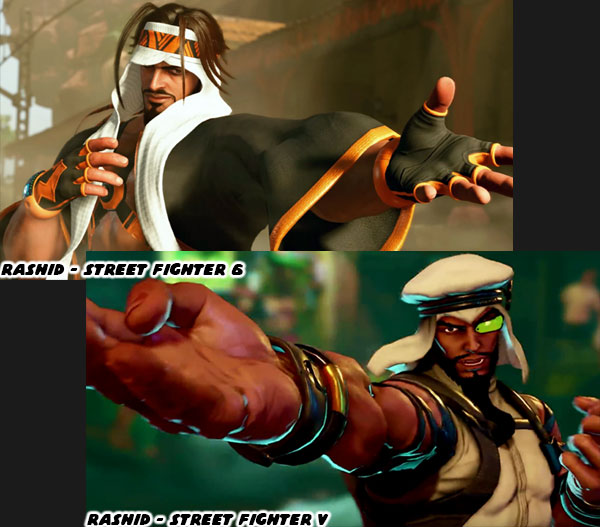
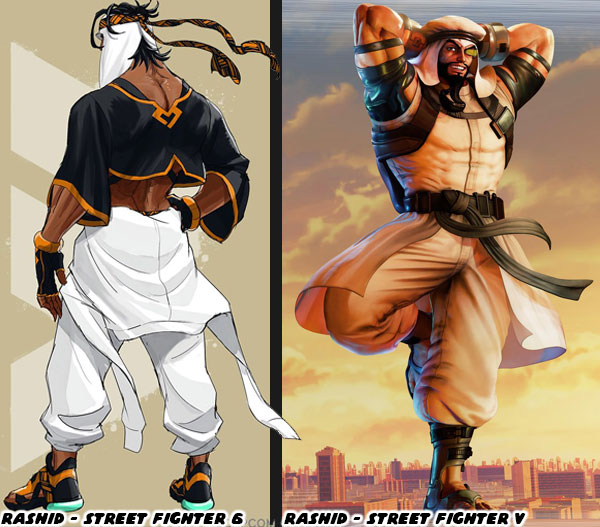
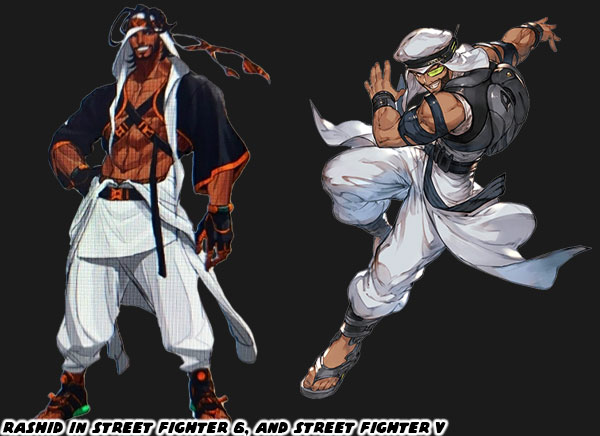
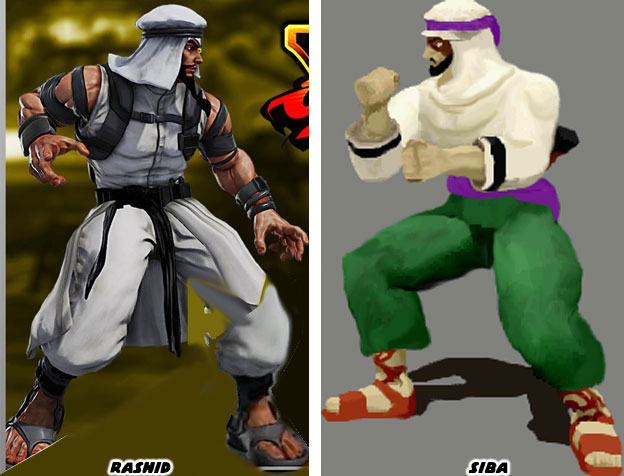
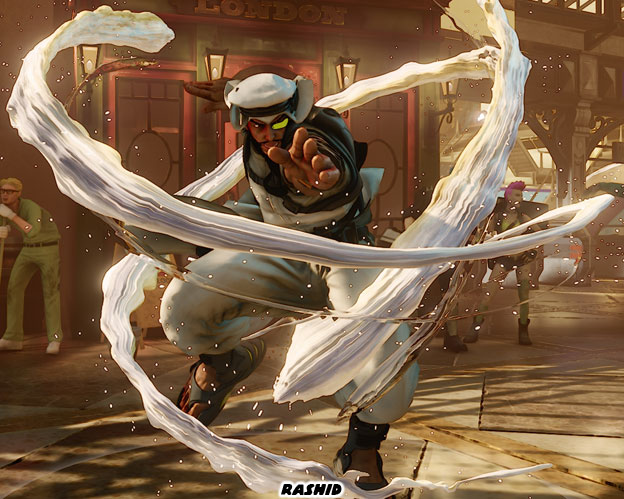
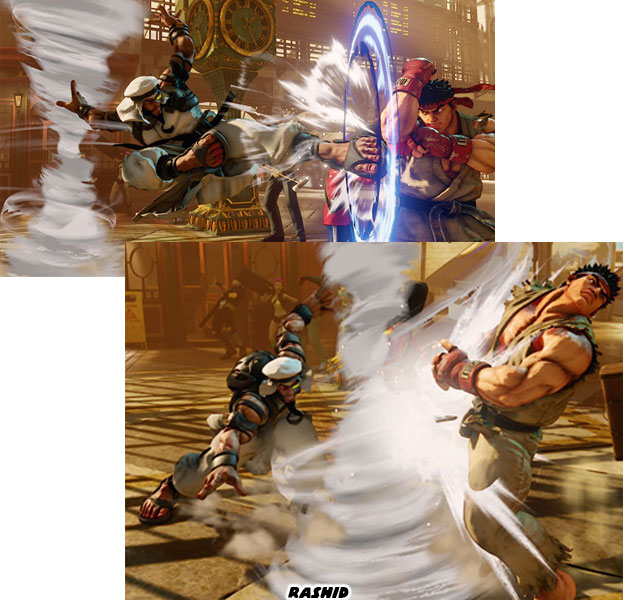
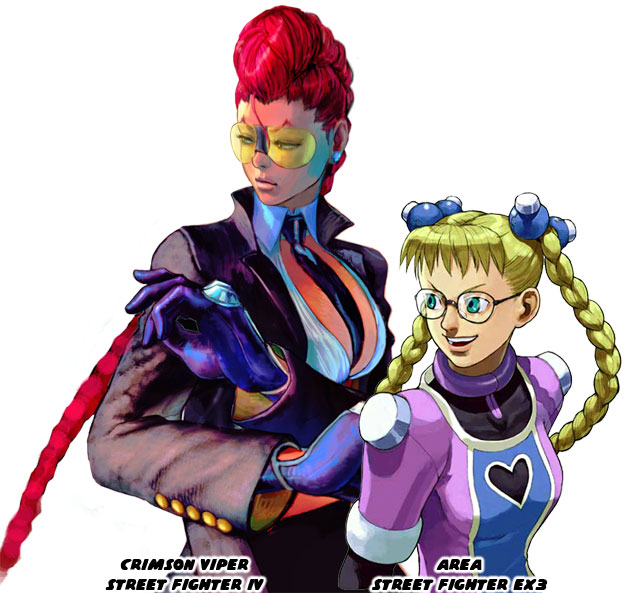
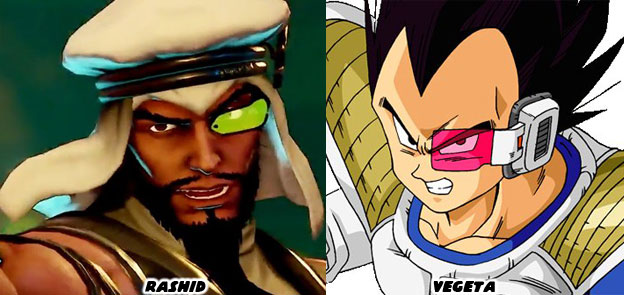
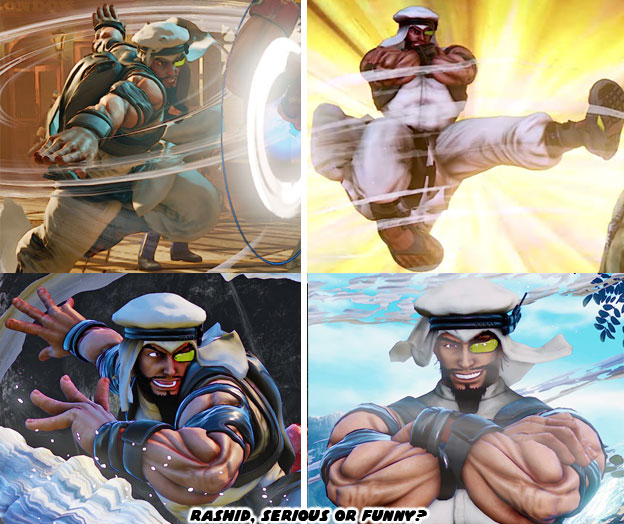
This is why I will always push back on Capcom when I think they are doing a disservice to the series. They have a chance to review and revise each and every character before introducing them. Trying to make changes after the fact is impossible. Capcom needs to think about how they are representing minority characters. Just because Street Fighter V is introducing a new Chinese, adding a Brazilian female (Laura) or Arab male (Rashid) into the lineup doesn't mean the studio is being more inclusive. If the woman is there primarily because she is sexy, or if the Arab is there just to fill a Middle-Eastern quota then why should we care? A lot of people in Mexico were happy that a masked wrestler was included in SF IV. They overlooked his silly moves and mannerisms because there was finally some representation in the game. It didn't matter if the representation was positive or negative as long as it existed. These fans, just like fans from around the world, are desperate to be represented in the series. They will accept stereotype, trope or sexism as long as they get a character in the game. Capcom needs to look internally and see what they can do to make better characters and a better game in the process. If they worked a little bit harder and tried to present positive representation they might create something profound. What do you think about F.A.N.G. and the other new characters? I would like to read about it. As always if you enjoyed this blog and would like to sponsor me
please visit my Patreon page and consider donating each month, even as little as $1 would help make better blogs and even podcasts!