
Warren Spector was passionate and knowledgable about the Disney universe, this message was obvious in Epic Mickey and his DuckTales story thus far. As a die-hard Disney fan he was familiar with the work on most of the television shows and especially the comic books. He knew the various incarnations of characters in comics produced domestically as well as overseas. Through Kaboom Studios Mr. Spector was able to find a good middle ground between the comic canon laid out by Carl Barks, the animated canon of DuckTales and the Eurpean take on the universe as well.
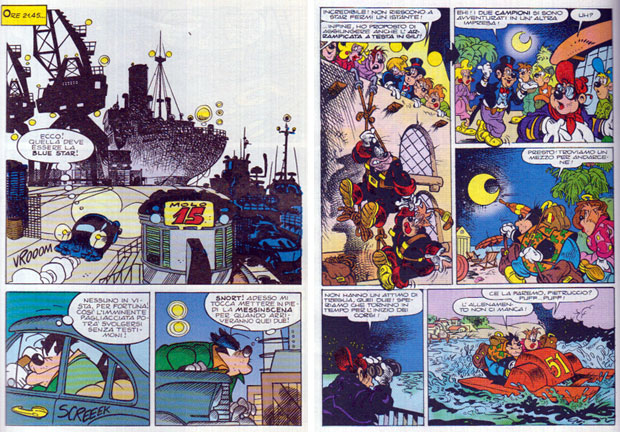
The first issue of Warren's DuckTales had a strong visual impact. This was because of the differences in coloring between American and Italian comics. In Italy the artists that worked on Topolino magazine were also the inkers and colorists. The magazine itself was full color but the turnaround time was very short. Each issue of Topolino averaged 180 pages which meant that artists had to have pages pencilled and inked at a rapid pace, leaving little time for artistic touches.
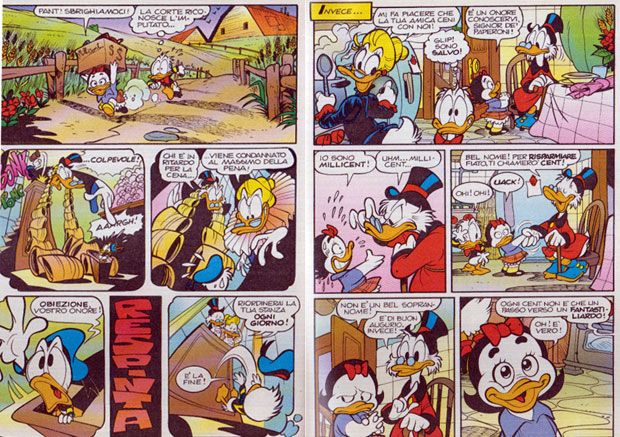
In the US most comic books averaged 24-36 pages and the inking and coloring duties were often delegated to specialists. This meant that the art on many US comics had a stronger visual impact than those featured in Topolino. The colors used in the various Topolino stories were solid and flat, there were almost no shadows, midtones or highlights on any character. The colors themselves were very bright but rarely did they have any gradation. The massive volume of pages turned out could explain why the art was minimalistic.
Some of the better artists in Topolino used rendering techniques in ink to create gradations for the panels while still using flat colors underneath. Unfortunately these artists and stylistic panels were few and far between. The best coloring jobs usually ended up on the covers or on promotional material.
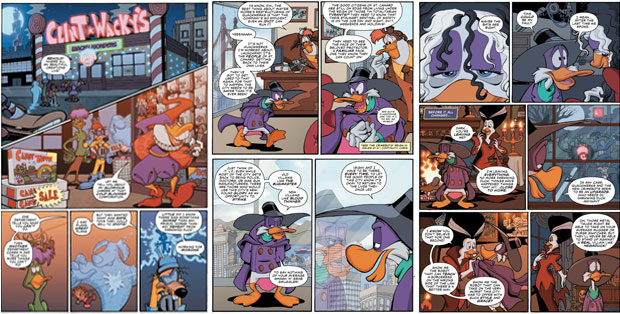
Kaboom Studios went with western coloring team Magic Eye Studios for the pages of DuckTales. This same team helped color several of the other Disney comics published by Kaboom including Darkwing Duck. Many of the panels in Darkwing Duck for example took advantage of digital coloring effects. Characters could be colored, given highlights, shadows and mid-tones and then on top of that have lighting, transparencies and even blurs and weather effects added to the art. These were coloring effects that would have been impossible with the traditional techniques used in Topolino. Advances in digital coloring, effects, higher quality paper and digital presses allowed the art featured on the pages of Darkwing Duck and DuckTales to match the vivid style of the animated shows they were based on. At the same time these techniques were also more time consuming than those used overseas.
These advances weren’t cheap either, the cost on average for a comic book had shot up to $3. The trade off of quantity versus quality pages of art and story was worth it for US consumers. They had grown to expect a high level of visual impact in the graphics department, especially since digital coloring and magazine-quality paper had been a standard for over a decade.
The Spector version of the DuckTales universe became much more interesting because of the choice for rival. Mr. Spector’s comic worked in regards to the Italian approach of villain choices Rockerduck was the tycoon with little respect for Scrooge’s hard-earned fortune. The fact that he was a younger and more impulsive mogul gave him a bigger chance for doing something brash to Scrooge.
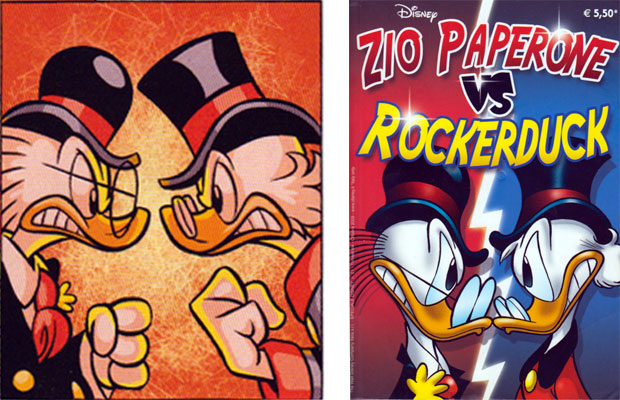
Warren slipped Rockerduck right into the start of story and kept pushing forward with the plot masterfully. He knew that readers unfamiliar with the character would pick up instantly if he was supported with great dialogue and shown doing something devious or underhanded later on.
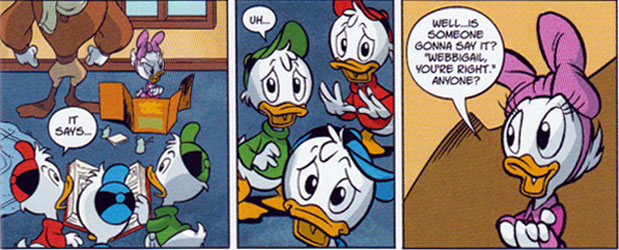
At the same time Warren did not completely ignore the established US canon for DuckTales. That was why he went with Webby as the character that could get the ball rolling on a new adventure. Her innocent voice would have sold the idea of returning treasure to the rightful owners. This plot could then easily unfold into a more grand adventure.
The story by issue #2, included a return to the island of Ripan Taro and a cameo from a giant jellyfish featured the classic Carl Barks story of The Status Seekers. Mr. Spector had filled the adventure with many nods to the classic comic adventures. The entire series thus far seemed to be rooted in a lot of nostalgia and material that had been covered in previous adventures. In the museum on the first issue of DuckTales the characters pass many treasures that had been gathered over the decades of the classic Barks stories. Scrooge even mentioned how some treasures were added to his collection from the adventures of other characters. Like how the crown that got stuck around Gladstone Gander’s neck in the Secret of Hondorica was now featured in the museum.
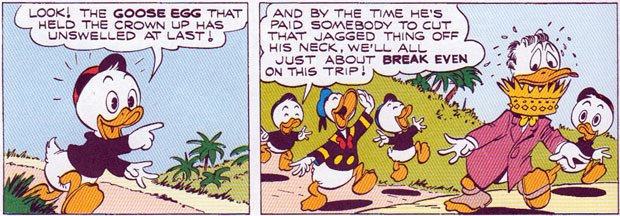
These nods to the canon established by Barks were great for fans of the comics but possibly lost to those that were only familiar with the cartoon series. Worse, the series thus far seemed to be a retread, if not several layers of retread material.
Don Rosa tied up my entire Italian Legacy theme. He was an Italian-Irish-Scottish-American whose full name was Keno Don Hugo Rosa and was named after his Italian grandfather Gioachino Don Rosa. Mr. Rosa was without a doubt the undisputed master of modern duck storytelling. He picked up all of the qualities that made the Carl Barks adventures memorable and then expanded upon them. He was able to connect the dots between actual historical events and phases through Scrooge's lifetime, all while managing to fold those adventures right into Barks continuity. Not unlike the research required to pull off historical Forrest Gump or Dan Brown sleight-of-hand. The problem for the Spector DuckTales comic was how similar it was to material created by Don Rosa. The whole idea of Scrooge having a museum display his treasures had been covered in the the story the Son of the Sun. Those first pages also managed to cram a lot of treasures from canon into the background. In that story Flintheart Glomgold, not Rockerduck, played the major villain.
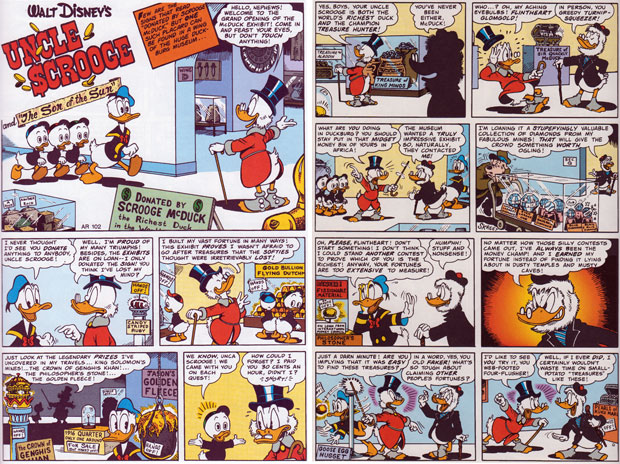
Flintheart challenged Scrooge to a treasure hunt instead of tricking him into returning the treasures. The winner of the bet would be the one who found the single greatest piece of Incan treasure. This allowed Rosa to revisit the Andes and craft a story that was in the classic vein but completely new to audiences. The story took place geographically in the same part of the world of an earlier story yet there was no overlap of specific locations or even supporting characters. The same could not be said of Spector's DuckTales story. It was the Status Seekers in reverse as it took the Candy Striped Ruby past a giant jellyfish to the island of Ripan Taro to be returned to King Fulla Cola. To be fair Don Rosa also revisited Barks locations and canon and in one story had even written the adventure path backward from the original story as well.
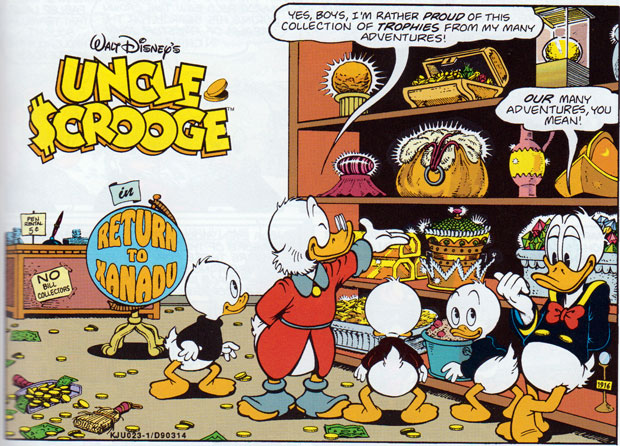
In the story Return to Xanadu Scrooge, Donald and the nephews went on a new treasure hunt. The ducks used historical data and even the poem by Samuel Taylor Coleridge to track down a location for the final resting place of Kubla Khan. Scrooge knew the legends of the fabled location must have been true because he had the crown of Kubla's grandfather Genghis Khan. He had retrieved it from a Yeti hidden in the nearby Himalayan mountains. Most avid fans of the Barks universe knew that the ducks had never been to Xanadu in any prior story yet were eager to find out what Don Rosa was crafting.
Rosa took the ducks across some very interesting and exotic locals and the entire journey supported the clues and historical data through winding mountain passes and hidden underground tunnels skirted by a river which went on for miles. Eventually the ducks came across an enormous underground reservoir and a bridge that had been destroyed leading up another tunnel. The poem suggested they were indeed following the right path because in order to reach Xanadu they had to go backwards through the locations described.
"It flung up momently the sacred river.
Five miles meandering with a mazy motion
Through wood and dale the sacred river ran,
Then reached the caverns measureless to man,
And sank in tumult to a lifeless ocean"
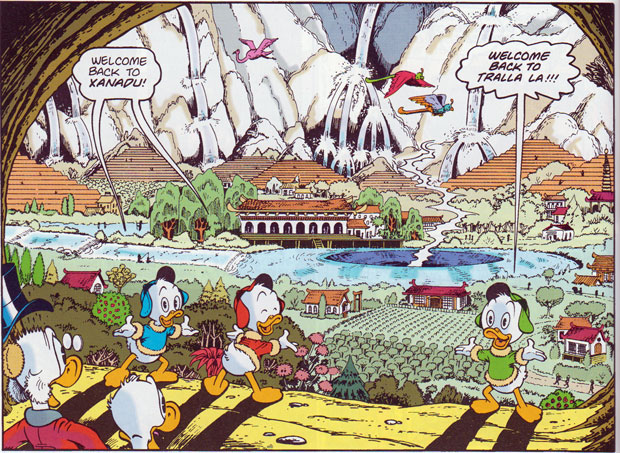
The ducks found a way across the river by damming the lifeless ocean and walking up another tunnel. What they discovered was breathtaking for both new and old fans. The hidden valley of Xanadu turned out to be the same one visited decades earlier called Tralla La in the Carl Barks Story Time To Dream. This serene place was in and of itself was a take on the hidden valley of Shangri-La. Don Rosa sublimely gave that valley a back door under the guise of a completely new treasure hunt. Where the story went from there was pure genius. I would be hard pressed to find a fan of the universe that saw this revisit of a classic location coming.
The DuckTales adventures by Mr Spector did not seem to have the same hidden path or "back door" to a greater adventure. In the two issues presented thus far everything was plainly laid out and foreshadowed with scenes featuring a saboteur. The art was fantastic, the nods to comic book and cartoon canon were great but the story did not seem to have enough substance. There was too much reliance on fanservice and nostalgia and not enough story construction. By comparison the pilot series of the DuckTales cartoon, the search for the Treasure of the Golden Suns was a fantastic and completely original adventure. Written by Jymn Magon, Bruce Talkington and Mark Zaslove the series captured the spirit of the Barks and even Rosa adventures without overlapping into any previous stories.
The lack of substance and reliance on established canon for the new DuckTales comics was indicative of some traps that other Disney comics were falling into. The stories were becoming too safe, too childlike rather than family oriented. Even the very first Carl Barks comic Donald Duck finds Pirate Gold! had recently been revisited by Kaboom studios in the story Donald Duck finds Pirate Gold… Again!
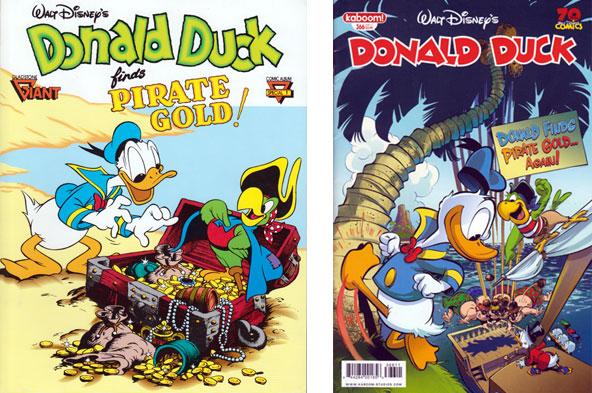
The DuckTales comics had just started and I was undoubtedly being too heavy handed with my criticism in this blog. However in order to make the series work with new and returning fans Mr. Spector has to take the rest of the series into some figurative and literal unexplored waters. For those stories I cannot wait. If you were a fan of the television series and want to rekindle those memories then you owe it to yourself to pick up this new series. They would be big hits for Disney fans, especially those that play games and read comics as a family. I hope you enjoyed this series. If you have any comments of questions please let me know.
As always if you would like to sponsor me please visit my Patreon page and consider donating each month, even as little as $1 would help make better blogs and even podcasts!
In adventure stories there was usually a great warrior or even king that had exceptional martial prowess. What made them important were the qualities that they demonstrated to audiences. These heroes were brave, kind, clever and acted as a moral compass for a society that had lost its way. In the adventure traditions there were usually villains that were morally opposite of everything the hero stood for. What made these villains scary was that they usually had far more martial prowess than the heroes and were willing to kill. In wuxia legends the heroes and villains mainly fought with their hands and occasionally a weapon. These archetypes followed the classic traditions, powers and origin stories.
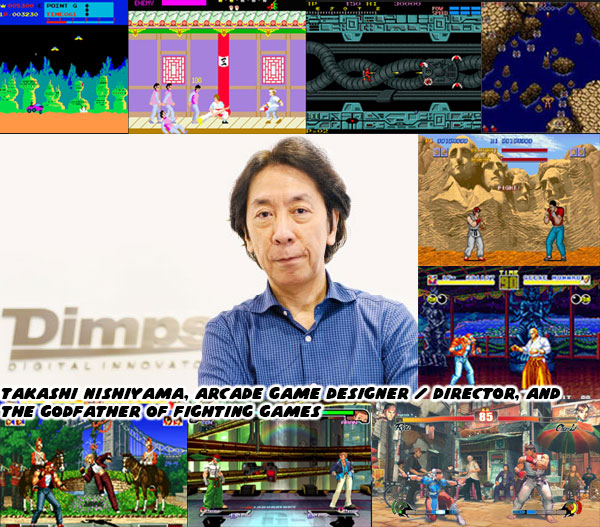
As the Street Fighter universe was fleshed out through the 1990's the traditions of wuxia were used to make the characters more interesting and plot more dramatic. Ken and Ryu were the introduction to the universe. At first gamers did not know much about the characters, how they got such awesome powers or what they were fighting for. The designers at Capcom had actually been fleshing out the characters well before the first manga was ever published.
"I wanted to add depth with a story. It just happened to be a fighting game, but I wanted there to be a story so it would feel like a movie. We even conceptualized details for the characters that we didn't put in the game itself -- what the characters might like to eat, do they have sisters, other family members, etc. Street Fighter was different from prior games in the amount of depth we gave the characters." - Takashi Nishiyama, the designer of the original Street Fighter.
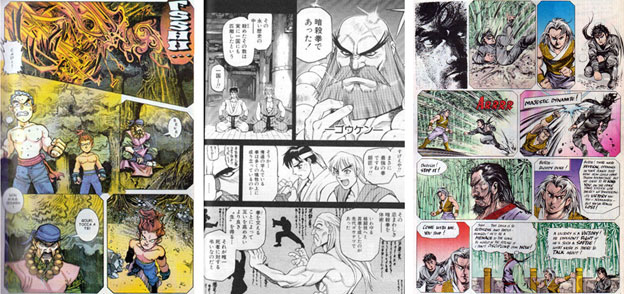
As the universe was explored in manga and animé the classic themes began coming up. Ken and Ryu were part of a martial arts tradition. Their master was named Gouken, he along with his brother Gouki were taught by a kung-fu master named Goutetsu. It was not karate as many fans of the series had assumed. The main characters were learning but a form of Antsasuken, or an "assassins fist." Goutetsu brought this over from China and had distilled the most lethal techniques into an unstoppable fighting art. In manhua the setup was very familiar. Two gifted youngsters, raised as brothers would be trained, one with a level head and another more impulsive. The more impulsive one would tend to get himself in trouble with the master and disobey orders. In the Iron Marshall the master was Tienway Champ, the level-headed youngster was Iron and the impulsive one was his adopted brother Duke.
In order to create dramatic tension there had to be a terrible accident or a murder witnessed by the young students. In the Street Fighter mythos it was Gouki that assassinated his master. His brother was a witness to this terrible crime. Years later Gouki assassinated Gouken while Ken and Ryu were witnesses. Iron ran in on the assassination of Tienway by Duke. These things left the characters with emotional and in the case of Iron, physical scars. The tragic events galvanized the heroes' resolve and put them on a path toward revenge. This was difficult for the young martial artists to accomplish now that they were masterless. In order to become better fighters they must seek out new challenges and learn the difficult lessons without the aid of a mentor.
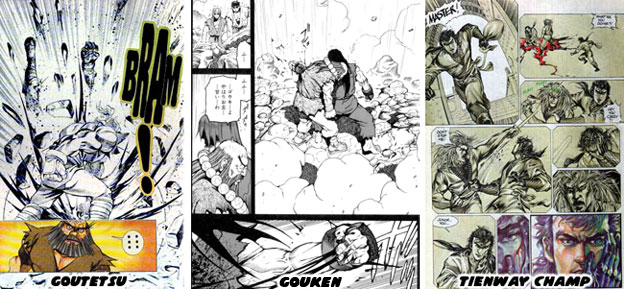
Similar tragedies were the origin stories for Western heroes like Batman, Spider-Man and Superman. It was a great plot device which helped hook the reader and made the hero sympathetic.
In the wuxia tradition, if a fighter was lucky they came across another master who was willing to teach them new techniques. More often than not however the fighter had to learn by teaching themselves. They had to fight masters of every style and learn how to defeat that style along the way. This made for great adventure writing, and a chance to explore the various martial arts schools. However for the sake of a self-contained story rather than adventure serial the fighter had to come across a new master.
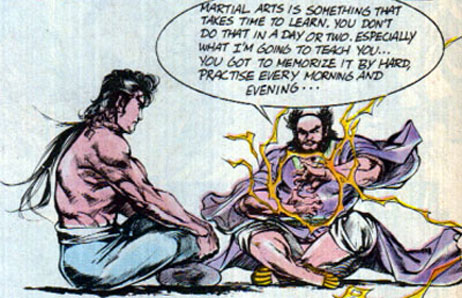
The heroes of the stories were usually gifted fighters to begin with. They knew all the techniques and secrets of their original master and could quickly build onto these things in a relatively short amount of time. This helped speed up the plot and allowed audiences not to have to sit through months of training and humbling lessons.
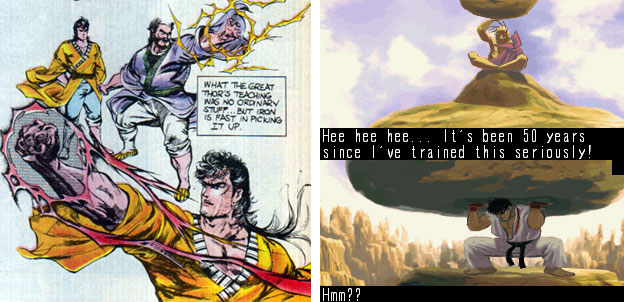
Years after the death of Tienway Champ, and hot on the pursuit of the Bloody Duke, the Iron Marshal was aided by a hermit named the Great Thor. He promised to teach Iron his trademark Thunder techniques. These techniques could take a great fighter decades to master but Iron picked them up at a rapid pace. Similarly the SF games allowed for both classic wuxia traditions to be explored over the course of multiple games. Characters had new or more powerful moves and those techniques did not have to be explained, players assumed that they were becoming better fighters as the years went by. Story-wise Ken and Ryu travelled the world looking for challenges and becoming stronger fighters in the first two SF games. By SF III it seemed that the characters had reached their potential and could fight Gouki. At this point in the story the elderly fighter Oro decided to take Ryu under his tutelage. It seemed that the young master still could become more powerful and thus fill an even greater presence in the universe.
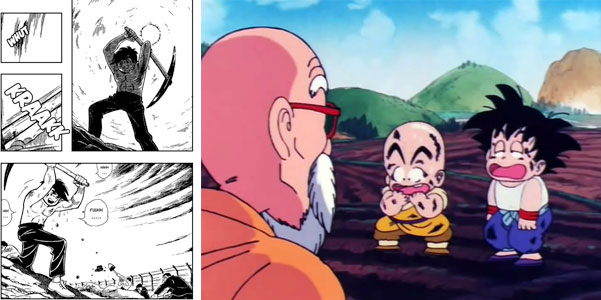
The manga and manhua stories would often take an aside to show the characters becoming stronger by highlighting the training regiments they endured. It was supposed to be inspiring but almost sad to see how characters had to suffer during these periods. Characters could sometimes be degraded and tortured just to become marginally better. Perhaps the writer and artists of the stories were a bit sadistic but in actuality were reinforcing the understanding that mastery of the martial arts required constant hard work. The end result would be worth all the struggles especially when revenge was involved (think of how Beatrix suffered under the cruel tutelage of Pai Mei in the Kill Bill movies).
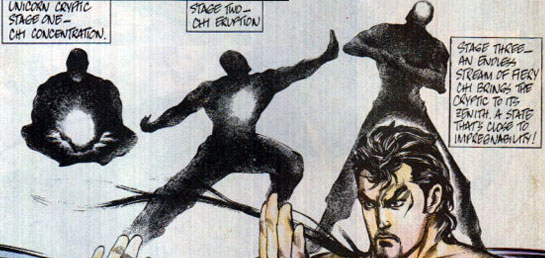
These characters often learned secretive techniques known only to a handful of people. In many cases it was only the master and the one or two disciples that were privy to the ancient techniques. This exclusivity made the heroes and villains unique. They could do things that regular people, or masters of the traditional fighting arts could not do. The trust that the masters had in their pupils had to be absolute. There was often a danger associated with teaching these techniques to inexperienced or corruptible students. In the SF canon Gouken was once infuriated with Ryu with the nonchalance that he put behind the techniques. In one story Ryu recalled the first time he performed a variation of the Shoryuken, or rising dragon fist. Ryu had split a boulder with the punch to which Ken was bragging about what a powerful fighter Ryu was becoming. Instead of being pleased with his disciples Gouken was infuriated, he struck down Ryu. The two were being shown extremely dangerous moves, some were techniques that were not used for fighting but instead for killing, the fact that they did not treat the moves with more reverence had caused Gouken to react the way he did. Ryu recalled this lesson as he was on the verge of defeat at the hands of Sagat following their first encounter.
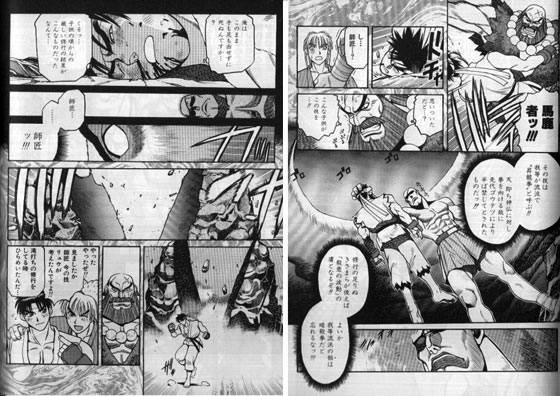
Ryu staged a miraculous comeback against Sagat thus becoming the greatest fighter in the world. This story became the stuff of legend in SF canon. It highlighted how a perfect technique could topple even the most powerful fighter in the world. When Masahiko Nakahira revisited the fight in the Street Fighter Zero manga he took a closer look at what was driving Ryu and it was neither brave nor honorable.
Ryu exploited that same killing technique he used to split the boulder on Sagat. The Metsu Shoryuken or "Destroying Rising Dragon Fist" was supposed to be a killing blow. If Sagat were not equally powerful then he surely would have been killed by the punch. The encounter had repercussions in the continuity of the universe. Gouken was trying to convey the gravity of the moves his pupils were learning. They should be taken in all earnestness and never used casually in a fight. Ryu could have accepted defeat and acknowledged that Sagat was a better fighter when they first met. It would have been his pride that would have suffered the most. He could have returned to fight Sagat in the future, older wiser and stronger. Instead Ryu gave into the temptation of exploiting the most powerful strike even if it would have turned him into a murderer. This made for a much more interesting story, especially for a jumping off point as the sequel had developed. Sagat returned as a boss character but had a grisly scar across his chest.
A shortcut to winning battles was not what Gouken was protecting his students from. By going for the lethal arts Ryu had exposed himself to the corrupting influences of techniques based in dark hadou, or evil chi. The philosophy is similar to the "dark force" from Star Wars mythology.
Again, to use an example of turning to darkness here was another quote from the Star Wars series.
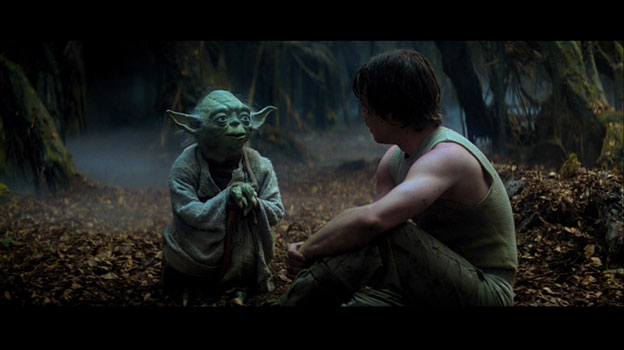
Yoda: Yes, run! Yes, a Jedi's strength flows from the Force. But beware of the dark side. Anger, fear, aggression; the dark side of the Force are they. Easily they flow, quick to join you in a fight. If once you start down the dark path, forever will it dominate your destiny, consume you it will, as it did Obi-Wan's apprentice.
Luke: Vader… Is the dark side stronger?
Yoda: No, no, no. Quicker, easier, more seductive.
Luke: But how am I to know the good side from the bad?
Yoda: You will know... when you are calm, at peace, passive. A Jedi uses the Force for knowledge and defense, NEVER for attack.
Luke: But tell my why I can't...
Yoda: No, no! There is no "why".
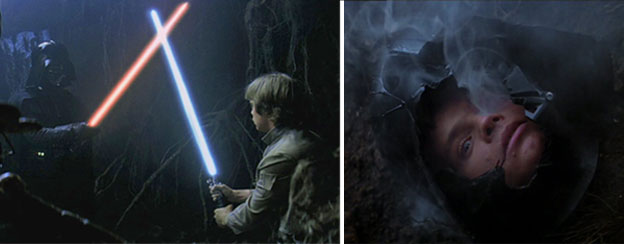
Once a person set toward the path to the dark side it was all but impossible to find the path back. In doing so the hero would become exactly like the villain. For Star Wars Luke would symbolically become Vader. In Street Fighter Ryu would become Gouki. In wuxia traditions there was good and evil chi as well. The meridians in the body cycled through energy that could grant strength or heal. If a person succumbed to evil then they generated dark chi. This energy was poisonous and could grant practitioners tremendous strength but could also turn them into monsters. Tapping into this power could make a hero as powerful in a villain, but by doing so the hero could become just as reviled as the villain.
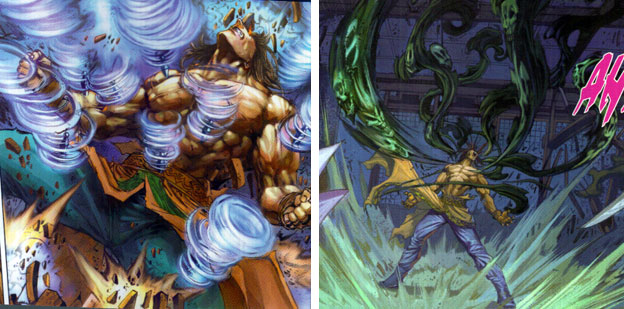
The martial arts myth did a good job at exploring the variables in the revenge plot. If a main character succumbed to darkness then they could become very powerful, but the cost of that is the humanity of the fighter. Getting revenge on an assassin by becoming a murder undid the purpose of the hero. It was the classic "two wrongs do not make a right" or "an eye for an eye" parable that was being explored in wuxia. The temptation to steer away from the honorable and righteous path was a constant in literary form. The hero was defined by being able to overcome strife and adversity without succumbing to temptation. In the SF mythos Ryu had to face the challenges of his own dark side. This storyline was explored in the SF Zero / Alpha series.
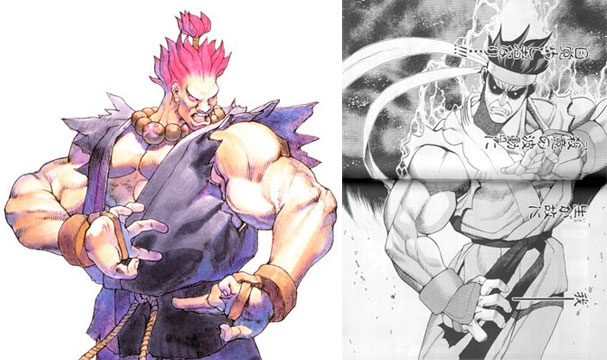
When a fighter became evil they traded in their humanity and compassion. The core of the martial arts was not learning how to fight, per-say, but how to defend from attacks. Even Shaolin Quan was created as a form of exercise to combat the fatigue of sitting for extended periods of time in meditation. It was also designed as a means for monks to fight off wild animals. The techniques and philosophies were designed to make a practitioner mentally stronger as well and make their spiritual cores healthier. In qigong this meant keeping the meridians clear and connected to the elements. By focusing on developing a higher consciousness the practitioners could see the importance of the fight, not to win or lose but to become examples of righteous living. By showing mercy to an opponent, even those who sought to fight for the wrong reasons, could often turn them into allies. This plot was explored in many wuxia legends and even contemporary Hong Kong films.
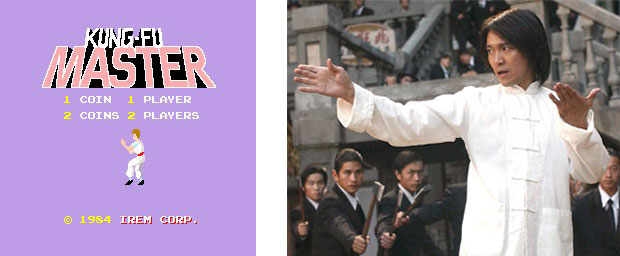
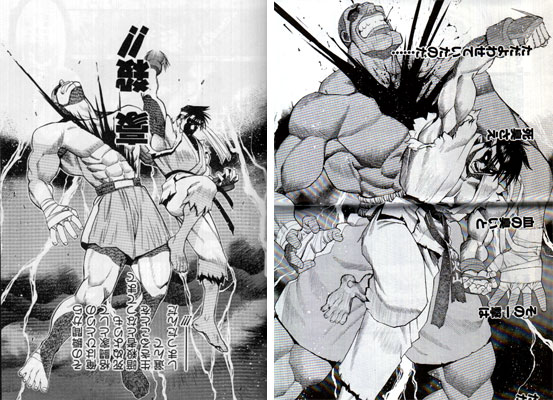
In the classic martial arts the lethal strikes were called the dim mak. These were death touches or death punches delivered to vital organs, or major meridians. The five point palm exploding heart technique from Kill Bill was an example of a dim mak, the metsu shoryuken was another. In manhua and manga the dim mak was often delivered in a spectacular fashion. Kenshiro from Hokuto no Ken for example punched villains in their pressure points and then walked away exclaiming that they were already dead. When a villain did this it had to be delivered more brutally. They wanted their opponent not only to die, but to suffer in death as well. In the Iron Marshal, the Bloody Duke performed a dim mak to the chest of a fighter named Elephant. This punch crushed Elephant's heart and went clean through his torso.
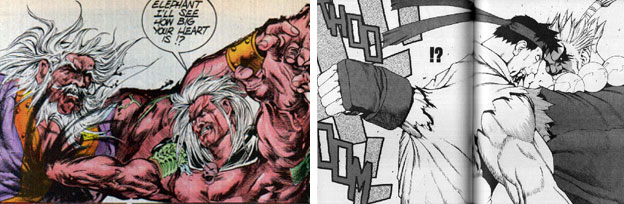
In the SF series the final punch of Gouki's Shun Goku Satsu aka "Instant Hell Murder" traveled through the opponent. He was not the only character to possess this technique in canon. Those that could perform moves like that were evil characters, such as Evil Ryu, Dark Hokuto and her brother Kairi from Street Fighter EX. What made the move awe-inspiring in the comic format was that the technique exploded in the shape of kanji, or traditional calligraphic characters. Street Fighter fanatics might be surprised to learn that this had been done years before SF in manhua tales like the Iron Marshal. The Bloody Duke did not only cause a heart to explode into a single character, he actually wrote out a challenge to the Emperor in blood, using punches and sword strikes on his opponents.
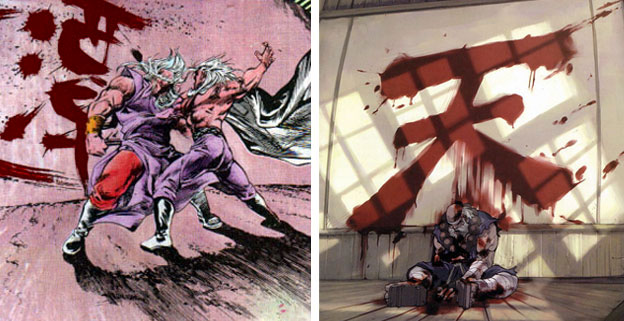
These techniques were exploited by the villains in wuxia epics to strike fear into the hearts of opponents. However what it did to the practitioner of the dark arts was even worse. This was the cautionary tale that went back thousands of years. It was shared by every culture around the world in poetry, spoken word, comic book, and film. As summed up by the character Harvey Dent aka Two Face in the 2008 film The Dark Knight; “You Either Die A Hero, Or You Live Long Enough To See Yourself Become The Villain.” Were there any hero origins, major villains, or cautionary tales that you grew up with? I'd like to hear about it in the comments section please. As always if you would like to sponsor me please visit my Patreon page and consider donating each month, even as little as $1 would help make better blogs and even podcasts!