Showing posts with label development. Show all posts

Saturday, January 4, 2025

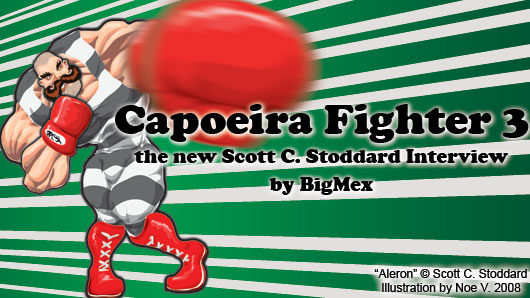
Capoeira Fighter 3, the interview - A 1UP classic from January 4, 2008

The fighting game genre isn't as popular as it was in the early 90's, but given the attention that Street Fighter IV has garnered in the past few months it is safe to say that the fans haven't gone anywhere. Director of SF IV, Yoshinori Ono, believes that the game is like a sleeping giant, ready to be roused from a long slumber with a kick to the ribs. I believe the genre is asleep as well but more than just to be awoken it is ready for a renaissance.

Developers from every corner of the world are going to take notes on SF IV and begin developing fighting titles of their own. I'm certain there are fans of Killer Instinct ready to pounce on Rare when they see a potential for success. Those old enough to remember Primal Rage will petition to get some closure on the sequel. But those that focus too much on the past will fail to see the future of the genre. The world has grown quite a lot since the 90's. There is a whole new generation ready to test out the fighting genre.

The only guarantee that we have is in Capcom capturing the pure aspect of the fighter without 3D gimmicks. Until SF IV comes out we have to find titles cut from the same cloth. I don't mean a fighter by SNK, Namco, Taito, Sammy or DIMPS, but something more local. The game featured today has a lot of the classic Street Fighter vibe, it's creator inspired by Capcom's greatest, Street Fighter Alpha.
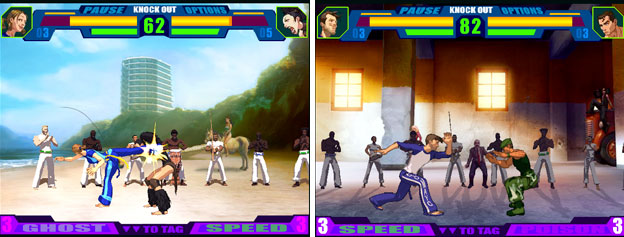
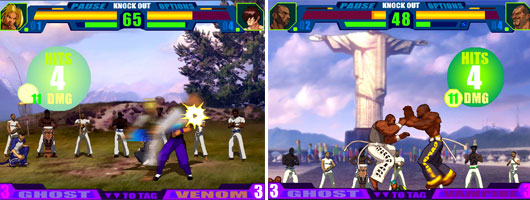
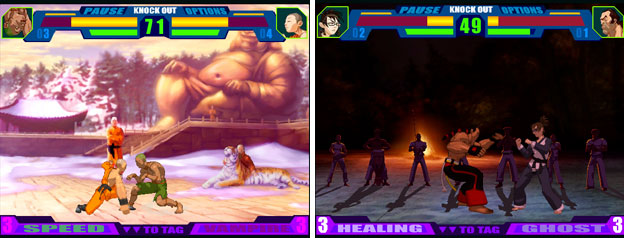
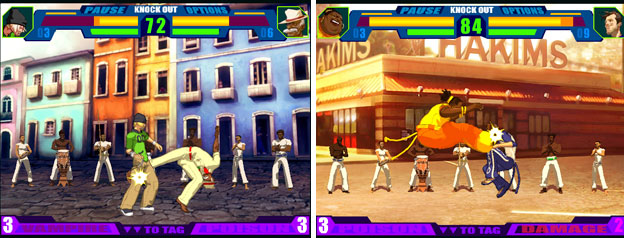
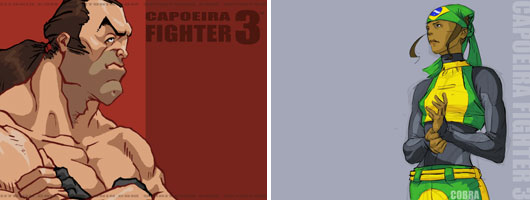
It has been two years and three months since I last did an interview with Scott C. Stoddard. His name should be important to you and everyone here on 1UP, especially those that consider themselves fighting game fans. Scott created a fighting game by himself. Okay, to be fair, his friends Adam Ford (most of the backgrounds and character selection art), Ethan Halvorsen (new music), and Trent and Melissa Halvorsen (arcade dialogue and ending art) helped at the end. Regardless I don't know of anyone else that can claim to have made a good, let alone great, fighting game all by themselves. I'm talking about character designs, backgrounds, models, animation, music, balance... the works. In this age of multi-million dollar development budgets, Hollywood writers and endorsement deals, it is humbling that one man is keeping the genre alive. The name of the game (in case you haven't guessed) is Capoeira Fighter 3. Go on and check out the demo but be sure to come back here.

Capoeira is a beautiful martial art. It looks amazing in videogames like Tekken and Street Fighter III and doubly amazing on film. A former practitioner of the art, Scott currently works at a game studio but has been filling his free time by plugging away on Capoeira Fighter for near a decade. As a dedicated family man his time is precious, it takes years for his titles to come out. Unlike Capcom, Scott has never stopped working on his series. This most recent release is by far the best and deserves some love on 1UP.

BigMex: Scott, it's great talking with you again. So tell us are you still with the team at Avalanche? I understand the company is part of Disney Interactive now. How is this working out for you?

Scott Stoddard: Disney is a great employer. I did have to animate Hannah's singing lips for the Hannah Montana Wii game, but I'm lead animator on a cool IP project right now. Plus I get into Disneyland free!
BM: The team at Avalanche (and you) now keep a blog. On the Avalanche Software blog the artists all contribute to monthly themes. Are you going to become more involved with those now that Capoeira Fighter 3 has gone "gold?"

SS: I plan to. I've had a lot of fun with my posts in the past, just been a matter of priorities lately trying to get CF3 out the door. All this coding is turning my brain lefty. I definately need to do more good ol' drawing and painting.

BM: Before we get to the actual CF3 questions is there an upcoming game you are working on with Avalanche that you'd like to mention?

SS: Sorry can't mention anything here, but I can say that it is more exciting to work on than Hannah Montana.
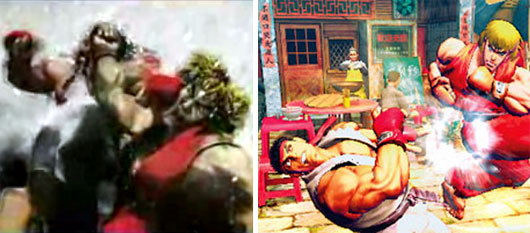
BM: Now let's talk about the genre. The fighting game scene has been pretty quiet these past few years. Everything changed in October when Street Fighter IV was announced. What was your reaction to the announcement?

SS: Loved the trailer. Watched it a few dozen times. The motion and ink effect was fun. The impacts and cloth had a great feel to them. Only hitch was the faces and hair. They look really, I mean REALLY bad compared to what I know Capcom is capable of. They've had so many cool stylized versions over the years, but SFIV looks like they hired a middle schooler to design the faces. Very sad to see them going away from the anime look.

BM: Back when I first interviewed you two years ago, you mentioned that Capcom needs to do a cel-shaded 3D fighter with all the characters from past titles. Your words now seem prophetic as details of SF IV have been released. Were these steps logical for the franchise?

SS: As long as the gameplay stays true to the old 2D version, 3D has some very attractive advantages.
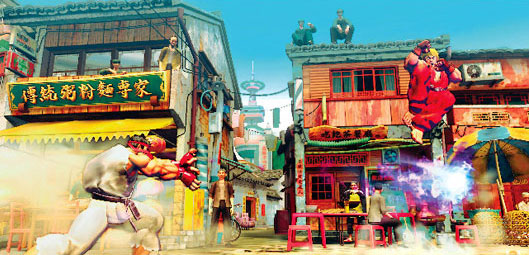
BM: What are the advantages of working in 3D over a sprite-based system?

SS: Iteration, iteration, iteration. It is so much easier to fix and change things on a 3D character, or tweak 3D animation. Let's say you want to make Ryu's head smaller (or you want to make it ridiculously small like they apparently have for SFIV). In a 3D system, you just open the model, scale down the head, re-export and your done, maybe 5-10 min tops. If you want to shrink the head on a 2D character, you're pixel pushing every sprite, probably days, if not weeks of work.
The main thing 2D still has going for it is control. You know exactly what that sprite is going to look like because it is only ever going to be seen from one angle. In a 3D game, an animation might look great from one angle, and terrible from another.
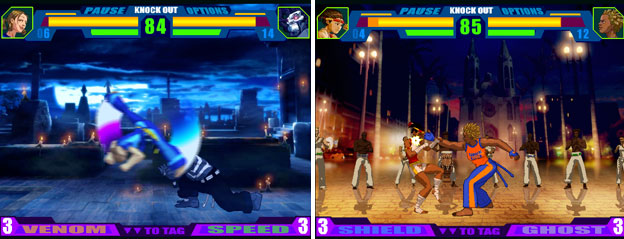
BM: Is there a particular character that you can't wait to try out?

SS: Mostly I'm just curious to see the gameplay in motion. The screen grabs didn't wow me, but you've really got to see it in motion to judge it fairly. Some of the screens looked like the faces were going to be a lot more animated, which looks promising. I guess I would go for Ryu because it would be easiest to get a feel for the new gameplay using a familiar character, unless of course they include Elena... got a soft spot for capoeiras.

BM: What do you think about the Saving / Revenge system that EGM / 1UP has reported on?

SS: Hmm... I'll have to try it out. Sounded kinda muddy in the article I read, but might work better in actual gameplay. The idea of keeping the match interesting to the very end is definitely a good goal.
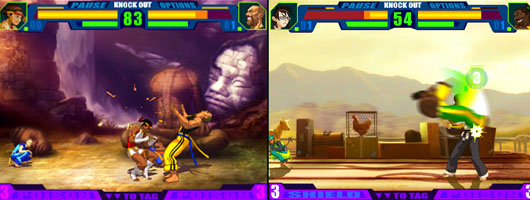
BM: Now that we have established your love of the Street Fighter franchise let's talk a little about your title. It's been two years and change since we last spoke, can you guess how many hours you've spent bringing Capoeira Fighter 3 from beta to final copy? Or specific time spent balancing moves and tweaking the engine?

SS: 1,000's easily. Adam Ford who worked on the backgrounds, and had a strong SF background played CF3 with me on our lunch break almost everyday. I also played nights, and my brother John put in quite a few hours with me. Overall I am very satisfied with the final product. There are still a lot of things that other games do better, but I have to honestly say, when I get together with friends that used to play SF, we would rather play Capoeira Fighter now.

BM: How has the reaction been for your title during development and final release?

SS: We've got some diehard fans out there. We're starting to get more fan vids on youtube. That's fun to see what people are doing with the game. I've also invited the shoryuken.com forums to test it out, they have responded pretty positively, and made some very useful suggestions that I implemented. Things are still pretty quiet as the final build is only available on my site right now where it's had a few thousand hits. Shockwave is really where most of the fans play it. I expect things to be more exciting when Shockwave releases the download version in Jan-Feb '08. Usually get over a million hits a month there.
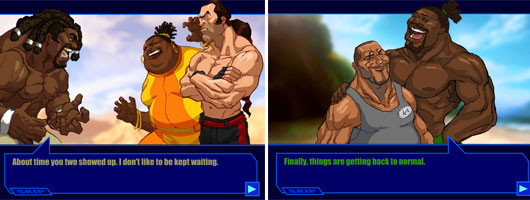
BM: You mentioned previously that once CF3 was finished you hoped that a publisher might bring it to the home consoles. Any luck with that?

SS: I've talked to a few companies about getting it ported to XBLA and there have been plenty of fans asking for a console version. Turns out it's really tough and expensive to develop for consoles, so to answer your question, we're looking into it, and we want to do it. It's just a matter of finding the right company that is willing to port our game instead of working on their own IP.

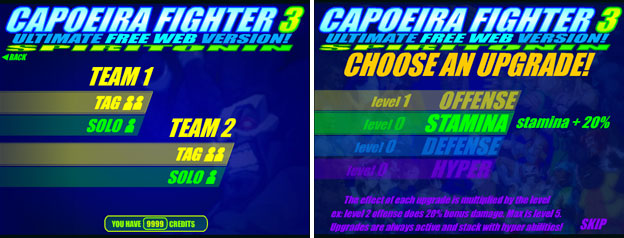
BM: There are new and expanded modes in your game, ways to cancel out of combos and supers, a story mode, tag team, solo and versus options. Can you highlight the control scheme and these new modes for us?

SS: Yeah, CF3 is um... full featured to put it nicely (bloated is how I was feeling trying to bug test all the little things I've put in over the years), but the final product is very satisfying and much deeper than most fighting games.
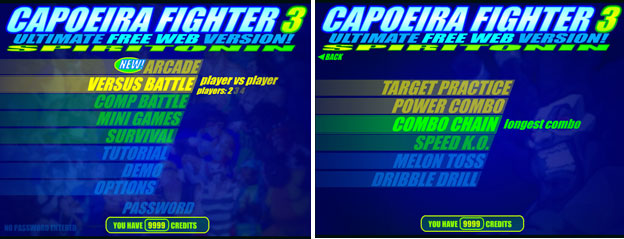
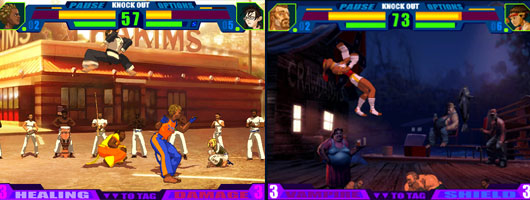
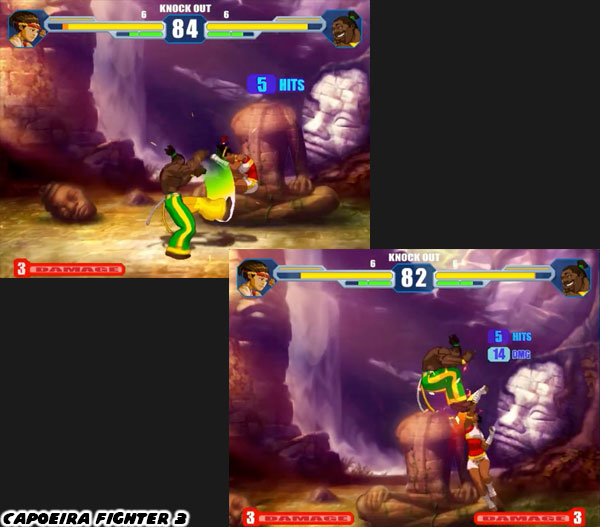
As far as the fighting system goes, there are quite a few little polishing tweaks in the final build. CF3 is very combo heavy. Special moves can be linked with regular moves, but cannot be repeated in a combo unless a hyper move is used to cancel the move usage. To balance out the crazy long combos, you can special dodge to escape between moves or to air recover. So you see a lot of situations where one guy gets an uppercut into a jump kick, then he escapes and returns a punishing downward blow sending the attacker back into the ground. The back and forth in the air is lots of fun, and tends to generate gameplay that is more focused on the flow of combos and escapes than any one move by itself.

We also added color coated swooshes to indicate overhead hits so you can tell how you need to dodge.
There are the usual arcade and versus modes, plus a few other practice and minigame modes.
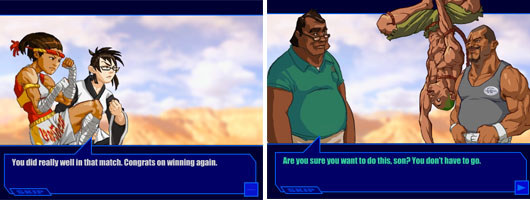
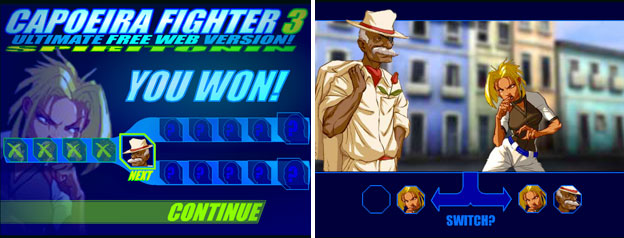
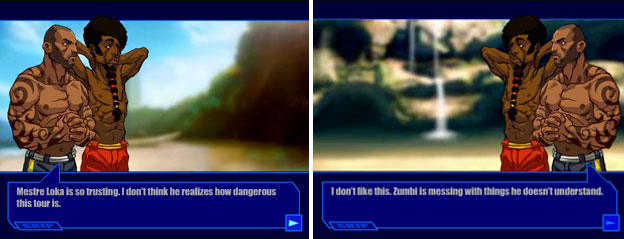
Capoeira Fighter 3's arcade mode is unique in the fighting genre, because of the branching story. You choose one fighter to start, and depending on that character's story, you may or may not start with a partner. The cool thing is that the partner's story is actually part of yours. Half way through you'll have the option to switch partners, or in some cases to go solo, so there are two endings for every character. Trent Halvorsen and his wife Melissa did all the writing and ending art, and they did a great job weaving all 29 character's stories together. It is also possible to play co-op if your fighter has a partner. I've had a lot of fun playing through co-op with my 4 year old son. He can already do most of the super moves.
The other unique thing to Capoeira Fighter is the match types. My brother an I grew up on SNES Street Fighter II. We started to get bored after a while, so we set up our own mini games, seeing who could get the other guy against the wall first, or who get past the guy to his back wall first. So when I made Capoeira Fighter, I wanted to put more of that stuff in the game to mix it up and keep the game fresh longer.

We ended up with 6 match types, all of which I enjoy (Adam hates the money game). Knock Out is the regular beat-up-the-other guy match. Then there is Ring-King, where you can damage your opponent by keeping them out of the center of the arena. Ring of Fire has a fire pit where you can score extra damage knocking the other guy into it. Money Game plays like capture the flag, and finally Ring Out is a quick match where the first guy to be hit out of the arena wins. You can also set it to switch randomly every round which keeps you on your toes.

Minigame Mode allows you to record scores for each fighter in things like the most damaging combo, the longest combo, busting targets etc... It's a great place to master combos.
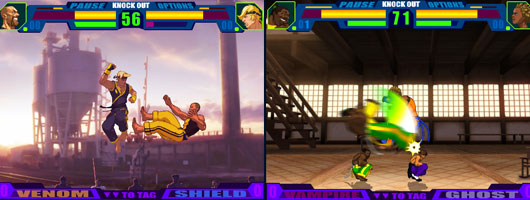
BM: The roster of fighters has really expanded. In addition to the fantastic library of capoeira fighters you now feature a lineup of fighters from all over the world. I spy an homage to Street Fighter II as well as at least one character inspired from a popular movie. Can you introduce us to the new faces and some of the new fighting styles presented?

SS: Yeah we felt like the game needed some other styles to balance it out. We ended up building almost half of the 29 character roster with non-capoeira martial artists. Among my favorites are Jimmy Zappa who plays like a classic fireballer, except that we replaced the fireball with a lunging sweep kick. Panda is bubbly asian school girl that happens to be very good at tae kwon do. There's Aleron, the English boxing champ with small man syndrome and his nemesis, Angus, the Irish street fighting soccer player in a kilt. We also have Helicopter the German break dancer, and your monkey kung fu fighter Macaco (AKA Avery).

BM: You have some unique faces in the lineup, Arubim and Saryn aren't human, these are cameos from another game you created, right?
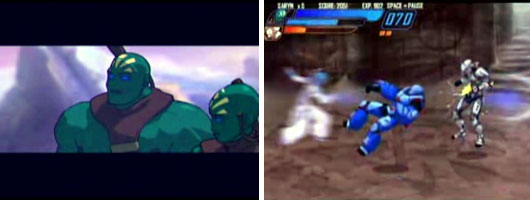
SS: Yes, Saryn and Arubim are from Guardians of Altarris, Spiritonin's take on a Final Fight style game. We needed two more characters to fill in the blank spots on the selection grid and we thought it would be a fun and completely non-logical mix. They are definitely some of my favorite characters to play.

BM: The CF3 design a character contest brought in some interesting designs, I was lucky enough to be one of those selected as was Pantera by a younger artist. Did you have fun coming up with moves for these characters?
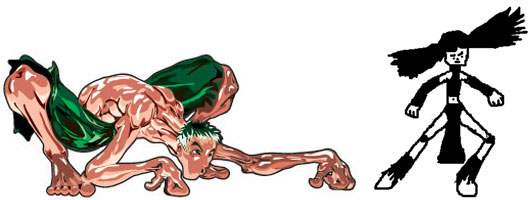

SS: Yes! They both turned out to be very fun and different from the other characters in the game. They each have very distinct personalities that come across in their vocals and attacks.

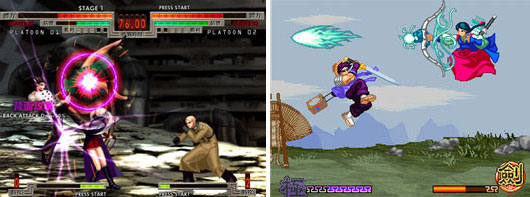
BM: The fighting game genre is a hard sell for publishers. If your game is not a license, MMO or a GTA-clone then you really can't pitch it. This is where the life long gamer takes things into their own hands. You are a member of a small group keeping the genre alive. The new, unique, fighting games are not made by the big studios these days. Tekken and Virtua Fighter are becoming carbon copies of the other. 2D fighters (not made by SNK) are few and far between. Subtle Style from Japan was made by a small team and distributed on PC before it caught the attention of the industry. Now an arcade version is being released to great reviews. In Korea a one or two person team is making Chosun Musa, a fighter based on mythical Korean warriors. Here in the states you've been plugging away single-handed at Capoeira Fighter for years. How does it feel knowing that you are one of the small global developers keeping the genre alive and unique?

SS: As someone who got into video games because of games like Street Fighter II, it's sad to see the genre displaced in today's market. I made Capoeira Fighter so I could have my own engine to try out new gameplay concepts and see if I couldn't offer something worthwhile to the genre. The PC is a very small market for fighting games, but Capoeira Fighter has proved popular and profitable so far. My hope is that the fighting community give it a serious look. I don't think they'll be dissapointed.

BM: Do you think people in the industry should devote more time to building these small games in a variety of genres rather than focusing only on their work project?

SS: I think a lot of guys do that already. Maybe not on the scale that we have attempted here, but you see lots of games on the web that are developed on the side. It's definitely good for me and has helped me understand the industry better.
BM: Do you think that the industry could invest or support these developers by offering release time, stipends or distribution?

SS: It would be nice if console development was more friendly to small developers. From the research I've done, it's pretty daunting to get a game on a console, time, resource and expense wise. Even with something like CF3 that would be a simple port, it is still more than my small team could handle for a console.

BM: Do you foresee a time where digital distribution will replace traditional publishers and give you a chance to gain a wider audience and / or monetary compensation?

SS: I don't see publishers going anywhere, they will adapt. I still rely heavily on publishers for the majority of my profit because they handle all the marketing and ad sales etc...
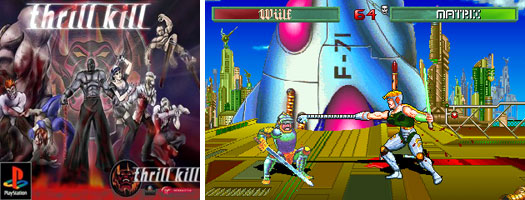
BM: Any fears that Street Fighter IV will cause the other publishers to have a knee-jerk reaction and begin creating bad fighting titles rather than investing in yours? For reference think of the horrid fighters that flooded the market in the 90's after the success of Street Fighter II. We had to wade through Fighters History, Shaq-Fu, Blood Storm, Time Killers, Thrill Kill, Rise of the Robots, Pit Fighter, War Gods, etc...

SS: Yeah I remember buying all those games looking for another SFII experience and being sorely disappointed every time. It will be interesting to see. I don't think anyone is going to do anything serious until they see SFIV do really well. Grade A console games cost so much to make now. If Capcom's strategy to return to the SFII roots proves successful, and the fighting genre regains popularity, we will definitely see more fighting games. It's all about the money.
BM: Do you hope that SF IV sparks interest in your fighter as well?

SS: I hope anything sparks interest in my fighter. It will be interesting to see if any of the bigger developers use any of my ideas like the match types and abilities attached to hyper combos...

BM: You said that your back would have healed while you were working on this title. Is it well enough for you to return to practicing capoeira with your friends?

SS: Been thinking about that seriously. I do need to get back in shape, but my family also needs me back. I think I'll be taking it easy for a few months.

BM: You are a dedicated family man but does your wife ever have to pull you away from the computer and say enough is enough, especially now that CF 3 is out? Or are you just thinking of things for CF 4? SS: My wife is very supportive, and she keeps me balanced. Plus she did the voices for several of the girls! She is very excited to have a full time husband & dad back, and I am excited to be done. I imagine a CF4 is inevitable, but there will probably be a few more iterations of 3 with some characters added and a few more features that we wanted to get into it. I hope the game does well. Thanks for the interview!
So there you have it, the first interview of the new year. If you are a fighting game fan then you should support the dream and buy a copy. Even if you aren't big into fighting games then you should at least give the online version a spin at Spiritonin or at Shockwave.com. Scott deserves some exposure for his hard work so do me a favor and please, please, please tell a friend. Tell the editors at EGM and 1UP to shine some light on the small developers. Street Fighter IV is still a long ways off, so how about putting some hype behind a homegrown fighter for a change? Have a great weekend and let me know what you are up to!

---EDIT 2025---
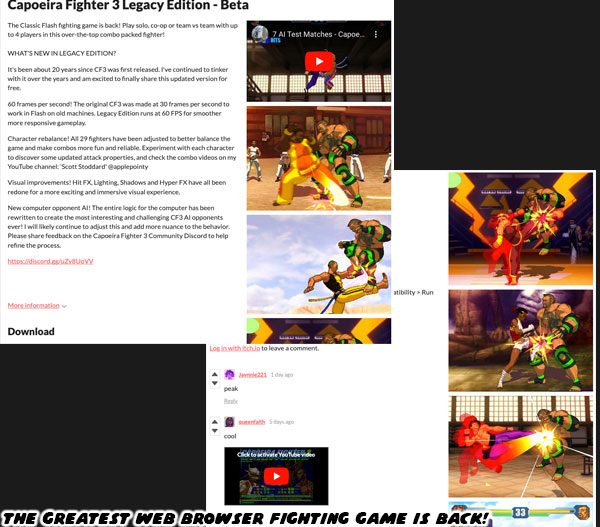
Did you ever play this classic game when it came out? Did you know about the free download of the newly polished 60FPS version? Download the Legacy Edition of Capoeira Fighter 3. I’d like to read about which long gone fighting games would come back in the comments section. As always if you enjoyed this blog, and would like to sponsor me please visit my Patreon page and consider donating each month, even as little as $1 would help make better blogs and even podcasts!
follow the Street Writer on Patreon!

Tuesday, December 31, 2024

The Return of Capoeira Fighter 3: Ultimate World Tournament!

If you didn’t believe in Santa Claus then you might want to start believing now! The fighting game community got a special present before the end of the year. Shout out to Luis Lopez for giving me the heads up! The best web-based fighting game ever made (and one of my favorite fighting games of all time) was now available for free download! Windows users only. The criminally underrated Capoeira Fighter 3: Ultimate World Tournament was a Shockwave-based game released by Spiritonin Media in the 2007. I must have played thousands of matches over the years whenever I had a break. Adobe ended support for the Shockwave plugin on 2019, and it was only a matter of time before CF3, and countless other games would be made obsolete. None of the defunct titles made me sadder than losing CF3.

Series creator Scott Stoddard had actually been plugging away at the title in his free time. Adding some polish to it, and trying to make it even better. I did a deep dive on Capoeira Fighter 3 on the blog. For the record Mr. Stoddard had also created a noir fighting game called Death Vegas shortly after CF3 had been released. I managed to dig up an old interview that I conducted with Scott during the 1UP days. I will post it this weekend. Make sure you Download the Legacy Edition of Capoeira Fighter 3, join the Discord (https://discord.gg/PTpuvqkyhF), and give Scott some feedback. It would be nice to see this game get some momentum, and even get featured at EVO.

So this is the last bit of good news that I want to leave you with. A huge thank you for Scott Stoddard for revisiting this gem, and giving it out to the community! May every project you work on bring you much joy, and success! I want to thank all of the visitors that stopped by in 2024. Thank you to those that left a comment, or shared my link on social media. This was the most prolific year that I have ever had on this blog A total of 169 posts in a year... nice! I would not have done it without the support of my friends, and family. I may not be as prolific in 2025, but I will try to find neat things to share with you. I hope 2024 went well for you, and I look forward to playing lots more Capoeira Fighter 3 in 2025. Did you ever play this game when it was available? Is this the first time you’ve heard of it? I’d like to hear about it in the comments section. As always if you like my blog, and would like to sponsor me please visit my Patreon page and consider donating each month, even as little as $1 would help make better blogs and even podcasts!
follow the Street Writer on Patreon!

Monday, April 8, 2024

Japan and the mysteries of the FPS format - A 1UP classic from February 17, 2010

On the gaming front, I was wondering why the Japanese and USA gaming aesthetics were so different. Let's take a quick look at the FPS genre. It sells millions of games across many different titles in the USA. Yet there aren't that many, if any, great FPS games coming from Japan. What gives? Why does the west seem to appreciate the genre more than Japan? In the arcade the frenetic "bullet hell" games are a popular genre but the "bullet time" games don't get a second glance.

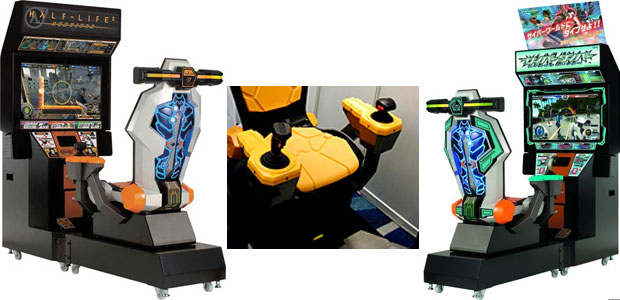
In trying to get the average Japanese gamer interested in the genre, publisher Taito has taken to translating the popular game engine to the arcade. In Japan Half Life 2 has an arcade counterpart with its own control system, using a left and right controller for aiming and shooting and foot pedals for running, jumping and strafing. Plus the arcade game is not an adventure as much as the focus is on multiplayer maps. The control and approach are something that you would find on a robot combat game, it's not quite the FPS format that we are used to.

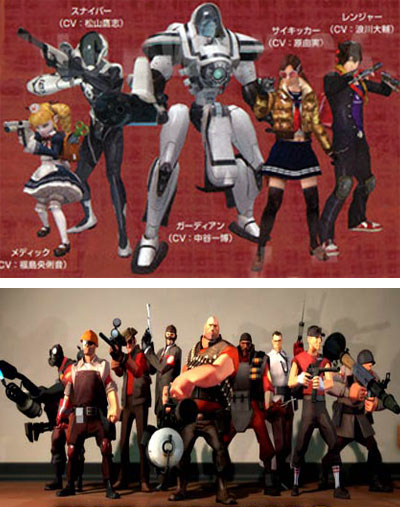
Taito is about a year into the release of the newest update for the game. This time the entire experience is being redone and all of the look and feel of Half Life 2 are gone. Instead there are decidedly anime-inspired archetypes in the game. Titled Cyber Diver, there are gothic lolita schoolgirls, cyborgs and ninjas all with their own special weapons and abilities going at it in decidedly Japanese aesthetic locals.

We might not make heads or tails of the characters they are putting into a FPS title, the control scheme they are going with, or even that these games belong in the arcade. What we cannot deny is the approach that they have for the genre and their own artistic cadences. They might not get the look and feel of the Team Fortress 2 characters but they should be able to recognize that our sense of humor in shooting games can be just as surreal.

Perhaps identifying our similarities is the first step in bridging the universal game challenge. As always if you would like to sponsor me please visit my Patreon page and consider donating each month, even as little as $1 would help make better blogs and even podcasts!


follow the Street Writer on Patreon!

Monday, February 26, 2024

Red Dead Revolver, the arcade game? - A 1UP classic from May 2, 2012

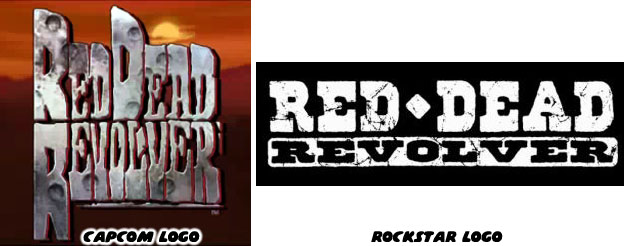
Friends, today we are going to take a look at a game that was and almost was. The title in question was one of my favorites, Red Dead Revolver. It was one of the games highlighted in one of my most popular blogs ever, the Great Western Shootout. It was also one of the titles featured on my Abridged History of the Brawler. I was following this game when Capcom had announced it back in 2002 and had kept tabs on it even when Rockstar San Diego took over duties and published it a few years later. Rockstar’s version was slightly different than the original design but it was great nonetheless. When a sequel was finally announced I held out hope that many of the characters and elements featured in the original might be preserved.

Red Dead Revolver was a rarity among high profile titles. That was because a large volume of material was documented during the development process and shared with media outlets. These included screenshots and video of pre-beta footage. Some of the ideas were interesting and others were laughable. The Japanese certainly had a unique take on the western mythos. Take a look at the oldest trailer from Capcom of Japan, circa 2002.


There were distinct visual elements that they were pursuing in the game. It was set to be an over-the-top western adventure. There was tremendous change to the layout, interface and heads-up display (HUD) from year to year. Capcom's next trailer from 2003 showed tremendous progress from year-to-year.

Not long after their E3 showing in 2003 Rockstar took over development of the game and would publish it in the USA while Capcom retained the rights to publish it in Japan. Here was Rockstar's first trailer from around 2004. It was obvious that the tone and feel of the game had changed considerably.

The second trailer that Rockstar released introduced the rest of the cast featured in the game. This was the first time that players got a chance to see characters other than Red Harlow running the main portions of the game.

In 2010 Rockstar would release a spiritual successor to the game. Red Dead Redemption had nothing in common with the original title, including locations or characters. That was until the expansion pack “Legends and Killers” was released. Fans of the original RDR could now play as some of the most iconic characters in multiplayer mode.

There was something that had always been a pet peeve of mine. Capcom had created a large number of assets that were not used in the final game. Perhaps it was for budgetary reasons or deadline issues but many assets were complete during the development of the title just never incorporated. Some of the changes made to the locations were necessary but the missing items could have shaped a better experience.

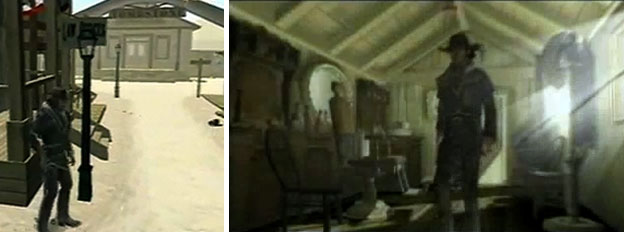
Before it was Brimstone that Red visited in between levels the town was named Tombstone. Perhaps Rockstar changed the name so that players would not think that this was set in any historical town. Other things, like the interior of the barber shop were complete in the Capcom build of the game. In the final release the barber shop was there but when players tried to access it a sign said it was closed. The items that players could buy to unlock levels or weapon upgrades from the barber shop were instead placed in different shops. Perhaps Rockstar did not want to hire another voice actor to play the role of the barber so they just closed a small part of Brimstone down.

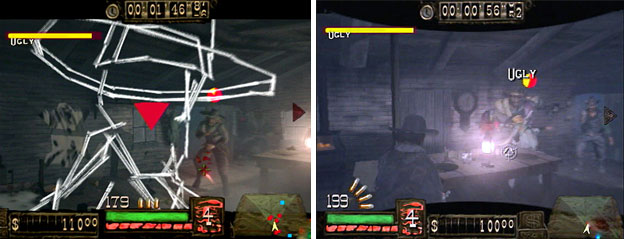
In another early build of the game the interior of the Harlow homestead was a playable level. It was fully decorated and the environment was entirely destructible. Players could shoot down pots and pans, break the glass on windows and even shoot holes through the walls. Moreover since the inside of the house was a confined space the camera might be blocked if the player backed into a wall. Capcom had solved this by outlining Red in a sort of see-through chalk form. This house and several other assets featured in the prototype builds did make it into the game but a shadow of their former selves. In RDR’s multiplayer mode the house sits empty and the figure is never outlined when backed into a wall.

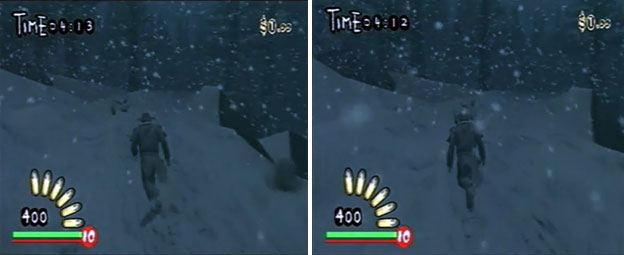
Based on the Capcom version of the game it would have been possible to visit the homestead at least two other times in the game. One of the more cinematic sequences featured a level, not far from Bear Mountain, at night and during a snowstorm. The house in the level was on fire, presumably a family was being attacked by outlaws and Red had to save them. This stage appeared amazing in concept. A version of this asset did make it into the final release as a multiplayer level. However this stage lacked any connection to the game or any dramatic tension. The ground was covered in snow but it never snowed in the actual game. There was a burned out remains of a cabin that players could use for cover but no hint as to what had happened on the mountain. It was a wasted opportunity for Rockstar to add more dramatic staging into the final build.

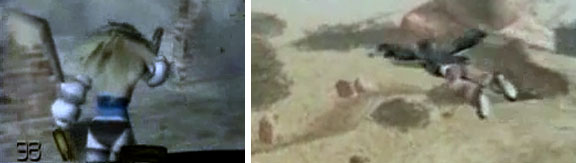
Many characters in the Capcom build of the game were revised or removed. The wild-haired girl in the Capcom prototype was turned into a saloon girl in the Rockstar version. There was a Native American character that had a winged suit and presumably his special ability was that of flight. Every character in the story mode and in multiplayer had a special attack. Some had special weapons they could activate or extended “Dead Eye” (bullet time) mode but the ability of flight would have been extraordinary. As amazing as the move was it would have fit into canon as there were characters that could teleport, spit fire and poison as well as do other supernatural things.

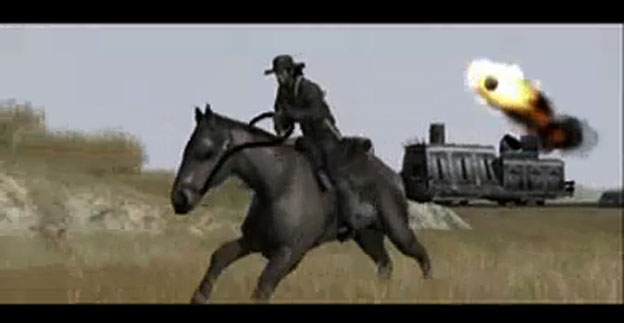
The final build of Red Dead Revolver earned a cult following because it preserved a large number of over-the-top elements, scenes and characters. The villain Colonel Darren had his arm shot off by the powerful Scorpion Revolver, the arm was replaced by a shoulder mounted cannon. General Diego travelled between Mexico and the US on a private armored train loaded with soldiers and artillery. These characters and scenes were far more fantastic than those in recent western films. Games like Red Dead Redemption and Gun tried to present the west with a realistic, dark and gritty atmosphere while the original RDR was more like the classic “Spaghetti Westerns” of Sergio Leone. In fact the soundtrack for the original RDR was based on music from multiple spaghetti westerns including Django, One Silver Dollar and A sky full of stars for a roof.

Fans of the series were left wondering how the game would have turned out if Capcom had finished the developing it, not to mention how they would have approached a sequel. The main characters, levels and assets used by Rockstar were designed and created by Capcom after all. The early success of the game was owed to Capcom as much as it was to Rockstar. In the early 2000’s Capcom wasn’t afraid to develop new IP. Devil May Cry, Crimson Tears, Shadow of Rome, Maximo and Viewtiful Joe were highly original titles that would have been considered a contemporary to RDR. After almost a decade after the original RDR was released people were still talking about it. Wikipedia and a few random gaming forums had perpetuated some myths about the franchise that should be addressed. In all my time searching for data and assets on the beta build I had never seen where Capcom was allegedly going to put zombies in the game. I was at the E3 back in 2002 and 2003 and saw nothing of the sort in the Capcom footage. Until somebody could show proof of zombies in a western game other than Red Dead Redemption or Darkwatch then this would remain nothing more than an urban legend.

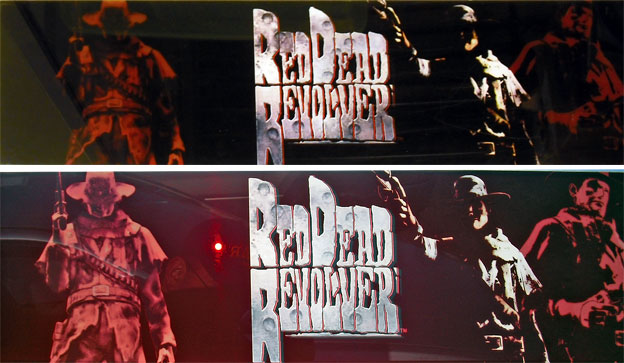
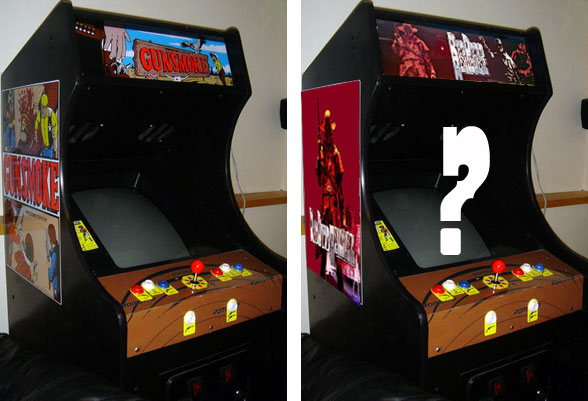
Now something did turn up online recently that would add a whole new chapter to the game that might have been. A few weeks back I was searching eBay for rare gaming items and I came across an arcade marquee. I don’t have many original arcade items, save for an occasional poster or flyer. I never imagined that I would be adding anything new to my collection. That was until somebody put a Red Dead Revolver marquee up for bid.

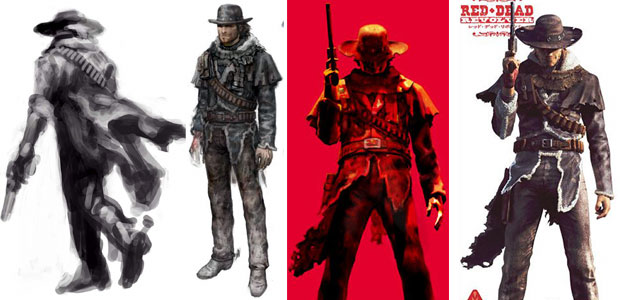
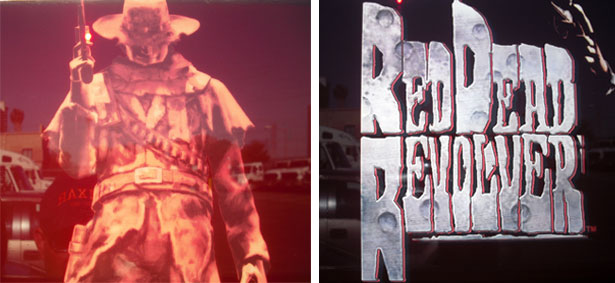
The characters and logo featured on the marquee were pre-Rockstar. I could tell right away because I had collected assets from the Capcom of Japan site and designer Akiman’s blog before Rockstar took over production. The figure of Red on the left side was from Akiman’s painting of the character while the CGI models pictured on the right were some of his very first 3D renderings also by Capcom. I put in a bid and won the marquee for a song.

The marquee gave me more questions than answers unfortunately. The printing on the marquee was top-notch, it made me believe that the assets came from Capcom themselves. The resolution used for the Akiman painting and original RDR logo was much higher than any asset I’d ever seen from a media outlet. I could see details in the marquee that weren’t as sharp as they were from Capcom’s own site. However nowhere on the marquee was Capcom’s logo listed. The RDR logo did sport a trademark sign but it would be curious that the developer was not credited. I was left wondering who created the marquee and what it was for. To the best of my knowledge Capcom did not intend RDR to be an arcade title. They haven't said anything on the Capcom-Unity site about this find. Perhaps in the earliest planning stages RDR might have been a multiplayer arcade title or a successor to their classic Gunsmoke game? Romstar published Gunsmoke for the US back in 1985, perhaps Rockstar was going to be a spiritual successor? Or perhaps Capcom was considering mocking up an arcade cabinet to show at the E3 in 2002 and then changed their minds and told the manufacturer to destroy it.

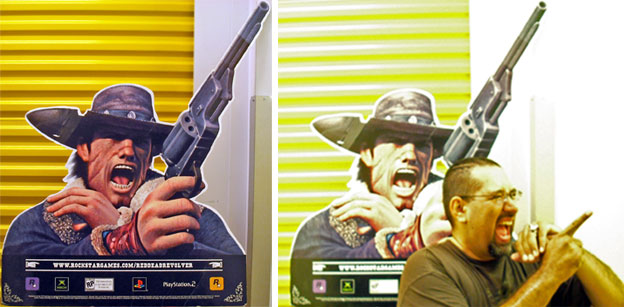
The thick acrylic sign was flawless. It was too well made to be a fan project and if it was a fan project from a US person then it should have used the US lettering and character art. If this was from a Japanese person then how did it end up in the US? I asked the seller on eBay what he could tell me about the sign. He said he had picked it up along with a bunch of other marquees from an arcade estate sale. Every other marquee he had was from a published arcade game. This was the only RDR marquee in the bunch. That’s all he knew about it. He could not offer a manufacturer or point of origin which was bad news for me but good news for my collection. The gem of my RDR set was previously a huge standee that I got from eBay as well.

There were other things that I’d like to add to my collection. Like the cool swag that Capcom of Japan gave to pre-orders. A leather keychain with the scorpion logo and a red bandana with a scorpion logo were some of the things they gave out. If any readers have a lead on the items then I’m listening. FYI in canon Red Harlow tied a red bandana around his hand to cover the scorpion logo burned into his palm. He got the scar as a young man after pulling his father’s revolver from a fire and shooting off the arm of Colonel Darren. This was yet another thing that made Red cooler than just about every other western videogame protagonist ever created. One of these days I’d like to unlock all of the assets on the disk and put together a comprehensive version of RDR just for my own amusement. Until that day take care and let me know if there were any videogame mysteries you wish had an answer to or share a special piece from your gaming collection and tell us about it.

As always if you would like to sponsor me please visit my Patreon page and consider donating each month, even as little as $1 would help make better blogs and even podcasts!
follow the Street Writer on Patreon!

Monday, October 23, 2023

Martial Myths; the dangers of the dark path and the dim mak. A 1UP classic from April 5, 2012

In adventure stories there was usually a great warrior or even king that had exceptional martial prowess. What made them important were the qualities that they demonstrated to audiences. These heroes were brave, kind, clever and acted as a moral compass for a society that had lost its way. In the adventure traditions there were usually villains that were morally opposite of everything the hero stood for. What made these villains scary was that they usually had far more martial prowess than the heroes and were willing to kill. In wuxia legends the heroes and villains mainly fought with their hands and occasionally a weapon. These archetypes followed the classic traditions, powers and origin stories.

What made Street Fighter special was that it brought the wuxia tradition to game players. It gave a generation that may not have been exposed to the same comics or films as the SF developers a way to experience the heroic traditions. It was more important to the traditions because it gave audiences a chance to play as the archetypes. By tapping into fighting mythology the developers at Capcom were able to create heroes and villains that could withstand the test of time. The heroic tradition has many parallels in Eastern and Western storytelling. What makes it unique in wuxia was in how circular the stories were. The basic plot goes as follows: tragedy begets a quest for revenge, the heroes are hopelessly overwhelmed by the villain and driven out of society, along the way the heroes train brutally and learn the techniques required to defeat their nemesis. The hero grows into a powerful martial artist and returns to redeem their name and fulfill the vow of revenge. This template was taken almost verbatim in martial arts cinema, manhua stories as well as in the origin story of Street Fighter.

As the Street Fighter universe was fleshed out through the 1990's the traditions of wuxia were used to make the characters more interesting and plot more dramatic. Ken and Ryu were the introduction to the universe. At first gamers did not know much about the characters, how they got such awesome powers or what they were fighting for. The designers at Capcom had actually been fleshing out the characters well before the first manga was ever published. 

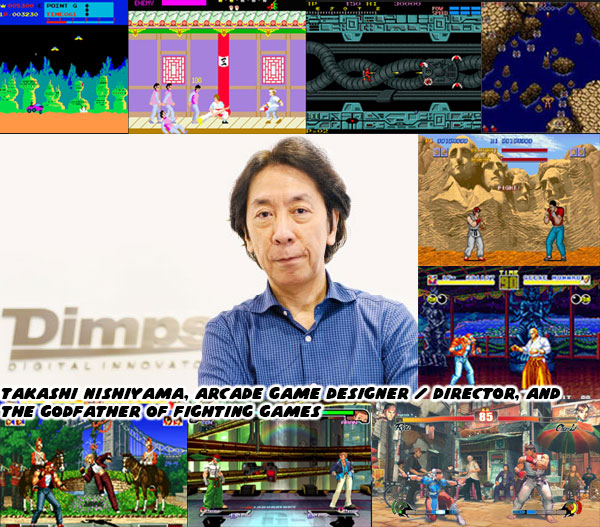
"I wanted to add depth with a story. It just happened to be a fighting game, but I wanted there to be a story so it would feel like a movie. We even conceptualized details for the characters that we didn't put in the game itself -- what the characters might like to eat, do they have sisters, other family members, etc. Street Fighter was different from prior games in the amount of depth we gave the characters." - Takashi Nishiyama, the designer of the original Street Fighter.

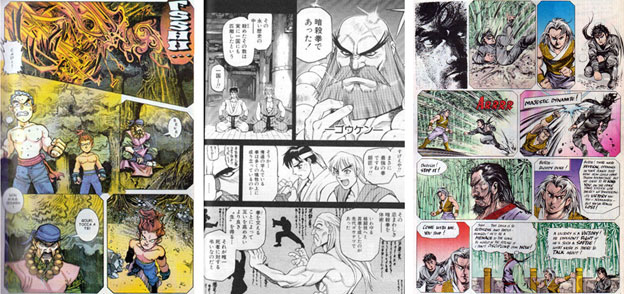
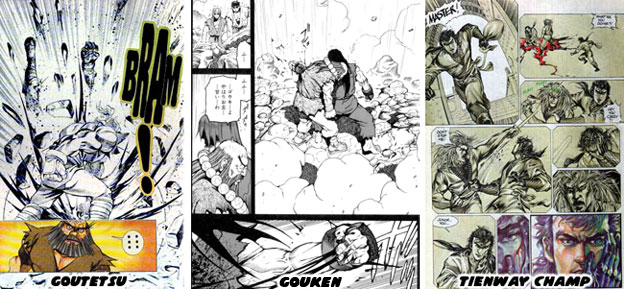
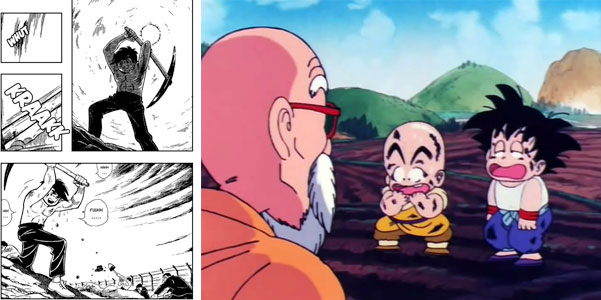
As the universe was explored in manga and animé the classic themes began coming up. Ken and Ryu were part of a martial arts tradition. Their master was named Gouken, he along with his brother Gouki were taught by a kung-fu master named Goutetsu. It was not karate as many fans of the series had assumed. The main characters were learning but a form of Antsasuken, or an "assassins fist." Goutetsu brought this over from China and had distilled the most lethal techniques into an unstoppable fighting art. In manhua the setup was very familiar. Two gifted youngsters, raised as brothers would be trained, one with a level head and another more impulsive. The more impulsive one would tend to get himself in trouble with the master and disobey orders. In the Iron Marshall the master was Tienway Champ, the level-headed youngster was Iron and the impulsive one was his adopted brother Duke.

In order to create dramatic tension there had to be a terrible accident or a murder witnessed by the young students. In the Street Fighter mythos it was Gouki that assassinated his master. His brother was a witness to this terrible crime. Years later Gouki assassinated Gouken while Ken and Ryu were witnesses. Iron ran in on the assassination of Tienway by Duke. These things left the characters with emotional and in the case of Iron, physical scars. The tragic events galvanized the heroes' resolve and put them on a path toward revenge. This was difficult for the young martial artists to accomplish now that they were masterless. In order to become better fighters they must seek out new challenges and learn the difficult lessons without the aid of a mentor.

Similar tragedies were the origin stories for Western heroes like Batman, Spider-Man and Superman. It was a great plot device which helped hook the reader and made the hero sympathetic.

In the wuxia tradition, if a fighter was lucky they came across another master who was willing to teach them new techniques. More often than not however the fighter had to learn by teaching themselves. They had to fight masters of every style and learn how to defeat that style along the way. This made for great adventure writing, and a chance to explore the various martial arts schools. However for the sake of a self-contained story rather than adventure serial the fighter had to come across a new master.

The heroes of the stories were usually gifted fighters to begin with. They knew all the techniques and secrets of their original master and could quickly build onto these things in a relatively short amount of time. This helped speed up the plot and allowed audiences not to have to sit through months of training and humbling lessons.

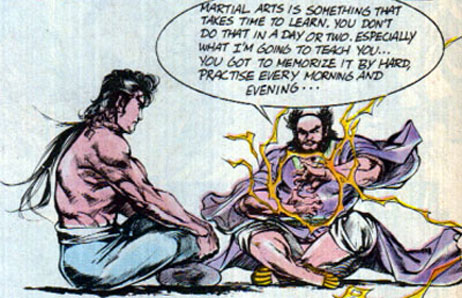
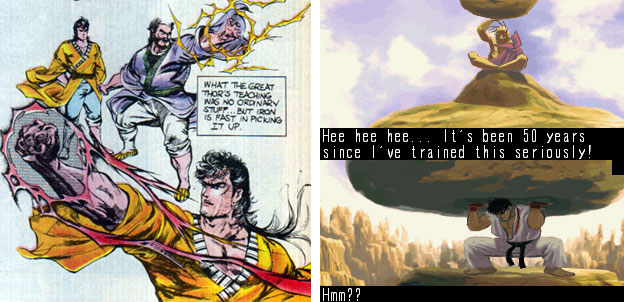
Years after the death of Tienway Champ, and hot on the pursuit of the Bloody Duke, the Iron Marshal was aided by a hermit named the Great Thor. He promised to teach Iron his trademark Thunder techniques. These techniques could take a great fighter decades to master but Iron picked them up at a rapid pace. Similarly the SF games allowed for both classic wuxia traditions to be explored over the course of multiple games. Characters had new or more powerful moves and those techniques did not have to be explained, players assumed that they were becoming better fighters as the years went by. Story-wise Ken and Ryu travelled the world looking for challenges and becoming stronger fighters in the first two SF games. By SF III it seemed that the characters had reached their potential and could fight Gouki. At this point in the story the elderly fighter Oro decided to take Ryu under his tutelage. It seemed that the young master still could become more powerful and thus fill an even greater presence in the universe.

The manga and manhua stories would often take an aside to show the characters becoming stronger by highlighting the training regiments they endured. It was supposed to be inspiring but almost sad to see how characters had to suffer during these periods. Characters could sometimes be degraded and tortured just to become marginally better. Perhaps the writer and artists of the stories were a bit sadistic but in actuality were reinforcing the understanding that mastery of the martial arts required constant hard work. The end result would be worth all the struggles especially when revenge was involved (think of how Beatrix suffered under the cruel tutelage of Pai Mei in the Kill Bill movies).

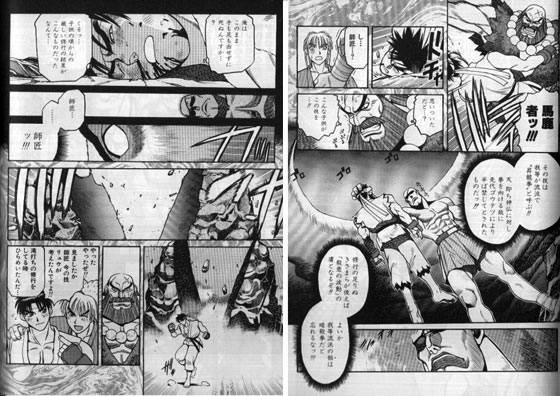
These characters often learned secretive techniques known only to a handful of people. In many cases it was only the master and the one or two disciples that were privy to the ancient techniques. This exclusivity made the heroes and villains unique. They could do things that regular people, or masters of the traditional fighting arts could not do. The trust that the masters had in their pupils had to be absolute. There was often a danger associated with teaching these techniques to inexperienced or corruptible students. In the SF canon Gouken was once infuriated with Ryu with the nonchalance that he put behind the techniques. In one story Ryu recalled the first time he performed a variation of the Shoryuken, or rising dragon fist. Ryu had split a boulder with the punch to which Ken was bragging about what a powerful fighter Ryu was becoming. Instead of being pleased with his disciples Gouken was infuriated, he struck down Ryu. The two were being shown extremely dangerous moves, some were techniques that were not used for fighting but instead for killing, the fact that they did not treat the moves with more reverence had caused Gouken to react the way he did. Ryu recalled this lesson as he was on the verge of defeat at the hands of Sagat following their first encounter.

Ryu staged a miraculous comeback against Sagat thus becoming the greatest fighter in the world. This story became the stuff of legend in SF canon. It highlighted how a perfect technique could topple even the most powerful fighter in the world. When Masahiko Nakahira revisited the fight in the Street Fighter Zero manga he took a closer look at what was driving Ryu and it was neither brave nor honorable.

Ryu exploited that same killing technique he used to split the boulder on Sagat. The Metsu Shoryuken or "Destroying Rising Dragon Fist" was supposed to be a killing blow. If Sagat were not equally powerful then he surely would have been killed by the punch. The encounter had repercussions in the continuity of the universe. Gouken was trying to convey the gravity of the moves his pupils were learning. They should be taken in all earnestness and never used casually in a fight. Ryu could have accepted defeat and acknowledged that Sagat was a better fighter when they first met. It would have been his pride that would have suffered the most. He could have returned to fight Sagat in the future, older wiser and stronger. Instead Ryu gave into the temptation of exploiting the most powerful strike even if it would have turned him into a murderer. This made for a much more interesting story, especially for a jumping off point as the sequel had developed. Sagat returned as a boss character but had a grisly scar across his chest.

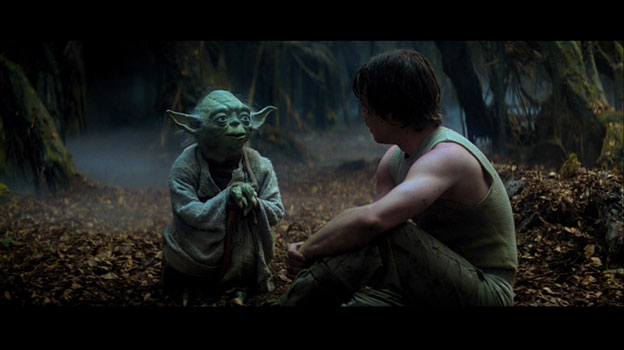
A shortcut to winning battles was not what Gouken was protecting his students from. By going for the lethal arts Ryu had exposed himself to the corrupting influences of techniques based in dark hadou, or evil chi. The philosophy is similar to the "dark force" from Star Wars mythology.

Again, to use an example of turning to darkness here was another quote from the Star Wars series.

Yoda: Yes, run! Yes, a Jedi's strength flows from the Force. But beware of the dark side. Anger, fear, aggression; the dark side of the Force are they. Easily they flow, quick to join you in a fight. If once you start down the dark path, forever will it dominate your destiny, consume you it will, as it did Obi-Wan's apprentice.
Luke: Vader… Is the dark side stronger?
Yoda: No, no, no. Quicker, easier, more seductive.
Luke: But how am I to know the good side from the bad?
Yoda: You will know... when you are calm, at peace, passive. A Jedi uses the Force for knowledge and defense, NEVER for attack.
Luke: But tell my why I can't...
Yoda: No, no! There is no "why".

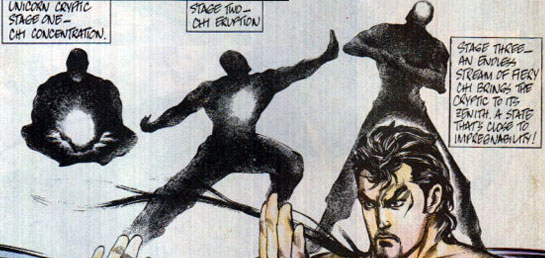
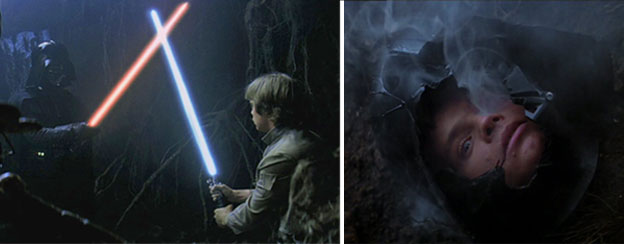
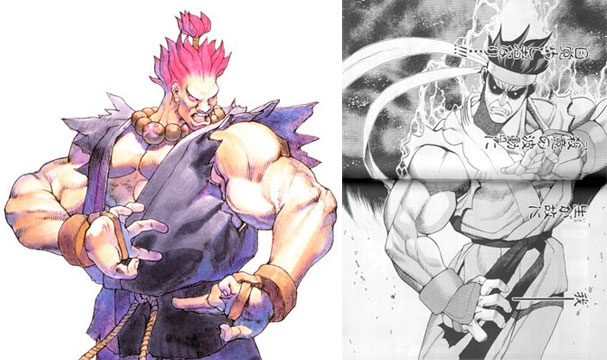
Once a person set toward the path to the dark side it was all but impossible to find the path back. In doing so the hero would become exactly like the villain. For Star Wars Luke would symbolically become Vader. In Street Fighter Ryu would become Gouki. In wuxia traditions there was good and evil chi as well. The meridians in the body cycled through energy that could grant strength or heal. If a person succumbed to evil then they generated dark chi. This energy was poisonous and could grant practitioners tremendous strength but could also turn them into monsters. Tapping into this power could make a hero as powerful in a villain, but by doing so the hero could become just as reviled as the villain.

The martial arts myth did a good job at exploring the variables in the revenge plot. If a main character succumbed to darkness then they could become very powerful, but the cost of that is the humanity of the fighter. Getting revenge on an assassin by becoming a murder undid the purpose of the hero. It was the classic "two wrongs do not make a right" or "an eye for an eye" parable that was being explored in wuxia. The temptation to steer away from the honorable and righteous path was a constant in literary form. The hero was defined by being able to overcome strife and adversity without succumbing to temptation. In the SF mythos Ryu had to face the challenges of his own dark side. This storyline was explored in the SF Zero / Alpha series.

When a fighter became evil they traded in their humanity and compassion. The core of the martial arts was not learning how to fight, per-say, but how to defend from attacks. Even Shaolin Quan was created as a form of exercise to combat the fatigue of sitting for extended periods of time in meditation. It was also designed as a means for monks to fight off wild animals. The techniques and philosophies were designed to make a practitioner mentally stronger as well and make their spiritual cores healthier. In qigong this meant keeping the meridians clear and connected to the elements. By focusing on developing a higher consciousness the practitioners could see the importance of the fight, not to win or lose but to become examples of righteous living. By showing mercy to an opponent, even those who sought to fight for the wrong reasons, could often turn them into allies. This plot was explored in many wuxia legends and even contemporary Hong Kong films.

A hero defending his life from an assassin would not always seek to kill his opponent but to grant him mercy instead. The assassin, if he or she did not poison themselves, would give up crucial information to the hero. For the villains however this was the complete opposite. They were often cruel to opponents and demonstrated a lack of compassion. Mercy was for the weak and there was a great temptation to keep exploiting the most dangerous techniques that they knew. The most powerful of the evil techniques could often kill with a single strike. This legend was based on martial arts fact.

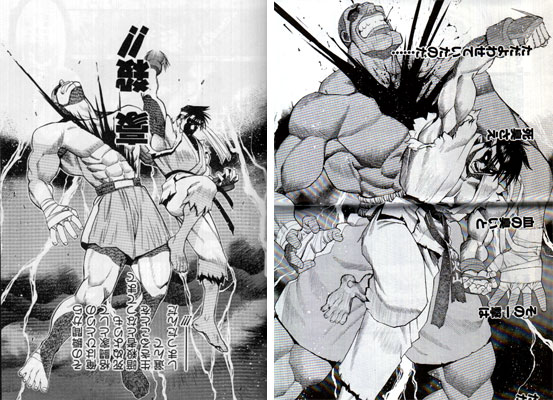
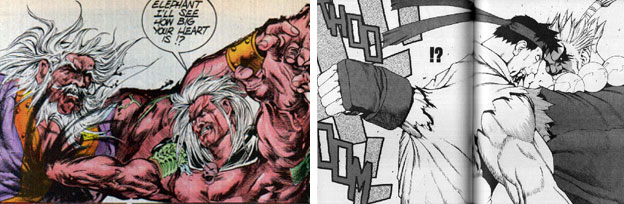
In the classic martial arts the lethal strikes were called the dim mak. These were death touches or death punches delivered to vital organs, or major meridians. The five point palm exploding heart technique from Kill Bill was an example of a dim mak, the metsu shoryuken was another. In manhua and manga the dim mak was often delivered in a spectacular fashion. Kenshiro from Hokuto no Ken for example punched villains in their pressure points and then walked away exclaiming that they were already dead. When a villain did this it had to be delivered more brutally. They wanted their opponent not only to die, but to suffer in death as well. In the Iron Marshal, the Bloody Duke performed a dim mak to the chest of a fighter named Elephant. This punch crushed Elephant's heart and went clean through his torso.

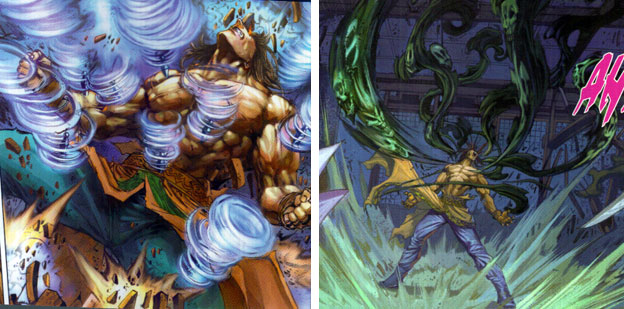
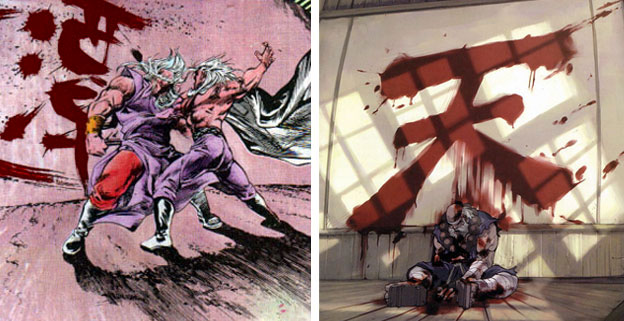
In the SF series the final punch of Gouki's Shun Goku Satsu aka "Instant Hell Murder" traveled through the opponent. He was not the only character to possess this technique in canon. Those that could perform moves like that were evil characters, such as Evil Ryu, Dark Hokuto and her brother Kairi from Street Fighter EX. What made the move awe-inspiring in the comic format was that the technique exploded in the shape of kanji, or traditional calligraphic characters. Street Fighter fanatics might be surprised to learn that this had been done years before SF in manhua tales like the Iron Marshal. The Bloody Duke did not only cause a heart to explode into a single character, he actually wrote out a challenge to the Emperor in blood, using punches and sword strikes on his opponents.

These techniques were exploited by the villains in wuxia epics to strike fear into the hearts of opponents. However what it did to the practitioner of the dark arts was even worse. This was the cautionary tale that went back thousands of years. It was shared by every culture around the world in poetry, spoken word, comic book, and film. As summed up by the character Harvey Dent aka Two Face in the 2008 film The Dark Knight; “You Either Die A Hero, Or You Live Long Enough To See Yourself Become The Villain.”  Were there any hero origins, major villains, or cautionary tales that you grew up with? I'd like to hear about it in the comments section please. As always if you would like to sponsor me please visit my Patreon page and consider donating each month, even as little as $1 would help make better blogs and even podcasts!
follow the Street Writer on Patreon!