Showing posts with label magazine. Show all posts

Wednesday, August 14, 2024

Daigo owns Arcadia Magazine! - A 1UP classic from October 11, 2010

Hello friends, I trust you had a good weekend. I picked up the November 2010 issue of Arcadia this weekend. The cover story was a feature on the upcoming Kidou Senshi Gundam: Extreme Vs. an arcade update of the popular Gundam series. It is very much in the vein of the classic Sega title Virtua On.

Despite the big reveal on the Gundam game, this issue was packed with tons of info on Super Street Fighter IV. In particular the official announcement of Yun and Yang in the arcade as well as an interview with Producer Yoshinori Ono.

Joining Ono to talk about the game is the SF phenom Daigo Umehara.

This issue of Arcadia totally belonged to Daigo.

Daigo already had a running column in the magazine but the November issue turned out page after page of interviews and his take on the various fighting games as well as his competition on the international level, including the USA's own Justin Wong.

As if all that weren't enough there was even a manga in the back about a couple of inept bounty hunters trying to track down Daigo.

They never do find Daigo as they spend most of the time springing traps on themselves and getting into trouble.

It's really nice to see how Daigo has come up in popularity in Japan and how Capcom is making sure that the press remembers what games he is famous for. Fame can only take a player so far, skills are what will keep Daigo from being forgotten by the masses. Let's just hope that Capcom might get around to tapping another community member the next time they go about designing a new Street Fighter game...

I'm just saying.

As always if you would like to sponsor me please visit my Patreon page and consider donating each month, even as little as $1 would help make better blogs and even podcasts!
follow the Street Writer on Patreon!

Friday, March 29, 2024

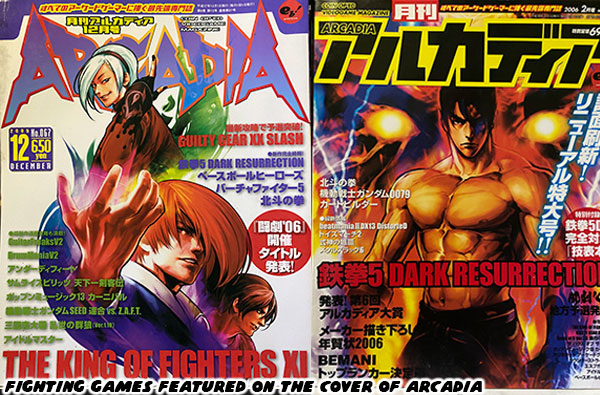
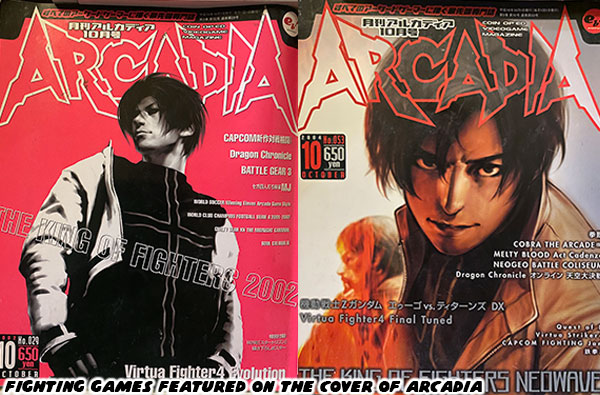
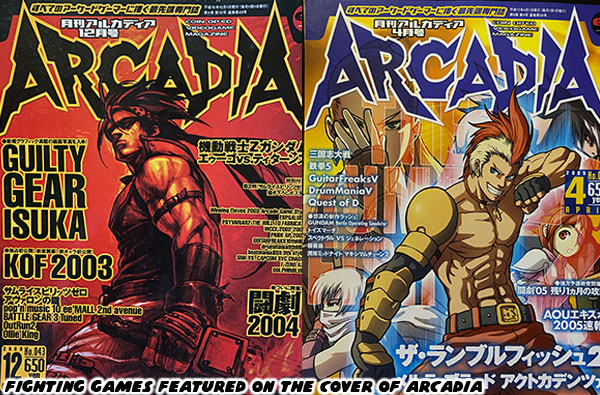
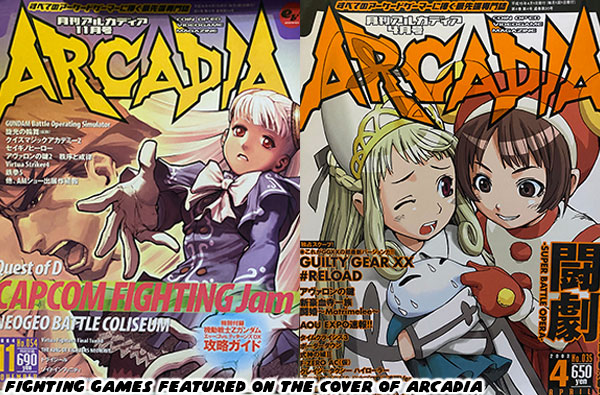
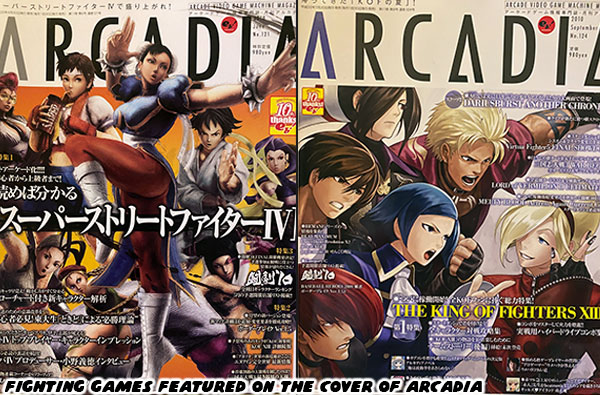
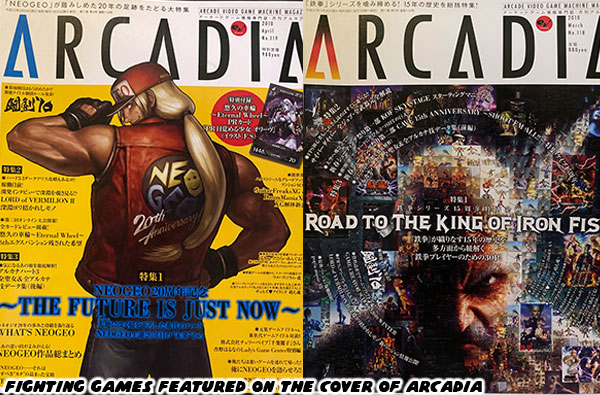
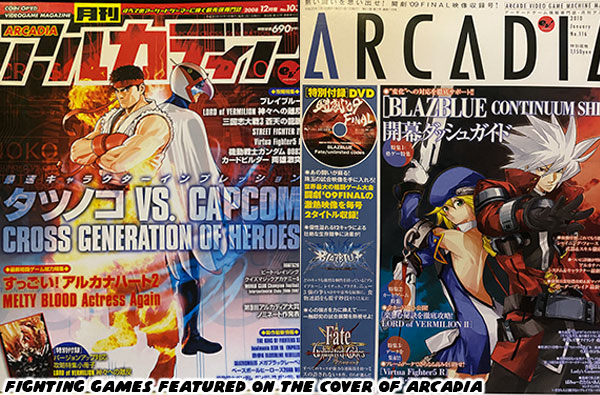
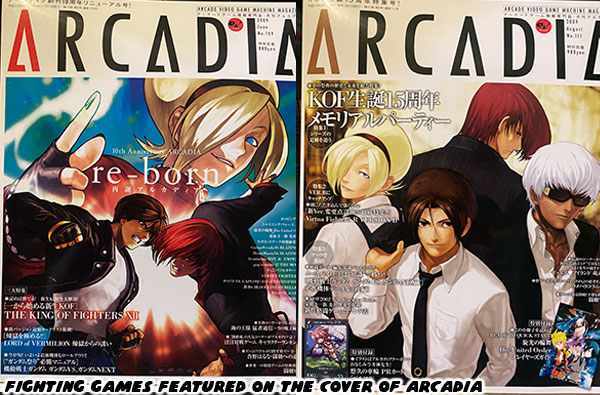
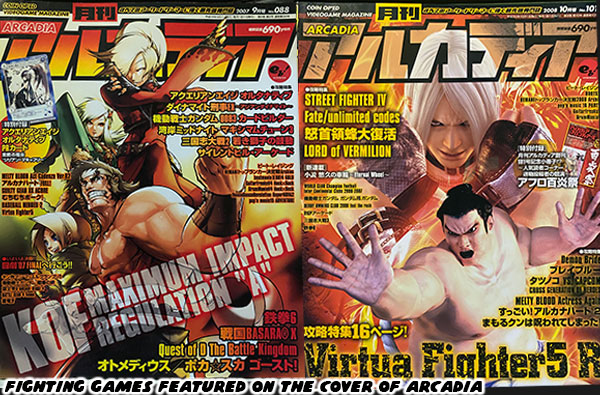
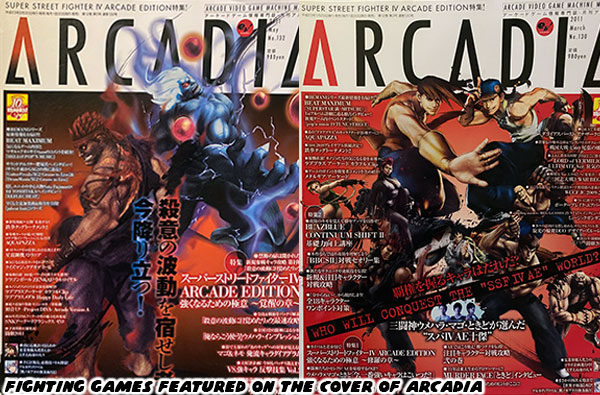
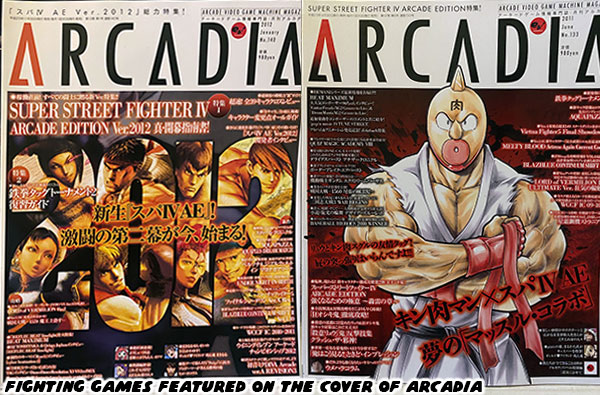
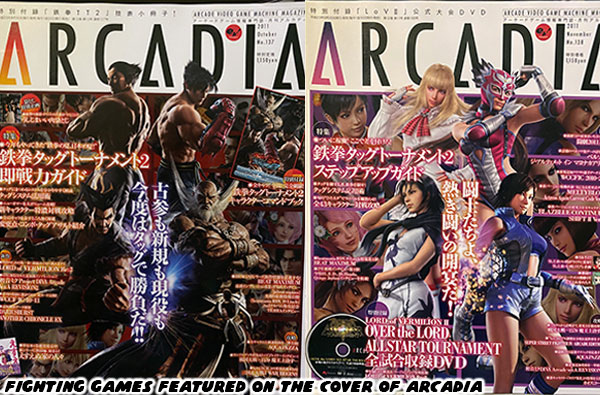
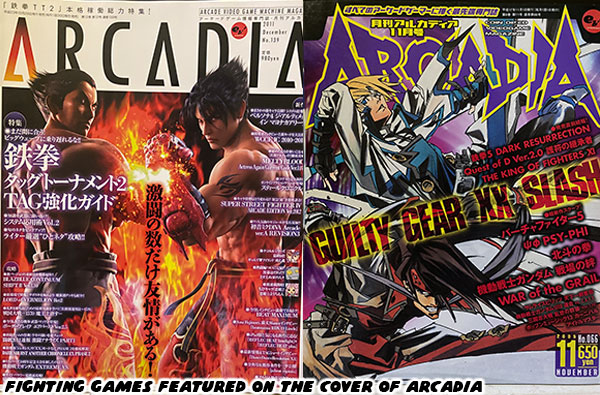
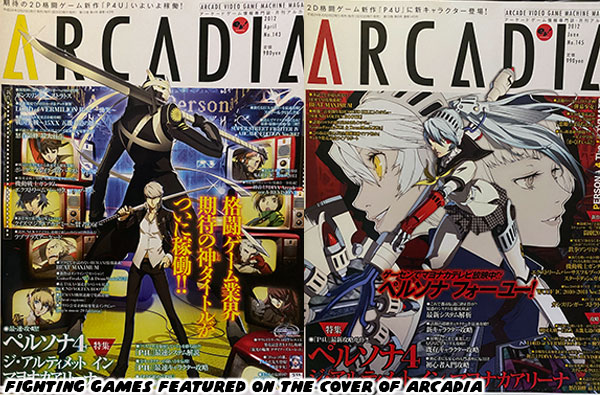
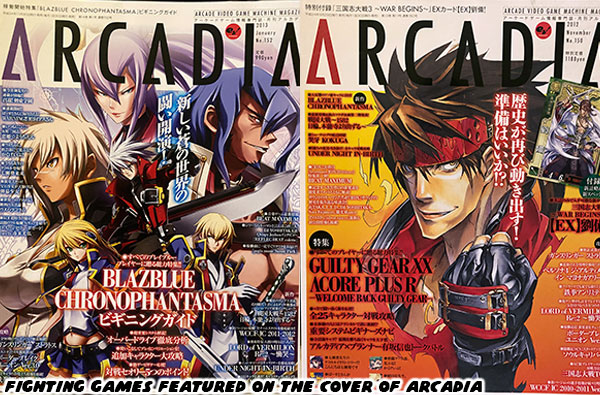
The last great fighting game covers of Arcadia.

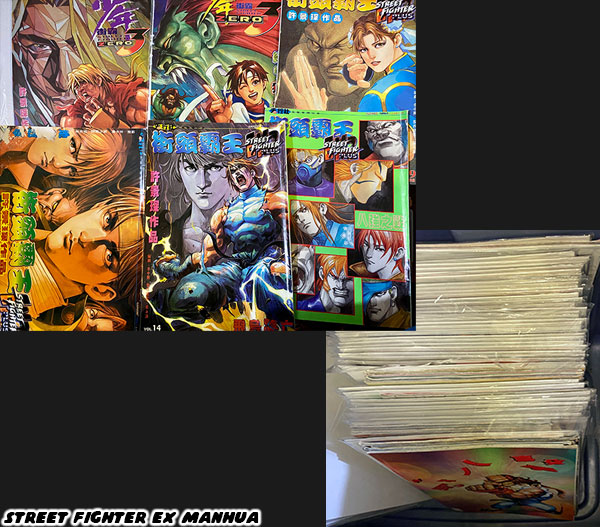
The past few Friday’s I’ve talked a bit about bringing my Arcadia magazine collection out of the garage, and into my home library. In the fall of 2023 I had brought over my Gamest magazines, game books, and mooks (magazine books from Japan), manga, as well as my fighting game manhua, or Chinese comics.

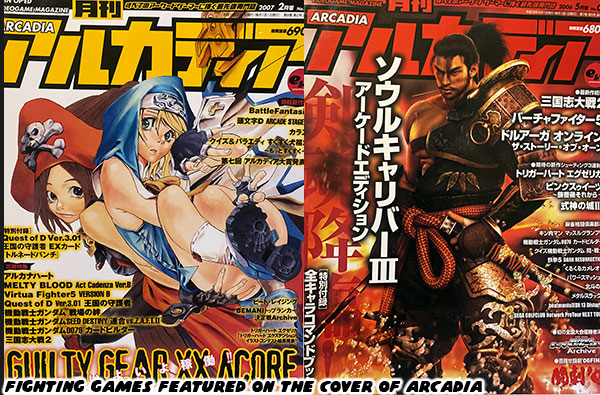
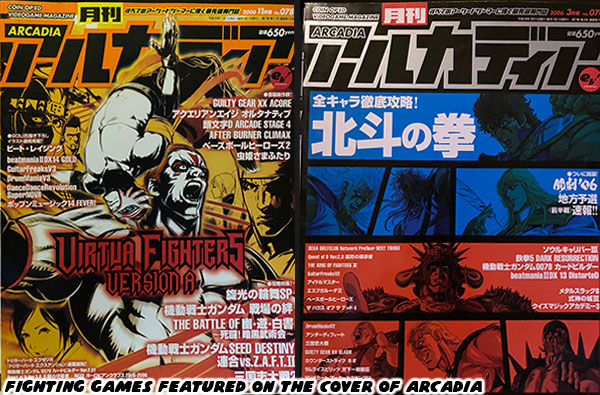
As I continue to sort through the collection I wanted to share a quick glance of some of the covers featuring the stars from the fighting games of the generation.

Did you have a favorite fighting game, arcade game, or console game that came out between 2003, and 2013? I’d like to hear about it in the comments section. As always if you would like to sponsor me please visit my Patreon page and consider donating each month, even as little as $1 would help make better blogs and even podcasts!
follow the Street Writer on Patreon!

Monday, March 11, 2024

Michael Lau is Urban Vinyl - A 1UP classic from July 13, 2005

Those vinyl figures are everywhere today. When you go to a toy store you notice how they have influenced the design of current figures. You can't walk through a Tower Records without seeing the figures patterend after rock artists like Metallica and the Insane Clown Posse. Maybe it's an odd teddy bear, a robot duck or an oblong monster taking up shelf space.

Why is there a club dedicated to the figures at 1UP? How did 1UP's own SuperJenn get involved in her own collection? I don't know how other 1UPpers got started with their collection. I know where I was the moment that Urban Vinyl first hit on the old Action-Figure website.

I wasn't keeping a pulse on street culture. I wasn't seeking out the next big thing. Six years ago I was flipping through a Japanese magazine when I saw the first "gallery art" that spoke to me.

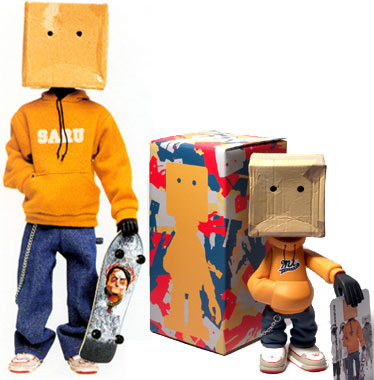
An artist out of Hong Kong named Michael Lau was exhibiting at PARCO in Japan. His medium was unique. Hand-crafted plastic and resin figures that captured a slice of street culture. It all started with Maxx.
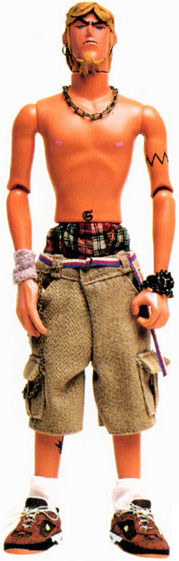

I've heard people comment on the attitude, the clothes, the detail... I was impressed by the whole. These weren't just cool figures, they looked like people I knew, they spoke more about the culture I followed than any picture or article ever had. Michael had crafted 99 figures each one as impressive as the last. Each one telling a story.

I wanted to know more.

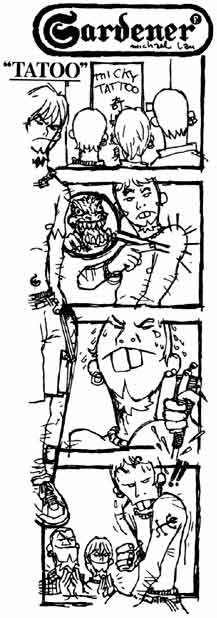
Like how Michael created a comic strip in the magazine East Touch.
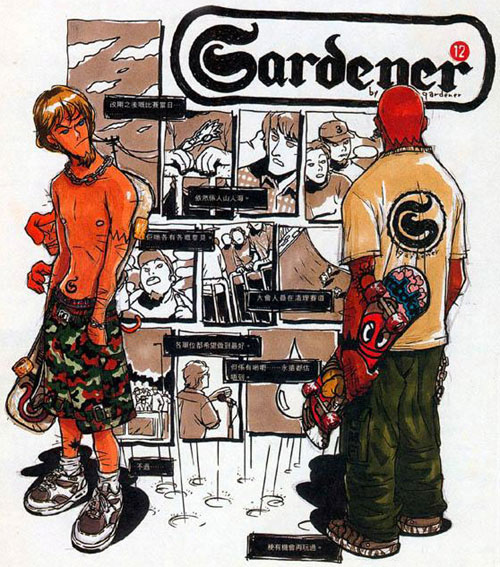
Eventually he modeled several 12" figures on the same characters he featured in the strips. These predated the 1/6 scale figures wearing street fashion that would explode in the 2000's.
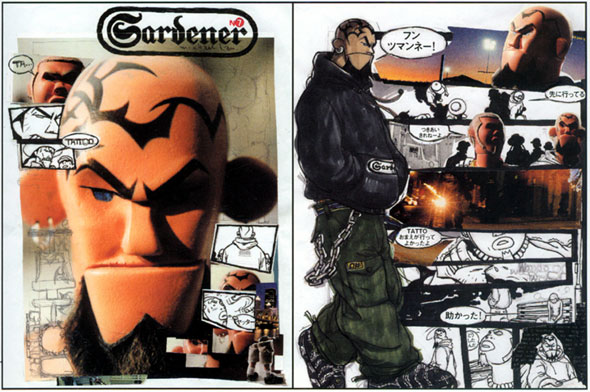
His friends pushed Michael into doing something with his figures. Michael didn't realize there was anything to it. Eventually he began working on the original "Gardeners" all 99 figures at about the same time he began sculpting smaller figures and producing them in limited runs out of vinyl... the rest as they say is history.

Michael was too far ahead of the curve. Most of the news I found out about him was either in Chinese or Japanese. So I set about making a webpage for my friends in the hopes that they could help me track down his art.

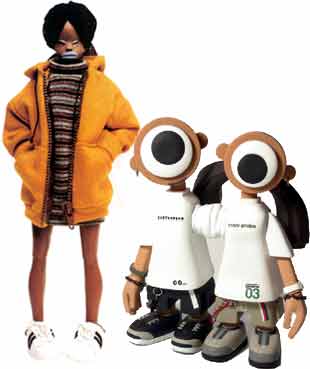
People that saw Michael's work longed to have a 12" Gardener of their very own. Michael did appease the patrons by offering scaled-down 6" figures based on early Gardeners. It was these 6" figures that are directly responsible for the look, style and craze behind present urban vinyl art. Michael's ambition is to have figures made of the now 103-deep gallery figures.
The secret was out. My page was getting more visits from strangers than friends. Urban vinyl was slowly seeping into our culture.

But Michael is and always will be in a league of his own.
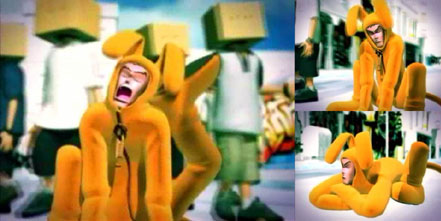
His designs are the most unique of all the figure artists. That's possibly because he was the first one out there and his style was not influenced by any other artist. His figures lend themselves to comic strips as easily as they do animation.
He has been approached time and time again by studios, producers and game publishers about licensing his characters. He has turned down 99.9% of these people (including EA) because they aren't willing to properly represent his art and his characters. He is more protective of his characters than most Hollywood parents are of their children. The man cannot be bought!

Nike has sponsored his last two gallery shows. At the same time he denied the request of an executive at Nike to buy an original 12" Gardener. Sure Michael could always sculpt a new figure but then again it's the principle of the art. Michael Lau don't mess around!

Michael had quickly found himself ranked among the elite artists with street roots. Futura2000, James Lavelle and Hardy Blechman were some of the friends and contemporaries that Michael had made. Michael used the exposure as did other artists to send a message to the leaders of the allied nations before they invaded Iraq. His 103rd Gardener figure was named No War.
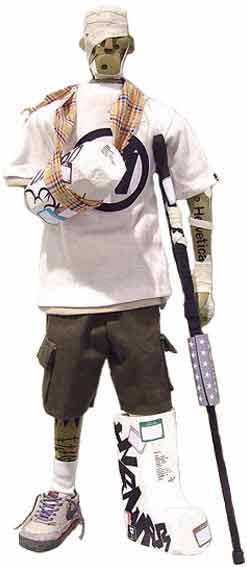
Every time Michael produces a new figure or gallery piece he tries to reinvent himself. At the same time he is always on top of the quickly evolving street world. Only Michael could make sneaker heads flip out over a Nike with an Ice Cream pattern.


If you remember my blog post a few weeks back, Ice Cream's are the hottest property on the sneaker scene. Created by N.E.R.D.'s Pharrell and Reebok. Michael turned the sneaker scene on end when he used the art on one of his Nike figures. "Can it be done?... Oops, it has!"

Michael Lau gives me a reason to collect. No other figure artist can claim that they have influenced my collection.
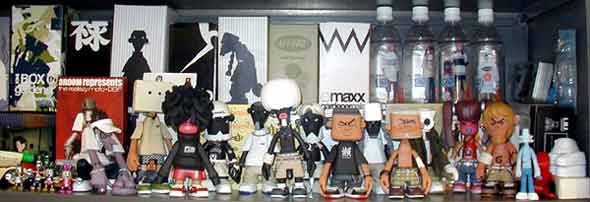
Michael Lau e-mailed to say thanks for creating the web page... That was crazy! Michael Lau is Urban Vinyl.
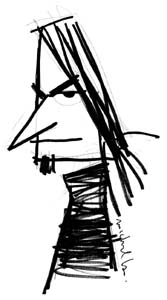
EDIT: I created a fan page dedicated to the Art of Michael Lau in the early 2000's. I let the domain expire in the mid 2010's because I no longer had time, or money to keep it going. Although it will no longer be getting updates I have restored it on my personal server for people that want to find out about the Urban Vinyl movementAs always if you would like to sponsor me please visit my Patreon page and consider donating each month, even as little as $1 would help make better blogs and even podcasts!
follow the Street Writer on Patreon!

Friday, February 16, 2024

Bringing my Arcadia magazines in out of the rain...

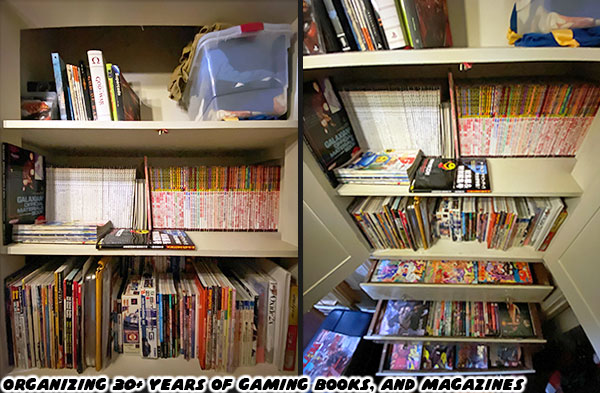
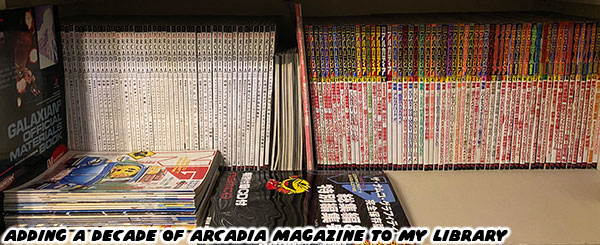
If you have been visiting this blog for a while you might remember that I made myself ill while working on the Street Fighter 6 deep dive. I had a whole new perspective on my life, and my health while I was recovering. I thought about my family, my friends, and the loves in my life. Should anything happen to me I wanted to share online as much, if not all the gaming items I had collected through the years. To do that I needed to bring in my collection out of the garage, and into the apartment. In late summer/ early fall of 2023 I brought over my game books, comics, manga, and magazines. The majority were from Japan. It gave me a tremendous peace of mind, but was incomplete. I would have to return to the garage to do more digging.

Granted, I used to have a much larger collection. Decades ago there was a flood in my mom’s garage, where I lost the majority of my US gaming magazines, comics, and monster truck magazines. It broke my heart throwing away decades worth of memories that were ruined, and dissolving. About 15 years after I lost them I started rebuilding my monster truck magazines, and in the early 2020’s had them mostly restored, plus other gems that I never owned. By a fluke most of my Japanese issues were spared during the floods, and multiple moves. I set them aside, and kept them in storage, and our garage for years, and years. With the freak storms in Southern California started picking up in 2023-2024 I didn’t trust that they were going to be safe much longer. To keep them out of the elements I cleared out room in my hallway, and hallway closet. This month I brought over another big chunk of my collection, specifically my issues of Arcadia magazine.

In case you didn’t know there were some fantastic magazines coming out of Japan. The most popular from the ’80s to today was Famitsu, but as far as arcade gaming went there was nothing better than Gamest. I had a bunch of those issues from the early ‘90s through their last issue in 1999. I had brought them into the apartment last fall. When Gamest magazine closed down a number of their writers, and editors launched a new magazine called Arcadia. I started collecting those issues shortly after 2000, and even had a subscription from the middle of the decade, all the way until their last issue at the end of 2012. Of all the magazines I owned it was the longest consecutive streak still in my possession. I loved all the Japanese mags in my collection because they were a repository of an entire era.

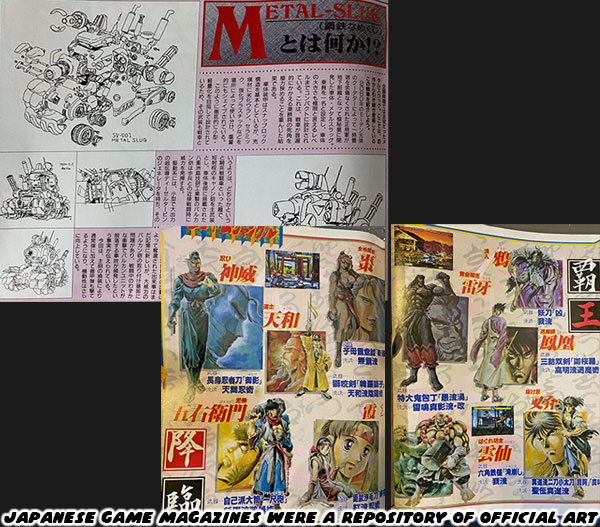
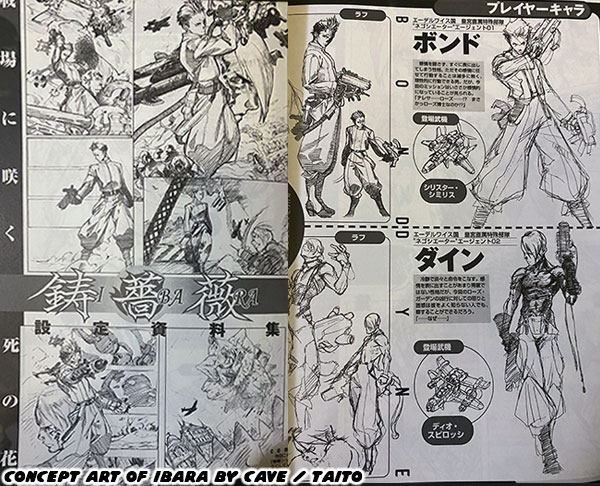
In addition to previews, and reviews these magazines were also places where the developers shared concept art, and official character art. In many instances these games would never get an official strategy guide, or art book. So these were the only places where fans could see the work of some brilliant creators. It was a privilege to be able to refer back to them, and study the work that went into the creation of some little-known arcade games, as well as the most popular titles.

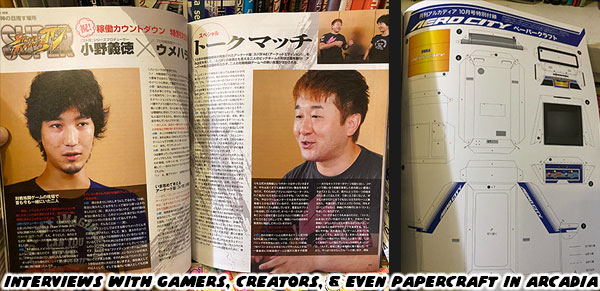
The magazines also would publish episodes of a manga based on a popular games, like the Street Fighter series. They would have recurring columns from pro gamers like Daigo Imahura, and interviews with SFIV, and SFV producer Yoshinori Ono. As if that wasn’t a great insight to the gaming community the magazines would sometimes throw in a poster, or even a paper craft model.

Those weren’t the only cool things that they included. In several issues there were music CDs, DVD previews of games, and even entire fighting game tournaments included in plastic sleeves. Japan hosted the Arcadia cup, which was sort of like their EVO tournament. Many of the best players of today cut their teeth in those contests.

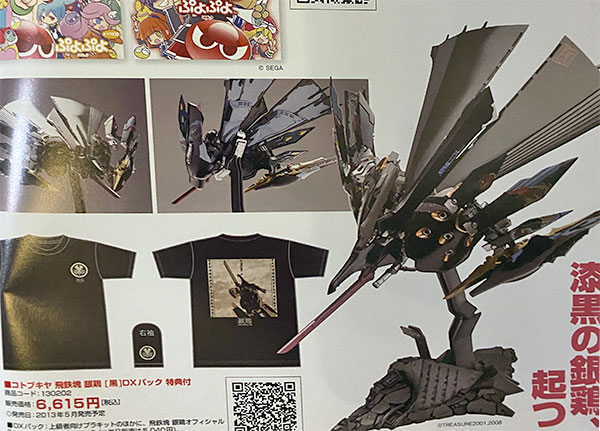
The thing that I especially loved in the pages of Gamest, and Arcadia were the collectables from popular games. There were officially licensed soft goods, hats, shirts, jackets, etc. of various franchises. There were also toys, and statues that you could only order from their pages. If you were a serious gamer in Japan then chances were you had ordered some exclusives from those magazines.

If there was a game merchandise item you wished was produced what would it be? A cosplay piece? A weapon recreation? A tee shirt, or toy? I wish some of the skateboard decks from Sega’s Top Skater had been produced. I actually own a plastic deck from the actual arcade cabinet. But I mean I’d like one of the skateboards from the in game characters. How cool would a pair of the jet-powered inline skates from Jet Set Radio look hanging on your wall? I’d like to hear about which collectable you wish was made it in the comments section. As always if you would like to sponsor me please visit my Patreon page and consider donating each month, even as little as $1 would help make better blogs and even podcasts!
follow the Street Writer on Patreon!

Monday, May 29, 2023

The Hot Rod Influence on Cartooning - Originally published on 1UP - March 11, 2009

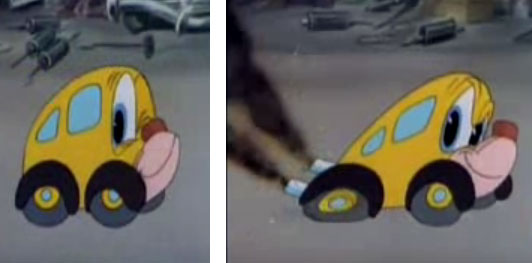
Since its earliest days the hot rod was changing and influencing the cartoon world. There was a lot to say about the culture, the cars and the participants. Two of the funniest and heartwarming animated shorts released in 1952, more than 50 years before the Pixar movie Cars, was the Tex Avery-directed One Cab's Family and the Clyde Geronimi-directed Susie the Little Blue Coupe.

The Tex Avery animated short was closer to the heart of hot rod culture so I'll focus on that film for now. On top of the comedic value there was a very earnest message abut coming to terms with the next generation. This generation scared parents with their obsession for speed. They were afraid that their kid's natural tendencies to experiment and push their limits would cause somebody to get killed on the road. Of course the harder parents fought against something the more the next generation embraced it. Rather than continue demonizing the culture the best parents could hope for was that they had done enough to raise their kid right and earn a bit of trust along the way.

Tex Avery understood that hot rod culture would not lead to the decline of western civilization. He and many other cartoonists used it as a way to share a story that cut across the generations. Like the longest-lived cartoonists he did so to entertain as much as to educate the masses. In the print world there was one cartoonists whose span of work extended even longer than Avery or Ed Roth. His name was Pete Millar and in the car comic world he set the standard.

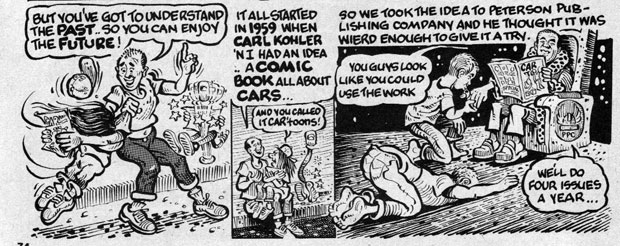
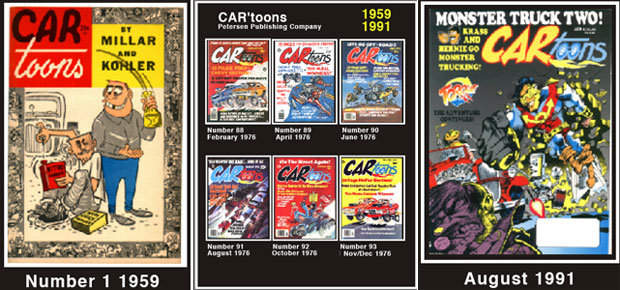
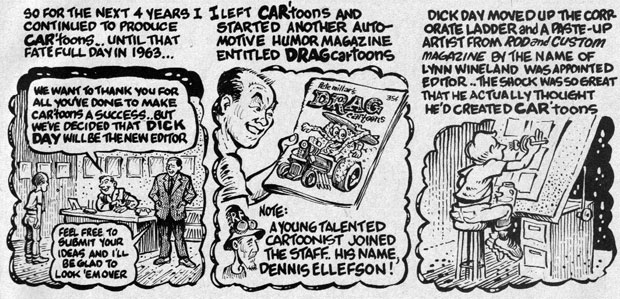
Pete Millar and Carl Kholer began an automobile humor magazine in '59. Their book was called (what else?) CARtoons, it was very much a MAD magazine for the hot rod culture. It stayed relevant to the American driving scene, changes in trends and culture for 40 years until the final issue in 1991.

Millar was a prolific contributor to CARtoons, as both an artist and writer. He was an amazing storyteller that was capable of writing fictional adventures as well as sharp commentaries on the politics that were quickly brewing behind drag racing. Sadly Millar left CARtoons a few years into production to start up a rival car humor magazine called Drag cartoons. CARtoons succeeded despite some questionable changes in management. The Petersen Publishing empire had become a bit too corporate for some contributors. What was once a place to celebrate the culture and spirit of hot rodding had become a very strict business environment. Creative ideas had to be filtered through management for a while.

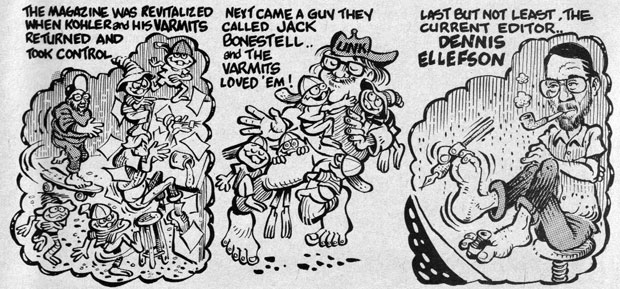
Thankfully those in charge loosened the grip on CARtoons and began trusting the senior writers and artists to run things again. Many fans saw this as a renaissance for the magazine. Over the next few decades some amazing talent was published in the pages of the magazine. It was a chance to get some starving artists a steady gig and give them some exposure in the competitive world of cartooning.

I will always hold Pete Millar in high regards for staying true to the artform. He enjoyed more creative freedom on his magazine but had a hard time competing against Petersen. The Drag cartoons magazine would find problems with printing and distributing and would come out infrequently due to a lean budget. The magazine also suffered by narrowing down the genre. Fans of cars in general could always find something worth reading in CARtoons, but only hardcore fans of drag racing would be able to understand the satire that was Drag cartoons magazine. The quality of the content was never in question.

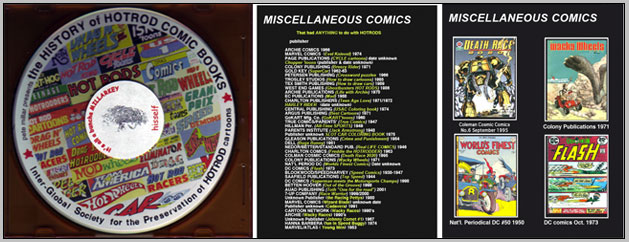
Millar was credited in Hot Rod magazine's History of Cars in Cartoons for starting the revolution. He had an encyclopedic knowledge of the dealings within the industry and personalities that shone in public. No bit of drag racing drama escaped his eye as he covered the culture for over 40 years. He remained passionate about illustrating all his life and put together the most comprehensive list of car comics and magazines ever. A CD database of his work was published just before his passing in 2003 and is a must get for comic fans searching for rare issues. All of his work is available via his website Laffyerasphault. The site is maintained by the Millar family and is worth visiting for those that are interested in the art of cars.

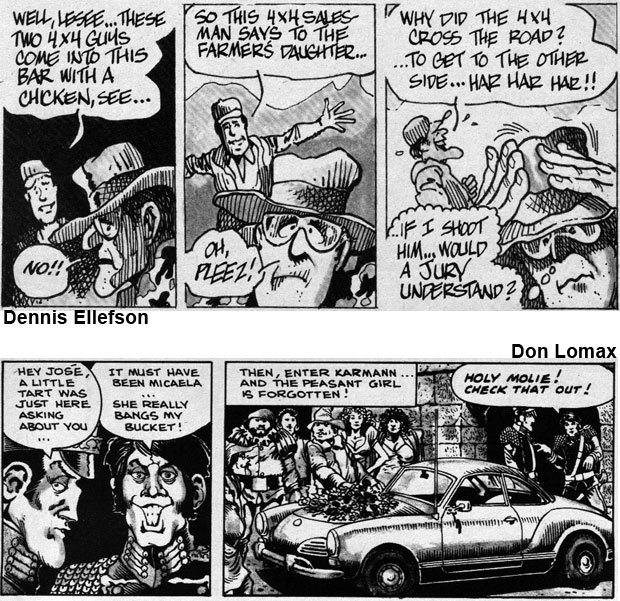
I will also say that while it lasted CARtoons magazine was one of the best written and illustrated magazines that I had ever had the pleasure of reading. The writers and artists that contributed to the magazine were at many stages in their development. Some were amateurs at best, appearing in only one or two issues. The regular faces were very dedicated to their craft. Writer / artist / editors Tom Marnick and Dennis Ellefson stayed with the magazine for decades. You could always could on them to find something new or funny to work on. Sometimes it was a short story and other times it was a series of longer arcs.

The artists that passed through CARtoons are almost all forgotten by history. They are artists who were, and many remain, loyal to their craft. It was hard to make an all automotive humor magazine published quarterly that remained fresh and new. Magazines like MAD are welcome to cover any topic as long as they make it funny, the people on CARtoons had to somehow tie their work into the automotive world. Sometimes the panels were based all on comedy, other times they were social commentaries, short stories, fantasies or even science fiction tales.

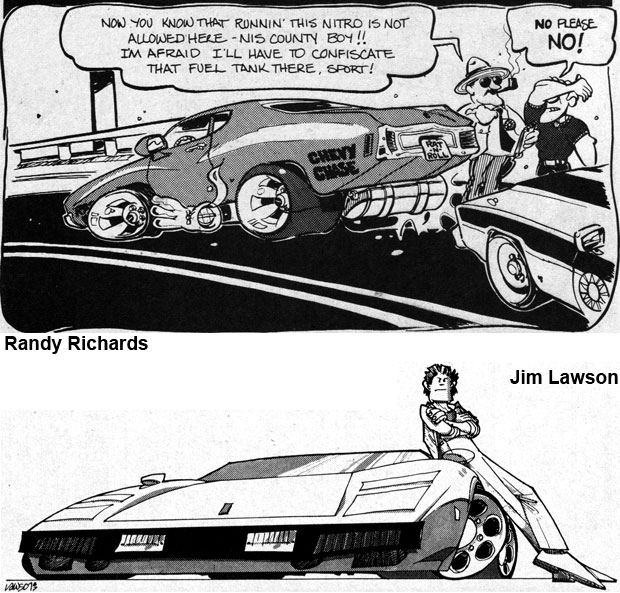
Keeping things moving was a task that required nonstop work and nonstop imagination. Writer / artists like Don Lomax would crank out surreal tales, in the fashion of the old Crypt Keeper comics, then he would turn around and adapt an opera like George Bizet's Carmen into a tale about a man obsessed with a car. Other artists like Randy Richards, John Larter and Jim Lawson honed their trademark cartooning style on the pages of the magazine.

The other contributors all put their signature style on the magazine as well. They helped shape my appreciation of cartooning and taught me the subtleties of character art as much as car art. Tomorrow I will mention some notable names and their contribution to CARtoons. I hope to see you back.

Did you ever read Cartoons magazine? Do you have a favorite car-based cartoon? Let me know in the comments section please. As always if you would like to sponsor me please visit my Patreon page and consider donating each month, even as little as $1 would help make better blogs and even podcasts!
follow the Street Writer on Patreon!