Showing posts with label car culture. Show all posts

Monday, September 2, 2024

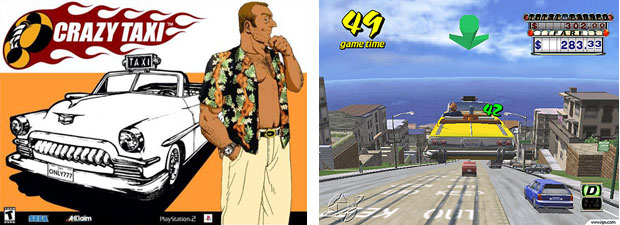
A crazy good time! Sega’s Crazy Taxi - A 1UP classic from May 4, 2009

The final games featured for this series aren't the most popular driving games ever. They don't represent the pinnacle of graphical achievement either. However they are three driving games that represented the arcade experience very well. They created easy to play yet difficult to master experience. Best of all they were able to immerse the player into the experience very quickly. Allowing you to get a slice of a world, very similar to ours only slightly cooler and more fantastic. We'll begin with the most famous of the lot.

Sega's Crazy Taxi, released in 1999 was the freshest thing in the driving genre. The format had become cluttered, every driver looked and played the same for a while. Sega made a driving adventure unlike anything they had tried before. Most publishers would want to capitalize on their racing experience and just release another title in that format. Thankfully Hitmaker (AM3) didn't go down that road and instead placed gamers in a world where driving as recklessly as possible was greatly rewarded.

Players were placed in the role of a cabbie, trying to earn as much money as possible within a set time limit. Time bonuses could be earned by how quickly a person reached their destination and also for how many stunts the driver pulled off. Doing power slides and huge jumps were the best money boosters. Avoiding collisions and using shortcuts were the best for gaining time. The best players learned to balance everything while careening into oncoming traffic and looking for a destination. The game was a blast to play. I can remember putting plenty of quarters in the machine during a time when great arcade games were few and far between. It made a perfect transition on the Dreamcast console, along with plenty of mini games to keep me going.

The people at Sega poured every arcade nuance they had learned over the years into Crazy Taxi. The cabbies and their taxis all had personality, like grown up versions of characters from Top Skater or Jet Set Radio. They accepted a day job yet never lost their own personal flair. The cars were sleek low riders or bulky pre-war iron. The cities they raced in were as imaginative as the towns featured in Daytona and Super GT. Only now we could take the time to enjoy peeling around the streets, cutting through parks and alleys in a wide-open world rather than be forced to only catch a glimpse of the city from the rear view mirror. All of the drifting hijinks from the earlier Sega racers returned here, all of the responsive steering and indestructible transmissions were in full effect.

The music helped frame the experience, again, not unlike what Pennywise had done for Top Skater, So. Cal. punk favorites the Offspring provided all of the songs in the original Crazy Taxi. All I Want becoming the de facto anthem.

Latter Crazy Taxi games went through the motions but didn't recreate the charm of the original title. For what it was worth Crazy Taxi might be considered Sega's best driving series if not for all those other damn fine games Yu Suzuki had put out.

Did you ever play any game in the Crazy Taxi series? Did you have a favorite cabbie? Let me know in the comments section please. As always if you would like to sponsor me please visit my Patreon page and consider donating each month, even as little as $1 would help make better blogs and even podcasts!
follow the Street Writer on Patreon!

Wednesday, August 28, 2024

Feel the Rush! Atari's San Francisco Rush! - A 1UP classic from April 29, 2009

In the late 90's the US arcade scene was tapering off. San Francisco Rush by Atari was created as a rival to anything Sega had and especially to counter the popular Cruis'n USA series by Midway. The 1996 title showed that Atari was behind the curve. However even their worst Rush showing was better than the best Cruis'n game.

Atari did an accurate representation of San Francisco to race around in. The hilly city was a good setting for an arcade racer. All Atari had to do was polish out some corners and lengthen a few streets to make it perfect. They developed a series of tracks around the city, exploiting obvious as well as hidden shortcuts with their model. They also introduced a series of cars which handled differently and had their own strengths and weaknesses. The Volkswagen-inspired cars said a lot about the still lingering hippy vibe from San Francisco. Rarely did the cars mesh so well with the theme of the game. Rush was a blast to play as cars made fantastic jumps at top speed clearing entire blocks in one go. Not many racing games ever featured cars that could leave the ground. With a few rare exceptions none of the Sega racers featured any jumps, let alone those on the scale of Rush. Expert players could "thread the needle" through a series of jumps and shortcuts that would frighten even the most seasoned racing veterans. Those that took a jump just a little bit off would end up crashing miserably and lose their spot in the race. As imaginative and arcade-like as the game was it felt like it was lacking something.

I believe the graphics were the biggest detractor to the Rush series. The tracks and cars seemed very simplistic, details were sparse and the city of San Francisco felt lifeless. AM2 was memorable for their racing games but the sum of their parts were more than great cars and tracks. None of the Rush games carried the same level of atmosphere that Sega had poured into their games. Filters to convey motion, realistic lighting effects, models made up of millions of polygons, landscape and textures which were weren't flat and generic. Atari touted the latest 3DFX technology but it wasn't enough to make Rush appear more than a very pretty computer game in the arcade. However this was also a sign of the times.

Only Japan seemingly had enough of an arcade market to keep on developing dedicated cabinets and hardware for every title. In the US corners had to be cut which meant that the tech that went into arcade titles was very scaled back and based on systems not much nicer than the PC's available in homes. All of the atmosphere and technology from the Sega games couldn't be reproduced with such limited resources. This did not stop the Rush series from taking a foothold and keeping Atari going. The 1997 follow-up Rush the Rock Alcatraz edition did well as did the last in the series, 1999's San Francisco Rush 2049. All of these games eventually found their way to the consoles where a generation that didn't have an arcade scene could see what they were missing out on. There were some arcade titles that never made the transition to the home, not because the technology wasn't there but because of the interesting ways the game was presented. On the next blog we'll look at one of the more obscure and odd titles in the driving genre.

Did you ever play the Rush games? Did you have a favorite late '90s arcade racer? Let me know in the comments section please. As always if you would like to sponsor me please visit my Patreon page and consider donating each month, even as little as $1 would help make better blogs and even podcasts!
follow the Street Writer on Patreon!

Monday, August 26, 2024

Rad Mobile vs Race Drivin', Japanese design vs American hardware - A 1UP classic from April 28, 2009

A few years after Power Drift Sega released another scaling sprites-as-3D racer called Rad Mobile. It was called Gale Racer to my friends overseas. The 1991 title was a coast-to-coast race set in-cockpit. At the core it was AM2's updated take on OutRun. Entire states could be cleared in seconds, there were hidden paths, multiple endings and cops to avoid! The graphics were very nice for the time but the details were what sold this game.

The arcade cabinet was an updated version of the Power Drift deluxe one. It rode on hydraulics to immerse the player further into the experience of racing. Hanging from the rearview mirror was a Sonic the Hedgehog. It was his first arcade cameo, a nod from Yu Suzuki to Yuji Naka for making Sega's console a real contender. The steering wheel provided force-feedback and on the dashboard were buttons to start the engine, turn on the headlights and windshield wipers. All of these things were used as the game progressed. It was nice seeing weather and time elements happen on the course. To help move the day and night along faster Yu logically had the race start on the west coast and had the cars run east. The tracks were all fantastic, some freeways suspended miles over the city or cutting a path through a valley. The most memorable level in any arcade racer is easily the Springfield portion of Rad Mobile.

It was the 12th stage in the game. Off to the side of the road was an open gate. The open track was welcoming as the rest of the racers had to contend with oncoming traffic. There was a rainstorm happening so they had to turn on their windshield wipers. It was right about then that racers realized they were on train tracks. Suddenly the cabinet would blair out a train horn and the player could see a locomotive bearing down on them in the rearview mirror. The fence on the side of the road would open up for a section of the track so the player could choose to jump into the streets and contend with oncoming traffic or take their chances and stay on the tracks. Of course most arcade gamers would stay on the tracks and take their chances with the train. It was a white-knuckle ride that has yet to be reproduced in any arcade racer. Best of all if you were a good enough driver you could beat the game on one credit, a rarity for most racing games.

The supercar that powered through this race was allegedly the Porsche 959 racing car. However most of my friends agreed that it looked a lot more like the Mclaren F1, although that supercar wouldn't debut until a year after Rad Mobile. Was this a case of design following culture or an odd coincidence?

A year before Rad Mobile the US was giving the arcade crowd an equally fantastic racer. 1990's Race Drivin' was the sequel to the groundbreaking polygon racer Hard Drivin'. Billed as the world's first authentic driving simulation game. It was a bit ugly and slow in the graphics department but more than made up for it with advances in the technology. Atari had closed the legacy on their arcade racing scene by leaving the free-wheeling Sprint games behind. They knew players wanted realism especially now that Badlands had shown that the Sprint formula was dead. Race Drivin' was as close as players would get to the feel and physics of driving without actually taking the family car out for a spin.

The Hard Drivin' and Race Drivin' cabinets were memorable for their attention to detail. These cabinets and controls were nothing at all like the freewheeling steering from the Sprint games. The steering wheels had rock-solid force feedback. Actually fighting the players for control if they were careening off course! The game also featured accurate gas, brake and even clutch pedals along with a five-speed shifter. On top of everything was a metal key that was built into the cabinet that players had to turn in order to start their cars. This game was the antithesis of every arcade racer ever. It rivaled the logic of Japanese design and trumped the details from any other western developer. However the tracks were anything but daily driving courses. They were designed to test your driving skill and patience. The game was very unforgiving. You would be penalized for driving off the course and every little bump seemed to cause your car to blow up. Every jump and landing had to be perfect or you'd be shelling out another quarter. The stunt and latter super-stunt tracks were the reasons why people really played the games. What good was realistic physics and force feedback steering if you weren't willing to drive the car like a mad stuntman? The wild jump and loop from the first title were blown out in the sequel. Players had to contend with a loop with the top portion cut out as well as a corkscrew loop as well. It was an amazing experience for a racing game.

Between Rad Mobile and Race Driving players could see how differently each country approached the racer. Sega would learn from Atari (then owned by Namco) and top Race Drivin'. They combined the US polygons with the memorable Japanese track designs and gave us Virtua Racing. Later on they would also give us Daytona. Atari would eventually catch up to the trends and release a series that many here hold in very high regards. Come back tomorrow to revisit Atari's last great arcade racing hurrah.

Do you enjoy realistic, or arcade style racing games? Let me know in the comments section please. As always if you would like to sponsor me please visit my Patreon page and consider donating each month, even as little as $1 would help make better blogs and even podcasts!
follow the Street Writer on Patreon!

Monday, December 11, 2023

Power Drift and Mario Kart, racing becomes fun - A 1UP classic from April 27, 2009

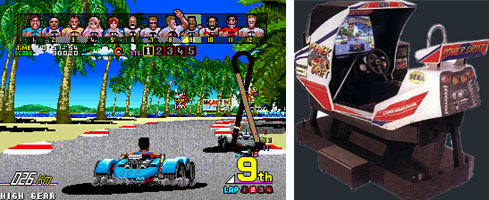
Power Drift by Sega was an attempt by AM2 to make realistic 3D tracks out of 1988's 2D technology. Yu Suzuki and company used a series of scaling sprites, one right after the other to achieve the desired effect. They did something similar with the helicopter game Thunder Blade. It was odd and cumbersome, with lots of clipping problems given the high speed circuits of Power Drift. However the game play was something new and fresh.

For the first time arcade goers were treated to 3D tracks which dipped and banked. Arcade gamers had seen some similar tracks but never to the extremes that Power Drift delivered them. Courses were compact and the changing elevations were extreme. The tracks here have been rightfully compared to roller coaster tracks. The deluxe version of the arcade cabinet was a very memorable. It was on hydraulics so it would pitch the players up and down, left and right to further immerse them into the experience.

The best part of this game was in the diversity of racers. Each had their own car and personality. Yelling at rivals or taunting opponents on the multiple courses. The cars themselves were very unique. No two looked alike and they were all highly-stylized and low to the ground so we could clearly make out the virtual driver. In order to race on the tracks the team at AM2 invented an ultra-compact, short car, more like a super-powered go kart for the game. These karts were loads of fun. They turned out were the perfect format to bring the arcade experience home.

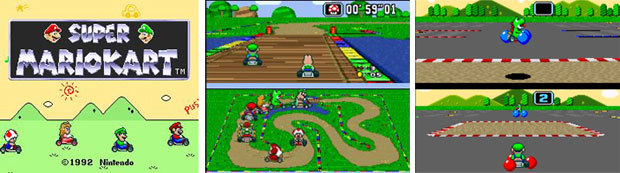
In 1992 Super Mario Kart gave the masses the first taste of kart racing. A kart is the closest thing a person could get to a bare-bones racing experience. Many professional Formula-1 racers get discovered via kart racing because the focus is more on skill than horsepower. With the addition of the popular characters from the Mario series, each with their own strengths and weaknesses and Nintendo would be swimming in success (and money!).

Nintendo did the genre one better and incorporated weapons and power ups to the experience. Damnable shells that would knock you out of contention on the final lap or power ups that would boost you past the finish line a hair in front of the computer. There was no real "random" quality to the power ups but we saw past that and enjoyed the experience. The multiplayer modes were fantastic and have always been among the best party titles ever. There have been many updates to the Kart series but for most on 1UP the SNES version was the gateway experience. Fantastic tracks, different vehicle classes and an absurdly demanding race AI kept players on their toes. When combined with the frenetic combat element then the races became much more memorable than just about every arcade racer ever. Mario Kart even accomplished this on a flat track, the technology to create Power Drift-style 3D tracks was still a ways off for consoles.

As memorable as the kart games were they were sadly few and far between. The last notable kart series with cartoonish graphics was the decent Street Racer series which saw a release on the SNES which many likened to Mario Kart, as well as on the Genesis / Mega Drive and a polygon version on the original Playstation. The combat kart racing would continue via the Nintendo series, but to many this type of game was too chaotic. They preferred something a little more sensible and realistic. In the arcades they wouldn't find it. Next time we'll look at two racing titles, one from Japan and one from the USA, that redefined what reality meant to the arcade crowd.

Are you a fan of Kart racing games? Did you have a favorite? Let me know in the comments section please. As always if you would like to sponsor me please visit my Patreon page and consider donating each month, even as little as $1 would help make better blogs and even podcasts!
follow the Street Writer on Patreon!

Friday, December 8, 2023

The racing fan that started a revolution - A 1UP classic from February 22, 2013

Sega has been featured many times on this blog for the various racing games they created. The company actually got into the arcade market before the video screens were integrated into the cabinets. In the early days of the arcade the electronic machines had mechanized components and moving parts, these were known as electro mechanical games. One of their first arcade racing hits was Moto Champ. The title from 1973 featured scale motorcycles on an illuminated track. The opponents moved via magnets under the game screen while the player controlled their own bike via a wire frame attached to some handlebars.

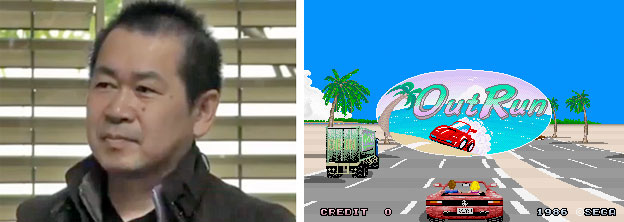
The mechanical games gave way to full video screens not long after. Developers that did not change with the times were forced to shut down. Sega would quickly change from mechanical to digital entertainment. Their first breakout racing game was Monaco Grand Prix in 1980. The game was set with a top down perspective, similar to what Atari had done in their Sprint racing games. It was memorable for the use of color as well as day and night transitions. Racers could only see the portion of the track illuminated by the car headlights, making for some very harrowing action. The game was difficult but rewarding. A year later they created a game that was featured in the film Wreck-it-Ralph. Sega Turbo from 1981 did not actually feature a racer named Turbo, nor did it involve any plot but it did set the template that would make the company famous. The game used a behind the racer POV and followed players through road courses, rewarding them with points as players passed opponents. The game was one of the first to use scaling sprites to create the effect that players were racing bast buildings and countrysides. A few years later Sega used that same technique on more powerful hardware. They created a new legacy with the 1986 game OutRun.

The brains behind the game was Yu Suzuki, the head of Sega's R&D unit AM2. His studio would develop an amazing streak of hits. The games could be seen as a celebration of his love of cars, especially the Ferrari. Suzuki, like so many other Japanese men grew up idolizing the racing cars from the West. They were celebrated on film and television, car enthusiast magazines sprung up and gave a nation cause to debate and discuss the ultimate driving machines. The auto industry in Japan had to increase their pace to help the nation recover from World War II. In order to do that the manufacturers had to try and replicate the things that made the Western companies successful and then improve upon them. They looked at the daily drivers from Europe and the USA and found ways to make small, economical cars for young families. They studied British and German sports cars and began developing contemporary models all their own. Both the family sedan and sports cars would be made more appealing if they could be made domestically and cost less than an import. To help raise their profile the large manufacturers began investing in racing R&D. Toyota formally entered professional motor sports in 1957 but it was Datsun (later renamed Nissan) that got the ball rolling in 1936. Other companies, including Mazda got noticed by building light but powerful engines. The companies began to change the local and international perception of Japanese made autos.

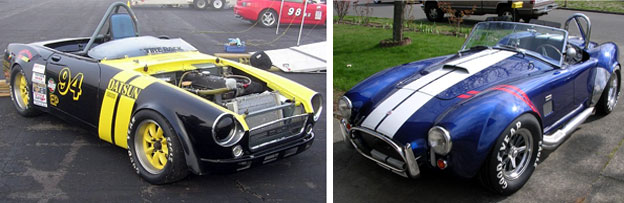
Mr. Suzuki's formative years were during the transition of Japan's auto industry from domestic to international powerhouse. He was around to read about the most innovative racers from Italy, Germany and Britain as they visited the Suzuka Racetrack during the Formula-1 season. He was able to see how well Japan was at recreating the sports cars and duplicating the success of the legendary designs and designers. Take Todd Green's racing Datsun for example. His VQ 35 Datsun roadster was originally created by the Japanese to be a less expensive answer to the Porsche racers. Mr. Green pushed the capabilities of the car and even design to challenge the legendary British AC Cobra.

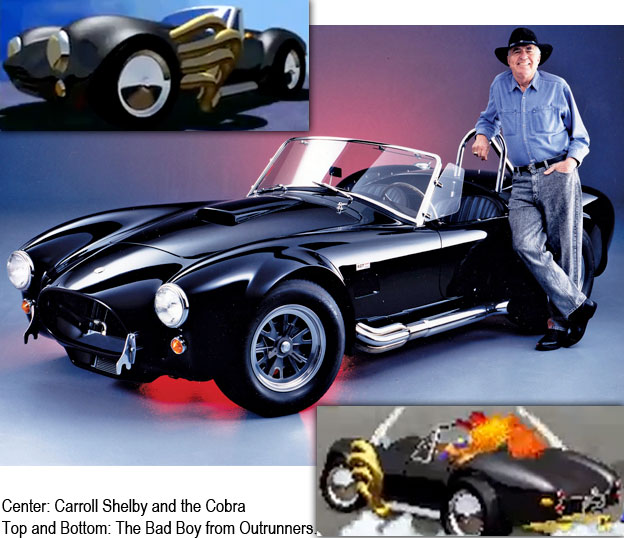
The Cobra was considered one of the ultimate sport cars. Texan Carroll Shelby (RIP) shoehorned a Ford racing engine into the light frame. The power-to-weight ratio that Shelby had unlocked in the Cobra and later Ford GT-40 went on to capture numerous racing victories and set plenty of speed records. The renamed Shelby Cobra was the envy of car fans around the world. Its styling and bold curves were copied numerous times. The Japanese did not have the Hot Rod revolution that changed car culture in US through the 50's and 60's, they however earn their own driving legacy. The Datsun VQ 35 was joined by the more famous Fairlady Z as cars that would shape post-war Japanese youths and turn them into car fans. Mr. Suzuki and the young designers at Sega were not immune to what car culture was doing to the nation. When Suzuki started he almost instantly began developing a legacy of racing games. OutRun was his most famous contribution but his team never stopped pushing the genre. A spiritual successor to OutRun appeared in 1993. Outrunners was actually developed by sister team AM1 and not by Suzuki. It featured a whole new slew of cars in addition to the trademark Ferrari Testarosa from the original game. The Bad Boy was added to give the Italian car a run for its money. Those that knew of Shelby recognized the inspiration behind the car. The blonde driver wearing a cowboy hat was a clever nod to the Texan.

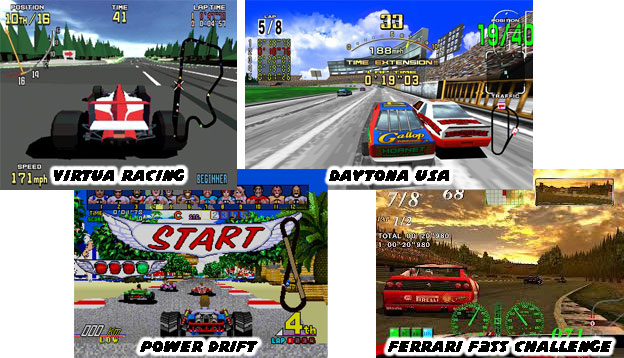
AM2 did not always focus on realistic racing games, one of their most memorable entries, Power Drift was based on the silliness of go-cart racing. Another, Rad Mobile, demonstrated that storytelling elements could be incorporated through the race itself. The game had players driving in the dark and through the rain in a first person perspective, they actually had to turn on the windshield wipers and lights in order to see the track! The publisher had evolved quickly from the old electro mechanical cabinets they used to make. In fact they began pushing the technology for digital developers. They were among the first to move games away from 2D sprite based graphics to 3D polygons. You can learn how Sega Rally and Virtua Racing changed the genre on my older blogs. The studio had a unique take on the great American pastime of stock car racing with Daytona USA. By the time Super GT was released it could be considered the peak of Yu Suzuki's legacy.

Yu had created a template that defined the arcade racer. The cars were always bright and colorful, they seemed to glide over the road and could be nuanced by drivers into impossibly fast power slides. The control for the majority of the Suzuki-produced racers was nuanced. It was the result of years and years of refinement to bridge the gap from realistic driving to stunt racing. Those that had played through the majority of the games knew that they could be difficult but rewarding as well. The road rockets raced on tracks that would be the envy of the Disney Imagineers. Nothing would have killed a Suzuki racer more than strict realism, his games were gorgeous spectacles. In fact if more tracks in the real world looked liked the ones featured in the Sega racers then there certainly would be no shortage of supporters. The level design of each track had more in common with theme park design and urban planning than driver safety. In some levels towering spires of crystal and steel were the eye-candy off in the distance while roller coasters wound around the track itself. As former 1UP boss guy John Davidson said the races in the Sega games took place on the most utopian day ever. The cities that hosted the races were more breathtaking than any real world city and set a standard that would be hard to top.

The goal of one recent Kickstarter campaign has been to recreate the feel of the Suzuki-produced gems for modern PC gamers. I think that the '90s Arcade Racer did the job well.

The Japanese contributions to the auto industry could not be disputed. From the daily driver to the record breaking racer there was nothing that the nation did not help improve upon. The people had also built a unique car culture over the past century. They embraced foreign cars, sub cultures and icons with sincerity while adding their own unique spin to everything. Manga and animé titles celebrated vehicles and shaped the entertainment industry. Video games did more than their fair share to help popularize driving. Sega went from pioneering electro mechanical games to actual video racing games. Unfortunately not everything that the Japanese did was embraced by the global, or even local community. Even the best laid plans could not save some ambitious games. The next blog will look at one of the most unique racing games ever produced.

Let me know in the comments section please. As always if you would like to sponsor me please visit my Patreon page and consider donating each month, even as little as $1 would help make better blogs and even podcasts!
follow the Street Writer on Patreon!

Monday, November 13, 2023

The Hot Rod game, part 2 - A 1UP classic from May 8, 2009

We have a cast of racers riding in modified cars tearing up the roads from one coast to the other. But what was the genesis of the idea? It is my love-note to cars plus my take on the arcade experience, with a special nod to all the classic Sega racers I grew up on. It is also an homage to all the movie and comic book influences that defined my tastes. The professional illustrators and CARtoonists all had a hand in helping shape my appreciation of how exaggerated proportions could help make a car come to life.

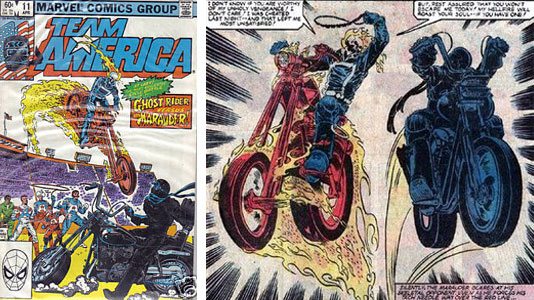
The masked racer that Brian, the driver of the Cobra becomes, was based on a comic book racer as well. The Marauder was a masked motorcycle daredevil from Marvel's Team America comic books. He was like a racing version of the GI Joe character Snake Eyes. The Marauder even went on to have a showdown with the Ghost Rider himself. How cool was that? I was always drawn to these mysterious unknown characters and had even penned in La Bomba. from my Lucha Libre game idea based on that same mystique. People that have been reading this blog for a while should have remembered the red scarf and mask.

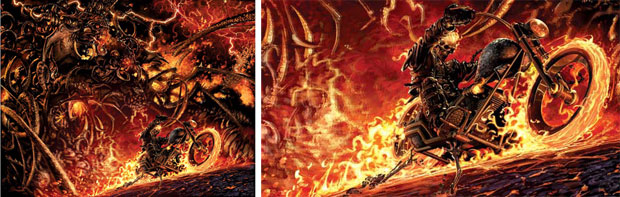
The transforming cars were inspired more by comics than the Transformers cartoon. The burning tires on the t-bucket might at first seem like an homage to the Ghost Rider and indeed the classic comic book character does have a lot to do with it.

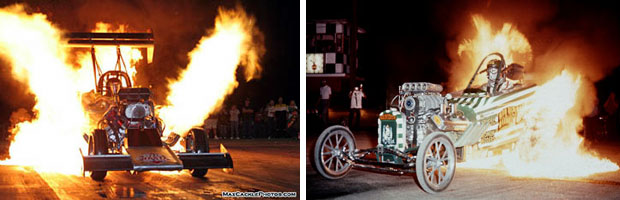
During the definitive years of the NHRA there used to be fire burnouts. Crowds loved seeing the cars warm up their tires by doing burnouts in pools of gasoline. The practice was deemed too dangerous and was banned from sanctioned NHRA meets. As a kid I remember seeing dragsters engulfed in flames and being struck by the raw power captured on film.

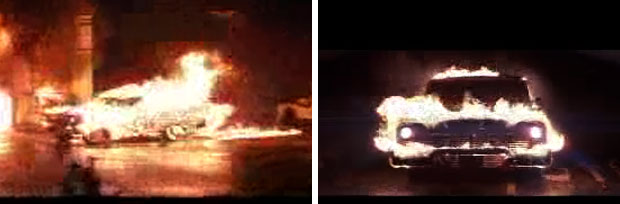
However I was more inspired to make a Ghost Rider-type car after seeing the burning car scene from the film Christine. My brothers agreed that car was a four wheeled version of the Ghost Rider's motorcycle. It was indestructible as it rebuilt itself from even the worst accidents. They also commented that the special effects shot would be impossible to do with a motorcycle but would be awesome to try.

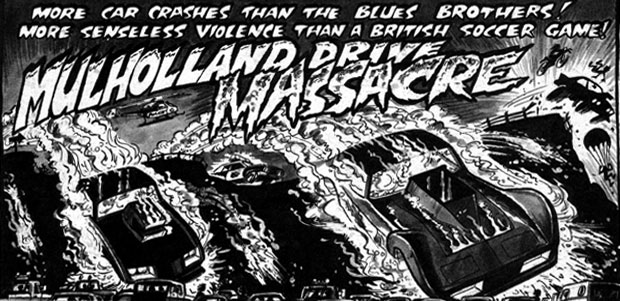
The image of the burning car stuck with me for decades. Every so often I would see something that reminded me of the effect, it reminded me that it should be put in a comic book or someday into a game. The last time I saw it was in the late 80's with a drawing that Shawn Kerri did. It was a fictional movie trailer titled Mulholland Drive Massacre. The image of fire licking out from under the frame of the car was very awesome. It made me wonder how that effect would look like in animated form. While none of the playable cars are burning in my game, that doesn't mean that the final boss' car wouldn't have that effect. But more on him later.

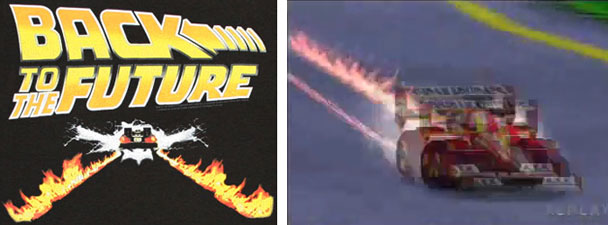
The effect that would have made the strongest impression on gamers would remain the burning tires. The trail of fire has actually been done in popular media several times and not solely in the Ghost Rider. The last few seconds of the Queens of the Stone Age music video was one such memorable use of the effect.

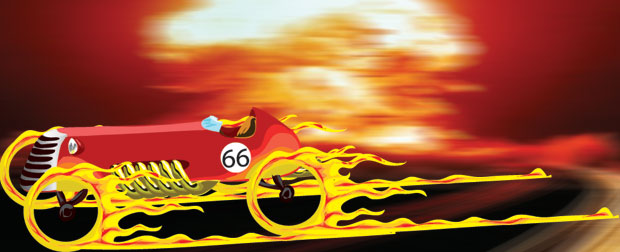
Of course Back to the Future created the most inspiring legacy with the flame trail. When Doc Brown's modified DeLorean travelled through time it would leave a fire trail, even while airborne. In game form the fire trail is an awesome effect. One of the special upgrades in Choro-Q are called Devil Tires. These tires are black with red cracks running all through the tread, as if the tire is cooling magma. When the car goes above 220 kph the hubcaps begin glowing, after 240 kph they spark up and the tires begin leaving fire trails. My brothers and I all agree that the effect is very awesome, especially as the car whips around corners and skips over water, leaving a long and defined trail in its wake.

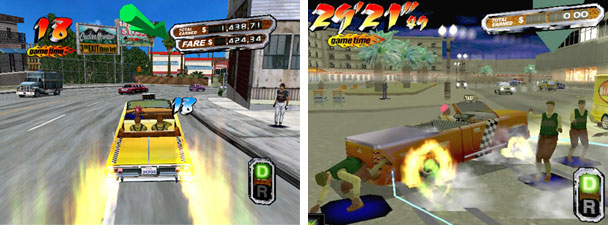
Let us not forget that the fire trail effect was also used in Crazy Taxi when hitting the rapid acceleration shift or peeling around corners with the car bottoming out. However that was more of a graphical afterthought rather than something that helped the car perform better. If the effect is in my game then it has to serve a purpose. Nothing in a videogame should exist unless it does something or represents something, at least not in a game I design. The burning tires highlight the transformation of the t-bucket, it mirrors the hell motif of the boost. They also help the car stick to the roads better.

So what is with the whole hell thing anyhow? Who is the mysterious benefactor that gave the super boost formula to the racers and what happens when they reach the east coast? I leave a lot of the race open to interpretation, but the spirit is very much in the vein of Twisted Metal. Transforming cars, demons and contracts with the devil were all written into the series but not fully explored or explained. In a similar way I want players to infer where the cars are traveling through while boosting. I want them to think that the benefactor is the Devil himself and this is a sick game he is playing with four souls.

When the cars reach the east coast he is waiting for them. The drivers get out of their cars and realize that they are all young and healthy now. It is then that the benefactor reminds them of the stakes. He says that the winner of the contest promised to race him. The stipulation he didn't mention was that the other three and their rides would become his property. The losers fall to the ground. They and their rides begin to sink into the Earth, tiny red hands reaching out from the asphalt begin pulling them down. The winner recoils at horror at what he is witnessing. The benefactor puts on his racing goggles and steps into his car. "Winner takes all!" he calls out, the tires on his car bursting into flames, with fire licking out from his frame. He begins driving. The race back to the west coast begins right away.

The path back to the west coast should be familiar to the driver, except there is a lot more destruction on the roads. Famous landmarks are destroyed and once beautiful forests are now desolate wastelands. From this point on the player receives unlimited boost. They will need it as the benefactor seems to have an unbeatable ride. Every time the player tries to get past him he cuts them off. If the player does manage to get ahead then fire begins raining from the sky, and earthquakes begin destroying the road ahead. The best strategy is to keep right on the tail of the boss until the very end, then make a last boost effort to pass him up and reach the sea first.

The spectacle that Disney was going for in Split/Second would be better served as part of a racing game rather than a gimmick. You can guess what happens to players that do not beat the game. However if the player wins then they are treated to a unique ending. Each of the four racers has their own ending, no canned endings here!

For example, my favorite ending belongs to Eddie the Tin Man. If he manages to capture the lead and hold onto it while running back through Long Beach then the road becomes brighter. The sky turns from fire, and demons into clear blue, and beautiful. The screen grows brighter and brighter and the road disappears into a mist. The t-bucket continues through the fog Eddie turns to the side and sees his friends have joined him. They are all young again. Dave rolls down the window on his car and yells out "winner takes all, remember?" They begin laughing and continue racing down the foggy road, disappearing into the clouds. Is it the afterlife? A heaven for racers where the road continues on forever? I'll let the players guess what each ending means but not all endings are as happy. I'm not going to spell out what each ending will be like but some are tragic, some are ironic and others funny. Beating the game also unlocks something new.

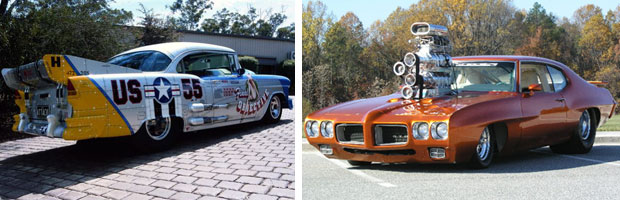
Each of the four cars can unlock a new car, complete with their own real-world inspiration and boost transformation. This is possibly the best thing about basing the cars on reality rather than solely fantasy. The spirit of hot rodding dictates that just when you think you've seen it all, just when every possible engine and approach has been made, something new comes along and changes everything. It was the magic behind Ed Roth. It is what inspired Rod Hadfield's 3000 horsepower "Final Objective" and Bill Bolin's double-blown GTO. These are two such wild rides that would inspire the game versions of a stock '55 Chevy and '70 GTO.

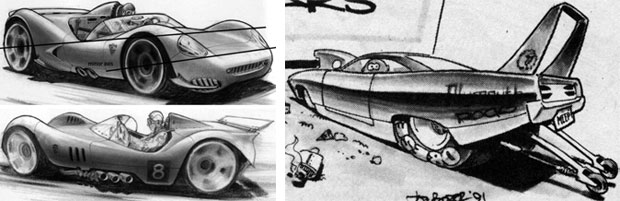
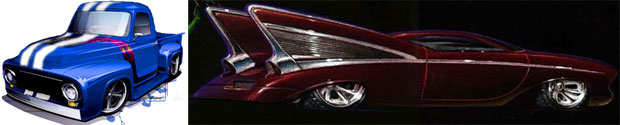
These unlocked cars might be dopplegangers for existing cars or completely new rides, each with their own driver and additional piece of the story. Each car would have its own special ability while boosting, different than the existing rides. The images below to inspire you were swiped and altered from illustrations by Brian Stupski and Thom Taylor. 

Once all the endings are known and all the new cars are unlocked then the player can try racing in the ultimate mode. This mode places all eight cars on the road at the same time, increasing the difficulty exponentially as the seven rivals all fight for position and try to reach the opposite coast first.. Beating the game in this mode unlocks the Benefactors ride as well as the remix courses, which makes each stage random rather than in sequence from coast-to-coast.

What can I say, I like extending the racing experience as much as I can and making for unique replays. The only think I don't have for the game is a title. Maybe a simple "Hot Rod" will do, or the campy "Hell on Wheels." Can you think up a better title? Or maybe a name for the mysterious benefactor? I'd sure like to hear your take on this. Do you think I should pitch the idea to Dwayne Vance, and his friends? 

Would you pick up this game if it were made? Let me know in the comments section please. As always if you would like to sponsor me please visit my Patreon page and consider donating each month, even as little as $1 would help make better blogs and even podcasts!
follow the Street Writer on Patreon!

Friday, November 10, 2023

The Hot Rod Game, part 1 - A 1UP classic from May 7, 2009

I couldn't end the car series without making a wish list of sorts. After decades of playing driving games I asked myself what type of racing game would I come up with. Something that everybody could enjoy and not solely for car fans. A racer that brings in new ideas and doesn't feel like another cookie-cutter experience.

Now is the time to bring up my idea, not as the capper for the car series but because I feel that the game industry is stuck in a rut. They seem to be out of driving ideas and are now grasping for straws. Very few of the driving IP coming out today seems to be coming from car fans. One new titles that embodies the spirit of the hot rod isn't even about hot rodding. The heavy metal homage Brütal Legend features a hot rod coupe battling hordes of demons.
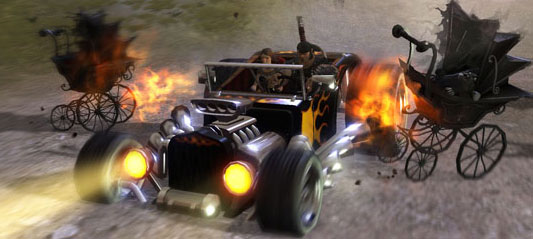
I want you to commit the artistic direction of Brütal Legend to memory. If I were to design a racing game then it would probably be set with a similar look and feel. The presentation of this game is based on many cultures. Brütal Legend is set to explore and in ways parody the whole rock and roll scene while at the same time celebrating the movement. Having a hot rod as a major weapon in the game is a nod to the contribution of car culture. It is an earnest statement from director Tim Schafer.

Other studios aren't approaching the car with a similar appreciation. Those at Disney Interactive have recently announced a new racer. Titled Split/Second and developed by Black Rock Studios, makers of racing game PURE, this new game sounds like an outlandish Hollywood blockbuster rather than a memorable racer. Disney saw the success of titles like Burnout and MotorStorm and figured they could capitalize on the formula by introducing more chaos and destruction to the tracks than either game. Of course when racing takes a back seat to special effects then you can't really expect much more than a bunch of eye candy.
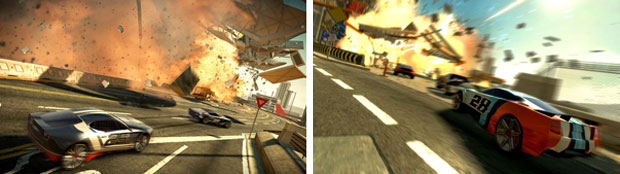
The approach to this title has been described as a Michael Bay-meets-reality TV racer. The emphasis seems to be more on the events the drivers can trigger rather than the act of racing itself. There are many ways to make racing more visceral than simply causing sh*t to blow up in the foreground. But I suppose we are going to the lowest common denominator here.
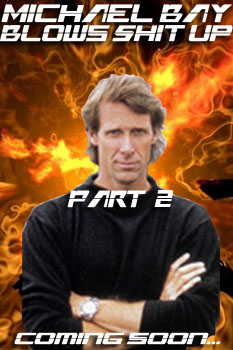
Does anybody remember the lukewarm reception to the Stuntman series? The linear nature of the levels, reliance on timed sequences and pretty pyrotechnics did little to make this a memorable series. It seems that Disney would rather make a spectacle than a racing game. That is a shame too because Black Rock Studios is capable of much more. Perhaps the Fast and the Furious is also to blame for this debacle?

But I digress...

Burnout is a fine template on which to build a new racing game around. It has a basic premise, is easy to get into and play. Burnout chooses a few things in the racing genre and does them well, like an arcade experience brought to the consoles. If I were creating a racer I would want to begin with the familiar Burnout experience. That would mean solid control, lots of motion blur and the ability to smash opponents into oncoming traffic. Except instead of doing laps around a city I would create a coast-to-coast, multiple branching racer with the engine. In essence becoming Burnout-meets-Out Run. Already sounds better than what Disney was working on, right?
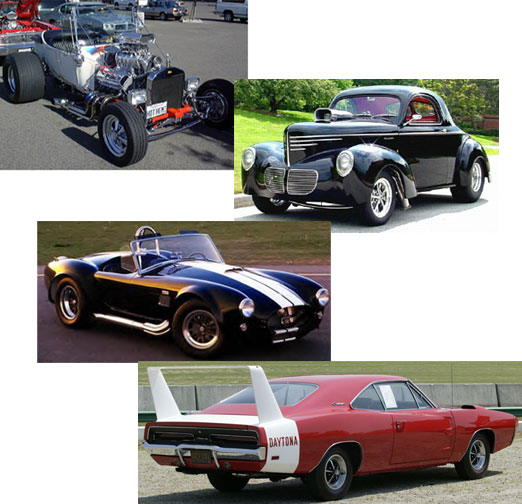
Initially the player would only be able to choose from four cars. These four represent the evolution of the hot rod and are distinct for their contributions. The cars for the game should look like dead-ringers for them but not actually be branded as such just to avoid licensing issues. Yup, I'm cheap like that. If I were naming the four machines they would be the '23 Ford T-bucket because it is the father of the hot rod, a DIY machine with a giant motor and light frame built for speed. The 1940's Willys coupe represents the car turned dragster, it was also the forefather to the lead sled movement. The 1962 Shelby Cobra shoehorned American muscle into a small British frame and dominated the racing circuit. The last was the 200 MPH cruise missile known better as the 1969 Dodge Daytona. For all intents and purposes this 20-foot-long monster was a marvel of modern engineering and represented the peak of the muscle car movement. Each of these cars was an amazing machine, they all deserve to have some shine in a racing game. To the car community each car is also very symbolic of the times. I'm beginning with these machines as a way to get non-car fans a little more interested in the culture.

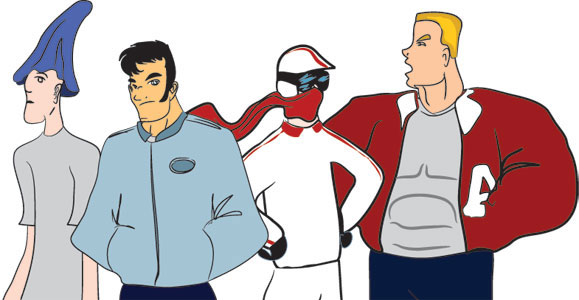
Even the drivers of the cars are all archetypes. Each driver looks like they belong in the game. The driver of the T-bucket is the oldest and dresses classy, his name is the Eddie the "Tin Man," rail thin and quite sickly yet holding onto his dignity. The driver of the Willys looks like an old motorcycle greaser, his name is Gus and he's been sporting the same boots and jeans for decades. The driver of the Cobra, Brian, is a successful businessman that rarely finds the time to do what he really loves. Sometimes you can even catch him in his suit and tie tearing up the streets. The driver of the Daytona is a heavy-set guy with a crew-cut and racing jacket. Dave was the big man on campus back in the day but now settles for racing against anybody and everybody that crosses the path of his muscle car. These are minor details that help frame the universe this race takes place in.
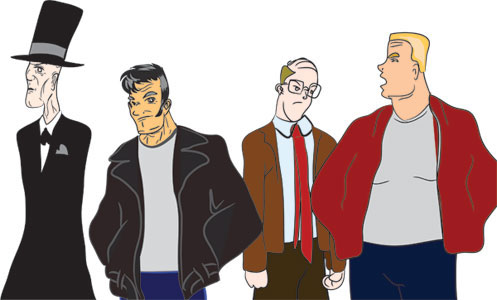
The premise of the game is simple. The four friends decide to settle a bet. Which car would have won a transcontinental race. They agree to go all-out the next day during a grand prix. When the player chooses a character then a small cinema plays out. The night before the race a mysterious benefactor approaches the driver and offers a bottle of special boost. Saying that the mixture is guaranteed to turn their car into an unstoppable monster. The only thing he asks in return for the boost is a race against the winner, never quite saying what happens to the loser. The driver agrees and installs the boost to the engine. We see the stranger make the same offer to each of the other drivers, making them all think that they have the advantage.
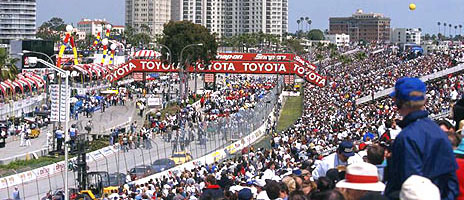
The race begins in Long Beach. A grand prix is running near the coast. The four drivers crash the gates and run side-by side with the Indy cars, police cars follow closely behind. Players learn how to shift, drift and knock opponents out of the race while beating up on Indy cars. The cars continue to do laps until the player has managed to pass all of the control lessons, then the next portion of the level begins. The four cars break through a barrier and get on the freeway, the police still chasing them.
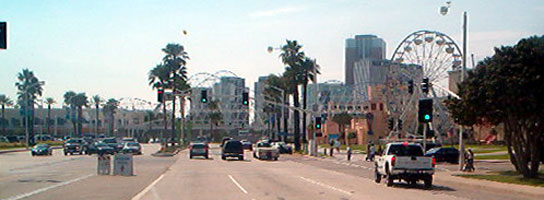
The freeway is wide open for a few miles. Allowing players a chance to get used to their controls and take-down commuters to block the path of their rivals. Doing so damages the player's car, damage is displayed on a meter, crash into too many cars and your car will blow up. The player can take out traffic by using the police "pit manuever" and not damage their own car too much. This strategy is much better than ramming cars at full force. Knocking out opponents or traffic also recharges the boost meter. The boost meter is earned while on the freeway speeding towards Downtown Los Angeles.

The boost is the most important part of the race. Boosting allows players to go much faster than normal, complete with awesome blur effects and a rumbling controller. Boosting also allows the player to smash through traffics and obstacles without damaging the car. Successive take downs recharges the boost quickly, like a combo modifier. A player that lines up enough traffic and finds the right lines can boost almost from the beginning of a stage until the end. While boosting the car, driver and level also begins transforming. This is the real meat of the game, the motif that transforms the racing game.
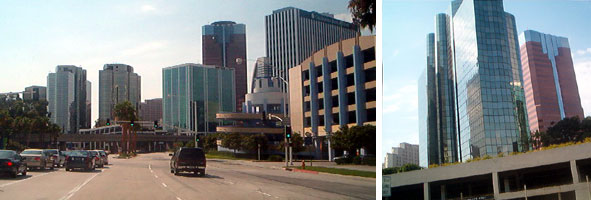
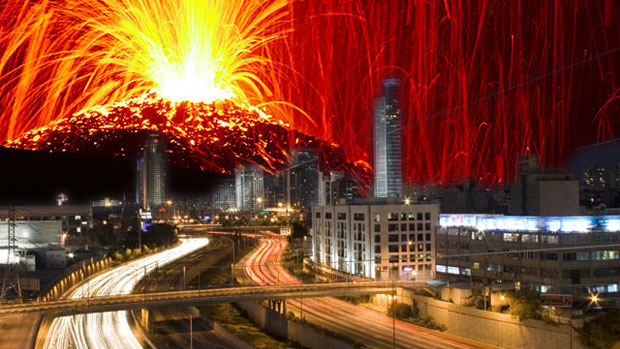
The longer a player boosts the more ominous the level becomes. The edges of the screen glow red, as if the world is catching fire. Prolonging the boost makes the edges creep in towards the center of the screen. Until the level becomes a nightmarish version of Los Angeles. Players can make out demons or giant bats flying on the horizon. Fire has engulfed the hills and city. If you have ever seen the film Constantine then you would know what I'm talking about.
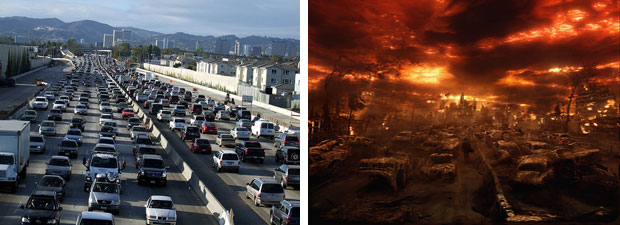
In the film Constantine visits a Hell version of Los Angeles. Everything from the real world is there, the buildings, landmarks and even freeways, only burned and twisted as if hit by the fires of the apocalypse. Long boost chains in my game would render a similar version of LA. Letting off the boost would slowly return the level to normal.
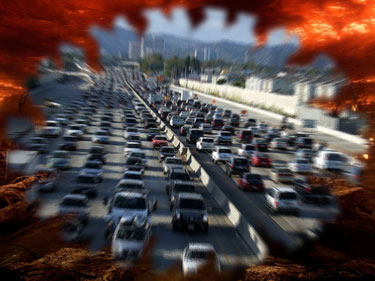
However it is not enough to turn levels upside down, the cars themselves also must undergo a transformation. Even though I said the cars were all legendary, featuring them in a stock condition isn't enough to create an arcade experience. Everything in the game has to take on the speed demon look, especially these rides.
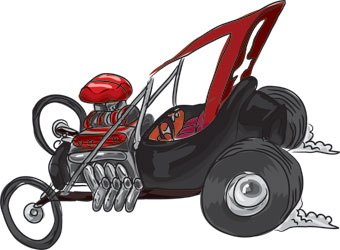
The title car, the T-bucket, is symbolic of how extreme the transformation has to be while boosting. The T-bucket is an great looking ride, with an exposed engine and a canvas canopy over the driver. This 1400-pound car is obscenely fast as is. However while boosting something awesome happens to the ride. The red-painted blower over the engine splits in half and creates two superchargers for the engine. The massive addition of horsepower unfurls the exhaust pipes like a party whistle. The canvas top rips back and almost off the frame, if not for the two metal braces holding them to the windshield. The end result makes the canvas look like a cloth spoiler or gigantic bat wings providing gothic down force to the ride.
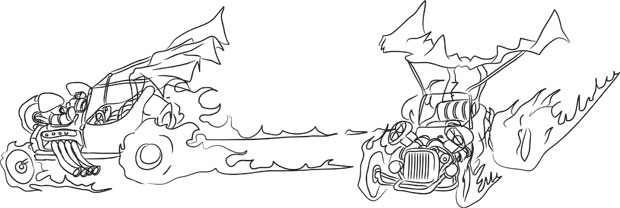
The transformation of this car, like all the rest is inspired by real life. Rod Hadfield's twin-superchaged t-bucket was one of those legendary builds that defines the spirit of hot rodding. Hailing from Australia Mr. Hadfield has a reputation that precedes him. His imagination comes through in the cars he builds, their exaggerated but real proportions make for the embodiment of the style that I'm trying to capture in the game. Just compare what an "average" t-bucket looks like when compared to Mr. Hadfield's beast.
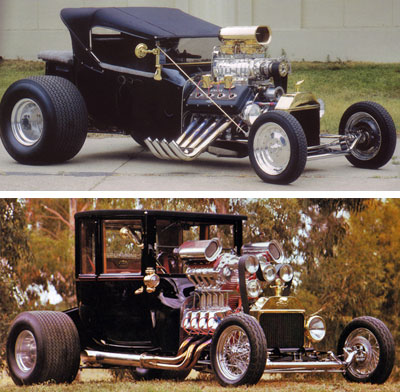
For the game the best part of the transformation happens with the tires. While boosting the tires catch fire and leave long trails of flame in their wake. The longer the boost remains the brighter and hotter the tires burn until they are completely engulfed in flames. The fire creates a vapor Tell me you wouldn't want to play a game where this happens to one of the cars when it reaches top speed?
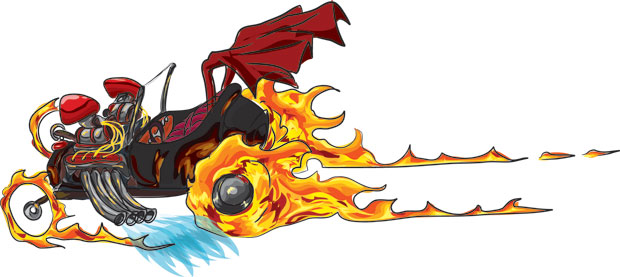
However the same burning tires thing doesn't happen to each of the other cars. They all transform but in different ways. Each of these ways complimenting the strengths of the car and making the iconic rides turn into grotesque but equally impressive machines. Despite the approach of transforming cars with exaggerated features I don't want you to think that this is some sort of Wacky Races redux. The tone of the game should be a fantastic realism rather than a stylized cartoon. Even if a great animation director can re-imagine the Penelope Pitstop adventures this is nothing to do with the Hanna Barbera type of racing.

For example the T-bucket is the fastest accelerating car in the game. However it is also the lightest and has problems knocking traffic and opponents out of the way. Even while boosting the car suffers from a lack of mass. The saving grace is it's manic accelerating ability. Aggressive drivers might want to try a different car if the T-bucket is too "squirrely" for them.
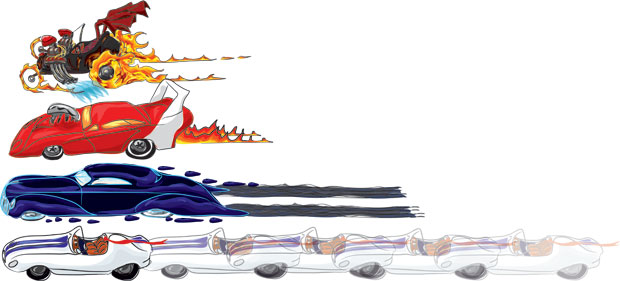
 

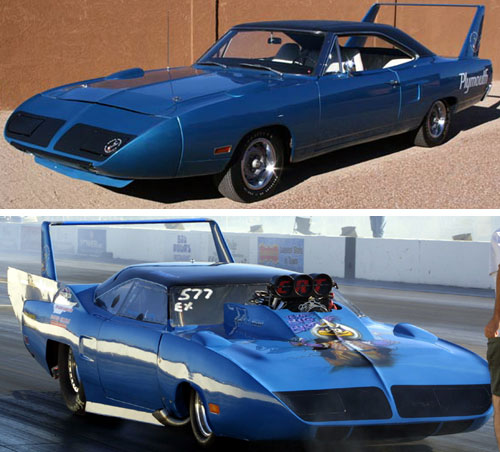
The Daytona clone changes into a funny car while boosting. The tires in the rear balloon up and the angle of attack becomes more aggressive. A gigantic blower melts out from the hood, exposing the monstrous burning hemi engine. The Daytona is the slowest accelerating ride but has the highest top speed. It is also a heavy car so it can plow through opponents and traffic. The real world inspiration was based on a funny car version of the Daytona's sister car, known to car buffs as the Plymouth Superbird.
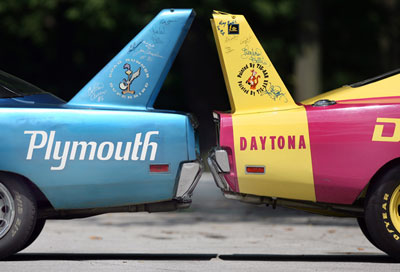
Matt Tolbin, from Texas, took the already fast and definitive muscle car and turned it into a funny car. It was too large and heavy to compete in class. That didn't stop the car from being a real crowd pleaser. But since I'm saying the cars in the game would be inspired-by rather than licensed from we'll go with a red and white scheme rather than the more familiar blue.
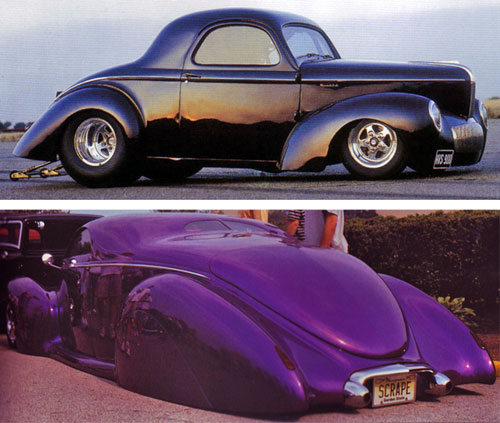
The Willy's has a very dramatic transformation. Rather than becoming a funny car or demon bucket, it begins melting. The body becomes short and squat, melting over the tires like a liquid lead sled and leaving an oil slick in its wake. It has the second fastest top speed while boosting and is the toughest ride of the four. Easily plowing through traffic and opponents. Players trying to hide behind this car as it clears a path for them would spin out from the melting frame. Unfortunately this car, like the Daytona doesn't do as well on turns. Most Willys get the funny car treatment, very few become lead sleds. The majority of lead sleads would be based more on cars like the Mercury Cougar. But hey, it's my game so allow me to make one type of car melt into another shape.
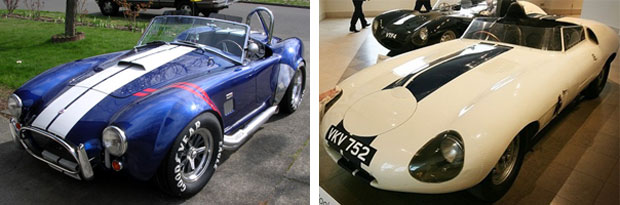
Speaking of changing shape completely; the Cobra has a unique transformation. The colors reverse on the car, from blue with white stripes to white with blue stripes. It becomes a little lower and longer. While boosting it behaves like a ghost. Opponents are unable to run into it while it is boosting although it can still smash into opponents and traffic. This car has decent acceleration and a good top speed. It weighs a bit more than the t-bucket so it can plow through traffic better. The transformation makes the Cobra look more like a Jaguar racing coupe, a bitter European rival to the Cobra.
While boosting something also happens to the drivers. It isn't obvious in the Daytona and Willys but for the t-bucket and Cobra it is. All of the drivers become younger versions of themselves. The beergut on Dave goes away and he is once again built like a high school linebacker, his racing jacket even becomes a letterman jacket. The Tin Man is no longer a wrinkled old man but a spry teenager. His nice tuxedo becomes a dirty tee shirt and his top hat becomes a hillybilly hat, made famous by Ed Roth. Brian is no longer a high strung day businessman but instead a phantom racer of old, with only his red scarf flowing behind him rather than his necktie. Gus seems the least changed of all, with only the gray in his hair turning black and his jacket becoming a mechanic's.
The game continues well past the Hollywood hills, where we can see that Los Angeles is sure enough becoming like hell. Of course there are roads and freeways in the game that don't exist in real life. We get to catch a glimpse of the USA while traveling at over 200 MPH through the desert and rockies.
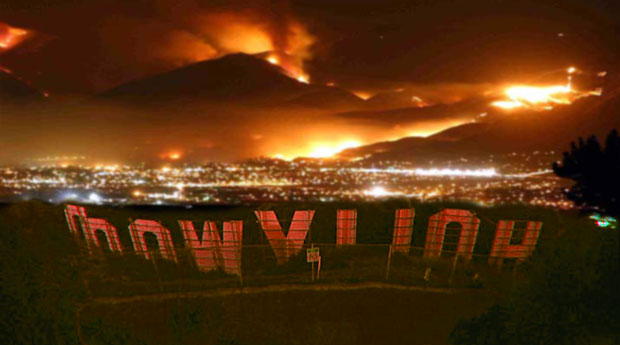
Save points pop up every so often and players can pause and save in between stages or practice stages once completing the game, searching for additional shortcuts and secrets.
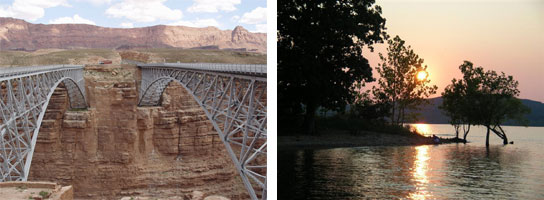
Traffic isn't everywhere so players will learn to conserve what they have during these stages. Without boost then being a good driver really comes in handy during these parts. The courses won't all take place on the roads, rockslides and other natural disasters will force players to cut across the wilderness, and in some stages to ride over bumpy railroad tracks. During one particular detour players will be racing at the bottom of a dry riverbed. Suddenly a huge thunderstorm appears. A torrent of rain creates a massive wall of water that chases the players along the winding canyon.
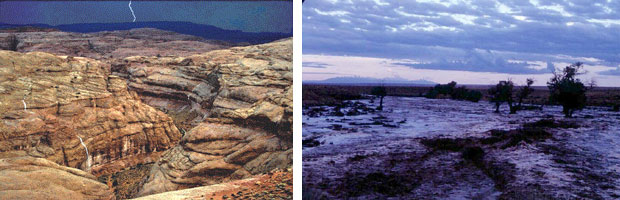
The canyon eventually opens up to a shallow lake. The cars skittle over the surface of the water like 2-ton skipping stones. Unfortunately the lake turns out to be the edge of a dam, with a monstrous drain hole taking the excess water and dumping it at the base of a dam. The cars have no choice but to go down the hole and go shooting out at the base.
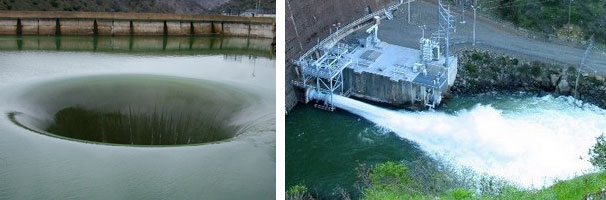
This portion was based on the real-world drain holes made famous by skateboarders. When the weather is dry and the dam is far from capacity plenty of skateboarders and BMX guys make a pilgrimage, and trespass on Federal land, to skate these monsters. I've always wanted to see a car shoot down and through the pipes in a videogame.
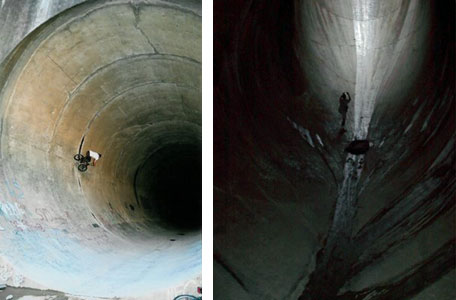
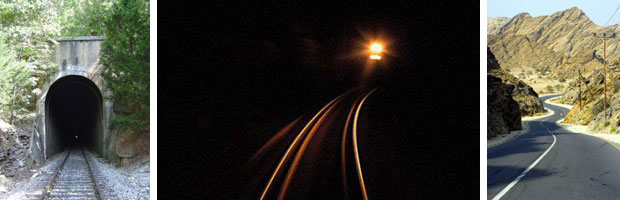
Once the cars rejoin the road they make their way through the Rocky Mountains. The scenery is awe-inspiring. The bridges plentiful and chance to take shortcuts through train tunnels numerous. Of course on some of the longer tunnels players will come face to face with a massive train bearing down on them. Then only a last chance exit through a side tunnel will lead back to the highway.
These changing levels and dramatic situations were mashed together from memories of Rad Mobile. The whole coast-to-coast theme and running against the sun so that day and night would happen faster were also pulled from Rad Mobile. But where did the rest of this game come from, the transforming racers and the hell motif? And what happens once the racers reach the east coast? Come back next week to find out!
Is this a racing game you would like to play? Let me know in the comments section please. As always if you would like to sponsor me please visit my Patreon page and consider donating each month, even as little as $1 would help make better blogs and even podcasts!
follow the Street Writer on Patreon!