Showing posts with label japan. Show all posts

Friday, August 30, 2024

The story of the Mickey Mouse sneakers...

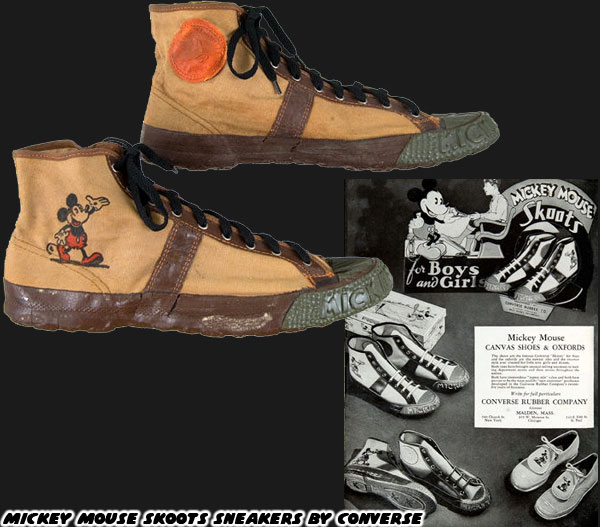
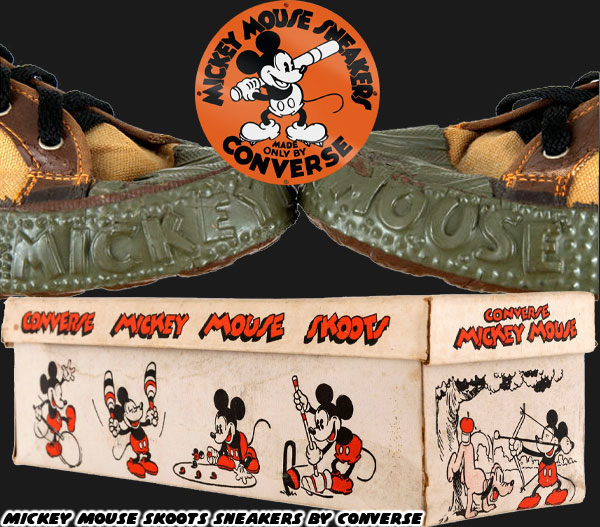
I found out a little bit of trivia the other day that blew my mind. I’m a fan of sneakers as you probably know. I also like all things Disney, and specifically the classic cartoon characters. I picked up a Converse sneaker magazine from the Japanese bookstore the other day. It was a history of the company, and most of their iconic sneakers. In the early days they actually had the first licensed cartoon shoes. They were called Skoots, and they featured Mickey Mouse.

I had to look up these sneakers online, and I found they were released in the ‘30s, following the runaway success of Mickey, and his friends. They would have come out around the time of the famous Ingersoll watches. Which was one of the genius business moves of Walt to license his character on all sorts of products. The Skoots were canvas, and rubber like traditional Converse shoes. Instead of the star, or Chuck Taylor logo on the ankle there was a Mickey graphic. His name also appeared on the toe cap.

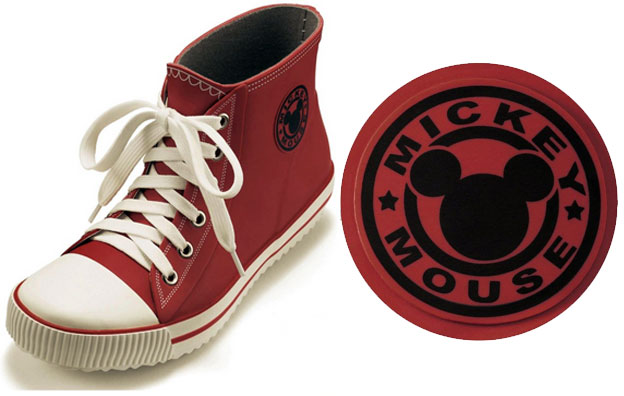
It might be hard to imagine that some of the rarest, and most expensive sneakers of all time had nothing to do with Michael Jordan. Finding out about these shoes reminded me of one of the gems I got for the missus in our early days. I’ve been collecting Disney Fan magazine from Japan for years. I saw what looked like Mickey sneakers in one issue and had to check them out online. Belle Maison’s Fantasy Shop offers a number of household, and fashion items featuring the Disney characters. I’ve no doubt that if we lived in Japan then most of our apartment would be Belle Maison products.

Anyhow as I was looking up the sneakers I found out that they were actually rain boots. They were designed to look like canvas sneakers. They even went to the trouble of adding functional laces to complete the illusion. The hard part for me was figuring out how I would be able to order these, and get them to the US. There weren’t a lot of companies that offered international shipping. Thankfully I was able to find a third-party vendor that offered purchase, and shipping for overseas customers.

The other thing I had to figure out were the international sizes. I knew that the Japanese sizes were going to be smaller than US sizes, but I didn’t realize by how much. My wife doesn’t have big feet so I thought that it would be easy to get these rain boots. The opposite was the case. Our relatively small size turned out to be the XXL size in Japan. Also the majority of the boots had already sold out. The only ones that were available were the olive green, or leopard print ones. Thankfully the missus loved leopard print designs so that would be her choice. A few weeks later we got a shipment from Japan.

The funny thing was that we went almost a decade without heavy rain in Southern California. Suddenly in the past couple of years we’d gotten more rain than we had in a decade. Of course her Mickey rain boots were buried somewhere in the garage. I would eventually clear out enough space, and find them. Hopefully before we get more rain. Anyhow that’s the story of the Mickey Mouse sneakers. Did you ever own any cartoon character shoes? I’d like to hear about it on the comments section. As always if you would like to sponsor me please visit my Patreon page and consider donating each month, even as little as $1 would help make better blogs and even podcasts!
follow the Street Writer on Patreon!

Friday, March 29, 2024

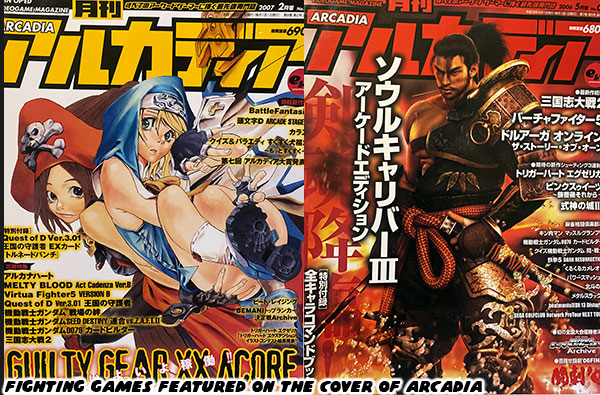
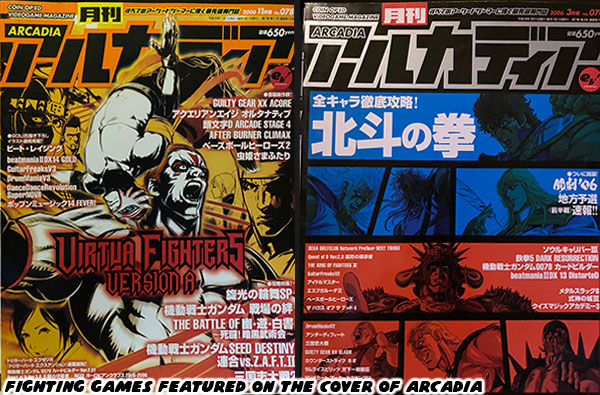
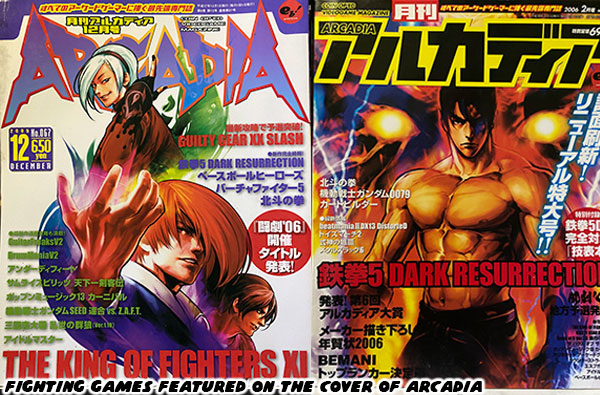
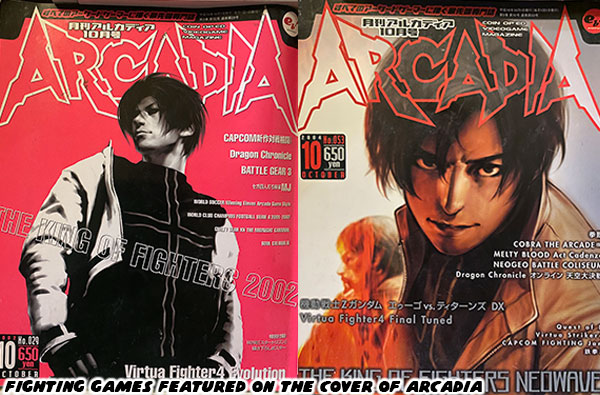
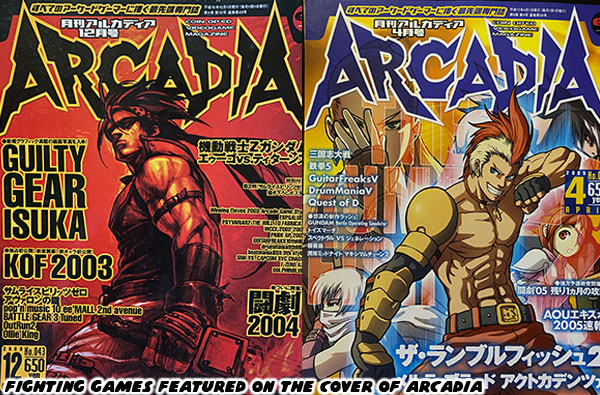
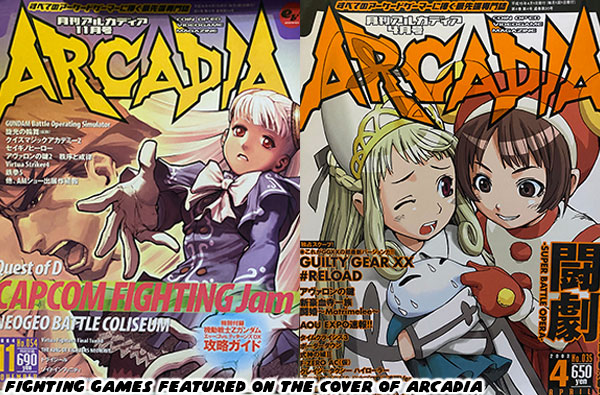
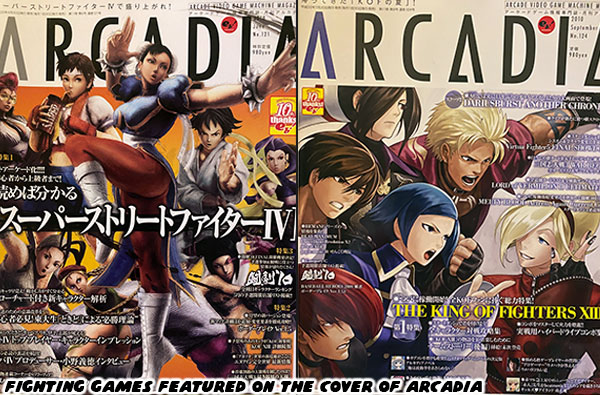
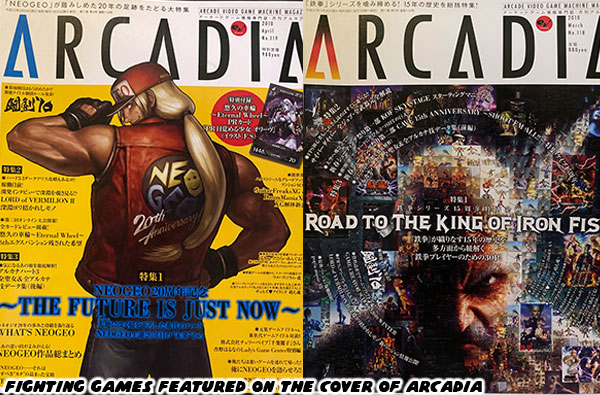
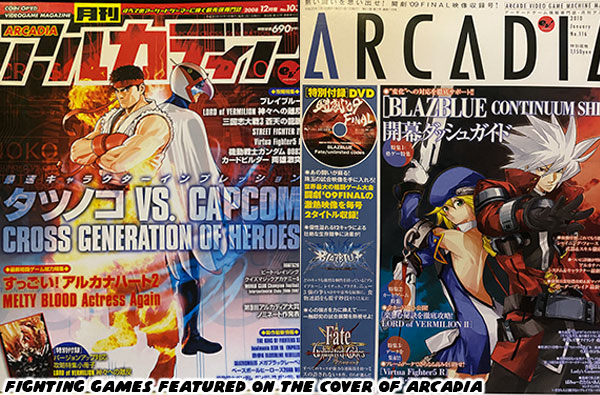
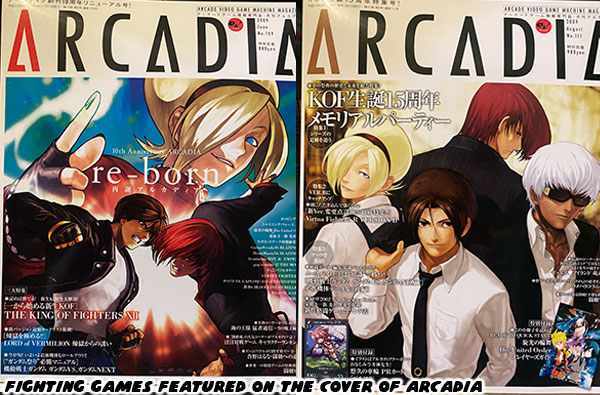
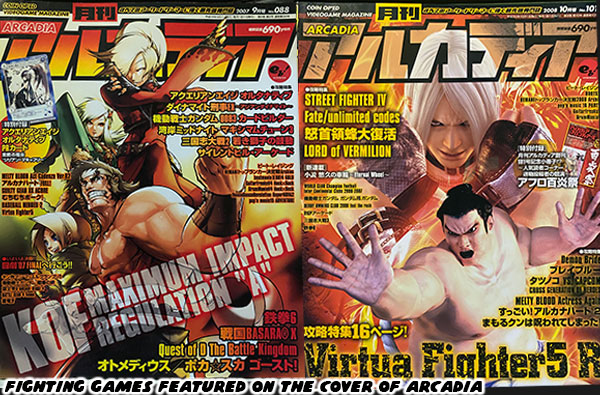
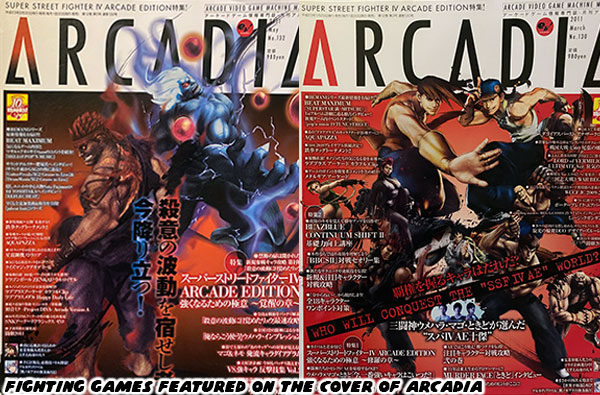
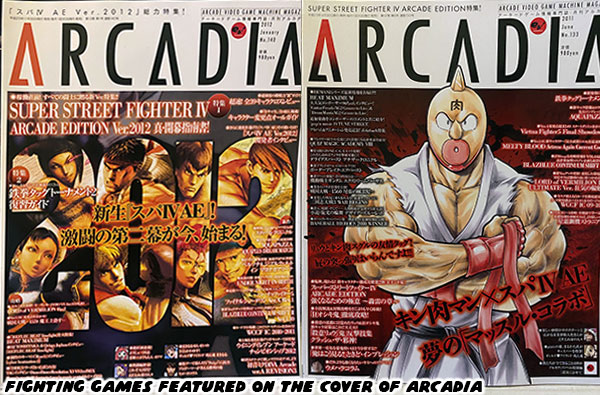
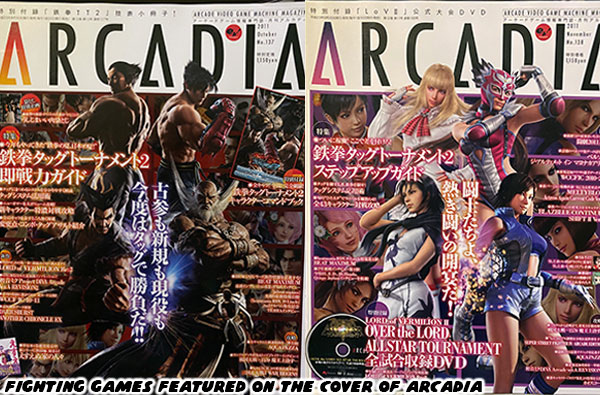
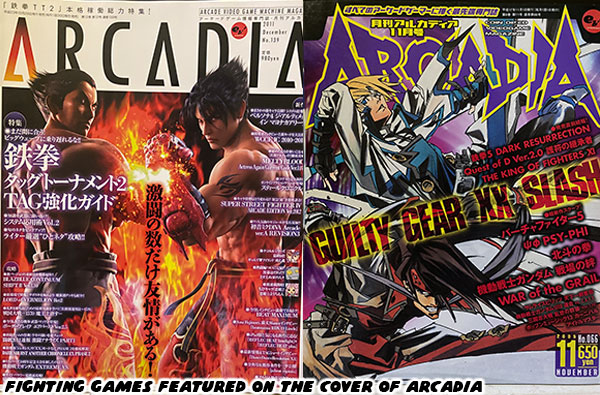
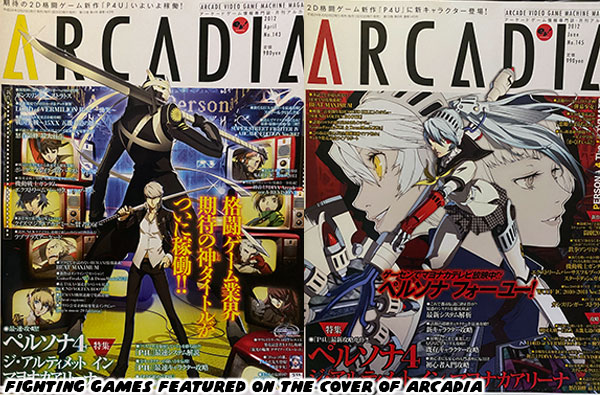
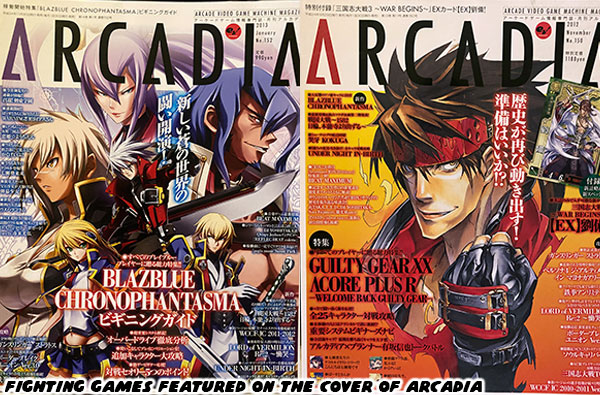
The last great fighting game covers of Arcadia.

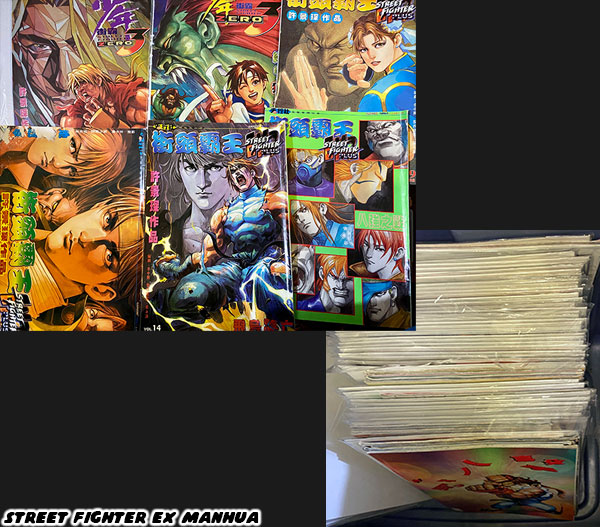
The past few Friday’s I’ve talked a bit about bringing my Arcadia magazine collection out of the garage, and into my home library. In the fall of 2023 I had brought over my Gamest magazines, game books, and mooks (magazine books from Japan), manga, as well as my fighting game manhua, or Chinese comics.

As I continue to sort through the collection I wanted to share a quick glance of some of the covers featuring the stars from the fighting games of the generation.

Did you have a favorite fighting game, arcade game, or console game that came out between 2003, and 2013? I’d like to hear about it in the comments section. As always if you would like to sponsor me please visit my Patreon page and consider donating each month, even as little as $1 would help make better blogs and even podcasts!
follow the Street Writer on Patreon!

Friday, February 16, 2024

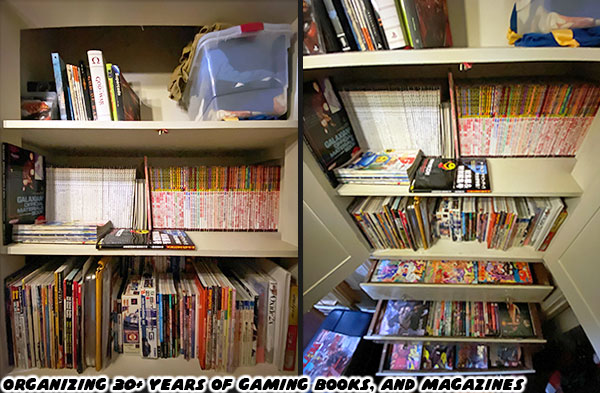
Bringing my Arcadia magazines in out of the rain...

If you have been visiting this blog for a while you might remember that I made myself ill while working on the Street Fighter 6 deep dive. I had a whole new perspective on my life, and my health while I was recovering. I thought about my family, my friends, and the loves in my life. Should anything happen to me I wanted to share online as much, if not all the gaming items I had collected through the years. To do that I needed to bring in my collection out of the garage, and into the apartment. In late summer/ early fall of 2023 I brought over my game books, comics, manga, and magazines. The majority were from Japan. It gave me a tremendous peace of mind, but was incomplete. I would have to return to the garage to do more digging.

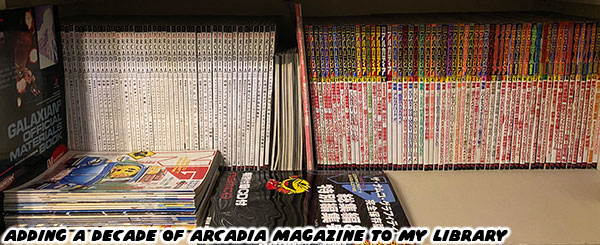
Granted, I used to have a much larger collection. Decades ago there was a flood in my mom’s garage, where I lost the majority of my US gaming magazines, comics, and monster truck magazines. It broke my heart throwing away decades worth of memories that were ruined, and dissolving. About 15 years after I lost them I started rebuilding my monster truck magazines, and in the early 2020’s had them mostly restored, plus other gems that I never owned. By a fluke most of my Japanese issues were spared during the floods, and multiple moves. I set them aside, and kept them in storage, and our garage for years, and years. With the freak storms in Southern California started picking up in 2023-2024 I didn’t trust that they were going to be safe much longer. To keep them out of the elements I cleared out room in my hallway, and hallway closet. This month I brought over another big chunk of my collection, specifically my issues of Arcadia magazine.

In case you didn’t know there were some fantastic magazines coming out of Japan. The most popular from the ’80s to today was Famitsu, but as far as arcade gaming went there was nothing better than Gamest. I had a bunch of those issues from the early ‘90s through their last issue in 1999. I had brought them into the apartment last fall. When Gamest magazine closed down a number of their writers, and editors launched a new magazine called Arcadia. I started collecting those issues shortly after 2000, and even had a subscription from the middle of the decade, all the way until their last issue at the end of 2012. Of all the magazines I owned it was the longest consecutive streak still in my possession. I loved all the Japanese mags in my collection because they were a repository of an entire era.

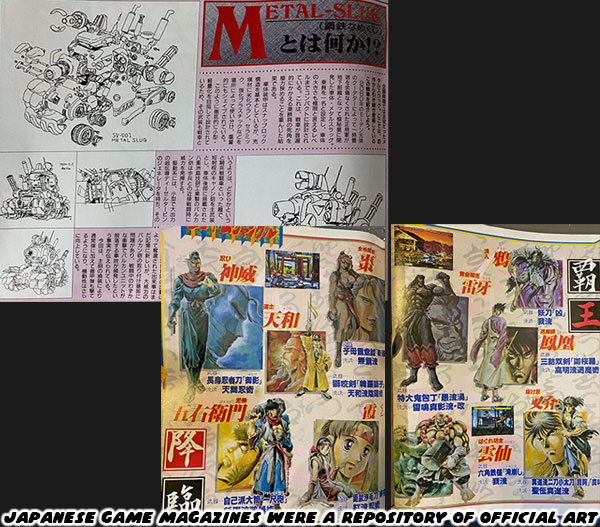
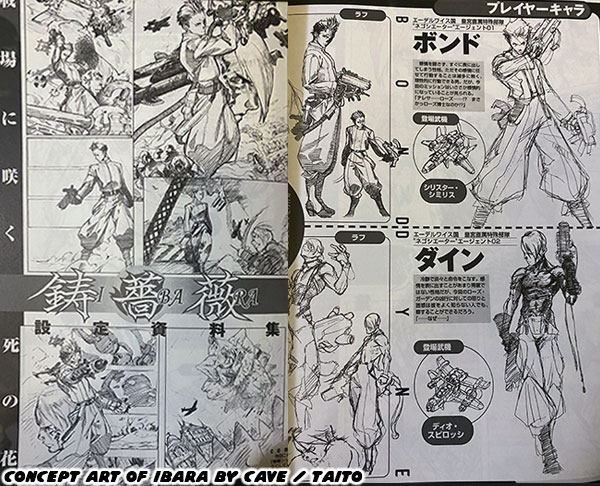
In addition to previews, and reviews these magazines were also places where the developers shared concept art, and official character art. In many instances these games would never get an official strategy guide, or art book. So these were the only places where fans could see the work of some brilliant creators. It was a privilege to be able to refer back to them, and study the work that went into the creation of some little-known arcade games, as well as the most popular titles.

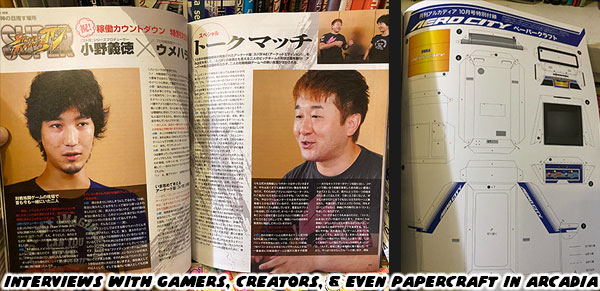
The magazines also would publish episodes of a manga based on a popular games, like the Street Fighter series. They would have recurring columns from pro gamers like Daigo Imahura, and interviews with SFIV, and SFV producer Yoshinori Ono. As if that wasn’t a great insight to the gaming community the magazines would sometimes throw in a poster, or even a paper craft model.

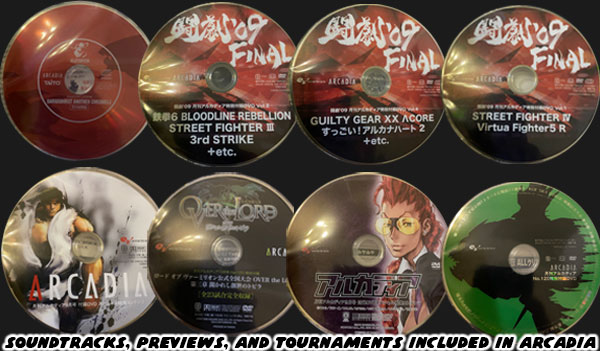
Those weren’t the only cool things that they included. In several issues there were music CDs, DVD previews of games, and even entire fighting game tournaments included in plastic sleeves. Japan hosted the Arcadia cup, which was sort of like their EVO tournament. Many of the best players of today cut their teeth in those contests.

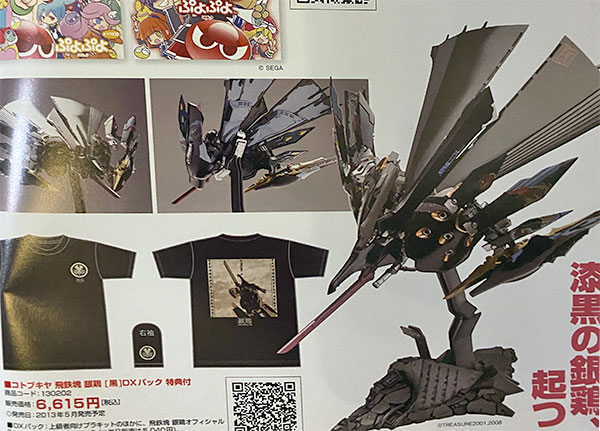
The thing that I especially loved in the pages of Gamest, and Arcadia were the collectables from popular games. There were officially licensed soft goods, hats, shirts, jackets, etc. of various franchises. There were also toys, and statues that you could only order from their pages. If you were a serious gamer in Japan then chances were you had ordered some exclusives from those magazines.

If there was a game merchandise item you wished was produced what would it be? A cosplay piece? A weapon recreation? A tee shirt, or toy? I wish some of the skateboard decks from Sega’s Top Skater had been produced. I actually own a plastic deck from the actual arcade cabinet. But I mean I’d like one of the skateboards from the in game characters. How cool would a pair of the jet-powered inline skates from Jet Set Radio look hanging on your wall? I’d like to hear about which collectable you wish was made it in the comments section. As always if you would like to sponsor me please visit my Patreon page and consider donating each month, even as little as $1 would help make better blogs and even podcasts!
follow the Street Writer on Patreon!

Wednesday, January 17, 2024

The Dodge Van Grand Prix! - A 1UP classic from February 19, 2013

I am a van man. I represent a dying breed of USA car enthusiast. My pride and joy is a 1997, B1500 Dodge Ram Van. I've spent plenty of time and money keeping it running over the years. Most of the van is stock including the classic "Metallic Forest" paint. There is very little that I have to do to make it perform. It has a powerful V8 and is actually pretty quick despite its size. On the freeway some cars mistakenly try to pass me by going around, thinking that the van is moving slower than it actually is. Before too long though most fall back in the same lane when they realize I'm clipping along well ahead of traffic. Despite its size it actually gets decent mileage, better than some SUV and trucks even.
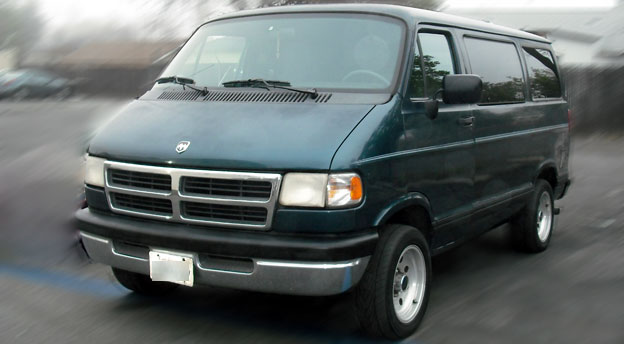
Unfortunately my model van went the way of the Dodo thanks to the economic crash and restructuring of Chrysler, the parent company. Around 2002-2003 Dodge completely changed the body on their van series. They ditched the windows and passenger seats and decided to go with a cargo-only build. The Ram label was switched out to the new Sprinter name.

The bland vans were based on the new parent company template. Mercedes Daimler bought up Chrysler and began streamlining production and cutting models in the US. The new van was actually based on the European Sprinter van by Mercedes. Daimler ended up owning Chrysler from 1998 through 2007 before Chrysler bought back controlling interest and was acquired by Fiat. Unfortunately Fiat never returned the van to its roots.

The Sprinter was ugly, garish and lacked the personality of the classic Ram vans. In fact, Daimler completely missed the fact that van culture was a genuine part of American history. The van enjoyed a sort of cultural peak from the late '60s through the '70s. In fact 1977 saw two dueling movies, the Van and Supervan. This was something that Honda did not overlook when they were trying to get more interest in their Odyssey Mini Van. They released a Van Gods commercial at the start of their new campaign. The use of airbrushed characters and iconography helped rekindle a sense of nostalgia for older drivers.


The follow-up commercials The Van is Back and Respect the Van relied on nostalgia in equal measure. Unfortunately neither Honda nor Daimler actually understood what van culture was all about. All automobile brands have followers and enthusiasts. Each car is not only a means of transport but also offers a way to express the identity of the driver. If a car could be considered a blank canvas then a van could be considered an entire wall, ready to be painted or decorated any way the owner wanted. The interior of the van was also open to more configurations than any car could ever handle. It could be stripped of seats and benches and made into a utility van, keeping tools and hardware safe from the elements. Or it could be fitted with a lavish interior, entertainment center and bed for traveling and entertaining. Some owners were able to find a balance between the practical and opulent uses for their vans. Unfortunately the passenger van disappeared at the start of the millennia and with it went the enthusiasts.

Or so I thought.
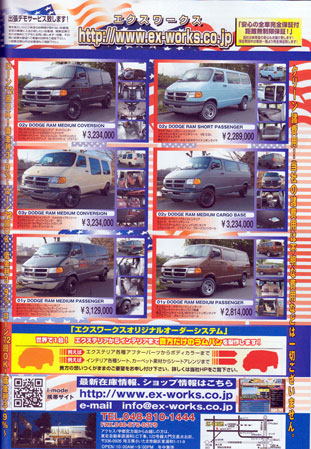
It turns out that a good number of Ram vans ended up overseas. The Sprinter van was a great choice for big city deliveries but it was not a good choice for rural areas. Japan had a larger concentration of narrow roads and mountain passages than the US or Europe making the top-heavy Sprinter van a poor choice for many. The more compact Ram was not only good for deliveries but as a passenger van it was much more spacious than the vans or mini-vans developed by Toyota, Honda or Nissan. It actually ended up creating a very strong following.

In the previous blog I had mentioned Go Nagata, the founder of the Setagaya Air Force Base. He was actually the senior correspondent for Neko Publishing's Daytona magazine. The magazine is dedicated to Western car culture and focuses on the Japanese that find, restore and roll around in American cars. As a Western car enthusiast Nagata was interested in word of a Dodge van group getting together to run a Grand Prix. He documented this in Daytona issue 255.

The title of his article was "D-Van GP a celebration of the stupid / foolish that came this year."

The image of a group of Dodge vans peeling around a turn did more than piqué my interest. It turned out that the D-Van GP had been a tradition almost as long as the Ram vans had been around in Japan.

The group raced on the Ebisu Circuit, specifically the West / Nishi course. Think of the Ebisu Circuit as a racing fan's Walt Disney World. There are multiple courses, racing schools and even a wild animal safari park in the middle of the expansive complex. It is exactly the type of place in which driving enthusiasts can spend and entire vacation.

It turned out that these were hardly anything but stock vans racing on the circuit. They had undergone a number of alterations to make them track ready. A tube frame was welded for strength. The transmission was completely changed out and motor tuned for racing. Some of the vans were even equipped with nitrous oxide. The suspensions on the vans were also completely redone and reinforced. The Dodge vans actually had great suspensions for commuting and cargo, however the wear and tear from high speed stops and starts would easily break down regular vans on a racing circuit.

When the Japanese auto enthusiasts got into something, they got into something all the way. Racing Dodge vans was no different. The same do-it-yourself mentality that was the roots of NASCAR was evident in the article. Month in and month out Mr. Nagata had demonstrated this on the pages of Daytona. Groups all over Japan would get together to strip down, hop up and trick out rides. Performance and style went hand in hand regardless of what make, model or even country of origin their rides were from. I was so impressed by their enthusiasm I was wondering what it would take to make my own van race ready.

The aggressive-looking vans may have been thought of as slow and cumbersome to most motorists but those that drove them knew how sporty they could be. The Japanese didn't approach the Dodge vans in the same ways that the US did in the '70s. There were no waterbeds, shag carpeting or disco lights on the interiors. These new vans were meant for a different type of hauling.

The enthusiasts that Mr. Nagata had written about were rare but not unique. The Japanese had been passionate about building racers with street roots as much as for the racetrack for several generations. In popular culture some of the most successful comics and cartoons celebrated car culture. The next blog will explore these things. As always if you would like to sponsor me please visit my Patreon page and consider donating each month, even as little as $1 would help make better blogs and even podcasts!
follow the Street Writer on Patreon!

Monday, July 11, 2022

Figuring out the changing Street Fighter style, part 3

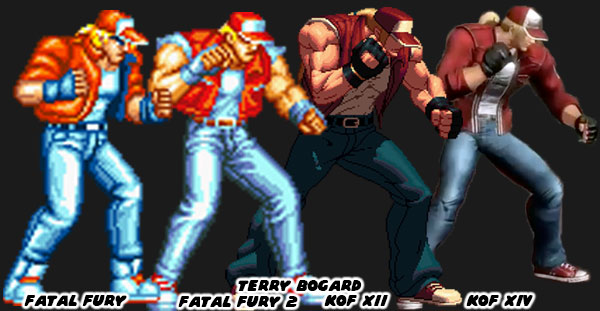
In the previous blog I talked about how different studios tried to create fighting game characters by using Capcom’s template from Street Fighter II. One of the missteps that some studios made was in overtly pandering to the western audience. The examples I used were Max Eagle, and Magic Dunker who wore costumes made up the stars, and stripes of the USA flag. There was no mistaking who these characters were, and what they represented when they literally wore the nation’s colors on their shorts. Yet great character design was more often subtle. It was subtle in the sense of how people thought Chun-Li’s costume was traditionally Chinese even if there wasn’t’t really anything classical about it. There was another way this subtlety was accomplished. SNK would not always use traditional outfits on their fighters. Instead they would put their martial arts masters in street clothes. But they weren’t just any outfits from the mall. They were on the leading edge of fashion, if not predicting it by a few years. These outfits were more than just flashy, they were carefully assembled to tell a story. The star of Fatal Fury, and poster boy for a lot of SNK’s greatest hits was Terry Bogard. Take a look at the evolution of his costume over 30 years, and see what you could identify. For the sake of this blog I am going to leave out the updated look that he received in Garou Mark of the Wolves. Since that involved a time jump.

Terry was the “Wild Wolf” of the King of Fighters universe. He didn’t represent any traditional form, like his brother Andy, instead Terry learned how to fight on the streets. He was a western character, the typical blonde-haired protagonist, however SNK didn’t play up those features. They covered him up with a trucker cap. His colors were red, white, and blue, but they weren’t the shades that you would find on the US flag. The blue on his jeans was a very faded light blue. This signaled to players that he spent a lot of time living, and working outdoors. He wore a white tee shirt, something classic, and humble. He wore a leather jacket, tough, and durable. It had a single star on the back, but it was saturated with more orange than crimson. He wore white sneakers, casual, but sporty. These would be swapped out for red ones which contrasted better with his outfit in later revisions. The tweaks that SNK gave his outfit only further reinforced the story elements from his costume. The sleeves on his jacket would be torn off to reveal huge muscles. By King of Fighters XII he was at his most muscular form. A few years later he was slimmed down, and the sleeves put back on his jacket. His jacket turned from leather to jean material, lighter, and more flexible. The majority of characters got similar makeovers post KOF XIII. Why was this?

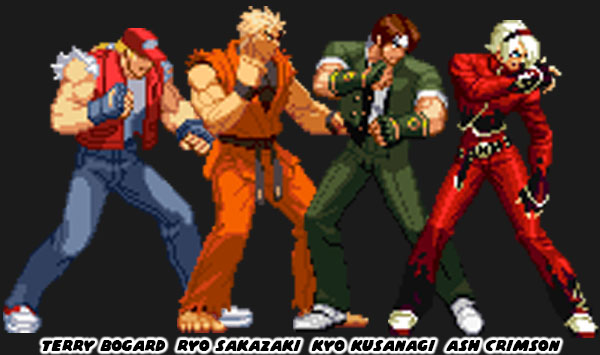
With the exception of Ryo Sakazaki, SNK had mainly pushed leading characters in very fashionable street costumes. The character that carried the torch in the KOF series was Kyo Kusanagi, he wore a very hip take of a gakuran, or school uniform. Not unlike the way Jamie wore his kung-fu outfit with a Hip Hop vibe in SF6. The young Kyo’s powers were cloned for the even more fashionable Ash Crimson. There were many characters introduced in the KOF series who wore flashy outfits. This was one of the things that distinguished their lineup from Street Fighter’s. SNK changed the look, feel, and overall aesthetic of KOF with XIV. They saw that the swollen characters in XII, and XIII weren’t necessarily going over well with audiences. The studio then put former Capcom developer, and SFIV team member Yatsuyuki Oda in charge of KOF. He focused more on making cool-looking characters that would appeal to their target audience. In this case they wouldn’t try to guess western tastes, but instead try to create archetypes that would be more popular in Asia.

Fighting games enjoyed popularity all around the world. North, and South America, the Middle East, Europe, and England had millions of fans, all eager to get the next game, and hopefully see a little representation in the lineup. In Asia there were countless fans, more so than just Japan. People in Malaysia, Singapore, Hong Kong, Taiwan, Korea, and Thailand loved the game. There were a number of changes happening between developers, and publishers all throughout Asia, some of which directly influenced the franchises. 37Games from China bought a majority stake of SNK in 2015. The studio created, and distributed browser, and mobile games in North America, and Europe, as well as China. The owners were fairly large company with a market cap of $7.14 billion. By comparison Capcom headquartered in Japan had a market cap of $5.18 billion. Both companies were of course mindful of the new media juggernaut. The biggest publisher in China was Tencent. That company had a market cap of $446 billion, by comparison Disney had a market cap of $175 billion. It would make sense to try and get Tencent’s attention, and become partners on a game somewhere down the road.

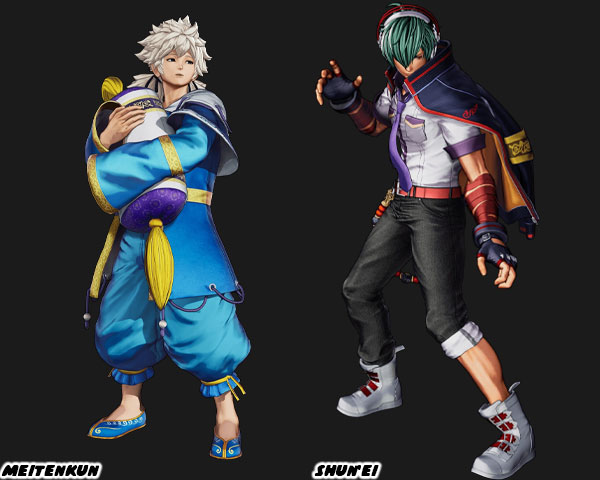
Since China was becoming the biggest gaming market. It only made sense for SNK to make a title that could win over Chinese fans. This was why the two new leads in KOF were added to Team China. Meitenkun, and Shun’ei made more sense in that role than the “Psycho Soldier” team of Athena, and Sie Kensou. The team also had the elderly master trope of Tung Fu Ru, who was a mentor to Terry, and Andy Bogard. Meitenkun, and Shun’ei were decidedly unlike the super-strong brawlers that Americans were used to seeing. They weren’t tall, weren’t buff, and weren’t “manly” by western standards. The sleepy Meitenkun was a decidedly soft boy with incredible internal power. He was a sort of pretty boy that could be appealing to female fans. His name actually sounded like the Mandarin saying “mei tian kun” which meant “sleepy everyday". The other character Shun’ei was meant to be the star character. He was an updated take on the cool guy, the new Kyo essentially. His school uniform was just as fashionable, and he even wore it with one pant leg rolled up, take that Jamie! The designers behind Rock Howard, the young star of Garou Mark of the Wolves, had a hand in creating Shun’ei.

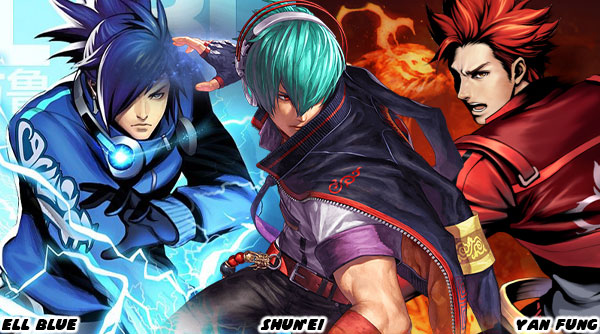
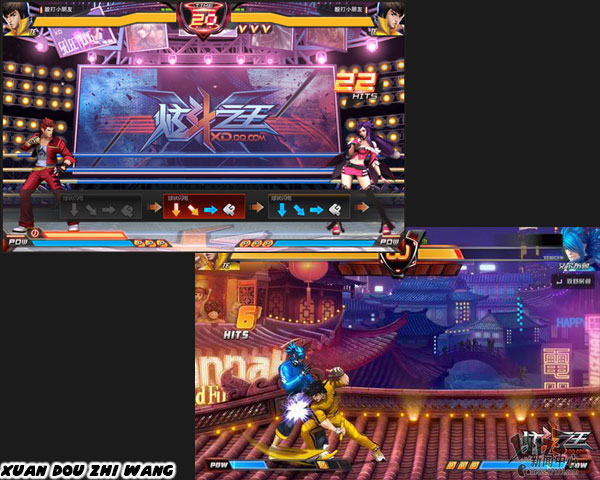
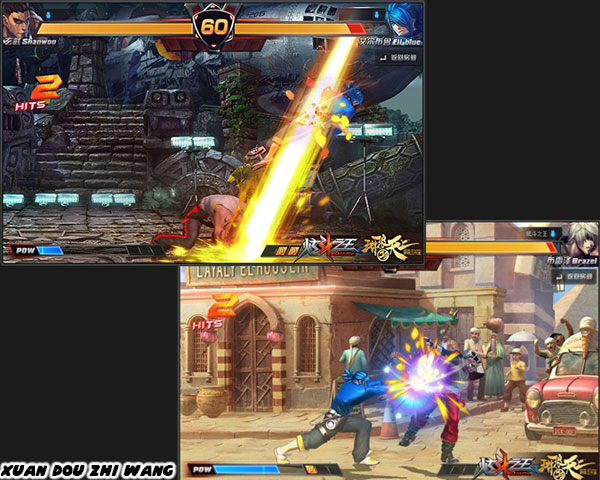
Many of the KOF star characters did not represent a traditional martial arts style, they were given awesome powers instead. Very much like comic book heroes. Kyo had flame powers, as did Ash. Shun’ei had both flame, and water powers. These were reflected in the red, and blue psychic hands that he attacked with. The design, and choice of colors I think was done in response to the popular home-grown Chinese game Xuan Dou Zhi Wang aka King of Combat. Jade Studio developed the game for publisher Tencent Games in 2011. It would receive new characters, and stages over the next eight years. This was well before 37Games acquired SNK. Those that had seen King of Combat, and had played it could say that it was a clone of the KOF series. The character selection, and even stage design seemed lifted from SNK’s best work. I had already talked about this connection with Shun’ei, but essentially his look was an amalgamation of Ell Blue, and Yan Fung, the stars of that game. 

Two years before SNK was sold Tencent announced a crossover where KOF characters would appear in King of Combat. This raised the status of the game, and made the copycat title appear more legit to the Chinese fighting game community. It also helped make sure that the aesthetic that SNK used would remain more Asian influenced. These things helped explain the shift in changes from slim-to-buff, back-to-slim characters in KOF. There was something happening in Capcom as well. I'm going to talk about it on the next blog. I hope to see you back for that. I’d like to hear your take in the comments section. Let me know what you think defines the Capcom, SNK, or the style of any publisher. As always if you would like to sponsor me please visit my Patreon page and consider donating each month, even as little as $1 would help make better blogs and even podcasts!
follow the Street Writer on Patreon!