Showing posts with label gardenergala. Show all posts

Friday, June 7, 2024

Remix Culture, how Asian designers changed the game, part 7

Hello friends, I hope the year is treating you well. If not then I hope today goes easy on you. If you’ve been keeping up with the blog in the past few weeks then you’ll remember that I have been talking about Michael Lau, and the birth of urban vinyl art. Previously I mentioned that the creators from Generation-X were remixing culture into something new, and fresh. They were pulling their influences from growing up. Everything from music, to fashion, movies, video games, and even toys ended up coloring their work. They redefined comic books, manga, video games, and collectables for the next few generations.

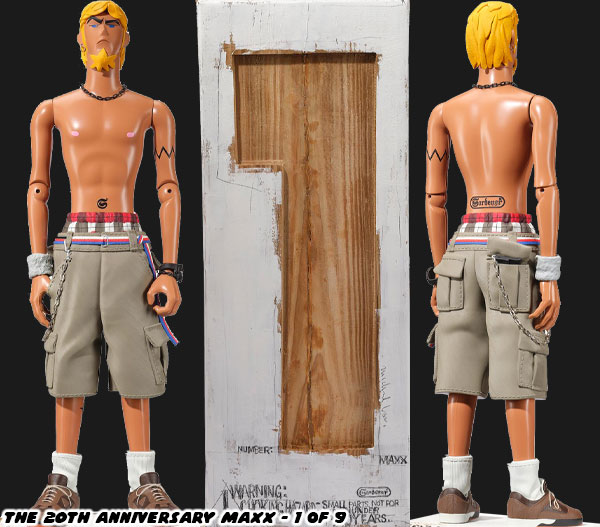
I was usually slow to catch up to the trends when they took off, but I was at the right place, and able to see the rise of urban vinyl from “The Godfather” himself. I’ve often been asked if I had a favorite gardener figure from Mr. Lau. There was one that I loved head, and shoulders above the rest. However like many of his figures I never expected it to be released in its original 12” format. Just a reminder that Lau sold only a handful of 12” figures in the late ‘90s. This was before his first international gallery shows. The ones that I know specifically he sold in the Hong Kong Toy Expo were Maxx, and Uncle. The last time one popped up at auction it sold for $35,000 USD. 

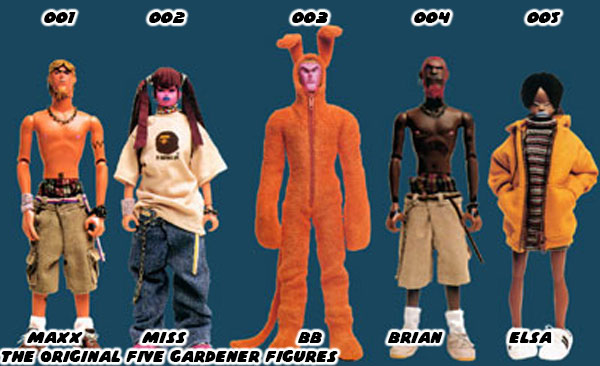
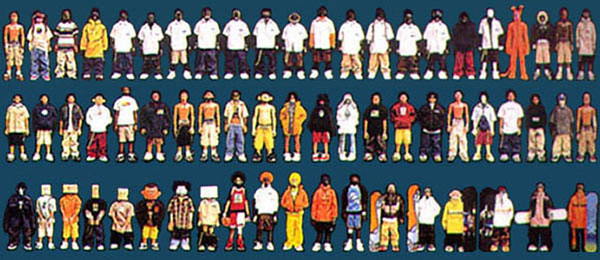
A decade later he did small runs of Maxx, Tattoo, and BB. There were about 599 made. These releases cost around $400, or more for the special editions. Those weren’t as rare as the limited edition of Maxx that he released to celebrate the 20th Anniversary of the gardeners. In 2018 he created 9 Maxx figures that were identical to the ones he had sold decades earlier, including the hand made box. Those that missed the boat the first time around had a chance to purchase them for a few grand. As with some of his rarest items they were only available via lottery system at the gallery during his shows. When one of these was resold at auction it went for $15,000 USD. In case you were wondering how many gardeners there were you could see all 113 of them on my fan page. Let’s assume that each one was actually made to buy, do you think you could pick a favorite?

If I had money, and were born in Hong Kong I’d have a fantastic collection. For someone living in the US in the early 2000’s when international sellers were scarce my collection was halfway decent. This was especially true for someone that was broke all the time. I stopped collecting when my future wife entered the scene, as I knew I would be spending my money on our family. Also collectors had priced me out of the market. Drops that I would normally score would sell out before I could even enter my shipping info online.

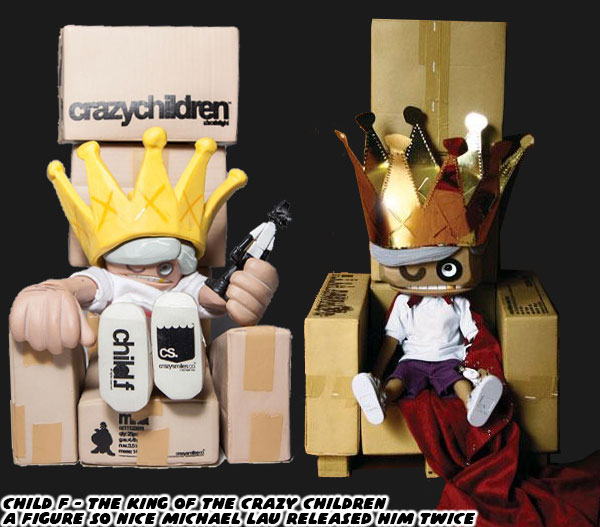
Yet none of the 12” figures that Lau released were my absolute favorite. The re-release of Maxx certainly came close, the versions of young SKATEMAXX, and older WORKMAXX were also brilliant. If money were no object then they’d be mine. Yet they were not my absolute favorite gardener. I had said on many occasions, and to this day I believe that the greatest vinyl figure ever released was child f. The King of the Crazychildren. The entire line of Crazychildren were brilliant. The release of each figure included an extra piece. If you collected all the figures then you could assemble a mystery figure out of those pieces that was based on Lau himself. The S.F.C.C. or science fiction crazy children set pieces could assemble a massive “robot” Lau made of vinyl that looked like cardboard boxes.

With all that said child f. was on another level. He debuted around the time that a bunch of contemporaries were flooding the market with “me too” vinyl figures. The King figure was more than a challenge to the rest, he was a statement. He was perched on cardboard boxes of previous Lau releases that were taped together. He had a gold tooth, a soft plastic crown, and in his hand was a mini Lau figure. The tiny figure was the original mystery figure from the first generation of Crazychildren. His contemporaries simply didn't have the experience designing characters, let alone a history they could pull from in order to create such a self-aware piece of art. Years later Michael released a larger version of the King that was more in the proportions of the 12” gardener scale. This time his crown was reflective, he had a more recent “Crazy Michael” figure in his hand, and he had a red cape, which was actually a shower curtain. As cool as the classic, and new version of the Kings were they were still not my favorite gardener.

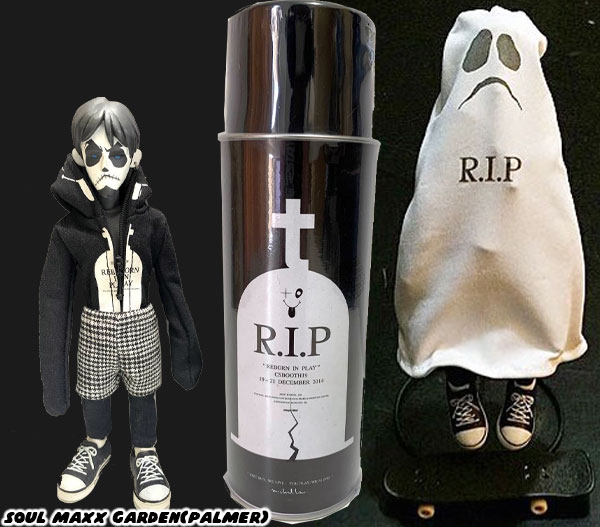
There was a variation of Maxx that I felt was almost equal to the King, and in some ways even better. Soul Maxx was one of the new gardeners that made his debut with the garden(palm)er series. These were 1/12 scale, or about 6 to 8 inches. This version of Maxx was a kid, much younger than he had been presented before. The funny thing was that Michael would always sculpt him with some chin hair, even when he painted a toddler Maxx, the character still had a beard. Soul Maxx was presented in skull paint. He was colored entirely in black and white, including his clothing, and shoes. The other palmer figures were contained in white spray cans, except for Soul Maxx. His can was jet black, with a tombstone on the front. The figure included a skateboard, ghost sheet, black crown, and wire stand so you could make the figure look like he was floating above his board. When you saw the figure it was easy to see why he might be my favorite. Sadly I never got the figure, also he was not my absolute favorite gardener. That honor would belong to one of the tallest characters in gardener canon.

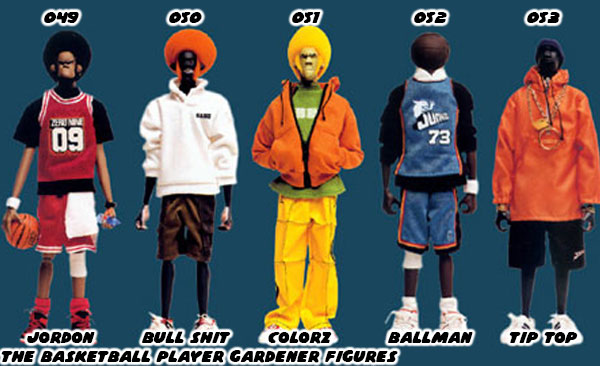
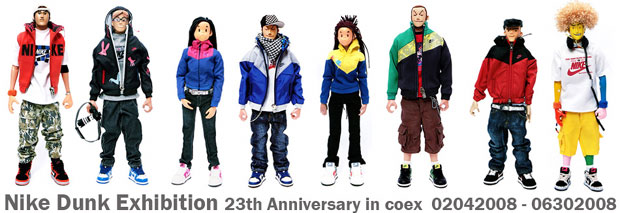
Remember when I started this series weeks ago I mentioned that I really loved basketball? I genuinely meant it. When I first discovered the art of Michael Lau, I had no idea that there were basketball players in his universe. I simply thought they were just a bunch of cool skaters. The first time I saw all of the original 101 figures was when I got my hands on the gardenergala book. It was published in Japan as part of his PARCO gallery tour. The photos in the book were to scale, so I could see how they would have appeared in person. I went through the book with my brothers, slowly turning the pages, and being amazed with every new page. The amount of detail was absurd. My brothers couldn’t believe that each was more amazing than the previous, then I got to the middle of the book and gasped. Unlike the regular gardeners which were around 12.5” tall the lanky Black figures were closer to 15” in height, proportionally they were seven-footers. They were so tall than the tops of the afros were cut off on the page. 

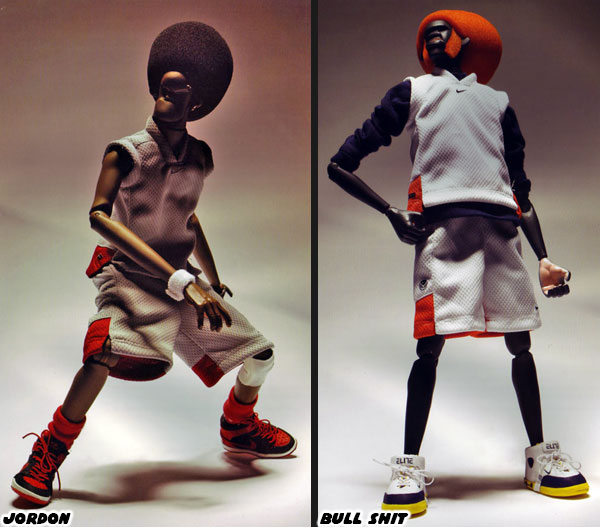
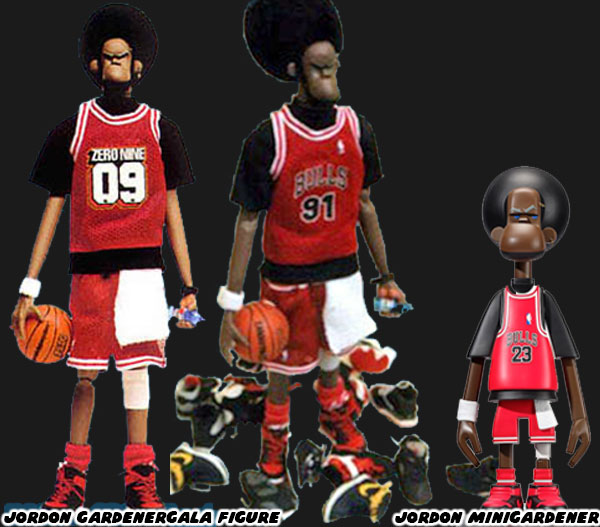
Of these figures Jordon, the 49th gardener in the series, was my absolute favorite hands down. For the record No War, Tattoo, and Maxx were close runners-up. Seeing the basketball gardeners was a revelation. I had the same sense of “This is it! This is what I was waiting for!” As I did when I first saw Maxx. It was an artistic interpretation of basketball culture. It hit me even harder than the paintings by Kadir Nelson. Everything about the figure was brilliant. It encapsulated the elements of both professional, and street basketball. The size of the character, the afro, and sideburns were a callback to the legends of the past like Julius “Dr. J” Erving. His name, and the black, red, and white colors of his outfit were a nod to the G.O.A.T. Michael Jordan who was just about to retire for the second and final time.

Yet somehow Jordon's look also predicted a generation of bearded, street-influenced NBA players. Even Jordon’s accessories were spot on. The Gatorade bottle looked tiny in his massive hands, he had a towel to catch his sweat between games, the knee sleeve to protect his left knee, and of course the Jordan Air Force 1’s rounded out the look. If there could be such a thing as a perfect basketball vinyl figure then this was it. It would be the gardener figure that I envied the most, and the one that I knew Michael would never release to collectors. There was an outside chance that he would make a mini gardener out of the figure.

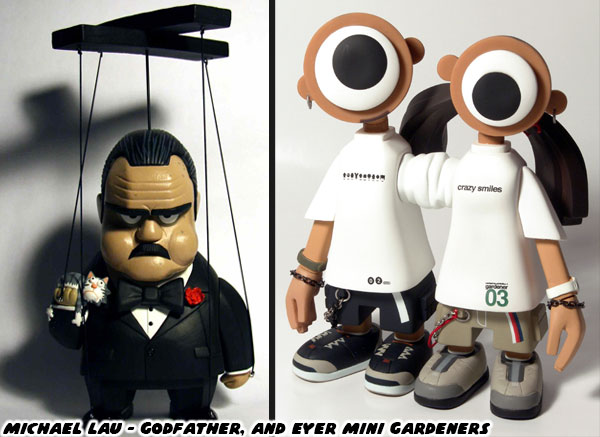
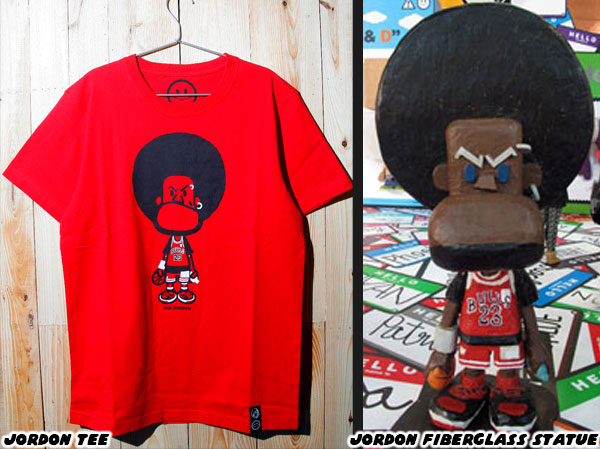
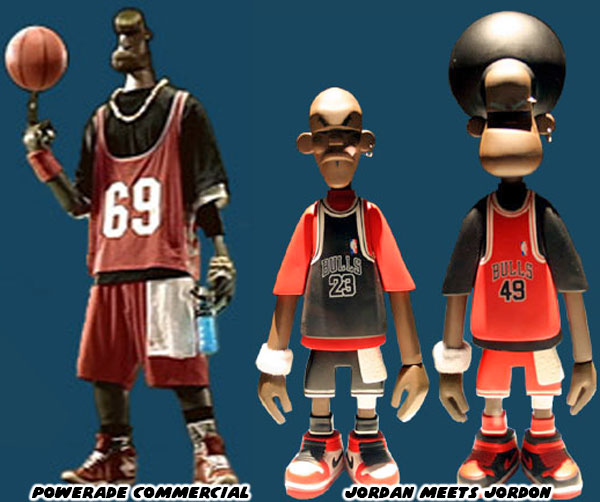
Sure enough seven years later, in 2008 Lau released Jordan in the smaller scale, and it was the one figure I absolutely had to get my hands on. I remember going in to work early, and loading the ordering screen on multiple school computers, my brother even helped me keep hitting refresh, and made sure I could get my hands on one. Always making sure to appease his fans Lau made sure that Jordon was considerably taller than the other mini gardeners he had released, so that they would have the accurate difference in the new format. Jordon would pop up on occasion over the next decade. He appeared on tees, and even a fiberglass statue that could only be purchased from a gallery via a lottery drawing.

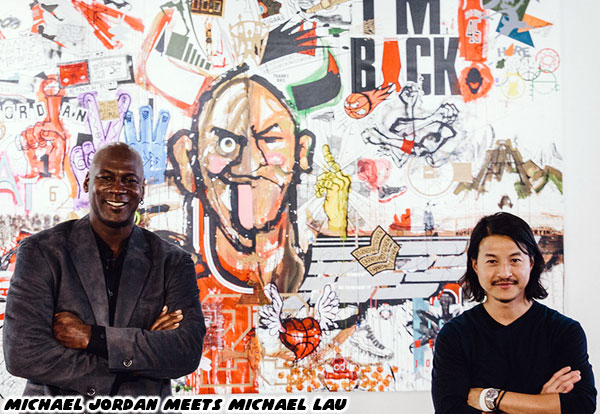
Michael knew that he had hit perfection when he created the character. When he was approached by Wieden+ Kennedy, the people that created the Nike commercials, to design athletes for an ad he essentially removed Jordon’s afro, and put a #69 on his jersey. Even as an actor in a foam costume he looked amazing. Eventually Lau was able to collaborate with Michael Jordan, and release a “twenty-three” figure for collectors. His body was a recolor of Jordon’s but the head was entirely new, including the trademark tongue sticking out.

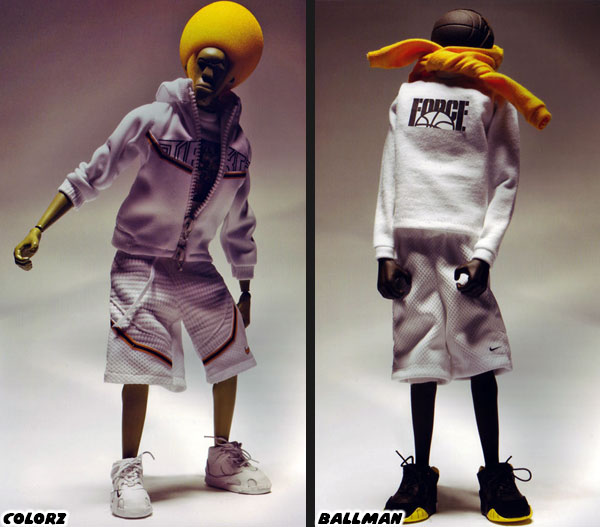
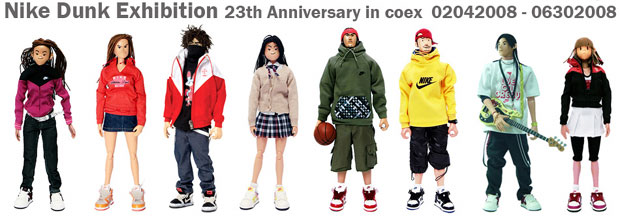
Around the time that the Jordan figure came out Eric So, and CoolRain were also designing vinyl figures for the NBA. By this point the relationship between Nike, and Lau was strong. They would collaborate on new exhibitions where the gardeners were given entirely new Nike sports outfits. Lau would even get to design a few exclusive Nike SB (skateboard) shoes, which today would sell for $9000, but not nearly as desirable as his padded cell sneakers for his “Crazy Michael” release which could fetch you $15000 today. Lau also got to design the uniforms, and sneakers for the Chinese national team during the 2008 Beijing Olympics. One of his massive paintings, the “Wall of Jordan” which was created for the 30th Anniversary of the Air Jordan brand would sell at auction for over $160,000 USD. It was official. Michael was not only an accomplished artist, he was shaping the culture that had influenced him tremendously.

I knew that his figures would only get rarer, and costlier from that point forward. It was impossible to satisfy the demands of the collector community, the art crowd, and fashion labels at the same time. Something had to give. Sadly I had to walk away from collecting Lau’s future releases before the start of 2010. I never stopped loving his work, and kept my fan page going for years after. I had to restored it after a hiatus because I wanted new fans to know where the movement came from. With that said I still had a desire to collect figures that inspired me. I knew that Lau would never release a collectable 15” Jordon figure, as Maxx, BB, and Tattoo had been consistently more popular. It didn’t stop me from tracking down the next best thing, but I’ll talk about that in a future blog. I’d like to know if you had a favorite Lau figure, or a favorite figure by any other designer. Tell me about it in the comments section. As always if you would like to sponsor me please visit my Patreon page and consider donating each month, even as little as $1 would help make better blogs and even podcasts!
follow the Street Writer on Patreon!

Friday, May 17, 2024

Remix Culture, how Asian designers changed the game, part 4

The previous Friday I talked about how Michael Lau set the stage for the urban vinyl movement. Specifically his gallery shows from 1999, and 2001 featuring his 12” figures in Hong Kong, and Japan respectively. While he was exposing the world to a new type of art his friends, and contemporaries were following closely behind, and releasing their own 12” figures to collectors. At best groups like Brothersfree understood the art movement. They weren’t poaching the community that Lau was representing, I’m talking about street culture specifically. Instead the Brothersfree group were trying to carve out their own niche, to tell their own story by turning industrial workers into the heroes of their Brothersworker line. Or Wendy, and Kelvin Mak telling the stories of Hong Kong tradespeople with their 2da6 line. I felt that other artists like Eric So, Jason Siu, and Pal Wong were biting a little too hard on what Lau had established previously.

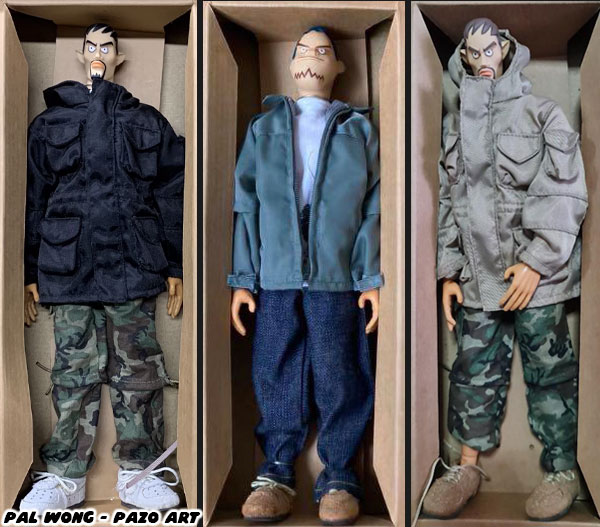
The Pazo Art figures from Mr. Wong for example went through all the same motions as Mr. So, and Mr. Siu. They were highly detailed, quality sculpts, with realistic fashion. They often came with a change of clothes, accessories, stickers, and all of the trim that one would expect from $200-$300 figures. They also went right after the street fashion look. What got under my skin was that Pal was sculpting faces that were eerily similar to what the gardeners looked like. Michael Lau created a gardener called Future, he was essentially a caricature of established graffiti icon Futura 2000. When that character was unveiled it was a breath of fresh air. Knowing that he was a part of the gardener community connected their story to the culture. Then seeing Pal going down the same path with his figures felt redundant, and even slightly disrespectful. The smaller figures that he released showed to me that he didn’t understand what the movement was about.

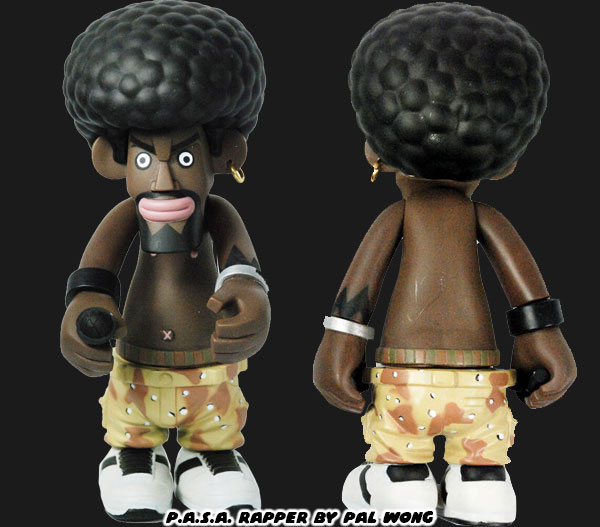
The P.A.S.A. Rapper by Pal Wong was an obvious attempt at capitalizing on the 6” gardener trend. To the casual observer the scale, proportions, details, and accessories were all spot on. He could have been one of the gardeners except for a few things. The sculpt, and paint was an amalgamation of Maxx, and Brian from the earlier gardener line. He was missing a chain for his wallet, and there was no felt wristband, instead it was sculpted, and painted to his wrist. These were all shortcuts to bring a cheaper figure to market, and pass it off to the masses. To make the character slightly different from the gardeners he had an afro, large eyes, and some really thick lips. These things didn’t really capture the spirit of the gardeners, and felt a little bit heavy-handed, if not outright racist. But I don’t want to sweep what Lau did under the rug either. We need to talk about culture, representation, and appropriation with context to this new art form.

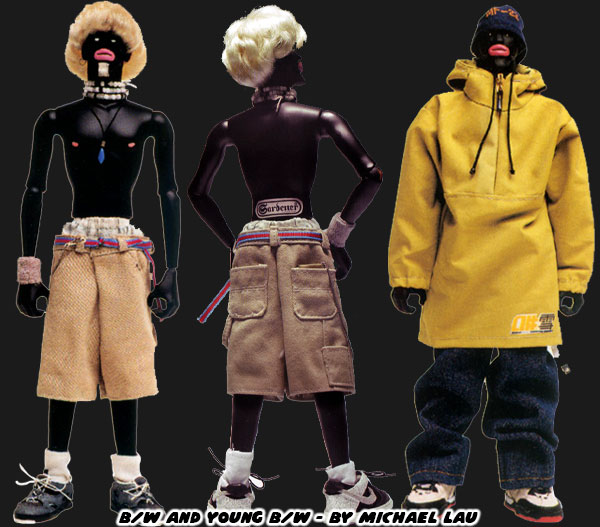
Michael Lau had also released a figure with dark skin, and big lips as well. This character was called B/W. He was an African born in Hong Kong. His friends liked him, but he could be long tongued, aka he could be very chatty. He stuck out for several reasons, the most obvious was his jet-black skin, and large pink lips. B/W was the ninth figure of the original 10 gardeners, and was the only one that had skin that dark, and large cartoonish lips. Brian, Elsa, and Uncle were Black characters in the original 10 lineup that looked more like regular people. There would also be a group of basketball characters added to the lineup that had various shades of Black skin, but none as dark as B/W. I would argue that Michael did not intend to use a racist caricature. All of his gardeners had exaggerated cartoonish, facial features. It was bad form to push the envelope that far with B/W. His representation on the rest of the cast was more or less well done.

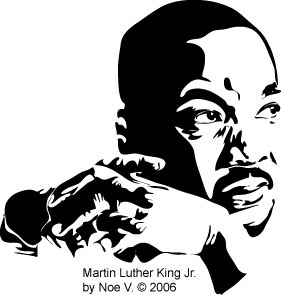
Why did Pal Wong, and Michael Lau feel that it was okay to present a Black character like this? For Mr. Wong I feel that he was just trying to cash in on the popularity of Lau. He poached his art style, and created a knock-off figure without understanding the culture that Lau was trying to recreate. For Lau I would say it was his lack of awareness he had regarding Blackface. The importance of representation was something that I had written about previously, especially when it came to fighting games. One of the things that I want to remind you of is that the Civil Rights movement that the US went through in the ‘60s only happened in the USA. Martin Luther King Jr, Malcom X, John Lewis, James Farmer, and the other Black leaders of that era shaped the culture in the US.

There were no civil rights movements similar to what we had in other countries. While schools overseas might talk about it, culturally the UK, Japan, or China did not have anything like what the America went through. There was a good chance that Lau, and his contemporaries did not realize that the big lips character was offensive. This was partly due to cultural relativism, they got the trope directly from the US. That presentation had been a part of US cultural exports to the rest of the world since the late 1800’s. It was seen in advertising, in toy design, and popular music of the era. By the 1940’s Blackface fell out of favor as a form of entertainment in the states. Culturally the new enemy were the Japanese, and Black Americans were signing up to fight in WWII. It was disrespectful for them to return home and see that ugly face waiting for them. So little by little it started getting taken down in marketing. The change got a lot of pushback in many states, not unlike the removal of Confederate statues did as recently as the 2020’s. 

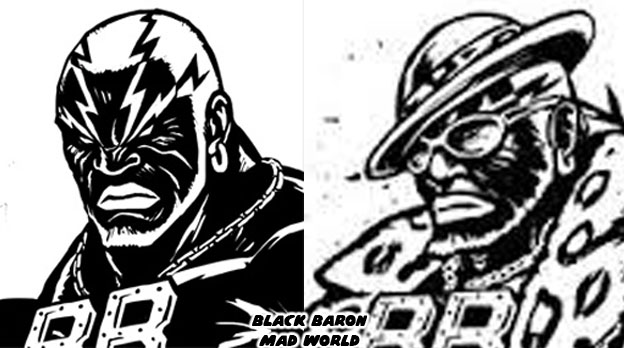
The thing was while this trope was fazed out in the USA, it didn't entirely disappear overseas. The big lipped characters in pop culture could still be seen through Mr. Popo from Dragon Ball in 1988 (R.I.P. Akira Toriyama), Chocolove McDonnell from Shaman King in 1998, and as recently as 2012 with the release of Anarchy Reigns, the follow-up to Mad World by PlatinumGames. This is why I want to talk about context of the gardeners, including B/W. Lau intended on creating figures based on the street culture that his friends, and he had grown up in. He didn’t go in trying to specifically hurt any ethnic group specifically. Of course that doesn’t prevent people from being insulted. 

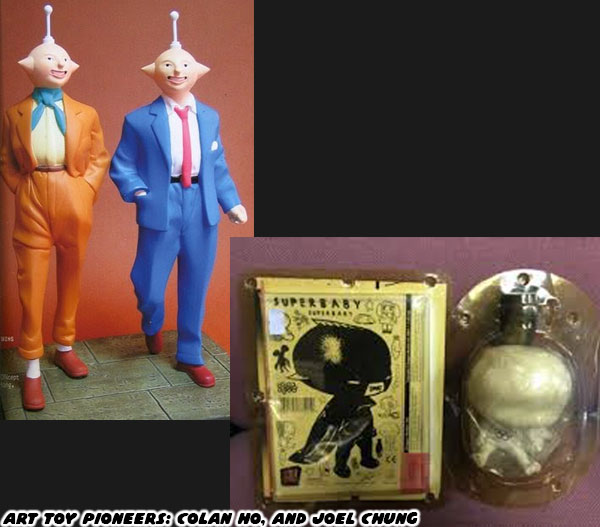
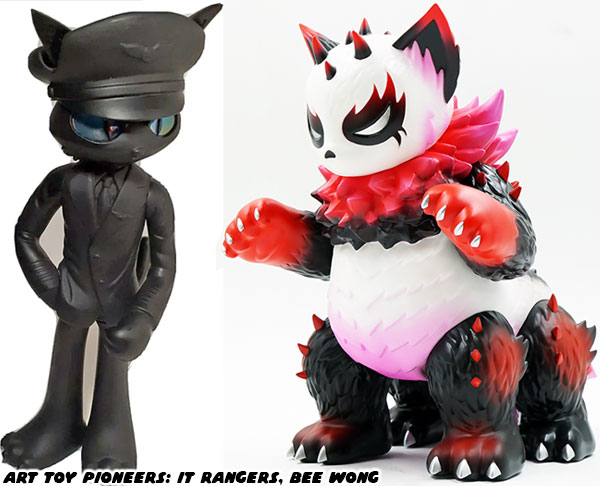
As for all of the artists from Hong Kong, and Japan that came out right on the heels of his work, they also had to be put in context. Were they releasing figures because they were going for a cash grab? Were they doing this as an homage to Mr. Lau? Could it be both, or neither? Again, it depends on the way we look at it. Designers like Colan Ho, and Joel Chung were releasing pieces very much out of left field. Their figures weren't workers, skaters, breakdancers, or anything else like that. They had their own signature style, but could also work with a license if they had to. It was an interesting time for collectors that wanted unique, high quality pieces. The urban vinyl craze spread like wildfire throughout Asia. Some artists were turning sketchbook creations into 3D representations, some were remixing kaiju monsters with cute, and cuddly toys. This approach was evident in some of the early pioneers like IT Rangers, and Bee Wong. 

In 2008 South Korean figure artist CoolRain made his debut. He was heavily influenced by Lau, and managed to secure some high profile clients in a relatively short span of time, including Nike, Adidas, Vans, and the NBA. Although he designed a number of smaller 6” mini gardener-type figures for the NBA, he rarely produced a 12” figure that wasn’t a prop for a commercial, or gallery show. Very few people were able to get their hands on his original 1/6 figures, and these tended to be rappers, and star athletes. CoolRain was kind enough to do an interview with me. He gave all the credit to Lau for inspiring him. He definitely approached figure art as an art form, and not a way to make a quick buck.

Lau had also collaborated with Nike, and Sony, but he was notoriously hard to pin down by any company. When in doubt it seemed that the corporations could go to CoolRain if they wanted to use the aesthetic, rather than wait on Lau. Was this an example of an artist holding onto his integrity, or being selective about clients? Was CoolRain selling out the culture? It all depends on the context. He understood the line was blurring between art, toy, and collectable. He taught classes, and presented workshops to the new generation of creatives in South Korea. He was very mindful of the communities he was asked to recreate, whether they were skaters, basketball players, or even professional futbol / soccer players. He was just one of many voices helping spread the word about “urban vinyl” and the larger art movement.

The respect I had for CoolRain remained consistent over the past 20 years. It made me reconsider what I thought about other artists appearing in the early 2000’s as more than just poaching the work of Michael Lau. I’ll talk more about it in a future blog. For now I’d like to hear your thoughts. Could art be controversial, or accidentally racist? Would context be important in exploring, or explaining the relationships between ethnicity, stereotype, and culture? Tell me about it in the comments section. As always if you would like to sponsor me please visit my Patreon page and consider donating each month, even as little as $1 would help make better blogs and even podcasts!
follow the Street Writer on Patreon!

Friday, May 10, 2024

Remix Culture, how Asian designers changed the game, part 3

I don’t think people understand how revolutionary the art of Michael Lau was, especially to me. His 1999 exhibition in Hong Kong was like the first sonic boom, but his gallery exhibition in Japan during the summer of 2001 was like landing on the moon. I was 27-years-old at the time. I had read countless comics, and manga. Played hundreds of video games. Seen entire libraries of animated programs, and films from around the world. I didn’t think that anything could have absolutely grabbed me like the gardeners did. I could only imagine it was how Andy Warhol, Jean-Michel Basquiat, or Keith Haring connected with creatives in the ‘70s and ‘80s. They added entirely new chapters in the book of art. The figures of Michael Lau were a revelation, for the first time an artist not only synthesized a culture, he captured an entire generation using a new format. His three-dimensional figures did more for me than a photograph, sculpture, song, poem, documentary, or movie could have ever done.

The thing was that I was not looking at the abstract. I didn’t have to interpret the shape, form, white space, color, or tone of the art. I was looking at physical representations of the people I knew, of the people I looked up to, of the culture itself. Each figure was like staring at the friends I hadn’t met yet. The people that inspired Michael also inspired the people of Hong Kong, Japan, the US, and the UK. Although these fans had never met they could all point to a gardener and say “I know that guy.” They dressed like regular people. They weren’t wearing high-end fashion lines, but they wore exactly what kids on the street would be wearing. This applied from top to bottom, from their haircuts to the brand of shoes they sported.

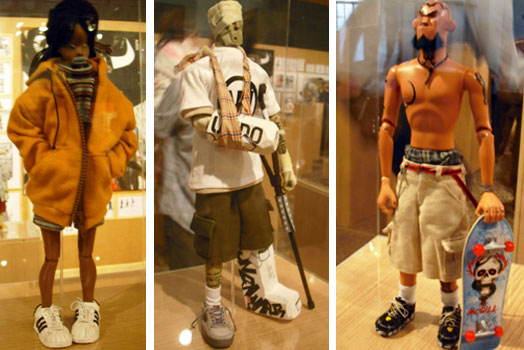
Although Michael lived a world away I could swear that he grew up in Southern California. He knew intimately the Hip Hop, and action sports cultures he was presenting. He knew what skateboards, and skate shoes would be authentic with skaters themselves. He knew what types of BMX bikes the kids would ride. He knew the snowboards, and bindings they would use. Surfboards, wakeboards, and generally all of the non-traditional activities that the US considered extreme. Even the traditional sport highlighted had major street influence. The basketball players wore the freshest sneakers. He didn’t just go to Toy’s R Us, and put a bunch of Barbie’s in tee shirts. Everything was handmade, and that’s what really blew my mind. It was an absurd level of detail poured into the 101 figures. Michael did the impossible, he bottled the essence of street culture.

A good portion of the gardeners were based on the people he knew, including the LMF crew. Even the fantastic designs, people with heads of basketballs, boxes, or spray cans were inspired by the community. He didn’t have to travel to Los Angeles, Harajuku, or New York to meet the trendsetters because they all lived in his imagination. If gallery shows were the only thing Michael had contributed to the art world then he would still be a hero of mine. Yet once people got a taste of his art they would only want more.

Up until that time you could only buy a poster of his gardeners in his exhibitions. Since the figures took so much time to produce there was no chance that the patrons would be able to walk home with one, no matter how hard they fell in love with them. That was until the galleries convinced him to release smaller vinyl versions of his figures, similar to the ones he had worked on in Hong Kong circa 1999. The 6-inch mini gardener was born, and these would inspire the creation of vinyl toy movement. Including Dunny’s (2004), Vinylmation (2008), and the ubiquitous Funko Pop figures (2010).

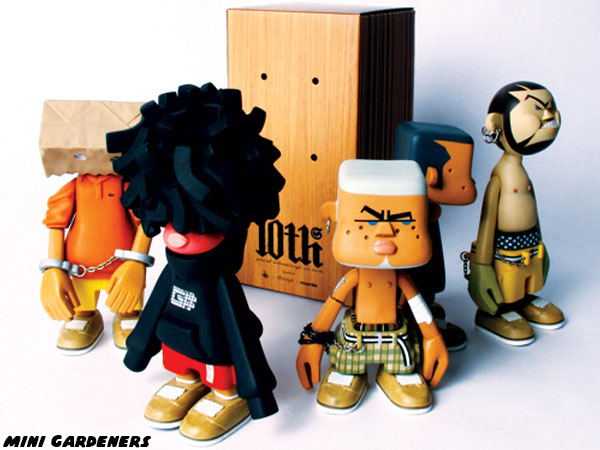
The mini gardeners were created in limited numbers, around 1000 if I remember correctly. Some sets would only get a run of 500, and the rarest would get a run of 100. Each 6-inch gardener captured all of the details from the 12” figures they were based on. I remember the first time that I got one. I saw an announcement of a book based on the exhibition. It included Maxx, and a CD. I went to the Japanese bookstore in downtown Los Angeles, and placed an order. They asked if I were sure I wanted it, as it would cost almost $300 once tax, and shipping were added. I couldn’t slap my credit card on the desk fast enough.

The bookstore manager literally phoned it in right in front of me, and read the details to their parent store overseas, as they hadn’t networked their computers at the time. Once they got a confirmation number for me I could go back home. A month later I picked up the box set, and had one of those feelings that words couldn’t really capture. I showed everyone at work the figure, they were astonished that Maxx had a metal earring, fabric wristband, and chain on his wallet just like the 12” figure he was based on. It was, and remains one of my favorite pieces.

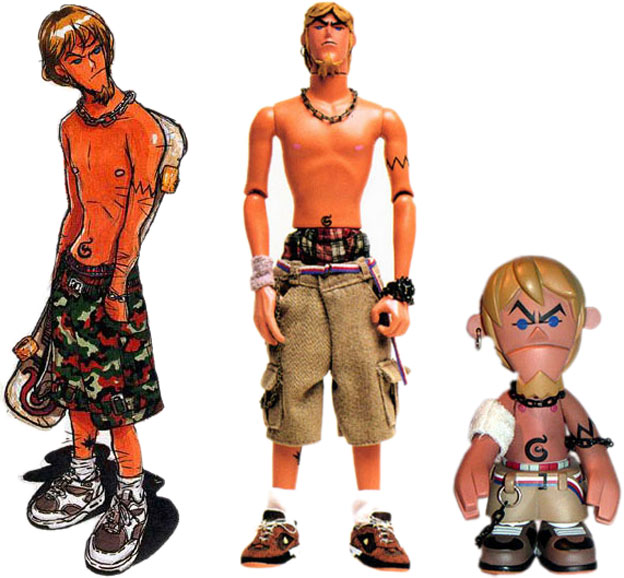
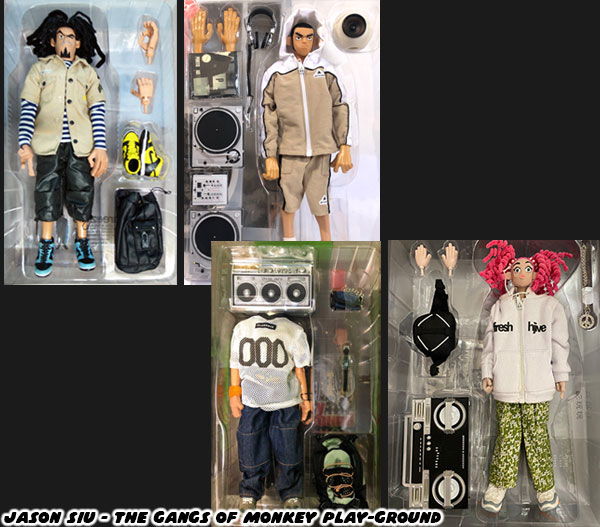
The thing was that the seeds that Michael Lau had planted in Hong Kong a few years prior were now sprouting. His friends, and contemporaries in Hong Kong, and Japan were now releasing figures themselves. They weren’t necessarily doing things for art galleries either, but instead for toy buyers, and collectors. The made sure to pay attention to everything that Lau had done with his original gardeners. The figures from Eric So, and later Jason Siu - The Gangs of Monkey Play-Ground were giving fans of a Lau a chance to walk home with a 12” figure instead of a mini gardener. They made sure that the characters wore the right fashion, that they came with the right accessories, multiple hands, stickers, changes of clothes, etc. They even had sculpted heads, and hands that were not unlike the work of Lau. For the people that had missed the boat when Michael sold a handful of his larger figures this was the next best thing.

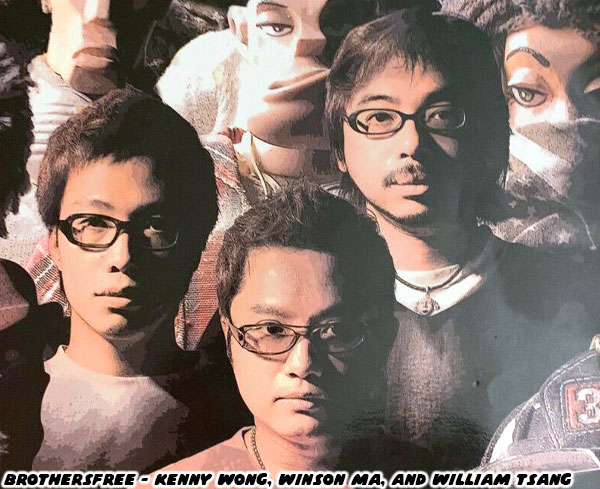
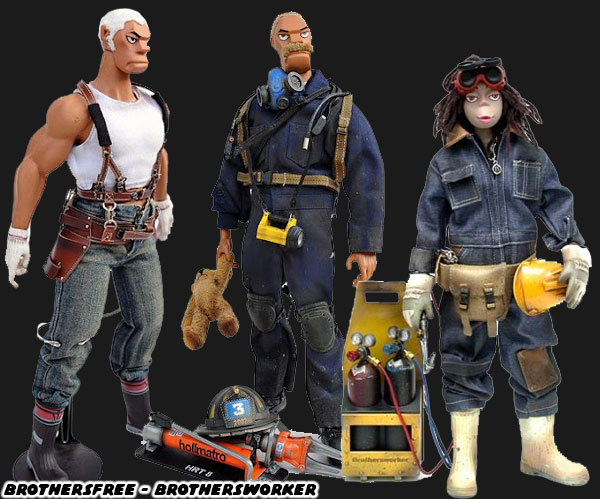
Although Lau’s cartoon style was heavily imitated in many figures there would still be unique fingerprints from So, Wong, or even the collective of Winson Ma, Kenny Wong and William Tsang known as Brothersfree. The group of artists had been working behind the scenes on all sorts of figures, robots, vehicles, and more for the 12” community. They understood the format probably better than any other artist working at the time. It wasn’t enough to make a cartoonish doll in street wear. They had to tell a story, they had to represent a part of the culture. Lau had already blown the doors off of street fashion, and extreme sports. Anyone that followed in his footsteps wouldn’t be able to top the master. Brothersfree had an appreciation for the fashion, and aesthetic of industrial workers. They released a line known as Brothersworker. The characters had unique sculpts, and frames. They had names like Popeye, Baby, Seven, and Storm. Each had a personality, and each told a story. As with Lau the devil was in the details.

All of the Brothersworker figures came with the appropriate outfit. Denim, leather, canvas, and other durable material, with zippers, rivets, and double stitching. More important they had accurate tools for their role. As Lau made sure that the gardeners had the right sneakers, chain wallets, and accessories, the Brothersworkers had hard hats, blowtorches, jackhammers, and tool boxes filled with 1/6 scale hammers, wrenches, screwdrivers, respirators, goggles, and more. If you were a fan of modern 1/6 figures these would be the only time many of the work items were produced. Making them highly desirable in collectors circles. It wouldn’t be the only unique contribution from the group. They also released a Brothersrobber figure who wore a menacing gas mask, carried several guns, had the tools for breaking into safes, and came with a duffel bag filled with stacks of cash. The group proposed a Brothersjoker series of 12” clowns. But only some of the 6-inch versions were ever made to the best of my knowledge.

I had mixed feelings about the sudden influx of artists, especially those from Hong Kong releasing their own collectable 12” figures. At best they were celebrating the birth of an entirely new form of art. I enjoyed the gardeners because they looked like my friends. Growing up there were never any dolls or action figures that I could relate to. I had just about forgotten about that chapter of my childhood until I saw the gardeners. Finally I saw characters that I could identify with. They had different skin tones, different types of hair, some had zits, pot bellies, and acne scars. Some were tall, some short, but all unique. Despite reminding people of Barbie the gardeners weren’t the same dolls in different clothes. None were created with an unattainable beauty standard.

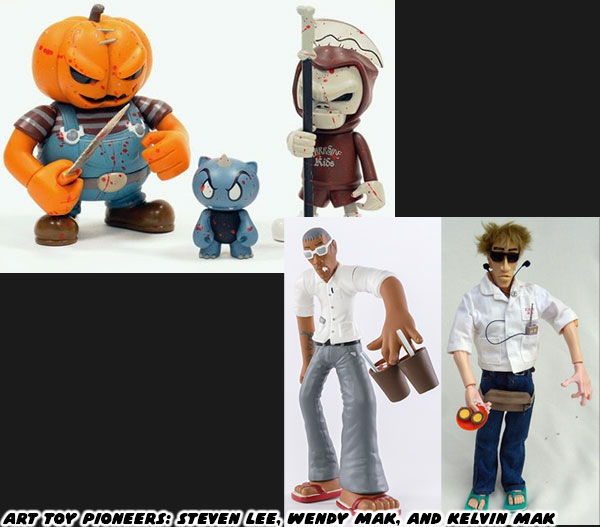
Many of the figures coming out from other independent artists were unique for example the wonderful work of Steven Lee, who could create scary, whimisical, and fun figures all at the same time. What some of the other toy lines did however was lack the cross representation of ethnicities that Lau highlighted. Wendy Mak, and Kelvin Mak for example were there in the early days too. The sister, and brother team founded Maksco. They released a series of figures called 2da6, which were snapshots of everyday people in Hong Kong. Whether they were construction workers, monks, or the local cafe owner serving drinks. They told a story that people living in the city could identify with, but none of them were Black, brown, or otherwise non-Asian characters. The other reason the gardeners hit with me was because they were filling in a part of the market that had been overlooked for decades.

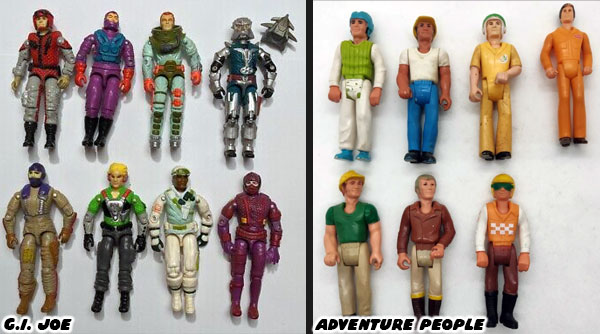
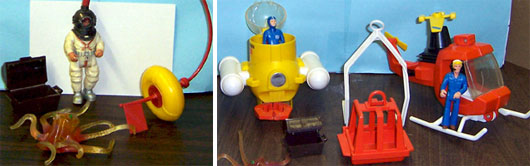
One of the toys that I really enjoyed as a kid were called Adventure People. The figures by Fisher Price were roughly the same scale as the G.I. Joe action figures from Hasbro. What appealed to me was that the Adventure People weren’t about selling a brand, label, or ideology. As much fun as I had with the Joe’s it was always the same type of play; good guys vs bad guys. Playing with the Joe’s, Transformers, He-Man, or Ninja Turtles was just repeating the same things I saw in cartoons. Of course those shows were essentially toy commercials to begin with. They programmed my young, impressionable mind with a message, and type of play. Knowing was half the battle…

By comparison the Adventure People represented all sorts of professions; news broadcaster, scuba diver, stuntman, pilot, motocross racer, astronaut, camper, and tons more. I could really let my imagination fly with those figures. The goal was actual play instead of conflict. By the same token there was no agenda when I looked at the gardeners. They were chill figures, but they also had unlimited play potential. They weren’t ads for a massive company. These were the things that made the 1/6 scale figures memorable. Not everything was great with this trend. There were a few things that annoyed me with the rise of urban vinyl. I’ll talk about them in the next blog. Did you collect any 12” figures? What about smaller vinyl collectables? Tell me about it in the comment section please. As always if you would like to sponsor me please visit my Patreon page and consider donating each month, even as little as $1 would help make better blogs and even podcasts!
follow the Street Writer on Patreon!

Friday, May 3, 2024

Remix Culture, how Asian designers changed the game, part 2

In a previous blog I mentioned that I hadn’t drawn in my sketchbook in years. When I did I would often create something basketball related. I absolutely loved the sport. Drawing basketball players helped me learn anatomy, perspective, color, and action poses. I learned how to color my work with Adobe Illustrator while turning those sketches into finished renders. In that blog I also mentioned that I had turned down working with shoe, and apparel manufacturer AND 1. The company wanted to buy the rights to my current, and future basketball characters for a flat rate.
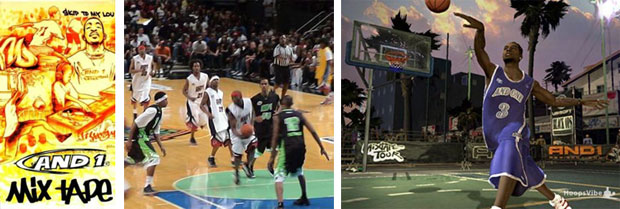
I would be getting no residuals on potential millions worth of revenue that the parent company would. In the early 2000’s there was no hotter place to work for. As an artist just getting started it was a dream opportunity, but I decided to hold onto my IP, and scruples instead. I learned that it was okay to turn down some clients after reading an interview with Michael Lau, one of my favorite artists. Mr. Lau helped start a movement. If you want to get the complete history of his early years please visit the Michael Lau fan site which I recently restored. I mentioned a few of Michael’s contemporaries on my fan site, however I want to try to connect the dots, and explain how art, culture, and the toy market came together.
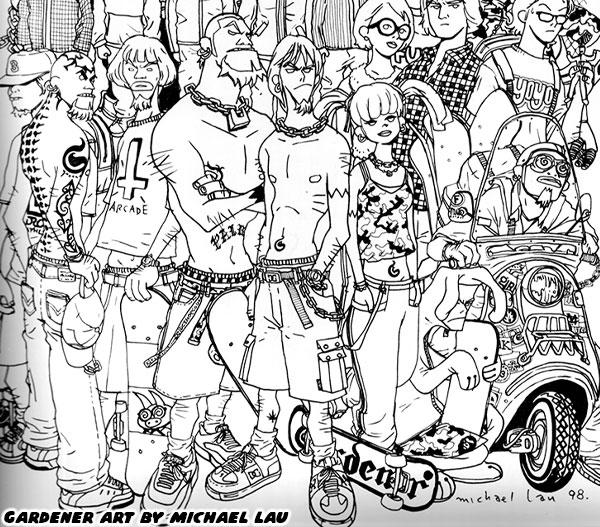
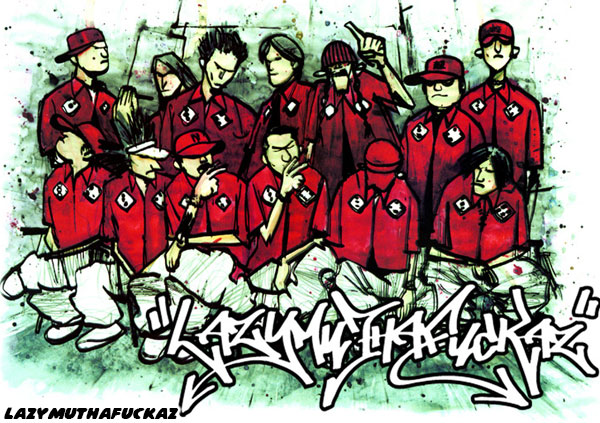
The art movement started in the early ’90s. Michael was from Hong Kong. He graduated from the Design First Institute, and went into ad art, and display design in the port city. In his free time he would make models, and toys. He sketched out a world of street kids that he called the “gardeners” the lowercase “g” was on purpose. In the mid-90’s he would create album covers for his friends in the Hip Hop, and rock groups Anodize (Jimmy Man, Gary Cheng, K.K. Wong, Was, and Davy Chan), Jan Lam, and the Lazymuthafucka (MC Yan, DJ Tommy, Kit, Wah, Kee, Gary, Davy, Jimmy, Sam, Phat, Prodip, and Kevin) crews.
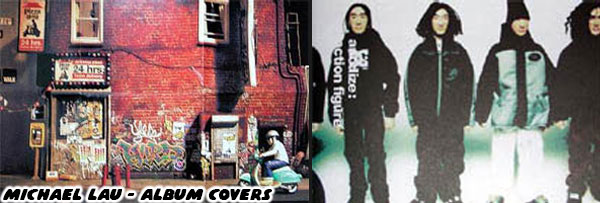
These album covers were very playful. They featured handmade figures in street, or city scenes. The Japanese group SMAP loved his work, and also commissioned him to create some album covers for them a few years later. Now I want you to remember that during this era the internet was still in its infancy as far as access went. Art, music, news, and culture spread much slower than today. Magazines were the only way for most people to see what the trends were.With that said it was still the street kids that were aware of what was happening around the world.
Whether in China, Japan, the UK, or the US pop music was, and would always be the catchy songs that were featured on the radio, tv, and movie screens. The rugged “urban” sound of rap would always be seen as the Black music from the USA, and not be as heavily promoted in most nations. This didn’t stop generations of kids from getting into Hip Hop culture. The kids in the favelas of Brazil, the kids in densely packed cities in Japan, and also the displaced Eastern European kids spread all over the world could hear that it was an entirely new movement, and they embraced it. They learned that Hip Hop was a culture made of multiple components.
The four pillars were known as the deejay (the music/band), the emcee (the singer), graffiti (the art), and b-boy (the dance). Individually they were great creative outlets, but together they formed an entirely new culture. The fifth pillar of Hip Hop was called “Overstanding” instead of understanding by Afrika Bambaataa, one of the architects of the movement. Mr. Bambaataa was a former gang leader, in the ‘70s he saw that the various tribes, or gangs in NYC were tearing each other apart. The police, and local governments were sewing division among the various ethnic groups, and he wanted to end the violence. 
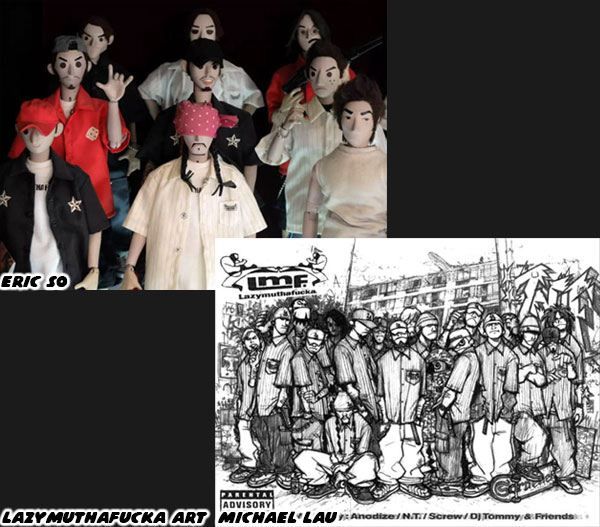
He knew that parties, music, and culture could bring them together. The boroughs of New York were forming a new sound. It wasn’t rock, it wasn’t soul, funk, or blues, but it pulled influences from each. With Black, Afro-Caribbean, and Latino roots it spoke to millions of people that didn’t hear themselves on the radio. They called the movement Hip Hop, reclaiming it from the insult that people would use to describe the music. The culture would tie together the different sounds, and stories of the city. More important, it was up to every person to share the story, and spread the culture. The movement borrowed a phrase from the days of American slavery “each one teach one.” In Hong Kong, Japan, and elsewhere around the world the music, and art started taking off by the mid, and late ‘80s. Members were building their own crews, learning the dance, graffiti, rap, and turntable. They were telling the stories in their own native languages.
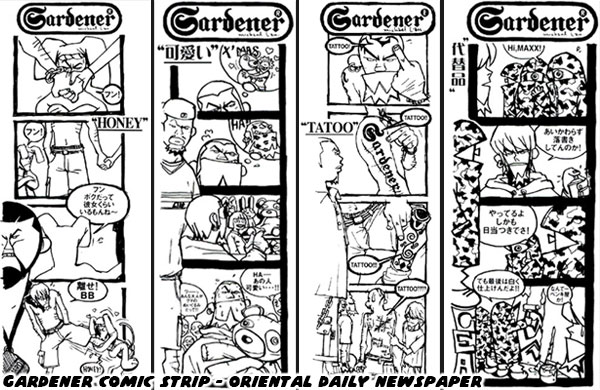
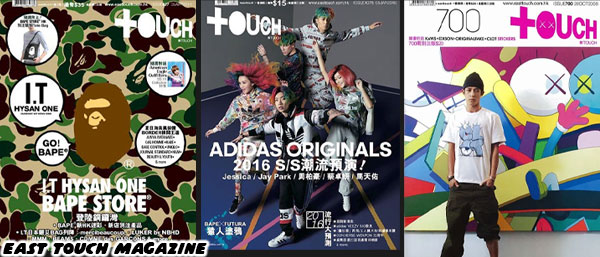
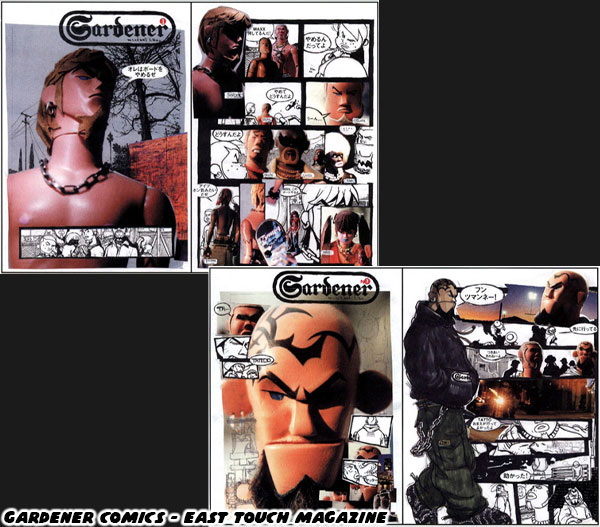
Michael Lau, his friends, and contemporaries were in the right place, at the right time. More important Michael was telling the story of the culture in his comics. He introduced the world to the gardeners in short panel comics in the Oriental Daily Newspaper, and larger color pieces in the pages of East Touch magazine. These comics mixed his illustrations, with his models. Each character had their own story, they lived in a world that young readers could relate to. He imagined they were growing up together, building families, moving on with their lives just as his friends were doing through the ‘90s.
His friends convinced him to create a run of the figures for an upcoming indy art toy show. It all started with the hero of his comics, the young skater named Maxx. Sculpting, painting, and making the outfits was tedious work. Michael went to the trouble of making a custom box for the original toy show release. Green felt simulated grass was on the floor of the box. The boxes even featured hand-drawn labels, and a plastic numbered window. The figure included a skateboard, and a bag (for a change of clothes). Most figures even came with a sticker sheet or comic strip.  
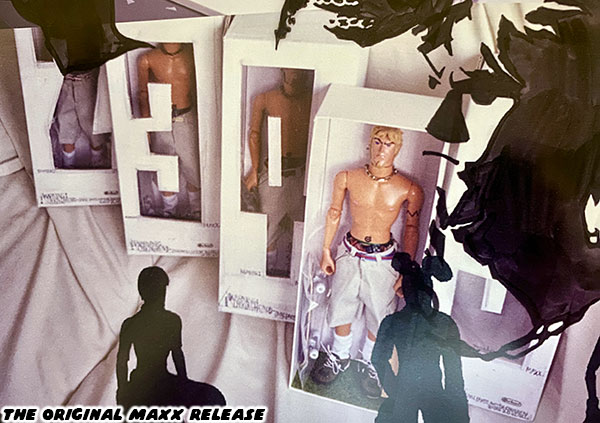
When Michael sold his Gardeners at toy shows and boutiques there were about 10 copies per character (Maxx, Miss, Brian, Tatto and Uncle) each in a numbered box. Every copy had a unique element, such as different clothes or shoes. He sold each figure for around $350 US, which would be a steal by today's custom figure rates. A few years ago one of the original figures popped up for sale at a gallery auction. It went for around $35,000. The figures went to close friends, and private collectors. The number on the boxes were also a play on "selling out" the Gardener figures. Michael had no intention of ever mass producing anything he worked on. As an artist he wanted to control his name, and the quality of his artwork. A poster print could be run in limited quantities, but it would be easily counterfeited. The figures were something much harder to recreate. Needless to say his toys were a hit. They were the talk of the toy fair. They sparked a fire that would see his friends, and contemporaries also try their hand at the art form. One of the earliest that wasn’t credited enough, even by me was Eric So.
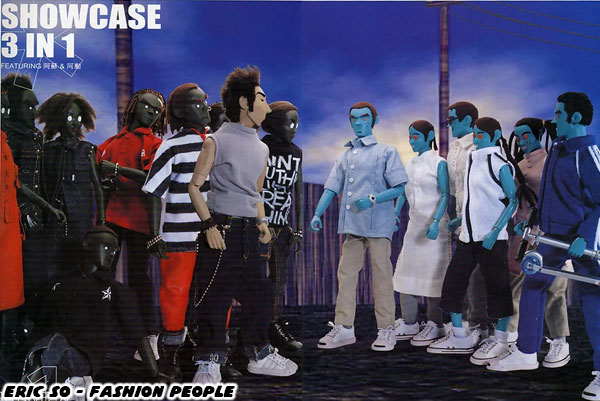
Mr. So ran in the same circle as Michael, he was friends with the LMF crew. He was also very familiar with Hip Hop culture. As an aside there were plenty of people in the USA that still conflated rap, and Hip Hop as the same thing. As the emcee KRS-One said “Rap is something you do, Hip-Hop is something you live. You are not doing Hip-Hop, you are living Hip-Hop.” This perception wasn’t limited to the USA. To the marginalized Gen-Xers in Japan, China, and Hong Kong rap, and rock was the music that spoke more to them than pop. They assimilated the culture, and made something entirely new out of it. I don’t think there could have been any other place that could have used Hip Hop culture, and start a figure movement with it. Think about the location for a moment. Fashion trends started in the major cities. Paris, London, New York, Los Angeles, Tokyo, etc. When a person thinks of the most avant-garde fashion in the world they might point to a place like Harajuku in Japan. The kids there took their tribal cultures seriously, and worked hard to create their niche.
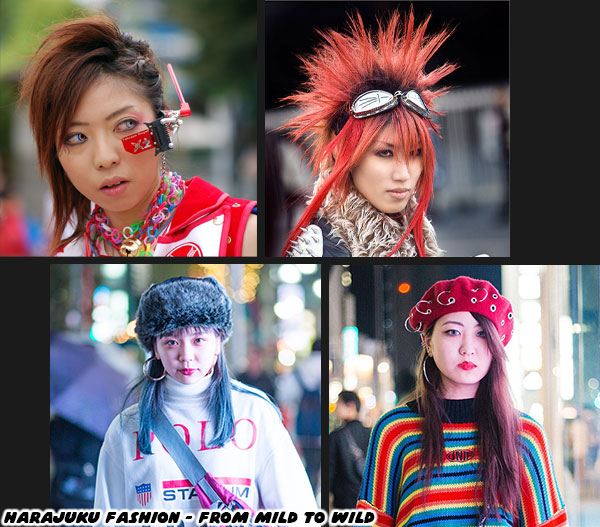
I would argue that the kids of Hong Kong in the ‘90s were some of the most underrepresented innovators in art, and fashion as well. Hong Kong as a nation was unique in that it had its finger on the pulse of global culture. They were colonized by the British, but situated in China. More than any other metropolis they imported, and exported the goods that the world demanded. They worked directly with the manufacturers of the biggest brands, often behind the scenes. These included high-end fashion labels.
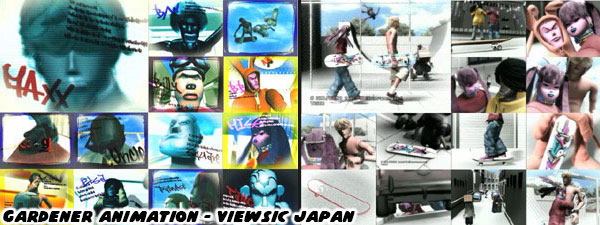
The trend setters in Hong Kong knew where street culture was moving to months before the rest of society caught up. Again, remember they were doing this before the internet. They were seeing the culture shift first hand, and making it their own. Michael Lau, Eric So, and their friends had a foot in the East, and the West at the same time. When they produced something it could be universally understood. They were laying the foundation for something brilliant. The world just didn’t know it yet. I would say that all of that changed when Michael went to Japan for his Neatnik exhibition in 1998. Japanese musicians were now eager to work with him on album art. He was now an artist getting international exposure.
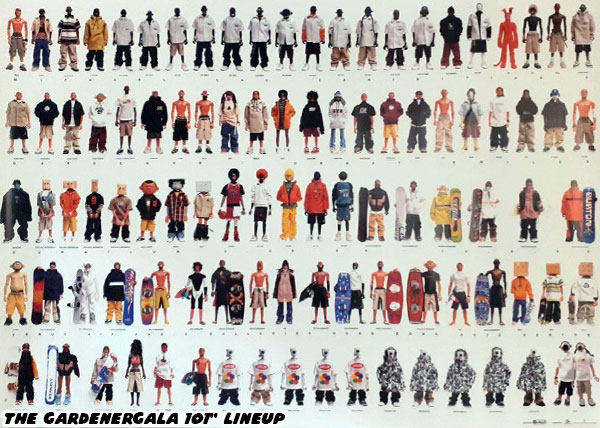
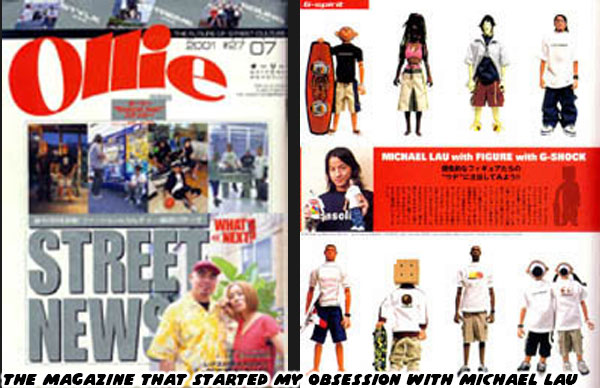
The following year there was the Michael Lau Exhibition III-crazysmiles at the Hong Kong-art center. This was the first show that featured all 101 of his original gardener figures. Fans of his comics could see all of the characters in person. Each figure was standing in a resin case, and you could walk around each of them, and absorb the countless details. In 2001 he took the exhibit to Japan, and that was essentially when the movement really took off. I remember that my mind was blown the very first time I saw a picture of the gardeners from that exhibition. It was entirely by accident, I was flipping through the pages of the Japanese skateboard magazine called Ollie. There was an insert from G-Shock watches by Casio. They were helping sponsor the gallery shows, and ran an ad on athletes, and artists to keep an eye on. Pictured were just a few of the gardeners but my mind was blown. I needed to find out everything I could about the characters, and the artist. I still have that magazine, and showed it to Lau a decade later.
When it came to the birth of Hip Hop DJ Steinsky (of Double Dee & Steinsky’s Lessons 1, 2 & 3 fame) once said “This is music that I’ve been waiting all my life to hear, and I didn’t even know it.” I got the same reaction when looking at the pictures of the gardeners. This was an art form that I’ve been waiting all my life to see, and I didn’t know it. Studying the work of Lau would shape me into a better artist, and connect me to the community in ways I could never have predicted. But I’ll talk about that more later. Were there ever works of art, or creators that completely changed the way you thought about art? Tell me about it in the comments section. As always if you would like to sponsor me please visit my Patreon page and consider donating each month, even as little as $1 would help make better blogs and even podcasts!
follow the Street Writer on Patreon!