Showing posts with label evil ryu. Show all posts

Wednesday, May 15, 2019

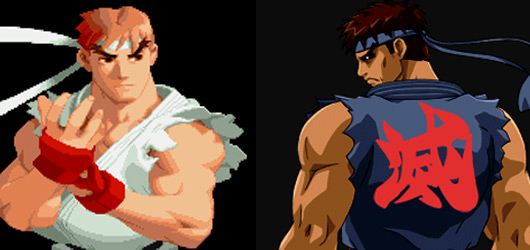
The new Evil Ryu, a look at Kage

Hello friends, I hope that the year has been going well for you. I just wanted to be completely transparent with the slow update schedule. Since fall of last year I've been changing my habits. For health reasons I'm putting myself on a better path. I've also been focusing on my art and less on my writing. I'm still 100% passionate about fighting games, but I've got to make sure I'm healthy for the long run. Thanks for being patient in the meantime. Today I want to talk about Kage, a new character revealed for Street Fighter V at the end of 2018. On the surface level this character is reminiscent of Evil Ryu, because in essence he is Evil Ryu. If you didn't know Evil Ryu had his breakout appearance in the Street Fighter Zero / Alpha series in the mid '90s. For budding game designers that read my blog I mentioned that the transformation of a hero to a villain was a very powerful storytelling tool.


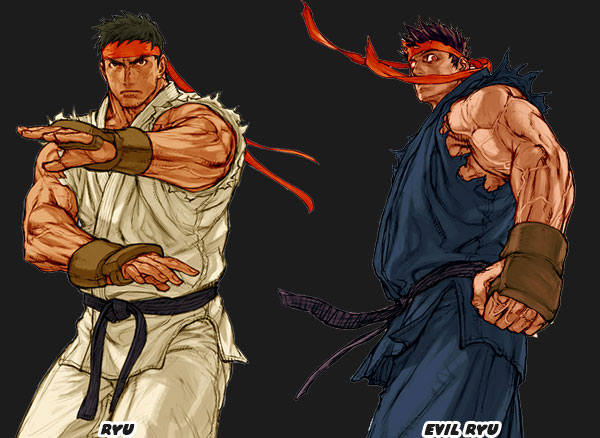
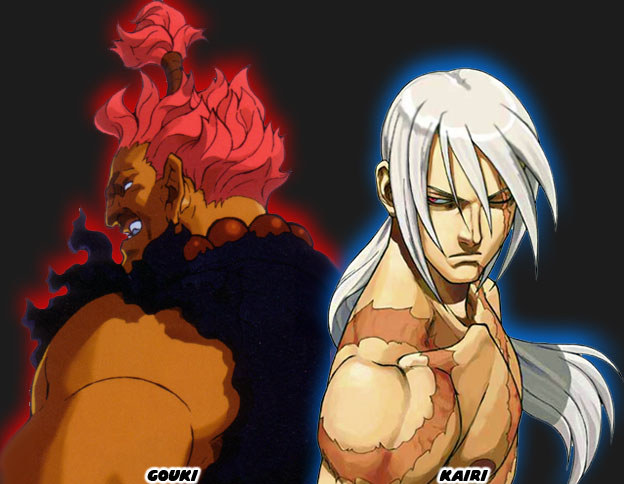
Evil Ryu is a version of the hero of the Street Fighter series that wants to prove he is the greatest warrior. Even if this means killing his opponents in a fight. He is often presented with a tan, and even red eyes in some official art to signify that he is possessed by evil forces. Kage in Street Fighter V is presented in a different light. Instead of simply being Ryu fighting with the evil forces inside of him, this character is the physical embodiment of the Satsui No Hadou. He has neon horns sticking out of his head and elongated teeth. The red headband is broken and rests on his shoulders to signify that his mind is not his own. His head and face are distorted so that it looks more like an ogre and less like a person. The animal traits applied to a human were originally featured on Gouki / Akuma. To make him appear less than human the designers flattened his nose and gave him a crown of blazing red hair. He was meant to conjure images of a lion.


The earlier Street Fighter designs, especially those from the late '80s and early '90s Street Fighter II and Street Fighter EX era were well done. The characters had an easy to identify theme, perhaps they were a soldier, wrestler, or kung fu master. You could tell right away based on their look what archetype they were. Some clues were obvious and some were more subtle. When you added all of the details together they turned a typical fighting game character into an icon. I believe that the the designs in Street Fighter IV and V are lacking. They lack subtlety. They lack an understanding of what made the original World Warriors so memorable. Instead of letting audiences discover that Gouki has lion-like features, the studio now presents him with a literal lion mane. Fans call this version Akuma-matata, a play on the African word hakuna matata.


Capcom is hitting audiences over the head with their latest designs. It's the fastest way to tell a story, but it doesn't make it the right way to tell a story. The look of the Street Fighters are loud and boorish, they are the characters that a teenage fan could have pitched. The look of Gouki and Kage are prefect examples of what is wrong with Capcom's current design culture. The majority of new characters, such as Rufus, Hakan, Abel, F.A.N.G., and Rashid introduced in Street Fighter IV and V are forgettable because they subscribe to the same design philosophy. There is nothing wrong with having characters in the franchise that have some animal-like traits. Blanka is an example of that, but he is on the extreme end of what works in the franchise. Characters like Blanka are few and far between. Not to mention that there was already an Evil Ryu. When you start to fill the roster with similar outlandish characters it dilutes those that are really unique. Having literal demons in the series is changing the narrative. This series was founded on martial arts archetypes. As Capcom expands the design circle to include demons and comic book villains then it is going down a path that is hard to return from.


Turning the main character into a monster, and keeping him that way has been explored in other fighting games. Devil Kazuya is possibly the best example of this. Tekken has a number of main characters that have demonic alter-egos. Jin Kazama has a Devil Jin persona, his great grandfather Jinpachi Mishima becomes a demon, and Jin's grandmother Kazumi Mishima also becomes a demon. The series is well known because of the number of fantastic archetypes. The series has monsters, cyborgs, robots and even panda bears. That lineup, that presentation is not in the same vein as Street Fighter. I'm worried that the people designing the next generation of Street Fighter can't make the distinction.


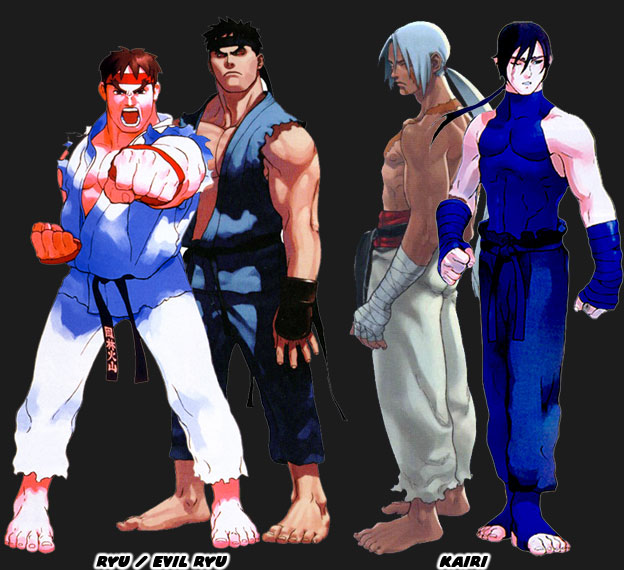
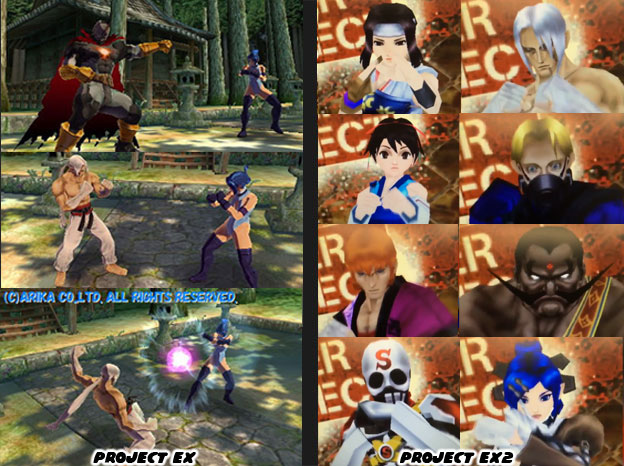
The arc that would have had Ryu fighting his inner demon and facing off against the man that killed his master was considered for Street Fighter III. A lot happened to Capcom in the early and mid-90s during the gold rush of the fighting game genre. As members of the Street Fighter team left Capcom to other companies they took some of those ideas meant for Ryu and Gouki. Having a main character that becomes overpowered and destroys a demon was explored in Street Fighter EX, and later on in the Fighting EX Layer series. Kairi was the surrogate for Ryu and Garuda was the stand-in for Gouki. In ARIKA's franchise it was established that there were supernatural elements in the universe, however the majority of the cast was still rooted in martial arts archetypes. So having some mysticism was welcome in their take of the franchise. The fighting game market imploded at the end of the '90s, and wouldn't recover for about a decade. In that time Capcom had new faces making bold decisions with established characters. In the history of fighting games I consider Gouki the greatest villain ever designed. In the history of the Street Fighter franchise however I only said he was the third most important.


Capcom established that Gouki had a "stronger" form called Shin Gouki, or true Gouki. This was the unleashed, no-holds-barred boss in Street Fighter Zero. More than 12 years later the character was revisited for Super Street Fighter IV: Arcade Edition. The new developers decided that they wanted to make him even more overpowered. Oni debuted, and Gouki went from having subtle lion cues to being an outright DragonBall Z villain. The blue skin, demonic features, and abilities made little to no sense for the character. This was the same type of thinking that went into the look of Kage. Evil Ryu was already a great design, especially with a smoldering crater in his chest from when Gouki tried to kill him. The look of Kage didn't really have enough elements to make him stand apart from Evil Ryu. Some people in the community even likened his glowing horns to cat ear headphones. This was hardly as intimidating as he was supposed to be. To be fair however, Capcom had been pursuing a redesign of Evil Ryu since Street Fighter IV.


Evil Ryu and Violent Ken were on the drawing board for Street Fighter IV, and each more or less looked like their traditional designs. There was nothing unrealistic or supernatural about their appearance. No wings, fangs, or horns smacking audiences in the face. Instead they each had attacks that were more aggressive or powerful than normal. They had just enough going for them to make them unique. The majority of their appearances were in the sprite-based games of the '90s. This look did not really deviate much until the introduction of Kage. In at least one draft of Kage he was so far removed from Ryu that he didn't even look like a Street Fighter character. If anything he looked like a monster that would have been featured in the manga and anime series Mob Psycho 100. In case you are not familiar with the series, the main character is named Shigeo Kageyama. He is a very plain-looking kid. He is so plain in fact that he is called Mob, a reference to the nobody background characters in most shows. Ryu could be considered similar to Mob, in that he looks like a plain "vanilla" karate fighter. Of course that perception changes when they use their awesome powers. Mob however also has a dark side that manifests from time to time.


If Mob loses control of his emotions he becomes a being made up of raging psychic energy. He no longer looks human in this form. He can be cruel and unstoppable in this form. In the story this makes sense, as series creator ONE has established that all sorts of psychic and metaphysical things are possible in his universe. Capcom doesn't have that luxury. The Street Fighter gang is not made up of ghost hunters. They are not exorcists but instead warriors. Dropping in a demon made of cracking energy would have been way out of left field. So much so that audiences would have pushed back on the design. As it is, they are lukewarm to the idea of Kage. What do you think of the character? Am I reading too much into it? I'd like to hear about it in the comments section. If you would like to sponsor me please visit my Patreon page and consider donating each month, even as little as $1 would help make better blogs and even podcasts!
follow the Street Writer on Patreon!

Tuesday, June 26, 2018

30 years of Street Fighter: 30 years of Characters #5


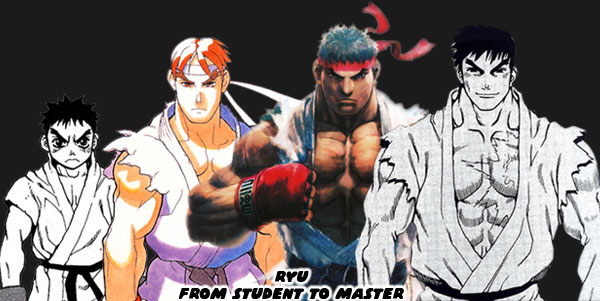
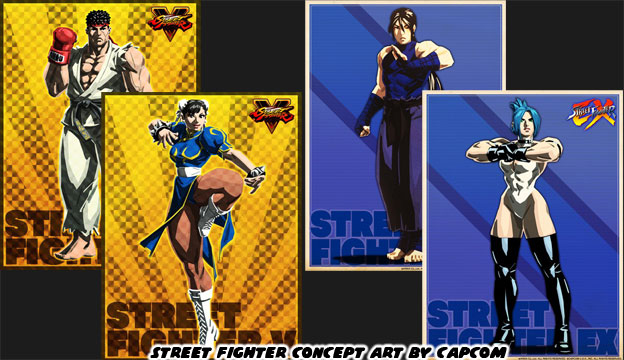
Street Fighter is nothing without its star. Where some people may see a bland, almost generic character, I see one of the great fighting game archetypes. Yesterday we celebrated Sagat, the villain of the original game and the strongest fighter in the world. Today we look at Ryu the young star of the series and arguably the new strongest fighter in the entire universe. I say arguably because we also have to consider the strength of his best friend Ken Masters, the cursed siblings Kairi and Shirase, and of course the wrestling legend Victor Ortega. Thirty years ago Ryu was a young red-haired kid wearing slippers and wandering from town to town in the first Street Fighter tournament. Today he is a grown man, old enough to mentor several young prodigies. He is still evolving and becoming more powerful. Perhaps he has yet to reach his full potential and that is a scary thought.


Ryu began his path while still a student, his master Gouken had just been murdered and Ryu felt that he still had many lessons to learn. The only way he could continue on his path was by fighting the best masters he could find. It didn't matter what school or style they studied. Nobody assumed that he would manage to beat Sagat for the recognition as world's best. The game series, manga, comic books, anime and movies that followed all expanded on the legend of Ryu. They gave us an insight to the character. Where were his passions, who were his friends, what did he find in each battle? Fans of the series watched the fighter literally grow up before their eyes. In 30 years we saw his greatest triumphs, his biggest defeats and the hardest lessons he could have ever learned. Those that were there from the beginning felt a particular connection to the man. His most beloved story arc was on of the crown jewels of the series, Street Fighter Zero / Alpha 2. When he almost became a villain.


We discovered that the only reason Ryu was able to beat Sagat was because he fought with murderous intent. The dark hadou, an evil energy, had possessed the man and tried to turn him into a killer. Sagat survived thanks to his strength and size. But the revelation made Ryu more complex. His evil personae was just below the surface, he had to face it and defeat it if he wanted to remain in control of his destiny. It was an amazing period for the man and the series. Many fans like to revisit the character and ask themselves "what if?" The only thing we know for certain is how far Ryu has come. I look forward to growing old with the character. If you are a fan of Ryu let's hear your favorite version in the comments section. As always if you enjoyed this blog and would like to sponsor me please visit my Patreon page and consider donating each month, even as little as $1 would help make better blogs and even podcasts!
 follow the Street Writer on Patreon!

Monday, June 18, 2018

30 years of Street Fighter: 30 years of Characters #13


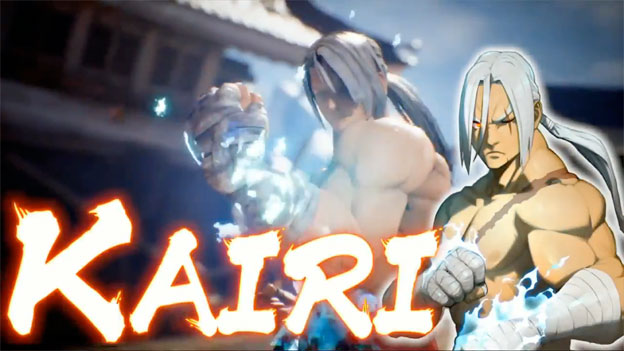
After 30 years of Street Fighter there were few characters as fascinating as Kairi. This boss-level figure struggled with personal (and literal) demons during the events of Street Fighter EX tournament. Very few in the universe had as complex a back story. His half-sister Hokuto / Shirase was certainly one of those rare exceptions. Kairi was a mysterious figure central to the plot of the EX series. He was an exceptional fighter but was suffering from amnesia. His look was unique, he wore a dark blue uniform, more ninja-like than karate. He was covered in scars and even had a large one over his eye. His super moves caused him great pain. He was tortured by the energy flowing within him. This caused him to evolve within the series. He went from an average character to someone with boss-level power between the first and second EX titles. If this sort of evolution sounds familiar there was a reason why.


Kairi was created by the staff at ARIKA, many of whom worked on Street Fighter II. Kairi was a star character and designed to be an evolved version of Ryu. A sort of second-take on the character. By the same token Allen Snider was designed to be a new version of Ken. Both fighters had similar inspirations, and similar origins. Capcom explored giving Ryu more power and more moves by turning him evil in the middle of the Street Fighter Zero / Alpha series. This was to demonstrate that Ryu could become a villain like Gouki / Akuma. It also set up the possibility that he could assume his role in continuity. Ryu was able to overcome his dark personae by the end of the Zero series. The same thing did not happen with Kairi. He gave in to his dark power and it made him much stronger. His hair even changed from black to white to signify this transformation. 


What made Kairi unique was that he didn't become a villain. Instead he became a boss-level character that wasn't necessarily good or evil. He was a melancholy fighter that sought a challenge, and possibly death in battle. In EX canon he defeated Gouki as well as the demon Garuda. Kairi became a warrior without peer, destined to walk the path alone. I certainly look forward to how the character has evolved in the next EX game as well as how his relationship with his sisters has changed. Do you enjoy characters with unique stories as much as I do? I'd like to hear about your most memorable characters in the comments section. As always if you enjoyed this blog and would like to sponsor me please visit my Patreon page and consider donating each month, even as little as $1 would help make better blogs and even podcasts!
 follow the Street Writer on Patreon!

Wednesday, May 3, 2017

Teasing the next Street Fighter EX and Fighting Layer, part 1

On April 1, 2017 ARIKA studios did a live demonstration of a game called Fighting EX Layer. It was a successor to their popular Street Fighter EX and Fighting Layer games. When it came to April Fools jokes ARIKA has consistently gone above and beyond. Previously the studio teased a Street Fighter EX remake on the Game Boy 3DS. They had also shown off the character select screen for a Street Fighter EX 2 remake they were allegedly working on. None of the games they teased has actually been released. The fact that they would make a working game engine just to pull off the prank was commendable. Yet there was something different about teasing this new build. It came at a time where even Capcom was acknowledging the Street Fighter EX legacy characters.


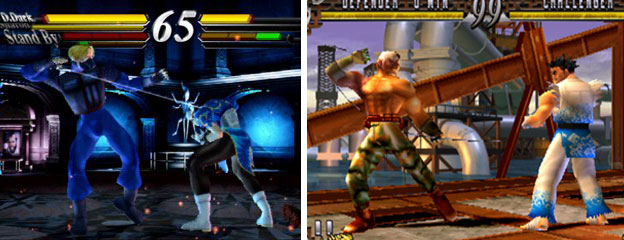
Prior to this April Fools it was understood that ARIKA and Capcom were not on the friendliest terms. ARIKA was founded by a former Capcom staffer, Akira Nishitani. He was one of the lead designers on Street Fighter II and he took a good portion of his team when he left the studio. He developed and proposed the first 3D Street Fighter game, it was labeled EX so that audiences wouldn't confuse it for one of the numbered Capcom titles. It also revolved around the EX tournament rather than the Street Fighter tournament. The original World Warriors (except for Blanka) appeared in EX, as did Sakura who had made her debut in Street Fighter Zero 2 at around the same time. They were paired off against an entirely new cast of characters. It was the last time the majority of the Street Fighter II team would work together. Some legal and licensing issues popped up around 1998 during the release of Fighting Layer. ARIKA wanted to expand their catalog so they developed a new arcade game that would be published by Namco. This new game featured two EX characters, Blair Dame and Allen Snider. By doing this the company wanted to build their library of characters. The assumption was that they could cross over in the future. ARIKA owned the rights to the new characters created for Street Fighter EX. We assume that they also owned the new characters created for Fighting Layer. They were technically allowed to use them in other games. This was a problem for Capcom because Namco was a perennial rival. If ARIKA wanted they could have featured a character or two in the Tekken series. This would have been great for fighting game fans but would have been a thorn in the side of Capcom. I don't know if there was a non-compete agreement between Capcom and ARIKA but many noticed that there was tension between the two companies after Fighting Layer. The speculation was that ARIKA had to take Capcom to court to ensure the EX series would be published per their previous agreements.


For almost 20 years neither studio mentioned the other, except when interviewed for the occasional Street Fighter retrospective. When they did that they were always cordial. In recent years ARIKA had began teasing their fans with rumors of a new EX game. They made sure to highlight their own characters and not the Capcom stars. About a year ago during the development of Street Fighter V (SFV) Capcom began releasing official character art. The studio not only released illustrations of the SFV cast, but they also began releasing illustrations of the supporting characters. Then they started releasing art for the Street Fighter IV cast, Street Fighter III and the original SF lineup. The Street Fighter Zero / Alpha characters and Final Fight cast soon followed. These were under the umbrella of the "Street Fighter Universe." The company wanted to canonize their official cast. Then Capcom did something unexpected, they released brand new art for "Other Title" characters. These were the EX and Capcom Fighting All-Star characters. It was as if Hell had frozen over. Capcom had acknowledged that there had been an EX cast and ARIKA was teasing a new EX game. Fans online were hoping that the two companies were working on a reconciliation. Perhaps with new producers, and the fact that fighting games are popular once again, both companies were considering a compromise. Stranger things had happened. I mean who could have ever predicted that the Tekken and Street Fighter characters would cross over in a versus title. Or that Gouki / Akuma would not only be a surprise character in Tekken 7, but that he would be important to the plot of the game.


I couldn't say if either Capcom or ARIKA had the resources to pull off a new EX game even if they wanted to. Don't forget that DIMPS did most of the development on Street Fighter IV and V. It would take the combined efforts of both Capcom and ARIKA to create a proper EX reboot. Before any development began the legalities of which characters to feature would be a chore. Audiences wanted Street Fighters and EX masters, but would they welcome any Fighting Layer characters as well? I for one would like to see Exodus hit a chair shot on an opponent at least one more time. Also, the canon of the EX series meant that at least one of the most popular villains would not appear. Kairi was the star of the EX universe. He was a much more tortured soul than Ryu ever was. Kairi had cursed blood and it caused him to lose control of himself. He would not only severely injure opponents in fights but he would often injure himself. He suffered from amnesia and at the end of the first EX tournament he killed Gouki and evolved into an even more powerful version of himself. Plenty of Street Fighter fans could never imagine that anybody but Ryu would be capable of defeating Gouki. Not only that but it made more sense for either Ryu or Ken to avenge the death of their master than a stranger introduced in EX. Yet that was the canon that ARIKA established and that’s why it exists in a different timeline / different continuity than the numbered SF series.


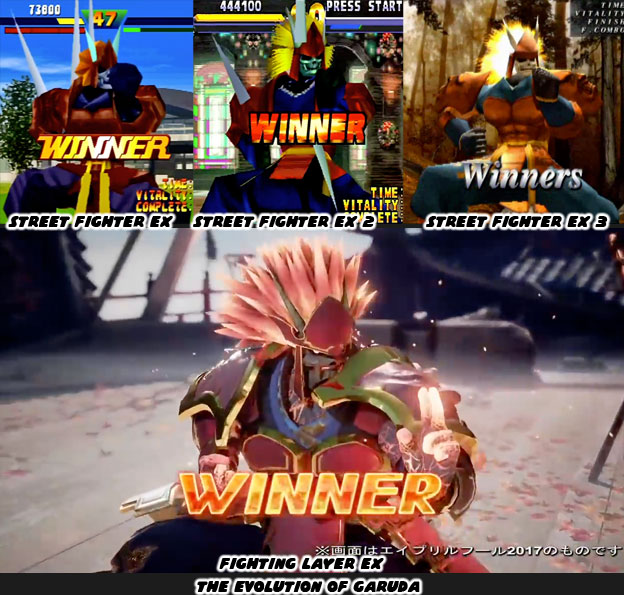
ARIKA was much more heavily influenced by the mystical elements of the fighting arts. By comparison the SF series was rooted more in science. The Dictator and his Shadowlaw / Shadaloo organization were unlocking the secrets of the martial arts masters through medical experiments. They used drugs, hypnosis and even cloning to crack the secrets of the ancient masters. There was a rational, scientific explanation for all of the amazing things that the fighters were capable of in that world. The EX universe was much more open to metaphysical origins. There were spirits, monsters and demons inhabiting the EX / Fighting Layer world. Garuda, designed to be the ultimate evil was demon animating some ancient samurai armor. It was assumed that he possessed the body of a human and turned him immortal. He could summon blades from his flesh and impale opponents with them. The powers that Kairi exploited were from a dark dimension and not meant for humans to control. It was possible that these energies came from the same place that Garuda had emerged from. Each time Kairi performed his special moves it took a toll on his body and spirit. By contrast Ryu could control his abilities and did not suffer any ill effects as they were from the natural world. Both characters however did have a light and a dark side. If Ryu used the forbidden techniques taught to him by his master then he opened himself to the Dark Hadou, a corrupting force. If Ryu gave in to the dark energy then he would become “Evil” and end up like Gouki. Kairi ended up having an almost opposite approach to this design. His “good” self, when he had black hair, was tormented by self-harm and nightmares. When he defeated Gouki he evolved into a more powerful version, his hair had turned white in the process, but he did not become “Evil Kairi.” He had gained a sort of peace with his strength. He accepted that he was now the most powerful fighter in the universe, neither a force for good or evil but destined to wander alone.


Garuda on the other hand was the constant force for evil. The Dictator Vega / M. Bison existed in the EX universe as well and had evolved somewhat since his introduction in Street Fighter II as well. He was as powerful as he had always been and was expanding his military might all over the globe. The Illuminati, introduced through Gill in Street Fighter III did not exist in this continuity. Instead it was all Shadowlaw and all Dictator running things. His R&D wings had created evolved cyborgs, known as the Cycloids. They could learn the fighting techniques of their opponents and use them in battle. The Dictator was looking to create a synthetic army that could fight as well as the best Street Fighters. His run-ins with the most powerful EX characters, whether it was Kairi or Garuda almost certainly spelled his death as well. When ARIKA teased Fighting EX Layer it was amazing to see how far the graphics had evolved and how visceral the new characters appeared.


Garuda had more details in his armor than his original concept art had ever shown. There were cracks in it, but there was also a unique gold trim. Centuries ago perhaps the armor originally belonged to some warlord or even noble. When he performed special attacks we could see that the spikes that came out of his skin were glowing red hot. Not only that but his skin seemed to glow and crackle with fissures of energy. He had a surplus of mystical energy to expel and it showed in every strike and ghost summon he performed. Garuda remained a fearsome character, and now that we could see him in high definition we could tell how he would appear in real life. I had talked about Garuda's design and the influence of both Buddhism and Shinto spirituality in previous blogs. The same level of detail applied to the other characters that ARIKA showed off in their April demo.


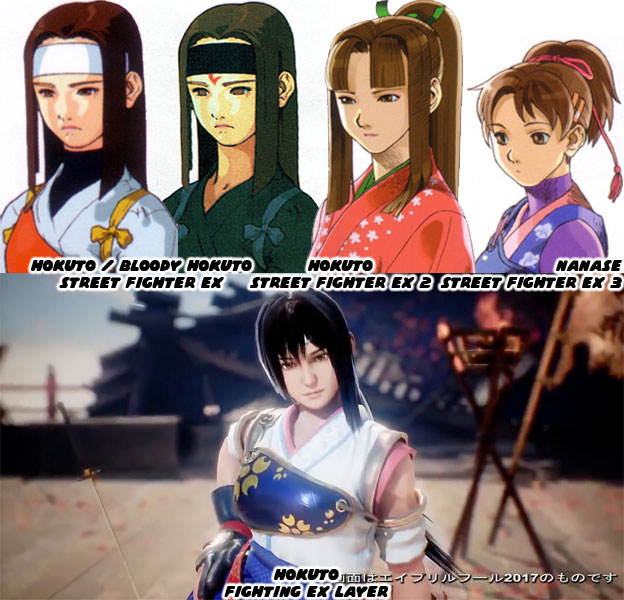
Hokuto, one of Kairi's younger sisters, appeared in the demo. She wore a hakama, a traditional uniform. She also wore an armored breastplate and archery gloves. Although she did not carry a bow and arrow she could shoot her spiritual energy in the form of an energy bolt. Her style of fighting was based on Kyudo, the a traditional archery techniques reserved for the samurai class but she also knew aikido moves as well. When she fired her energy bolts, the Kiren'Eki, she would go through the motions of shooting an arrow and could even hold her arms back to make the energy strike even stronger. In the series Hokuto was being raised to be the leader of the Mizukami clan. Yet it was revealed to her that she had an older brother. She was tasked with returning him home. She was unaware that the family had cursed blood or that Kairi was the result of an illicit affair. Hotukto had a curse placed on her as well, so that if she ever crossed paths with Kairi she would be forced to kill him. Hokuto would enter a trance and a seal would appear on her forehead. She became Bloody Hokuto at this point and her moves were much more dangerous. Hokuto never crossed paths with her brother in the EX series. In the games she would be joined by Nanase, the youngest sister of the family. She was a warrior in training. Although she didn't enjoy the strict training regiment she did so because she did not want to disappoint her sister. Nanase's costume was that of an Onna bugeisha, a warrior from the noble class. She fought with an expanding staff. It was never revealed if she had some sort of curse as well. Was she planned for Fighting EX Layer? Would she be reunited with her brother? Would she have to choose a side if Hokuto or Kairi ever crossed paths? Or would she abandon her family altogether? We don't know the answers to these questions yet. The ways in which ARIKA designed them was very unique for the genre. They contributed greatly to the mythology of fighting games. We will be exploring how in the next blog. As always if you enjoyed this blog and would like to sponsor me please visit my Patreon page and consider donating each month, even as little as $1 would help make better blogs and even podcasts!

 follow the Street Writer on Patreon!

Wednesday, October 14, 2015

How fight culture became fighting game history, part 46

When the designers at Capcom created Gouki they demonstrated all of the elements that were required in making a memorable fighting game villain. The senior people at Spiritonin, Scott Stoddard and Adam Ford were clearly aware of what made Gouki such a unique character. Yet the studio did not want to simply copy the template verbatim, as SNK did when they introduced Silber in Buriki One. Instead they wanted Zumbi to be seen as a unique character that brought the same level of design to the Americas. In order to do this they had to pull actual elements from cultures and traditions that would explain the forces that allowed Zumbi to grow exponentially in power. Since Capoeira was grounded heavily in Brazilian and African history it was important not to separate the religious and spiritual beliefs that were brought over as well. By preserving the elements of the old customs it was easier for audiences to follow the shift in Zumbi's personality and power.
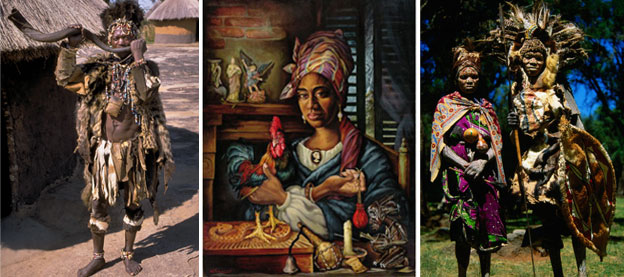

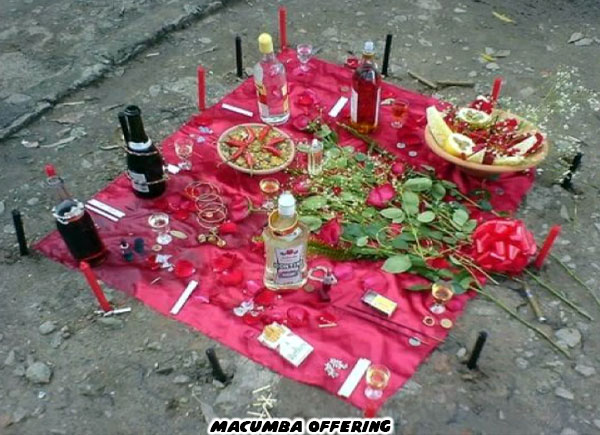
There were many unique forms of spiritual beliefs scattered throughout the African continent. The slaves brought from West Africa included the people from Nigeria and the Congo. They observed the Bantu custom and traditions. They had strong beliefs in the ability to barter with the spirits. They could have a practitioner, a shaman or holy man summon the spirits make offerings and sacrifices to them in return for any number of favors. Some wished for protection from their enemies. Others desired health and fortune. Still others wished the spirits to cause harm to their enemies. These belief systems were combined with native traditions in the Caribbean and Spanish Catholic-hybrid religions like Santeria that were practiced in the New World. The indigenous Brazilians incorporated elements of the Bantu into their own beliefs. The Bantu or Macumba customs were best observed in the Haitian Vodou beliefs.
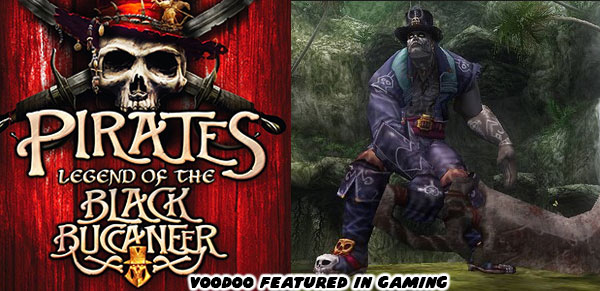

People in North America were familiar with the spiritual beliefs, hexes and spells from Voodoo due to the popularization of the religion on film and television. Voodoo dolls, zombies, shrines and altars with sacrifices had been featured in popular media over the past century. Those things were often attributed to ancient practices from exotic locations. The ability of a witchdoctor, or Voodoo Priest or Priestess to cast spells over people had been romanticized as well. The movement began in the US circa the 18th century when West African Slaves were transported to parts of the Caribbean and the early plantations in Louisiana and other French-controlled portions of North America. The African practices and indigenous Haitian beliefs were outlawed. Slaves and other conquered people were converted, some forcefully, to Christianity. The violent conversion of religious ideas resulted in a people that practiced a hybrid spiritual system. The religious iconography of African, Christian and island cultures blended together. Votive candles, sacrifices, offerings of tobacco, alcohol, crosses and skulls mixed to create a religion that was macabre and fascinating at the same time.
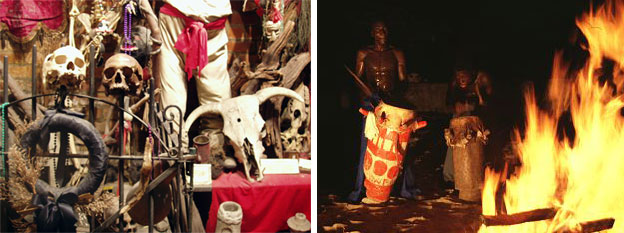

Voodoo practitioners were known as servants of the spirits. They carefully walked the line between the physical and spiritual worlds, catering to the wishes if not outright demands from the voices in either dimension. These practitioners were either well regarded or well feared by the population. The Macumba traditions differed slightly from the Voodoo customs. The indigenous tribes from North, Central and South America were also based heavily in different animistic, and spiritual beliefs. They had their own languages, symbols and ways of worship. When French and Spanish traders forced Catholic and Christian beliefs onto the tribes it also twisted their customs and influenced the creation of Santeria. The hybridization of spirituality in the Americas would take on many unique properties. The spirits of Macumba, sometimes called Orisha or Spirit Gods could manifest themselves in animals. Some of the more powerful spirits could make themselves appear as people. One symbolic figure in the Macumba tradition was that of a black man wearing a white Fedora. The Lord of the Crossroads, sometimes intertwined with the spirit of mischief, had a powerful influence on fate and could use his powers to cause trouble or convey a lesson to his believers. This character was known as Exu and was one of the named Orisha.
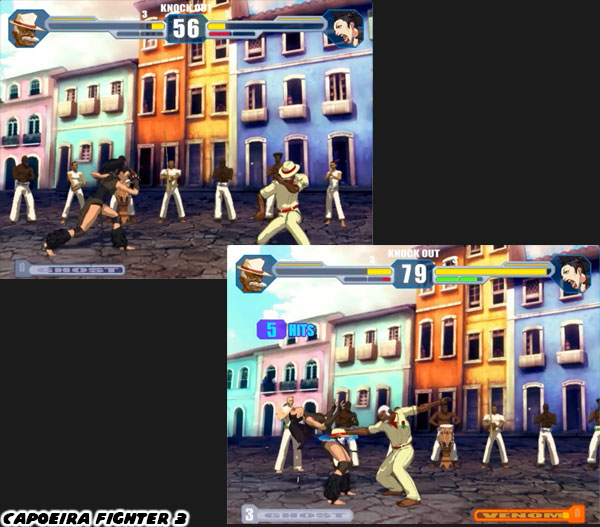

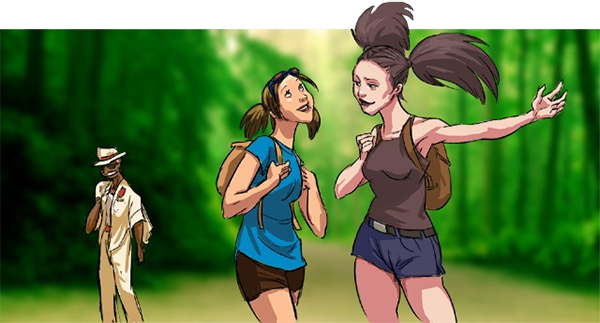
In Capoeira Fighter 3 there was a gallant fighter named Angoleiro. Although he was not a mystical person he certainly reflected the classic traditions of the African cultures. The elderly man was dressed in white yet walked barefoot, he also wore a white Fedora which he used in battle. They eye patch and sly grin added a bit of mystery to the man. Perhaps he was Exu in his human form after all. Angoleiro was sent to Brazil by a vision from his deceased wife Rosa. It seemed that there was a great conflict and a girl needed his help. He was not sure what the girl looked like as she was blurry in his dream. He found a native girl named Pantera dressed in animal skins. There was a land developer clear cutting the rainforest in order to build a hotel. It turned out that she was on the one that needed his assistance. Apparently the animal spirits had worked through his dreams in order to get him to a place where he could help. Although he was the oldest fighter in the game he still was still a master of capoeira. With his techniques and guile players could complete his mission.
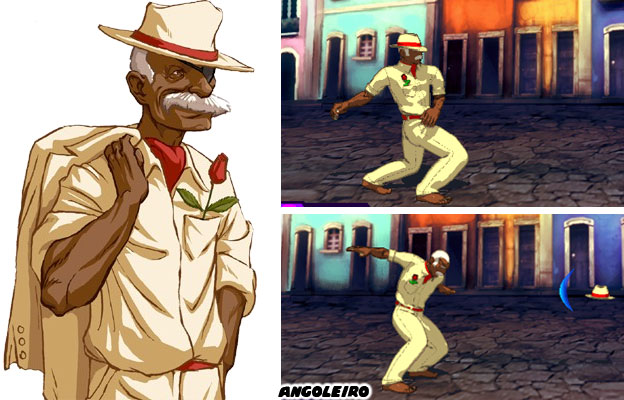

Angoleiro was reflective of the positive forces of the Orisha. When he came upon Pantera and even the character Coelha upon the crossroads he offered each a chance to change their destiny. Angoleiro was using his visions to elicit change in other people's lives. These were the natural courses that Macumba practitioners preferred. Using a vision for selfish reasons would often cause strife or worse end up cursing the practitioner. The spirits of the Orisha did not like to be toyed with. Angoleiro had made it to a ripe old age and was still a fighter to be reckoned with because he followed the right path. In Brazilian legend there was a slave that was a master of Capoeira but was also protected by the Exu. His name was Besouro Maganga, he was nicknamed after the junebug. Officials tried hunting him down but he was too quick for them, he could run along treetops and seemed impervious to bullets. It was said that no weapon forged by man could kill him. A jealous rival found out about the myth and crafted a knife made of palm leaves in order to assassinate him. Figures like Besouro and the contemporary Angolero reflected the positive aspects of the spirituality that followed Capoeira over from Africa.
There was somebody in Capoeria Fighter canon however that did not follow the right path and never had. Mestre Zumbi had spelled trouble for the other Mestres and was a menace to the young practitioners of Capoeira since the very first game. He was confrontational, proud and jealous. It was a dangerous combination for the strong bruiser. Zumbi was lacking something, aside from his look, to set him apart from the other characters in the game. He was a powerful bully but what the game needed was a boss character. He discovered, or rather the team at Spiritonin discovered, that Macumba could be the power that elevated Zumbi from bad guy to major villain.

This would be the first fighting game that actually showed the evolution of a character from "regular" fighter into a boss-tier one. Moreover, this was the first fighting game that allowed players to start as one type of character and end the game with a completely new persona. The evolution of Zumbi was unique compared to all of the other fighting games, especially Street Fighter. The changes of Zumbi in CF3 contrasted Ryu in Street Fighter Zero. Ryu had always been a hero in the series. In Street Fighter Zero Ryu had to battle his own dark urges. The Evil Ryu personae was what he would have become if he had gone down the same path that created Gouki. After the events of Street Fighter II, III, IV and V it was apparent that Ryu was and always would remain the hero of the series. Much to the chagrin of some players, there would be no second coming of Gouki. Zumbi on the other hand had always been the bad guy and would always be the bad guy. Given his personality it made sense that he did not fight the dark elements but instead sought them out. It was like watching the great betrayal of Gouki to his master and even himself. Zumbi wanted to put fear into the heart of Loka and the other fighters. He embraced the forces of Macumba and became a vessel for their dark powers. In doing so a new character was born; Zumbi Azul, or Blue Zumbi. This dark master of Capoeira would now reign as the supreme force in their universe.
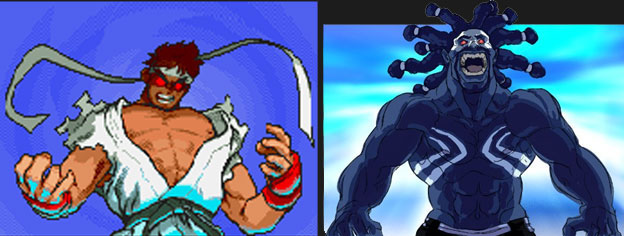

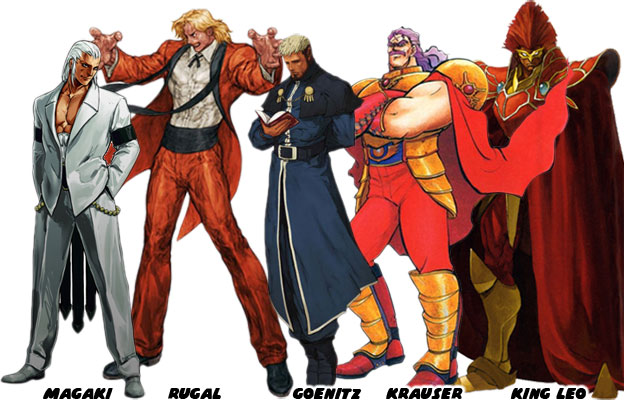
Previous to Capoeira Fighter 3 the studios in Japan and the US had been trying out many different types of characters from which to build a main villain from. Martial artists were the original boss characters however as time went on the final villains began to move away from the traditional arts. Most of the characters appeared to have been pulled from other genres like science fiction or even fantasy. SNK made a name for themselves by featuring well dressed but overpowered characters as bosses. They were supposed to look regal and in some instances even combined sharp clothing with vintage armor. The studios broke the balance in the game by assigning absurdly powerful attacks to these bosses, far more than the Dictator even. Some could kill regular characters with a few hits and often without having to even physically touch the opponent. This seemed cheap and reduced the impression that boss characters were supposed to give players.

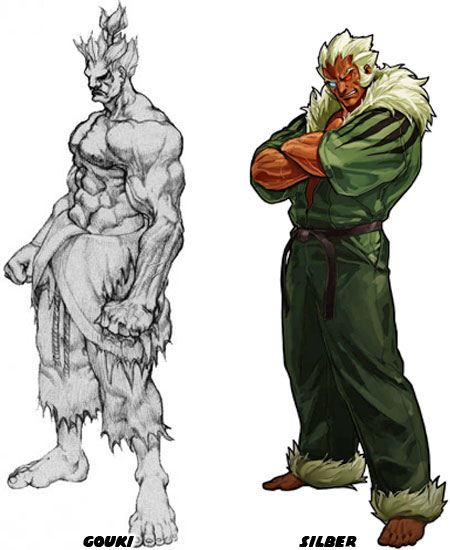
Capcom had demonstrated through Gouki that with a healthy dose of cultural cues the most memorable villains could be grounded in reality. For a fighting game it only made sense that the ultimate villain also had to be a fighter and not simply an overpowered man in a suit. Gouki had established a tradition that would be hard to top. His design incorporated animal as well as demonic cues but not to the point as to be absurd to players. Silber from Buriki One had been the closest to follow the formula, especially in form and function. He was a fearsome predator that hunted down martial arts masters all over the world. Like Gouki he appeared suddenly during the last fight to surprise players and vanished just as mysteriously. Silber was missing something however, an awe-inspiring super attack that made him more than just a superior karateka. This small detail was not missed by Spiritonin. Zumbi Azul had become the Gouki equivalent in the series. He controlled similar to the regular Zumbi but all of his attacks were much more powerful. It mirrored how Gouki controlled similarly to Ken and Ryu but with stronger attacks.

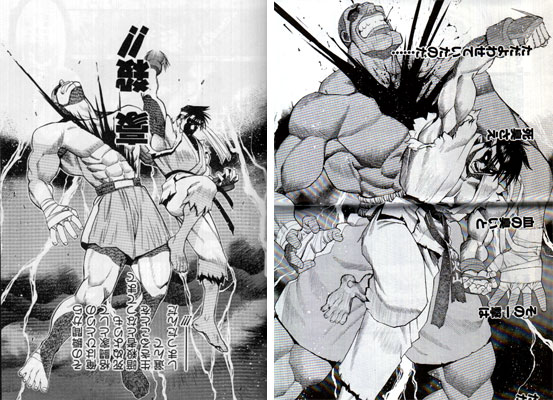
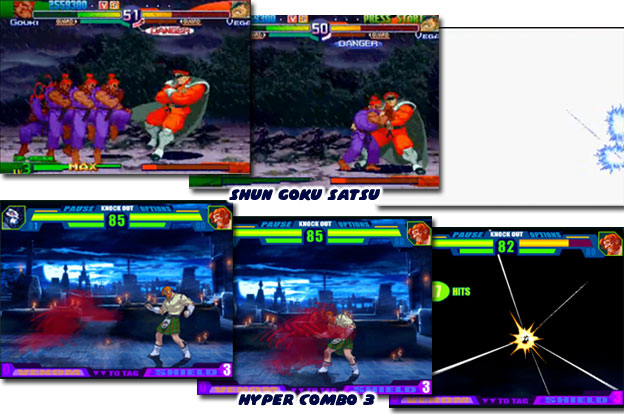
Gouki was famous for his Shun Goku Satsu. The character would hop on one foot and "teleport" over to an opponent. He would grab them and then proceed to pummel them with a flash of unstoppable strikes. The Instant Hell Murder was near impossible to escape at close range and could even reach most opponents at mid-range before they could counter. Zumbi Azul was given a similar attack for his Hyper Combo 3. The character would turn a ghostly, transparent red and then slide over to his opponent. Once caught Zumbi Azul would pummel his opponent with a flash of rapid strikes. A well timed final attack would all but guarantee victory for both bosses. The thing that made the special attacks slightly more interesting in CF 3 were that they could be combined with a "Power" modifier like Shield, Poison or Speed. If Zumbi Azul had Vampire, which was how the PC usually controlled the character, then not only would a player lose a tremendous amount of health from the Hyper Combo 3 but Zumbi Azul would gain all of that energy in return. It made the special attack all the more fearsome and the character more difficult for players to deal with.

Spiritonin had introduced a villain that had as much presence as Gouki. This was not only rare for a Western publisher but was rare for the entire industry. The studio placed Zumbi Azul as a boss for several but not all of the characters in the game. It only made sense considering the long standing rivalry that Zumbi had against certain cast members. Players could unlock the character if they earned enough credits. Players earned credits for each character they beat the game and various modes as well. They were encouraged to beat both paths of the game with each character so that they might earn enough credits to unlock all of the hidden characters including Zumbi Azul. The differences between Zumbi and Zumbi Azul were subtle but each required precise timing to master. Spiritonin took all of the lessons that Capcom had laid down regarding boss designs and created a new chapter to the legacy of fighting games. The next blog will look specifically at how a minority character evolved to become one of the great all-time villains. As always if you enjoyed this blog and would like to sponsor me please visit my Patreon page and consider donating each month, even as little as $1 would help make better blogs and even podcasts!

Wednesday, October 7, 2015

How fight culture became fighting game history, part 43

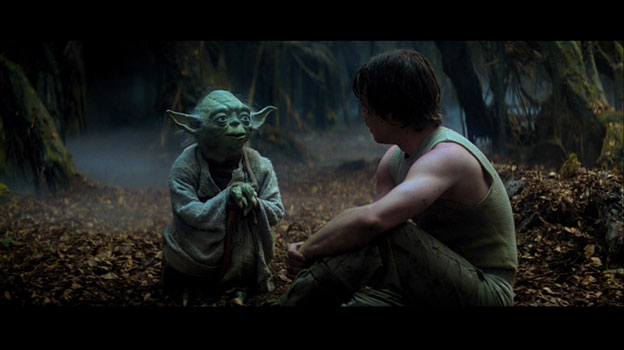
Creating a great villain had been the challenge of storytellers since the dawn of humanity. The villain was historically face of evil and the hero was the force for good. The battle between good and evil was nowhere else better defined than in pop culture. The movies, cartoons and comics of the past century have been filled with amazing battles between these forces. The most dramatic of these battles however were not the fights between the main character and the villain, but instead between the main character and him or herself. Great films highlighted the dilemma for the main character. For example, in the original Star Wars trilogy Luke Skywalker was being trained by the Jedi Master Yoda to do battle against Darth Vader, at this point Skywalker did not know that Vader was his father. The evil Lord of the Sith was very powerful and the young Skywalker feared he was too powerful because he had harnessed the Dark Side of the Force. Yoda was the second master for Skywalker, as most readers know Obi-Wan Kenobi was killed by Vader. Skywalker had questioned Yoda and wanted to know which side of the Force was the strongest. The exchange was one of the most memorable lessons instilled by the feature.

Yoda: Yes, a Jedi's strength flows from the Force. But beware of the dark side. Anger, fear, aggression; the dark side of the Force are they. Easily they flow, quick to join you in a fight. If once you start down the dark path, forever will it dominate your destiny, consume you it will, as it did Obi-Wan's apprentice.
Luke: Vader… Is the dark side stronger?
Yoda: No, no, no. Quicker, easier, more seductive.
Luke: But how am I to know the good side from the bad?
Yoda: You will know... when you are calm, at peace, passive. A Jedi uses the Force for knowledge and defense, NEVER for attack.
Luke: But tell me why I can't...
Yoda: No, no! There is no "why".


Yoda was not willing to explain to Skywalker that the greatest battle he would perform would be with himself. Those gifted with control of the Force would have to be ever vigilant as to which side they wanted to remain on. The dark side was the easier path but would ultimately corrupt every user that tried to master it. A variation of that theme was explored in martial arts storytelling. When that myth was introduced into Street Fighter the balance between good and evil, right and wrong could be clearly seen by arcade players. It was not done in the first or second games but in the third, which was actually a prequel named Street Fighter Zero in Japan and Alpha in the USA.

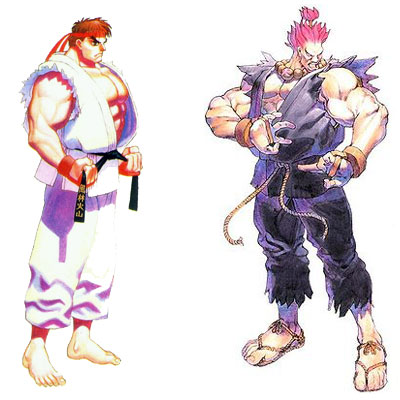
Ryu and his techniques were like the good side of the force, wise, patient and understanding. He wore all white, a color used to symbolize purity and life. He was perpetually young and handsome. By comparison Gouki was the ambassador of evil. His features twisted and grotesque. He wore all-black, symbolizing the impure and death. Both of them actually practiced the same form of fighting, a Karate / Kung-Fu variation known as Ansatsuken or the "Assassin's Fist." The form learned by Ryu and his friend Ken was handed down to him by his master Gouken. The Chinese Goutetsu had refined the lethal style into a powerful form of fighting and took it to Japan. He tried to keep the killing strikes a secret from his students Gouken and Gouki. But as most gamers know he failed at that when Gouki went on a murder spree and killed his master and brother using the dark techniques.


The relationship between Ryu and Gouki was very much like that of Skywalker and Vader. The master of evil seemed too powerful to be defeated. Vader had killed Obi-Wan Kenobi in front of Skywalker just as Gouki had killed Gouken in front of Ryu, The fears for the young martial arts master were palpable because both villains were so well presented in their given titles. Whenever Gouki appeared in the game series a little bit of that fear and intimidation was passed onto new players. Capcom had done as good a job defining their villain as George Lucas had done for Vader.
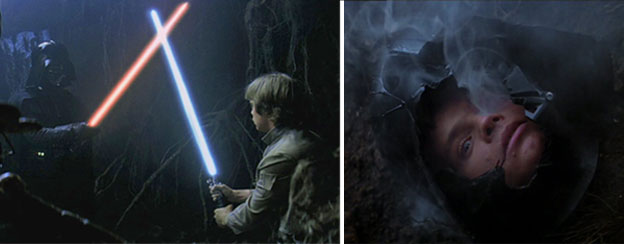
The final trial for the young Jedi was something that Skywalker could only face by himself. Yoda would not be able to guide him but had to hope that he had taught Skywalker enough to carry him through his own path. This was symbolized in the film series by a battle that Skywalker had against an image of Vader. The two had a Lightsaber duel in a dream-like sequence. Skywalker conquered his fears and managed to gain the upper hand in the contest. He struck down Vader by decapitating him. The next portion was something that haunted Skywalker and audiences for the rest of the film. The mask of Vader blew up and his face was revealed. Behind a puff of smoke Skywalker ended up looking down at himself. This was foreshadowing the big reveal at the end of the film but was also meant to be a warning against the corruptive influence that the Force had.


Ryu had a similar crisis of conscience in Street Fighter Zero. He was not worried that Gouki might be his father, although many gamers had speculated that he may have been. Instead Ryu was worried that all the lethal strikes in his fighting style may begin to overpower his self control. The Dark Hadou was like the Dark Side of the Force. If Ryu set down the path of learning all the killing strikes then it would consume him. Ryu was finding it more and more difficult to maintain his composure during battles, especially after he had defeated Sagat in Thailand. What he failed to acknowledge was that he had used a killing strike in order to defeat Sagat in the original Street Fighter. Ryu would not have won the fight under normal circumstances. Sagat was fighting with everything he had, he was doing so knowing that the battle could very well kill him. Ryu was young and lacked the experience to realize what he had gotten himself into. The only way to stop Sagat was with a lethal blow. That was something that master Gouken had forbidden him from performing in battle. In a moment of weakness or rage depending on your interpretation, Ryu succumbed to his Dark Hadou. Even if it was only for a moment Ryu was not himself, he became somebody else. The Shin-Shoryuken or True Dragon Punch would have killed a lesser fighter. Sagat was so large and powerful that he managed to survive the punch but was left with a massive scar burned across his chest.


By exposing himself to the lethal elements Ryu had tapped into the Dark Hadou. That one act had begun to poison his soul and would slowly try to consume his body. If he were willing to disregard his training and value for human life then perhaps he had what it took to become a master of the Dark Hadou. Unfortunately this would mean that he would have to kill Gouki to truly claim this status. Ryu in his innocent "good guy" form seemed incapable of standing up to Gouki. With the newfound dark techniques he looked like a decent rival. This was the heart of the material that Capcom had created when they introduced Evil Ryu into Street Fighter Zero. The studio even gave him the Ashura Senkuu a familiar "teleport" move and Shun Goku Satsu to make him appear like the understudy of Gouki. This change to the character and canon excited players.


Although gamers were aware of the outcome of that storyline they were still surprised at the turn of events that Capcom had created. The story of Zero took place between the first and second Street Fighter Tournaments. In Street Fighter II Ryu was the pure hero and Gouki was the dark villain. Apparently Ryu had overcome the Dark Hadou and would never need to tap into it again. However for each of the Zero sequels (there were three games in all) the future of Ryu was in constant jeopardy. Several of the characters he crossed paths with tried to help him stay on the good side. Several of the villains tried to pull out his dark tendencies. Like Skywalker however this was a fight that Ryu could only face himself.

The best part for gamers was that they could play as Ryu or Evil Ryu in the game. They were allowed to explore the canon as if it were written for a villain rather than a hero. This was something that the movie-watching experience could have never accomplished. Imagine two cuts of the Empire Strikes Back, one that audiences knew and one where Luke turned against Yoda and joined Vader. George Lucas and Irvin Kershner had a hard enough time conceiving and directing the second film in the trilogy without having to worry about filming two concurrent story lines. The battle between good and evil, right and wrong and even the self was solid enough that it only had to be filmed once for the series. Of course fighting game fans would be at a loss if they were not allowed to pit good guys against other good guys and bad guys against other bad guys. The best possible scenario for the canon of SF was to allow gamers to have Ryu battle his own evil half. The stages where the fights between good and evil took place had developed a personality all their own. They helped place the gamer in the scene and made the struggle against dark and light forces have more of an impact. The next blog will look at these locations. As always if you enjoyed this blog and would like to sponsor me please visit my Patreon page and consider donating each month, even as little as $1 would help make better blogs and even podcasts!