Showing posts with label zumbi azul. Show all posts

Wednesday, October 21, 2015

How fight culture became fighting game history, final part

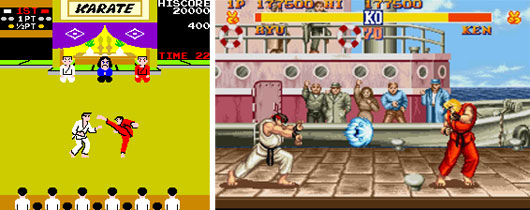
The seeds for the fighting game genre were planted in 1984. That year saw the introduction of three important arcade games which would profoundly change the industry. Irem released Kung-Fu Master, which predated Double Dragon and could actually be considered the forefather of the brawler. It had stage after stage of different villains approaching from the left and right and had a boss waiting at the end of each stage. Technos developed Karate Champ which was the original two-player fighting game featuring a red and white karateka. This was years before Ken and Ryu had appeared in the first Street Fighter. The only thing that the previously mentioned games lacked was diversity, in terms of different ethnicities. Although to be fair there was a dark-skinned giant, possibly of Indian or even Arabian descent in Kung-Fu Master. Minority characters were not playable characters however. The first prominent black character in a fighting game was Mr. Sandman.


The original WVBA (World Video Boxing Association) Champion from the Nintendo game Punch Out!! Boxing would be pinned on many black characters from the earliest point in Japanese games. Some of the characters developed during the late '80s and early '90s were done as an homage to Mike Tyson. He was going through opponents at a feverish pace when he turned professional. Near the end of his reign other black athletes began to replace him. Axel Hawk was written as the mentor of Michael Max (another Tyson clone) from the Fatal Fury series. Axel was a nod to George Forman who made a comeback at the age of 46 and recaptured the heavyweight championship of the world 21 years after he had originally won it.
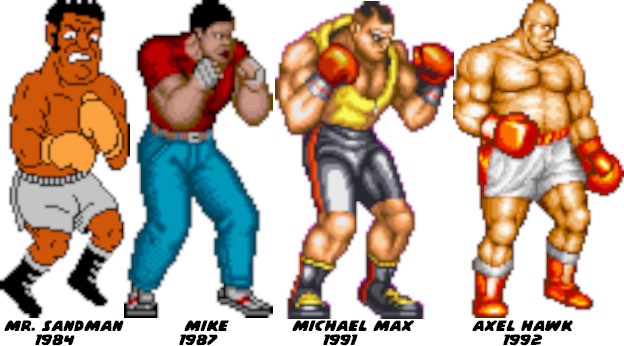

The game was also released in 1984 but had a reputation for its ethnically stereotypical characters including the Cuban Piston Hurricane and Italian Pizza Pasta. These were meant to be taken as a joke by the Japanese developers. Many game fans did not find too much offense in those characters however that changed with the introduction of the Vodka Drunkenski in Punch Out 2. The Russian was renamed when the game was translated to the home consoles. His bottle of vodka had been replaced by a soda bottle. Mr. Sandman was different though. He did not have any gimmick or racially biased name. There had been professional black fighters that also went by aliases like "Sugar," "Hitman" and "Dynamite," so the Sandman seemed to be a good fit. The character was deadpan serious, as one would expect a World Champion to be. He required perfect timing to beat and most arcade gamers never did. The character still managed to intimidate opponents 25 years later when a new Punch-Out!! was released for the Nintendo Wii.
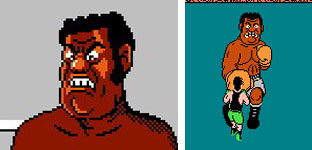

Shigeru Miyamaoto, creator of the Mario Bros, the Legend of Zelda, Metroid and a slew of other franchises had actually designed the cast and started a tradition in for developers. He demonstrated through Mr. Sandman that a character designed with respect rather than trope would reflect back to gamers. In the very first blog of this series I mentioned that the developers that respected their subject matter often did better with audiences. Even if a fighting game pitted skeletons against cyborgs or revolved around dinosaurs the players could pick up whether or not the developer was simply trying to cash in on a trend or if they had really invested their efforts into the game and the universe they created. Kung-Fu master and Karate Champ were ported to multiple consoles yet neither received a proper sequel. By comparison the Punch-Out!! series was a hit in the arcade, on the 8-bit NES with an added plot, on the 16-bit Super Nintendo with new villains and years later on the Wii. The extra time, energy, diversity and attention to detail that Miyamoto and his team had put into their game clearly came across to audiences every time.
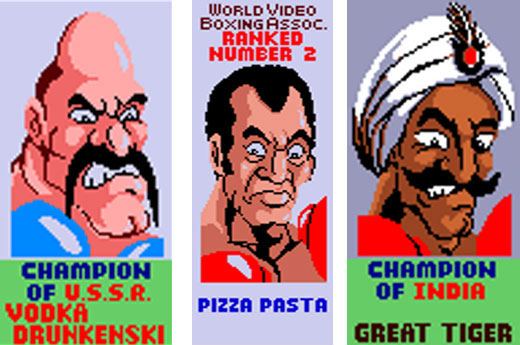

The Japanese did not think that creating caricatures of ethnic stereotypes or names would have caused a big fuss. Through the '80s not many people took notice. However when the Politically Correct / Ethnic Sensitivity movements took off in popularity the Westerners expected those in the business world to follow the trends. In Japan that was not the case. Again there was cultural relativism to consider. Of the two nations only the US had a major civil rights movement.
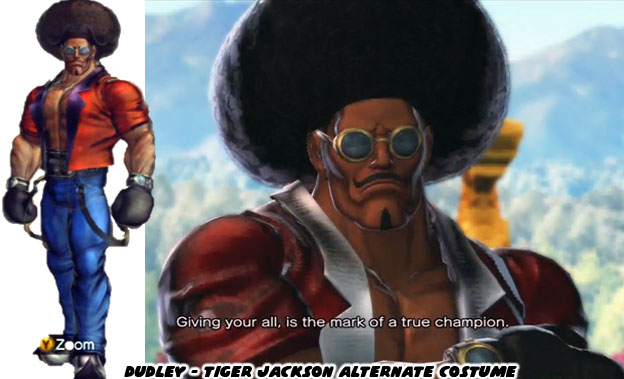

Capcom had created a great legacy of black boxers through the Street Fighter series, one of which played up the strengths and abilities of the sweet science rather than perpetuate stereotypical tropes. The bar that had been raised by the Street Fighter III team when they created Dudley was unfortunately lowered by the Street Fighter IV. More than a decade between games didn't make the Capcom artists any wiser. Dudley would receive an alternate costume of an afro and sunglasses modeled after the look of Tiger Jackson in Street Fighter X Tekken. He certainly didn't look very much like a world champ any more.

Developers in Japan and the US were stuck in a rut. Aside from professional boxers there wasn't much in terms of styles that they felt comfortable assigning black athletes. Basketball and breakdancing had become the new fad and by the mid-90s it was becoming tired to audiences. Thankfully Capcom and Namco wizened up and pointed to new fighting styles. Capoeira came into focus in 1997 thanks to Eddy Gordo and Elena. Even Sean was allowed to learn the assassin's fist that had been previously reserved for Ken and Ryu. Minority fighters suddenly no longer seemed locked into one role. A few years later Spiritonin expanded on that concept and began flipping conventions in their Capoeira Fighter series. Blacks, Whites, Latinos, men and women from different nations were all presented as exceptional capoeiristas. When those characters went on a wold tour they faced many new styles. These fighters from different nations also broke convention.
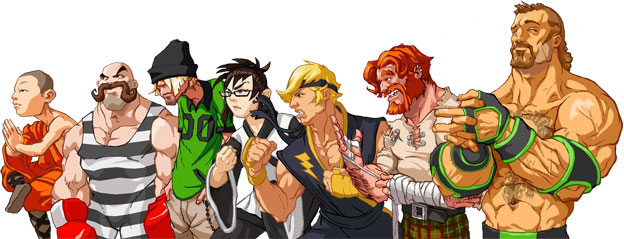

The boxing champion was a short British person with a Napoleon Complex. There was also a young Shaolin Monk, a German breakdancer, a female Tae KwonDo practitioner, a karateka based on the villain from the film the Karate Kid, a Scottish barroom fighter and a large Southern grappler. Rarely had any fighting game featured such diversity with regards to ethnicity, age and technique. Spiritonin had put the same level of detail on all the new fighters that they had with the capoeiristas. The moves each had, the special attacks, costumes, voices, names and even stages were built with forethought. The studio made sure to incorporate actual or appropriate details from each nation or culture to place on their cast. The name of the Shaolin Monk Kuan Yin Shen was based on a Buddhist deity. The young man spoke in wise passages during cut scenes, beguiling his age. Other characters had their own personalities on display while fighting or in their own cinemas.
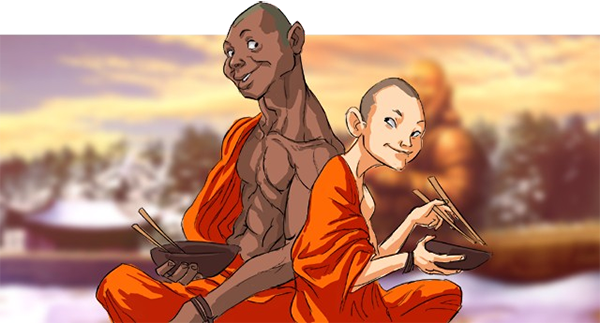

The capoeiristas were joined by some other traditional and non-traditional faces. A Bruce Lee clone which all fighting games needed to have, a wild jungle girl, a female Muay Thai master (the first one ever featured in a fighting game!), a monkey kung-fu master (that I designed) and a couple of alien beings from the Guardians of Altarris (a different Spiritonin game) made a cameo appearance as well.
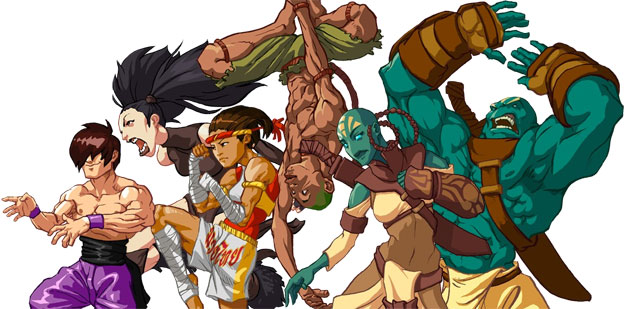

Spiritonin knew that a colorful cast was important but not as important as good control, great animations and a balanced fighting engine. They delivered on all those things while at the same time deconstructing the ideas of minority characters in fighting games. Women and blacks could not only make good supporting characters but they could also be important leading ones as well. The game had no set main characters although Meste Loka and Mestre Rochedo had been in the series the longest followed by their students. In order to make sure the game went beyond all expectations Spiritonin also wrote a new chapter in the book on villains. Zumbi Azul was so well done that I would rank him among the best villains ever created for a fighter. Zumbi was already an impressive bad guy but his dark alter-ego raised the bar. In all honesty I would rank Zumbi Azul in the top-5 bosses of all-time. He would even be in my personal top-3, second only to Gouki and ahead of Silber.
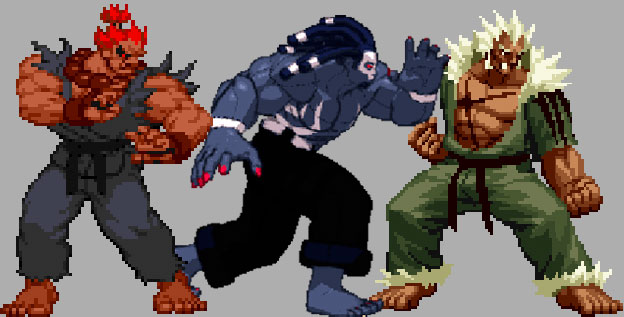

Spiritonin was able to insert powerful minorities and females into the genre as if they had always been there. They did not play the race card because they did not have to. They simply decided that it was finally time to bring fighting games into the 21st century. The biggest publishers in Japan and the US were taking too long to catch up with society. Spiritonin learned from Miyamoto and the other industry leaders. They treated their audience with respect. They placed men and women of color into a game without any pandering or gimmicks. The cast was balanced from a gameplay perspective but almost as important the members of both sexes had equal weight on the plot and outcome of the game. When Spiritonin wanted locations that meant something to Western players then they used actual landmarks. Even the fictional locations were still inspired by reality. The plantation mansions, the secluded beaches, the rain-forests and the colorful hotels featured in CF3 could be found sprinkled throughout South America. When Spiritonin wanted to create a convincing villain they used elements from ancient Afro-Caribbean and African-American spiritual customs that modern players could still identify. They did not put a costumed European in a corner and have him wave his hand to call down a meteor strike. In short the studio delivered something that audiences were not expecting.

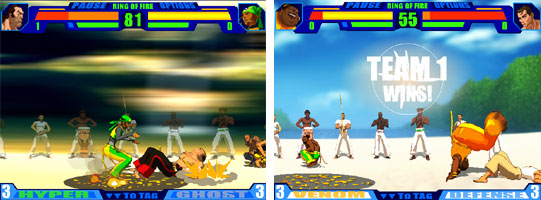
An important chapter in the history of the fighting genre was written but for the web browsers instead of the arcade or home consoles. Capoeira Fighter 3 was a great game but did not get wide exposure. Because of this many "hardcore" and even casual players missed out. The biggest loser would be the entire industry. The big publishers on both sides of the Pacific would not learn how a fighting game should treat members of every ethnic group and culture. Nor would they learn that they could present attractive females that were also strong and athletic instead of just big boobs in skimpy costumes. Without a popular and successful template to work from most developers would rely on trope to design the next fighter. A generation that grew up seeing minorities and women portrayed in one way would never expect to see them in any other light. It was important that the developers get these impressions right the first time or else they would perpetuate stereotypes. It was simply not enough to live up to player expectations, the studios had to exceed them and redefine what the expectations should be. A great game and a terrible game could equally color their perception of gamers. The industry should always remember that the color of their audience should always be respected more than the color of their money.


Capoeira found its way into the world of mixed martial arts in the latter half of the 20th century. Almost a century ago the Japanese Count Kouma had demonstrated that jujitsu could be used to defeat the best capoeira striker. Suddenly the Brazilians felt inclined to begin studying this new form from the East. Yet as Kazushi Sakuraba demonstrated time and time again not even the Gracie jujitsu system was perfect. Many mixed martial arts fighters, not solely the Brazilians, took another look at the Dance of War and began adapting the sweeping kicks and unpredictable strikes into their technique. Now modern fighters are well rounded in the various fighting forms and are able to put on demonstrations that are as exciting to watch as any fighting videogame. Marcus Aurelio for example has an incredible sense of balance and makes capoeira look easy to do in a professional match as he takes out opponents with dizzying speed. While he may never achieve the legend of Mas Oyama we can see that the lessons of knowing multiple forms does indeed make one a better fighter.

I hope that you enjoyed this survey on the various fighting arts and how they migrated around the world. From the roots of grappling and kung fu that Indian monks took with them to China. To the merchants that crossed the Sea of Japan and introduced a continent to the Empty Hand techniques. there were the indigenous tribes in Indonesia and the isles in the South Pacific that kept their form alive as Dutch, Spanish and French imperialists sought to destroy them. When the fluid striking of the African arts crossed the Atlantic it mirrored the journey of millions of slaves. It would become wrapped up in ancient animism beliefs of the Old World and the crown of thorns from the New World. Its legacy would become the mix of Japanese blood in the form of judo and ju-jitsu. It would bear the illegitimate offspring of English catch-as-catch-can and US wrestling. These children would grow up on a steady diet of fighting. Their children and great grandchildren would continue to fight and shape the arts.
When fighting games became popular almost 30 years ago the developers celebrated the colorful world that gave birth to the genre. Little by little they turned their backs on the real men and women that shaped history and began inventing fighters and forms. By doing so the games suffered just a little bit and the popularity of the titles declined. I still think that the best days of the genre were still ahead of us. If the new generation of designers learned where fight culture came from and worked as hard trying to evolve as much as the current crop of real world fighters then I think they could capture the spirit once more. Thank you for following this series, thank you for the questions and comments throughout and I wish you all the best. As always if you enjoyed this blog and would like to sponsor me please visit my Patreon page and consider donating each month, even as little as $1 would help make better blogs and even podcasts!

Friday, October 16, 2015

How fight culture became fighting game history, part 47

Capoeira was a graceful fighting art form. It revolved around the rhythms, colors and communities of Brazil. The indigenous people of South America and the African slaves helped keep the form of combat alive under the guise of a sport. Many of the strikes did not lose their lethal nature though. It came in especially handy for escaped slaves and prisoners. It was up to the developers at Spiritonin to bring the history of Capoeira to life and make it appear as diverse in game as it was in reality by applying different variations of the art to different characters. For some it flowed freely and highlighted amazing spinning strikes. For others it was an explosion of concentrated punches and counter attacks. The beauty of the art form was countered by the ugliness of some of the combatants in Capoeira Fighter 3.
 

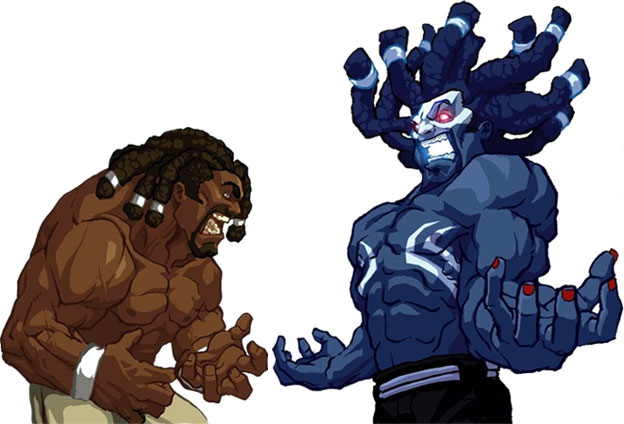
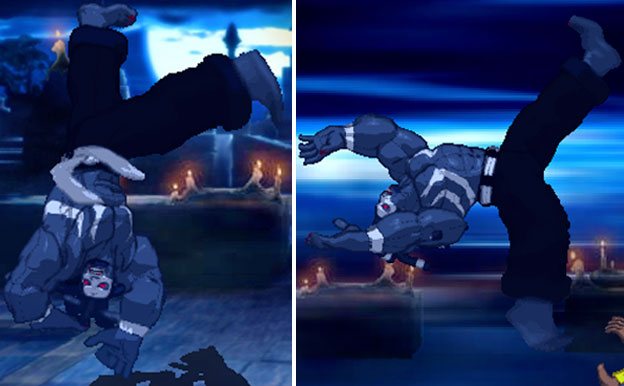
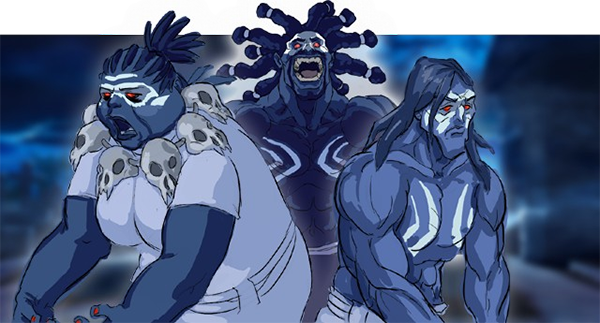
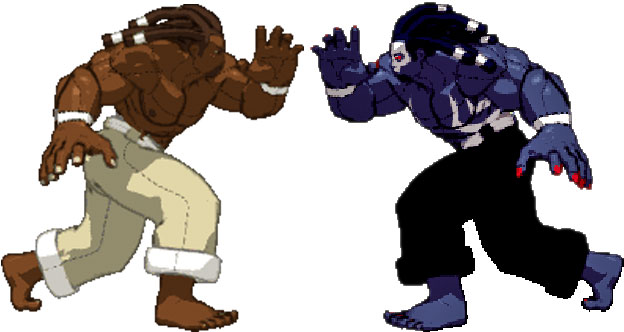
This did not mean that the characters were physically ugly but that they exploited the form simply for the sake of harming others. The worst of these offenders went by the name of Zumbi. The Mestre had played the heavy in the previous incarnations of the game but by the third chapter in the story he became a boss-level fighter. Zumbi did not simply gain a host of more powerful attacks but his voice, his appearance and even stage had changed dramatically. The end result was a monster of a man named Zumbi Azul. This new character observed many of the same conventions that were created by Capcom when the studio designed Gouki.

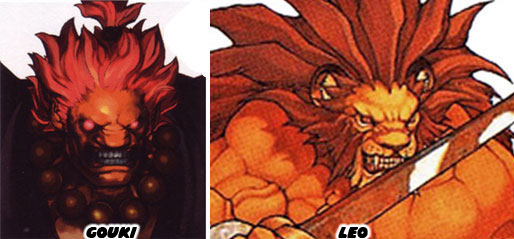
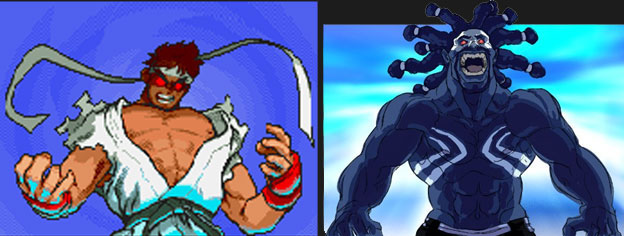
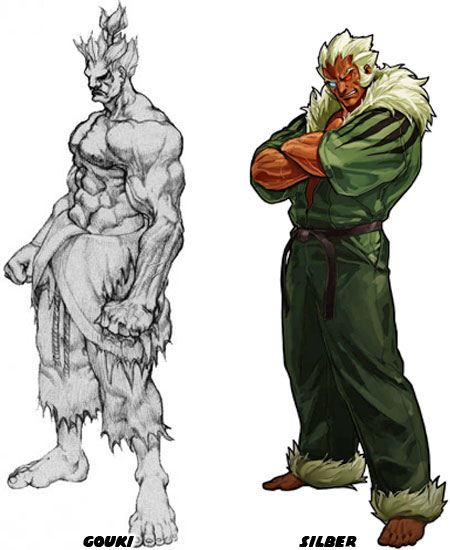
Zumbi Azul was meant to evoke supernatural origins. Creator Scott Stoddard and artist Adam Ford started by changing his skin color. The cool blue was "painted" over Zumbi as part of a dark ritual. It was meant to reflect the night. Symbolically this also reflected the dark Macumba spirits that had possessed him. The contrast from white painted markings was meant to make the character look like a skeleton as well. These new color choices were contrasted by blood red eyes and fingernails. It made Zumbi Azul look like a Voodoo Spirit rather than a person. These things were all done deliberately. Every design clue in the game was meant to invoke images that would have been clearly understood by gamers in the West. Gouki had animalistic features, dark red skin and other traits that were universally recognized as making him demonic. Some of his other cues were not as obvious to players outside of Asia. The spiky hair was reminiscent of the guardian spirits or Nio and the rope belt he wore had Shinto connotations. In order to make Zumbi and the mythology of Zumbi Azul work the studio had to put in enough visual cues that highlighted the spiritual elements in the series, again the spiritual elements from the West.


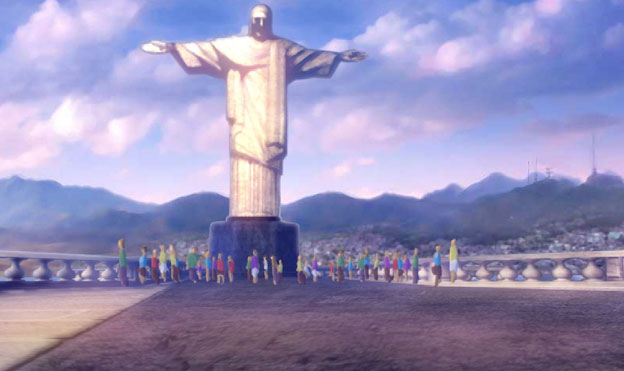
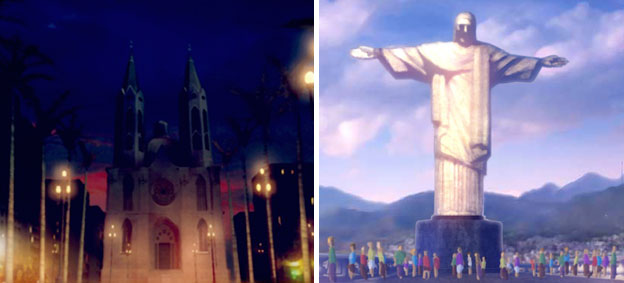
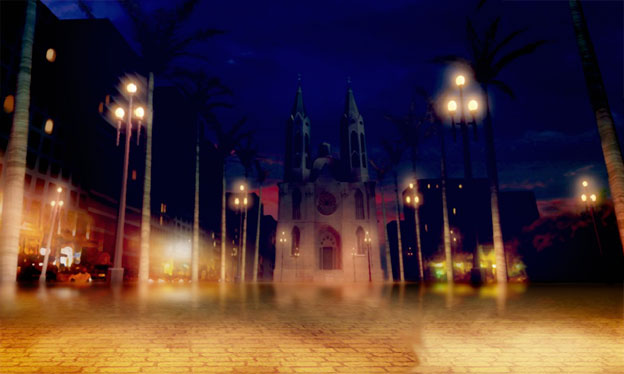
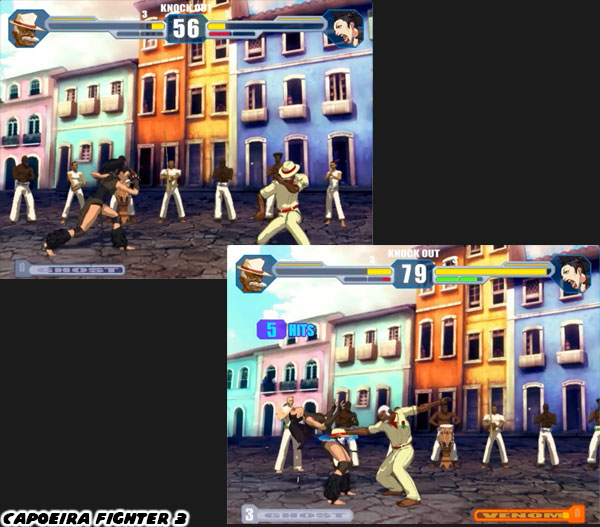
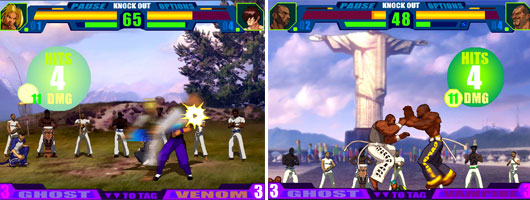
Capoeira Fighter 3 had a mix of influences, not solely from the fighting styles but also from other video games. It was heavily based in the visual style of Street Fighter Zero but with gameplay elements, control schemes and animations from Street Fighter III and Tekken as well. Part of the success of the other games were the memorable stages that the fights took place in. Spiritonin used landmarks that had a dual meaning in several of the levels. The Sao Paulo Cathedral and statue of Christ the Redeemer from Rio De Janeiro were important symbols from Brazilian Christianity. Two beautifully painted versions of these places, by Ford, were the backdrops for the heroic characters in the game.

These icons were meant to reinforce the personalities of the cast. Mestre Rochedo was a noble fighter and was constantly vigilant against Zumbi. He would warn his students to watch out for him in the game. Rochedo fought in front of the statue of Christ, seemingly invisible to the tourists that had gathered there. The name Rochedo actually meant cliff in Brazilian, it was short for the saying "only the cliff can face the wind." In this case only Rochedo could face Zumbi and his dark powers. Ramba was a student of Mestre Loka, another honorable teacher. She was a tough fighter whose macho attitude earned her the female equivalent nickname of "Rambo." She was actually in law school during the third Capoeira Fighter Tournament. Both of Ramba's possible endings had her helping out the less fortunate and thus demonstrating strong Christian values. It made sense that the Sao Paulo Cathedral was the backdrop for her stage.


The Western world was much better acquainted with the Christ figure and symbolism of churches and iconography. The themes explored by these stages would have been easily understood by Western audiences. Even non-Christians could appreciate the aesthetics of the level designs. The earth tones used for the cathedral balanced the cool darkness of the sky and the warm glow of a setting sun. It showed the beauty of the cathedral and the streets of Sao Paulo at night. The Christ statue itself was very serene and peaceful. The use of clouds made the stage location look heavenly. Those that followed the religion were familiar with the lessons of Christ. They knew that fighting was not a sin, especially not if the person was fighting against the forces of evil. In this case it would be the Christian belief versus the pagan ideal. Even the art of capoeira itself was filled with religious undercurrents. There was a sincere relationship between the Mestre and students, not unlike a priest or pastor and their parish. Those that would earn a name had to undergo a Batizado or Baptism as well and earn a place in the community.

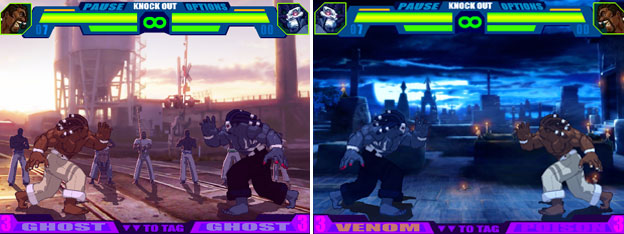
The interplay between good and evil, light and dark was not lost on either Zumbi or Zumbi Azul. Zumbi was a bad guy yet his stage was visually one of the nicest ones in the game. In other fighting games the bad guys sometimes fought in a dirty alley or dark forest. For Zumbi the character fought on train tracks. On the horizon was a setting sun. It gave everything in the level a soft glow. From the farm house in the distance to the nearby grain elevators and even factory smokestack, the industrial and rural met in relative peace. It could be interpreted as symbolic of the state of Zumbi. The character was at a crossroads as well. He had dedicated his life to combat and was willing to forgo the traditional world of man and the beauty of the modern world. This would be the dusk of his existence and night would mark his transition into a new person. The stage of Zumbi Azul was a stark contrast to the train crossing.


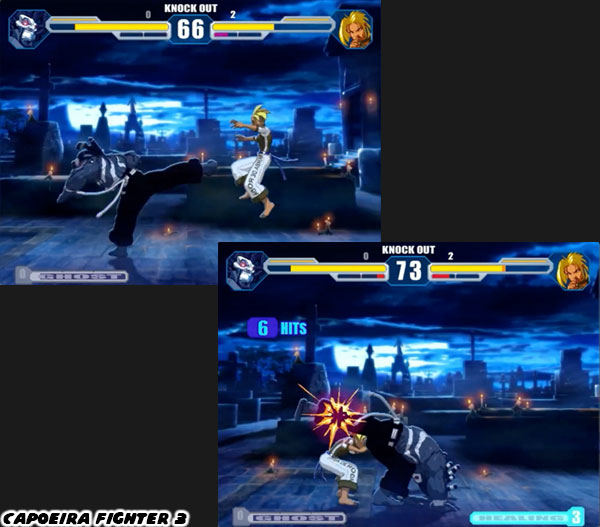
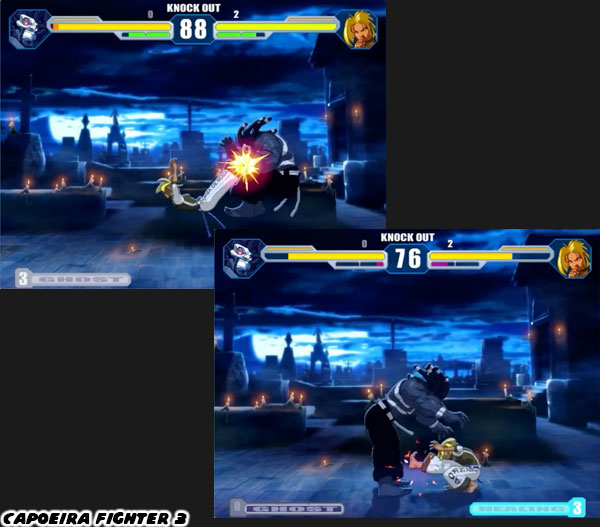
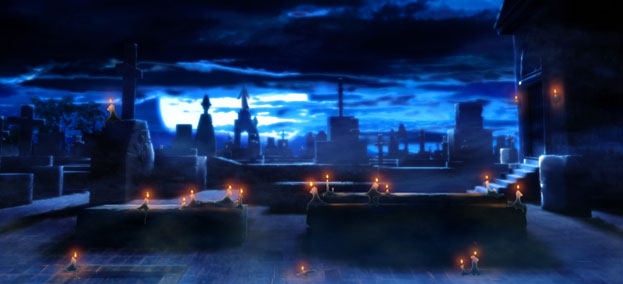
The cool blues and grays of an old cemetery at night were meant to elicit a chilly response from players. The full moon, framed by ominous clouds, gave off an ethereal glow. This type of level design was meant to tell a story. The stages created for Gouki in the Street Fighter series were layered with themes of Hell and the afterlife. Even though these places could have actually existed somewhere in Japan there was a certain subtext that was hard to ignore. The cemetery of Zumbi Azul was meant to do the same thing in Capoeira Fighter 3. This was the place that the dead called home. Any person foolish enough to face Zumbi Azul there would probably end up joining the residents before dawn.

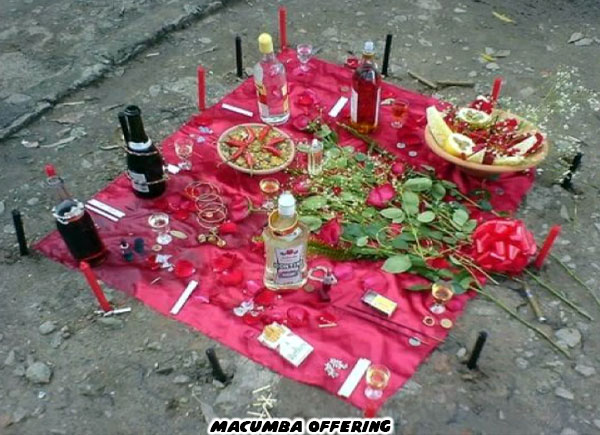
This new "home" of Zumbi Azul was decorated with multiple candles, hinting that some sort of Macumba ceremony had been performed there. Of course popular media would suggest that the only types of ceremonies performed over a grave or mausoleum at night were unholy. If Zumbi had died physically, spiritually or even symbolically perhaps he would have been reborn with new powers. The spirits of the Macumba would now be in charge of the man. One interpretation of Zumbi Azul was that he had become a Zombie, or servant to the dark forces. The actual Haitian practice of Vodou gave rise to the zombie myth. Unscrupulous practitioners of the dark arts were called Bokor. These people would kidnap people to turn into mindless slaves. Other times they would raise the dead in order to turn them into servants.


The ceremonies the Bokor performed, their various potions, spells and curses had been closely guarded secrets for several centuries. Modern science had created a plausible theory for what these so-called masters of the dark arts had actually been doing. First they poisoned their victims with a strong neurotoxin, from a puffer fish or poisonous frog. This would slow down their breathing and heartbeat to an undetectable state. The person would then be declared dead and be buried in a shallow grave allowing time for the toxins to wear off. The Bokor would then magically "revive" the person by force feeding them a paste made up of sweet potato, cane sugar and the hallucinogenic plant datura. The end result, provided that the person actually survived the ordeal and was fit for work, was cruel and grotesque. The newly born zombie would be brain damaged from the lack of oxygen during paralysis and unable to communicate, reason or have any higher brain functions. The Bokor would constantly beat, berate and keep the zombie in a stupor with their drugs while forcing the zombie into a life of slavery.


The Bokor claimed that they did not raise zombies to sell into slavery but rather that these people were being punished for committing the most cardinal of sins against the religion. The lack of medical information and strong word of mouth gave credibility to the supernatural powers of the Bokor. It was not uncommon for some family members to remain vigil over the grave of a deceased relative until they were certain that the body had begun to decay and would not be exhumed. In other instances some people were dismembered by their own family before being buried. Whichever the case was the African and Afro-Caribbean communities learned to be wary of these mysterious rituals and practitioners.


The mythology of Macumba, the Orisha and Voodoo worked in favor of Zumbi Azul. This was a character that embraced his own evil tendencies and turned himself into a monster. It was as if he were both the Bokor and Zombie. He did not want or need an accomplice to perform the ritual he had studied up on. Those that wanted to follow in his footsteps, characters like Maestro and Buldogue, would be turned into blue-skinned servants. At least in one of the possible endings both of the fighters became minions for Zumbi Azul. This villain demonstrated all of the traditions that made for a great evil character. He was willing to do whatever it took to win. He lacked respect for the life of his opponents and even himself. He was willing to pay with his body and soul in order to achieve unstoppable power.

Capoeira Fighter 3 was already a good fighting game given the diversity of characters, strong minorities, balance, animation and control. It became a great fighting game when it included a villain that could be held to the same standards of the best bosses. The next blog will look specifically at the things that reflected the heritage of Zumbi Azul and close out this series. As always if you enjoyed this blog and would like to sponsor me please visit my Patreon page and consider donating each month, even as little as $1 would help make better blogs and even podcasts!

Wednesday, October 14, 2015

How fight culture became fighting game history, part 46

When the designers at Capcom created Gouki they demonstrated all of the elements that were required in making a memorable fighting game villain. The senior people at Spiritonin, Scott Stoddard and Adam Ford were clearly aware of what made Gouki such a unique character. Yet the studio did not want to simply copy the template verbatim, as SNK did when they introduced Silber in Buriki One. Instead they wanted Zumbi to be seen as a unique character that brought the same level of design to the Americas. In order to do this they had to pull actual elements from cultures and traditions that would explain the forces that allowed Zumbi to grow exponentially in power. Since Capoeira was grounded heavily in Brazilian and African history it was important not to separate the religious and spiritual beliefs that were brought over as well. By preserving the elements of the old customs it was easier for audiences to follow the shift in Zumbi's personality and power.


There were many unique forms of spiritual beliefs scattered throughout the African continent. The slaves brought from West Africa included the people from Nigeria and the Congo. They observed the Bantu custom and traditions. They had strong beliefs in the ability to barter with the spirits. They could have a practitioner, a shaman or holy man summon the spirits make offerings and sacrifices to them in return for any number of favors. Some wished for protection from their enemies. Others desired health and fortune. Still others wished the spirits to cause harm to their enemies. These belief systems were combined with native traditions in the Caribbean and Spanish Catholic-hybrid religions like Santeria that were practiced in the New World. The indigenous Brazilians incorporated elements of the Bantu into their own beliefs. The Bantu or Macumba customs were best observed in the Haitian Vodou beliefs.


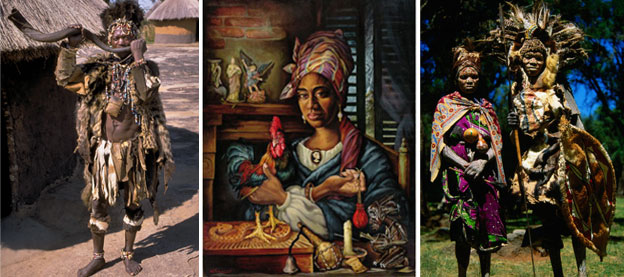
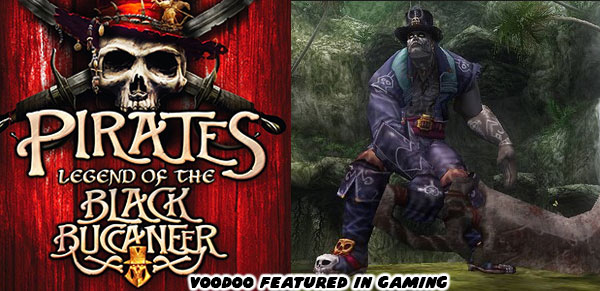
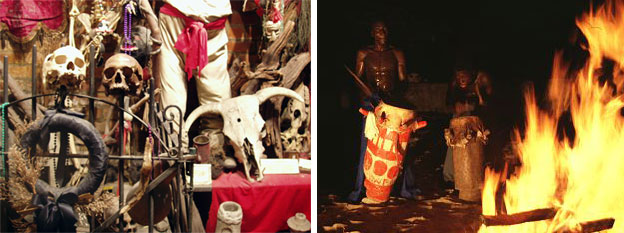
People in North America were familiar with the spiritual beliefs, hexes and spells from Voodoo due to the popularization of the religion on film and television. Voodoo dolls, zombies, shrines and altars with sacrifices had been featured in popular media over the past century. Those things were often attributed to ancient practices from exotic locations. The ability of a witchdoctor, or Voodoo Priest or Priestess to cast spells over people had been romanticized as well. The movement began in the US circa the 18th century when West African Slaves were transported to parts of the Caribbean and the early plantations in Louisiana and other French-controlled portions of North America. The African practices and indigenous Haitian beliefs were outlawed. Slaves and other conquered people were converted, some forcefully, to Christianity. The violent conversion of religious ideas resulted in a people that practiced a hybrid spiritual system. The religious iconography of African, Christian and island cultures blended together. Votive candles, sacrifices, offerings of tobacco, alcohol, crosses and skulls mixed to create a religion that was macabre and fascinating at the same time.


Voodoo practitioners were known as servants of the spirits. They carefully walked the line between the physical and spiritual worlds, catering to the wishes if not outright demands from the voices in either dimension. These practitioners were either well regarded or well feared by the population. The Macumba traditions differed slightly from the Voodoo customs. The indigenous tribes from North, Central and South America were also based heavily in different animistic, and spiritual beliefs. They had their own languages, symbols and ways of worship. When French and Spanish traders forced Catholic and Christian beliefs onto the tribes it also twisted their customs and influenced the creation of Santeria. The hybridization of spirituality in the Americas would take on many unique properties. The spirits of Macumba, sometimes called Orisha or Spirit Gods could manifest themselves in animals. Some of the more powerful spirits could make themselves appear as people. One symbolic figure in the Macumba tradition was that of a black man wearing a white Fedora. The Lord of the Crossroads, sometimes intertwined with the spirit of mischief, had a powerful influence on fate and could use his powers to cause trouble or convey a lesson to his believers. This character was known as Exu and was one of the named Orisha.


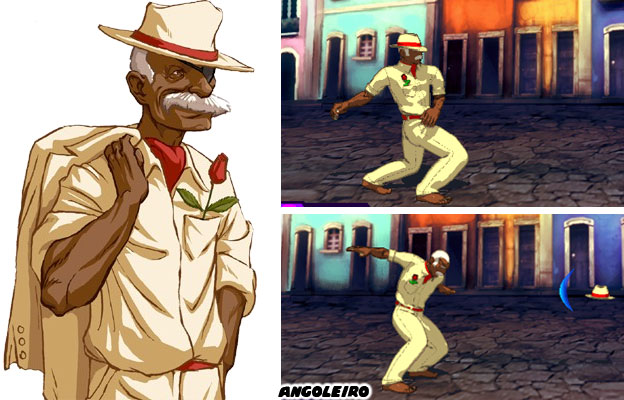
In Capoeira Fighter 3 there was a gallant fighter named Angoleiro. Although he was not a mystical person he certainly reflected the classic traditions of the African cultures. The elderly man was dressed in white yet walked barefoot, he also wore a white Fedora which he used in battle. They eye patch and sly grin added a bit of mystery to the man. Perhaps he was Exu in his human form after all. Angoleiro was sent to Brazil by a vision from his deceased wife Rosa. It seemed that there was a great conflict and a girl needed his help. He was not sure what the girl looked like as she was blurry in his dream. He found a native girl named Pantera dressed in animal skins. There was a land developer clear cutting the rainforest in order to build a hotel. It turned out that she was on the one that needed his assistance. Apparently the animal spirits had worked through his dreams in order to get him to a place where he could help. Although he was the oldest fighter in the game he still was still a master of capoeira. With his techniques and guile players could complete his mission.


Angoleiro was reflective of the positive forces of the Orisha. When he came upon Pantera and even the character Coelha upon the crossroads he offered each a chance to change their destiny. Angoleiro was using his visions to elicit change in other people's lives. These were the natural courses that Macumba practitioners preferred. Using a vision for selfish reasons would often cause strife or worse end up cursing the practitioner. The spirits of the Orisha did not like to be toyed with. Angoleiro had made it to a ripe old age and was still a fighter to be reckoned with because he followed the right path. In Brazilian legend there was a slave that was a master of Capoeira but was also protected by the Exu. His name was Besouro Maganga, he was nicknamed after the junebug. Officials tried hunting him down but he was too quick for them, he could run along treetops and seemed impervious to bullets. It was said that no weapon forged by man could kill him. A jealous rival found out about the myth and crafted a knife made of palm leaves in order to assassinate him. Figures like Besouro and the contemporary Angolero reflected the positive aspects of the spirituality that followed Capoeira over from Africa.

There was somebody in Capoeria Fighter canon however that did not follow the right path and never had. Mestre Zumbi had spelled trouble for the other Mestres and was a menace to the young practitioners of Capoeira since the very first game. He was confrontational, proud and jealous. It was a dangerous combination for the strong bruiser. Zumbi was lacking something, aside from his look, to set him apart from the other characters in the game. He was a powerful bully but what the game needed was a boss character. He discovered, or rather the team at Spiritonin discovered, that Macumba could be the power that elevated Zumbi from bad guy to major villain.


This would be the first fighting game that actually showed the evolution of a character from "regular" fighter into a boss-tier one. Moreover, this was the first fighting game that allowed players to start as one type of character and end the game with a completely new persona. The evolution of Zumbi was unique compared to all of the other fighting games, especially Street Fighter. The changes of Zumbi in CF3 contrasted Ryu in Street Fighter Zero. Ryu had always been a hero in the series. In Street Fighter Zero Ryu had to battle his own dark urges. The Evil Ryu personae was what he would have become if he had gone down the same path that created Gouki. After the events of Street Fighter II, III, IV and V it was apparent that Ryu was and always would remain the hero of the series. Much to the chagrin of some players, there would be no second coming of Gouki. Zumbi on the other hand had always been the bad guy and would always be the bad guy. Given his personality it made sense that he did not fight the dark elements but instead sought them out. It was like watching the great betrayal of Gouki to his master and even himself. Zumbi wanted to put fear into the heart of Loka and the other fighters. He embraced the forces of Macumba and became a vessel for their dark powers. In doing so a new character was born; Zumbi Azul, or Blue Zumbi. This dark master of Capoeira would now reign as the supreme force in their universe.


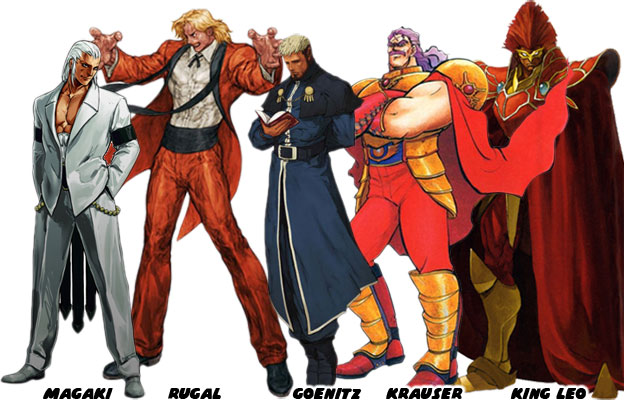
Previous to Capoeira Fighter 3 the studios in Japan and the US had been trying out many different types of characters from which to build a main villain from. Martial artists were the original boss characters however as time went on the final villains began to move away from the traditional arts. Most of the characters appeared to have been pulled from other genres like science fiction or even fantasy. SNK made a name for themselves by featuring well dressed but overpowered characters as bosses. They were supposed to look regal and in some instances even combined sharp clothing with vintage armor. The studios broke the balance in the game by assigning absurdly powerful attacks to these bosses, far more than the Dictator even. Some could kill regular characters with a few hits and often without having to even physically touch the opponent. This seemed cheap and reduced the impression that boss characters were supposed to give players.


Capcom had demonstrated through Gouki that with a healthy dose of cultural cues the most memorable villains could be grounded in reality. For a fighting game it only made sense that the ultimate villain also had to be a fighter and not simply an overpowered man in a suit. Gouki had established a tradition that would be hard to top. His design incorporated animal as well as demonic cues but not to the point as to be absurd to players. Silber from Buriki One had been the closest to follow the formula, especially in form and function. He was a fearsome predator that hunted down martial arts masters all over the world. Like Gouki he appeared suddenly during the last fight to surprise players and vanished just as mysteriously. Silber was missing something however, an awe-inspiring super attack that made him more than just a superior karateka. This small detail was not missed by Spiritonin. Zumbi Azul had become the Gouki equivalent in the series. He controlled similar to the regular Zumbi but all of his attacks were much more powerful. It mirrored how Gouki controlled similarly to Ken and Ryu but with stronger attacks.


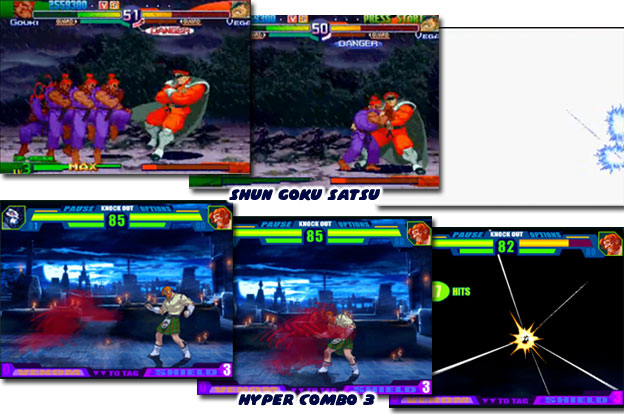
Gouki was famous for his Shun Goku Satsu. The character would hop on one foot and "teleport" over to an opponent. He would grab them and then proceed to pummel them with a flash of unstoppable strikes. The Instant Hell Murder was near impossible to escape at close range and could even reach most opponents at mid-range before they could counter. Zumbi Azul was given a similar attack for his Hyper Combo 3. The character would turn a ghostly, transparent red and then slide over to his opponent. Once caught Zumbi Azul would pummel his opponent with a flash of rapid strikes. A well timed final attack would all but guarantee victory for both bosses. The thing that made the special attacks slightly more interesting in CF 3 were that they could be combined with a "Power" modifier like Shield, Poison or Speed. If Zumbi Azul had Vampire, which was how the PC usually controlled the character, then not only would a player lose a tremendous amount of health from the Hyper Combo 3 but Zumbi Azul would gain all of that energy in return. It made the special attack all the more fearsome and the character more difficult for players to deal with.


Spiritonin had introduced a villain that had as much presence as Gouki. This was not only rare for a Western publisher but was rare for the entire industry. The studio placed Zumbi Azul as a boss for several but not all of the characters in the game. It only made sense considering the long standing rivalry that Zumbi had against certain cast members. Players could unlock the character if they earned enough credits. Players earned credits for each character they beat the game and various modes as well. They were encouraged to beat both paths of the game with each character so that they might earn enough credits to unlock all of the hidden characters including Zumbi Azul. The differences between Zumbi and Zumbi Azul were subtle but each required precise timing to master. Spiritonin took all of the lessons that Capcom had laid down regarding boss designs and created a new chapter to the legacy of fighting games. The next blog will look specifically at how a minority character evolved to become one of the great all-time villains. As always if you enjoyed this blog and would like to sponsor me please visit my Patreon page and consider donating each month, even as little as $1 would help make better blogs and even podcasts!