In the previous blog I talked about how the “Leonardo DaVinci of Namco” Mr. Shigeki Toyama was the lead designer for three attractions at Wonder Eggs. These were Galaxian³, the Laperopter, and Phantomers. His grandfather Tokio was a roller coaster designer. Creating memorable rides ran in the family. Namco had years of experience in building arcades, amusement centers, running restaurants, and other venues through their diverse portfolio. This background helped them create, and operate a theme park for a few years. What were the elements that made it work? How did they decide what attractions to build, and make them unique compared to the other parks in Japan? To understand the challenge they had to know their audience. My wife, and I got a crash course in user experience (UX) design from former
Disney Imagineer Joe Lanzisero. He explained his concept of “floaters, swimmers, and divers” during an interview.
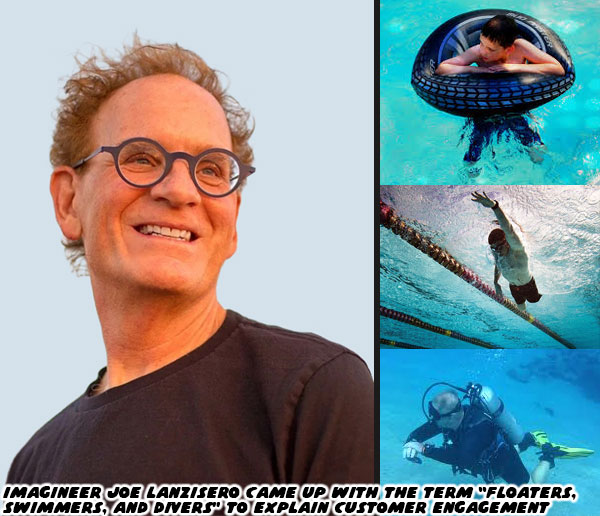
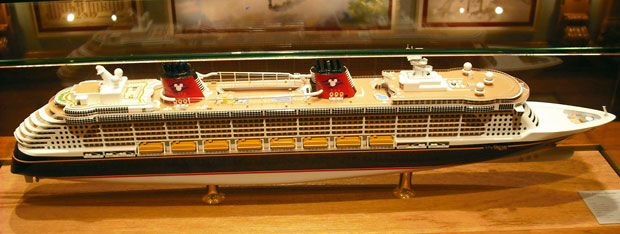
His goal in working on a project was to connect with a broad client base. Regardless of age or background he explained that he could sum up guests in three categories. The floater was the person that was literally looking for a surface level experience. If they were on a Disney cruise for example then they expected all of the amenities of a five-star liner. They wanted to be able to relax, have fun, and enjoy great food. The floater did not need to be familiar with the Disney cartoons or anything else from the company. They were still able to enjoy themselves. Then there were the swimmers. These were the casual fans. They knew a little bit about the parks, characters, etc. Swimmers caught how certain characters, or movies shaped the creation of an area of the ship. They were able to appreciate the attention to detail that went into elevating the experience. The third type were the most die-hard fans. Divers ate, slept, and dreamt all things Disney. They followed the construction of the ship, and were intimately familiar with every floor before it ever touched water. Once onboard the divers wanted to peel off every layer of detail, and discover that there was more magic underneath. It was up to Lanzisero, and his team, to create experiences that could satisfy the demands of each group.
Namco had created something that was perfect for floaters, swimmers, and divers as well. The company was founded in 1955 by Masaya Nakamura. By the time Wonder Eggs was built in 1992 it had grown into one of the biggest game companies in the world. In the ’60s they manufactured electromechanical games for SEGA, they had also secured the Disney license to build kiddie rides in that time. In the ‘70s they invested heavily in video game development even though Japanese banks saw it as a risky venture. By the ‘80s they owned Atari, and had a string of hits including Pac-Man. They were now licensing their own IP to the world. Mr. Nakamura steered the studio through tremendous growth because he believed in the power of play. “We create play” was not just a slogan, it was literally his company’s manifesto. The philosophy of “play” written by
Johan Huizinga, and Roger Caillois helped inform his decisions. It allowed him to know his audience better than they knew themselves.
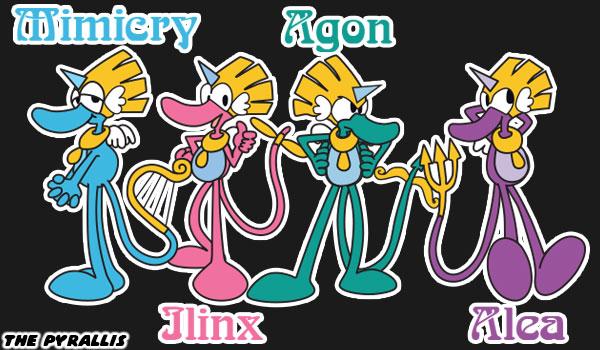
The “Dreamers” that visited Wonder Eggs had different approaches to play. They were willing to engage in the park with the same level of enthusiasm of a floater, swimmer, or diver. Namco had a keen insight on how to appeal to their core personality because of the lessons from Mr. Caillois. The mythical Pyrallis represented the four types of play. Agon represented competition. Alea represented chance. Ilinx represented dizziness. Mimicry represented simulation. How competitive, or lucky, or euphoric, or engaged in the experience varied between the dreamers. There was a a science, and an art to creating different attractions for these people. Depending on your perspective theme park designers knew how trick or exploit the brains of visitors through the use of color, patterns, scale, perspective, audio, and even scents
as I described in the previous blog.
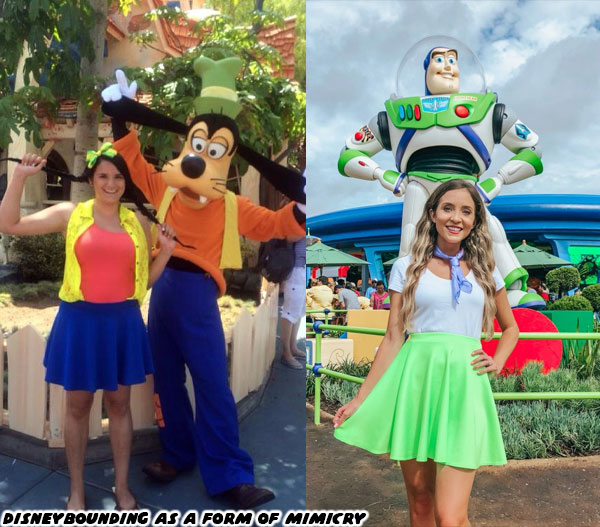
The ones that were most engaged with visiting Wonder Eggs, Disneyland, or any park could be identified as the diver, their preferred method of play was Mimicry. At Disney parks the guests that dressed in the style of their favorite characters were said to be “DisneyBounding.” This level of engagement was on the edge of what was socially acceptable. Some guests thought these visitors were sharing their creativity. Others thought they were trying to take attention away from the park, and rides to focus it on themselves. There was a fine line separating their type of self expression that could actually be destructive to their core personality. This was something that Roger Caillois warned about in his book Man Play and Games. We could generally acknowledge that people that were too competitive made play less enjoyable. Those people betrayed the spirit of Agon. The people that had an unhealthy compulsion with feeling euphoric could turn to drug abuse. These corrupted the idea of Ilinx. The people that became addicted to gambling had corrupted Alea. What happened to people that became too invested in Mimicry? What happened to “divers” that went too deep?
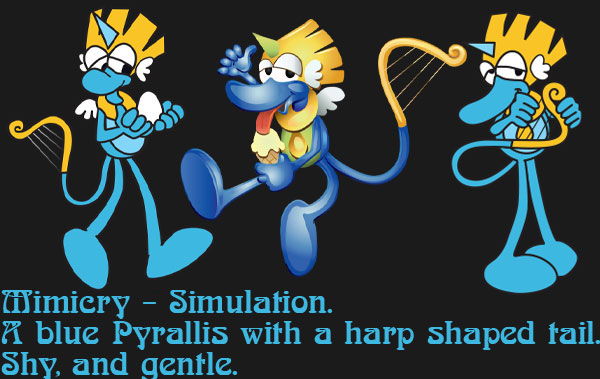
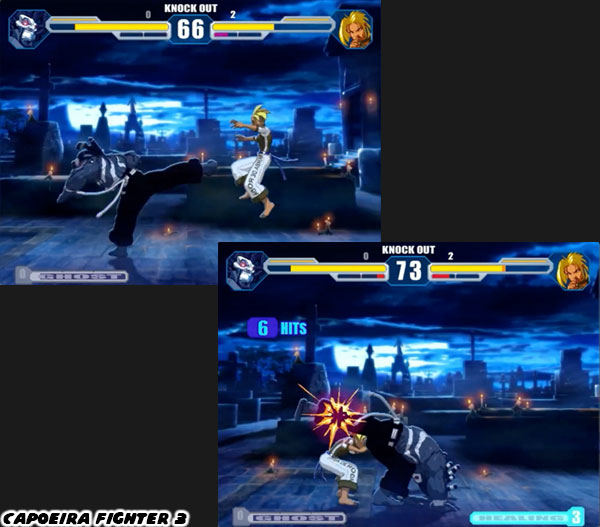
Mr. Caillois argued that people that got lost in their Mimicry suffered from alienation, and split personality. Their level of immersion had become obsessive, and corrupted. There was a reason why the Disney parks had a dress code. Every year many DisneyBounders got asked to change their clothing. They sometimes hung out in a particular area, dressed too similarly to cast members, and confused visitors in the process. Then there were people that acted out their immersion in public. You might have seen the video of an
guy playing the arcade game Ghost Squad very intensely. I think it was
the same person recorded a few years later playing House of the Dead 4. This person was going through excessive physical motions while playing the arcade games. They might have been to entertain other arcade visitors, or they might have been because this person actually identified his existence within the game world. It was a question that only he could answer.
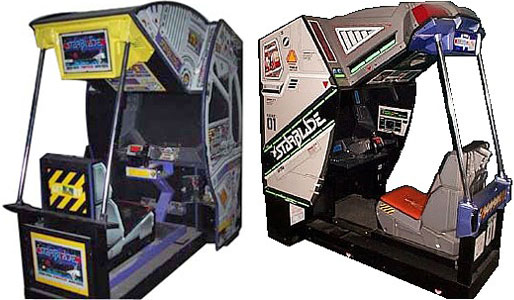
Wanting to be completely immersed in a different world wasn’t necessarily unhealthy. It was the reason why divers, or annual passholders returned to the Disney parks again, and again. I am a huge fan of the U.G.S.F. universe, of space games in general. If it were up to me I’d own a Starblade cabinet because it was the first single-player Active Simulator from Namco. The port on the original Playstation just didn’t seem to have the same magic. If I had a tremendous amount of disposable income then I would go even deeper than an arcade cabinet. Starblade was the same adventure from beginning to end. As a fan of sci-fi I wanted to explore the cosmos, and never have the same experience twice. PC titles like Elite Dangerous, Everspace 2, Infinity Battlescape covered a broad spectrum of the sci-fi. The level of engagement they provided was limited only by your budget. I had watched
UndeadParrot’s guide to building a 180-degrees gaming room. It made the immersive experience seem possible within a budget. If money was no object
BANKII’S $30,000 Star Citizen gaming room was the gold standard of simulator rigs. I believe that Namco found a healthy way to keep the Mimicry fans engaged without breaking the bank.
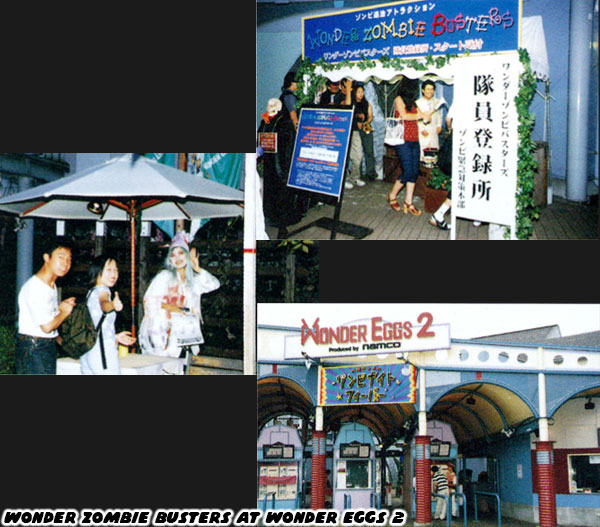
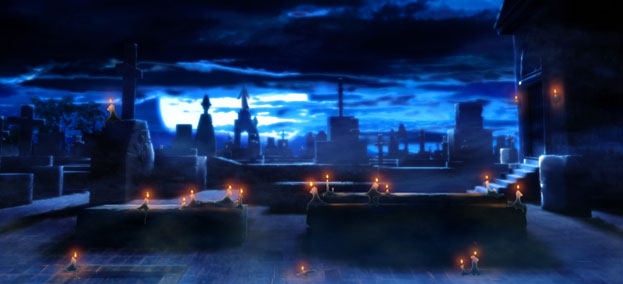
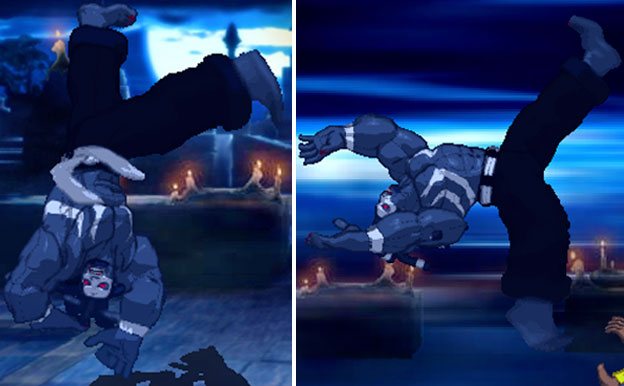
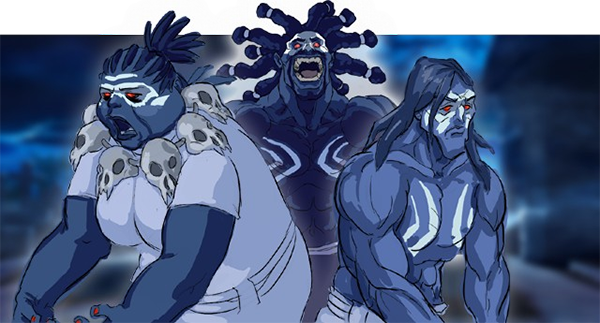
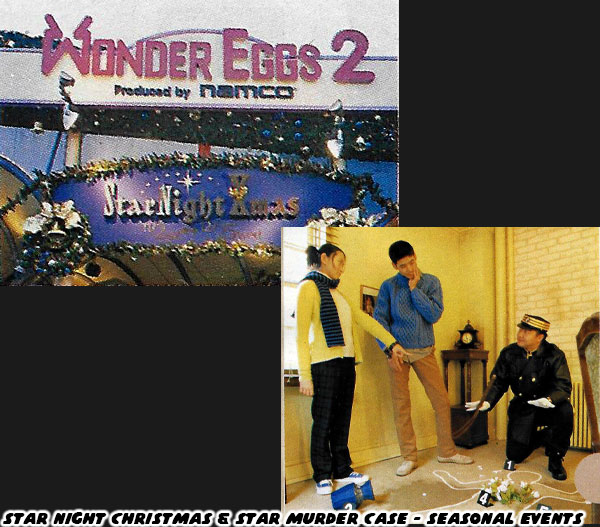
Wonder Eggs discovered that the seasonal events were popular with return visitors. Decorating the shops, and restaurants for the holidays went over well with audiences. The shows, concerts, and performances for Halloween, and Christmas were charming. The park designers wanted to give dreamers a reason to keep returning during the off peak months. To do this they needed to turn the entire park into a play area. Between July, and September they would run a rally event called Zombie Busters. The event only ran for a few hours at dusk. Dreamers could buy a special Zombie Busters event ticket at any local
JR - Central Japan Railway Company, convenience store, and play centers.
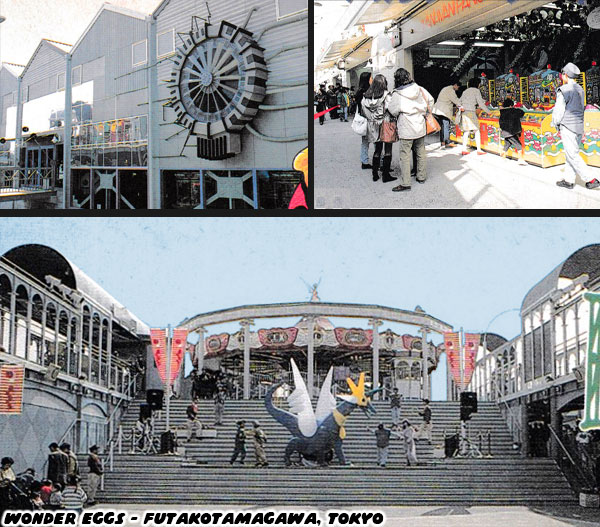
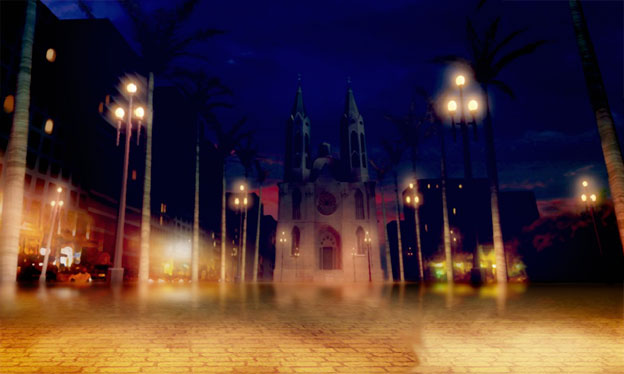
These event tickets were not sold at the gate. The dreamers now fully engaged in Mimicry were welcomed as warriors defending Laperot Village. They would show up to Elds Square at the appointed hour where the Village Chief would give them their instructions. They had just over two hours to find the zombies located on a special map, compete against them, and earn carnival coins, or reward eggs (currency) for the attractions. Even if the dreamers couldn’t beat all the zombies they at least earned a mask, and badge exclusive for the event. A few years later they added
Jester the Clown’s Mysterious Rally. It was a limited time event where guests could collect hidden keywords around the park for a prize. Wonder Eggs and the Egg Empire featured seven carnival style games where dreamers could win discount passports, and other prizes.
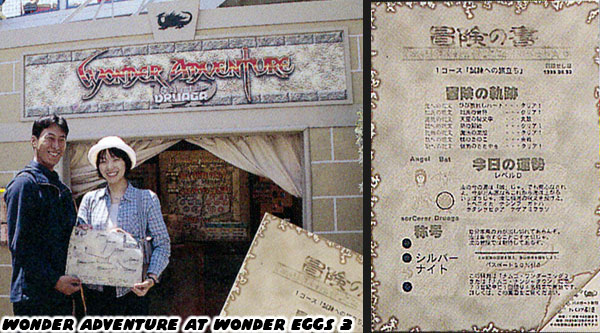
Dreamers enjoyed taking part in the play experience outside of the attractions themselves. Those engaging in Mimicry or simulation could defend the park from zombies, but during the Wonder Adventure rally they had an even greater challenge. Ki from the Tower of Druaga needed help sealing away the demon Druaga. Dreamers could now extend the adventure beyond the original ride. Equipped with a map, and puzzle guide they follow the clues, and track down the great evil menacing Laperot. Villagers would wait at certain checkpoints to check their answers, and reward them with stickers, and stamps on their guide. They could also earn currency eggs, carnival coins, and discounts on passes.
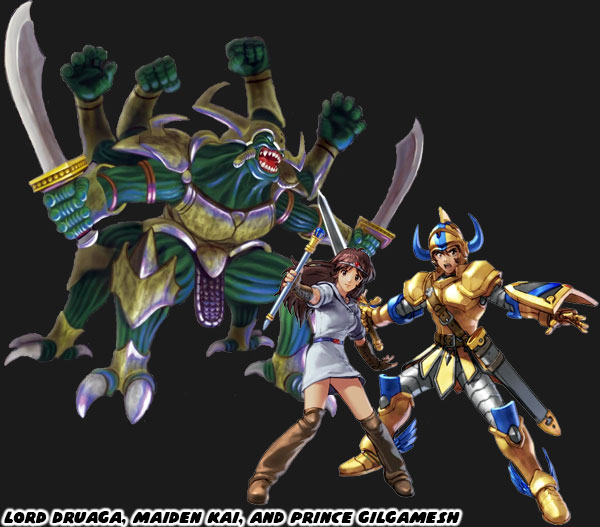
One of the things that made this game unique was that you could play it with a partner, and take on the roles of Kai, and Gil. Here was the writeup from the park;
"Enjoy the popular Wonder Egg attraction "Tower of Druaga" easily with Barcrown. Become the young protagonists "Gil" and "Kai" and take on the seven challenges. You will embark on a journey to find a stone called "Ishtar's Tear" that will give power to the magical sword. Once you have all seven spells, you will try your luck one last time. If you achieve a perfect score, you will receive a map (bandana) that shows the location of "Ishtar's Tear". Even if you do not get a perfect score, you will receive a special bonus. Let's challenge ourselves to become the Crystal Knight!"
The greatest challenge for dreamers was called the Wonder Rally. It would incorporate all of Wonder Eggs 2. This meant that dreamers would have to visit all 22 attractions, 8 restaurants, and shops. Participants for the Wonder Rally would get a “passport” and were tasked with collecting stamps, and stickers by going on attractions, earning a certain score, locating hidden Pyrallis, and solving puzzles. It was up to the dreamers to prove they were “heroes of play” by completing the passport. This event could be done individually or with a group.
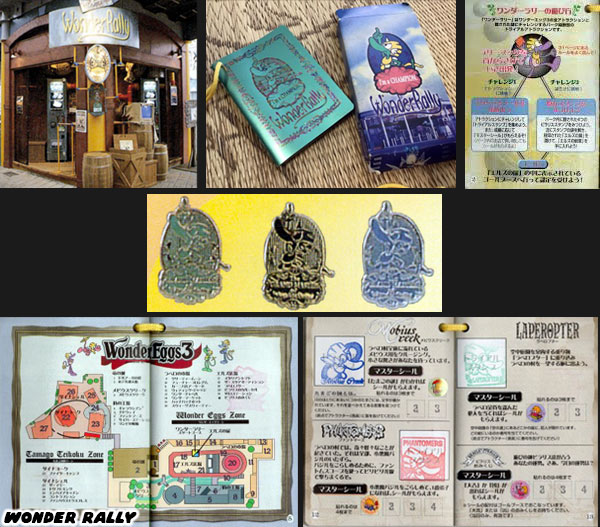
There were two levels of difficulty; elementary school students, or younger. Or junior high school students and older. Exceptions could be made if there were height or physical limitations preventing completion of the challenges. It was very difficult to complete the entire rally in one day. Dreamers were rewarded by how much they accomplished. Those that did the bare minimum of collecting 4 Pyrallis stamps, and the Elds Crest earned the rank of Wonder Master: “Hero of Play.” These people got a 1,000 yen discount when buying annual passports for Wonder Eggs or the sister Egg Empire park. Then there were pins given out to people that earned the Grand Master ranks; Bronze Master of Play, Silver Master of Play, Iron Man of Play (gold badge). The “Superman of Play” was a perfect score, this title came with a special medal badge and a certificate. The added perk for the medal rankings bronze, and above was admission to both parks for free, or purchase an annual passport for 50% off.
Wonder Rally was the ultimate event for “divers,” the fans of Mimicry. The rally events helped Wonder Eggs maintain attendance during the slower months. The popularity of them began influencing the seasonal events as well. There was even a special holiday Wonder Rally, where limited-time Christmas stamps appeared for the passports.
The “Candle Christmas” at Wonder Eggs 2 ran from November 21 through December 25. Dreamers could enjoy the “romantic” decorations, and events happening in Elds Square. There was a “Christmas Engagement Ceremony,” where lovers made wishes with candles, walked down the “Virgin Road,” and pledged their eternal love at the "Candle Altar." This special event only ran between December 19 through the 25th. Wonder Eggs was embraced by locals, theme park fans, and gamers of all types.
Namco created a park that worked for “floaters, swimmers, and divers.” The attractions they created were the frosting on the cake. We will explore some of them on the next blog. Were there any defunct parks that you visited? Please tell me about it in the comments section. As always if you would like to sponsor me
please visit my Patreon page and consider donating each month, even as little as $1 would help make better blogs and even podcasts!
Wonder Eggs, and Egg Empire research collected from: Wonder Eggs Guide Map, Namco Graffiti magazine, the book “All About Namco II", NOURS magazine, The Namco Museum, Namco Wiki, Ge-Yume Area 51 Shigeki Toyama Collection, mcSister magazine, first person attraction details from Yoshiki. Event details from Hole in the Socks