I want to do a quick review on the new iOS game
Freeblade by Pixeltoys. The game was one of the featured titles on the iTunes Store and an Editor's Choice when it debuted in late 2015. The reviews so far have been very positive, earning a 4 1/2 star average on the iTunes Store from thousands of players. Why isn't it a perfect 5-star game? The answer is simple, the game entices you to receive bonuses if you sit through a 30 second commercial for other games. Which is nothing to complain about given that this is a free to download and free to play title. From a design, control and execution perspective the game itself deserves 5 stars but I would argue it is being penalized by the pay-to-play market. Those that buy the in-game features get to extend their play and enjoy the title in more ways. Microtransactions are the bane of many game players but they are the necessary evil of the mobile market. Let's face it, if the game was priced at $24.99 on the iTunes Store with everything unlocked from then nobody would buy it because there are thousands of free games available. It's a strange dilemma for developers to be in. After playing it however I'd say that at $49.99 the game would be a bargain. Why is that? Freeblade looks as good and plays as good (if not better!) than some of the best AAA titles you would find on the portable consoles. Sony and Nintendo, I'm looking right at you! The cheap and mindless games about birds and candy may be more popular with audiences, and may make more money for the developers, however the era of the heavyweight mobile games has officially arrived.
I wasn't sold when it was first announced. I love the universe that Games Workshop had created but most of their video games left much to be desired. But then something happened this fall. At an
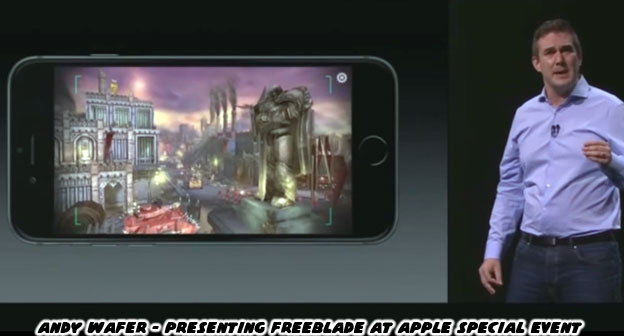
Apple Special Event the details on the new iPhone 6 and new iPad were announced. In order to highlight the leap in performance that it had over the previous models Apple had a few developers demonstrate some of the features using their software. One of the last presenters was
Andy Wafer the CEO and Co-Founder of Pixel Toys. He used Freeblade to demonstrate the new graphics processor on the iPhone. It was almost twice as fast as the previous generation and capable of presenting graphics with greater fidelity and with far more effects than any previous mobile device. Not only that the new touch scheme meant that the control was much tighter and allowed for advances in the way the game controlled and played. The presentation almost won me over but there was some doubt in my mind. Would I really have to get a new phone in order to enjoy the game? After all the 5th generation of devices, including my iPod Touch, had some memorable games and were capable of displaying some amazing graphics as well.
Have you seen Ridge Racer Slipstream for example?
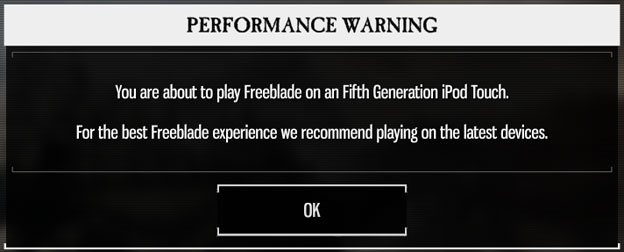
I downloaded the game on the iPod and right away I was warned that for best performance I needed to upgrade my hardware. I pressed OK and was presented with the opening story for the game but before it would ever load the first level the game would crash. I tried getting to run a few times. Tried resetting the iPod and uninstalling and reinstalling the game but it didn't work. So I had my coworker download the game on his iPhone 6 so I could test it out. Only then could I see why Freeblade required new hardware. The leap between gameplay and visuals on the handheld was like the leap from the Playstation 2 to the Playstation 4 consoles. Yes the PS2 had some incredible award-winning games, but the hardware was dated and incapable of presenting the next generation of visuals. As I was going through Freeblade I had an epiphany. Mobile games would only get better from here. If the console manufacturers didn't watch out they would become the second option for premium gaming experiences.
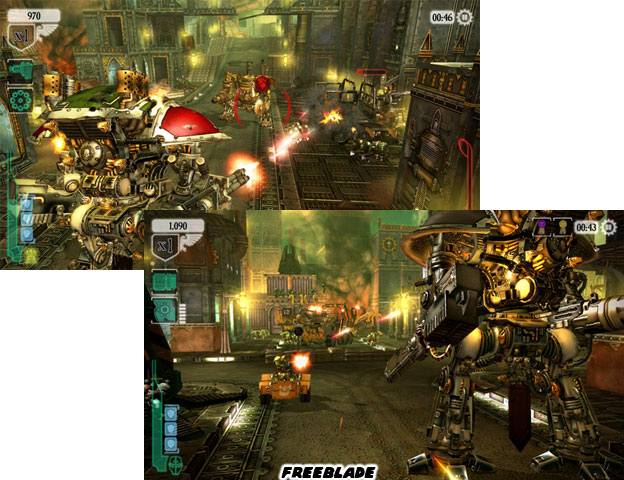
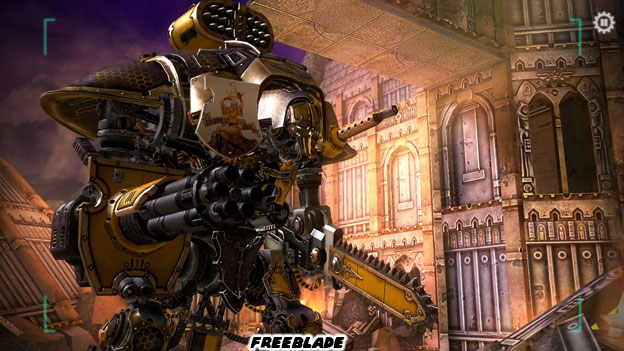
So what made Freeblade so great? If you are not familiar with Warhammer 40,000, the universe created by Games Workshop, it didn't really matter. The setup was relatively simple. It was the far future and you were on a distant planet. You were piloting a fully armed and fully armored 50-foot tall robot, known as an Imperial Knight against alien invaders. By touching the screen you got to shoot at just about anything that moved using your primary or secondary weapons. Freeblade took full advantage of the new touch features of the iOS devices. These devices recognized and responded to finger pressure instead of just finger contact. The devices and game also supported multi-finger gestures. Freeblade advanced the robot automatically during the fighting, all you had to do was aim and shoot. Essentially you were playing a mobile version of the classic arcade rail-shooter.
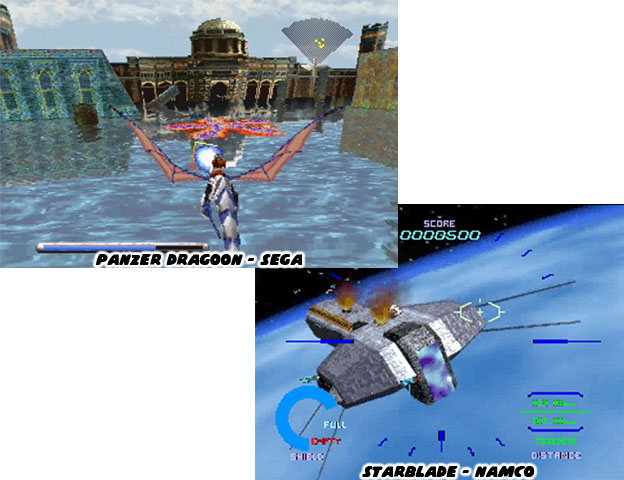
Pixel Toys developed a great game that brought back memories of some classic experiences. I wondered if the long-time arcade publishers were paying attention. Freeblade was doing to mobile devices what Panzer Dragoon had done for home consoles or Starblade had done for the arcade. Both games had cult-like followings. Sega and Namco, the respective publishers of those games hadn't really done much with the rail shooter in years. I could only imagine how great it would be if Sega developed a new Panzer Dragoon or if Namco released a new Starblade using the same mechanics of Freeblade. Yet I cannot think of a rail shooter that ever featured gigantic robot combat! In this way Freeblade stands apart from the other titles.
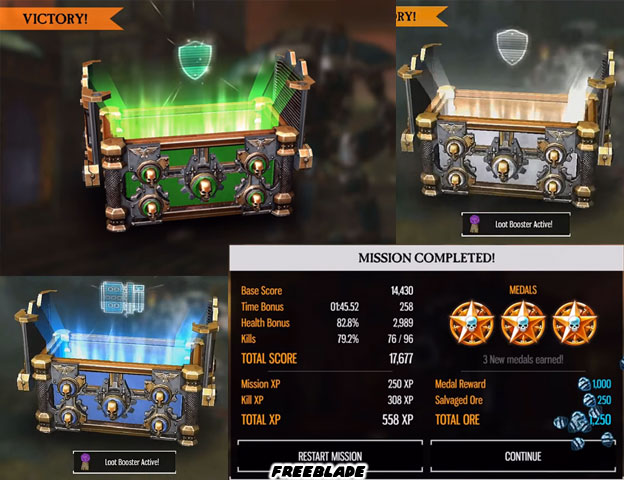
All of the hooks that mobile games depended on to keep players engaged were in Freeblade. Players could unlock secrets and upgrades as they went from battle to battle. They were rewarded for their accuracy, secrets found and point totals. They could apply some of these rewards by upgrading weapons, adding new weapons, and strengthening their armor. The player was encouraged to continue fighting through the level system. They gained experience based on how well they performed in each mission and what secrets they unlocked. Players could not only customize their weapons, they could even swap out colors to customize their robot. There were daily challenges which could make "grinding" or trying to level up your robot much more rewarding. Players did not have to spend real money in order to gain these rewards or upgrades. They simply had to be patient between sessions.
The visuals on the game were amazing. Among the best portable graphics you would ever see. The touch controls were responsive and become intuitive fairly quickly. The learning curve was relatively short, which allowed you to focus on the game itself. You had the ability to track and shoot you opponents using a gigantic machine gun, but beware of overheating! You could also fire a cannon blast or launch a barrage of missile to punch a hole through stubborn armor, roadblocks or other giant robots. Opponents emerged from every street corner and alley, in some cases they dropped in from space, rode by on motorcycles or flew overhead in jets. Sometimes the opponents were equally massive machines. When up close to other giant robots the game entered a quick-time event or melee mode. Ranged weapons were disabled and it was up to the player to use the Imperial Knight's enormous chainsaw(!) to chop an opponent down. The game was not all about offense however. The Imperial Knight was equipped with an energy shield and players could actually deflect incoming heavy fire if they responded quickly enough to the on screen cues. If the game was only graphics without the gameplay then fans would have voiced their disapproval right away. But Pixel Toys managed to make a game that looked great and played fantastic. The game only continued to grow and gain a new following on game forums and review sites. This could only be good news for the future of Pixel Toys. They had created a real winner and deserved some kudos. They were hopefully working on new content for this game as well. If you have a new iPhone or iPad and are looking for a great game then I couldn't recommend a better title.
Download Freeblade now and tell me what you think. As always if you enjoyed this blog and would like to sponsor me
please visit my Patreon page and consider donating each month, even as little as $1 would help make better blogs and even podcasts!