Showing posts with label yuji naka. Show all posts

Wednesday, June 3, 2026

Bookmark This Page; Becoming a Sonic Team fan, and playing some rare Sonic games

I am a huge fan of the classic Sonic Team games. If you want a deep dive on some rare Sega titles then Bookmark This Page.

Making a Sonic Team fan, part 1…

Making a Sonic Team fan, part 2…

Making a Sonic Team fan, part 3…

Making a Sonic Team fan, part 4…

Making a Sonic Team fan, final part…

Sonic Superstars and beyond. Sega makes up for lost time, part 1…

Sonic Superstars and beyond. Sega makes up for lost time, part 2…

Sonic Superstars and beyond. Sega makes up for lost time, part 3…

Sonic Superstars and beyond. Sega makes up for lost time, part 4…

Sonic Superstars and beyond. Sega makes up for lost time, part 5…

Sonic Superstars and beyond. Sega makes up for lost time, part 6…

Sonic Superstars and beyond. Sega makes up for lost time, part 7…

Sonic Superstars and beyond. Sega makes up for lost time, final part

A rare Sonic Team items pops up, plus showing my favorite game character some love

Do you have a favorite Sonic Team game? Tell me about it in the comments section. As always if you enjoyed this blog, and would like to sponsor me please visit my Patreon page and consider donating each month, even as little as $1 would help make better blogs and even podcasts!

follow the Street Writer on Patreon!

Friday, April 18, 2025

Sonic Superstars and beyond. Sega makes up for lost time, part 1...

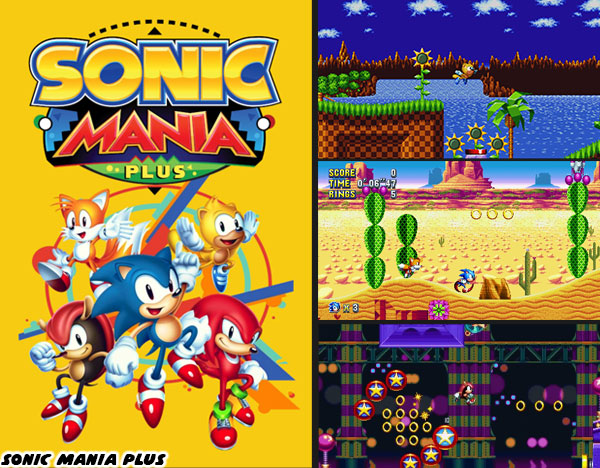
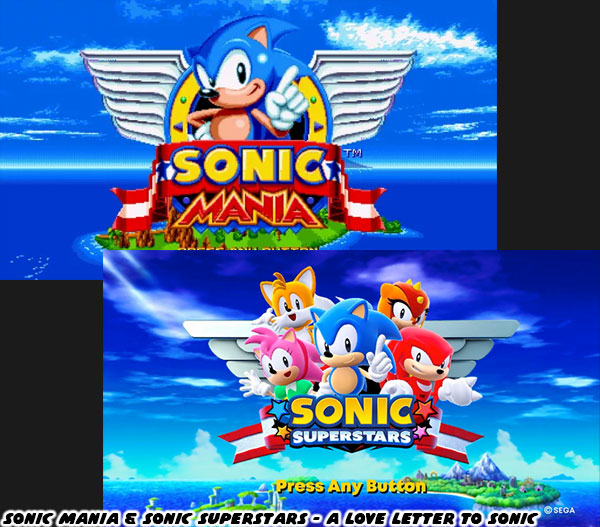
Hello friends. I hope that you are doing well. I wanted to do a follow up on my love of Sonic Team. Writing about the developers made me realize that I hadn’t played any new Sonic titles in a few years. Part of the reason why was because a lot of the people that made up the core of the original Sonic Team had retired or moved on to different companies. Plus many of the latter 3D Sonic games seemed to be lacking the soul of the titles that I really vibed with. So I stayed clear of them for a long time. Sonic Mania Plus was the title that reignited my passion for the franchise. The original Sonic Mania came out in 2017. It featured a literal who’s-who of the most passionate members of the fan community. Instead of Sonic Team it was developed by Christian Whitehead, Headcannon, Hyperkinetic Studios, PagodaWest Games, Tantalus Media, and published by Sega. It seemed that it took that many people to rekindle the magic from the early ‘90s.

Sonic Mania played like a highlight reel of the greatest moments from the first few Genesis / Mega Drive titles, including Sonic CD. It wasn’t a collection of levels that could be found in an anthology like Sonic Origins (highly recommend!). Instead Sonic Mania had tons of new elements poured in. It was a way for new players to discover exactly why the series was so beloved, and inspire them to check out all the other games in the series. Playing it did more than send me back in time, it updated the experience and pulled it into the modern era. It was instantly embraced by gamers, and critics alike. To remind you about how much I loved the originals I said Sonic the Hedgehog 2 as my #3 favorite game of all-time. An improved Sonic Mania Plus was released in 2018. In it the developers added even more elements, and most important brought Ray the Flying Squirrel, and Mighty the Armadillo back into the spotlight. These rare characters were easily my favorite duo from the franchise. By extension I said Sonic Mania Plus had now replaced Sonic the Hedgehog 2 on the list. It turned out that wouldn’t be the only game in recent memory to give Sonic 2 a run for the money.

Sonic Superstars was developed by Arzest, and Sonic Team. It was published by Sega on October 17, 2023. It was reported that the game was a way for Sega to return back to the familiar 2D gameplay while committing the Sonic engine to 3D graphics. That kind of game was more commonly known as a 2.5D title. Several classic titles had sequels in that format for some time. The ones from Capcom including Bionic Commando: Rearmed, Mega Man 11, and DuckTales: Remastered were examples of this. Several of the previous Sonic titles were strictly in 3D, and had mixed reactions from players. The company wanted to move away from sprites in order to make their game appeal to a broader audience. Unfortunately they stopped the plans for a Sonic Mania 2, and instead created Sonic Superstars. It was a shame really. I don’t blame the studio for their decision. Developing on 3D was more cost effective for the publisher. It was just good business, although many of us long-time fans did prefer sprite art in certain genres. With that said the game itself very much looked like, and felt like a classic title.

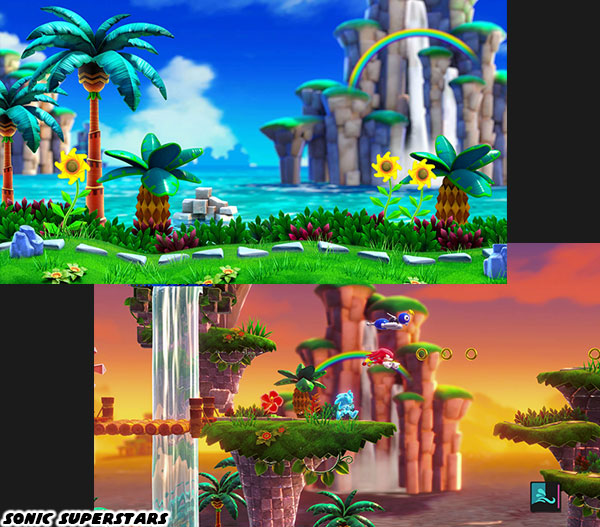
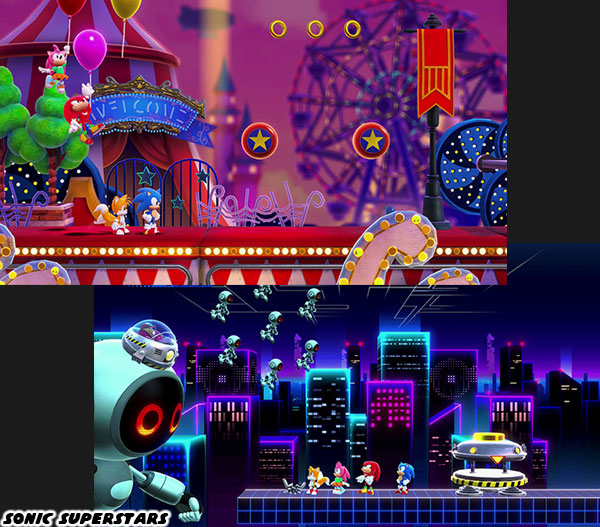
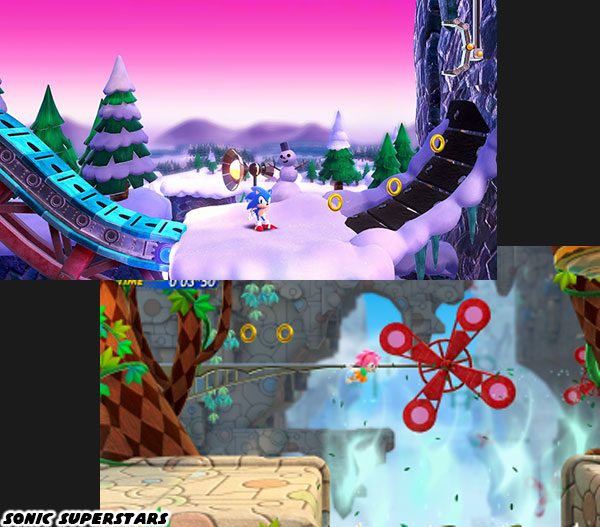
Sonic Superstars preserved the aesthetic of the early titles in a way that was hard to describe. The environments, architecture, landscape, and level layouts in the early Sonic games weren’t quite comic book, anime, or cartoon, but something in between all three. It’s hard to understand exactly what I’m referring to unless you played through them. The construction of the stages, or zones in Sonic Superstars honored the original Sonic Team art. The 3D environments were not a recreation of classic zones but instead they were new places that complimented everything that came before. I’m talking about islands, deserts, snowy mountains, and hidden temples. I instantly felt at ease running through the environments because they were so well done. There were branching paths, long coaster-like sections, narrow platforms, and tight jumps to navigate. They mirrored the best elements in any of the classic 2D Sonic titles.

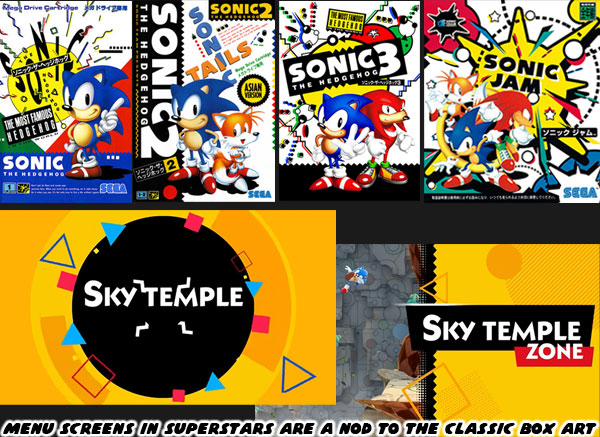
The team at Arzest understood the nuances in the graphics, and design of the classic (pre Sonic Adventure) games. Superstars was layered with obvious, but also subtle nods to more than 30 years of Sonic history. There were no throw away details to be found. As a lifelong fan I was able to appreciate the big, and the little things. For example the the look of the menus, and loading screens had familiar geometric shapes, dashes, and jagged angles. The original title, and its sequels would use the bright colors, and shapes in every loading screen. We had seen variations of these elements in other games. These were sometimes synonymous with late ’80s / early ‘90s graphic design. If you knew your history however they were a direct nod to the original series Japanese box art. This was far from the only thing the developers used to make the game look, and feel like a Sonic game.

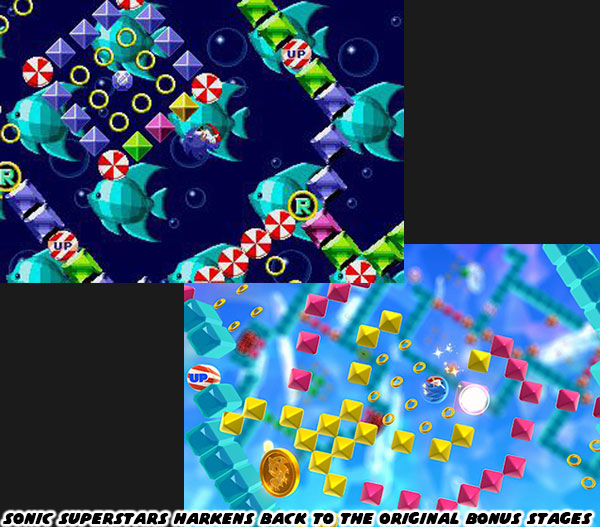
There were different bonus stages in Superstars that took equal turns in 2D, and 3D mechanics. As with all of the bonus stages throughout the franchise they required patience, and timing to become proficient at. One of which that I never thought would return were the spinning mazes from the original title. Way back in 1991 the idea of a rotating level was thought impossible on the Sega hardware. The Sega Genesis did not have a mode that allowed the hardware to scale or rotate sprites, unlike the Super Nintendo’s fabled Mode 7. The rotating mazes in the first Sonic were a programming masterpiece from Yuji Naka. It wouldn’t be the only time he showed his peers how much performance he could get out of the hardware. The bonus stages in the original Sonic were difficult, but not impossible to navigate. The updated version from Superstars actually featured layers of the spinning maze to navigate through. Plus they added new game play features with branching maze paths, and switchable paths to make them fresh. Revisiting the bonus stages could reward players with gold Sonic tokens which could be used to buy elements for the multiplayer games. More on that in a moment.

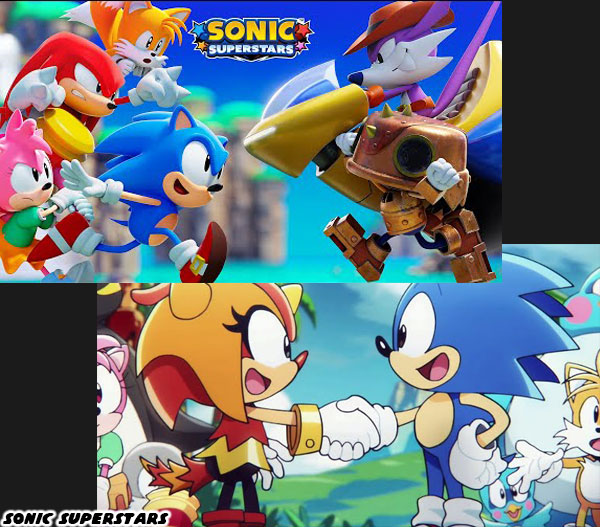
Capturing the aesthetic of those early games was only a small part of what Sonic Team, and Arzest were able to achieve. Moving the visuals to 3D allowed the developers add effects that were impossible on older technology. For example they could light the zones in a warm morning glow, or a bright midday sun. They even had some stages set at dusk, lit by moonlight, or with weather elements including clouds, dust, and fog. These details added tons of atmosphere without breaking the classic feel. Moreover the game gave audiences the ability to play through the adventure with different characters. Sonic, Tails, Amy, and Knuckles were all playable from the get-go. A new character Trip the Sungazer could be unlocked as well.

The attention to detail that went into the menu design, bonus stages, and world building was doubled on the heroes. The artists at the studio managed to create some of the best 3D models I had ever seen in the classic style. They also layered them with personality through their various animation cycles. Little things like the way the characters looked up, and down, when they balanced on the edge of a platform, and even how they changed their stance during an idle were are pulled from their earliest appearances. Moreover they added new details, for example when pushing a heavy object we could see the mascots struggling. They made facial expressions, and their legs trembled as they pushed a heavy weight. These were negligible to casual audiences, but instantly noticed by the veteran players. What I greatly appreciated in the animation was how the entire story was told through pantomime. There was no dialogue, no exposition, not explaining what was happening. The characters traveled through an adventure without any recorded audio. Dr. Eggman was especially memorable as he mocked the heroes. He would open his mouth wide as he laughed at them from the comfort of his Egg Mobile, then quickly panic with flop sweat as his plans fell apart.

A great portion of the design work, and animation stylings featured in Superstars were coming from the talented hands of Tyson Hesse. The creator was a master cartoonist, and storyteller. As a fan he had the insight as to what made Sonic a beloved character to the community. He helped Sega make the Sonic universe relevant to a new generation through his art, and direction. When the “Ugly Sonic” movie trailer was released the fan backlash was immediate. Thankfully Sega and Paramount realized their mistake and consulted with Tyson to help redesign the characters for the movie, and it’s sequels. In addition to that he directed several animated shorts, including Sonic Mania Adventures. The series of cartoons told an entire story featuring the cast of Sonic Mania Plus, but did so without any dialogue. It demonstrated that storytelling through pantomime could be universally understood. It was expanded upon in the Sonic Superstars follow up. The animated short Trio of Trouble explained what Dr. Eggman was up to, and how he had recruited the services of Fang the Hunter, and Trip the Sungazer. Directors Evan Stanley and Tyson Hesse again manage to do all this without any dialogue.

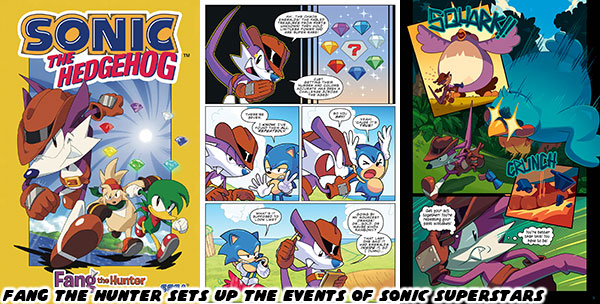
For the fans that wanted to dive even deeper into this world IDW Publishing released the Fang the Hunter series. It was the precursor to the Trio of Trouble, and everything that happened in Superstars. The animation, comic, and game were beautifully made. There was much more that I wanted to highlight in Superstars. I'll dig deeper in the next entry to this series. Did you get a chance to play this game? If so what were your thoughts. I’d like to hear about it in the comments section. As always if you would like to sponsor me please visit my Patreon page and consider donating each month, even as little as $1 would help make better blogs and even podcasts!
follow the Street Writer on Patreon!

Monday, April 7, 2025

Making a Sonic Team fan, part 1...

Hello friends, and visitors! I hope the year is going well for you. I’ve been hard at work at my actual job. I’ve also been trying to make time for art. I’ve been stuck thinking about what to write about on the blog. Then it came to me. I could write a little bit about one of my favorite game series, and share some art at the same time! The thing about the games I want to talk about is that it also launched one of my favorite film franchises.

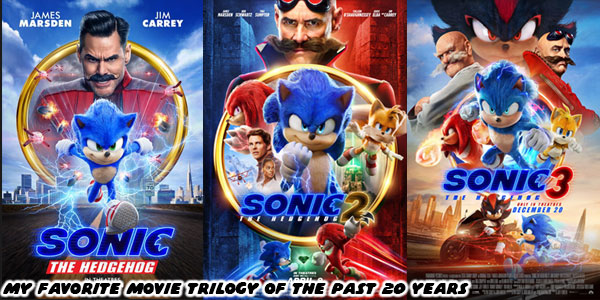
The Sonic the Hedgehog movies by Paramount have been great fun. I’m not going to lie however, I had zero faith in them when the trailer for the first movie dropped in 2019. Like many people the reaction to Ugly Sonic was harsh. Thankfully the studio listened to the outcry, pushed the release date back, and made drastic changes to the design of Sonic. It was one of the rare cases where the most vocal fans helped make sure that Hollywood would be kinder to the source material. By taking on writers, and animators familiar with the character the producers managed to create box office hits back-to-back-to-back. Each film in the trilogy had taken elements from the actual games by Sega, and managed to capture the emotional beats of all the main players. I really appreciated the attention to detail in each film. I know a purist might wish that the movies were entirely animated, and not set on Earth, but will all things considered the studios did very well making the characters accessible to the public.

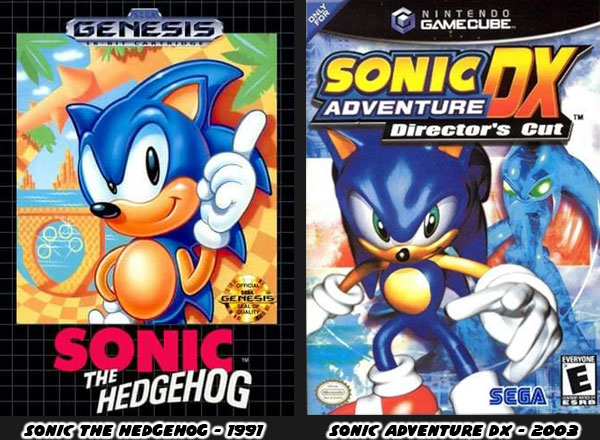
The other thing that I loved about the films was that I was able to bond with my kid over them. We were both big fans of the Sonic series. We must have owned just about every release across every platform, including many LCD games. My love for the character, and the franchise came with the debut of the very first game on the Sega Genesis way back in 1991. My kid’s first game was Sonic Adventure DX on the Nintendo GameCube in 2003. It seemed surreal that I had been a fan for 35 years, and my kid for more than 20. Being able to share a common love of a character had really brought us closer together. It made me appreciate that of all the movies we’d seen as a family, it was a video game movie that meant the most to us. It also made me think about how much I really enjoyed the games by the developers at Sonic Team working at Sega.

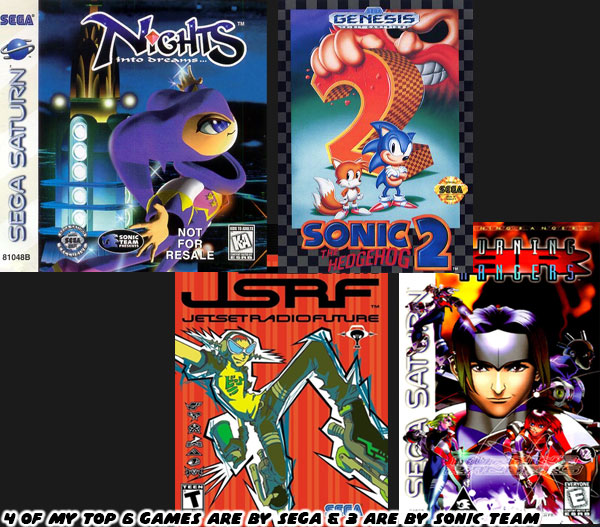
Like many of you I’ve had the conversation of favorite games with my family, and friends over the years. My brothers, and I grew up with the major consoles, going all the way back to the Atari 2600 circa 1980. We loved every console, and cherished every game we played. Long ago I had a thought experiment. If I were stuck on a deserted island, and could only bring one video game with me to play forever then which one would it be? Was it possible to rank them in order? I leaned to a very specific company, and very specific team. I published my list in 2006 on the old 1UP site. Sega was responsible for six of my top 20 favorite games of all-time. Of those games three of them were produced by Sonic Team. When I revised that list in 2023 the number of games from Sega went up to eight out of 20.

I ranked many Sega games high on the list my favorite game of all time was NiGHTS into dreams… which was from Sonic Team. I took my gaming seriously. I bought the original Xbox back in 2002 for the second title on my list Jet Set Radio Future. The Jet Set Radio series was by the Smilebit, and Hitmaker teams at Sega. The original Sonic the Hedgehog was revolutionary, and the even better Sonic the Hedgehog 2 ended up as #3 on my list. The third Sonic Team game that I ranked was Burning Rangers in the sixth spot.

NiGHTS, Sonic, and the Burning Rangers were all radically different ideas that were each executed perfectly. The thing about the Sonic Team was that they were fantastic at creating experiences in different genres. It seemed that there was nothing that the senior members couldn’t do. The initial team was formed in 1990 from members of Sega's Consumer Development division aka the console people. This was opposed to people like Yu Suzuki and the AM groups working on arcade games. Sonic Team included programmer Yuji Naka, artist Naoto Ohshima, and level designer Hirokazu Yasuhara.

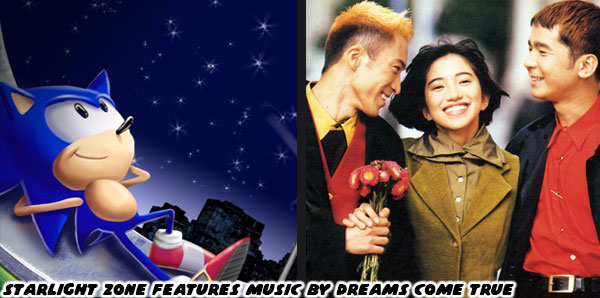
Music for the first two Sonic games came from composer Masato “Masa” Nakamura from the Japanese pop group Dreams Come True. Aside from the game play it was the music that really appealed to me in the early games. In fact after I beat the very first title I made it my mission to try and track down more music from his band. Thankfully the Los Angeles Metro Blue Line had also opened in 1990. It gave people from Long Beach a chance to travel to downtown LA for just over a dollar. When we were in high school my brothers, and friends would go at least once a month as a group to check out the sights. We discovered Little Tokyo, and made many repeat visits. We would rent Dragon Ball tapes just as they were released in Japan, collected toys, CD’s, and import games. All of the things that current generations take for granted used to be a series of adventures for us. One of the great things of the old Yaohan Plaza shopping complex in Downtown LA were the arcades. The building was multiple stories. There was an arcade featuring the latest games from Japan, and even a bowling alley with its own arcade as well. Sadly the majority of the shops closed down, and it was sold to a Korean conglomerate about a decade after we started visiting it.

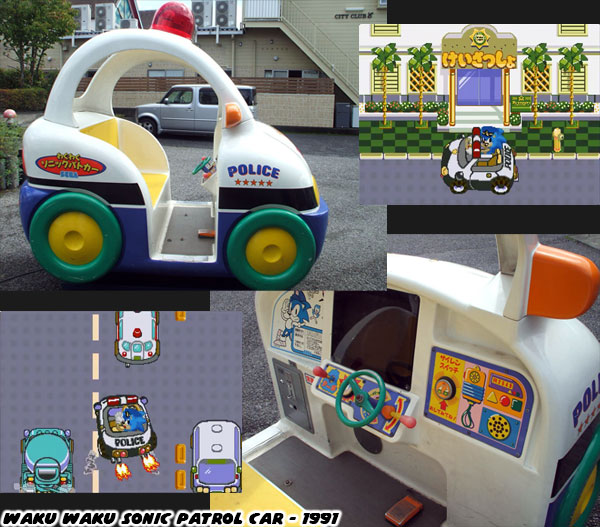
It was the “Arcade Japan” where I saw, and got a chance to play one of the rarest Sonic the Hedgehog games ever made. Waku Waku Sonic Patrol Car was a kiddie ride released in 1991, the same year that the console game debuted. I managed to cram my 6’ 7”, 320 lbs frame into the cabinet so I could play it. My brothers couldn’t believe that I managed to squeeze myself into the cabinet, but at the same time they knew how passionate I was about the series. While going into the various bookstores in Little Tokyo I finally found the music from Dreams Come True. I would buy at least one CD each trip, and ended up collecting every album, and almost every single from the group as well. It was also where I picked up a number of Capcom, and Sega games CDs which I still have in my collection.


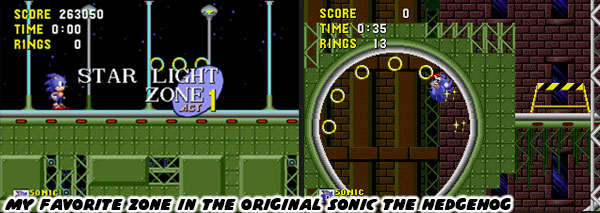
Each Zone in the Sonic titles had their own unique song. They were all catchy tunes. Little did I know that the best melodies would be featured in an album. The Star Light Zone song to me was the best. It framed the chill vibe of the stage, the groundbreaking parallax-scrolling stars in the background, and its unique fight against Dr. Eggman. I had just graduated high school, and was attending college when I finally heard the song it was based on. I remember I was walking to the bus stop, listening to my portable CD player when the familiar melody popped up. I lost my mind hearing the song with lyrics! 薬指の決心 = Kusuriyubi no kesshin = Determination of the ring finger from the album Million Kisses was the melody that Masa had composed for Sonic Team months before it appeared on the album.

I would also find out that the song Sweet, Sweet, Sweet aka Sweet Dreams from the album The Swinging Star was the inspiration for the ending song from Sonic the Hedgehog 2. For decades after I held the space-inspired stage from the original game, and the song in the highest of regards. While I enjoyed Sonic Adventure, and many other 2D and 3D games in the series, I felt that none of the releases ever captured the wonder of the Star Light Zone. That was at least until 2010 when Sonic Colors was released. The game took place on different planets all over the cosmos, but there was one section in particular that recaptured the magic for me.

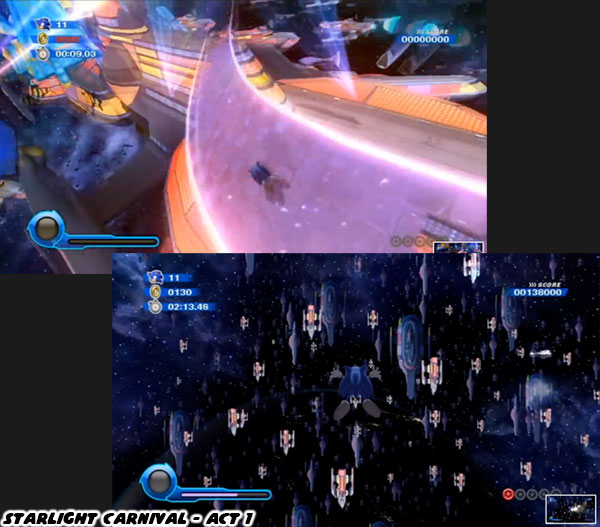
The Starlight Carnival, specifically Act 1 was arguably the greatest Sonic zone set in space. It was a parade, and fireworks show set in deep space. It was made up of hundreds of gigantic spaceships covered in lights, lasers, and glowing floats. It was like a cosmic version of the Disneyland’s Main Street Electrical Parade or Walt Disney World’s SpectroMagic for the people on the East Coast. Except that this parade went on for miles, and featured ships the size of skyscrapers. It was a spectacle as Sonic ran on a track made of energy, with countless ships as far as the eye could see, and even hundreds more popping in out of hyperspace. As a space nerd I was absolutely living for it.


The game play, and music featured in the Sonic Team games made me a lifelong fan. It wasn’t the only thing that kept me coming back. As an artist I couldn’t get enough of the world building that the studio was doing. It greatly influenced my work. I’m going to talk about that in the next blog. Did you have a favorite Sonic Team game? Did you like the movies, or music associated with the Sonic franchise? I’d like to hear about it in the comments section. As always if you enjoyed this blog, and would like to sponsor me please visit my Patreon page and consider donating each month, even as little as $1 would help make better blogs and even podcasts!
follow the Street Writer on Patreon!

Friday, May 5, 2023

My Favorite Games of All-Time: #1 NiGHTS into dreams... - Originally published on 1UP - August 25, 2006

It's been slightly more than 20 weeks to get to this point. Almost a half-year really. I thank those who have been patient enough to check every Friday. Anime Expo, the E3 and X Games all cut into the countdown so the list is past due. The good news is this is it. Today is the day that settles the question. What is my favorite game of all-time?

If you go back to when I put the list together I said I knew what number 1 was from the onset. My brothers and cousins knew as well that no game has meant more to me than this one.
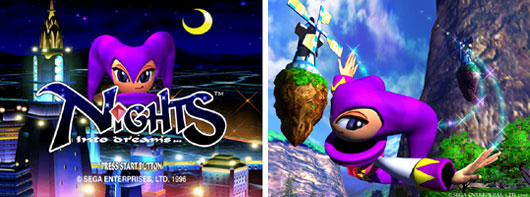
Even though it's been called one of the top-10 overrated games by the people at 1UP it has also been called one of the top 10 cult classics by the same people. So what gives?

NiGHTS into dreams... is an anomaly. A game that is very simple to get into, play and beat. You only use one button in the entire game. Of all the games on this list NiGHTS is the shortest by far. But there is substance in NiGHTS, layers of detail, level design and gameplay that turns it into my favorite title ever.

It doesn't matter if the "game journalists" see it, recognize it or admit to it. These details, gameplay and level design have influenced the industry for the past decade.
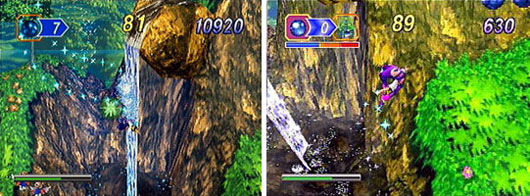
I am a firm believer that Yuji Naka is a genius. I believe that he was able to accomplish more with less. When he turned the platformer upside down with Sonic the Hedgehog 2 I knew it was true. When he created Burning Rangers the legacy was capped (BR uses the NiGHTS engine). Sonic Team, at it's peak, could not be beaten, not even by Shigeru Miyamoto and his team at Nintendo.

NiGHTS was the peak and Yuji knew it.
Mr. Naka, lead director Takashi Iizuka and director Naoto Ohshima managed to craft a game that was more than the sum of its parts. Inspired by a plane trip shortly after completing Sonic the Hedgehog 2, Naka knew the next big game would be about flying and not about the blue hedgehog. The heart of Sonic Team would be put into NiGHTS. Now you guys know a little bit more why Sonic 2 made my list and not Sonic 3. The game was also inspired in part by the idea of a collective unconsciousness, the work of Carl Jung, magic, mythology and universal ideals. NiGHTS became a title that could be enjoyed by hardcore and casual gamers because it offered something for everyone.
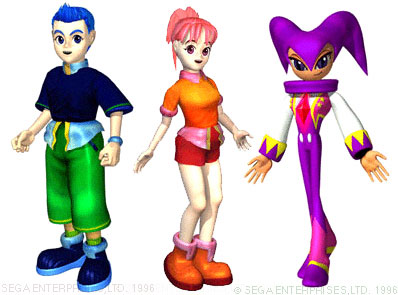
NiGHTS is a story about a boy, Elliot Edwards and a girl, Claris Sinclair from the fictional Twin Seeds city. These two face challenges in the real world and shy from them. By fighting nightmares to liberate the dream world they build the confidence to face the real world challenges.

The entire game is told without any dialogue. There were no localization changes to the game itself, nothing lost in translation. The story unfolds in three acts, the first being the cinema at the start of the game which shows why our heroes are running from their nightmares. The second act is the game itself, it picks up literally where the cinema ends and forces us to challenge these nightmares. The third act is the conclusion, a cinema that shows what becomes of Claris, Elliot and their newfound friend NiGHTS.
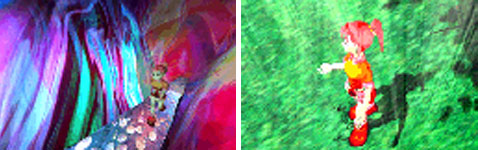
The game was panned by critics because of the brevity.
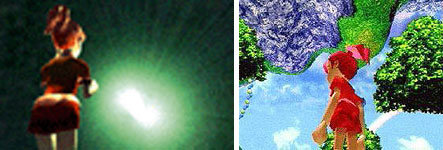
I contend that the game was panned because gamers and critics didn't "get it."
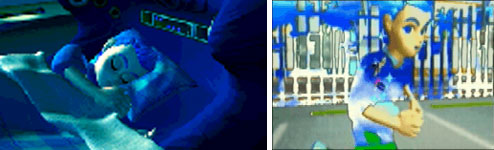
NiGHTS has no dialogue, no convoluted stories or plot points. It is up to the gamer to connect the dots, to build every link between the cinemas and game. When you realize that everything in the game was done with forethought, every detail, every camera angle and shot becomes magical. Nothing in the game was a mistake. Nothing in the levels or cinemas were wasted. It did not matter if you were from Japan, the US or Europe. NiGHTS was as pure and sublime as a videogame will ever get.
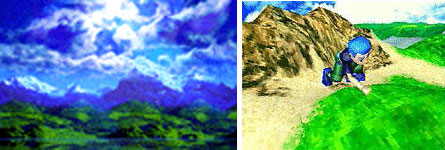
Those that look past the brevity learn that the game is much deeper than we give it credit for. Sonic Team was running on the clock, Sega wanted a killer app to debut before Sony or Nintendo could drop the new mascot games. Because of that Yuji had to pair down his ambition and rush NiGHTS out the door. In doing so Yuji learned that he could keep his vision intact and provide gamers with an experience that defines the word "next gen."
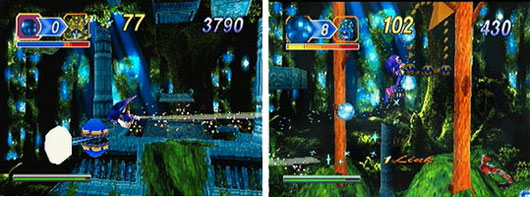
There is a lot of exploration that Yuji wanted players to do as either Elliot or Claris but Sonic Team did not have enough time to fully implement that side of the game. Rather than just cut the exploration part out completely they left it in. Elliot and Claris were allowed to free-roam the worlds but levels could only be completed as NiGHTS. To force players to become NiGHTS an alarm clock would chase around Elliot and Claris until they came in contact with the title character.
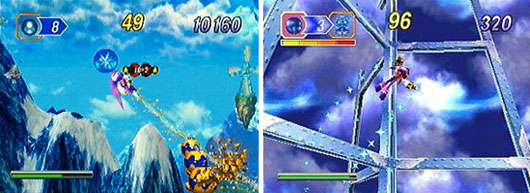
Rather than just leave it at that Yuji made sure that players that wanted to explore were given more leeway. They could temporarily knock out the alarm clock and wander through the level, absorbing as much detail as they wanted. Claris and Elliot could get into rooms, bounce around in all three dimensions, ride a train and even take an elevator not accessible to NiGHTS. In doing so gamers developed a new understanding and firm appreciation of the game Yuji wanted to give us. Despite the time and technology constraints I can argue that he still delivered on his vision 100%.
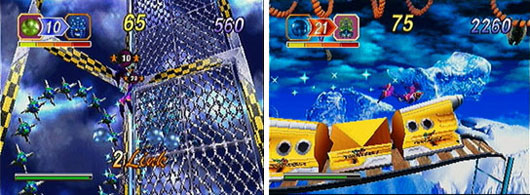
The crux of the gameplay is flying as NiGHTS. Sega used this game to debut their analog controller, in my opinion, the best analog controller ever made. NiGHTS flies on "tracks" in a 3D world. The original plan was to have free roaming but it proved too difficult to design objectives around so NiGHTS was put on a track.

The flying engine was amazing. For the longest time flying had not been used to its full potential in a platformer. Previous to NiGHTS, Mighty Bomb Jack was the only game to get it right. The flying and floating of Jack set the standard by which many games could never outdo, not even in the Superman titles. NiGHTS allowed gamers the truest sensation of flying in every direction, floating gracefully down or dashing like a rocket. This idea of flying, dreaming of flying rather than falling is empowering. It lifts our spirits and for a moment lets us believe in the impossible.
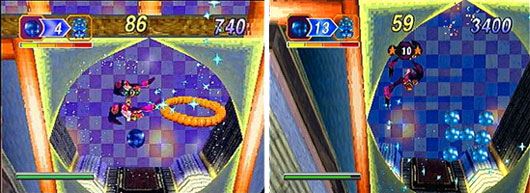
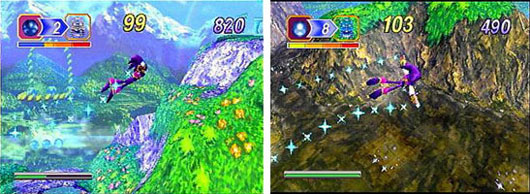
Although limited by a track, Yuji broke the barrier by making the level a character in the game. Previous to NiGHTS, other 3D or polygon games had nice backgrounds but you really couldn't interact with them. Invisible barriers always prevented the character from climbing walls, going through holes, open windows, or under bridges. NiGHTS shattered that type of design. If you saw it, chances are you could reach it, fly around it, or through it. Bridges, windows, waterfalls were all incorporated into the design of the tracks. These tracks (four each on every level) twisted and turned every which way, allowing us to see and explore every inch of the dream world.
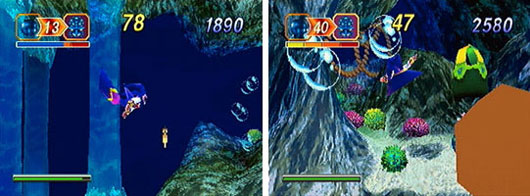
As if exploring with Claris and Elliot, or flying with NiGHTS wasn't already light years ahead of the competition, Yuji added an additional gameplay experience in just about every level. When NiGHTS entered a floating water bubble, or a water filled cave (this is a dream after all) his/her legs turned into fins and allowed players to swim in a behind-the-back POV. When NiGHTS approached a bobsled track he changed into a bobsled and Elliot would ride on his back, collecting power-ups.
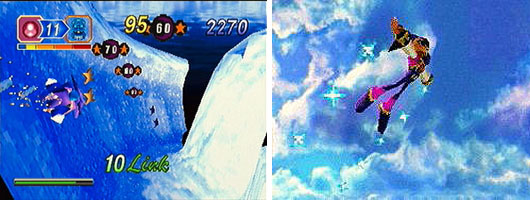
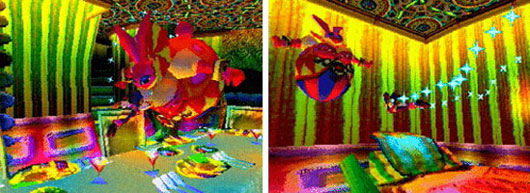
When NiGHTS was hit with some static electricity he would attract details in the environment and become a flying Katamari ball. When NiGHTS entered a museum whose walls were like rubber he would take on the shape and characteristics of a bouncing beach ball. The transition from NiGHTS into a shape or into one of the kids and back was seamless. Yuji showed the world that 3D was the future and being able to explore the world in all three-dimensions was only the beginning. Characters would also have to become plastic and malleable in the game as well.
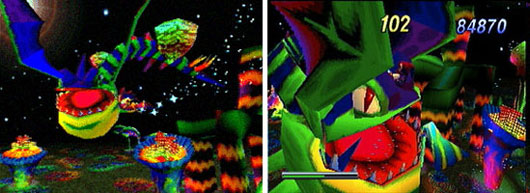
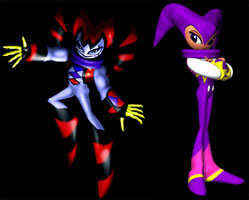
The boss battles in the game were just as amazing as the levels themselves. The main boss, Wizeman, is the leader and creator of the evil Nightmaren. The bosses were massive, larger than any other boss at the time. The giant dragon Gillwing, balloon opera singer Puffy and giant fish Gulpo could swallow the main characters whole. The freakish cat Clawz and diabolical jester Jackle helped create a creepy atmosphere. Reala was the evil reflection of NiGHTS in form and function. Fghting against a character that has all of the same moves as you makes for a very formidable showdown. As for Wizeman... lets say that the level, music and challenge are one of the most memorable in all boss battle history.
NiGHTS was the only one of Wizeman's nightmaren given free will. When NiGHTS realized that Wizeman was trying to turn all dreams into nightmares, and in the process hurting the dreamers and the dream world he rebelled. For his insubordination NiGHTS was locked away and only the dream "Ideyas" could release him. Claris and Elliot possess four Ideya's that the nightmaren steal, Purity, Wisdom, Hope and Intelligence. The nightmaren could not steal their fifth Ideya, Courage. With courage the kids free NiGHTS from his prison and begin the crusade against Wizeman.
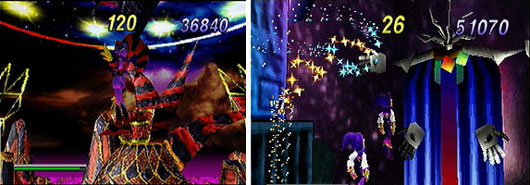
Yuji managed to pioneer several other things in NiGHTS that would end up in future Sonic Team games. The little characters that inhabit the dream world are called Nightopians, "Pians" for short. They are original AI scripts that behave in their own way and react to the world differently from game to game. If you manage to beat the Nightmaren and keep the Pians happy then they effect the world. They might sing songs, wave to you or go fishing. You can also mix Pians and Nightmaren together to sort of breed new characters, or "Meepians." In case you couldn't guess Pians were the template for the Chao in Sonic Adventure games.
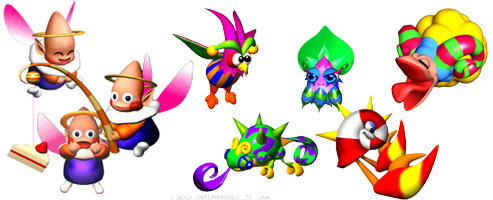
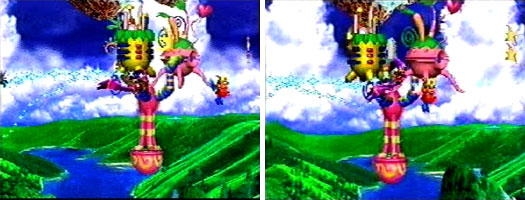
If you manage to have enough content Pians and Meepians then their king, the SuperPian would show up and build a magical floating castle in the middle of the level. This castle would actually be saved in the game, and would only disappear once the Saturn's memory battery ran out. The castle could be constructed in any part of the early stages, and was not scripted to only one location. The idea that the game could permanently add a new detail in the background was amazing. Especially if you could get it, while your friends never even saw it. 
NiGHTS actually has multiple endings, the endings vary in length depending on if you complete the game with an A-Ranking or not, as well as completing it with Claris and Elliot. I am a big fan of the total package, a game that can deliver an experience that ties up all of the loose ends and can stand alone without a sequel. The full story is revealed at the very-very end of NiGHTS, after the cinemas and even after the credits. This ending compliments and even works itself into story.

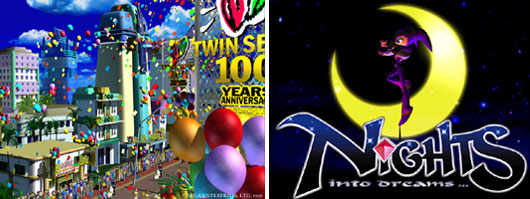
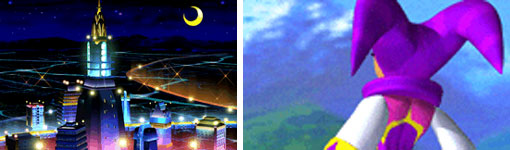
In the beginning of the game we see a long shot of Twin Seeds city at night. We fly through the empty streets and up the massive Twin Seeds Tower. Perched atop, standing with one foot on the spire is NiGHTS. Then the following cinema shows either Claris or Elliot having a bad day, that day quickly becomes a nightmare. At the start of the game Elliot and Claris do not know each other and do not realize they live in the same city and share the same dreams. At the end of the game they realize that they know each other and stand quietly knowing that their dreams were real. After the final cinema for each character, their joint cinema and credits we are taken back to that first night, the moment right when the kids wake up from their nightmare. They look out the window and wonder... The camera flies out to the same overture featured in the first shot of the game, through the streets, up the Twin Seeds Tower and see NiGHTS on top of the spire. That is when we realize that NiGHTS has always been there, watching over the kids and over Twin Seeds city... the game ends exactly where it began!
A similar effect was achieved in the beginning and ending of God of War. However Kratos' adventure doesn't exactly end where it began. There was some of the Empire Strikes Back "but the story doesn't end there" jive to it. This gives NiGHTS Into Dreams... the perfect, closed ending of all-time.

I feel I would not be giving this game justice if I did not at least mention the layers of detail and multiple meanings in the "real" world of Twin Seeds and the dream world. There is a parallel between the name of Twin Seeds and the two main characters. Although not related, Claris and Elliot share a common experience. These "twin dreamers" are the only ones in contact with NiGHTS, whom can save the city from the nightmares. The dream world they visit pulls abstract cues from the city. A car that's broken down, not far from where Elliot plays basketball with his friends, shows up in one of the dream worlds. As a secret objective players can lead this dream car "home" to its garage and earn points for doing so.
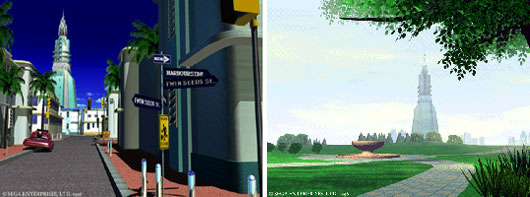
When Claris and Elliot run from their nightmares and into the dream world they are headed toward a physical location in the real world. For Claris she runs off a stage in an auditorium, into the background of hills and greenery, when the level begins she is dropped right into said world. When Elliot has a nightmare of the basketball court he plays on, he runs toward the mural painted under one of the baskets. When he enters the dream world it has the same beach featured on the mural. These cues are actually presented in the game. You have to be paying close attention to each cinema at the beginning of the game and pictures in the end credits in order to realize that these worlds are connected. Yuji treats us like mature gamers and allows us to discover the relationship between what we see and what we play.
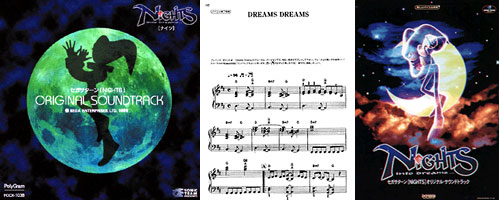
The music complimented the entire game. Arguably the greatest soundtrack ever put in a Sega game, rivaling the work in the Jet Set Radio series. Sonic Team, Talking Moon and Tomoko Sasaki create a score that uses as much tone and color as the game itself. A version of the title song "Dreams Dreams" is the theme that Claris sings in the end cinema and versions of this theme pop up in other Sega games.
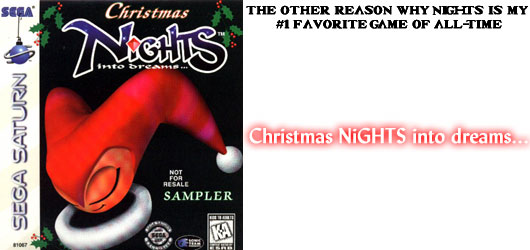
I'm only getting started talking about NiGHTS. A few months after the release, Sega gave away free demo copies of the game with certain magazines. Known better as "Christmas NiGHTS into dreams..." this demo cd was more than just a quick level for fans. This game included all of the bonus material that Yuji had planned for the final release and if was only given about three more months in development it would have all been included in the master CD.

Christmas NiGHTS is calibrated with the internal clock on the Saturn. In late November/ early December the "Limited Edition" title would drop from the game and instead be replaced with a "Winter" screen. The two demo levels suddenly had snow and Claris and Elliot were bundled up for the cold weather. A couple of weeks into December the front screen would change yet again into "Chrismas NiGHTS."
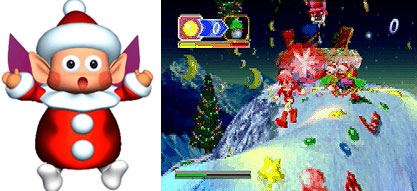
The snow remained in the levels however with more Christmas-themed decoration. Trees had candles and lights, boost machines went off like party poppers and Pians could be seen building snowmen and singing Christmas carols. Claris, Elliot, NiGHTS and the Pians also had a change in wardrobe.
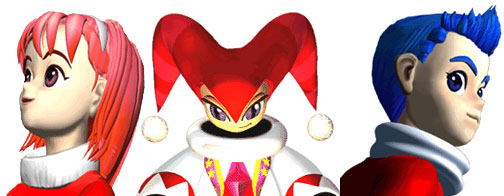
The best part of the change was the addition of a story that went along with the Christmas theme. The set-up was short and sweet. Claris and Elliot noticed that the people in Twin Seeds city were in a rush this holiday. Rather than slowing down and appreciating the season, everyone was too caught up in the hustle and bustle. Claris and Elliot figured out that the Christmas spirit was missing, symbolized by the star on top of Twin Seeds Tower. The tower was dressed up like a Christmas tree but alas, missing the star. So together with NiGHTS they decided to scour the dream world and get it back from a brightly-colored Gillwing.
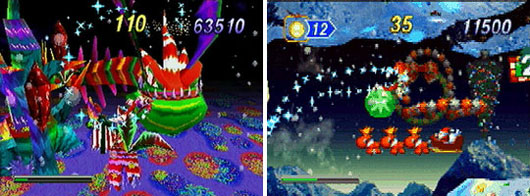
The story could be played over and over, at certain hours throughout the day the level details would change. There would be an actual daytime, dusk and night level depending on when you played. This little detail was missing in the final release. On the hour instead of snowflakes it might snow stars or moons. If you played late night December 24th or early morning December 25th you would actually see Santa Claus flying through the background. He doesn't appear at any other time in the demo.

After defeating Gillwing and bringing the symbolic star back to Twin Seeds city, the heroes manage to get everyone to slow down and smile. The game ends with a season's greeting for the players and yes, I have played this through every holiday for the past 25+ years (and I still manage to get a little weepy when I think of how awesome an experience it is).
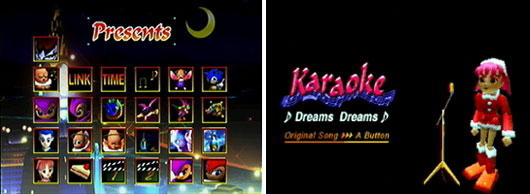
What good is a Christmas game without some additional presents? If you beat the matching game at the end of the level you unlock a present on the disk, that can be accessed at any other time of the year. These range from wallpapers, art, movies, karaoke and even some very special surprises...
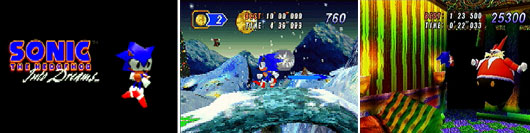
Sonic makes a cameo in the game and plays through a level as himself. His boss is Puffy, as played by Dr. Eggman. This marks Sonic's first appearance in 3D and plants the seeds for Sonic Adventure.

After Christmas the game reverts back to Winter NiGHTS. On New Years the screen changes for a day to "A Happy New Year NiGHTS." When spring starts the levels go back to normal and Claris and Elliot are in their original NiGHTS clothes. On Valentines Day heart shapes fall from the sky. If you happen to play on April 1st something odd will happen. NiGHTS will be replaced by his arch-rival Reala. If you save the game then you can access Reala in this "April Fools" mode.
Damned if there was never a sequel.

Yuji knew he couldn't top NiGHTS. The vision remained but the more technology he had to work with, the less stellar his releases were. Still, those that "got" NiGHTS were forever changed. Even Shigeru Miyamoto once pulled Naka aside and asked when the sequel would come out. Yuji's reply was the same. How can you top NiGHTS? That is what happened to Spielberg when he finished ET, everyone kept asking him when he was going to make a sequel.

The critics and game journalists might not be able to draw the line between Mighty Bomb Jack and Just Cause, they might even think NiGHTS is overrated but what would they know? Every time I see Mario flying, especially in Super Mario Galaxy I know where Shigeru drew his inspiration from. When small games like Cloud generate buzz it is because we still long to fly, to experience that sense of freedom. Journalists argue that they need a Lester Bangs to legitimize their work, if they can't see the greatness that is NiGHTS then it is a lost cause.

Although Yuji is no longer with Sonic Team he did mention something interesting. If they ever were to bring back NiGHTS then the Wii would be the perfect system to develop it for. Like all die-hard NiGHTS fans I hold my breath, as I have for more than a decade. I hope that someday you too might experience the greatness of my favorite game of all-time.
Thank you for reading and most important, peace!

As always if you would like to sponsor me please visit my Patreon page and consider donating each month, even as little as $1 would help make better blogs and even podcasts!

follow the Street Writer on Patreon!