Showing posts with label saturn. Show all posts

Sunday, December 29, 2024

The Return of Virtua Fighter, final part

In the previous blog I talked about how important Virtua Fighter, and the 3D revolution was for the gaming industry. I highlighted the precursors from the ‘80s including Karate Champ, and Yie Ar Kung-Fu that set the stage for the modern fighting game. I also talked about the mortality of the pioneers, and how it was important to pass the torch to new directors, and producers. This would help ensure their survival in the long-run. I was extremely happy with the announcement at the 2024 Game Awards about seeing a new Virtua Fighter. There were however a few problems for Sega. First off if you weren’t a 50-year-old Generation-Xer like me then it wasn’t really a major announcement. Millennials, and Gen-Zers didn’t grow up in the arcades, nor did their kids. To them fighters were always on home consoles, and in 3D. They had always had online matchmaking, frame data, and rollback code. Players today had countless choices on every platform imaginable. How could you make a fighting game rooted in realistic arts more interesting than Street Fighter, Guilty Gear, Tekken, or Mortal Kombat? The answer might lay in making a new Virtua Fighter a modern fast-tempo modern experience. I would argue the opposite.

It was crucial, and necessary that the developers at Ryu Ga Gotoku Studio would slow down the game. I don't mean the fighting itself, but everything surrounding the build up to the fight. Adventure titles had slowed down the action, but not the difficulty or challenge in the past 20 years. The biggest studios were creating living, breathing worlds that you could spend 40+ hours exploring. The evolution of the From Software “Souls” games, Sony’s God of War titles, or Rockstar’s GTA, and Red Dead Redemption had all changed the pacing of AAA titles. The latest Street Fighter, and Mortal Kombat games also slowed down the experience so you could savor the worlds they were set in. I had no doubt that Virtua Fighter would also get the same treatment. Yet unlike the aforementioned games it was actually part of Yu Suzuki’s long term vision. I didn’t understand it when I was younger, and could only now appreciate what he had been trying to do for the past 30 years.

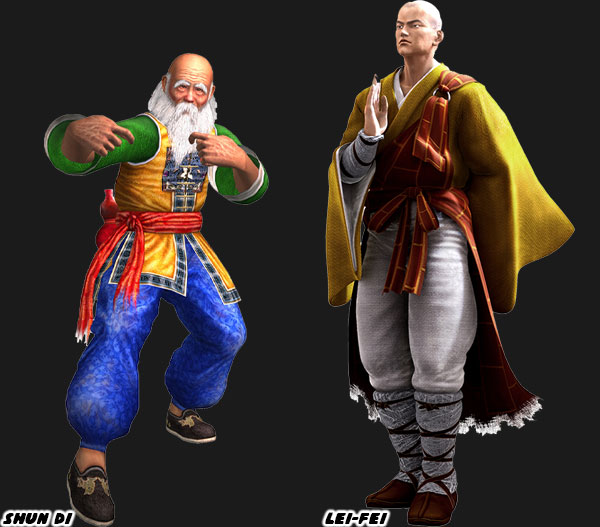
Yu Suzuki had poured tremendous insight into every game he created for Sega. The thing about his fighters was how much he appreciated, and almost mythologized the Chinese martial arts. It was evident in the styles he assigned Akira, Lau, and Pai in the original VF. It was why even though Akira was younger, and stronger than most of the characters, at the end of the first tournament it was Lau Chan that was victorious. Akira still had a ways to go before he could topple the older master. Upon hearing the news that Lau Chan had bested the new crop of fighters the even older Shun Di decided to throw his hat into the ring. Seeing the bearded master do his thing in the opening animation of VF2 surprised the arcade visitors. Only in Mr. Suzuki's world did it make sense that two elderly Chinese fighters could beat people half their age. As the sequels came out he would incorporate other arts from around the world. Such as sumo, judo, and aikido from Japan. Lucha libre from Mexico, Muay Thai from Thailand, and Vale-Tudo from Brazil. He would always return to China for the most colorful techniques, including Praying Mantis, Drunken Fist, Shaolin, and Monkey Kung-Fu. 

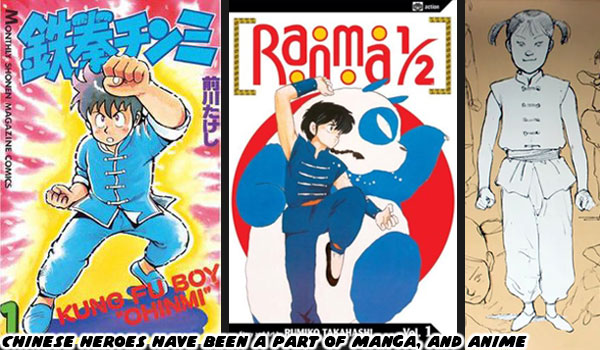
There was no escaping the impact of the Chinese martial arts with the birth of fighting games. Everything from legendary kung-fu masters, to the more popular Hong Kong cinema influenced a great number of fighting game designers that came from Capcom, as well as SNK, but also the team at Midway that created Mortal Kombat in the USA. It was almost impossible to create any sort of martial arts title without featuring a number of classic Chinese elements. The fighting styles, fashion, and history had been sprinkled throughout Japanese history. Even in pop culture, kung-fu heroes had always been a part of manga, and anime. The early ‘80s featured a lot of the fashion, and arts from China including the Himalayas. Iron Fist Chimi debuted in 1983, Genma Wars Harmagedon was an animated movie from 1983. Which was created from an older manga which began in 1967. One of the characters in Harmagedon named Tao inspired the creation of Chun-Li. 3x3 Eyes, and Ranma 1/2 first appeared in 1987, these manga also had heavy Chinese themes. This was around the time that Mr. Suzuki was crafting the greatest hits for Sega. Chinese backdrops had always been a part of Japanese pop culture.

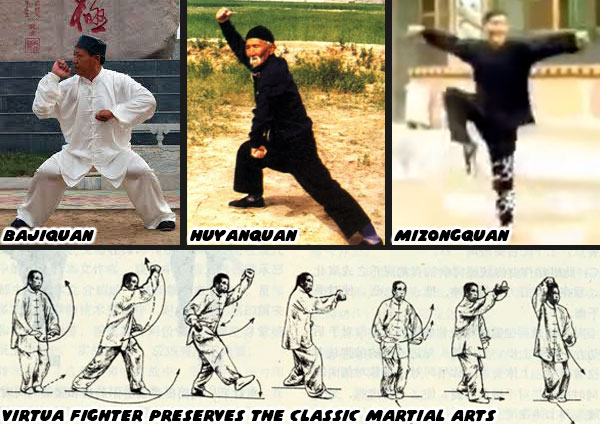
Virtua Fighter looked, and played different from every other title out there, not just because it was in 3D. It was because Mr. Suzuki had a genuine belief in the mythology of the Chinese arts. It was evident in his series. He was doing everything he could to not only promote the classic arts, but to keep them from fading out of existence. Any other fighting game developer would stick to the generic karate, boxing, kung-fu archetypes for their title. Yet Mr. Suzuki made sure to show the world that kung-fu wasn’t one catch-all style from China. There were distinct forms, and some of the most beautiful like bajiquan, huyanquan, and mizongquan all deserved to be featured. In doing so he was exposing new generations to these beautiful forms of combat. Whether they were functional in an actual fight was a conversation for a different blog. Mr. Suzuki was helping preserve their reputation.

Mythology was very important in spreading the reputation of great martial artists. People didn’t have film, or pictures of the masters from the early 1900’s. Even the records of the champions that came up in the 1940’s, and 1950’s seemed too good to be true. Would you believe the stories of martial artists that killed a bear, a bull, or a tiger with their bare hands? It was word of mouth, not pictures or video that turned regular people into immortal legends. There was a tremendous amount of mythology used in the creation of many fighting games, especially in the weapons-based titles like Samurai Shodown, and Soul Calibur. Virtua Fighter was more than a game. It was a way of holding onto the truth behind the myths. Mr. Suzuki asked what if the last of the Chinese masters was still alive? How would they actually hold up against a modern style of fighting? The seed was planted with the apocryphal story of a young Mas Oyama (the real-life inspiration behind Ryu). When he was traveling the world he was humbled by a master named "Mr. Chen" it was then that he decided to give everything up in order to becoming the best fighter. Mr. Suzuki believed so much in the mythology of the lost arts that he wanted to explore it in an entirely new type of game.

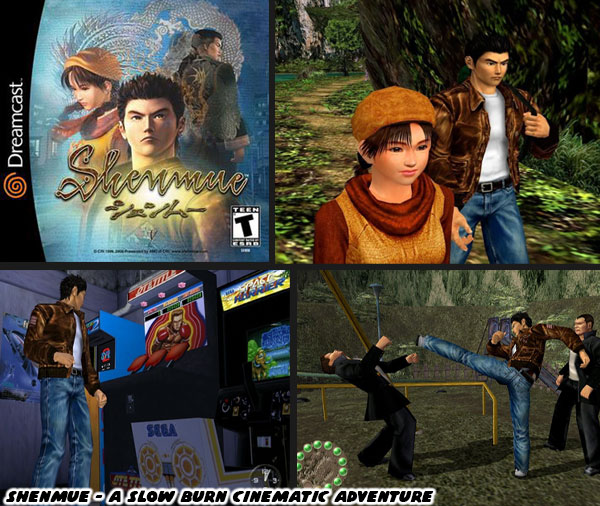
Shenmue was a precursor to the modern adventure game. Released in 1999 it set a template that would influence AAA releases over the next 20+ years, including the Last of Us, and Drake’s Fortune. The game revolved around a hero named Ryo Hazuki trying to avenge the death of his father Iwao Hazuki at the hands of the Chinese martial arts master Lan Di. It was unlike other games of the era, not quite role-playing, not quite fighting game, not quite sim, but instead something in between all three. Yu Suzuki wanted to tell a cinematic adventure across multiple sequels. His project was ambitious to say the least. It took years, and millions of dollars to produce. Mr. Suzuki had underestimated what it would take to bring his vision to life. The finished game was good, but seemed lacking. Fans could tell that he wanted to have an immersive experience that you could lose yourself in. Unfortunately is was lacking in some regards. Since no one had ever attempted anything remotely close to it Sega didn’t realize that it would take double the team size, and at least double the budget to make it fulfill Yu Suzuki’s vision. Little did we know that he had predicted the most popular types of AAA adventures by decades.

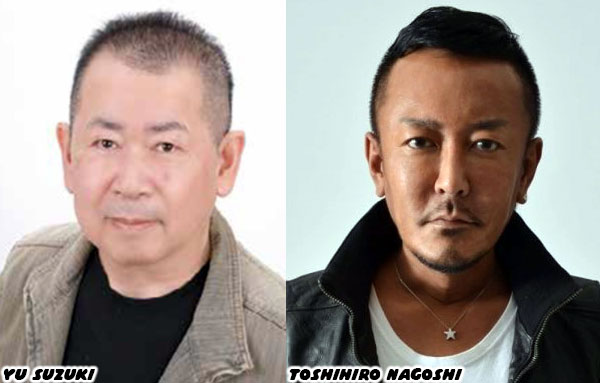
Shenmue was a commercial flop, but a hit with audiences, and critics. Sega had already invested a considerable amount in a sequel so they had to see it through to completion, the third part in the story was dead in the water. It would take a crowdfunding effort from 2020 to get the trilogy finished. The big publishers learned that titles this ambitious were a risky gamble. We wouldn’t see anything remotely close to it for many years. In the decades following Sega downsized, and a number of their internal teams were consolidated, or closed down. A lot of talent was lost in the 2000’s. There was one person however that had worked under Mr. Suzuki and learned the art of game design. His name was Toshihiro Nagoshi. He started with Sega in the late-80s and learned from Mr. Suzuki, and also the best people at the company.

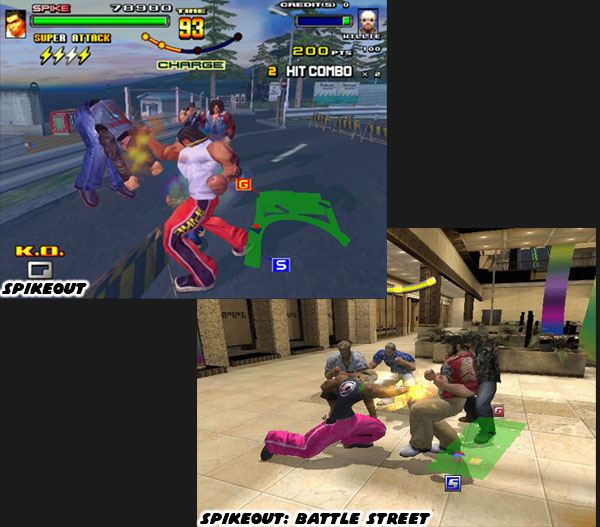
Mr. Nagoshi had an ambitious idea for a brawling game. He thought the classic 2D format used in Double Dragon, Final Fight, and countless Konami hits were too limiting. He wanted to take everything he learned from the Virtua Fighter team, and set it in an open 3D world. The 1998 title SpikeOut was an important game in the evolution to the brawler genre, it was also rarely seen in arcades. Sometimes I think that my brothers, and I were the only ones that ever played it in Southern California. It was fast paced, violent, and extremely difficult. It featured networked cabinets making it easier for multiplayer action without having to share one screen. It was not without its flaws as the difficulty, and camera angles seemed to work against the action.

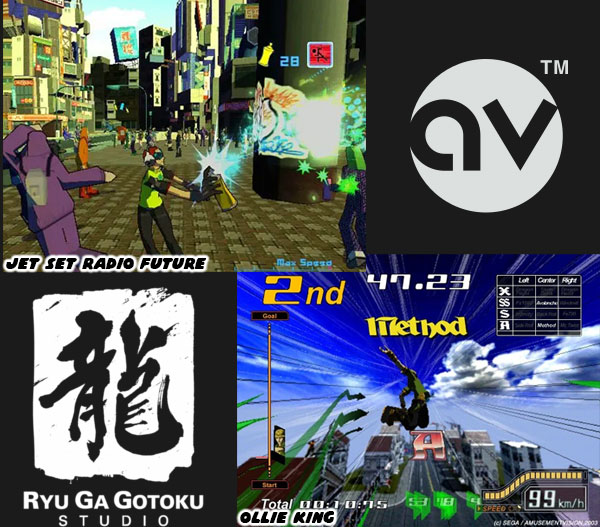
Mr. Nagoshi learned an important lesson about combat balance from SpikeOut. He also picked up other things while working at Amusement Vision, alongside the Jet Set Radio designers at Smilebit. It was possible to create a fun, accessible, original game that featured stylized graphics. More important it could respect street culture, while simultaneously exposing it to audiences. I considered the 2002 title Jet Set Radio Future the greatest Hip Hop game ever made. When Sega wanted a skateboarding arcade game with the JSRF feel in 2004, that was also a spiritual successor to the 1997 classic Top Skater Ollie King was created. When Sega wanted an Xbox exclusive they revisited the world of SpikeOut, and dropped the much improved SpikeOut Battle Street in 2005. To be fair DIMPS did most of the programming for it. The team at Ryu Ga Gotoku Studio was galvanized by everything they experienced at AM2, and Amusement Vision. That was why they were able to slide into the development of Virtua Fighter V Ultimate Showdown so easily. 

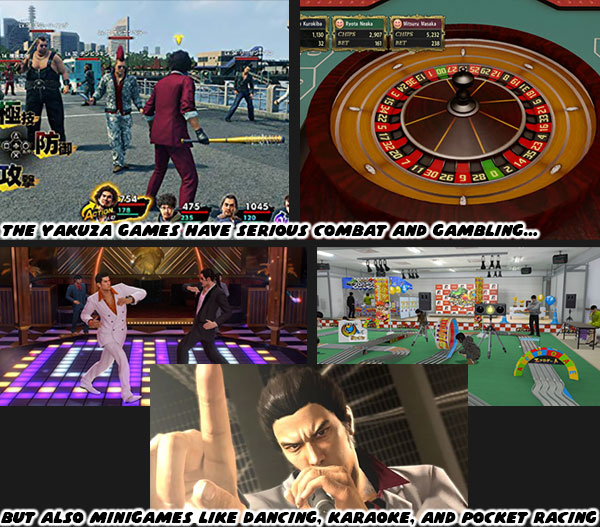
When he began his career at Sega Toshihiro Nagoshi ran headlong into his work like Akira Yuki. The older he got the more he understood the deliberate pace of Lau Chan, or should I say Yu Suzuki. Mr. Nagoshi took the entirety of what he learned since joining Sega, and put it into the Yakuza series. He featured the detailed world building of Shenmue, added the street vibes of Ollie King, included the arcade classics from his mentor, built easy to learn mini games, and improved the 3D combat of SpikeOut. With nine main Yakuza games in the series (23 including spin-offs) his team was the best equipped to bring back Virtua Fighter. This was a world where the last descendants of ancient kung-fu masters were ready to pass on their forbidden techniques, or die protecting them. After 30 years of following in the footsteps of his master it was time for Akira Yuki, I mean Toshihiro Nagoshi to take over. I was eager to immerse myself in his world. What about you? Did you think this was the right time, and the right team for a Virtua Fighter reboot? I’d like to hear about it in the comments section. As always if you enjoyed this blog, and would like to sponsor me please visit my Patreon page and consider donating each month, even as little as $1 would help make better blogs and even podcasts!
follow the Street Writer on Patreon!

Saturday, December 28, 2024

The Return of Virtua Fighter, part 2...

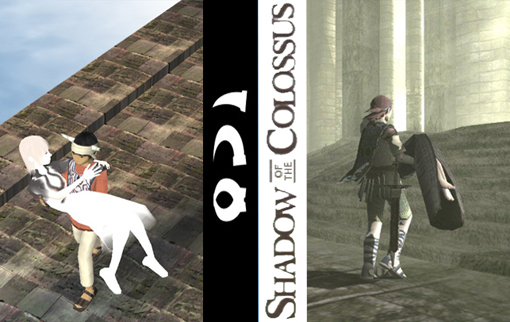
The announcement of a new Virtua Fighter at the 2024 Game Awards was a pleasant surprise. The only reveal I was more excited about was a new game from Fumito Ueda, and his team at gen DESIGN. These were the people formerly on Team Ico at Sony Studios Japan. Both ICO, and Shadow of the Colossus were a revelation for me. The game reveals were also a little melancholy for me. A long time had indeed passed between titles. I’m talking about major life changes; new jobs, getting married, raising a kid before I saw another sequel. I began thinking of how much history I had with the games. I began thinking of how much the industry had changed throughout the decades. I especially began to focus on how my love of Sega games went back a few generations.

There was another reason why the game reveals made me reflect. You see in November of 2024 I celebrated my 50th birthday. It was a bittersweet time. A relative came down with a medical emergency in the fall of 2024. My wife sprung into action, and moved in to help take care of this person. The original plan was for a few days, maybe a week. That had turned into almost 4 months and counting. We were apart for our wedding anniversary, Halloween, my birthday, Thanksgiving, Christmas, and the New Year. The time, and distance had been heavy for us, especially with no reunion in sight. This health issue made me think of my own life, and mortality as well.

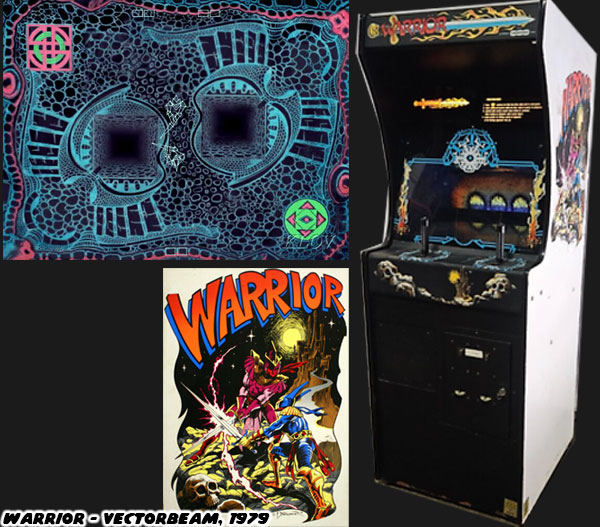
I realized that I’d been a fan of video games, and specifically fighting genre for almost as long as I’d been alive. Yet at no point did I ever think that it was time wasted. My first fighting game memory went back years before the creation of Street Fighter. It was the extremely rare Warrior by Vectorbeam. I was five-years-old when it came out. The innovative top-down view, sword combat, and painted background of the arcade cabinet sparked my imagination. It also made me realize that fighting games could be more than a boxing sim. They could be about knights, karate masters, and even dinosaurs! I would argue that 1984 was the most important year for the development of the fighting genre. This was two years before the original Street Fighter, and the template of the brawler was revealed through Renegade.

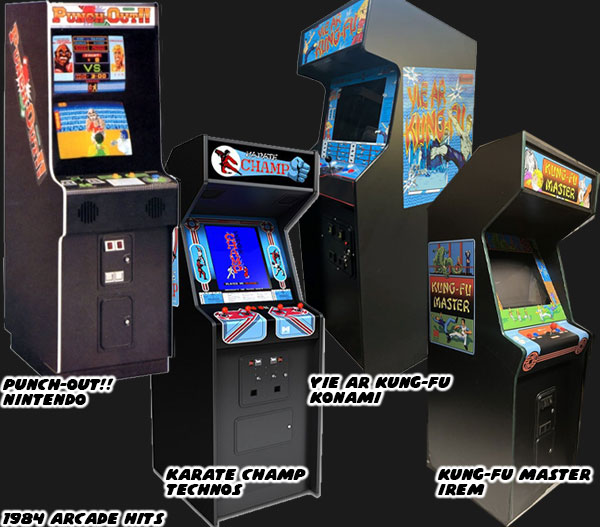
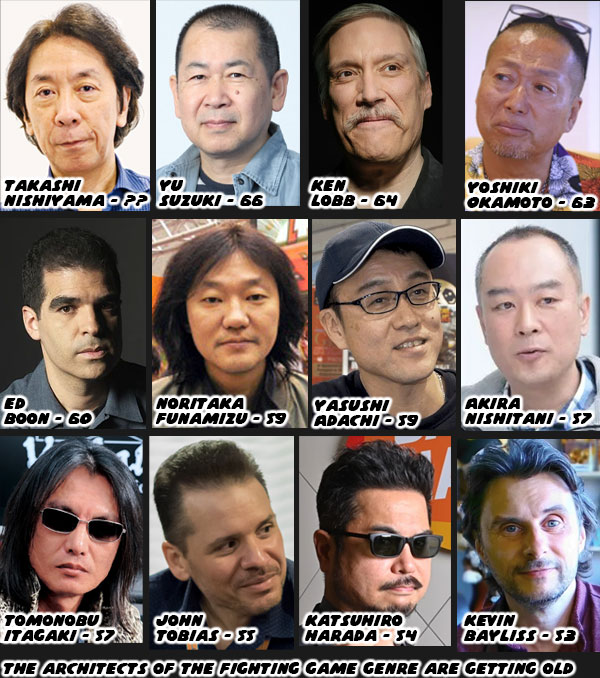
Punch-Out!!, Karate Champ, Yie Ar Kung-Fu, and Kung-Fu Master all came out in ’84. Each influenced the studios, and developers that would create the modern fighting game. I was grateful that I had a chance to play through them when they debuted. In fact I was born at the perfect time to experience the peak years of the arcade revolution. The memories I had of the dozens of arcades I frequented, and hundreds of games that I’d played were irreplaceable to me. I would not have changed one thing about the time I spent playing video games. Especially not after I discovered fighting games. I was grateful for each, and every title that I enjoyed over my time on Earth. Knowing that Virtua Fighter was getting a reboot, and celebrating 30 years made me realize that I first played the game when I was 20-years-old. This also meant that the architects of the genre were getting old too.

The masterminds behind Street Fighter, Fatal Fury, the King of Fighters, Mortal Kombat, Killer Instinct, Tekken, Samurai Shodown, Virtua Fighter, and more were now in their 50’s, and 60’s. A few of them were retired, if not considering retirement. This meant that some games, and entire genres could potentially die off. It was important for the publishers to have younger talent take over the projects. New directors, and producers to be just as passionate about the genre as their mentors. This ensured that the games would continue to grow, evolve, and remain fresh. I wasn’t a fan of Yoshinori Ono as the producer of Street Fighter IV, and V. I did appreciate his enthusiasm, and how he pushed Capcom to bring the franchise back after almost a decade after SFIII had been released. I believe that his eye would have worked better on a series like Vampire / Darkstalkers.

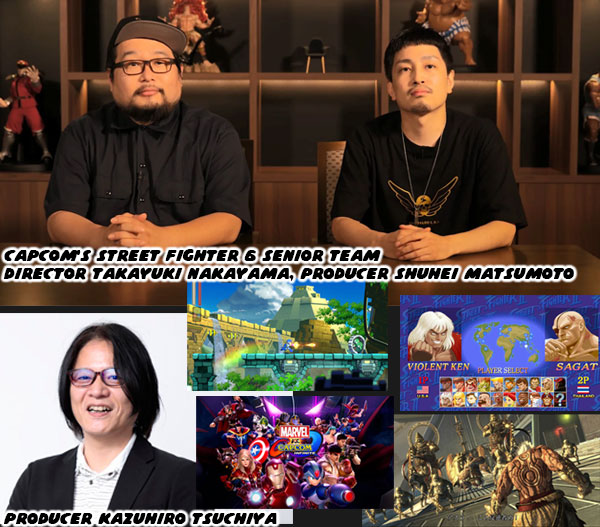
I was much happier with the team putting together Street Fighter 6. Mr. Nakayma, Mr. Matsumoto, and Mr. Tsuchiya had been with Capcom for years. They were ready to slide into their new roles, and take over the franchise. They managed to honor the legacy of Street Fighter, Final Fight, and bring in elements from 40 years of Capcom games without breaking the continuity of the series. They were able to update the game play, the elements that modern audiences expected from a video game, and even help bring new players up to speed. Most important they were also young. They would be able to carry their passion, and insight to SF for years to come. Not every classic series had these types of directors. Many of those games faded away from relevancy once their creators left the studio.

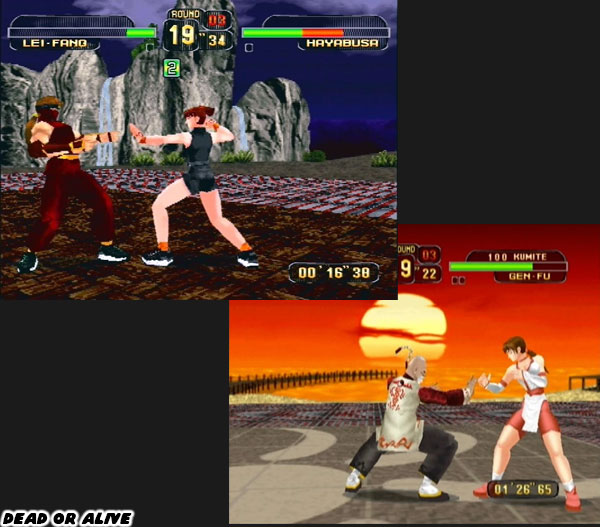
It may seem hard to believe but Virtua Fighter was such an important game that it changed the direction of the industry. In 1991 Capcom already created a global phenomenon with Street Fighter II. This made every studio in Japan, and the US start developing their own fighting games. A few years later Sega demonstrated that 3D would be the next step in the process. Companies that weren’t already developing their own 3D engines were at a loss. They could however license the work from Sega for their own titles. Some gamers may not know this but the original Dead or Alive arcade game was built on the Model 2 engine, the same one that powered Virtua Fighter 2. The game’s creator Tomonobu Itagaki had been described as a creep. It was no surprise that the girls in his fighting game had very bouncy breast physics applied to their models. He left Tecmo with many of his Team Ninja developers to strike out on his own. He eventually closed his studio in 2024. Dead or Alive managed to make it to DOA 6 which was released in 2019, with no word on another sequel.

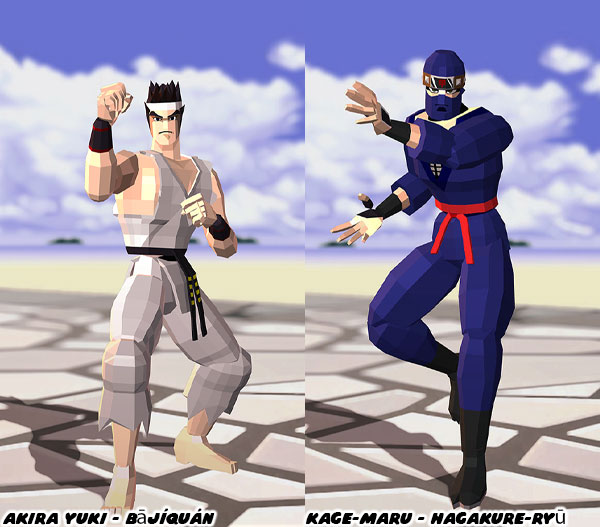
That was not to say that Virtua Fighter was a superior experience to Street Fighter II, or many other sprite-based fighting games from the early ‘90s. The game play was not as quick, or as intuitive as audiences were used to from 2D fighters. Visually however Sega was offering something that was unlike anything else in the arcade. When you saw a Sega 3D engine in a racing game, air combat, or Star Wars title then you immediately took notice. The visuals were so unlike anything else in the arcade that players were instantly drawn to them. In the early 1990’s 3D human models were still in their infancy. People were so blocky that the team at Sega referred to them as robots. They looked embarrassingly like somebody wearing cardboard boxes. To my knowledge the only fictional style in the original game was given to the ninja Kage-Maru. Yet it was still inspired my elements of actual ninjitsu.

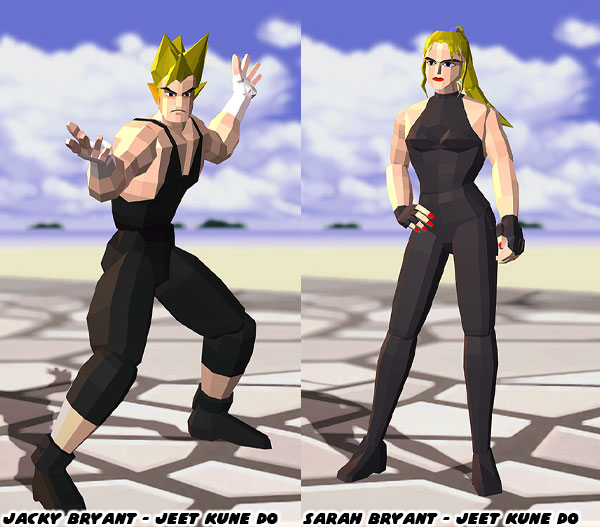
Series creator Yu Suzuki knew what he was doing. Smooth, perfect 3D characters were not his goal. The team at AM2 were using every trick at their disposal to create a solid engine that they could improve upon. Knowing that people would look more realistic in every future iteration. The team also focused on creating a library of characters that represented a broad spectrum of fighting arts. Each sequel would introduce another fighting style. The brother, and sister team of Jacky, and Sarah Bryant used Bruce Lee’s very own Jeet Kun Do aka the Way of the Intercepting Fist. They were fast, flashy, and designed to appeal to western audiences. They were not the only relatives in the game.

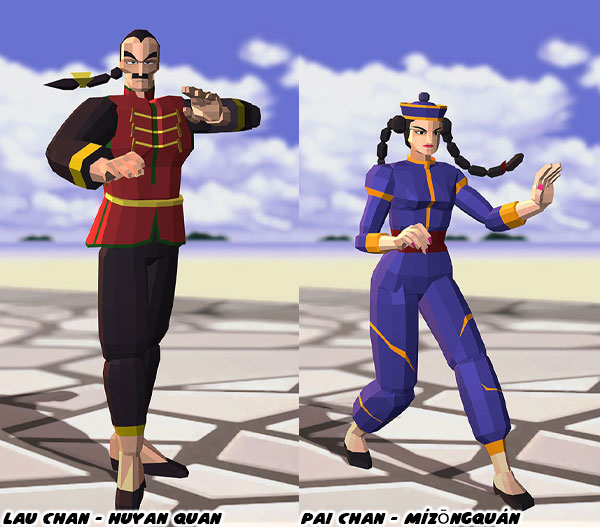
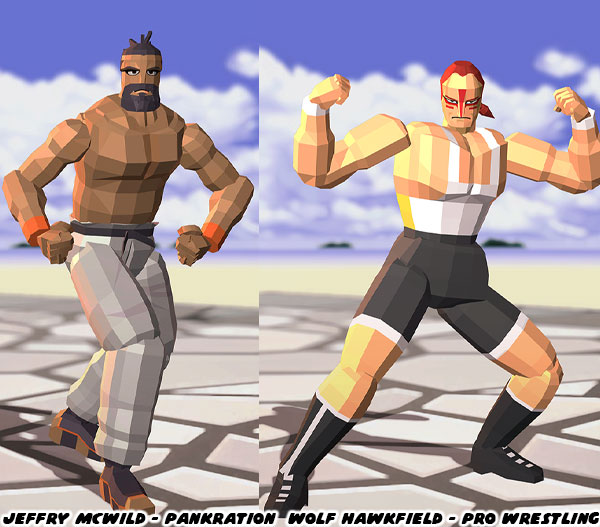
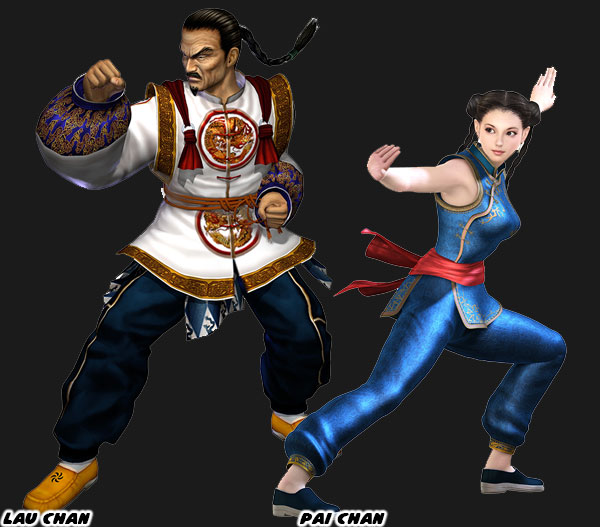
The Chinese father, and daughter pair of Lau, and Pai Chan were central to the story as well. They were a sort of classic martial arts cinema archetype that was universally understood. Anyone that approached the game could tell that they used some form of kung-fu. Then there were the two heavy hitters in the game, the ones that I favored. The Native character Wolf Hawkfield, and the Caribbean Jeffry McWild. Although Wolf was light skinned it was nice to see some form of Native representation in a game. The same applied to Jeffry. The duo were so popular that they would appear in future pro wrestling games as well.

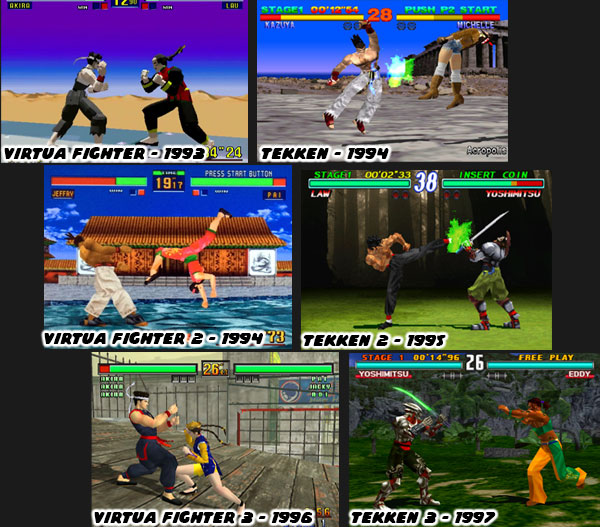
With a cast, and engine in place it was only a matter of time before the rival studios would have an answer to VF. The first would be Tekken. Namco had been going back-and-forth with Sega on everything they released. Just because they went from 2D sprites to 3D polygons didn’t mean the rivalry would end. There was not one genre where the two publishers did not have direct competition. Tekken floored audiences with their textured polygons. These stood apart from Sega's flat shaded polygons. Visually Tekken looked like the superior game, even if the frame rate or other elements weren’t as well done as VF. Each sequel from the two companies felt like a call, and answer.

The differences between the two games were tiny, but their impact to the community was tremendous. The four years from the release of the first VF in 1993 to Tekken 3 in 1997 was a technological leap. The improvement on textures, engine, animation, and frame-rate was apparent in the Virtua Fighter 2 arcade intro. Virtua Fighter was focused on realism rather than the more fantastic Tekken. By the time Sega released VF 3 the characters could not only turn their heads to follow opponents, but even turn their eyes as well. Not to mention when they stepped in sand, or snow they left tracks. Doing tiny things like having head tracking, showing damage, and even breathing was an unheard detail in any other game. Suddenly Capcom’s reputation as the best fighting game developer was in doubt.

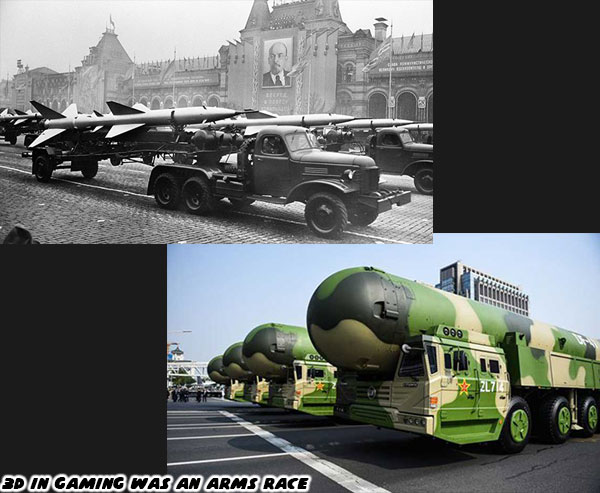
Sega, and Namco had turned the fighting game community upside down in the mid-‘90s. This made every major publisher increase funding into 3D R&D, helping push the entire entertainment industry forward. What many people didn’t realize was that Sega, and Namco relied on outside contractors to help create next generation 3D graphics. Namco built their System-22 engine on simulator tech from Evans & Sutherland. Sega developed the Model 3 board with military-level technology from General Electric Aerospace Simulation & Control Systems. The two publishers created an arms race. This applied equally to arcade, and console developers. Whichever company could bring 3D graphics home for a reasonable price would win the war.

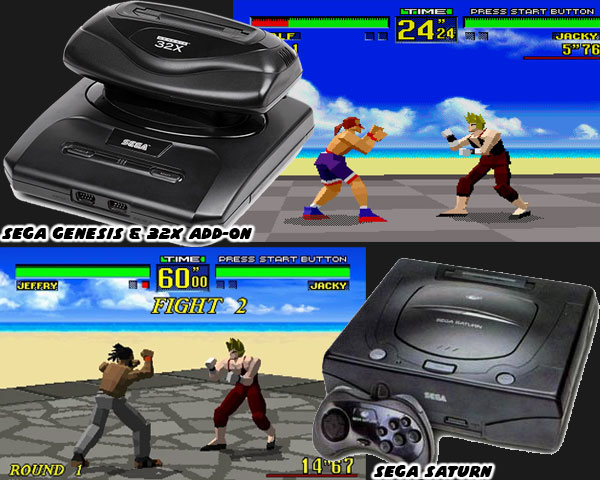
Sega was able to bring some 3D games home. They made a decent 16-bit adaptation of VF using the 32-X add-on for the Sega Genesis. A closer arcade-quality version would appear on the 32-bit Sega Saturn as well. Not to be outdone Namco partnered with Sony to create an arcade-perfect version of Tekken for the new Playstation console. Fighting games were not the only titles to help move consoles, but they certainly helped. The shift from 2D to 3D was pushed along thanks to Sega and Namco. More than 30 years had now passed. Mr. Harada, and his team were still keeping Tekken alive. Sega had drifted away from many of their biggest hits through the 2000's and 2010’s. How would Virtua Fighter become relevant once more, and especially with Mr. Suzuki talking about retirement? We’ll talk about it in the next blog. Were you a fan of 2D fighters, 3D fighters? How long had you been playing video games? I’d like to hear about it in the comments section. As always if you would like to sponsor me please visit my Patreon page and consider donating each month, even as little as $1 would help make better blogs and even podcasts!
follow the Street Writer on Patreon!

Friday, May 5, 2023

My Favorite Games of All-Time: #1 NiGHTS into dreams... - Originally published on 1UP - August 25, 2006

It's been slightly more than 20 weeks to get to this point. Almost a half-year really. I thank those who have been patient enough to check every Friday. Anime Expo, the E3 and X Games all cut into the countdown so the list is past due. The good news is this is it. Today is the day that settles the question. What is my favorite game of all-time?

If you go back to when I put the list together I said I knew what number 1 was from the onset. My brothers and cousins knew as well that no game has meant more to me than this one.
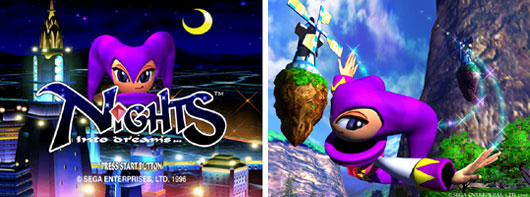
Even though it's been called one of the top-10 overrated games by the people at 1UP it has also been called one of the top 10 cult classics by the same people. So what gives?

NiGHTS into dreams... is an anomaly. A game that is very simple to get into, play and beat. You only use one button in the entire game. Of all the games on this list NiGHTS is the shortest by far. But there is substance in NiGHTS, layers of detail, level design and gameplay that turns it into my favorite title ever.

It doesn't matter if the "game journalists" see it, recognize it or admit to it. These details, gameplay and level design have influenced the industry for the past decade.
I am a firm believer that Yuji Naka is a genius. I believe that he was able to accomplish more with less. When he turned the platformer upside down with Sonic the Hedgehog 2 I knew it was true. When he created Burning Rangers the legacy was capped (BR uses the NiGHTS engine). Sonic Team, at it's peak, could not be beaten, not even by Shigeru Miyamoto and his team at Nintendo.

NiGHTS was the peak and Yuji knew it.
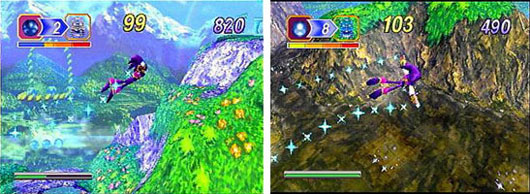
Mr. Naka, lead director Takashi Iizuka and director Naoto Ohshima managed to craft a game that was more than the sum of its parts. Inspired by a plane trip shortly after completing Sonic the Hedgehog 2, Naka knew the next big game would be about flying and not about the blue hedgehog. The heart of Sonic Team would be put into NiGHTS. Now you guys know a little bit more why Sonic 2 made my list and not Sonic 3. The game was also inspired in part by the idea of a collective unconsciousness, the work of Carl Jung, magic, mythology and universal ideals. NiGHTS became a title that could be enjoyed by hardcore and casual gamers because it offered something for everyone.
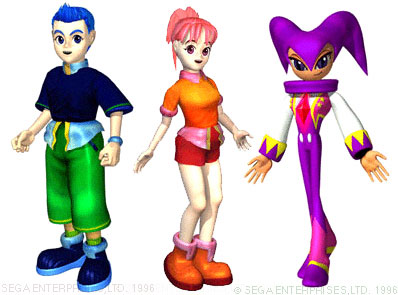
NiGHTS is a story about a boy, Elliot Edwards and a girl, Claris Sinclair from the fictional Twin Seeds city. These two face challenges in the real world and shy from them. By fighting nightmares to liberate the dream world they build the confidence to face the real world challenges.
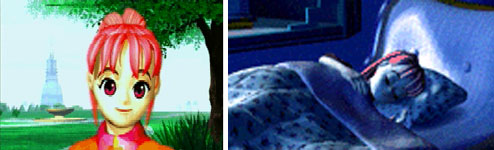
The entire game is told without any dialogue. There were no localization changes to the game itself, nothing lost in translation. The story unfolds in three acts, the first being the cinema at the start of the game which shows why our heroes are running from their nightmares. The second act is the game itself, it picks up literally where the cinema ends and forces us to challenge these nightmares. The third act is the conclusion, a cinema that shows what becomes of Claris, Elliot and their newfound friend NiGHTS.
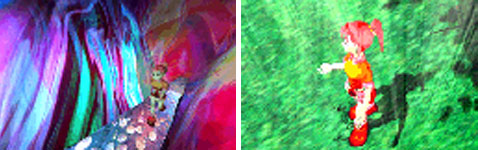
The game was panned by critics because of the brevity.
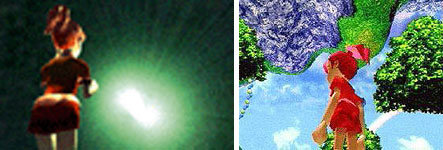
I contend that the game was panned because gamers and critics didn't "get it."
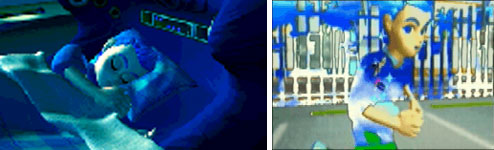
NiGHTS has no dialogue, no convoluted stories or plot points. It is up to the gamer to connect the dots, to build every link between the cinemas and game. When you realize that everything in the game was done with forethought, every detail, every camera angle and shot becomes magical. Nothing in the game was a mistake. Nothing in the levels or cinemas were wasted. It did not matter if you were from Japan, the US or Europe. NiGHTS was as pure and sublime as a videogame will ever get.
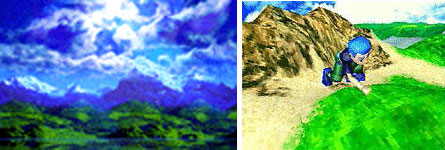
Those that look past the brevity learn that the game is much deeper than we give it credit for. Sonic Team was running on the clock, Sega wanted a killer app to debut before Sony or Nintendo could drop the new mascot games. Because of that Yuji had to pair down his ambition and rush NiGHTS out the door. In doing so Yuji learned that he could keep his vision intact and provide gamers with an experience that defines the word "next gen."
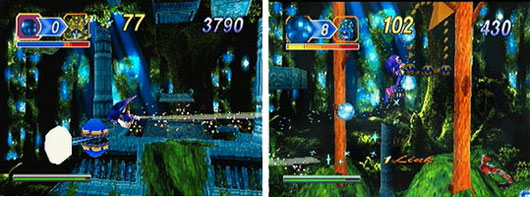
There is a lot of exploration that Yuji wanted players to do as either Elliot or Claris but Sonic Team did not have enough time to fully implement that side of the game. Rather than just cut the exploration part out completely they left it in. Elliot and Claris were allowed to free-roam the worlds but levels could only be completed as NiGHTS. To force players to become NiGHTS an alarm clock would chase around Elliot and Claris until they came in contact with the title character.
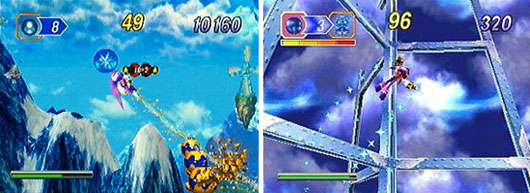
Rather than just leave it at that Yuji made sure that players that wanted to explore were given more leeway. They could temporarily knock out the alarm clock and wander through the level, absorbing as much detail as they wanted. Claris and Elliot could get into rooms, bounce around in all three dimensions, ride a train and even take an elevator not accessible to NiGHTS. In doing so gamers developed a new understanding and firm appreciation of the game Yuji wanted to give us. Despite the time and technology constraints I can argue that he still delivered on his vision 100%.
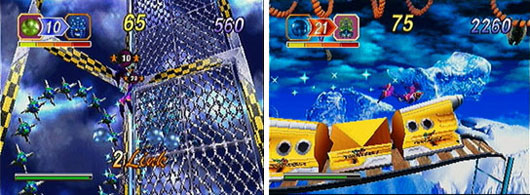
The crux of the gameplay is flying as NiGHTS. Sega used this game to debut their analog controller, in my opinion, the best analog controller ever made. NiGHTS flies on "tracks" in a 3D world. The original plan was to have free roaming but it proved too difficult to design objectives around so NiGHTS was put on a track.

The flying engine was amazing. For the longest time flying had not been used to its full potential in a platformer. Previous to NiGHTS, Mighty Bomb Jack was the only game to get it right. The flying and floating of Jack set the standard by which many games could never outdo, not even in the Superman titles. NiGHTS allowed gamers the truest sensation of flying in every direction, floating gracefully down or dashing like a rocket. This idea of flying, dreaming of flying rather than falling is empowering. It lifts our spirits and for a moment lets us believe in the impossible.
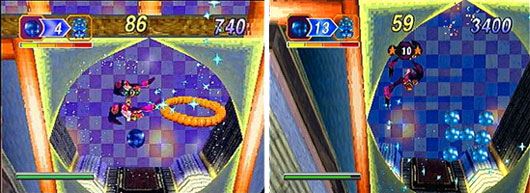
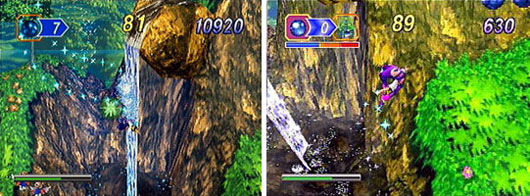
Although limited by a track, Yuji broke the barrier by making the level a character in the game. Previous to NiGHTS, other 3D or polygon games had nice backgrounds but you really couldn't interact with them. Invisible barriers always prevented the character from climbing walls, going through holes, open windows, or under bridges. NiGHTS shattered that type of design. If you saw it, chances are you could reach it, fly around it, or through it. Bridges, windows, waterfalls were all incorporated into the design of the tracks. These tracks (four each on every level) twisted and turned every which way, allowing us to see and explore every inch of the dream world.
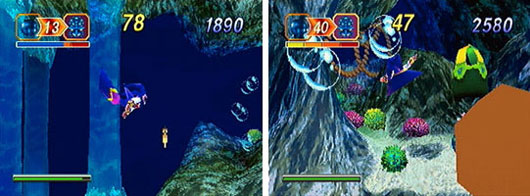
As if exploring with Claris and Elliot, or flying with NiGHTS wasn't already light years ahead of the competition, Yuji added an additional gameplay experience in just about every level. When NiGHTS entered a floating water bubble, or a water filled cave (this is a dream after all) his/her legs turned into fins and allowed players to swim in a behind-the-back POV. When NiGHTS approached a bobsled track he changed into a bobsled and Elliot would ride on his back, collecting power-ups.
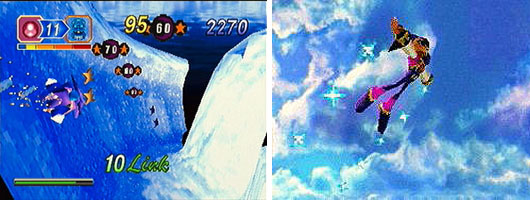
When NiGHTS was hit with some static electricity he would attract details in the environment and become a flying Katamari ball. When NiGHTS entered a museum whose walls were like rubber he would take on the shape and characteristics of a bouncing beach ball. The transition from NiGHTS into a shape or into one of the kids and back was seamless. Yuji showed the world that 3D was the future and being able to explore the world in all three-dimensions was only the beginning. Characters would also have to become plastic and malleable in the game as well.
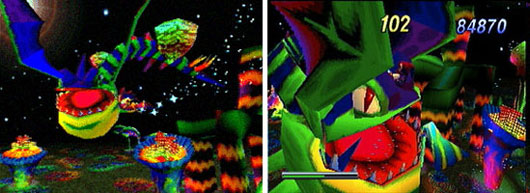
The boss battles in the game were just as amazing as the levels themselves. The main boss, Wizeman, is the leader and creator of the evil Nightmaren. The bosses were massive, larger than any other boss at the time. The giant dragon Gillwing, balloon opera singer Puffy and giant fish Gulpo could swallow the main characters whole. The freakish cat Clawz and diabolical jester Jackle helped create a creepy atmosphere. Reala was the evil reflection of NiGHTS in form and function. Fghting against a character that has all of the same moves as you makes for a very formidable showdown. As for Wizeman... lets say that the level, music and challenge are one of the most memorable in all boss battle history.
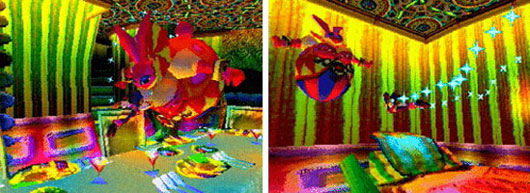
NiGHTS was the only one of Wizeman's nightmaren given free will. When NiGHTS realized that Wizeman was trying to turn all dreams into nightmares, and in the process hurting the dreamers and the dream world he rebelled. For his insubordination NiGHTS was locked away and only the dream "Ideyas" could release him. Claris and Elliot possess four Ideya's that the nightmaren steal, Purity, Wisdom, Hope and Intelligence. The nightmaren could not steal their fifth Ideya, Courage. With courage the kids free NiGHTS from his prison and begin the crusade against Wizeman.
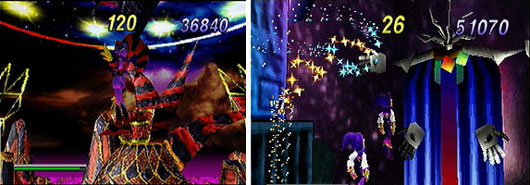
Yuji managed to pioneer several other things in NiGHTS that would end up in future Sonic Team games. The little characters that inhabit the dream world are called Nightopians, "Pians" for short. They are original AI scripts that behave in their own way and react to the world differently from game to game. If you manage to beat the Nightmaren and keep the Pians happy then they effect the world. They might sing songs, wave to you or go fishing. You can also mix Pians and Nightmaren together to sort of breed new characters, or "Meepians." In case you couldn't guess Pians were the template for the Chao in Sonic Adventure games.
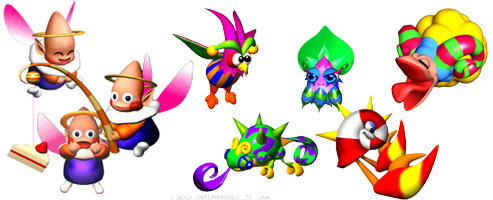
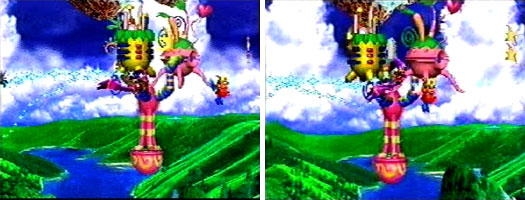
If you manage to have enough content Pians and Meepians then their king, the SuperPian would show up and build a magical floating castle in the middle of the level. This castle would actually be saved in the game, and would only disappear once the Saturn's memory battery ran out. The castle could be constructed in any part of the early stages, and was not scripted to only one location. The idea that the game could permanently add a new detail in the background was amazing. Especially if you could get it, while your friends never even saw it. 
NiGHTS actually has multiple endings, the endings vary in length depending on if you complete the game with an A-Ranking or not, as well as completing it with Claris and Elliot. I am a big fan of the total package, a game that can deliver an experience that ties up all of the loose ends and can stand alone without a sequel. The full story is revealed at the very-very end of NiGHTS, after the cinemas and even after the credits. This ending compliments and even works itself into story.

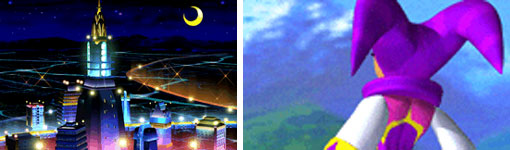
In the beginning of the game we see a long shot of Twin Seeds city at night. We fly through the empty streets and up the massive Twin Seeds Tower. Perched atop, standing with one foot on the spire is NiGHTS. Then the following cinema shows either Claris or Elliot having a bad day, that day quickly becomes a nightmare. At the start of the game Elliot and Claris do not know each other and do not realize they live in the same city and share the same dreams. At the end of the game they realize that they know each other and stand quietly knowing that their dreams were real. After the final cinema for each character, their joint cinema and credits we are taken back to that first night, the moment right when the kids wake up from their nightmare. They look out the window and wonder... The camera flies out to the same overture featured in the first shot of the game, through the streets, up the Twin Seeds Tower and see NiGHTS on top of the spire. That is when we realize that NiGHTS has always been there, watching over the kids and over Twin Seeds city... the game ends exactly where it began!
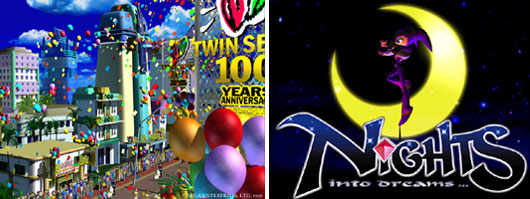
A similar effect was achieved in the beginning and ending of God of War. However Kratos' adventure doesn't exactly end where it began. There was some of the Empire Strikes Back "but the story doesn't end there" jive to it. This gives NiGHTS Into Dreams... the perfect, closed ending of all-time.

I feel I would not be giving this game justice if I did not at least mention the layers of detail and multiple meanings in the "real" world of Twin Seeds and the dream world. There is a parallel between the name of Twin Seeds and the two main characters. Although not related, Claris and Elliot share a common experience. These "twin dreamers" are the only ones in contact with NiGHTS, whom can save the city from the nightmares. The dream world they visit pulls abstract cues from the city. A car that's broken down, not far from where Elliot plays basketball with his friends, shows up in one of the dream worlds. As a secret objective players can lead this dream car "home" to its garage and earn points for doing so.
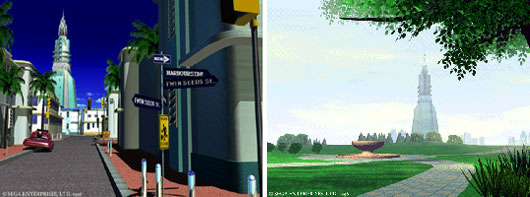
When Claris and Elliot run from their nightmares and into the dream world they are headed toward a physical location in the real world. For Claris she runs off a stage in an auditorium, into the background of hills and greenery, when the level begins she is dropped right into said world. When Elliot has a nightmare of the basketball court he plays on, he runs toward the mural painted under one of the baskets. When he enters the dream world it has the same beach featured on the mural. These cues are actually presented in the game. You have to be paying close attention to each cinema at the beginning of the game and pictures in the end credits in order to realize that these worlds are connected. Yuji treats us like mature gamers and allows us to discover the relationship between what we see and what we play.
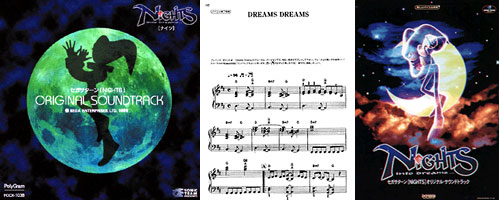
The music complimented the entire game. Arguably the greatest soundtrack ever put in a Sega game, rivaling the work in the Jet Set Radio series. Sonic Team, Talking Moon and Tomoko Sasaki create a score that uses as much tone and color as the game itself. A version of the title song "Dreams Dreams" is the theme that Claris sings in the end cinema and versions of this theme pop up in other Sega games.
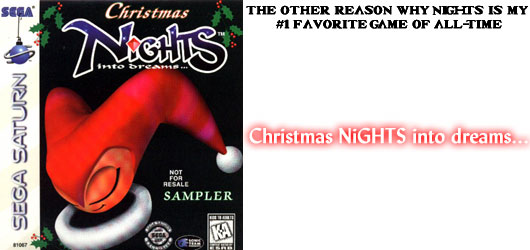
I'm only getting started talking about NiGHTS. A few months after the release, Sega gave away free demo copies of the game with certain magazines. Known better as "Christmas NiGHTS into dreams..." this demo cd was more than just a quick level for fans. This game included all of the bonus material that Yuji had planned for the final release and if was only given about three more months in development it would have all been included in the master CD.

Christmas NiGHTS is calibrated with the internal clock on the Saturn. In late November/ early December the "Limited Edition" title would drop from the game and instead be replaced with a "Winter" screen. The two demo levels suddenly had snow and Claris and Elliot were bundled up for the cold weather. A couple of weeks into December the front screen would change yet again into "Chrismas NiGHTS."
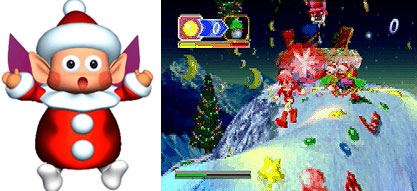
The snow remained in the levels however with more Christmas-themed decoration. Trees had candles and lights, boost machines went off like party poppers and Pians could be seen building snowmen and singing Christmas carols. Claris, Elliot, NiGHTS and the Pians also had a change in wardrobe.
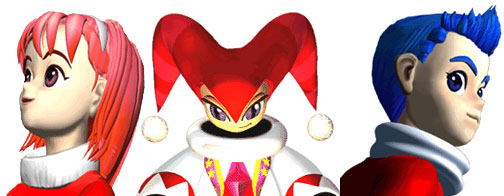
The best part of the change was the addition of a story that went along with the Christmas theme. The set-up was short and sweet. Claris and Elliot noticed that the people in Twin Seeds city were in a rush this holiday. Rather than slowing down and appreciating the season, everyone was too caught up in the hustle and bustle. Claris and Elliot figured out that the Christmas spirit was missing, symbolized by the star on top of Twin Seeds Tower. The tower was dressed up like a Christmas tree but alas, missing the star. So together with NiGHTS they decided to scour the dream world and get it back from a brightly-colored Gillwing.
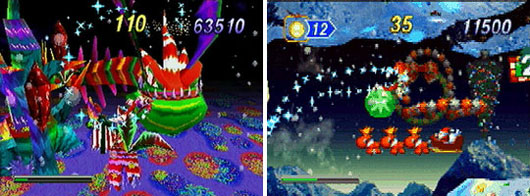
The story could be played over and over, at certain hours throughout the day the level details would change. There would be an actual daytime, dusk and night level depending on when you played. This little detail was missing in the final release. On the hour instead of snowflakes it might snow stars or moons. If you played late night December 24th or early morning December 25th you would actually see Santa Claus flying through the background. He doesn't appear at any other time in the demo.

After defeating Gillwing and bringing the symbolic star back to Twin Seeds city, the heroes manage to get everyone to slow down and smile. The game ends with a season's greeting for the players and yes, I have played this through every holiday for the past 25+ years (and I still manage to get a little weepy when I think of how awesome an experience it is).
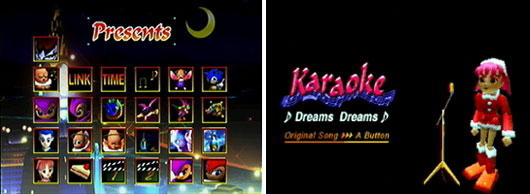
What good is a Christmas game without some additional presents? If you beat the matching game at the end of the level you unlock a present on the disk, that can be accessed at any other time of the year. These range from wallpapers, art, movies, karaoke and even some very special surprises...
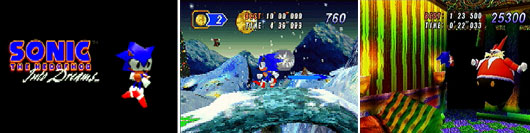
Sonic makes a cameo in the game and plays through a level as himself. His boss is Puffy, as played by Dr. Eggman. This marks Sonic's first appearance in 3D and plants the seeds for Sonic Adventure.

After Christmas the game reverts back to Winter NiGHTS. On New Years the screen changes for a day to "A Happy New Year NiGHTS." When spring starts the levels go back to normal and Claris and Elliot are in their original NiGHTS clothes. On Valentines Day heart shapes fall from the sky. If you happen to play on April 1st something odd will happen. NiGHTS will be replaced by his arch-rival Reala. If you save the game then you can access Reala in this "April Fools" mode.
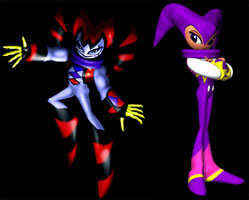
Damned if there was never a sequel.

Yuji knew he couldn't top NiGHTS. The vision remained but the more technology he had to work with, the less stellar his releases were. Still, those that "got" NiGHTS were forever changed. Even Shigeru Miyamoto once pulled Naka aside and asked when the sequel would come out. Yuji's reply was the same. How can you top NiGHTS? That is what happened to Spielberg when he finished ET, everyone kept asking him when he was going to make a sequel.

The critics and game journalists might not be able to draw the line between Mighty Bomb Jack and Just Cause, they might even think NiGHTS is overrated but what would they know? Every time I see Mario flying, especially in Super Mario Galaxy I know where Shigeru drew his inspiration from. When small games like Cloud generate buzz it is because we still long to fly, to experience that sense of freedom. Journalists argue that they need a Lester Bangs to legitimize their work, if they can't see the greatness that is NiGHTS then it is a lost cause.

Although Yuji is no longer with Sonic Team he did mention something interesting. If they ever were to bring back NiGHTS then the Wii would be the perfect system to develop it for. Like all die-hard NiGHTS fans I hold my breath, as I have for more than a decade. I hope that someday you too might experience the greatness of my favorite game of all-time.
Thank you for reading and most important, peace!

As always if you would like to sponsor me please visit my Patreon page and consider donating each month, even as little as $1 would help make better blogs and even podcasts!

follow the Street Writer on Patreon!