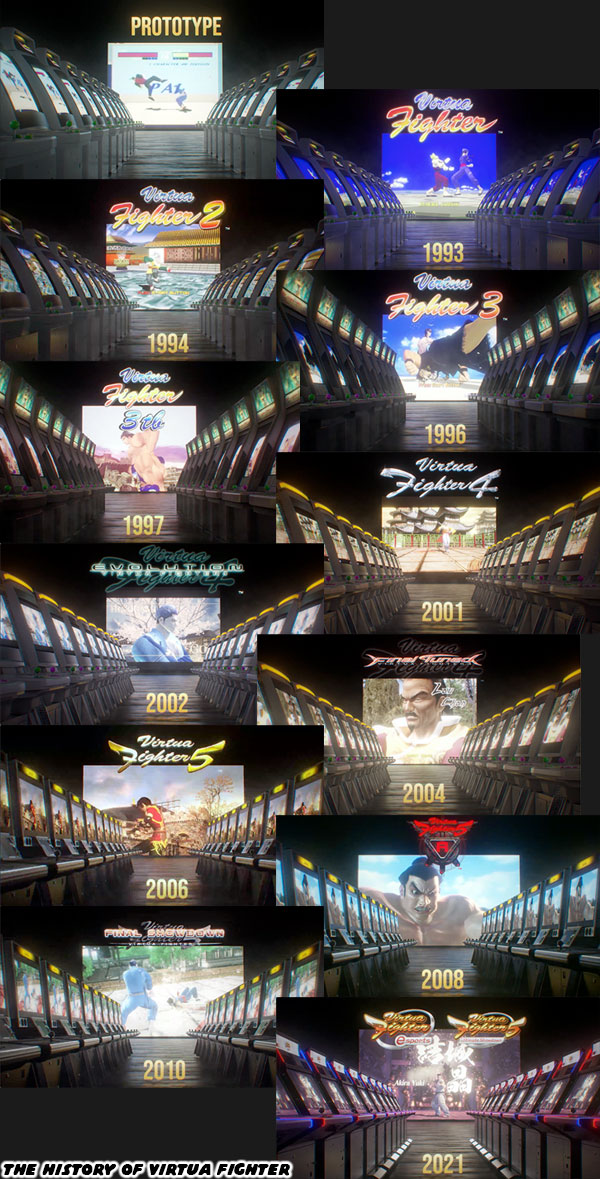
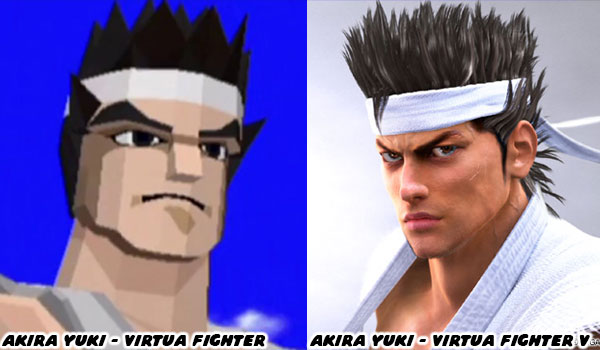
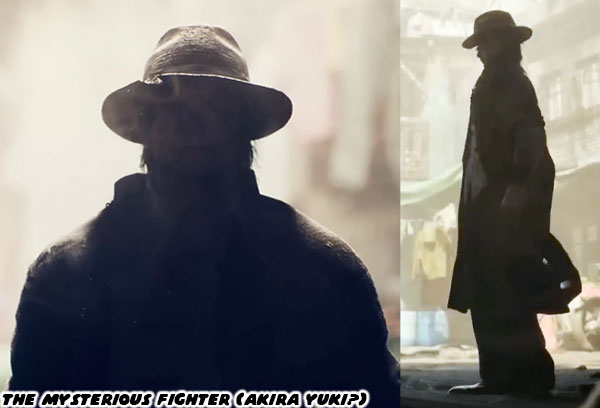
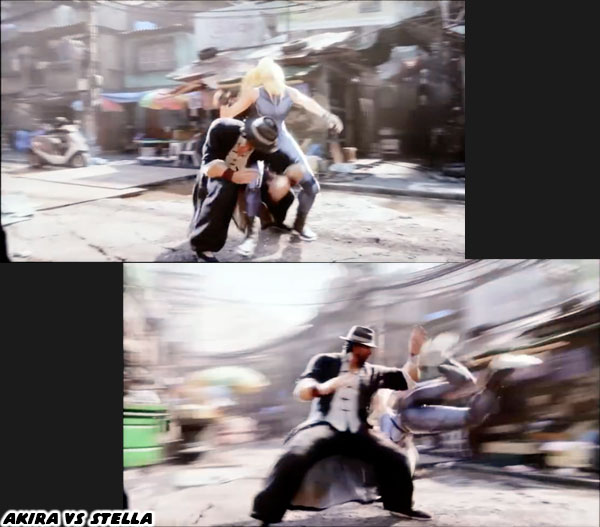
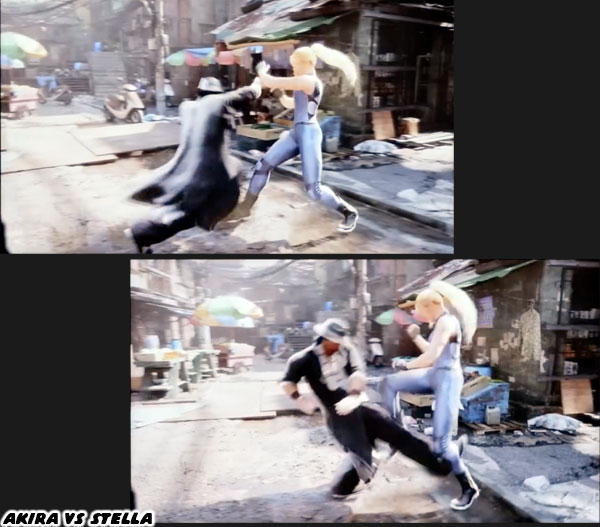
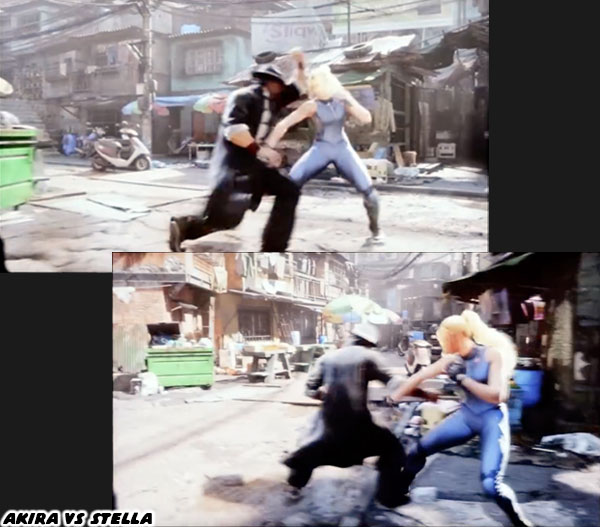
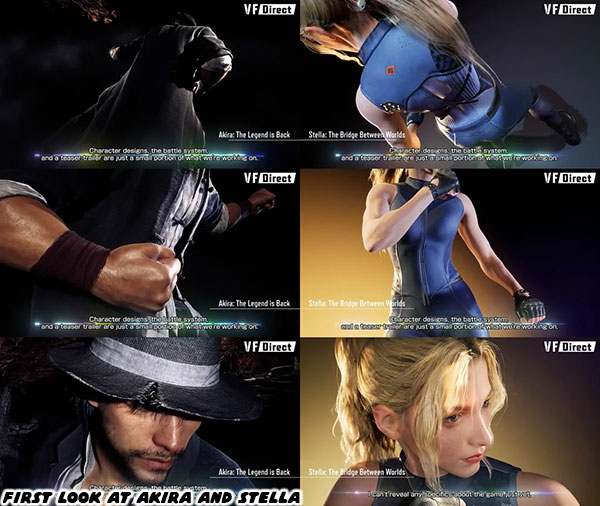
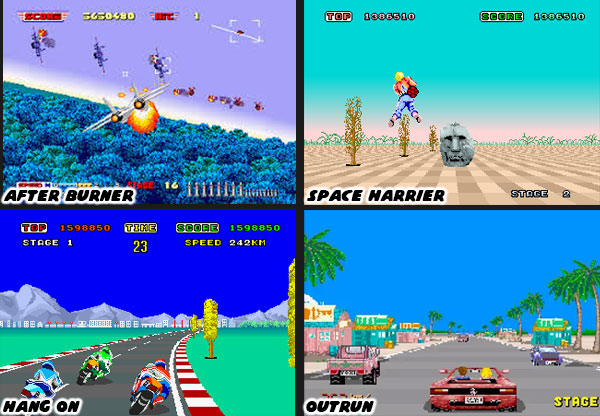
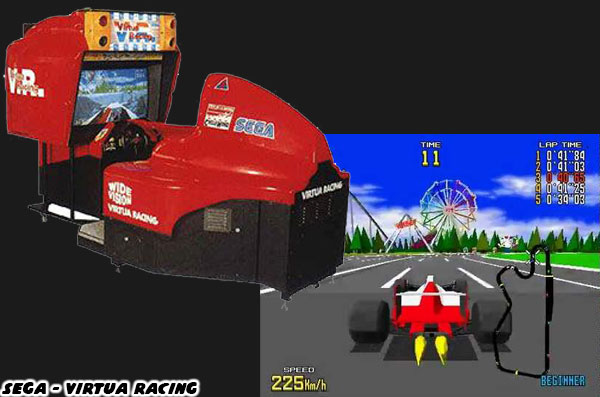
In the previous blog I talked about how important Virtua Fighter, and the 3D revolution was for the gaming industry. I highlighted the precursors from the ‘80s including Karate Champ, and Yie Ar Kung-Fu that set the stage for the modern fighting game. I also talked about the mortality of the pioneers, and how it was important to pass the torch to new directors, and producers. This would help ensure their survival in the long-run. I was extremely happy with the announcement at the 2024 Game Awards about seeing a new Virtua Fighter. There were however a few problems for Sega. First off if you weren’t a 50-year-old Generation-Xer like me then it wasn’t really a major announcement. Millennials, and Gen-Zers didn’t grow up in the arcades, nor did their kids. To them fighters were always on home consoles, and in 3D. They had always had online matchmaking, frame data, and rollback code. Players today had countless choices on every platform imaginable. How could you make a fighting game rooted in realistic arts more interesting than Street Fighter, Guilty Gear, Tekken, or Mortal Kombat? The answer might lay in making a new Virtua Fighter a modern fast-tempo modern experience. I would argue the opposite.

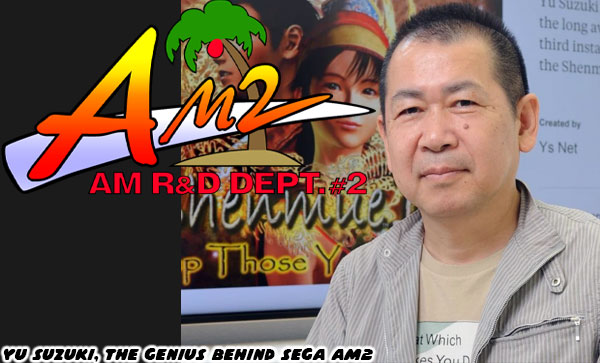
It was crucial, and necessary that the developers at Ryu Ga Gotoku Studio would slow down the game. I don't mean the fighting itself, but everything surrounding the build up to the fight. Adventure titles had slowed down the action, but not the difficulty or challenge in the past 20 years. The biggest studios were creating living, breathing worlds that you could spend 40+ hours exploring. The evolution of the From Software “Souls” games, Sony’s God of War titles, or Rockstar’s GTA, and Red Dead Redemption had all changed the pacing of AAA titles. The latest Street Fighter, and Mortal Kombat games also slowed down the experience so you could savor the worlds they were set in. I had no doubt that Virtua Fighter would also get the same treatment. Yet unlike the aforementioned games it was actually part of Yu Suzuki’s long term vision. I didn’t understand it when I was younger, and could only now appreciate what he had been trying to do for the past 30 years.
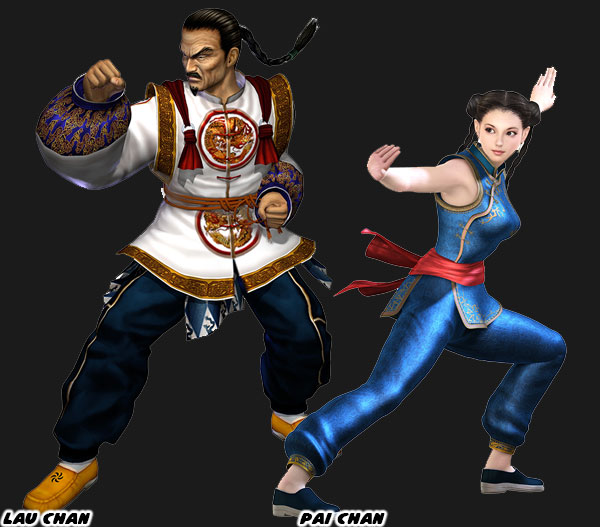
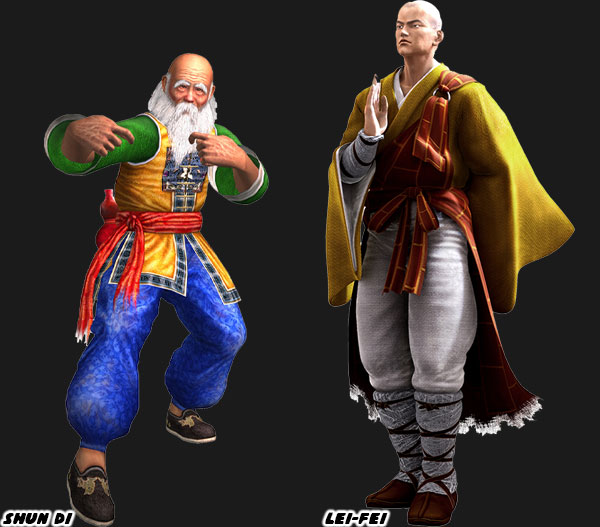
Yu Suzuki had poured tremendous insight into every game he created for Sega. The thing about his fighters was how much he appreciated, and almost mythologized the Chinese martial arts. It was evident in the styles he assigned Akira, Lau, and Pai in the original VF. It was why even though Akira was younger, and stronger than most of the characters, at the end of the first tournament it was Lau Chan that was victorious. Akira still had a ways to go before he could topple the older master. Upon hearing the news that Lau Chan had bested the new crop of fighters the even older Shun Di decided to throw his hat into the ring.
Seeing the bearded master do his thing in the opening animation of VF2 surprised the arcade visitors. Only in Mr. Suzuki's world did it make sense that two elderly Chinese fighters could beat people half their age. As the sequels came out he would incorporate other arts from around the world. Such as sumo, judo, and aikido from Japan. Lucha libre from Mexico, Muay Thai from Thailand, and Vale-Tudo from Brazil. He would always return to China for the most colorful techniques, including Praying Mantis, Drunken Fist, Shaolin, and Monkey Kung-Fu.
There was no escaping
the impact of the Chinese martial arts with the birth of fighting games. Everything from legendary kung-fu masters, to the more popular Hong Kong cinema influenced
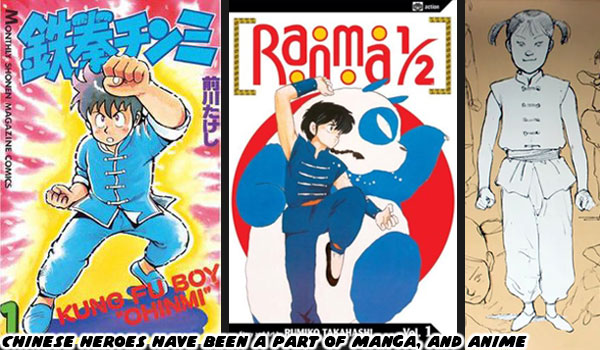
a great number of fighting game designers that came from Capcom, as well as SNK, but also the team at Midway that created Mortal Kombat in the USA. It was almost impossible to create any sort of martial arts title without featuring a number of classic Chinese elements. The fighting styles, fashion, and history had been sprinkled throughout Japanese history. Even in pop culture, kung-fu heroes had always been a part of manga, and anime. The early ‘80s featured a lot of the fashion, and arts from China including the Himalayas. Iron Fist Chimi debuted in 1983, Genma Wars Harmagedon was an animated movie from 1983. Which was created from an older manga which began in 1967.
One of the characters in Harmagedon named Tao inspired the creation of Chun-Li. 3x3 Eyes, and Ranma 1/2 first appeared in 1987, these manga also had heavy Chinese themes. This was around the time that Mr. Suzuki was crafting the greatest hits for Sega. Chinese backdrops had always been a part of Japanese pop culture.
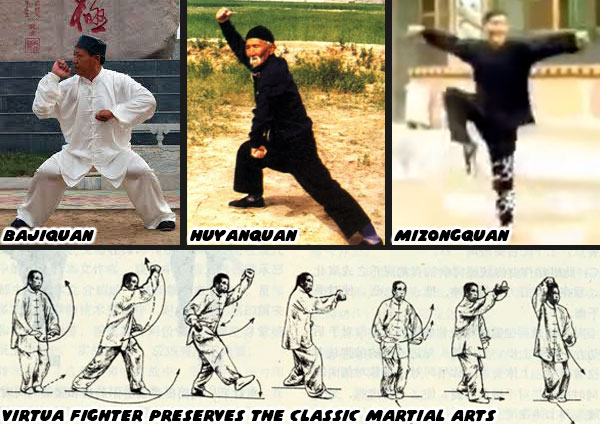
Virtua Fighter looked, and played different from every other title out there, not just because it was in 3D. It was because Mr. Suzuki had a genuine belief in the mythology of the Chinese arts. It was evident in his series. He was doing everything he could to not only promote the classic arts, but to keep them from fading out of existence. Any other fighting game developer would stick to the generic karate, boxing, kung-fu archetypes for their title. Yet Mr. Suzuki made sure to show the world that kung-fu wasn’t one catch-all style from China. There were distinct forms, and some of the most beautiful like bajiquan, huyanquan, and mizongquan all deserved to be featured. In doing so he was exposing new generations to these beautiful forms of combat. Whether they were functional in an actual fight was a conversation for a different blog. Mr. Suzuki was helping preserve their reputation.
Mythology was very important in spreading the reputation of great martial artists. People didn’t have film, or pictures of the masters from the early 1900’s. Even the records of the champions that came up in the 1940’s, and 1950’s seemed too good to be true.
Would you believe the stories of martial artists that killed a bear, a bull, or a tiger with their bare hands? It was word of mouth, not pictures or video that turned regular people into immortal legends.
There was a tremendous amount of mythology used in the creation of many fighting games, especially in the weapons-based titles like Samurai Shodown, and Soul Calibur. Virtua Fighter was more than a game. It was a way of holding onto the truth behind the myths. Mr. Suzuki asked what if the last of the Chinese masters was still alive? How would they actually hold up against a modern style of fighting? The seed was planted with the apocryphal story of a young Mas Oyama (the real-life inspiration behind Ryu).
When he was traveling the world he was humbled by a master named "Mr. Chen" it was then that he decided to give everything up in order to becoming the best fighter. Mr. Suzuki believed so much in the mythology of the lost arts that he wanted to explore it in an entirely new type of game.
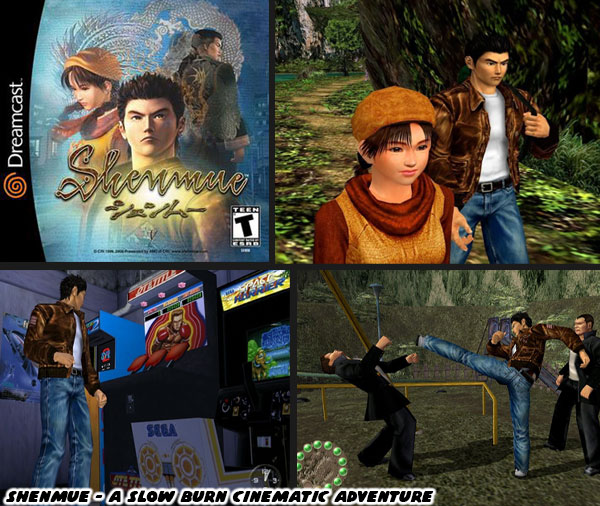
Shenmue was a precursor to the modern adventure game. Released in 1999 it set a template that would influence AAA releases over the next 20+ years, including the Last of Us, and Drake’s Fortune. The game revolved around a hero named Ryo Hazuki trying to avenge the death of his father Iwao Hazuki at the hands of the Chinese martial arts master Lan Di. It was unlike other games of the era, not quite role-playing, not quite fighting game, not quite sim, but instead something in between all three. Yu Suzuki wanted to tell a cinematic adventure across multiple sequels. His project was ambitious to say the least. It took years, and millions of dollars to produce. Mr. Suzuki had underestimated what it would take to bring his vision to life. The finished game was good, but seemed lacking. Fans could tell that he wanted to have an immersive experience that you could lose yourself in. Unfortunately is was lacking in some regards. Since no one had ever attempted anything remotely close to it Sega didn’t realize that it would take double the team size, and at least double the budget to make it fulfill Yu Suzuki’s vision. Little did we know that he had predicted the most popular types of AAA adventures by decades.
Shenmue was a commercial flop, but a hit with audiences, and critics. Sega had already invested a considerable amount in a sequel so they had to see it through to completion, the third part in the story was dead in the water. It would take
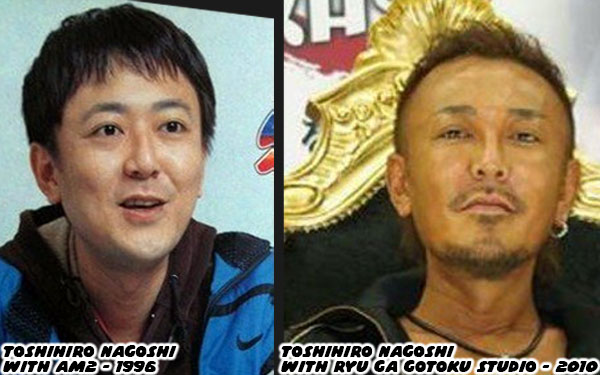
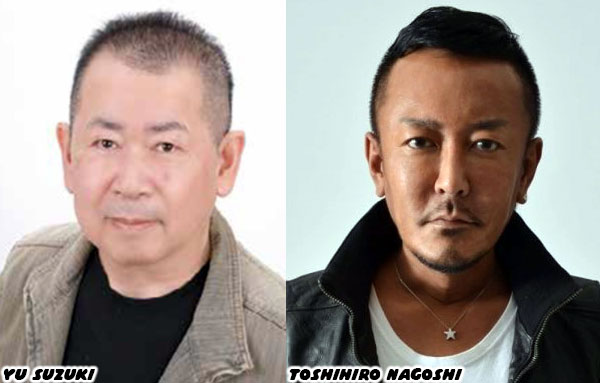
a crowdfunding effort from 2020 to get the trilogy finished. The big publishers learned that titles this ambitious were a risky gamble. We wouldn’t see anything remotely close to it for many years. In the decades following Sega downsized, and a number of their internal teams were consolidated, or closed down. A lot of talent was lost in the 2000’s. There was one person however that had worked under Mr. Suzuki and learned the art of game design. His name was Toshihiro Nagoshi. He started with Sega in the late-80s and learned from Mr. Suzuki, and also the best people at the company.
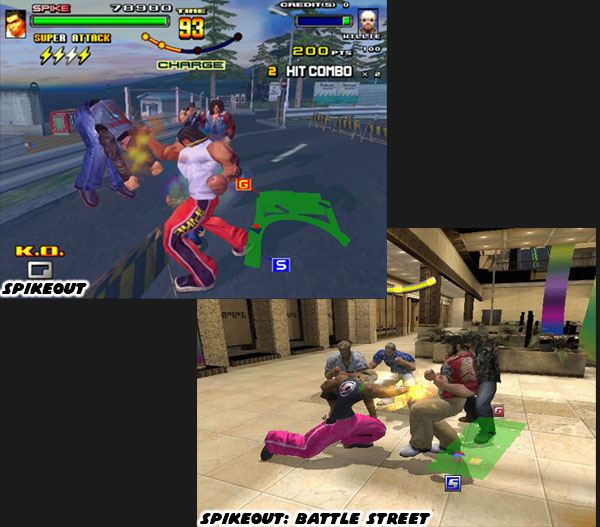
Mr. Nagoshi had an ambitious idea for a brawling game. He thought the classic 2D format used in
Double Dragon, Final Fight, and
countless Konami hits were too limiting. He wanted to take everything he learned from the Virtua Fighter team, and set it in an open 3D world. The 1998 title
SpikeOut was an important game in the evolution to the brawler genre, it was also rarely seen in arcades. Sometimes I think that my brothers, and I were the only ones that ever played it in Southern California. It was fast paced, violent, and extremely difficult. It featured networked cabinets making it easier for multiplayer action without having to share one screen. It was not without its flaws as the difficulty, and camera angles seemed to work against the action.
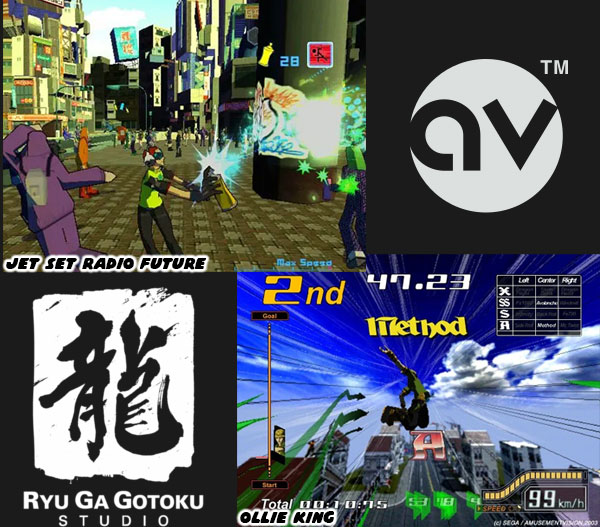
Mr. Nagoshi learned an important lesson about combat balance from SpikeOut. He also picked up other things while working at Amusement Vision, alongside the Jet Set Radio designers at Smilebit. It was possible to create a fun, accessible, original game that featured stylized graphics. More important it could respect street culture, while simultaneously exposing it to audiences. I considered the 2002 title
Jet Set Radio Future the greatest Hip Hop game ever made. When Sega wanted a skateboarding arcade game with the JSRF feel in 2004, that was also a spiritual successor
to the 1997 classic Top Skater Ollie King was created. When Sega wanted an Xbox exclusive they revisited the world of SpikeOut, and dropped
the much improved SpikeOut Battle Street in 2005. To be fair DIMPS did most of the programming for it. The team at Ryu Ga Gotoku Studio was galvanized by everything they experienced at AM2, and Amusement Vision. That was why they were able to slide into the development of
Virtua Fighter V Ultimate Showdown so easily.
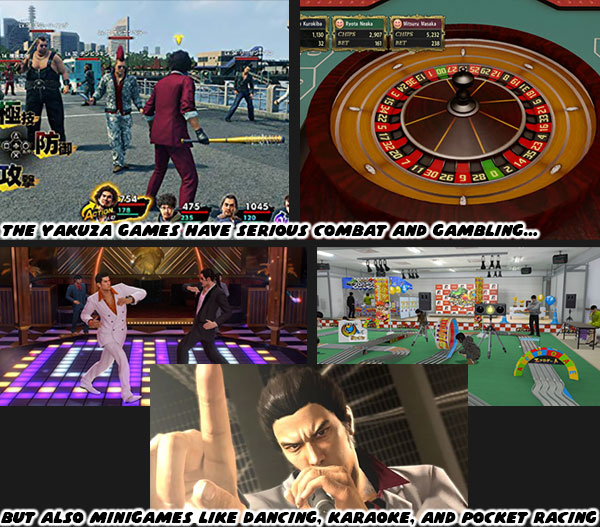
When he began his career at Sega Toshihiro Nagoshi ran headlong into his work like Akira Yuki. The older he got the more he understood the deliberate pace of Lau Chan, or should I say Yu Suzuki. Mr. Nagoshi took the entirety of what he learned since joining Sega, and put it into the Yakuza series. He featured the detailed world building of Shenmue, added the street vibes of Ollie King, included the arcade classics from his mentor, built easy to learn mini games, and improved the 3D combat of SpikeOut. With nine main Yakuza games in the series (23 including spin-offs) his team was the best equipped to bring back Virtua Fighter. This was a world where the last descendants of ancient kung-fu masters were ready to pass on their forbidden techniques, or die protecting them. After 30 years of following in the footsteps of his master it was time for Akira Yuki, I mean Toshihiro Nagoshi to take over. I was eager to immerse myself in his world. What about you? Did you think this was the right time, and the right team for a Virtua Fighter reboot? I’d like to hear about it in the comments section. As always if you enjoyed this blog, and would like to sponsor me
please visit my Patreon page and consider donating each month, even as little as $1 would help make better blogs and even podcasts!