Showing posts with label shinto. Show all posts

Sunday, August 13, 2017

Speculation on ARIKA's unnamed Street Fighter EX successor, part 2...

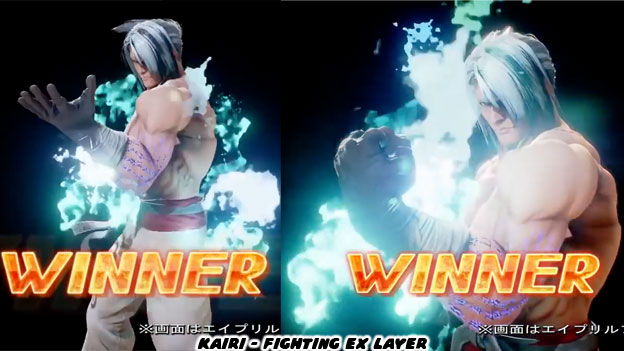
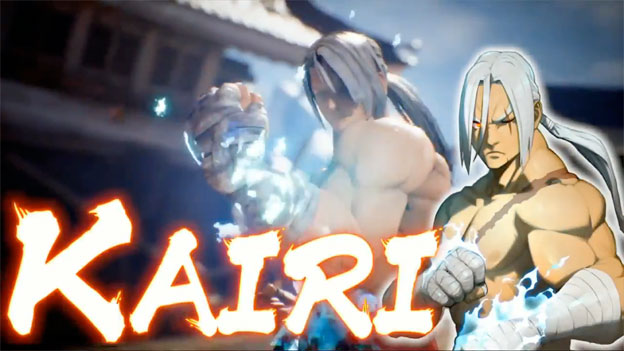
The Street Fighter EX series had always had a more spiritual tone compared to the other Street Fighter titles. In fact the same thing could be said about ARIKA's other game Fighting Layer. Many of the characters, good and bad, were inspired by regional mythology. The religious or spiritual practices of different Japanese cultures had an influence on the design behind Kairi, Garuda, Vold Ignitio and several other characters in both games. Kairi was a melancholy character who was tortured by his powers. Unlike Ken and Ryu who were able to harness their chi in energy wave attacks, or fireballs, every time Kairi used his energy attacks it took a toll on his spirit. His style of fighting may have been similar to Ken and Ryu’s but the origins were even older. His body was covered in scars and he was missing an eye. There was something terrible in his past that seemed to haunt him. He was suffering from amnesia and had no idea who he was or where he came from. During the events of the Street Fighter EX series was on a path looking to fight the greatest warriors or die in the process. Kairi's sister Hokuto, was tasked with bringing him back to the Mizugami clan, or killing him if she couldn't.


Hokuto looked like a kyudoka, a practitioner of traditional archery. She dressed very conservatively, wearing a costume that would have fit right into feudal Japan. It made sense given that she was responsible for the fate of her brother. Despite her uniform and archery glove she did not actually carry a bow and arrows. Instead she shot bolts of spiritual energy from her hands. Hokuto was also well versed in tessenjutsu, the fighting art of the war fan. People often mistook Hokuto as an akido practitioner considering how many of her moves were counters to traditional attacks. Hokuto had the ability to perform energy wave attacks but they did not harm her as they did her brother. Whether it was because of her training or something else was not explained at first. She was actually harboring a few secrets of her own, these were revealed over the course of the series.
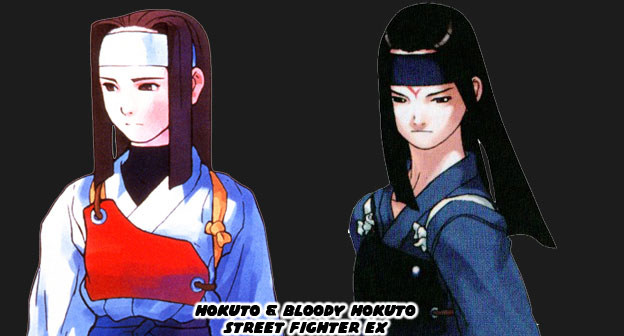
 

Hokuto came from the same cursed blood as Kairi. She actually had a seal placed on her that prevented her from succumbing to the same killer instincts of her brother. There was a variation of the character that could be unlocked in Street Fighter EX Plus Alpha. This evil version was known as Bloody Hokuto. Her uniform was a stark black in this form. She even had a slightly darker skin tone. Darker colored characters usually denoted a hint of evil. This was a tradition observed in many different cultures and story telling techniques. It was one of the reasons why Gouki had skin that appeared dark red like clay. But I digress. A mark of evil was visible on her forehead. Her attacks were more aggressive and she even had the ability to perform the Renbu, or “death touch” attack. Bloody Hokuto even had her own unique stage and ending in the game.
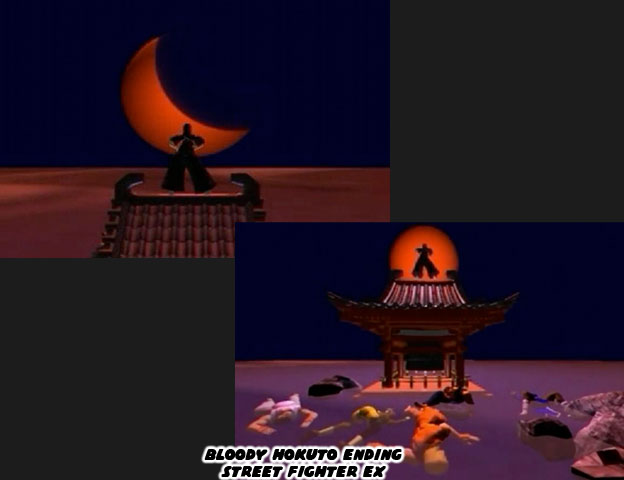
 

If Bloody Hokuto defeated all of the opponents in the EX tournament she was seen standing on top of a temple. The blood moon was in the background. All of the other rivals were dead on the floor. The whole nocturnal scene, twisted background and use of moon and darkness was the same symbolism featured with Kyo and Iori from the King of Fighters series. There was a reason for this. The mythology behind the orochi, an ancient demon that was bound to the moon was also loosely tied into the EX mythos. The Hayate clan had locked away the demon and was responsible for keeping it locked away. A character named Hayate appeared only once in the series, in Street Fighter EX2. He dressed like a samurai and was a sort of fighting priest. His special attacks allowed him to materialize swords out of thin air before dissipating as energy from his hands. It was a refined version of the same attacks Garuda used. Except that Garuda made spikes appear from his flesh, all over his body and even head. It turned out that the demon Garuda had escaped and was following Kairi. Whether Hayate was scheduled to be in the new game was unknown as of this writing.
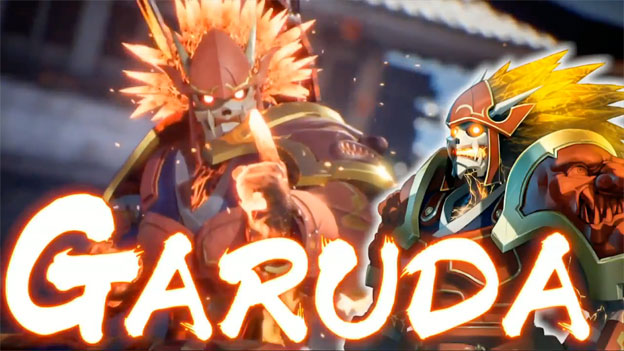
 

Garuda was a mighty warrior that became possessed. He actually fed off the spirits of people that were defeated in battle. Since Kairi was destroying people left and right all Garuda had to do was follow behind and steal their essence, growing stronger along the way. I had talked about spirits possessing human bodies previously on this blog. In the Street Fighter EX series Kairi was on the path of being consumed by the energy within. A possessed person was known as a yorimashi. Gouki / Akuma for example could be considered a yorimashi. He was consumed by the evil energy or Dark Hadou. He kept this energy under his control as symbolized by the prayer beads he wore around his neck. Garuda was another such yorimashi, the person that he possessed probably died a long time ago. There was probably a reckoning between Kairi and Garuda planned for the climax of this game. How Hokuto would figure into the story was an important piece of the story.
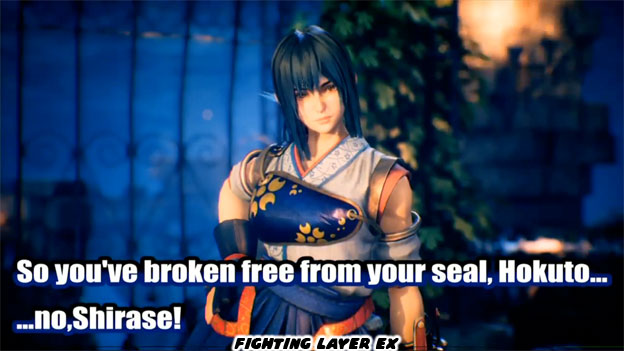
 

After 21 years since the debut of the EX series ARIKA had a confession to make. Hokuto was not the character’s real name. In fact she was an assassin that had been programmed to kill Kairi. Her real name was Shirase. About the only thing in her history that was true was that they were related. However Hokuto was only the half-sister of Kairi. Whether she was under the employment of the Mizugami, Hayate or other family had yet to be revealed. Then there was the question of the youngest member of the family, the little sister known as Nanase. Well she was in fact Kairi’s actual sister and Shirase’s half-sister. When her programming was revealed Shirase did something drastic, she wiped Nanase’s memory of her. How much remains of the family, and relationships between the three will hopefully be revealed in the game. There was no word on whether Nanase would return to the series. It would be interesting to see how the story progresses because of these developments.
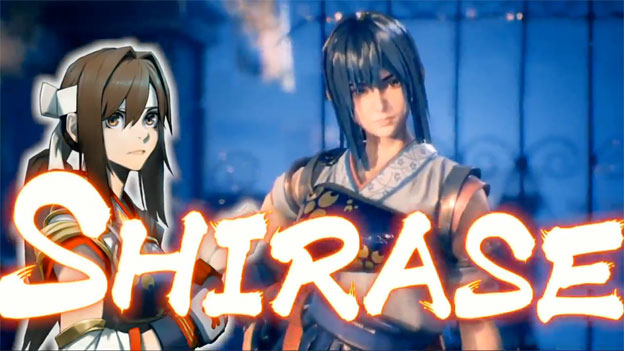
 

ARIKA was no stranger to supernatural character designs. When the studio created Fighting Layer they had heroes and villains with supernatural powers or supernatural origins. It was unknown (as of this writing) whether Shirase would have the full library of moves of Hokuto and Bloody Hokuto, or if there was a version of Bloody Shirase yet to be revealed. The characters in this game also had something called Gouji that they could tap into. The name of this game mechanic was based on a fruit called gouji, aka wolf berries in the west. These berries were said to be highly medicinal in value, they inspired the Senzu Beans in the Dragon Ball series. In the ARIKA game players wouldn’t take berries in the middle of a match but instead choose from a stack of five different gouji, little symbols that appeared next to the energy bar. They granted attributes that they could activate in battle. It could make attacks stronger, help buff defenses or maintain a high special meter. When this mechanic was unveiled at the EVO tournament many likened it to the Infinity Gems that players could use in Marvel vs Capcom: Infinite. It created an entirely new way to play and no two matches could even be similar with the number of different combinations players could use.
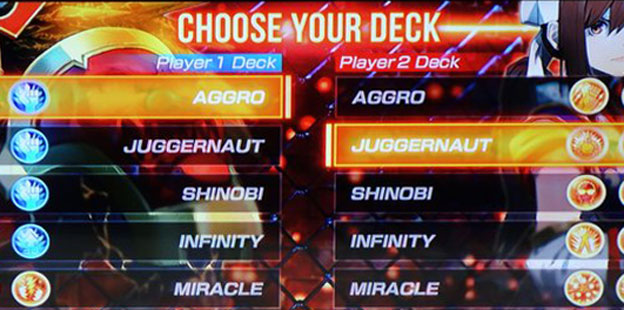
 

Gouji was the reason that Darun Mister survived his encounter with Garuda. He must have been superhumanly tough to have lived through the ordeal. Then after he recovered he wanted a rematch. The studio had roughly another seven months of development and there was plenty of time to balance the Gouji mechanic as well as expand the library of characters. One of the recently announced returning characters was another fan-favorite. He inspired me to talk a little bit more about what made the EX characters so memorable. We’ll take a look at this character in the next blog. As always if you enjoyed this blog and would like to sponsor me please visit my Patreon page and consider donating each month, even as little as $1 would help make better blogs and even podcasts!
 follow the Street Writer on Patreon!

Friday, May 5, 2017

Teasing the next Street Fighter EX and Fighting Layer, part 2

The previous blog celebrated the teaser that ARIKA gave us of Fighting EX Layer. If it was an April Fools joke then it was a very well produced one, it raised the hopes of thousands of players around the world. Even if the studio had no plans on releasing the game we could still learn a lot about storytelling through the character designs. I was discussing the Mizukami family; Kairi, Hokuto and Nanase in the previous blog. I had also mentioned that the Street Fighter EX and Fighting Layer were built on a universe filled with mystical characters and spiritual arts. In the genre it was not the only game to feature these types of figures.


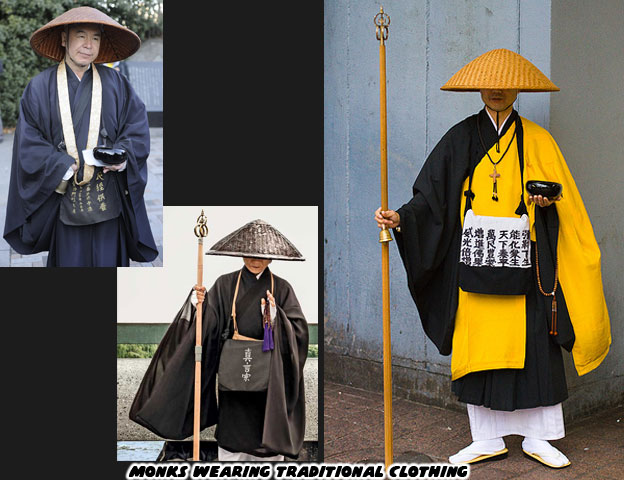
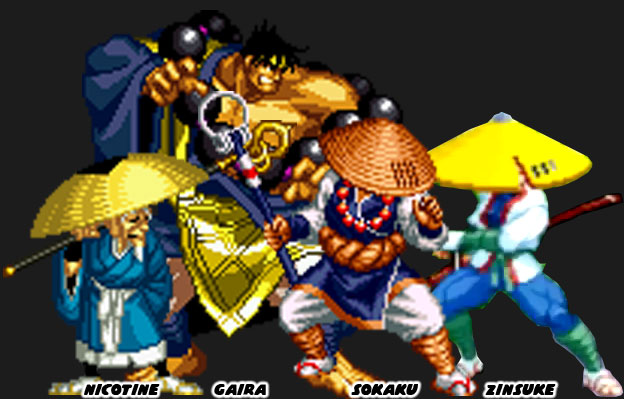
Buddhist and Shinto monks had been featured in pop culture for decades. These mysterious robed men were popular in action cinema and animé. Their identity was hid under a large bamboo straw hat, called a takuhatsugasa, and they were often experienced in the martial arts. Usually it was some form of Shaolin Kung-Fu. When the Chinese settled in parts of Japan they brought with them their religions too. Before karate was synonymous with the “empty hand” techniques it was actually associated with “Chinese fist.” That is to say the oldest schools of karate in Japan were founded on Zen Buddhist principles. The lion's share of fighting monks appeared in the SNK universe. Nicotine Caffeine debuted in the 1994 smash hit Samurai Shodown II. It was a game set a few centuries ago in feudal Japan. He would have been a period appropriate character. His massive grandson Gaira Caffeine appeared the following year in Samurai Shodown 3. Both Nicotine and Gaira wore variations of traditional monk clothing. Nicotine could summon powerful spirits to fight on his behalf whereas Gaira used bowling ball-sized prayers beads to flatten opponents. Zinsuke was a samurai-like-monk that appeared in the game Asura Buster: Eternal Warriors by Fuuki Co. Ltd. Monks were not permitted to carry weapons, and especially not swords as part of their code. Asura Buster was set in a fantasy world so that different designs elements worked for the character. In 1995 SNK also debuted another fighting monk, Sokaku Mochizuki. This character had all the trappings of a classical monk and would have fit into the Samurai Shodown universe. Yet he appeared in Fatal Fury 3, which was based in the modern era. It turned out that the uniform actually hadn't changed much in centuries.


To this day Buddhist monks still traveled through Asia and served in temples both ancient and modern. If they were on a pilgrimage they would wear a motsuke or robe. Their takuhatsugasa was wide for a reason, it protected the monk from the elements, but it also shielded their face to protect their identity. In many regions practicing and outside religion was against the law. Secrecy was for the safety of the practitioner or followers. The large hat also shielded the monk from distractions and noise so that they could mediate. Monks sometimes traveled with a khakkhara. This was a ringed "sounding staff" that had originated in India. The number of rings, 4, 6 or 12 was more than an ornament. They symbolized the Four Truths, the Six Perfections or the 12 chains of cause and effect. Only the Buddha would wield a 12-ring staff. When the monk walked with the staff it would ring. The sound would warn small animals to stay out of the path or alert people that there was a monk nearby. Although not widely practiced anymore by Buddhist monks there was an actual form of fighting associated with the khakkhara. It differed slightly from the forms used with a staff or spade, which monks were also allowed to fight with. Having Nicotine use it as a weapon in game was actually authentic.


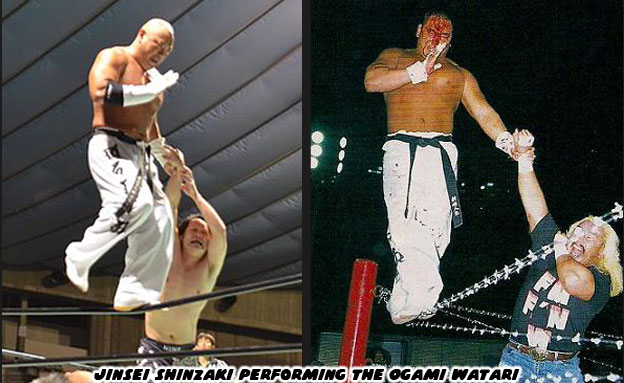
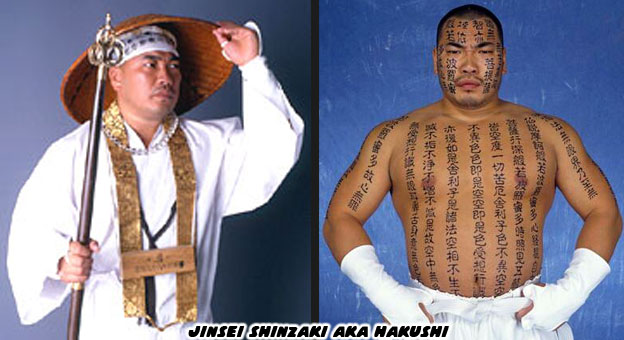
The legend of the fighting monk grew in pop culture until it was even associated with pro wrestling. Jinsei Shinzaki, aka Hakushi in the WWF/E, was an exceptional Japanese performer. Having studied under the “lucharesu” school which combined the high flying acrobatics of Mexico’s lucha libra with the hard striking of Japan’s puroresu (pro wrestling). He was a well-rounded fighter. If his opponent came at him with strikes and grapples then he had a counter attack ready. If his opponent was a fast worker and wanted to perform death defying moves then he too could launch himself off the top rope. Mr. Shinzaki could always be counted on to perform well in a match. He was very serious in and out of the ring and never broke character. He was portrayed as a fighting monk and would power bomb and slam his opponents and then follow up with a prayer. One of his trademark moves, the ogami watari, was an arm twist rope walk that ended in a flying chop. As he walked along the top rope he would pray aloud. He did this move in just about every type of ring set up, including hardcore “death” matches where the ropes would be replaced with razor wire. He was doing this move in Japan at about the same time the Undertaker was using it in the USA. The two actually had a rivalry which worked because they were both using a similar persona. In many Asian countries people only wore white at religious ceremonies if there was a funeral. Jinsei was like a monk praying for those about to die, usually his opponents. By the same token the Undertaker was a sort of ghostly monster in the USA. You could expect him to bury his opponents as well. In real life Mr. Shinzaki was as generous as you could expect a monk to be. After the 2011 Tohoku earthquake and tsunami he actually spend weeks delivering food and water to those displaced by the disaster, most of it coming from his savings.


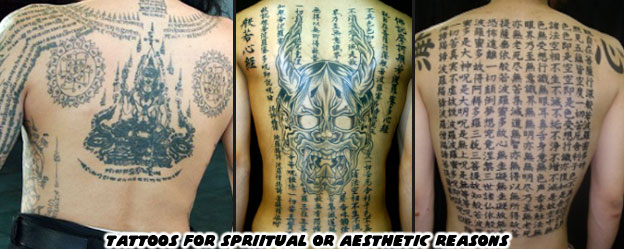
Sometimes Jinsei would go all-out for his character. He would wear the full monk costume and walk with a khakkhara to the ring. Sometimes his face and body were covered in shakyo or calligraphic characters. The messages written on his body were sutras or scripture. These showed humility and piety for his belief. In Buddhism practitioners would write down shakyo as a form of reverence. Families could commission monks and nuns to write down scripture to honor their family or loved ones. Although not practiced widely there have been many examples of tattooed shakyo written on people over the centuries. In Japan the practice of carved tattoos, called horimono, extended back to the Jomon era. These tattoos were thought to have spiritual connotations and had appeared more than 10,000 years ago. Some people did indeed tattoo their faces as well as bodies with elaborate designs. About 2000 years ago Chinese travelers to Japan had recorded these tattoos on the native Japanese and saw that they were associated with status. Only later on did tattoos start to have a negative association in society. This was because criminals were tattooed for various offenses. Regular people wouldn’t hire these people however the criminal underworld, better known as the yakuza would. To this day you can still find examples of irezumi, Japanese tattoos, that incorporate shakyo for decoration, or devotion. A mantra and symbol of Buddha or even Hindu Dharmas could be found tattooed on people all over the world.


There is a reason why I bring up all of this history. As the EX series progressed the spiritual themes became more relevant to the development of the game. Only the Samurai Showdown series had invested more mysticism into their canon. Garuda had some very distinct Buddhist symbolism associated with him. His sitting lotus position, that he teleported around the stage with, and even the actual lotus flower, a symbol of purity were seen in his animations and endings. I had described the origins of Kairi and his spiritual powers as well on previous blogs. Kairi and Hokuto had a unique bond. They were both monk-like in their training. Yet their relationship was more profound than anyone in Street Fighter. Ken and Ryu might consider themselves brothers but the Mizukami characters were actual (cursed) blood relatives. Imagine how different the Street Fighter series would have been if Ryu and Chun-Li were brother and sister. Imagine the heartbreak of Chun-Li if her brother had become a murderer. If she remained loyal to her job as an officer then she would have to arrest him, or worse, kill him in the line of duty. This was the type of character development that made the EX series so unique. This was something that the former Street Fighter II developers were thinking out lout. The lead characters were related, and they were both the heroes and villains of the universe. The drama that pulled audiences in was built because of this bond. The curse was something that would destroy the family or unite it. I think the latter was entirely possible. Kairi was headed for self-destruction at the end of the first EX game. Unless Hokuto could intervene there wouldn’t be much left of him to save.


Between Street Fighter EX 3 and Fighting EX Layer something did change. Kairi had defeated Gouki, and had elevated his powers in the process. Kairi no longer performed like a tortured soul. It was obvious in his new animations and the moves that ARIKA demonstrated on April 1. I believe the secret to his evolution lay in the marks on his arms. He now had shakyo tattoos on his wrists when previously he had none. These markings must have placed the evil energy driving him mad under his command. The spiritual forces were confined to his hands and not in his mind. He was fully in control of his abilities yet unlike Garuda these strikes were not centered around maiming an opponent. In a previous blog I mentioned how spirits could be bound to objects and people. Kairi was a "yorimashi" or a possessed person. The shakyo tattoos bent the spirits to his will. In shinto tradition it could have been a rope belt or blessed paper streamers to do that as well. Gouki by contrast used prayer beads to keep control of the evil spirits within him.

Kairi had achieved a strength of boss character and established an entirely new template. He was not bent on global domination, that was Gill and the Dictator’s hang up. He had become a master, a sort of anti-Gouki. He had little interest in tracking down the most powerful Street Fighters. If they wanted a challenge then they would have to seek him out. How this would effect the relationship between himself and his sisters would have to be explored in the actual games. The Fighting EX Layer reveal also introduced something else to the fighting game conversation. We will look at this in the next entry. As always if you enjoyed this blog and would like to sponsor me please visit my Patreon page and consider donating each month, even as little as $1 would help make better blogs and even podcasts!
 follow the Street Writer on Patreon!

Friday, October 9, 2015

How fight culture became fighting game history, part 44

When Capcom first introduced Gouki he did not have a stage to call his own. He simply appeared where the Dictator usually was and fought players there. As the Street Fighter series evolved Capcom knew that they had to give Gouki his own unique stage. It had to include many of the elements that made him an imposing figure. Since part of his mythology was rooted in Eastern religion and traditions then the stages had to reflect those origins. The character never trained in public or anywhere else where he may have been spotted by locals. This meant that even the depths of the forest may not have been secluded enough for Gouki. Capcom began to develop a theme which would follow him through the series. He seemed to make an island his home. He could have lived in complete isolation in any one of the tiny unoccupied islands that surrounded Japan. Even then it might not have been private enough for the fighter.

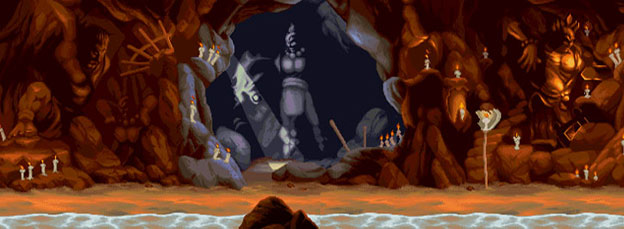
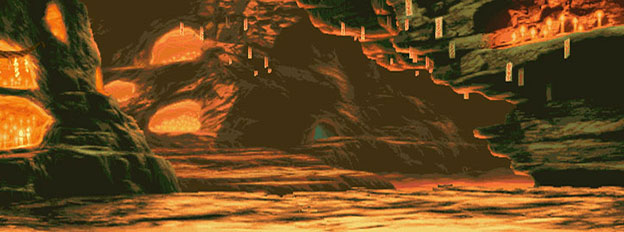
Gouki was a hermit that seemed to live within a cave. These caves were often decorated with votives and powerful symbols. The Nio that Gouki emulated were carved into the walls of the caves. Whether he had come across an ancient temple or whether he had carved these figures himself was never explained. Either interpretation said a lot about the character. This open inference that Capcom allowed of their characters, their thoughts and desires always made them unique. Other fighting games often presented a fixed take on the characters which followed them through canon. Each designer of Street Fighter was allowed to interpret the world as they saw it. This meant that the canon between the original Street Fighter and Street Fighter IV was nebulous at best. Each character had a small piece of a bigger puzzle. Even if players were familiar with all of the stories from every sequel none of the pieces seemed to fit perfectly together. This could be maddening for some and cause heated debates on several gaming boards as to the "true" canon of Street Fighter.


For Gouki the mystery surrounding his stage helped make the character more unique. As the character was fleshed out between Super Street Fighter II Turbo, Street Fighter Zero and Street Fighter III his stages became more imposing. The designers and artists slowly weaned the levels off of bold Asian religious icons and began to put in elements that were more universally recognized. The stages that Gouki called home still had spiritual connotations. To gamers in the West the exact origins did not have to be known in order to be understood. Players that had been following the series were familiar with the dark secretive levels that Gouki appeared on. As the series progressed the player seemed to progress deeper and deeper into a cave. The only light in the stages came from candlelight. They cast an eerie glow on the level. The candles seemed limitless, tucked in the darkest recesses of the cave by an unseen hand. The colors given off by the candles gave the cave in a myriad of hues, some cold and others hellish. The end result was the same. By advancing into the world of Gouki the player had left behind the mortal world. The stages were meant to invoke images of the afterlife. Gouki was no longer seeking opponents. He let those foolish enough to seek him out do so. Players symbolically descended into Hell to face the demon himself. Perhaps they did not really cross over but were at the very least standing at the Gates which he guarded. A person that lost a fight down there would remain there for all time.

Most Japanese audiences could pick out the details on these ethereal stages. They could see Shinto symbols in several of the levels. None were more profound than the use of the rope or Shimenawa. Ropes were used to bind spirits, called Kami, into objects like rocks or trees in Shinto spiritual beliefs. The objects that attracted kami were known as Yorishiro. When the ropes were adorned with paper streamers called shide they marked the spiritual sacredness of the location or object. Throughout Japan there were trees and even islands bound by shimenawa and shide. Street Fighter, Samurai Spirits and a few other Japanese developed games often made use of shinto iconography. The unique thing for the spiritual belief was that kami could not only possess natural objects but also people as well. A Yorimashi or "Possessed Person" was a person that took the place of a Yoshiro. The rope belt that Gouki wore, instead of the cloth belt worn by traditional karate masters, would be a way for him to symbolically bind the kami to his body. The prayer beads he wore would be a way to keep the spirits under his control and not vice-versa. When Gouki would go crazy in the comic stories his prayer beads would break and scatter. Gouki would not longer be aware of himself as the Dark Hadou had completely taken over.


This layering of spiritual themes made Gouki a much more profound character, especially to Asians. Previously gamers in the West thought he was just a cool-looking martial arts master but the more they learned about him the more unique he became. Despite all of the supernatural elements Capcom still managed to ground him in reality. Gouki was amazingly strong and powerful, but real martial artists had demonstrated that they too could kill man and animal alike with a single punch. What made Gouki dangerous was his lack of empathy for life. He would not give a second thought to murdering any person or animal. This was what made the man dangerous. His obsession was power and his objective was to be the greatest fighter ever. Past that he had no other purpose. His life was devoid of humanity and this was what turned Gouki into a monster.

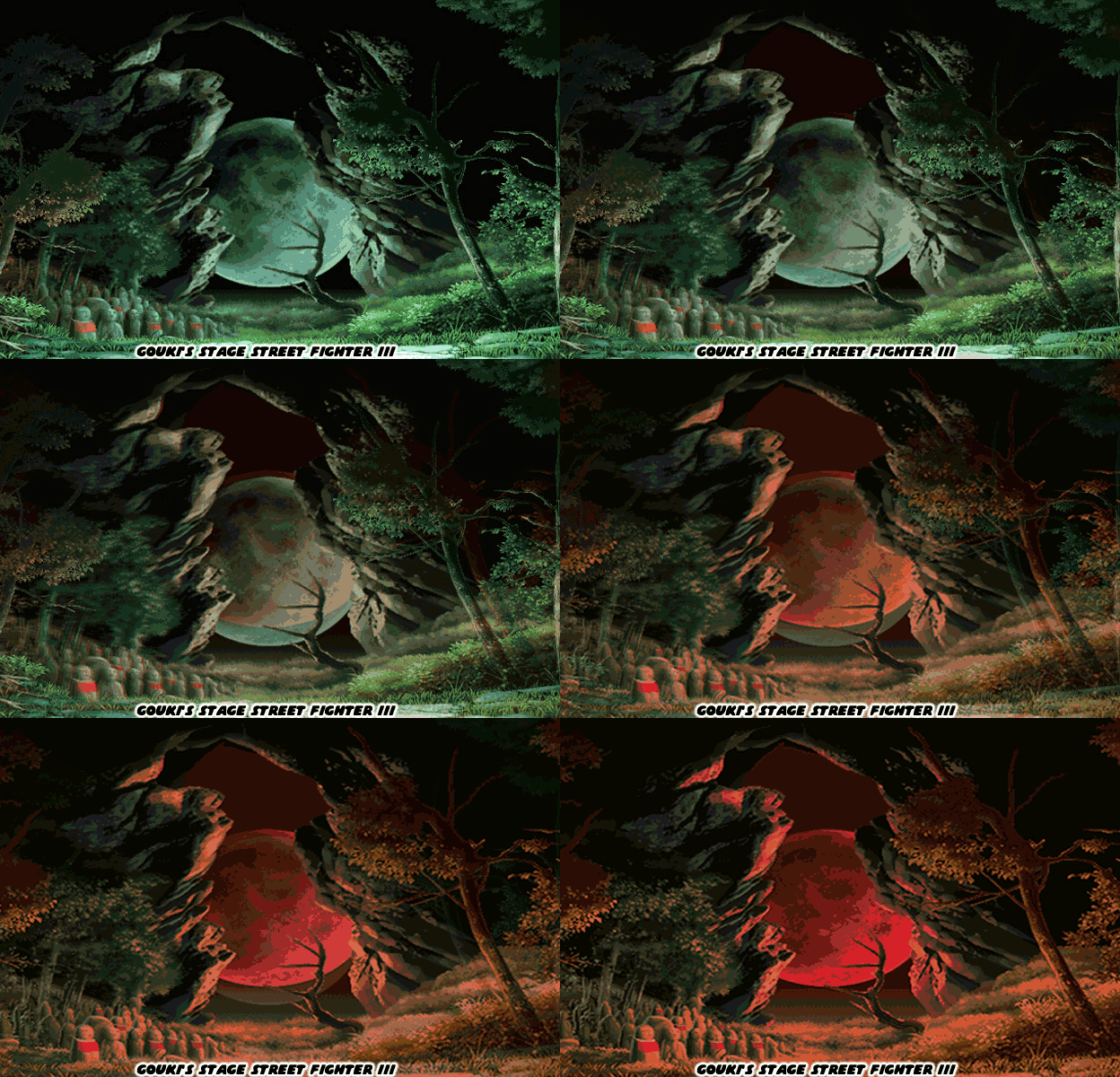
Players that entered a battle against the character knew they were in for something special. The time and the place for each encounter was carefully crafted by the artisans at Capcom. The mystique surrounding Gouki would have been lost if his stage was in the middle of Times Square. The bright lights and traffic of a metropolis would have made the character appear absurd. Instead players seemed to face him in underground caves or secret temples. Always at the middle of the night and during the full moon. Or worse yet, during the Blood Moon aka the Hunter's Moon. This was the first full moon after the Harvest Moon, signaling the end of the growing cycle and the beginning to the sleep cycle for nature. In some cultures it was also the death cycle. The illuminated stage, whether by candlelight or moonlight made shadows dance in the dark corners of the screen. Gamers had to take a second glance at the background to make sure the levels weren't looking back. The stages were often devoid of life. As if the creatures of the forest had abandoned their homes.


Capcom had learned that the most effective characters included elements from the real world. The most effective villains were believable even when they demonstrated supernatural origins and powers. Their stages painted a sinister picture on an animated canvas. The purpose of the most evil characters was clearly conveyed to audiences. Capcom needed to learn that they could apply similar lessons to characters from other nations. SNK had taken a step forward in that regard. Silber was a unique German, whose monstrous appearance harkened back to old-world mythologies and the villains from fairy tales. He replaced the previously all-Japanese karate masters in fighting games. With these lessons observed the minority characters that left behind stereotypes and embraced an actual African or Afro-Caribbean heritage were much more interesting. They did not need to be presented on a dance floor or in front of a basketball court so audiences would get that they were "black." It would be possible to combine the lessons learned from characters like Gouki and Silber and create a powerful but believable black villain in a fighting game. The next blog will look at this in detail. As always if you enjoyed this blog and would like to sponsor me please visit my Patreon page and consider donating each month, even as little as $1 would help make better blogs and even podcasts!