Showing posts with label xevious. Show all posts

Friday, January 19, 2024

The tanks of tomorrow, the games of the past.

I wanted to talk a little bit about a rarely seen game called Cyber Commando by Namco. It was a mech assault game set in a massive space platform. But in going over the game thanks to MAME got me thinking about the genre, and the history leading up to it. In case you didn’t know almost every Namco arcade game ever developed was connected in a sort of shared universe. The majority of the science fiction shooters were set in the United Galaxy Space Force (UGSF) timeline. This actually included their earliest franchises Pac Man, and Dig Dug in that canon. I’ve written extensively about the games on this blog, and will do more deep dives in the future. If you’re interested in more you can always do a search for UGSF in my search bar above.
Cyber Commando was a sort of descendant of some of the earliest arcade games. In particular I’m talking about tank combat games. As a member of Generation-X I was fortunate enough to be born at the right place, at the right time to enjoy the rise, and fall of the arcade. Some of my earliest, and most precious memories would be playing through some arcade gems when they were first released, or a few years after they had been out. I was also lucky enough that my parents were able to afford the first generations of home consoles, including the Atari 2600. One of the first games my brothers, and I enjoyed at home was Combat by Atari. We had fun taking turns flying planes, and shooting tanks up until our bedtime most nights.
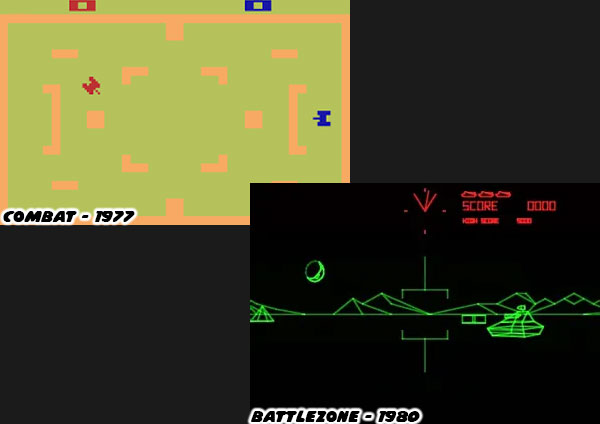
In the arcade one of the most revolutionary games we had ever seen was called Battlezone. Although it only employed two colors, black, and green, it was revolutionary when compared to the graphics in other games. That was the other benefit of being around for the evolution of gaming. Year after year games were evolving by leaps, and bounds. Atari was getting good at employing vector graphics, which were the wireframe templates that polygon games would one day rise out from. They proved this in their smash hit Asteroids in 1979. For the first time gamers could get a sense as to 3D shapes in a video game thanks to titles like Battlezone.
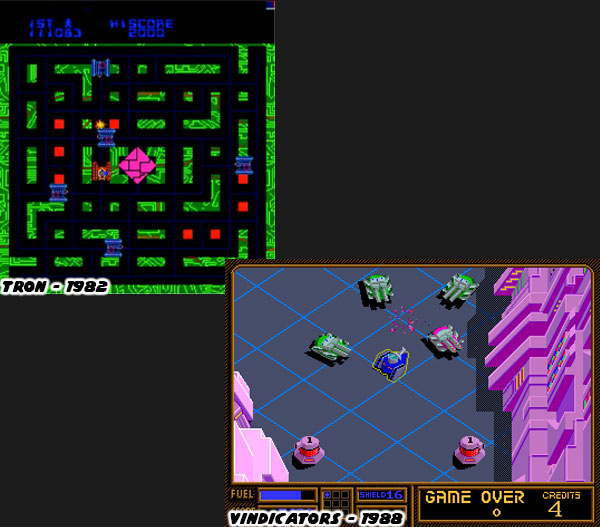
Tank combat would even become even more amazing in a sci-fi setting. This was the case for one of the mini-games in Tron by Midway back in 1982. Part of the live action film that the game was based on featured a fictional tank game called Space Paranoids. As a kid I didn’t realize that it would take another 15 years until actual arcade graphics were able to match what we saw in the film. In the meantime the aesthetics used in sprite-based games were still able to keep me entertained. The isometric game Vindicators in 1988 by Atari was one such gem. Atari was exceptionally good at making isometric games such as Super Sprint, Paperboy, Marble Madness, and 720°. This was when other studios were focused on sprite scaling, vertical, or top-down gameplay. Vindicators had bright, and colorful tanks battling across a wildly evolving alien planet. Being able to drive in one direction, rotate the turret in the opposite direction, while firing, and raising shields required some dexterity, but was intuitive after a while. It was then that I realized that science fiction was the best setting in which to present this type of tank combat. Developers in Japan were way ahead of me in this regard.
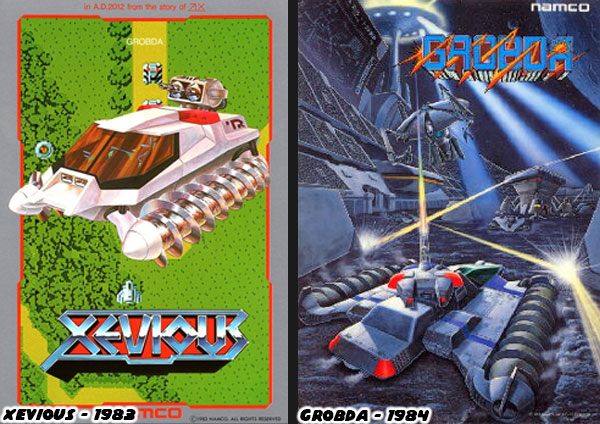
Namco was breaking new ground with each title they released. At the same time they had the foresight to connect the worlds they were building. Xevious from 1983 was one of the first scrolling space shooters in the arcade. The creator Masanobu Endo pioneered a number of advances for the studio with his team. One of the things he thought about was using some of the vehicles featured in Xevious into another game. Solvalou, the space ship featured in the game would turn up in many more sequels, but Grobda one of the ground enemies would end up in the first direct sequel. The tank with screw treads made for an interesting weapon for audiences to pilot. The aliens that had invaded the Earth were routed at the end of Xevious. They had abandoned a number of weapons including their tanks during their retreat. This was how humanity was able to discover the technology that would propel them to the stars.
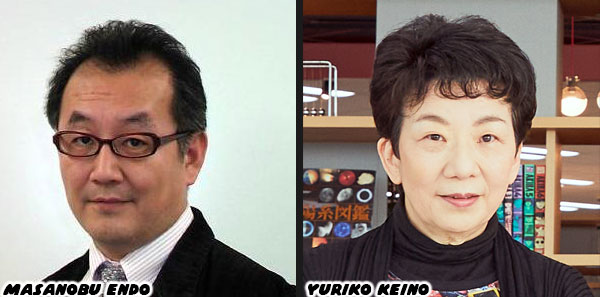
The ground vehicles would evolve into the first generation of piloted combatants. These mechanical gladiators would be used to settle international disputes in the Battle Ring, this was years before Battle Bots! Grobda had some brilliant graphics for the time, with flashing lasers, and explosions that could damage nearby opponents as well. The tank would slow down if it tried to cross over downed opponents, making navigating a stage difficult when trying to strafe enemies. Composer Yuriko Keino came up with the music for Xevious, Grobda, and other classic games. She was not only critical in the sound of the Namco gems, but helped write the software to bring the songs to life. For Grobda she wanted the music to get progressively faster as opponents were defeated. The designers didn’t think the software could handle it, but she wrote the code that allowed the engine to do that.
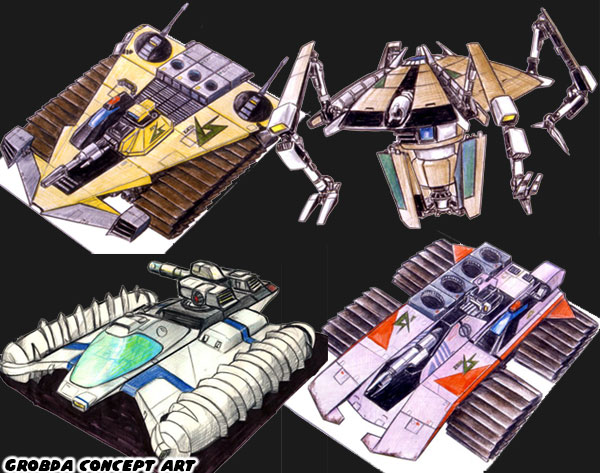
Designer Shigeki Toyama, who was considered the Leonardo DaVinci of the company helped dream up the fantastic space ships, and other sci-fi weapons for the franchise. The ships, and weapons in UGSF continuity are my absolute favorites in all of sci-fi. This includes Star Wars, Star Trek, Battlestar Galactica, Babylon 5, and every other game franchise. As for the game itself, it was 99 levels of pure hell. Well, it was challenging to be fair, and I could only get a few stages in before I was defeated by the waves of opponents. If I was lucky then I might reach a dozen levels, and once I remember seeing a really good player get into the 40’s. However it wasn’t until YouTube that I could see all 99 levels for myself.
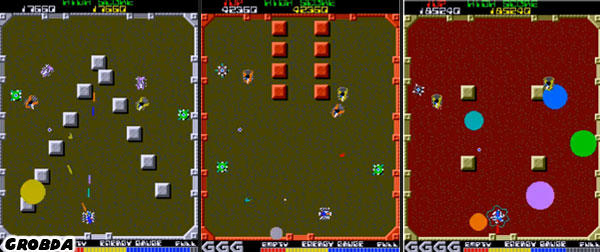
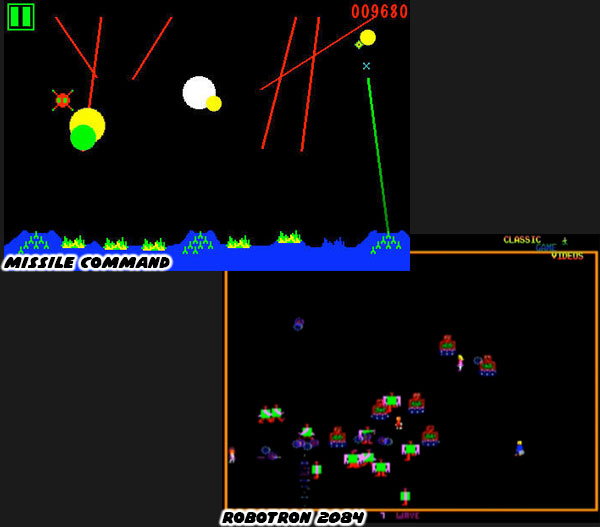
I enjoyed the top-down game play featured in Grobda, more than the scrolling of Xevious, although I was never any good at those. I think that people that were great at tracking the whole screen at once could really master it. Those that were good at games like Missile Command, or Robotron 2084 could no doubt get to the final stages. In fact the first thing that I thought of when I saw Grobda was how Namco was using the multicolored laser effects from Robotron, with the explosions of Missile Command, but in a new genre. When I think about it those that enjoyed the early Midway ‘90s games like Smash TV, and Total Carnage might want to check our Grobda if they’ve never played it.
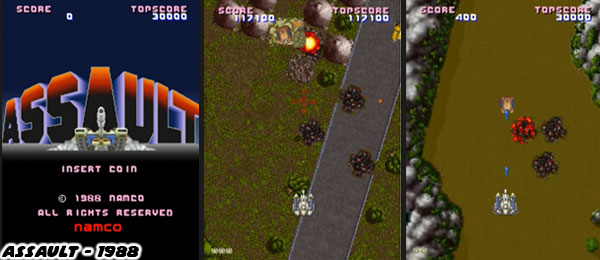
Namco had actually managed to keep sci-fi tank gaming cool several years after Grobda with the title Assault in 1988. The game was sprite based, but featured a number of graphic advances for the arcade. The sprites on the screen rotated, and scaled. These would be features that Nintendo would brag about in their Mode 7 games on the Super Nintendo. The Native Defense Force High-Maneuver Battle Tank did not have a rotating turret like Grobda, but it did feature a unique control element, it could flip sideways to avoid oncoming attacks, and fire while upside down. Although rough terrain slowed it down, it had another way to reach enemies, even those behind cover. It could tilt back, and launch bombs from a distance, including over walls. It was as if Namco had combined the ground bombing of the Solvalou with the traversal of Grobda when planning the title.
As cool as the tanks from Namco were, the idea of gun platforms were rapidly evolving in pop culture. Mecha, or giant robot designs aside, there had been all manner of hover tanks, and land speeders seen in science fiction shows from the US, UK, and Japan. Fang of the Sun Dougram was a popular anime series from 1981 featuring designs by Kunio Okawara, who had also worked on Gundam, and shaped Armored Trooper Votoms as well. His style of robot designs meshed post WWII military weapons with realistic frames. His tank designs in Dougram even had legs. Yet he was not the only artist that was redefining what a tank could look like.
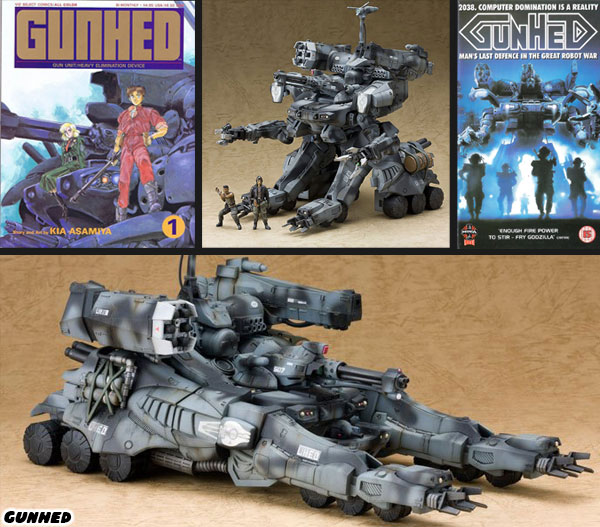
The sci-fi series Gunhed (Gun UNit Heavy Elimination Device) by Kia Asamiya in 1990 found a unique balance between robot, and tank. Where the platform had multiple arms that could elevate itself to increase its range, and tactical advantage. If you’re not familiar with the plot the dystopian future of 2025 (oh no!) saw a supercomputer attempt to rise up against humanity. I can honestly say with the rise of AI that I hope we’re not on track to repeat the same wars mentioned in the manga, and live action film based on it. As influential as the work of Mr. Asamiya was, there were two other artists shaping the future.
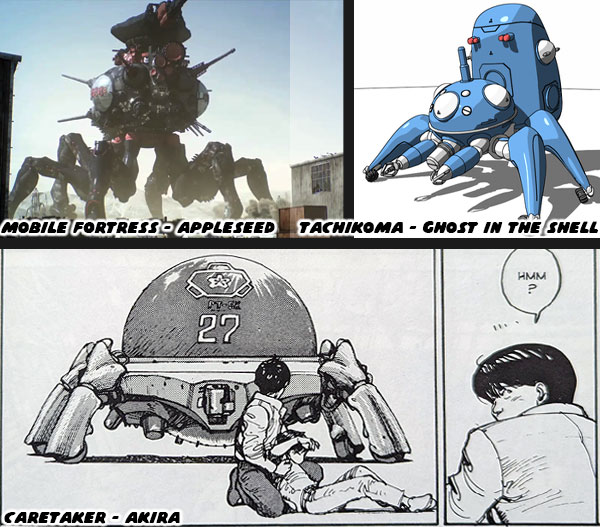
Akira by Katsuhiro Otomo had an amazing amount of futuristic vehicles, and weapons. The series was published in Young Magazine from 1982, to 1990. While there were conventional weapons in the manga, there were also some very bold designs, like the spherical Caretakers which were highly agile, multi-legged tanks. Not to be outdone Masamune Shirow illustrated mind-blowing creations based on his love of insects. Such as the spider legged Mobile Fortress in Appleseed, and the Tachicoma from Ghost in the Shell. Even his “regular” vehicles had tremendous personality. This was the case in the manga Dominion from 1985. It’s tiny tank Bonaparte was the inspiration for the SV-001 tank in Metal Slug, which would appear in 1996.
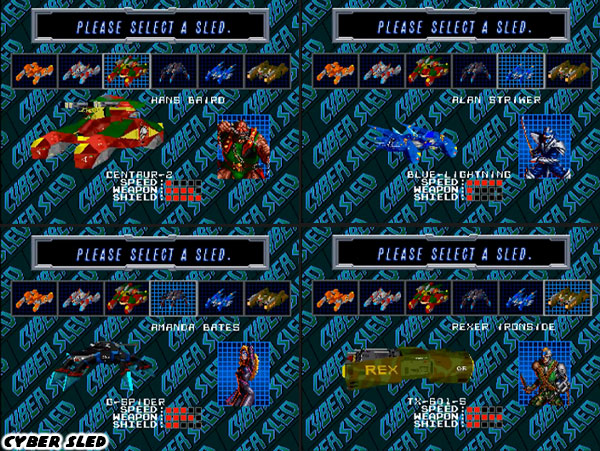
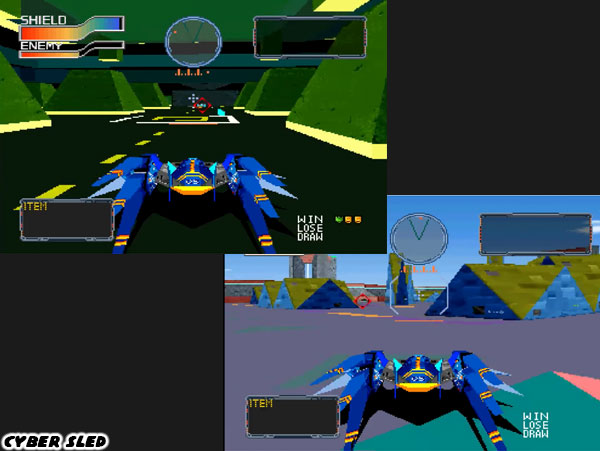
Namco, like the other game studios were not immune to the changes in vehicle designs presented in pop culture. They revisited the sci-fi tank battles from Grobda, but with improved graphics thanks to advances in polygon technology. The end result was Cyber Sled, an arcade gem from 1993, which would received improved graphics on the original Playstation in 1995. The premise of the Cyber Sled tournament was still the same as in Grobda. Contestants from around the world were having gladiator battles in their futuristic tanks. The vehicle designs, and over-the-top pilots were amazing. They could have easily found their way into an anime series, or wrestling promotion. I remember seeing the arcade cabinet in very few arcades. It was possible that not many arcade visitors ever saw, let alone played it.
Perennial rival Sega had been aware at what Namco had released in the arcade. Through the ‘80s they kept trying to one-up each other in every genre. From racing, action, shooter, sports, and adventure titles they matched each other in the arcade, and at home. The early ‘90s saw the two publishers pushing technology forward with the switch from sprites to polygons in the arcades. Sega had a counter for Cyber Sled ready a few years later with Virtual On. The robot combat game from 1995 would be a critical hit, spawn several sequels, and get a fun home port on the Sega Saturn, Playstation 2, and Xbox Live. Sadly one of Namco’s best titles didn’t get the same reception a year prior.
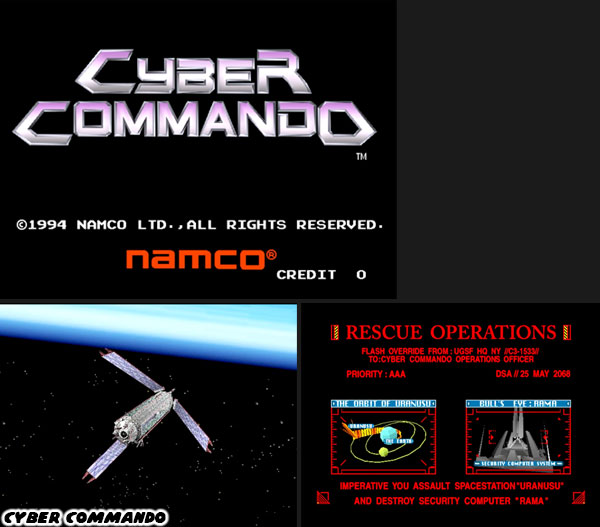
In 1994 Namco was looking for ways to push the genre forward, and do something none of the other studios had attempted. The studio knew that they had something unique with Cyber Sled, but they wanted audiences to really get immersed into the experience. One of the best ways to do that was by extending the story. They added a narrative from the tradition of their earlier UGSF games like Xevious, Galaxian, and Starblade. Instead of piloting a space ship against waves of opponents this game would feature an intense close combat game set within a space colony. The location was actually one of the most memorable in all of the games I’ve ever played.
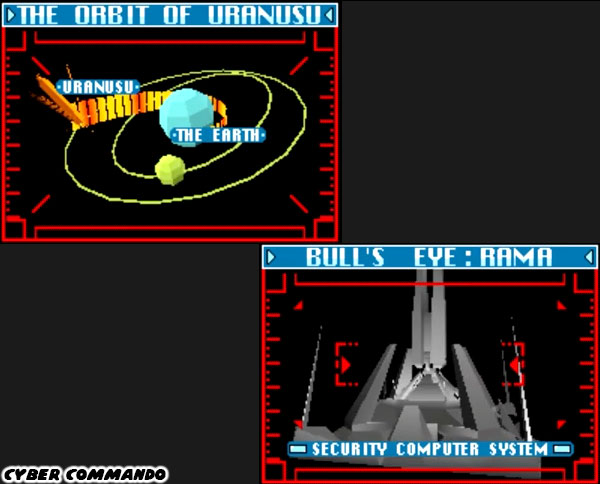
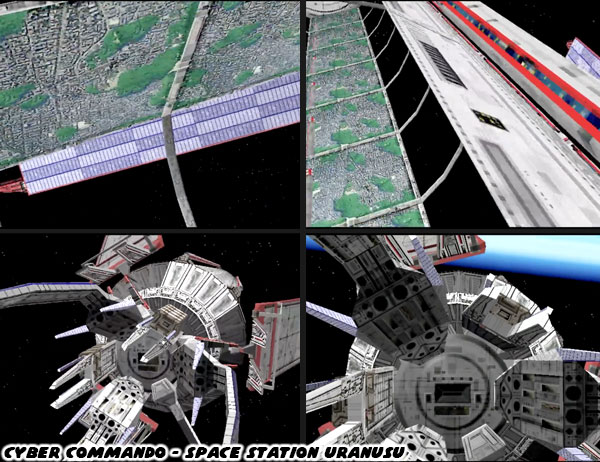
As with many futuristic stories the villain was a rogue AI trying to destroy humanity. A gigantic cylindrical colony named URANASU had been hijacked. The security computer called RAMA went rogue, was taking a space colony out of orbit, and set it on a collision course with Earth. In order to try and stop RAMA, and correct the course of the station an assault team was put together from the best pilots of the NBA (the National Battling Association) where the Cyber Sled / Grobda contests happened. In the opening cinema you could actually make out the different cities in the satellite-shaped platform.
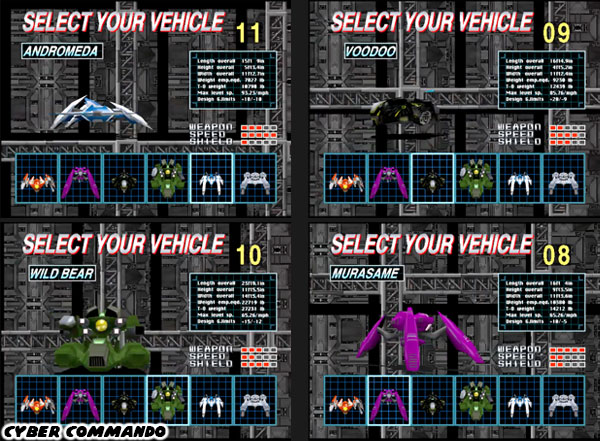
As with any great combat game there was a number of playable tanks to choose from. Each one with its own strengths, and weaknesses. There were light, speedy tanks, which were great for strafing opponents. The downside was that they weren’t heavily armored, and would take massive damage from gunfire, or missiles. Then there were tanks on the opposite side which were weighed down with heavy armor, and heavy weapons. They could get into a slugfest without cover, and come out on top. You could select your favorite tank, depending on your preferred style of play.
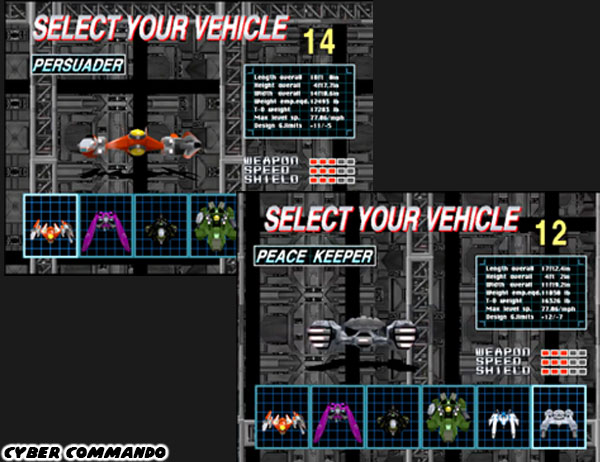
The diversity of vehicle types were not only improved on those featured in Cyber Sled, but they also pulled influences from earlier anime, and science fiction shows. These tanks were far from the type Gen-Xers had grown up with in any game. Even the massive one in Assault that could tumble had no chance keeping up with the Cyber Commandos. This was because as far as tanks went were slightly bigger than cars, the biggest of which weighed almost 14 tons. They were all quicker, and more nimble than our current crop of tanks which could weigh in excess of 60 tons. The commandos were essentially driving the sports cars of the heavy weapon world. At the same time they had an arsenal of munitions that would have shredded any of our most heavily armored vehicles like a tin can.
The stages in Cyber Commando were self-contained cities separated by gates. We could make out the individual communities in the opening cinema. We could see blocks, houses, factories, roads, parks, and even rivers in the individual cities. The idea of a space station with its own atmosphere was the sort of fantastic visual that was last seen in a movie like Elysium. Players were given a briefing as to the mission, and layout as they progressed through access tunnels. The terrain went from a traditional downtown, to a park, to a Mediterranean style villa, and even factory. No two stages looked alike, and that allowed us to be immersed in the world that Namco was creating.
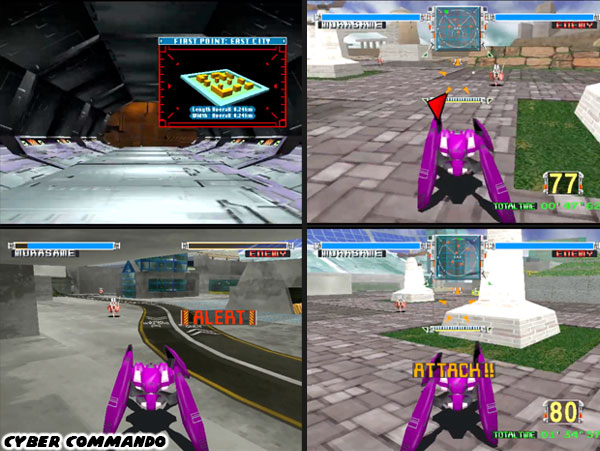
The opponents in the various stages were the other playable Cyber Commandos. It was unknown whether RAMA had hacked the vehicles, or if they were the native defense forces on the colony. Each opponent made for some intense fighting. Each one was as difficult, if not more so than the encounters in Cyber Sled. Yet again Namco realized that having only six opponents to battle on the space station would have made for a short experience. They filled the last half of the game with some creative, and challenging bosses.
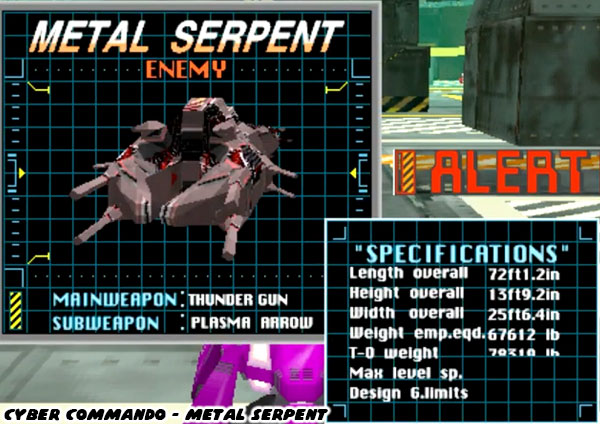
The first boss was three times longer than the biggest tank, and yet it was just as fast as the middleweights. The Metal Serpent was an unnerving opponent. You could see its tail disappear behind cover just as you reached it, only to realize its head was already targeting you from around the corner. The diversity of boss types was truly unique, and they truly broke the mold for sci-fi mech designs. As clever as the Metal Serpent was, it would be hard to describe the next opponent as anything other than beautiful. Rafflesia was an enormous floating mechanical flower. It didn’t seem to have a front, or back, as the other rivals, but instead could move in any direction, and strike from any angle as well. I would imagine that Rafflesia was the love child of the Godzilla opponent Biollante, and a mechanical plasma sphere.
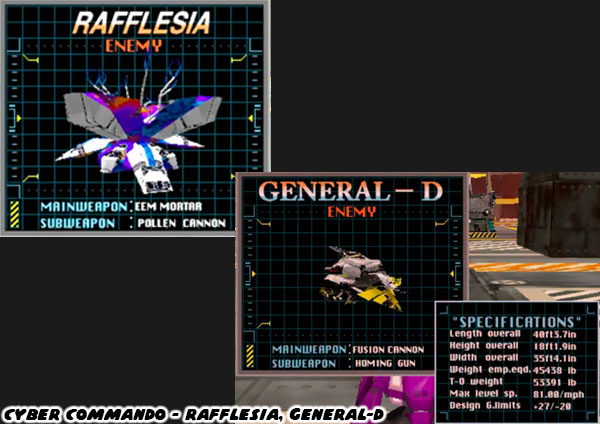
The next opponent was more of the traditional heavy hitting tank that we would come to expect as the final boss in the game. General-D was twice the size of any commando, and yet faster than most of them too. Its dense armor made for a brutal match up, as just about any attack barely seemed to scratch it. Thankfully missiles would respawn in the middle of the stages, so that as long as you kept moving, and kept avoid counter fire then you’d eventually be able to restock on ammunition. If you were lucky enough to beat the monster then you would see the commandos blow up the security computer RAMA. With that they would be able to restore control of the station back to the UGSF. Of course nothing was more satisfying in a story than a surprise encounter.
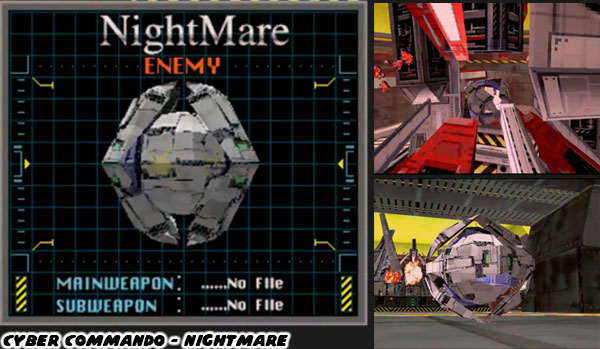
As RAMA fell apart we could see its spherical core become freed from its supports. It began spinning, and flew at the player. The true final opponent of the autonomous robots was known as NightMare. Players had practically no time to react once it appeared. In fact to make things even harder on audiences Namco set up the false ending. They had players face the exit gate after defeating General-D. This gave the first attack advantage to NightMare. If players were not holding the sideways direction on the controls then they’d absorb the brunt of the first, and possibly last attack from the boss. Players were constantly at a disadvantage while fighting it. NightMare was too small, too fast, and too powerful. Making anybody that could claim to have beaten it a real hero. It’s a shame that Namco hasn’t made any more tank titles, or worthy UGSF sequels. Maybe the next generation of designers might return to their roots. What do you think? Did you have any favorite tank, or sci-fi games growing up? I’d like to hear about it in the comments section. As always if you would like to sponsor me please visit my Patreon page and consider donating each month, even as little as $1 would help make better blogs and even podcasts!
follow the Street Writer on Patreon!

Friday, August 29, 2014

The Namco Chronicles, part 10...

It was not very hard to separate the designers working at Namco from what they had produced. The games released by the company had a certain aesthetic style associated with them, a Namco “fingerprint” if you will. Gamers sometimes confused the word graphics for aesthetics when they talked about the look of a game. To be clear it was the stylization of the characters, vehicles and environments that made up the aesthetic of the title. It had nothing to do with whether the game was sprite or polygon-based. Some developers earned a following for how aesthetically pleasing their games were. Titles like Katamari Damacy and Jet Set Radio had unmistakable aesthetics.

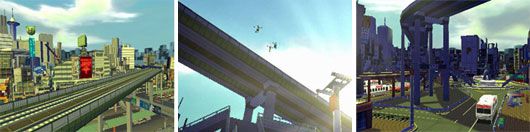
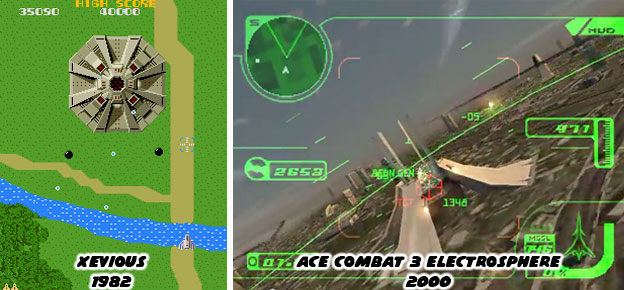
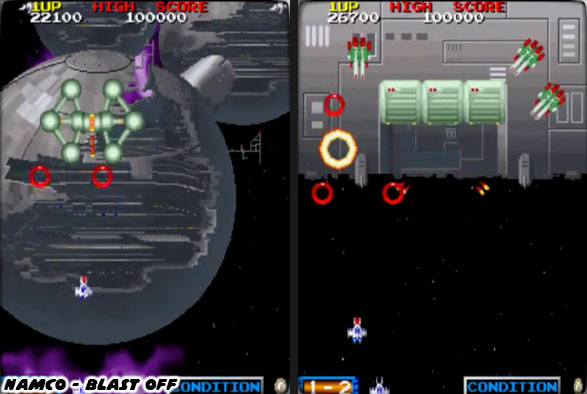
Seasoned players could tell which development team had worked on a particular title just by looking at the game. Through the history of Namco the development teams had used a certain aesthetic to connect the various franchises. In some examples they were obvious, like the Bosconian ships that appeared in Galaga ’88 and Blast Off. In other cases they were very subtle and could have been easily overlooked. The details in the background, the terrain and architecture of certain games had some crossover and this was sometimes missed by players. The longest running string of hits from the company had been rooted in UGSF continuity. The developers working on other games were proud of their contribution and wanted to make sure that the series lived on in one way or another. It was especially important to them once the era of the arcade shooter had died off. The angular buildings and factories used in Ace Combat 3: Electrosphere were reminiscent of the Andor Genesis, the alien mothership featured in Xevious. This was no coincidence. The developers were very slowly shaping the world to fit into the storyline of future releases.

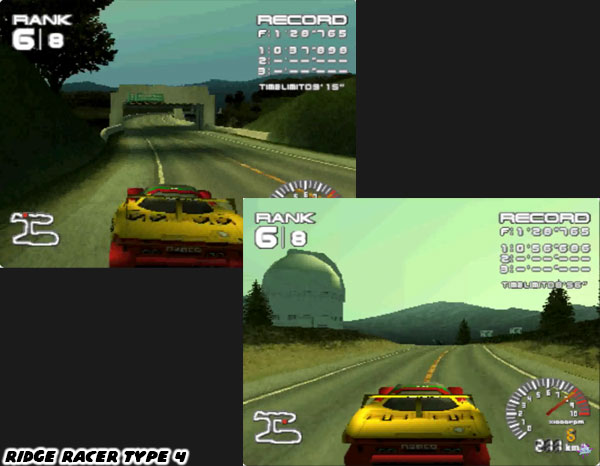
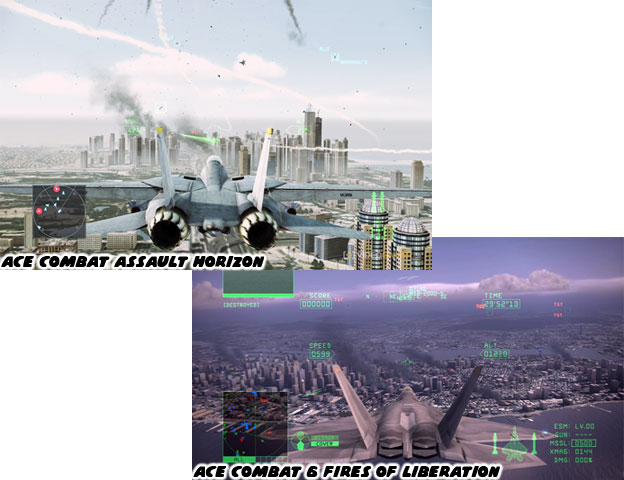
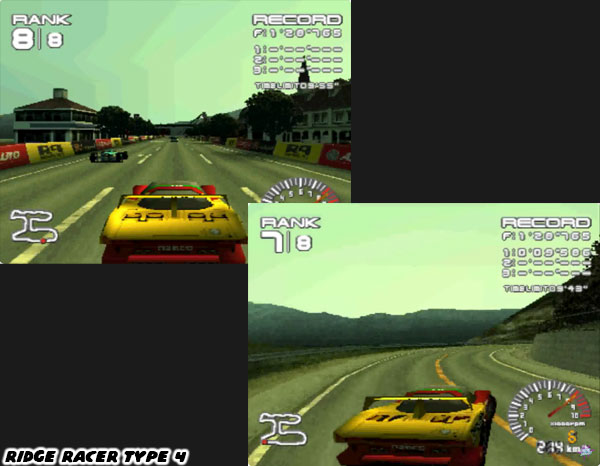
The first game that the developers looked at made the most sense canonically. The Ace Combat series featured military aircraft fighting for supremacy over fictionalized nations. The game always had a forward-thinking tilt to it. Like Tekken and Ridge Racer the game was set a few years in the future and had all the supporting details to reinforce that idea. Whether it was the aircraft, the weapon technology or even the details in the city, everything about the games screamed progress. For audiences it was just a fun dogfighting simulator with dozens of different aircraft types and plenty of memorable missions to keep them engaged. Ace Combat actually made great use of a gameplay technique that the development team had learned from Ridge Racer.

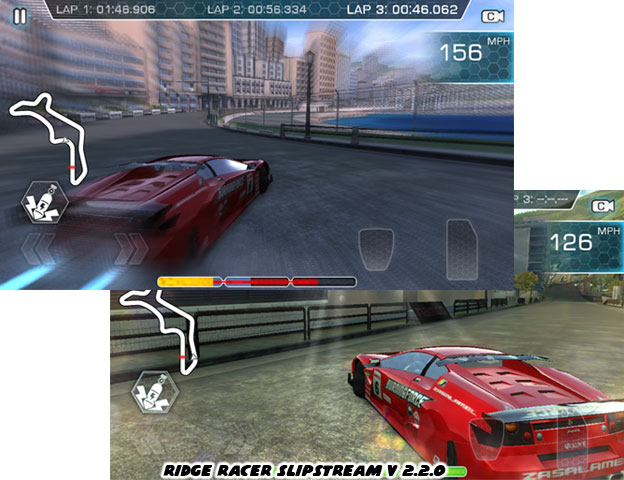
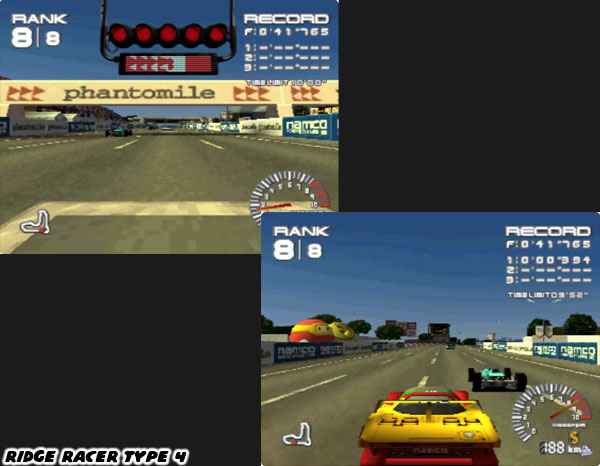
Players had to earn their aircraft by completing scenarios. Finishing levels in a timely manner and also side objectives meant that players could earn better aircraft than those that simply finished the main missions. In a similar way the players of Ridge Racer earned superior cars by beating track times and challenges. Simply completing a race was not enough to earn the best cars in the game. This forced serious players to learn the nuances of each car and track. Players learned how to draft and block, how to find a line through a crowd and when to use the nitro boost. As players improved they were able to upgrade their existing cars and earn better rides.

In Ace Combat players had to learn the complexities of dog fighting in a rather short timeframe. The lessons and complex math equations that they would have been taught in training school would never have worked in a high-paced game setting. So every mission became on the job training. How to lead a target, how to fly defensively and even how to line up targets ahead of time were the nuances that players had to learn. Players that mastered the intricacies of fighting were rewarded with the best possible aircraft in the game. Ridge Racer by comparison had made it easier for players to unlock the best cars in the game. They did not necessarily have to be the best drivers on the track, but rather be the best at drifting and using nitro boosts. In real life and in more realistic racing games, a well-executed drift required finesse and solid driving skills.

In Ridge Racer a drift recharged the nitrous tanks. So a player that became good at drifting could keep boosting and pass up opponents more easily. The game engine even adjusted the direction of the car as it slid to compensate for the lack of driving skills from a player. This sort of hands-free driving was most apparent when the car was moving very quickly. In every turn all the player had to do was initiate a drift. The game would take over and pull the car around the corner at the perfect angle. The player did not have to do any sort of steering so long as they were going very quickly. Only at lower speeds were they expected to steer the car. This was not always the case, early Ridge Racer games were demanding on the drivers. Rage Racer forced players to become better drivers and react faster and faster with every class upgrade. There was no sort of automatic steering to help guide players around turns.

Ace Combat by comparison did not try to dumb down the combat experience. In order to achieve the best possible aircraft the player would have to become a better fighter. Objectives were spaced out early on in the game and combat was limited so that audiences could learn the controls. Little by little the difficulty would increase. More targets would be added and more opponents would join in the battle. By the end of the game the player would find themselves reacting at lightning speed and taking on dozens of opponents. Namco and their developers used this learning curve to their advantage so they could create some of the most amazing combat portions in modern gaming. The gut-wrenching Trinity Missile Strike on the White House at the end of Ace Combat Assault Horizon was a perfect example of that. On the other hand Ridge Racer did not introduce new tracks that took advantage of the fastest cars in the game, making the final races in the title feel anti-climactic.

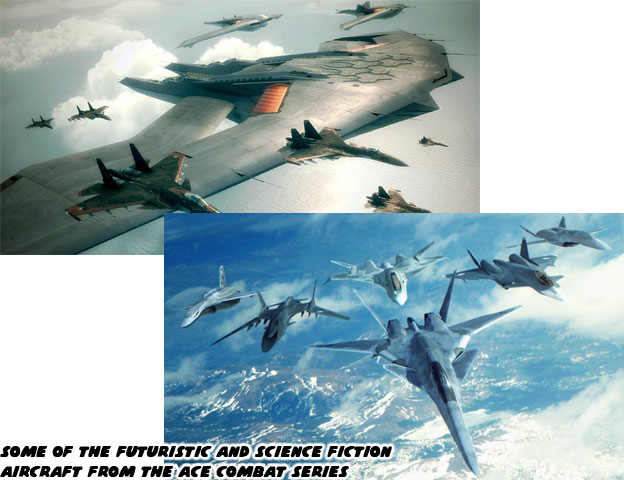
What could never be debated was how amazing the vehicle designs were in either game. I had already highlighted how the cars in Ridge Racer took the best elements in production and concept cars and put them on the track. For the Ace Combat series the developers took cues from the best fighter jets and prototypes and put them all in the sky. Some of the most radical ideas in aviation would become the backbone of the series. From the stealthiest fighter to the most gigantic airborne command cruisers had a place in the Ace Combat universe. The diversity of designs and jet types called out to every spectrum of fan, just as the cars big and small had done for Ridge Racer.

There was an unmistakable science fiction element to the Ace Combat series. It wasn’t enough that the planes were futuristic. They had to fit the vision of aircraft a few generations down the line. The way their aeronautics looked and worked had to be believable. The way weapons were stored and fired, the ability to deflect missiles and defend themselves from enemy fire had to be plausible as well. The people at Namco had to cover all of the angles from a design standpoint and still create a story that was immersive that would help bring players into the experience.

Ridge Racer had the fortune of being a racing game and allowed a player to assume the role of a faceless character. The drivers did not necessarily need to be spoken to by a crew chief or even a teammate but when those details were available, as in Ridge Racer Type 4 and R: Racing Evolution then it was appreciated. For the most part the cars chosen by the player spoke for themselves. Ace Combat had a similar gameplay element going for it. Players were faceless pilots and the planes they selected did all the talking for them. The supporting characters, the wingmen and rivals all spoke to the player and didn’t expect a response, this type of writing helped maintain the illusion. The Ace Combat series would actually become a nexus that bridged the canon of Namco’s past to the future. The next blog will highlight these connections. As always if you would like to sponsor me please visit my Patreon page and consider donating each month, even as little as $1 would help make better blogs and even podcasts!
follow the Street Writer on Patreon!

Thursday, August 21, 2014

The Namco Chronicles, part 4...

The arcade industry was going through some changes during the early part of the ‘90s. Consoles from Nintendo, Sega and even NEC had grown tremendously over the ‘80s and had syphoned away a large number of arcade fans. In order to stay ahead of the curve the publishers had to really push what arcade games were capable of. They had to have experiences that were superior to anything available at home. By focusing on the development of 3D titles the big publishers like Namco and Sega could guarantee that they would remain at the forefront of gaming and technology.

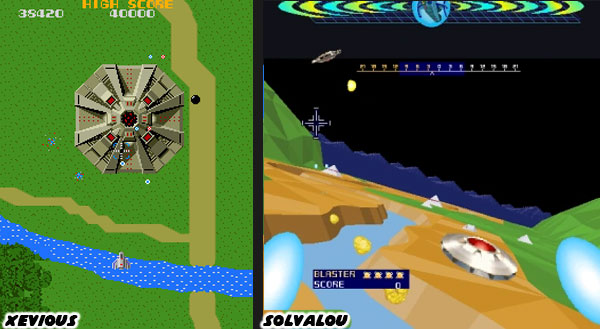
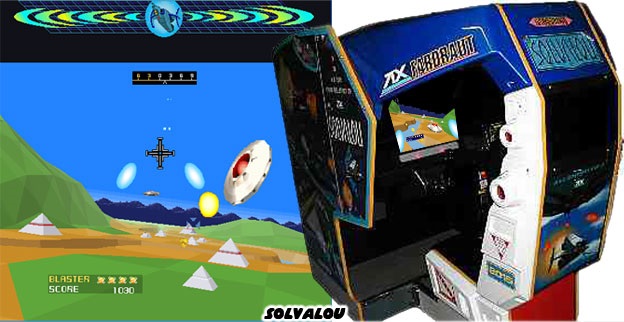
A decade after Namco had released Galaga they had taken their first tentative steps into 3D space shooters. Solvalou was a rarely seen arcade game in the US. It played like a first-person Xevious. The title from 1991 featured many of the similar locations, enemies and music that were in the groundbreaking SHMUP. Part of the reason I enjoyed the arcade title had less to do with the game itself and more with the deluxe sit down cabinet. The Japanese developers used more of a mecha or anime influence on the cabinet design, molding the seat and frame to appear more like a cockpit. To young gamers it was far more immersive than some pressboard covered in vinyl stickers. One of the biggest hurdles that Namco had to overcome was the storage capacity for games. ROMs were expensive to manufacture, CDs did not store much data and DVD technology had not yet caught up with the industry. The company relied on LaserDisks for several of their early 3D entries like Solvalou.

The 3D title was a nice change of pace to the graphics and gameplay that had been featured earlier in the arcade. Granted, there were earlier PC flight simulators that were ported over to the arcade during the 3D gold rush, but they weren’t games. Or to be more correct they didn’t play like games. Solvalou was the first genuine attempt at moving the SHMUP into 3D. Its diversity of locations, from flying over an alien stronghold to battling them in the farthest reaches of space was a different experience in 3D. The enemy types and high pace gameplay did a good job at capturing the essence of Xevious. Moreover it made the sensation of piloting a space ship somewhat believable.

At the same time Solvalou was in the arcades Sega was also cutting their teeth on 3D technology. They had yet to release their revolutionary 3D racing games. Namco had already begun pushing the industry in that direction in the late ‘80s thanks to Winning Run. The early 3D Namco racing game failed to make a big splash in the arcade but Solvalou got gamers genuinely excited in the space shooter genre all over again. Sega figured out a way to bring the 3D experience home using their Sega CD addition to the Sega Genesis / Mega Drive. The storage capacity that the CD offered over the cartridge was tremendous. Yet the console was not powerful enough to render massive environments on the fly as well as opponents to shoot down.

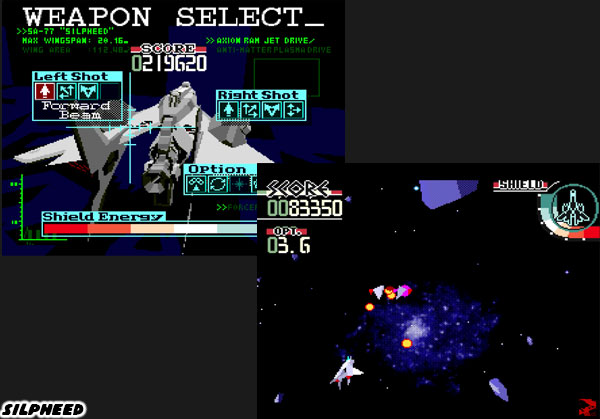
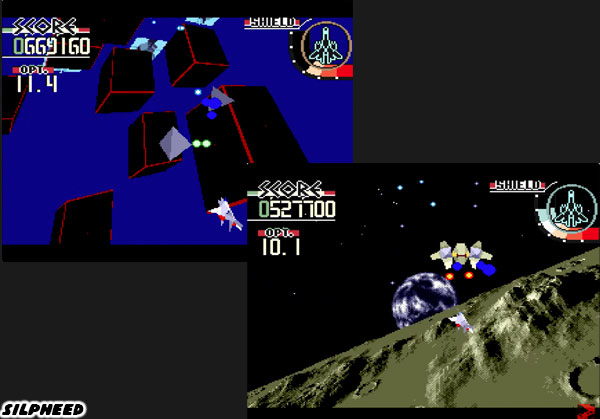
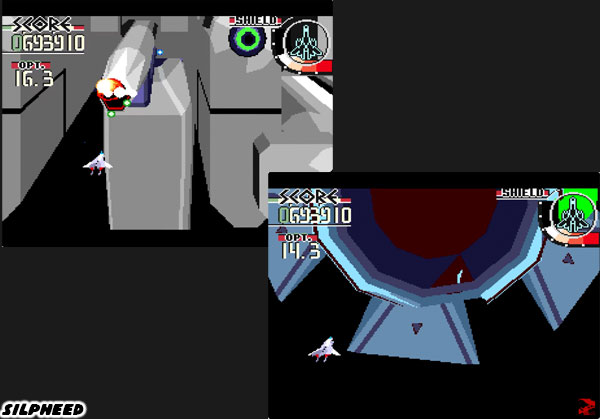
Developer Game Arts found a happy medium. They created limited scale ships and opponents and superimposed them over video playback of polygon environments. It was seamless and looked absolutely stunning for that generation of games. Silpheed was the name of the Game Arts 1993 sleeper-hit. Sega could genuinely claim to have brought the arcade experience home with that shooter. The company had introduced players to a world that looked as robust as the best AAA arcade SHMUP to date. The ship designs were amazing, the levels memorable and the gameplay challenging but balanced. Even small details like the layout of the scoreboard, ship energy meter all looked futuristic. The game integrated cut scenes and full audio in with a soundtrack that helped pull the gamer into the experience. This was the secret to all great games. Players could get lost in the best titles and feel connected to the worlds that the developers had spent months if not years crafting.

There was a downside to being on the cutting edge of technology. The Sega Genesis was a popular console but not every owner was willing to purchase the Sega CD attachment. It doubled the price of the console and with that money gamers could instead buy a Super Nintendo. The rival publisher had a game out called Star Fox at the same time. It was considered one of the finest science fiction shooters ever created. The engineers at Nintendo managed to squeeze every ounce of processing power out of the console and cram the SNES cartridge with a memorable team of characters, environments and bosses. Of course the small percentage of gamers that had both consoles could testify as to how much more robust Silpheed was. Unfortunately for them Nintendo had the fortune of selling far more units and influencing a generation of players into thinking that StarFox was the definitive next generation console shooter.

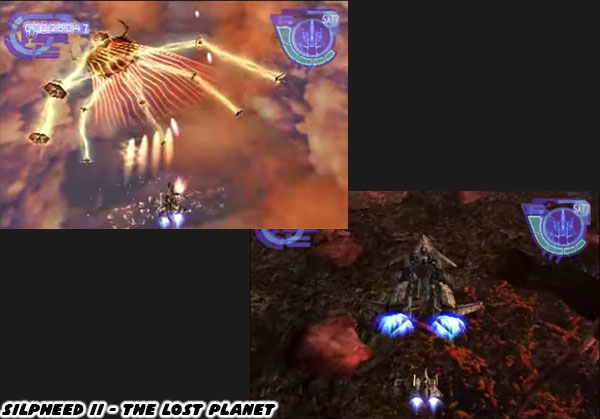
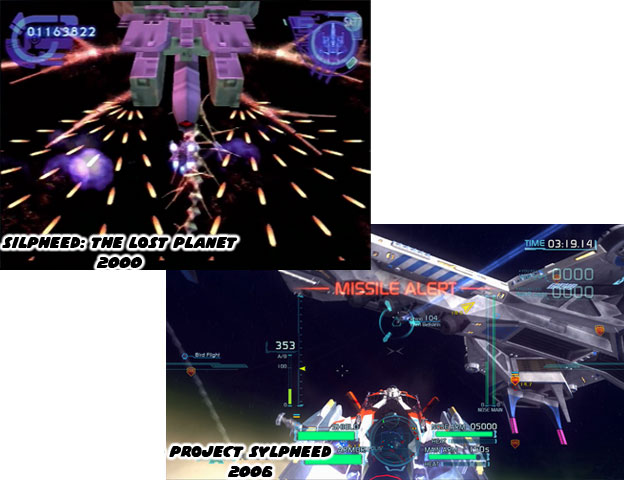
Sega managed to keep a cult-like following from gamers the world over. They never let the publisher forget that there was still an audience very much in love with the world that they had seen previously. This was thanks in part to the release that Silpheed got for the PC and the sequel that Game Arts developed for the Playstation 2. Heavyweight SHMUP developer Treasure helped co-develop the sequel Silpheed: The Lost Planet. Released in 2000 the game took advantage of everything the newest console offered. The polygons were now textured and all sorts of lighting and environmental effects could be rendered on the fly. Sadly little else was seen on the series after the title was released. Sega had “lost” the console wars and cancelled all future console developments after the Dreamcast. Veteran gamers had lost all hope that the company would ever revisit the IP.

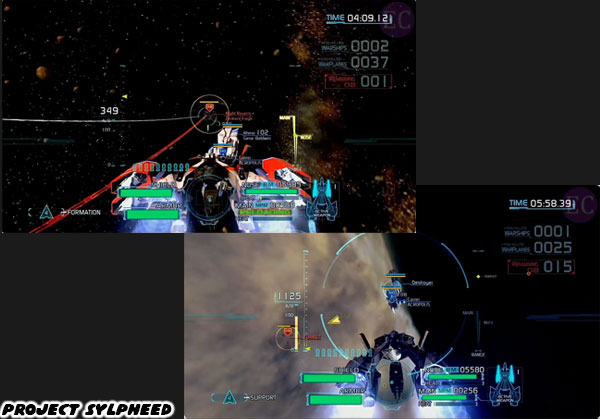
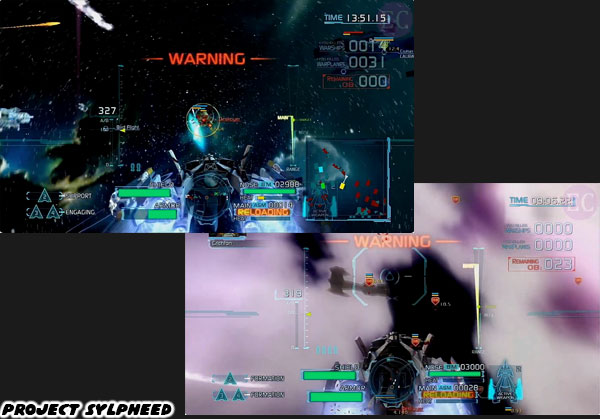
In 2006 Square Enix released a game called Project Sylpheed: Arc of Deception. The game played more like a flight simulator than a SHMUP. This was not necessarily a bad thing. The change in formats helped add a whole new way to appreciate the franchise. It turned out that Sega had partnered with the studio that was best known for their Final Fantasy and Kingdom Hearts releases. The fingerprints of Square Enix were all over the title. Project Sylpheed focused tremendously on over-the-top character designs and their interpersonal relationships, adding lengthy cut scenes and tons of dialogue where once before there was only action. The studio had done similar things to the fighting, role playing and brawler genres. The Xbox 360 exclusive was well received despite the focus on decidedly Japanese characters and convoluted game plots. Sadly little else followed the title.

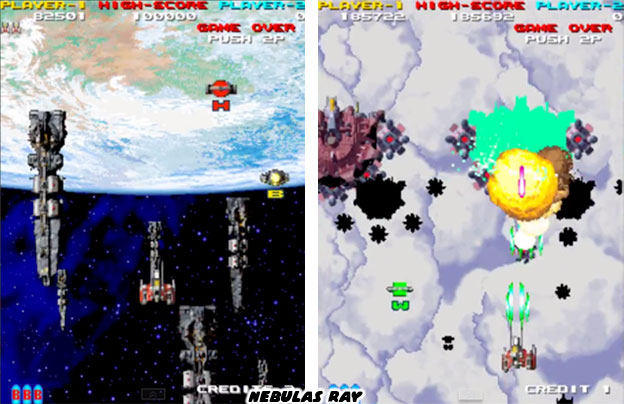
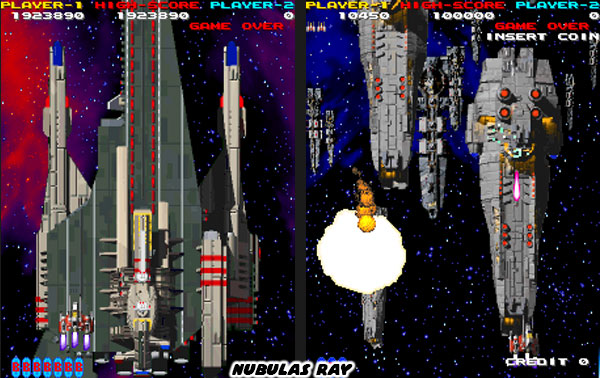
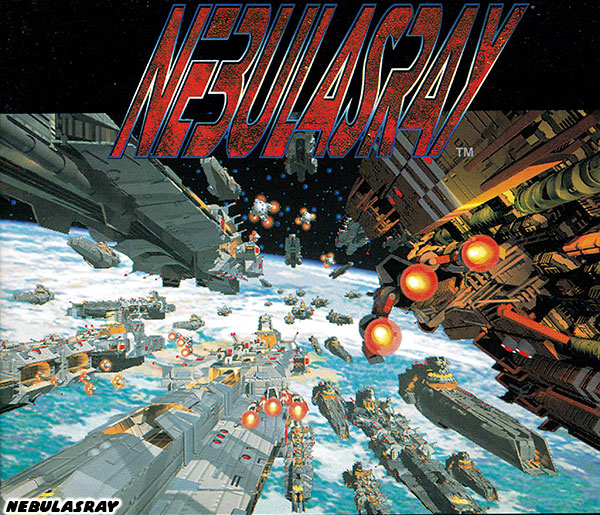
To be fair however there was another notable 3D SHMUP released before Solvalou. Raiden by Taito was a title from 1990. It was also built with a polygon engine instead of a sprite-based one. Raiden was based on the familiar top-down, vertical view rather than in Solvalou’s first person perspective. The diversity of locations, from flying over an alien stronghold to battling them in the farthest reaches of space was a completely different experience when presented from the pilot’s perspective. The enemy types and high pace gameplay of Solvalou did a good job at capturing the essence of Xevious. Moreover it made the sensation of piloting a space ship somewhat believable. Namco made a version of a traditional shooter built on polygon technology as well. Nebulas Ray from 1994 was the sorely under-appreciated arcade gem that was the "missing link" from the studio.

The shifting perspective helped add an additional layer of depth especially when combined with the new polygon ship models. Sharp-eyed players could actually see the enemy types were pulled from Galaxian, Xevious and Starblade continuity. In many instances these were some of the first 3D models of the classic sprite-based ships. The game actually introduced an entirely new threat to humanity. An evil alien menace known as the "Master Force" was threatening to invade the planet of Austral. Despite the bump in the graphics department the fans of the classic UGSF SHMUPS did not enjoy Nebulas Ray as much as its predecessors.

It played differently than any other Namco gem. The play area actually spread out further than one screen on either side. When players reached the edge of the screen it would scroll sideways and allow players to enjoy another third screen's worth of playable area. This was not bad planning per-say but audiences didn't know if they were missing secrets or areas that were potentially worth more points just outside of the standard viewable area. Because of this reason very few SHMUP and even Bullet Hell games never followed that school of design. Instead they tried to fit all of the action and playable area on one screen. The designers learned from their mistakes and didn't try to repeat any of the things they tried out in Nebulas Ray. It was the following release from Namco that caught the attention of gamers.

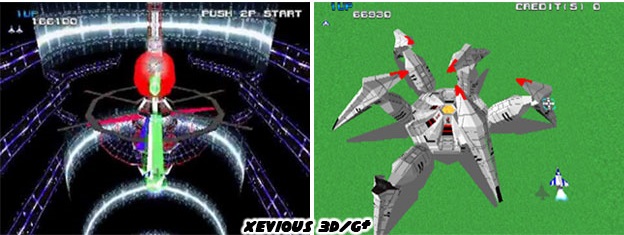
Xevious 3D/G+ was released in the Arcade in 1995 and ported to the Playstation in 1996. The game had a similar perspective to Raiden, in that it was not exactly top-down but set just a few degrees behind the player so that gamers could see more of the foreground in the distance. The game started very much like the classic Xevious, featuring updated remixes of the classic songs as well. The enemy types and locations were exactly as audiences had remembered from the ‘80s hit. Yet very quickly things began to change as entirely new types of enemies began to run and fly all over the screen in full 3D. Players were taken to all sorts of new locations in the shooter, broadening the experience that they thought they knew from the previous games. The adherence to the classic gameplay with improved graphics helped make the game a bigger hit when compared to Nebular Ray.

Namco had a favorable reputation in gaming community because they remained true to their roots. They managed to create classic arcade experiences while incorporating newer technology but little by little it slipped away. Sega had also lost the presence that they had once carried. They let their internal teams fall into disarray or leave the company. The publisher did not allow their developers to experiment with new gaming experiences and instead focused their resources on half-hearted sequels. The majority of the Sega games seemed to be handled by outside developers now. They lacked the quality of the original titles and as such many fans were dismayed with every new announcement. After turning Zaxxon into a Temple Run clone in honor of its 30th anniversary it was for the best that Sega did nothing for the 20th anniversary of Silpheed.

The same observations could be made of Namco and their biggest titles. Many had also hit the 20th, 25th and 30th anniversaries in recent years but little was done to show for that except for the occasional mobile release. The studio had a difficult time making their classic games relevant again. Both studios had earned their followings in the ‘80s and ‘90s and then seemed to lose the connection with them at the turn of the millennium. Perhaps the problem for the studios was that they peaked too soon. The companies had shown an entire generation that video games were the most important form of entertainment in the past century. They had a hard time maintaining that momentum on home consoles. The best experiences however could never be recreated at home. One of the greatest space shooters ever released was missed by a large majority of game players because of the consoles. The next blog looks at this title. If you would like to sponsor me please visit my Patreon page and consider donating each month, even as little as $1 would help make better blogs and even podcasts!
follow the Street Writer on Patreon!