Showing posts with label anime. Show all posts

Friday, October 27, 2023

Muscle Bomber - the Capcom wrestling series, part 2

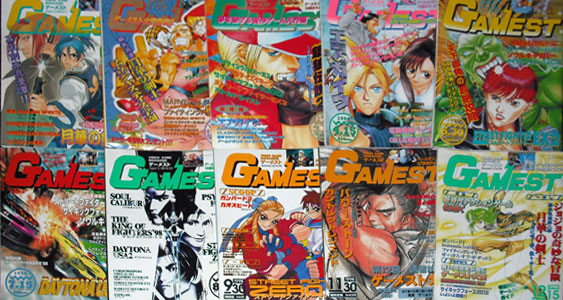
Through most of the ‘80s, and ‘90s there were many gaming magazines in Japan covering all of the latest releases. Famitsu was among the biggest covering the entire industry. Then there were the magazines that focused on specific consoles, like the Famicom / Nintendo Entertainment System, Mega Drive / Sega Genesis, Playstation, etc. These magazines often featured interviews with the developers, in addition to previews, and reviews of the latest releases. One of my favorite magazines was Gamest. It was focused on the arcade industry. The best part of the magazine was how it did deep dives on each game, and would write detailed strategy guides. These magazine-type guides were called Mooks, for magazine-books. Gamest also had a monthly manga series where many of the fighting games were serialized. These were among the earliest places where fans could find out the canon of their favorite games. Not every game got an official guide for the arcade, and even less had its story fleshed out, and universe explained.
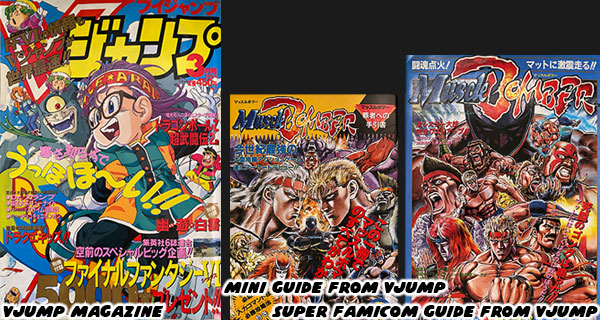
I was able to pick up a lot of material on fighting games from the local import bookstores in the early ‘90s. I was a fan of Hokuto no Ken, and was fascinated with Tetsuo Hara’s design work for Muscle Bomber. Especially since it was an extension of Final Fight, and Street Fighter, which were highly influential to me. Unfortunately it was hard to find any information about the game when it was in arcades. As far as I know there was never an arcade guide published, however when it came to the home consoles I managed to hit the jackpot. Various publishers in Japan would cover console guides. Sometimes there would be small guides, or previews in their magazines. Shonen Jump (Boy’s Jump) comics had a video game journal called V-Jump. It mostly covered home releases. I was thankful to have been at the right place, at the right time. I was visiting the Japanese bookstore in Little Tokyo with my friends, and brothers in the ‘90s when I spotted a gem. V-Jump was previewing Muscle Bomber for the Super Famicom, and covering the various changes between the arcade, and home versions. Shortly after they published a formal guide where they revealed the entire story. I managed to pick both up on sale, and held onto them for the next 30 years.
Final Fight had a very specific set of heroes, villains, and story. It would be canonized over several games by Capcom. Street Fighter by comparison had a more open-ended interpretation. Which characters actually fought against each other? Which ones had crossed paths, who were friends, or enemies? These things were explored in various game endings, manga, anime, and comic books. Some stories from Japan contradicted other stories from China, or the USA. This made a definitive timeline of events hard to agree on. Muscle Bomber on the other hand actually had an entire mythos planned out. It all started many years ago. There was a merger between various wrestling organizations, and the Capcom Wrestling Association (CWA) was born. The very first champion was Victor Ortega. The massive wrestler steamrolled his opponents. Once he ran out of competition he simply disappeared.
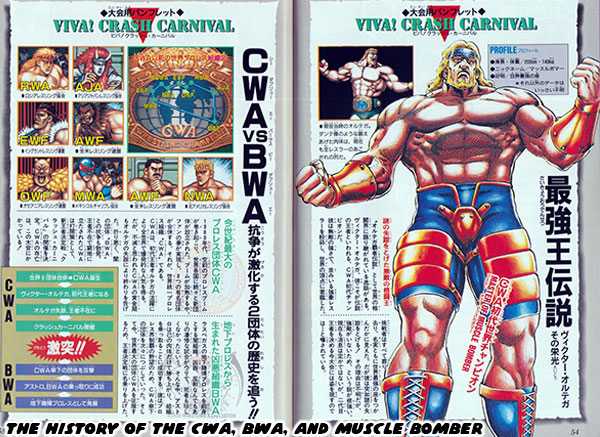
With Ortega out of the picture there was a power vacuum between the different organizations. To make things worse there was a rival group called the Blood Wrestling Association (BWA) that was trying to take over the sport. This group was founded by illegal gambling outfits. Leadership of the BWA was assumed by a masked wrestler called Astro. He was literally from parts unknown. He knew various forms of marital arts, his body glowed with electricity, and no one knew his true identity. He was arguably the coolest wrestler ever featured in the SF universe. His number two was the massive Kimala the Bouncer. The 440 lb. bruiser loved nothing more than making his opponents bleed. The duo had entered themselves into what was called the Crash Carnival.
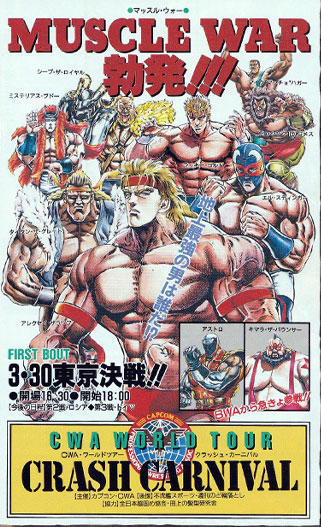
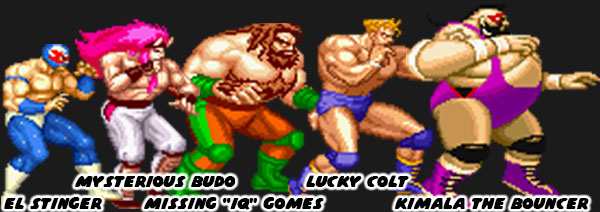
It was decided that each league would send their best representative in order to determine who would become the new CWA champion. There were fighters from around the world; El Stinger from the MWA - Mexican Lucha Libre Association, the Mysterious Budo from the AJA - Asia Japan Wrestling Association, Missing “IQ” Gomez from the AWF - American Wrestling Federation (Dominican Republic / Santo Domingo), Lucky Colt from the NWA - North American Wrestling Association. As well as Kimala who I just mentioned. You can imagine that each person fought their way to the top of the ladder in their native country. Who knows how many other memorable characters were waiting in their various organizations, or if Capcom was ever planning on featuring them?
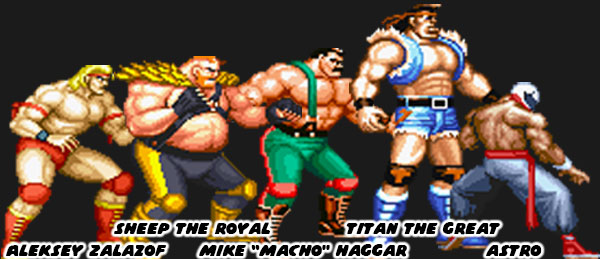
Then there was Aleksey Zalazof from the RWA - Russian Wrestling Association, the sadistic Sheep the Royal from the OWF - Oceana Wrestling Federation, our favorite mayor Mike “Macho” Haggar from the AWF - American Wrestling Federation, Titan the Great from the EWF - England Wrestling Federation, and Astro the champion from the BWA. There were a lot of different personalities on display. Tetsuo Hara created a good cross section of the different wrestling archetypes. There were brawlers, technical performers, high flyers, hardcore, and submission experts in the lineup. It was up to the players to learn the nuances between each of the characters.
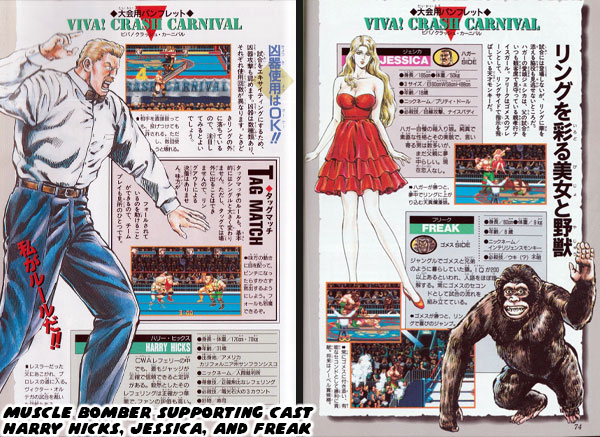
Matches observed the traditional rules of pro wrestling. The majority of the fighting took place within the confines of the ring. Players however could roll under the ropes, and take the action to the outside. There they could make use of foreign objects. A match could be won by a three-count pin, submission, or if the opponent was counted out of the ring. There was a referee in the matches, the highly respected Harry Hicks. Harry would be traveling the globe with the finalists of the tournament, and help crown the new CWA champion. He wasn’t the only supporting member of the Crash Carnival. Mike Haggar was accompanied by his daughter Jessica who had been nicknamed the Pretty Doll. We had last seen her in Final Fight, when she was rescued by Mike, Cody, and Guy. The other valet was a bit unusual, a cute monkey named Freak. Missing “IQ” Gomez (relabeled King Rasta Mon in the US) was a wild man that lived in the jungles of Santo Domingo. He had a short fuze, and was known for freaking out in the ring. His wild nature served him well. He lived with the apes, and one in particular named Freak was like a brother to him. It turned out that Freak was a genius, he had an IQ of over 200, and could understand most languages. He helped Gomez come up with strategies against his opponents. All of this was explained in the official Crash Carnival program.
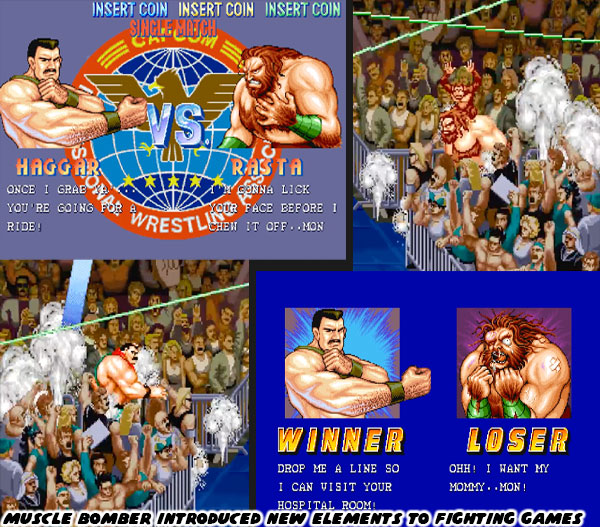
Muscle Bomber introduced a number of elements into the Capcom fighters that would be expanded upon in future games. Since the birth of the genre a character would typically appear on each stage, and start fighting once prompted. They might walk in from off camera, sometimes there was a ref, sometimes there wasn’t. Most titles from Capcom, and their contemporaries started the action in a similar fashion. The Crash Carnival was treated like an actual wrestling show. Before each match we had the rivals talk about what they were going to do to their opponent. Then we saw a ring entrance, reminiscent of the biggest promotions. There were pyrotechnics going off, fireworks, smoke, and lasers lights flashing as the wrestlers walked out of the backstage area. After the match the crowd would go wild. If you were playing as Mike Haggar sometimes Jessica would run into the ring, and celebrate with her father. We even had commentary from the victor, and loser. Again these things were very similar to what was shown in actual wrestling shows. These special intros, and animations predated the elements that would appear in Street Fighter’s IV, V, and 6 by years, if not decades.
I would argue that working on Muscle Bomber, and its successors the tag team Muscle Bomber Duo: Heat Up Warriors / Ultimate Team Battle, and Super Muscle Bomber: Ring of Destruction really affected the approach that the Capcom art team had with stages, animation, game play, and especially character designs. They saw firsthand that the more a character was stylized the stronger the reaction was from audiences. Aesthetics had a lot to do with how players responded to the game. If a design was bold, and unlike the work from rival companies, then it would help the game stand apart from the competition. The hyper muscular wrestlers in Muscle Bomber demonstrated that. The question was how would that lesson be applied to Street Fighter? We would get our answer as BENGUS became the lead on SF Zero which was being developed during the tail end of working on Super Muscle Bomber. Nobody had seen work as brilliant as his. This was doubly true when Vampire / Darkstalkers was released. The exaggerated proportions that BENGUS used in SF Zero would not only influence contemporary studios, but also the animation, and comic book industry for years to come.
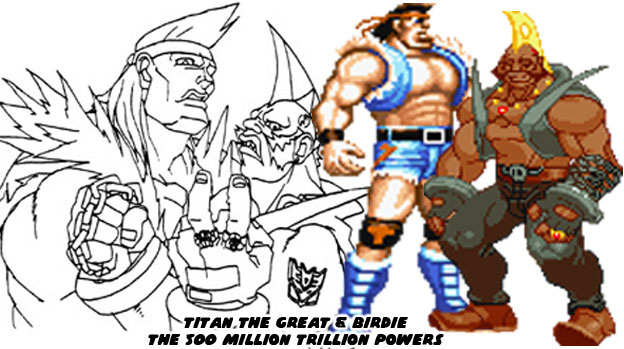
The publisher also wanted to make sure that audiences understood the relationship between Street Fighter, Final Fight, and now Muscle Bomber. Every game was taking place in a shared universe. It wasn’t enough that Mike Haggar had appeared in all three games. The company wanted to make sure that stages reflected locations visited in the various games. Places like Metro City, Brazil, Hong Kong, India, and Thailand were all revisited in Zero, and its sequels. Even in rare character art it was revealed that there was specific overlap between games. For example Birdie was a British punk from the original SF. Titan the Great had actually partnered with him for tag team matches in the EWF. The duo were known as the 500 Million Trillion Powers.
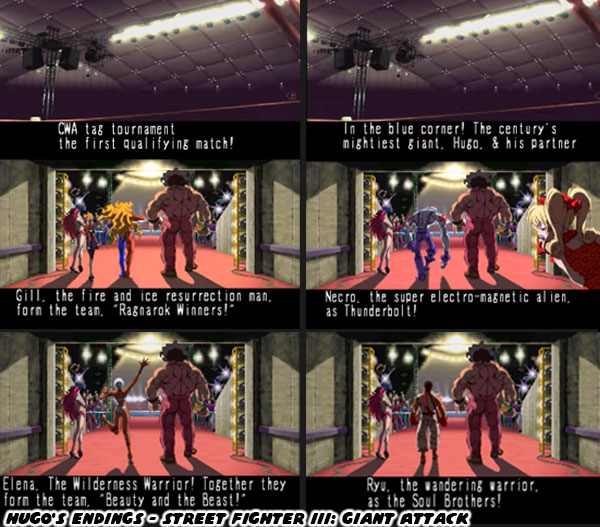
A more direct connection was made during Street Fighter III: Giant Attack. The wrestler Hugo was scouring the world looking for a tag team partner. His manager Poison accompanied him at each stop. At the end of the game he finally settled on a match. The game actually gave us four possible endings depending on who the last person was that he fought. Ryu, Necro, Gill, and Elena were all possible tag members, each with a unique tag name. The ending even mentioned that they were in the CWA Tag Tournament, against one of two teams. The US, and Russian team of Aleksey Zalazof and Lucky Colt, or the team of Mike Haggar and Black Widow. B. Widow was the only female Muscle Bomber character designed by Tetsuo Hara. She would appear in Super Muscle Bomber. This inter-gender team was used if Elena was Hugo’s partner. But I digress…
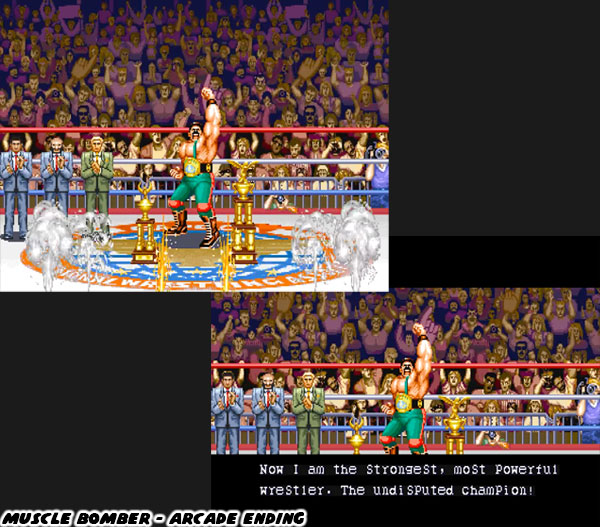
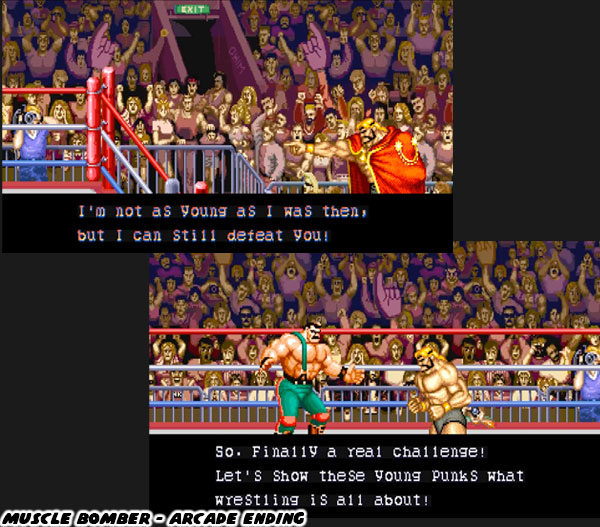
The original Crash Carnival event was designed to crown the new CWA Champion. In the ending of Muscle Bomber your character was given the belt, and also a few tournament trophies reminiscent of actual championships. In any other game that would have been the end of it. Some wrestling games would usually have you defend your title against all of the other characters one more time before the actual ending. This title was a little different. Mr. Hara, and Capcom were keenly aware that a good storyline is what kept pro wrestling fans coming back. Just as your character was celebrating a new rival popped up. Victor Ortega, the former CWA champion had returned from the shadows. He was wearing a decorated cape, and standing ringside. He said that in order to claim the title you had to defeat him.
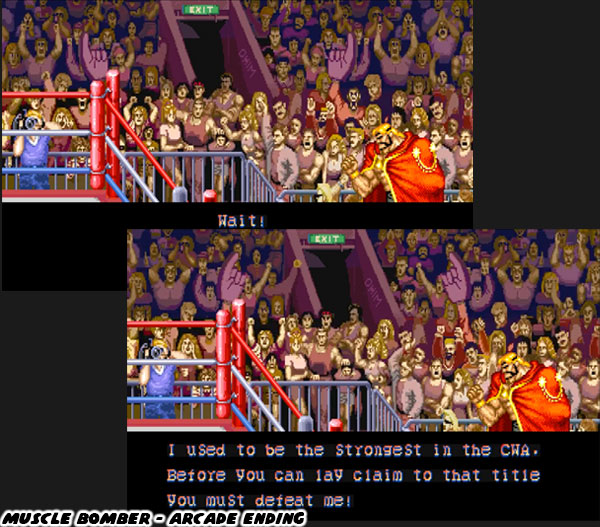
Microphone drop moments like this were expected in every major wrestling promotion. Fans would tune in every week for years on end just to see how the story for their favorite wresters shaped up. For the case of Ortega his return was an unexpected surprise. He also had a valid point. He was never defeated in the ring, he simply disappeared after all the worthy opponents had dried up. The organization assumed that he had abdicated the belt. Technically he was still the true CWA champion. This was when Capcom revealed that the first Crash Carnival was just to determine the qualifiers for the CWA championship. They traveled the world finding the best from the various promotions. Now with Ortega in the mix the battle for the actual CWA title would be decided in the next tournament. We would find out who the true king of the ring was in the events of the arcade sequel called Super Muscle Bomber.
We will explore this title, and the legacy that Capcom left in the next blog. Did you ever play this game? Were you a fan of the series, or pro wrestling? I’d like to hear about it in the comments section. As always if you would like to sponsor me please visit my Patreon page and consider donating each month, even as little as $1 would help make better blogs and even podcasts!
follow the Street Writer on Patreon!

Wednesday, October 25, 2023

Muscle Bomber - the Capcom wrestling series, part 1

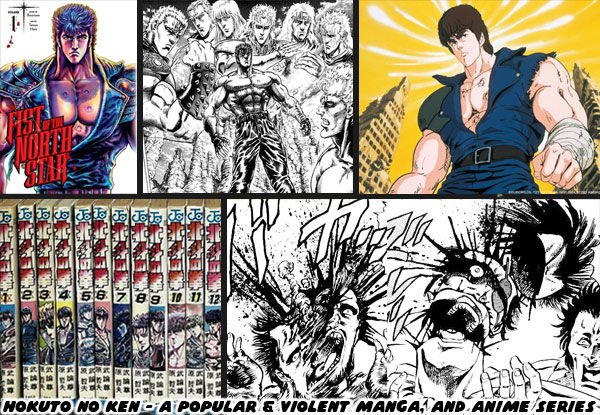
The developers at Capcom that brought us the early hits were heavily influenced by pop culture. The movies, manga, and anime that they grew up with helped shape the creation of their games. One of the most influential manga, and anime shows that influenced the creation of Street Fighter (as well as World Heroes, and many other titles) was Hokuto no Ken (HNK), better known in the USA as Fist of the North Star. The manga issues were published by Shonen Jump from 1983-1988, it would be collected, and translated into multiple languages over the next 30+ years. It was so successful that it got a 109 episode TV series from 1984-1987, and an additional 43 episodes from 1987-1988. Not to mention an anime movie in 1986. It should not be understated how important that series was in shaping the tastes, and presentation of games coming out of Capcom.

For those unfamiliar with HNK, it was a post-apocalyptic story that revolved around Kenshiro, the master of Hokuto Shinken. It was a fictional martial art that allowed practitioners to control the pressure points, or meridians of a person. Kenshiro wandered the wastes, righting wrongs with his bare hands. He could cause body parts to explode with a few touches. His victims, often marauding gang member had grisly deaths. Their arms, and legs would break backwards, heads would split open, with bones, and brain shooting in every possible direction. The violence in the series was very graphic, even with a lot of censorship, and selective edits the anime shows were almost as gory as the manga. The series was more than just violence, a very colorful cast of heroes, and villains were as memorable as the biggest comic book stars. Most of the characters influenced the designs coming from Japan, and the West for decades.

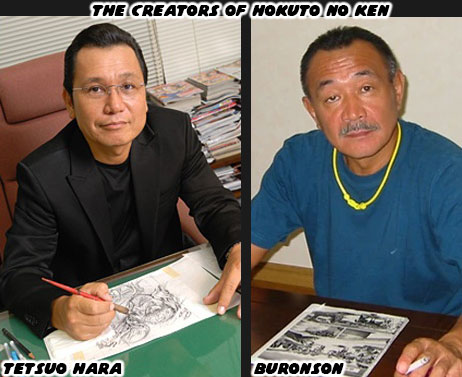
The series was illustrated by Tetsuo Hara, and written by Buronson. The duo didn’t just create a fantastic manga, they shaped pop culture for years to come. Hokuto no Ken ranked among the most successful properties ever created. As far as brands went it had generated some $22 billion in revenue. This was of course split across licensors, and not the creators themselves. The comics inspired many games over the years. I had discussed Hokuto no Ken in the history of the brawler. There were even a few fighting games in the arcade, and home consoles based on HNK. The most successful franchises however were influenced by the series, rather than based on it. Nowhere else was this more apparent than with Capcom, and the development of Street Fighter.

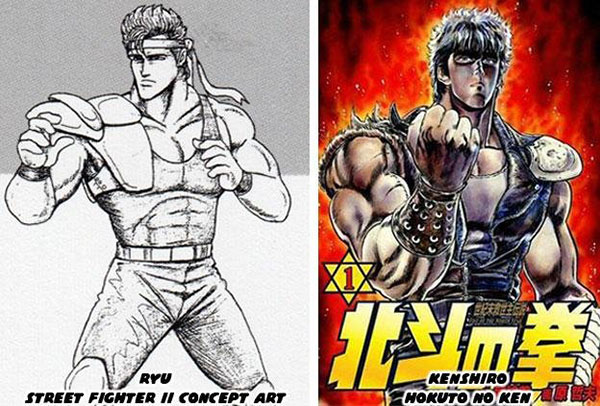
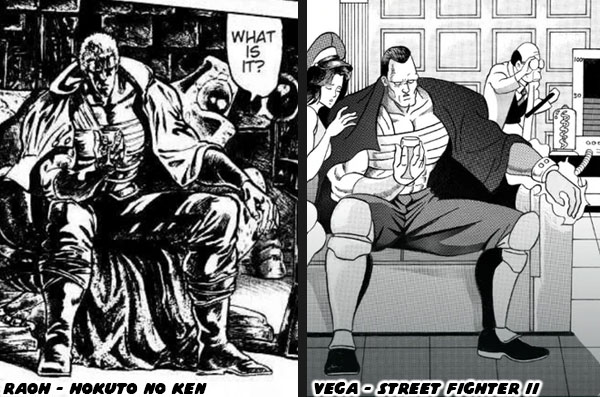
The first Street Fighter was inspired by the real world adventures of master karate fighters Mas Oyama, and Yoshiji Soeno. The karate hero had a redesign for SFII, and had become more of an action star. Early concept art had Ryu ditch the karate gi for a costume more like Kenshiro’s. The similarities didn’t end there. The giant characters in Hokuto no Ken influenced the creation of giants in the Street Fighter series. Even the villains like Rolento was inspired by Colonel from HNK. Meaning the series had influenced the world of Street Fighter, and Final Fight through the ‘80s, and early ‘90s. Some of the influences were subtle, and others were very overt. Look at the official art for Vega / Dictator, he was posed just like Raoh, the ultimate rival to Kenshiro.

In 1991 Street Fighter II put the fighting genre on the map. Capcom couldn’t release updates to the game, and begin developing home ports fast enough. At the same time they wanted to strike while the market was hot. The publisher wanted expand their library of fighters, but without cutting into the success of SF. They were successful, and experienced with brawler games, but needed something that played more than a fighter. They were indebted to Tetsuo Hara for his influence on their biggest hits. They decided to work with him on a new project. The publisher looked at what might work in that format, but wouldn’t take people away from their hit. The wrestling game was an obvious solution, and Capcom owed Tetsuo Hara some work. They asked him to design the cast of characters. These fighters would be set in the shared universe of Street Fighter, and Final Fight. The game would be called Muscle Bomber (MB). It would spark the creation of a trilogy.

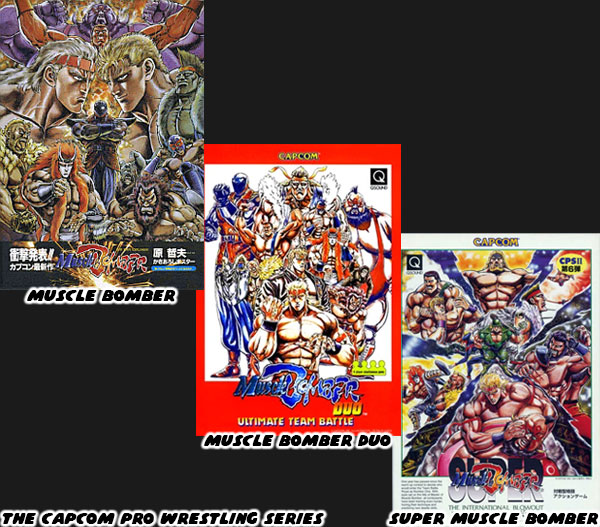
Muscle Bomber - The Body Explosion came out in 1993, Muscle Bomber Duo came out later that same year, and Super Muscle Bomber - The International Blowout debuted in 1994. Muscle Bomber Duo was an expansion to the original game, sort of like Turbo was for Street Fighter. Duo added tag team matches to the story of the original. The first two MB games in the series were not well known to many arcade visitors. The mix of wrestling, brawler, and fighting game moves didn’t capture the magic of Street Fighter. The third game in the series Super Muscle Bomber played more like a traditional fighting game. It was a rarely seen cabinet, and not really known to the majority of first generation SF fans. When the games were being brought over to the US the studio renamed it Saturday Night Slam Masters. This was most likely due to the popular late night WWF (WWE) show Saturday Night’s Main Event.

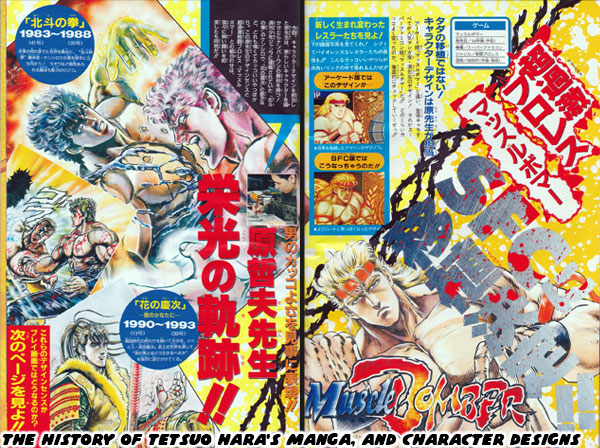
Capcom made sure to get the collaboration in front of as many gaming outlets as they good. All of the magazines, and even weekly manga anthologies made sure to write about the father of Hokuto no Ken creating a library of wrestlers for the Street Fighter universe. The stakes for this new franchise were pretty high after all. During development of SFII Capcom had more people working on designs than at any other point in time. Each employee poured their heart, and soul into a the fighters. Countless revisions were made in order to ensure that The World Warriors were as strong as they could be. They built a following in the few years they were around. The challenge was whether or not Mr. Hara’s style worked for the genre, and if he could make anybody as memorable. Audiences were worried that his style of art, his character work had become dated. After HNK the artist worked on a feudal-era piece called Hana no Keiji / The Flowery Keiji, between 1990 - 1993. It didn’t have the same impact as his previous series.

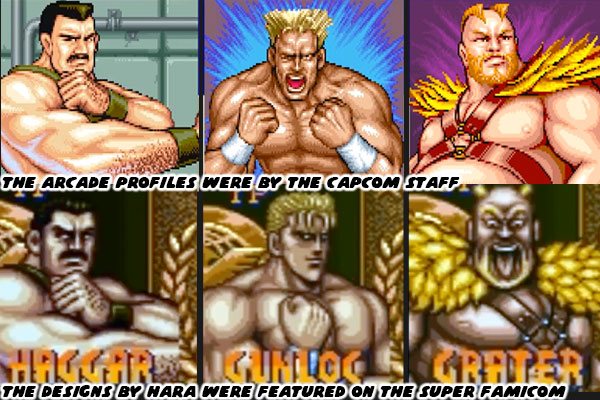
It turned out that Mr. Hara was more than up for the challenge. He let the various outlets know that he was a huge fan of pro wrestling. He wasn’t just familiar with the happenings in Japan, but also with international wrestlers as well. It was apparent that many of the villains in HNK were based on actual wrestlers. For example King Heart was inspired in part on Abdullah the Butcher. This deep understanding translated to the game. Sheep the Royal was based on Big Van Vader, and Victor Ortega was inspired by ‘70s wrestling icons like Superstar Billy Graham, Jessie “the Body” Ventura, and Hulk Hogan. Fans of Mr. Hara’s work noticed that although his concept art was used in magazine articles, and the game cover, it was not seen in the actual game itself. All of his work was redone by the staff at Capcom, I think it was Kinu Nishimura in a number of portraits. I’m sure these changes disappointed Mr. Hara. I’d like to think there was a backlash for this change from fans, as well as some of the developers when the game was published. When the game was adapted for the Super Famicom / Super Nintendo, they made sure to go back to all of the original art.

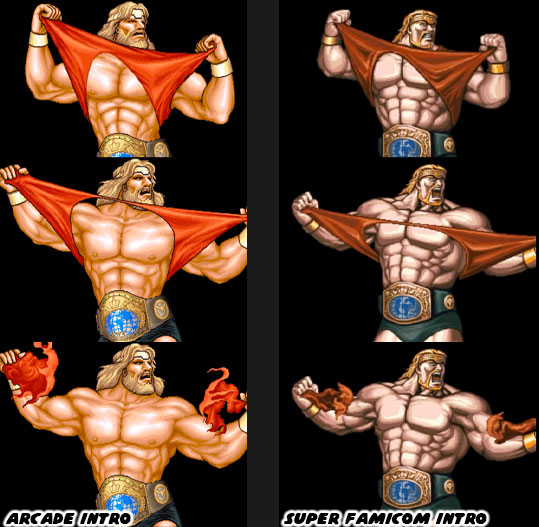
This was not to knock the Capcom art team. After all they had Akiman, SHOEI, Sensei, Bengus, and other icons. However the wrestlers that they presented were watered-down versions of what had been promised in previews. Mr. Hara stood out from his manga, and even US contemporaries, by creating hyper masculine figures. He predated, and influenced Karate Apocalypse, Berserk, JoJo’s Bizarre Adventure, Grappler Baki, and Toriko to name a few. His heroes, and villains were not only strong, they had bodybuilder physiques. They were far more swollen than any other heroes on the market. It was no where more apparent than with the introduction of Victor Ortega, the first Capcom Wrestling Association (CWA) champion. He was featured in the intro animation.

In the arcade he was strong, but not absurdly huge. The original arcade intro version of Victor seemed anemic compared to what Mr. Hara had designed. The studio not only returned the original character profiles from Mr. Hara in the Super Famicom version. They also redid the intro animation to match Mr. Hara’s vision. The story, and characters of Muscle Bomber were fleshed out by Mr. Hara, and Capcom in far greater detail than either Final Fight or Street Fighter. Audiences wouldn’t know the full story until the game hit home consoles. We will dig into this in the next blog. Did you ever play this game? Were you a fan of the series, or pro wrestling? I’d like to hear about it in the comments section. As always if you would like to sponsor me please visit my Patreon page and consider donating each month, even as little as $1 would help make better blogs and even podcasts!
follow the Street Writer on Patreon!

Saturday, October 10, 2015

The road to Rising Thunder, part 1...

Have you thought of what the future of fighting games is going to be like? There will be advances of graphics and gameplay for certain. Fan-favorite titles like Street Fighter and Tekken will continue to receive updates. They will explore new stories, take chances with radical character designs and tweaks to the balance of the genre. One of the big changes that has happened over the years has been the delivery of the fighting game experience. The genre pretty much started in the arcade in the late '80s and as consoles became more powerful that experience migrated to homes by the mid-to-late '90s. The genre is now over 30 and still going strong. There are some console exclusives but more and more audiences are choosing to download their games rather than buy a traditional copy in the stores. The method of distribution has changed but so has the console of choice. Many gamers that grew up with consoles now have a PC at home for gaming as much as for doing work. But they also have phones that are more powerful than most computers from the early '90s. Between the computer and phone companies are trying to find a sweet spot for gamers of all types. What is the best console, if there is even such a thing? What about web-based game development? A game that only needs a good computer and a web browser? Is it possible for a web title to be as good as a $100+ million AAA title from the big publishers? Well, we may not be there yet but I can say with certainty that some amazing game experiences are web based. When it comes to fighting games some really great entries in the genre. The newest one, Rising Thunder by Radiant Entertainment is carving a niche all its own.


Before I talk about the game I should mention that the founders of Radiant Ent. are Tony and Tom Cannon. The brothers are computer science grads and have worked at VMware as well as Microsoft. But unlike their peers the duo are well known in the fighting game community. Tom founded the EVO fighting game championship and Tony engineered the GGPO technology which helps keeps the lag to the barest of minimums and allows fighting games to run smoothly online. They brought Seth Killian, a pro gamer-turned community manager-turned fighting game advisor on board to make sure that Rising Thunder has all of the elements that makes a great fighting title. What's not fair is for me to review a game that is still in Beta. For a title this early in development it has a tremendous amount of polish and will easily be one of the best fighting games of the new generation. Instead of focusing on the game, lets talk a little bit about the road that brought us here.


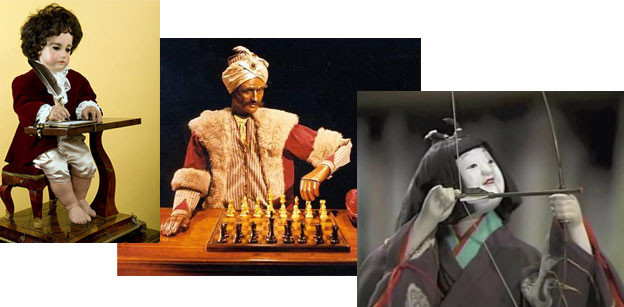
Robots and clockwork automatons (known as Karakuri Ningyo in Japan) had been a part of popular culture for centuries, if not millennia. Many of the earliest robots were created well before the age of silicon and microprocessors. These machines were created often by clockmakers as a way of showing off their mechanical engineering skills. Some robots were as small as a doll while others were full human sized. Some could play musical instruments, others could write messages, shoot arrows and even beat humans at chess. They inspired countless legends and had a hand in shaping pop culture when they debuted. Of course no sooner was an artificial person created than people began to wonder if it could beat a human in combat. Well before automations there were ancient Jewish folklores that spoke of golems made of clay that were brought to life by spirits. These legends predated Mary Shelly's Frankenstein story. It was a cautionary tale at the root; could man create life from nothing and if he did so would he abandon it or guide it? Since man was not an all-seeing-all-knowing god the stories often ended with man abandoning the creation and letting it run amok, an unstoppable symbol of his ego. These creatures would show up in pop culture in movies, comics and of course even video games.


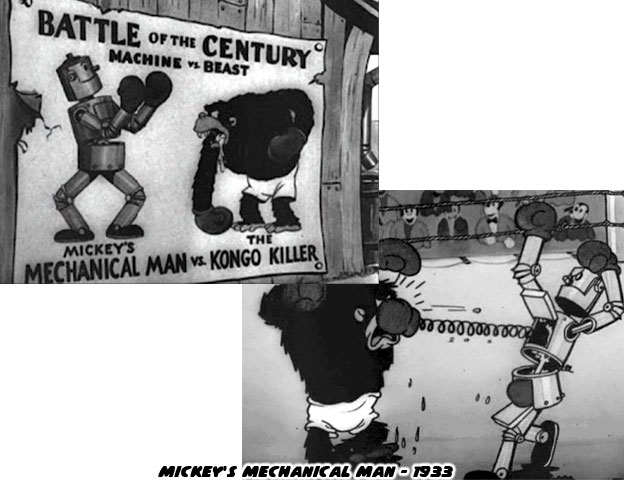
The first modern concept of a brawling robot was explored in the 1933 Disney cartoon Mickey's Mechanical Man. In the film the champion fighter was a powerful ape. Disney didn't even consider the notion of man versus beast but instead jumped at the chance to present beast versus machine. Mickey Mouse built a robot that would take on the champ and settle the question of who would win in a fight. What made the cartoon unique was how robots were imagined as fighters. Since they were not human, the did not have the limitations of muscles, internal organs or ligaments. They could turn 360 degrees at the waist, spin their arms like propellers and even throw spring-activated trick punches. These things were great visual gags but stuck with audiences. Many of the gags would be copied by cartoonists and animators around the world for the next 80 years.


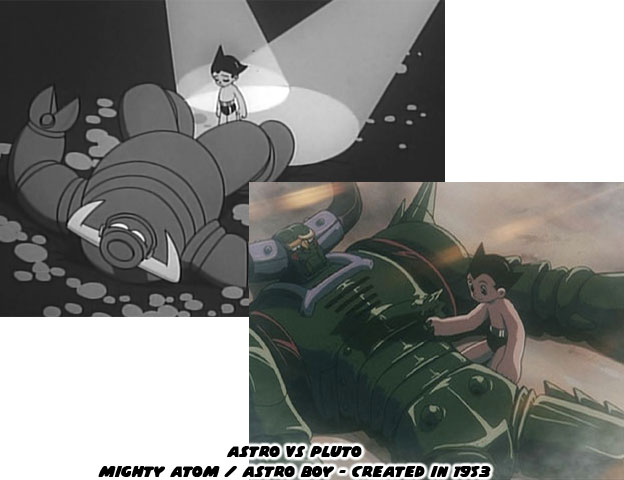
Robots were unique in how they could take punishment and deliver it without every feeling pain or empathy. It was a scary concept when applied to Dr. Frankenstein's biological monster. Yet something profound happened in 1953. An artist by the name of Osamu Tezuka created a manga series about a robot boy named the Mighty Atom. This little robot boy was not unlike a super powered Pinocchio. He was brave and naive at the same time. He had a great sense of justice but was also curious about the world he was born into. Tezuka was inspired to become a cartoonist at a young age. He saw the animated feature Bambi as a boy. Although he did not understand English he learned the story through the large expressive eyes of the characters. Because of this Tezuka created characters with large eyes and set a standard that would be copied by countless generations of manga artists. Many of the works that Tezuka created were morality plays.

The Mighty Atom, localized as Astro Boy in the USA, was no different. Astro was born into a world where robots were becoming sentient and they were not happy as slaves to their human creators. Some thought to rebel and this alarmed the humans. Dr. Umataru Tenma created Astro as a surrogate for his deceased son. Yet he abandoned Astro when he realized the machine could never replace his only child. Professor Ochanomizu, a scientific rival to Tenma, adopted Astro and decided to raise him to help humanity. Astro was granted amazing powers and weapons which easily rivaled the coolest heroes from the west.


Astro Boy was a revolutionary title because audiences learned that people could be as heartless as the machines they created. In a way the robots they created represented the greatness that we should hope to achieve. We learned to feel sorry for many of the robots that Astro had to fight. They were often misguided in their conflicts. Tezuka did an amazing job at creating sympathetic beings. These characters would color the industry itself. A generation that was raised on a steady diet of anime would create the first video games, many times they reflected the animation and comics that they had grown up on. The first video game heroes were also influenced by the animation pioneers. Mega Man and his creator Dr. Light were nothing more than a retelling of Astro and Dr. Umataru.

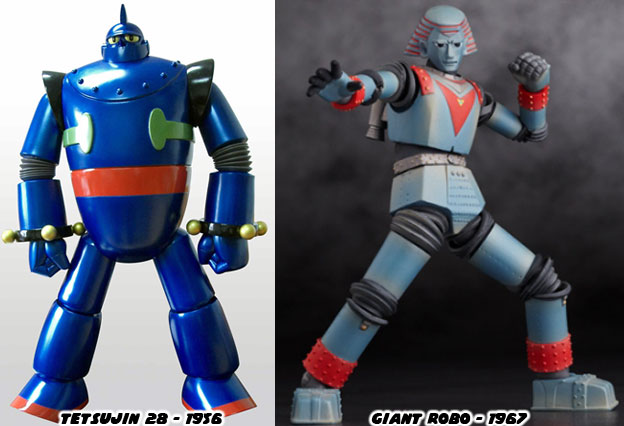
Few titles based on robots ever matched the greatness of the Mighty Atom. That did not stop other writers and artists from trying to create lasting characters. One of the best went by the name of Mitsuteru Yokoyama. In 1956 Mitsuteru created Tetsujin 28-go, a manga about a giant robot and his young master Shotaro Kaneda. Tetsujin literally translated to iron man. Just an FYI, Marvel's Iron Man did not debut until 1963 in an issue of Tales of Suspense. Tetsujin 28 was a remote control robot that fought crime and other giant robots. The character gained symbolism as a sort of big brother and protector for Shotaro. It was possibly the first time a mechanical surrogate was presented in such a light. The series was rebooted several times in manga and anime form. There was a certain charm to the barrel-shape of the character and he retained his look in most every reboot. If you look at the Rising Thunder lineup I'm sure you'll be able to spot the influence that Tetsujin 28 had on the design team.


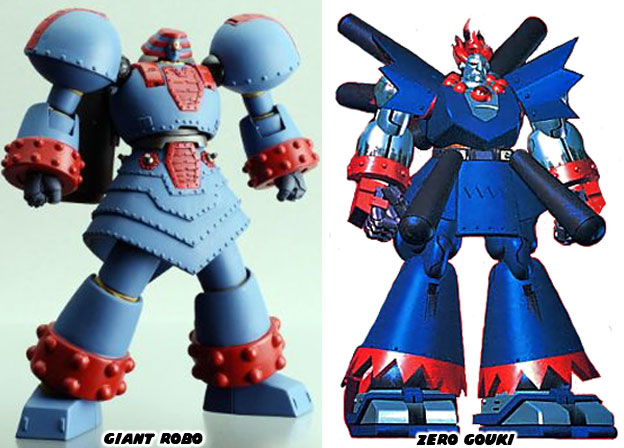
Mr. Yokoyama's biggest hit was yet to come. In 1967 he created a new series, this time meant for television, which was a new take on the Tetsujin mythos. The new robot and series was named Giant Robo. This pharaoh-headed robot obeyed the commands of his young master Daisaku Kusama. Unlike Tetsujin the robot showed signs of free will and could choose to ignore his master. This character was not only seen a a surrogate family member, he literally stood in for Daisaku's father, the creator of Robo. The live-action Giant Robo series was a staple in many households, not only in Japan but also in the west where it was translated for young Generation-X fans to enjoy. The series had great action, an incredible assortment of heroes and villains and easily one of the most melancholy endings for a children's show ever written. In the eyes of many it would not be matched until the original animated series Giant Robo debuted almost 20 years later. The redesigned Giant Robo was heavily armored, much larger than his live-action counterpart and armed with missies, cannons and more explosives than a battleship.


The heavyweight redo of Robo did not go unnoticed by the game community. In the 1995 Capcom game Cyberbots: Full Metal Madness, there was a hidden character modeled after Giant Robo. The game was set in the far off future. Where giant piloted robots fought in the place of armies. Of course since this was a Capcom fighting game the studio wanted to put their own spin on the character. Gouki from Street Fighter would be lending his likeness to the new robot. Fans of the genre as well as Giant Robo saw this as one of the greatest homages yet designed. Robots were perfect for gaming. They could change shape, carry far more weapons than any human and of course take tremendous amounts of damage. Finding ways to adapt the abilities of small robots like Astro Boy or giant robots like Tetsujin 28 into fun gameplay elements would take a long time to figure out. But that was okay because many of the best game developers were small children when the shows came out. They had plenty of time to think about how to make a game out of the battling robot.


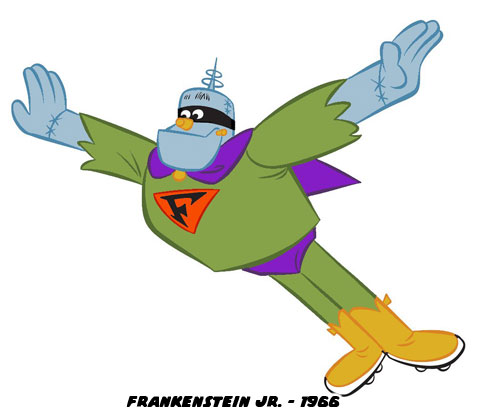
Thanks to the work of Mr. Tezuka and Mr. Yokoyama writers and artists around the world were learning that a robot could be the star of a series. Depending on how they were presented a robot could be menacing or sympathetic. This was not an idea that was exclusive to Japan however. In 1966, as an answer to the runaway craze that Tetsujin 28 had started for Japanese animation, the US studio of Hanna Barbera created a cartoon called Frankenstein Jr. In it Professor Conrad created a giant robot for his son Buzz to command using a ring, instead of a watch. Frankenstein Jr. fought all manner of giant monster and robot on his adventures. Hanna Barbera was good at responding to changes in pop culture. They created Space Ghost and Johnny Quest as the first animated answers to the comic book craze of the '50s and '60s. Robots were apparently becoming a thing and Hanna Barbera wanted to ride that trend as well. The trend was inescapable for novelists as well. The Iron Giant by Ted Hughes was published in 1968, after the debut of Giant Robo and Frankenstein Jr. A few decades later would be the basis for the fan-favorite animated film sharing the same title. The robot genre was only beginning to gain momentum. In the next blog we will explore the titles that shaped the evolution of the genre in animated and even game form. I hope to see you back for that! As always if you enjoyed this blog and would like to sponsor me please visit my Patreon page and consider donating each month, even as little as $1 would help make better blogs and even podcasts!