Showing posts with label monster jam. Show all posts

Friday, May 15, 2026

Taking a shark bite out of my monster collection

Previously on the blog I mentioned how I had started collecting some monster truck toys decades after I stopped. I discovered that not only did they look good sitting on my desk, but they actually photographed fairly well. My pride and joy were the Bigfoot trucks that I had. The oldest was the one from the Matchbox Super Charger series from 1986. This was the one that I could never find on the store shelves. Thankfully an inexpensive one popped up on eBay so I had to pick it up. The newer one from the Hot Wheels Monster Truck line circa 2025 looked great as well. The one with the 10-foot tires from Greenlight models was stunning. It had a highly detailed interior where you could make out the console, glove compartment, and even cup holders! These three were the clearest example of how far toys had evolved in 40 years. I could look at them every day, and never get tired of how cool they were.

I made a conscious decision to clear more room on my desk for more toys, specifically my trucks. I then got the idea of photographing them for the blog. Many 1/64 scale model car collectors had scale garages, parking lots, and even light up gas stations that they displayed their favorite cars on. I didn’t have that much space, or money. Also if I wanted to display monster trucks they might seem out of place next to a scale building. I then got an idea based on the color of my desk. The hardwood was very light in tone, almost like dirt, or sand. So I wondered if I could find a desk mat that looked like a beach, complete with crashing waves. There were a few options, but found one that I think worked best. As soon as I laid down the mat I knew that I was going to have fun with it. I stated previously that I was a fan of storytelling with monster truck designs. I specifically mentioned that the Wreckreation monster camping truck was probably my favorite of the past decade. However that truck wouldn’t make much sense in the middle of the surf. I needed to find other trucks that worked better for the pics.

I found three that were absolutely perfect. Hot Wheels made two of them, the Surf Bus, and the Great Bite shark-bodied truck. Spinmaster / Monster Jam had created the Big Kahuna. Despite my distaste for Feld Motorsports I wasn’t going to lie about how great the design behind the Big Kahuna truck was. The rusty square-body truck with surfboards in the bed definitely told a story. In fact I think it worked better than the more traditional Woodie body that the latter Big Kahuna used. It had a good color scheme, a classic monster truck shape. There wasn’t much they could have added or taken away from its look. The surf bus was self-explanatory. It was the type of bus that would have been used by surfers to visit destinations up and down the coast. The Great Bite however was definitely something else entirely.

I mentioned previously how I didn’t care for monster trucks with silly 3D bodies. This was something that the Monster Jam tour pushed in the late ‘90s when they were booming in popularity. The trucks shaped like dogs, ponies, skulls, and sharks I thought were doing a disservice to the sport. Granted there were a few 3D body trucks in the early ‘90s including Snake Bite which was designed by the Bigfoot Team. To put it in perspective maybe three out of the dozens of trucks competing professionally had non-traditional bodies. The majority of the ones with animal-type bodies appeared almost 20 years after the birth of the culture, so I felt that they weren’t carrying on the tradition. I had no idea who thought this was a great idea, but I was sure that they hadn’t followed the history of the sport. I could just imagine that a corporate boardroom put together truck bodies based on a marketing survey. They asked kids what they liked. The responses were things like ponies, dinosaurs, and monsters. So the people at Feld ran with it. It would be easy for them to market these trucks, make tee shirts, and toys out of them with little regard for the sport itself.

Of the animal bodies the shark was one of the most popular ones in the past decade. This was overlooking Monster Mutt (2003), and El Toro Loco (2001) of course. The Megalodon truck was announced in 2016, and debuted in 2017. It became a hit with audiences, and opened the floodgates for more outlandish animal bodies. The thing was that Hot Wheels had actually created the body style much earlier. Great Bite appeared as a toy way back in 2003, and its sister Shark Wreak in 2010. So once again Monster Jam was cashing in on ideas that they didn’t even come up with. With that said I didn’t care much for the body shape. It wasn’t really telling a story as much as it was just a gimmick. The designers at Hot Wheels went back to the drawing board and came up with something infinitely better.

The new Great Bite body released in 2025. It was another master class in storytelling from the people at Mattel. Instead of creating a generic shark-shaped body the designers Kevin Cao, and Kurina Alim went full Hot Wheels mode into it. For almost 60 years the toy series was known for coming up with all sorts of fun, and wild cars. In this case Alim, and Cao asked themselves what would it look like if a great white shark mutated into a monster truck? They incorporated elements of a shark, but also a shark cage, manta ray, and enormous V8 motor into the body itself. Every angle was dynamic, all of the body lines flowed into each other organically. It was flesh, and machine made into one. It was a radical look that could never be confused with the older shark bodies. It spoke to me when it came out, and I certainly knew why. When I was a kid Hot Wheels launched a line of cars shaped after animals, bugs, monsters, and robots. They called them the Speed Demons.

The Speed Demons were bolder than anything I had seen in the late ‘70s when I got my first toy cars. The line included such memorable names as Vampyra, Cargoyle, Turboa, Ratmobile, and Rodzilla. I’m sure you could imagine what inspired them. Of all the cars released there was one that I thought was the best of all. The Sharkruiser was an absolute beast in both look, and performance. It didn’t have any flashy graphics, or bright stickers to dress it up. Instead it was a flat gray body with chrome teeth, and an enormous engine. It was an apex predator hunting for other fast cars on the road. I took it to school, and my friends agreed that it was the coolest Hot Wheel they had ever seen. I kept that car in my pocket wherever I went. I always had something to play with when my family was traveling. It was one of the few cars that I didn’t give to my cousins when I got older.

The Sharkruiser certainly looked great on my desk. It made me think about getting a small playset to put on the desk as well. I remembered that Mattel released a few shark-themed tracks. For some reason sharks and cars just seemed to go together. I had no idea how many had come out until I started searching for them. There must have been nine or ten released in the past 30 years. Then there were tracks themed around snakes, spiders, dinosaurs, volcanoes, slime pits, and more. The majority of the playsets were too big to display, but there might be one that could fit onto my beach mat. If, and when I decided to get one then it would be a topic for another blog.

I’d like to know your thoughts. Did you have any classic toys that you held onto? Did you get any re-releases of a favorite figure, or car? Tell me about it in the comments section. As always if you enjoyed this blog, and would like to sponsor me please visit my Patreon page and consider donating each month, even as little as $1 would help make better blogs and even podcasts!
follow the Street Writer on Patreon!

Friday, April 17, 2026

How Bigfoot got revenge on Monster Jam

The past few weeks I had talked about how I rebuilt my monster truck library after a series of rainstorms destroyed it. I shared being a lifelong fan of Bigfoot, and some of my favorite toys as a kid. I also reflected on the early days of monster truck competitions in the ‘80s, and how Feld Entertainment pushed Bigfoot out of the spotlight in the ‘90s. By the 2000’s Monster Jam, which was operated by Feld had become a part of mainstream culture. Monster Jam products flooded the aisles of every store. Monster Jam shirts, backpacks, lunch boxes, skateboards, remote control cars, bikes, and toys were everywhere. The big chain retailers like Target, and Walmart carried all things Monster Jam. Even bookstores like Barnes and Noble carried Monster Jam products. In my opinion there hadn’t been any quality 1:64 monster toys since the Super Chargers by Matchbox. This was 15 years before all of these new toys popped up. I wasn’t in a rush to buy anything from the company. I was still upset with how Feld had pushed Bigfoot out of their platform. Worse yet that they made it appear that they were the authority on all things monster truck. As a lifelong fan of off road culture it was hard to find things to collect that didn’t have the Monster Jam branding. The company seemed to crank out more unique monster truck toys in a single season than had ever existed for the entire duration of the Matchbox Super Chargers from 1986-1994.

I would never bash the quality, or selection of the toys themselves. Just as I would never say a bad word about the teams, and drivers for the company. The Monster Jam models were very well made. They were highly detailed. They were also more accurate in scale, and proportion to traditional toy cars, and would be the envy of any toy collector. If I were born in the ‘90s there was no doubt that I would have been bought everything Monster Jam throughout the 2000’s. In addition to the sheer number of available trucks it was their playsets that really caught my eye. At first they were built around the traditional stadium shows, with ramps, cars, and even magnetic sand that you could shape. Later on there were the playsets that had their own original themes. Dinosaurs, zombies, dragons, and more. These were things that appealed to the kid in me. It turned out that there was a reason for these fantastic sets. Mattel produced the Monster Jam toys from 2000-2018 under the Hot Wheels banner. The same creative minds at Hot Wheels were putting their talents into making the best Monster Jam playsets.

Having the Hot Wheels team on board also explained why every season saw a rapid release of new trucks. Mattel released around 50 new, and 130 variant Hot Wheel models every year. Some years they created even more. Coming up with a fraction of those numbers for Monster Jam would be simple by comparison. Kids of all ages could enjoy the vehicles, and sets coming out of Mattel. The quality, and diversity of products had always been held to a high standard. Everything seemed to be great for collectors. For almost three decades Mattel had cornered the toy car market. I want you to remember that in 1997 Mattel purchased perennial rival Matchbox. The company had a stranglehold on the best cars, and tracks around. Suddenly in the summer of 2018 Monster Jam announced that they were ending their run with Hot Wheels, and giving the license to Spin Master toys. The collector forums lit up. This was a multi-million dollar property! What was the reason for the change? Was there a falling out with Mattel, or did Monster Jam buy their own toy manufacturer?

Mattel announced that they were producing an entirely new toy line called Hot Wheels Monster Trucks. The vehicles were similar in build, and scale to those of Monster Jam. Kids, and collectors would be able to put the trucks side-by-side, and not see major differences. The Hot Wheels monster tires were a couple millimeters narrower, but also a couple millimeters taller. In this way Mattel could technically market them as having bigger wheels. The most important part to me was that Hot Wheels would feature Bigfoot at the launch. A few months later they announced that they would also be producing an arena tour. In one quick motion Monster Jam was put on the defensive. Feld had to get an entirely new company to produce toys to the same standards set by Mattel. Then they had to figure out how many customers the Hot Wheels Monster Truck Tour would be taking away of the Monster Jam tour. It didn’t take long for collectors to notice how much Spin Master was poaching the ideas from Hot Wheels. 

Mattel had been developing playsets that told stories for decades before they made monster trucks. In the early days their playsets were fairly standard. They might feature a city center, car wash, parking lot, or construction site. Any kid would be happy with those. Then Mattel challenged their designers to make sets more creative, and interactive. They were essentially creating theme parks for their toy cars. It was not uncommon to have a set based on a haunted house, exploding volcano, rampaging robot, or giant shark. This approach worked for their regular car line, as well as for Monster Jam. Spin Master had to keep the over-the-top feel going, or risk losing customers in the process. Only sales figures would say if they managed to keep up. It didn’t seem to be a big problem for a company with deep enough pockets. There was no independent monster truck organization, or team that could compete with the billions that Feld Entertainment was worth. Not even Bigfoot Inc. had that kind of cash, influence, or connections. Mattel on the other hand was a massive corporation. They were worth twice as much as Feld. In fact the Hot Wheels brand alone was worth billions. It had been a household name for generations, so they didn’t have to try hard to introduce themselves to customers.

Mattel had a very smart marketing strategy with this rollout. They wouldn’t be trying to produce a television series, or put on a stadium show on the scale of Monster Jam. So the logistics, marketing, and overhead were not going to be as expensive. Hot Wheels also had a more targeted approach to the community, and the fan base. It was something that the company had learned during their Hot Wheels Legends Tour, where they created a type of mini car show at every town. So they knew how to target their core audience, while also making a unique event for casual fans. Similarly Monster Trucks Live would be performing in local arenas. Every major city had a venue large enough to host them. Since the arenas were indoors then they could have a show regardless of the weather. Mattel didn’t have to rent out a stadium, haul tons of dirt in, or sell a massive amount of tickets in order to recoup the cost. Recently Monster Jam was having difficulty selling out the bigger venues. This was especially true in a sinking economy. Mattel changed up the format of the show, it wouldn’t just be a rehash of Monster Jam with different trucks. They brought in junk cars, and painted them in bright colors for the monsters to smash. This detail went back to the roots of the sport.

It was something more exciting for fans like me to watch rather than the dirt ramps used by Feld. An arena show ensured a more intimate experience. Seats were closer to the action. The sights, and sounds of car crushes was more intense. Plus smaller shows gave Hot Wheels the ability to host two or three events every weekend instead of a single massive show. Making the transition from Monster Jam to their own toy line was relatively simple for Mattel. The speed in which Hot Wheels was ready for their own tour was unprecedented. Team Bigfoot did the majority of the heavy lifting, but they were joined by other trucks including Holman's Beast, Son of Beast, Basher, Heavy Hitter, and more. Contrary to popular belief Bigfoot did not retire once it had been pushed out of Monster Jam. In fact it had been on tour nonstop for 50 years. It appeared on TV, and movies, but also independent monster truck shows, car shows, county fairs, and other sponsored events.

Bob Chandler had been steadily building newer, and better trucks all the while. This allowed him to run three, four, or more versions of Bigfoot trucks simultaneously. The most recent build as of 2025 was Bigfoot #24. They even had an all-electric Bigfoot (#20). The team had a dedicated crew of mechanics, trailers, and drivers. This allowed them to tour coast-to-coast, and even overseas as well. Mattel was able to work with them, and a handful of other indy monster truck teams to decide which toy trucks would get full size counterparts. Best of all those smaller teams would be able to cash a check from Hot Wheels without breaching any contracts they had with Monster Jam. The trucks that normally appeared on tour with Monster Jam would never appear on the Hot Wheels shows as they had a completely different name, and body. Mattel wouldn’t actually be building an entire fleet of trucks, but instead just creating bodies to place over existing trucks. A traditional truck shape would get a vinyl wrap, making it appear like a specific Hot Wheels model. More unique body shapes like robotic rhinos, neon dinosaur skeletons, tiger sharks, and fire trucks would be created as well. 

Mattel would create the illusion of having a fleet of monster trucks, enough to rival Monster Jam. Each season they could introduce entirely “new” trucks, which were actually just new bodies. They could ensure that the most popular trucks would always be available for a venue, even if they had to swap chassis. It was great for marketing. A relatively low cost for them to undercut Monster Jam, while reaping all of the rewards. Gen-Xers like me grew up with Bigfoot, there were millions of kids that had never seen the truck up close. It made me happy knowing that that the tour would create an entirely new generation of fans. Not only that but kids would be encouraged to find a favorite truck to cheer on. It was a genius move to use the Bigfoot, and other independent fleet of trucks with custom Hot Wheels bodies. At the same time Mattel was looking at the long run. The company heads knew that Bigfoot would always be owned by the Chandler family. So they needed to create their own co-star. In this way if Mattel ever decided to retire the tour then they would still own their new stars. They just needed to figure out who was going to headline alongside the king. The company had thousands, and thousands of Hot Wheels bodies that they could have used. The first one they settled on was a genius choice.

The Bone Shaker was one of the baddest-looking trucks of the past 20 years. It was part rat rod, part street pirate, and all attitude. I’m glad that Hot Wheels didn’t try to create another truck clone. There were dozens of active monsters, with traditional body shapes. Most of them were touring in independent monster shows all across the country. There were some nice ones, but in all honesty the majority were forgettable. Mattel needed something with a unique look, and a solid name. Something that would be remembered long after the tours ended. Most important they needed a ride that would be easy to identify on the toy shelves. Of the thousands of Hot Wheels models they could have selected Mattel definitely chose the best one. They didn’t just build an adequate co-star for Bigfoot. They built their response to the Grave Digger. They sent a shot across the bow of Feld Entertainment. The origins of the Bone Shaker went back decades. It was a descendant from the very roots of hot rod culture itself. A period where nothing was impossible, no build was too outlandish, no motor was too big or too loud. A time when alien-shaped show rods, and Rat Finks were warping young minds, and building a new automotive culture.

Larry Wood was an icon in the toy industry. He first worked at Ford designing cars, but thought he could do something more with his talents. So he left Detroit, and moved to Los Angeles. He ended up at Mattel designing Hot Wheels from 1969 to 2019. He created hundreds of models, and tracks during his career. My brothers, and I had owned many of them. As we got older we would gift them to our cousins, nieces, and nephews in the US, and Mexico. They in turn passed many of those surviving toys onto their children. I don’t think Mr. Wood realized that his influence was not only generational, but also multicultural. The cars he created had been in my family, or extended family for 50 years! What was astounding about the designs of Mr. Wood was that he managed to capture the spirit of the era. His cars in each decade worked for the period, but still looked cool to this day. I dare you to find a toy from the ’70s that would still resonate with kids today. This body of work was something that very few designers in any field had managed to achieve. I would argue that he reached perfection in the 2000’s by harkening back to the cars that influenced him.

The Bone Shaker was first introduced in 2006. It became an instant hit. Kids, adults, and even casual toy fans were drawn to it. It had the perfect mix of real world performance-meets-fantasy that defined the Hot Wheels brand. Over the next decade it was reproduced, recolored, and repackaged again, and again by Mattel. I think the success of the car was because it was a callback to the hot rods that Mr. Wood had grown up with. The Ford Model-T was not known for its performance, but because it was the first mass produced American car. After the 1920’s there were plenty of surplus Model-T bodies collecting dust in garages, and junkyards. They would become the platforms for automotive mad scientists. Modified Model-T’s aka T-Buckets were among the first hot rods. They had their hoods, and fenders removed to shave weight. They also had an exposed souped-up engine. The same things were also done with Ford Model-A, and Model-B bodies from the 1930’s.

The Bone Shaker was styled closer to the Model-A rods. Mr. Wood was growing up when young Americans were creating an entirely new automotive movement. Hot Wheels had made many types of rods over the years, but the Bone Shaker was different. It wasn’t a rat rod either, whose bodies covered in rust, and patina added to their character. The Bone Shaker told a unique story. One that was more of a vibe, rather than a specific time. Mr. Wood used his Hot Wheels magic to make his idea come to life. He chopped it, gave it an intimidating stance, painted it a solid color, with a pirate motif, and added a gigantic chrome skull at the front. These elements were all in varying proportions, and it took somebody with a lifetime of experience to find the right balance.

The Bone Shaker was so revolutionary that it became one of the very few models produced by Mattel that could be transferred to different platforms. First they went with a Baja race truck, then they went to a monster truck. They even produced an “Experimotor” version aka a ‘toon version called the Skull Shaker. In every case the Bone Shaker looked amazing. It was around this time that Mr. Wood decided he was ready to step away from Mattel. The Bone Shaker monster truck toy debuted in 2018. The real life monster truck came out in 2019, the same year that Mr. Wood retired. It was a legacy that he should be proud of. It was important to me as well. Hot Wheels left Monster Jam behind, and put Bigfoot back in the spotlight. I could start collecting again. I’ll highlight the trucks I picked up on a future blog. Were there any companies that you didn't care for that got some karmic justice? Tell me in the comments section. As always if you enjoyed this blog, and would like to sponsor me please visit my Patreon page and consider donating each month, even as little as $1 would help make better blogs and even podcasts!
follow the Street Writer on Patreon!

Friday, April 10, 2026

The Monster Wars that turned the public away from Bigfoot

In a previous blog I talked about rebuilding my monster truck book, and magazine library. It was something that I had originally built up through the 1980’s, but was destroyed by a freak series of rain storms in the mid 1990’s. It left me disheartened, and unwilling to have anything to do with monster trucks for more than a decade. Thankfully street basketball, and the urban vinyl movement created new interests for me to follow entering the new milennium. I ended the entry by talking about how I rebuilt the library over the past few years. I also started collecting classic monster truck toys to display on my work desk. I went back to the Matchbox Super Charger trucks from 1985-1986. These were some of the most memorable toys to me as a kid. They set the standard in my book. If you were born in the ‘90s or early 2000’s then you always had monster trucks on television, and monster truck toys on the toy shelves. To you they had always existed, and always were a part of motorsports culture. I’m here to tell you this wasn’t always the case.

As member of Generation-X I was a kid when monster trucks first made the news. I first saw them in magazines, and couldn’t believe that there were trucks so massive that they could crush cars. It was the ultimate power trip! My brain melted when my brothers, and I saw the first televised monster truck race between Bigfoot, and USA-1 on That’s Incredible in 1983. I remember finding out about it thanks to TV Guide (ask your grandparents). I spent all week hyping my classmates up in elementary school. I told them that there was going to be a monster truck race on TV. They didn’t grasp the concept, and didn’t seem to be remotely interested in what was about to happen. From that point on I would check the listings to see if there were any other monster truck related events. Sadly there would be nothing else for a couple of years. Then in 1985 I found out that there was going to be a TV special on the weekend. It was called Battle of the Monster Trucks. It would feature a bunch of monster trucks going against each other across multiple events. To say that this was the most important televised event of my childhood would be an understatement. It would become the first entry in the most important trilogy of my childhood.

The next year we saw the Return of the Monster Trucks, and it was rounded out by the War of the Monster Trucks. The success of these specials lead to the creation of different racing leagues, and different touring shows. The majority were organized by the United States Hot Rod Association (USHRA). Sponsors realized that they could capture the public by featuring the best monsters in live competition. This early period for organized monster truck events had the same kind of energy as the birth of NASCAR some 40-years earlier. Just like NASCAR it was beer, and tobacco companies that saw the motorsport as a way to build a customer base. One of the biggest contests around was the Mud & Monsters series presented by Camel cigarettes. All of a sudden local television, and cable channels were fighting over broadcast rights. This started to put a rift in between the various trucks, teams, track operators, and owners. There was no doubt that backroom deals, and exclusive contracts to feature the biggest names were being created at this time.

It was the late ‘80s, and early ‘90s when the regular televised events started growing in popularity. I was entering my teen years, and super excited to see that monster trucks had become a part of mainstream culture. The one thing that I began to notice was how some of the contests were pushing certain trucks more than others. In particular the black, and green Chevy panel van known as Grave Digger was getting a massive push from the commentators. I pointed it out to my brothers, and after a few weeks they also noticed that the Grave Digger was getting the majority of air time over the older, and more established trucks. I said if I didn’t know better it looked like they were trying to push Bigfoot out of the spotlight. That was not to say that Bigfoot was unstoppable. USA-1 won the series champion in 1988, and Equalizer in 1989. Bigfoot didn’t capture a championship until 1990. The Grave Digger didn’t win the championship until 1999, after Bigfoot had already won it seven times. If you look at the list of monster truck racing champions from 1988-2005 you can clearly see how dominant Bigfoot was in competition. Yet that didn’t seem to be the narrative according to television.

I felt like I was watching a biased show. It was never that the Carolina Crusher, Taurus, Bear Foot, or the Equalizer had better season than the Grave Digger, but rather that the Grave Digger just had a bad run. I started to feel a little jaded with the entire format, and way that TNT Motorsports was presenting the contests. My suspicions were slowly growing into a full blown conspiracy. To me the smoking gun was when Bigfoot owner Bob Chandler went back to the drawing board. He built a better Bigfoot after narrowly losing the championship two years in a row. Team Bigfoot had once again raised the bar. Bigfoot VIII was so dominant that it was banned from competition. This lead to a lawsuit against TNT. They argued that Chandler’s “third-generation” monster truck was too far advanced for the competition. What Chandler had done was improve on the building techniques of himself, and his contemporaries. Bigfoot VIII featured a tube chassis designed on a computer. It had a lightweight body, and was closer to a Baja racing truck than an old school monster truck. This was a template that would be modified even more through Bigfoot XI aka Wildfoot in 1993. It set the standard which would be copied by the rest of the industry for more than a decade.

The Bigfoot Team was losing points during the season while they were appealing the ban in court. Rather than sit out the season Chandler decided to run an older truck, and stay in contention. Despite a number of engine issues Rich Hooser did the impossible. He ran Bigfoot IV against newer monster trucks, and won. Andy Brass also drove the truck to several victories as well. Watching the truck which was originally built in 1984 hang with newer machines made me an even bigger fan. I thought that Bigfoot was fighting the good fight, and showing the country why it was called the King of the Monster Trucks. It seemed that TNT always downplayed these scrappy victories. They would make excuses for the other trucks in the series, and never give Bigfoot the credit it deserved.

I began questioning why it was okay that other teams were allowed to make improvements to their rides during the off season, but Chandler was punished for doing the same thing. I remember how radically different Awesome Kong looked after a crash in 1988. The red Ford with the aircraft engine was easily one of the greatest builds I had ever seen. Then one day after a crash repair it returned to competition with a squished frame over a tube chassis, and a new engine. Builder / driver Jeff Dane said it was to help improve visibility, and make it in time to enter the season of competition. To me it looked like a way to shave weight off of the truck, and have just a hair of an advantage over the other trucks with heavier metal bodies. As much as I respected Mr. Dane, I was skeptical that he was allowed to compete with his radically different truck, at the same time that Bigfoot VIII had to sit out. TNT commentators always seemed to play favorites on the air. Similar things could be said of the other televised contests. It didn’t make sense to me at the time why there seemed to be a bias against the most popular truck in the world. Then I got older, and looked at the big picture.

I mentioned previously how Feld Entertainment bought out the United States Hot Rod Association, and became the De facto organizing body for monster truck competitions. They bought out entire teams, or signed them to exclusive contracts so that they could only appear on Monster Jam tours, and Monster Jam television programming. You can read the history of the different companies that came together to form Monster Jam in this Wiki article. Only as an adult did it make sense why the TV shows were pushing the Grave Digger so hard. Feld would have more control over the marketing, licensing, and merchandise rights of certain trucks. The Grave Digger team run by Dennis Anderson didn’t have the bargaining power that Chandler did. Eventually Anderson would sell the rights to Feld as well. I respected Anderson, in fact I gave him his flowers when I talked about the Grave Digger earning its reputation, and Anderson being an important contributor to the mega truck movement. I was upset watching the artificial rise of the Grave Digger while Bigfoot was getting pushed out of the spotlight. Feld standardized the builds of each truck, poaching the technology that Bigfoot was built on. They pre-packaged trucks with corporate sponsor names. If there was a cartoon, movie, or comic book that they could license then you were guaranteed to see it at the next stadium show. Scooby-Doo, Wonder Woman, Iron Man, and Spongebob Squarepants were just some of the many branded trucks.

Feld pulled off a quiet coup that the public would never know about. You could watch this well researched video to see why Bigfoot and Grave Digger won’t compete against each other again. It was something that I don’t think modern monster truck fans realized. Bob Chandler had been iced out of the sport that he helped create. Team Bigfoot was still able to perform around the world, but to smaller venues, and no dedicated television appearances. This greatly limited the earning potential of Bob Chandler. It didn’t matter that he helped form the Monster Truck Racing Association for the safety of drivers, and audiences. It didn’t matter that his quest to improve on every version of Bigfoot was copied by this contemporaries. Monster truck television shows, and stadium tours had reached a point where they could operate successfully without Bigfoot ever appearing. The important thing to me was how Feld pushed another truck to be the flag bearer for the sport. The years of publicity worked on the masses. By 2019 Motor Trend said that the Grave Digger was the OG monster truck. It was a slap in the face to Bigfoot, USA-1, King Kong, and every other truck that contributed to the culture well before Grave Digger.

Feld also changed the look, and feel of monster truck competition. The original monster truck contests were rough, and tumble affairs. They felt organic. They grew out of the actual off road community. Like a rodeo put together by locals. By comparison Monster Jam was a highly polished event. It was assembled by a corporate boardroom. Ready-made for TV, like dressage for expensive show ponies. Actual measurable events like the hill climb, mud bog, sled pull, and car crush were previously used to determine which was the best truck around. The entire racing element had taken a back seat to the freestyle competitions. That format was much more subjective. Since Feld controlled the biggest shows, and the biggest teams, then they were able to define what monster trucks were all about. Then there was a darker undercurrent about big business corrupting the sport.

Previously I had compared the way Feld operated their business to WWE. The McMahon family owned a majority of the names, and likenesses of the wrestling characters. They treated the talent as independent contractors rather than employees. So they didn’t have to provide them with medical, insurance, or retirement plans. Yes the performers were paid well, but they made a tiny fraction of what the McMahons did. The Feld family owned a number of teams, but also contracted work to smaller groups. The Feld family was worth billions, whereas the superstars like Dennis Anderson were worth a few million, and the lesser known independent teams worth less. Knowing that the owners of the WWE leaned very heavy to the right politically made me wonder about Feld as well. According to OpenSecrets.org Feld Entertainment made a majority of political contributions to the Republican Party through the years.

As a minority living in the USA it pained me to see the sport was being controlled by people that didn’t always consider me a part of this great nation. This distressed me greatly. I was a lifelong fan of the monster truck community I wanted to buy some toys, but I didn’t want to support Feld (or the WWE) in any way. I had to figure out something to collect, but what? I’ll talk about it in a future blog. Were you a fan of a sport, team, or star performer only to find out something that made you lose respect in them? Tell me in the comments section. As always if you enjoyed this blog, and would like to sponsor me please visit my Patreon page and consider donating each month, even as little as $1 would help make better blogs and even podcasts!
follow the Street Writer on Patreon!

Monday, December 18, 2023

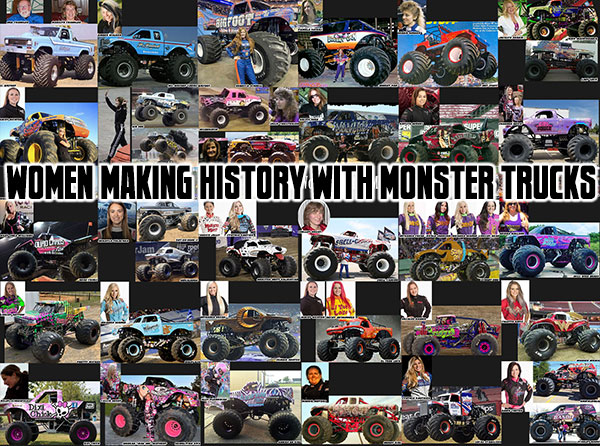
Women Making History with Monster Trucks...

In March 2023 I did a month long series on my Twitter, and Instagram celebrating the contribution of women in the history of monster trucks. As a huge monster truck fan I wanted to share the posts here on my blog as well. I hope you enjoy, and I hope that you are having a wonderful holiday season!

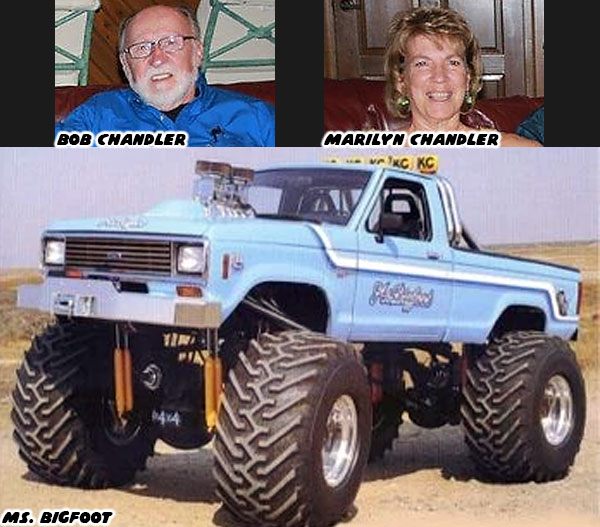
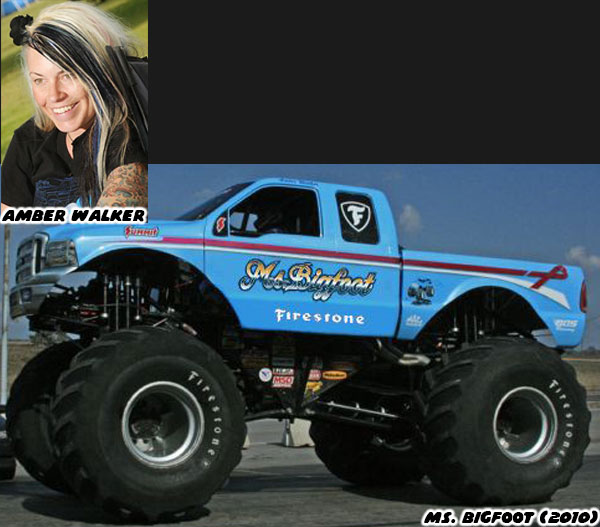
I’ve been keeping this in my back pocket for a while. For women’s history month I’ve always wanted to celebrate the women that helped shape monster truck history. Starting with Ms. Bigfoot, Marilyn Chandler. The wife of the of monster truck innovator Bob “Bigfoot” Chandler. She got tired of him having all the fun, and asked for a truck of her own in 1985. The rest as they say is history.

To be fair Bob used to call the trucks "silly" but his wife said they looked more like monsters. She along with Pontiac Silverdome announcer Bob George helped coin the term monster trucks. Amber Walker drove the updated Ms. Bigfoot (2010). I still think this was one of the best bodies ever used on the truck.

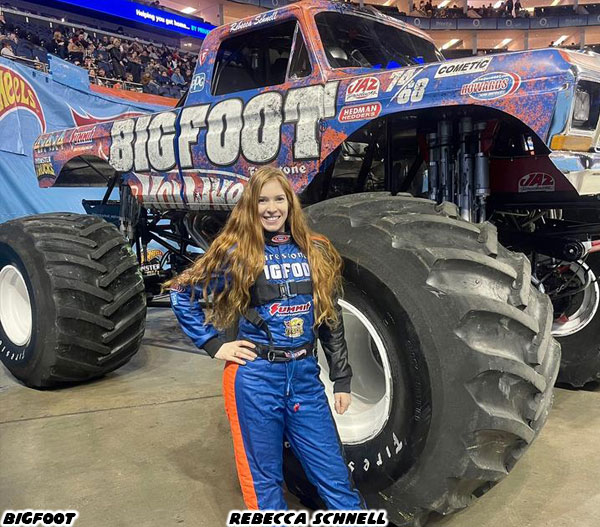
And these days Bigfoot is sometimes driven by Rebecca Schnell. She even lets her husband Darron Schnell drive it from time to time.

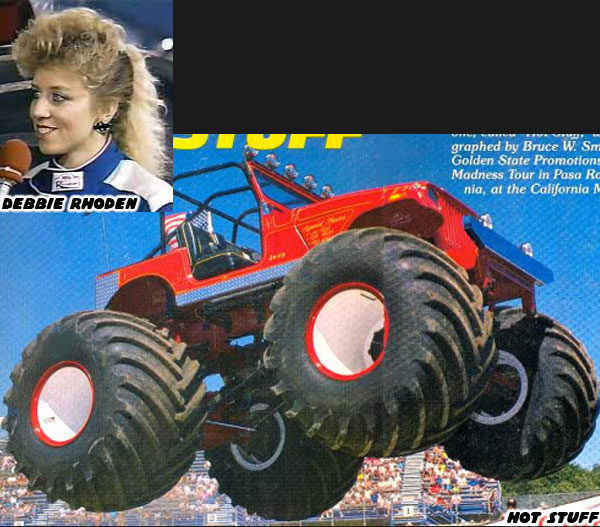
There weren't many monster trucks built out of Jeeps. For the obvious safety issues in the event of a rollover. One of the first brave enough to race with one was Debbie Rhoden in the bright red Hot Stuff.

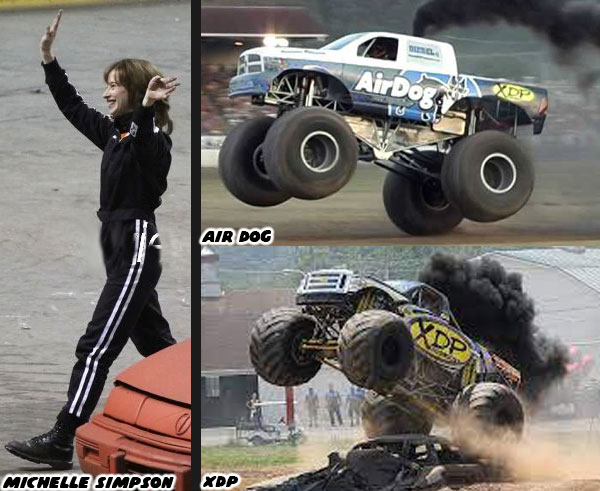
Contrary to popular belief Brodozer was not the first diesel monster truck. Those were in competition for decades. One of the pioneer drivers was Michelle Simpson who piloted the Air Dog, and XDP trucks.

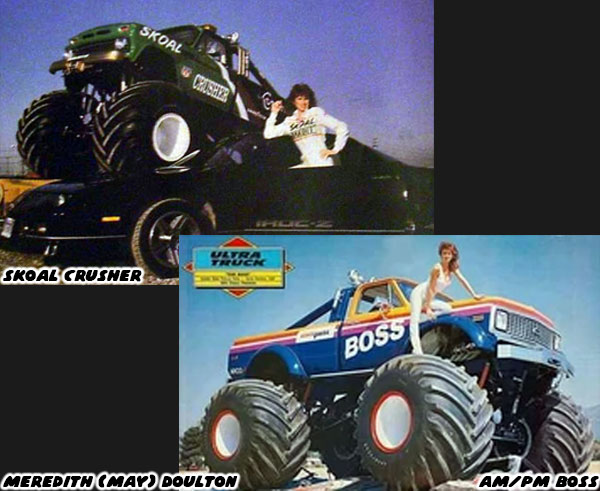
Meredith (May) Doulton, and husband Seth formed Golden State Promotions in the early '80s. They were among the first to get big name sponsors for trucks like the Skoal Crusher, and AM/PM Boss. She competed, and advertised at the same time. It was genius, and she is overdue for the monster truck hall of fame!

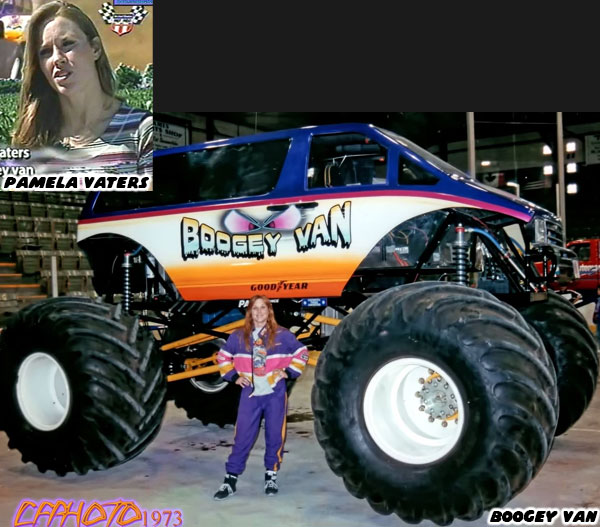
Beware the Boogey Man? NOPE! Beware the Boogey Van! Vans were rarely seen in monster truck competition. I can't think of any as quick as the Boogey Van. Pamela Vaters was one of the drivers competing regularly in the USHRA Monster Truck races.

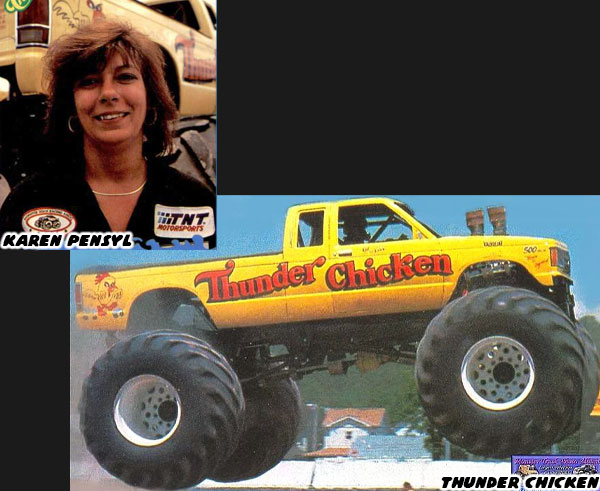
Thunder Chicken was a bright yellow racing truck driven by Karen Pensyl in early televised races. She took on classics like Mad Dog, Wild Hair, and the Carolina Crusher on TNT Motorsports.

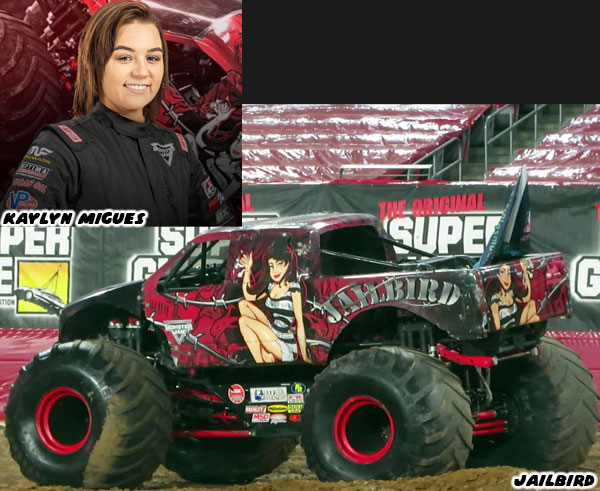
Monster trucks run in the family. Kaylyn Migues drives Jailbird. She's the daughter of monster truck owner / driver Darren Migues, and the sister of driver Tyler Migues.

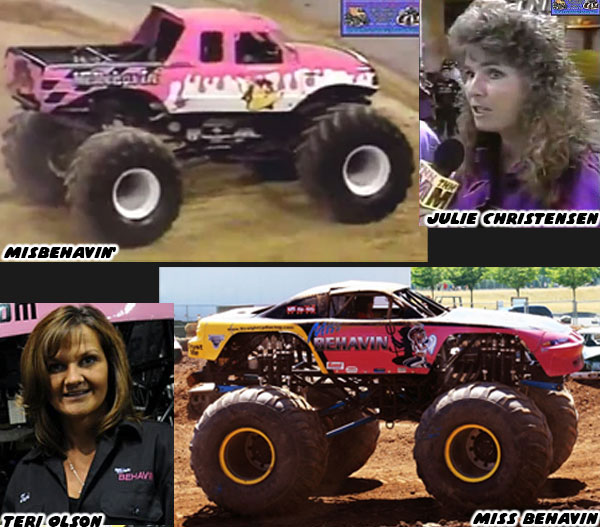
Two awesome women drove two awesome monsters. Miss Behavin, a stock car type monster was driven by Teri Olson, Julie Christensen drove a more traditional truck known as Misbehavin'.

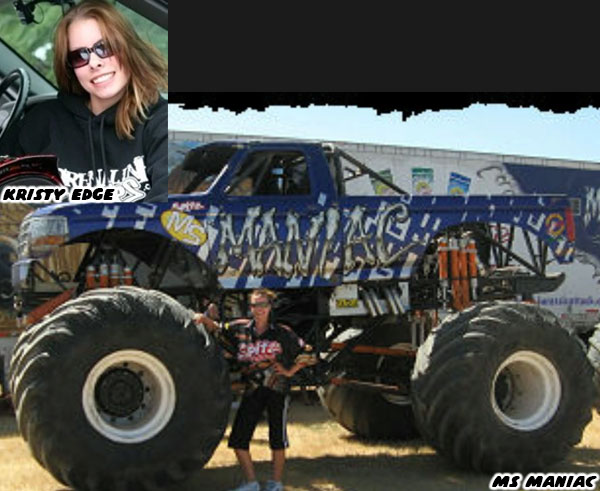
The wild looking Ms. Maniac monster truck was driven by Kristy Edge. She would sometimes compete against the Maniac truck driven by Don Frankish.

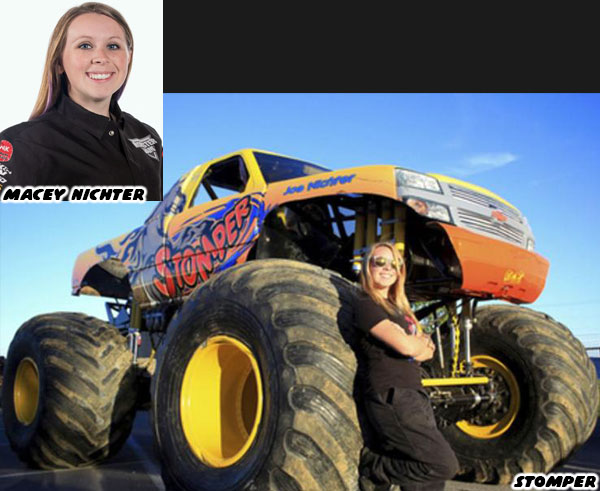
Stomper the monster truck, also known as Lethal Threat Stomper goes back to the early '90s. Different owners, different drivers then. Today it is driven by Macey Nichter, sometimes she lets her dad Joe drive it as well.

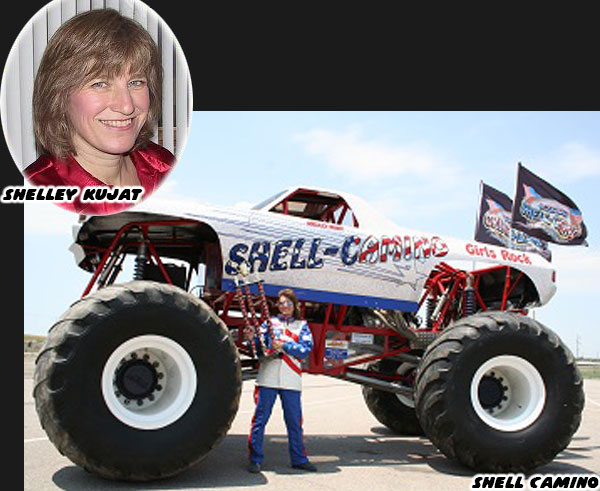
Not every great monster truck is in big stadium shows. Some are putting in their time in fairs, and local events. They are as important to the history of the sport. A salute to Shelley Kujat, and her gorgeous Shell-Camino monster for putting in the work.

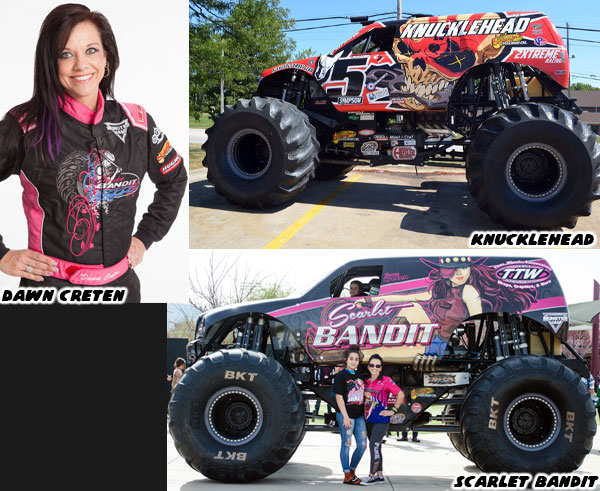
Dawn Creten is a titan of monster truck drivers. Whether a small local show, or a massive stadium tour, she always brings her best. She's known for driving the Scarlet Bandit, but has also driven Knucklehead from time to time as well.

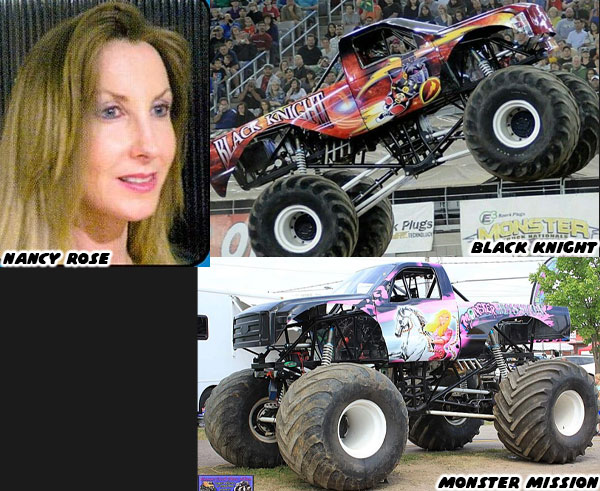
Who says monster trucks can't be inspired by fantasy? Nancy Rose has driven the brilliantly painted Black Knight, and Monster Mission.

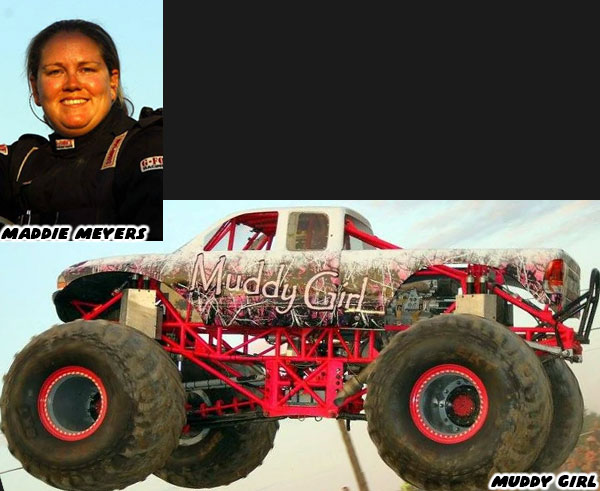
Maddie Meyers / Maddie Breaud was the driver of the Muddy Girl. This pink framed monster was the successor to the Eradicator. Maddie stepped down, and the truck was now driven by Anne Streach.

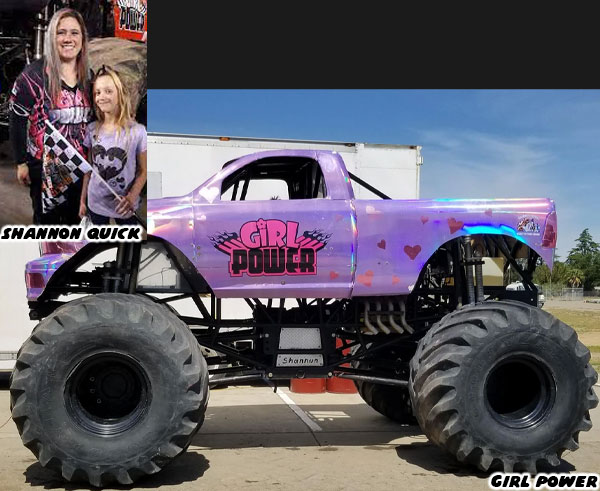
Shannon Quick drives the Girl Power monster truck, sometimes appearing on the No Limits Monster Truck tour. Its reflective foil, and hearts lavender body might be the brightest in the business.

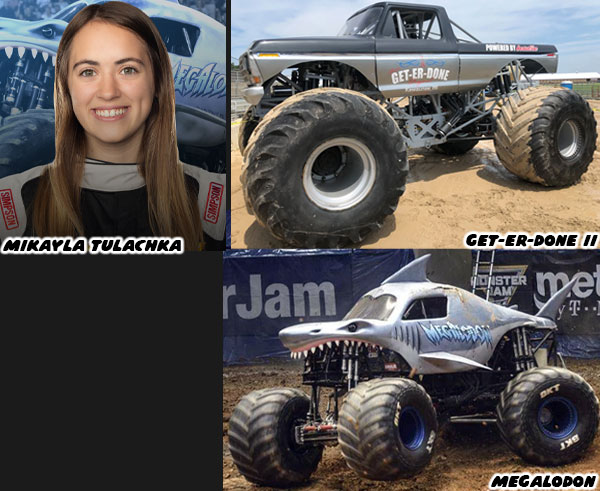
Whether competing in a smaller venue, or a stadium tour the modern crop of drivers knows how to handle any truck. Mikayla Tulachka for example has driven Get Er Done II, and Megalodon.

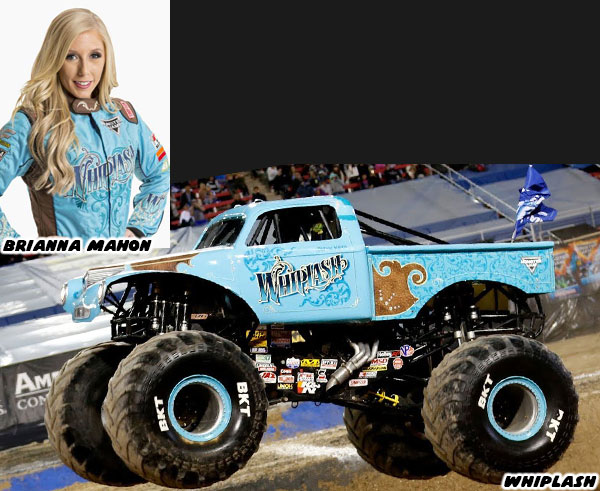
Once a racer, always a racer. Brianna Mahon cut her teeth racing micro sprint, and motocross before becoming the primary driver for Whiplash. The baby blue, classic body monster truck.

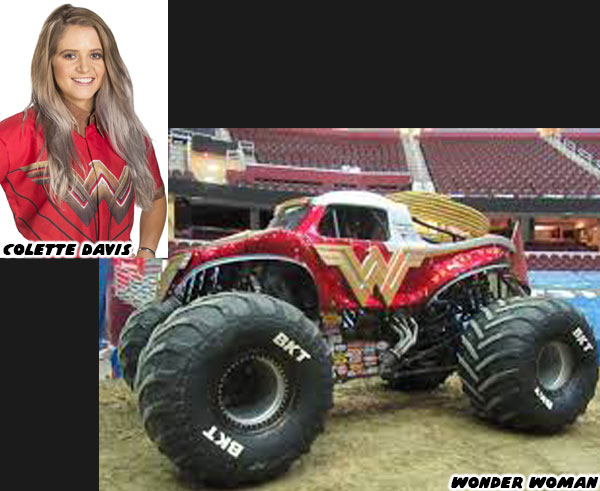
What girl doesn't look up to Wonder Woman? Well if you're Colette Davis then you are her. Well, at the very least she's the driver of the Wonder Woman monster truck.

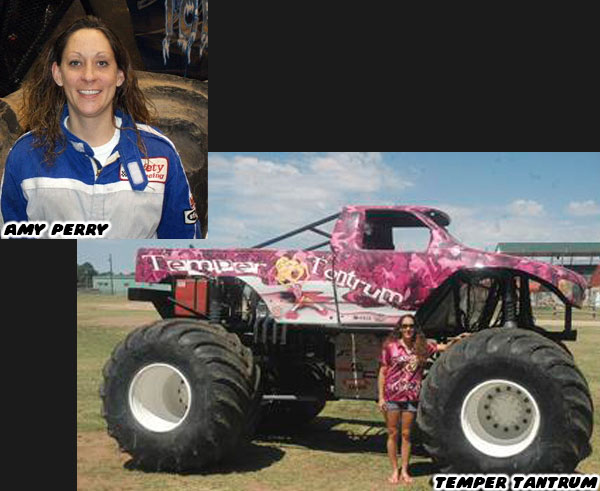
Amy Perry races out of Texas, and gets what she wants. Otherwise she'll throw a six ton Temper Tantrum in your general direction.

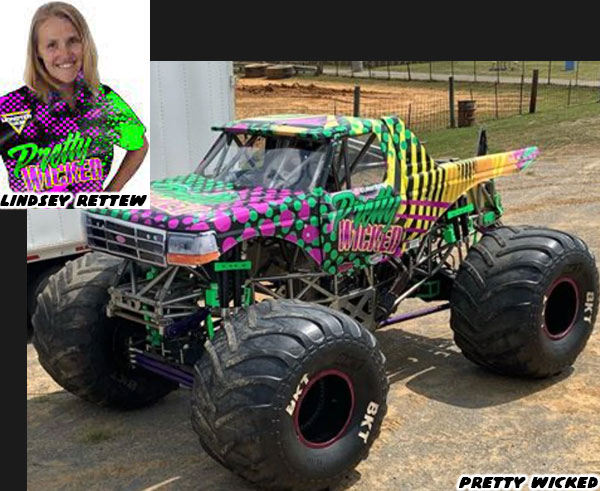
Pretty Wicked might have the most psychedelic paint scheme in monster truck history. Lindsey Rettew drives this technicolor beast.

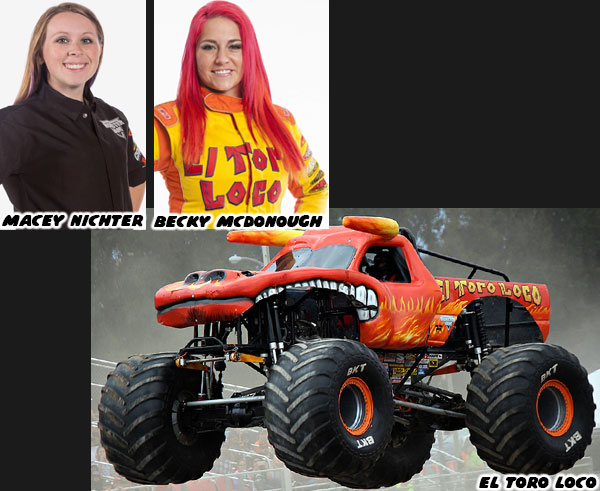
El Toro Loco has a few different drivers, two that share the distinction are Becky McDonough (she ties a pink bandana over one of the horns when she is driving), and Macey Nichter. Who wouldn't want this wild ride?

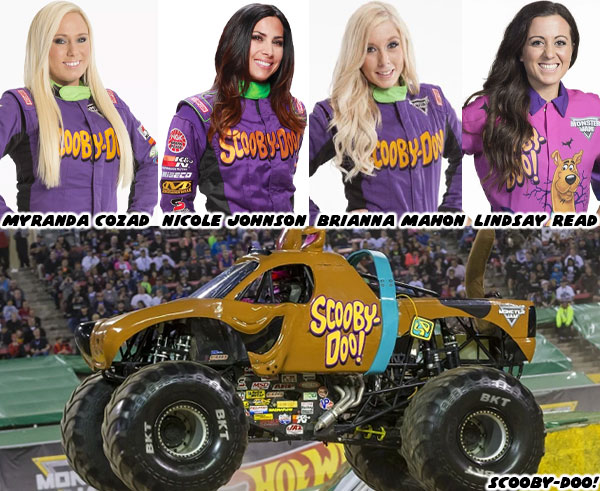
Women have made up a huge core of the Monster Jam tour. When teams are racing all around the country you might see different drivers at different stadiums. Here are just a handful of drivers for Scooby-Doo! Nicole Johnson, Bailey Shea Williams, Brianna Mahon, Dawn Creten, Lindsay Read, and Myranda Cozad.

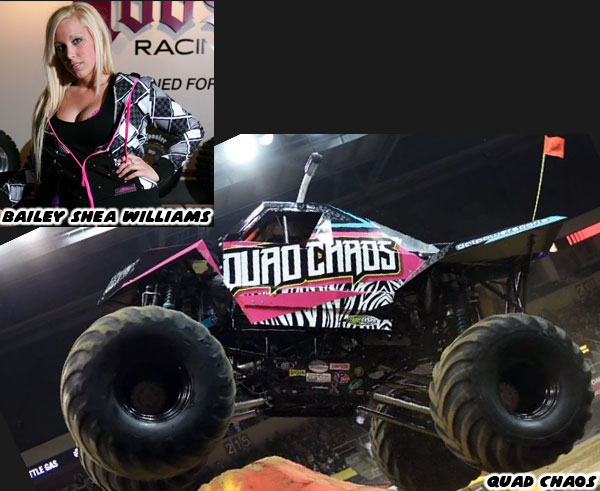
Quad Chaos is a fun monster truck, it's shaped like a gigantic quadracer. One of the drivers is Bailey Shea Williams. She usually sports a pink body whereas a green body is seen when Aaron Cain drives it.

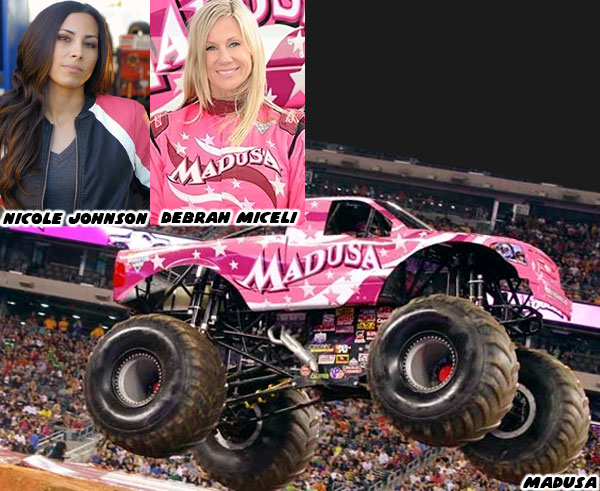
The pink stars and stripes of Madusa is well known on the Monster Jam circuit. There have actually been many drivers to the awesome truck, including Nicole Johnson, Debrah Miceli, Candice Jolly, and Bailey Shea.

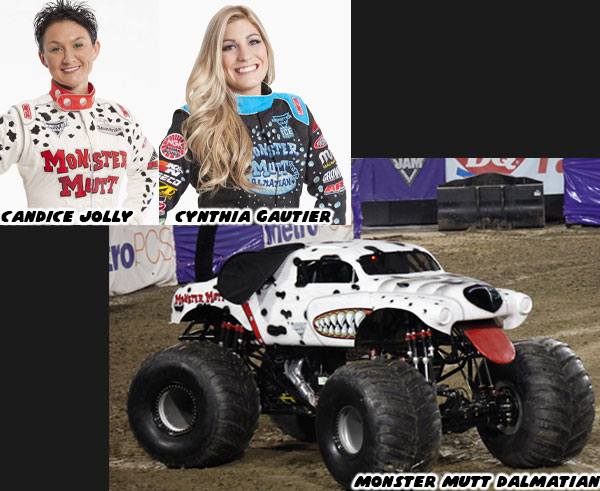
Who says monsters can't be playful too? Monster Mutt - Dalmatian has a few different drivers including Candice Jolly, and Cynthia Gautier.

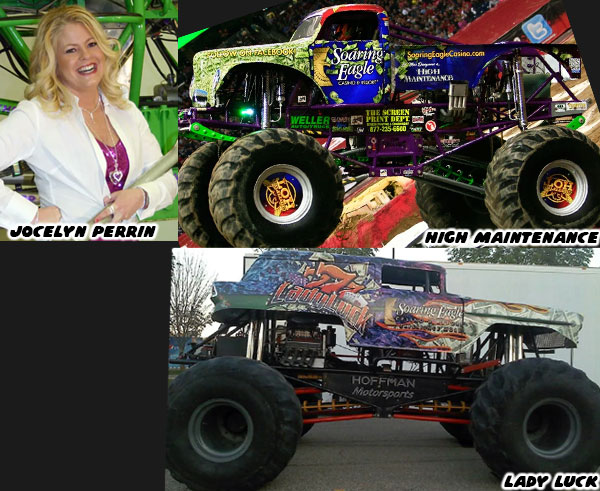
Meet Jocelyn Perrin the driver of Lady Luck, and High Maintenance (Soaring Eagle Casino). She's the monster truck mom with the radical rides.

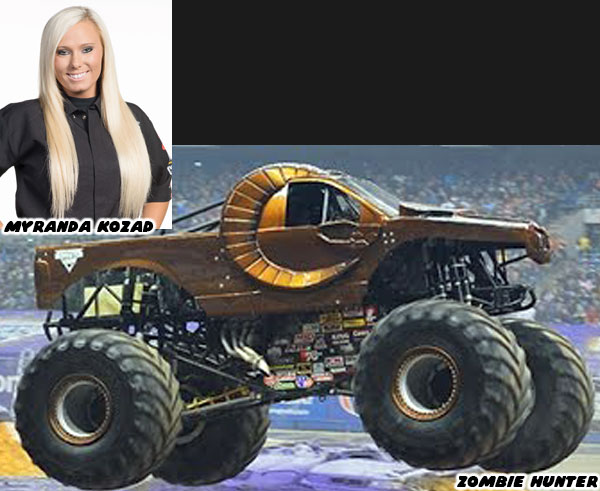
Myranda Kozad has raced a few different monster trucks, one of most unique is the Zombie Hunter. I'm sure she would come in handy if there was a zombie breakout.

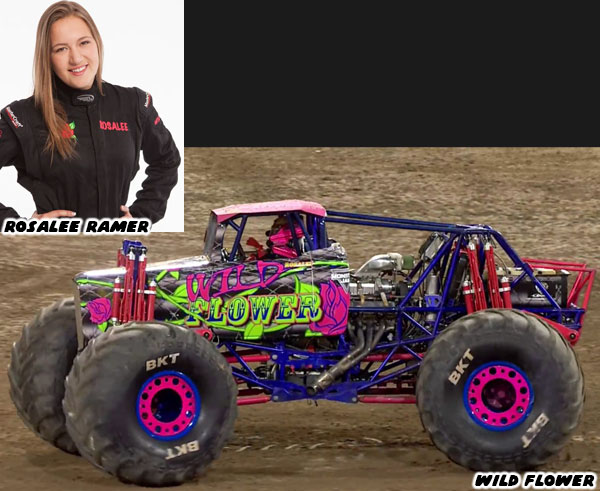
Rosalee Ramer, daughter of Kelvin Ramer was the youngest monster truck driver in the world. There are pictures of her as a little kid helping her father work on his own monster truck Time Flys. Her ride Wild Flower is a work of art.

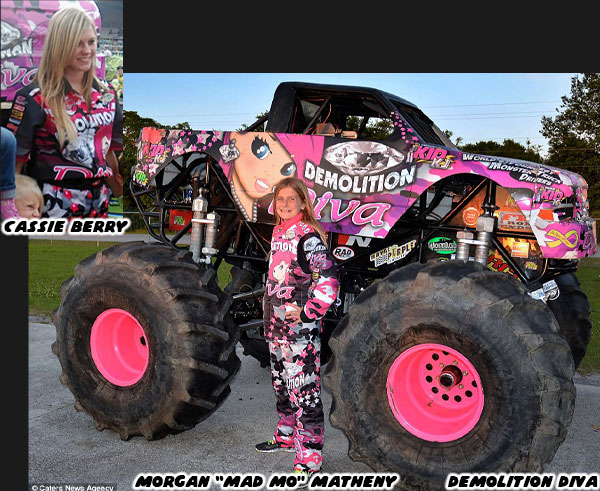
The next generation of monster truck drivers are already putting on shows in their scaled-down rides. Demolition Diva is driven by Mad Mo Morgan Matheny (Team Kid KJ) or Cassie Berry (Uncle Tod Motorsports).

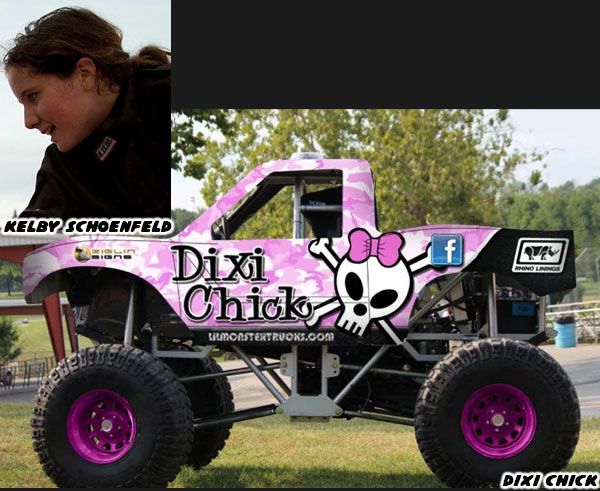
Dixie Chic is piloted by Kelby Schoenfeld (Lil’ Monster Trucks).

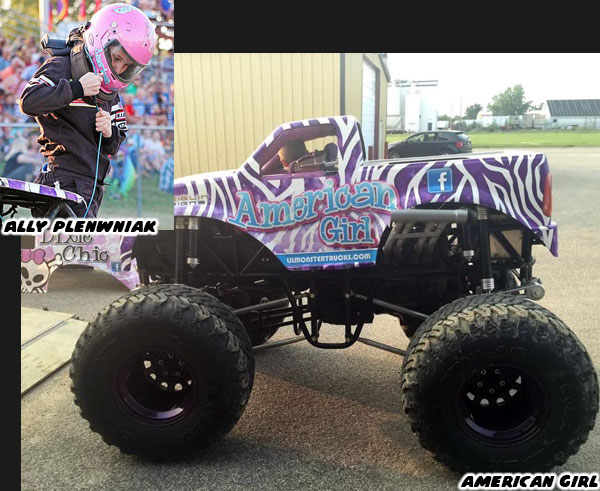
With American Girl by Ally Plenwniak, and Kelby (Lil’ Monster Trucks). The future is in very good hands.

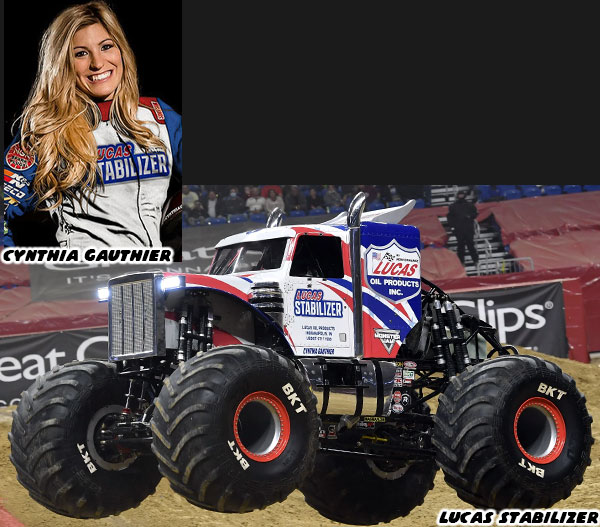
Cynthia Gauthier drives the Lucas Stabilizer. It's one of the newest, and possibly coolest truck on the list. Women have always been a part of this awesome motorsport. Remind your daughters that they can do anything, as long as they work hard for it nothing is impossible.

As I said in the start of this entry that I have always been a fan of monster trucks. If you want to find out about the history of the culture, and how it has appeared in gaming then be sure to check out my previous entries. 


Are there any motorsports, or car cultures that you are into? Like hot rods, lowriders, import tuners, drifting, NASCAR, Formula-1, or associated video games? If so I'd like to hear about it. As always if you would like to sponsor me please visit my Patreon page and consider donating each month, even as little as $1 would help make better blogs and even podcasts!
follow the Street Writer on Patreon!