Showing posts with label paul phoenix. Show all posts

Sunday, July 12, 2015

The Ken reaction, part 2...

In the previous blog I had mentioned that fighting game characters were memorable when they had uniforms and costumes that were made up of solid color. It was a tradition started by Karate Champ and championed by the Street Fighter series. The reaction to Ken's updated look in Street Fighter V has divided many fans. It's for good reason too, this is more than a cosmetic change for the character. It's a solid shift from what has worked well for almost 30 years.


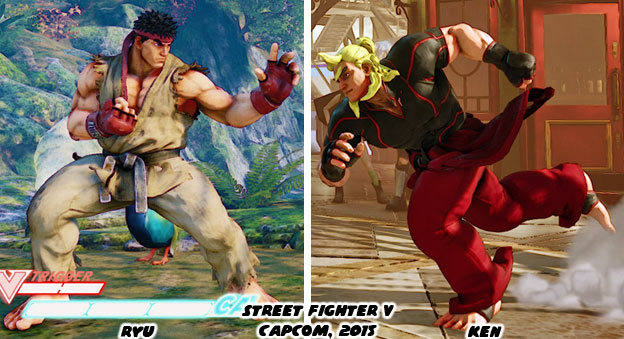
Ryu retains his familiar costume, a white gi, red sparring gloves, a red headband and a black belt (that is beginning to fade). Ken is still primarily wearing red but his top is pulled around his waist. He has a black sport top on now with red trim. His gloves have gone from yellow to black and he is now wearing black sleeves on his feet. Combined with his extra long hair this is a big shift from game to game and even for the entire series.
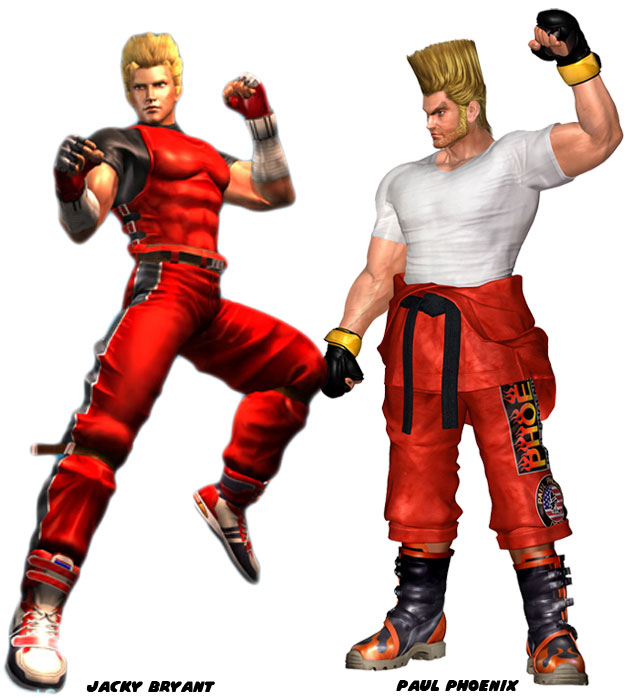
 

A few things that concerned the fans were valid. Ken no longer had a primary color associated with him, his two colors were complimentary but they reduced the visual impact he once had. The other thing that concerned fans were how the red and black combination had been seen previously on other blonde American fighters. Primarily Jacky Bryant from Virtua Fighter and Paul Phoenix from the Tekken series. Both were considered derivative of Ken but now the opposite appeared true.
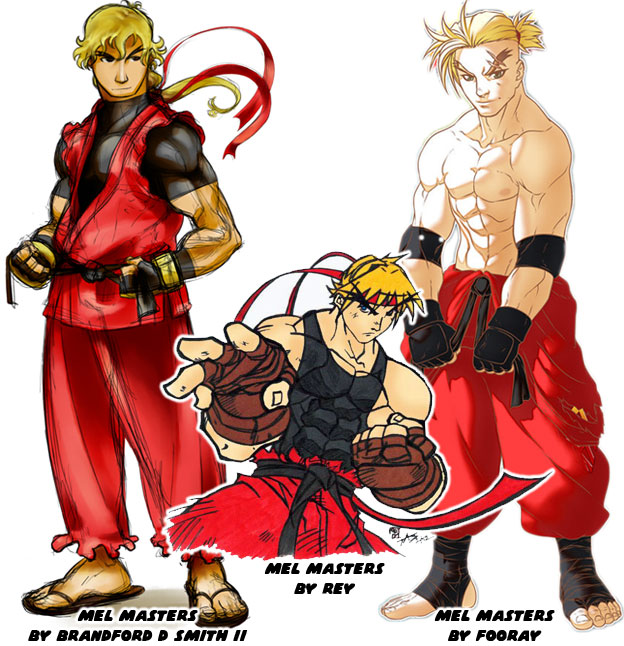
 

Something else that may have concerned audiences was how similar the makeover was to fan concepts for Mel Masters, the son of Ken, if he were in the series. Of course he was expected to wear red to honor his father but would have added his own touch as well. Perhaps a black top or black tape on his hands and feet. Black was one of the few colors that worked to compliment or contrast red which was why it turned up on so many characters. These fan ideas were many years old and I'm sure many wondered if the artists at Capcom had been keeping tabs on what interested audiences, especially gamers in the West.
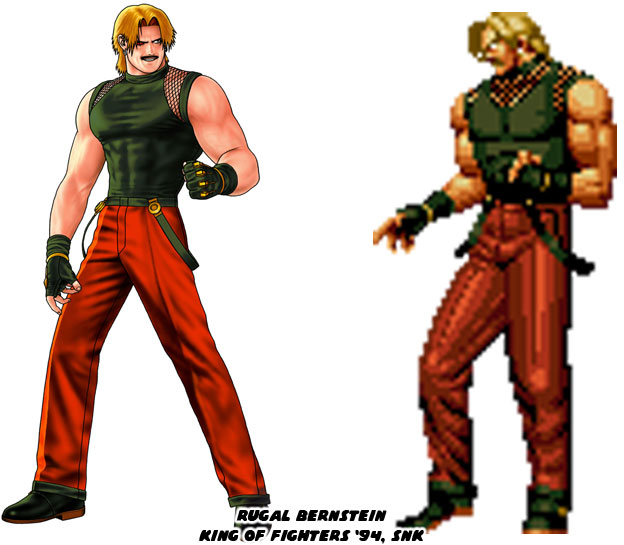

There had not only been heroes that were dressed in red and black. One of the great all-time villains from SNK continuity wore a costume very similar to Ken's updated look. Rugal Bernstein was the organizer of the original King of Fighters Tournament. The game debuted in 1994 and was a revolutionary title. It's use of tag teams was a refreshing change of pace from the typical 1-on-1 battles. Rugal himself was very powerful, as was the case with all SNK boss characters. He was also tall and very strong, giving him an advantage whether opponents were close or far away. The developers made good use of his reach by assigning him many kick-based attacks.
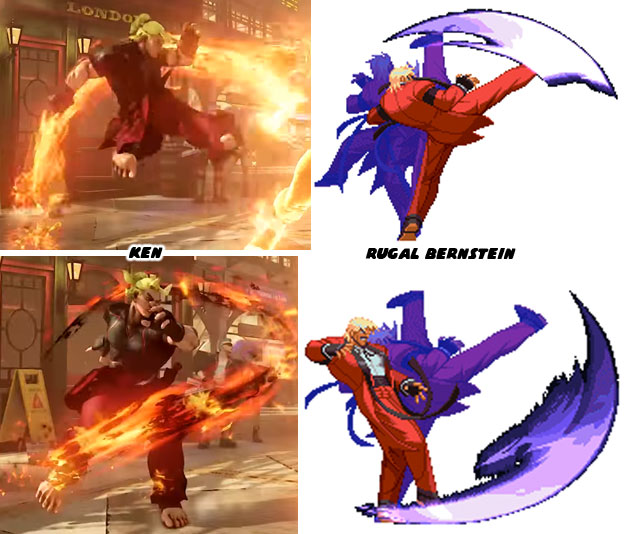

Ken and Ryu had always had the "hurricane kick" in their arsenal. Ken had specialized punches and kicks that actually set his opponents on fire going all the way back to Street Fighter Alpha / Zero in 1995. With his updated look in Street Fighter V he had some changes made to his library of kicks. Several of them now had sweeping arches. These new kicks reminded me greatly of the kicks Rugal would perform. Granted they could have been coincidence. I get the feeling that in the subconscious of the new designers they remembered Rugal and Ken from the same era and combined them into this new fighter. But that's all speculation.
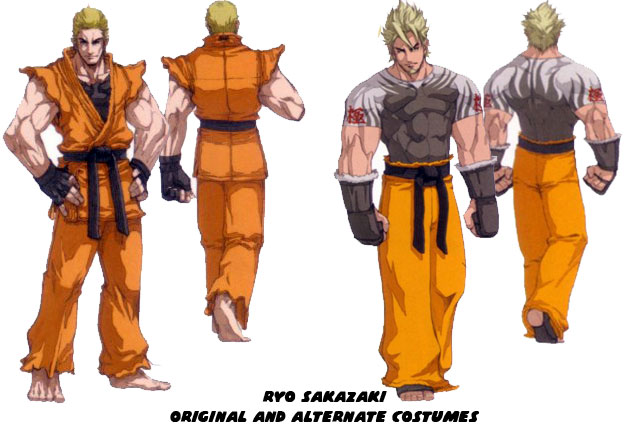
 

I can understand the concern that long-time players have with the character. He's been presented in one way for so long that the new Ken may be completely "unplayable" in the eyes of traditionalists. Capcom would not do that to one of the main characters. A supporting character like Birdie on the other hand may have an even more dramatic look and control shift. The thing is that Capcom pioneered the idea that fighters could change from game to game. Street Fighter II and Alpha were worlds apart. Ken was very different between the two. Other studios saw a cosmetic change as a way to keep things fresh. SNK experimented with this in the King of Fighters series. A man costume and an alternate costume could both be considered canon. Ryo's alternate costume designs, including changes with his hair and facial hair, from a few years back were not unlike Ken's makeover.
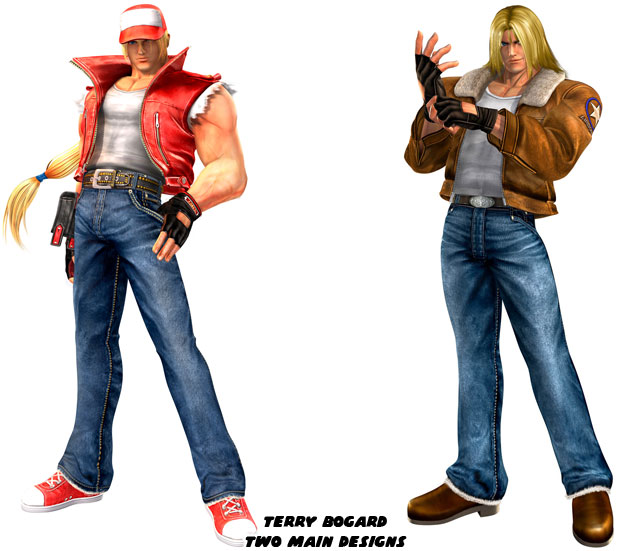
 

In other cases SNK was able to completely redo a character's look and still have it work within the game series. Perhaps the makeover was because a lot of time had passed. Such was the case with Terry Bogard between the original Fatal Fury timeline and the events of Garou: Mark of the Wolves. Terry still played like Terry despite his new look. It was accepted by King of Fighters Maximum Impact that the main character could have two distinct looks. With the news that some of the original costumes will be available as DLC in Street Fighter V then I have a feeling that was what Capcom was going for with Ken. Some time has passed between Street Fighter III and IV so all the characters are expected to look a little different. So again, I understand the concerns of audiences young and old with the new look of Ken but the game is a long way from being finalized. Let's not forget about the eventual Ultra and Super versions that will follow and continue to shape the costumes and evolution of each character. If you have any concerns with the direction of the series I'd like to hear them in the comments. As always if you enjoyed this blog and would like to sponsor me please visit my Patreon page and consider donating each month, even as little as $1 would help make better blogs and even podcasts!
Monday, June 23, 2014

The Sega / Namco Rivalry, part 7...

Namco decided to dress up their fighting game character Paul Phoenix in leather motorcycle gear and have him ride around in a big custom bike in the game endings and official game art. These changes were made to make the character appear less generic and less like a clone of Ken from Street Fighter. It was also one of the early jabs that the studio took at Sega. The designers at Namco noticed that if Sega were going to link the Virtua Fighter star Jacky to their racing legacy then they would begin putting Phoenix and the other Tekken fighters in other titles as well. Since Jacky was a poster boy for Sega's auto racing lineage then Namco decided to put Phoenix on a motorcycle. After all bikes were supposed to be much cooler than cars and no motorcycle shouted America louder than a flame painted Harley Davidson. Or at the very least a Harley Davidson knock-off.

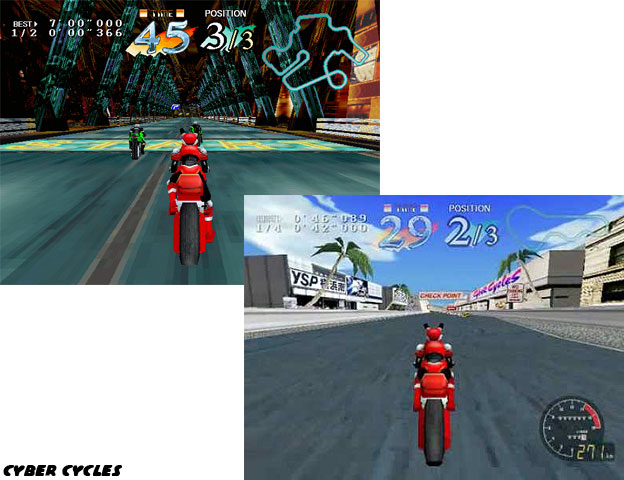
Cyber Cycles was a motorcycle racing game that Namco released in 1995. It was out about the same time as Virtual-On and Cyber Commando. Since science fiction design was working very well in the early 3D titles and even contemporary racing titles were given locations and vehicles that were ahead of the curve. There were three classes of motorcycles featured in Cyber Cycles. The easiest to control had the slowest top speed. The fastest in the game was the most difficult to control and of course there was a bike in the middle that was easy to control and had a good top speed. The easy and medium class bikes looked like Japanese or Italian racing motorcycles however the difficult one with the biggest engine looked like a classic American chopper.

To give the appearance of multiple characters in the game each bike had four possible colors. The riders in the title never took off their helmets but the designs on the back of their jackets were different. The rider on the blue chopper had an orca on the back of his, the one with the yellow had a cow skull and the one in red had a pin up girl. The one in black had a skull and swords logo as well as flame designs on his pants. The character and his livery were identical to Paul Phoenix and his Wild Hog custom bike which had debuted just a few months earlier. Without naming the character Namco had put one over on Sega.

Arcade visitors had by and large become addicted to fighting games thanks to the smash hit Street Fighter II in 1991. In just a few short years every major developer, and even dozens of unknown developers had released a fighting game of their own. Sega and Namco had raised the bar by moving the genre into 3D. In 1995 Tekken 2 was arguably the hottest thing in the arcades and the designers at Namco knew how to capitalize on its success. Although there were many different teams working internally, just as there were at Sega, they saw the potential for cross pollination early on. The team working on Cyber Cycles did not need to name Phoenix in game or make an exact replica of the Wild Hog but audiences that might not have normally played a motorcycle game found sudden interest in it.

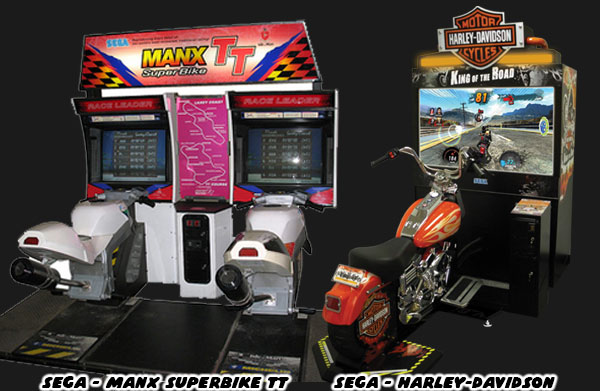
Sega actually had a reply waiting for Namco. The studio had Manx TT out in arcades in 1995 as well. The Sega game appeared superior visually to the Namco game and controlled as well if not better. Sega's title was based on the actual Isle of Man superbike race. Which was one of the most thrilling and dangerous courses in the world. However despite the awesome efforts of AM3 many arcade players slept on the title. Of the two big racing games released that year the cameo from Paul Phoenix took Namco over the top. The next motorcycle game from Sega would completely break all conventions. The studio licensed the actual Harley Davidson name and set a 1998 game on an open world map based in Los Angeles. The game Harley Davidson and L.A. Riders had players racing through random checkpoints all over the city. The game handled far more realistically than Cyber Cycles and I would have to say that I saw more arcades with L.A. Riders cabinets than Cyber Cycle ones. Yet that same year they released something that was so wild that audiences had a hard time describing it.

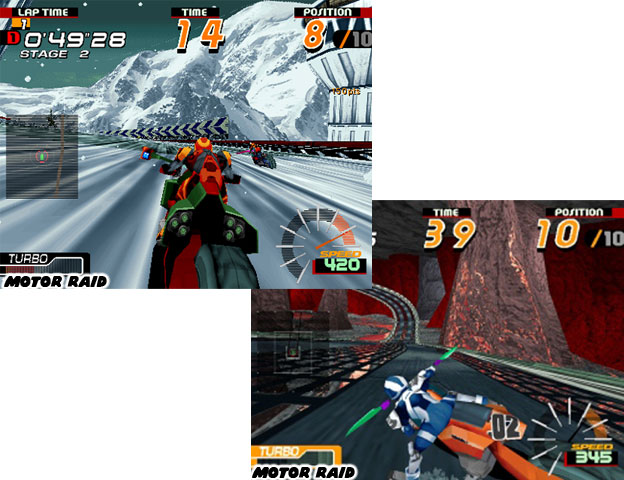
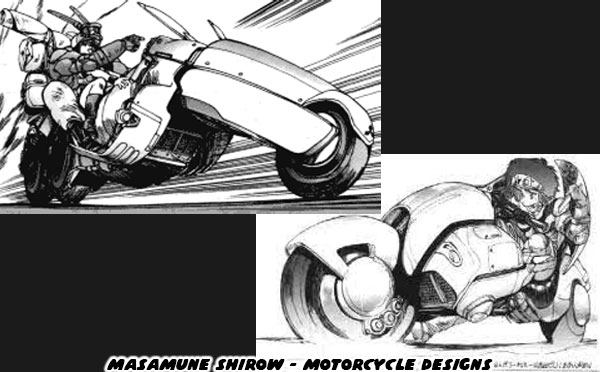
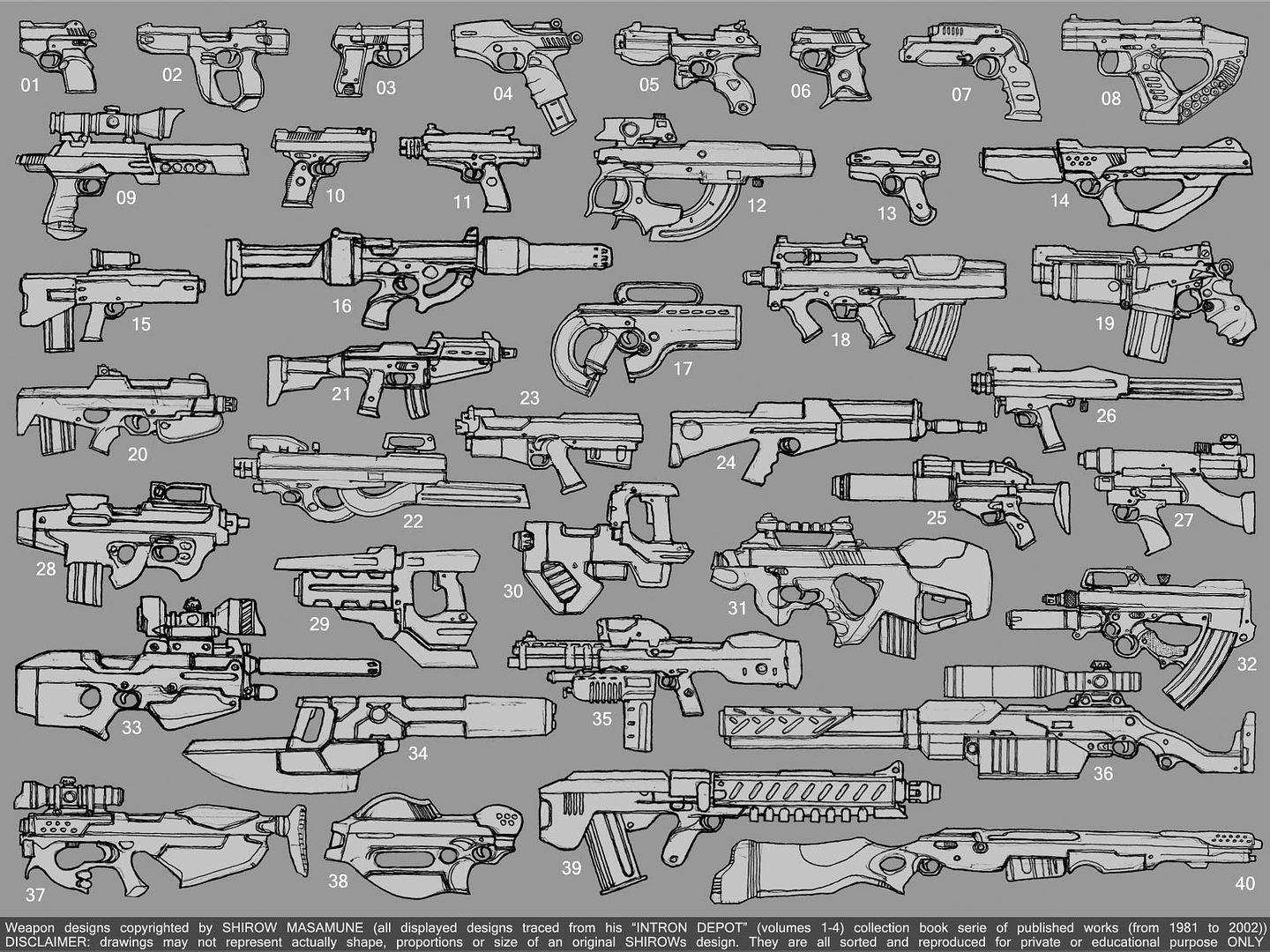
Motor Raid was a tournament combat racing game set in the far future and across several alien planets. The title could only barely be considered a motorcycle racing game. It did indeed feature two-wheeled vehicles, a circuit and a countdown clock like previous racers. The settings, locations, gravity defying tracks and ability to fight opponents however made it more like a vehicle combat game, a nonstop rolling version of Twisted Metal in the far flung future. Motor Raid was visually stunning. Sega plucked science fiction ideas and designs from a who's-who of anime titles including Akira and Venus Wars. Those films had amazing motorcycle sequences and respective designs from the visionary Katsuhiro Otomo and Yoshikazu Yasuhiko. The motorcycles were dangerous but refined, not unike the weapon designs of Masamune Shirow. They featured a perfect blend of hard features and soft curves. The racers themselves wore armor which mirrored the type of motorcycle they took into battle.

The only real competition that Sega faced in the arcade was from Namco. Both studios were constantly pushing the uses of 3D engines in game development. Every genre that they applied the new architecture to was a major milestone for the industry. The polygon was make or break technology for other studios but between Namco and Sega it would be a jumping off point for every battle. The racing genre would be the subject of the biggest war between the two companies. The next blog will look at where Namco seemingly took the lead. As always if you would like to sponsor me please visit my Patreon page and consider donating each month, even as little as $1 would help make better blogs and even podcasts!
follow the Street Writer on Patreon!

Friday, June 20, 2014

The Sega / Namco Rivalry, part 6...

Through the early '90s Sega was doing anything but sleeping on the job. They released Virtua Fighter, the first arcade polygon fighting game in 1993 the same year that Cyber Sled came out. It featured a diverse cast of characters and a new game mechanic that allowed players to push opponents out of the ring and disqualify them. Virtua Fighter tried to focus on more realistic combat and fighting styles than the more traditional 2D fighting games like Street Fighter and Mortal Kombat. Many arcade gamers were not initially drawn to the title because it moved much slower than traditional fighting games. Moreover the polygonal characters in Virtua Fighter were extremely blocky because of the limited computing power of early hardware. Namco would not answer the challenge to develop a 3D fighting game for a few more years. When the studio released Tekken in 1995 then arcade visitors began to take notice. Namco had only slightly bumped up the polygon count for their 3D models. What really changed the perception from gamers was the use of textures. Because the polygonal characters in Tekken had textured skin, clothes and hair and the environments did as well they appeared much more detailed than the Sega characters.

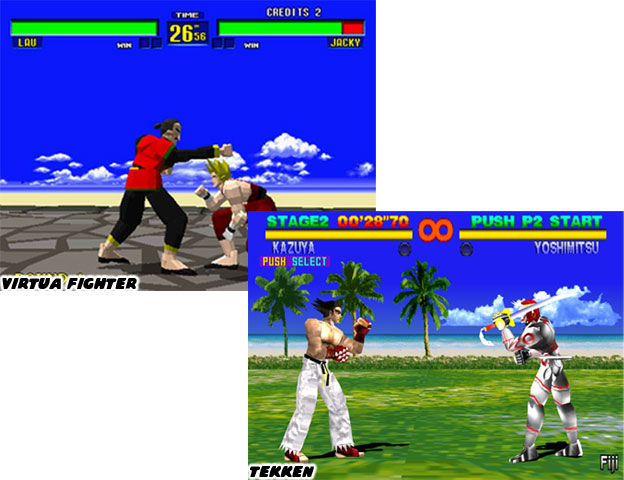
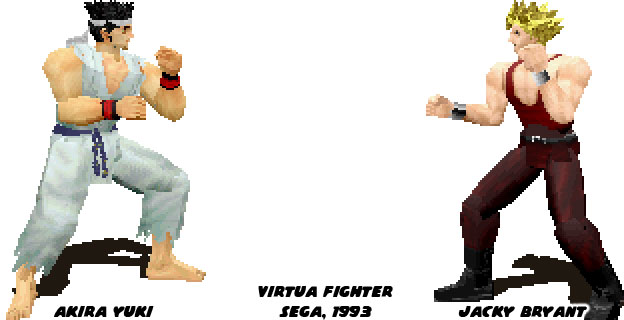
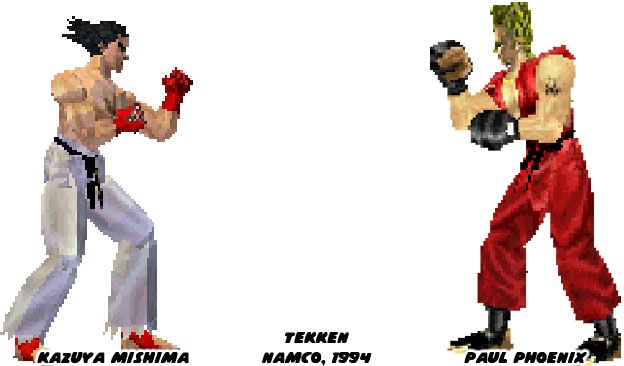
The diversity of the Tekken cast was not any different than what players had seen in other games but the moves that each character had were not necessarily grounded in reality. Tekken was one of the first 3D fighting games to employ the absurdly overpowered strikes seen in kung-fu cinema. Characters could kick each other into the sky and then punch them a few more times before they hit the ground. It was a mechanic that looked amazing in 3D. As far as design went the characters seemed to be a mix of those found in Street Fighter and Virtua Fighter. For example the main character Kazuya Mishima was Japanese and wore white, his rival was an American named Paul Phoenix that wore red. The two were similar to Ryu and Ken from Street Fighter but also Akira Yuki and Jacky Bryant respectively from Virtua Fighter. The similarities didn't end there.

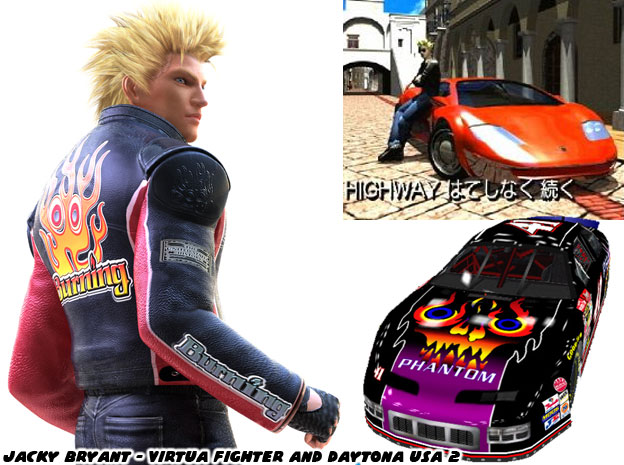
Paul Phoenix was typical of US characters in Japanese games. He was brash and flamboyant and enjoyed being the cool guy. The same thing could be said of Jacky Bryant. To many gamers Phoenix seemed to be a parody of the archetype. He was so cool that he was absurd as well. Insiders noted that he was created to take a jab at the Sega, and even Capcom designs. Jacky for example was not only an accomplished fighter but he was also a professional race car driver. It was as if he simply excelled at everything he tried out for. Sega did everything to make him appear cool in the series. The way they dressed him, the cars he drove personally and professionally. He was the ideal that gamers were supposed to look up to. It seemed to be pandering the way Bryant was juxtaposed to cars that brought back the memories of OutRun and Daytona USA, the earlier Sega racing hits. After all if the American characters were good at one form of racing then it would have to be driving a stock car in a circle.

Sega seemed infatuated with the "hey look at this cool guy" school of design. It became fodder for Namco through the rest of the '90s. When they created Paul Phoenix they went out of their way to make him look even cooler, at least by Japanese aesthetics. Phoenix had actually changed greatly between Tekken 1 and 2. In the original game he wore a red gi and had a tall haircut. Long time fighting game fans noted that he looked like a mix of the US characters Ken and Guile from Street Fighter. Guile had a very tall flat top haircut and Ken wore all red. Jacky from Virtual Fighter was an American that also wore red. He had a red tank top and red pants in the first Virtua Fighter but his costumes would become more casual and race inspired. Namco began to change the look of Phoenix considerably over the next versions of the game to make sure that their fans understood how over-the-top the character was supposed to be. The studio would often portray him as a down-on-his-luck fighter while his Japanese rival rose to prominence.

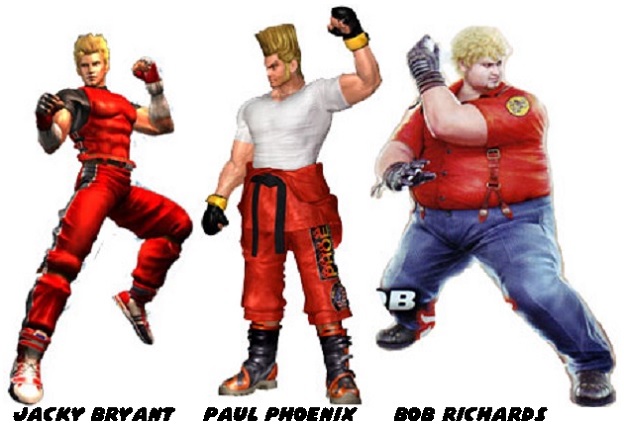
Phoenix was clearly a powerful fighter as he could hold his own against the top characters in canon as well as within the game. Yet the outlandish hair and strong attacks were not enough to get a message across to Sega. A few years later Namco introduced an obese fighter into Tekken named Bob Richards. The freestyle karate fighter had the dashing good looks of a typical American character, along with clearly died blonde hair. He even wore a red top and jeans. The only difference between he and Phoenix was about 250 lbs of fat.

Bob had a patch on the sleeve of his shirt, a bright Hornet which would become his icon. In different costume variations the Hornet could be seen on his belt buckle as well. Those that were long time Sega fans knew that the Hornet was the signature car in Daytona USA. One of the first polygon racing hits. Bob was essentially the fat American stereotype and arcade fans either loved it or loathed it. Those that were not in the know simply saw a fat fighter that looked a little odd in the lineup. It would not be the first time that Namo had fired a shot across the bow at Sega. The beef between the studios could be traced back to their racing rivalry. The next blog will look at the period where both companies were going head to head across different racing formats. As always if you would like to sponsor me please visit my Patreon page and consider donating each month, even as little as $1 would help make better blogs and even podcasts!
follow the Street Writer on Patreon!