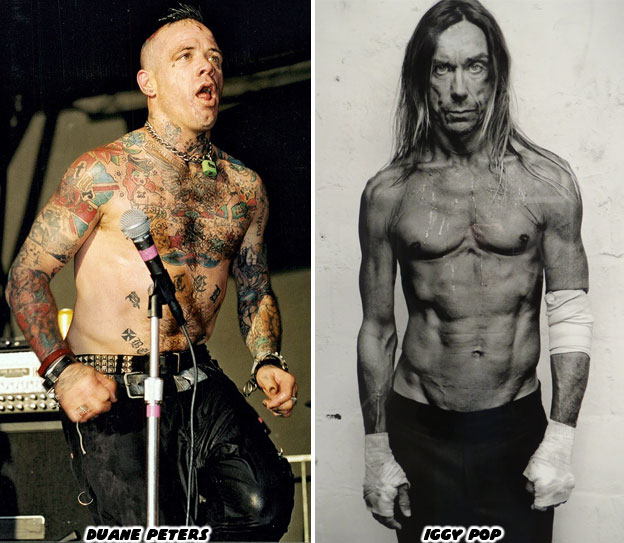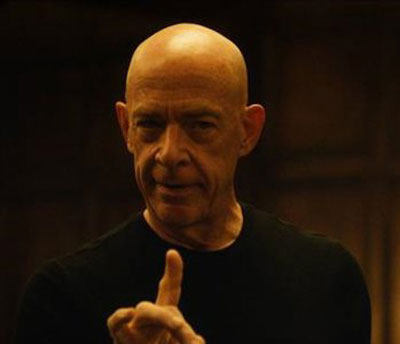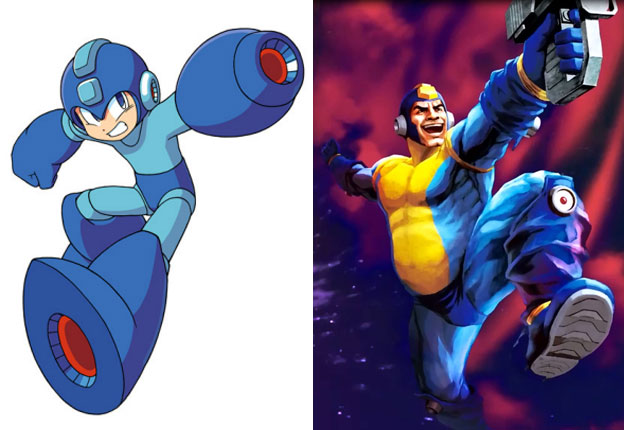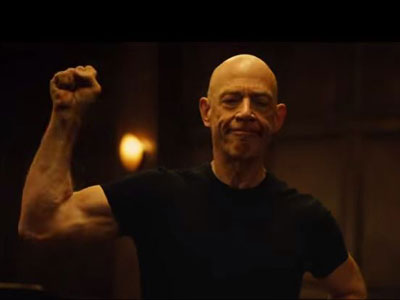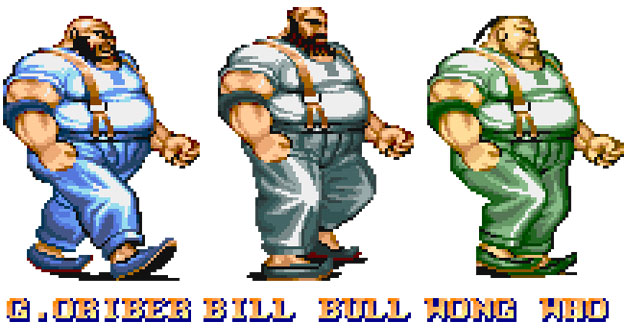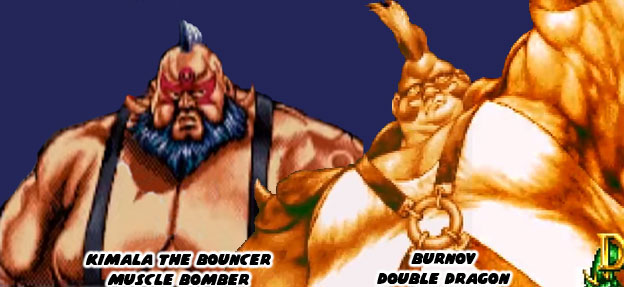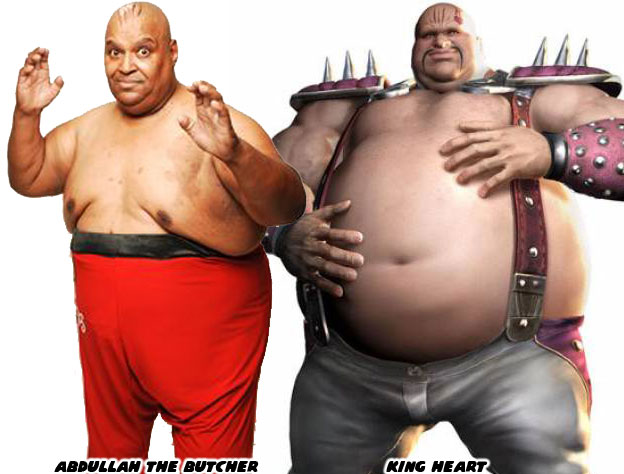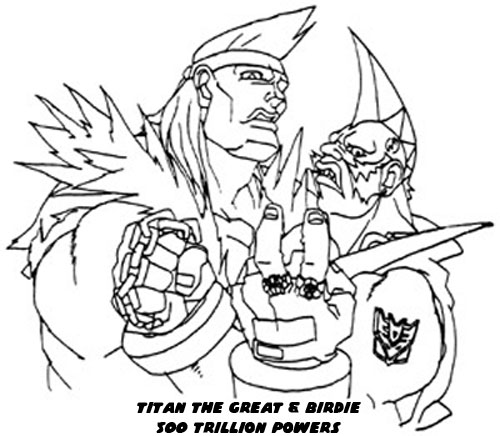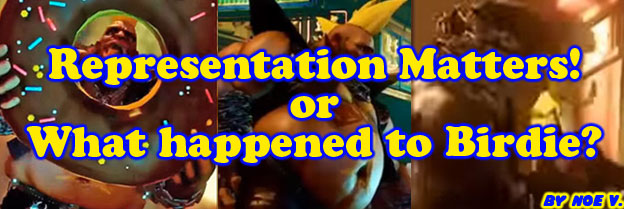
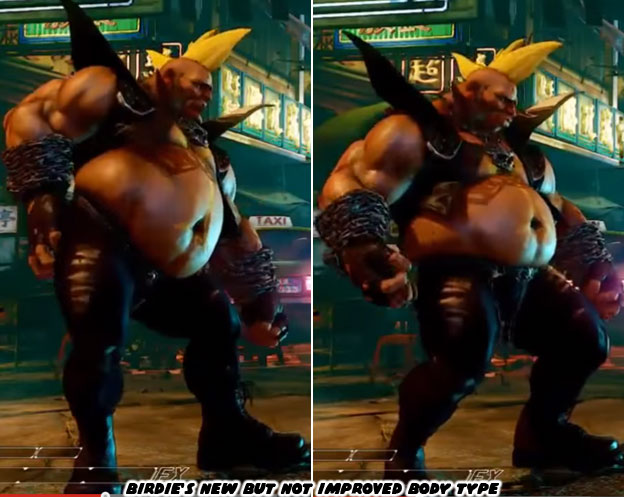
This whole series was sparked after seeing what the Street Fighter V team had done to Birdie. Obviously I did not like it. Nowhere in the legacy of Birdie's previous appearances was he ever presented as a fat slob. Why would the studio start doing this to him now? In an interview with EventHubs Matt Dahlgren the Director of Brand Marketing & eSports at Capcom said of the updated designs "A good example for our tone is Birdie… I don't think anyone really saw him coming, but we had this really cool character design — he's practically a new character in himself — but he doesn't take up one of the slots we have for brand new fighters." If Birdie is "practically a new character", with mostly new moves then why not introduce a new character in that spot? Why would they force Birdie into a template that was not his original? My friend challenged me to redesign Birdie so that he would make sense in Street Fighter V. I said that was not why I was upset with the design. Capcom did not redesign Ken, Ryu, Chun-Li, Cammy or the Dictator for the game. Granted they discolored the skin of Charlie Nash and left him with scars and staples but that was part of his return. If the studio did not need to change any of the other returning characters why would it be acceptable to do that to Birdie? I saw two reasons why, because he was black or because he was a punk. If there was a third reason I'd like to hear it, especially from the producer.
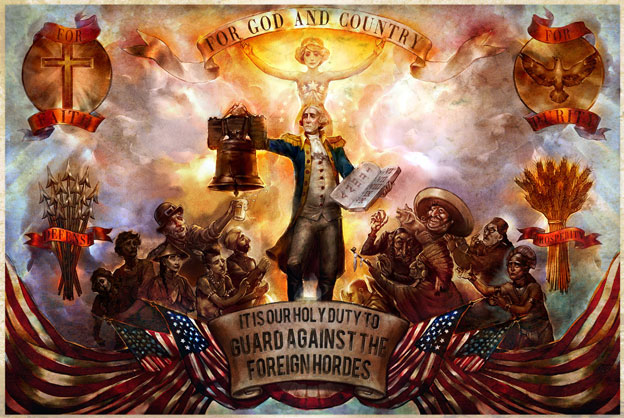
Representation was one of the most important things that defined society yet was also something rarely spoken of. We lived in a post-racial world where every member of society had an equal opportunity to advance. Or so that was what we were taught. It was something that the majority, the people at the top of the social ladder, did not necessarily see or understand. Minorities by comparison could feel the effects of representation on a daily basis. They did not always see themselves in television, movies or games. If they did the people were often portrayed with negative stereotypes. These images added up. They effected the psyche of consumers, they became subconscious biases. Years of seeing minorities in only one light, of hearing about minorities spoken about in only one way, especially in the news, had a detrimental effect on society. Just see how divided the USA was when the words "illegal immigrants" or "thugs" were spoken on television. They were trigger words. Those words caused a reaction far greater than their original meaning. This post-racial society was not as inclusive and welcoming as we would like it to be. The images that audiences were bombarded with on a daily basis could be toxic. Pictures and videos could be laced with layers and layers of subversive messages. The way minorities were visualized was more powerful than any derogatory term.
Fans had supported Street Fighter for almost 30 years because it introduced us to a library of fighters of every color and from every nation. These characters were not all heavy-handed stereotypes and that was part of the reason why they were so popular. During the early days of Street Fighter II's development Anabebe, Great Tiger, Zhi Li and Vodka Gobalsy were a sampling of stereotypes that the studio designers had identify and break. In doing so they were freed from preconceptions, they were able to create a title with more diversity and inclusiveness than any other fighting game ever made. Only in later revisions was it decided that the fighters should come from different walks of life. The musician from Jamaica and the chef from Mexico were two of the weakest reasons to introduce a new character. The fighter became secondary to the profession. Which was an odd choice considering what the name of the game was.
If you were not a member of a minority group it could be hard to explain what the images in media meant to us. For example it was hard for me to find positive Mexican-American role models on US television when I was growing up. I think officer Poncherello from the show CHIPs was the only person I could remember. Everyone else that remotely looked like a member of my family was usually a bad guy that spoke broken English and had no redeeming qualities. There weren't any Latino game characters that I could think of while growing up, let alone in a popular game. Many years ago when I heard that a Mexican would be added to the roster of Super Street Fighter II I was elated. It was as if the people at the top of the ladder were validating our culture. T. Hawk had some unique moves and a distinct style that worked well compared to the other fighters. More than 15 years later when a masked Mexican wrestler was announced for Street Fighter IV I was over the moon with excitement. Pro wrestling was something that Mexico was known for, now would be our chance to shine. Or so I thought. Then I saw El Fuerte, then I listened to him, then I played as him. This was not what Mexican wrestling was about. This was not the best masked wrestler that Capcom could have come up with. At least he was not the best masked wrestler that the previous designs teams could have come up with. El Fuerte was a joke and when T. Hawk returned he was a joke too. Then a Turk was introduced and he was a joke. Then a fat character was introduced and he was a joke. I wondered what had happened in Street Fighter IV. The diversity in the cast was an excuse to point and laugh at those that did not have traditional Asian fighting roots.
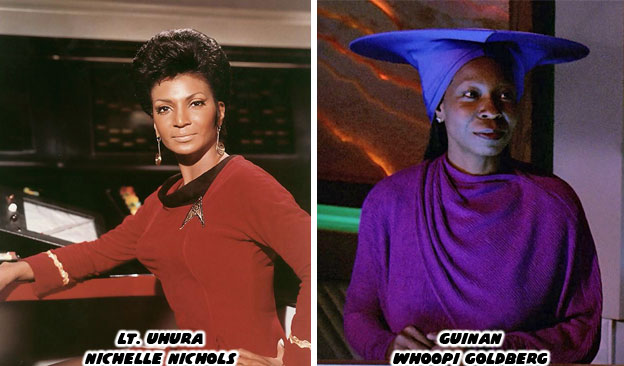
The best example on the importance of positive representation came from actress Whoopi Goldberg. “Well, when I was nine years old, Star Trek came on, I looked at it and I went screaming through the house, ‘Come here, mum, everybody, come quick, come quick, there’s a black lady on television and she ain’t no maid!’ I knew right then and there I could be anything I wanted to be.” The television show Star Trek was a very progressive show, especially for 1963 sensibilities. There was more diversity in that series than in just about any other show on television. Nichelle Nichols played Lt. Uhura, the communications officer that Whoopi spoke of. She carried herself with great dignity and was never written as a second-class citizen. It was a very promising look at the future, one in which all minorities were represented and they all had equally important jobs. Whoopi would find herself playing a character called Guinan in Star Trek: The Next Generation. It was role that influenced a whole new generation of fans. The thing was that Whoopi's performance did not only effect black audiences but also white ones as well. Whoopi was joined by black actors Michael Dorn as Lt. Worf and Levar Burton as Lt. Commander Geordi La Forge (who was also playing a blind character) in one of the most inclusive casts on television. But that level of representation had fallen by the wayside in recent years.
Today young minorities were not watching television, they were playing video games. They were learning what society thought of them based on the games they played. Since the majority of game heroes were white males then it was pretty obvious who they should look up to. When they saw a minority in a game then they were usually bad guys. However on that rare occasion when they saw a powerful minority in a game it went a long way towards how the audiences saw themselves. Now imagine if each time a minority turned on a fighting game the black character only knew how to box or that the Mexican character only knew professional wrestling. What did they think of when White and Japanese characters could do everything? There were some truths and some untruths to the character designs in all fighting games, not just Street Fighter. The most idolized karate champions in history were Japanese and the pro wrestlers that wanted to learn the art of high flying were trained in Mexico. That was basic understanding of fight culture but the thing was that the culture was not set in stone. Like all cultures it was constantly changing. It turned out that there were many black kung-fu and karate champions. Some of the greatest masked wrestlers were Japanese and Brazilians shaped the history of ju-jitsu. But that was rarely, if ever, shown in games.
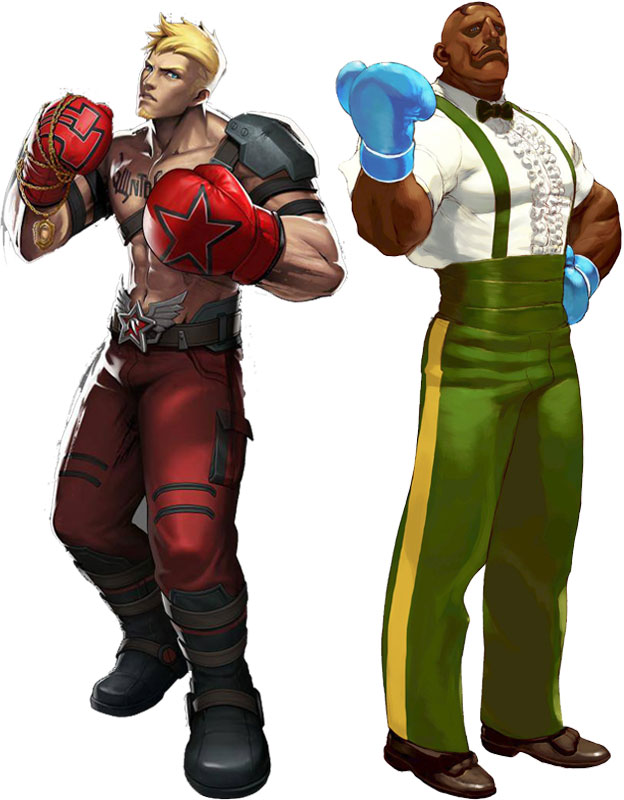
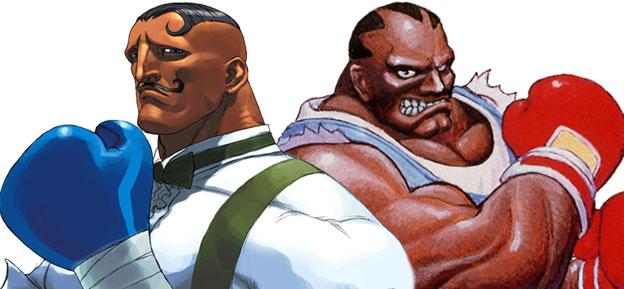
Blacks had been a major force in professional boxing for more than a century, this was true. But there had also been boxing champs from Latin American countries, from Eastern European countries, from Asia and Oceana. Those fighters were not often represented in games. Instead audiences were shown the extremes of one color. This decision was often made at the design stage because it was just easier to present one ethnicity with one fighting art. This pattern was repeated by every other studio. The rude and aggressive black fighter as well as the calm and gentlemanly black fighter had both been seen in Street Fighter. The comparisons between Evander Holyfield and Mike Tyson to Dudley and M. Bison were valid. But then there were the details that the developers and even audiences didn't completely catch. Dudley was patterned on people like Holyfield but also Joe Lewis, Jack Dempsy and UK boxing champ Lennox Lewis. Like many fighters in the series Dudley was painted as a heavy-handed stereotype of a nation. Lewis was always polite and cordial in his interviews but Dudley was on a completely different level. His butler would bring him tea in between rounds, he tended to a rose garden on his country estate and he drove vintage Jaguars in the game. Of course he did all of this while wearing boxing gloves which was absurd but made sense in the Street Fighter universe. After all, Ryu wore the same uniform everywhere he went, even when he was not fighting. This could certainly be argued as being a stereotype and it was. But like a cancer a stereotype could be benign or malignant. Dudley was benign.
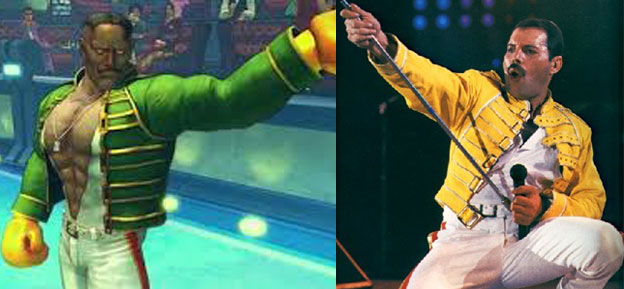
When Capcom gave Dudley an alternate costume in Street Fighter IV it was modeled after the jacket, shirt and striped pants worn by Freddie Mercury during his famous Wembly Stadium concert. The legendary singer / songwriter from Queen was considered to be one of the greatest pop music voices ever. Freddie was synonymous with British culture. His fair skin and broad mustache made him appear like a true Cockney. The thing was that Freddie wasn't from England. Freddie was born Faroukh Bulsara in Zanzibar (Tanzania) and followed the ancient Iranian religion of Zoroastrianism. His heritage was a world away from Queen Elizabeth and the Church of England, yet his talents were embraced by an entire nation.
The Japanese admired the aristocracy, they admired refined culture and idealized the Victorian era. This was part of the reason why characters like Elena from Street Fighter III had to be educated in Paris and why the not-too-delicate Emilie "Lili" De Rochefort from Tekken was from France as well. Being a member of the rich elite were some of the reasons why Dudley was painted in such a positive light. The idealized images of England and Europe were sometimes met with heartbreak when Japanese visitors traveled abroad. For example when they discovered that France was nowhere near as soft and pastel as the Studio Ghibli films had them believe it caused a nervous breakdown for some known as Paris Syndrome. Japanese audiences had been fed a fable about Paris and England being the peak of refined society, it was too much to bear that they were as dirty and unkempt as any other major metropolis. If the Japanese could be wrong about European nobility then they could be wrong about punk culture.
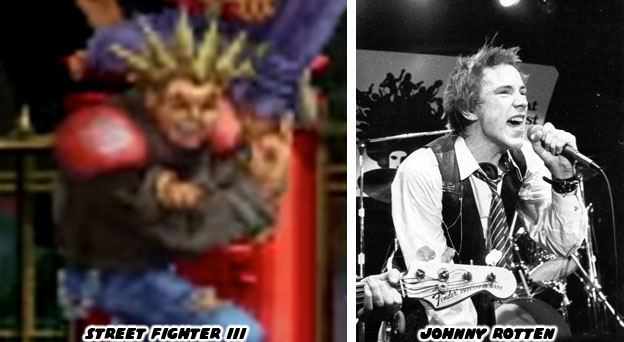
Punks were not supposed to be upper class like Dudley and therefore punks were not supposed to be admired, this message was loud and clear from the designers at Capcom. But it also showed how little they knew about the culture. Punks were not fat and lazy slobs, those would be politicians. The reason punks looked and dressed a certain way was because they were counter-culture, they were trying to be seen and heard. They represented the masses that were disenfranchised with society, especially with politics and classicism. They were keenly aware of what was going on in society and despite the shocking haircuts and attire they could be well spoken and intelligent. Dudley was a member of the elite and while he did fight for and earn his championship he had the luxury of never having to fight in the first place. He was born into money and power and could have done anything he wanted. A punk did not have that freedom, they were often born into poverty and had to fight for everything they had. There was an interesting dynamic at work between British punk culture and the aristocracy. The majority identified with the Royal Family in England however kids, especially minorities, could identify more with the punks because nothing came easy for them. Everywhere a punk went they were stared at and judged. In media they were vilified and demonized. It was something that minorities had become used to.
Imagine a young minority playing Street Fighter and seeing Dudley presented in such a positive light. Someone that not only outfought but also outclassed the bully boxer. Imagine how important it was for a young Iranian to learn what a profound influence Freddie had on the world. They too could become anything that they wanted if they worked hard enough at it. It would help make them fans on a completely different level. Now imagine that a minority punk was turned into a fat slob. The message was clear, the aristocrat should be emulated, not the guy from the streets. Punks had no redeeming qualities, they were not cool at all according to Street Fighter V. Kids that identified with Birdie were pretty much fat shamed at that point. Sure Freddie Mercury could represent British culture but he was not the only musician to do so. Punks and "shock rockers" like Johnny Rotten and Sid Vicious from the Sex Pistols and the enigmatic David Bowie could have also fit the bill. Also unlike Mercury, the three aforementioned musicians were actually from England. Just imagine how different the series could be if the team treated Birdie with the same level of respect they had for Dudley.
Representation had been a part of the greatness of the designs in Street Fighter. Any fighting game could have men, women and minority characters. In fact many fighting games did have a tremendous amount of diversity. It was how that diversity was represented that was more important than the inclusion. The Tekken series for example had dozens of female characters from around the world. Yet these women were either young or played up sexually. They were poured from the same mold with only the costume and color of their skin making them different. It was a superficial change that was seen in many 2D and 3D fighting games. Juri and C. Viper from Street Fighter IV were very sexualized as well but they were also the two newest faces. They didn't necessarily represent the legacy designs. Look at how women had been portrayed in Street Fighter prior to 2008. Women could represent the major fighting arts. A karate master could be a man but could also be a girl. A kung-fu master could be a man but also a young woman.
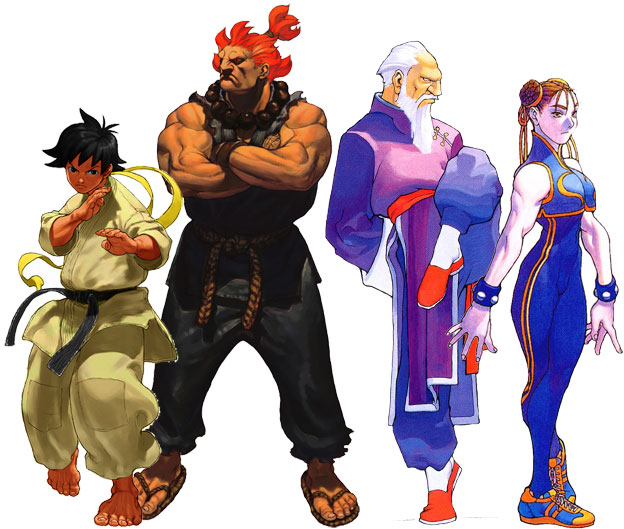
The developers working on the newer Street Fighter games needed to re-evaluate the role of their characters before the first 3D model was even built. They needed to work harder on their designs and consider the ways that they were representing different cultures and different arts. I do not think that making a minority character the star of the next game would automatically make the series better. The game had always revolved around Ken and Ryu and that should never change. The way that the game presented minorities could be done with more consideration though. Consideration was something that stopped the team from putting Anabebe, the Great Tiger and Vodka Gobalsky in SF II. In their place were three iconic fighters that were not necessarily a slap in the face to the nationalities represented. When Turkish oil wrestling or yagli gures was put in Street Fighter IV the Turk was presented beet red with a blue dome haircut. Players had to constantly oil themselves up so they could slide across the floor and perform silly attacks. How was this representation of the culture and fighting art different than the Great Tiger? The designers were not able to make a Dhalsim-like change to Hakan before he debuted. When I saw T. Hawk sitting on opponents and going "How" when I saw El Fuerte making Quesadilla Bombs, when I saw Birdie stuffing his face with donuts and bananas I got a distinct feeling of disrespect. I saw the ugliness of stereotypes become malignant with those representations.
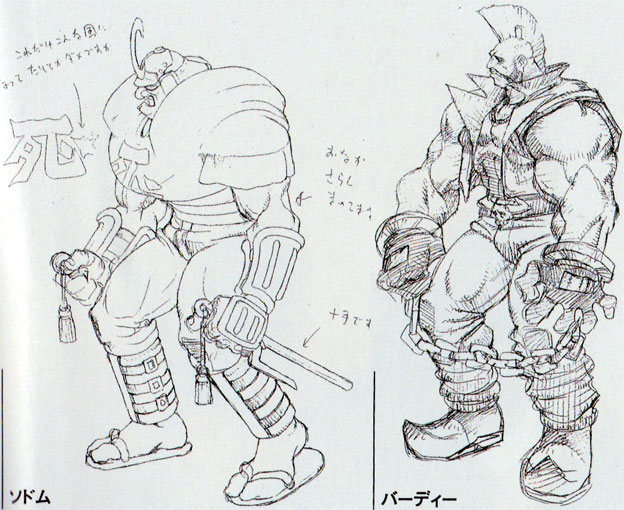
Did the developers in Japan simply have no confidence in creating a serious minority character? We saw how a powerful black fighter was turned into a fat white guy during the development of SF IV. It was as if the team could not wrap their collective heads around a black not being a boxer or a silly karateka. So they erased him from the lineup, took his costume away and gave it to Ken as an alternate uniform. Instead of creating Blanka out of Anabebe they went backwards. As a life-long fan of the series that decision would never settle with me. When I thought about what the team did to Birdie in SF V I could see shades of that same misrepresentation. The consideration that the team missed was seen on how different body types could be represented. The cancer had returned.
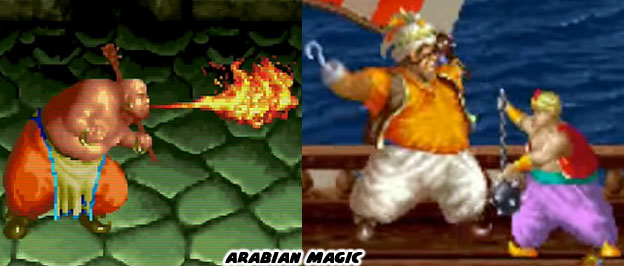
I had mentioned where fat body types had been done well as fighters and adventurers in other games. Fat characters used to represent strength, power and success in ancient stories. In modern fighting tournaments there were boxers, mixed martial artists and wrestlers that were both fat and successful. It was up to Capcom to think about their own legacy and where they wanted to go with it. At one point many years ago they were able to create fat characters that were powerful instead of goofy. At one point long ago they were able to present wrestlers and punks that were unique instead of jokes as well. Why did the team move away from those designs? Were they unaware of what they had done previously or did they choose to ignore it? When did sticking with classic designs become taboo at Capcom? Or did ignoring the rules only apply to minority characters? When popular fighting game YouTube commentator Maximillian Dood made a personal list of five people that should not return in Street Fighter V it consisted of Street Fighter IV characters Rufus (in the number 1 spot), Hakan, Seth, El Fuerte and Abel. Maximilian had his finger on the pulse of gamers and said what they were thinking. He knew that the designs, their control and place in the series were not as well done as the earlier fighters. Hopefully Capcom would listen to him if they wouldn't to me.
I "get" that Street Fighter was a series filled with fantastic characters that had impossible abilities. There were martial arts masters could kick with the force of a tornado or split boulders in half with a punch. They lived in a world where science fiction and fantasy were real. Yoga masters could float in the air, mad scientists could bring the dead back to life and beast men were real. This mix of different genres was refreshing. It was another reason why audiences kept coming back. On one side of the spectrum there were fighters that had realistic punches and kicks, they could have existed in this world. But on the extreme end there were fighters that could breathe fire and even "teleport" these things were improbable if not outright impossible.
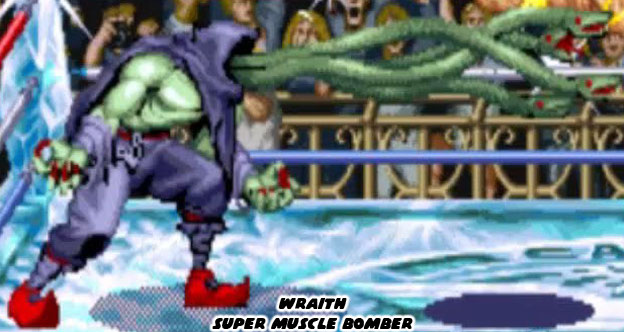
In the extended Capcom universe there were characters every bit as fantastic and as well done as those in Street Fighter. Take the Indian wrestler Wraith from Muscle Bomber / Saturday Night Slam Masters. The game actually took place in Street Fighter continuity. The character from New Dheli was 7' 2", a certifiable giant. He was equally mysterious with pasty green skin and covered in a hood and rags. He moved erratically and seemed to be some sort of ghoul. He had long red nails that he would use to slash the throats of opponents. He also had sharp jagged teeth which he used to maul opponents like a rabid dog. Similar to Dhalsim he could even breath fire and had some sort of connection to the supernatural. One of his special attacks was absolutely bizarre. Snakes would burst from underneath his hood to bite opponents. It was a perfectly impossible attack that also made him memorable.
Here was the thing that made the Capcom fighting games unique when compared to every other studio. There was often a hidden truth, some basis in reality in the most memorable fighters and in their arts. It gave the character designs a bit more staying power in the genre. Ryu was inspired by the life and times of Mas Oyama and Yoshiji Soeno. Chun-Li was most likely inspired by Wing Chun and Bruce Lee. Ken Masters was most likely inspired by Joe Lewis and Bill "Superfoot" Wallace. We saw where Zangief came from, where even Dhalsim and Blanka originated from earlier in this blog. The special attacks also known as the "Fireball" moves had been written about in Chinese myth for years. Those attacks were called fa-jin and some kung fu masters claimed to be able to perform such moves to this day (granted they were invisible to the naked eye). Even the ShunGokuSatsu, or "Instant Hell Murder" of Gouki was based on the dim mak or death touch from Chinese legend.
A character as macabre as Wraith could never have existed in real life, or could he? Stop and think about it. A giant of a man, somebody with an undead gimmick that was impervious to harm and both frightened and delighted audiences. Yeah, I wonder where Tetsuo Hara could have based his design on…
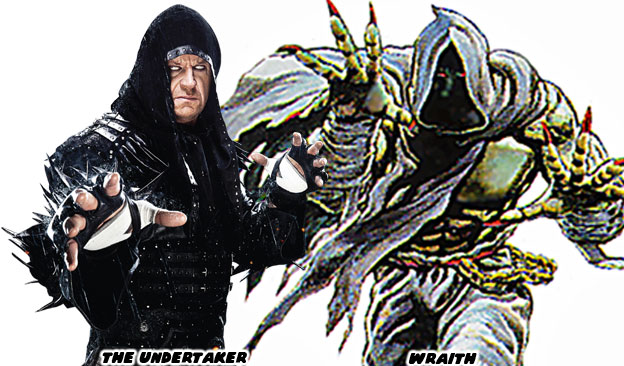
We knew that Wraith was an absurd character but he did not have to be presented silly in order for us to get that. Part of the charm of professional wrestling is how gimmick performers try not to break character so that the audience can stay entertained. We all know that pro wrestling matches are pre-determined and the stories shown on television are scripted, yet the fans choose to believe that this is real combat and these are real characters. Masked wrestling is an even more absurd concept, I think we all get this, but it is also a great form of entertainment. But to take the masked wrestler out of context and turn him into a silly chef then you dismiss the entire culture. These changes were done because it was the quick fix to make the character "different." By the same token we know that beast men were not real. If they were then they would look like the Amazon or Blanka. As it stood Blanka was a ferocious monster in his original incarnation, he did not have to become dumber as the series progressed. Birdie already had a shocking appearance, the studio did not have to go out of their way to make him fat and gross. When I saw what the studio did to him in Street Fighter V I knew that they took the shortcut, they took the low road. They went for the quick laugh and used a minority to reach the punchline. When it comes to representation these things are important, young audiences can see a powerful minority in their game and be inspired, or they can see a silly character and be disheartened. If you do not think there is an ethnic bias at play ask yourself this question, would Capcom make the main characters fat, gross or silly?
Capcom would probably not address any of the issues that I had brought up over the course of this series. After all they never responded to my other blogs. But I hope that my readers think about the importance of representation and challenge Capcom when something does not seem right for Street Fighter. I will always challenge the studio to try harder. To be better ambassadors to the world and stop thinking so insular about their designs. It would not hurt to revise, review and represent cultures with a modicum of dignity. If they could not introduce a minority character without giving them silly attacks or of stereotypical appearances then maybe they should not be in the game. My hope is that they get rid of the nonsense and bring back the real Birdie and look at how they are representing minority characters. Thank you for reading and I hope you share your thoughts with Capcom! As always if you enjoyed this blog and would like to sponsor me please visit my Patreon page and consider donating each month, even as little as $1 would help make better blogs and even podcasts!
Representation was one of the most important things that defined society yet was also something rarely spoken of. We lived in a post-racial world where every member of society had an equal opportunity to advance. Or so that was what we were taught. It was something that the majority, the people at the top of the social ladder, did not necessarily see or understand. Minorities by comparison could feel the effects of representation on a daily basis. They did not always see themselves in television, movies or games. If they did the people were often portrayed with negative stereotypes. These images added up. They effected the psyche of consumers, they became subconscious biases. Years of seeing minorities in only one light, of hearing about minorities spoken about in only one way, especially in the news, had a detrimental effect on society. Just see how divided the USA was when the words "illegal immigrants" or "thugs" were spoken on television. They were trigger words. Those words caused a reaction far greater than their original meaning. This post-racial society was not as inclusive and welcoming as we would like it to be. The images that audiences were bombarded with on a daily basis could be toxic. Pictures and videos could be laced with layers and layers of subversive messages. The way minorities were visualized was more powerful than any derogatory term.
Fans had supported Street Fighter for almost 30 years because it introduced us to a library of fighters of every color and from every nation. These characters were not all heavy-handed stereotypes and that was part of the reason why they were so popular. During the early days of Street Fighter II's development Anabebe, Great Tiger, Zhi Li and Vodka Gobalsy were a sampling of stereotypes that the studio designers had identify and break. In doing so they were freed from preconceptions, they were able to create a title with more diversity and inclusiveness than any other fighting game ever made. Only in later revisions was it decided that the fighters should come from different walks of life. The musician from Jamaica and the chef from Mexico were two of the weakest reasons to introduce a new character. The fighter became secondary to the profession. Which was an odd choice considering what the name of the game was.
If you were not a member of a minority group it could be hard to explain what the images in media meant to us. For example it was hard for me to find positive Mexican-American role models on US television when I was growing up. I think officer Poncherello from the show CHIPs was the only person I could remember. Everyone else that remotely looked like a member of my family was usually a bad guy that spoke broken English and had no redeeming qualities. There weren't any Latino game characters that I could think of while growing up, let alone in a popular game. Many years ago when I heard that a Mexican would be added to the roster of Super Street Fighter II I was elated. It was as if the people at the top of the ladder were validating our culture. T. Hawk had some unique moves and a distinct style that worked well compared to the other fighters. More than 15 years later when a masked Mexican wrestler was announced for Street Fighter IV I was over the moon with excitement. Pro wrestling was something that Mexico was known for, now would be our chance to shine. Or so I thought. Then I saw El Fuerte, then I listened to him, then I played as him. This was not what Mexican wrestling was about. This was not the best masked wrestler that Capcom could have come up with. At least he was not the best masked wrestler that the previous designs teams could have come up with. El Fuerte was a joke and when T. Hawk returned he was a joke too. Then a Turk was introduced and he was a joke. Then a fat character was introduced and he was a joke. I wondered what had happened in Street Fighter IV. The diversity in the cast was an excuse to point and laugh at those that did not have traditional Asian fighting roots.
The best example on the importance of positive representation came from actress Whoopi Goldberg. “Well, when I was nine years old, Star Trek came on, I looked at it and I went screaming through the house, ‘Come here, mum, everybody, come quick, come quick, there’s a black lady on television and she ain’t no maid!’ I knew right then and there I could be anything I wanted to be.” The television show Star Trek was a very progressive show, especially for 1963 sensibilities. There was more diversity in that series than in just about any other show on television. Nichelle Nichols played Lt. Uhura, the communications officer that Whoopi spoke of. She carried herself with great dignity and was never written as a second-class citizen. It was a very promising look at the future, one in which all minorities were represented and they all had equally important jobs. Whoopi would find herself playing a character called Guinan in Star Trek: The Next Generation. It was role that influenced a whole new generation of fans. The thing was that Whoopi's performance did not only effect black audiences but also white ones as well. Whoopi was joined by black actors Michael Dorn as Lt. Worf and Levar Burton as Lt. Commander Geordi La Forge (who was also playing a blind character) in one of the most inclusive casts on television. But that level of representation had fallen by the wayside in recent years.
Today young minorities were not watching television, they were playing video games. They were learning what society thought of them based on the games they played. Since the majority of game heroes were white males then it was pretty obvious who they should look up to. When they saw a minority in a game then they were usually bad guys. However on that rare occasion when they saw a powerful minority in a game it went a long way towards how the audiences saw themselves. Now imagine if each time a minority turned on a fighting game the black character only knew how to box or that the Mexican character only knew professional wrestling. What did they think of when White and Japanese characters could do everything? There were some truths and some untruths to the character designs in all fighting games, not just Street Fighter. The most idolized karate champions in history were Japanese and the pro wrestlers that wanted to learn the art of high flying were trained in Mexico. That was basic understanding of fight culture but the thing was that the culture was not set in stone. Like all cultures it was constantly changing. It turned out that there were many black kung-fu and karate champions. Some of the greatest masked wrestlers were Japanese and Brazilians shaped the history of ju-jitsu. But that was rarely, if ever, shown in games.
Blacks had been a major force in professional boxing for more than a century, this was true. But there had also been boxing champs from Latin American countries, from Eastern European countries, from Asia and Oceana. Those fighters were not often represented in games. Instead audiences were shown the extremes of one color. This decision was often made at the design stage because it was just easier to present one ethnicity with one fighting art. This pattern was repeated by every other studio. The rude and aggressive black fighter as well as the calm and gentlemanly black fighter had both been seen in Street Fighter. The comparisons between Evander Holyfield and Mike Tyson to Dudley and M. Bison were valid. But then there were the details that the developers and even audiences didn't completely catch. Dudley was patterned on people like Holyfield but also Joe Lewis, Jack Dempsy and UK boxing champ Lennox Lewis. Like many fighters in the series Dudley was painted as a heavy-handed stereotype of a nation. Lewis was always polite and cordial in his interviews but Dudley was on a completely different level. His butler would bring him tea in between rounds, he tended to a rose garden on his country estate and he drove vintage Jaguars in the game. Of course he did all of this while wearing boxing gloves which was absurd but made sense in the Street Fighter universe. After all, Ryu wore the same uniform everywhere he went, even when he was not fighting. This could certainly be argued as being a stereotype and it was. But like a cancer a stereotype could be benign or malignant. Dudley was benign.
When Capcom gave Dudley an alternate costume in Street Fighter IV it was modeled after the jacket, shirt and striped pants worn by Freddie Mercury during his famous Wembly Stadium concert. The legendary singer / songwriter from Queen was considered to be one of the greatest pop music voices ever. Freddie was synonymous with British culture. His fair skin and broad mustache made him appear like a true Cockney. The thing was that Freddie wasn't from England. Freddie was born Faroukh Bulsara in Zanzibar (Tanzania) and followed the ancient Iranian religion of Zoroastrianism. His heritage was a world away from Queen Elizabeth and the Church of England, yet his talents were embraced by an entire nation.
The Japanese admired the aristocracy, they admired refined culture and idealized the Victorian era. This was part of the reason why characters like Elena from Street Fighter III had to be educated in Paris and why the not-too-delicate Emilie "Lili" De Rochefort from Tekken was from France as well. Being a member of the rich elite were some of the reasons why Dudley was painted in such a positive light. The idealized images of England and Europe were sometimes met with heartbreak when Japanese visitors traveled abroad. For example when they discovered that France was nowhere near as soft and pastel as the Studio Ghibli films had them believe it caused a nervous breakdown for some known as Paris Syndrome. Japanese audiences had been fed a fable about Paris and England being the peak of refined society, it was too much to bear that they were as dirty and unkempt as any other major metropolis. If the Japanese could be wrong about European nobility then they could be wrong about punk culture.
Punks were not supposed to be upper class like Dudley and therefore punks were not supposed to be admired, this message was loud and clear from the designers at Capcom. But it also showed how little they knew about the culture. Punks were not fat and lazy slobs, those would be politicians. The reason punks looked and dressed a certain way was because they were counter-culture, they were trying to be seen and heard. They represented the masses that were disenfranchised with society, especially with politics and classicism. They were keenly aware of what was going on in society and despite the shocking haircuts and attire they could be well spoken and intelligent. Dudley was a member of the elite and while he did fight for and earn his championship he had the luxury of never having to fight in the first place. He was born into money and power and could have done anything he wanted. A punk did not have that freedom, they were often born into poverty and had to fight for everything they had. There was an interesting dynamic at work between British punk culture and the aristocracy. The majority identified with the Royal Family in England however kids, especially minorities, could identify more with the punks because nothing came easy for them. Everywhere a punk went they were stared at and judged. In media they were vilified and demonized. It was something that minorities had become used to.
Imagine a young minority playing Street Fighter and seeing Dudley presented in such a positive light. Someone that not only outfought but also outclassed the bully boxer. Imagine how important it was for a young Iranian to learn what a profound influence Freddie had on the world. They too could become anything that they wanted if they worked hard enough at it. It would help make them fans on a completely different level. Now imagine that a minority punk was turned into a fat slob. The message was clear, the aristocrat should be emulated, not the guy from the streets. Punks had no redeeming qualities, they were not cool at all according to Street Fighter V. Kids that identified with Birdie were pretty much fat shamed at that point. Sure Freddie Mercury could represent British culture but he was not the only musician to do so. Punks and "shock rockers" like Johnny Rotten and Sid Vicious from the Sex Pistols and the enigmatic David Bowie could have also fit the bill. Also unlike Mercury, the three aforementioned musicians were actually from England. Just imagine how different the series could be if the team treated Birdie with the same level of respect they had for Dudley.
Representation had been a part of the greatness of the designs in Street Fighter. Any fighting game could have men, women and minority characters. In fact many fighting games did have a tremendous amount of diversity. It was how that diversity was represented that was more important than the inclusion. The Tekken series for example had dozens of female characters from around the world. Yet these women were either young or played up sexually. They were poured from the same mold with only the costume and color of their skin making them different. It was a superficial change that was seen in many 2D and 3D fighting games. Juri and C. Viper from Street Fighter IV were very sexualized as well but they were also the two newest faces. They didn't necessarily represent the legacy designs. Look at how women had been portrayed in Street Fighter prior to 2008. Women could represent the major fighting arts. A karate master could be a man but could also be a girl. A kung-fu master could be a man but also a young woman.
The developers working on the newer Street Fighter games needed to re-evaluate the role of their characters before the first 3D model was even built. They needed to work harder on their designs and consider the ways that they were representing different cultures and different arts. I do not think that making a minority character the star of the next game would automatically make the series better. The game had always revolved around Ken and Ryu and that should never change. The way that the game presented minorities could be done with more consideration though. Consideration was something that stopped the team from putting Anabebe, the Great Tiger and Vodka Gobalsky in SF II. In their place were three iconic fighters that were not necessarily a slap in the face to the nationalities represented. When Turkish oil wrestling or yagli gures was put in Street Fighter IV the Turk was presented beet red with a blue dome haircut. Players had to constantly oil themselves up so they could slide across the floor and perform silly attacks. How was this representation of the culture and fighting art different than the Great Tiger? The designers were not able to make a Dhalsim-like change to Hakan before he debuted. When I saw T. Hawk sitting on opponents and going "How" when I saw El Fuerte making Quesadilla Bombs, when I saw Birdie stuffing his face with donuts and bananas I got a distinct feeling of disrespect. I saw the ugliness of stereotypes become malignant with those representations.
Did the developers in Japan simply have no confidence in creating a serious minority character? We saw how a powerful black fighter was turned into a fat white guy during the development of SF IV. It was as if the team could not wrap their collective heads around a black not being a boxer or a silly karateka. So they erased him from the lineup, took his costume away and gave it to Ken as an alternate uniform. Instead of creating Blanka out of Anabebe they went backwards. As a life-long fan of the series that decision would never settle with me. When I thought about what the team did to Birdie in SF V I could see shades of that same misrepresentation. The consideration that the team missed was seen on how different body types could be represented. The cancer had returned.
I had mentioned where fat body types had been done well as fighters and adventurers in other games. Fat characters used to represent strength, power and success in ancient stories. In modern fighting tournaments there were boxers, mixed martial artists and wrestlers that were both fat and successful. It was up to Capcom to think about their own legacy and where they wanted to go with it. At one point many years ago they were able to create fat characters that were powerful instead of goofy. At one point long ago they were able to present wrestlers and punks that were unique instead of jokes as well. Why did the team move away from those designs? Were they unaware of what they had done previously or did they choose to ignore it? When did sticking with classic designs become taboo at Capcom? Or did ignoring the rules only apply to minority characters? When popular fighting game YouTube commentator Maximillian Dood made a personal list of five people that should not return in Street Fighter V it consisted of Street Fighter IV characters Rufus (in the number 1 spot), Hakan, Seth, El Fuerte and Abel. Maximilian had his finger on the pulse of gamers and said what they were thinking. He knew that the designs, their control and place in the series were not as well done as the earlier fighters. Hopefully Capcom would listen to him if they wouldn't to me.
I "get" that Street Fighter was a series filled with fantastic characters that had impossible abilities. There were martial arts masters could kick with the force of a tornado or split boulders in half with a punch. They lived in a world where science fiction and fantasy were real. Yoga masters could float in the air, mad scientists could bring the dead back to life and beast men were real. This mix of different genres was refreshing. It was another reason why audiences kept coming back. On one side of the spectrum there were fighters that had realistic punches and kicks, they could have existed in this world. But on the extreme end there were fighters that could breathe fire and even "teleport" these things were improbable if not outright impossible.
In the extended Capcom universe there were characters every bit as fantastic and as well done as those in Street Fighter. Take the Indian wrestler Wraith from Muscle Bomber / Saturday Night Slam Masters. The game actually took place in Street Fighter continuity. The character from New Dheli was 7' 2", a certifiable giant. He was equally mysterious with pasty green skin and covered in a hood and rags. He moved erratically and seemed to be some sort of ghoul. He had long red nails that he would use to slash the throats of opponents. He also had sharp jagged teeth which he used to maul opponents like a rabid dog. Similar to Dhalsim he could even breath fire and had some sort of connection to the supernatural. One of his special attacks was absolutely bizarre. Snakes would burst from underneath his hood to bite opponents. It was a perfectly impossible attack that also made him memorable.
Here was the thing that made the Capcom fighting games unique when compared to every other studio. There was often a hidden truth, some basis in reality in the most memorable fighters and in their arts. It gave the character designs a bit more staying power in the genre. Ryu was inspired by the life and times of Mas Oyama and Yoshiji Soeno. Chun-Li was most likely inspired by Wing Chun and Bruce Lee. Ken Masters was most likely inspired by Joe Lewis and Bill "Superfoot" Wallace. We saw where Zangief came from, where even Dhalsim and Blanka originated from earlier in this blog. The special attacks also known as the "Fireball" moves had been written about in Chinese myth for years. Those attacks were called fa-jin and some kung fu masters claimed to be able to perform such moves to this day (granted they were invisible to the naked eye). Even the ShunGokuSatsu, or "Instant Hell Murder" of Gouki was based on the dim mak or death touch from Chinese legend.
A character as macabre as Wraith could never have existed in real life, or could he? Stop and think about it. A giant of a man, somebody with an undead gimmick that was impervious to harm and both frightened and delighted audiences. Yeah, I wonder where Tetsuo Hara could have based his design on…
We knew that Wraith was an absurd character but he did not have to be presented silly in order for us to get that. Part of the charm of professional wrestling is how gimmick performers try not to break character so that the audience can stay entertained. We all know that pro wrestling matches are pre-determined and the stories shown on television are scripted, yet the fans choose to believe that this is real combat and these are real characters. Masked wrestling is an even more absurd concept, I think we all get this, but it is also a great form of entertainment. But to take the masked wrestler out of context and turn him into a silly chef then you dismiss the entire culture. These changes were done because it was the quick fix to make the character "different." By the same token we know that beast men were not real. If they were then they would look like the Amazon or Blanka. As it stood Blanka was a ferocious monster in his original incarnation, he did not have to become dumber as the series progressed. Birdie already had a shocking appearance, the studio did not have to go out of their way to make him fat and gross. When I saw what the studio did to him in Street Fighter V I knew that they took the shortcut, they took the low road. They went for the quick laugh and used a minority to reach the punchline. When it comes to representation these things are important, young audiences can see a powerful minority in their game and be inspired, or they can see a silly character and be disheartened. If you do not think there is an ethnic bias at play ask yourself this question, would Capcom make the main characters fat, gross or silly?
Capcom would probably not address any of the issues that I had brought up over the course of this series. After all they never responded to my other blogs. But I hope that my readers think about the importance of representation and challenge Capcom when something does not seem right for Street Fighter. I will always challenge the studio to try harder. To be better ambassadors to the world and stop thinking so insular about their designs. It would not hurt to revise, review and represent cultures with a modicum of dignity. If they could not introduce a minority character without giving them silly attacks or of stereotypical appearances then maybe they should not be in the game. My hope is that they get rid of the nonsense and bring back the real Birdie and look at how they are representing minority characters. Thank you for reading and I hope you share your thoughts with Capcom! As always if you enjoyed this blog and would like to sponsor me please visit my Patreon page and consider donating each month, even as little as $1 would help make better blogs and even podcasts!