In the previous blog I mentioned the classic attractions that Wonder Eggs featured. These were traditional things that would be found in the oldest fairs around the world. Things like a carousel, a carnival midway, a creek ride, fortune tellers, and even bumper cars were expected in any amusement park the world over. By the late 20th century however the parks had to keep up with the times. They couldn’t rely on sticking with the classics, and expect repeat visitors. This was especially true in a city as big as big as Tokyo. Tourists, and locals had a million places to see. Any new park needed to make sure they gave clients different reasons to stick around, and spend their money.
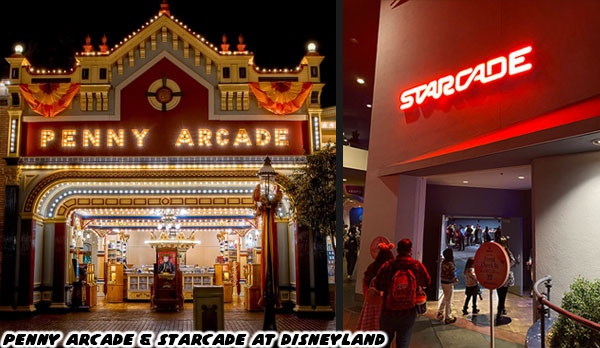
One of the easiest things that a park could do would be to provide arcade games. They were popular with guests of every age, but especially with kids. Best of all these games could be put in any corner, and were guaranteed to make money with minimal maintenance. Even Disneyland wasn’t immune to this. In the early days of the park they had a literal Penny Arcade. The machines were turn-of-the-century devices that cost a penny to play. A few of which you could still find in the corners of the stores on Main Street. In the ‘70s, and ‘80s video games started being added into the arcade. There was a larger arcade in Tomorrowland called the Starcade. It was two stories of the latest titles, and some classic hits. In its prime I would rank it one of the top three arcades in all of Southern California.
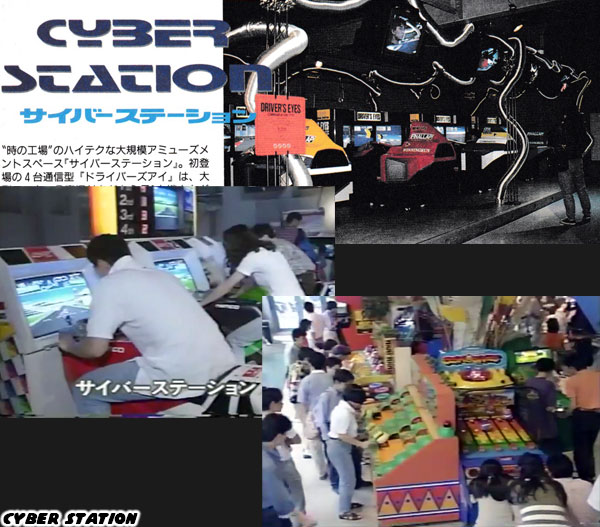
Wonder Eggs had their own arcade called Cyber Station. Actually they had an enormous building that hosted several attractions. It brought an industrial feel to the rustic village. This area of the park was known as the “Factory of Time.” In the canon of the park this was the place that was previously used to build war machines for the Devil Godot, but was liberated by the Goddess Elds, and turned into a portal for the future. It could be considered the Tomorrowland equivalent for the park. The Factory of Time also hosted
Phantomers, which I featured on a previous blog.
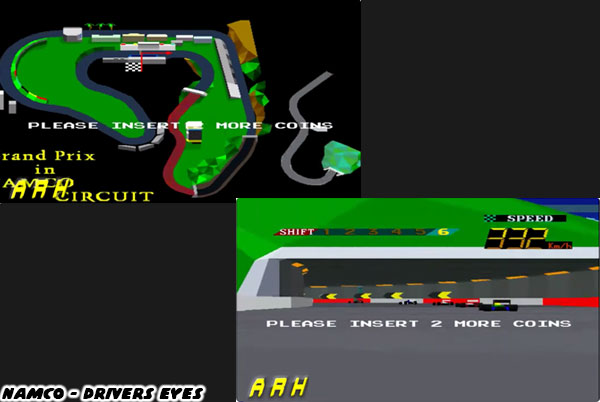
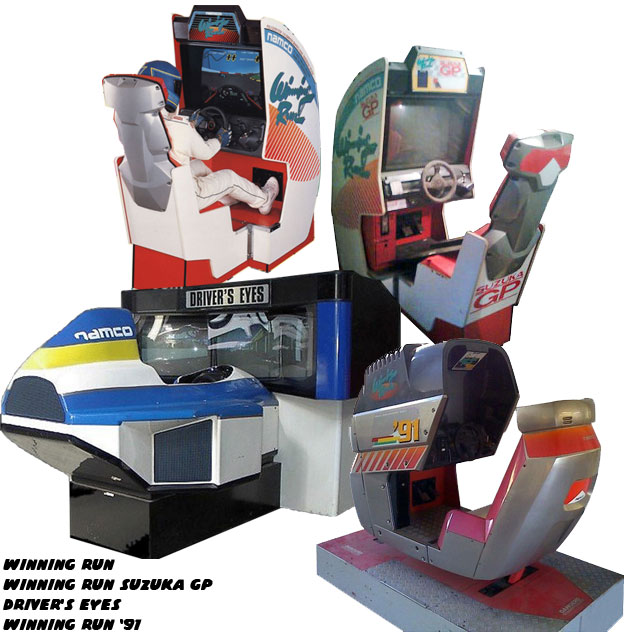
One of the big draws to the Cyber Station arcade was a four-player, interconnected cabinet of Driver’s Eyes. Namco was not the first game studio to make a racing game, but they were arguably the best (
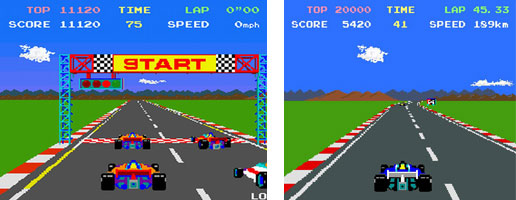
not named Sega). Pole Position was Namco’s arcade sensation. A few years later they released
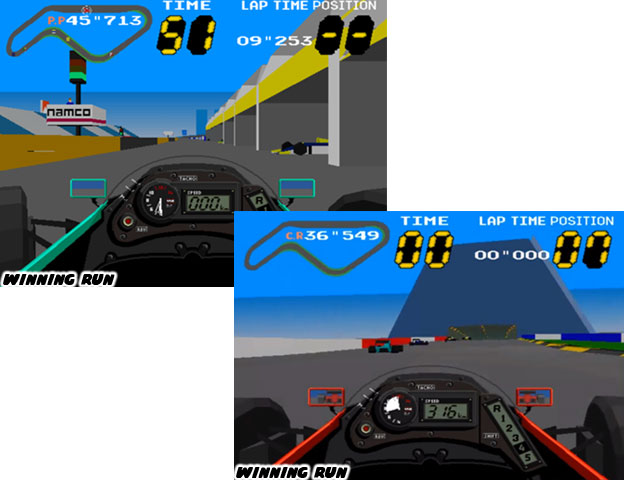
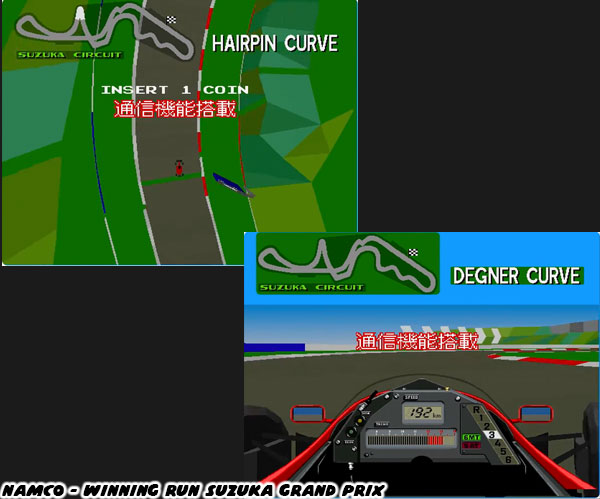
Winning Run, and Driver’s Eyes. Their hardware was growing by leaps and bounds, and as early as 1988 they were developing polygon games. They pushed the industry to 3D, including their rivals at Sega. Driver’s Eyes was a massive three-screen arcade racing game. The one featured in the Cyber Station in 1992 was four interconnected cabinets. It also featured in game commentary, and a massive display for audiences to follow the action as if it were an actual live Formula-1 race. It was a spectacle to say the least. Not to be outdone Sega would be able to connect up to eight cabinets when Daytona USA was released in 1994.
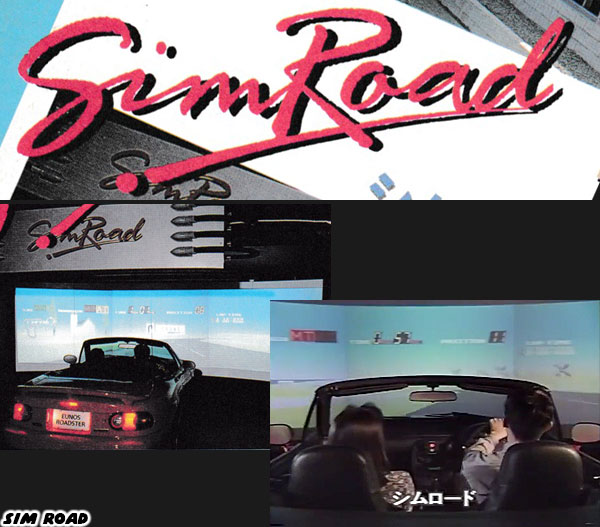
There was an even more impressive attraction that was available for dreamers to play. Sim Road was not an arcade game as much as it was a real driving simulator. Sim Road featured a real Eunos Roadster (Mazda Miata) with a bright red body. According to a description of the attraction; “The screen that stretches across the front is made up of three 100-inch large screens connected together. Once you fire up the engine, first select one of three difficulty levels. Eunos original course where you can ride with your girlfriend in the passenger seat. It feels great!”
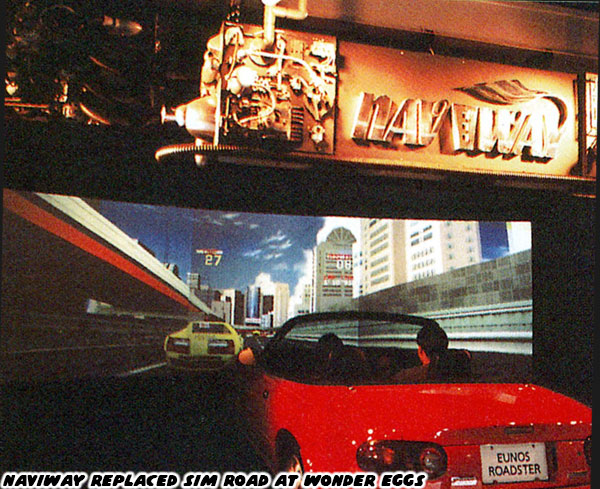
The things the company learned from Sim Road
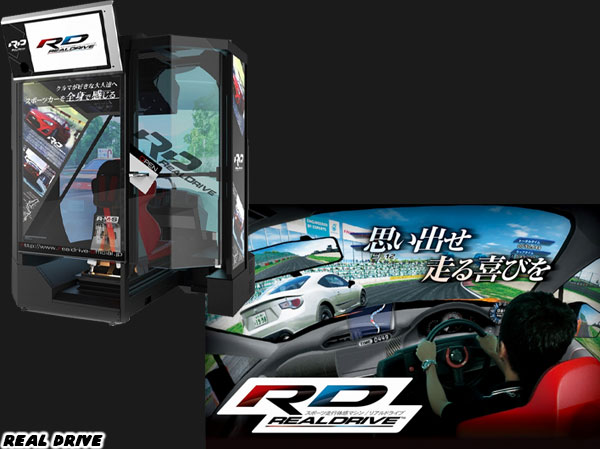
would be applied to a full scale version of Ridge Racer. Sim Road would eventually be replaced with the Full Scale Ridge Racer, the experience was called Naviway. Ridge Racer had a notable bump in graphics when compared to Sim Road, Driver's Eyes, or Winning Run. It featured the next generation of 3D graphics engine, and challenged the supremacy of Sega in the racing department. More than 20 years later Bandai Namco kept the tradition alive. They published a spiritual successor to Driver’s Eyes, Sim Road, and Naviway. The wraparound screen simulator called Real Drive was released in 2015.
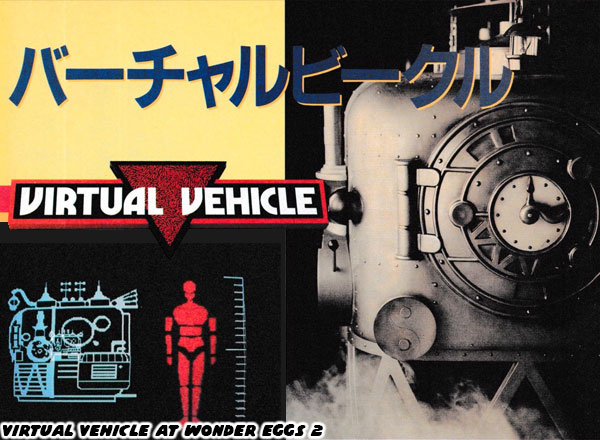
A year after Wonder Eggs was opened they unveiled their 15th attraction. Virtual Vehicle was a unique simulator-style ride that mixed live video with a shooting game. Dreamers would get into a metal rig that looked like a clockwork pressure cooker. Once inside the riders would be “shrunk” to a microscopic scale. They would use the video screen or “electronic eyes” in front of them to control the direction of their exploration vehicle. They were tasked to hunt down cybernetic viruses called “Rusu” that were infecting the power source of the Cyber Station. The ultimate virus which was difficult to track down, and defeat was called the “Mother Bug.” The attraction actually “flew” through a physical environment with the use of a microscopic camera. Viruses would pop up on the screen. Players would chase them down in the miniature world, and shoot them with their lasers. Of all the attractions at Wonder Eggs it was the one that had the least images, or corresponding video. I guess it wasn’t a popular attraction.
Being able to fail while designing an attraction was something that the team at Namco was allowed to do. They built many things in the few years that Wonder Eggs was in operation. Many of them went relatively unchanged over eight years. If an attraction didn’t work then they were allowed to update, or fix it. The changes they implemented happened within the span of weeks, to months, rather than years. This was an issue when updating areas of the Disney parks. Disney needed to figure out the logistics of any new build or renovation so that it had the least impact on daily operations. In a few cases the team at Namco updated an attraction multiple times. This was what happened with Mirrorona.
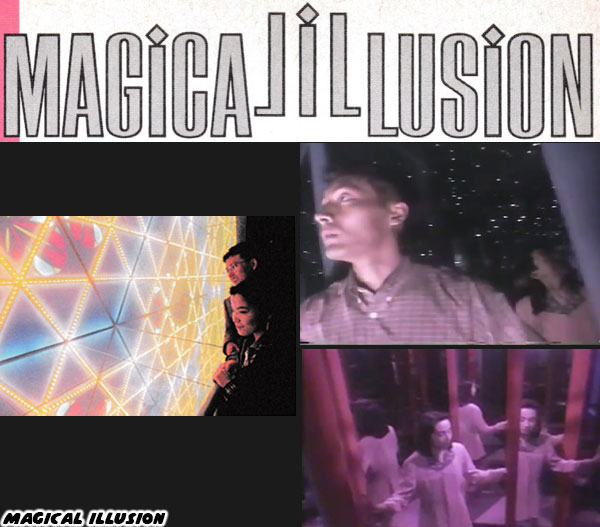
This attraction was part mirror maze, part art installation for couples to explore. It was similar to the pop-up installations for influencers to take selfies inside of in the current era. Once people experienced it then they had no reason to return. This didn’t sit well with the team at Namco. They began looking at how they could incorporate storytelling elements into this place. How could they make a mysterious building into a place for play? We will look at this in the next entry of the blog series. I hope to see you back for that. Were there any defunct parks that you visited? Please tell me about it in the comments section. As always if you would like to sponsor me
please visit my Patreon page and consider donating each month, even as little as $1 would help make better blogs and even podcasts!
Wonder Eggs, and Egg Empire research collected from: Wonder Eggs Guide Map, Namco Graffiti magazine, the book “All About Namco II", NOURS magazine, The Namco Museum, Namco Wiki, Ge-Yume Area 51 Shigeki Toyama Collection, mcSister magazine, first person attraction details from Yoshiki. Event details from Hole in the Socks