Showing posts with label urban reign. Show all posts

Monday, October 9, 2023

Street Fighter 6: A master class in game design, part 31

In an earlier blog I mentioned that the US had a terrible track record with adaptations from Japan. It didn’t matter how big the budget was, or how many writers, producers, or directors they threw at the project. If they didn’t understand the source material, and they didn’t meet the characters at their level, then the project would fail. To be fair the major US Studios couldn’t even get US comic, or cartoon properties right half the time. This was no where else more apparent than Capcom Studio 8 and their trainwreck called Final Fight Streetwise. Let’s start with the most obvious thing, the visuals.
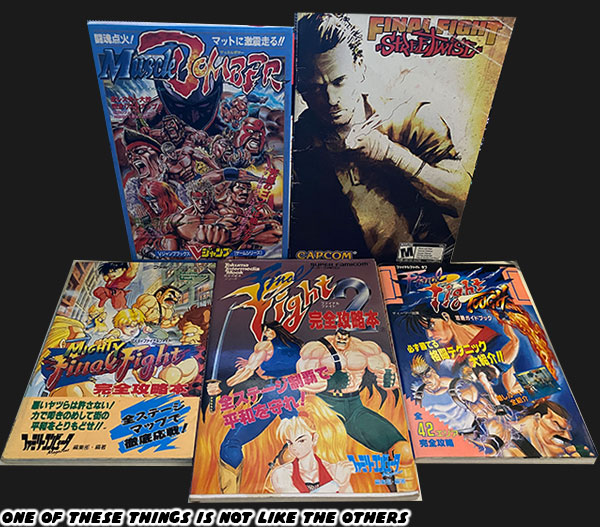
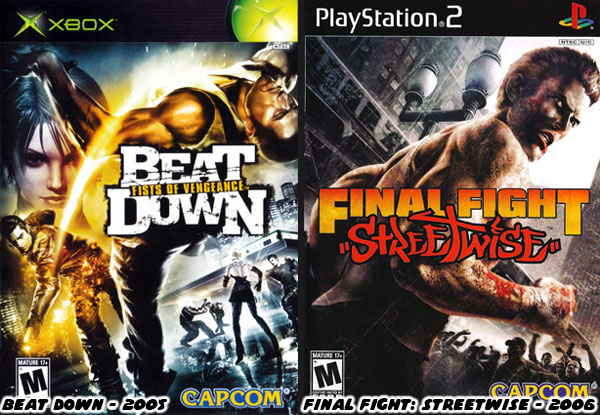
I had been collecting Capcom books, and magazines for over 30 years. I especially loved the game guides. I could see the character art, and concepts as they were designed by my favorite art team. Final Fight, and the related titles always had a strong anime aesthetic. Bright costumes, bold colors, over-the-top designs. Everything was played up, there was nothing remotely serious about their approach. Even though the situations, and locations seemed serious, they were presented in a melodramatic fashion. It was something that not a lot of fans of the franchises understood. This was obvious in the writing, and direction of Streetwise. It was a dark game, very much in the vein of Beat Down from the year before.
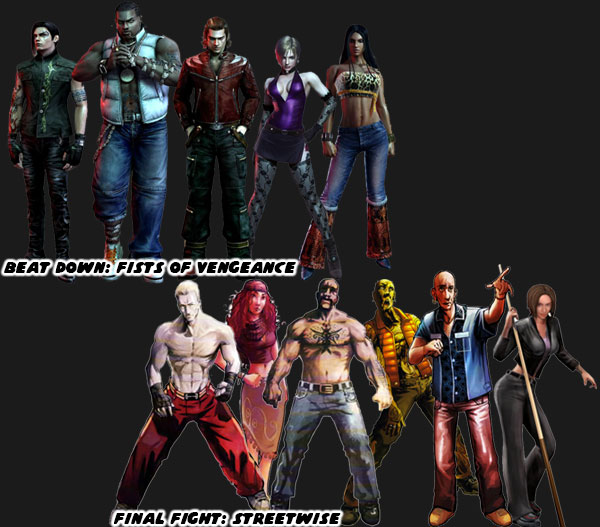
The only difference between the two Capcom games were the character designs. One was created by a Japanese studio, and the other by a US team. Both were trying to capture the same serious look, and feel. Only the US team actually had the FF property to work with. A preview of how bad things would be were seen in the limited edition Streetwise comic. You could get one if you pre-ordered the game. It was Illustrated by Trent Kaniuga. The credits included; Story by Dave Ralston, Gerardo Sprigg, and Trent Kaniuga. Scenarios written by Tom Mason, Dan Danko, and Gary Reed. The comic introduced us to a character named Kyle Travers, the brother of Cody Travers. Right away my head snapped back. I was like what?!? I had played every game in the series, and was fairly certain there had never even been a mention of a brother. The comic was filled with smoking, drinking, realistic depictions of violence, sexual overtones, and gun play. It was the very definition of tell me you’ve never played Final Fight, without telling me you’ve never played Final Fight.
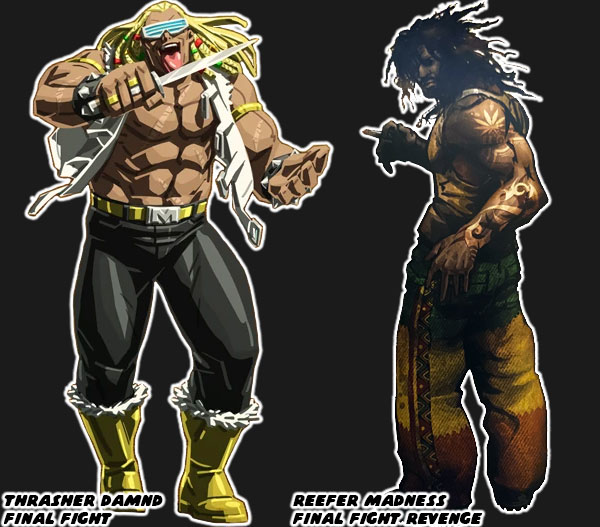
In the back pages of the comic we were treated to the concept art of the various locations in the game. As well as art of new, and returning characters. New faces like the tattoo-covered Lou “The Skin”, gangster-looking Simms, the Rasta-trope Reefer Madness, and the scummy Weasel. Returning characters included Poison, Sodom, and Andore. Cammy would even turn up in the game with a makeover as well. Everything was dark, and ugly. The streets, and businesses in Metro City were much worse off than they were in the original FF. The bright colors, and cartoonish designs of the Mad Gear members were absent. Instead replaced with the tough guys that would be found in an angsty teenager’s sketchbook. Learning that the comic creator, and writer also turned out to be the voice of Kyle suddenly made a lot of sense. This would the game industry's most expensive self-insert fanfiction.
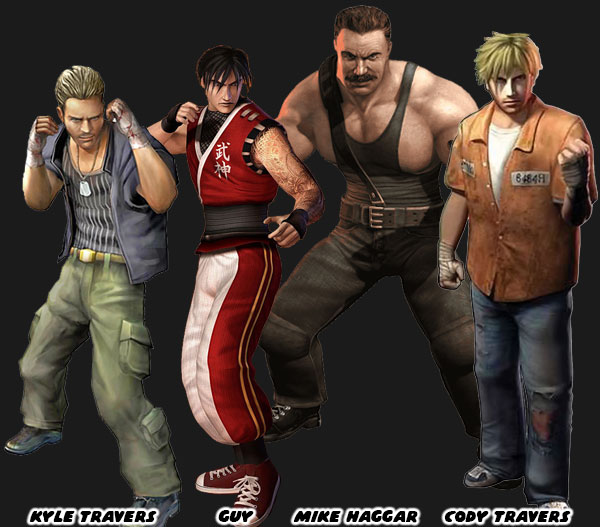
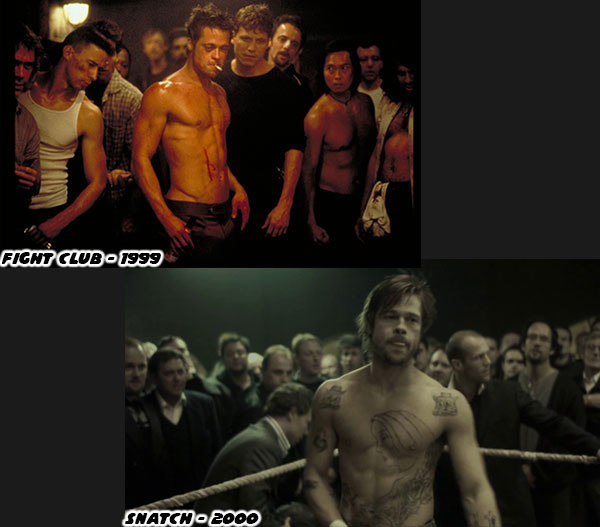
The game would give realistic makeovers to the other classic characters including Mike Haggar, and Guy. If you played the game for any amount of time, and were familiar with pop culture then it was obvious the direction that the team was going. Capcom Studio 8 was trying to turn FF into a cinematic experience. It would be something more akin to the movies Fight Club, or Snatch. Both gave dark, and gritty portrayals of illegal underground fighting tournaments. This was opposite of Streets of Fire, the cult ‘80s film that influenced the development of FF. The shirtless Kyle Travers surrounded by drunks in a makeshift ring was a substitute for Brad Pitt from the aforementioned movies. Except Kyle looked more like Mickey Rourke, which to be fair he was the macho rugged guy that predated Brad. The dialogue in the game, and themes were very mature. They predicted where Rockstar’s Grand Theft Auto series would be going.
The problem was that this was a Capcom game, not a Rockstar game. The developers were doing a major disservice to the source material. They were creating an action brawler that in, and of itself, was worth exploring. However by attaching it to the name Final Fight then audiences were expecting something similar to the previous four titles. If it couldn’t be similar then at the very least it should capture the spirit of the previous games. The move to 3D was not as jarring as the content. The casual drug use, swearing, and violence meant that it wasn’t aimed for general audiences. The combat was not well done, the dialogue poor, character development absent, and plot was nonsensical. A drug / stimulant was taking over the streets of Metro City called “Glow.” It acted very much like “Venom” the drug that Bane used to increase his strength, speed, and stamina in the Batman comics.
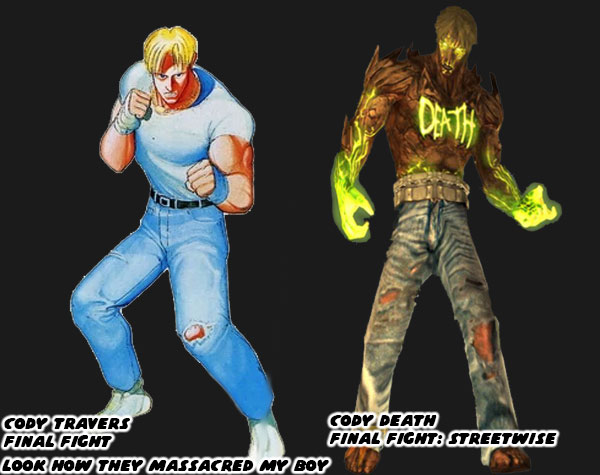
The climax of the game featured Kyle, against a Glow-overdosed Cody. What they did to the iconic character was as sad as you could possibly imagine. Every step of the journey reminded me how far the studio was walking away from the original. These were all conscious choices, this wasn’t their first rodeo. Capcom USA worked side-by-side with senior Japanese developers on Final Fight Revenge. They didn’t understand the quirky humor that was the basis for Mad Gear bosses. Such as Sodom, he was an obsessive Japanophile, however he couldn’t even write kanji correctly, or speak Japanese. They saw firsthand how the characters were designed, what the tone of the moves, world, and story was. They even had Zombie Belger doing Michael Jackson’s Thriller dance moves in the FF Revenge credits. If that didn’t explain not to take the world too seriously was then nothing the Japanese team could have said would have mattered to the US. It wouldn’t be the first time a western studio would try to rewrite the legend of a beloved franchise to fit their own vision.
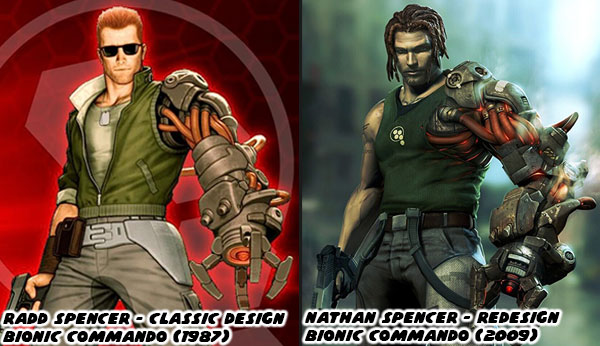
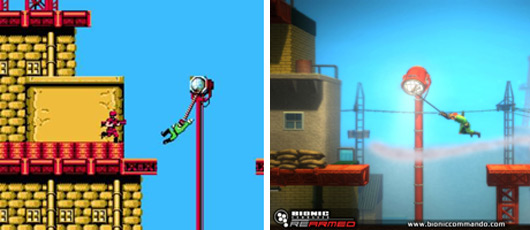
In 2009 Grin released a 3D adventure game called Bionic Commando. Directed by Ulf Andersson, Produced by Ben Judd, and Designed by Anders Jonsson. It was based on one of the greatest classic games ever made. The original Bionic Commando I would consider one of my favorite games of all time. What audiences couldn’t understand was how off the tone, and design of the 3D remake was. This was especially jarring considering that the same studio released Bionic Commando Rearmed the year before. It was a 2.5D version of the classic title, and it hit all the right notes for fans of the original. It was a smash hit, and even the critics held it up as an example of how to properly adapt a classic NES game to modern consoles. A year later they said the full 3D version was an example of what not to do with a beloved IP. But I digress…
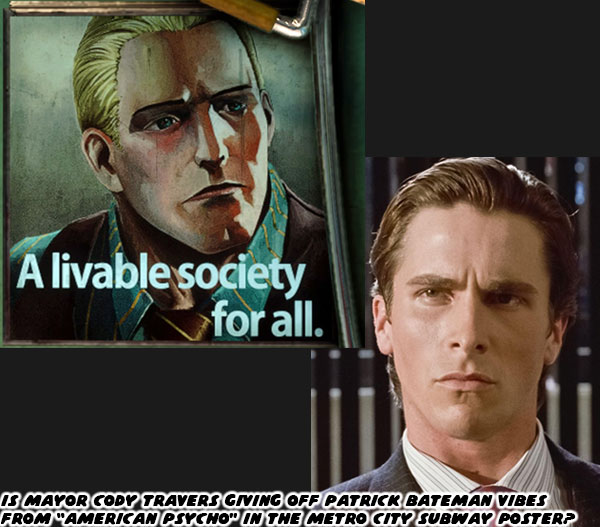
The Street Fighter 6 developers did not acknowledge BeatDown, or Final Fight Streetwise as being part of canon. Those games were missing from the tiles in Beat Square. The only one this did recognize was Final Fight Revenge. The SF6 team returned Metro City, the Mad Gear gang, and various cameos back to their full color lighthearted tone in the World Tour. I would argue that Capcom in Japan did sneak in a jab at the horrid western remakes. I’m convinced that the poster of Cody at the end of the subway cars was made to look like Patrick Bateman from the American Psycho film. As if this is the version of Cody that a US developer would have given us in SF6. 
Thankfully the Street Fighter, and Final Fight IP was back in good hands. The studio was keenly aware of how fan reactions from around the world were coloring the way the had to approach their designs. The growth of the internet made sure that audience feedback was instantaneous.  Japanese fans were being very vocal about their dissatisfaction of one of the most popular characters in SFV. What the SF6 team did to this character, and the rest of the cast was simply sublime. We will dig into it on the next blog entry. I hope to see you back for that. If you are a long time fan of Final Fight, or Street Fighter then I would like to hear your impressions of SF6. If you have never played any game previously then tell me your experiences in the comments section please. As always if you would like to sponsor me please visit my Patreon page and consider donating each month, even as little as $1 would help make better blogs and even podcasts!
follow the Street Writer on Patreon!

Friday, October 6, 2023

Street Fighter 6: A master class in game design, part 30

When the idea of a World Tour was brought up at Capcom HQ in Japan what do you think the team considered before settling on their format? I would argue that the first thing they had to discuss was whether or not they should have players follow around one of the named characters. Make an adventure game out of Ryu, Ken, or Chun-Li. I’m still convinced that a Chun-Li game using the SIFU engine would be amazing. But that would make it a side game, and not a proper numbered SF title. There wasn’t much precedence for this type of game. Not including Charlie Nash, and Cammy appearing in the shooter GunSpike / Cannon Spike in 2000. That title was co-developed by Psykio as well, so it doesn’t really count as a fighter. Focusing on just one character that already became a master of their specific style would be hard to develop a narrative around. We would need to begin with nothing, and build our character up. Even Kratos, and Link had to start with weak weapons, and low stats at the beginning of their respective games; God of War, and The Legend of Zelda. Focusing on a player-created avatar, and making them the star of the game, and then having all of the SF characters have a hand in training them was the best possible decision by the SF6 team.

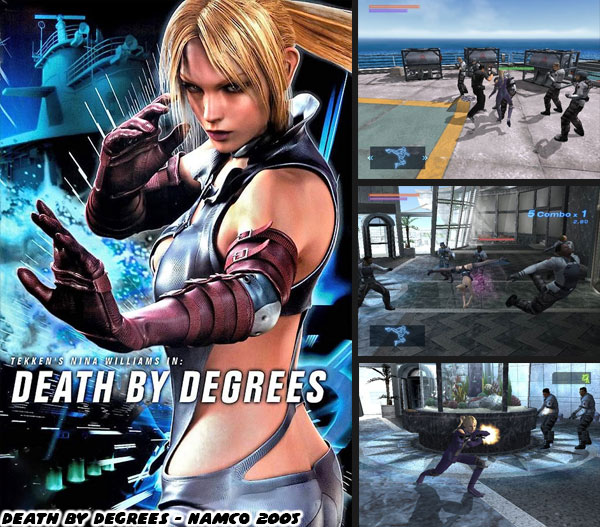
Off the top of my head the only franchise game that tried to make a solo adventure out of a star character was Death by Degrees. It featured Nina Williams, one of the main characters in Tekken, and also one of the first 3D fighting game females. It was developed and published by Namco in 2005. The game made an honest case for turning the tried-and-true Tekken mechanics, and combo systems into a 3D adventure. Nina had already been presented for years as a spy, and assassin in the Tekken cutscenes, and intro cinemas. This time we would be following her on a James Bond-type adventure. The game was good in concept, but just didn’t work in execution. Namco discovered something that was a wild card for 3D fighting game design. How to you balance free roaming 3D combat? An opponent could easily sidestep an attack, and of course if your angle wasn’t dead-on then your attacks might not even land. Also how would a camera work in this type of system? Capcom knew better than try to make the SF6 World Tour a free roam 3D brawler. As soon as a confrontation started it instantly moved to a 2D perspective. Thus there was no difference between the Arcade mode, and the World Tour.

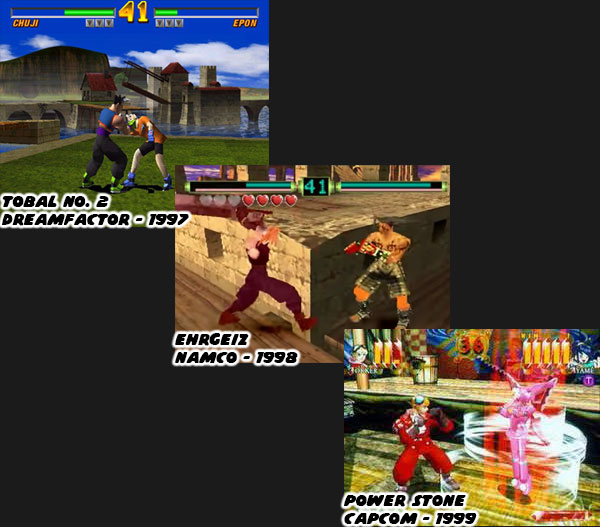
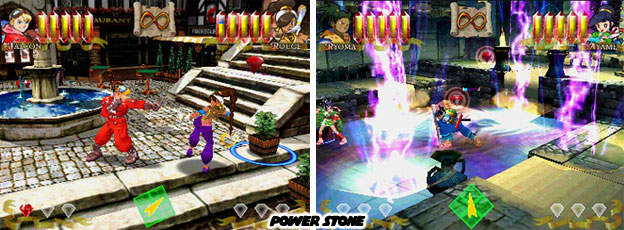
The late ‘90s saw several studios making the transition to 3D game design. Many shuttered further development on their 2D sprite engines, and got designers 3D workstations. Of all of the early 3D fighting games there were three that tried to show the possibility of story driven fighting adventures. Many from my generation had a soft spot for Tobal No. 2. It was a brilliant console game. Developed by DreamFactory, and published by Square for the Playstation back in 1997. It was a follow up to the groundbreaking Tobal No. 1, which was Square’s first game for the PS. It wasn’t just a well balanced 3D fighting game, with designs by Akira Toriyama (Dragon Ball Z, Sand Land), but also offered an adventure mode, like traditional RPGs. Then there was Ehrgeiz: God Bless the Ring by Namco from 1998. It was a well done fighter, featuring different level elevations, and dynamic environments, and also offered a quest mode. The peak of these types of 3D fighting adventures probably came with Power Stone. Produced by Capcom in 1999 there was nothing else like it in the arcade. The anime-style characters, special moves, random power-ups, and rapidly evolving stages had a sort of kinetic energy that you needed to play with a group in order to appreciate.

As fun as these games were they didn’t quite translate the feeling of a traditional fighting game into 3D. The most ambitious attempt at AAA 3D fighting adventure went to Sega. The studio was one of the first to use polygon graphics in racing, flying, and fighting games in the early ’90s. If anyone could crack the code it would have been them. Sega actually tried to build a 3D brawler franchise, starting with Dynamite Cop, and then creating SpikeOut. It was an excellent game, and one that I actively sought out when I saw an ad for it in a Japanese game magazine. It got a more fighting game friendly update called Spikers Battle in 2001, and a console exclusive sequel called Spikeout: Battle Street for the Xbox in 2005. As fun as the game was it highlighted the difficulties of trying to make a brawler in 3D.

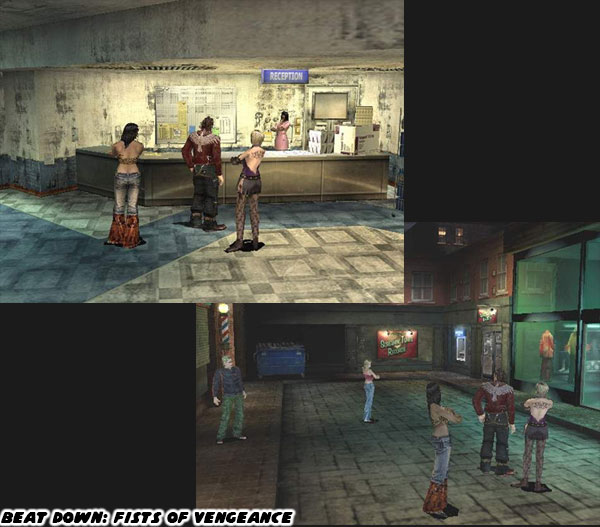
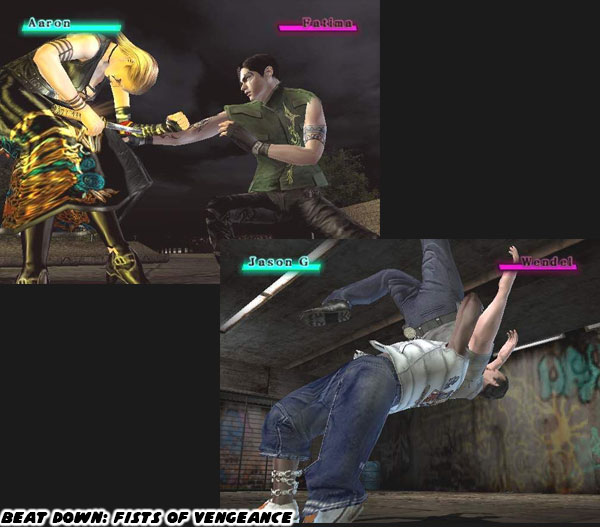
Capcom wanted to be the studio to create a modern Final Fight. An urban brawler that was more mature in tone than other games. The Gen-Xers that grew up on the classic arcade hits were now adults, many with children of their own. They had gravitated to more serious titles. This was especially true of many in the US. The Twisted Metal, Grand Theft Auto, and God of War series demonstrated the look, and feel that a lot of players wanted to see. A developer named Cavia had created a dark, and gritty 3D brawler named Beat Down: Fists of Vengeance. You could recruit, or extort rival gangs on your quest to take over a city. Capcom published the game in 2005. That same year Namco also released an urban brawler named Urban Reign. It used the Tekken combo building mechanics, and the moves from various Tekken characters for your custom characters. Both titles allowed you develop your own movesets. Which was something new to the format.

Both games failed with critics, and audiences. They were average-at-best experiences despite some solid ideas, and decent character designs. Capcom knew that there was still a demand for brawlers, and fighting games. They decided to dig into their IP, and make a big push for the genre. In 2006 Capcom Studio 8 would release the first new Final Fight game in seven years. It would also be the first game created exclusively by their US studio. If anybody understood the western audience it would be the Team USA members. The game that came out left me bewildered.

Actually I wasn’t as bewildered as much as I was disappointed, saddened, and angry with the treatment of the IP. My reaction was all before the game even came out. I got a preview when I attended the E3 in 2005. I was looking at the early footage, and wondering what was going on. Why was this ugly Fight Club wannabe was getting passed off as a Final Fight game? I showed my brothers the video I recorded, and they were confused as well. I’m too upset to talk about it now. We will dig into it on the next blog entry. I hope to see you back for that. If you are a long time fan of Final Fight, or Street Fighter then I would like to hear your impressions of SF6. If you have never played any game previously then tell me your experiences in the comments section please. As always if you would like to sponsor me please visit my Patreon page and consider donating each month, even as little as $1 would help make better blogs and even podcasts!
follow the Street Writer on Patreon!

Monday, May 16, 2016

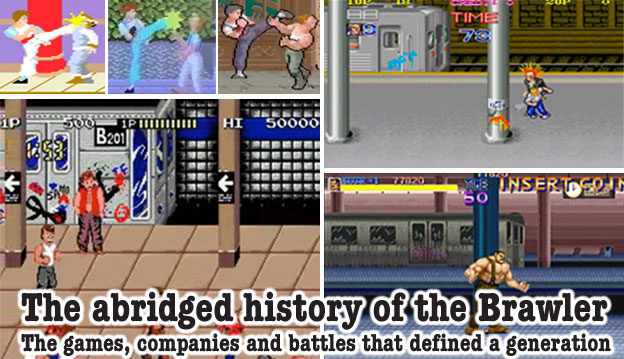
The Abridged History of the Brawler, part 20


In 2005 games were becoming dark and brooding, they were following the trends from other studios as well as from cinema. The bright colors and over-the-top designs from brawlers in the early 90's seemed passé. In order to appeal to players the characters had to be dark and gritty. The universes they were set in also had to be dark and ugly. Hence the new Capcom brawler from that year, Beat Down: Fists of Vengeance, was one of the darker and more violent games they've ever produced.


Beat Down was designed to be an online brawling game, with a customization feature, complex story and various locations characters could visit. It was a brawler with RPG and MMO elements. However it did not capture the gamer's imagination. The characters looked like generic bruisers, an exercise in pop character design for an art college class. Guys and girls wearing leather and sporting tattoos seemed enough to make them tough characters. They lacked the archetypical traits that made the Final Fight cast so memorable. Capcom had rewritten the book on brawlers through the 90's and in the new decade had released a cast that lacked presence in a game that was average at best.


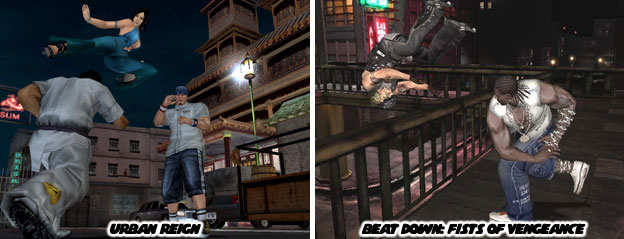
Capcom did not get off on the right foot while rival developer Namco faired slightly better. Urban Reign by Namco was their first 3D brawler and it was a good game. While Capcom was mastering 2D animation in their fighting games through the 90's Namco had been building a franchise in 3D technology. The programming experience that they had developed through the Tekken series was paying off for the publisher. The lessons they learned in arcade development was quickly translated for the Playstation platforms. They were among the first studios to have a version of Tekken available on the original Playstation and Playstation 2. With Urban Reign they saw potential for the Tekken engine beyond the traditional 1-on-1 fighting game. Specifically the Tekken 5 engine worked quite well for a brawling game for the PS2. It worked so well that it was also used in Death by Degrees the action game released the same year featuring Nina Williams, also from the Tekken fame.


Urban Reign featured a cast of distinct archetypes including a karate fighter, a street brawler and a female martial arts master. Visually they had greater diversity than the cast in Beat Down. The game was dark and gritty as well, but not as depressing as the world from Beat Down. From a gameplay POV the camera system drew far enough away for players to keep an eye on opponents as well as teammates and did not suffer from the blind spot problems from SpikeOut. The moves and control worked well within the 3D environments Players could set up special attacks and even perform double team attacks on multiple as well as single opponents with relative ease. Some of the double team attacks were spectacular, like the high risk moves from pro wrestling. Those familiar with the Tekken series could see where moves and animations were placed on the new models.


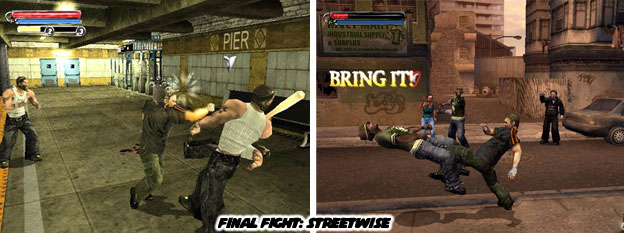
The game had a bonus feature in that any defeated character, including bosses, could be unlocked and played as in a fighting game format. Tekken characters were hidden in the game and could be unlocked for the fighting game portion as well. As well as it was done it faired only slightly better with gamers than Beat Down. The 3D brawling genre just could not gain momentum in arcades or home consoles. What Capcom did next would harm their reputation more than help it. Final Fight: Streetwise was a sequel to the arcade classic. It was the antithesis of everything that made the original brawler legendary. It was dark, ugly, slow, cumbersome and brooding. The controls lacked the simplicity and finesse of the original title, making it less accessible to gamers. Capcom's Production Studio 8, a US-based developer released the abysmal title in 2006, just a year after Beat Down failed to impress audiences.


The designs featured in the title were another exercise in character interpretation, possibly from some art college graduates not old enough to remember the original title. The new versions of the characters were as dark as the premise. A washed-up Cody was reunited with his (surprise!) brother to try and clean up the streets of Metro City from a new drug. The game was bad on all fronts and the attempts to make it visceral and adult just hurt the reputation of the arcade classic. Characters and situations like the infamous Weasel scene did nothing to help the genre or make it relevant to gamers. It was ugly, sloppy and classless design from the former masters of the genre. Thankfully Capcom would stop trying to reboot franchises and instead focus on releasing their actual brawling classics on the Playstation Network and Xbox Live Arcade in latter years.

There was one western studio that did manage to get the genre right, and also give players a compelling 3D experience without the problems suffered by previous brawlers. Rockstar released The Warriors in 2005. The game was based on the 1979 movie about a small gang trying to get past rival gangs through New York en route to their home turf on Coney Island. Rockstar managed to capture the spirit of the movie by recreating the details in the film and then expanded that universe through careful, period piece, interpretations. The game featured a more open ended sandbox-style gameplay than other brawlers. A modified version of the Grand Theft Auto III engine served as the backbone. There were no invisible walls, or camera problems that plagued earlier 3D fighting attempts. A brawler without a countdown clock, or facing nonsensical gigantic level bosses was a refreshing change of pace for gamers. The gang warfare highlighted in the Warriors brought back the energy and emotions that classic brawlers once pulled from gamers. It could appeal to fans of the GTA series without including all of the vehicle and mission hijinks featured in that game. Rockstar redefined the genre by ignoring convention and earned the praise of gamers and critics alike.


Five years later Rockstar released an Xbox Live Arcade version of the game that limited all of the play elements to the traditional format. The Warriors Street Brawl from 2010 used a fixed, side-scrolling camera, with 3D characters. The game did introduce a "store" to the genre where players could buy weapons and upgrades for their characters, but it failed to win over new fans. Street Brawl lacked the substance of the previous sandbox experience and if anything highlighted the deficiencies of the classic format with modern visuals. Without Sega, Capcom or Konami developing new brawlers after 2006 the genre would only be kept alive by independent studios. Many experiences faded away but at least one became an example of what still worked in the genre. Find out about the first major attempt at a brawling MMO as well as the little title that became a smash hit in the next blog. As always if you enjoyed this blog and would like to sponsor me please visit my Patreon page and consider donating each month, even as little as $1 would help make better blogs and even podcasts!

 follow the Street Writer on Patreon!