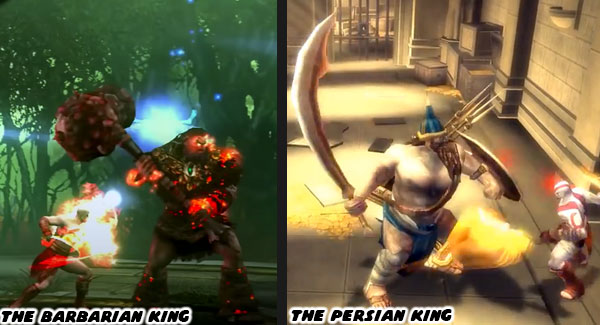
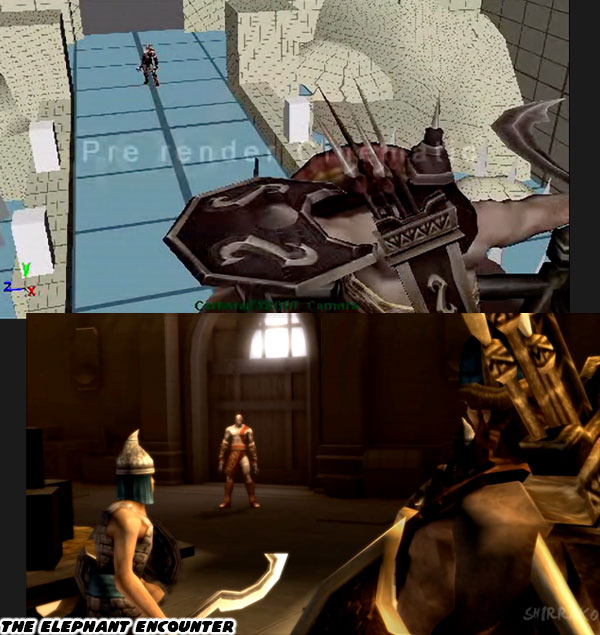
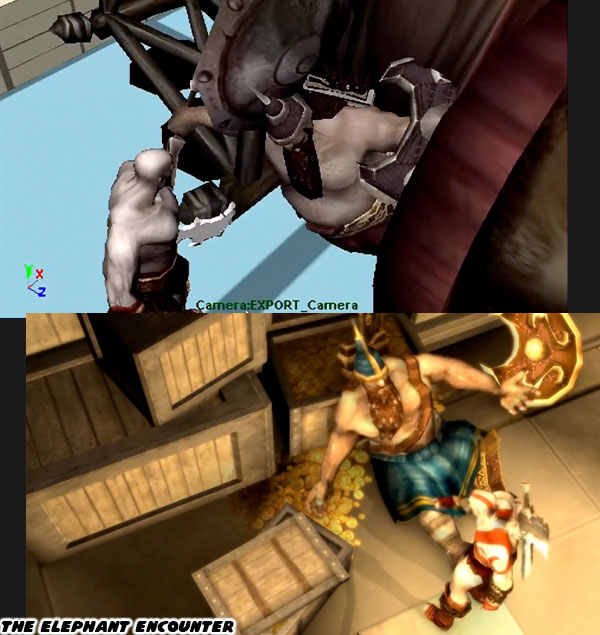
Chains of Olympus was telling the type of story that I had enjoyed in the original God of War. We were given an introduction to Kratos through the action. We learned how the game played through fights, and boss battles, rather than lengthy tutorials. All the while we moved from point to point across the ancient world. We were on a real adventure, and every new development helped push the narrative. The gods required the help of the Spartan once more, only this time things seemed most dire for the entire world.
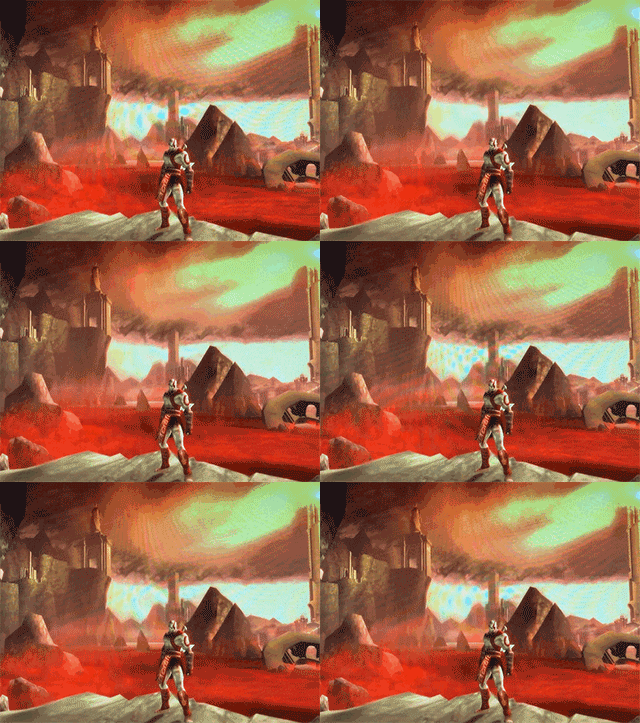
When we last saw him Kratos had fallen into the underworld while trying to retrieve Helios, the god of the sun.
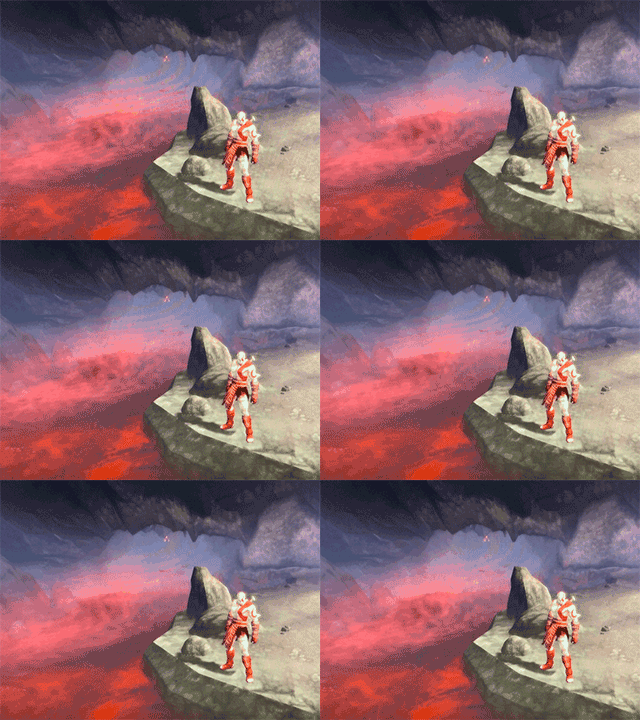
This was canonically the first time that Kratos had visited Hades.
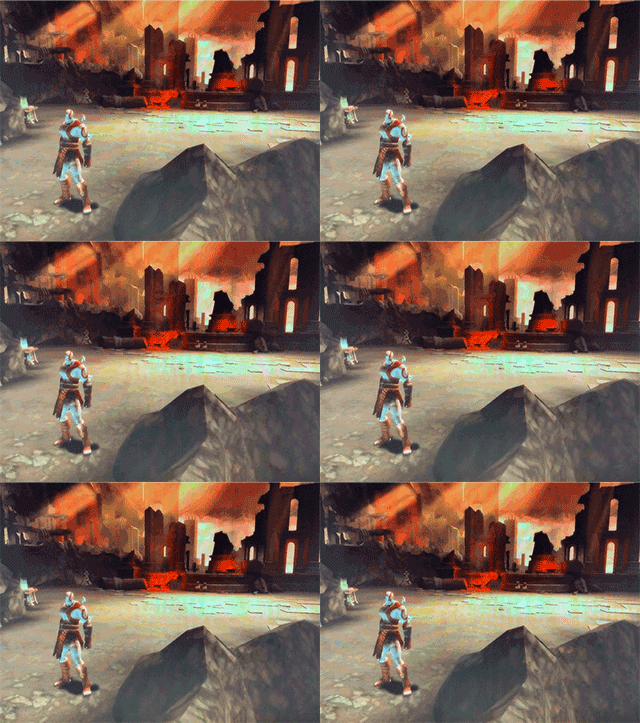
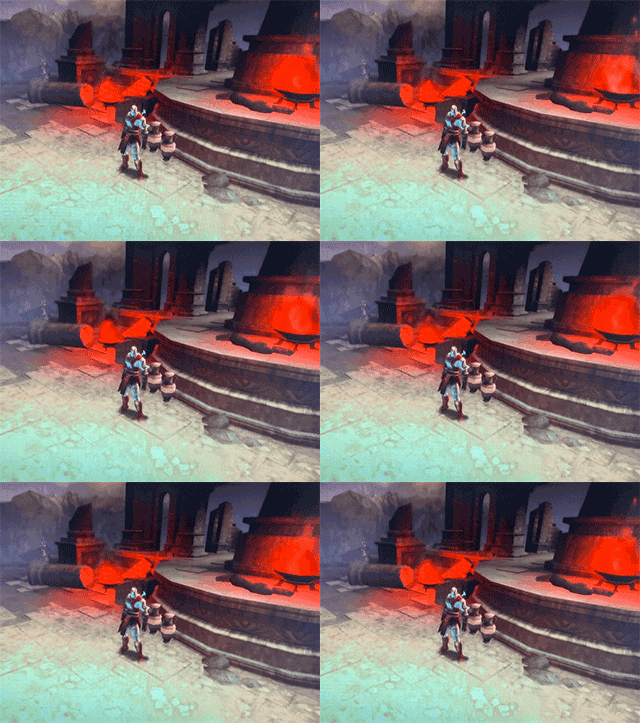
This version of the afterlife looked much different than the one seen in God of War III. For starters it was well illuminated. In GoW III Hades was dark, and painted in a pallet of grays, blues, and black. This Hades had more Earth tones, and reds.
There was an ocean of blood in the distance.
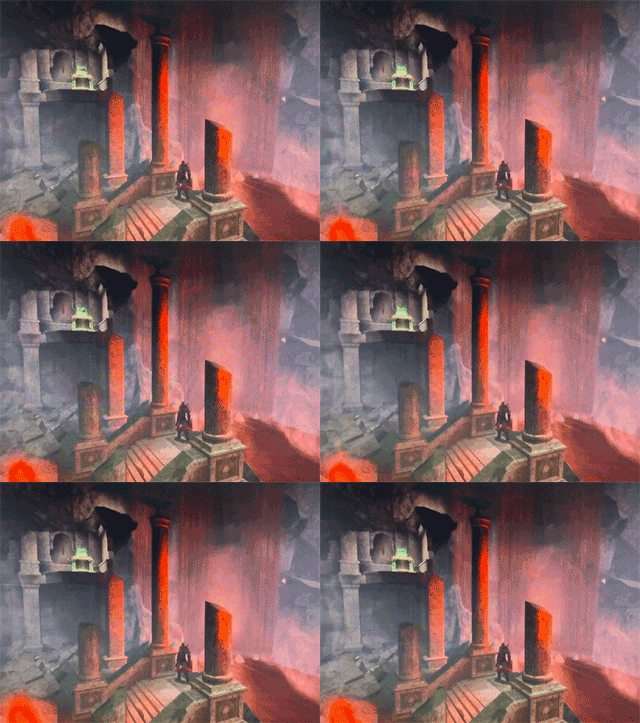
The terrain was jagged, and uninviting. There were scattered ruins that must have been as old as time itself.
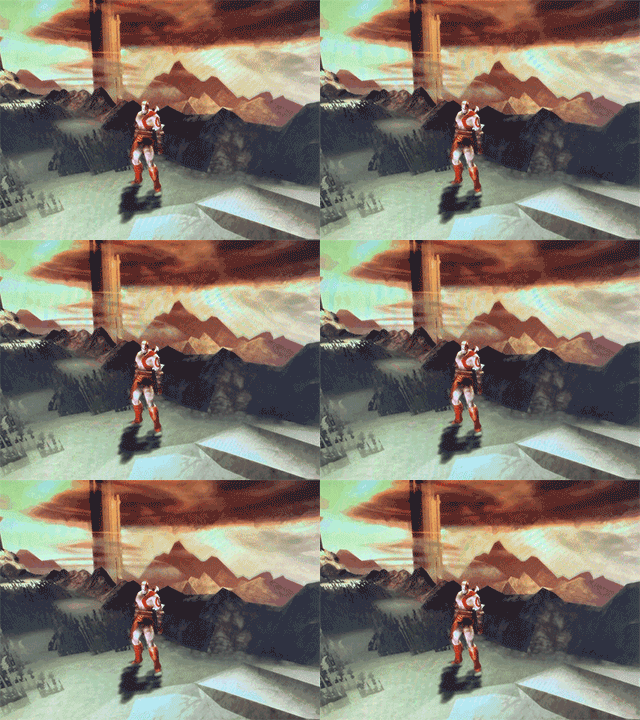
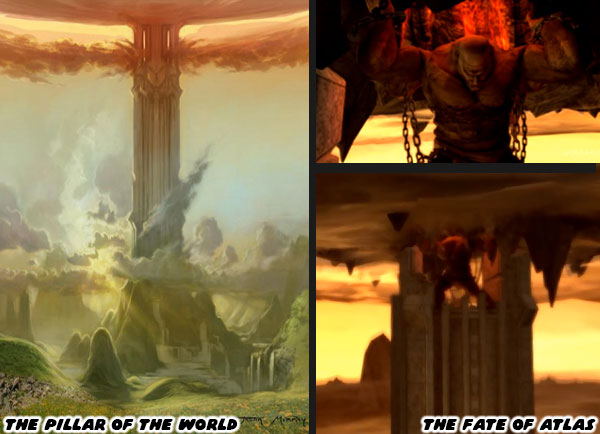
In the distance we could see an enormous tower. This would be revealed as the Pillar of the World. The point that held up the heavens from the underworld.
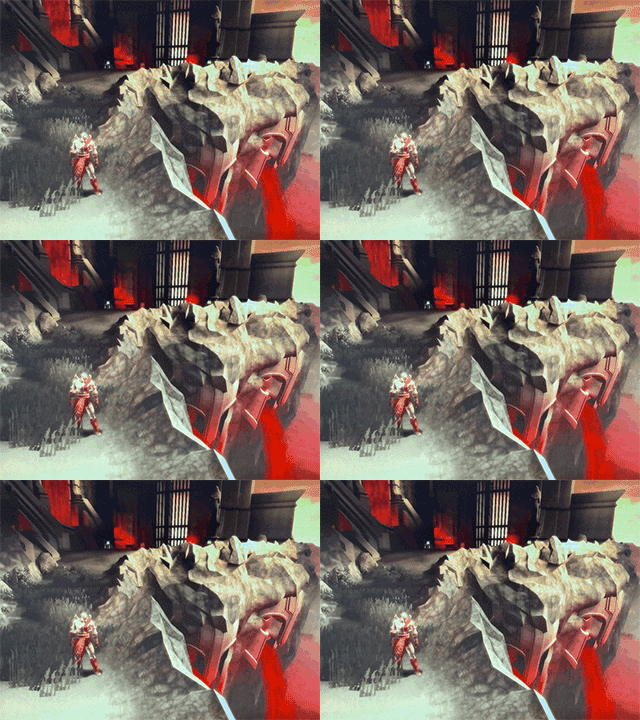
The level design in Hades was amazing. The faces of warriors were carved into the sides of the mountain, they acted as fountains for the waterfalls of blood cascading down from above.
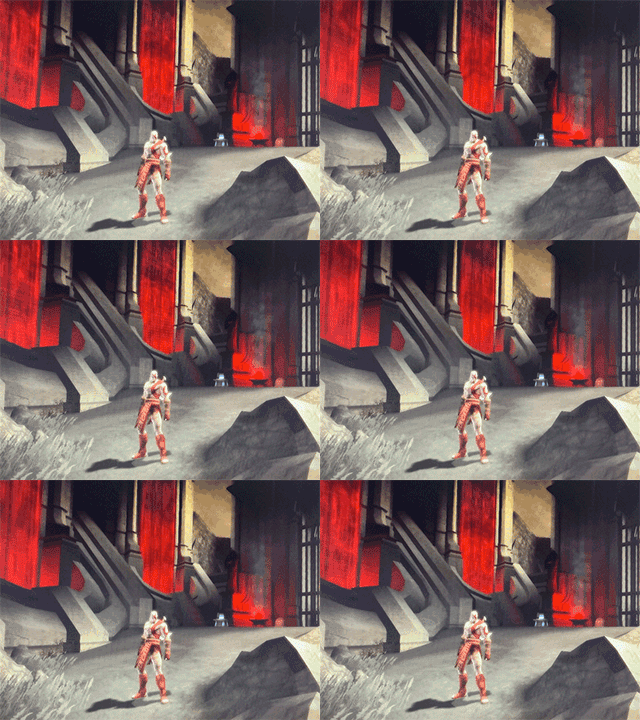
These were locations that would make for some awesome heavy metal album covers.
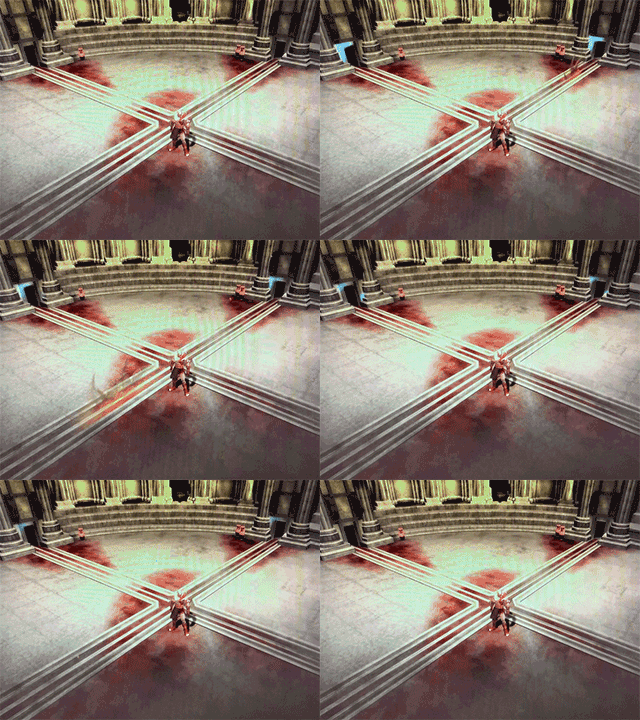
I couldn't help but notice that the monsters that appeared in the underworld were different than the nightmare minions from earlier in the game. Although they shared similar attacks they had a different look altogether. This was a detail that I really appreciated in the GoW series. The developers couldn't really create dozens of unique enemy types, each with their own moves, attacks, and models. At least not with the limited memory, and storage in the Playstation 2, or PSP. The workaround that the studios found was in changing the textures on several of the models, and perhaps changing the color of their attacks slightly. This made the enemy types feel more diverse.
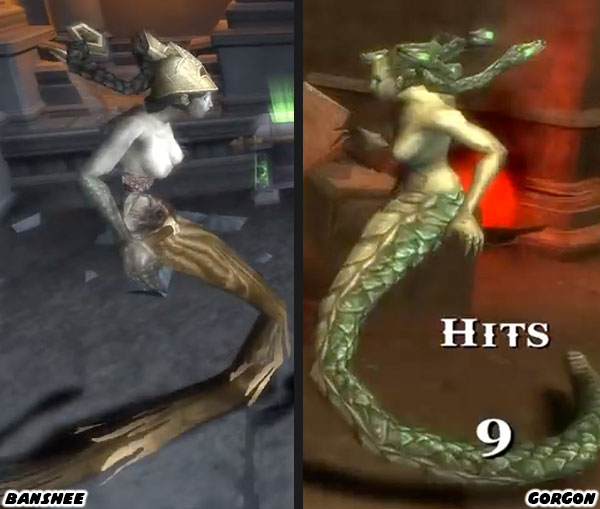
I wasn't complaining at all about recycling the models, and swapping out textures. I honestly thought that the villain designs in Chains of Olympus were among the best in the entire series. Look at how cleverly the modeling of the gorgon snake hair became a helmet, and braids for the banshee.
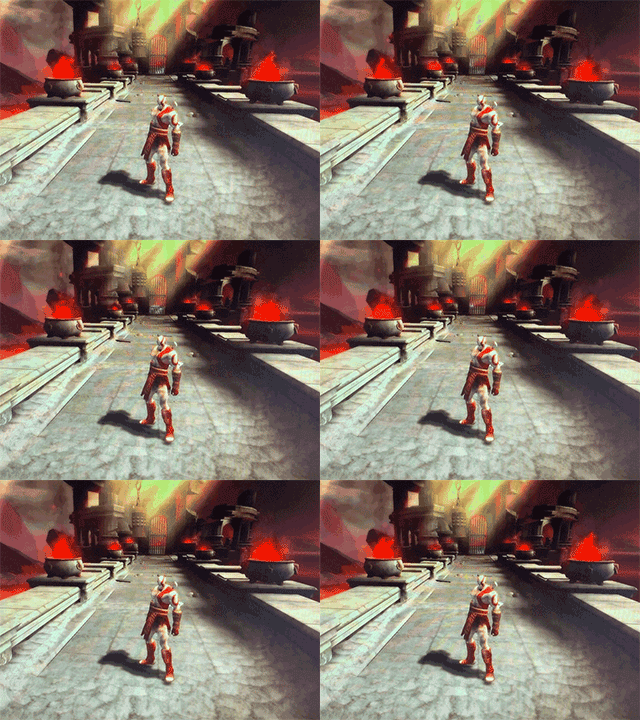
Kratos soon found himself at a river of blood with no way to get around. There was a massive bell to summon the ferry. This was about the time that the mythology geek in me began to hyperventilate. I was geeking out as hard at this moment as I was when Cronos appeared in the first game. I knew about the river Styx, and the ferryman known as Charon. I had no idea that Kratos would ever meet the person that ferried people into the afterlife.
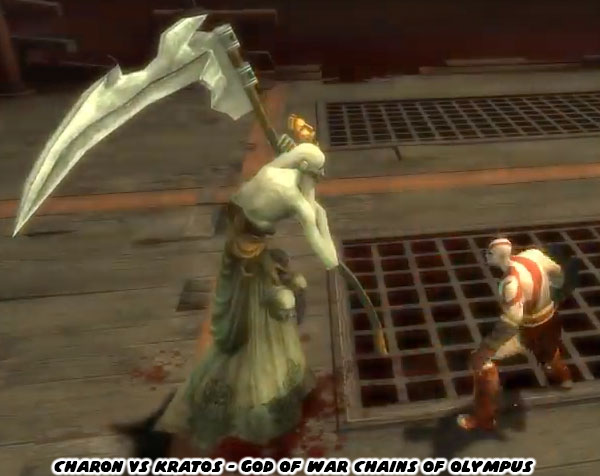
Charon was considered the archetype for the figure we think of as Death today. He lamented to Kratos that both were slaves to the gods, never to be liberated from their service. He told Kratos it was not yet his time to be in Hades, as if he could foretell his future.
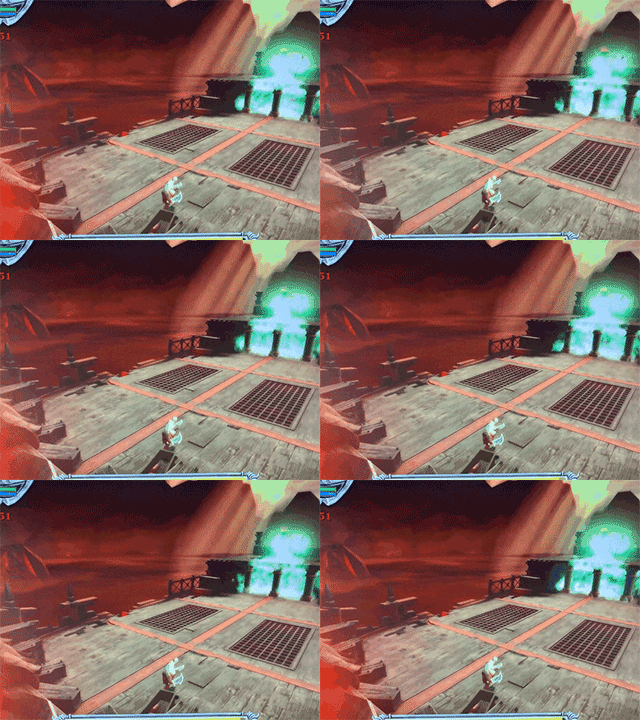
Having a boss battle with Charon was not on my checklist for badass moments in the series. Unfortunately for Kratos he is defeated by the ferryman, and tossed into the lowest pits of Hades. The dark place known as Tartarus.
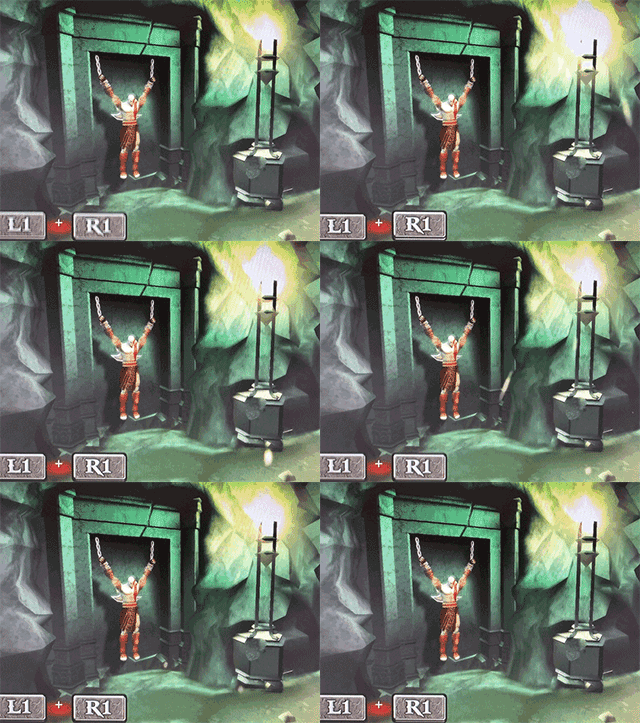
Kratos wakes up chained to a wall. He is weak, and trapped in the place where condemned souls go. The only way to regain strength here is to kill the other souls chained in Tartarus.
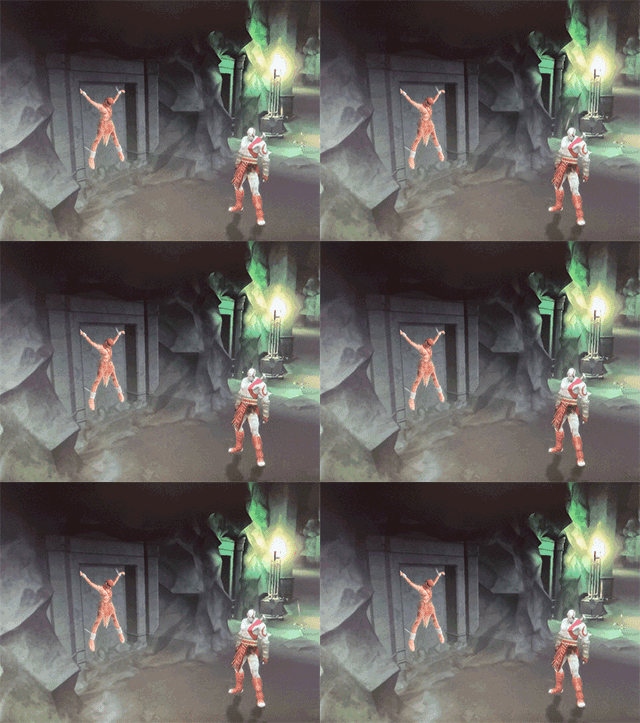
We saw Tartarus in GoW III but it looked completely different. This portion of the underworld was colored with greens, and blueish-grays. The color scheme was another solid design choice. It told audiences they were now in a unique environment. Even the type of flames that illuminated this section were special. We had golden braziers in the Temple of Helios, warm torches in the Caves of Olympus, burning red coals in Hades, and bright sparking phosphorus in Tartarus.
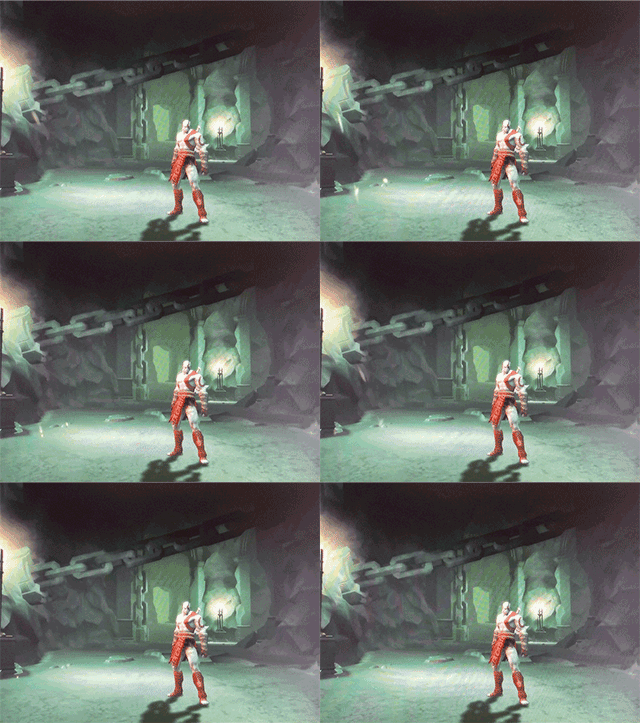
We were now getting to explore the place that the gods of Olympus had banished the titans.
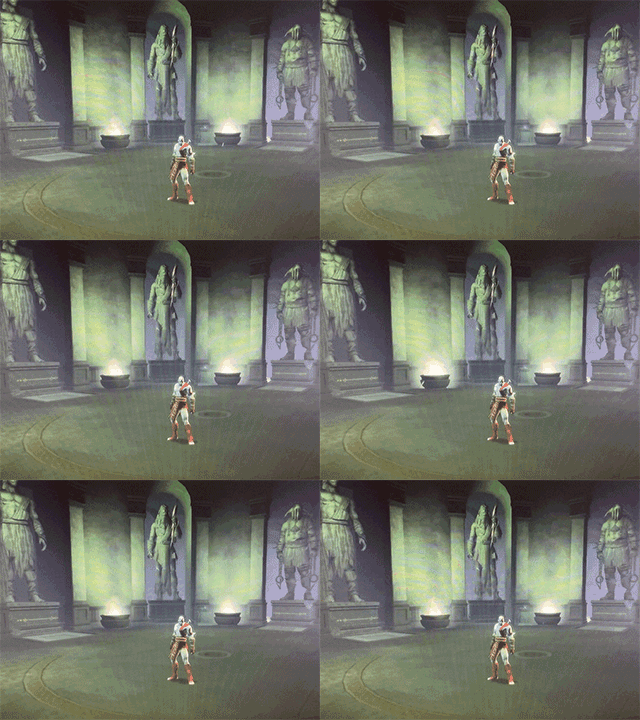
I didn't know whether or not I would see any titans, but I was eager to continue exploring, and battling my way to the truth.
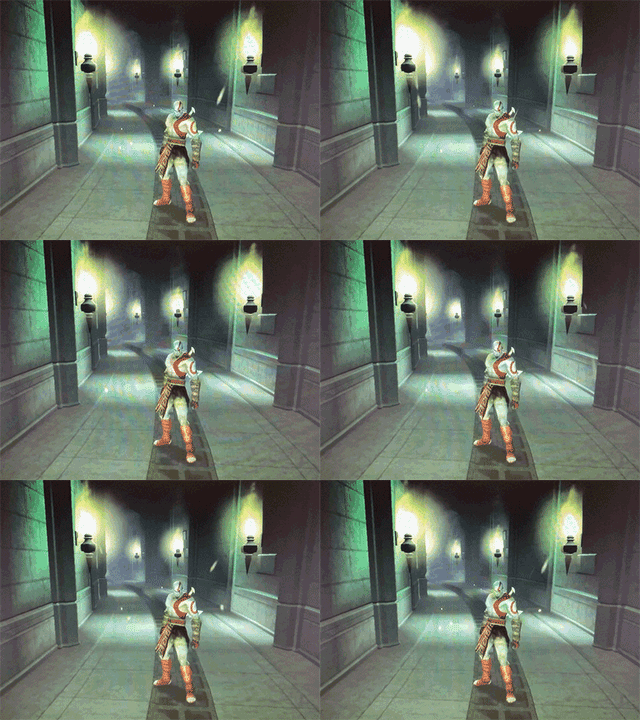
Again, I was struck with how amazing the locations, and enemy designs were in the game. Ready at Dawn Studios made sure that the Morpheus, and Hades minions had their own style, even if they shared polygon models, and moves.
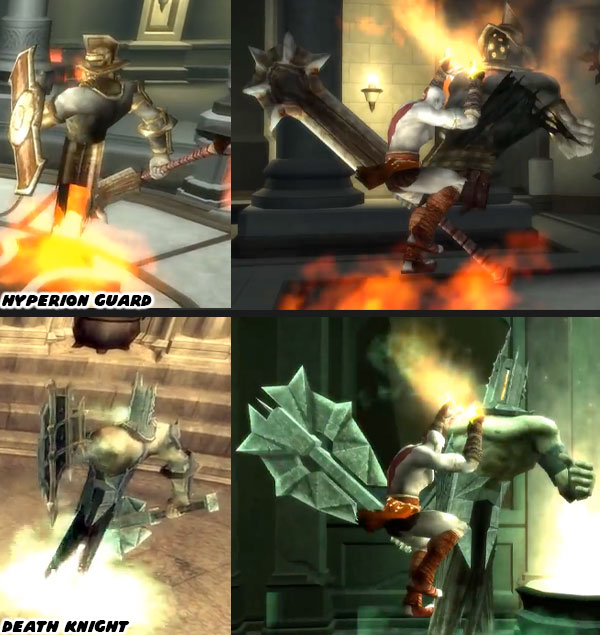
The best of these were the ghost-like Hyperion Guards, and Death Knights. The Hyperion Guards looked like massive gladiators, with a key-shaped sword, and heavy shield. They could take a lot of damage, and deal even more. Then there were the Death Knights, whose spiked helmet, mace, and gate-like shield were every bit as formidable. These were the types of designs I wished there were statues, or action figures of.
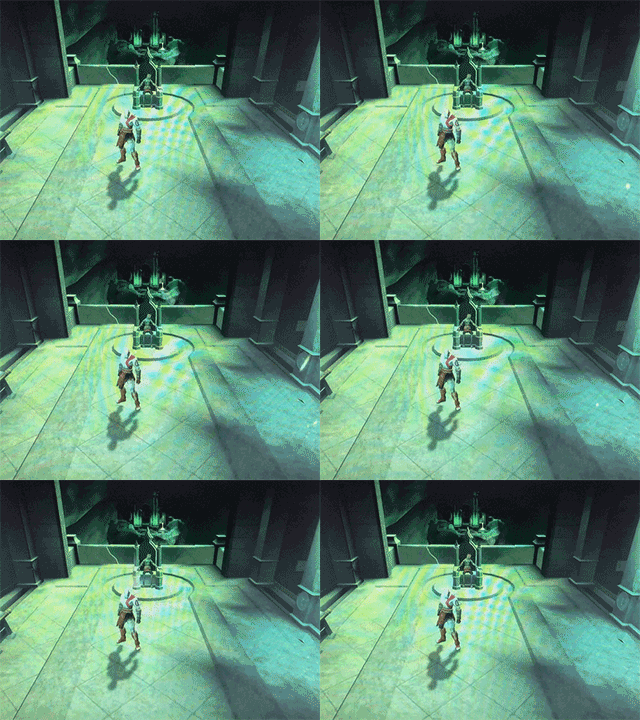
As Kratos traveled through the underworld he discovered the corpse of the Jailer of Tartarus. It never occurred to me that there would have been someone responsible for keeping an eye on the souls that the gods had banished. There was even a crypt for the previous jailers. These were the types of details that helped make the world more real to me.
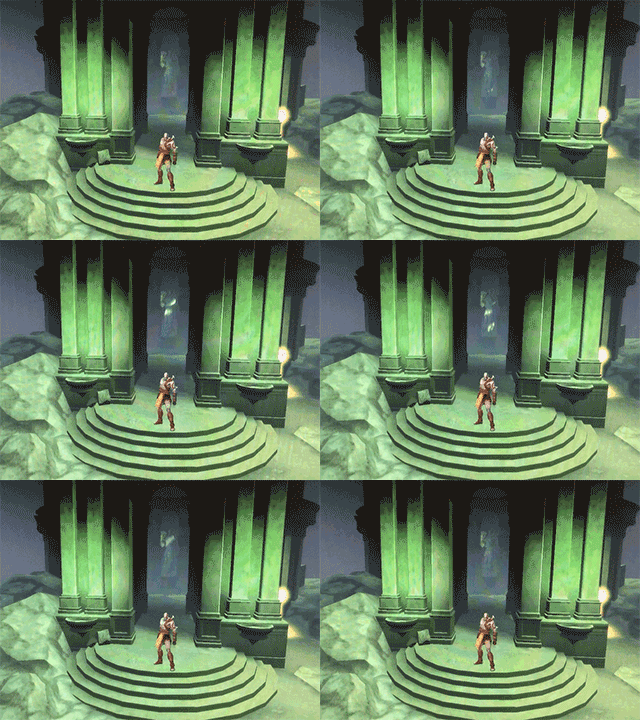
Kratos takes the jailer's key, and uses it to reach a secret platform.
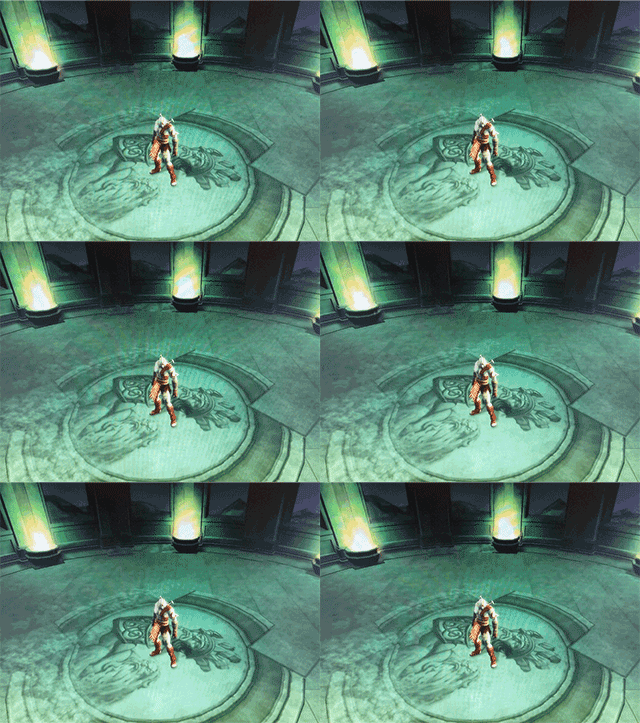
We knew that Zeus used the Blade of Olympus to end the war against the titans. But we never knew how he kept the titans locked away until now.
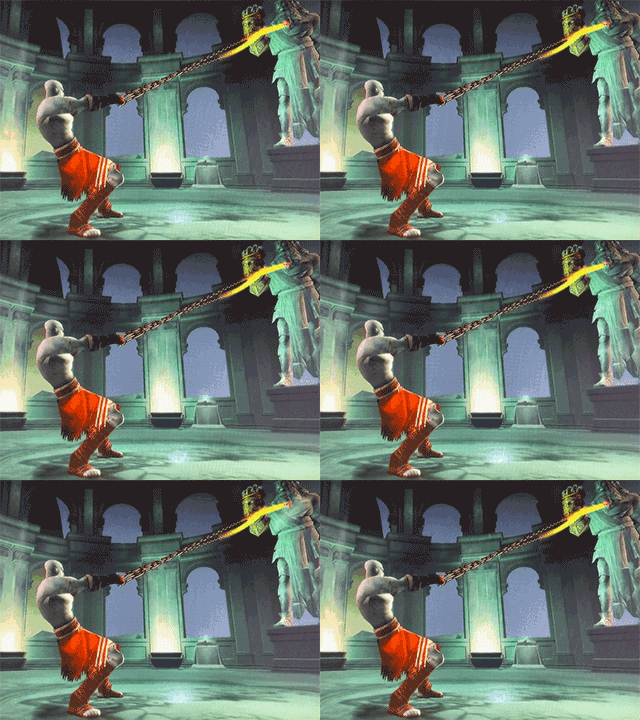
Zeus had a Gauntlet created that would allow him to bind the titans to Tartarus using the Chains of Olympus. This would become the second, and most powerful weapon that Kratos would earn on the journey.
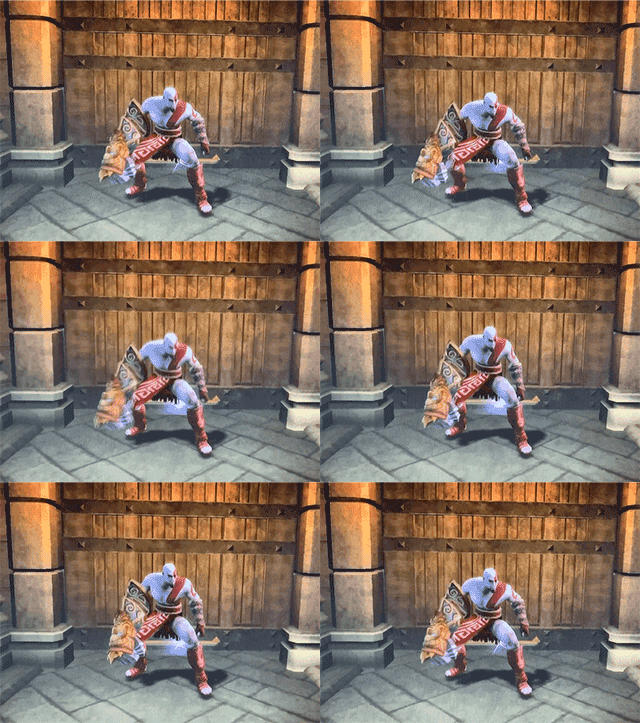
It seemed absurdly large over the arms of Kratos, but remember that Zeus stood a full head, or two taller than Kratos. It would have been more proportional to him. Best of all the Gauntlet of Zeus could be used against anyone standing in his way. Of course we still had to get out of Tartarus before we could see the full potential of the gauntlet.
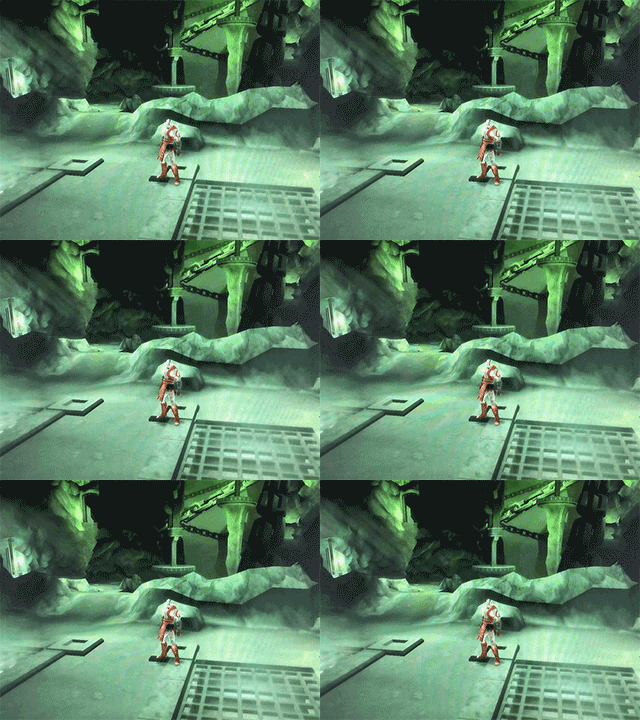
As Kratos searched for an exit the hint of a conspiracy was starting to build.
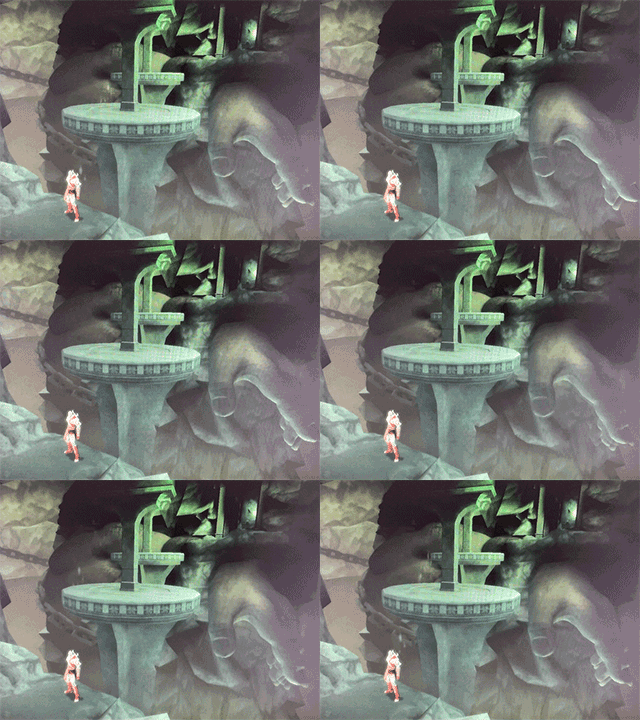
We actually began to see evidence of titans bound to the walls of Tartarus.
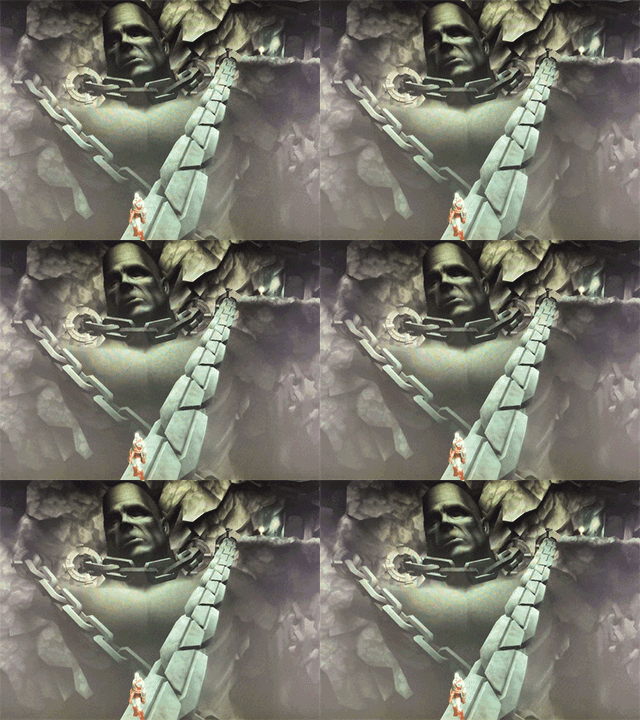
One of the most important titans in history was clearly visible. It was Hyperion.
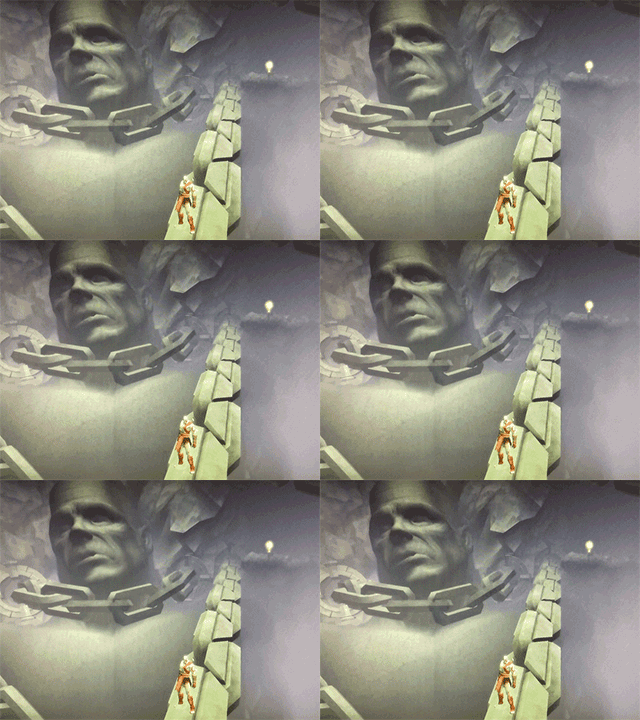
This was the father of Helios, Eos, and Selene. Remember that the Olympians were descended from the Titans. Zeus, Poseidon, and Hades were the sons of Cronos.
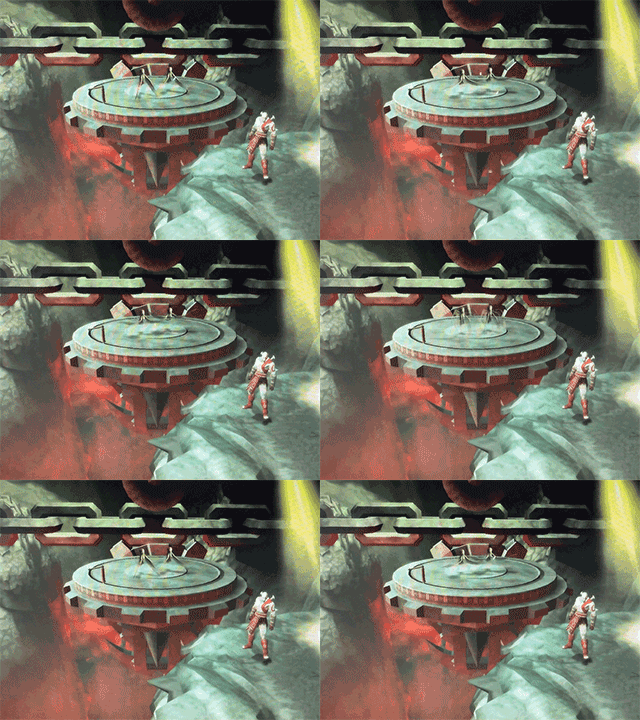
There was no love lost between the gods, and titans. They had locked up their parents so that they would never be seen again.
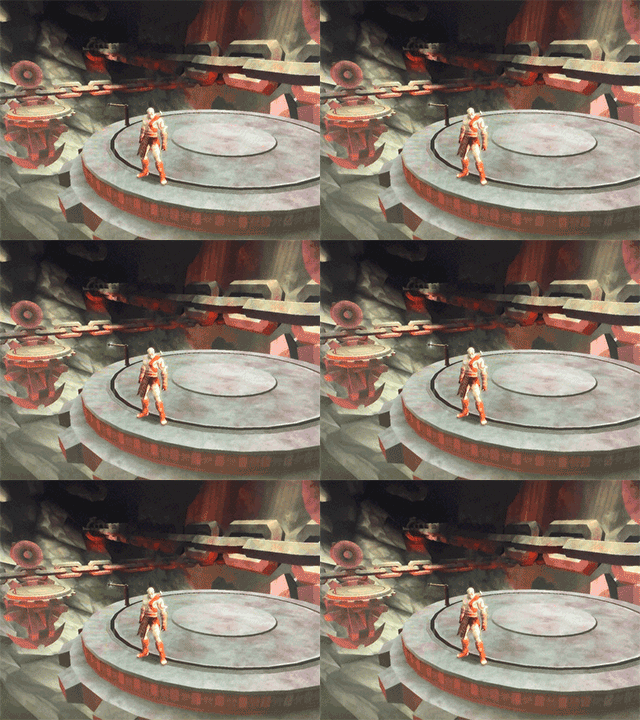
Kratos discovered that the chains that held the titan Atlas were broken. It filled the Spartan with dread.
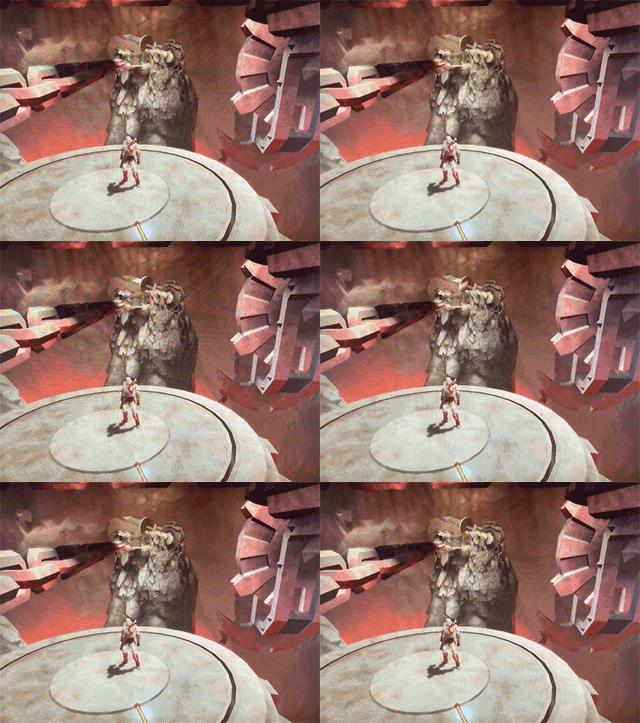
He needed to find out where the powerful titan went, and get to the bottom of this mystery.
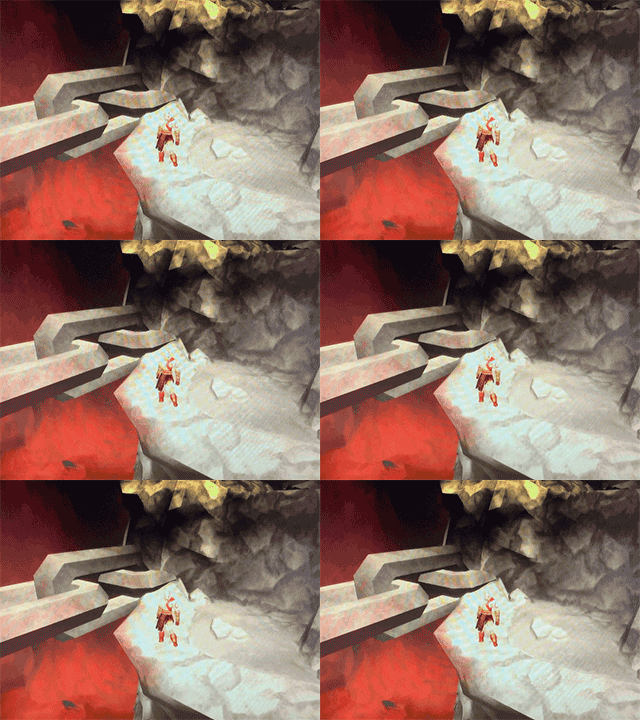
He followed the clues, and used the Gauntlet of Zeus to create a bridge using one of the chains.
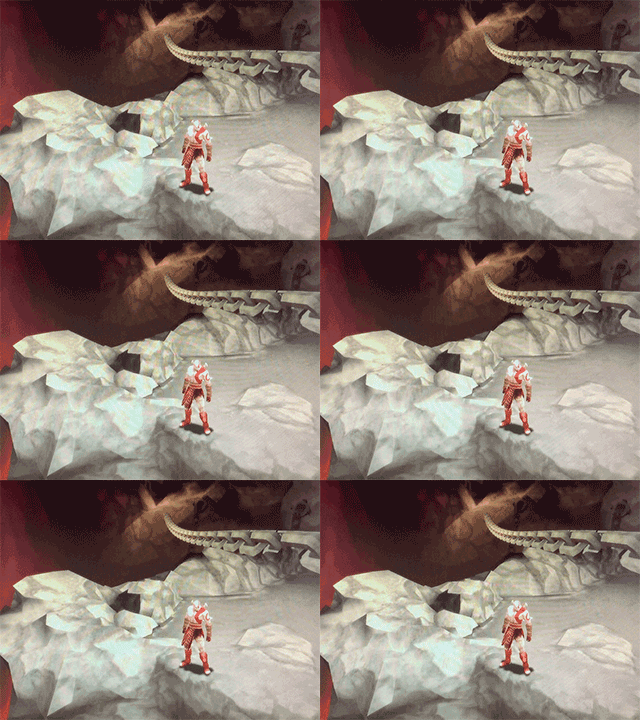
Kratos was able to find a cliff wall on the edge of Tartarus.
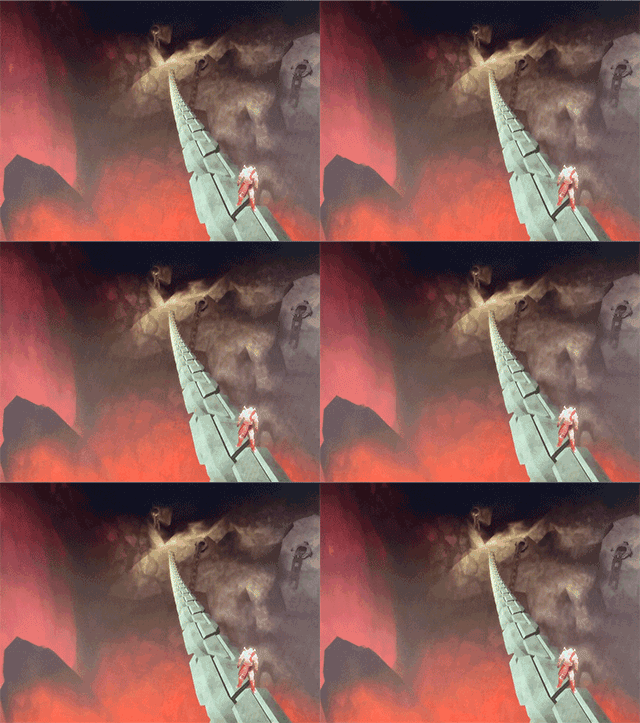
There was an enormous waterfall cascading blood.
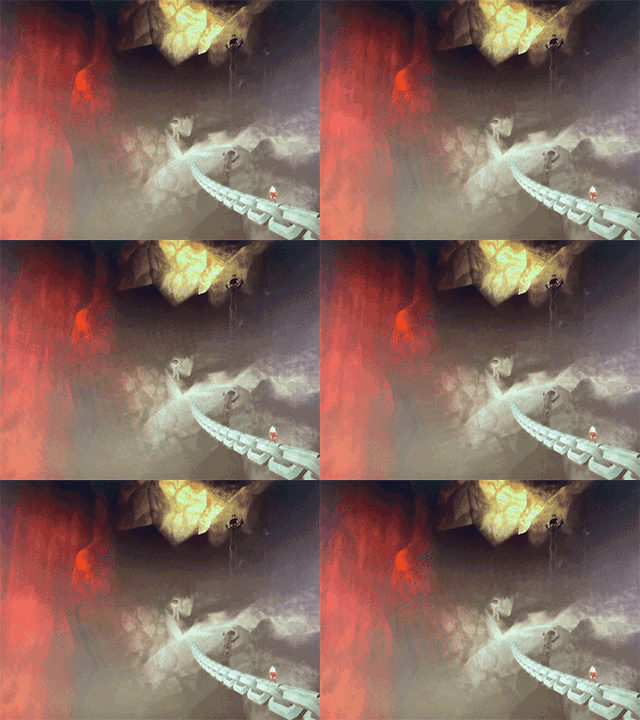
Kratos found a wall that he could scale using his Blades of Chaos.
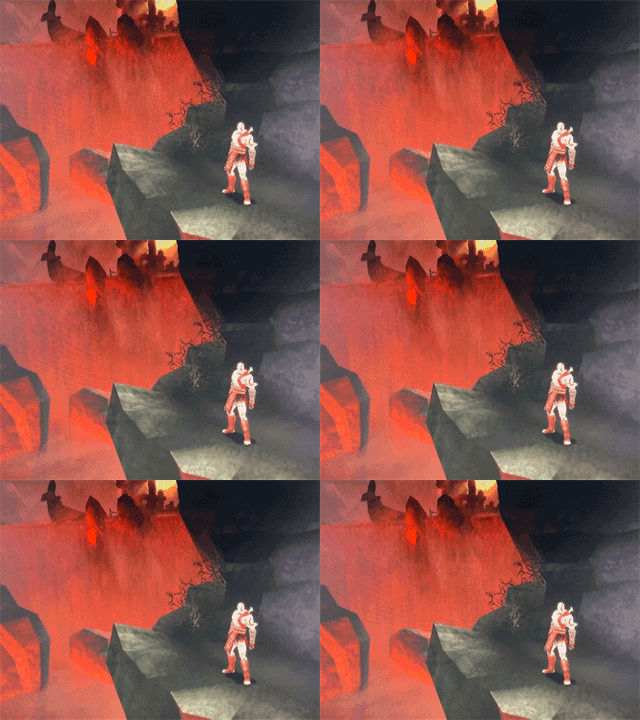
He climbed for what seemed to be ages, and managed to reach the source of the waterfall. It was the river Styx.
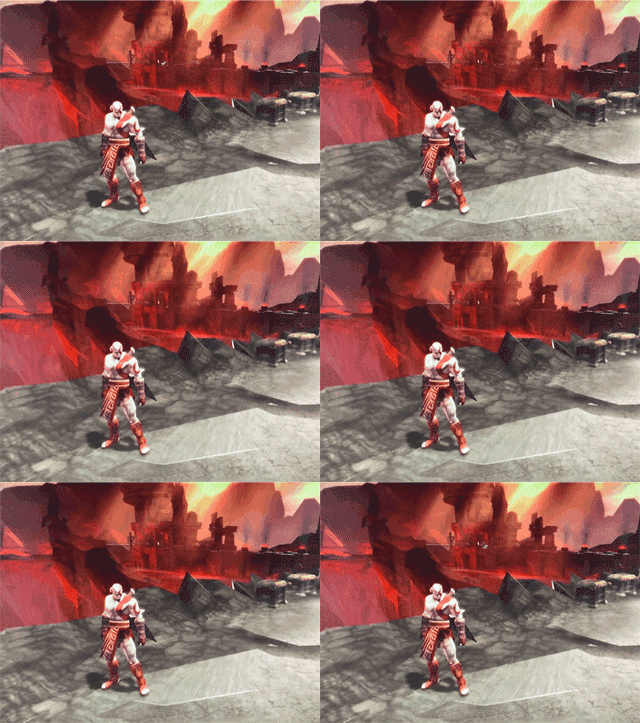
Kratos summoned Charon once more, this was an eagerly anticipated rematch.
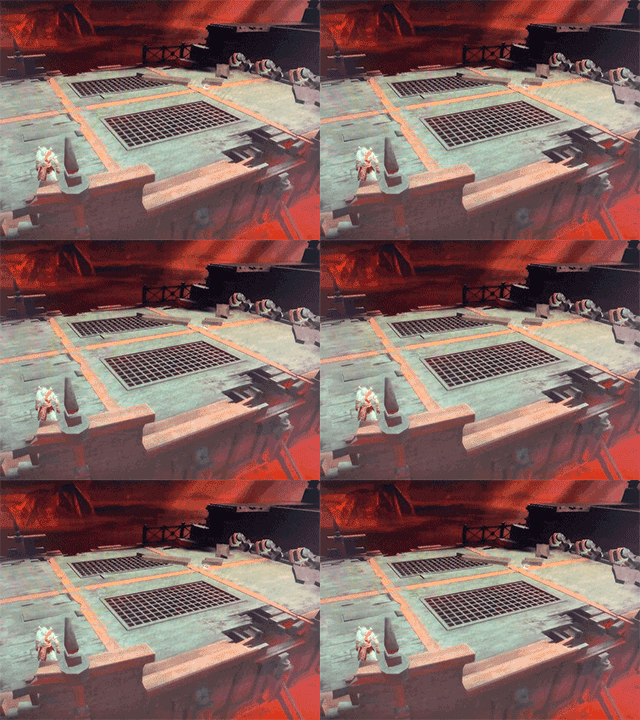
Charon could not defend himself against the attacks thanks to the Gauntlet of Zeus.
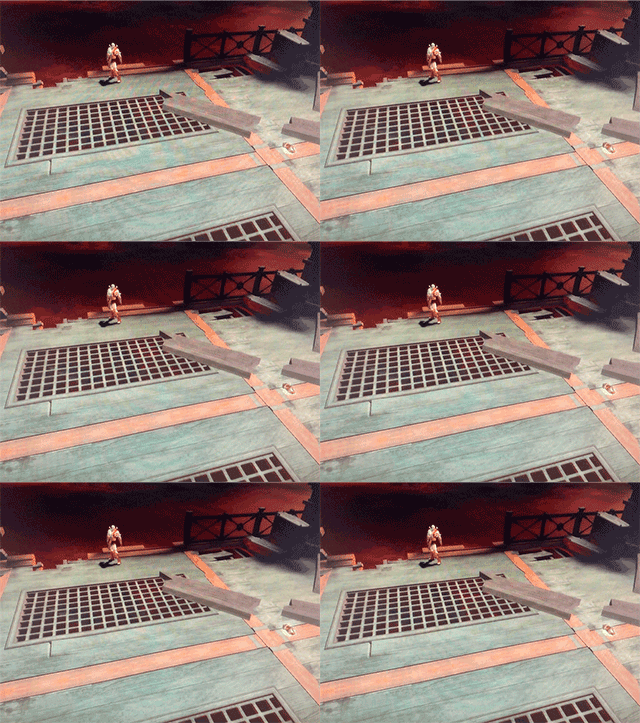
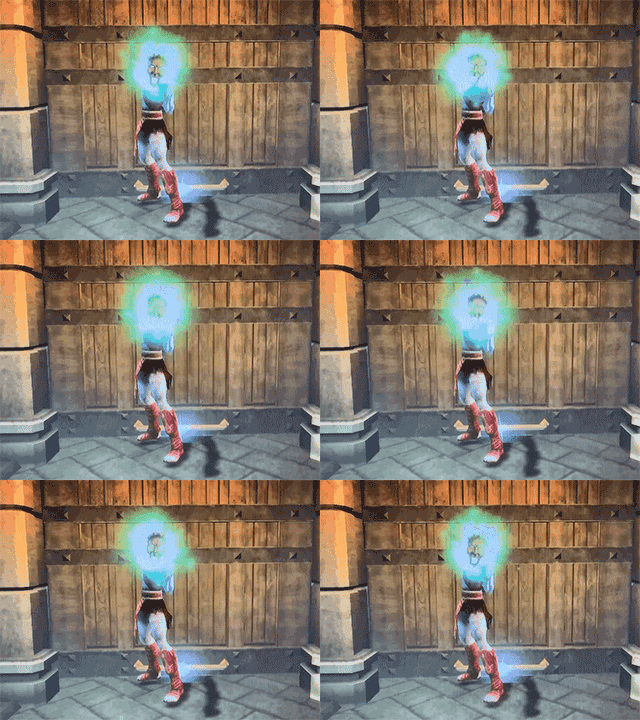
With Charon defeated Kratos had earned his third, and final magic attack. He picked up the golden mask that Charon hid his decomposing face behind. It was called Charon’s Wrath, and it allowed him to target multiple enemies with a burning gaze. Kratos could hold it ahead of him like Medusa's head, and fire off attacks.
Kratos then took the ferry up the river.
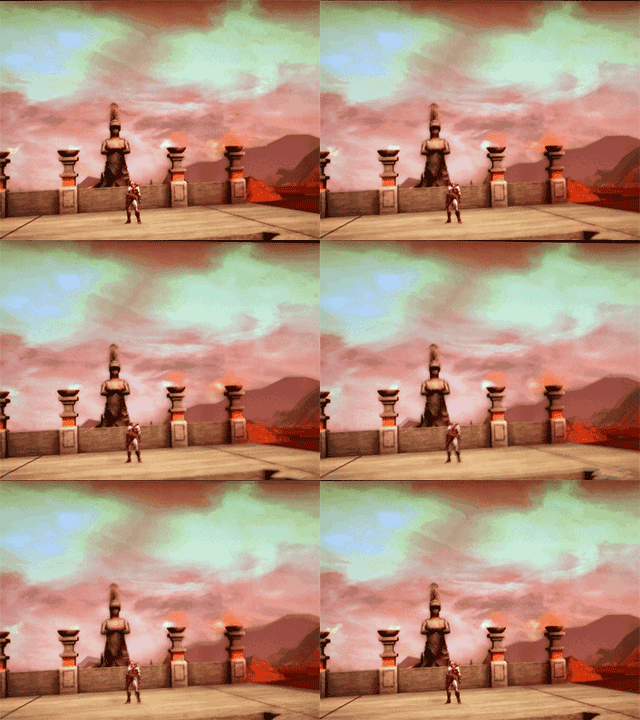
I enjoyed the few seconds of the in game cut-scene. It gave me a moment to think about how far the game had taken me.
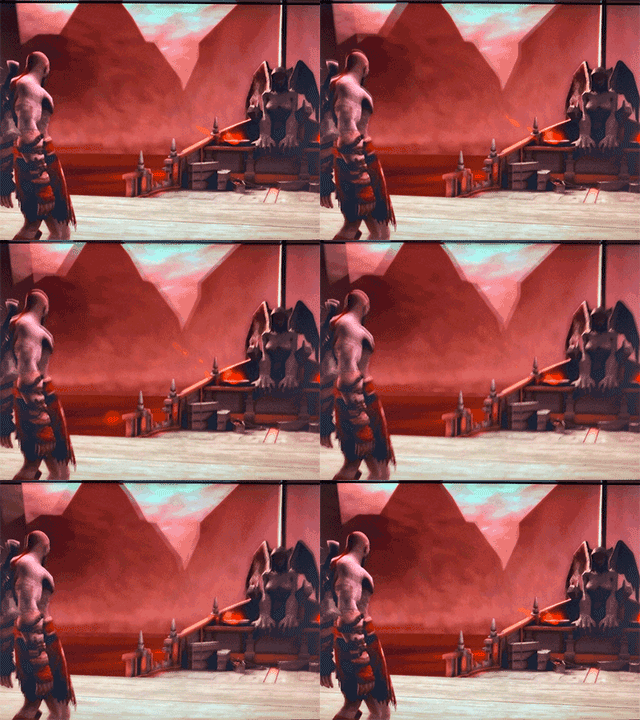
I felt as if Ready at Dawn was filling out the plans that Sony Santa Monica had for Kratos since the first game. It allowed me to enjoy the classic mythological world of the past. It was serious in tone, but visually far different than the gritty world presented in GoW III.
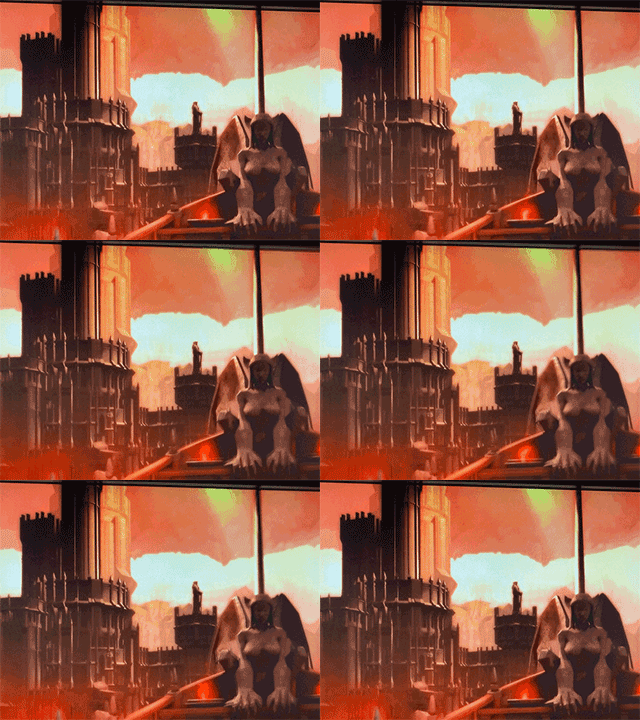
I was trying to figure out how Morpheus was able to take Helios out of the sky. This game had the makings of a very good mystery. I was certainly hooked.
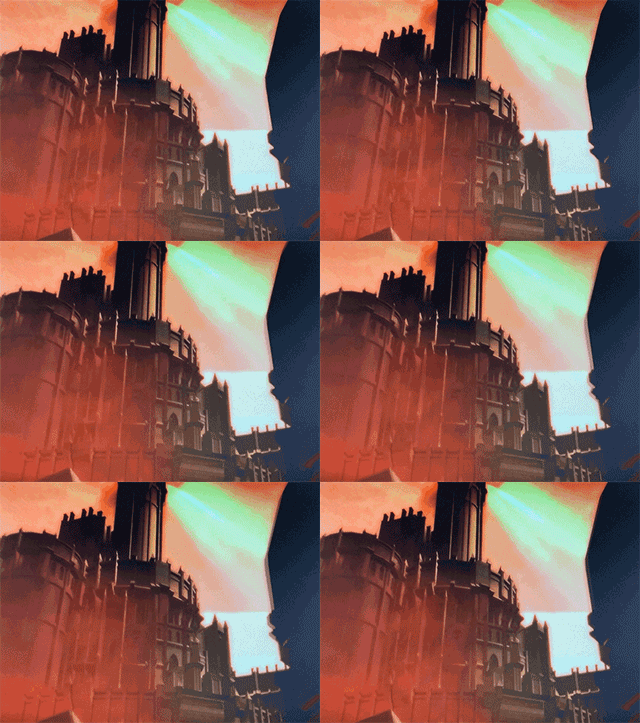
Kratos was headed towards the Temple of Persephone. She was the wife of Hades, god of the underworld.
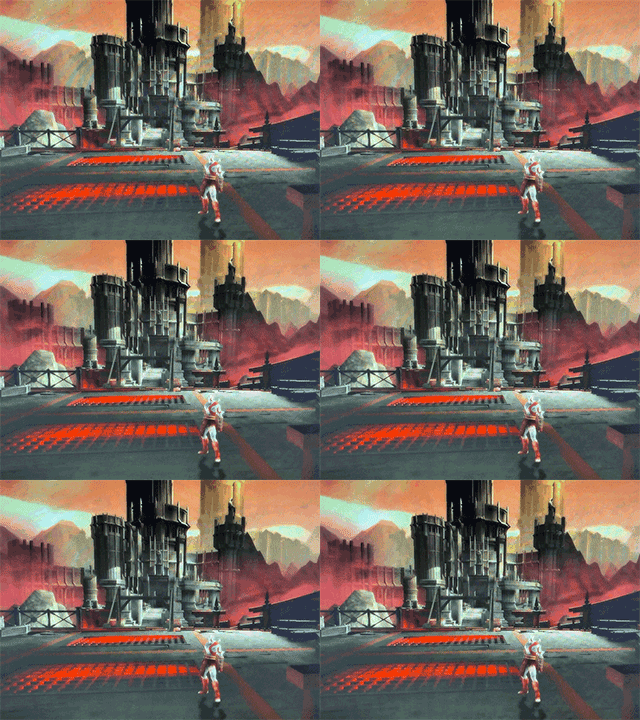
Kratos began to hear the familiar song as he got closer to the temple.
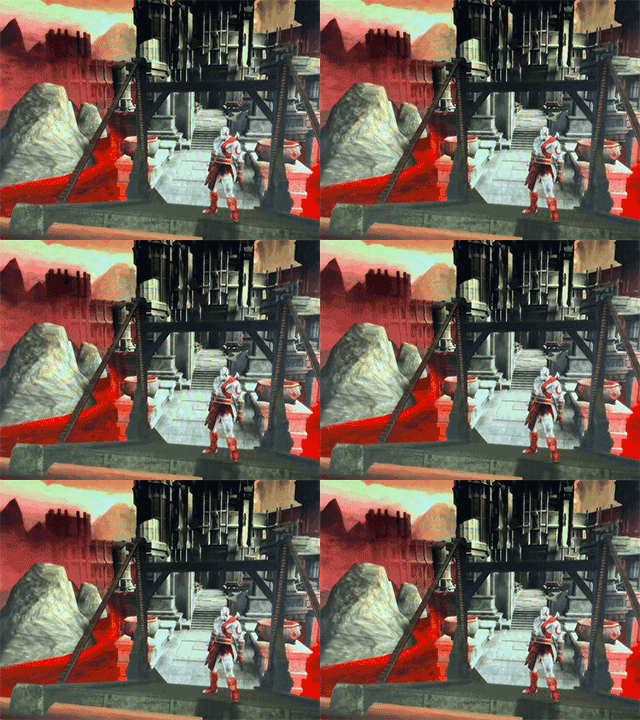
Kratos saw his daughter as the ferry approached the temple. Calliope was playing her flute on the docks.
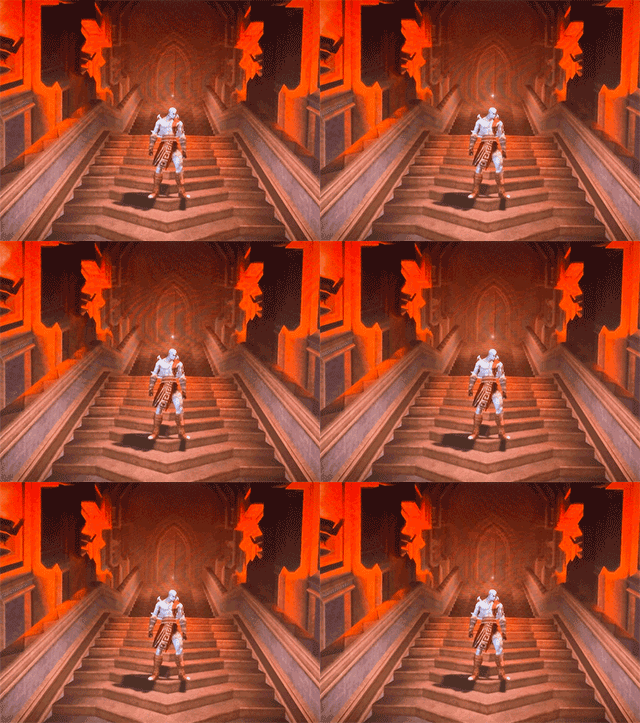
She skipped away towards the temple, unaware that her father was calling out to her.
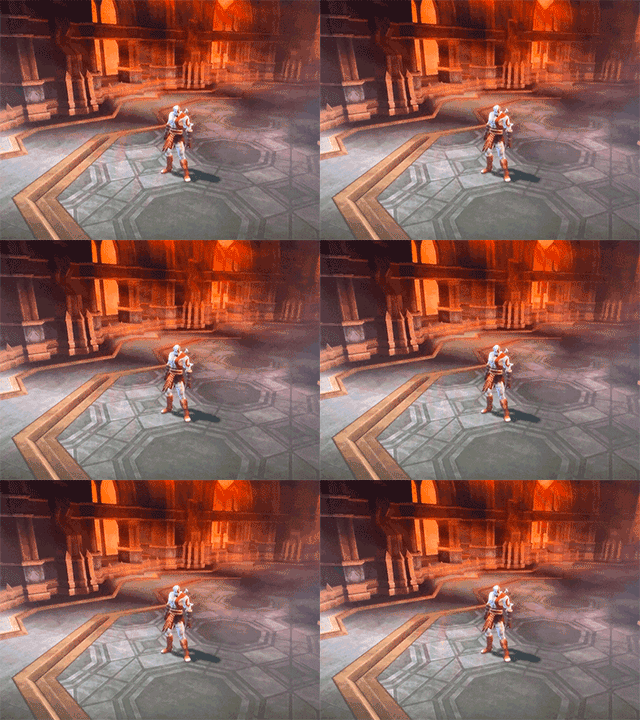
Kratos goes through the temple, room to room, perpetually just missing Calliope as she goes into the next area.
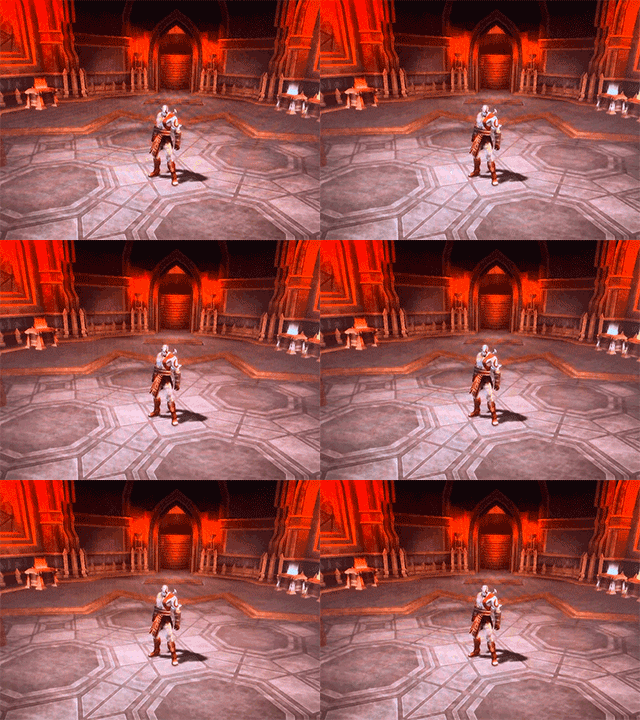
Wave after wave of monsters slows down his pursuit.
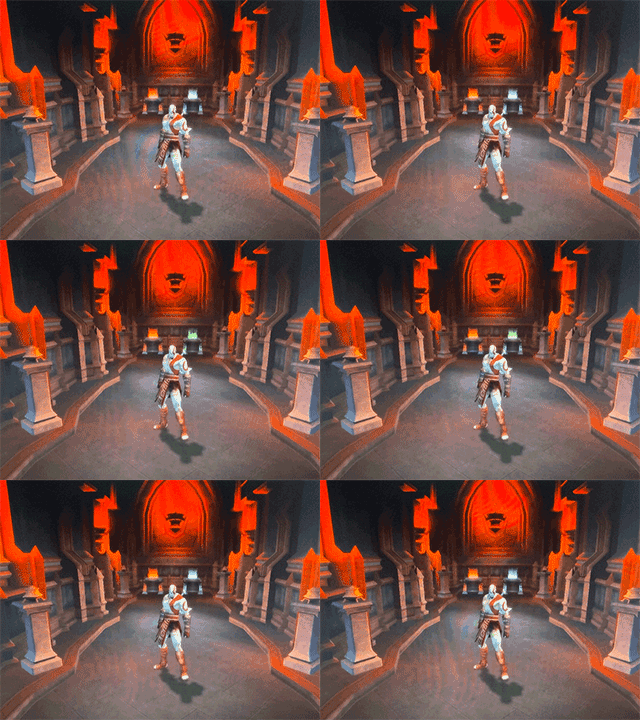
Once again the developers created a fantastic stage, and colored it so that it stood apart from Tartarus, Marathon, Attica, the Caves of Olympus, or any other location featured in the game.
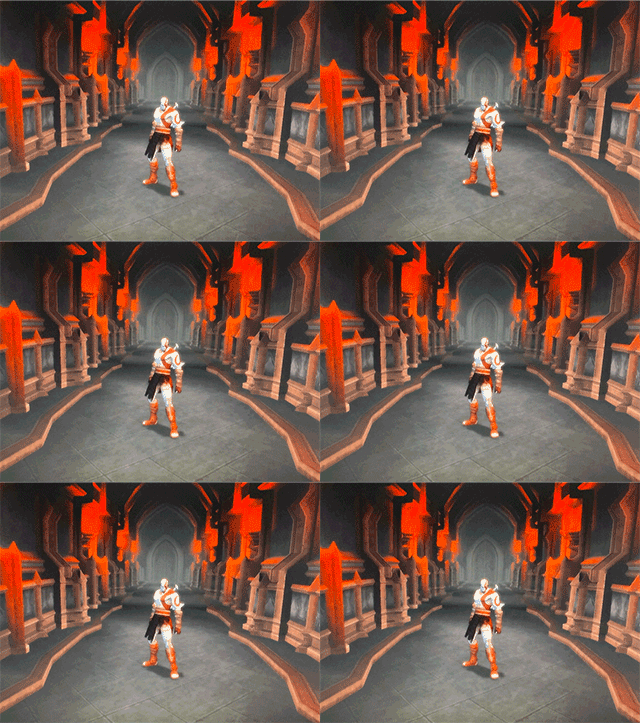
The lowest levels of the Temple, the ones closest to the river Styx are saturated in red.
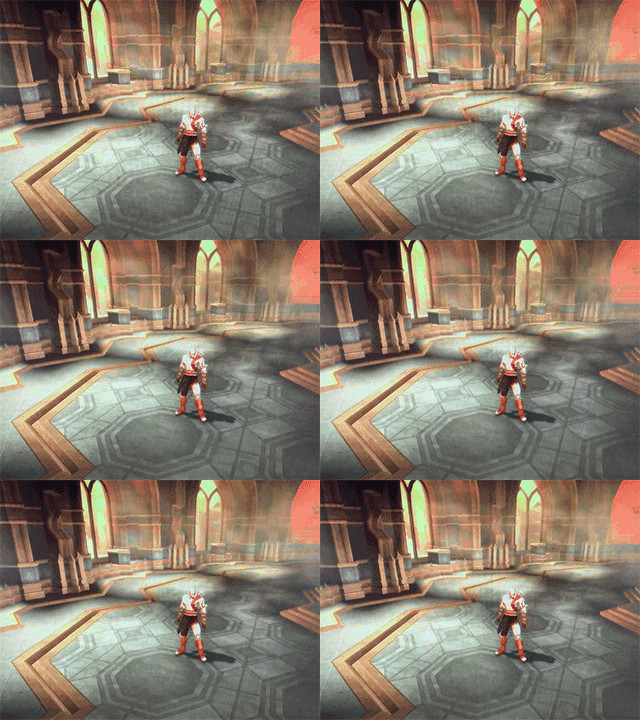
As Kratos climbs the floors then light begins pouring through the windows, giving everything a more golden shade.
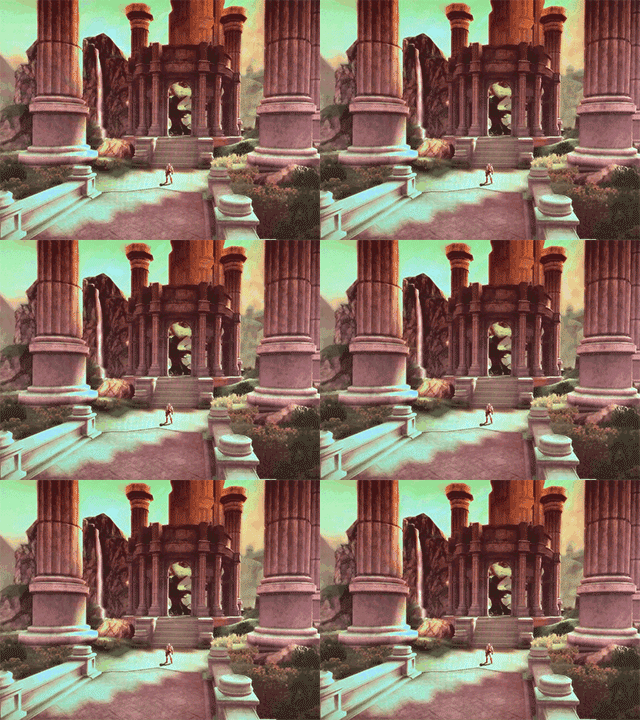
Kratos makes it to the other side of the temple where he finds himself at the Groves of Persephone.
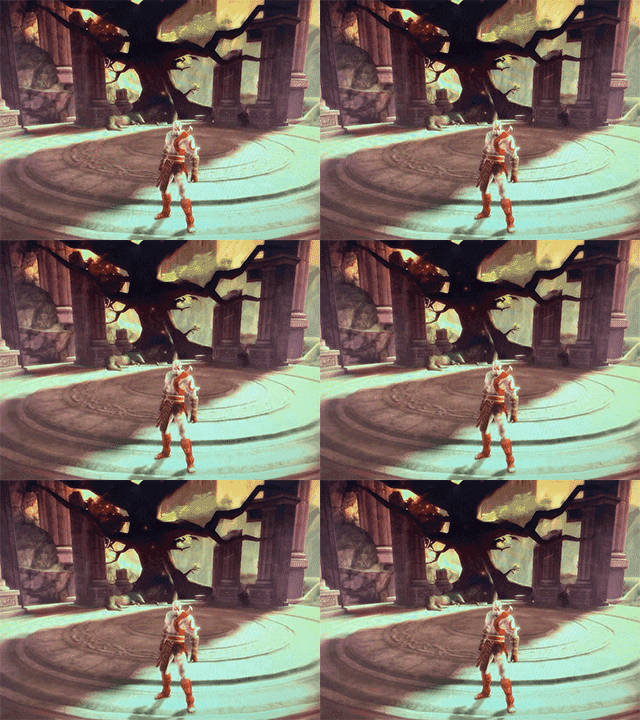
He calls out for his daughter but she is nowhere to be seen.
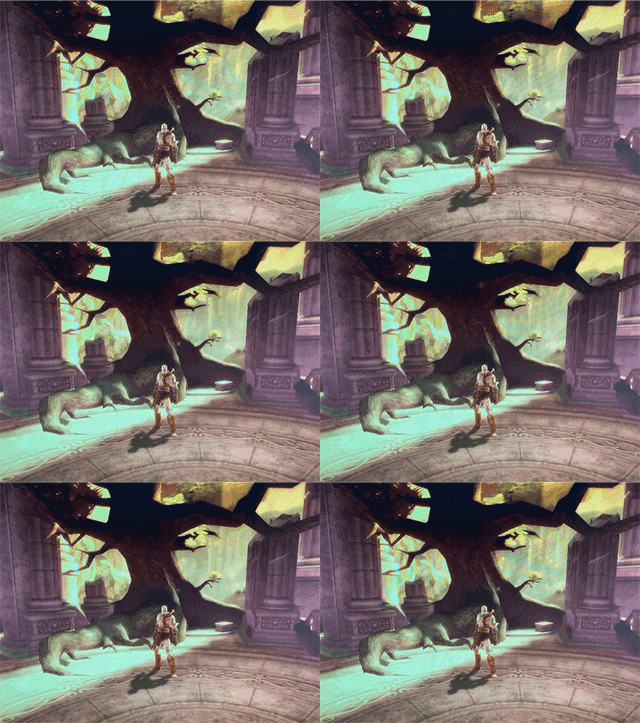
He sees Persephone, the goddess of death. He demands to know where Calliope is.
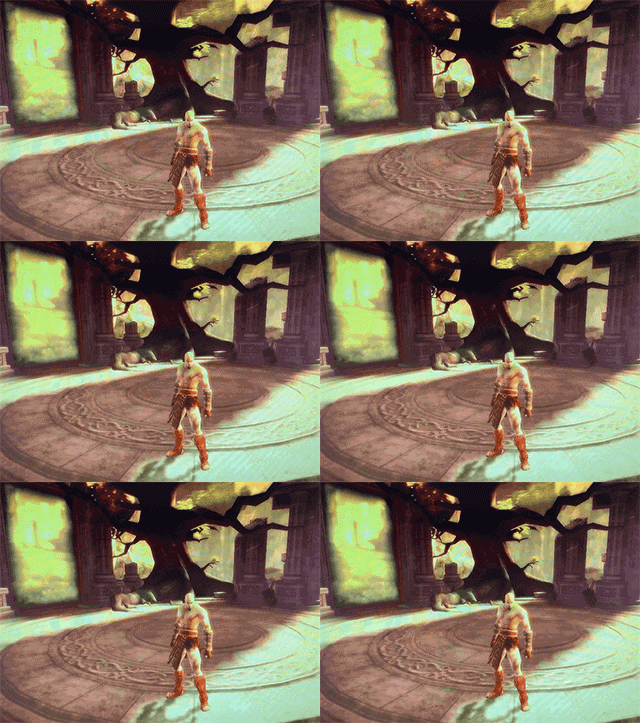
She says that Calliope is in the Fields of Elysium, along with the other pure souls. Unfortunately Kratos cannot join her because he is mortal, and he has a troubled past.
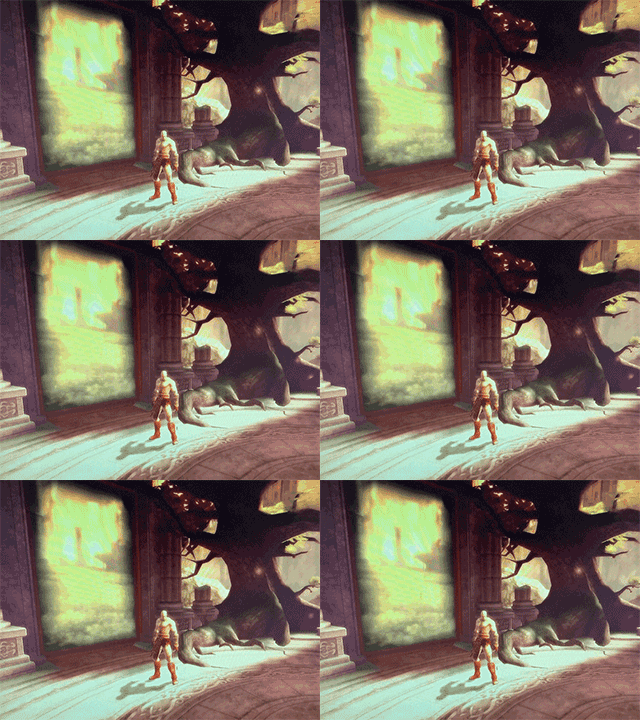
Persephone says that if he wants to be reunited with Calliope then he has to atone for his dark past, and give everything up. His godhood, his magic, and his weapons.
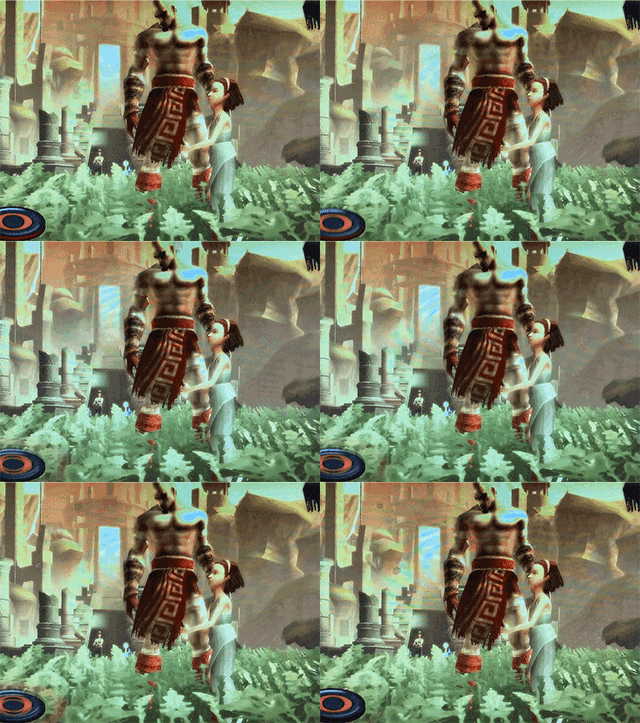
Kratos does this so that he may enter Elysium. The reunion with Calliope filled with joy, but is unfortunately short lived. An earthquake begins to shake the afterlife.
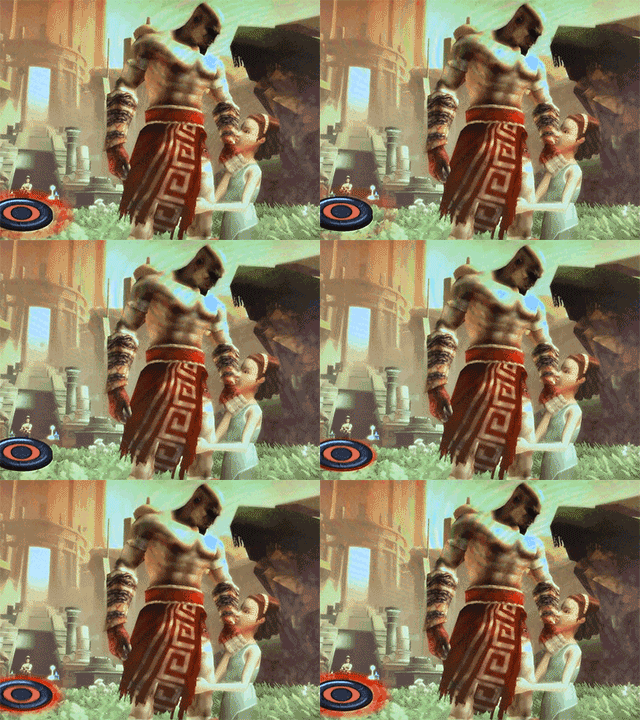
Persephone reveals that the afterlife was coming to an end, along with everything else. She was the one pulling the strings. She broke Atlas out of Tartarus, and sent him to kidnap Helios. He was now at the top of the Pillar of the World destroying it. This would cause the collapse of the heavens, and afterlife.
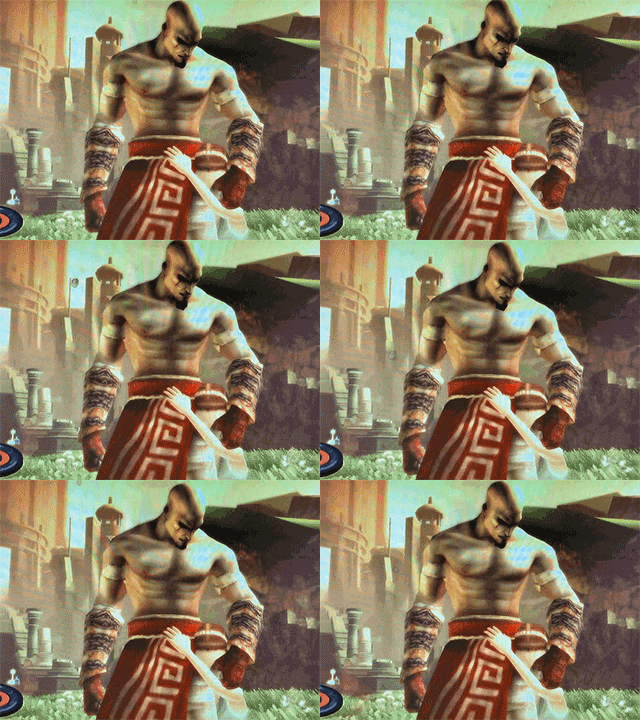
Morpheus was a pawn in her scheme, a distraction. It was assumed that Charon was also tired of his servitude, and looked the other way as Atlas escaped. She hated living in the underworld, and caring for the dead souls. Since Hades kidnapped her, and forced her to be his wife she decided it would be better to destroy everyone, and everything in order to be free. By taking away all of Kratos’ strength the last person that could have stopped her was now powerless.
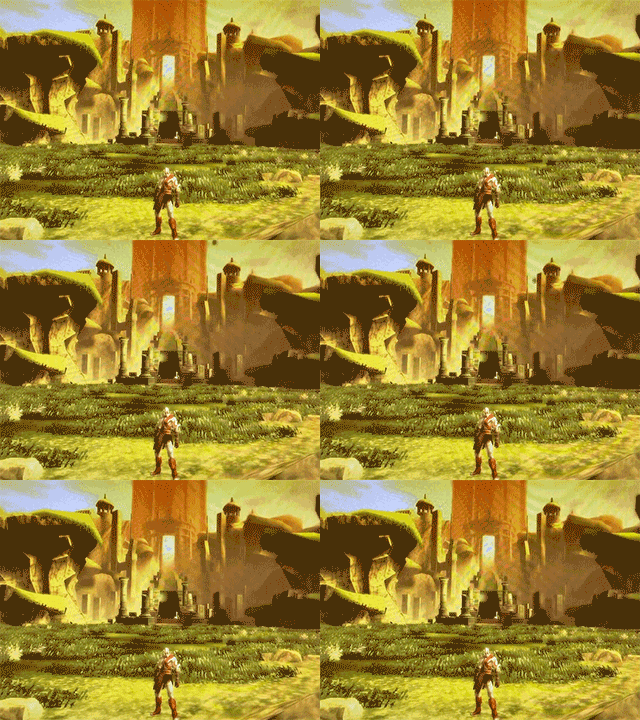
In order to regain everything Kratos has to reject his daughter, the last connection to his humanity. He then had to kill the innocent souls in the afterlife to slowly rebuild his strength, magic, and weapons. It was a sad turn of events denying Calliope.
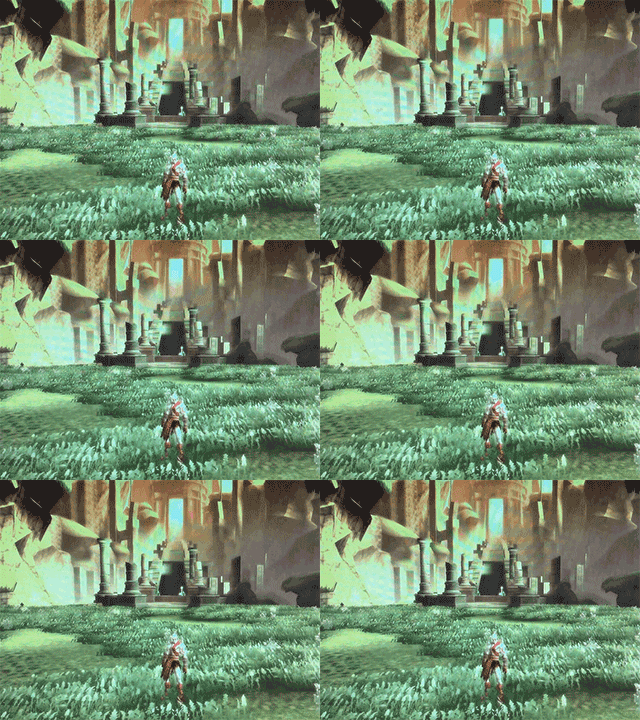
If you looked carefully in the grass you could see Calliope sitting, and lamenting the loss of her father.
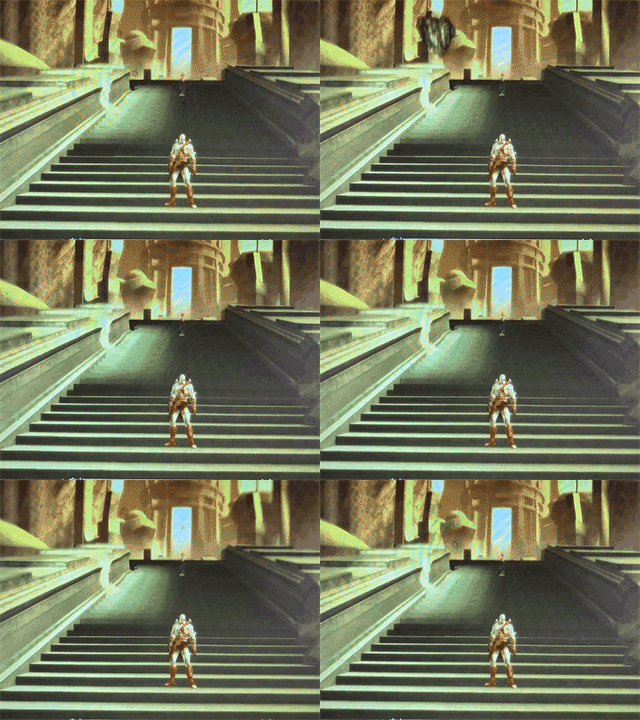
It was a story turn I didn’t expect, and something that made me genuinely hate the character of Persephone. This was great development from Ready at Dawn. It made the coffin of Persephone, and Hades’ loathing Kratos more impactful in GoW III.
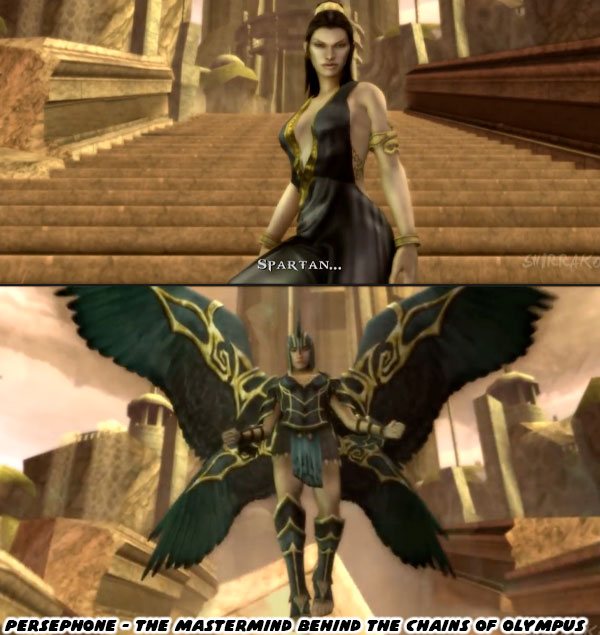
The last portion of the game has Persephone switch from her dress into armor. She flies to the top of the pillar, where we see Atlas punching away at it. In one of his four hands a powerful light is shining. Helios is trapped within. It is a vicious fight against the titan, and goddess. In fact I thought she put up a bigger challenge than Hades. Kratos eventually gains the upper hand in the battle, and uses the Gauntlet of Zeus to chain Atlas to the heavens, forcing him to act as the top support of the pillar. He kills Persephone, and vows that the gods will honor their agreement to free him from his servitude. He rides away with the Chariot, and Helios back to the surface world. Kratos passes out, and falls from the chariot when it hits the thin air of the stratosphere. The gods stop his rapid descent as he lands at the Suicide Bluffs.
Athena, and Helios take the Sun Shield, and Gauntlet of Zeus away from Kratos while he lays unconscious. They use a portal at the top of the cliffs to return to Mount Olympus. This is literally a few moments before the beginning cinema in the original God of War. When Kratos awakes he thinks that the gods have abandoned him. He decides to step off the cliff, and set off the events of the first game. It was an amazing experience, the kind of adventure that I enjoyed best in the series. I had no idea that the follow up game would be even better, and possibly the best game in the entire series. I’m going to dig into this on the next blogs. Did you have a favorite God of War game? Did you play Chains of Olympus? What did you think about it? Let me know in the comments section please. As always if you would like to sponsor me
please visit my Patreon page and consider donating each month, even as little as $1 would help make better blogs and even podcasts!