Showing posts with label apple arcade. Show all posts

Monday, May 5, 2025

Sonic Superstars and beyond. Sega makes up for lost time, final part

In the previous blogs I talked about how much fun I had playing through Sonic Lost World on the Nintendo Wii U. The game from 2013 had stage designs, and game play which I felt were perfect for the Sonic franchise. Sadly those things weren’t revisited by Sega in the following titles. I had no sense that the ideas explored in Lost World would ever be seen again. That really bummed me out. Almost a decade later Sega announced that they were going to explore a completely new adventure for Sonic and company. One which would have hints of the Lost World stage design. I was happy with the news until I found out that Sonic Team would not develop it. Not only that but it would be exclusive to the Apple Arcade. As somebody that didn’t even have a subscription to Apple Music I was skeptical that it would be any good. I held Sonic Team in high regards, and didn’t think anybody else could do the series justice.

The developers at HARDlight had created a slew of mobile hits based on console Sonic titles over the past 20 years. I didn’t doubt their track record for adapting hits. I was skeptical that they could develop an original Sonic game. To say that it blew away all of my expectations was a severe understatement. Sonic Dream Team was not only a great Sonic title, it was arguably the best game ever created for the iOS / Apple Arcade. The game debuted on December 5, 2023, and had a few updates following its release that only made it deeper, and more rewarding. The inclusion of Shadow the Hedgehog had elevated it into a Top-5 Sonic game in my opinion. I was happy that many of the elements from Lost World were revisited. If this was the only thing that HARDlight did then I would have been very happy, but they improved upon everything that Sega explored previously. The goal of the HARDlight developers was to get audiences into a state of flow. The comparisons of their stage designs to a roller coaster, or skatepark were valid. We were able to enjoy a sense of speed, and freedom to explore the dream world in every dimension without the use of traditional controls. To be fair I played it on my computer with an Xbox controller.

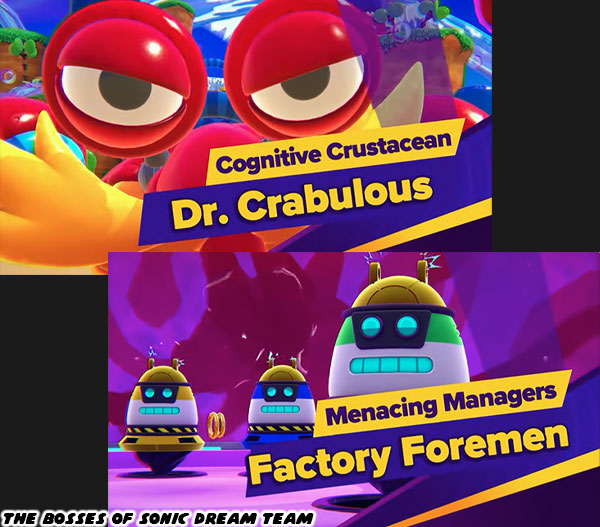
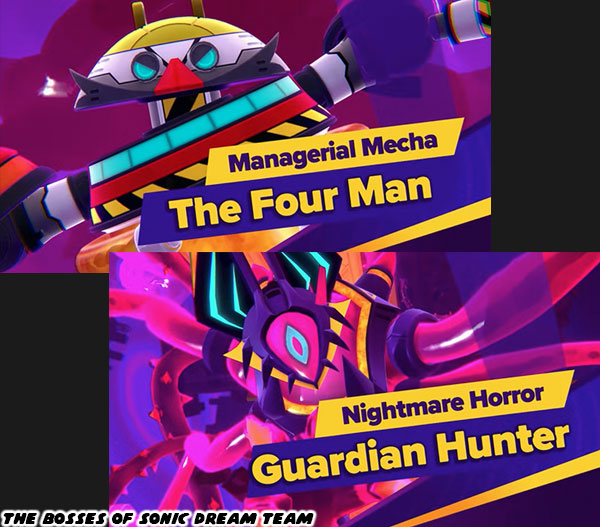
When it came to boss encounters I absolutely loved what the studio produced. Since everything was set in a dream world then HARDlight had the freedom to push the encounters that Sonic, and his friends would have. We were already familiar with the robots that Eggman created. However the game made everything more surreal, more cartoonish. The world was fluid, malleable. The bosses could be mechanical, organic, or a combination of the two. For example the very first boss was a giant inflatable crab called Dr. Crabulous. In any other Sonic game this character would have been metal, and not much different than a dozen other bosses. Since this was a dream then it made sense that Dr. Eggman was building weird challenges. You could actually find the weak points of Dr. Crabulous, and let the air out of it as it bounced around the stage. The subsequent levels, and bosses were equal parts dreamlike, and memorable. The second and third boss encounter was an evolving battle. The Factory Foremen were a trio of more traditional Eggman robots that could team up against you. When the larger fourth robot showed up it would combine like a Transformer and become The Four Man.

The enormous robot not only had a punny name, but was such a clever design that it made me want to buy a 3D printer just to recreate it. Seriously Sega, how do you not have these bosses in toy stores? But I digress… each battle helped pull us deeper into the dream world. HARDlight studio had a unique approach for their game. The stages they created were designed to allow Sonic, and his allies a chance to shine. Not only that but you could swap between characters in the middle of the stages. By comparison we could use any character in Sonic Superstars, but only one at a time. In Sonic Dream Team only certain characters could fight the bosses to let them shine. For example the Four Man encounter was meant for Cream the Rabbit, or Tails. This approach allowed every location, and every boss fight to contribute to the story. Each character was important, they all helped push the plot along. None of the new bosses was more bizarre than the Guardian Hunter. Dr. Eggman had created a dream construct capable of trapping Ariem. He let the multi-limbed monster loose in the dream world. The alien-like creature was one of the creepiest monsters that had ever appeared in the series. It would be up to Knuckles the Echidna, or Rouge the Bat to stop it.

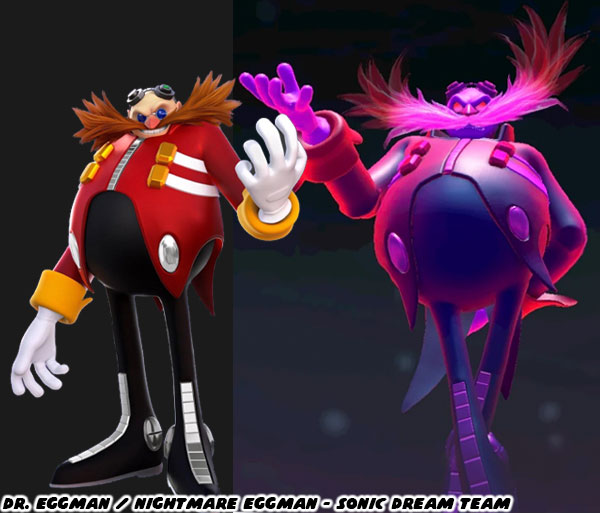
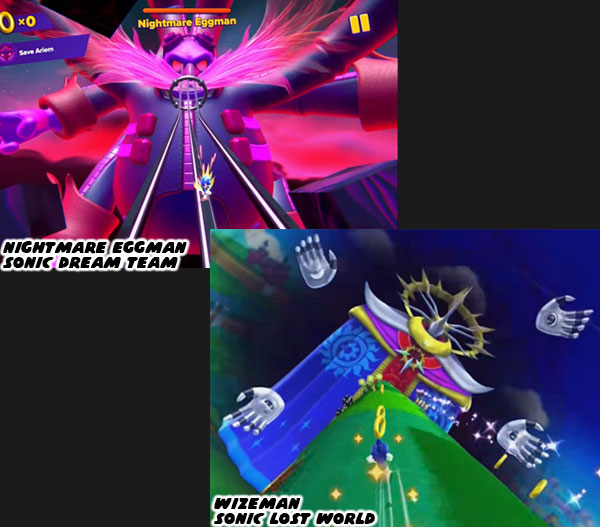
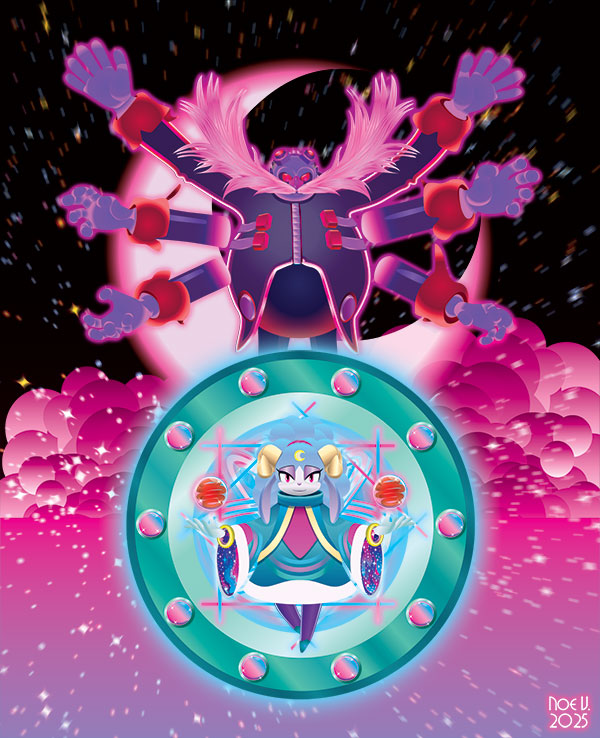
Ariem was thankfully rescued from the Guardian Hunter. Dr. Eggman did not give up even when all of his bosses were defeated. He refused to abandon his pursuit of the Reverie. The diabolical doctor had spent so much time in the dream world that he had learned how to shape it through something called the Dream Core. In a last ditch effort to beat the heroes he mutated into the final boss. Unlike other Sonic games where Eggman chased Sonic in a giant robot, this time around he became the giant. This new persona was called Nightmare Eggman. At this point Sonic Dream Team felt exactly how the Sonic universe would crossover with NiGHTS into dreams… The cameos of the Nightmaren bosses in Sonic Lost World were fantastic, but I’m referring to how the dream world would work in the Sonic universe. Ariem could be seen as the surrogate for NiGHTS. Nightmare Eggman mirrored Wizeman, the final boss in the classic Saturn game. The all-powerful monster could shape reality. The only way he could be defeated was a head-on battle where the heroes faced their own fears.

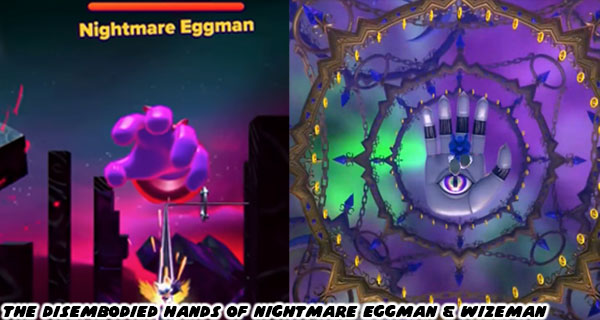
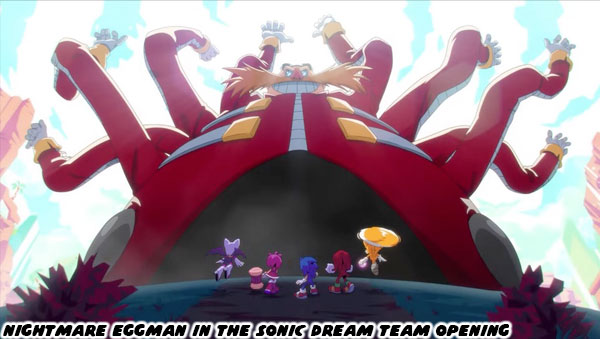
Nightmare Eggman was enormous, and omnipresent in the last stage. His head alone could fill the entire horizon. He grew additional arms while attacking the team. This was similar to his appearance in opening animation. Players had to use every trick that they learned from previous stages in order to navigate through the continually shifting final stage. The mountainous villain had the same imposing presence, and disembodied hands of Wizeman from NiGHTS into dreams… and even the successor NiGHTS journey of dreams. His colossal gloved hands appeared out of thin air, trying to strike down our heroes. As I was going through the battle I kept commenting to my family how much it felt like a crossover with NiGHTS. I was so impressed with everything that went into it that I said I 100% supported the studio if they were to develop a new NiGHTS game.

The entire final boss battle was a collaborative event. The game kept jumping between the main characters as they raced against the clock. They were united in an effort to get Ariem to the Dream Core so that she could expel Dr. Eggman from the dream world, and allow our heroes to return to their own universe. In this way Sonic, Tails, Amy, Knuckles, Rouge, and Cream could each share in the climax of the story. I was amazed with how everything was handled. The last time I saw an all out battle of heroes against a single villain was during the end of God of War Ragnarok. The Playstation 5 hit from 2022 was a cinematic experience. Sega managed to capture the same all-or-nothing energy but in a mobile game. I had waited a lifetime to see that many Sonic cast members get equal billing. I was not let down. The thing that never let me down above all else was the challenge. I was happy to revisit each stage and try to get an S-Rank after beating the game. It never suffered from technical issues. It never suffered from balance issues even when using different characters. It was difficult in some places but never left me feeling cheated. Unlike Sonic Superstars this title rewarded me for playing efficiently. 

The nightmare level design, and skyscraper-sized bad guy became one of the most memorable challenges in series history. I loved everything that went into the game. All of the previous stages, all of the previous boss encounters were wonderfully done. It was the final battle that elevated my opinion of HARDlight studio. I could tell that the studio members had grown up on a steady diet of all things Sonic. They proved it countless times through all of their releases. I sincerely hoped that Sega would give the studio even more creative freedom in subsequent games. In the last few years there had been no news if Sonic Dream Team would get ported to consoles. It was a shame that Sega seemed to ignore the popularity of the title. Perhaps it had something to do with being exclusive to Apple Arcade. Maybe Sega were prohibited from releasing it on a different platform. HARDlight seemed to be the heir apparent to Sonic Team. The love, and understanding that they had of every Sonic Team game was on full display. They had proven their worth on the mobile titles they developed over 20 years.

If there was a western team that Sega could trust the blue blur to then it should be HARDlight. As much as I enjoyed Sonic Superstars I felt that the spikes in difficulty broke the otherwise classic gameplay. Sonic Dream Team was sort of the opposite. They made the modern 3D experience even more accessible, while still honoring the established game play elements. The developers knew how to take a classic idea, and bring it to a new generation of players. With most of the original members of Sonic Team now retired, or working at different studios then perhaps it was time for a new Sonic developer to take over. Similar to how Sega chose the person that would reboot the Virtua Fighter franchise. Yu Suzuki was the father of the Virtua Fighter series (along with Shenmue, After Burner, OutRun and a dozen other gems). Mr. Suzuki mentored Toshihiro Nagoshi. The creator of the Yakuza games learned the ropes by following almost everything that Mr. Suzuki produced. When Mr. Suzuki stepped down it was obvious that Mr. Nagoshi should be the perfect new leader. I would argue that HARDlight had earned similar consideration for the next Sonic console project.

The best I could do was steer the visitors of my blog to Sonic Dream Team. The more that people played the game, and shared info on it the more Sega might consider porting it. I would do my part to keep it relevant. I would create fan art of Ariem, and Nightmare Eggman to share on social media. I would write about my favorite Sonic games when I had the opportunity. It was the least I could do. Did you play this game? What did you think about it? Do you think the people at HARDlight would come up with a great console Sonic title, or perhaps a reboot of NiGHTS into dreams…? Tell me about it in the comments section. As always if you enjoyed this blog, and would like to sponsor me please visit my Patreon page and consider donating each month, even as little as $1 would help make better blogs and even podcasts!
follow the Street Writer on Patreon!

Friday, May 2, 2025

Sonic Superstars and beyond. Sega makes up for lost time, part 7...

In the previous blog I talked about how the 2013 game Sonic Lost World was the Sonic Team’s counter to Super Mario Galaxy series. There were a lot of fun ideas in the game, and unique elements that I thought should be revisited. Things like playing through floating satellite stages in all three dimensions, as well as crossing over the enemies, and game play from NiGHTS into dreams… These things were executed wonderfully. Unfortunately the game came out just before the Sonic Boom animated series, and games for the Nintendo 3DS, and Nintendo Wii U. Those introduced different play mechanics into the series. The subsequent games like Sonic Forces, Sonic Frontiers, and Sonic Mania further mixed up the formula, while trying to honor the Sonic Team legacy. The idea that we would ever circle back to the things that worked in Lost World seemed impossible.
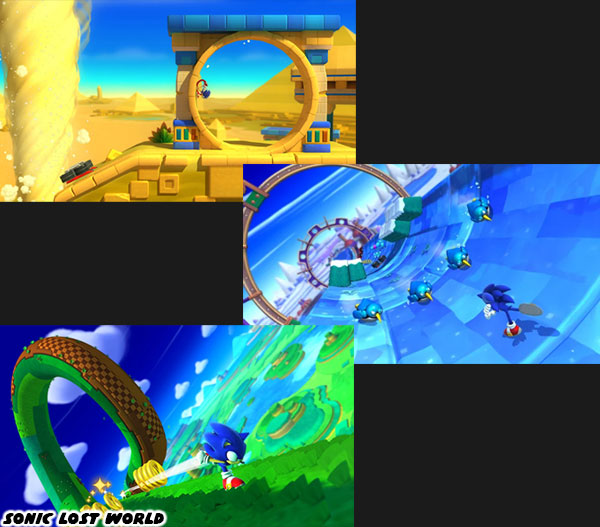
The entire time that Sega was experimenting with the Sonic mechanics on the consoles they were also publishing a series of mobile games as well. The most prolific of their developers were HARDlight studios from England. They wrote the book on mobile Sonic gaming. Starting with Sonic Jump in 2005, then a slew of other hits over the next 20 years. You might have heard of, if not played one of the following; Sonic Jump Fever, Sonic Dash, Sonic Dash 2: Sonic Boom, Sonic Forces, Sonic Racing, Sonic Dash+, and Sonic Prime Dash. They also created mobile versions of other Sega classics including Crazy Taxi: City Rush, and ChuChu Rocket! Universe. It would be an understatement to say that the studio was familiar with Sonic. Multiple generations of developers outside of Japan had grown up on the franchise. They not only played the games, but they watched the animated shows, and followed along with the comic books as well. Each of the HARDlight games reflected the same things that made the Sonic Team titles work. The mobile games well received by critics, and audiences. This was no accident. They understood the characters on an individual level. They understood how the stages, or zones evolved through the years. They understood the dynamics of the heroes, and villains. Many times they seemed to know what to do with Sonic better than Sega themselves.
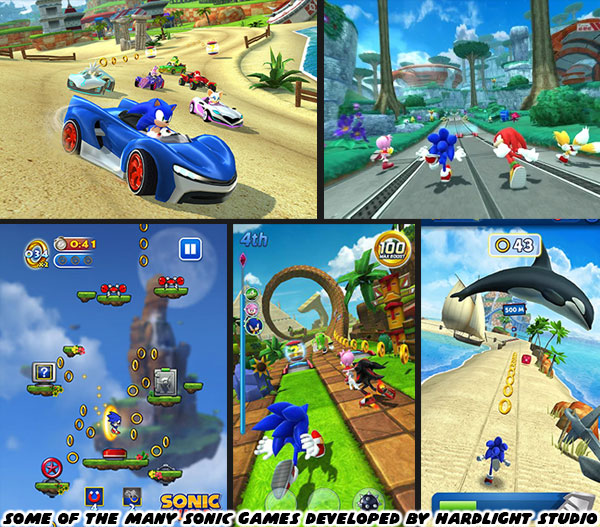
After 20 years there was no doubt that HARDlight were great at developing Sonic adaptations. The question was whether or not Sega would allow them to develop their own original Sonic title. That was answered at the end of 2023 when Sega published Sonic Dream Team for Apple Arcade. It would be one of the best games not developed by Sonic Team, DIMPS, or Headcannon. The bar for a franchise game was already high, if HARDlight flubbed it then they might not ever get another chance. I knew that their previous efforts were good, but wasn’t sure how a game designed mainly for mobile devices would work out. The plot itself was something new to the franchise. This time Sonic and his closest allies; Tails, Amy Rose, Knuckles, Rouge, and Cream would be going through a dream world. As a massive fan of NiGHTS into dreams… this announcement got my attention.
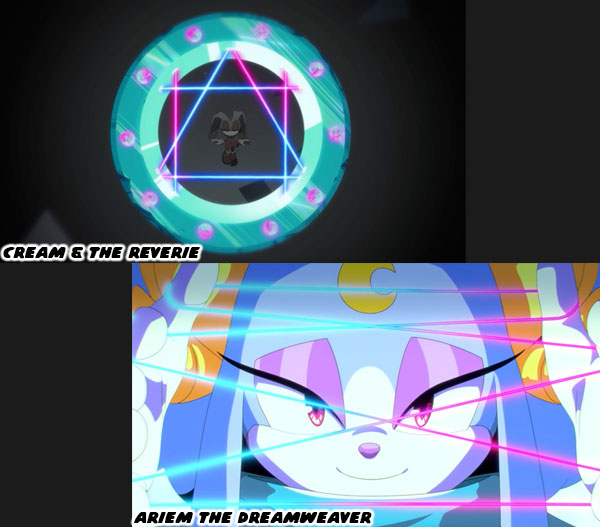
The game would introduce a new ally to the series, a magical sheep-like character named Ariem, as in R.E.M. Sleep. She was called the Dreamweaver, the Guardian of the Reverie. The Reverie was central to the plot. It was a magical portal that allowed dreams to become reality. This portal would open once every 1000 years, but could only be accessed by a pure soul. Dr. Eggman kidnapped Cream the Rabbit, easily the most innocent soul in the cosmos. He created a device that could allow him to slip into the dreams of his victims. He intended on locking Cream out of her own mind so that he could command the Reverie. Dr. Eggman had always wanted to take over the world, if not the entire universe. He was a prolific inventor, and had come close to ruling over everything on many occasions. The idea that he could now instantly bring his twisted ambitions to life was terrifying. Thankfully when the game began his creations were still stuck in the dream world.
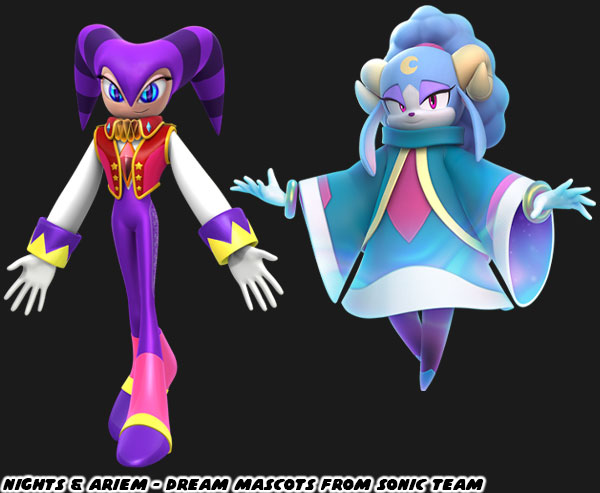
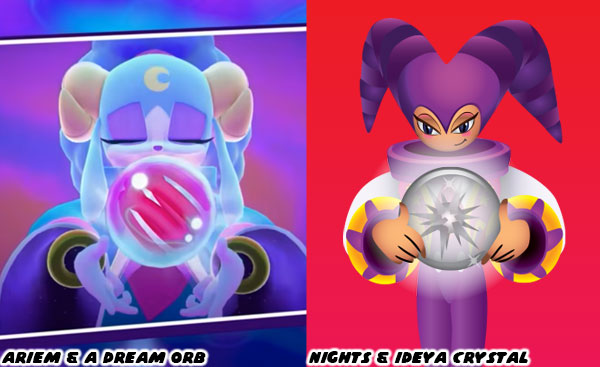
Once Dr. Eggman entered the dream world thanks to Cream he locked her away, and then went after Ariem. Sonic and his friends went searching for tiny rabbit. When they found her Dr. Eggman’s machines made them all fall asleep, and enter the dream world as well. This was explained in the animated introduction. Ariem was able to reach Sonic in his mind. She explained what was happening, and that she needed his help to break them all out. Ariem could weave the dream worlds together using “Dream Orbs.” The missions in the game required you to get the orbs back to her. With them she could reunite Sonic with his friends, and ultimately banish Eggman from the Reverie. Looking at the character I couldn’t help but draw parallels between her, her powers, and NiGHTS. The plot in the older Sonic Team title was very similar. NiGHTS was trapped by the master of the dream world, a character called Wizeman. The only way that NiGHTS could escape his prison was by collecting Idea crystals from the human dreamers Elliot Edwards or Claris Sinclair.
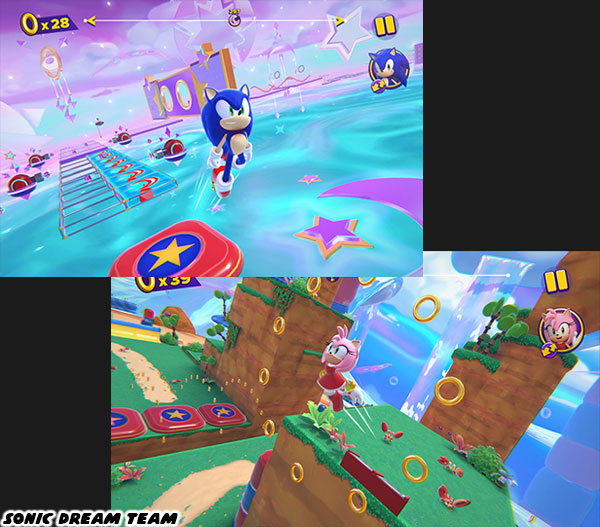
The stage designs were very much focused on continuous movement. Many of the stages was the type of multi-branching path design that was a speed runner's playground. They were filled with springs to connect elevated satellites, rails to grind on, and even halfpipes that Sonic could leap out from. It turned out that it was no accident. HARDlight had created a bunch of memorable running stages in their earlier mobile games. They knew how to balance the challenge of an endless runner, with the rewards of modern Sonic game play. If you’ve ever played through their Dash games, and fell into the rhythm of the stages then you knew that it felt like you could run forever. It was the feeling of entering a “flow state” that Sonic Dream Team perfected. This was one of the goals from HARDlight studio creative director Dan Rossati. In an interview with Eurogamer he said “The vision was to make a game that allowed players to get into an exhilarating flow state. Early on, I was waving my hands around, emulating rollercoasters and halfpipes, while enthusiastically trying to communicate what I meant by flow," he said. "On top of that, we knew that we'd be catering to both touchscreen and controller, so the controls had to be as accessible as possible while allowing the player maximum control at high speeds."
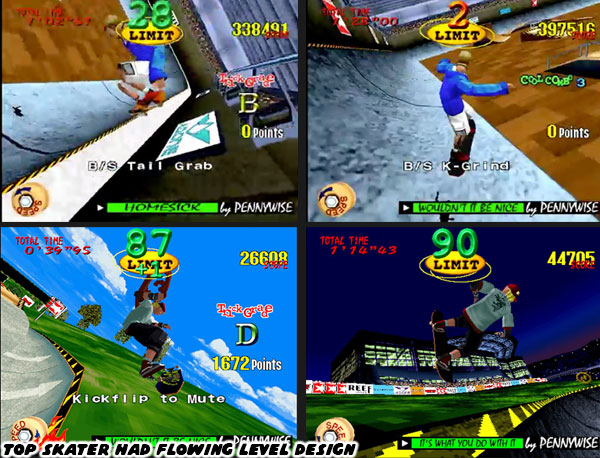
He continued: "To achieve this, we considered skate parks and bobsled runs with rounded corners so you can easily transition from floor to wall, keeping your flow. We also added in the boost, which, if you find a good line through the levels, you should be able to chain them to get some amazingly fast run-throughs.” As I went through the game I picked up on the skatepark elements that Mr. Rossati had described. The stage designs reminded not only of the best elements of Sonic Lost World, but also of a much older Sega arcade game called Top Skater. The further I went the more I saw that even Jet Set Radio Future had a hand in shaping the freedom of movement that Dream Team presented. HARDlight absolutely nailed what made up the best Sega stages. They formed environments that helped direct players to a goal, while allowing them the sensation of continuous movement.
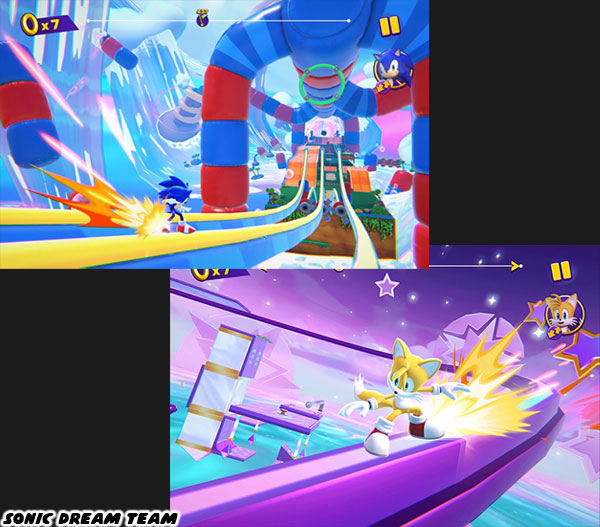
When the game began we found ourselves in the Scrambled Shores a dream world that was a mix of bouncy houses, and the beach. This was easily the types of things that a kid like Cream the Rabbit would dream about. As the stages progressed through the Dream Factory, Nightmare Maze, and Ego City we got to see more, and more of Dr. Eggman's corrupting influence into the universe. It was precisely the world building that I loved about the classic Sonic Team games. The more I played, the deeper I wanted to explore the world that HARDlight had created. The boss encounters themselves left me much more impressed than what I had experienced in Sonic Superstars. I want to talk about them on the next blog. Until then I’d like to know if you’ve ever played a mobile game that blew away any expectations. Tell me about it in the comments section. As always if you enjoyed this blog, and would like to sponsor me please visit my Patreon page and consider donating each month, even as little as $1 would help make better blogs and even podcasts!
follow the Street Writer on Patreon!