Showing posts with label robots. Show all posts

Wednesday, September 3, 2025

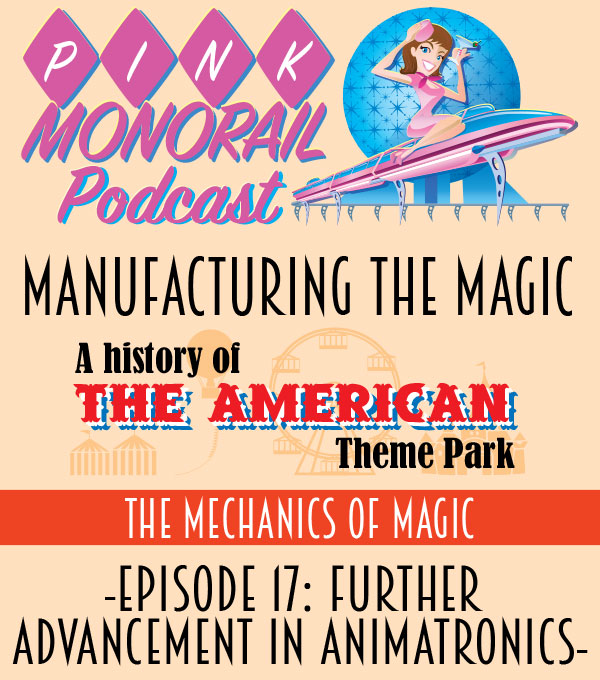
Pink Monorail Manufacturing the Magic Ep 17: Further Advancement in Animatronics

Heya friends, I spent the summer of 2025 recharging my creative batteries, and working on side projects. One of which was to continue the podcast series featuring the missus. This podcast is designed for Disney fans, amusement park visitors, and history buffs. You’ll learn the roots of the multi-billion dollar theme park industry from ancient history all the way to today. The missus, and I worked hard putting these episodes together through 2024, until we had a family emergency and had to stop working on it for 7 months. We are back on it through 2025. Click on the picture or link to visit our streaming page hosted on Jim Hill Media. I hope you get a chance to listen, subscribe, and leave a review so we can climb the theme park podcast rankings!

The Pink Monorail Podcast Manufacturing the Magic Ep 17: Further Advancement in Animatronics In the seventeenth installment of this educational series, Shelly & Noe Valladolid continue their look back at the history of themed entertainment. This time around, they're joined by veteran Imagineer Joe Lanzisero, who looks back at how AA figures were developed for the Disney Parks. Throughout today's episode, listeners will learn about: 
  • How Electro the Robot wowed folks at the 1939 New York World's Fair
  • How "Project Little Man" influenced the creation of "Great Moments with Mr. Lincoln"
  • Where Disneyland's animatronic graveyard is located
  • How animatronics wizard Garner Holt got his start with Chuck E. Cheese
  • Plus Joe's terrific new kids book, " Lemonade, the Yellow Bear" 
 
Are there any current or former theme parks, or attractions that you love? I’d like to hear about it in the comments section. As always if you enjoyed this blog, and would like to sponsor me please visit my Patreon page and consider donating each month, even as little as $1 would help make better blogs and even podcasts!
follow the Street Writer on Patreon!

Monday, September 1, 2025

Pink Monorail Manufacturing the Magic Ep 16: Early Automatons & Animatronics

Heya friends, I spent the summer of 2025 recharging my creative batteries, and working on side projects. One of which was to continue the podcast series featuring the missus. This podcast is designed for Disney fans, amusement park visitors, and history buffs. You’ll learn the roots of the multi-billion dollar theme park industry from ancient history all the way to today. The missus, and I worked hard putting these episodes together through 2024, until we had a family emergency and had to stop working on it for 7 months. We are back on it through 2025. Click on the picture or link to visit our streaming page hosted on Jim Hill Media. I hope you get a chance to listen, subscribe, and leave a review so we can climb the theme park podcast rankings!

The Pink Monorail Podcast Manufacturing the Magic Ep 16: Early Automatons & Animatronics 

In the sixteenth installment of this educational series, Shelly & Noe Valladolid continued their look back at the history of themed entertainment. This time around, they focus on some of the innovations Walt Disney helped introduce with his family fun park. Throughout this episode, listeners will learn about: 
  • How far back in history do automatons go? 
  • Who was the first creator to use pneumatics? 
  • What sort of control systems were used originally at Disneyland Park? 
  • When were Audio Animatronics first introduced? 
  • PLUS Special Guest Joe Lanzisero’s experiences working with animatronics 

Are there any current or former theme parks, or attractions that you love? I’d like to hear about it in the comments section. As always if you enjoyed this blog, and would like to sponsor me please visit my Patreon page and consider donating each month, even as little as $1 would help make better blogs and even podcasts!
follow the Street Writer on Patreon!

Friday, February 14, 2025

The horse jumped over the moon, the story of Namco, part 4

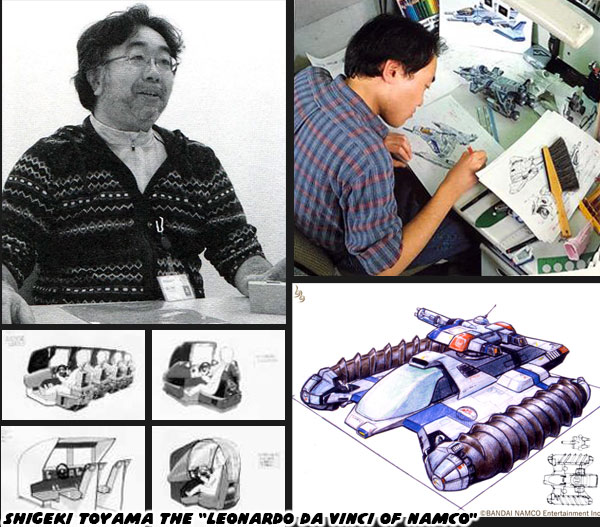
In the previous blog I talked about how Masaya Nakamura, the founder, and president of Namco was similar to Walt Disney on several fronts. Both started from modest means, and both built massive companies seemingly out of thin air. Mr. Nakamura saw opportunities where none existed, and knew the importance of play to society. Also like Walt he recruited creative minds to help fulfill his vision. His team of creators were pulled from every part of society, rather than the top university students as a traditional Japanese corporation would hire. Back then Namco had a Robot Project team, which was rare as they weren’t necessarily part of consumer goods, or industrial projects. The company had a number of robot showings at trade events including several entertainment robots designed by Shigeki Toyama, who had been called the “Leonardo DaVinci of Namco.” When you look back at everything he worked on you would see that it was a well earned reputation. 

A few years before Expo ’85 Mr. Toyama was an industrial designer looking for work, he didn’t know anything about video games. A friend advised him to apply at Namco, he was put on the Robot Production Team's Business Division. He didn’t necessarily know anything about robots either, but as with their other teams the studio was willing to take chances on creative minds. Mr. Toyama learned on the job what the entertainment company was about. He helped design products, everything from arcade cabinets to character concept art, and he also cleaned up the art for the game development teams. He would turn the simple blocky shapes of a sprite into a complex rendering. It would be featured on the cabinet art, magazines, and official advertising. 

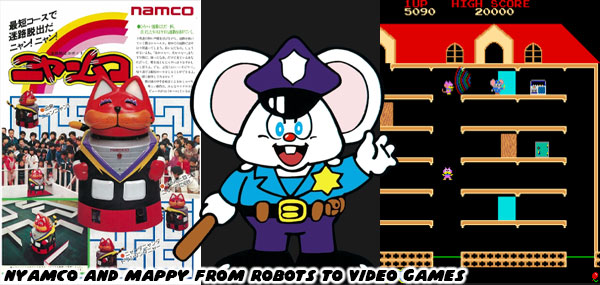
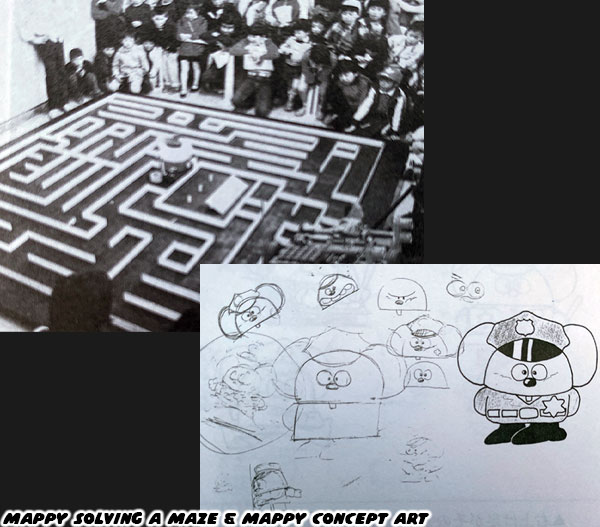
Mr. Toyama designed a robot mouse named Mappy in 1981, and it was going to be made into a video game. He was asked to create a model sheet for Mappy, and Nyamco the cat to help shape the direction of the 1983 arcade hit. A couple years later they were asked to have a showing at Expo '85. Mr. Toyama was expecting a Pavilion to be built for Namco. Since it was a science-based fair the company was expected to present their robotics. In Toyama’s own words "The robotic maze contest “Micromouse” was just beginning then too, but no one had yet created a robot that could get through the maze quickly. We said to ourselves, “Let’s show them how it’s done!” We made a robot that could get through the maze in one minute."

The other robot mice competing at the expo took several minutes to complete the mazes. The one from Namco easily destroyed them. It turned out that the best universities, and companies couldn't compete with the studio made up of creative thinkers. Not content to simply beat the other robots their updated Mappy had an actual body, and did a little dance too after completing the maze. To say that audiences fell in love with the character all over again would be an understatement. A home robotics kit version called Mappy Jr. would become available to consumers a few years later. It was far from the last advancement in entertainment robotics that Namco would create for that generation.

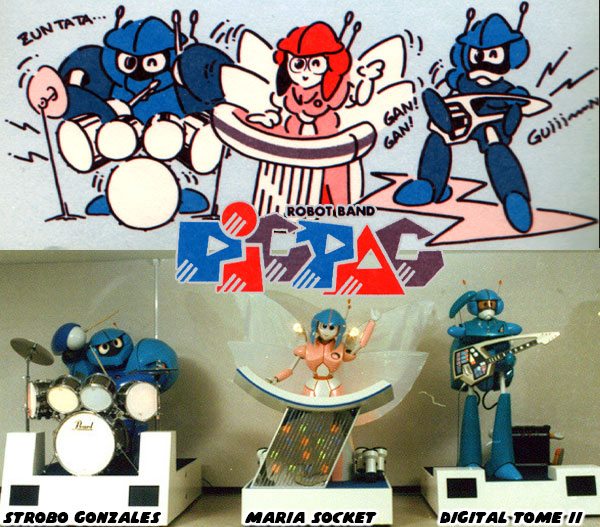
In addition to the highly popular Mappy Mr. Toyama designed the lesser known (at least in the USA) PicPac robot band in 1984. The Robot Band was inspired in part by the animatronics featured in the Chuck E Cheese Pizza Parlors in the USA. In case you weren’t aware, the restaurant / arcade inspired the creation of Five Nights at Freddy’s. Namco figured they could create their own robotic band to entertain patrons of their arcades, and entertainment centers. The trio of robot-bug-musicians consisted of drummer Strobo Gonzales, singer/keyboard player Maria Socket (with expanding luminescent wings), and guitarist Digital Tome II. The composer behind the robot's music was Norio Nakagata whose New Wave sound was reminiscent of Missing Persons. They performed a 30-minute show, which was shortened to smaller sets later on. Portions of their show were recreated in the Namco Museum. There was even a YouTube documentary about this band.

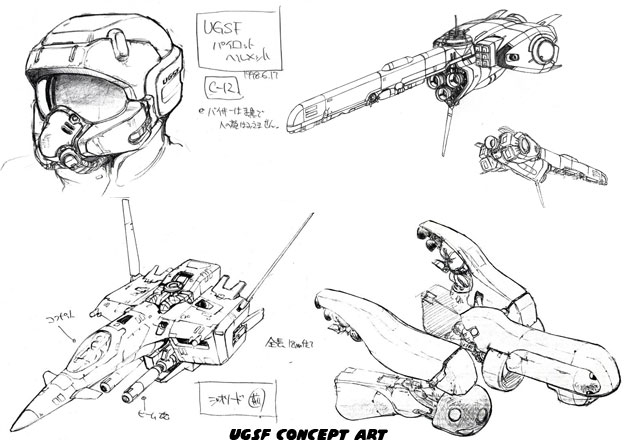
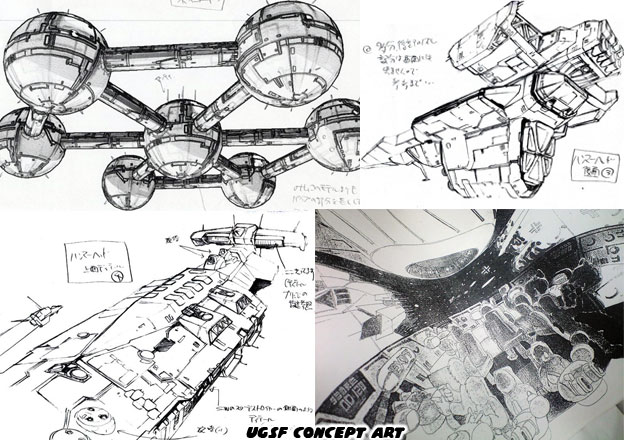
In addition to designing arcade cabinets, robots, cartoon characters for Namco Mr. Toyama had crafted most of the designs featured in the Namco space games. He mentioned in the translated interview at SHMUPlations that the game Xevious had designs that were homages to the ships from Star Wars, UFO, and Aliens. Mr. Toyama was also heavily Influenced by the designs of Ron Cobb (an in-betweener on Walt Disney Studios Sleeping Beauty from 1956) his concept art were used in Jodorowsky’s Dune, Alien, Star Wars, Close Encounters of the Third Kind, The Last Starfighter, Robot Jox, the Abyss, and Back to the Future just to name a few.

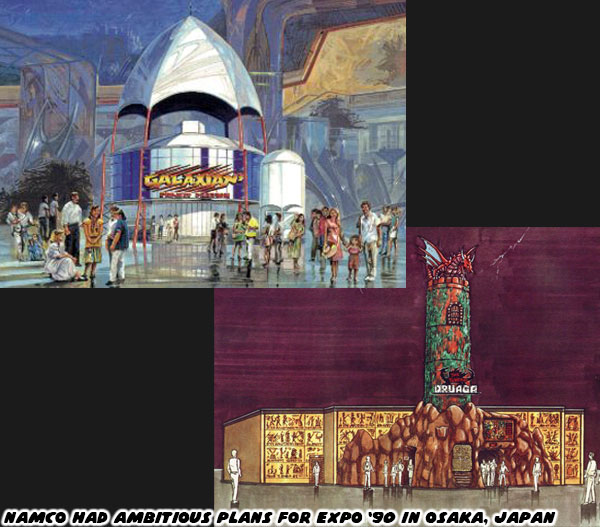
Mr. Toyama's art struck a balance between the stylized mecha designs from Japan, and the western industrial style of Mr. Cobb. It was a perfect blend in my book. In fact he was the reason why I personally ranked the sci-fi designs of the UGSF universe above Star Wars, or Star Trek. He was eager to take on every new challenge for the company. Unfortunately he would be met with disappointment. Mr. Toyama expected Namco to have a bigger showing during Expo ’85. Many insiders thought that the company was supposed to have a full Pavillion during the expo, but it never materialized. Instead the company had to rely on the little robotic mouse to get their names in the hearts of visitors. Mr. Toyama felt snubbed by the expo organizers, and wanted to take revenge for the company. The next expo would happen in Osaka five years later. 

The studio started planning for something the world had never seen before. They wanted to create an experience that would amaze visitors. They had their eyes set on something that no other entertainment company had attempted. Having a robot mouse that upstaged their competition was nothing compared to what Namco accomplished in 1990. Their peers were absolutely blown out of the water. In fact the experience they created would change the trajectory of the company. We will look at this on the next blog. As always if you would like to sponsor me please visit my Patreon page and consider donating each month, even as little as $1 would help make better blogs and even podcasts!
follow the Street Writer on Patreon!
Wonder Eggs, and Egg Empire research collected from: Wonder Eggs Guide Map, Namco Graffiti magazine, the book “All About Namco II", NOURS magazine, The Namco Museum, Namco Wiki, Ge-Yume Area 51 Shigeki Toyama Collection, mcSister magazine, first person attraction details from Yoshiki. Event details from Hole in the Socks

Wednesday, February 12, 2025

The horse jumped over the moon, the story of Namco, part 3

In the previous blog I talked about how Masaya Nakamura the founder, and president of Namco had a vision for the future of entertainment. He saw an entirely new industry forming around giving people peace of mind; everything from insurance, restaurants, arcade, and theme parks fit into this category. He called this rising sector “Emotional Services.” He understood the shift from manual labor to information labor was changing the way people approached their leisure time. There would be a greater emphasis on the diversity, quality, and types of play with this shift. He wanted Namco not only to be ahead of it, but to steer the rise in that industry. He did this in part by fighting to protect his IP. Before Mr. Nakamura it was generally accepted that the most popular arcade games would get pirated. Companies accepted that these cheap copies would cut into their bottom line, a so-called "fame tax." Despite push back from domestic manufacturers Mr. Nakamura fought the pirates in court, and won. He took the idea of play seriously. He was the main reason why video games enjoyed copyright protection in Japan.
To quote the interview from journalist Kazuhisa Maeno on Mr. Nakamura “…Nakamura's attitude of making "play" a source of business is unique. But Namco's president maintains that this, too, is in keeping with the coming new age. In an information-oriented society, people will enjoy greater leisure time thanks to the extensive use of computers. How to enjoy this time fruitfully will become an important question to the Japanese. Namco's corporate slogan was drafted in the anticipation that "play" will become an important part of the Japanese people's life-style.”
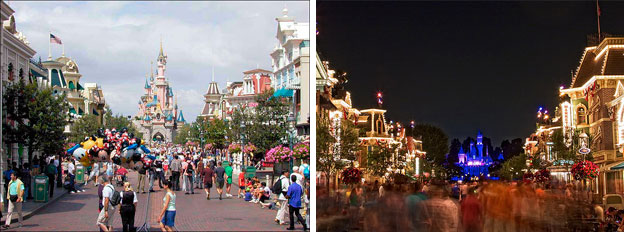
In order to accomplish his goals Mr. Nakamura needed to fill his company with creatives, rather than business people. In this regard he reminded me very much of Walt Disney. Walt was successful in entertainment because he was constantly creating what was possible, rather than chasing what was established. Disney’s advances in animation, live action television, and film, as well as theme parks was unrivaled. Walt did not necessarily have business in mind. He knew that the market would build itself because he was creating entertainment that people needed, even if they didn’t know it yet. In order to develop that magic he filled his studio with some of the most creative minds around. Moreover he could wrangle contrasting personalities such as the famous Nine Old Men: Les Clark, Marc Davis, Ollie Johnston, Milt Kahl, Ward Kimball, Eric Larson, John Lounsbery, Woolie Reitherman, and Frank Thomas. Walt was able to get these creative geniuses to create masterpieces in art, animation, and especially theme parks. People that didn’t necessarily get along were put on assignments together because moments of unbridled creativity would spark from their tension.
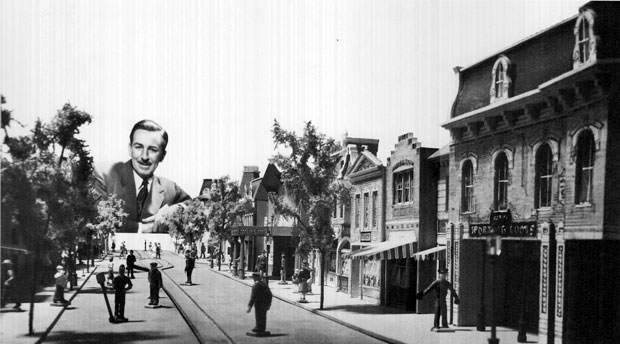
Another sort of leader that was able to get different talents to work together was Steve Jobs. He changed the world of personal computing, hiring (or exploiting depending on who you asked) brilliant minds to help change culture. Some of these brilliant minds thought they were just building better computers. I would argue that Masaya Nakamura, the founder of Namco was the closest thing to Walt in the gaming industry. Again to quote Mr. Maeno “Namco employees, the creators of this new "play," are individualists with strong personalities. Indeed they were hired for their unique, individualistic thinking. "Never mind if you have lots of C grades," reads the copy of Namco's campus recruitment ads. Most companies try to hire students with excellent scholastic records, but Namco is different. Namco does not want stereotyped honor students. It wants young men with unique ideas. Nakamura believes that technical innovations will create market after market, and that enterprises must have employees with diversified talents and capabilities to respond nimbly to future change.”
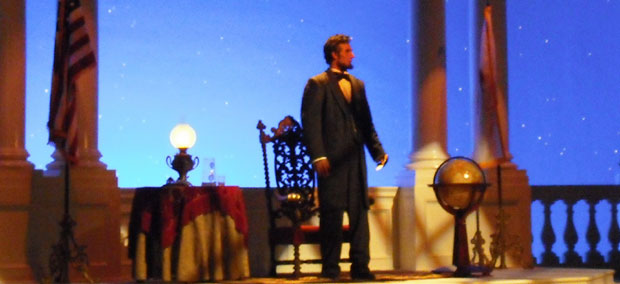
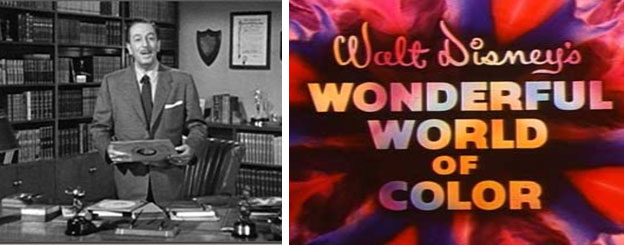
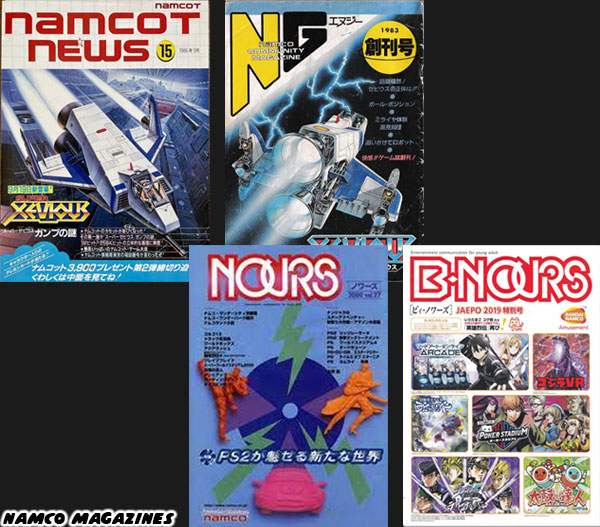
The first few decades at Namco was very exploratory. In a way it was very much like Disney post WWII. Namco was trying their hand at many different things. Starting with their mechanical horses, and other kiddie rides on the roofs of department stores in Japan in the ’50s, and ’60s. Then expanding into electromechanical, video games, and other ventures through the '70s, and '80s. Namco didn't have the luxury of a weekly television series like the Wonderful World of Color where Uncle Nakamura would address the audience. As they were breaking new ground in the '80s, and '90s Namco engaged with the community through their various magazines. They would preview new projects, offer some gaming strategy, share interviews with developers, and even Mr. Nakamura himself. The '80s were the early days of the home console-era. Atari, Namco, Nintendo, and Sega each had their own magazines created in house. Namco was no different. They went from the flyer-sized Namcot News, to the newsletter NG (Namco Graffiti), and finally full blown magazines NOURS, and B-NOURS after they merged with Bandai.
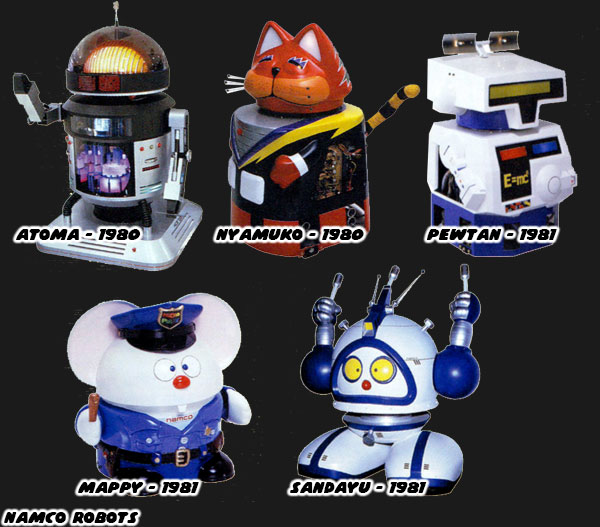
Namco often talked about their business strategy, how to land a job, and how the company grew in their various magazines. It was no secret that they allowed experimentation with their teams. One of their ventures was getting into robotics. Not necessarily for manufacturing, but for entertainment. Several of their robots were groundbreaking; being programmable, having audio outputs, solving mazes, or even featuring remote controls. In their time only Tomy was able to crank out equally impressive consumer robots. Two of the Namco robots; Nyamuko, and Mappy, would eventually be turned into characters for the arcade hit Mappy.
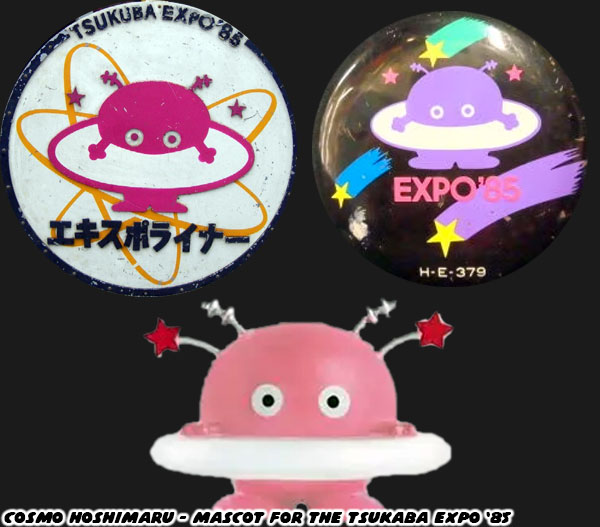
Namco would get a chance to stand out among their peers during the 1985 International Science Technology Exposition. It was a world's fair held in Tsukuba, Ibaraki. Tsukuba Science City, was a planned city focused on technology north of Tokyo. Think of it like Walt Disney’s original vision for E.P.C.O.T. Center. It ran from March 17 to September 16. The theme of the fair was "Dwellings and surroundings – Science and Technology for Man at Home." Over 20 million people attended, and 48 countries participated, along with the biggest companies in Japan. Expo ’85 featured a number of unique pavilions, including Sony debuting what we would refer to as the Jumbotron. There and a massive 279-foot Ferris wheel called the Technocosmos which featured solar panels on each car that ran the air conditioning. The mascot for the expo was Cosmo Hoshimaru. It was designed by a student in a design competition. It could be seen as an anthropomorphic planet with rings, or an alien wearing a spaceship belt.
As one of the leading producers of entertainment products in Japan Namco wanted to have a major presence at the fair. They would do so with the aid of a tiny mascot. In the next blog we will talk about the robots that helped shape the future of the company. As always if you would like to sponsor me please visit my Patreon page and consider donating each month, even as little as $1 would help make better blogs and even podcasts!
follow the Street Writer on Patreon!
Wonder Eggs, and Egg Empire research collected from: Wonder Eggs Guide Map, Namco Graffiti magazine, the book “All About Namco II", NOURS magazine, The Namco Museum, Namco Wiki, Ge-Yume Area 51 Shigeki Toyama Collection, mcSister magazine, first person attraction details from Yoshiki. Event details from Hole in the Socks